User login
Tumor Debulking Fails to Boost Survival in Metastatic CRC
Tumor Debulking Fails to Boost Survival in Metastatic CRC
TOPLINE:
In a randomized phase 3 trial, adding tumor debulking to first-line chemotherapy did not significantly improve overall survival or progression-free survival (PFS) and was associated with an increased risk for serious adverse events in patients with multiorgan metastatic colorectal cancer (mCRC). The study found that patients receiving tumor debulking plus chemotherapy and those receiving chemotherapy alone had similar overall survival (median, 30.0 and 27.5 months, respectively) and PFS (median, 10.5 and 10.4 months, respectively).
METHODOLOGY:
- CRC frequently metastasizes, and when the spread is limited, local curative treatments (such as surgery and ablation) yield 5‑year survival rates of 35%-65%. With median overall survival from systemic therapy now exceeding 30 months, local ablative therapies are increasingly combined with systemic treatment for more extensive mCRC; however, randomized trial based-evidence of survival benefits of this approach is lacking.
- Researchers conducted an open-label, multicenter randomized clinical trial, involving 454 patients with multiorgan mCRC, to determine whether reducing the total amount of tumor (referred to as tumor debulking) could improve survival. Only those deemed amenable to at least 80% debulking prior to starting first-line palliative chemotherapy were included.
- A total of 382 patients were randomly assigned 1:1 to receive either chemotherapy alone (n = 192) or tumor debulking followed by chemotherapy (n = 190) after achieving an objective partial or complete response or stable disease following 3 cycles of capecitabine and oxaliplatin or 4 cycles of 5-fluorouracil or leucovorin and oxaliplatin with or without bevacizumab. The chemotherapy alone group continued standard oxaliplatin‑based chemotherapy; in the debulking group, patients with a response received one additional cycle without bevacizumab before local therapy.
- The primary outcome was overall survival, and secondary outcomes included PFS and serious adverse events. The median follow-up duration was 32.3 months.
TAKEAWAY:
- The median overall survival in the chemotherapy alone group vs chemotherapy plus tumor debulking group was 27.5 vs 30.0 months (adjusted hazard ratio [AHR], 0.88; 95% CI, 0.70-1.10; P = .26), indicating no overall survival benefit from adding tumor debulking to first-line palliative chemotherapy.
- The median PFS was also similar between the chemotherapy alone and chemotherapy plus tumor debulking groups (10.4 and 10.5 months, respectively; AHR, 0.83; 95% CI, 0.67-1.02; P = .08). More patients in the combination therapy group vs chemotherapy alone group experienced any serious adverse events of grade 1 or higher (53% vs 39%; P = .006).
- Among patients who achieved a state of stable disease at randomization, a significant overall survival benefit was observed in the intervention group (P for interaction = .04), although no differences in PFS were noted between subgroups (P for interaction = .13).
- Regarding exploratory outcomes, incomplete debulking was associated with much worse survival (median, 16.8 months), whereas maximal (80% or more) and radical debulking were associated with longer median survival (36.6 vs 35.3 months).
- Additionally, fewer patients in the debulking arm completed at least 6 months of chemotherapy (64% vs 77%), and prespecified analyses by BRAF V600E and RAS mutation status did not show a clear overall survival benefit from adding debulking for either mutant or wild‑type tumors.
IN PRACTICE:
“The results of this trial reveal no significant improvement in overall survival or PFS from additional tumor debulking compared with palliative systemic treatment alone in patients with multiorgan mCRC,” the authors of the study wrote, reiterating that “the addition of tumor debulking to palliative chemotherapy should therefore not be considered standard of care” and “use of local therapies for patients with more limited, oligometastatic CRC needs further consideration.”
SOURCE:
The study, led by Elske C. Gootjes, MD, PhD, and Lotte Bakkerus, MD, from the Radboud University Medical Center, Nijmegen, Netherlands, and Anviti A. Adhin, from Erasmus MC Cancer Institute, University Medical Center Rotterdam, Rotterdam, Netherlands, was published online in JAMA.
LIMITATIONS:
Prolonged enrollment could have led to outdated survival estimates and systemic therapy regimens. Additionally, modern systemic chemotherapy regimens such as triplet chemotherapy or chemotherapy plus anti-epidermal growth factor receptor antibodies for left-sided/RAS wild-type tumors were uniformly used.
DISCLOSURES:
The study received funding from the Dutch Cancer Society, the Blokker-Verwer Foundation, and Roche Nederland BV. Some authors reported receiving grants or personal fees or having other ties with various sources. Full disclosures are noted in the original article.
This article was created using several editorial tools, including AI, as part of the process. Human editors reviewed this content before publication.
A version of this article first appeared on Medscape.com.
TOPLINE:
In a randomized phase 3 trial, adding tumor debulking to first-line chemotherapy did not significantly improve overall survival or progression-free survival (PFS) and was associated with an increased risk for serious adverse events in patients with multiorgan metastatic colorectal cancer (mCRC). The study found that patients receiving tumor debulking plus chemotherapy and those receiving chemotherapy alone had similar overall survival (median, 30.0 and 27.5 months, respectively) and PFS (median, 10.5 and 10.4 months, respectively).
METHODOLOGY:
- CRC frequently metastasizes, and when the spread is limited, local curative treatments (such as surgery and ablation) yield 5‑year survival rates of 35%-65%. With median overall survival from systemic therapy now exceeding 30 months, local ablative therapies are increasingly combined with systemic treatment for more extensive mCRC; however, randomized trial based-evidence of survival benefits of this approach is lacking.
- Researchers conducted an open-label, multicenter randomized clinical trial, involving 454 patients with multiorgan mCRC, to determine whether reducing the total amount of tumor (referred to as tumor debulking) could improve survival. Only those deemed amenable to at least 80% debulking prior to starting first-line palliative chemotherapy were included.
- A total of 382 patients were randomly assigned 1:1 to receive either chemotherapy alone (n = 192) or tumor debulking followed by chemotherapy (n = 190) after achieving an objective partial or complete response or stable disease following 3 cycles of capecitabine and oxaliplatin or 4 cycles of 5-fluorouracil or leucovorin and oxaliplatin with or without bevacizumab. The chemotherapy alone group continued standard oxaliplatin‑based chemotherapy; in the debulking group, patients with a response received one additional cycle without bevacizumab before local therapy.
- The primary outcome was overall survival, and secondary outcomes included PFS and serious adverse events. The median follow-up duration was 32.3 months.
TAKEAWAY:
- The median overall survival in the chemotherapy alone group vs chemotherapy plus tumor debulking group was 27.5 vs 30.0 months (adjusted hazard ratio [AHR], 0.88; 95% CI, 0.70-1.10; P = .26), indicating no overall survival benefit from adding tumor debulking to first-line palliative chemotherapy.
- The median PFS was also similar between the chemotherapy alone and chemotherapy plus tumor debulking groups (10.4 and 10.5 months, respectively; AHR, 0.83; 95% CI, 0.67-1.02; P = .08). More patients in the combination therapy group vs chemotherapy alone group experienced any serious adverse events of grade 1 or higher (53% vs 39%; P = .006).
- Among patients who achieved a state of stable disease at randomization, a significant overall survival benefit was observed in the intervention group (P for interaction = .04), although no differences in PFS were noted between subgroups (P for interaction = .13).
- Regarding exploratory outcomes, incomplete debulking was associated with much worse survival (median, 16.8 months), whereas maximal (80% or more) and radical debulking were associated with longer median survival (36.6 vs 35.3 months).
- Additionally, fewer patients in the debulking arm completed at least 6 months of chemotherapy (64% vs 77%), and prespecified analyses by BRAF V600E and RAS mutation status did not show a clear overall survival benefit from adding debulking for either mutant or wild‑type tumors.
IN PRACTICE:
“The results of this trial reveal no significant improvement in overall survival or PFS from additional tumor debulking compared with palliative systemic treatment alone in patients with multiorgan mCRC,” the authors of the study wrote, reiterating that “the addition of tumor debulking to palliative chemotherapy should therefore not be considered standard of care” and “use of local therapies for patients with more limited, oligometastatic CRC needs further consideration.”
SOURCE:
The study, led by Elske C. Gootjes, MD, PhD, and Lotte Bakkerus, MD, from the Radboud University Medical Center, Nijmegen, Netherlands, and Anviti A. Adhin, from Erasmus MC Cancer Institute, University Medical Center Rotterdam, Rotterdam, Netherlands, was published online in JAMA.
LIMITATIONS:
Prolonged enrollment could have led to outdated survival estimates and systemic therapy regimens. Additionally, modern systemic chemotherapy regimens such as triplet chemotherapy or chemotherapy plus anti-epidermal growth factor receptor antibodies for left-sided/RAS wild-type tumors were uniformly used.
DISCLOSURES:
The study received funding from the Dutch Cancer Society, the Blokker-Verwer Foundation, and Roche Nederland BV. Some authors reported receiving grants or personal fees or having other ties with various sources. Full disclosures are noted in the original article.
This article was created using several editorial tools, including AI, as part of the process. Human editors reviewed this content before publication.
A version of this article first appeared on Medscape.com.
TOPLINE:
In a randomized phase 3 trial, adding tumor debulking to first-line chemotherapy did not significantly improve overall survival or progression-free survival (PFS) and was associated with an increased risk for serious adverse events in patients with multiorgan metastatic colorectal cancer (mCRC). The study found that patients receiving tumor debulking plus chemotherapy and those receiving chemotherapy alone had similar overall survival (median, 30.0 and 27.5 months, respectively) and PFS (median, 10.5 and 10.4 months, respectively).
METHODOLOGY:
- CRC frequently metastasizes, and when the spread is limited, local curative treatments (such as surgery and ablation) yield 5‑year survival rates of 35%-65%. With median overall survival from systemic therapy now exceeding 30 months, local ablative therapies are increasingly combined with systemic treatment for more extensive mCRC; however, randomized trial based-evidence of survival benefits of this approach is lacking.
- Researchers conducted an open-label, multicenter randomized clinical trial, involving 454 patients with multiorgan mCRC, to determine whether reducing the total amount of tumor (referred to as tumor debulking) could improve survival. Only those deemed amenable to at least 80% debulking prior to starting first-line palliative chemotherapy were included.
- A total of 382 patients were randomly assigned 1:1 to receive either chemotherapy alone (n = 192) or tumor debulking followed by chemotherapy (n = 190) after achieving an objective partial or complete response or stable disease following 3 cycles of capecitabine and oxaliplatin or 4 cycles of 5-fluorouracil or leucovorin and oxaliplatin with or without bevacizumab. The chemotherapy alone group continued standard oxaliplatin‑based chemotherapy; in the debulking group, patients with a response received one additional cycle without bevacizumab before local therapy.
- The primary outcome was overall survival, and secondary outcomes included PFS and serious adverse events. The median follow-up duration was 32.3 months.
TAKEAWAY:
- The median overall survival in the chemotherapy alone group vs chemotherapy plus tumor debulking group was 27.5 vs 30.0 months (adjusted hazard ratio [AHR], 0.88; 95% CI, 0.70-1.10; P = .26), indicating no overall survival benefit from adding tumor debulking to first-line palliative chemotherapy.
- The median PFS was also similar between the chemotherapy alone and chemotherapy plus tumor debulking groups (10.4 and 10.5 months, respectively; AHR, 0.83; 95% CI, 0.67-1.02; P = .08). More patients in the combination therapy group vs chemotherapy alone group experienced any serious adverse events of grade 1 or higher (53% vs 39%; P = .006).
- Among patients who achieved a state of stable disease at randomization, a significant overall survival benefit was observed in the intervention group (P for interaction = .04), although no differences in PFS were noted between subgroups (P for interaction = .13).
- Regarding exploratory outcomes, incomplete debulking was associated with much worse survival (median, 16.8 months), whereas maximal (80% or more) and radical debulking were associated with longer median survival (36.6 vs 35.3 months).
- Additionally, fewer patients in the debulking arm completed at least 6 months of chemotherapy (64% vs 77%), and prespecified analyses by BRAF V600E and RAS mutation status did not show a clear overall survival benefit from adding debulking for either mutant or wild‑type tumors.
IN PRACTICE:
“The results of this trial reveal no significant improvement in overall survival or PFS from additional tumor debulking compared with palliative systemic treatment alone in patients with multiorgan mCRC,” the authors of the study wrote, reiterating that “the addition of tumor debulking to palliative chemotherapy should therefore not be considered standard of care” and “use of local therapies for patients with more limited, oligometastatic CRC needs further consideration.”
SOURCE:
The study, led by Elske C. Gootjes, MD, PhD, and Lotte Bakkerus, MD, from the Radboud University Medical Center, Nijmegen, Netherlands, and Anviti A. Adhin, from Erasmus MC Cancer Institute, University Medical Center Rotterdam, Rotterdam, Netherlands, was published online in JAMA.
LIMITATIONS:
Prolonged enrollment could have led to outdated survival estimates and systemic therapy regimens. Additionally, modern systemic chemotherapy regimens such as triplet chemotherapy or chemotherapy plus anti-epidermal growth factor receptor antibodies for left-sided/RAS wild-type tumors were uniformly used.
DISCLOSURES:
The study received funding from the Dutch Cancer Society, the Blokker-Verwer Foundation, and Roche Nederland BV. Some authors reported receiving grants or personal fees or having other ties with various sources. Full disclosures are noted in the original article.
This article was created using several editorial tools, including AI, as part of the process. Human editors reviewed this content before publication.
A version of this article first appeared on Medscape.com.
Tumor Debulking Fails to Boost Survival in Metastatic CRC
Tumor Debulking Fails to Boost Survival in Metastatic CRC
Treatment Delays in Colorectal Cancer More Common in Urban Men, Racial Minorities
Treatment Delays in Colorectal Cancer More Common in Urban Men, Racial Minorities
TOPLINE:
Among patients with early-onset colorectal cancer (CRC), treatment delays exceeding 90 days were more common in all-urban populations and seemed to disproportionately affect men and Asian or Pacific Islander, Black, and Hispanic patients. Although several differences were statistically significant, the absolute differences in treatment timing were modest — for instance, the mean time to treatment was 20.7 days in all-urban areas vs 17.8 days in mostly rural areas.
METHODOLOGY:
- Adults with early-onset CRC frequently face diagnostic delays and present at an advanced stage, and this is particularly common among men and racially or ethnically minoritized groups in disadvantaged areas. However, studies evaluating how sex, race and ethnicity, and geography affect timely treatment are scarce.
- Researchers conducted a retrospective cross-sectional analysis using data from the Surveillance, Epidemiology, and End Results (SEER) Program, involving 79,090 patients with early-onset CRC between 2006 and 2020.
- Overall, 53.22% were men; 73.9% were aged 40-49 years; and 54.7% were White, 21.0% Hispanic, 13.8% Black, 9.0% Asian or Pacific Islander, and 0.6% American Indian or Alaska Native. More than half (66.5%) resided in all-urban areas, 20.6% in mostly urban areas, 7.0% in mostly rural areas, and 5.9% in all-rural areas.
- Researchers evaluated the time to treatment (defined as treatment initiation within 30, 60, or 90 days after diagnosis) and assessed its associations with sex, race, and rurality. False discovery rate (FDR) adjustment was applied to multivariable analyses to account for multiple comparisons, and FDR-adjusted two-sided P values were reported.
TAKEAWAY:
- The mean time to treatment in the overall cohort was 20.0 days; it was shortest in mostly rural areas (17.8 days) and longest in all-urban areas (20.7 days).
- Among patients in all-urban areas, men had 5% lower likelihood of initiating treatment within 90 days than women (hazard ratio [HR], 0.95; 95% CI, 0.93-0.97).
- Similarly, Asian or Pacific Islander (HR, 0.96; 95% CI, 0.93-0.99; P = .01), Black (HR, 0.95; 95% CI, 0.92-0.98; P = .001), and Hispanic (HR, 0.93; 95% CI, 0.91-0.95; P < .001) patients in all-urban areas were less likely than White patients to start treatment within 90 days. Comparable patterns were seen at the 30- and 60-day thresholds.
- In mostly rural areas, Black patients were more likely than White patients to start treatment earlier (30-day HR, 1.19; 95% CI, 1.06-1.34 and 90-day HR, 1.15; 95% CI, 1.02-1.28), whereas men were less likely than women to initiate treatment within 90 days (HR, 0.90; 95% CI, 0.85-0.96).
- Researchers found that several HRs were statistically significant but were numerically close to 1.00, indicating modest absolute differences in treatment timing.
IN PRACTICE:
“The consistency of these delays across sociodemographic groups challenges assumptions of uniformly timely access in urban settings. Overcrowded urban health care systems or inefficient public transportation may limit access to care,” the authors wrote, noting that “young adults face distinct challenges across life stages, including lack of health insurance among patients aged 18 to 29 years and financial strain among patients aged 30 to 39 years that hinder timely access to treatment.”
SOURCE:
The study, led by Meng-Han Tsai, PhD, Georgia Prevention Institute, Augusta University, Augusta, Georgia, was published online as a research letter in JAMA Network Open.
LIMITATIONS:
The study characterized time-to-treatment patterns rather than clinical outcomes and relied on SEER data without day-level treatment timing. Additionally, the observed HRs were small, but even modest delays may have led to population-level disparities.
DISCLOSURES:
This research was supported by the Augusta ROAR SCORE Career Enhancement Core through a grant awarded to Tsai. The authors declared having no relevant conflicts of interest.
This article was created using several editorial tools, including AI, as part of the process. Human editors reviewed this content before publication.
A version of this article first appeared on Medscape.com.
TOPLINE:
Among patients with early-onset colorectal cancer (CRC), treatment delays exceeding 90 days were more common in all-urban populations and seemed to disproportionately affect men and Asian or Pacific Islander, Black, and Hispanic patients. Although several differences were statistically significant, the absolute differences in treatment timing were modest — for instance, the mean time to treatment was 20.7 days in all-urban areas vs 17.8 days in mostly rural areas.
METHODOLOGY:
- Adults with early-onset CRC frequently face diagnostic delays and present at an advanced stage, and this is particularly common among men and racially or ethnically minoritized groups in disadvantaged areas. However, studies evaluating how sex, race and ethnicity, and geography affect timely treatment are scarce.
- Researchers conducted a retrospective cross-sectional analysis using data from the Surveillance, Epidemiology, and End Results (SEER) Program, involving 79,090 patients with early-onset CRC between 2006 and 2020.
- Overall, 53.22% were men; 73.9% were aged 40-49 years; and 54.7% were White, 21.0% Hispanic, 13.8% Black, 9.0% Asian or Pacific Islander, and 0.6% American Indian or Alaska Native. More than half (66.5%) resided in all-urban areas, 20.6% in mostly urban areas, 7.0% in mostly rural areas, and 5.9% in all-rural areas.
- Researchers evaluated the time to treatment (defined as treatment initiation within 30, 60, or 90 days after diagnosis) and assessed its associations with sex, race, and rurality. False discovery rate (FDR) adjustment was applied to multivariable analyses to account for multiple comparisons, and FDR-adjusted two-sided P values were reported.
TAKEAWAY:
- The mean time to treatment in the overall cohort was 20.0 days; it was shortest in mostly rural areas (17.8 days) and longest in all-urban areas (20.7 days).
- Among patients in all-urban areas, men had 5% lower likelihood of initiating treatment within 90 days than women (hazard ratio [HR], 0.95; 95% CI, 0.93-0.97).
- Similarly, Asian or Pacific Islander (HR, 0.96; 95% CI, 0.93-0.99; P = .01), Black (HR, 0.95; 95% CI, 0.92-0.98; P = .001), and Hispanic (HR, 0.93; 95% CI, 0.91-0.95; P < .001) patients in all-urban areas were less likely than White patients to start treatment within 90 days. Comparable patterns were seen at the 30- and 60-day thresholds.
- In mostly rural areas, Black patients were more likely than White patients to start treatment earlier (30-day HR, 1.19; 95% CI, 1.06-1.34 and 90-day HR, 1.15; 95% CI, 1.02-1.28), whereas men were less likely than women to initiate treatment within 90 days (HR, 0.90; 95% CI, 0.85-0.96).
- Researchers found that several HRs were statistically significant but were numerically close to 1.00, indicating modest absolute differences in treatment timing.
IN PRACTICE:
“The consistency of these delays across sociodemographic groups challenges assumptions of uniformly timely access in urban settings. Overcrowded urban health care systems or inefficient public transportation may limit access to care,” the authors wrote, noting that “young adults face distinct challenges across life stages, including lack of health insurance among patients aged 18 to 29 years and financial strain among patients aged 30 to 39 years that hinder timely access to treatment.”
SOURCE:
The study, led by Meng-Han Tsai, PhD, Georgia Prevention Institute, Augusta University, Augusta, Georgia, was published online as a research letter in JAMA Network Open.
LIMITATIONS:
The study characterized time-to-treatment patterns rather than clinical outcomes and relied on SEER data without day-level treatment timing. Additionally, the observed HRs were small, but even modest delays may have led to population-level disparities.
DISCLOSURES:
This research was supported by the Augusta ROAR SCORE Career Enhancement Core through a grant awarded to Tsai. The authors declared having no relevant conflicts of interest.
This article was created using several editorial tools, including AI, as part of the process. Human editors reviewed this content before publication.
A version of this article first appeared on Medscape.com.
TOPLINE:
Among patients with early-onset colorectal cancer (CRC), treatment delays exceeding 90 days were more common in all-urban populations and seemed to disproportionately affect men and Asian or Pacific Islander, Black, and Hispanic patients. Although several differences were statistically significant, the absolute differences in treatment timing were modest — for instance, the mean time to treatment was 20.7 days in all-urban areas vs 17.8 days in mostly rural areas.
METHODOLOGY:
- Adults with early-onset CRC frequently face diagnostic delays and present at an advanced stage, and this is particularly common among men and racially or ethnically minoritized groups in disadvantaged areas. However, studies evaluating how sex, race and ethnicity, and geography affect timely treatment are scarce.
- Researchers conducted a retrospective cross-sectional analysis using data from the Surveillance, Epidemiology, and End Results (SEER) Program, involving 79,090 patients with early-onset CRC between 2006 and 2020.
- Overall, 53.22% were men; 73.9% were aged 40-49 years; and 54.7% were White, 21.0% Hispanic, 13.8% Black, 9.0% Asian or Pacific Islander, and 0.6% American Indian or Alaska Native. More than half (66.5%) resided in all-urban areas, 20.6% in mostly urban areas, 7.0% in mostly rural areas, and 5.9% in all-rural areas.
- Researchers evaluated the time to treatment (defined as treatment initiation within 30, 60, or 90 days after diagnosis) and assessed its associations with sex, race, and rurality. False discovery rate (FDR) adjustment was applied to multivariable analyses to account for multiple comparisons, and FDR-adjusted two-sided P values were reported.
TAKEAWAY:
- The mean time to treatment in the overall cohort was 20.0 days; it was shortest in mostly rural areas (17.8 days) and longest in all-urban areas (20.7 days).
- Among patients in all-urban areas, men had 5% lower likelihood of initiating treatment within 90 days than women (hazard ratio [HR], 0.95; 95% CI, 0.93-0.97).
- Similarly, Asian or Pacific Islander (HR, 0.96; 95% CI, 0.93-0.99; P = .01), Black (HR, 0.95; 95% CI, 0.92-0.98; P = .001), and Hispanic (HR, 0.93; 95% CI, 0.91-0.95; P < .001) patients in all-urban areas were less likely than White patients to start treatment within 90 days. Comparable patterns were seen at the 30- and 60-day thresholds.
- In mostly rural areas, Black patients were more likely than White patients to start treatment earlier (30-day HR, 1.19; 95% CI, 1.06-1.34 and 90-day HR, 1.15; 95% CI, 1.02-1.28), whereas men were less likely than women to initiate treatment within 90 days (HR, 0.90; 95% CI, 0.85-0.96).
- Researchers found that several HRs were statistically significant but were numerically close to 1.00, indicating modest absolute differences in treatment timing.
IN PRACTICE:
“The consistency of these delays across sociodemographic groups challenges assumptions of uniformly timely access in urban settings. Overcrowded urban health care systems or inefficient public transportation may limit access to care,” the authors wrote, noting that “young adults face distinct challenges across life stages, including lack of health insurance among patients aged 18 to 29 years and financial strain among patients aged 30 to 39 years that hinder timely access to treatment.”
SOURCE:
The study, led by Meng-Han Tsai, PhD, Georgia Prevention Institute, Augusta University, Augusta, Georgia, was published online as a research letter in JAMA Network Open.
LIMITATIONS:
The study characterized time-to-treatment patterns rather than clinical outcomes and relied on SEER data without day-level treatment timing. Additionally, the observed HRs were small, but even modest delays may have led to population-level disparities.
DISCLOSURES:
This research was supported by the Augusta ROAR SCORE Career Enhancement Core through a grant awarded to Tsai. The authors declared having no relevant conflicts of interest.
This article was created using several editorial tools, including AI, as part of the process. Human editors reviewed this content before publication.
A version of this article first appeared on Medscape.com.
Treatment Delays in Colorectal Cancer More Common in Urban Men, Racial Minorities
Treatment Delays in Colorectal Cancer More Common in Urban Men, Racial Minorities
The GLP-1 Paradox in Colorectal Cancer
The GLP-1 Paradox in Colorectal Cancer
This transcript has been edited for clarity.
Hi. I'm David Kerr, professor of cancer medicine at University of Oxford. One of the harder lessons I've learned as a cancer doctor, not surprisingly, is that prevention's better than cure. This is something I've become increasingly interested in as I've become more senior in the profession. I say that rather than "becoming older."
I'd like to draw your attention to some interesting work that's been done looking at the risk of developing colorectal cancer. We talk about lifestyle factors, exercise, vitamin D, and sometimes aspirin. There is some plausible evidence, not from randomized trials, suggesting that these interventions can reduce the chance of developing colorectal cancer. With my friend Ian Tomlinson, colleague in Oxford, we have a huge interest in the genetics of predicting who will develop colorectal cancer.
Today I'd like to talk about these new agents, the so-called glucagon-like peptide 1 receptor agonists, or GLP-1 receptor agonists, which are being used widely now to treat type 2 diabetes and obesity. These are remarkably successful drugs with huge worldwide global uptake, but there is debate in the literature and in real-world evidence as to what they do about cancer risk.
You would think that if we reduce body weight and if we reduce adiposity, that truly would reduce the chance of developing cancer. We know that a number of cancers are related to body fat content and so on.
I'd like to focus particularly on my own field of interest, which is colorectal cancer, and an article I picked up recently by Professor Zhong and colleagues, where they did a meta-analysis. This is a statistical method for clumping together large datasets from different studies.
They did a meta-analysis using very conventional, widely accepted methods to look at a very large dataset of just over 5 million individuals from seven retrospective cohort studies, so a big database to study.
There was a pooled analysis, which revealed that there was a significant but slight increase in the risk for colorectal cancer in patients receiving the GLP-1 agonists. Overall, they felt that, given the small but significant increase in the risk of developing colorectal cancer, we need further evidence.
This was a retrospective review of a large dataset, but given debate in the literature, more forward-looking studies are required. It’s the sort of thing that, in real-world use, one might take into account when recommending these treatments, such as Mounjaro.
In patients who have a higher-than-expected risk of developing colorectal cancer, one might hesitate a little. Clearly, if they get diabetes or cardiac disease, those beneficial risks would, of course, weigh one in favor of using these effective new drugs.
For somebody who had borderline BMI, where there were some questions as to whether you would use the drugs or not, and if they had some other colorectal cancer risk factors, such as relatives affected, then one might pause for thought before using them.
This was a well-conducted study that adds to the rather confused literature on the effects of these widely used drugs on the risk for cancer. Again, just that thought that, although it would seem plausible to think the opposite, these drugs would reduce colorectal cancer risk, on review of a very large dataset, actually the opposite seems to be the case. Always go for evidence. The larger, the more convincing the dataset, the better.
I’d be interested in what you thought about this and whether information like this might tip your balance as to whether you would accept using these drugs to reduce your own body weight.
Thanks for listening. For the time being, Medscapers, over and out. Thank you.
A version of this article first appeared on Medscape.com.
This transcript has been edited for clarity.
Hi. I'm David Kerr, professor of cancer medicine at University of Oxford. One of the harder lessons I've learned as a cancer doctor, not surprisingly, is that prevention's better than cure. This is something I've become increasingly interested in as I've become more senior in the profession. I say that rather than "becoming older."
I'd like to draw your attention to some interesting work that's been done looking at the risk of developing colorectal cancer. We talk about lifestyle factors, exercise, vitamin D, and sometimes aspirin. There is some plausible evidence, not from randomized trials, suggesting that these interventions can reduce the chance of developing colorectal cancer. With my friend Ian Tomlinson, colleague in Oxford, we have a huge interest in the genetics of predicting who will develop colorectal cancer.
Today I'd like to talk about these new agents, the so-called glucagon-like peptide 1 receptor agonists, or GLP-1 receptor agonists, which are being used widely now to treat type 2 diabetes and obesity. These are remarkably successful drugs with huge worldwide global uptake, but there is debate in the literature and in real-world evidence as to what they do about cancer risk.
You would think that if we reduce body weight and if we reduce adiposity, that truly would reduce the chance of developing cancer. We know that a number of cancers are related to body fat content and so on.
I'd like to focus particularly on my own field of interest, which is colorectal cancer, and an article I picked up recently by Professor Zhong and colleagues, where they did a meta-analysis. This is a statistical method for clumping together large datasets from different studies.
They did a meta-analysis using very conventional, widely accepted methods to look at a very large dataset of just over 5 million individuals from seven retrospective cohort studies, so a big database to study.
There was a pooled analysis, which revealed that there was a significant but slight increase in the risk for colorectal cancer in patients receiving the GLP-1 agonists. Overall, they felt that, given the small but significant increase in the risk of developing colorectal cancer, we need further evidence.
This was a retrospective review of a large dataset, but given debate in the literature, more forward-looking studies are required. It’s the sort of thing that, in real-world use, one might take into account when recommending these treatments, such as Mounjaro.
In patients who have a higher-than-expected risk of developing colorectal cancer, one might hesitate a little. Clearly, if they get diabetes or cardiac disease, those beneficial risks would, of course, weigh one in favor of using these effective new drugs.
For somebody who had borderline BMI, where there were some questions as to whether you would use the drugs or not, and if they had some other colorectal cancer risk factors, such as relatives affected, then one might pause for thought before using them.
This was a well-conducted study that adds to the rather confused literature on the effects of these widely used drugs on the risk for cancer. Again, just that thought that, although it would seem plausible to think the opposite, these drugs would reduce colorectal cancer risk, on review of a very large dataset, actually the opposite seems to be the case. Always go for evidence. The larger, the more convincing the dataset, the better.
I’d be interested in what you thought about this and whether information like this might tip your balance as to whether you would accept using these drugs to reduce your own body weight.
Thanks for listening. For the time being, Medscapers, over and out. Thank you.
A version of this article first appeared on Medscape.com.
This transcript has been edited for clarity.
Hi. I'm David Kerr, professor of cancer medicine at University of Oxford. One of the harder lessons I've learned as a cancer doctor, not surprisingly, is that prevention's better than cure. This is something I've become increasingly interested in as I've become more senior in the profession. I say that rather than "becoming older."
I'd like to draw your attention to some interesting work that's been done looking at the risk of developing colorectal cancer. We talk about lifestyle factors, exercise, vitamin D, and sometimes aspirin. There is some plausible evidence, not from randomized trials, suggesting that these interventions can reduce the chance of developing colorectal cancer. With my friend Ian Tomlinson, colleague in Oxford, we have a huge interest in the genetics of predicting who will develop colorectal cancer.
Today I'd like to talk about these new agents, the so-called glucagon-like peptide 1 receptor agonists, or GLP-1 receptor agonists, which are being used widely now to treat type 2 diabetes and obesity. These are remarkably successful drugs with huge worldwide global uptake, but there is debate in the literature and in real-world evidence as to what they do about cancer risk.
You would think that if we reduce body weight and if we reduce adiposity, that truly would reduce the chance of developing cancer. We know that a number of cancers are related to body fat content and so on.
I'd like to focus particularly on my own field of interest, which is colorectal cancer, and an article I picked up recently by Professor Zhong and colleagues, where they did a meta-analysis. This is a statistical method for clumping together large datasets from different studies.
They did a meta-analysis using very conventional, widely accepted methods to look at a very large dataset of just over 5 million individuals from seven retrospective cohort studies, so a big database to study.
There was a pooled analysis, which revealed that there was a significant but slight increase in the risk for colorectal cancer in patients receiving the GLP-1 agonists. Overall, they felt that, given the small but significant increase in the risk of developing colorectal cancer, we need further evidence.
This was a retrospective review of a large dataset, but given debate in the literature, more forward-looking studies are required. It’s the sort of thing that, in real-world use, one might take into account when recommending these treatments, such as Mounjaro.
In patients who have a higher-than-expected risk of developing colorectal cancer, one might hesitate a little. Clearly, if they get diabetes or cardiac disease, those beneficial risks would, of course, weigh one in favor of using these effective new drugs.
For somebody who had borderline BMI, where there were some questions as to whether you would use the drugs or not, and if they had some other colorectal cancer risk factors, such as relatives affected, then one might pause for thought before using them.
This was a well-conducted study that adds to the rather confused literature on the effects of these widely used drugs on the risk for cancer. Again, just that thought that, although it would seem plausible to think the opposite, these drugs would reduce colorectal cancer risk, on review of a very large dataset, actually the opposite seems to be the case. Always go for evidence. The larger, the more convincing the dataset, the better.
I’d be interested in what you thought about this and whether information like this might tip your balance as to whether you would accept using these drugs to reduce your own body weight.
Thanks for listening. For the time being, Medscapers, over and out. Thank you.
A version of this article first appeared on Medscape.com.
The GLP-1 Paradox in Colorectal Cancer
The GLP-1 Paradox in Colorectal Cancer
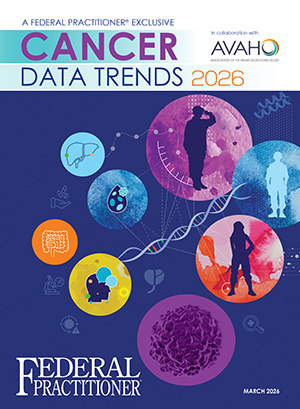
Cancer Data Trends 2026
The annual issue of Cancer Data Trends, produced in collaboration with the Association of VA Hematology/Oncology (AVAHO), highlights the latest research in some of the top cancers impacting US veterans.
In this issue:
- Prostate Cancer: Exposures, Racial Differences, and Treatment Trends
- Expanding Breast Cancer Care for Women Veterans: Genetic Testing and New Therapies
- Multiple Myeloma: Herbicide Exposure, BMI, and Novel Quadruplet Regimens
- Melanoma in Veterans: Higher Risk, Delayed Diagnosis, and Evolving Solutions
- Colorectal Cancer Trends and Digital Interventions in Veterans
- Advancing HCC Management: Updated Guidelines and VHA's Innovative Screening Trial
- Mental Health Care in Veterans With Cancer
The annual issue of Cancer Data Trends, produced in collaboration with the Association of VA Hematology/Oncology (AVAHO), highlights the latest research in some of the top cancers impacting US veterans.
In this issue:
- Prostate Cancer: Exposures, Racial Differences, and Treatment Trends
- Expanding Breast Cancer Care for Women Veterans: Genetic Testing and New Therapies
- Multiple Myeloma: Herbicide Exposure, BMI, and Novel Quadruplet Regimens
- Melanoma in Veterans: Higher Risk, Delayed Diagnosis, and Evolving Solutions
- Colorectal Cancer Trends and Digital Interventions in Veterans
- Advancing HCC Management: Updated Guidelines and VHA's Innovative Screening Trial
- Mental Health Care in Veterans With Cancer
The annual issue of Cancer Data Trends, produced in collaboration with the Association of VA Hematology/Oncology (AVAHO), highlights the latest research in some of the top cancers impacting US veterans.
In this issue:
- Prostate Cancer: Exposures, Racial Differences, and Treatment Trends
- Expanding Breast Cancer Care for Women Veterans: Genetic Testing and New Therapies
- Multiple Myeloma: Herbicide Exposure, BMI, and Novel Quadruplet Regimens
- Melanoma in Veterans: Higher Risk, Delayed Diagnosis, and Evolving Solutions
- Colorectal Cancer Trends and Digital Interventions in Veterans
- Advancing HCC Management: Updated Guidelines and VHA's Innovative Screening Trial
- Mental Health Care in Veterans With Cancer
“Colon Age” Tool Evaluates Early CRC Risk in Male Vets
TOPLINE: Interviews with 23 male veterans (aged 35-49 years) at average-risk for colorectal cancer (CRC) and 8 primary care practitioners (PCPs) found broad acceptability of the Colon Age concept, with 96% of patients agreeing to calculation. PCPs describe its potential use to support screening discussions (fecal immunochemical test [FIT] vs colonoscopy) but emphasize workflow barriers, requesting electronic medical record integration and “time neutral” implementation.
METHODOLOGY:
Researchers conducted semistructured qualitative interviews with 31 participants (23 male veteran patients aged 35-49 years and 8 PCPs) at the Richard L. Roudebush Veterans Affairs Medical Center between June and September 2022.
Patients were eligible if they were at average risk for CRC, had no prior screening (colonoscopy or fecal immunochemical test [FIT]), no inflammatory bowel disease, and no significant family history of CRC.
Interviews explored participants' experiences with CRC screening, understanding of the Colon Age tool, and perceived clinical use.
Audio-recorded interviews were transcribed, deidentified, and analyzed using the constant comparison method with open and focused coding phases until saturation was reached.
TAKEAWAY:
Among 23 male veteran patients (mean age 47 years), 96% agreed to have their Colon Age calculated; 68% had a Colon Age below their biological age, 14% higher than their biological age, and 18% equal to their biological age.
Patients accepted the Colon Age concept, finding it easy to understand and helpful for being informed about their health, though most were unaware of screening options beyond colonoscopy prior to the interview.
The 8 PCPs (mean age 53 years, 50% female, mean 29 years in practice) interviewed found the tool acceptable and useful for screening conversations, improving uptake, and facilitating shared decision-making, particularly in gray zone cases where screening decisions are unclear.
PCPs emphasized the need for the tool to be integrated into the electronic medical record system and expressed concerns about time commitment, consistency with practice guidelines, and the validation process, stating they would only use the tool if it were time neutral and evidence-based.
IN PRACTICE: “Although the age at which to begin colorectal cancer screening in the US was lowered to 45 years in 2018, uptake of screening in persons aged 45 to 49 has been slow,” wrote the authors of the study.
SOURCE:The study was led by researchers at the VA Center for Health Information and Communication. It was published online on July 15 in BMC Primary Care.
LIMITATIONS: The study was conducted at a single VA medical center in the Midwest and all patient participants were male, which may limit generalizability to nonveteran patients, female patients, and non-VA clinicians. The Colon Age tool has limitations, as it was based on a risk prediction model with modest discrimination, and the linkage to screening recommendations was based on arbitrary Surveillance, Epidemiology and End Results thresholds chosen by the tool developers. Additionally, the qualitative nature of the study with a small sample size may not capture the full range of perspectives across diverse health care settings and patient populations.
DISCLOSURES: The primary author received support from Health Services Research and Development, Veterans Administration. Funding for this project was provided by Richard L. Roudebush VA Medical Center Indianapolis, Indiana Center for Health Information, and Communication COIN funds. The authors reported no relevant conflicts of interest.
This article was created using several editorial tools, including AI, as part of the process. Human editors reviewed this content before publication.
TOPLINE: Interviews with 23 male veterans (aged 35-49 years) at average-risk for colorectal cancer (CRC) and 8 primary care practitioners (PCPs) found broad acceptability of the Colon Age concept, with 96% of patients agreeing to calculation. PCPs describe its potential use to support screening discussions (fecal immunochemical test [FIT] vs colonoscopy) but emphasize workflow barriers, requesting electronic medical record integration and “time neutral” implementation.
METHODOLOGY:
Researchers conducted semistructured qualitative interviews with 31 participants (23 male veteran patients aged 35-49 years and 8 PCPs) at the Richard L. Roudebush Veterans Affairs Medical Center between June and September 2022.
Patients were eligible if they were at average risk for CRC, had no prior screening (colonoscopy or fecal immunochemical test [FIT]), no inflammatory bowel disease, and no significant family history of CRC.
Interviews explored participants' experiences with CRC screening, understanding of the Colon Age tool, and perceived clinical use.
Audio-recorded interviews were transcribed, deidentified, and analyzed using the constant comparison method with open and focused coding phases until saturation was reached.
TAKEAWAY:
Among 23 male veteran patients (mean age 47 years), 96% agreed to have their Colon Age calculated; 68% had a Colon Age below their biological age, 14% higher than their biological age, and 18% equal to their biological age.
Patients accepted the Colon Age concept, finding it easy to understand and helpful for being informed about their health, though most were unaware of screening options beyond colonoscopy prior to the interview.
The 8 PCPs (mean age 53 years, 50% female, mean 29 years in practice) interviewed found the tool acceptable and useful for screening conversations, improving uptake, and facilitating shared decision-making, particularly in gray zone cases where screening decisions are unclear.
PCPs emphasized the need for the tool to be integrated into the electronic medical record system and expressed concerns about time commitment, consistency with practice guidelines, and the validation process, stating they would only use the tool if it were time neutral and evidence-based.
IN PRACTICE: “Although the age at which to begin colorectal cancer screening in the US was lowered to 45 years in 2018, uptake of screening in persons aged 45 to 49 has been slow,” wrote the authors of the study.
SOURCE:The study was led by researchers at the VA Center for Health Information and Communication. It was published online on July 15 in BMC Primary Care.
LIMITATIONS: The study was conducted at a single VA medical center in the Midwest and all patient participants were male, which may limit generalizability to nonveteran patients, female patients, and non-VA clinicians. The Colon Age tool has limitations, as it was based on a risk prediction model with modest discrimination, and the linkage to screening recommendations was based on arbitrary Surveillance, Epidemiology and End Results thresholds chosen by the tool developers. Additionally, the qualitative nature of the study with a small sample size may not capture the full range of perspectives across diverse health care settings and patient populations.
DISCLOSURES: The primary author received support from Health Services Research and Development, Veterans Administration. Funding for this project was provided by Richard L. Roudebush VA Medical Center Indianapolis, Indiana Center for Health Information, and Communication COIN funds. The authors reported no relevant conflicts of interest.
This article was created using several editorial tools, including AI, as part of the process. Human editors reviewed this content before publication.
TOPLINE: Interviews with 23 male veterans (aged 35-49 years) at average-risk for colorectal cancer (CRC) and 8 primary care practitioners (PCPs) found broad acceptability of the Colon Age concept, with 96% of patients agreeing to calculation. PCPs describe its potential use to support screening discussions (fecal immunochemical test [FIT] vs colonoscopy) but emphasize workflow barriers, requesting electronic medical record integration and “time neutral” implementation.
METHODOLOGY:
Researchers conducted semistructured qualitative interviews with 31 participants (23 male veteran patients aged 35-49 years and 8 PCPs) at the Richard L. Roudebush Veterans Affairs Medical Center between June and September 2022.
Patients were eligible if they were at average risk for CRC, had no prior screening (colonoscopy or fecal immunochemical test [FIT]), no inflammatory bowel disease, and no significant family history of CRC.
Interviews explored participants' experiences with CRC screening, understanding of the Colon Age tool, and perceived clinical use.
Audio-recorded interviews were transcribed, deidentified, and analyzed using the constant comparison method with open and focused coding phases until saturation was reached.
TAKEAWAY:
Among 23 male veteran patients (mean age 47 years), 96% agreed to have their Colon Age calculated; 68% had a Colon Age below their biological age, 14% higher than their biological age, and 18% equal to their biological age.
Patients accepted the Colon Age concept, finding it easy to understand and helpful for being informed about their health, though most were unaware of screening options beyond colonoscopy prior to the interview.
The 8 PCPs (mean age 53 years, 50% female, mean 29 years in practice) interviewed found the tool acceptable and useful for screening conversations, improving uptake, and facilitating shared decision-making, particularly in gray zone cases where screening decisions are unclear.
PCPs emphasized the need for the tool to be integrated into the electronic medical record system and expressed concerns about time commitment, consistency with practice guidelines, and the validation process, stating they would only use the tool if it were time neutral and evidence-based.
IN PRACTICE: “Although the age at which to begin colorectal cancer screening in the US was lowered to 45 years in 2018, uptake of screening in persons aged 45 to 49 has been slow,” wrote the authors of the study.
SOURCE:The study was led by researchers at the VA Center for Health Information and Communication. It was published online on July 15 in BMC Primary Care.
LIMITATIONS: The study was conducted at a single VA medical center in the Midwest and all patient participants were male, which may limit generalizability to nonveteran patients, female patients, and non-VA clinicians. The Colon Age tool has limitations, as it was based on a risk prediction model with modest discrimination, and the linkage to screening recommendations was based on arbitrary Surveillance, Epidemiology and End Results thresholds chosen by the tool developers. Additionally, the qualitative nature of the study with a small sample size may not capture the full range of perspectives across diverse health care settings and patient populations.
DISCLOSURES: The primary author received support from Health Services Research and Development, Veterans Administration. Funding for this project was provided by Richard L. Roudebush VA Medical Center Indianapolis, Indiana Center for Health Information, and Communication COIN funds. The authors reported no relevant conflicts of interest.
This article was created using several editorial tools, including AI, as part of the process. Human editors reviewed this content before publication.
'Concerning': CRC Continues to Shift Toward Younger Adults
'Concerning': CRC Continues to Shift Toward Younger Adults
Colorectal cancer (CRC) in the United States continues to move in two different directions — decreasing in older adults and rising in younger adults, especially in those aged 20-49 years, according to the latest statistics from the American Cancer Society (ACS).
The ACS report, published online earlier this month, revealed that CRC incidence rates declined by 2.5% annually in adults aged ≥ 65 years but increased by 3% annually in adults aged 20-49 between 2013 and 2022 — higher than earlier estimates of 1% to 2% annual increases.
The trends are “concerning” and a “stark reminder that we’re seeing a shifting epidemiology,” said Folasade (Fola) May, MD, PhD, MPhil, director of the gastroenterology quality improvement program at UCLA Health in Los Angeles, who wasn’t involved in the analysis.
The report highlights the need for better education and symptom awareness — including bleeding, iron deficiency symptoms, and changes in bowel habits — among patients and doctors, who may not routinely consider cancer in younger adults, May explained.
“Because so many of the young people diagnosed present with advanced stage disease, early workup is critical to saving lives,” she said.
Rapidly Changing Landscape
In the United States, CRC is the third-most commonly diagnosed cancer in both men and women. CRC is also the second-leading cause of cancer-related deaths and the leading cause in adults aged < 50 years.
“After decades of progress, the risk of dying from colorectal cancer is climbing in younger generations of men and women, confirming a real uptick in disease because of something we’re doing or some other exposure,” Rebecca Siegel, MPH, senior scientific director of surveillance research at ACS and lead author of the report, said in a statement.
For the latest CRC statistics report, ACS scientists analyzed population-based registries, including the National Cancer Institute’s Surveillance, Epidemiology, and End Results (SEER) program, and mortality data from the CDC’s National Center for Health Statistics.
The report estimated that 158,850 new CRC cases will be diagnosed in the US in 2026, including 108,860 colon cancers and 49,990 rectal cancers; an estimated 55,230 people will die from the disease.
Overall, CRC incidence declined by 0.9% annually from 2013 to 2022, driven by decreases of 2.5% per year in adults aged ≥ 65 years. During the same period, however, incidence rates rose by about 3% per year in adults aged 20-49 years and by 0.4% per year in those aged 50-64 years. CRC mortality also continued to trend downward in adults aged ≥ 65 years by > 2% per year, but mortality increased by 1% per year in adults aged < 50 years since 2004 and in adults aged 50-64 years since 2019.
Nearly half of new CRC cases (45%) now occur in adults aged < 65 years, up from 27% in 1995, illustrating a major shift toward younger age groups, the authors said. Half of early-onset cases occur in people aged 45-49 years who are now eligible for screening, and 3 of 4 early-onset CRC cases are diagnosed at an advanced stage, including about 27% with distant metastases.
“This is partly because of less screening, but it also reflects diagnostic delays,” according to Siegel and coauthors, who noted data show screening uptake remains low in individuals aged 45-49 (37%) and 50-54 (55%) years. The incidence of early-onset CRC increased across all racial and ethnic groups in the US, from 2% annually in Black individuals to 4% annually in Hispanic individuals between 2013 and 2022.
Aside from early-onset trends, the analysis found that tumor location trends shifted as well. Rectal cancer incidence increased in all ages combined (by 1% per year from 2018 to 2022), reversing decades of decline and now accounting for nearly one third of all CRC, compared with 27% in the mid-2000s.
The report also indicated that racial and ethnic disparities persist. Alaska Native individuals had the highest CRC incidence (80.9 per 100,000) and mortality (31.5 per 100,000) in the US, more than twofold that of White patients (35.2 and 12.9 per 100,000, respectively). Asian American, Native Hawaiian, and other Pacific Islanders had the lowest incidence (28.5 per 100,000) and mortality rates (9.2 per 100,000).
Although cancer registries like SEER are not perfect, they are “the best data we have” and overall the SEER data “very reliably represent what is going on in the US population,” May said.
The latest findings also further underscore that CRC is “worsening among younger generations and highlight the immediate need for eligible adults to begin screening at the recommended age of 45,” William Dahut, MD, ACS chief scientific officer, said in the statement.
The study had no commercial funding. The authors and May reported no relevant financial relationships.
A version of this article first appeared on Medscape.com.
Colorectal cancer (CRC) in the United States continues to move in two different directions — decreasing in older adults and rising in younger adults, especially in those aged 20-49 years, according to the latest statistics from the American Cancer Society (ACS).
The ACS report, published online earlier this month, revealed that CRC incidence rates declined by 2.5% annually in adults aged ≥ 65 years but increased by 3% annually in adults aged 20-49 between 2013 and 2022 — higher than earlier estimates of 1% to 2% annual increases.
The trends are “concerning” and a “stark reminder that we’re seeing a shifting epidemiology,” said Folasade (Fola) May, MD, PhD, MPhil, director of the gastroenterology quality improvement program at UCLA Health in Los Angeles, who wasn’t involved in the analysis.
The report highlights the need for better education and symptom awareness — including bleeding, iron deficiency symptoms, and changes in bowel habits — among patients and doctors, who may not routinely consider cancer in younger adults, May explained.
“Because so many of the young people diagnosed present with advanced stage disease, early workup is critical to saving lives,” she said.
Rapidly Changing Landscape
In the United States, CRC is the third-most commonly diagnosed cancer in both men and women. CRC is also the second-leading cause of cancer-related deaths and the leading cause in adults aged < 50 years.
“After decades of progress, the risk of dying from colorectal cancer is climbing in younger generations of men and women, confirming a real uptick in disease because of something we’re doing or some other exposure,” Rebecca Siegel, MPH, senior scientific director of surveillance research at ACS and lead author of the report, said in a statement.
For the latest CRC statistics report, ACS scientists analyzed population-based registries, including the National Cancer Institute’s Surveillance, Epidemiology, and End Results (SEER) program, and mortality data from the CDC’s National Center for Health Statistics.
The report estimated that 158,850 new CRC cases will be diagnosed in the US in 2026, including 108,860 colon cancers and 49,990 rectal cancers; an estimated 55,230 people will die from the disease.
Overall, CRC incidence declined by 0.9% annually from 2013 to 2022, driven by decreases of 2.5% per year in adults aged ≥ 65 years. During the same period, however, incidence rates rose by about 3% per year in adults aged 20-49 years and by 0.4% per year in those aged 50-64 years. CRC mortality also continued to trend downward in adults aged ≥ 65 years by > 2% per year, but mortality increased by 1% per year in adults aged < 50 years since 2004 and in adults aged 50-64 years since 2019.
Nearly half of new CRC cases (45%) now occur in adults aged < 65 years, up from 27% in 1995, illustrating a major shift toward younger age groups, the authors said. Half of early-onset cases occur in people aged 45-49 years who are now eligible for screening, and 3 of 4 early-onset CRC cases are diagnosed at an advanced stage, including about 27% with distant metastases.
“This is partly because of less screening, but it also reflects diagnostic delays,” according to Siegel and coauthors, who noted data show screening uptake remains low in individuals aged 45-49 (37%) and 50-54 (55%) years. The incidence of early-onset CRC increased across all racial and ethnic groups in the US, from 2% annually in Black individuals to 4% annually in Hispanic individuals between 2013 and 2022.
Aside from early-onset trends, the analysis found that tumor location trends shifted as well. Rectal cancer incidence increased in all ages combined (by 1% per year from 2018 to 2022), reversing decades of decline and now accounting for nearly one third of all CRC, compared with 27% in the mid-2000s.
The report also indicated that racial and ethnic disparities persist. Alaska Native individuals had the highest CRC incidence (80.9 per 100,000) and mortality (31.5 per 100,000) in the US, more than twofold that of White patients (35.2 and 12.9 per 100,000, respectively). Asian American, Native Hawaiian, and other Pacific Islanders had the lowest incidence (28.5 per 100,000) and mortality rates (9.2 per 100,000).
Although cancer registries like SEER are not perfect, they are “the best data we have” and overall the SEER data “very reliably represent what is going on in the US population,” May said.
The latest findings also further underscore that CRC is “worsening among younger generations and highlight the immediate need for eligible adults to begin screening at the recommended age of 45,” William Dahut, MD, ACS chief scientific officer, said in the statement.
The study had no commercial funding. The authors and May reported no relevant financial relationships.
A version of this article first appeared on Medscape.com.
Colorectal cancer (CRC) in the United States continues to move in two different directions — decreasing in older adults and rising in younger adults, especially in those aged 20-49 years, according to the latest statistics from the American Cancer Society (ACS).
The ACS report, published online earlier this month, revealed that CRC incidence rates declined by 2.5% annually in adults aged ≥ 65 years but increased by 3% annually in adults aged 20-49 between 2013 and 2022 — higher than earlier estimates of 1% to 2% annual increases.
The trends are “concerning” and a “stark reminder that we’re seeing a shifting epidemiology,” said Folasade (Fola) May, MD, PhD, MPhil, director of the gastroenterology quality improvement program at UCLA Health in Los Angeles, who wasn’t involved in the analysis.
The report highlights the need for better education and symptom awareness — including bleeding, iron deficiency symptoms, and changes in bowel habits — among patients and doctors, who may not routinely consider cancer in younger adults, May explained.
“Because so many of the young people diagnosed present with advanced stage disease, early workup is critical to saving lives,” she said.
Rapidly Changing Landscape
In the United States, CRC is the third-most commonly diagnosed cancer in both men and women. CRC is also the second-leading cause of cancer-related deaths and the leading cause in adults aged < 50 years.
“After decades of progress, the risk of dying from colorectal cancer is climbing in younger generations of men and women, confirming a real uptick in disease because of something we’re doing or some other exposure,” Rebecca Siegel, MPH, senior scientific director of surveillance research at ACS and lead author of the report, said in a statement.
For the latest CRC statistics report, ACS scientists analyzed population-based registries, including the National Cancer Institute’s Surveillance, Epidemiology, and End Results (SEER) program, and mortality data from the CDC’s National Center for Health Statistics.
The report estimated that 158,850 new CRC cases will be diagnosed in the US in 2026, including 108,860 colon cancers and 49,990 rectal cancers; an estimated 55,230 people will die from the disease.
Overall, CRC incidence declined by 0.9% annually from 2013 to 2022, driven by decreases of 2.5% per year in adults aged ≥ 65 years. During the same period, however, incidence rates rose by about 3% per year in adults aged 20-49 years and by 0.4% per year in those aged 50-64 years. CRC mortality also continued to trend downward in adults aged ≥ 65 years by > 2% per year, but mortality increased by 1% per year in adults aged < 50 years since 2004 and in adults aged 50-64 years since 2019.
Nearly half of new CRC cases (45%) now occur in adults aged < 65 years, up from 27% in 1995, illustrating a major shift toward younger age groups, the authors said. Half of early-onset cases occur in people aged 45-49 years who are now eligible for screening, and 3 of 4 early-onset CRC cases are diagnosed at an advanced stage, including about 27% with distant metastases.
“This is partly because of less screening, but it also reflects diagnostic delays,” according to Siegel and coauthors, who noted data show screening uptake remains low in individuals aged 45-49 (37%) and 50-54 (55%) years. The incidence of early-onset CRC increased across all racial and ethnic groups in the US, from 2% annually in Black individuals to 4% annually in Hispanic individuals between 2013 and 2022.
Aside from early-onset trends, the analysis found that tumor location trends shifted as well. Rectal cancer incidence increased in all ages combined (by 1% per year from 2018 to 2022), reversing decades of decline and now accounting for nearly one third of all CRC, compared with 27% in the mid-2000s.
The report also indicated that racial and ethnic disparities persist. Alaska Native individuals had the highest CRC incidence (80.9 per 100,000) and mortality (31.5 per 100,000) in the US, more than twofold that of White patients (35.2 and 12.9 per 100,000, respectively). Asian American, Native Hawaiian, and other Pacific Islanders had the lowest incidence (28.5 per 100,000) and mortality rates (9.2 per 100,000).
Although cancer registries like SEER are not perfect, they are “the best data we have” and overall the SEER data “very reliably represent what is going on in the US population,” May said.
The latest findings also further underscore that CRC is “worsening among younger generations and highlight the immediate need for eligible adults to begin screening at the recommended age of 45,” William Dahut, MD, ACS chief scientific officer, said in the statement.
The study had no commercial funding. The authors and May reported no relevant financial relationships.
A version of this article first appeared on Medscape.com.
'Concerning': CRC Continues to Shift Toward Younger Adults
'Concerning': CRC Continues to Shift Toward Younger Adults
Veteran Testicular Cancer Survivors Face High Mental Health Burden
Anxiety, depression, and suicide rates are elevated for veterans who are survivors of testicular cancer (TC) compared with veterans without cancer, a retrospective analysis finds.
Over 5 years, the cumulative incidence of anxiety and depression was 53.4% in veterans with TC vs 35.0% in matched controls (P < .001; hazard ratio [HR], 1.66), reported Aditya Bagrodia, MD, professor of urology and radiation oncology at the University of California San Diego, et al in Cancer Medicine. The cumulative incidence of suicidality was 5.0% and 0.1%, respectively (P < .001; HR, 22.99).
“More than half of men with testicular cancer contend with these diagnoses,” Bagrodia told Federal Practitioner. “There are risk factors, including chemotherapy, being single or divorced, or unemployed.”
Patients in these groups warrant aggressive screening and intervention, Bagrodia said. TC is the most common cancer in men in the military and the most common malignancy in men aged 18 to 45 years, Bagrodia said: “The vast majority of men who have testicular cancer are curable.”
Patients, however, face an intense burden.
“One theme that comes up consistently from patients and caregivers is centered around mental health impact, brain fog, anxiety, depression, and difficulty concentrating,” Bagrodia said. “We wanted to dig into this a little bit further. The idea is to shed light on how common these diagnoses are on these young cancer survivors and intervene so we could positively impact their quality of life.”
The study analyzed 2022 patients with TC and 6375 matched controls enrolled at the US Department of Veterans Affairs (VA) from 1990 through 2016. In the cancer cohort, the mean age at diagnosis was 42.46 years, and ages ranged from 18 to 88 years; 89.7% of patients were White, 6.0% were Black, 2.4% were other race, 1.2% were Asian/Pacific Islander, and 0.7% were Native; 6.2% were Hispanic; and 19.9% were diagnosed between 1990 and 1999.
Factors linked to higher rates of anxiety/depression among patients with TC included divorce (HR 1.15, P = .044), unemployment (HR 1.68, P < .001), and receipt of chemotherapy (HR 1.20, P < .001).
The incidence of de novo anxiety/depression was 30.1% for patients with TC vs 16.7% for controls (P < .001), and the incidence of de novo suicidality was 2.4% for patients and 0.1% for controls.
“These are men who are going to beat their cancer and go on to live for decades and decades,” Bagrodia said. “We found that the impact of a diagnosis and chemotherapy can persist beyond the initial time frame.”
It’s not clear, however, why chemotherapy boosts the risk, Bagrodia said. Clinicians who treat patients with TC should let them know that anxiety, depression, and suicidality are common and treatable concerns.
“We've got some wonderful support services, therapy, and medications that can help out with those diagnoses,” Bagrodia said.
The study authors noted limitations such as the retrospective study design and limited consideration of factors that may affect mental health.
“Additionally, the baseline rates of anxiety, depression, and suicidality are high in the VA population, which may limit ability to apply results to the civilian population,” Bagrodia said.
Genitourinary oncologist Philippe Spiess, MD, of Moffitt Cancer Center in Tampa, praised the study in an interview, saying it provides stronger evidence than previous research.
"It's not only about screening but surveillance, because you never know what kind of challenges they have in their lives,” Spiess told Federal Practitioner, emphasizing the need for clinicians to continue to monitor patients. “They're young, they're vulnerable. Don’t assume they're going to get help somewhere else. You need to be that source that facilitates it.”
No funding is reported. Bagrodia and other authors have no disclosures. Spiess has no disclosures.
Anxiety, depression, and suicide rates are elevated for veterans who are survivors of testicular cancer (TC) compared with veterans without cancer, a retrospective analysis finds.
Over 5 years, the cumulative incidence of anxiety and depression was 53.4% in veterans with TC vs 35.0% in matched controls (P < .001; hazard ratio [HR], 1.66), reported Aditya Bagrodia, MD, professor of urology and radiation oncology at the University of California San Diego, et al in Cancer Medicine. The cumulative incidence of suicidality was 5.0% and 0.1%, respectively (P < .001; HR, 22.99).
“More than half of men with testicular cancer contend with these diagnoses,” Bagrodia told Federal Practitioner. “There are risk factors, including chemotherapy, being single or divorced, or unemployed.”
Patients in these groups warrant aggressive screening and intervention, Bagrodia said. TC is the most common cancer in men in the military and the most common malignancy in men aged 18 to 45 years, Bagrodia said: “The vast majority of men who have testicular cancer are curable.”
Patients, however, face an intense burden.
“One theme that comes up consistently from patients and caregivers is centered around mental health impact, brain fog, anxiety, depression, and difficulty concentrating,” Bagrodia said. “We wanted to dig into this a little bit further. The idea is to shed light on how common these diagnoses are on these young cancer survivors and intervene so we could positively impact their quality of life.”
The study analyzed 2022 patients with TC and 6375 matched controls enrolled at the US Department of Veterans Affairs (VA) from 1990 through 2016. In the cancer cohort, the mean age at diagnosis was 42.46 years, and ages ranged from 18 to 88 years; 89.7% of patients were White, 6.0% were Black, 2.4% were other race, 1.2% were Asian/Pacific Islander, and 0.7% were Native; 6.2% were Hispanic; and 19.9% were diagnosed between 1990 and 1999.
Factors linked to higher rates of anxiety/depression among patients with TC included divorce (HR 1.15, P = .044), unemployment (HR 1.68, P < .001), and receipt of chemotherapy (HR 1.20, P < .001).
The incidence of de novo anxiety/depression was 30.1% for patients with TC vs 16.7% for controls (P < .001), and the incidence of de novo suicidality was 2.4% for patients and 0.1% for controls.
“These are men who are going to beat their cancer and go on to live for decades and decades,” Bagrodia said. “We found that the impact of a diagnosis and chemotherapy can persist beyond the initial time frame.”
It’s not clear, however, why chemotherapy boosts the risk, Bagrodia said. Clinicians who treat patients with TC should let them know that anxiety, depression, and suicidality are common and treatable concerns.
“We've got some wonderful support services, therapy, and medications that can help out with those diagnoses,” Bagrodia said.
The study authors noted limitations such as the retrospective study design and limited consideration of factors that may affect mental health.
“Additionally, the baseline rates of anxiety, depression, and suicidality are high in the VA population, which may limit ability to apply results to the civilian population,” Bagrodia said.
Genitourinary oncologist Philippe Spiess, MD, of Moffitt Cancer Center in Tampa, praised the study in an interview, saying it provides stronger evidence than previous research.
"It's not only about screening but surveillance, because you never know what kind of challenges they have in their lives,” Spiess told Federal Practitioner, emphasizing the need for clinicians to continue to monitor patients. “They're young, they're vulnerable. Don’t assume they're going to get help somewhere else. You need to be that source that facilitates it.”
No funding is reported. Bagrodia and other authors have no disclosures. Spiess has no disclosures.
Anxiety, depression, and suicide rates are elevated for veterans who are survivors of testicular cancer (TC) compared with veterans without cancer, a retrospective analysis finds.
Over 5 years, the cumulative incidence of anxiety and depression was 53.4% in veterans with TC vs 35.0% in matched controls (P < .001; hazard ratio [HR], 1.66), reported Aditya Bagrodia, MD, professor of urology and radiation oncology at the University of California San Diego, et al in Cancer Medicine. The cumulative incidence of suicidality was 5.0% and 0.1%, respectively (P < .001; HR, 22.99).
“More than half of men with testicular cancer contend with these diagnoses,” Bagrodia told Federal Practitioner. “There are risk factors, including chemotherapy, being single or divorced, or unemployed.”
Patients in these groups warrant aggressive screening and intervention, Bagrodia said. TC is the most common cancer in men in the military and the most common malignancy in men aged 18 to 45 years, Bagrodia said: “The vast majority of men who have testicular cancer are curable.”
Patients, however, face an intense burden.
“One theme that comes up consistently from patients and caregivers is centered around mental health impact, brain fog, anxiety, depression, and difficulty concentrating,” Bagrodia said. “We wanted to dig into this a little bit further. The idea is to shed light on how common these diagnoses are on these young cancer survivors and intervene so we could positively impact their quality of life.”
The study analyzed 2022 patients with TC and 6375 matched controls enrolled at the US Department of Veterans Affairs (VA) from 1990 through 2016. In the cancer cohort, the mean age at diagnosis was 42.46 years, and ages ranged from 18 to 88 years; 89.7% of patients were White, 6.0% were Black, 2.4% were other race, 1.2% were Asian/Pacific Islander, and 0.7% were Native; 6.2% were Hispanic; and 19.9% were diagnosed between 1990 and 1999.
Factors linked to higher rates of anxiety/depression among patients with TC included divorce (HR 1.15, P = .044), unemployment (HR 1.68, P < .001), and receipt of chemotherapy (HR 1.20, P < .001).
The incidence of de novo anxiety/depression was 30.1% for patients with TC vs 16.7% for controls (P < .001), and the incidence of de novo suicidality was 2.4% for patients and 0.1% for controls.
“These are men who are going to beat their cancer and go on to live for decades and decades,” Bagrodia said. “We found that the impact of a diagnosis and chemotherapy can persist beyond the initial time frame.”
It’s not clear, however, why chemotherapy boosts the risk, Bagrodia said. Clinicians who treat patients with TC should let them know that anxiety, depression, and suicidality are common and treatable concerns.
“We've got some wonderful support services, therapy, and medications that can help out with those diagnoses,” Bagrodia said.
The study authors noted limitations such as the retrospective study design and limited consideration of factors that may affect mental health.
“Additionally, the baseline rates of anxiety, depression, and suicidality are high in the VA population, which may limit ability to apply results to the civilian population,” Bagrodia said.
Genitourinary oncologist Philippe Spiess, MD, of Moffitt Cancer Center in Tampa, praised the study in an interview, saying it provides stronger evidence than previous research.
"It's not only about screening but surveillance, because you never know what kind of challenges they have in their lives,” Spiess told Federal Practitioner, emphasizing the need for clinicians to continue to monitor patients. “They're young, they're vulnerable. Don’t assume they're going to get help somewhere else. You need to be that source that facilitates it.”
No funding is reported. Bagrodia and other authors have no disclosures. Spiess has no disclosures.
Global Study Supports Meat-Free Diets for Cancer Prevention
Global Study Supports Meat-Free Diets for Cancer Prevention
An international study of nearly 2 million people suggests that meat-free diets can help stave off several major cancers — but it also reached some unexpected conclusions.
In what researchers describe as the largest-ever meta-analysis of meatless diets and cancer risk, compared with meat-eaters, vegetarians showed reduced risks for five cancers, including breast, prostate, and pancreatic. That was independent of factors such as physical activity, body weight, smoking habits, alcohol intake, and medical history.
“This study is really good news for those that follow a vegetarian diet because they have a lower risk of five cancer sites, some of which are really prevalent in the population,” study lead author Yashvee Dunneram, PhD, of Newcastle University, Tyne, England, said at a press briefing on the findings.
The analysis, published in the British Journal of Cancer, looked at data from nine observational studies conducted in the UK, US, India, and Taiwan. In total, they included more than 1.8 million participants who completed detailed questionnaires on lifestyle and medical factors and were followed for a median of 16 years.
While most were omnivores, the population included over 63,000 vegetarians. And compared with their meat-eating counterparts, vegetarians had reduced risks for:
- Multiple myeloma, 31% lower (hazard ratio [HR], 0.69; 95% CI, 0.51-0.93);
- Kidney cancer, 28% lower (HR, 0.72; 95% CI, 0.57-0.92);
- Pancreatic cancer, 21% lower (HR, 0.79; 95% CI, 0.65-0.97);
- Prostate cancer, 12% lower (HR, 0.88; 95% CI, 0.79-0.97); and
- Breast cancer, 9% lower (HR, 0.91; 95% CI, 0.86-0.97).
On the other hand, vegetarians were no less likely to develop colorectal cancer than meat-eaters — which would seem to conflict with a large body of evidence linking high intake of red and processed meats to an increased risk for the disease and consumption of whole grains and fiber to a protective effect.
Dunneram said her team was, in fact, “quite surprised with this finding.”
But the researchers also stressed that the reported intake of processed meats in this global study was low, at a median of about 16 g/d. For comparison, the average intake in the UK general population is more than double that amount.
That point was echoed by Dagfinn Aune, PhD, a researcher at Imperial College London, London, England, who was not involved in the study.
“It’s possible that lumping all meat-eaters (regardless of how much or little meat they ate) together may have diluted any effects of vegetarian diets on cancer risk, particularly if meat intake was low in some studies,” Aune said in comments shared via Science Media Centre.
In another unexpected finding, vegetarians had nearly double the risk for esophageal squamous cell carcinoma compared with meat-eaters.
Senior author Aurora Perez-Cornago, PhD, a nutritional epidemiologist at the University of Oxford, Oxford, England, said she could only speculate on the reasons.
It’s possible, for example, that people who exclude meat from their diets are more likely to have certain nutritional deficiencies. Perez-Cornago noted that low intake of riboflavin (vitamin B2, largely found in meat) has been tied to esophageal cancer risk.
Perhaps most surprising of all, vegans — who eschew all animal products, including dairy foods — had a 40% greater risk for colorectal cancer than meat-eaters (HR, 1.40; 95% CI, 1.12-1.75).
Again, the reasons are unclear, but Dunneram said it could be related to a mineral lacking in some vegans’ diets: calcium. Research has tied higher intake of dairy products, and specifically calcium, to lower colorectal cancer risk.
However, the findings on vegan diets could also come down to numbers, the researchers pointed out: The analysis included 8849 vegans in total and found only 93 cases of colorectal cancer among vegans across seven studies from the US and UK.
Aune said that studies including a “much larger” number of vegans are needed. He also noted that based on prior cohort studies, vegans (and vegetarians) may have a lower overall cancer incidence than meat-eaters.
On balance, the study authors said, meat-free diets may help reduce cancer risk — but vegetarians and vegans might need to boost their intake of certain nutrients, from fortified foods or supplements.
The analysis did have several limitations, according to Anne McTiernan, MD, PhD, a professor at Fred Hutch Cancer Center in Seattle, who studies lifestyle factors and cancer risk.
Besides the relatively small number of vegans, the study lacked data on Black and Hispanic individuals, which limits its generalizability, McTiernan told Medscape Medical News.
And as with any observational research, confounders are an issue. People who follow meat-free diets tend to maintain a lower body weight over time, for example.
Still, McTiernan doubted that body weight fully accounts for the reduced cancer risks seen here as the researchers adjusted for BMI (with weight and height self-reported in some studies and measured in others).
As for the take-home message, McTiernan agreed that vegans, in particular, may want to be careful that they are getting enough of certain vitamins and minerals.
But overall, the findings support the types of plant-rich diets long endorsed by groups such as the World Cancer Research Fund/American Institute for Cancer Research, the experts said.
The analysis also hinted at benefits from cutting out red and processed meat alone.
Among nearly 43,000 pescatarians — people who eat fish but no meat or poultry — the risks for breast (HR, 0.93), colorectal (HR, 0.85), and kidney (HR, 0.73) cancers were reduced relative to meat-eaters. Meanwhile, men who reported eating poultry, but no red or processed meat, had a decreased risk for prostate cancer (HR, 0.93).
In sum, Aune said, “these findings provide further support for dietary recommendations that emphasize higher intakes of whole plant foods, such as whole grains, fruits, vegetables, nuts and legumes and less meat.” And, McTiernan noted, it’s never too late for people to change their dietary habits.
“Clinical trials have shown immediate benefits to vegetarian diets, like reductions in lipids and weight loss — things that can affect health across the board,” she said.
This study was funded by the World Cancer Research Fund, Cancer Research UK, the Medical Research Council and others. The authors declared having no competing interests.
Ernie Mundell is a freelance medical journalist based in Los Angeles. He has more than 30 years of experience, including editorial positions at Reuters Health and HealthDay.
A version of this article first appeared on Medscape.com.
An international study of nearly 2 million people suggests that meat-free diets can help stave off several major cancers — but it also reached some unexpected conclusions.
In what researchers describe as the largest-ever meta-analysis of meatless diets and cancer risk, compared with meat-eaters, vegetarians showed reduced risks for five cancers, including breast, prostate, and pancreatic. That was independent of factors such as physical activity, body weight, smoking habits, alcohol intake, and medical history.
“This study is really good news for those that follow a vegetarian diet because they have a lower risk of five cancer sites, some of which are really prevalent in the population,” study lead author Yashvee Dunneram, PhD, of Newcastle University, Tyne, England, said at a press briefing on the findings.
The analysis, published in the British Journal of Cancer, looked at data from nine observational studies conducted in the UK, US, India, and Taiwan. In total, they included more than 1.8 million participants who completed detailed questionnaires on lifestyle and medical factors and were followed for a median of 16 years.
While most were omnivores, the population included over 63,000 vegetarians. And compared with their meat-eating counterparts, vegetarians had reduced risks for:
- Multiple myeloma, 31% lower (hazard ratio [HR], 0.69; 95% CI, 0.51-0.93);
- Kidney cancer, 28% lower (HR, 0.72; 95% CI, 0.57-0.92);
- Pancreatic cancer, 21% lower (HR, 0.79; 95% CI, 0.65-0.97);
- Prostate cancer, 12% lower (HR, 0.88; 95% CI, 0.79-0.97); and
- Breast cancer, 9% lower (HR, 0.91; 95% CI, 0.86-0.97).
On the other hand, vegetarians were no less likely to develop colorectal cancer than meat-eaters — which would seem to conflict with a large body of evidence linking high intake of red and processed meats to an increased risk for the disease and consumption of whole grains and fiber to a protective effect.
Dunneram said her team was, in fact, “quite surprised with this finding.”
But the researchers also stressed that the reported intake of processed meats in this global study was low, at a median of about 16 g/d. For comparison, the average intake in the UK general population is more than double that amount.
That point was echoed by Dagfinn Aune, PhD, a researcher at Imperial College London, London, England, who was not involved in the study.
“It’s possible that lumping all meat-eaters (regardless of how much or little meat they ate) together may have diluted any effects of vegetarian diets on cancer risk, particularly if meat intake was low in some studies,” Aune said in comments shared via Science Media Centre.
In another unexpected finding, vegetarians had nearly double the risk for esophageal squamous cell carcinoma compared with meat-eaters.
Senior author Aurora Perez-Cornago, PhD, a nutritional epidemiologist at the University of Oxford, Oxford, England, said she could only speculate on the reasons.
It’s possible, for example, that people who exclude meat from their diets are more likely to have certain nutritional deficiencies. Perez-Cornago noted that low intake of riboflavin (vitamin B2, largely found in meat) has been tied to esophageal cancer risk.
Perhaps most surprising of all, vegans — who eschew all animal products, including dairy foods — had a 40% greater risk for colorectal cancer than meat-eaters (HR, 1.40; 95% CI, 1.12-1.75).
Again, the reasons are unclear, but Dunneram said it could be related to a mineral lacking in some vegans’ diets: calcium. Research has tied higher intake of dairy products, and specifically calcium, to lower colorectal cancer risk.
However, the findings on vegan diets could also come down to numbers, the researchers pointed out: The analysis included 8849 vegans in total and found only 93 cases of colorectal cancer among vegans across seven studies from the US and UK.
Aune said that studies including a “much larger” number of vegans are needed. He also noted that based on prior cohort studies, vegans (and vegetarians) may have a lower overall cancer incidence than meat-eaters.
On balance, the study authors said, meat-free diets may help reduce cancer risk — but vegetarians and vegans might need to boost their intake of certain nutrients, from fortified foods or supplements.
The analysis did have several limitations, according to Anne McTiernan, MD, PhD, a professor at Fred Hutch Cancer Center in Seattle, who studies lifestyle factors and cancer risk.
Besides the relatively small number of vegans, the study lacked data on Black and Hispanic individuals, which limits its generalizability, McTiernan told Medscape Medical News.
And as with any observational research, confounders are an issue. People who follow meat-free diets tend to maintain a lower body weight over time, for example.
Still, McTiernan doubted that body weight fully accounts for the reduced cancer risks seen here as the researchers adjusted for BMI (with weight and height self-reported in some studies and measured in others).
As for the take-home message, McTiernan agreed that vegans, in particular, may want to be careful that they are getting enough of certain vitamins and minerals.
But overall, the findings support the types of plant-rich diets long endorsed by groups such as the World Cancer Research Fund/American Institute for Cancer Research, the experts said.
The analysis also hinted at benefits from cutting out red and processed meat alone.
Among nearly 43,000 pescatarians — people who eat fish but no meat or poultry — the risks for breast (HR, 0.93), colorectal (HR, 0.85), and kidney (HR, 0.73) cancers were reduced relative to meat-eaters. Meanwhile, men who reported eating poultry, but no red or processed meat, had a decreased risk for prostate cancer (HR, 0.93).
In sum, Aune said, “these findings provide further support for dietary recommendations that emphasize higher intakes of whole plant foods, such as whole grains, fruits, vegetables, nuts and legumes and less meat.” And, McTiernan noted, it’s never too late for people to change their dietary habits.
“Clinical trials have shown immediate benefits to vegetarian diets, like reductions in lipids and weight loss — things that can affect health across the board,” she said.
This study was funded by the World Cancer Research Fund, Cancer Research UK, the Medical Research Council and others. The authors declared having no competing interests.
Ernie Mundell is a freelance medical journalist based in Los Angeles. He has more than 30 years of experience, including editorial positions at Reuters Health and HealthDay.
A version of this article first appeared on Medscape.com.
An international study of nearly 2 million people suggests that meat-free diets can help stave off several major cancers — but it also reached some unexpected conclusions.
In what researchers describe as the largest-ever meta-analysis of meatless diets and cancer risk, compared with meat-eaters, vegetarians showed reduced risks for five cancers, including breast, prostate, and pancreatic. That was independent of factors such as physical activity, body weight, smoking habits, alcohol intake, and medical history.
“This study is really good news for those that follow a vegetarian diet because they have a lower risk of five cancer sites, some of which are really prevalent in the population,” study lead author Yashvee Dunneram, PhD, of Newcastle University, Tyne, England, said at a press briefing on the findings.
The analysis, published in the British Journal of Cancer, looked at data from nine observational studies conducted in the UK, US, India, and Taiwan. In total, they included more than 1.8 million participants who completed detailed questionnaires on lifestyle and medical factors and were followed for a median of 16 years.
While most were omnivores, the population included over 63,000 vegetarians. And compared with their meat-eating counterparts, vegetarians had reduced risks for:
- Multiple myeloma, 31% lower (hazard ratio [HR], 0.69; 95% CI, 0.51-0.93);
- Kidney cancer, 28% lower (HR, 0.72; 95% CI, 0.57-0.92);
- Pancreatic cancer, 21% lower (HR, 0.79; 95% CI, 0.65-0.97);
- Prostate cancer, 12% lower (HR, 0.88; 95% CI, 0.79-0.97); and
- Breast cancer, 9% lower (HR, 0.91; 95% CI, 0.86-0.97).
On the other hand, vegetarians were no less likely to develop colorectal cancer than meat-eaters — which would seem to conflict with a large body of evidence linking high intake of red and processed meats to an increased risk for the disease and consumption of whole grains and fiber to a protective effect.
Dunneram said her team was, in fact, “quite surprised with this finding.”
But the researchers also stressed that the reported intake of processed meats in this global study was low, at a median of about 16 g/d. For comparison, the average intake in the UK general population is more than double that amount.
That point was echoed by Dagfinn Aune, PhD, a researcher at Imperial College London, London, England, who was not involved in the study.
“It’s possible that lumping all meat-eaters (regardless of how much or little meat they ate) together may have diluted any effects of vegetarian diets on cancer risk, particularly if meat intake was low in some studies,” Aune said in comments shared via Science Media Centre.
In another unexpected finding, vegetarians had nearly double the risk for esophageal squamous cell carcinoma compared with meat-eaters.
Senior author Aurora Perez-Cornago, PhD, a nutritional epidemiologist at the University of Oxford, Oxford, England, said she could only speculate on the reasons.
It’s possible, for example, that people who exclude meat from their diets are more likely to have certain nutritional deficiencies. Perez-Cornago noted that low intake of riboflavin (vitamin B2, largely found in meat) has been tied to esophageal cancer risk.
Perhaps most surprising of all, vegans — who eschew all animal products, including dairy foods — had a 40% greater risk for colorectal cancer than meat-eaters (HR, 1.40; 95% CI, 1.12-1.75).
Again, the reasons are unclear, but Dunneram said it could be related to a mineral lacking in some vegans’ diets: calcium. Research has tied higher intake of dairy products, and specifically calcium, to lower colorectal cancer risk.
However, the findings on vegan diets could also come down to numbers, the researchers pointed out: The analysis included 8849 vegans in total and found only 93 cases of colorectal cancer among vegans across seven studies from the US and UK.
Aune said that studies including a “much larger” number of vegans are needed. He also noted that based on prior cohort studies, vegans (and vegetarians) may have a lower overall cancer incidence than meat-eaters.
On balance, the study authors said, meat-free diets may help reduce cancer risk — but vegetarians and vegans might need to boost their intake of certain nutrients, from fortified foods or supplements.
The analysis did have several limitations, according to Anne McTiernan, MD, PhD, a professor at Fred Hutch Cancer Center in Seattle, who studies lifestyle factors and cancer risk.
Besides the relatively small number of vegans, the study lacked data on Black and Hispanic individuals, which limits its generalizability, McTiernan told Medscape Medical News.
And as with any observational research, confounders are an issue. People who follow meat-free diets tend to maintain a lower body weight over time, for example.
Still, McTiernan doubted that body weight fully accounts for the reduced cancer risks seen here as the researchers adjusted for BMI (with weight and height self-reported in some studies and measured in others).
As for the take-home message, McTiernan agreed that vegans, in particular, may want to be careful that they are getting enough of certain vitamins and minerals.
But overall, the findings support the types of plant-rich diets long endorsed by groups such as the World Cancer Research Fund/American Institute for Cancer Research, the experts said.
The analysis also hinted at benefits from cutting out red and processed meat alone.
Among nearly 43,000 pescatarians — people who eat fish but no meat or poultry — the risks for breast (HR, 0.93), colorectal (HR, 0.85), and kidney (HR, 0.73) cancers were reduced relative to meat-eaters. Meanwhile, men who reported eating poultry, but no red or processed meat, had a decreased risk for prostate cancer (HR, 0.93).
In sum, Aune said, “these findings provide further support for dietary recommendations that emphasize higher intakes of whole plant foods, such as whole grains, fruits, vegetables, nuts and legumes and less meat.” And, McTiernan noted, it’s never too late for people to change their dietary habits.
“Clinical trials have shown immediate benefits to vegetarian diets, like reductions in lipids and weight loss — things that can affect health across the board,” she said.
This study was funded by the World Cancer Research Fund, Cancer Research UK, the Medical Research Council and others. The authors declared having no competing interests.
Ernie Mundell is a freelance medical journalist based in Los Angeles. He has more than 30 years of experience, including editorial positions at Reuters Health and HealthDay.
A version of this article first appeared on Medscape.com.
Global Study Supports Meat-Free Diets for Cancer Prevention
Global Study Supports Meat-Free Diets for Cancer Prevention
Can Fecal Transplants Enhance Immunotherapy? New Evidence and Cautions
Can Fecal Transplants Enhance Immunotherapy? New Evidence and Cautions
A trio of new studies, published simultaneously in February in Nature Medicine, add to growing evidence that manipulating the gut microbiome may enhance responses to immunotherapy in selected patients with cancer.
In these small, early-phase studies involving patients with metastatic renal cell carcinoma (RCC), non-small cell lung cancer (NSCLC), and melanoma receiving immune checkpoint inhibitor (ICI) therapy, fecal microbiota transplantation (FMT) was associated with objective response rates that compared favorably with historical or prespecified benchmarks.
The idea that microbiome modulation via FMT “can augment immunotherapy efficacy is probably a good one and these studies certainly support that hypothesis,” said Diwakar Davar, MD, assistant professor of medicine and an oncologist/hematologist at the University of Pittsburgh, Pennsylvania, who wasn’t part of the new work.While “an intriguing approach and certainly worthy of further evaluation,” Davar cautioned that the latest studies are not robust enough to answer the question conclusively.
Although ICIs have improved outcomes for patients with melanoma, NSCLC, and RCC, many patients still do not respond or eventually develop resistance. A growing body of evidence suggests that the gut microbiome can influence the effectiveness of ICI therapy. However, much of this evidence comes from preclinical studies showing that modulating the microbiome via FMT can alter responses to immunotherapy, along with small proof-of-concept human studies — predominantly in melanoma — suggesting this approach may help overcome primary or acquired resistance to anti-PD-1 therapy.
The new studies aimed to build on this foundation by exploring whether FMT could improve ICI responses and clinical outcomes in patients with NSCLC, melanoma, and RCC.
In the phase 2, open-label FMT-LUMINate trial, researchers tested a healthy-donor FMT delivered as oral capsules before patients began immunotherapy. FMT capsules were produced using 80-100 g of feces per dose from screened healthy donors, and patients consumed 30-40 capsules while under supervision. The study included 20 patients with NSCLC and high PD-L1 tumor expression receiving FMT before standard first-line pembrolizumab monotherapy and 20 patients with cutaneous melanoma receiving FMT before ipilimumab plus nivolumab.
In the NSCLC cohort, 16 patients (80%) achieved an objective response. The 80% objective response rate exceeded the prespecified efficacy threshold of 64% and was higher than previously described historical data, which ranged from 39% to 46%, the study team noted.
In the melanoma cohort, FMT before nivolumab and ipilimumab yielded an objective response rate of 75%, also exceeding the historical expected response rates of 50% to 58% among patients receiving this ICI combination.
In patients with NSCLC, no grade 3 or higher adverse events were reported. However, grade 3 or higher adverse events were reported in 13 (65%) patients in the melanoma group, suggesting a potentially accelerated onset of immune-related adverse events. Researchers also observed a higher-than-expected frequency of myocarditis in melanoma patients (15%). These toxicities clustered among patients who had FMT donors enriched in Prevotella spp, highlighting the importance of donor selection for future trials, the researchers explained.
The team plans to assess the potential of FMT to overcome primary resistance to ICI as part of the phase 2 CanBiome2 randomized trial, which aims to enroll 128 patients.
The RCC Data
The other two studies focused on FMT in patients with metastatic RCC. In the phase 1 PERFORM study, 20 treatment-naive patients with metastatic RCC added encapsulated healthy-donor FMT to standard ICI-based regimens — most commonly ipilimumab plus nivolumab, with some patients receiving pembrolizumab plus axitinib or pembrolizumab plus lenvatinib.
The primary endpoint was safety defined by the incidence and severity of immune-related adverse events. The safety endpoint was met; 50% of patients (10 of 20) experienced grade 3 immune-related adverse events, and there were no serious FMT-related toxicities and no grade 4 or 5 events.
Among 18 evaluable patients, nine (50%) achieved an objective response, including two who had complete responses (11%). Notably, most treatment responders did not develop any grade 3 or higher immune-related adverse events, the researchers reported.
Finally, in the phase 2a TACITO trial, 45 patients with treatment-naive metastatic RCC were randomly allocated to receive donor FMT or placebo FMT. Patients received three administrations over 6 months — first via colonoscopy then as capsulized doses, alongside pembrolizumab plus axitinib.
The primary endpoint of 12-month progression-free survival narrowly missed statistical significance — 70% vs 41% (P = .053) — but suggested a benefit in the donor FMT group.
“We need more than 1 year to appreciate statistical significance in terms of progression-free survival,” study investigator Gianluca Ianiro, MD, PhD, with Catholic University of the Sacred Heart, Rome, told Medscape Medical News.
As for secondary endpoints, median progression-free survival was significantly longer with donor FMT (24.0 vs 9.0 months; hazard ratio, 0.50; P = .035) and the objective response rate was higher with donor FMT (52% vs 32%).
Why Might FMT Boost ICI Response?
Conceptually, FMT is intended to reshape the gut ecosystem in ways that favor antitumor immunity, and possibly reduce immune dysregulation.
Across these new studies, the mechanistic story is moving beyond the idea that more diversity is good and toward a model that suggests a benefit to removing or suppressing taxa associated with resistance or inflammatory toxicity.
For example, in the TACITO trial, microbiome analysis confirmed that acquisition or loss of specific bacterial strains was associated with 12-month progression-free survival.
Additionally, results of the FMT-LUMINate trial hinted that the therapeutic benefit of FMT may be driven by eliminating harmful bacteria present at baseline, most notably Enterocloster, Clostridium and Streptococcus spp.
“This bacterial depletion was associated with a favorable immunometabolic milieu,” the FMT-LUMINate researchers wrote. Additionally, the results suggest that “failure to eliminate baseline deleterious taxa may sustain an immunosuppressive metabolic and systemic immune milieu that compromises ICI responses.”
Is FMT Ready for Prime Time?
Ianiro told Medscape Medical News he “definitely” thinks microbiome modulation could eventually become part of standard immunotherapy regimens.
Although the “signal” of benefit is clearly there, Davar cautioned that it’s too early to justify routine, off-trial use of FMT specifically to improve ICI response.
“These remain small, proof-of-concept studies. They are not adequately powered trials of fecal transplants and multiple different covariates haven’t been considered,” Davar said.
The study researchers noted that issues around donor selection and availability, dosing schedules, product standardization, and safety risk stratification need to be resolved.
For example, TACITO’s real-world experience shows logistics can matter. Delays occurred due to capsule unavailability and other scheduling barriers, which led to late dosing and missed or shifted treatments in some patients.
That’s a reminder that scaling FMT for oncology would require robust manufacturing, distribution, and time-sensitive coordination with ICI start dates.
More broadly, “whether FMT is the most suitable method of essentially changing the gut microbiome remains unclear,” explained Davar, who suggested that engineered microbiome therapeutics or tailored therapies may be a preferable, more scalable and tailored long-term solution.
Overall, does this new research provide impetus to develop stool banks? “Probably not,” Davar said.
But is it a call for interested parties to think about clinical trials and experimental products that could influence the gut microbiome? “Those are all probably good ideas,” he said.
The PERFORM, TACITO and FMT-LUMINate trials had no commercial funding. Saman Maleki Vareki, PhD, of the PERFORM trial, is a cofounder of LND Therapeutics Inc and has submitted a US patent application related to FMT donor screening. Ianiro has received personal fees for acting as a speaker for Biocodex and Illumina and for acting as a consultant/advisor for Ferring Therapeutics. Arielle Elkrief, MD, of the FMT-LUMINate trial, has received honoraria from AstraZeneca, Merck, Bristol Myers Squibb, and EMD Serono; consulting fees from EverImmune, NECBio, and Sanofi-Pasteur; and is an inventor on a patent regarding the microbiome and immunotherapy response. Davar had no relevant disclosures.
A version of this article first appeared on Medscape.com.
A trio of new studies, published simultaneously in February in Nature Medicine, add to growing evidence that manipulating the gut microbiome may enhance responses to immunotherapy in selected patients with cancer.
In these small, early-phase studies involving patients with metastatic renal cell carcinoma (RCC), non-small cell lung cancer (NSCLC), and melanoma receiving immune checkpoint inhibitor (ICI) therapy, fecal microbiota transplantation (FMT) was associated with objective response rates that compared favorably with historical or prespecified benchmarks.
The idea that microbiome modulation via FMT “can augment immunotherapy efficacy is probably a good one and these studies certainly support that hypothesis,” said Diwakar Davar, MD, assistant professor of medicine and an oncologist/hematologist at the University of Pittsburgh, Pennsylvania, who wasn’t part of the new work.While “an intriguing approach and certainly worthy of further evaluation,” Davar cautioned that the latest studies are not robust enough to answer the question conclusively.
Although ICIs have improved outcomes for patients with melanoma, NSCLC, and RCC, many patients still do not respond or eventually develop resistance. A growing body of evidence suggests that the gut microbiome can influence the effectiveness of ICI therapy. However, much of this evidence comes from preclinical studies showing that modulating the microbiome via FMT can alter responses to immunotherapy, along with small proof-of-concept human studies — predominantly in melanoma — suggesting this approach may help overcome primary or acquired resistance to anti-PD-1 therapy.
The new studies aimed to build on this foundation by exploring whether FMT could improve ICI responses and clinical outcomes in patients with NSCLC, melanoma, and RCC.
In the phase 2, open-label FMT-LUMINate trial, researchers tested a healthy-donor FMT delivered as oral capsules before patients began immunotherapy. FMT capsules were produced using 80-100 g of feces per dose from screened healthy donors, and patients consumed 30-40 capsules while under supervision. The study included 20 patients with NSCLC and high PD-L1 tumor expression receiving FMT before standard first-line pembrolizumab monotherapy and 20 patients with cutaneous melanoma receiving FMT before ipilimumab plus nivolumab.
In the NSCLC cohort, 16 patients (80%) achieved an objective response. The 80% objective response rate exceeded the prespecified efficacy threshold of 64% and was higher than previously described historical data, which ranged from 39% to 46%, the study team noted.
In the melanoma cohort, FMT before nivolumab and ipilimumab yielded an objective response rate of 75%, also exceeding the historical expected response rates of 50% to 58% among patients receiving this ICI combination.
In patients with NSCLC, no grade 3 or higher adverse events were reported. However, grade 3 or higher adverse events were reported in 13 (65%) patients in the melanoma group, suggesting a potentially accelerated onset of immune-related adverse events. Researchers also observed a higher-than-expected frequency of myocarditis in melanoma patients (15%). These toxicities clustered among patients who had FMT donors enriched in Prevotella spp, highlighting the importance of donor selection for future trials, the researchers explained.
The team plans to assess the potential of FMT to overcome primary resistance to ICI as part of the phase 2 CanBiome2 randomized trial, which aims to enroll 128 patients.
The RCC Data
The other two studies focused on FMT in patients with metastatic RCC. In the phase 1 PERFORM study, 20 treatment-naive patients with metastatic RCC added encapsulated healthy-donor FMT to standard ICI-based regimens — most commonly ipilimumab plus nivolumab, with some patients receiving pembrolizumab plus axitinib or pembrolizumab plus lenvatinib.
The primary endpoint was safety defined by the incidence and severity of immune-related adverse events. The safety endpoint was met; 50% of patients (10 of 20) experienced grade 3 immune-related adverse events, and there were no serious FMT-related toxicities and no grade 4 or 5 events.
Among 18 evaluable patients, nine (50%) achieved an objective response, including two who had complete responses (11%). Notably, most treatment responders did not develop any grade 3 or higher immune-related adverse events, the researchers reported.
Finally, in the phase 2a TACITO trial, 45 patients with treatment-naive metastatic RCC were randomly allocated to receive donor FMT or placebo FMT. Patients received three administrations over 6 months — first via colonoscopy then as capsulized doses, alongside pembrolizumab plus axitinib.
The primary endpoint of 12-month progression-free survival narrowly missed statistical significance — 70% vs 41% (P = .053) — but suggested a benefit in the donor FMT group.
“We need more than 1 year to appreciate statistical significance in terms of progression-free survival,” study investigator Gianluca Ianiro, MD, PhD, with Catholic University of the Sacred Heart, Rome, told Medscape Medical News.
As for secondary endpoints, median progression-free survival was significantly longer with donor FMT (24.0 vs 9.0 months; hazard ratio, 0.50; P = .035) and the objective response rate was higher with donor FMT (52% vs 32%).
Why Might FMT Boost ICI Response?
Conceptually, FMT is intended to reshape the gut ecosystem in ways that favor antitumor immunity, and possibly reduce immune dysregulation.
Across these new studies, the mechanistic story is moving beyond the idea that more diversity is good and toward a model that suggests a benefit to removing or suppressing taxa associated with resistance or inflammatory toxicity.
For example, in the TACITO trial, microbiome analysis confirmed that acquisition or loss of specific bacterial strains was associated with 12-month progression-free survival.
Additionally, results of the FMT-LUMINate trial hinted that the therapeutic benefit of FMT may be driven by eliminating harmful bacteria present at baseline, most notably Enterocloster, Clostridium and Streptococcus spp.
“This bacterial depletion was associated with a favorable immunometabolic milieu,” the FMT-LUMINate researchers wrote. Additionally, the results suggest that “failure to eliminate baseline deleterious taxa may sustain an immunosuppressive metabolic and systemic immune milieu that compromises ICI responses.”
Is FMT Ready for Prime Time?
Ianiro told Medscape Medical News he “definitely” thinks microbiome modulation could eventually become part of standard immunotherapy regimens.
Although the “signal” of benefit is clearly there, Davar cautioned that it’s too early to justify routine, off-trial use of FMT specifically to improve ICI response.
“These remain small, proof-of-concept studies. They are not adequately powered trials of fecal transplants and multiple different covariates haven’t been considered,” Davar said.
The study researchers noted that issues around donor selection and availability, dosing schedules, product standardization, and safety risk stratification need to be resolved.
For example, TACITO’s real-world experience shows logistics can matter. Delays occurred due to capsule unavailability and other scheduling barriers, which led to late dosing and missed or shifted treatments in some patients.
That’s a reminder that scaling FMT for oncology would require robust manufacturing, distribution, and time-sensitive coordination with ICI start dates.
More broadly, “whether FMT is the most suitable method of essentially changing the gut microbiome remains unclear,” explained Davar, who suggested that engineered microbiome therapeutics or tailored therapies may be a preferable, more scalable and tailored long-term solution.
Overall, does this new research provide impetus to develop stool banks? “Probably not,” Davar said.
But is it a call for interested parties to think about clinical trials and experimental products that could influence the gut microbiome? “Those are all probably good ideas,” he said.
The PERFORM, TACITO and FMT-LUMINate trials had no commercial funding. Saman Maleki Vareki, PhD, of the PERFORM trial, is a cofounder of LND Therapeutics Inc and has submitted a US patent application related to FMT donor screening. Ianiro has received personal fees for acting as a speaker for Biocodex and Illumina and for acting as a consultant/advisor for Ferring Therapeutics. Arielle Elkrief, MD, of the FMT-LUMINate trial, has received honoraria from AstraZeneca, Merck, Bristol Myers Squibb, and EMD Serono; consulting fees from EverImmune, NECBio, and Sanofi-Pasteur; and is an inventor on a patent regarding the microbiome and immunotherapy response. Davar had no relevant disclosures.
A version of this article first appeared on Medscape.com.
A trio of new studies, published simultaneously in February in Nature Medicine, add to growing evidence that manipulating the gut microbiome may enhance responses to immunotherapy in selected patients with cancer.
In these small, early-phase studies involving patients with metastatic renal cell carcinoma (RCC), non-small cell lung cancer (NSCLC), and melanoma receiving immune checkpoint inhibitor (ICI) therapy, fecal microbiota transplantation (FMT) was associated with objective response rates that compared favorably with historical or prespecified benchmarks.
The idea that microbiome modulation via FMT “can augment immunotherapy efficacy is probably a good one and these studies certainly support that hypothesis,” said Diwakar Davar, MD, assistant professor of medicine and an oncologist/hematologist at the University of Pittsburgh, Pennsylvania, who wasn’t part of the new work.While “an intriguing approach and certainly worthy of further evaluation,” Davar cautioned that the latest studies are not robust enough to answer the question conclusively.
Although ICIs have improved outcomes for patients with melanoma, NSCLC, and RCC, many patients still do not respond or eventually develop resistance. A growing body of evidence suggests that the gut microbiome can influence the effectiveness of ICI therapy. However, much of this evidence comes from preclinical studies showing that modulating the microbiome via FMT can alter responses to immunotherapy, along with small proof-of-concept human studies — predominantly in melanoma — suggesting this approach may help overcome primary or acquired resistance to anti-PD-1 therapy.
The new studies aimed to build on this foundation by exploring whether FMT could improve ICI responses and clinical outcomes in patients with NSCLC, melanoma, and RCC.
In the phase 2, open-label FMT-LUMINate trial, researchers tested a healthy-donor FMT delivered as oral capsules before patients began immunotherapy. FMT capsules were produced using 80-100 g of feces per dose from screened healthy donors, and patients consumed 30-40 capsules while under supervision. The study included 20 patients with NSCLC and high PD-L1 tumor expression receiving FMT before standard first-line pembrolizumab monotherapy and 20 patients with cutaneous melanoma receiving FMT before ipilimumab plus nivolumab.
In the NSCLC cohort, 16 patients (80%) achieved an objective response. The 80% objective response rate exceeded the prespecified efficacy threshold of 64% and was higher than previously described historical data, which ranged from 39% to 46%, the study team noted.
In the melanoma cohort, FMT before nivolumab and ipilimumab yielded an objective response rate of 75%, also exceeding the historical expected response rates of 50% to 58% among patients receiving this ICI combination.
In patients with NSCLC, no grade 3 or higher adverse events were reported. However, grade 3 or higher adverse events were reported in 13 (65%) patients in the melanoma group, suggesting a potentially accelerated onset of immune-related adverse events. Researchers also observed a higher-than-expected frequency of myocarditis in melanoma patients (15%). These toxicities clustered among patients who had FMT donors enriched in Prevotella spp, highlighting the importance of donor selection for future trials, the researchers explained.
The team plans to assess the potential of FMT to overcome primary resistance to ICI as part of the phase 2 CanBiome2 randomized trial, which aims to enroll 128 patients.
The RCC Data
The other two studies focused on FMT in patients with metastatic RCC. In the phase 1 PERFORM study, 20 treatment-naive patients with metastatic RCC added encapsulated healthy-donor FMT to standard ICI-based regimens — most commonly ipilimumab plus nivolumab, with some patients receiving pembrolizumab plus axitinib or pembrolizumab plus lenvatinib.
The primary endpoint was safety defined by the incidence and severity of immune-related adverse events. The safety endpoint was met; 50% of patients (10 of 20) experienced grade 3 immune-related adverse events, and there were no serious FMT-related toxicities and no grade 4 or 5 events.
Among 18 evaluable patients, nine (50%) achieved an objective response, including two who had complete responses (11%). Notably, most treatment responders did not develop any grade 3 or higher immune-related adverse events, the researchers reported.
Finally, in the phase 2a TACITO trial, 45 patients with treatment-naive metastatic RCC were randomly allocated to receive donor FMT or placebo FMT. Patients received three administrations over 6 months — first via colonoscopy then as capsulized doses, alongside pembrolizumab plus axitinib.
The primary endpoint of 12-month progression-free survival narrowly missed statistical significance — 70% vs 41% (P = .053) — but suggested a benefit in the donor FMT group.
“We need more than 1 year to appreciate statistical significance in terms of progression-free survival,” study investigator Gianluca Ianiro, MD, PhD, with Catholic University of the Sacred Heart, Rome, told Medscape Medical News.
As for secondary endpoints, median progression-free survival was significantly longer with donor FMT (24.0 vs 9.0 months; hazard ratio, 0.50; P = .035) and the objective response rate was higher with donor FMT (52% vs 32%).
Why Might FMT Boost ICI Response?
Conceptually, FMT is intended to reshape the gut ecosystem in ways that favor antitumor immunity, and possibly reduce immune dysregulation.
Across these new studies, the mechanistic story is moving beyond the idea that more diversity is good and toward a model that suggests a benefit to removing or suppressing taxa associated with resistance or inflammatory toxicity.
For example, in the TACITO trial, microbiome analysis confirmed that acquisition or loss of specific bacterial strains was associated with 12-month progression-free survival.
Additionally, results of the FMT-LUMINate trial hinted that the therapeutic benefit of FMT may be driven by eliminating harmful bacteria present at baseline, most notably Enterocloster, Clostridium and Streptococcus spp.
“This bacterial depletion was associated with a favorable immunometabolic milieu,” the FMT-LUMINate researchers wrote. Additionally, the results suggest that “failure to eliminate baseline deleterious taxa may sustain an immunosuppressive metabolic and systemic immune milieu that compromises ICI responses.”
Is FMT Ready for Prime Time?
Ianiro told Medscape Medical News he “definitely” thinks microbiome modulation could eventually become part of standard immunotherapy regimens.
Although the “signal” of benefit is clearly there, Davar cautioned that it’s too early to justify routine, off-trial use of FMT specifically to improve ICI response.
“These remain small, proof-of-concept studies. They are not adequately powered trials of fecal transplants and multiple different covariates haven’t been considered,” Davar said.
The study researchers noted that issues around donor selection and availability, dosing schedules, product standardization, and safety risk stratification need to be resolved.
For example, TACITO’s real-world experience shows logistics can matter. Delays occurred due to capsule unavailability and other scheduling barriers, which led to late dosing and missed or shifted treatments in some patients.
That’s a reminder that scaling FMT for oncology would require robust manufacturing, distribution, and time-sensitive coordination with ICI start dates.
More broadly, “whether FMT is the most suitable method of essentially changing the gut microbiome remains unclear,” explained Davar, who suggested that engineered microbiome therapeutics or tailored therapies may be a preferable, more scalable and tailored long-term solution.
Overall, does this new research provide impetus to develop stool banks? “Probably not,” Davar said.
But is it a call for interested parties to think about clinical trials and experimental products that could influence the gut microbiome? “Those are all probably good ideas,” he said.
The PERFORM, TACITO and FMT-LUMINate trials had no commercial funding. Saman Maleki Vareki, PhD, of the PERFORM trial, is a cofounder of LND Therapeutics Inc and has submitted a US patent application related to FMT donor screening. Ianiro has received personal fees for acting as a speaker for Biocodex and Illumina and for acting as a consultant/advisor for Ferring Therapeutics. Arielle Elkrief, MD, of the FMT-LUMINate trial, has received honoraria from AstraZeneca, Merck, Bristol Myers Squibb, and EMD Serono; consulting fees from EverImmune, NECBio, and Sanofi-Pasteur; and is an inventor on a patent regarding the microbiome and immunotherapy response. Davar had no relevant disclosures.
A version of this article first appeared on Medscape.com.
Can Fecal Transplants Enhance Immunotherapy? New Evidence and Cautions
Can Fecal Transplants Enhance Immunotherapy? New Evidence and Cautions
Remote Program Doubles Metastatic Prostate Cancer Germline Testing
A pilot program appeared to more than double the rate of germline genetic testing among veterans with metastatic prostate cancer (mPC) by using remote communication rather than relying on clinicians for in-person outreach to patients.
Of 1952 veterans with mPC, 681 (34.9%) provided consent and 459 (23.5%) completed testing, exceeding the usual 10% to 12% of patients who undergo testing, reported Bruce Montgomery, MD, et al in Cancer.
Although testing is recommended for all patients with mPC to guide therapy and alert relatives who may be at risk, 23.5% is still an impressive number, Montgomery, an oncologist with Veterans Affairs (VA) Puget Sound Health Care System in Seattle told Federal Practitioner: “With a letter and very little money and very little real time from clinicians, we could get testing done at 3 times the rate happening out there in the big wide world,” he said. “For 2000 patients, we needed one research coordinator and a small part of a genetic counselor's time.”
According to the study, germline genetic testing—which examines inherited DNA—is now recommended for all men with mPC by the National Comprehensive Cancer Network, the American Society of Clinical Oncology, and the American Urological Association. Germline genetic testing differs from somatic testing, which seeks genetic changes in the tumors themselves.
In the VA and community at large, the percentage of men with mPC who undergo germline genetic testing is low, Montgomery said. Research suggests < 40% of patients undergo somatic testing.
Germline genetic testing only costs about 10% compared with somatic testing, Montgomery said, and can be conducted at any time. In about 10% of mPC cases, the testing provides insight into the best treatment, he said.
Montgomery noted another benefit to germline genetic testing: It can raise the alarm about pathogenic variants that could boost cancer risk in family members, allowing them to get screened and take action.
There are many reasons veterans do not get tested, Montgomery said. The process is not automatic because patient consent is needed, and clinicians often fail to ask. In some cases, veterans worry about privacy or whether they will lose service-connected benefits if their cancer is blamed on genetics.
The study focused on 2104 veterans with mPC who had already agreed to take part in the Million Veteran Program, a prospective cohort study examining genetic and nongenetic risk for disease. The genetic analysis from that project did not provide guidance about mPC, so researchers approached the veterans directly.
Patients were enrolled from February 2021 to October 2023. A total of 1952 veterans did not opt out when contacted by mail (median age, 75 years; 63% White, 25% Black; 74% urban and 24% rural). The median age of those who consented and completed testing after phone contact was 74 years; 67% of patients were White and 22% were Black; 78% of patients lived in urban communities and 20% lived in rural communities.
Fifty-nine patients (13%) had pathogenic variants, and 37 of those had variants that indicated treatment with targeted therapies. Of the 37, 14 received targeted therapy, 18 were not at the point where targeted therapy was indicated, and 5 were not treated with targeted therapy for various reasons before they died.
Twelve of the 59 patients with pathogenic variants agreed to let the study team contact their first-degree relatives. Thirty relatives underwent testing, and 10 of them were positive for the variants.
Following completion of the study, researchers examined electronic records for the 59 patients with pathogenic variants and found that 19% did not have documentation of the germline finding in the medical record. The authors cited an “urgent need” to standardize where genetic information is included in the records.
While “it seems like a very small number of patients took up testing,” Montgomery said, the study findings are promising: “If we did the same thing nationally in the VA, there would be 15,000 men with metastatic disease, and we’d be testing 5000 of them with almost no effort.”
In an interview, Susan Vadaparampil, PhD, MPH, associate center director of Community Outreach and Engagement at Moffitt Cancer Center, who studies genetic testing, praised the strengths of the study. Vadaparampil, who did not take part in the research, told Federal Practitioner that the study relies on “an intervention that could likely be incorporated into routine clinical practice, a less resource-intensive model that provides posttest counseling for those who test positive, and support to share results with family members.”
However, she said, “testing uptake was uneven based on participant sociodemographic characteristics. It's important to consider how discussions and resources to facilitate testing may need to be adapted to meet the needs of all patients.
“Strategies that facilitate clinicians’ knowledge, comfort, and consistency in discussing testing with all mPC patients are essential,” Vadaparampil added. “Simultaneously using multiple strategies targeted to different levels can further help boost uptake.”
The study was funded by the VA Office of Research and Development, Prostate Cancer Foundation, Pacific Northwest Prostate Cancer SPORE, Institute for Prostate Cancer Research, Congressionally Directed Medical Research Programs (CDMRP), and Put VA Data to Work for Veterans.
Montgomery discloses relationships with Daiichi Sankyo, INmune Bio, Clovis, Janssen Pharmaceuticals, Johnson and Johnson, and Merck. Some other authors report various disclosures. Vadaparampil has no disclosures.
A pilot program appeared to more than double the rate of germline genetic testing among veterans with metastatic prostate cancer (mPC) by using remote communication rather than relying on clinicians for in-person outreach to patients.
Of 1952 veterans with mPC, 681 (34.9%) provided consent and 459 (23.5%) completed testing, exceeding the usual 10% to 12% of patients who undergo testing, reported Bruce Montgomery, MD, et al in Cancer.
Although testing is recommended for all patients with mPC to guide therapy and alert relatives who may be at risk, 23.5% is still an impressive number, Montgomery, an oncologist with Veterans Affairs (VA) Puget Sound Health Care System in Seattle told Federal Practitioner: “With a letter and very little money and very little real time from clinicians, we could get testing done at 3 times the rate happening out there in the big wide world,” he said. “For 2000 patients, we needed one research coordinator and a small part of a genetic counselor's time.”
According to the study, germline genetic testing—which examines inherited DNA—is now recommended for all men with mPC by the National Comprehensive Cancer Network, the American Society of Clinical Oncology, and the American Urological Association. Germline genetic testing differs from somatic testing, which seeks genetic changes in the tumors themselves.
In the VA and community at large, the percentage of men with mPC who undergo germline genetic testing is low, Montgomery said. Research suggests < 40% of patients undergo somatic testing.
Germline genetic testing only costs about 10% compared with somatic testing, Montgomery said, and can be conducted at any time. In about 10% of mPC cases, the testing provides insight into the best treatment, he said.
Montgomery noted another benefit to germline genetic testing: It can raise the alarm about pathogenic variants that could boost cancer risk in family members, allowing them to get screened and take action.
There are many reasons veterans do not get tested, Montgomery said. The process is not automatic because patient consent is needed, and clinicians often fail to ask. In some cases, veterans worry about privacy or whether they will lose service-connected benefits if their cancer is blamed on genetics.
The study focused on 2104 veterans with mPC who had already agreed to take part in the Million Veteran Program, a prospective cohort study examining genetic and nongenetic risk for disease. The genetic analysis from that project did not provide guidance about mPC, so researchers approached the veterans directly.
Patients were enrolled from February 2021 to October 2023. A total of 1952 veterans did not opt out when contacted by mail (median age, 75 years; 63% White, 25% Black; 74% urban and 24% rural). The median age of those who consented and completed testing after phone contact was 74 years; 67% of patients were White and 22% were Black; 78% of patients lived in urban communities and 20% lived in rural communities.
Fifty-nine patients (13%) had pathogenic variants, and 37 of those had variants that indicated treatment with targeted therapies. Of the 37, 14 received targeted therapy, 18 were not at the point where targeted therapy was indicated, and 5 were not treated with targeted therapy for various reasons before they died.
Twelve of the 59 patients with pathogenic variants agreed to let the study team contact their first-degree relatives. Thirty relatives underwent testing, and 10 of them were positive for the variants.
Following completion of the study, researchers examined electronic records for the 59 patients with pathogenic variants and found that 19% did not have documentation of the germline finding in the medical record. The authors cited an “urgent need” to standardize where genetic information is included in the records.
While “it seems like a very small number of patients took up testing,” Montgomery said, the study findings are promising: “If we did the same thing nationally in the VA, there would be 15,000 men with metastatic disease, and we’d be testing 5000 of them with almost no effort.”
In an interview, Susan Vadaparampil, PhD, MPH, associate center director of Community Outreach and Engagement at Moffitt Cancer Center, who studies genetic testing, praised the strengths of the study. Vadaparampil, who did not take part in the research, told Federal Practitioner that the study relies on “an intervention that could likely be incorporated into routine clinical practice, a less resource-intensive model that provides posttest counseling for those who test positive, and support to share results with family members.”
However, she said, “testing uptake was uneven based on participant sociodemographic characteristics. It's important to consider how discussions and resources to facilitate testing may need to be adapted to meet the needs of all patients.
“Strategies that facilitate clinicians’ knowledge, comfort, and consistency in discussing testing with all mPC patients are essential,” Vadaparampil added. “Simultaneously using multiple strategies targeted to different levels can further help boost uptake.”
The study was funded by the VA Office of Research and Development, Prostate Cancer Foundation, Pacific Northwest Prostate Cancer SPORE, Institute for Prostate Cancer Research, Congressionally Directed Medical Research Programs (CDMRP), and Put VA Data to Work for Veterans.
Montgomery discloses relationships with Daiichi Sankyo, INmune Bio, Clovis, Janssen Pharmaceuticals, Johnson and Johnson, and Merck. Some other authors report various disclosures. Vadaparampil has no disclosures.
A pilot program appeared to more than double the rate of germline genetic testing among veterans with metastatic prostate cancer (mPC) by using remote communication rather than relying on clinicians for in-person outreach to patients.
Of 1952 veterans with mPC, 681 (34.9%) provided consent and 459 (23.5%) completed testing, exceeding the usual 10% to 12% of patients who undergo testing, reported Bruce Montgomery, MD, et al in Cancer.
Although testing is recommended for all patients with mPC to guide therapy and alert relatives who may be at risk, 23.5% is still an impressive number, Montgomery, an oncologist with Veterans Affairs (VA) Puget Sound Health Care System in Seattle told Federal Practitioner: “With a letter and very little money and very little real time from clinicians, we could get testing done at 3 times the rate happening out there in the big wide world,” he said. “For 2000 patients, we needed one research coordinator and a small part of a genetic counselor's time.”
According to the study, germline genetic testing—which examines inherited DNA—is now recommended for all men with mPC by the National Comprehensive Cancer Network, the American Society of Clinical Oncology, and the American Urological Association. Germline genetic testing differs from somatic testing, which seeks genetic changes in the tumors themselves.
In the VA and community at large, the percentage of men with mPC who undergo germline genetic testing is low, Montgomery said. Research suggests < 40% of patients undergo somatic testing.
Germline genetic testing only costs about 10% compared with somatic testing, Montgomery said, and can be conducted at any time. In about 10% of mPC cases, the testing provides insight into the best treatment, he said.
Montgomery noted another benefit to germline genetic testing: It can raise the alarm about pathogenic variants that could boost cancer risk in family members, allowing them to get screened and take action.
There are many reasons veterans do not get tested, Montgomery said. The process is not automatic because patient consent is needed, and clinicians often fail to ask. In some cases, veterans worry about privacy or whether they will lose service-connected benefits if their cancer is blamed on genetics.
The study focused on 2104 veterans with mPC who had already agreed to take part in the Million Veteran Program, a prospective cohort study examining genetic and nongenetic risk for disease. The genetic analysis from that project did not provide guidance about mPC, so researchers approached the veterans directly.
Patients were enrolled from February 2021 to October 2023. A total of 1952 veterans did not opt out when contacted by mail (median age, 75 years; 63% White, 25% Black; 74% urban and 24% rural). The median age of those who consented and completed testing after phone contact was 74 years; 67% of patients were White and 22% were Black; 78% of patients lived in urban communities and 20% lived in rural communities.
Fifty-nine patients (13%) had pathogenic variants, and 37 of those had variants that indicated treatment with targeted therapies. Of the 37, 14 received targeted therapy, 18 were not at the point where targeted therapy was indicated, and 5 were not treated with targeted therapy for various reasons before they died.
Twelve of the 59 patients with pathogenic variants agreed to let the study team contact their first-degree relatives. Thirty relatives underwent testing, and 10 of them were positive for the variants.
Following completion of the study, researchers examined electronic records for the 59 patients with pathogenic variants and found that 19% did not have documentation of the germline finding in the medical record. The authors cited an “urgent need” to standardize where genetic information is included in the records.
While “it seems like a very small number of patients took up testing,” Montgomery said, the study findings are promising: “If we did the same thing nationally in the VA, there would be 15,000 men with metastatic disease, and we’d be testing 5000 of them with almost no effort.”
In an interview, Susan Vadaparampil, PhD, MPH, associate center director of Community Outreach and Engagement at Moffitt Cancer Center, who studies genetic testing, praised the strengths of the study. Vadaparampil, who did not take part in the research, told Federal Practitioner that the study relies on “an intervention that could likely be incorporated into routine clinical practice, a less resource-intensive model that provides posttest counseling for those who test positive, and support to share results with family members.”
However, she said, “testing uptake was uneven based on participant sociodemographic characteristics. It's important to consider how discussions and resources to facilitate testing may need to be adapted to meet the needs of all patients.
“Strategies that facilitate clinicians’ knowledge, comfort, and consistency in discussing testing with all mPC patients are essential,” Vadaparampil added. “Simultaneously using multiple strategies targeted to different levels can further help boost uptake.”
The study was funded by the VA Office of Research and Development, Prostate Cancer Foundation, Pacific Northwest Prostate Cancer SPORE, Institute for Prostate Cancer Research, Congressionally Directed Medical Research Programs (CDMRP), and Put VA Data to Work for Veterans.
Montgomery discloses relationships with Daiichi Sankyo, INmune Bio, Clovis, Janssen Pharmaceuticals, Johnson and Johnson, and Merck. Some other authors report various disclosures. Vadaparampil has no disclosures.