User login
Atopic dermatitis and cardiovascular diseases: Is there a link?
Key clinical point: Patients with atopic dermatitis (AD) were at a higher risk of developing cardiovascular diseases (CVD) and major adverse cardiovascular events (MACEs), independent of metabolic disorders.
Major finding: The risk for CVD (odds ratio [OR], 1.38; 95% confidence interval [CI], 1.34-1.41) and MACEs (OR, 1.40; 95% CI, 1.34-1.45) was significantly higher in patients with vs without AD. The risk for MACEs and CVD was higher in patients without (CVD: OR, 1.25; 95% CI, 1.13-1.39; MACE: OR, 1.22; 95% CI, 1.01-1.47) vs those with (CVD: OR, 1.09; 95% CI, 1.07-1.12; MACE: OR, 1.14; 95% CI, 1.09-1.18) metabolic disorders.
Study details: Findings are from a retrospective analysis of 1,32,460 adult patients with AD matched with 3,97,380 adults without AD.
Disclosures: This study was funded by Sanofi and Regeneron Pharmaceuticals, Inc. The authors declared being investigator, consultant, speaker, current and/or former employees, and stockholders for various sources including Sanofi and/or Regeneron Pharmaceuticals, Inc.
Source: Wu JJ et al. Dermatol Ther (Heidelb). 2021 Aug 27. doi: 10.1007/s13555-021-00587-9.
Key clinical point: Patients with atopic dermatitis (AD) were at a higher risk of developing cardiovascular diseases (CVD) and major adverse cardiovascular events (MACEs), independent of metabolic disorders.
Major finding: The risk for CVD (odds ratio [OR], 1.38; 95% confidence interval [CI], 1.34-1.41) and MACEs (OR, 1.40; 95% CI, 1.34-1.45) was significantly higher in patients with vs without AD. The risk for MACEs and CVD was higher in patients without (CVD: OR, 1.25; 95% CI, 1.13-1.39; MACE: OR, 1.22; 95% CI, 1.01-1.47) vs those with (CVD: OR, 1.09; 95% CI, 1.07-1.12; MACE: OR, 1.14; 95% CI, 1.09-1.18) metabolic disorders.
Study details: Findings are from a retrospective analysis of 1,32,460 adult patients with AD matched with 3,97,380 adults without AD.
Disclosures: This study was funded by Sanofi and Regeneron Pharmaceuticals, Inc. The authors declared being investigator, consultant, speaker, current and/or former employees, and stockholders for various sources including Sanofi and/or Regeneron Pharmaceuticals, Inc.
Source: Wu JJ et al. Dermatol Ther (Heidelb). 2021 Aug 27. doi: 10.1007/s13555-021-00587-9.
Key clinical point: Patients with atopic dermatitis (AD) were at a higher risk of developing cardiovascular diseases (CVD) and major adverse cardiovascular events (MACEs), independent of metabolic disorders.
Major finding: The risk for CVD (odds ratio [OR], 1.38; 95% confidence interval [CI], 1.34-1.41) and MACEs (OR, 1.40; 95% CI, 1.34-1.45) was significantly higher in patients with vs without AD. The risk for MACEs and CVD was higher in patients without (CVD: OR, 1.25; 95% CI, 1.13-1.39; MACE: OR, 1.22; 95% CI, 1.01-1.47) vs those with (CVD: OR, 1.09; 95% CI, 1.07-1.12; MACE: OR, 1.14; 95% CI, 1.09-1.18) metabolic disorders.
Study details: Findings are from a retrospective analysis of 1,32,460 adult patients with AD matched with 3,97,380 adults without AD.
Disclosures: This study was funded by Sanofi and Regeneron Pharmaceuticals, Inc. The authors declared being investigator, consultant, speaker, current and/or former employees, and stockholders for various sources including Sanofi and/or Regeneron Pharmaceuticals, Inc.
Source: Wu JJ et al. Dermatol Ther (Heidelb). 2021 Aug 27. doi: 10.1007/s13555-021-00587-9.
Atopic dermatitis could be a risk factor for rheumatoid arthritis
Key clinical point: Patients with atopic dermatitis (AD) were at a significantly higher risk of developing rheumatoid arthritis (RA).
Major finding: Patients with AD had a significantly higher risk for incident RA than patients without AD (pooled odds ratio, 1.30; 95% confidence interval, 1.17-1.44).
Study details: Findings are from a meta-analysis of 4 cohorts and 9 case-control studies.
Disclosures: The study did not report any source of funding. No conflict of interests was reported.
Source: Rittiphairoj T et al. Dermatitis. 2021 Aug 16. doi: 10.1097/DER.0000000000000781.
Key clinical point: Patients with atopic dermatitis (AD) were at a significantly higher risk of developing rheumatoid arthritis (RA).
Major finding: Patients with AD had a significantly higher risk for incident RA than patients without AD (pooled odds ratio, 1.30; 95% confidence interval, 1.17-1.44).
Study details: Findings are from a meta-analysis of 4 cohorts and 9 case-control studies.
Disclosures: The study did not report any source of funding. No conflict of interests was reported.
Source: Rittiphairoj T et al. Dermatitis. 2021 Aug 16. doi: 10.1097/DER.0000000000000781.
Key clinical point: Patients with atopic dermatitis (AD) were at a significantly higher risk of developing rheumatoid arthritis (RA).
Major finding: Patients with AD had a significantly higher risk for incident RA than patients without AD (pooled odds ratio, 1.30; 95% confidence interval, 1.17-1.44).
Study details: Findings are from a meta-analysis of 4 cohorts and 9 case-control studies.
Disclosures: The study did not report any source of funding. No conflict of interests was reported.
Source: Rittiphairoj T et al. Dermatitis. 2021 Aug 16. doi: 10.1097/DER.0000000000000781.
Dupilumab is effective for pediatric atopic dermatitis across different anatomical regions
Key clinical point: Dupilumab improved signs of atopic dermatitis (AD) rapidly and consistently across all anatomical regions in pediatric patients.
Major finding: In children, dupilumab improved Eczema Area and Severity Index (EASI) score as early as week 1 in head and neck, trunk, and upper extremities and as early as week 2 in lower extremities. In adolescents, dupilumab improved the EASI score in all anatomical regions as early as week 2. All improvements were sustained through week 16 (all P less than .05).
Study details: Findings are a post hoc analysis of 2 phase 3 dupilumab therapy trials, LIBERTY AD ADOL and LIBERTY AD PEDS, including 167 adolescents with moderate-to-severe AD and 304 children with severe AD inadequately controlled by topical medication.
Disclosures: This study was funded by Sanofi and Regeneron Pharmaceuticals, Inc. Some of the authors declared receiving grants, honoraria, and/or serving as a consultant, speaker, advisory board member, and investigator for various sources. Some of the authors declared being employees and/or holding stocks/stock of Regeneron Pharmaceuticals or Sanofi Genzyme.
Source: Simpson EL et al. Dermatol Ther (Heidelb). 2021 Aug 24. doi: 10.1007/s13555-021-00568-y.
Key clinical point: Dupilumab improved signs of atopic dermatitis (AD) rapidly and consistently across all anatomical regions in pediatric patients.
Major finding: In children, dupilumab improved Eczema Area and Severity Index (EASI) score as early as week 1 in head and neck, trunk, and upper extremities and as early as week 2 in lower extremities. In adolescents, dupilumab improved the EASI score in all anatomical regions as early as week 2. All improvements were sustained through week 16 (all P less than .05).
Study details: Findings are a post hoc analysis of 2 phase 3 dupilumab therapy trials, LIBERTY AD ADOL and LIBERTY AD PEDS, including 167 adolescents with moderate-to-severe AD and 304 children with severe AD inadequately controlled by topical medication.
Disclosures: This study was funded by Sanofi and Regeneron Pharmaceuticals, Inc. Some of the authors declared receiving grants, honoraria, and/or serving as a consultant, speaker, advisory board member, and investigator for various sources. Some of the authors declared being employees and/or holding stocks/stock of Regeneron Pharmaceuticals or Sanofi Genzyme.
Source: Simpson EL et al. Dermatol Ther (Heidelb). 2021 Aug 24. doi: 10.1007/s13555-021-00568-y.
Key clinical point: Dupilumab improved signs of atopic dermatitis (AD) rapidly and consistently across all anatomical regions in pediatric patients.
Major finding: In children, dupilumab improved Eczema Area and Severity Index (EASI) score as early as week 1 in head and neck, trunk, and upper extremities and as early as week 2 in lower extremities. In adolescents, dupilumab improved the EASI score in all anatomical regions as early as week 2. All improvements were sustained through week 16 (all P less than .05).
Study details: Findings are a post hoc analysis of 2 phase 3 dupilumab therapy trials, LIBERTY AD ADOL and LIBERTY AD PEDS, including 167 adolescents with moderate-to-severe AD and 304 children with severe AD inadequately controlled by topical medication.
Disclosures: This study was funded by Sanofi and Regeneron Pharmaceuticals, Inc. Some of the authors declared receiving grants, honoraria, and/or serving as a consultant, speaker, advisory board member, and investigator for various sources. Some of the authors declared being employees and/or holding stocks/stock of Regeneron Pharmaceuticals or Sanofi Genzyme.
Source: Simpson EL et al. Dermatol Ther (Heidelb). 2021 Aug 24. doi: 10.1007/s13555-021-00568-y.
Atopic dermatitis: Continuous long-term use of crisaborole safe and effective
Key clinical point: Continuous and long-term use of crisaborole is safe and effective for managing mild-to-moderate atopic dermatitis (AD).
Major finding: Following 1-4 crisaborole treatment cycles (TC), 77.6%, 76.3%, 59.4%, and 43.1% of patients achieved Investigator’s Static Global Assessment (ISGA) score of 0/1, respectively. After a 28-day off-TC, ISGA 0/1 was maintained in 49.5%, 37.8%, 44.4%, and 45.2% of patients from TC 1-4, respectively. Treatment-related adverse events were reported by less than 5% of patients across cohorts.
Study details: Findings are from CORE 3, a 48-week extension study including 418 patients aged 2 years or more with mild-to-moderate AD who completed CrisADe CORE 1 or CrisADe CORE 2 phase 3 trials without any drug-related safety issues and received crisaborole for 1-4 consecutive initial on-TC during the extension study.
Disclosures: This study was funded by Pfizer Inc. The authors declared receiving honoraria, serving as speaker and consultant, and/or being an employee and/or shareholders of various sources including Pfizer.
Source: Geng B et al. Dermatol Ther (Heidelb). 2021 Aug 11. doi: 10.1007/s13555-021-00584-y.
Key clinical point: Continuous and long-term use of crisaborole is safe and effective for managing mild-to-moderate atopic dermatitis (AD).
Major finding: Following 1-4 crisaborole treatment cycles (TC), 77.6%, 76.3%, 59.4%, and 43.1% of patients achieved Investigator’s Static Global Assessment (ISGA) score of 0/1, respectively. After a 28-day off-TC, ISGA 0/1 was maintained in 49.5%, 37.8%, 44.4%, and 45.2% of patients from TC 1-4, respectively. Treatment-related adverse events were reported by less than 5% of patients across cohorts.
Study details: Findings are from CORE 3, a 48-week extension study including 418 patients aged 2 years or more with mild-to-moderate AD who completed CrisADe CORE 1 or CrisADe CORE 2 phase 3 trials without any drug-related safety issues and received crisaborole for 1-4 consecutive initial on-TC during the extension study.
Disclosures: This study was funded by Pfizer Inc. The authors declared receiving honoraria, serving as speaker and consultant, and/or being an employee and/or shareholders of various sources including Pfizer.
Source: Geng B et al. Dermatol Ther (Heidelb). 2021 Aug 11. doi: 10.1007/s13555-021-00584-y.
Key clinical point: Continuous and long-term use of crisaborole is safe and effective for managing mild-to-moderate atopic dermatitis (AD).
Major finding: Following 1-4 crisaborole treatment cycles (TC), 77.6%, 76.3%, 59.4%, and 43.1% of patients achieved Investigator’s Static Global Assessment (ISGA) score of 0/1, respectively. After a 28-day off-TC, ISGA 0/1 was maintained in 49.5%, 37.8%, 44.4%, and 45.2% of patients from TC 1-4, respectively. Treatment-related adverse events were reported by less than 5% of patients across cohorts.
Study details: Findings are from CORE 3, a 48-week extension study including 418 patients aged 2 years or more with mild-to-moderate AD who completed CrisADe CORE 1 or CrisADe CORE 2 phase 3 trials without any drug-related safety issues and received crisaborole for 1-4 consecutive initial on-TC during the extension study.
Disclosures: This study was funded by Pfizer Inc. The authors declared receiving honoraria, serving as speaker and consultant, and/or being an employee and/or shareholders of various sources including Pfizer.
Source: Geng B et al. Dermatol Ther (Heidelb). 2021 Aug 11. doi: 10.1007/s13555-021-00584-y.
Abrocitinib safe for long-term management of moderate-to-severe atopic dermatitis
Key clinical point: Abrocitinib showed manageable tolerability and a safety profile appropriate for long-term use in patients with moderate-to-severe atopic dermatitis (AD), provided patient and dose selection were carried out judiciously.
Major finding: In the placebo-controlled cohort, adverse events (AEs) occurred in 68.3%, 61.0%, and 55.0% of patients receiving abrocitinib 200 mg, abrocitinib 100 mg, and placebo, respectively, with the most common AEs being nausea, headache, and acne. In the all-abrocitinib cohort, AEs, serious AEs, and severe AEs were similar with abrocitinib 200 mg and 100 mg with incidence rates for serious infection being 2.33/100 patient-years (PY) and 2.65/100 PY, respectively.
Study details: Findings are from an integrated safety analysis using pooled data from 5 short- and 1 long-term extension study and included a placebo-controlled cohort (n=1,540) and an all-abrocitinib cohort (n=2,856).
Disclosures: This study was funded by Pfizer Inc. The authors declared receiving grants, research funding, honoraria, and personal fees and/or serving as a consultant, speaker, advisor, and/or investigator for various sources including Pfizer. Seven authors declared being employees and shareholders of Pfizer, Inc.
Source: Simpson EL et al. Am J Clin Dermatol. 2021 Aug 18. doi: 10.1007/s40257-021-00618-3.
Key clinical point: Abrocitinib showed manageable tolerability and a safety profile appropriate for long-term use in patients with moderate-to-severe atopic dermatitis (AD), provided patient and dose selection were carried out judiciously.
Major finding: In the placebo-controlled cohort, adverse events (AEs) occurred in 68.3%, 61.0%, and 55.0% of patients receiving abrocitinib 200 mg, abrocitinib 100 mg, and placebo, respectively, with the most common AEs being nausea, headache, and acne. In the all-abrocitinib cohort, AEs, serious AEs, and severe AEs were similar with abrocitinib 200 mg and 100 mg with incidence rates for serious infection being 2.33/100 patient-years (PY) and 2.65/100 PY, respectively.
Study details: Findings are from an integrated safety analysis using pooled data from 5 short- and 1 long-term extension study and included a placebo-controlled cohort (n=1,540) and an all-abrocitinib cohort (n=2,856).
Disclosures: This study was funded by Pfizer Inc. The authors declared receiving grants, research funding, honoraria, and personal fees and/or serving as a consultant, speaker, advisor, and/or investigator for various sources including Pfizer. Seven authors declared being employees and shareholders of Pfizer, Inc.
Source: Simpson EL et al. Am J Clin Dermatol. 2021 Aug 18. doi: 10.1007/s40257-021-00618-3.
Key clinical point: Abrocitinib showed manageable tolerability and a safety profile appropriate for long-term use in patients with moderate-to-severe atopic dermatitis (AD), provided patient and dose selection were carried out judiciously.
Major finding: In the placebo-controlled cohort, adverse events (AEs) occurred in 68.3%, 61.0%, and 55.0% of patients receiving abrocitinib 200 mg, abrocitinib 100 mg, and placebo, respectively, with the most common AEs being nausea, headache, and acne. In the all-abrocitinib cohort, AEs, serious AEs, and severe AEs were similar with abrocitinib 200 mg and 100 mg with incidence rates for serious infection being 2.33/100 patient-years (PY) and 2.65/100 PY, respectively.
Study details: Findings are from an integrated safety analysis using pooled data from 5 short- and 1 long-term extension study and included a placebo-controlled cohort (n=1,540) and an all-abrocitinib cohort (n=2,856).
Disclosures: This study was funded by Pfizer Inc. The authors declared receiving grants, research funding, honoraria, and personal fees and/or serving as a consultant, speaker, advisor, and/or investigator for various sources including Pfizer. Seven authors declared being employees and shareholders of Pfizer, Inc.
Source: Simpson EL et al. Am J Clin Dermatol. 2021 Aug 18. doi: 10.1007/s40257-021-00618-3.
Atopic dermatitis: Abrocitinib effective as flexible dose in phase 3
Key clinical point: Most patients with moderate-to-severe atopic dermatitis (AD) who initially respond to abrocitinib maintained response with reduced dosing. Moreover, rescue treatment with abrocitinib and topical therapy recaptured response in patients who flared.
Major finding: At the end of the maintenance period, flare probability was 18.9%, 42.6%, and 80.9% with abrocitinib 200 mg, abrocitinib 100 mg, and placebo, respectively. Overall, 351 patients entered the rescue period, and Investigator’s Global Assessment of 0/1 response was recaptured in 36.6%, 58.8%, and 81.6% of patients in the abrocitinib 200 mg, abrocitinib 100 mg, and placebo maintenance arms, respectively.
Study details: JADE REGIMEN, a phase 3 trial included 1,233 patients with moderate-to-severe AD. Patients (n=798) who responded to 12 weeks of abrocitinib 200 mg were randomly assigned to abrocitinib 200 mg, abrocitinib 100 mg, or placebo for 40 weeks.
Disclosures: This study was funded by Pfizer Inc. Some of the authors declared serving as advisor, investigator, advisory board member, speaker, lecturer, and/or consultant and/or receiving grants and personal fees from various sources including Pfizer and being present/past employees and shareholders of Pfizer.
Source: Blauvelt A et al. J Am Acad Dermatol. 2021 Aug 16. doi: 10.1016/j.jaad.2021.05.075.
Key clinical point: Most patients with moderate-to-severe atopic dermatitis (AD) who initially respond to abrocitinib maintained response with reduced dosing. Moreover, rescue treatment with abrocitinib and topical therapy recaptured response in patients who flared.
Major finding: At the end of the maintenance period, flare probability was 18.9%, 42.6%, and 80.9% with abrocitinib 200 mg, abrocitinib 100 mg, and placebo, respectively. Overall, 351 patients entered the rescue period, and Investigator’s Global Assessment of 0/1 response was recaptured in 36.6%, 58.8%, and 81.6% of patients in the abrocitinib 200 mg, abrocitinib 100 mg, and placebo maintenance arms, respectively.
Study details: JADE REGIMEN, a phase 3 trial included 1,233 patients with moderate-to-severe AD. Patients (n=798) who responded to 12 weeks of abrocitinib 200 mg were randomly assigned to abrocitinib 200 mg, abrocitinib 100 mg, or placebo for 40 weeks.
Disclosures: This study was funded by Pfizer Inc. Some of the authors declared serving as advisor, investigator, advisory board member, speaker, lecturer, and/or consultant and/or receiving grants and personal fees from various sources including Pfizer and being present/past employees and shareholders of Pfizer.
Source: Blauvelt A et al. J Am Acad Dermatol. 2021 Aug 16. doi: 10.1016/j.jaad.2021.05.075.
Key clinical point: Most patients with moderate-to-severe atopic dermatitis (AD) who initially respond to abrocitinib maintained response with reduced dosing. Moreover, rescue treatment with abrocitinib and topical therapy recaptured response in patients who flared.
Major finding: At the end of the maintenance period, flare probability was 18.9%, 42.6%, and 80.9% with abrocitinib 200 mg, abrocitinib 100 mg, and placebo, respectively. Overall, 351 patients entered the rescue period, and Investigator’s Global Assessment of 0/1 response was recaptured in 36.6%, 58.8%, and 81.6% of patients in the abrocitinib 200 mg, abrocitinib 100 mg, and placebo maintenance arms, respectively.
Study details: JADE REGIMEN, a phase 3 trial included 1,233 patients with moderate-to-severe AD. Patients (n=798) who responded to 12 weeks of abrocitinib 200 mg were randomly assigned to abrocitinib 200 mg, abrocitinib 100 mg, or placebo for 40 weeks.
Disclosures: This study was funded by Pfizer Inc. Some of the authors declared serving as advisor, investigator, advisory board member, speaker, lecturer, and/or consultant and/or receiving grants and personal fees from various sources including Pfizer and being present/past employees and shareholders of Pfizer.
Source: Blauvelt A et al. J Am Acad Dermatol. 2021 Aug 16. doi: 10.1016/j.jaad.2021.05.075.
Atopic dermatitis: Upadacitinib and topical corticosteroids combo shows long-term efficacy and safety in phase 3
Key clinical point: The combination of upadacitinib and topical corticosteroids (TCS) showed long-term efficacy and a favorable safety profile in moderate-to-severe atopic dermatitis (AD).
Major finding: Among patients receiving upadacitinib 15 mg or 30 mg each in combination with TCS, 50.8% (95% confidence interval [CI], 45.1%-56.5%) and 69.0% (95% CI, 63.7%-74.3%) achieved 75% or more improvement in Eczema Area and Severity Index, whereas 33.5% (95% CI, 28.1%-38.9%) and 45.2% (95% CI, 39.5%-50.9%) achieved validated Investigator’s Global Assessment for AD 0/1, respectively, at week 52. Both doses of upadacitinib+TCS were well tolerated with no new safety risks or deaths.
Study details: Findings are 52-week results from AD Up, an ongoing phase 3 trial including 901 patients with chronic AD randomly assigned to upadacitinib 15 mg, upadacitinib 30 mg, or placebo, all in combination with TCS.
Disclosures: This study was funded by AbbVie. The authors declared serving as speaker, consultant, advisor, and investigator and/or receiving consulting fees, honoraria, and grants from various sources including AbbVie. Five authors declared being employees and/or shareholders of AbbVie.
Source: Silverberg JI et al. J Allergy Clin Immunol. 2021 Aug 14. doi: 10.1016/j.jaci.2021.07.036.
Key clinical point: The combination of upadacitinib and topical corticosteroids (TCS) showed long-term efficacy and a favorable safety profile in moderate-to-severe atopic dermatitis (AD).
Major finding: Among patients receiving upadacitinib 15 mg or 30 mg each in combination with TCS, 50.8% (95% confidence interval [CI], 45.1%-56.5%) and 69.0% (95% CI, 63.7%-74.3%) achieved 75% or more improvement in Eczema Area and Severity Index, whereas 33.5% (95% CI, 28.1%-38.9%) and 45.2% (95% CI, 39.5%-50.9%) achieved validated Investigator’s Global Assessment for AD 0/1, respectively, at week 52. Both doses of upadacitinib+TCS were well tolerated with no new safety risks or deaths.
Study details: Findings are 52-week results from AD Up, an ongoing phase 3 trial including 901 patients with chronic AD randomly assigned to upadacitinib 15 mg, upadacitinib 30 mg, or placebo, all in combination with TCS.
Disclosures: This study was funded by AbbVie. The authors declared serving as speaker, consultant, advisor, and investigator and/or receiving consulting fees, honoraria, and grants from various sources including AbbVie. Five authors declared being employees and/or shareholders of AbbVie.
Source: Silverberg JI et al. J Allergy Clin Immunol. 2021 Aug 14. doi: 10.1016/j.jaci.2021.07.036.
Key clinical point: The combination of upadacitinib and topical corticosteroids (TCS) showed long-term efficacy and a favorable safety profile in moderate-to-severe atopic dermatitis (AD).
Major finding: Among patients receiving upadacitinib 15 mg or 30 mg each in combination with TCS, 50.8% (95% confidence interval [CI], 45.1%-56.5%) and 69.0% (95% CI, 63.7%-74.3%) achieved 75% or more improvement in Eczema Area and Severity Index, whereas 33.5% (95% CI, 28.1%-38.9%) and 45.2% (95% CI, 39.5%-50.9%) achieved validated Investigator’s Global Assessment for AD 0/1, respectively, at week 52. Both doses of upadacitinib+TCS were well tolerated with no new safety risks or deaths.
Study details: Findings are 52-week results from AD Up, an ongoing phase 3 trial including 901 patients with chronic AD randomly assigned to upadacitinib 15 mg, upadacitinib 30 mg, or placebo, all in combination with TCS.
Disclosures: This study was funded by AbbVie. The authors declared serving as speaker, consultant, advisor, and investigator and/or receiving consulting fees, honoraria, and grants from various sources including AbbVie. Five authors declared being employees and/or shareholders of AbbVie.
Source: Silverberg JI et al. J Allergy Clin Immunol. 2021 Aug 14. doi: 10.1016/j.jaci.2021.07.036.
Atopic dermatitis tied to symptoms of depression and internalizing behavior in early childhood
Key clinical point: Severe atopic dermatitis (AD) is associated with an almost 2-fold higher risk for depression and internalizing behavior in early childhood.
Major finding: Children with vs. without severe AD were more prone to experience depressive (adjusted odds ratio [aOR], 2.38; 95% confidence interval [CI], 1.21-4.72) and internalizing (aOR, 1.90; 95% CI, 1.14-3.16) symptoms.
Study details: Findings are from a longitudinal, population-based birth cohort study including 11,181 children who were followed up from birth for a mean duration of 10 years.
Disclosures: This study was funded by Wellcome Trust, National Institute of Arthritis and Musculoskeletal and Skin Diseases, National Center for Advancing Translational Sciences, and National Institutes of Health. Dr. Wan and Dr. Abuabara declared receiving research funding from Pfizer.
Source: Kern C et al. JAMA Dermatol. 2021 Sep 1. doi: 10.1001/jamadermatol.2021.2657.
Key clinical point: Severe atopic dermatitis (AD) is associated with an almost 2-fold higher risk for depression and internalizing behavior in early childhood.
Major finding: Children with vs. without severe AD were more prone to experience depressive (adjusted odds ratio [aOR], 2.38; 95% confidence interval [CI], 1.21-4.72) and internalizing (aOR, 1.90; 95% CI, 1.14-3.16) symptoms.
Study details: Findings are from a longitudinal, population-based birth cohort study including 11,181 children who were followed up from birth for a mean duration of 10 years.
Disclosures: This study was funded by Wellcome Trust, National Institute of Arthritis and Musculoskeletal and Skin Diseases, National Center for Advancing Translational Sciences, and National Institutes of Health. Dr. Wan and Dr. Abuabara declared receiving research funding from Pfizer.
Source: Kern C et al. JAMA Dermatol. 2021 Sep 1. doi: 10.1001/jamadermatol.2021.2657.
Key clinical point: Severe atopic dermatitis (AD) is associated with an almost 2-fold higher risk for depression and internalizing behavior in early childhood.
Major finding: Children with vs. without severe AD were more prone to experience depressive (adjusted odds ratio [aOR], 2.38; 95% confidence interval [CI], 1.21-4.72) and internalizing (aOR, 1.90; 95% CI, 1.14-3.16) symptoms.
Study details: Findings are from a longitudinal, population-based birth cohort study including 11,181 children who were followed up from birth for a mean duration of 10 years.
Disclosures: This study was funded by Wellcome Trust, National Institute of Arthritis and Musculoskeletal and Skin Diseases, National Center for Advancing Translational Sciences, and National Institutes of Health. Dr. Wan and Dr. Abuabara declared receiving research funding from Pfizer.
Source: Kern C et al. JAMA Dermatol. 2021 Sep 1. doi: 10.1001/jamadermatol.2021.2657.
Oral abrocitinib plus topical therapy effective in adolescents with atopic dermatitis
Key clinical point: The combination of oral abrocitinib and topical therapy was effective and well tolerated in adolescents with moderate-to-severe atopic dermatitis (AD).
Major finding: At week 12, a significantly higher proportion of patients treated with abrocitinib 200 mg or 100 mg vs placebo achieved an Investigator’s Global Assessment response of 0/1 (46.2% and 41.6% vs 24.5%) and 75% or more improvement in Eczema Area and Severity Index (72.0% and 68.5% vs 41.5%; P < .05 for all). Serious adverse events were reported by less than 3% of patients.
Study details: Findings are from JADE TEEN, a phase 3 trial including 285 adolescents with moderate-to-severe AD and an inadequate response to topical medication or in need for systemic therapy, who were randomly assigned to receive once-daily oral abrocitinib, 200 mg or 100 mg, or placebo for 12 weeks in combination with topical therapy.
Disclosures: This study was funded by Pfizer Inc. The authors declared receiving nonfinancial support, grants, and personal fees from several sources including Pfizer. Four authors reported being employees and/or shareholders of Pfizer.
Source: Eichenfield LF et al. JAMA Dermatol. 2021 Aug 18. doi: 10.1001/jamadermatol.2021.2830.
Key clinical point: The combination of oral abrocitinib and topical therapy was effective and well tolerated in adolescents with moderate-to-severe atopic dermatitis (AD).
Major finding: At week 12, a significantly higher proportion of patients treated with abrocitinib 200 mg or 100 mg vs placebo achieved an Investigator’s Global Assessment response of 0/1 (46.2% and 41.6% vs 24.5%) and 75% or more improvement in Eczema Area and Severity Index (72.0% and 68.5% vs 41.5%; P < .05 for all). Serious adverse events were reported by less than 3% of patients.
Study details: Findings are from JADE TEEN, a phase 3 trial including 285 adolescents with moderate-to-severe AD and an inadequate response to topical medication or in need for systemic therapy, who were randomly assigned to receive once-daily oral abrocitinib, 200 mg or 100 mg, or placebo for 12 weeks in combination with topical therapy.
Disclosures: This study was funded by Pfizer Inc. The authors declared receiving nonfinancial support, grants, and personal fees from several sources including Pfizer. Four authors reported being employees and/or shareholders of Pfizer.
Source: Eichenfield LF et al. JAMA Dermatol. 2021 Aug 18. doi: 10.1001/jamadermatol.2021.2830.
Key clinical point: The combination of oral abrocitinib and topical therapy was effective and well tolerated in adolescents with moderate-to-severe atopic dermatitis (AD).
Major finding: At week 12, a significantly higher proportion of patients treated with abrocitinib 200 mg or 100 mg vs placebo achieved an Investigator’s Global Assessment response of 0/1 (46.2% and 41.6% vs 24.5%) and 75% or more improvement in Eczema Area and Severity Index (72.0% and 68.5% vs 41.5%; P < .05 for all). Serious adverse events were reported by less than 3% of patients.
Study details: Findings are from JADE TEEN, a phase 3 trial including 285 adolescents with moderate-to-severe AD and an inadequate response to topical medication or in need for systemic therapy, who were randomly assigned to receive once-daily oral abrocitinib, 200 mg or 100 mg, or placebo for 12 weeks in combination with topical therapy.
Disclosures: This study was funded by Pfizer Inc. The authors declared receiving nonfinancial support, grants, and personal fees from several sources including Pfizer. Four authors reported being employees and/or shareholders of Pfizer.
Source: Eichenfield LF et al. JAMA Dermatol. 2021 Aug 18. doi: 10.1001/jamadermatol.2021.2830.
Vetiver: More than a pleasant aroma?
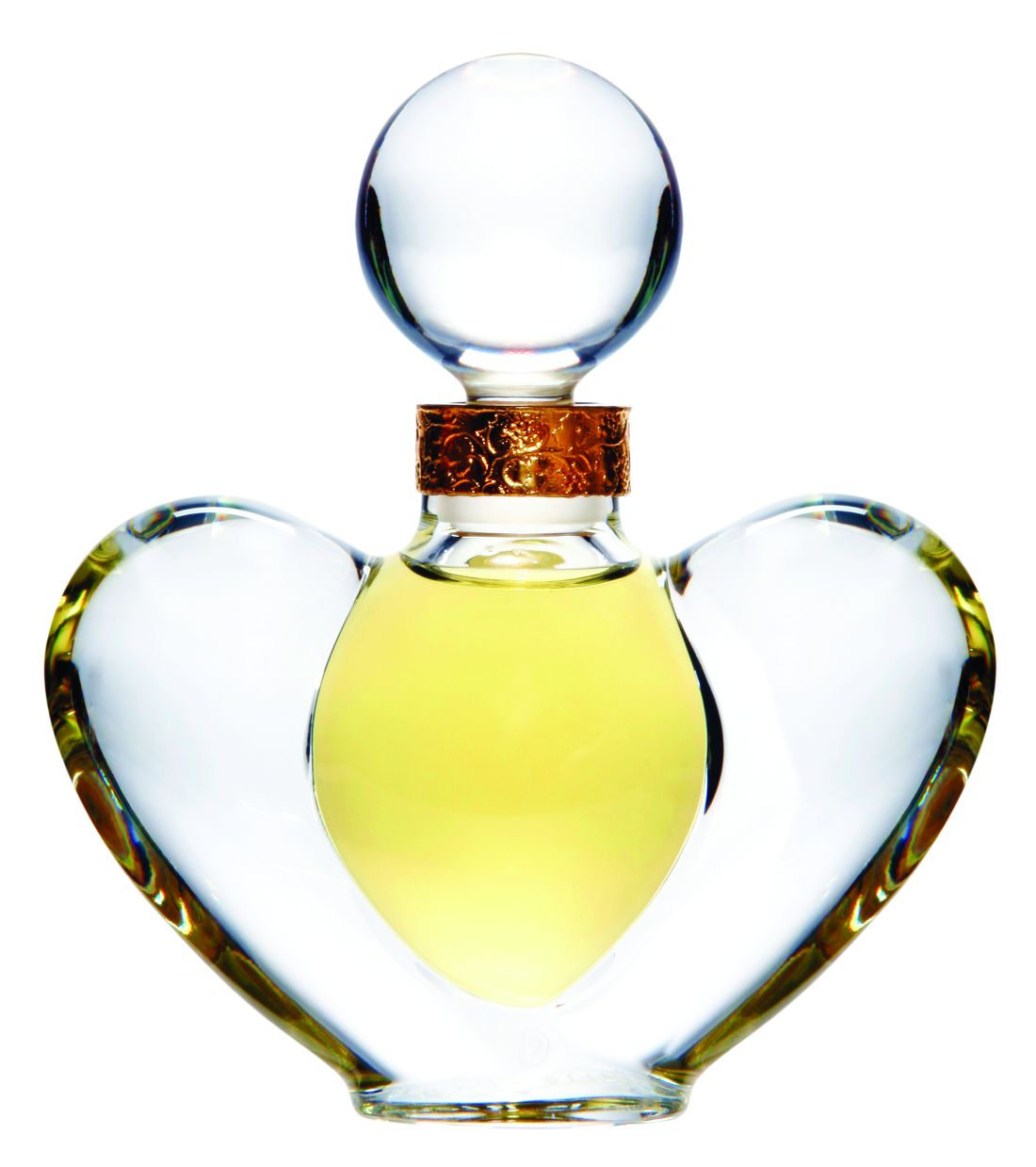
An important ingredient in the contemporary perfume and cosmetics industries, vetiver, is the only grass cultivated throughout the world to retain its essential oil, which contains sesquiterpene alcohols and hydrocarbons.1-3 Field and glasshouse studies have revealed that vetiver grass can tolerate extreme variations in climate well, including protracted drought, floods, submergence, temperature, and soils high in acidity, alkalinity, and various heavy metals. Its heartiness may explain its continuing or even increasing use in fragrances and other products pertinent to skin health as humanity strives to adapt to climate change.4 In a 2017 review of various commercial essential oils as antimicrobial therapy for cutaneous disorders, Orchard and van Vuuren identified vetiver as warranting particular attention for its capacity to confer broad benefits to the skin in addressing acne, cuts, eczema, oiliness, sores, wounds, and aging skin.5 The focus of this column will be the dermatologic potential of vetiver.
Chemical constituents
Vetiver is thought to be one of the most complex of the essential oils owing to the hundreds of sesquiterpene derivatives with large structural diversity that contribute to its composition. 3
In a 2012 analysis of the components of South Indian vetiver oils, Mallavarapu et al. found an abundance of sesquiterpenes and oxygenated sesquiterpenes with cedrane, bisabolane, eudesmane, eremophilane, and zizaane skeletons. The primary constituents identified in the four oils evaluated included eudesma-4,6-diene (delta-selinene) + beta-vetispirene (3.9%-6.1%), beta-vetivenene (0.9%-9.4%), 13-nor-trans-eudesma-4(15),7-dien-11-one + amorph-4-en-10-ol (5.0%-6.4%), trans-eudesma-4(15),7-dien-12-ol (vetiselinenol) + (E)-opposita-4(15),7(11)-dien-12-ol (3.7%-5.9%), eremophila-1 (10),11-dien-2alpha-ol (nootkatol) + ziza-6(13)-en-12-ol (khusimol) (16.1%-19.2%), and eremophila-1(10),7(11)-dien-2alpha-ol (isonootkatol) + (E)-eremophila-1(10),7(11)-12-ol (isovalencenol) (5.6%-6.9%).6

Antimicrobial activity
In 2012, Saikia et al. assessed the antimycobacterial activity of Vetiveria zizanioides against Mycobacterium tuberculosis H(37)Rv and H(37)Ra strains. Their results showed that ethanolic extracts and hexane fractions displayed robust antimycobacterial properties, buttressing the traditional medical uses of the plant, as well as consideration of this agent as a modern antituberculosis agent.7
Two years later, Dos Santos et al. showed that Vetiveria zizanioides roots grown in Brazil exhibited notable antimicrobial effects against various pathogenic organisms.8In 2017, Burger et al. showed that vetiver essential oil primarily contributes its scent to cosmetic formulations but also displayed antimicrobial activity against Gram-positive bacterial strains, as well as one strain of Candida glabrata. They suggest that vetiver should be considered for its antimicrobial capacity as an added bonus to cosmetic formulations.2
In a 2018 study to ascertain the antimicrobial activity of 247 essential oil combinations against five reference strains of wound pathogens, Orchard et al. found that 26 combinations exhibited extensive antimicrobial activity. Sandalwood and vetiver were found to contribute most to antimicrobial function when used in combination. The investigators concluded that such combinations warrant consideration for wound therapy.9
Antiacne activity
In 2018, Orchard et al. conducted another study of the efficacy of commercial essential oil combinations against the two pathogens responsible for acne, Propionibacterium acnes and Staphlyococcus epidermidis. They investigated 408 combinations, of which 167 exhibited notable antimicrobial activity. They observed that the combination with the lowest minimum inhibitory concentration value against P. acnes and S. epidermidis was vetiver and cinnamon bark.10 This usage points to the potential of vetiver use as an antiacne ingredient.
Safety
The Scientific Committee on Consumer Safety (SCCS) offered a final opinion on the safety of the fragrance ingredient acetylated vetiver oil in 2019, declaring its use with 1% alpha-tocopherol in cosmetic leave-on and rinse-off products safe at proposed concentration levels. They noted that acetylated vetiver oil has been used for several years without provoking contact allergies.11
Conclusion
Much more research is necessary to determine just what kind of a role this perfumery powerhouse can play in dermatology.
Dr. Baumann is a private practice dermatologist, researcher, author, and entrepreneur who practices in Miami. She founded the Cosmetic Dermatology Center at the University of Miami in 1997. Dr. Baumann has written two textbooks and a New York Times Best Sellers book for consumers. Dr. Baumann has received funding for advisory boards and/or clinical research trials from Allergan, Galderma, Revance, Evolus, and Burt’s Bees. She is the CEO of Skin Type Solutions Inc., a company that independently tests skin care products and makes recommendations to physicians on which skin care technologies are best. Write to her at dermnews@mdedge.com.
References
1. Del Giudice L et al. Environ Microbiol. 2008 Oct;10(10):2824-41.
2. Burger P et al. Medicines (Basel). 2017 Jun 16;4(2):41.
3. Belhassen E et al. Chem Biodivers. 2014 Nov;11(11):1821–42.
4. Danh LT et al. Int J Phytoremediation. 2009 Oct-Dec;11(8):664–91.
5. Orchard A and van Vuuren S. Evid Based Complement Alternat Med. 2017;2017:4517971.
6. Mallavarapu GR et al. Nat Prod Commun. 2012 Feb;7(2):223–5.
7. Saikia D et al. Complement Ther Med. 2012 Dec;20(6):434–6.
8. Dos Santos DS et al. Acta Pharm. 2014 Dec;64(4):495-501.
9. Orchard A et al. Chem Biodivers. 2018 Dec;15(12):e1800405.
10. Orchard A et al. Int J Cosmet Sci. 2018 Mar 24. [Epub ahead of print].
11. SCCS members & External experts. Regul Toxicol Pharmacol. 2019 Oct;107:104389.
An important ingredient in the contemporary perfume and cosmetics industries, vetiver, is the only grass cultivated throughout the world to retain its essential oil, which contains sesquiterpene alcohols and hydrocarbons.1-3 Field and glasshouse studies have revealed that vetiver grass can tolerate extreme variations in climate well, including protracted drought, floods, submergence, temperature, and soils high in acidity, alkalinity, and various heavy metals. Its heartiness may explain its continuing or even increasing use in fragrances and other products pertinent to skin health as humanity strives to adapt to climate change.4 In a 2017 review of various commercial essential oils as antimicrobial therapy for cutaneous disorders, Orchard and van Vuuren identified vetiver as warranting particular attention for its capacity to confer broad benefits to the skin in addressing acne, cuts, eczema, oiliness, sores, wounds, and aging skin.5 The focus of this column will be the dermatologic potential of vetiver.
Chemical constituents
Vetiver is thought to be one of the most complex of the essential oils owing to the hundreds of sesquiterpene derivatives with large structural diversity that contribute to its composition. 3
In a 2012 analysis of the components of South Indian vetiver oils, Mallavarapu et al. found an abundance of sesquiterpenes and oxygenated sesquiterpenes with cedrane, bisabolane, eudesmane, eremophilane, and zizaane skeletons. The primary constituents identified in the four oils evaluated included eudesma-4,6-diene (delta-selinene) + beta-vetispirene (3.9%-6.1%), beta-vetivenene (0.9%-9.4%), 13-nor-trans-eudesma-4(15),7-dien-11-one + amorph-4-en-10-ol (5.0%-6.4%), trans-eudesma-4(15),7-dien-12-ol (vetiselinenol) + (E)-opposita-4(15),7(11)-dien-12-ol (3.7%-5.9%), eremophila-1 (10),11-dien-2alpha-ol (nootkatol) + ziza-6(13)-en-12-ol (khusimol) (16.1%-19.2%), and eremophila-1(10),7(11)-dien-2alpha-ol (isonootkatol) + (E)-eremophila-1(10),7(11)-12-ol (isovalencenol) (5.6%-6.9%).6
Antimicrobial activity
In 2012, Saikia et al. assessed the antimycobacterial activity of Vetiveria zizanioides against Mycobacterium tuberculosis H(37)Rv and H(37)Ra strains. Their results showed that ethanolic extracts and hexane fractions displayed robust antimycobacterial properties, buttressing the traditional medical uses of the plant, as well as consideration of this agent as a modern antituberculosis agent.7
Two years later, Dos Santos et al. showed that Vetiveria zizanioides roots grown in Brazil exhibited notable antimicrobial effects against various pathogenic organisms.8In 2017, Burger et al. showed that vetiver essential oil primarily contributes its scent to cosmetic formulations but also displayed antimicrobial activity against Gram-positive bacterial strains, as well as one strain of Candida glabrata. They suggest that vetiver should be considered for its antimicrobial capacity as an added bonus to cosmetic formulations.2
In a 2018 study to ascertain the antimicrobial activity of 247 essential oil combinations against five reference strains of wound pathogens, Orchard et al. found that 26 combinations exhibited extensive antimicrobial activity. Sandalwood and vetiver were found to contribute most to antimicrobial function when used in combination. The investigators concluded that such combinations warrant consideration for wound therapy.9
Antiacne activity
In 2018, Orchard et al. conducted another study of the efficacy of commercial essential oil combinations against the two pathogens responsible for acne, Propionibacterium acnes and Staphlyococcus epidermidis. They investigated 408 combinations, of which 167 exhibited notable antimicrobial activity. They observed that the combination with the lowest minimum inhibitory concentration value against P. acnes and S. epidermidis was vetiver and cinnamon bark.10 This usage points to the potential of vetiver use as an antiacne ingredient.
Safety
The Scientific Committee on Consumer Safety (SCCS) offered a final opinion on the safety of the fragrance ingredient acetylated vetiver oil in 2019, declaring its use with 1% alpha-tocopherol in cosmetic leave-on and rinse-off products safe at proposed concentration levels. They noted that acetylated vetiver oil has been used for several years without provoking contact allergies.11
Conclusion
Much more research is necessary to determine just what kind of a role this perfumery powerhouse can play in dermatology.
Dr. Baumann is a private practice dermatologist, researcher, author, and entrepreneur who practices in Miami. She founded the Cosmetic Dermatology Center at the University of Miami in 1997. Dr. Baumann has written two textbooks and a New York Times Best Sellers book for consumers. Dr. Baumann has received funding for advisory boards and/or clinical research trials from Allergan, Galderma, Revance, Evolus, and Burt’s Bees. She is the CEO of Skin Type Solutions Inc., a company that independently tests skin care products and makes recommendations to physicians on which skin care technologies are best. Write to her at dermnews@mdedge.com.
References
1. Del Giudice L et al. Environ Microbiol. 2008 Oct;10(10):2824-41.
2. Burger P et al. Medicines (Basel). 2017 Jun 16;4(2):41.
3. Belhassen E et al. Chem Biodivers. 2014 Nov;11(11):1821–42.
4. Danh LT et al. Int J Phytoremediation. 2009 Oct-Dec;11(8):664–91.
5. Orchard A and van Vuuren S. Evid Based Complement Alternat Med. 2017;2017:4517971.
6. Mallavarapu GR et al. Nat Prod Commun. 2012 Feb;7(2):223–5.
7. Saikia D et al. Complement Ther Med. 2012 Dec;20(6):434–6.
8. Dos Santos DS et al. Acta Pharm. 2014 Dec;64(4):495-501.
9. Orchard A et al. Chem Biodivers. 2018 Dec;15(12):e1800405.
10. Orchard A et al. Int J Cosmet Sci. 2018 Mar 24. [Epub ahead of print].
11. SCCS members & External experts. Regul Toxicol Pharmacol. 2019 Oct;107:104389.
An important ingredient in the contemporary perfume and cosmetics industries, vetiver, is the only grass cultivated throughout the world to retain its essential oil, which contains sesquiterpene alcohols and hydrocarbons.1-3 Field and glasshouse studies have revealed that vetiver grass can tolerate extreme variations in climate well, including protracted drought, floods, submergence, temperature, and soils high in acidity, alkalinity, and various heavy metals. Its heartiness may explain its continuing or even increasing use in fragrances and other products pertinent to skin health as humanity strives to adapt to climate change.4 In a 2017 review of various commercial essential oils as antimicrobial therapy for cutaneous disorders, Orchard and van Vuuren identified vetiver as warranting particular attention for its capacity to confer broad benefits to the skin in addressing acne, cuts, eczema, oiliness, sores, wounds, and aging skin.5 The focus of this column will be the dermatologic potential of vetiver.
Chemical constituents
Vetiver is thought to be one of the most complex of the essential oils owing to the hundreds of sesquiterpene derivatives with large structural diversity that contribute to its composition. 3
In a 2012 analysis of the components of South Indian vetiver oils, Mallavarapu et al. found an abundance of sesquiterpenes and oxygenated sesquiterpenes with cedrane, bisabolane, eudesmane, eremophilane, and zizaane skeletons. The primary constituents identified in the four oils evaluated included eudesma-4,6-diene (delta-selinene) + beta-vetispirene (3.9%-6.1%), beta-vetivenene (0.9%-9.4%), 13-nor-trans-eudesma-4(15),7-dien-11-one + amorph-4-en-10-ol (5.0%-6.4%), trans-eudesma-4(15),7-dien-12-ol (vetiselinenol) + (E)-opposita-4(15),7(11)-dien-12-ol (3.7%-5.9%), eremophila-1 (10),11-dien-2alpha-ol (nootkatol) + ziza-6(13)-en-12-ol (khusimol) (16.1%-19.2%), and eremophila-1(10),7(11)-dien-2alpha-ol (isonootkatol) + (E)-eremophila-1(10),7(11)-12-ol (isovalencenol) (5.6%-6.9%).6
Antimicrobial activity
In 2012, Saikia et al. assessed the antimycobacterial activity of Vetiveria zizanioides against Mycobacterium tuberculosis H(37)Rv and H(37)Ra strains. Their results showed that ethanolic extracts and hexane fractions displayed robust antimycobacterial properties, buttressing the traditional medical uses of the plant, as well as consideration of this agent as a modern antituberculosis agent.7
Two years later, Dos Santos et al. showed that Vetiveria zizanioides roots grown in Brazil exhibited notable antimicrobial effects against various pathogenic organisms.8In 2017, Burger et al. showed that vetiver essential oil primarily contributes its scent to cosmetic formulations but also displayed antimicrobial activity against Gram-positive bacterial strains, as well as one strain of Candida glabrata. They suggest that vetiver should be considered for its antimicrobial capacity as an added bonus to cosmetic formulations.2
In a 2018 study to ascertain the antimicrobial activity of 247 essential oil combinations against five reference strains of wound pathogens, Orchard et al. found that 26 combinations exhibited extensive antimicrobial activity. Sandalwood and vetiver were found to contribute most to antimicrobial function when used in combination. The investigators concluded that such combinations warrant consideration for wound therapy.9
Antiacne activity
In 2018, Orchard et al. conducted another study of the efficacy of commercial essential oil combinations against the two pathogens responsible for acne, Propionibacterium acnes and Staphlyococcus epidermidis. They investigated 408 combinations, of which 167 exhibited notable antimicrobial activity. They observed that the combination with the lowest minimum inhibitory concentration value against P. acnes and S. epidermidis was vetiver and cinnamon bark.10 This usage points to the potential of vetiver use as an antiacne ingredient.
Safety
The Scientific Committee on Consumer Safety (SCCS) offered a final opinion on the safety of the fragrance ingredient acetylated vetiver oil in 2019, declaring its use with 1% alpha-tocopherol in cosmetic leave-on and rinse-off products safe at proposed concentration levels. They noted that acetylated vetiver oil has been used for several years without provoking contact allergies.11
Conclusion
Much more research is necessary to determine just what kind of a role this perfumery powerhouse can play in dermatology.
Dr. Baumann is a private practice dermatologist, researcher, author, and entrepreneur who practices in Miami. She founded the Cosmetic Dermatology Center at the University of Miami in 1997. Dr. Baumann has written two textbooks and a New York Times Best Sellers book for consumers. Dr. Baumann has received funding for advisory boards and/or clinical research trials from Allergan, Galderma, Revance, Evolus, and Burt’s Bees. She is the CEO of Skin Type Solutions Inc., a company that independently tests skin care products and makes recommendations to physicians on which skin care technologies are best. Write to her at dermnews@mdedge.com.
References
1. Del Giudice L et al. Environ Microbiol. 2008 Oct;10(10):2824-41.
2. Burger P et al. Medicines (Basel). 2017 Jun 16;4(2):41.
3. Belhassen E et al. Chem Biodivers. 2014 Nov;11(11):1821–42.
4. Danh LT et al. Int J Phytoremediation. 2009 Oct-Dec;11(8):664–91.
5. Orchard A and van Vuuren S. Evid Based Complement Alternat Med. 2017;2017:4517971.
6. Mallavarapu GR et al. Nat Prod Commun. 2012 Feb;7(2):223–5.
7. Saikia D et al. Complement Ther Med. 2012 Dec;20(6):434–6.
8. Dos Santos DS et al. Acta Pharm. 2014 Dec;64(4):495-501.
9. Orchard A et al. Chem Biodivers. 2018 Dec;15(12):e1800405.
10. Orchard A et al. Int J Cosmet Sci. 2018 Mar 24. [Epub ahead of print].
11. SCCS members & External experts. Regul Toxicol Pharmacol. 2019 Oct;107:104389.