User login
Understudied Patients With COPD Benefit From BLVR
BLVR has shown promising results in previous studies for carefully selected patients with COPD, said Michael J. Nicholson, DO, of Temple University Hospital, Philadelphia. However, those with AATD have often been excluded from large BLVR trials, so data on its effectiveness in this population are limited, he said.
“The distinct pathophysiology of AATD poses challenges in extrapolating findings from trials involving COPD patients without AATD,” Dr. Nicholson noted. “Variations in affected lung lobes and disease progression are major differences between the AATD and non-AATD populations; we sought to examine if BLVR could provide significant, sustained benefit to AATD patients despite their differences from the typical COPD cohort,” he said.
Patients With COPD and AATD
In a study presented at the American Thoracic Society (ATS) 2024 International Conference, Dr. Nicholson and colleagues reviewed data from 238 adults with COPD including 14 with AATD who underwent BLVR at a single center between August 2018 and December 2022. Pulmonary function test data were collected at baseline and at a median of 7 months post-BLVR. The mean age of patients with AATD was 61.5 years, and 79% were men.
The primary outcome was the percentage of patients with forced expiratory volume per second (FEV1) improvement greater than 15%. Half of the patients with AATD achieved this outcome, with a median improvement in FEV1 of 110 mL and a significant difference in pre- and post-BLVR FEV1 volume based on a Wilcoxon signed rank test (W = 11.5; P < .05).
Patients with AATD also showed significant improvement in several secondary outcomes including BODE index, residual volume (RV), total lung capacity (TLC), RV/TLC ratio, and inspiratory capacity/RV ratio between pre- and post-BLVR.
“The sustained improvements seen at 7 months post-BLVR in patients with lower lobe disease were unexpected and promising,” Dr. Nicholson said in an interview. “In contrast to the National Emphysema Treatment Trial (NETT), which found lung volume reduction surgery ineffective for lower lobe disease, our study revealed significant improvements in lower lobe disease following BLVR,” he said. The sustained improvements up to 7 months post-BLVR are encouraging, given clinical concerns that the ongoing destruction of lung tissue in AATD could cause initial BLVR improvements to regress, he added.
Overall, the results suggest that BLVR is an effective therapy for appropriately selected patients with AATD and COPD, and that significant improvement in lung function can be achieved regardless of the affected lobe, Dr. Nicholson said.
“The primary obstacles to widespread BLVR implementation include the scarcity of equipment, as well as insufficient education and training for pulmonologists outside of major academic institutions,” Dr. Nicholson told this news organization. “Successful outcomes in BLVR require clinicians to have a deep understanding of patient selection criteria, extensive training in BLVR techniques, and access to the necessary technology within their facilities,” he said. However, BLVR has been integrated into pulmonary and interventional pulmonary fellowships nationwide, which paves the way for a new generation of pulmonologists to expand the use of the procedure, he said.
Looking ahead, prospective examination of BLVR vs the current standard of care in patients with AATD would provide invaluable data, Dr. Nicholson said. Since the presentation of the study at the meeting, additional patient data have been added to the analysis and increased the power of the findings, he said. “We intend to extend our assessment of pulmonary function testing beyond 7 months post-BLVR to evaluate the persistence of improvements in the long term,” he added.
Study Confirms Benefits for Wider Patient Population
“Lung volume reduction is an important intervention in patients with severe emphysema,” said David M. Mannino, MD, of the University of Kentucky, Lexington, Kentucky, in an interview. Most emphysema is in the upper lobes, but it tends to occur more in the lower lobes in patients with AATD, said Dr. Mannino, who was not involved in the study.
The findings were not especially surprising, but they were reassuring, Dr. Mannino told this news organization. “We know this intervention works in those with severe emphysema,” and it was helpful to confirm similar success in patients with AATD, he said.
The implications for practice are that BLVR is both a safe and an effective intervention for patients with lower or upper lobe emphysema, although longer-term follow-up studies are needed, he said.
The study received no outside funding. Dr. Nicholson and Dr. Mannino had no financial conflicts to disclose.
A version of this article appeared on Medscape.com.
BLVR has shown promising results in previous studies for carefully selected patients with COPD, said Michael J. Nicholson, DO, of Temple University Hospital, Philadelphia. However, those with AATD have often been excluded from large BLVR trials, so data on its effectiveness in this population are limited, he said.
“The distinct pathophysiology of AATD poses challenges in extrapolating findings from trials involving COPD patients without AATD,” Dr. Nicholson noted. “Variations in affected lung lobes and disease progression are major differences between the AATD and non-AATD populations; we sought to examine if BLVR could provide significant, sustained benefit to AATD patients despite their differences from the typical COPD cohort,” he said.
Patients With COPD and AATD
In a study presented at the American Thoracic Society (ATS) 2024 International Conference, Dr. Nicholson and colleagues reviewed data from 238 adults with COPD including 14 with AATD who underwent BLVR at a single center between August 2018 and December 2022. Pulmonary function test data were collected at baseline and at a median of 7 months post-BLVR. The mean age of patients with AATD was 61.5 years, and 79% were men.
The primary outcome was the percentage of patients with forced expiratory volume per second (FEV1) improvement greater than 15%. Half of the patients with AATD achieved this outcome, with a median improvement in FEV1 of 110 mL and a significant difference in pre- and post-BLVR FEV1 volume based on a Wilcoxon signed rank test (W = 11.5; P < .05).
Patients with AATD also showed significant improvement in several secondary outcomes including BODE index, residual volume (RV), total lung capacity (TLC), RV/TLC ratio, and inspiratory capacity/RV ratio between pre- and post-BLVR.
“The sustained improvements seen at 7 months post-BLVR in patients with lower lobe disease were unexpected and promising,” Dr. Nicholson said in an interview. “In contrast to the National Emphysema Treatment Trial (NETT), which found lung volume reduction surgery ineffective for lower lobe disease, our study revealed significant improvements in lower lobe disease following BLVR,” he said. The sustained improvements up to 7 months post-BLVR are encouraging, given clinical concerns that the ongoing destruction of lung tissue in AATD could cause initial BLVR improvements to regress, he added.
Overall, the results suggest that BLVR is an effective therapy for appropriately selected patients with AATD and COPD, and that significant improvement in lung function can be achieved regardless of the affected lobe, Dr. Nicholson said.
“The primary obstacles to widespread BLVR implementation include the scarcity of equipment, as well as insufficient education and training for pulmonologists outside of major academic institutions,” Dr. Nicholson told this news organization. “Successful outcomes in BLVR require clinicians to have a deep understanding of patient selection criteria, extensive training in BLVR techniques, and access to the necessary technology within their facilities,” he said. However, BLVR has been integrated into pulmonary and interventional pulmonary fellowships nationwide, which paves the way for a new generation of pulmonologists to expand the use of the procedure, he said.
Looking ahead, prospective examination of BLVR vs the current standard of care in patients with AATD would provide invaluable data, Dr. Nicholson said. Since the presentation of the study at the meeting, additional patient data have been added to the analysis and increased the power of the findings, he said. “We intend to extend our assessment of pulmonary function testing beyond 7 months post-BLVR to evaluate the persistence of improvements in the long term,” he added.
Study Confirms Benefits for Wider Patient Population
“Lung volume reduction is an important intervention in patients with severe emphysema,” said David M. Mannino, MD, of the University of Kentucky, Lexington, Kentucky, in an interview. Most emphysema is in the upper lobes, but it tends to occur more in the lower lobes in patients with AATD, said Dr. Mannino, who was not involved in the study.
The findings were not especially surprising, but they were reassuring, Dr. Mannino told this news organization. “We know this intervention works in those with severe emphysema,” and it was helpful to confirm similar success in patients with AATD, he said.
The implications for practice are that BLVR is both a safe and an effective intervention for patients with lower or upper lobe emphysema, although longer-term follow-up studies are needed, he said.
The study received no outside funding. Dr. Nicholson and Dr. Mannino had no financial conflicts to disclose.
A version of this article appeared on Medscape.com.
BLVR has shown promising results in previous studies for carefully selected patients with COPD, said Michael J. Nicholson, DO, of Temple University Hospital, Philadelphia. However, those with AATD have often been excluded from large BLVR trials, so data on its effectiveness in this population are limited, he said.
“The distinct pathophysiology of AATD poses challenges in extrapolating findings from trials involving COPD patients without AATD,” Dr. Nicholson noted. “Variations in affected lung lobes and disease progression are major differences between the AATD and non-AATD populations; we sought to examine if BLVR could provide significant, sustained benefit to AATD patients despite their differences from the typical COPD cohort,” he said.
Patients With COPD and AATD
In a study presented at the American Thoracic Society (ATS) 2024 International Conference, Dr. Nicholson and colleagues reviewed data from 238 adults with COPD including 14 with AATD who underwent BLVR at a single center between August 2018 and December 2022. Pulmonary function test data were collected at baseline and at a median of 7 months post-BLVR. The mean age of patients with AATD was 61.5 years, and 79% were men.
The primary outcome was the percentage of patients with forced expiratory volume per second (FEV1) improvement greater than 15%. Half of the patients with AATD achieved this outcome, with a median improvement in FEV1 of 110 mL and a significant difference in pre- and post-BLVR FEV1 volume based on a Wilcoxon signed rank test (W = 11.5; P < .05).
Patients with AATD also showed significant improvement in several secondary outcomes including BODE index, residual volume (RV), total lung capacity (TLC), RV/TLC ratio, and inspiratory capacity/RV ratio between pre- and post-BLVR.
“The sustained improvements seen at 7 months post-BLVR in patients with lower lobe disease were unexpected and promising,” Dr. Nicholson said in an interview. “In contrast to the National Emphysema Treatment Trial (NETT), which found lung volume reduction surgery ineffective for lower lobe disease, our study revealed significant improvements in lower lobe disease following BLVR,” he said. The sustained improvements up to 7 months post-BLVR are encouraging, given clinical concerns that the ongoing destruction of lung tissue in AATD could cause initial BLVR improvements to regress, he added.
Overall, the results suggest that BLVR is an effective therapy for appropriately selected patients with AATD and COPD, and that significant improvement in lung function can be achieved regardless of the affected lobe, Dr. Nicholson said.
“The primary obstacles to widespread BLVR implementation include the scarcity of equipment, as well as insufficient education and training for pulmonologists outside of major academic institutions,” Dr. Nicholson told this news organization. “Successful outcomes in BLVR require clinicians to have a deep understanding of patient selection criteria, extensive training in BLVR techniques, and access to the necessary technology within their facilities,” he said. However, BLVR has been integrated into pulmonary and interventional pulmonary fellowships nationwide, which paves the way for a new generation of pulmonologists to expand the use of the procedure, he said.
Looking ahead, prospective examination of BLVR vs the current standard of care in patients with AATD would provide invaluable data, Dr. Nicholson said. Since the presentation of the study at the meeting, additional patient data have been added to the analysis and increased the power of the findings, he said. “We intend to extend our assessment of pulmonary function testing beyond 7 months post-BLVR to evaluate the persistence of improvements in the long term,” he added.
Study Confirms Benefits for Wider Patient Population
“Lung volume reduction is an important intervention in patients with severe emphysema,” said David M. Mannino, MD, of the University of Kentucky, Lexington, Kentucky, in an interview. Most emphysema is in the upper lobes, but it tends to occur more in the lower lobes in patients with AATD, said Dr. Mannino, who was not involved in the study.
The findings were not especially surprising, but they were reassuring, Dr. Mannino told this news organization. “We know this intervention works in those with severe emphysema,” and it was helpful to confirm similar success in patients with AATD, he said.
The implications for practice are that BLVR is both a safe and an effective intervention for patients with lower or upper lobe emphysema, although longer-term follow-up studies are needed, he said.
The study received no outside funding. Dr. Nicholson and Dr. Mannino had no financial conflicts to disclose.
A version of this article appeared on Medscape.com.
Catch-and-Treat Strategy Identifies Undiagnosed Asthma and COPD
SAN DIEGO — You can’t treat patients if you can’t find them. But as investigators in a randomized controlled trial showed, a case-finding method based on spirometry results can identify individuals in the community with undiagnosed chronic obstructive pulmonary disease (COPD) or asthma whose lives could be significantly improved with proper care.
“By diagnosing people early and treating them intensively, you can really improve their quality of life,” said lead investigator Shawn D. Aaron, MD, from the Ottawa Hospital Research Institute and University of Ottawa, Ontario, Canada.
Even those patients in the study who were randomly assigned to receive care from a general practice physician had improvements in lung function and quality of life, although on a smaller scale than patients assigned to a specialty team, Dr. Aaron said at the American Thoracic Society’s international conference.
He reported results of the study in a late-breaking oral abstract session. The study findings were also published online in The New England Journal of Medicine.
Undiagnosed diseases
“The simple problem is that 70% of individuals with asthma or COPD are likely undiagnosed,” Dr. Aaron said.
He noted that the 2007-2012 US National Health and Nutritional Examination Survey found obstructive lung disease in 13% of randomly selected US adults, but 71% of these people had never been diagnosed with asthma or COPD.
“So our questions were in this study: One, can we find adults with undiagnosed asthma or COPD in the community? The second question was: If we find them, are they sick? And the third and most important question was: Can we treat them early and improve their health outcomes?” he said.
Asthma and COPD both present with similar respiratory symptoms, including dyspnea, cough, wheeze, and/or chest tightness, and the two conditions share expiratory airflow obstruction as a common physiologic impairment that can be detected with spirometry.
Study details
To identify participants, the investigators hired a commercial survey firm to contact households asking whether any member aged 18 years or older had respiratory symptoms such as shortness of breath, wheezing, increased mucus or sputum production, or prolonged cough in the past 6 months. Those who responded yes were then contacted by a trial coordinator, and the symptomatic household member was asked to complete the Asthma Screening Questionnaire over the phone. Participants aged 60 years or older and those younger than 60 years with a score of 6 or higher on the asthma screen also completed the COPD Diagnostic Questionnaire.
Those with a score of 6 or higher on the asthma screen or 20 or higher on the COPD screen were invited to undergo spirometry at a trial site.
The investigators ultimately identified 508 adults with undiagnosed asthma or COPD and randomly assigned them on an equal basis to an intervention group (253 patients) or control group (255 patients).
In the intervention group treatment was provided by a study pulmonologist and asthma-COPD educator who started guideline-based care. Patients were prescribed inhalers and were taught how to use them, and many were given action plans that included smoking cessation aids, exercise and weight counseling, and vaccinations against influenza and pneumonia.
Participants assigned to the control group would receive usual care provided by their primary care practitioner.
Improvements abound
During the 12 months of the study, 92% of patients in the intervention group and 60% in the control group were started on new medications for their condition.
Only 13.4% of those in the intervention group received either no respiratory treatments or a short-acting beta 2 agonist only during the entire trial period compared with 49.8% of controls, “so the usual care arm was undertreated relative to the intervention arm, and because of that under-treatment we saw a tremendous difference in the primary outcome,” Dr. Aaron said.
The primary outcome, the annualized rate of patient-initiated healthcare utilization for respiratory illness, was significantly lower in the intervention group, translating into an incidence rate ratio of 0.48 (P < .001).
Secondary outcomes were also better in the intervention group. For example, total scores on the St. George Respiratory Questionnaire (SGRQ) declined by 10.2 points from baseline in intervention group compared with a 6.8-point drop in the usual-care group. The mean difference was 3.5 points (P = .009). Lower scores on the 0-100 SGRQ scale indicate better health status.
Similarly, total scores on the COPD Assessment Test, a scale of 0-40 with lower scores indicating better health, declined by 3.8 points and 2.6 points, respectively, over 12 months, for a mean difference of 1.3 points (P = .03).
In addition, those in the intervention arm had a 119-mL improvement in forced expiratory volume in 1 second over the 12 months of the study compared with only a 22-mL improvement in the usual-care group.
Translatable results?
Dr. Aaron acknowledged that the investigators could have chosen to keep those who were assigned to the control group unaware of their diagnosis during the study but because all patients enrolled were symptomatic, it would have been unethical to do so. All participants were informed of their diagnosis at randomization, and the information was conveyed to each patient’s primary care practitioner as well.
In fact, many patients in the control group decided to seek treatment for either asthma or COPD after learning of their diagnosis, which may have contributed to improved outcomes in the control arm, he said.
“What this means is if you make the diagnosis early in the community, and at least have them see a primary care practitioner, they will improve their quality of life and their health status,” he concluded.
Ravi Kalhan, MD, MS, from the Northwestern University Feinberg School Of Medicine in Chicago, who co-moderated the session but was not involved in the study, said in an interview that the case-finding model used in the trial would be difficult to replicate elsewhere.
“This idea of seeking out undiagnosed people by doing spirometry, so-called ‘case finding’ as they described it, testing highly symptomatic people with spirometry, is really challenging in the US, because symptoms are not collected proactively very much,” he said.
Persons with acute respiratory symptoms in the US typically seek healthcare at urgent-care clinics or have unscheduled visits with their primary care physicians, “and by all accounts those people should have spirometry, but they just don’t in the US, as best as I can tell,” he added.
He agreed that getting patients to a specialist can result in better outcomes but said that implementing a systematic approach such as the one described in the study would be extremely difficult in the fragmented US healthcare system.
Dr. Kalhan’s co-moderator, Nuala J. Meyer, MD, MS, from the Hospital of the University of Pennsylvania, Philadelphia, told Chest Physician that “it was interesting that even those who were not in the intervention group but had these details passed on to their primary care physicians still had improvements,” and that it would be beneficial if primary care practitioners were routinely informed about the results of urgent care visits.
She added, however, that in the US the flow of information between urgent care clinics, primary care offices, and specialty clinics is problematic, suggesting that symptomatic patients may not always receive the additional care that they need.
The study was supported by the Canadian Institutes of Health Research. Dr. Aaron, Dr. Kalhan, and Dr. Meyer all reported having no relevant disclosures.
A version of this article appeared on Medscape.com.
SAN DIEGO — You can’t treat patients if you can’t find them. But as investigators in a randomized controlled trial showed, a case-finding method based on spirometry results can identify individuals in the community with undiagnosed chronic obstructive pulmonary disease (COPD) or asthma whose lives could be significantly improved with proper care.
“By diagnosing people early and treating them intensively, you can really improve their quality of life,” said lead investigator Shawn D. Aaron, MD, from the Ottawa Hospital Research Institute and University of Ottawa, Ontario, Canada.
Even those patients in the study who were randomly assigned to receive care from a general practice physician had improvements in lung function and quality of life, although on a smaller scale than patients assigned to a specialty team, Dr. Aaron said at the American Thoracic Society’s international conference.
He reported results of the study in a late-breaking oral abstract session. The study findings were also published online in The New England Journal of Medicine.
Undiagnosed diseases
“The simple problem is that 70% of individuals with asthma or COPD are likely undiagnosed,” Dr. Aaron said.
He noted that the 2007-2012 US National Health and Nutritional Examination Survey found obstructive lung disease in 13% of randomly selected US adults, but 71% of these people had never been diagnosed with asthma or COPD.
“So our questions were in this study: One, can we find adults with undiagnosed asthma or COPD in the community? The second question was: If we find them, are they sick? And the third and most important question was: Can we treat them early and improve their health outcomes?” he said.
Asthma and COPD both present with similar respiratory symptoms, including dyspnea, cough, wheeze, and/or chest tightness, and the two conditions share expiratory airflow obstruction as a common physiologic impairment that can be detected with spirometry.
Study details
To identify participants, the investigators hired a commercial survey firm to contact households asking whether any member aged 18 years or older had respiratory symptoms such as shortness of breath, wheezing, increased mucus or sputum production, or prolonged cough in the past 6 months. Those who responded yes were then contacted by a trial coordinator, and the symptomatic household member was asked to complete the Asthma Screening Questionnaire over the phone. Participants aged 60 years or older and those younger than 60 years with a score of 6 or higher on the asthma screen also completed the COPD Diagnostic Questionnaire.
Those with a score of 6 or higher on the asthma screen or 20 or higher on the COPD screen were invited to undergo spirometry at a trial site.
The investigators ultimately identified 508 adults with undiagnosed asthma or COPD and randomly assigned them on an equal basis to an intervention group (253 patients) or control group (255 patients).
In the intervention group treatment was provided by a study pulmonologist and asthma-COPD educator who started guideline-based care. Patients were prescribed inhalers and were taught how to use them, and many were given action plans that included smoking cessation aids, exercise and weight counseling, and vaccinations against influenza and pneumonia.
Participants assigned to the control group would receive usual care provided by their primary care practitioner.
Improvements abound
During the 12 months of the study, 92% of patients in the intervention group and 60% in the control group were started on new medications for their condition.
Only 13.4% of those in the intervention group received either no respiratory treatments or a short-acting beta 2 agonist only during the entire trial period compared with 49.8% of controls, “so the usual care arm was undertreated relative to the intervention arm, and because of that under-treatment we saw a tremendous difference in the primary outcome,” Dr. Aaron said.
The primary outcome, the annualized rate of patient-initiated healthcare utilization for respiratory illness, was significantly lower in the intervention group, translating into an incidence rate ratio of 0.48 (P < .001).
Secondary outcomes were also better in the intervention group. For example, total scores on the St. George Respiratory Questionnaire (SGRQ) declined by 10.2 points from baseline in intervention group compared with a 6.8-point drop in the usual-care group. The mean difference was 3.5 points (P = .009). Lower scores on the 0-100 SGRQ scale indicate better health status.
Similarly, total scores on the COPD Assessment Test, a scale of 0-40 with lower scores indicating better health, declined by 3.8 points and 2.6 points, respectively, over 12 months, for a mean difference of 1.3 points (P = .03).
In addition, those in the intervention arm had a 119-mL improvement in forced expiratory volume in 1 second over the 12 months of the study compared with only a 22-mL improvement in the usual-care group.
Translatable results?
Dr. Aaron acknowledged that the investigators could have chosen to keep those who were assigned to the control group unaware of their diagnosis during the study but because all patients enrolled were symptomatic, it would have been unethical to do so. All participants were informed of their diagnosis at randomization, and the information was conveyed to each patient’s primary care practitioner as well.
In fact, many patients in the control group decided to seek treatment for either asthma or COPD after learning of their diagnosis, which may have contributed to improved outcomes in the control arm, he said.
“What this means is if you make the diagnosis early in the community, and at least have them see a primary care practitioner, they will improve their quality of life and their health status,” he concluded.
Ravi Kalhan, MD, MS, from the Northwestern University Feinberg School Of Medicine in Chicago, who co-moderated the session but was not involved in the study, said in an interview that the case-finding model used in the trial would be difficult to replicate elsewhere.
“This idea of seeking out undiagnosed people by doing spirometry, so-called ‘case finding’ as they described it, testing highly symptomatic people with spirometry, is really challenging in the US, because symptoms are not collected proactively very much,” he said.
Persons with acute respiratory symptoms in the US typically seek healthcare at urgent-care clinics or have unscheduled visits with their primary care physicians, “and by all accounts those people should have spirometry, but they just don’t in the US, as best as I can tell,” he added.
He agreed that getting patients to a specialist can result in better outcomes but said that implementing a systematic approach such as the one described in the study would be extremely difficult in the fragmented US healthcare system.
Dr. Kalhan’s co-moderator, Nuala J. Meyer, MD, MS, from the Hospital of the University of Pennsylvania, Philadelphia, told Chest Physician that “it was interesting that even those who were not in the intervention group but had these details passed on to their primary care physicians still had improvements,” and that it would be beneficial if primary care practitioners were routinely informed about the results of urgent care visits.
She added, however, that in the US the flow of information between urgent care clinics, primary care offices, and specialty clinics is problematic, suggesting that symptomatic patients may not always receive the additional care that they need.
The study was supported by the Canadian Institutes of Health Research. Dr. Aaron, Dr. Kalhan, and Dr. Meyer all reported having no relevant disclosures.
A version of this article appeared on Medscape.com.
SAN DIEGO — You can’t treat patients if you can’t find them. But as investigators in a randomized controlled trial showed, a case-finding method based on spirometry results can identify individuals in the community with undiagnosed chronic obstructive pulmonary disease (COPD) or asthma whose lives could be significantly improved with proper care.
“By diagnosing people early and treating them intensively, you can really improve their quality of life,” said lead investigator Shawn D. Aaron, MD, from the Ottawa Hospital Research Institute and University of Ottawa, Ontario, Canada.
Even those patients in the study who were randomly assigned to receive care from a general practice physician had improvements in lung function and quality of life, although on a smaller scale than patients assigned to a specialty team, Dr. Aaron said at the American Thoracic Society’s international conference.
He reported results of the study in a late-breaking oral abstract session. The study findings were also published online in The New England Journal of Medicine.
Undiagnosed diseases
“The simple problem is that 70% of individuals with asthma or COPD are likely undiagnosed,” Dr. Aaron said.
He noted that the 2007-2012 US National Health and Nutritional Examination Survey found obstructive lung disease in 13% of randomly selected US adults, but 71% of these people had never been diagnosed with asthma or COPD.
“So our questions were in this study: One, can we find adults with undiagnosed asthma or COPD in the community? The second question was: If we find them, are they sick? And the third and most important question was: Can we treat them early and improve their health outcomes?” he said.
Asthma and COPD both present with similar respiratory symptoms, including dyspnea, cough, wheeze, and/or chest tightness, and the two conditions share expiratory airflow obstruction as a common physiologic impairment that can be detected with spirometry.
Study details
To identify participants, the investigators hired a commercial survey firm to contact households asking whether any member aged 18 years or older had respiratory symptoms such as shortness of breath, wheezing, increased mucus or sputum production, or prolonged cough in the past 6 months. Those who responded yes were then contacted by a trial coordinator, and the symptomatic household member was asked to complete the Asthma Screening Questionnaire over the phone. Participants aged 60 years or older and those younger than 60 years with a score of 6 or higher on the asthma screen also completed the COPD Diagnostic Questionnaire.
Those with a score of 6 or higher on the asthma screen or 20 or higher on the COPD screen were invited to undergo spirometry at a trial site.
The investigators ultimately identified 508 adults with undiagnosed asthma or COPD and randomly assigned them on an equal basis to an intervention group (253 patients) or control group (255 patients).
In the intervention group treatment was provided by a study pulmonologist and asthma-COPD educator who started guideline-based care. Patients were prescribed inhalers and were taught how to use them, and many were given action plans that included smoking cessation aids, exercise and weight counseling, and vaccinations against influenza and pneumonia.
Participants assigned to the control group would receive usual care provided by their primary care practitioner.
Improvements abound
During the 12 months of the study, 92% of patients in the intervention group and 60% in the control group were started on new medications for their condition.
Only 13.4% of those in the intervention group received either no respiratory treatments or a short-acting beta 2 agonist only during the entire trial period compared with 49.8% of controls, “so the usual care arm was undertreated relative to the intervention arm, and because of that under-treatment we saw a tremendous difference in the primary outcome,” Dr. Aaron said.
The primary outcome, the annualized rate of patient-initiated healthcare utilization for respiratory illness, was significantly lower in the intervention group, translating into an incidence rate ratio of 0.48 (P < .001).
Secondary outcomes were also better in the intervention group. For example, total scores on the St. George Respiratory Questionnaire (SGRQ) declined by 10.2 points from baseline in intervention group compared with a 6.8-point drop in the usual-care group. The mean difference was 3.5 points (P = .009). Lower scores on the 0-100 SGRQ scale indicate better health status.
Similarly, total scores on the COPD Assessment Test, a scale of 0-40 with lower scores indicating better health, declined by 3.8 points and 2.6 points, respectively, over 12 months, for a mean difference of 1.3 points (P = .03).
In addition, those in the intervention arm had a 119-mL improvement in forced expiratory volume in 1 second over the 12 months of the study compared with only a 22-mL improvement in the usual-care group.
Translatable results?
Dr. Aaron acknowledged that the investigators could have chosen to keep those who were assigned to the control group unaware of their diagnosis during the study but because all patients enrolled were symptomatic, it would have been unethical to do so. All participants were informed of their diagnosis at randomization, and the information was conveyed to each patient’s primary care practitioner as well.
In fact, many patients in the control group decided to seek treatment for either asthma or COPD after learning of their diagnosis, which may have contributed to improved outcomes in the control arm, he said.
“What this means is if you make the diagnosis early in the community, and at least have them see a primary care practitioner, they will improve their quality of life and their health status,” he concluded.
Ravi Kalhan, MD, MS, from the Northwestern University Feinberg School Of Medicine in Chicago, who co-moderated the session but was not involved in the study, said in an interview that the case-finding model used in the trial would be difficult to replicate elsewhere.
“This idea of seeking out undiagnosed people by doing spirometry, so-called ‘case finding’ as they described it, testing highly symptomatic people with spirometry, is really challenging in the US, because symptoms are not collected proactively very much,” he said.
Persons with acute respiratory symptoms in the US typically seek healthcare at urgent-care clinics or have unscheduled visits with their primary care physicians, “and by all accounts those people should have spirometry, but they just don’t in the US, as best as I can tell,” he added.
He agreed that getting patients to a specialist can result in better outcomes but said that implementing a systematic approach such as the one described in the study would be extremely difficult in the fragmented US healthcare system.
Dr. Kalhan’s co-moderator, Nuala J. Meyer, MD, MS, from the Hospital of the University of Pennsylvania, Philadelphia, told Chest Physician that “it was interesting that even those who were not in the intervention group but had these details passed on to their primary care physicians still had improvements,” and that it would be beneficial if primary care practitioners were routinely informed about the results of urgent care visits.
She added, however, that in the US the flow of information between urgent care clinics, primary care offices, and specialty clinics is problematic, suggesting that symptomatic patients may not always receive the additional care that they need.
The study was supported by the Canadian Institutes of Health Research. Dr. Aaron, Dr. Kalhan, and Dr. Meyer all reported having no relevant disclosures.
A version of this article appeared on Medscape.com.
Pulmonary telerehabilitation for COPD: Promising, but more data needed
As COVID-19 cedes its pandemic-scale status to the past, its wake is revealing surprises and raising questions, particularly in relation to pulmonary medicine. The need for isolation at COVID’s outset kept many millions at home, creating conditions favorable for the rapid expansion of technologies that were taken up quickly in telehealth applications. The need was overwhelming. But just how effective telehealth actually is at replacing on-site programs for COPD pulmonary rehab has remained a research challenge, although results from early studies show unmistakable value. Creating conditions conducive to research into the strengths and weaknesses of pulmonary rehab, and determining how research can be applied effectively, remain formidable challenges.
Early studies of telehealth pulmonary rehabilitation have not uncovered any glaring erosion of pulmonary rehabilitation’s well-established benefits. But, at the same time, the relatively young field of pulmonary telerehabilitation for chronic obstructive pulmonary disease (COPD) has lacked coordinated efforts to determine its key practices and the instruments for measuring them, both basic elements for pursuing research questions.
A 2021 American Thoracic Society workshop report (AE Holland, https://doi.org/10.1513/AnnalsATS.202102-146ST) identified essential components of a pulmonary rehabilitation model through an online Delphi process involving about 50 international experts. Components ultimately included those with median scores of 2 or higher (strongly agree or agree that the item is essential) and high consensus (interquartile range, 0). Thirteen essential components fit into four categories (Patient Assessment, Program Components, Method of Delivery and Quality Assurance). The Patient Assessment category included seven items: (1) An initial center-based assessment by a health care professional, (2) An exercise test at the time of assessment, (3) A field exercise test, (4) Quality of life measure, (5) Dyspnea assessment, (6) Nutritional status evaluation, and (7) Occupational status evaluation. The Program Components: (8) Endurance training and (9) Resistance training). The Method of Delivery: (10) An exercise program that is individually prescribed, (11) An exercise program that is individually progressed, and (12) Team includes a health care professional with experience in exercise prescription and progression. The single Quality Assurance item: (13) Health care professionals are trained to deliver the components of the model that is deployed.
Cochrane Library review
2021 “Intervention Review” (“Telerehabilitation for chronic respiratory disease,” https://doi.org/10.1002/14651858.CD013040.pub2). Using their own databases (eg, Cochrane Airways Trials Register) and others, the authors included controlled trials published up to November 30, 2020 with at least 50% of the rehabilitation delivered by telerehabilitation. The authors’ analysis of 15 studies (with 32 reports) including 1904 participants (99% with COPD): “There was probably little or no difference between telerehabilitation and in-person pulmonary rehabilitation for exercise capacity measured as 6-Minute Walking Distance (mean difference 0.06 meters (m), 95% confidence interval (CI) -10.82 m to 10.94 m).” They reached the same conclusion for quality of life, and for breathlessness. Completion of rehabilitation programs, however, was more likely with telerehabilitation at 93% versus 70% for in-person rehabilitation. No adverse effects of telerehabilitation were observed over and above those for in-person or no rehabilitation. An obvious limitation of the findings is that the studies all pre-date COVID-19, which would have introduced very significant disincentives for in-person rehabilitation completion.
An older (2016) international randomized controlled study (Zanaboni et al, https://doi.org/10.1186/s12890-016-0288-z) comparing long-term telerehabilitation or unsupervised treadmill training at home with standard care included 120 participants with COPD and had 2-years of follow-up. Telerehabilitation consisted of individualized treadmill training at home. Participants had scheduled exercise sessions supervised by a physiotherapist via videoconferencing following a standardized protocol. Participants in the unsupervised training group were provided with a treadmill only to perform unsupervised exercise at home. They also received an exercise booklet, a paper exercise diary to record their training sessions, and an individualized training program but without regular review or progression of the program. For the primary outcomes of combined hospitalizations and emergency department presentations, incidence rate of hospitalizations and emergency department presentations was lower with telerehabilitation (1.18 events per person-year; 95% confidence interval [CI], 0.94–1.46) and with unsupervised training group (1.14; 95% CI, 0.92–1.41) than in the control group (1.88; 95% CI, 1.58–2.21; P < .001 compared with intervention groups). Both training groups had better health status at 1-year, and achieved and maintained clinically significant improvements in exercise capacity.
Access to pulmonary rehabilitation
Continuing evidence of clear telerehabilitation benefits is good news, especially in the light of impediments to attendance at in-clinic programs. Although the COVID-provoked disincentives have been diminishing, persisting access issues remain for substantial portions of eligible populations, according to a recent (2024) cross-sectional study (PA Kahn, WA Mathis, doi:10.1001/jamanetworkopen.2023.54867) looking at travel time to pulmonary rehabilitation programs as a marker for pulmonary rehabilitation access. The report, based on US Census designations (lower 48 states and Washington, D.C.) found that while 80.3% of the population lives in urban or suburban areas within a 30-minute drive of a pulmonary rehabilitation program, travel time exceeds that in rural and other sparsely populated areas with more than 14 million people residing in areas demanding more than 1-hour for travel. A further analysis showed also that nearly 30% of American Indian and Alaska Native populations live more than 60 minutes from a pulmonary rehabilitation program.
Aside from the obvious restraints for homebound patients or those lacking transportation or who need medical transport, other common impediments inhibit on-site pulmonary rehabilitation attendance, said Corinne Young, MSN, FNP-C, FCCP. Ms. Young is the director of Advance Practice Provider and Clinical Services for Colorado Springs Pulmonary Consultants, president and founder of the Association of Pulmonary Advance Practice Providers, and a member of the CHEST Physician Editorial Board. “I have some patients who say ‘There’s no way I could do onsite pulmonary rehab because of my knee — or back, or shoulder.’ But in their own home environment they may feel more comfortable. They may be willing to try new things at their own pace, whereas for them a program may feel too regimented.” For others, Ms. Young said, aspects of a formal program are a clear plus factor. “They love to hear their progress at the end of — say a 12-week program — where their virtual respiratory therapist records and reports to them their six-minute walk and other test results. Feedback is a great reinforcer.” Quality of life improvements, Ms. Young commented, were one of the very impressive benefits that appeared in the initial studies of pulmonary rehabilitation for COPD patients. “Being patient-centric, you want to improve quality of life for them as much as possible and we see telerehabilitation as a great opportunity for many,” she added.

“I would like to see head-to-head data on outpatient versus at-home pulmonary rehabilitation on hospitalizations, time to exacerbation and, of course, mortality. We have all that for outpatient rehab, but it would be great to be able to compare them. Knowing that would influence what we recommend, especially for patients who could go either way. Also, you have to assess their motivation and discipline to know who might be more appropriate for unsupervised pulmonary rehabilitation.”
The current reality for Ms. Young is that in her Colorado Springs vicinity, where both in-patient programs are only 15 minutes apart, she knows of no telerehabilitation programs being offered. While there are contract telerehabilitation providers, Young said, and her organization (The Association of Pulmonary Advanced Practice Providers) has been approached by one, none are licensed in Colorado, and telerehabilitation is not a billable service.
“As of yet, I’m not aware of any telemedicine pulmonary rehab available at our institution,” said pulmonologist Mary Jo S. Farmer, MD, PhD, FCCP, Associate Professor of Medicine at UMass Chan Medical School – Baystate, Springfield, MA, and a member of the CHEST Physician Editorial Board. A brief internet search identified a telerehabilitation contract provider available only in Arizona.

Reimbursement will also be a foundational concern, Ms. Young commented. While a physician, nurse practitioner, or physician virtual visit for education may be billable, telerehabilitation reimbursement is new territory. “How that all is going to work out is a big unknown piece,” she said.
Minimal components
Effective pulmonary telerehabilitation programs, Ms. Young said, need to provide exercise with an aerobic device, either a treadmill, a stationary bike or even a Cubii-type under desk foot pedal/elliptical machine, and some resistance training (elastic bands, or weights, for example). “But 50% of pulmonary rehabilitation is education about breathing techniques, purse-lip breathing, and pulmonary nutrition.” Also essential: one-on-one discussion with a qualified medical practitioner who checks on oximeter use, inhaler technique, and titrating oxygen therapy. “At our elevation of 6500 feet, most of our patients are on that.” Optimal frequency of encounters between providers and remote patients has to be elucidated by future research, Ms. Young said.

Ms. Young commented further, “With outpatient pulmonary rehabilitation there often isn’t a lot of one-on-one, but rather a big group of people exercising at the same time. I think actually there may be the potential to have more individualization with pulmonary telerehabilitation. But the barriers, the reimbursement/financial part, and the red tape and bureaucracy have to be worked on.”
As COVID-19 cedes its pandemic-scale status to the past, its wake is revealing surprises and raising questions, particularly in relation to pulmonary medicine. The need for isolation at COVID’s outset kept many millions at home, creating conditions favorable for the rapid expansion of technologies that were taken up quickly in telehealth applications. The need was overwhelming. But just how effective telehealth actually is at replacing on-site programs for COPD pulmonary rehab has remained a research challenge, although results from early studies show unmistakable value. Creating conditions conducive to research into the strengths and weaknesses of pulmonary rehab, and determining how research can be applied effectively, remain formidable challenges.
Early studies of telehealth pulmonary rehabilitation have not uncovered any glaring erosion of pulmonary rehabilitation’s well-established benefits. But, at the same time, the relatively young field of pulmonary telerehabilitation for chronic obstructive pulmonary disease (COPD) has lacked coordinated efforts to determine its key practices and the instruments for measuring them, both basic elements for pursuing research questions.
A 2021 American Thoracic Society workshop report (AE Holland, https://doi.org/10.1513/AnnalsATS.202102-146ST) identified essential components of a pulmonary rehabilitation model through an online Delphi process involving about 50 international experts. Components ultimately included those with median scores of 2 or higher (strongly agree or agree that the item is essential) and high consensus (interquartile range, 0). Thirteen essential components fit into four categories (Patient Assessment, Program Components, Method of Delivery and Quality Assurance). The Patient Assessment category included seven items: (1) An initial center-based assessment by a health care professional, (2) An exercise test at the time of assessment, (3) A field exercise test, (4) Quality of life measure, (5) Dyspnea assessment, (6) Nutritional status evaluation, and (7) Occupational status evaluation. The Program Components: (8) Endurance training and (9) Resistance training). The Method of Delivery: (10) An exercise program that is individually prescribed, (11) An exercise program that is individually progressed, and (12) Team includes a health care professional with experience in exercise prescription and progression. The single Quality Assurance item: (13) Health care professionals are trained to deliver the components of the model that is deployed.
Cochrane Library review
2021 “Intervention Review” (“Telerehabilitation for chronic respiratory disease,” https://doi.org/10.1002/14651858.CD013040.pub2). Using their own databases (eg, Cochrane Airways Trials Register) and others, the authors included controlled trials published up to November 30, 2020 with at least 50% of the rehabilitation delivered by telerehabilitation. The authors’ analysis of 15 studies (with 32 reports) including 1904 participants (99% with COPD): “There was probably little or no difference between telerehabilitation and in-person pulmonary rehabilitation for exercise capacity measured as 6-Minute Walking Distance (mean difference 0.06 meters (m), 95% confidence interval (CI) -10.82 m to 10.94 m).” They reached the same conclusion for quality of life, and for breathlessness. Completion of rehabilitation programs, however, was more likely with telerehabilitation at 93% versus 70% for in-person rehabilitation. No adverse effects of telerehabilitation were observed over and above those for in-person or no rehabilitation. An obvious limitation of the findings is that the studies all pre-date COVID-19, which would have introduced very significant disincentives for in-person rehabilitation completion.
An older (2016) international randomized controlled study (Zanaboni et al, https://doi.org/10.1186/s12890-016-0288-z) comparing long-term telerehabilitation or unsupervised treadmill training at home with standard care included 120 participants with COPD and had 2-years of follow-up. Telerehabilitation consisted of individualized treadmill training at home. Participants had scheduled exercise sessions supervised by a physiotherapist via videoconferencing following a standardized protocol. Participants in the unsupervised training group were provided with a treadmill only to perform unsupervised exercise at home. They also received an exercise booklet, a paper exercise diary to record their training sessions, and an individualized training program but without regular review or progression of the program. For the primary outcomes of combined hospitalizations and emergency department presentations, incidence rate of hospitalizations and emergency department presentations was lower with telerehabilitation (1.18 events per person-year; 95% confidence interval [CI], 0.94–1.46) and with unsupervised training group (1.14; 95% CI, 0.92–1.41) than in the control group (1.88; 95% CI, 1.58–2.21; P < .001 compared with intervention groups). Both training groups had better health status at 1-year, and achieved and maintained clinically significant improvements in exercise capacity.
Access to pulmonary rehabilitation
Continuing evidence of clear telerehabilitation benefits is good news, especially in the light of impediments to attendance at in-clinic programs. Although the COVID-provoked disincentives have been diminishing, persisting access issues remain for substantial portions of eligible populations, according to a recent (2024) cross-sectional study (PA Kahn, WA Mathis, doi:10.1001/jamanetworkopen.2023.54867) looking at travel time to pulmonary rehabilitation programs as a marker for pulmonary rehabilitation access. The report, based on US Census designations (lower 48 states and Washington, D.C.) found that while 80.3% of the population lives in urban or suburban areas within a 30-minute drive of a pulmonary rehabilitation program, travel time exceeds that in rural and other sparsely populated areas with more than 14 million people residing in areas demanding more than 1-hour for travel. A further analysis showed also that nearly 30% of American Indian and Alaska Native populations live more than 60 minutes from a pulmonary rehabilitation program.
Aside from the obvious restraints for homebound patients or those lacking transportation or who need medical transport, other common impediments inhibit on-site pulmonary rehabilitation attendance, said Corinne Young, MSN, FNP-C, FCCP. Ms. Young is the director of Advance Practice Provider and Clinical Services for Colorado Springs Pulmonary Consultants, president and founder of the Association of Pulmonary Advance Practice Providers, and a member of the CHEST Physician Editorial Board. “I have some patients who say ‘There’s no way I could do onsite pulmonary rehab because of my knee — or back, or shoulder.’ But in their own home environment they may feel more comfortable. They may be willing to try new things at their own pace, whereas for them a program may feel too regimented.” For others, Ms. Young said, aspects of a formal program are a clear plus factor. “They love to hear their progress at the end of — say a 12-week program — where their virtual respiratory therapist records and reports to them their six-minute walk and other test results. Feedback is a great reinforcer.” Quality of life improvements, Ms. Young commented, were one of the very impressive benefits that appeared in the initial studies of pulmonary rehabilitation for COPD patients. “Being patient-centric, you want to improve quality of life for them as much as possible and we see telerehabilitation as a great opportunity for many,” she added.
“I would like to see head-to-head data on outpatient versus at-home pulmonary rehabilitation on hospitalizations, time to exacerbation and, of course, mortality. We have all that for outpatient rehab, but it would be great to be able to compare them. Knowing that would influence what we recommend, especially for patients who could go either way. Also, you have to assess their motivation and discipline to know who might be more appropriate for unsupervised pulmonary rehabilitation.”
The current reality for Ms. Young is that in her Colorado Springs vicinity, where both in-patient programs are only 15 minutes apart, she knows of no telerehabilitation programs being offered. While there are contract telerehabilitation providers, Young said, and her organization (The Association of Pulmonary Advanced Practice Providers) has been approached by one, none are licensed in Colorado, and telerehabilitation is not a billable service.
“As of yet, I’m not aware of any telemedicine pulmonary rehab available at our institution,” said pulmonologist Mary Jo S. Farmer, MD, PhD, FCCP, Associate Professor of Medicine at UMass Chan Medical School – Baystate, Springfield, MA, and a member of the CHEST Physician Editorial Board. A brief internet search identified a telerehabilitation contract provider available only in Arizona.
Reimbursement will also be a foundational concern, Ms. Young commented. While a physician, nurse practitioner, or physician virtual visit for education may be billable, telerehabilitation reimbursement is new territory. “How that all is going to work out is a big unknown piece,” she said.
Minimal components
Effective pulmonary telerehabilitation programs, Ms. Young said, need to provide exercise with an aerobic device, either a treadmill, a stationary bike or even a Cubii-type under desk foot pedal/elliptical machine, and some resistance training (elastic bands, or weights, for example). “But 50% of pulmonary rehabilitation is education about breathing techniques, purse-lip breathing, and pulmonary nutrition.” Also essential: one-on-one discussion with a qualified medical practitioner who checks on oximeter use, inhaler technique, and titrating oxygen therapy. “At our elevation of 6500 feet, most of our patients are on that.” Optimal frequency of encounters between providers and remote patients has to be elucidated by future research, Ms. Young said.
Ms. Young commented further, “With outpatient pulmonary rehabilitation there often isn’t a lot of one-on-one, but rather a big group of people exercising at the same time. I think actually there may be the potential to have more individualization with pulmonary telerehabilitation. But the barriers, the reimbursement/financial part, and the red tape and bureaucracy have to be worked on.”
As COVID-19 cedes its pandemic-scale status to the past, its wake is revealing surprises and raising questions, particularly in relation to pulmonary medicine. The need for isolation at COVID’s outset kept many millions at home, creating conditions favorable for the rapid expansion of technologies that were taken up quickly in telehealth applications. The need was overwhelming. But just how effective telehealth actually is at replacing on-site programs for COPD pulmonary rehab has remained a research challenge, although results from early studies show unmistakable value. Creating conditions conducive to research into the strengths and weaknesses of pulmonary rehab, and determining how research can be applied effectively, remain formidable challenges.
Early studies of telehealth pulmonary rehabilitation have not uncovered any glaring erosion of pulmonary rehabilitation’s well-established benefits. But, at the same time, the relatively young field of pulmonary telerehabilitation for chronic obstructive pulmonary disease (COPD) has lacked coordinated efforts to determine its key practices and the instruments for measuring them, both basic elements for pursuing research questions.
A 2021 American Thoracic Society workshop report (AE Holland, https://doi.org/10.1513/AnnalsATS.202102-146ST) identified essential components of a pulmonary rehabilitation model through an online Delphi process involving about 50 international experts. Components ultimately included those with median scores of 2 or higher (strongly agree or agree that the item is essential) and high consensus (interquartile range, 0). Thirteen essential components fit into four categories (Patient Assessment, Program Components, Method of Delivery and Quality Assurance). The Patient Assessment category included seven items: (1) An initial center-based assessment by a health care professional, (2) An exercise test at the time of assessment, (3) A field exercise test, (4) Quality of life measure, (5) Dyspnea assessment, (6) Nutritional status evaluation, and (7) Occupational status evaluation. The Program Components: (8) Endurance training and (9) Resistance training). The Method of Delivery: (10) An exercise program that is individually prescribed, (11) An exercise program that is individually progressed, and (12) Team includes a health care professional with experience in exercise prescription and progression. The single Quality Assurance item: (13) Health care professionals are trained to deliver the components of the model that is deployed.
Cochrane Library review
2021 “Intervention Review” (“Telerehabilitation for chronic respiratory disease,” https://doi.org/10.1002/14651858.CD013040.pub2). Using their own databases (eg, Cochrane Airways Trials Register) and others, the authors included controlled trials published up to November 30, 2020 with at least 50% of the rehabilitation delivered by telerehabilitation. The authors’ analysis of 15 studies (with 32 reports) including 1904 participants (99% with COPD): “There was probably little or no difference between telerehabilitation and in-person pulmonary rehabilitation for exercise capacity measured as 6-Minute Walking Distance (mean difference 0.06 meters (m), 95% confidence interval (CI) -10.82 m to 10.94 m).” They reached the same conclusion for quality of life, and for breathlessness. Completion of rehabilitation programs, however, was more likely with telerehabilitation at 93% versus 70% for in-person rehabilitation. No adverse effects of telerehabilitation were observed over and above those for in-person or no rehabilitation. An obvious limitation of the findings is that the studies all pre-date COVID-19, which would have introduced very significant disincentives for in-person rehabilitation completion.
An older (2016) international randomized controlled study (Zanaboni et al, https://doi.org/10.1186/s12890-016-0288-z) comparing long-term telerehabilitation or unsupervised treadmill training at home with standard care included 120 participants with COPD and had 2-years of follow-up. Telerehabilitation consisted of individualized treadmill training at home. Participants had scheduled exercise sessions supervised by a physiotherapist via videoconferencing following a standardized protocol. Participants in the unsupervised training group were provided with a treadmill only to perform unsupervised exercise at home. They also received an exercise booklet, a paper exercise diary to record their training sessions, and an individualized training program but without regular review or progression of the program. For the primary outcomes of combined hospitalizations and emergency department presentations, incidence rate of hospitalizations and emergency department presentations was lower with telerehabilitation (1.18 events per person-year; 95% confidence interval [CI], 0.94–1.46) and with unsupervised training group (1.14; 95% CI, 0.92–1.41) than in the control group (1.88; 95% CI, 1.58–2.21; P < .001 compared with intervention groups). Both training groups had better health status at 1-year, and achieved and maintained clinically significant improvements in exercise capacity.
Access to pulmonary rehabilitation
Continuing evidence of clear telerehabilitation benefits is good news, especially in the light of impediments to attendance at in-clinic programs. Although the COVID-provoked disincentives have been diminishing, persisting access issues remain for substantial portions of eligible populations, according to a recent (2024) cross-sectional study (PA Kahn, WA Mathis, doi:10.1001/jamanetworkopen.2023.54867) looking at travel time to pulmonary rehabilitation programs as a marker for pulmonary rehabilitation access. The report, based on US Census designations (lower 48 states and Washington, D.C.) found that while 80.3% of the population lives in urban or suburban areas within a 30-minute drive of a pulmonary rehabilitation program, travel time exceeds that in rural and other sparsely populated areas with more than 14 million people residing in areas demanding more than 1-hour for travel. A further analysis showed also that nearly 30% of American Indian and Alaska Native populations live more than 60 minutes from a pulmonary rehabilitation program.
Aside from the obvious restraints for homebound patients or those lacking transportation or who need medical transport, other common impediments inhibit on-site pulmonary rehabilitation attendance, said Corinne Young, MSN, FNP-C, FCCP. Ms. Young is the director of Advance Practice Provider and Clinical Services for Colorado Springs Pulmonary Consultants, president and founder of the Association of Pulmonary Advance Practice Providers, and a member of the CHEST Physician Editorial Board. “I have some patients who say ‘There’s no way I could do onsite pulmonary rehab because of my knee — or back, or shoulder.’ But in their own home environment they may feel more comfortable. They may be willing to try new things at their own pace, whereas for them a program may feel too regimented.” For others, Ms. Young said, aspects of a formal program are a clear plus factor. “They love to hear their progress at the end of — say a 12-week program — where their virtual respiratory therapist records and reports to them their six-minute walk and other test results. Feedback is a great reinforcer.” Quality of life improvements, Ms. Young commented, were one of the very impressive benefits that appeared in the initial studies of pulmonary rehabilitation for COPD patients. “Being patient-centric, you want to improve quality of life for them as much as possible and we see telerehabilitation as a great opportunity for many,” she added.
“I would like to see head-to-head data on outpatient versus at-home pulmonary rehabilitation on hospitalizations, time to exacerbation and, of course, mortality. We have all that for outpatient rehab, but it would be great to be able to compare them. Knowing that would influence what we recommend, especially for patients who could go either way. Also, you have to assess their motivation and discipline to know who might be more appropriate for unsupervised pulmonary rehabilitation.”
The current reality for Ms. Young is that in her Colorado Springs vicinity, where both in-patient programs are only 15 minutes apart, she knows of no telerehabilitation programs being offered. While there are contract telerehabilitation providers, Young said, and her organization (The Association of Pulmonary Advanced Practice Providers) has been approached by one, none are licensed in Colorado, and telerehabilitation is not a billable service.
“As of yet, I’m not aware of any telemedicine pulmonary rehab available at our institution,” said pulmonologist Mary Jo S. Farmer, MD, PhD, FCCP, Associate Professor of Medicine at UMass Chan Medical School – Baystate, Springfield, MA, and a member of the CHEST Physician Editorial Board. A brief internet search identified a telerehabilitation contract provider available only in Arizona.
Reimbursement will also be a foundational concern, Ms. Young commented. While a physician, nurse practitioner, or physician virtual visit for education may be billable, telerehabilitation reimbursement is new territory. “How that all is going to work out is a big unknown piece,” she said.
Minimal components
Effective pulmonary telerehabilitation programs, Ms. Young said, need to provide exercise with an aerobic device, either a treadmill, a stationary bike or even a Cubii-type under desk foot pedal/elliptical machine, and some resistance training (elastic bands, or weights, for example). “But 50% of pulmonary rehabilitation is education about breathing techniques, purse-lip breathing, and pulmonary nutrition.” Also essential: one-on-one discussion with a qualified medical practitioner who checks on oximeter use, inhaler technique, and titrating oxygen therapy. “At our elevation of 6500 feet, most of our patients are on that.” Optimal frequency of encounters between providers and remote patients has to be elucidated by future research, Ms. Young said.
Ms. Young commented further, “With outpatient pulmonary rehabilitation there often isn’t a lot of one-on-one, but rather a big group of people exercising at the same time. I think actually there may be the potential to have more individualization with pulmonary telerehabilitation. But the barriers, the reimbursement/financial part, and the red tape and bureaucracy have to be worked on.”
LDCT Lung Cancer Screening Finds Undiagnosed Pulmonary Comorbidities in High-Risk Population
Lung cancer screening with low-dose CT (LDCT) can effectively evaluate a high-risk population for undiagnosed chronic obstructive pulmonary disease (COPD) and airflow obstruction, based on data from a new study of approximately 2000 individuals.
Previous research suggests that approximately 70%-90% of individuals with COPD are undiagnosed, especially low-income and minority populations who may be less likely to undergo screening, said Michaela A. Seigo, DO, of Temple University Hospital, Philadelphia, in a study presented at the American Thoracic Society (ATS) 2024 International Conference.
The researchers reviewed data from 2083 adults enrolled in the Temple Healthy Chest Initiative, an urban health system-wide lung cancer screening program, combined with the detection of symptoms and comorbidities.
Baseline LDCT for Identification of Comorbidities
Study participants underwent baseline LDCT between October 2021 and October 2022. The images were reviewed by radiologists for pulmonary comorbidities including emphysema, airway disease, bronchiectasis, and interstitial lung disease. In addition, 604 participants (29%) completed a symptom survey, and 624 (30%) underwent spirometry. The mean age of the participants was 65.8 years and 63.9 years for those with and without a history of COPD, respectively.
Approximately half of the participants in both groups were female.
Overall, 66 of 181 (36.5%) individuals previously undiagnosed with COPD had spirometry consistent with airflow obstruction (forced expiratory volume in 1 second/forced vital capacity, < 70%). Individuals with previously undiagnosed COPD were more likely to be younger, male, current smokers, and identified as Hispanic or other race (not Black, White, Hispanic, or Asian/Native American/Pacific Islander).
Individuals without a reported history of COPD had fewer pulmonary comorbidities on LDCT and lower rates of respiratory symptoms than those with COPD. However, nearly 25% of individuals with no reported history of COPD said that breathing issues affected their “ability to do things,” Ms. Seigo said, and a majority of those with no COPD diagnosis exhibited airway disease (76.2% compared with 84% of diagnosed patients with COPD). In addition, 88.1% reported ever experiencing dyspnea and 72.6% reported experiencing cough; both symptoms are compatible with a clinical diagnosis of COPD, the researchers noted.
“We detected pulmonary comorbidities at higher rates than previously published,” Ms. Seigo said in an interview. The increase likely reflects the patient population at Temple, which includes a relatively high percentage of city-dwelling, lower-income individuals, as well as more racial-ethnic minorities and persons of color, she said.
However, “these findings will help clinicians target the most at-risk populations for previously undiagnosed COPD,” Ms. Seigo said.
Looking ahead, Ms. Seigo said she sees a dominant role for artificial intelligence (AI) in COPD screening. “At-risk populations will get LDCT scans, and AI will identify pulmonary and extra-pulmonary comorbidities that may need to be addressed,” she said.
A combination of symptom detection plus strategic and more widely available access to screening offers “a huge opportunity to intervene earlier and potentially save lives,” she told this news organization.
Lung Cancer Screening May Promote Earlier COPD Intervention
The current study examines the prevalence of undiagnosed COPD, especially among low-income and minority populations, in an asymptomatic high-risk group. “By integrating lung cancer CT screening with the detection of pulmonary comorbidities on LDCT and respiratory symptoms, the current study aimed to identify individuals with undiagnosed COPD,” said Dharani K. Narendra, MD, of Baylor College of Medicine, Houston, in an interview.
“The study highlighted the feasibility and potential benefits of coupling lung cancer screening tests with COPD detection, which is noteworthy, and hits two targets with one arrow — early detection of lung cancer and COPD — in high-risk groups, Dr. Narendra said.
“Although the USPSTF recommends against screening for COPD in asymptomatic patients, abnormal pulmonary comorbidities observed on CT chest scans could serve as a gateway for clinicians to screen for COPD,” said Dr. Narendra. “This approach allows for early diagnosis, education on smoking cessation, and timely treatment of COPD, potentially preventing lung function deterioration and reducing the risk of exacerbations,” she noted.
The finding that one third of previously undiagnosed and asymptomatic patients with COPD showed significant rates of airflow obstruction on spirometry is consistent with previous research, Dr. Narendra told this news organization.
“Interestingly, in questions about specific symptoms, undiagnosed COPD patients reported higher rates of dyspnea, more cough, and breathing difficulties affecting their daily activities, at 16.1%, 27.4%, and 24.5%, respectively, highlighting a lower perception of symptoms,” she said.
“Barriers to lung cancer screening in urban, high-risk communities include limited healthcare facility access, insufficient awareness of screening programs, financial constraints, and cultural or language barriers,” said Dr. Narendra.
Potential strategies to overcome these barriers include improving access through additional screening centers and providing transportation, implementing community-based education and outreach programs to increase awareness about the benefits of lung cancer screening and early COPD detection, and providing financial assistance in the form of free screening options and collaboration with insurers to cover screening expenses, she said.
“Healthcare providers must recognize the dual benefits of lung cancer screening programs, including the opportunity to screen for undiagnosed COPD,” Dr. Narendra emphasized. “This integrated approach is crucial in identifying high-risk individuals who could benefit from early intervention and effective management of COPD. Clinicians should actively support implementing comprehensive screening programs incorporating assessments for pulmonary comorbidities through LDCT and screening questionnaires for COPD symptoms,” she said.
“Further research is needed to evaluate long-term mortality outcomes and identify best practices to determine the most effective methods and cost-effectiveness for implementing and sustaining combined screening programs in various urban settings,” Dr. Narendra told this news organization.
Other areas to address in future studies include investigating specific barriers to screening among different high-risk groups and tailoring interventions to improve screening uptake and adherence, Narendra said. “By addressing these research gaps, health care providers can optimize screening programs and enhance the overall health of urban, high-risk populations,” she added.
The study received no outside funding. The researchers had no financial conflicts to disclose. Dr. Narendra serves on the editorial board of CHEST Physician.
A version of this article first appeared on Medscape.com.
Lung cancer screening with low-dose CT (LDCT) can effectively evaluate a high-risk population for undiagnosed chronic obstructive pulmonary disease (COPD) and airflow obstruction, based on data from a new study of approximately 2000 individuals.
Previous research suggests that approximately 70%-90% of individuals with COPD are undiagnosed, especially low-income and minority populations who may be less likely to undergo screening, said Michaela A. Seigo, DO, of Temple University Hospital, Philadelphia, in a study presented at the American Thoracic Society (ATS) 2024 International Conference.
The researchers reviewed data from 2083 adults enrolled in the Temple Healthy Chest Initiative, an urban health system-wide lung cancer screening program, combined with the detection of symptoms and comorbidities.
Baseline LDCT for Identification of Comorbidities
Study participants underwent baseline LDCT between October 2021 and October 2022. The images were reviewed by radiologists for pulmonary comorbidities including emphysema, airway disease, bronchiectasis, and interstitial lung disease. In addition, 604 participants (29%) completed a symptom survey, and 624 (30%) underwent spirometry. The mean age of the participants was 65.8 years and 63.9 years for those with and without a history of COPD, respectively.
Approximately half of the participants in both groups were female.
Overall, 66 of 181 (36.5%) individuals previously undiagnosed with COPD had spirometry consistent with airflow obstruction (forced expiratory volume in 1 second/forced vital capacity, < 70%). Individuals with previously undiagnosed COPD were more likely to be younger, male, current smokers, and identified as Hispanic or other race (not Black, White, Hispanic, or Asian/Native American/Pacific Islander).
Individuals without a reported history of COPD had fewer pulmonary comorbidities on LDCT and lower rates of respiratory symptoms than those with COPD. However, nearly 25% of individuals with no reported history of COPD said that breathing issues affected their “ability to do things,” Ms. Seigo said, and a majority of those with no COPD diagnosis exhibited airway disease (76.2% compared with 84% of diagnosed patients with COPD). In addition, 88.1% reported ever experiencing dyspnea and 72.6% reported experiencing cough; both symptoms are compatible with a clinical diagnosis of COPD, the researchers noted.
“We detected pulmonary comorbidities at higher rates than previously published,” Ms. Seigo said in an interview. The increase likely reflects the patient population at Temple, which includes a relatively high percentage of city-dwelling, lower-income individuals, as well as more racial-ethnic minorities and persons of color, she said.
However, “these findings will help clinicians target the most at-risk populations for previously undiagnosed COPD,” Ms. Seigo said.
Looking ahead, Ms. Seigo said she sees a dominant role for artificial intelligence (AI) in COPD screening. “At-risk populations will get LDCT scans, and AI will identify pulmonary and extra-pulmonary comorbidities that may need to be addressed,” she said.
A combination of symptom detection plus strategic and more widely available access to screening offers “a huge opportunity to intervene earlier and potentially save lives,” she told this news organization.
Lung Cancer Screening May Promote Earlier COPD Intervention
The current study examines the prevalence of undiagnosed COPD, especially among low-income and minority populations, in an asymptomatic high-risk group. “By integrating lung cancer CT screening with the detection of pulmonary comorbidities on LDCT and respiratory symptoms, the current study aimed to identify individuals with undiagnosed COPD,” said Dharani K. Narendra, MD, of Baylor College of Medicine, Houston, in an interview.
“The study highlighted the feasibility and potential benefits of coupling lung cancer screening tests with COPD detection, which is noteworthy, and hits two targets with one arrow — early detection of lung cancer and COPD — in high-risk groups, Dr. Narendra said.
“Although the USPSTF recommends against screening for COPD in asymptomatic patients, abnormal pulmonary comorbidities observed on CT chest scans could serve as a gateway for clinicians to screen for COPD,” said Dr. Narendra. “This approach allows for early diagnosis, education on smoking cessation, and timely treatment of COPD, potentially preventing lung function deterioration and reducing the risk of exacerbations,” she noted.
The finding that one third of previously undiagnosed and asymptomatic patients with COPD showed significant rates of airflow obstruction on spirometry is consistent with previous research, Dr. Narendra told this news organization.
“Interestingly, in questions about specific symptoms, undiagnosed COPD patients reported higher rates of dyspnea, more cough, and breathing difficulties affecting their daily activities, at 16.1%, 27.4%, and 24.5%, respectively, highlighting a lower perception of symptoms,” she said.
“Barriers to lung cancer screening in urban, high-risk communities include limited healthcare facility access, insufficient awareness of screening programs, financial constraints, and cultural or language barriers,” said Dr. Narendra.
Potential strategies to overcome these barriers include improving access through additional screening centers and providing transportation, implementing community-based education and outreach programs to increase awareness about the benefits of lung cancer screening and early COPD detection, and providing financial assistance in the form of free screening options and collaboration with insurers to cover screening expenses, she said.
“Healthcare providers must recognize the dual benefits of lung cancer screening programs, including the opportunity to screen for undiagnosed COPD,” Dr. Narendra emphasized. “This integrated approach is crucial in identifying high-risk individuals who could benefit from early intervention and effective management of COPD. Clinicians should actively support implementing comprehensive screening programs incorporating assessments for pulmonary comorbidities through LDCT and screening questionnaires for COPD symptoms,” she said.
“Further research is needed to evaluate long-term mortality outcomes and identify best practices to determine the most effective methods and cost-effectiveness for implementing and sustaining combined screening programs in various urban settings,” Dr. Narendra told this news organization.
Other areas to address in future studies include investigating specific barriers to screening among different high-risk groups and tailoring interventions to improve screening uptake and adherence, Narendra said. “By addressing these research gaps, health care providers can optimize screening programs and enhance the overall health of urban, high-risk populations,” she added.
The study received no outside funding. The researchers had no financial conflicts to disclose. Dr. Narendra serves on the editorial board of CHEST Physician.
A version of this article first appeared on Medscape.com.
Lung cancer screening with low-dose CT (LDCT) can effectively evaluate a high-risk population for undiagnosed chronic obstructive pulmonary disease (COPD) and airflow obstruction, based on data from a new study of approximately 2000 individuals.
Previous research suggests that approximately 70%-90% of individuals with COPD are undiagnosed, especially low-income and minority populations who may be less likely to undergo screening, said Michaela A. Seigo, DO, of Temple University Hospital, Philadelphia, in a study presented at the American Thoracic Society (ATS) 2024 International Conference.
The researchers reviewed data from 2083 adults enrolled in the Temple Healthy Chest Initiative, an urban health system-wide lung cancer screening program, combined with the detection of symptoms and comorbidities.
Baseline LDCT for Identification of Comorbidities
Study participants underwent baseline LDCT between October 2021 and October 2022. The images were reviewed by radiologists for pulmonary comorbidities including emphysema, airway disease, bronchiectasis, and interstitial lung disease. In addition, 604 participants (29%) completed a symptom survey, and 624 (30%) underwent spirometry. The mean age of the participants was 65.8 years and 63.9 years for those with and without a history of COPD, respectively.
Approximately half of the participants in both groups were female.
Overall, 66 of 181 (36.5%) individuals previously undiagnosed with COPD had spirometry consistent with airflow obstruction (forced expiratory volume in 1 second/forced vital capacity, < 70%). Individuals with previously undiagnosed COPD were more likely to be younger, male, current smokers, and identified as Hispanic or other race (not Black, White, Hispanic, or Asian/Native American/Pacific Islander).
Individuals without a reported history of COPD had fewer pulmonary comorbidities on LDCT and lower rates of respiratory symptoms than those with COPD. However, nearly 25% of individuals with no reported history of COPD said that breathing issues affected their “ability to do things,” Ms. Seigo said, and a majority of those with no COPD diagnosis exhibited airway disease (76.2% compared with 84% of diagnosed patients with COPD). In addition, 88.1% reported ever experiencing dyspnea and 72.6% reported experiencing cough; both symptoms are compatible with a clinical diagnosis of COPD, the researchers noted.
“We detected pulmonary comorbidities at higher rates than previously published,” Ms. Seigo said in an interview. The increase likely reflects the patient population at Temple, which includes a relatively high percentage of city-dwelling, lower-income individuals, as well as more racial-ethnic minorities and persons of color, she said.
However, “these findings will help clinicians target the most at-risk populations for previously undiagnosed COPD,” Ms. Seigo said.
Looking ahead, Ms. Seigo said she sees a dominant role for artificial intelligence (AI) in COPD screening. “At-risk populations will get LDCT scans, and AI will identify pulmonary and extra-pulmonary comorbidities that may need to be addressed,” she said.
A combination of symptom detection plus strategic and more widely available access to screening offers “a huge opportunity to intervene earlier and potentially save lives,” she told this news organization.
Lung Cancer Screening May Promote Earlier COPD Intervention
The current study examines the prevalence of undiagnosed COPD, especially among low-income and minority populations, in an asymptomatic high-risk group. “By integrating lung cancer CT screening with the detection of pulmonary comorbidities on LDCT and respiratory symptoms, the current study aimed to identify individuals with undiagnosed COPD,” said Dharani K. Narendra, MD, of Baylor College of Medicine, Houston, in an interview.
“The study highlighted the feasibility and potential benefits of coupling lung cancer screening tests with COPD detection, which is noteworthy, and hits two targets with one arrow — early detection of lung cancer and COPD — in high-risk groups, Dr. Narendra said.
“Although the USPSTF recommends against screening for COPD in asymptomatic patients, abnormal pulmonary comorbidities observed on CT chest scans could serve as a gateway for clinicians to screen for COPD,” said Dr. Narendra. “This approach allows for early diagnosis, education on smoking cessation, and timely treatment of COPD, potentially preventing lung function deterioration and reducing the risk of exacerbations,” she noted.
The finding that one third of previously undiagnosed and asymptomatic patients with COPD showed significant rates of airflow obstruction on spirometry is consistent with previous research, Dr. Narendra told this news organization.
“Interestingly, in questions about specific symptoms, undiagnosed COPD patients reported higher rates of dyspnea, more cough, and breathing difficulties affecting their daily activities, at 16.1%, 27.4%, and 24.5%, respectively, highlighting a lower perception of symptoms,” she said.
“Barriers to lung cancer screening in urban, high-risk communities include limited healthcare facility access, insufficient awareness of screening programs, financial constraints, and cultural or language barriers,” said Dr. Narendra.
Potential strategies to overcome these barriers include improving access through additional screening centers and providing transportation, implementing community-based education and outreach programs to increase awareness about the benefits of lung cancer screening and early COPD detection, and providing financial assistance in the form of free screening options and collaboration with insurers to cover screening expenses, she said.
“Healthcare providers must recognize the dual benefits of lung cancer screening programs, including the opportunity to screen for undiagnosed COPD,” Dr. Narendra emphasized. “This integrated approach is crucial in identifying high-risk individuals who could benefit from early intervention and effective management of COPD. Clinicians should actively support implementing comprehensive screening programs incorporating assessments for pulmonary comorbidities through LDCT and screening questionnaires for COPD symptoms,” she said.
“Further research is needed to evaluate long-term mortality outcomes and identify best practices to determine the most effective methods and cost-effectiveness for implementing and sustaining combined screening programs in various urban settings,” Dr. Narendra told this news organization.
Other areas to address in future studies include investigating specific barriers to screening among different high-risk groups and tailoring interventions to improve screening uptake and adherence, Narendra said. “By addressing these research gaps, health care providers can optimize screening programs and enhance the overall health of urban, high-risk populations,” she added.
The study received no outside funding. The researchers had no financial conflicts to disclose. Dr. Narendra serves on the editorial board of CHEST Physician.
A version of this article first appeared on Medscape.com.
Space: The final frontier of public health, air pollution data
SAN DIEGO – No matter where on earth you live, there’s likely to be an eye in the sky hovering overhead, and that’s a good thing, at least when it comes to satellite monitoring of air quality, said scientists from the National Aeronautics and Space Administration (NASA).
In a special symposium held at the American Thoracic Society’s international conference, NASA health and air quality specialists described the use of space-based systems and earth science applications to improve understanding of respiratory health risks worldwide, and to help enrich pulmonary research with galaxies of data.
“Every day we download over 25 terabytes of data,” said John Haynes, MS, program manager for Health and Air Quality Applications in the Earth Action Program of the NASA Earth Science Division in Washington.
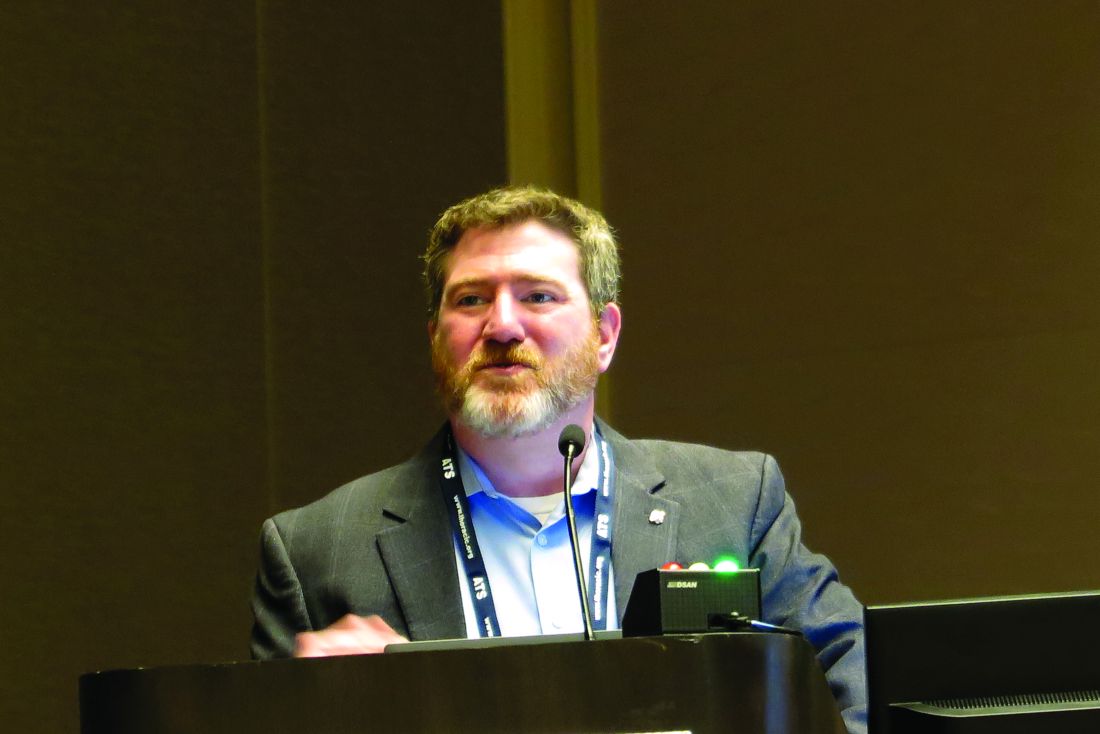
“Many of the observation data sets are critical for healthy air quality applications: observation of land surface temperature, sea surface temperature, precipitation, fires and thermal anomalies, aerosols, just to name a few, and the really awesome news is this offering from our constellation of satellites is free and open access, available to everyone across the globe,” he said.
The mission of NASA’s Earth Action Program is “to enable people and organizations to apply insights from Earth science to benefit the economy, health, quality of life, and environment.”
Program staff work with both industry and nonprofit environmental advocacy and health groups to help inform their decisions and actions with Earth science information.
NASA supports the use of Earth observations to help monitor and manage infectious diseases and environmental health, toxins and pathogens that affect health, air quality standards, and to assess the effects of climate change on air quality and public health.
Mr. Haynes noted that worldwide, six major cities have incorporated NASA data on fine particulate matter smaller than 2.5 microns (PM2.5) into their climate action plans. These cities include Accra, Ghana; Addis Ababa, Ethiopia; Buenos Aires, Argentina; Guadalajara, Mexico; Lima, Peru; and Johannesburg, South Africa.
Monitoring pollution with TEMPO
There are more than 30 Earth-monitoring systems currently in orbit or soon to be launched, including NASA’s Tropospheric Emissions: Monitoring of Pollution (TEMPO), launched in April 2023, with first operations in August 2023. The instrument is in a geostationary orbit about 22,236 miles above the equator at longitudes that allow it to survey virtually all of North America — from coast to coast, and from southern Mexico, Cuba, Puerto Rico, and the Bahamas to Northern Canada.
TEMPO is part of a geostationary air quality satellite “constellation” or group that provides daylight observation over the entire Northern Hemisphere, explained Aaron Naeger, PhD, MS, mission applications lead for TEMPO at the NASA Marshall Space Flight Center in Huntsville, Alabama.
Until TEMPO, space-based instruments had relatively low spatial resolution and could only capture one image each day. In contrast, TEMPO can scan east-west each daylight hour across its entire coverage area (known as the Field of Regard), and even more frequently during early morning and late afternoon. This allows researchers to measure volumes of pollution, sources, and how these pollution levels vary over time. The system measures ozone levels, nitrogen dioxide (NO2,) formaldehyde, and aerosols.
More than 100 federal, state, local and tribal air quality agencies use the data captured by TEMPO to inform public health efforts.
Dr. Naeger gave examples of how the system can help identify public health hazards, including scans that showed high NO2 levels from cities, traffic corridors, power plants, oil and gas fields, and fires.
Similarly, the system detected unhealthy ozone and PM2.5 levels during prescribed burns in April 2024, as well as notable differences between weekdays and weekends in NO2 concentrations across California and the Front Range in Colorado. These showed higher levels along traffic corridors during weekdays related to increased traffic volumes and tailpipe emissions.
Fire and heat
Other NASA health and air quality initiatives include the FireAQ project, based at the University of Iowa in Iowa City, which provides free online weekly briefings on fire-related air quality concerns using data from TEMPO and other NASA satellite systems. The FireAQ project was described by Jun Wang, PhD, from the University of Iowa in Iowa City.
NASA also fosters collaborations to reduce health disparities in air quality and respiratory health in urban heat islands and other areas affected by extreme temperatures due to climate change, as discussed by Christopher K. Uejio, PhD, from Florida State University in Tallahassee.
Air pollution expert George D. Thurston, ScD, professor of medicine and population health at the NYU Grossman School of Medicine, who attended the session, said that the PM2.5 standard includes nontoxic particulate matter, such as soil, and misses sub-micron sized particles, and asked Mr. Haynes whether smaller particles were being measured in the studies he described.
Mr. Haynes replied that the systems do not directly measure PM2.5 but instead rely on aerosol optical depth, a measure of the extent to which atmospheric particles absorb or scatter sunlight.
Dr. Thurston, who in 1987 was coauthor of groundbreaking study showing the link between PM2.5 levels and mortality, is now an advocate for a tougher standard of measuring ambient ultrafine particles with an aerodynamic diameter less than .1 microns in size (PM1).
NASA health and climate data are available at https://www.earthdata.nasa.gov/.
Mr. Haynes and Dr. Naeger are NASA employees. Dr. Thurston had no relevant disclosures.
SAN DIEGO – No matter where on earth you live, there’s likely to be an eye in the sky hovering overhead, and that’s a good thing, at least when it comes to satellite monitoring of air quality, said scientists from the National Aeronautics and Space Administration (NASA).
In a special symposium held at the American Thoracic Society’s international conference, NASA health and air quality specialists described the use of space-based systems and earth science applications to improve understanding of respiratory health risks worldwide, and to help enrich pulmonary research with galaxies of data.
“Every day we download over 25 terabytes of data,” said John Haynes, MS, program manager for Health and Air Quality Applications in the Earth Action Program of the NASA Earth Science Division in Washington.
“Many of the observation data sets are critical for healthy air quality applications: observation of land surface temperature, sea surface temperature, precipitation, fires and thermal anomalies, aerosols, just to name a few, and the really awesome news is this offering from our constellation of satellites is free and open access, available to everyone across the globe,” he said.
The mission of NASA’s Earth Action Program is “to enable people and organizations to apply insights from Earth science to benefit the economy, health, quality of life, and environment.”
Program staff work with both industry and nonprofit environmental advocacy and health groups to help inform their decisions and actions with Earth science information.
NASA supports the use of Earth observations to help monitor and manage infectious diseases and environmental health, toxins and pathogens that affect health, air quality standards, and to assess the effects of climate change on air quality and public health.
Mr. Haynes noted that worldwide, six major cities have incorporated NASA data on fine particulate matter smaller than 2.5 microns (PM2.5) into their climate action plans. These cities include Accra, Ghana; Addis Ababa, Ethiopia; Buenos Aires, Argentina; Guadalajara, Mexico; Lima, Peru; and Johannesburg, South Africa.
Monitoring pollution with TEMPO
There are more than 30 Earth-monitoring systems currently in orbit or soon to be launched, including NASA’s Tropospheric Emissions: Monitoring of Pollution (TEMPO), launched in April 2023, with first operations in August 2023. The instrument is in a geostationary orbit about 22,236 miles above the equator at longitudes that allow it to survey virtually all of North America — from coast to coast, and from southern Mexico, Cuba, Puerto Rico, and the Bahamas to Northern Canada.
TEMPO is part of a geostationary air quality satellite “constellation” or group that provides daylight observation over the entire Northern Hemisphere, explained Aaron Naeger, PhD, MS, mission applications lead for TEMPO at the NASA Marshall Space Flight Center in Huntsville, Alabama.
Until TEMPO, space-based instruments had relatively low spatial resolution and could only capture one image each day. In contrast, TEMPO can scan east-west each daylight hour across its entire coverage area (known as the Field of Regard), and even more frequently during early morning and late afternoon. This allows researchers to measure volumes of pollution, sources, and how these pollution levels vary over time. The system measures ozone levels, nitrogen dioxide (NO2,) formaldehyde, and aerosols.
More than 100 federal, state, local and tribal air quality agencies use the data captured by TEMPO to inform public health efforts.
Dr. Naeger gave examples of how the system can help identify public health hazards, including scans that showed high NO2 levels from cities, traffic corridors, power plants, oil and gas fields, and fires.
Similarly, the system detected unhealthy ozone and PM2.5 levels during prescribed burns in April 2024, as well as notable differences between weekdays and weekends in NO2 concentrations across California and the Front Range in Colorado. These showed higher levels along traffic corridors during weekdays related to increased traffic volumes and tailpipe emissions.
Fire and heat
Other NASA health and air quality initiatives include the FireAQ project, based at the University of Iowa in Iowa City, which provides free online weekly briefings on fire-related air quality concerns using data from TEMPO and other NASA satellite systems. The FireAQ project was described by Jun Wang, PhD, from the University of Iowa in Iowa City.
NASA also fosters collaborations to reduce health disparities in air quality and respiratory health in urban heat islands and other areas affected by extreme temperatures due to climate change, as discussed by Christopher K. Uejio, PhD, from Florida State University in Tallahassee.
Air pollution expert George D. Thurston, ScD, professor of medicine and population health at the NYU Grossman School of Medicine, who attended the session, said that the PM2.5 standard includes nontoxic particulate matter, such as soil, and misses sub-micron sized particles, and asked Mr. Haynes whether smaller particles were being measured in the studies he described.
Mr. Haynes replied that the systems do not directly measure PM2.5 but instead rely on aerosol optical depth, a measure of the extent to which atmospheric particles absorb or scatter sunlight.
Dr. Thurston, who in 1987 was coauthor of groundbreaking study showing the link between PM2.5 levels and mortality, is now an advocate for a tougher standard of measuring ambient ultrafine particles with an aerodynamic diameter less than .1 microns in size (PM1).
NASA health and climate data are available at https://www.earthdata.nasa.gov/.
Mr. Haynes and Dr. Naeger are NASA employees. Dr. Thurston had no relevant disclosures.
SAN DIEGO – No matter where on earth you live, there’s likely to be an eye in the sky hovering overhead, and that’s a good thing, at least when it comes to satellite monitoring of air quality, said scientists from the National Aeronautics and Space Administration (NASA).
In a special symposium held at the American Thoracic Society’s international conference, NASA health and air quality specialists described the use of space-based systems and earth science applications to improve understanding of respiratory health risks worldwide, and to help enrich pulmonary research with galaxies of data.
“Every day we download over 25 terabytes of data,” said John Haynes, MS, program manager for Health and Air Quality Applications in the Earth Action Program of the NASA Earth Science Division in Washington.
“Many of the observation data sets are critical for healthy air quality applications: observation of land surface temperature, sea surface temperature, precipitation, fires and thermal anomalies, aerosols, just to name a few, and the really awesome news is this offering from our constellation of satellites is free and open access, available to everyone across the globe,” he said.
The mission of NASA’s Earth Action Program is “to enable people and organizations to apply insights from Earth science to benefit the economy, health, quality of life, and environment.”
Program staff work with both industry and nonprofit environmental advocacy and health groups to help inform their decisions and actions with Earth science information.
NASA supports the use of Earth observations to help monitor and manage infectious diseases and environmental health, toxins and pathogens that affect health, air quality standards, and to assess the effects of climate change on air quality and public health.
Mr. Haynes noted that worldwide, six major cities have incorporated NASA data on fine particulate matter smaller than 2.5 microns (PM2.5) into their climate action plans. These cities include Accra, Ghana; Addis Ababa, Ethiopia; Buenos Aires, Argentina; Guadalajara, Mexico; Lima, Peru; and Johannesburg, South Africa.
Monitoring pollution with TEMPO
There are more than 30 Earth-monitoring systems currently in orbit or soon to be launched, including NASA’s Tropospheric Emissions: Monitoring of Pollution (TEMPO), launched in April 2023, with first operations in August 2023. The instrument is in a geostationary orbit about 22,236 miles above the equator at longitudes that allow it to survey virtually all of North America — from coast to coast, and from southern Mexico, Cuba, Puerto Rico, and the Bahamas to Northern Canada.
TEMPO is part of a geostationary air quality satellite “constellation” or group that provides daylight observation over the entire Northern Hemisphere, explained Aaron Naeger, PhD, MS, mission applications lead for TEMPO at the NASA Marshall Space Flight Center in Huntsville, Alabama.
Until TEMPO, space-based instruments had relatively low spatial resolution and could only capture one image each day. In contrast, TEMPO can scan east-west each daylight hour across its entire coverage area (known as the Field of Regard), and even more frequently during early morning and late afternoon. This allows researchers to measure volumes of pollution, sources, and how these pollution levels vary over time. The system measures ozone levels, nitrogen dioxide (NO2,) formaldehyde, and aerosols.
More than 100 federal, state, local and tribal air quality agencies use the data captured by TEMPO to inform public health efforts.
Dr. Naeger gave examples of how the system can help identify public health hazards, including scans that showed high NO2 levels from cities, traffic corridors, power plants, oil and gas fields, and fires.
Similarly, the system detected unhealthy ozone and PM2.5 levels during prescribed burns in April 2024, as well as notable differences between weekdays and weekends in NO2 concentrations across California and the Front Range in Colorado. These showed higher levels along traffic corridors during weekdays related to increased traffic volumes and tailpipe emissions.
Fire and heat
Other NASA health and air quality initiatives include the FireAQ project, based at the University of Iowa in Iowa City, which provides free online weekly briefings on fire-related air quality concerns using data from TEMPO and other NASA satellite systems. The FireAQ project was described by Jun Wang, PhD, from the University of Iowa in Iowa City.
NASA also fosters collaborations to reduce health disparities in air quality and respiratory health in urban heat islands and other areas affected by extreme temperatures due to climate change, as discussed by Christopher K. Uejio, PhD, from Florida State University in Tallahassee.
Air pollution expert George D. Thurston, ScD, professor of medicine and population health at the NYU Grossman School of Medicine, who attended the session, said that the PM2.5 standard includes nontoxic particulate matter, such as soil, and misses sub-micron sized particles, and asked Mr. Haynes whether smaller particles were being measured in the studies he described.
Mr. Haynes replied that the systems do not directly measure PM2.5 but instead rely on aerosol optical depth, a measure of the extent to which atmospheric particles absorb or scatter sunlight.
Dr. Thurston, who in 1987 was coauthor of groundbreaking study showing the link between PM2.5 levels and mortality, is now an advocate for a tougher standard of measuring ambient ultrafine particles with an aerodynamic diameter less than .1 microns in size (PM1).
NASA health and climate data are available at https://www.earthdata.nasa.gov/.
Mr. Haynes and Dr. Naeger are NASA employees. Dr. Thurston had no relevant disclosures.
FROM ATS 2024
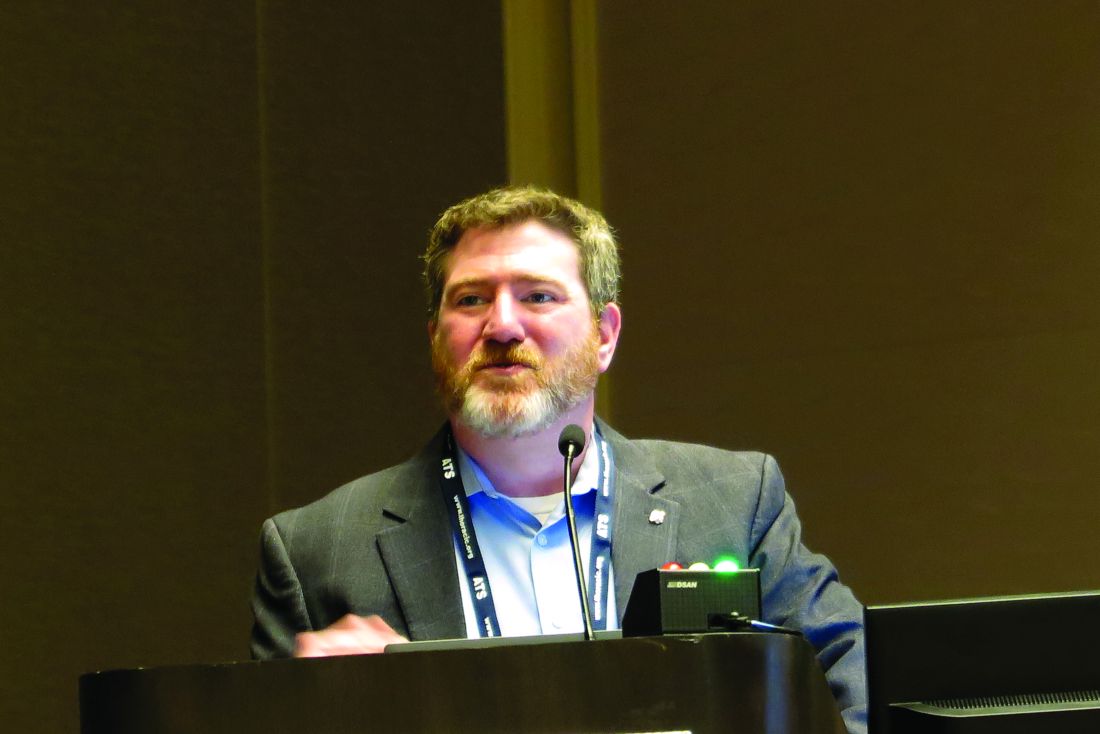
Debate on pulmonary safety of gas stoves: Is the risk just hot air?
SAN DIEGO — While there is currently no smoking gun definitively showing that indoor nitrogen dioxide (NO2) concentrations from gas appliances are a cause of pulmonary diseases, the circumstantial evidence of the baleful effects of gas stoves on lung function is pretty compelling, said participants in a pro-con debate.
The debate was held at the American Thoracic Society’s international conference.
PRO: Gas stoves cause lung disease
Arguing for the “pro” side, John R. Balmes, MD of the University of California, San Francisco, and a physician member of the California Air Resources Board, began by admitting that “I would never have said gas stoves cause lung disease, but that’s what they assigned me.”
Gamely proceeding anyway, Dr. Balmes noted that natural gas — methane — is a potent greenhouse gas, and that cooking with natural gas leads to generation of NO2 with high peak concentrations in the home, especially in the kitchen, but in other rooms as well.

“We know that NO2 is an irritant gas that can cause bronchoconstriction, airway hyperresponsiveness and inflammation, and there’s increased risk of asthma and COPD exacerbations,” he said.
The US Environmental Protection Agency (EPA) outdoor ambient air standard for NO2 is 100 parts per billion (ppb) or lower, which are the levels needed to prevent asthma exacerbations. In separate meta-analyses there was a 1.05 rise in asthma incidence per every 2 ppb of NO2, and an increase of 1.07 in COPD incidence for every 5 ppb of NO2, Dr. Balmes noted.
The respiratory effects of gas stoves were revealed in a 2013 meta-analysis of 10 studies from North America and Europe, which showed a pooled odds ratio for current asthma of 1.34. Building on these data, authors of a 2022 paper estimated that 13% of childhood asthma could be prevented by elimination gas cooking.
Although the causative link is missing, the evidence is abundant that natural gas isn’t good for anyone, he acknowledged.
Con: More evidence needed
Arguing for the “con” side of the question, Meredith C. McCormack, MD, MHS, professor of medicine in the pulmonary and critical care division at Johns Hopkins University in Baltimore, said that “more definitive evidence is needed to define whether gas stoves cause lung disease.”
But Dr. McCormack didn’t let the natural gas industry off the hook, noting that a systematic review and meta-analysis of cooking with gas in high-, middle-, and low-income countries showed that domestic use of gas fuels vs. electric was associated with increased risk of asthma (1.11 overall), COPD (1.15), and pneumonia (1.26).

The link between gas and risk of asthma was significant only for adults, however, and the data on the risks for COPD and for pneumonia or other respiratory infections came almost exclusively from low-income countries, she noted.
Despite the lack of evidence for a causative link, however, Dr. McCormack pointed to evidence that indoor NO2 is an air pollutant that acts as a respiratory irritant, and that indoor NO2 levels in homes with gas stoves have been shown to be more than twice as high as those in homes with electric stoves.
Other evidence shows that indoor NO2 is associated with increased symptoms and use of rescue medications for children with asthma, and with shortness of breath, nocturnal symptoms, reduction in lung function, and exacerbations in COPD.
Still other studies have shown that exchanging a gas stove for an electric stove can reduce NO2 concentrations in the home by up to 50%, but there is still a need for clinical trial evidence of a health benefit for such an exchange, she said.
And even if a gas stove is swapped out for an electric or induction range, household members with asthma are exposed to other hazards, including second-hand smoke, cooking exhaust, candle or incense burning, outdoor particulate matter that finds its way indoors, mold, and mouse or cockroach allergens, she noted.
On common ground
Environmental interventions that can benefit all members of a household — not just those with obstructive pulmonary disease — include smoking cessation, charcoal filter-equipped air cleaners, stove hoods that vent outdoors, integrated pest management, hypoallergenic pillow and mattress covers, high efficiency particulate air (HEPA) vacuums, and mold and radon abatement.
Both Dr. Balmes and Dr. McCormack agreed in the end that gas stoves contribute to respiratory morbidity, and that both state and national policy changes are needed to support transition to cleaner indoor air, with financial incentives available for households with more modest incomes.
“For everyone, there is a climate-change mitigation imperative to transition away from gas appliances if we want to tackle the climate emergency,” Dr. Balmes said.
End indoor combustion
George D. Thurston, ScD, professor of medicine and population health at the NYU Grossman School of Medicine, who attended the debate, told Chest Physician that the participants talked about NO2 but didn’t touch on particulate pollution generated by gas stoves.
Burning natural gas produces particles that are very similar in composition to those produced by burning coal, oil, or diesel fuel, Dr. Thurston said, and he pointed out that interventions such as range hoods work only if they actually vent outdoors, and aren’t simply fans that recirculate the air within the home. And even when ventilation works as it should to move air out of the house, it only pumps it back into the atmosphere, where it contributes to climate change.
“We need combustion-free homes. That’s the unifying principle. We have to keep our eyes on that prize,” he said.
Dr. Balmes, Dr. McCormack, and Dr. Thurston all reported having no relevant disclosures.
SAN DIEGO — While there is currently no smoking gun definitively showing that indoor nitrogen dioxide (NO2) concentrations from gas appliances are a cause of pulmonary diseases, the circumstantial evidence of the baleful effects of gas stoves on lung function is pretty compelling, said participants in a pro-con debate.
The debate was held at the American Thoracic Society’s international conference.
PRO: Gas stoves cause lung disease
Arguing for the “pro” side, John R. Balmes, MD of the University of California, San Francisco, and a physician member of the California Air Resources Board, began by admitting that “I would never have said gas stoves cause lung disease, but that’s what they assigned me.”
Gamely proceeding anyway, Dr. Balmes noted that natural gas — methane — is a potent greenhouse gas, and that cooking with natural gas leads to generation of NO2 with high peak concentrations in the home, especially in the kitchen, but in other rooms as well.
“We know that NO2 is an irritant gas that can cause bronchoconstriction, airway hyperresponsiveness and inflammation, and there’s increased risk of asthma and COPD exacerbations,” he said.
The US Environmental Protection Agency (EPA) outdoor ambient air standard for NO2 is 100 parts per billion (ppb) or lower, which are the levels needed to prevent asthma exacerbations. In separate meta-analyses there was a 1.05 rise in asthma incidence per every 2 ppb of NO2, and an increase of 1.07 in COPD incidence for every 5 ppb of NO2, Dr. Balmes noted.
The respiratory effects of gas stoves were revealed in a 2013 meta-analysis of 10 studies from North America and Europe, which showed a pooled odds ratio for current asthma of 1.34. Building on these data, authors of a 2022 paper estimated that 13% of childhood asthma could be prevented by elimination gas cooking.
Although the causative link is missing, the evidence is abundant that natural gas isn’t good for anyone, he acknowledged.
Con: More evidence needed
Arguing for the “con” side of the question, Meredith C. McCormack, MD, MHS, professor of medicine in the pulmonary and critical care division at Johns Hopkins University in Baltimore, said that “more definitive evidence is needed to define whether gas stoves cause lung disease.”
But Dr. McCormack didn’t let the natural gas industry off the hook, noting that a systematic review and meta-analysis of cooking with gas in high-, middle-, and low-income countries showed that domestic use of gas fuels vs. electric was associated with increased risk of asthma (1.11 overall), COPD (1.15), and pneumonia (1.26).
The link between gas and risk of asthma was significant only for adults, however, and the data on the risks for COPD and for pneumonia or other respiratory infections came almost exclusively from low-income countries, she noted.
Despite the lack of evidence for a causative link, however, Dr. McCormack pointed to evidence that indoor NO2 is an air pollutant that acts as a respiratory irritant, and that indoor NO2 levels in homes with gas stoves have been shown to be more than twice as high as those in homes with electric stoves.
Other evidence shows that indoor NO2 is associated with increased symptoms and use of rescue medications for children with asthma, and with shortness of breath, nocturnal symptoms, reduction in lung function, and exacerbations in COPD.
Still other studies have shown that exchanging a gas stove for an electric stove can reduce NO2 concentrations in the home by up to 50%, but there is still a need for clinical trial evidence of a health benefit for such an exchange, she said.
And even if a gas stove is swapped out for an electric or induction range, household members with asthma are exposed to other hazards, including second-hand smoke, cooking exhaust, candle or incense burning, outdoor particulate matter that finds its way indoors, mold, and mouse or cockroach allergens, she noted.
On common ground
Environmental interventions that can benefit all members of a household — not just those with obstructive pulmonary disease — include smoking cessation, charcoal filter-equipped air cleaners, stove hoods that vent outdoors, integrated pest management, hypoallergenic pillow and mattress covers, high efficiency particulate air (HEPA) vacuums, and mold and radon abatement.
Both Dr. Balmes and Dr. McCormack agreed in the end that gas stoves contribute to respiratory morbidity, and that both state and national policy changes are needed to support transition to cleaner indoor air, with financial incentives available for households with more modest incomes.
“For everyone, there is a climate-change mitigation imperative to transition away from gas appliances if we want to tackle the climate emergency,” Dr. Balmes said.
End indoor combustion
George D. Thurston, ScD, professor of medicine and population health at the NYU Grossman School of Medicine, who attended the debate, told Chest Physician that the participants talked about NO2 but didn’t touch on particulate pollution generated by gas stoves.
Burning natural gas produces particles that are very similar in composition to those produced by burning coal, oil, or diesel fuel, Dr. Thurston said, and he pointed out that interventions such as range hoods work only if they actually vent outdoors, and aren’t simply fans that recirculate the air within the home. And even when ventilation works as it should to move air out of the house, it only pumps it back into the atmosphere, where it contributes to climate change.
“We need combustion-free homes. That’s the unifying principle. We have to keep our eyes on that prize,” he said.
Dr. Balmes, Dr. McCormack, and Dr. Thurston all reported having no relevant disclosures.
SAN DIEGO — While there is currently no smoking gun definitively showing that indoor nitrogen dioxide (NO2) concentrations from gas appliances are a cause of pulmonary diseases, the circumstantial evidence of the baleful effects of gas stoves on lung function is pretty compelling, said participants in a pro-con debate.
The debate was held at the American Thoracic Society’s international conference.
PRO: Gas stoves cause lung disease
Arguing for the “pro” side, John R. Balmes, MD of the University of California, San Francisco, and a physician member of the California Air Resources Board, began by admitting that “I would never have said gas stoves cause lung disease, but that’s what they assigned me.”
Gamely proceeding anyway, Dr. Balmes noted that natural gas — methane — is a potent greenhouse gas, and that cooking with natural gas leads to generation of NO2 with high peak concentrations in the home, especially in the kitchen, but in other rooms as well.
“We know that NO2 is an irritant gas that can cause bronchoconstriction, airway hyperresponsiveness and inflammation, and there’s increased risk of asthma and COPD exacerbations,” he said.
The US Environmental Protection Agency (EPA) outdoor ambient air standard for NO2 is 100 parts per billion (ppb) or lower, which are the levels needed to prevent asthma exacerbations. In separate meta-analyses there was a 1.05 rise in asthma incidence per every 2 ppb of NO2, and an increase of 1.07 in COPD incidence for every 5 ppb of NO2, Dr. Balmes noted.
The respiratory effects of gas stoves were revealed in a 2013 meta-analysis of 10 studies from North America and Europe, which showed a pooled odds ratio for current asthma of 1.34. Building on these data, authors of a 2022 paper estimated that 13% of childhood asthma could be prevented by elimination gas cooking.
Although the causative link is missing, the evidence is abundant that natural gas isn’t good for anyone, he acknowledged.
Con: More evidence needed
Arguing for the “con” side of the question, Meredith C. McCormack, MD, MHS, professor of medicine in the pulmonary and critical care division at Johns Hopkins University in Baltimore, said that “more definitive evidence is needed to define whether gas stoves cause lung disease.”
But Dr. McCormack didn’t let the natural gas industry off the hook, noting that a systematic review and meta-analysis of cooking with gas in high-, middle-, and low-income countries showed that domestic use of gas fuels vs. electric was associated with increased risk of asthma (1.11 overall), COPD (1.15), and pneumonia (1.26).
The link between gas and risk of asthma was significant only for adults, however, and the data on the risks for COPD and for pneumonia or other respiratory infections came almost exclusively from low-income countries, she noted.
Despite the lack of evidence for a causative link, however, Dr. McCormack pointed to evidence that indoor NO2 is an air pollutant that acts as a respiratory irritant, and that indoor NO2 levels in homes with gas stoves have been shown to be more than twice as high as those in homes with electric stoves.
Other evidence shows that indoor NO2 is associated with increased symptoms and use of rescue medications for children with asthma, and with shortness of breath, nocturnal symptoms, reduction in lung function, and exacerbations in COPD.
Still other studies have shown that exchanging a gas stove for an electric stove can reduce NO2 concentrations in the home by up to 50%, but there is still a need for clinical trial evidence of a health benefit for such an exchange, she said.
And even if a gas stove is swapped out for an electric or induction range, household members with asthma are exposed to other hazards, including second-hand smoke, cooking exhaust, candle or incense burning, outdoor particulate matter that finds its way indoors, mold, and mouse or cockroach allergens, she noted.
On common ground
Environmental interventions that can benefit all members of a household — not just those with obstructive pulmonary disease — include smoking cessation, charcoal filter-equipped air cleaners, stove hoods that vent outdoors, integrated pest management, hypoallergenic pillow and mattress covers, high efficiency particulate air (HEPA) vacuums, and mold and radon abatement.
Both Dr. Balmes and Dr. McCormack agreed in the end that gas stoves contribute to respiratory morbidity, and that both state and national policy changes are needed to support transition to cleaner indoor air, with financial incentives available for households with more modest incomes.
“For everyone, there is a climate-change mitigation imperative to transition away from gas appliances if we want to tackle the climate emergency,” Dr. Balmes said.
End indoor combustion
George D. Thurston, ScD, professor of medicine and population health at the NYU Grossman School of Medicine, who attended the debate, told Chest Physician that the participants talked about NO2 but didn’t touch on particulate pollution generated by gas stoves.
Burning natural gas produces particles that are very similar in composition to those produced by burning coal, oil, or diesel fuel, Dr. Thurston said, and he pointed out that interventions such as range hoods work only if they actually vent outdoors, and aren’t simply fans that recirculate the air within the home. And even when ventilation works as it should to move air out of the house, it only pumps it back into the atmosphere, where it contributes to climate change.
“We need combustion-free homes. That’s the unifying principle. We have to keep our eyes on that prize,” he said.
Dr. Balmes, Dr. McCormack, and Dr. Thurston all reported having no relevant disclosures.
FROM ATS 2024
Inflammation Affects Association Between Furan Exposure and Chronic Obstructive Pulmonary Disease
TOPLINE:
Exposure to furan, a chemical present in agricultural products, stabilizers, pharmaceuticals, and heat-processed foods, shows a significant positive correlation with the prevalence and respiratory mortality of chronic obstructive pulmonary disease (COPD).
METHODOLOGY:
- The researchers reviewed data from the National Health and Nutrition Examination Survey database from 2013 to 2018 and identified 270 adults with a diagnosis of COPD and 7212 without.
- The researchers used a restricted cubic spline analysis to examine the association between COPD risk and blood furan levels and mediating analysis to explore the impact of inflammation.
- The primary outcome of the study was respiratory mortality.
TAKEAWAY:
- Ten COPD patients died of respiratory diseases; adjusted analysis showed a positive correlation between log10-transformed blood furan levels and respiratory mortality in COPD patients (hazard ratio, 41.00, P = .003).
- In a logistic regression analysis, log10-transformed blood furan levels were significantly associated with increased risk for COPD; individuals in the fifth quartile had significantly increased risk compared with the first quartile (odds ratio, 4.47; P = .006).
- COPD demonstrated a significant positive association with monocytes, neutrophils, and basophils, which showed mediated proportions of 8.73%, 20.90%, and 10.94%, respectively, in the relationship between furan exposure and prevalence of COPD (P < .05 for all).
IN PRACTICE:
“The implication [of the findings] is that reducing exposure to furan in the environment could potentially lower the incidence of COPD and improve the prognosis for COPD patients,” but large-scale prospective cohort studies are needed, the researchers wrote in their conclusion.
SOURCE:
The lead author of the study was Di Sun, MD, of Capital Medical University, Beijing, China. The study was published online in BMC Public Health.
LIMITATIONS:
The cross-sectional design prevented establishment of a causal relationship between furan exposure and COPD; lack of data on the conditions of furan exposure and the reliance on self-reports for COPD diagnosis were among the factors that limited the study findings.
DISCLOSURES:
The study was supported by the High Level Public Health Technology Talent Construction Project and Reform and Development Program of Beijing Institute of Respiratory Medicine. The researchers had no financial conflicts to disclose.
A version of this article appeared on Medscape.com.
TOPLINE:
Exposure to furan, a chemical present in agricultural products, stabilizers, pharmaceuticals, and heat-processed foods, shows a significant positive correlation with the prevalence and respiratory mortality of chronic obstructive pulmonary disease (COPD).
METHODOLOGY:
- The researchers reviewed data from the National Health and Nutrition Examination Survey database from 2013 to 2018 and identified 270 adults with a diagnosis of COPD and 7212 without.
- The researchers used a restricted cubic spline analysis to examine the association between COPD risk and blood furan levels and mediating analysis to explore the impact of inflammation.
- The primary outcome of the study was respiratory mortality.
TAKEAWAY:
- Ten COPD patients died of respiratory diseases; adjusted analysis showed a positive correlation between log10-transformed blood furan levels and respiratory mortality in COPD patients (hazard ratio, 41.00, P = .003).
- In a logistic regression analysis, log10-transformed blood furan levels were significantly associated with increased risk for COPD; individuals in the fifth quartile had significantly increased risk compared with the first quartile (odds ratio, 4.47; P = .006).
- COPD demonstrated a significant positive association with monocytes, neutrophils, and basophils, which showed mediated proportions of 8.73%, 20.90%, and 10.94%, respectively, in the relationship between furan exposure and prevalence of COPD (P < .05 for all).
IN PRACTICE:
“The implication [of the findings] is that reducing exposure to furan in the environment could potentially lower the incidence of COPD and improve the prognosis for COPD patients,” but large-scale prospective cohort studies are needed, the researchers wrote in their conclusion.
SOURCE:
The lead author of the study was Di Sun, MD, of Capital Medical University, Beijing, China. The study was published online in BMC Public Health.
LIMITATIONS:
The cross-sectional design prevented establishment of a causal relationship between furan exposure and COPD; lack of data on the conditions of furan exposure and the reliance on self-reports for COPD diagnosis were among the factors that limited the study findings.
DISCLOSURES:
The study was supported by the High Level Public Health Technology Talent Construction Project and Reform and Development Program of Beijing Institute of Respiratory Medicine. The researchers had no financial conflicts to disclose.
A version of this article appeared on Medscape.com.
TOPLINE:
Exposure to furan, a chemical present in agricultural products, stabilizers, pharmaceuticals, and heat-processed foods, shows a significant positive correlation with the prevalence and respiratory mortality of chronic obstructive pulmonary disease (COPD).
METHODOLOGY:
- The researchers reviewed data from the National Health and Nutrition Examination Survey database from 2013 to 2018 and identified 270 adults with a diagnosis of COPD and 7212 without.
- The researchers used a restricted cubic spline analysis to examine the association between COPD risk and blood furan levels and mediating analysis to explore the impact of inflammation.
- The primary outcome of the study was respiratory mortality.
TAKEAWAY:
- Ten COPD patients died of respiratory diseases; adjusted analysis showed a positive correlation between log10-transformed blood furan levels and respiratory mortality in COPD patients (hazard ratio, 41.00, P = .003).
- In a logistic regression analysis, log10-transformed blood furan levels were significantly associated with increased risk for COPD; individuals in the fifth quartile had significantly increased risk compared with the first quartile (odds ratio, 4.47; P = .006).
- COPD demonstrated a significant positive association with monocytes, neutrophils, and basophils, which showed mediated proportions of 8.73%, 20.90%, and 10.94%, respectively, in the relationship between furan exposure and prevalence of COPD (P < .05 for all).
IN PRACTICE:
“The implication [of the findings] is that reducing exposure to furan in the environment could potentially lower the incidence of COPD and improve the prognosis for COPD patients,” but large-scale prospective cohort studies are needed, the researchers wrote in their conclusion.
SOURCE:
The lead author of the study was Di Sun, MD, of Capital Medical University, Beijing, China. The study was published online in BMC Public Health.
LIMITATIONS:
The cross-sectional design prevented establishment of a causal relationship between furan exposure and COPD; lack of data on the conditions of furan exposure and the reliance on self-reports for COPD diagnosis were among the factors that limited the study findings.
DISCLOSURES:
The study was supported by the High Level Public Health Technology Talent Construction Project and Reform and Development Program of Beijing Institute of Respiratory Medicine. The researchers had no financial conflicts to disclose.
A version of this article appeared on Medscape.com.
EPR and CRP Predict Adverse Events in COPD Exacerbations
TOPLINE:
C-reactive protein (CRP) levels and eosinophil-to-platelet ratio (EPR) are significant independent predictors of adverse events in patients with chronic obstructive pulmonary disease (COPD) hospitalized with acute exacerbations.
METHODOLOGY:
- In a prospective, observational study at a single center, the researchers examined clinical and lab data including serum CRP levels, EPR, sarcopenia, lung function, nutrition, and frailty.
- The study population included 200 adults older than 40 years with COPD who were hospitalized for acute exacerbations; 50 experienced adverse events.
TAKEAWAY:
- Both elevated CRP and low EPR were significant predictors of adverse events in adjusted analysis in patients with COPD exacerbations (area under the curve, 0.71 and 0.76, respectively).
- In a multivariate analysis, EPR and CRP, as well as sarcopenia, were significantly associated with adverse events (adjusted odds ratios, 2.33, 2.09, and 1.97, respectively).
- COPD symptom scores, frailty, and malnutrition showed predictive value in bivariate but not multivariate analysis.
IN PRACTICE:
“Screening for these biomarkers [EPR and CRP] on admission could help identify high-risk patients who need more aggressive monitoring and treatment,” the researchers wrote in their discussion.
SOURCE:
The lead author on the study was Rohankumar Gandhi, MD, of Guru Gobind Singh Government Hospital, Jamnagar, India. The study was published online in Cureus.
LIMITATIONS:
The use of data from a single center, lack of information on nutritional interventions and counseling, and lack of data on outpatient outcomes limited the study findings.
DISCLOSURES:
The study received no outside funding. The researchers had no financial conflicts to disclose.
A version of this article appeared on Medscape.com.
TOPLINE:
C-reactive protein (CRP) levels and eosinophil-to-platelet ratio (EPR) are significant independent predictors of adverse events in patients with chronic obstructive pulmonary disease (COPD) hospitalized with acute exacerbations.
METHODOLOGY:
- In a prospective, observational study at a single center, the researchers examined clinical and lab data including serum CRP levels, EPR, sarcopenia, lung function, nutrition, and frailty.
- The study population included 200 adults older than 40 years with COPD who were hospitalized for acute exacerbations; 50 experienced adverse events.
TAKEAWAY:
- Both elevated CRP and low EPR were significant predictors of adverse events in adjusted analysis in patients with COPD exacerbations (area under the curve, 0.71 and 0.76, respectively).
- In a multivariate analysis, EPR and CRP, as well as sarcopenia, were significantly associated with adverse events (adjusted odds ratios, 2.33, 2.09, and 1.97, respectively).
- COPD symptom scores, frailty, and malnutrition showed predictive value in bivariate but not multivariate analysis.
IN PRACTICE:
“Screening for these biomarkers [EPR and CRP] on admission could help identify high-risk patients who need more aggressive monitoring and treatment,” the researchers wrote in their discussion.
SOURCE:
The lead author on the study was Rohankumar Gandhi, MD, of Guru Gobind Singh Government Hospital, Jamnagar, India. The study was published online in Cureus.
LIMITATIONS:
The use of data from a single center, lack of information on nutritional interventions and counseling, and lack of data on outpatient outcomes limited the study findings.
DISCLOSURES:
The study received no outside funding. The researchers had no financial conflicts to disclose.
A version of this article appeared on Medscape.com.
TOPLINE:
C-reactive protein (CRP) levels and eosinophil-to-platelet ratio (EPR) are significant independent predictors of adverse events in patients with chronic obstructive pulmonary disease (COPD) hospitalized with acute exacerbations.
METHODOLOGY:
- In a prospective, observational study at a single center, the researchers examined clinical and lab data including serum CRP levels, EPR, sarcopenia, lung function, nutrition, and frailty.
- The study population included 200 adults older than 40 years with COPD who were hospitalized for acute exacerbations; 50 experienced adverse events.
TAKEAWAY:
- Both elevated CRP and low EPR were significant predictors of adverse events in adjusted analysis in patients with COPD exacerbations (area under the curve, 0.71 and 0.76, respectively).
- In a multivariate analysis, EPR and CRP, as well as sarcopenia, were significantly associated with adverse events (adjusted odds ratios, 2.33, 2.09, and 1.97, respectively).
- COPD symptom scores, frailty, and malnutrition showed predictive value in bivariate but not multivariate analysis.
IN PRACTICE:
“Screening for these biomarkers [EPR and CRP] on admission could help identify high-risk patients who need more aggressive monitoring and treatment,” the researchers wrote in their discussion.
SOURCE:
The lead author on the study was Rohankumar Gandhi, MD, of Guru Gobind Singh Government Hospital, Jamnagar, India. The study was published online in Cureus.
LIMITATIONS:
The use of data from a single center, lack of information on nutritional interventions and counseling, and lack of data on outpatient outcomes limited the study findings.
DISCLOSURES:
The study received no outside funding. The researchers had no financial conflicts to disclose.
A version of this article appeared on Medscape.com.
Lung Cancer Screening Unveils Hidden Health Risks
The reason is because the low-dose CT scans used for screening cover the lower neck down to the upper abdomen, revealing far more anatomy than simply the lungs.
In fact, lung cancer screening can provide information on three of the top 10 causes of death worldwide: ischemic heart disease, chronic obstructive pulmonary disease, and, of course, lung cancer.
With lung cancer screening, “we are basically targeting many birds with one low-dose stone,” explained Jelena Spasic MD, PhD, at the European Lung Cancer Congress (ELCC) 2024.
Dr. Spasic, a medical oncologist at the Institute for Oncology and Radiology of Serbia in Belgrade, was the discussant on a study that gave an indication on just how useful screening can be for other diseases.
The study, dubbed 4-IN-THE-LUNG-RUN trial (4ITLR), is an ongoing prospective trial in six European countries that is using lung cancer screening scans to also look for coronary artery calcifications, a marker of atherosclerosis.
Usually, coronary calcifications are considered incidental findings on lung cancer screenings and reported to subjects’ physicians for heart disease risk assessment.
The difference in 4ITLR is that investigators are actively looking for the lesions and quantifying the extent of calcifications.
It’s made possible by the artificial intelligence-based software being used to read the scans. In addition to generating reports on lung nodules, it also automatically calculates an Agatston score, a quantification of the degree of coronary artery calcification for each subject.
At the meeting, which was organized by the European Society for Clinical Oncology, 4ITLR investigator Daiwei Han, MD, PhD, a research associate at the Institute for Diagnostic Accuracy in Groningen, the Netherlands, reported outcomes in the first 2487 of the 24,000 planned subjects.
To be eligible for screening, participants had to be 60-79 years old and either current smokers, past smokers who had quit within 10 years, or people with a 35 or more pack-year history. The median age in the study was 68.1 years.
Overall, 53% of subjects had Agatston scores of 100 or more, indicating the need for treatment to prevent active coronary artery disease, Dr. Han said.
Fifteen percent were at high risk for heart disease with scores of 400-999, indicating extensive coronary artery calcification, and 16.2% were at very high risk, with scores of 1000 or higher. The information is being shared with participants’ physicians.
The risk of heart disease was far higher in men, who made up 56% of the study population. While women had a median Agatston score of 61, the median score for men was 211.1.
The findings illustrate the potential of dedicated cardiovascular screening within lung cancer screening programs, Dr. Han said, noting that 4ITLR will also incorporate COPD risk assessment.
The study also shows the increased impact lung cancer screening programs could have if greater use were made of the CT images to look for other diseases, Dr. Spasic said.
4ITLR is funded by the European Union’s Horizon 2020 Program. Dr. Spasic and Dr. Han didn’t have any relevant disclosures.
The reason is because the low-dose CT scans used for screening cover the lower neck down to the upper abdomen, revealing far more anatomy than simply the lungs.
In fact, lung cancer screening can provide information on three of the top 10 causes of death worldwide: ischemic heart disease, chronic obstructive pulmonary disease, and, of course, lung cancer.
With lung cancer screening, “we are basically targeting many birds with one low-dose stone,” explained Jelena Spasic MD, PhD, at the European Lung Cancer Congress (ELCC) 2024.
Dr. Spasic, a medical oncologist at the Institute for Oncology and Radiology of Serbia in Belgrade, was the discussant on a study that gave an indication on just how useful screening can be for other diseases.
The study, dubbed 4-IN-THE-LUNG-RUN trial (4ITLR), is an ongoing prospective trial in six European countries that is using lung cancer screening scans to also look for coronary artery calcifications, a marker of atherosclerosis.
Usually, coronary calcifications are considered incidental findings on lung cancer screenings and reported to subjects’ physicians for heart disease risk assessment.
The difference in 4ITLR is that investigators are actively looking for the lesions and quantifying the extent of calcifications.
It’s made possible by the artificial intelligence-based software being used to read the scans. In addition to generating reports on lung nodules, it also automatically calculates an Agatston score, a quantification of the degree of coronary artery calcification for each subject.
At the meeting, which was organized by the European Society for Clinical Oncology, 4ITLR investigator Daiwei Han, MD, PhD, a research associate at the Institute for Diagnostic Accuracy in Groningen, the Netherlands, reported outcomes in the first 2487 of the 24,000 planned subjects.
To be eligible for screening, participants had to be 60-79 years old and either current smokers, past smokers who had quit within 10 years, or people with a 35 or more pack-year history. The median age in the study was 68.1 years.
Overall, 53% of subjects had Agatston scores of 100 or more, indicating the need for treatment to prevent active coronary artery disease, Dr. Han said.
Fifteen percent were at high risk for heart disease with scores of 400-999, indicating extensive coronary artery calcification, and 16.2% were at very high risk, with scores of 1000 or higher. The information is being shared with participants’ physicians.
The risk of heart disease was far higher in men, who made up 56% of the study population. While women had a median Agatston score of 61, the median score for men was 211.1.
The findings illustrate the potential of dedicated cardiovascular screening within lung cancer screening programs, Dr. Han said, noting that 4ITLR will also incorporate COPD risk assessment.
The study also shows the increased impact lung cancer screening programs could have if greater use were made of the CT images to look for other diseases, Dr. Spasic said.
4ITLR is funded by the European Union’s Horizon 2020 Program. Dr. Spasic and Dr. Han didn’t have any relevant disclosures.
The reason is because the low-dose CT scans used for screening cover the lower neck down to the upper abdomen, revealing far more anatomy than simply the lungs.
In fact, lung cancer screening can provide information on three of the top 10 causes of death worldwide: ischemic heart disease, chronic obstructive pulmonary disease, and, of course, lung cancer.
With lung cancer screening, “we are basically targeting many birds with one low-dose stone,” explained Jelena Spasic MD, PhD, at the European Lung Cancer Congress (ELCC) 2024.
Dr. Spasic, a medical oncologist at the Institute for Oncology and Radiology of Serbia in Belgrade, was the discussant on a study that gave an indication on just how useful screening can be for other diseases.
The study, dubbed 4-IN-THE-LUNG-RUN trial (4ITLR), is an ongoing prospective trial in six European countries that is using lung cancer screening scans to also look for coronary artery calcifications, a marker of atherosclerosis.
Usually, coronary calcifications are considered incidental findings on lung cancer screenings and reported to subjects’ physicians for heart disease risk assessment.
The difference in 4ITLR is that investigators are actively looking for the lesions and quantifying the extent of calcifications.
It’s made possible by the artificial intelligence-based software being used to read the scans. In addition to generating reports on lung nodules, it also automatically calculates an Agatston score, a quantification of the degree of coronary artery calcification for each subject.
At the meeting, which was organized by the European Society for Clinical Oncology, 4ITLR investigator Daiwei Han, MD, PhD, a research associate at the Institute for Diagnostic Accuracy in Groningen, the Netherlands, reported outcomes in the first 2487 of the 24,000 planned subjects.
To be eligible for screening, participants had to be 60-79 years old and either current smokers, past smokers who had quit within 10 years, or people with a 35 or more pack-year history. The median age in the study was 68.1 years.
Overall, 53% of subjects had Agatston scores of 100 or more, indicating the need for treatment to prevent active coronary artery disease, Dr. Han said.
Fifteen percent were at high risk for heart disease with scores of 400-999, indicating extensive coronary artery calcification, and 16.2% were at very high risk, with scores of 1000 or higher. The information is being shared with participants’ physicians.
The risk of heart disease was far higher in men, who made up 56% of the study population. While women had a median Agatston score of 61, the median score for men was 211.1.
The findings illustrate the potential of dedicated cardiovascular screening within lung cancer screening programs, Dr. Han said, noting that 4ITLR will also incorporate COPD risk assessment.
The study also shows the increased impact lung cancer screening programs could have if greater use were made of the CT images to look for other diseases, Dr. Spasic said.
4ITLR is funded by the European Union’s Horizon 2020 Program. Dr. Spasic and Dr. Han didn’t have any relevant disclosures.
FROM ELCC 2024
Patients haunted by fears of living with and dying from severe lung disease
Many patients with chronic progressive pulmonary disease feel anxious and depressed as their conditions advance, as breathing becomes increasingly labored and difficult, and as performing even small daily tasks leaves them exhausted.
Disease-related mental distress can lead to increased disability, more frequent use of costly healthcare resources, higher morbidity, and elevated risk of death, investigators say.
“Individuals with severe COPD are twice as likely to develop depression than patients with mild COPD. Prevalence rates for clinical anxiety in COPD range from 13% to 46% in outpatients and 10% to 55% among inpatients,” wrote Abebaw Mengitsu Yohannes, PhD, then from Azusa Pacific University in Azusa, California, and colleagues in an article published jointly by The Journal of Family Practice and The Cleveland Clinic Journal of Medicine.
Patients with COPD may experience major depressive disorders, chronic mild depression (dysthymias), and minor depression, as well as generalized anxiety disorder, phobias, and panic disorders, the investigators say.
“Growing evidence suggests that the relationship between mood disorders — particularly depression — and COPD is bidirectional, meaning that mood disorders adversely impact prognosis in COPD, whereas COPD increases the risk of developing depression,” Yohannes et al. wrote.
Jamie Garfield, MD, professor of thoracic medicine and surgery at Temple University’s Lewis Katz School of Medicine in Philadelphia, Pennsylvania, told Chest Physician that the association between severe chronic diseases and mood disorders is well known.
“I don’t think that it’s specific to chronic lung diseases; in people with chronic heart disease or malignancies we see that coexistence of depression and anxiety will worsen the course of disease,” she said.
Dr. Johannes, who is currently a professor of physical therapy at the University of Alabama School of Health Professionals in Birmingham, said that depression and anxiety are often underdiagnosed and undertreated in patients with obstructive pulmonary diseases because the conditions can share symptoms such as dyspnea (for example, in anxiety) or fatigue (in depression).
“Therefore, unless one begins to explore further, it’s hard for physicians to be able to identify these conditions,” he said in an interview with Chest Physician.
Fears of dying (and living)
The causes of depression and anxiety among patients with obstructive pulmonary disorders are multifactorial, and may require a variety of treatment and coping strategies, according to Susann Strang, RN, PhD, and colleagues from the University of Gothenburg, Gothenburg, Sweden.
They conducted qualitative in-depth interviews with 31 men and women with stage III or IV COPD, and found that the majority of patients had anxiety associated with their disease.
“Analyses revealed three major themes: death anxiety, life anxiety, and counterweights to anxiety,” the investigators wrote in a study published in the journal Palliative and Supportive Care in 2014.
Factors contributing to anxiety surrounding death included fear of suffocation, awareness of impending death, fear of the process of death, and anxiety about being separated from loved ones.
In contrast, some patients expressed dread of living with the limitations and loneliness imposed on them by their disease — so-called “life anxiety.”
The patients also reported “counterweights” to anxiety as a way of coping. For some this involved trust in their healthcare professionals and adherence to medication, inhalers, and supplemental oxygen.
“The patients also placed hope in new treatments, better medication, surgery, stem cell treatment, or lung transplants,” Dr. Strang and colleagues reported.
Others reported avoiding talking about death, sleeping more, or using humor to “laugh off this difficult subject.”
Screening and diagnosis
Primary care practitioners are often the first health professionals that patients with COPD see, but these clinicians often don’t have the time to add screening to their already crammed schedules. In addition, “the lack of a standardized approach in diagnosis, and inadequate knowledge or confidence in assessing psychological status (particularly given the number of strategies available for screening patients for mood disorders),” can make it difficult for PCPs to detect and manage anxiety and depression in their patients with significant healthcare burdens from COPD and other obstructive lung diseases, Dr. Yohannes and colleagues noted.
In addition to commonly used screening tools for anxiety and depression such as the Primary Care Evaluation of Mental Disorders (PRIME-MD) Patient Health Questionnaire (PHQ-9), there are at least two designed to evaluate patients with lung disease: the Anxiety Inventory for Respiratory (AIR) Disease scale, developed by Dr. Yohannes and colleagues, and the COPD Anxiety Questionnaire.
The COPD Assessment Test and Clinical COPD Questionnaire, while not specifically designed to screen for mental disorders, include questions that can point to symptoms of distress in patients with COPD, Dr. Yohannes said.
“In truth I think that there are few providers who will routinely do this on all their patients in terms of quantifying the severity or the presence or absence of depression, but in my own practice I very much ask questions that align with the questions in these tools to determine whether my patient appears to have high levels of anxiety and depression,” Dr. Garfield said.
Listen to patients and families
Among the most powerful tools that clinicians have at their disposal for treating anxiety and depression in patients with chronic lung disease are their ears and their minds, said Anthony Saleh, MD, a pulmonologist at New York-Presbyterian Brooklyn Methodist Hospital in Brooklyn, New York.
“I think just listening to the patient, that’s a little bit forgotten yet so important,” he said in an interview with CHEST Physician.
“When I have someone with advanced lung disease, like idiopathic pulmonary fibrosis, like advanced emphysema, one of the most important things I think is to listen to the patient, and not just to listen to the answers of your perfunctory ‘how’s your breathing? Any chest pain?’ and those sort of rote medical questions, but listen to their thoughts, and it will given them a safe space to say ‘Hey, I’m nervous, hey I’m worried about my family, hey I’m worried if I die what’s going to happen to my wife and kids,’ and that’s something I think is invaluable.”
It’s also vital to listen to the concerns of the patients family members, who may be the primary caregivers and may share the patient’s stresses and anxieties, he said.
Pulmonary Rehabilitation
All of the experts interviewed for this article agreed that a combination of medical, social and mental health support services is important for treatment for patients with chronic obstructive lung diseases.
One of the most effective means of helping patients with both acute breathing problems and with disease-related anxiety and depression is pulmonary rehabilitation. Depending on disease severity, this multidisciplinary approach may involve exercise, patient education, psychological and nutrition counseling, and training patients how to conserve energy and adopt breathing strategies to help them better manage their symptoms.
“I think that pulmonary rehabilitation is one of the first interventions that we should be recommending for our patients,” Dr. Garfield said. “It’s physical therapy for patients with chronic lung diseases, backed by respiratory therapists, and it offers not only physical rehabilitation — improving strength and coordination, but also it helps our patients get as much as possible out of what they’ve got.”
For example, patients can be taught how to decrease their respiratory rate when they’re feeling a sense of urgency or panic. Patients can also learn how to change body positions to help them breathe more effectively when they feel that their breath is limited or restricted, she said.
“Once you’re into medical interventions, pulmonary rehab is phenomenal,” Dr. Saleh said.
Pulmonary rehabilitation helps patients to feel better about themselves and about their abilities, but “unfortunately it’s not as available as we like,” he said.
Many patients don’t live near a pulmonary rehabilitation center, and the typical two to three weekly sessions for 4-12 weeks or longer can be a significant burden for patients and caregivers, he acknowledged.
“You have to sit [with the patient] and be honest and tell them it’s a lot of diligence involved and you have to be really motivated,” he said.
Other treatment options include pharmacological therapy with antidepressants such as selective serotonin reuptake inhibitors (SSRIs) and anxiolytic agents.
“SSRIs are the current first-line drug treatment for depression, and have been shown to significantly improve depression and anxiety in patients with COPD in some, but not all, trials published to date. However, it is important to note that a diagnosis of bipolar disorder must be ruled out before initiating standard antidepressant therapy,” Dr. Johannes and colleagues wrote.
Defiant joy
Importantly, even with the burden of life with COPD, many patients found ways to experience what Strang et al. called “a defiant joy.”
“It was remarkable that when the patients were asked about what gave their lives meaning today, many talked about what had given their life meaning in the past, prior to becoming ill. In the light of the things they had lost because of the disease, many felt that their previous sources of joy no longer existed. Despite this, many still hoped to be able to get out into the fresh air, to be able to do errands, or that tomorrow might be better,” the investigators wrote.
Dr. Yohannes, Dr. Garfield, and Dr. Saleh all reported having no relevant conflicts of interest to report.
Many patients with chronic progressive pulmonary disease feel anxious and depressed as their conditions advance, as breathing becomes increasingly labored and difficult, and as performing even small daily tasks leaves them exhausted.
Disease-related mental distress can lead to increased disability, more frequent use of costly healthcare resources, higher morbidity, and elevated risk of death, investigators say.
“Individuals with severe COPD are twice as likely to develop depression than patients with mild COPD. Prevalence rates for clinical anxiety in COPD range from 13% to 46% in outpatients and 10% to 55% among inpatients,” wrote Abebaw Mengitsu Yohannes, PhD, then from Azusa Pacific University in Azusa, California, and colleagues in an article published jointly by The Journal of Family Practice and The Cleveland Clinic Journal of Medicine.
Patients with COPD may experience major depressive disorders, chronic mild depression (dysthymias), and minor depression, as well as generalized anxiety disorder, phobias, and panic disorders, the investigators say.
“Growing evidence suggests that the relationship between mood disorders — particularly depression — and COPD is bidirectional, meaning that mood disorders adversely impact prognosis in COPD, whereas COPD increases the risk of developing depression,” Yohannes et al. wrote.
Jamie Garfield, MD, professor of thoracic medicine and surgery at Temple University’s Lewis Katz School of Medicine in Philadelphia, Pennsylvania, told Chest Physician that the association between severe chronic diseases and mood disorders is well known.
“I don’t think that it’s specific to chronic lung diseases; in people with chronic heart disease or malignancies we see that coexistence of depression and anxiety will worsen the course of disease,” she said.
Dr. Johannes, who is currently a professor of physical therapy at the University of Alabama School of Health Professionals in Birmingham, said that depression and anxiety are often underdiagnosed and undertreated in patients with obstructive pulmonary diseases because the conditions can share symptoms such as dyspnea (for example, in anxiety) or fatigue (in depression).
“Therefore, unless one begins to explore further, it’s hard for physicians to be able to identify these conditions,” he said in an interview with Chest Physician.
Fears of dying (and living)
The causes of depression and anxiety among patients with obstructive pulmonary disorders are multifactorial, and may require a variety of treatment and coping strategies, according to Susann Strang, RN, PhD, and colleagues from the University of Gothenburg, Gothenburg, Sweden.
They conducted qualitative in-depth interviews with 31 men and women with stage III or IV COPD, and found that the majority of patients had anxiety associated with their disease.
“Analyses revealed three major themes: death anxiety, life anxiety, and counterweights to anxiety,” the investigators wrote in a study published in the journal Palliative and Supportive Care in 2014.
Factors contributing to anxiety surrounding death included fear of suffocation, awareness of impending death, fear of the process of death, and anxiety about being separated from loved ones.
In contrast, some patients expressed dread of living with the limitations and loneliness imposed on them by their disease — so-called “life anxiety.”
The patients also reported “counterweights” to anxiety as a way of coping. For some this involved trust in their healthcare professionals and adherence to medication, inhalers, and supplemental oxygen.
“The patients also placed hope in new treatments, better medication, surgery, stem cell treatment, or lung transplants,” Dr. Strang and colleagues reported.
Others reported avoiding talking about death, sleeping more, or using humor to “laugh off this difficult subject.”
Screening and diagnosis
Primary care practitioners are often the first health professionals that patients with COPD see, but these clinicians often don’t have the time to add screening to their already crammed schedules. In addition, “the lack of a standardized approach in diagnosis, and inadequate knowledge or confidence in assessing psychological status (particularly given the number of strategies available for screening patients for mood disorders),” can make it difficult for PCPs to detect and manage anxiety and depression in their patients with significant healthcare burdens from COPD and other obstructive lung diseases, Dr. Yohannes and colleagues noted.
In addition to commonly used screening tools for anxiety and depression such as the Primary Care Evaluation of Mental Disorders (PRIME-MD) Patient Health Questionnaire (PHQ-9), there are at least two designed to evaluate patients with lung disease: the Anxiety Inventory for Respiratory (AIR) Disease scale, developed by Dr. Yohannes and colleagues, and the COPD Anxiety Questionnaire.
The COPD Assessment Test and Clinical COPD Questionnaire, while not specifically designed to screen for mental disorders, include questions that can point to symptoms of distress in patients with COPD, Dr. Yohannes said.
“In truth I think that there are few providers who will routinely do this on all their patients in terms of quantifying the severity or the presence or absence of depression, but in my own practice I very much ask questions that align with the questions in these tools to determine whether my patient appears to have high levels of anxiety and depression,” Dr. Garfield said.
Listen to patients and families
Among the most powerful tools that clinicians have at their disposal for treating anxiety and depression in patients with chronic lung disease are their ears and their minds, said Anthony Saleh, MD, a pulmonologist at New York-Presbyterian Brooklyn Methodist Hospital in Brooklyn, New York.
“I think just listening to the patient, that’s a little bit forgotten yet so important,” he said in an interview with CHEST Physician.
“When I have someone with advanced lung disease, like idiopathic pulmonary fibrosis, like advanced emphysema, one of the most important things I think is to listen to the patient, and not just to listen to the answers of your perfunctory ‘how’s your breathing? Any chest pain?’ and those sort of rote medical questions, but listen to their thoughts, and it will given them a safe space to say ‘Hey, I’m nervous, hey I’m worried about my family, hey I’m worried if I die what’s going to happen to my wife and kids,’ and that’s something I think is invaluable.”
It’s also vital to listen to the concerns of the patients family members, who may be the primary caregivers and may share the patient’s stresses and anxieties, he said.
Pulmonary Rehabilitation
All of the experts interviewed for this article agreed that a combination of medical, social and mental health support services is important for treatment for patients with chronic obstructive lung diseases.
One of the most effective means of helping patients with both acute breathing problems and with disease-related anxiety and depression is pulmonary rehabilitation. Depending on disease severity, this multidisciplinary approach may involve exercise, patient education, psychological and nutrition counseling, and training patients how to conserve energy and adopt breathing strategies to help them better manage their symptoms.
“I think that pulmonary rehabilitation is one of the first interventions that we should be recommending for our patients,” Dr. Garfield said. “It’s physical therapy for patients with chronic lung diseases, backed by respiratory therapists, and it offers not only physical rehabilitation — improving strength and coordination, but also it helps our patients get as much as possible out of what they’ve got.”
For example, patients can be taught how to decrease their respiratory rate when they’re feeling a sense of urgency or panic. Patients can also learn how to change body positions to help them breathe more effectively when they feel that their breath is limited or restricted, she said.
“Once you’re into medical interventions, pulmonary rehab is phenomenal,” Dr. Saleh said.
Pulmonary rehabilitation helps patients to feel better about themselves and about their abilities, but “unfortunately it’s not as available as we like,” he said.
Many patients don’t live near a pulmonary rehabilitation center, and the typical two to three weekly sessions for 4-12 weeks or longer can be a significant burden for patients and caregivers, he acknowledged.
“You have to sit [with the patient] and be honest and tell them it’s a lot of diligence involved and you have to be really motivated,” he said.
Other treatment options include pharmacological therapy with antidepressants such as selective serotonin reuptake inhibitors (SSRIs) and anxiolytic agents.
“SSRIs are the current first-line drug treatment for depression, and have been shown to significantly improve depression and anxiety in patients with COPD in some, but not all, trials published to date. However, it is important to note that a diagnosis of bipolar disorder must be ruled out before initiating standard antidepressant therapy,” Dr. Johannes and colleagues wrote.
Defiant joy
Importantly, even with the burden of life with COPD, many patients found ways to experience what Strang et al. called “a defiant joy.”
“It was remarkable that when the patients were asked about what gave their lives meaning today, many talked about what had given their life meaning in the past, prior to becoming ill. In the light of the things they had lost because of the disease, many felt that their previous sources of joy no longer existed. Despite this, many still hoped to be able to get out into the fresh air, to be able to do errands, or that tomorrow might be better,” the investigators wrote.
Dr. Yohannes, Dr. Garfield, and Dr. Saleh all reported having no relevant conflicts of interest to report.
Many patients with chronic progressive pulmonary disease feel anxious and depressed as their conditions advance, as breathing becomes increasingly labored and difficult, and as performing even small daily tasks leaves them exhausted.
Disease-related mental distress can lead to increased disability, more frequent use of costly healthcare resources, higher morbidity, and elevated risk of death, investigators say.
“Individuals with severe COPD are twice as likely to develop depression than patients with mild COPD. Prevalence rates for clinical anxiety in COPD range from 13% to 46% in outpatients and 10% to 55% among inpatients,” wrote Abebaw Mengitsu Yohannes, PhD, then from Azusa Pacific University in Azusa, California, and colleagues in an article published jointly by The Journal of Family Practice and The Cleveland Clinic Journal of Medicine.
Patients with COPD may experience major depressive disorders, chronic mild depression (dysthymias), and minor depression, as well as generalized anxiety disorder, phobias, and panic disorders, the investigators say.
“Growing evidence suggests that the relationship between mood disorders — particularly depression — and COPD is bidirectional, meaning that mood disorders adversely impact prognosis in COPD, whereas COPD increases the risk of developing depression,” Yohannes et al. wrote.
Jamie Garfield, MD, professor of thoracic medicine and surgery at Temple University’s Lewis Katz School of Medicine in Philadelphia, Pennsylvania, told Chest Physician that the association between severe chronic diseases and mood disorders is well known.
“I don’t think that it’s specific to chronic lung diseases; in people with chronic heart disease or malignancies we see that coexistence of depression and anxiety will worsen the course of disease,” she said.
Dr. Johannes, who is currently a professor of physical therapy at the University of Alabama School of Health Professionals in Birmingham, said that depression and anxiety are often underdiagnosed and undertreated in patients with obstructive pulmonary diseases because the conditions can share symptoms such as dyspnea (for example, in anxiety) or fatigue (in depression).
“Therefore, unless one begins to explore further, it’s hard for physicians to be able to identify these conditions,” he said in an interview with Chest Physician.
Fears of dying (and living)
The causes of depression and anxiety among patients with obstructive pulmonary disorders are multifactorial, and may require a variety of treatment and coping strategies, according to Susann Strang, RN, PhD, and colleagues from the University of Gothenburg, Gothenburg, Sweden.
They conducted qualitative in-depth interviews with 31 men and women with stage III or IV COPD, and found that the majority of patients had anxiety associated with their disease.
“Analyses revealed three major themes: death anxiety, life anxiety, and counterweights to anxiety,” the investigators wrote in a study published in the journal Palliative and Supportive Care in 2014.
Factors contributing to anxiety surrounding death included fear of suffocation, awareness of impending death, fear of the process of death, and anxiety about being separated from loved ones.
In contrast, some patients expressed dread of living with the limitations and loneliness imposed on them by their disease — so-called “life anxiety.”
The patients also reported “counterweights” to anxiety as a way of coping. For some this involved trust in their healthcare professionals and adherence to medication, inhalers, and supplemental oxygen.
“The patients also placed hope in new treatments, better medication, surgery, stem cell treatment, or lung transplants,” Dr. Strang and colleagues reported.
Others reported avoiding talking about death, sleeping more, or using humor to “laugh off this difficult subject.”
Screening and diagnosis
Primary care practitioners are often the first health professionals that patients with COPD see, but these clinicians often don’t have the time to add screening to their already crammed schedules. In addition, “the lack of a standardized approach in diagnosis, and inadequate knowledge or confidence in assessing psychological status (particularly given the number of strategies available for screening patients for mood disorders),” can make it difficult for PCPs to detect and manage anxiety and depression in their patients with significant healthcare burdens from COPD and other obstructive lung diseases, Dr. Yohannes and colleagues noted.
In addition to commonly used screening tools for anxiety and depression such as the Primary Care Evaluation of Mental Disorders (PRIME-MD) Patient Health Questionnaire (PHQ-9), there are at least two designed to evaluate patients with lung disease: the Anxiety Inventory for Respiratory (AIR) Disease scale, developed by Dr. Yohannes and colleagues, and the COPD Anxiety Questionnaire.
The COPD Assessment Test and Clinical COPD Questionnaire, while not specifically designed to screen for mental disorders, include questions that can point to symptoms of distress in patients with COPD, Dr. Yohannes said.
“In truth I think that there are few providers who will routinely do this on all their patients in terms of quantifying the severity or the presence or absence of depression, but in my own practice I very much ask questions that align with the questions in these tools to determine whether my patient appears to have high levels of anxiety and depression,” Dr. Garfield said.
Listen to patients and families
Among the most powerful tools that clinicians have at their disposal for treating anxiety and depression in patients with chronic lung disease are their ears and their minds, said Anthony Saleh, MD, a pulmonologist at New York-Presbyterian Brooklyn Methodist Hospital in Brooklyn, New York.
“I think just listening to the patient, that’s a little bit forgotten yet so important,” he said in an interview with CHEST Physician.
“When I have someone with advanced lung disease, like idiopathic pulmonary fibrosis, like advanced emphysema, one of the most important things I think is to listen to the patient, and not just to listen to the answers of your perfunctory ‘how’s your breathing? Any chest pain?’ and those sort of rote medical questions, but listen to their thoughts, and it will given them a safe space to say ‘Hey, I’m nervous, hey I’m worried about my family, hey I’m worried if I die what’s going to happen to my wife and kids,’ and that’s something I think is invaluable.”
It’s also vital to listen to the concerns of the patients family members, who may be the primary caregivers and may share the patient’s stresses and anxieties, he said.
Pulmonary Rehabilitation
All of the experts interviewed for this article agreed that a combination of medical, social and mental health support services is important for treatment for patients with chronic obstructive lung diseases.
One of the most effective means of helping patients with both acute breathing problems and with disease-related anxiety and depression is pulmonary rehabilitation. Depending on disease severity, this multidisciplinary approach may involve exercise, patient education, psychological and nutrition counseling, and training patients how to conserve energy and adopt breathing strategies to help them better manage their symptoms.
“I think that pulmonary rehabilitation is one of the first interventions that we should be recommending for our patients,” Dr. Garfield said. “It’s physical therapy for patients with chronic lung diseases, backed by respiratory therapists, and it offers not only physical rehabilitation — improving strength and coordination, but also it helps our patients get as much as possible out of what they’ve got.”
For example, patients can be taught how to decrease their respiratory rate when they’re feeling a sense of urgency or panic. Patients can also learn how to change body positions to help them breathe more effectively when they feel that their breath is limited or restricted, she said.
“Once you’re into medical interventions, pulmonary rehab is phenomenal,” Dr. Saleh said.
Pulmonary rehabilitation helps patients to feel better about themselves and about their abilities, but “unfortunately it’s not as available as we like,” he said.
Many patients don’t live near a pulmonary rehabilitation center, and the typical two to three weekly sessions for 4-12 weeks or longer can be a significant burden for patients and caregivers, he acknowledged.
“You have to sit [with the patient] and be honest and tell them it’s a lot of diligence involved and you have to be really motivated,” he said.
Other treatment options include pharmacological therapy with antidepressants such as selective serotonin reuptake inhibitors (SSRIs) and anxiolytic agents.
“SSRIs are the current first-line drug treatment for depression, and have been shown to significantly improve depression and anxiety in patients with COPD in some, but not all, trials published to date. However, it is important to note that a diagnosis of bipolar disorder must be ruled out before initiating standard antidepressant therapy,” Dr. Johannes and colleagues wrote.
Defiant joy
Importantly, even with the burden of life with COPD, many patients found ways to experience what Strang et al. called “a defiant joy.”
“It was remarkable that when the patients were asked about what gave their lives meaning today, many talked about what had given their life meaning in the past, prior to becoming ill. In the light of the things they had lost because of the disease, many felt that their previous sources of joy no longer existed. Despite this, many still hoped to be able to get out into the fresh air, to be able to do errands, or that tomorrow might be better,” the investigators wrote.
Dr. Yohannes, Dr. Garfield, and Dr. Saleh all reported having no relevant conflicts of interest to report.