User login
Surgery offers best chance in cancer but needs more ‘support’
warns a European expert.
In addition, there are many obstacles to the delivery of optimal cancer surgery, says Domenico M. D’Ugo, MD, professor of surgery at the Catholic University of Rome – A. Gemelli Medical School, Rome, Italy.
Dr. D’Ugo, who is president of the European Society of Surgical Oncology (ESSO), calls for a range of measures to improve the quality of cancer surgery and patient access in Europe.
These measures include recognition of surgical oncology as a specialist discipline, greater support for surgical research and innovation, and a greater role for surgery in multidisciplinary care.
The demands were made in open letter that was published by ESSO on Nov. 9 to coincide with the society’s annual meeting, held in Lisbon, Portugal.
The theme of this year’s meeting was the future of cancer surgery in Europe – a future that “holds many promises to make surgical oncology safer, more efficient and minimally invasive,” writes Dr. D’Ugo.
However, ESSO needs the support of European leaders to bring the recommendations to life and, ultimately, to help provide high-quality cancer treatment, he adds. This is particularly important given the upcoming implementation of Europe’s Beating Cancer Plan.
The open letter is addressed to Stella Kyriakides, European commissioner for health and food safety, and Bartosz Arłukowicz, chair of the European Parliament Special Committee on Beating Cancer, among others.
Best chance of cure
“High-quality surgery remains the best chance to cure solid cancer when diagnosed early,” Dr. D’Ugo notes in his letter. It is also the most cost-effective treatment for the majority of nonmetastasized tumors, he writes.
In addition, surgery is “fundamental” to the prevention of cancer in patients with inherited susceptibility and to the diagnosis and staging of cancer, as well as to the treatment of metastatic disease, the preservation of quality of life, and the alleviation of cancer symptoms, he writes.
There is thus a substantial and steadily growing demand for surgical oncology.
It is estimated that approximately 80% of cancer patients will require surgical intervention at some point during the course of their disease, and 45 million surgical procedures will be needed worldwide by 2030.
Dr. D’Ugo says that at present, fewer than a quarter of cancer patients receive safe, affordable, or timely surgery.
It is time to give surgical oncology the political and financial attention it deserves, he argues. He outlines a four-point plan to achieve this.
The first point is to enhance recognition of surgical oncology as a specialist discipline through, for example, the global curriculum proposed by ESSO and the Society of Surgical Oncology in 2016.
At present, only eight countries in Europe recognize surgical oncology as a specialty, and the lack of harmonization is “causing disparities in training, qualifications and practices,” as well as in patient access, Dr. D’Ugo says.
Next is a call to support research and innovation. Despite recent advances, research in cancer surgery “remains highly underfunded in Europe when compared with pharmaceutical research,” he says.
Improved screening and early detection of cancer are the next key area, because when the disease is diagnosed at an early stage, curative surgery has “a greater chance to be successful.”
At present, screening programs in Europe address only colorectal, breast, and cervical cancers, and the uptake remains “low,” he writes.
Lastly, he emphasizes that surgery is “integral” to multidisciplinary care and that outcomes for patients are better in comprehensive cancer centers that support patients throughout the disease pathway.
Dr. D’Ugo suggests that surgical oncologists take on a “bigger role” in multidisciplinary care, and he calls for the certification and accreditation of cancer units to increase and unify standards of care across the region.
D’Ugo has disclosed no relevant financial relationships.
A version of this article first appeared on Medscape.com.
warns a European expert.
In addition, there are many obstacles to the delivery of optimal cancer surgery, says Domenico M. D’Ugo, MD, professor of surgery at the Catholic University of Rome – A. Gemelli Medical School, Rome, Italy.
Dr. D’Ugo, who is president of the European Society of Surgical Oncology (ESSO), calls for a range of measures to improve the quality of cancer surgery and patient access in Europe.
These measures include recognition of surgical oncology as a specialist discipline, greater support for surgical research and innovation, and a greater role for surgery in multidisciplinary care.
The demands were made in open letter that was published by ESSO on Nov. 9 to coincide with the society’s annual meeting, held in Lisbon, Portugal.
The theme of this year’s meeting was the future of cancer surgery in Europe – a future that “holds many promises to make surgical oncology safer, more efficient and minimally invasive,” writes Dr. D’Ugo.
However, ESSO needs the support of European leaders to bring the recommendations to life and, ultimately, to help provide high-quality cancer treatment, he adds. This is particularly important given the upcoming implementation of Europe’s Beating Cancer Plan.
The open letter is addressed to Stella Kyriakides, European commissioner for health and food safety, and Bartosz Arłukowicz, chair of the European Parliament Special Committee on Beating Cancer, among others.
Best chance of cure
“High-quality surgery remains the best chance to cure solid cancer when diagnosed early,” Dr. D’Ugo notes in his letter. It is also the most cost-effective treatment for the majority of nonmetastasized tumors, he writes.
In addition, surgery is “fundamental” to the prevention of cancer in patients with inherited susceptibility and to the diagnosis and staging of cancer, as well as to the treatment of metastatic disease, the preservation of quality of life, and the alleviation of cancer symptoms, he writes.
There is thus a substantial and steadily growing demand for surgical oncology.
It is estimated that approximately 80% of cancer patients will require surgical intervention at some point during the course of their disease, and 45 million surgical procedures will be needed worldwide by 2030.
Dr. D’Ugo says that at present, fewer than a quarter of cancer patients receive safe, affordable, or timely surgery.
It is time to give surgical oncology the political and financial attention it deserves, he argues. He outlines a four-point plan to achieve this.
The first point is to enhance recognition of surgical oncology as a specialist discipline through, for example, the global curriculum proposed by ESSO and the Society of Surgical Oncology in 2016.
At present, only eight countries in Europe recognize surgical oncology as a specialty, and the lack of harmonization is “causing disparities in training, qualifications and practices,” as well as in patient access, Dr. D’Ugo says.
Next is a call to support research and innovation. Despite recent advances, research in cancer surgery “remains highly underfunded in Europe when compared with pharmaceutical research,” he says.
Improved screening and early detection of cancer are the next key area, because when the disease is diagnosed at an early stage, curative surgery has “a greater chance to be successful.”
At present, screening programs in Europe address only colorectal, breast, and cervical cancers, and the uptake remains “low,” he writes.
Lastly, he emphasizes that surgery is “integral” to multidisciplinary care and that outcomes for patients are better in comprehensive cancer centers that support patients throughout the disease pathway.
Dr. D’Ugo suggests that surgical oncologists take on a “bigger role” in multidisciplinary care, and he calls for the certification and accreditation of cancer units to increase and unify standards of care across the region.
D’Ugo has disclosed no relevant financial relationships.
A version of this article first appeared on Medscape.com.
warns a European expert.
In addition, there are many obstacles to the delivery of optimal cancer surgery, says Domenico M. D’Ugo, MD, professor of surgery at the Catholic University of Rome – A. Gemelli Medical School, Rome, Italy.
Dr. D’Ugo, who is president of the European Society of Surgical Oncology (ESSO), calls for a range of measures to improve the quality of cancer surgery and patient access in Europe.
These measures include recognition of surgical oncology as a specialist discipline, greater support for surgical research and innovation, and a greater role for surgery in multidisciplinary care.
The demands were made in open letter that was published by ESSO on Nov. 9 to coincide with the society’s annual meeting, held in Lisbon, Portugal.
The theme of this year’s meeting was the future of cancer surgery in Europe – a future that “holds many promises to make surgical oncology safer, more efficient and minimally invasive,” writes Dr. D’Ugo.
However, ESSO needs the support of European leaders to bring the recommendations to life and, ultimately, to help provide high-quality cancer treatment, he adds. This is particularly important given the upcoming implementation of Europe’s Beating Cancer Plan.
The open letter is addressed to Stella Kyriakides, European commissioner for health and food safety, and Bartosz Arłukowicz, chair of the European Parliament Special Committee on Beating Cancer, among others.
Best chance of cure
“High-quality surgery remains the best chance to cure solid cancer when diagnosed early,” Dr. D’Ugo notes in his letter. It is also the most cost-effective treatment for the majority of nonmetastasized tumors, he writes.
In addition, surgery is “fundamental” to the prevention of cancer in patients with inherited susceptibility and to the diagnosis and staging of cancer, as well as to the treatment of metastatic disease, the preservation of quality of life, and the alleviation of cancer symptoms, he writes.
There is thus a substantial and steadily growing demand for surgical oncology.
It is estimated that approximately 80% of cancer patients will require surgical intervention at some point during the course of their disease, and 45 million surgical procedures will be needed worldwide by 2030.
Dr. D’Ugo says that at present, fewer than a quarter of cancer patients receive safe, affordable, or timely surgery.
It is time to give surgical oncology the political and financial attention it deserves, he argues. He outlines a four-point plan to achieve this.
The first point is to enhance recognition of surgical oncology as a specialist discipline through, for example, the global curriculum proposed by ESSO and the Society of Surgical Oncology in 2016.
At present, only eight countries in Europe recognize surgical oncology as a specialty, and the lack of harmonization is “causing disparities in training, qualifications and practices,” as well as in patient access, Dr. D’Ugo says.
Next is a call to support research and innovation. Despite recent advances, research in cancer surgery “remains highly underfunded in Europe when compared with pharmaceutical research,” he says.
Improved screening and early detection of cancer are the next key area, because when the disease is diagnosed at an early stage, curative surgery has “a greater chance to be successful.”
At present, screening programs in Europe address only colorectal, breast, and cervical cancers, and the uptake remains “low,” he writes.
Lastly, he emphasizes that surgery is “integral” to multidisciplinary care and that outcomes for patients are better in comprehensive cancer centers that support patients throughout the disease pathway.
Dr. D’Ugo suggests that surgical oncologists take on a “bigger role” in multidisciplinary care, and he calls for the certification and accreditation of cancer units to increase and unify standards of care across the region.
D’Ugo has disclosed no relevant financial relationships.
A version of this article first appeared on Medscape.com.
EU panel endorses first-of-its-kind lung cancer drug
At its November meeting, the European Medicines Agency’s Committee for Medicinal Products for Human Use (CHMP) endorsed the novel oral therapy sotorasib (Lumykras). The indication is use in the treatment of adults with advanced NSCLC with a KRAS G12C mutation who have progressed after at least one prior line of systemic therapy.
Sotorasib is an inhibitor of KRAS G12C, an oncogenic driver of tumorigenesis. The drug blocks tumor cell signaling and survival, inhibits cell growth, and selectively promotes apoptosis in tumors harboring KRAS G12C, according to the CHMP.
KRAS mutations are the most common mutations in NSCLC tumors, but for a long time appeared to be resistant to drug therapy.
The KRAS G12C mutation occurs in about 13% of NSCLC mutations.
When clinical data on sotorasib were presented at the 2020 World Conference on Lung Cancer, lung cancer experts greeted the results enthusiastically.
“This is a historic milestone in lung cancer therapy. After four decades of scientific efforts in targeting KRAS, sotorasib has potential to be the first targeted treatment option for this patient population with a high unmet need,” Bob Li, MD, PhD, MPH, of Memorial Sloan Kettering Cancer Center in New York City, said at the time.
The drug was approved by the U.S. Food and Drug Administration in May based on a study of 124 patients with locally advanced or metastatic KRAS G12C-mutated NSCLC with disease progression after receiving an immune checkpoint inhibitor and/or platinum-based chemotherapy.
The FDA approval was based on an overall response rate of 36%, the study’s primary outcome. Of the patients who responded, 58% had a duration of response of 6 months or longer.
The EMA says its recommendation for approval is based on objective response rate and response duration data.
The most common side effects of sotorasib are diarrhea, nausea, fatigue, increased aspartate aminotransferase, and arthralgia said the CHMP.
A version of this article first appeared on Medscape.com.
At its November meeting, the European Medicines Agency’s Committee for Medicinal Products for Human Use (CHMP) endorsed the novel oral therapy sotorasib (Lumykras). The indication is use in the treatment of adults with advanced NSCLC with a KRAS G12C mutation who have progressed after at least one prior line of systemic therapy.
Sotorasib is an inhibitor of KRAS G12C, an oncogenic driver of tumorigenesis. The drug blocks tumor cell signaling and survival, inhibits cell growth, and selectively promotes apoptosis in tumors harboring KRAS G12C, according to the CHMP.
KRAS mutations are the most common mutations in NSCLC tumors, but for a long time appeared to be resistant to drug therapy.
The KRAS G12C mutation occurs in about 13% of NSCLC mutations.
When clinical data on sotorasib were presented at the 2020 World Conference on Lung Cancer, lung cancer experts greeted the results enthusiastically.
“This is a historic milestone in lung cancer therapy. After four decades of scientific efforts in targeting KRAS, sotorasib has potential to be the first targeted treatment option for this patient population with a high unmet need,” Bob Li, MD, PhD, MPH, of Memorial Sloan Kettering Cancer Center in New York City, said at the time.
The drug was approved by the U.S. Food and Drug Administration in May based on a study of 124 patients with locally advanced or metastatic KRAS G12C-mutated NSCLC with disease progression after receiving an immune checkpoint inhibitor and/or platinum-based chemotherapy.
The FDA approval was based on an overall response rate of 36%, the study’s primary outcome. Of the patients who responded, 58% had a duration of response of 6 months or longer.
The EMA says its recommendation for approval is based on objective response rate and response duration data.
The most common side effects of sotorasib are diarrhea, nausea, fatigue, increased aspartate aminotransferase, and arthralgia said the CHMP.
A version of this article first appeared on Medscape.com.
At its November meeting, the European Medicines Agency’s Committee for Medicinal Products for Human Use (CHMP) endorsed the novel oral therapy sotorasib (Lumykras). The indication is use in the treatment of adults with advanced NSCLC with a KRAS G12C mutation who have progressed after at least one prior line of systemic therapy.
Sotorasib is an inhibitor of KRAS G12C, an oncogenic driver of tumorigenesis. The drug blocks tumor cell signaling and survival, inhibits cell growth, and selectively promotes apoptosis in tumors harboring KRAS G12C, according to the CHMP.
KRAS mutations are the most common mutations in NSCLC tumors, but for a long time appeared to be resistant to drug therapy.
The KRAS G12C mutation occurs in about 13% of NSCLC mutations.
When clinical data on sotorasib were presented at the 2020 World Conference on Lung Cancer, lung cancer experts greeted the results enthusiastically.
“This is a historic milestone in lung cancer therapy. After four decades of scientific efforts in targeting KRAS, sotorasib has potential to be the first targeted treatment option for this patient population with a high unmet need,” Bob Li, MD, PhD, MPH, of Memorial Sloan Kettering Cancer Center in New York City, said at the time.
The drug was approved by the U.S. Food and Drug Administration in May based on a study of 124 patients with locally advanced or metastatic KRAS G12C-mutated NSCLC with disease progression after receiving an immune checkpoint inhibitor and/or platinum-based chemotherapy.
The FDA approval was based on an overall response rate of 36%, the study’s primary outcome. Of the patients who responded, 58% had a duration of response of 6 months or longer.
The EMA says its recommendation for approval is based on objective response rate and response duration data.
The most common side effects of sotorasib are diarrhea, nausea, fatigue, increased aspartate aminotransferase, and arthralgia said the CHMP.
A version of this article first appeared on Medscape.com.
DREAM-HF: Negative stem cell trial in heart failure may still offer promise
A large, multicenter, sham-controlled trial in heart failure showed no benefit at all from stem cell delivery on the primary outcome of recurrent nonfatal decompensated HF events, but the results were still promising, according to the DREAM-HF study’s principal investigator.

When added to guideline-directed medical therapy in patients with HF, a single dose of mesenchymal progenitor cells (MPC) significantly reduced major adverse cardiovascular events (MACE) – a composite of cardiac death, nonfatal MI, and nonfatal stroke – and all-cause death in New York Heart Association (NYHA) class II (but not class III patients), reported Emerson C. Perin, MD, PhD, at the American Heart Association scientific sessions.
The problem is that none of these outcomes were included in the primary endpoint, which was recurrent events because of nonfatal decompensated heart failure. On this endpoint, the hazard ratio for events by the end of follow-up was nonsignificantly but slightly increased among those randomized to MPCs rather than sham control (HR, 1.2; P = .406).
“We learned a lot in this trial,” said Dr. Perin, who is medical director of the Texas Heart Institute in Houston, acknowledging that the expectation of benefit on the primary endpoint now appears to have been misplaced, but the positive result on other outcomes opens a new research direction.
With a negative result on the primary endpoint, a benefit on secondary endpoints is considered hypothesis generating. But Dr. Perin defended his sense of overall optimism about the results, because all of the endpoints on which benefit was demonstrated were prespecified. The positive findings “are not from a post hoc analyses,” he emphasized.
DREAM-HF
In the trial, 537 patients with chronic ischemic or nonischemic heart failure with NYHA class II or III symptoms and a left ventricular ejection fraction of 40% or lower were randomized at 51 sites in the United States and Canada. Patients were required to have elevated N-terminal of the prohormone brain natriuretic peptide levels, at least one prior hospitalization for heart failure, and have been on positive inotropic therapy for more than 1 month (but less than 9 months).
The intracardiac administration of MPCs, which are derived from adult human bone marrow, were delivered by injection guided with the NOGA left ventricular electromechanical mapping system. Multiple transendocardial injections were delivered, all in a single session.
There were no differences in baseline characteristics between those receiving MPCs and those who underwent a sham procedure. In both groups, more than half of patients had a previous MI and a coronary revascularization. Nearly 85% had an implanted defibrillator. Roughly two-thirds were in NYHA class III HF and the remaining were in class II.
Over the follow-up, the lines on a graph documenting nonfatal decompensated heart failure events were largely superimposed for the MPC-treated and sham-treated patients, with no significant differences seen over time.
However, the differences on the secondary events were sizable. For the composite outcome of nonfatal MI and nonfatal stroke over a mean follow-up of about 30 months, the rate of events was less than half as great in those randomized to MPCs (4.6% vs. 13.0%). This translated into about 65% reduction in risk (HR, 0.346; P = .001) overall, and the reduction was about the same in class II or III patients.
For a composite endpoint of MACE, events in the group treated with MPCs were about one-third lower than in the sham procedure group (20.3% vs. 30.1%), a difference that also reached significance (HR, 0.667; P = .021).
For this MACE endpoint, response was evaluated by systemic inflammation. For those with a high-sensitivity C-reactive protein (hsCRP) level of less than 2 mg/L, the risk reduction was small and not significant (HR, 0.843; P = .519). Conversely, there was a large risk reduction in those with hsCRP of at least 2 mg/L that did reach statistical significance (HR, 0.551; P = .012).
Inflammation was also found to be a discriminator for time to cardiac death among the patients with NYHA class II HF. Again, there was no benefit among those with hsCRP below 2 mg/L (HR, 1.355; P = .672), but an 80% risk reduction for those with hsCRP of at least 2 mg/L (HR, 0.204; P = .005).
In class II patients with hsCRP at least 2 mg/L, there was also a 60% reduction in all-cause death (HR, 0.401; P = .027). Neither the reduction in cardiac death nor all-cause death was observed in class III HF patients whether or not they had elevated hsCRP.
These signals of benefit provide a direction for a new set of studies, but Dr. Perin said that safety analyses from the DREAM-HF trial are reassuring for further clinical development.
In addition to the fact that “treatment-emergent adverse events and serious adverse events were similar in the MPC-treated and control patients,” Dr. Perin said that MPC administration was not associated with any clinically meaningful immune responses.
MPCs were first injected into a human 15 years ago, according to Dr. Perin. While a phase 2 trial published several years ago did show an association of MPC administration with a reduction in HF-associated events as well as a reduction in adverse ventricular remodeling, the ischemic benefits observed in this trial, particularly in those with elevated hsCRP, provide a new direction for future trials.
“This turns the page in heart failure research. We now have a new mechanism to consider,” Dr. Perin said.
Not so fast, expert says
This might be a reasonable conclusion, but the AHA-invited discussant, Larry Allen, MD, believes there is essentially no clinical message from this trial. He reiterated multiple times that this trial was neutral with no trend for benefit on the primary outcome.
“There was benefit on the secondary outcomes of nonfatal MI or stroke, but these are not the outcomes we follow in heart failure patients,” he said, noting that benefit from regenerative therapy on ischemic events has not been a major focus of the trials that preceded DREAM-HF.
Despite these intriguing results, “patients should understand that stem cells remain experimental,” he said. For the patient, it is “more important to double down on the importance of guideline directed medical therapy,” which is still being administered at levels that are suboptimal, according to Dr. Allen, medical director of advanced heart failure at the University of Colorado at Denver, Aurora.
“Keep up the investment” in the promise of stem cell therapy, he said, but he cautioned that some of the secondary benefits observed in DREAM-HF, such as the greater response in patients with elevated hsCRP, appear to be new observations that will require a great deal more study to validate.
Dr. Perin has a financial relationship with Mesoblast, which provided funding for the DREAM-HF trial. Dr. Allen reported no relevant conflicts of interest.
A large, multicenter, sham-controlled trial in heart failure showed no benefit at all from stem cell delivery on the primary outcome of recurrent nonfatal decompensated HF events, but the results were still promising, according to the DREAM-HF study’s principal investigator.
When added to guideline-directed medical therapy in patients with HF, a single dose of mesenchymal progenitor cells (MPC) significantly reduced major adverse cardiovascular events (MACE) – a composite of cardiac death, nonfatal MI, and nonfatal stroke – and all-cause death in New York Heart Association (NYHA) class II (but not class III patients), reported Emerson C. Perin, MD, PhD, at the American Heart Association scientific sessions.
The problem is that none of these outcomes were included in the primary endpoint, which was recurrent events because of nonfatal decompensated heart failure. On this endpoint, the hazard ratio for events by the end of follow-up was nonsignificantly but slightly increased among those randomized to MPCs rather than sham control (HR, 1.2; P = .406).
“We learned a lot in this trial,” said Dr. Perin, who is medical director of the Texas Heart Institute in Houston, acknowledging that the expectation of benefit on the primary endpoint now appears to have been misplaced, but the positive result on other outcomes opens a new research direction.
With a negative result on the primary endpoint, a benefit on secondary endpoints is considered hypothesis generating. But Dr. Perin defended his sense of overall optimism about the results, because all of the endpoints on which benefit was demonstrated were prespecified. The positive findings “are not from a post hoc analyses,” he emphasized.
DREAM-HF
In the trial, 537 patients with chronic ischemic or nonischemic heart failure with NYHA class II or III symptoms and a left ventricular ejection fraction of 40% or lower were randomized at 51 sites in the United States and Canada. Patients were required to have elevated N-terminal of the prohormone brain natriuretic peptide levels, at least one prior hospitalization for heart failure, and have been on positive inotropic therapy for more than 1 month (but less than 9 months).
The intracardiac administration of MPCs, which are derived from adult human bone marrow, were delivered by injection guided with the NOGA left ventricular electromechanical mapping system. Multiple transendocardial injections were delivered, all in a single session.
There were no differences in baseline characteristics between those receiving MPCs and those who underwent a sham procedure. In both groups, more than half of patients had a previous MI and a coronary revascularization. Nearly 85% had an implanted defibrillator. Roughly two-thirds were in NYHA class III HF and the remaining were in class II.
Over the follow-up, the lines on a graph documenting nonfatal decompensated heart failure events were largely superimposed for the MPC-treated and sham-treated patients, with no significant differences seen over time.
However, the differences on the secondary events were sizable. For the composite outcome of nonfatal MI and nonfatal stroke over a mean follow-up of about 30 months, the rate of events was less than half as great in those randomized to MPCs (4.6% vs. 13.0%). This translated into about 65% reduction in risk (HR, 0.346; P = .001) overall, and the reduction was about the same in class II or III patients.
For a composite endpoint of MACE, events in the group treated with MPCs were about one-third lower than in the sham procedure group (20.3% vs. 30.1%), a difference that also reached significance (HR, 0.667; P = .021).
For this MACE endpoint, response was evaluated by systemic inflammation. For those with a high-sensitivity C-reactive protein (hsCRP) level of less than 2 mg/L, the risk reduction was small and not significant (HR, 0.843; P = .519). Conversely, there was a large risk reduction in those with hsCRP of at least 2 mg/L that did reach statistical significance (HR, 0.551; P = .012).
Inflammation was also found to be a discriminator for time to cardiac death among the patients with NYHA class II HF. Again, there was no benefit among those with hsCRP below 2 mg/L (HR, 1.355; P = .672), but an 80% risk reduction for those with hsCRP of at least 2 mg/L (HR, 0.204; P = .005).
In class II patients with hsCRP at least 2 mg/L, there was also a 60% reduction in all-cause death (HR, 0.401; P = .027). Neither the reduction in cardiac death nor all-cause death was observed in class III HF patients whether or not they had elevated hsCRP.
These signals of benefit provide a direction for a new set of studies, but Dr. Perin said that safety analyses from the DREAM-HF trial are reassuring for further clinical development.
In addition to the fact that “treatment-emergent adverse events and serious adverse events were similar in the MPC-treated and control patients,” Dr. Perin said that MPC administration was not associated with any clinically meaningful immune responses.
MPCs were first injected into a human 15 years ago, according to Dr. Perin. While a phase 2 trial published several years ago did show an association of MPC administration with a reduction in HF-associated events as well as a reduction in adverse ventricular remodeling, the ischemic benefits observed in this trial, particularly in those with elevated hsCRP, provide a new direction for future trials.
“This turns the page in heart failure research. We now have a new mechanism to consider,” Dr. Perin said.
Not so fast, expert says
This might be a reasonable conclusion, but the AHA-invited discussant, Larry Allen, MD, believes there is essentially no clinical message from this trial. He reiterated multiple times that this trial was neutral with no trend for benefit on the primary outcome.
“There was benefit on the secondary outcomes of nonfatal MI or stroke, but these are not the outcomes we follow in heart failure patients,” he said, noting that benefit from regenerative therapy on ischemic events has not been a major focus of the trials that preceded DREAM-HF.
Despite these intriguing results, “patients should understand that stem cells remain experimental,” he said. For the patient, it is “more important to double down on the importance of guideline directed medical therapy,” which is still being administered at levels that are suboptimal, according to Dr. Allen, medical director of advanced heart failure at the University of Colorado at Denver, Aurora.
“Keep up the investment” in the promise of stem cell therapy, he said, but he cautioned that some of the secondary benefits observed in DREAM-HF, such as the greater response in patients with elevated hsCRP, appear to be new observations that will require a great deal more study to validate.
Dr. Perin has a financial relationship with Mesoblast, which provided funding for the DREAM-HF trial. Dr. Allen reported no relevant conflicts of interest.
A large, multicenter, sham-controlled trial in heart failure showed no benefit at all from stem cell delivery on the primary outcome of recurrent nonfatal decompensated HF events, but the results were still promising, according to the DREAM-HF study’s principal investigator.
When added to guideline-directed medical therapy in patients with HF, a single dose of mesenchymal progenitor cells (MPC) significantly reduced major adverse cardiovascular events (MACE) – a composite of cardiac death, nonfatal MI, and nonfatal stroke – and all-cause death in New York Heart Association (NYHA) class II (but not class III patients), reported Emerson C. Perin, MD, PhD, at the American Heart Association scientific sessions.
The problem is that none of these outcomes were included in the primary endpoint, which was recurrent events because of nonfatal decompensated heart failure. On this endpoint, the hazard ratio for events by the end of follow-up was nonsignificantly but slightly increased among those randomized to MPCs rather than sham control (HR, 1.2; P = .406).
“We learned a lot in this trial,” said Dr. Perin, who is medical director of the Texas Heart Institute in Houston, acknowledging that the expectation of benefit on the primary endpoint now appears to have been misplaced, but the positive result on other outcomes opens a new research direction.
With a negative result on the primary endpoint, a benefit on secondary endpoints is considered hypothesis generating. But Dr. Perin defended his sense of overall optimism about the results, because all of the endpoints on which benefit was demonstrated were prespecified. The positive findings “are not from a post hoc analyses,” he emphasized.
DREAM-HF
In the trial, 537 patients with chronic ischemic or nonischemic heart failure with NYHA class II or III symptoms and a left ventricular ejection fraction of 40% or lower were randomized at 51 sites in the United States and Canada. Patients were required to have elevated N-terminal of the prohormone brain natriuretic peptide levels, at least one prior hospitalization for heart failure, and have been on positive inotropic therapy for more than 1 month (but less than 9 months).
The intracardiac administration of MPCs, which are derived from adult human bone marrow, were delivered by injection guided with the NOGA left ventricular electromechanical mapping system. Multiple transendocardial injections were delivered, all in a single session.
There were no differences in baseline characteristics between those receiving MPCs and those who underwent a sham procedure. In both groups, more than half of patients had a previous MI and a coronary revascularization. Nearly 85% had an implanted defibrillator. Roughly two-thirds were in NYHA class III HF and the remaining were in class II.
Over the follow-up, the lines on a graph documenting nonfatal decompensated heart failure events were largely superimposed for the MPC-treated and sham-treated patients, with no significant differences seen over time.
However, the differences on the secondary events were sizable. For the composite outcome of nonfatal MI and nonfatal stroke over a mean follow-up of about 30 months, the rate of events was less than half as great in those randomized to MPCs (4.6% vs. 13.0%). This translated into about 65% reduction in risk (HR, 0.346; P = .001) overall, and the reduction was about the same in class II or III patients.
For a composite endpoint of MACE, events in the group treated with MPCs were about one-third lower than in the sham procedure group (20.3% vs. 30.1%), a difference that also reached significance (HR, 0.667; P = .021).
For this MACE endpoint, response was evaluated by systemic inflammation. For those with a high-sensitivity C-reactive protein (hsCRP) level of less than 2 mg/L, the risk reduction was small and not significant (HR, 0.843; P = .519). Conversely, there was a large risk reduction in those with hsCRP of at least 2 mg/L that did reach statistical significance (HR, 0.551; P = .012).
Inflammation was also found to be a discriminator for time to cardiac death among the patients with NYHA class II HF. Again, there was no benefit among those with hsCRP below 2 mg/L (HR, 1.355; P = .672), but an 80% risk reduction for those with hsCRP of at least 2 mg/L (HR, 0.204; P = .005).
In class II patients with hsCRP at least 2 mg/L, there was also a 60% reduction in all-cause death (HR, 0.401; P = .027). Neither the reduction in cardiac death nor all-cause death was observed in class III HF patients whether or not they had elevated hsCRP.
These signals of benefit provide a direction for a new set of studies, but Dr. Perin said that safety analyses from the DREAM-HF trial are reassuring for further clinical development.
In addition to the fact that “treatment-emergent adverse events and serious adverse events were similar in the MPC-treated and control patients,” Dr. Perin said that MPC administration was not associated with any clinically meaningful immune responses.
MPCs were first injected into a human 15 years ago, according to Dr. Perin. While a phase 2 trial published several years ago did show an association of MPC administration with a reduction in HF-associated events as well as a reduction in adverse ventricular remodeling, the ischemic benefits observed in this trial, particularly in those with elevated hsCRP, provide a new direction for future trials.
“This turns the page in heart failure research. We now have a new mechanism to consider,” Dr. Perin said.
Not so fast, expert says
This might be a reasonable conclusion, but the AHA-invited discussant, Larry Allen, MD, believes there is essentially no clinical message from this trial. He reiterated multiple times that this trial was neutral with no trend for benefit on the primary outcome.
“There was benefit on the secondary outcomes of nonfatal MI or stroke, but these are not the outcomes we follow in heart failure patients,” he said, noting that benefit from regenerative therapy on ischemic events has not been a major focus of the trials that preceded DREAM-HF.
Despite these intriguing results, “patients should understand that stem cells remain experimental,” he said. For the patient, it is “more important to double down on the importance of guideline directed medical therapy,” which is still being administered at levels that are suboptimal, according to Dr. Allen, medical director of advanced heart failure at the University of Colorado at Denver, Aurora.
“Keep up the investment” in the promise of stem cell therapy, he said, but he cautioned that some of the secondary benefits observed in DREAM-HF, such as the greater response in patients with elevated hsCRP, appear to be new observations that will require a great deal more study to validate.
Dr. Perin has a financial relationship with Mesoblast, which provided funding for the DREAM-HF trial. Dr. Allen reported no relevant conflicts of interest.
FROM AHA 2021
Transcervical fibroid radiofrequency ablation: A look inside
Uterine leiomyomas affect 70% to 80% of reproductive-age women. Interventions for symptomatic patients include myomectomy, hysterectomy, uterine artery embolization (UAE), and radiofrequency ablation (RFA). Several RFA devices exist on the market. One such device is the sonography-guided transcervical ablation of uterine fibroids (Sonata), which is unique in its transcervical approach that allows for incisionless treatment.1 It can be used to treat fibroids classified as FIGO 1-6 with a radius up to 5 cm.1 Postablative therapy outcomes at 1 and 2 years have been promising for total volume reduction (mean maximal volume reduction, 63.8%) and improvement in symptoms, including quality-of-life measures and amount of bleeding (95% reported reduction).2,3
In our practice, we find this tool most helpful for medium-sized (3–5 cm) intramural fibroids and large type 2 fibroids.
In the accompanying video, we illustrate the steps for use of transcervical ultrasonographic RFA with Sonata treatment and demonstrate its impact on the uterus during simultaneous laparoscopy. We present a patient who underwent Sonata treatment for a 4-cm intramural fibroid and simultaneous laparoscopic myomectomy for a 4-cm pedunculated fibroid. This allowed for the unique ability to view the external effect on the uterus during Sonata use. We review the key surgical steps with this approach, including:
- cervical dilation
- introduction of the Sonata system
- sonographic identification of the target fibroid
- adjust size and shape of Smart Guide overlays
- deploy the introducer
- safety rotation check
- deploy the needle electrodes
- initiate RFA
- withdraw needle electrodes and introducer.
RFA with Sonata treatment is a simple, minimally invasive therapeutic option for fibroids.
We hope that you find this video useful to your clinical practice.
>>DR. ARNOLD P. ADVINCULA AND COLLEAGUES

- Toub DB. A new paradigm for uterine fibroid treatment: transcervical, intrauterine sonography-guided radiofrequency ablation of uterine fibroids with the Sonata system. Curr Obstet Gynecol Rep. 2017;6:67-73.
- Hudgens J, Johns DA, Lukes AS, et al. 12-month outcomes of the US patient cohort in the Sonata pivotal IDE trial of transcervical ablation of uterine fibroids. Int J Womens Health. 2019;11:387-394.
- Miller CE, Osman KM. Transcervical radiofrequency ablation of symptomatic uterine fibroids: 2-year results of the Sonata pivotal trial. J Gynecol Surg. 2019;35:345-349.
Uterine leiomyomas affect 70% to 80% of reproductive-age women. Interventions for symptomatic patients include myomectomy, hysterectomy, uterine artery embolization (UAE), and radiofrequency ablation (RFA). Several RFA devices exist on the market. One such device is the sonography-guided transcervical ablation of uterine fibroids (Sonata), which is unique in its transcervical approach that allows for incisionless treatment.1 It can be used to treat fibroids classified as FIGO 1-6 with a radius up to 5 cm.1 Postablative therapy outcomes at 1 and 2 years have been promising for total volume reduction (mean maximal volume reduction, 63.8%) and improvement in symptoms, including quality-of-life measures and amount of bleeding (95% reported reduction).2,3
In our practice, we find this tool most helpful for medium-sized (3–5 cm) intramural fibroids and large type 2 fibroids.
In the accompanying video, we illustrate the steps for use of transcervical ultrasonographic RFA with Sonata treatment and demonstrate its impact on the uterus during simultaneous laparoscopy. We present a patient who underwent Sonata treatment for a 4-cm intramural fibroid and simultaneous laparoscopic myomectomy for a 4-cm pedunculated fibroid. This allowed for the unique ability to view the external effect on the uterus during Sonata use. We review the key surgical steps with this approach, including:
- cervical dilation
- introduction of the Sonata system
- sonographic identification of the target fibroid
- adjust size and shape of Smart Guide overlays
- deploy the introducer
- safety rotation check
- deploy the needle electrodes
- initiate RFA
- withdraw needle electrodes and introducer.
RFA with Sonata treatment is a simple, minimally invasive therapeutic option for fibroids.
We hope that you find this video useful to your clinical practice.
>>DR. ARNOLD P. ADVINCULA AND COLLEAGUES
Uterine leiomyomas affect 70% to 80% of reproductive-age women. Interventions for symptomatic patients include myomectomy, hysterectomy, uterine artery embolization (UAE), and radiofrequency ablation (RFA). Several RFA devices exist on the market. One such device is the sonography-guided transcervical ablation of uterine fibroids (Sonata), which is unique in its transcervical approach that allows for incisionless treatment.1 It can be used to treat fibroids classified as FIGO 1-6 with a radius up to 5 cm.1 Postablative therapy outcomes at 1 and 2 years have been promising for total volume reduction (mean maximal volume reduction, 63.8%) and improvement in symptoms, including quality-of-life measures and amount of bleeding (95% reported reduction).2,3
In our practice, we find this tool most helpful for medium-sized (3–5 cm) intramural fibroids and large type 2 fibroids.
In the accompanying video, we illustrate the steps for use of transcervical ultrasonographic RFA with Sonata treatment and demonstrate its impact on the uterus during simultaneous laparoscopy. We present a patient who underwent Sonata treatment for a 4-cm intramural fibroid and simultaneous laparoscopic myomectomy for a 4-cm pedunculated fibroid. This allowed for the unique ability to view the external effect on the uterus during Sonata use. We review the key surgical steps with this approach, including:
- cervical dilation
- introduction of the Sonata system
- sonographic identification of the target fibroid
- adjust size and shape of Smart Guide overlays
- deploy the introducer
- safety rotation check
- deploy the needle electrodes
- initiate RFA
- withdraw needle electrodes and introducer.
RFA with Sonata treatment is a simple, minimally invasive therapeutic option for fibroids.
We hope that you find this video useful to your clinical practice.
>>DR. ARNOLD P. ADVINCULA AND COLLEAGUES
- Toub DB. A new paradigm for uterine fibroid treatment: transcervical, intrauterine sonography-guided radiofrequency ablation of uterine fibroids with the Sonata system. Curr Obstet Gynecol Rep. 2017;6:67-73.
- Hudgens J, Johns DA, Lukes AS, et al. 12-month outcomes of the US patient cohort in the Sonata pivotal IDE trial of transcervical ablation of uterine fibroids. Int J Womens Health. 2019;11:387-394.
- Miller CE, Osman KM. Transcervical radiofrequency ablation of symptomatic uterine fibroids: 2-year results of the Sonata pivotal trial. J Gynecol Surg. 2019;35:345-349.
- Toub DB. A new paradigm for uterine fibroid treatment: transcervical, intrauterine sonography-guided radiofrequency ablation of uterine fibroids with the Sonata system. Curr Obstet Gynecol Rep. 2017;6:67-73.
- Hudgens J, Johns DA, Lukes AS, et al. 12-month outcomes of the US patient cohort in the Sonata pivotal IDE trial of transcervical ablation of uterine fibroids. Int J Womens Health. 2019;11:387-394.
- Miller CE, Osman KM. Transcervical radiofrequency ablation of symptomatic uterine fibroids: 2-year results of the Sonata pivotal trial. J Gynecol Surg. 2019;35:345-349.
People of color missing in inflammatory bowel disease trials
LAS VEGAS – Clinical trials of treatments for inflammatory bowel disease (IBD) have disproportionately enrolled White people, researchers say.

These skewed demographics could result in researchers overlooking differences in how the disease and its treatments might affect other racial and ethnic groups, said Jellyana Peraza, MD, a chief resident at Albert Einstein College of Medicine, New York.
“The only way we can determine that therapies work differently in different populations is by including those populations in these clinical trials,” she said in an interview. “We think that diversity should be present, and that will answer some questions about the pathogenesis of the disease in general.”
Dr. Peraza presented the findings at the annual meeting of the American College of Gastroenterology.
Previous studies have found that, in trials of other conditions, such as cancer and cardiovascular disease, White people have been disproportionately represented. However, little research has been conducted regarding race and ethnicity in IBD trials.
To fill that gap, Dr. Peraza and colleagues analyzed data from completed trials through the U.S. National Library of Medicine’s registry, ClinicalTrials.gov, for the period from 2000 to 2020.
They found 22 trials conducted exclusively in the United States and 56 conducted in other countries that reported the race or ethnicity of participants; 54 trials did not include this information.
With regard to the prevalence of IBD in White people and Asian people, these populations were overrepresented in U.S. clinical trials. All other groups were underrepresented.
The researchers calculated the odds ratio of being included in an IBD clinical trial for each group. Compared with White people, all the other groups were less likely to be included except for Asian people, who were 85% more likely to be included. These ORs were all statistically significant (P < .03) except for Hispanic people (OR, 0.81; 95% confidence interval, 0.65-1.01; P = .06).
It’s not clear why Asian people are overrepresented, Dr. Peraza said. “Honestly, that was kind of surprising for us. We initially thought that could be related to where these studies were conducted, for example, if some of them were conducted on the West Coast, where maybe more Asian communities are located. However, we didn’t find any specific association between location and Asian representation.”
IBD is more prevalent among White people, although its prevalence is increasing among other groups, Dr. Peraza said. However, that is not reflected in the trials. In an analysis of data in 5-year increments, the researchers found that the participation of White and Hispanic people in IBD trials had not changed much, whereas the participation of Black people had declined, and the participation of Asian and Native American people had increased.
On the basis of work of other researchers, Dr. Peraza said that people of color are as willing to participate in trials as White people. “There is not so much a mistrust as a lack of education and a lack of access to the tertiary centers or the centers where these studies are conducted,” she said.
Clinical trial investigators should recruit more participants from community centers, and health care practitioners should talk about the trials with people in underrepresented groups, she said. “They should have the conversation with their patients about how these clinical trials can benefit the evolution of their diseases.”
One research center that is working hard to diversify its IBD trials is the Ohio State University IBD Center, Columbus, said Anita Afzali, MD, its medical director.
“We have a great team that works actively on the recruitment of all patients,” she said in an interview. “Oftentimes, it just takes a little bit of education and spending time with the patient on discussing what the options are for them.”
Some research indicates that Black people with IBD are more likely to have fistulizing disease, Dr. Afzali said. “However, it doesn’t come so much of their differences in phenotype that we’re seeing but more so the differences in access to care and getting the appropriate therapy in a timely way.”
Dr. Peraza and Dr. Afzali disclosed no relevant financial relationships.
A version of this article first appeared on Medscape.com.
LAS VEGAS – Clinical trials of treatments for inflammatory bowel disease (IBD) have disproportionately enrolled White people, researchers say.
These skewed demographics could result in researchers overlooking differences in how the disease and its treatments might affect other racial and ethnic groups, said Jellyana Peraza, MD, a chief resident at Albert Einstein College of Medicine, New York.
“The only way we can determine that therapies work differently in different populations is by including those populations in these clinical trials,” she said in an interview. “We think that diversity should be present, and that will answer some questions about the pathogenesis of the disease in general.”
Dr. Peraza presented the findings at the annual meeting of the American College of Gastroenterology.
Previous studies have found that, in trials of other conditions, such as cancer and cardiovascular disease, White people have been disproportionately represented. However, little research has been conducted regarding race and ethnicity in IBD trials.
To fill that gap, Dr. Peraza and colleagues analyzed data from completed trials through the U.S. National Library of Medicine’s registry, ClinicalTrials.gov, for the period from 2000 to 2020.
They found 22 trials conducted exclusively in the United States and 56 conducted in other countries that reported the race or ethnicity of participants; 54 trials did not include this information.
With regard to the prevalence of IBD in White people and Asian people, these populations were overrepresented in U.S. clinical trials. All other groups were underrepresented.
The researchers calculated the odds ratio of being included in an IBD clinical trial for each group. Compared with White people, all the other groups were less likely to be included except for Asian people, who were 85% more likely to be included. These ORs were all statistically significant (P < .03) except for Hispanic people (OR, 0.81; 95% confidence interval, 0.65-1.01; P = .06).
It’s not clear why Asian people are overrepresented, Dr. Peraza said. “Honestly, that was kind of surprising for us. We initially thought that could be related to where these studies were conducted, for example, if some of them were conducted on the West Coast, where maybe more Asian communities are located. However, we didn’t find any specific association between location and Asian representation.”
IBD is more prevalent among White people, although its prevalence is increasing among other groups, Dr. Peraza said. However, that is not reflected in the trials. In an analysis of data in 5-year increments, the researchers found that the participation of White and Hispanic people in IBD trials had not changed much, whereas the participation of Black people had declined, and the participation of Asian and Native American people had increased.
On the basis of work of other researchers, Dr. Peraza said that people of color are as willing to participate in trials as White people. “There is not so much a mistrust as a lack of education and a lack of access to the tertiary centers or the centers where these studies are conducted,” she said.
Clinical trial investigators should recruit more participants from community centers, and health care practitioners should talk about the trials with people in underrepresented groups, she said. “They should have the conversation with their patients about how these clinical trials can benefit the evolution of their diseases.”
One research center that is working hard to diversify its IBD trials is the Ohio State University IBD Center, Columbus, said Anita Afzali, MD, its medical director.
“We have a great team that works actively on the recruitment of all patients,” she said in an interview. “Oftentimes, it just takes a little bit of education and spending time with the patient on discussing what the options are for them.”
Some research indicates that Black people with IBD are more likely to have fistulizing disease, Dr. Afzali said. “However, it doesn’t come so much of their differences in phenotype that we’re seeing but more so the differences in access to care and getting the appropriate therapy in a timely way.”
Dr. Peraza and Dr. Afzali disclosed no relevant financial relationships.
A version of this article first appeared on Medscape.com.
LAS VEGAS – Clinical trials of treatments for inflammatory bowel disease (IBD) have disproportionately enrolled White people, researchers say.
These skewed demographics could result in researchers overlooking differences in how the disease and its treatments might affect other racial and ethnic groups, said Jellyana Peraza, MD, a chief resident at Albert Einstein College of Medicine, New York.
“The only way we can determine that therapies work differently in different populations is by including those populations in these clinical trials,” she said in an interview. “We think that diversity should be present, and that will answer some questions about the pathogenesis of the disease in general.”
Dr. Peraza presented the findings at the annual meeting of the American College of Gastroenterology.
Previous studies have found that, in trials of other conditions, such as cancer and cardiovascular disease, White people have been disproportionately represented. However, little research has been conducted regarding race and ethnicity in IBD trials.
To fill that gap, Dr. Peraza and colleagues analyzed data from completed trials through the U.S. National Library of Medicine’s registry, ClinicalTrials.gov, for the period from 2000 to 2020.
They found 22 trials conducted exclusively in the United States and 56 conducted in other countries that reported the race or ethnicity of participants; 54 trials did not include this information.
With regard to the prevalence of IBD in White people and Asian people, these populations were overrepresented in U.S. clinical trials. All other groups were underrepresented.
The researchers calculated the odds ratio of being included in an IBD clinical trial for each group. Compared with White people, all the other groups were less likely to be included except for Asian people, who were 85% more likely to be included. These ORs were all statistically significant (P < .03) except for Hispanic people (OR, 0.81; 95% confidence interval, 0.65-1.01; P = .06).
It’s not clear why Asian people are overrepresented, Dr. Peraza said. “Honestly, that was kind of surprising for us. We initially thought that could be related to where these studies were conducted, for example, if some of them were conducted on the West Coast, where maybe more Asian communities are located. However, we didn’t find any specific association between location and Asian representation.”
IBD is more prevalent among White people, although its prevalence is increasing among other groups, Dr. Peraza said. However, that is not reflected in the trials. In an analysis of data in 5-year increments, the researchers found that the participation of White and Hispanic people in IBD trials had not changed much, whereas the participation of Black people had declined, and the participation of Asian and Native American people had increased.
On the basis of work of other researchers, Dr. Peraza said that people of color are as willing to participate in trials as White people. “There is not so much a mistrust as a lack of education and a lack of access to the tertiary centers or the centers where these studies are conducted,” she said.
Clinical trial investigators should recruit more participants from community centers, and health care practitioners should talk about the trials with people in underrepresented groups, she said. “They should have the conversation with their patients about how these clinical trials can benefit the evolution of their diseases.”
One research center that is working hard to diversify its IBD trials is the Ohio State University IBD Center, Columbus, said Anita Afzali, MD, its medical director.
“We have a great team that works actively on the recruitment of all patients,” she said in an interview. “Oftentimes, it just takes a little bit of education and spending time with the patient on discussing what the options are for them.”
Some research indicates that Black people with IBD are more likely to have fistulizing disease, Dr. Afzali said. “However, it doesn’t come so much of their differences in phenotype that we’re seeing but more so the differences in access to care and getting the appropriate therapy in a timely way.”
Dr. Peraza and Dr. Afzali disclosed no relevant financial relationships.
A version of this article first appeared on Medscape.com.
AT ACG 2021

Adding Insult to Injury
ANSWER
The correct answer is inclusion cyst (choice “c”).
DISCUSSION
Inclusion cysts are also called traumatic inclusion cysts or implantation cysts and are quite distinct from “sebaceous,” epidermal, or epidermoid cysts. An inclusion cyst results from traumatic implantation of surface adnexal structures (eg, sebaceous glands) that continue to function, eventuating in the formation of an organized sac whose wall is composed of stratified squamous epithelium with a granular layer, no significant atypia, and surrounding pasty lamellated acellular keratin.
Hands are the most commonly affected area, although the precipitating puncture wound doesn’t have to be as impressive as this patient’s was. Nails and sewing needles can produce the same result.
The patient’s lesion was removed, at which point its pasty contents (a diagnostic clue) were revealed, and the wound closed. Although the absence of redness or tenderness helped to rule out some items in the differential (eg, felon, abscess), and the lesion demonstrated clear cystic features, the specimen was sent for pathologic examination for confirmation, since cancer would also belong in the differential for such a lesion.
ANSWER
The correct answer is inclusion cyst (choice “c”).
DISCUSSION
Inclusion cysts are also called traumatic inclusion cysts or implantation cysts and are quite distinct from “sebaceous,” epidermal, or epidermoid cysts. An inclusion cyst results from traumatic implantation of surface adnexal structures (eg, sebaceous glands) that continue to function, eventuating in the formation of an organized sac whose wall is composed of stratified squamous epithelium with a granular layer, no significant atypia, and surrounding pasty lamellated acellular keratin.
Hands are the most commonly affected area, although the precipitating puncture wound doesn’t have to be as impressive as this patient’s was. Nails and sewing needles can produce the same result.
The patient’s lesion was removed, at which point its pasty contents (a diagnostic clue) were revealed, and the wound closed. Although the absence of redness or tenderness helped to rule out some items in the differential (eg, felon, abscess), and the lesion demonstrated clear cystic features, the specimen was sent for pathologic examination for confirmation, since cancer would also belong in the differential for such a lesion.
ANSWER
The correct answer is inclusion cyst (choice “c”).
DISCUSSION
Inclusion cysts are also called traumatic inclusion cysts or implantation cysts and are quite distinct from “sebaceous,” epidermal, or epidermoid cysts. An inclusion cyst results from traumatic implantation of surface adnexal structures (eg, sebaceous glands) that continue to function, eventuating in the formation of an organized sac whose wall is composed of stratified squamous epithelium with a granular layer, no significant atypia, and surrounding pasty lamellated acellular keratin.
Hands are the most commonly affected area, although the precipitating puncture wound doesn’t have to be as impressive as this patient’s was. Nails and sewing needles can produce the same result.
The patient’s lesion was removed, at which point its pasty contents (a diagnostic clue) were revealed, and the wound closed. Although the absence of redness or tenderness helped to rule out some items in the differential (eg, felon, abscess), and the lesion demonstrated clear cystic features, the specimen was sent for pathologic examination for confirmation, since cancer would also belong in the differential for such a lesion.
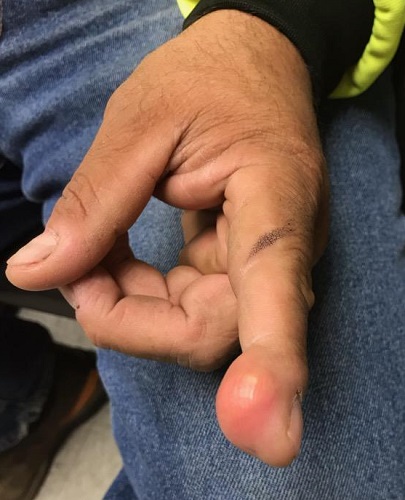
A 38-year-old man sustained an on-the-job injury to his finger, which was punctured by a tiny drill bit. He was promptly seen by a clinician, who administered a tetanus injection and prescribed a 2-week course of an antibiotic. However, within a few weeks, the patient noticed a lesion on the affected finger. It caused little to no pain but grew steadily, until it interfered with his functioning and prompted a return to the clinic.
The patient was in good health, despite being a long-term smoker. X-rays of the finger showed no bony changes or evidence of a foreign body. A referral to dermatology was provided.
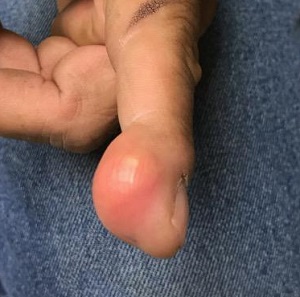
Examination revealed a firm, painless, 2-cm subcutaneous mass in the pad of his left index finger. The surface felt quite tense, but there was no disruption nor any redness. Palpation of relevant nodal locations failed to reveal any palpable masses.
In the military, Latino and Black MSM receive more PrEP prescriptions than White counterparts
Among active-duty men who have sex with men (MSM), , according to new survey results.
“In the civilian population, we see a lot of challenges and barriers to [accessing PrEP] in our high-risk populations – populations in the MSM sphere that are people of color,” study author Colten Staten, RN, a first lieutenant in the army at Walter Reed National Military Medical Center in Bethesda, Md., told this news organization. Because all active-duty service members have free medical care and prescriptions through the Military Health System, the findings demonstrate “what happens when access becomes less of an issue in regard to receiving PrEP prescriptions,” he noted.
The survey, which was presented at the Association of Nurses in AIDS Care 2021 conference, was available for 5 days in 2020. All participants were at least 18 years old, identified as MSM, and were active-duty members of the United States military.
Of the 354 men included in the study, 37.6% were White, 25.4% were Black, 20.3% were identified as Latino, 6.5% were Asian/Pacific Islanders, and 5.6% were Native Americans. In addition, 69.5% identified as gay, 23.4% identified as bisexual, and 7% said they were straight. And 17.2% had a partner who disclosed he was HIV positive, but 19.2% did not know the status of their partner.
Black participants were three times more likely to have been prescribed PrEP than White service members (P < .001). Similarly, Latino respondents were 3.6 times more likely to be prescribed PrEP than their White counterparts (P = .003). Participants whose partner disclosed an HIV-positive status were 7.1 times more likely to receive a PrEP prescription than someone who did not know the status of their partner (P = .013), and bisexual respondents were 2.1 times less likely to have received a PrEP prescription than respondents who identified as gay (P = .04).
While the study demonstrates that at-risk populations are receiving PrEP in the military, research suggests that PrEP is still underprescribed in this population, Mr. Staten said. A 2018 study published in Morbidity and Mortality Weekly Report found that 20.9% of U.S. service members reported a high risk of HIV infection, and an estimated 12,000 individuals in the military qualify for a PrEP prescription. Yet, from Feb. 1, 2014, to June 10, 2016, only 759 service members were prescribed Truvada. The 2018 report found that approximately 350 active-duty service members are diagnosed with HIV every year, with a disproportionate number of new infections occurring in Black individuals.
While the study suggests prescriptions are reaching target populations, “the most concerning finding is that it is not happening in the robust nature that we need,” said Justin Alves, RN, ACRN, CARN, a nurse at Boston Medical Center in Massachusetts who was not involved with the study, in an interview. “This is the start of a lot of research that needs to happen, because not only does the study shed light on people who are serving in the military, but it also sheds light on unique vulnerable populations that we have a hard time capturing and helping in general healthcare settings,” Mr. Alves said.
Mr. Staten agreed that more research is needed to identify additional barriers to care in the military. Additionally, including more information on sexual history in the yearly physical all active-duty service members complete could also help identify more individuals who would benefit from a PrEP prescription.
“There is no screening for sexual health, as far as the MSM experience,” Mr. Staten said. And he suggested that more questions around sexuality should be included in the screening process. That could help spur more open conversations between patients and providers to bridge gaps in access and care.
Mr. Staten is an active-duty service member. Mr. Alves has reported no relevant financial relationships.
A version of this article first appeared on Medscape.com.
Among active-duty men who have sex with men (MSM), , according to new survey results.
“In the civilian population, we see a lot of challenges and barriers to [accessing PrEP] in our high-risk populations – populations in the MSM sphere that are people of color,” study author Colten Staten, RN, a first lieutenant in the army at Walter Reed National Military Medical Center in Bethesda, Md., told this news organization. Because all active-duty service members have free medical care and prescriptions through the Military Health System, the findings demonstrate “what happens when access becomes less of an issue in regard to receiving PrEP prescriptions,” he noted.
The survey, which was presented at the Association of Nurses in AIDS Care 2021 conference, was available for 5 days in 2020. All participants were at least 18 years old, identified as MSM, and were active-duty members of the United States military.
Of the 354 men included in the study, 37.6% were White, 25.4% were Black, 20.3% were identified as Latino, 6.5% were Asian/Pacific Islanders, and 5.6% were Native Americans. In addition, 69.5% identified as gay, 23.4% identified as bisexual, and 7% said they were straight. And 17.2% had a partner who disclosed he was HIV positive, but 19.2% did not know the status of their partner.
Black participants were three times more likely to have been prescribed PrEP than White service members (P < .001). Similarly, Latino respondents were 3.6 times more likely to be prescribed PrEP than their White counterparts (P = .003). Participants whose partner disclosed an HIV-positive status were 7.1 times more likely to receive a PrEP prescription than someone who did not know the status of their partner (P = .013), and bisexual respondents were 2.1 times less likely to have received a PrEP prescription than respondents who identified as gay (P = .04).
While the study demonstrates that at-risk populations are receiving PrEP in the military, research suggests that PrEP is still underprescribed in this population, Mr. Staten said. A 2018 study published in Morbidity and Mortality Weekly Report found that 20.9% of U.S. service members reported a high risk of HIV infection, and an estimated 12,000 individuals in the military qualify for a PrEP prescription. Yet, from Feb. 1, 2014, to June 10, 2016, only 759 service members were prescribed Truvada. The 2018 report found that approximately 350 active-duty service members are diagnosed with HIV every year, with a disproportionate number of new infections occurring in Black individuals.
While the study suggests prescriptions are reaching target populations, “the most concerning finding is that it is not happening in the robust nature that we need,” said Justin Alves, RN, ACRN, CARN, a nurse at Boston Medical Center in Massachusetts who was not involved with the study, in an interview. “This is the start of a lot of research that needs to happen, because not only does the study shed light on people who are serving in the military, but it also sheds light on unique vulnerable populations that we have a hard time capturing and helping in general healthcare settings,” Mr. Alves said.
Mr. Staten agreed that more research is needed to identify additional barriers to care in the military. Additionally, including more information on sexual history in the yearly physical all active-duty service members complete could also help identify more individuals who would benefit from a PrEP prescription.
“There is no screening for sexual health, as far as the MSM experience,” Mr. Staten said. And he suggested that more questions around sexuality should be included in the screening process. That could help spur more open conversations between patients and providers to bridge gaps in access and care.
Mr. Staten is an active-duty service member. Mr. Alves has reported no relevant financial relationships.
A version of this article first appeared on Medscape.com.
Among active-duty men who have sex with men (MSM), , according to new survey results.
“In the civilian population, we see a lot of challenges and barriers to [accessing PrEP] in our high-risk populations – populations in the MSM sphere that are people of color,” study author Colten Staten, RN, a first lieutenant in the army at Walter Reed National Military Medical Center in Bethesda, Md., told this news organization. Because all active-duty service members have free medical care and prescriptions through the Military Health System, the findings demonstrate “what happens when access becomes less of an issue in regard to receiving PrEP prescriptions,” he noted.
The survey, which was presented at the Association of Nurses in AIDS Care 2021 conference, was available for 5 days in 2020. All participants were at least 18 years old, identified as MSM, and were active-duty members of the United States military.
Of the 354 men included in the study, 37.6% were White, 25.4% were Black, 20.3% were identified as Latino, 6.5% were Asian/Pacific Islanders, and 5.6% were Native Americans. In addition, 69.5% identified as gay, 23.4% identified as bisexual, and 7% said they were straight. And 17.2% had a partner who disclosed he was HIV positive, but 19.2% did not know the status of their partner.
Black participants were three times more likely to have been prescribed PrEP than White service members (P < .001). Similarly, Latino respondents were 3.6 times more likely to be prescribed PrEP than their White counterparts (P = .003). Participants whose partner disclosed an HIV-positive status were 7.1 times more likely to receive a PrEP prescription than someone who did not know the status of their partner (P = .013), and bisexual respondents were 2.1 times less likely to have received a PrEP prescription than respondents who identified as gay (P = .04).
While the study demonstrates that at-risk populations are receiving PrEP in the military, research suggests that PrEP is still underprescribed in this population, Mr. Staten said. A 2018 study published in Morbidity and Mortality Weekly Report found that 20.9% of U.S. service members reported a high risk of HIV infection, and an estimated 12,000 individuals in the military qualify for a PrEP prescription. Yet, from Feb. 1, 2014, to June 10, 2016, only 759 service members were prescribed Truvada. The 2018 report found that approximately 350 active-duty service members are diagnosed with HIV every year, with a disproportionate number of new infections occurring in Black individuals.
While the study suggests prescriptions are reaching target populations, “the most concerning finding is that it is not happening in the robust nature that we need,” said Justin Alves, RN, ACRN, CARN, a nurse at Boston Medical Center in Massachusetts who was not involved with the study, in an interview. “This is the start of a lot of research that needs to happen, because not only does the study shed light on people who are serving in the military, but it also sheds light on unique vulnerable populations that we have a hard time capturing and helping in general healthcare settings,” Mr. Alves said.
Mr. Staten agreed that more research is needed to identify additional barriers to care in the military. Additionally, including more information on sexual history in the yearly physical all active-duty service members complete could also help identify more individuals who would benefit from a PrEP prescription.
“There is no screening for sexual health, as far as the MSM experience,” Mr. Staten said. And he suggested that more questions around sexuality should be included in the screening process. That could help spur more open conversations between patients and providers to bridge gaps in access and care.
Mr. Staten is an active-duty service member. Mr. Alves has reported no relevant financial relationships.
A version of this article first appeared on Medscape.com.
To boost HIV screening, ED nurses need institutional support
, according to a national survey of ED nurses. Nearly 43% of respondents said they had received “little” or “very little” HIV education as part of their professional development and practice.
This lack of continuing HIV education “often translated into attitudes that did not support the policy” of routine HIV screening in EDs, lead author Candace Elam, DNP, a family nurse practitioner at the Institute of Family Health in the Bronx, New York City, told this news organization. “But more than individual attitudes, what came out most clearly in the research was that organizational support for HIV screening in EDs was the one factor that could make or break whether an emergency nurse performs HIV screening,” she said. This includes working routine HIV screening into ED workflows and providing resources to streamline screening and testing efforts.
In 2006, the Centers for Disease Control and Prevention released guidance recommending routine HIV screening in all healthcare settings, including urgent care and EDs. Elam, who conducted the research as a student at Rutgers University School of Nursing in New Brunswick, N.J., noticed during her time as an ED nurse that, while her department had a policy supporting routine HIV screening, the practice was not consistent across all nursing staff. To find out how HIV screening varied nationally, Elam ran a national survey from Oct. through Dec. 2020, recruiting participants both by email outreach and Facebook.
In the 30- to 45-minute survey, respondents reported:
- Demographic information
- Knowledge of the CDC HIV screening recommendations
- Workplace HIV screening policy
- Self-reported performance of HIV screening
- Beliefs and attitudes pertaining to HIV screening
Overall, 371 individuals from 43 states filled out at least some part of the survey, and 171 individuals completed it. Of the 251 individuals who answered whether their EDs routinely conducted HIV screening, 76.9% responded affirmatively. Overall, 28.5% of respondents thought HIV screening was “not important” or “not at all important.” Nearly half – 47.6% – reported never offering HIV testing to all eligible patients regardless of risk factors, and only 14.3% reported offering testing all of the time. Only 25% of participants said they received “adequate” or “a lot” of HIV-related nursing education, and 42.9% reported “little” or “very little” education.
“For the most part, those of us working in hospitals, all the education that we get about HIV took place in school,” Elam said. “So, if you went to school in the early 2000s or in the 1990s, you don’t know much else.” Elam noted that she keeps informed on HIV research issues because it is an area of interest, but the hospital she had worked at did not contribute much to her knowledge.
Elam also found that in practice there were several barriers to performing screening, such as lack of availability of a dedicated HIV educator, tester, or counselors; not knowing where to refer patients who had a positive HIV test result; and insufficient time to address positive HIV test results in ED practice.
“A lot of these things are outside an individual nurse’s control,” said Elam, and can result in missing patients who would benefit from care. Lisa Leimer, RN, a nurse at Primary Health Care in Des Moines, works with patients after they have been diagnosed with HIV, but noted that many of her patients could have been identified earlier. “Once we get someone, you look back at medical records and you see that they have been in and out of the hospital,” she said. “There’s been multiple encounters,” she said.
Prioritizing HIV screening in all healthcare settings and including HIV education for all medical professionals – not just nurses – could help in the continuing battle against HIV. “So much has changed in the world of HIV,” she said. “We’re trying to end the epidemic, and it could happen if we identified, diagnosed, and treated the people that are living with it.”
Elam and Leimer have reported no relevant financial relationships.
A version of this article first appeared on Medscape.com.
, according to a national survey of ED nurses. Nearly 43% of respondents said they had received “little” or “very little” HIV education as part of their professional development and practice.
This lack of continuing HIV education “often translated into attitudes that did not support the policy” of routine HIV screening in EDs, lead author Candace Elam, DNP, a family nurse practitioner at the Institute of Family Health in the Bronx, New York City, told this news organization. “But more than individual attitudes, what came out most clearly in the research was that organizational support for HIV screening in EDs was the one factor that could make or break whether an emergency nurse performs HIV screening,” she said. This includes working routine HIV screening into ED workflows and providing resources to streamline screening and testing efforts.
In 2006, the Centers for Disease Control and Prevention released guidance recommending routine HIV screening in all healthcare settings, including urgent care and EDs. Elam, who conducted the research as a student at Rutgers University School of Nursing in New Brunswick, N.J., noticed during her time as an ED nurse that, while her department had a policy supporting routine HIV screening, the practice was not consistent across all nursing staff. To find out how HIV screening varied nationally, Elam ran a national survey from Oct. through Dec. 2020, recruiting participants both by email outreach and Facebook.
In the 30- to 45-minute survey, respondents reported:
- Demographic information
- Knowledge of the CDC HIV screening recommendations
- Workplace HIV screening policy
- Self-reported performance of HIV screening
- Beliefs and attitudes pertaining to HIV screening
Overall, 371 individuals from 43 states filled out at least some part of the survey, and 171 individuals completed it. Of the 251 individuals who answered whether their EDs routinely conducted HIV screening, 76.9% responded affirmatively. Overall, 28.5% of respondents thought HIV screening was “not important” or “not at all important.” Nearly half – 47.6% – reported never offering HIV testing to all eligible patients regardless of risk factors, and only 14.3% reported offering testing all of the time. Only 25% of participants said they received “adequate” or “a lot” of HIV-related nursing education, and 42.9% reported “little” or “very little” education.
“For the most part, those of us working in hospitals, all the education that we get about HIV took place in school,” Elam said. “So, if you went to school in the early 2000s or in the 1990s, you don’t know much else.” Elam noted that she keeps informed on HIV research issues because it is an area of interest, but the hospital she had worked at did not contribute much to her knowledge.
Elam also found that in practice there were several barriers to performing screening, such as lack of availability of a dedicated HIV educator, tester, or counselors; not knowing where to refer patients who had a positive HIV test result; and insufficient time to address positive HIV test results in ED practice.
“A lot of these things are outside an individual nurse’s control,” said Elam, and can result in missing patients who would benefit from care. Lisa Leimer, RN, a nurse at Primary Health Care in Des Moines, works with patients after they have been diagnosed with HIV, but noted that many of her patients could have been identified earlier. “Once we get someone, you look back at medical records and you see that they have been in and out of the hospital,” she said. “There’s been multiple encounters,” she said.
Prioritizing HIV screening in all healthcare settings and including HIV education for all medical professionals – not just nurses – could help in the continuing battle against HIV. “So much has changed in the world of HIV,” she said. “We’re trying to end the epidemic, and it could happen if we identified, diagnosed, and treated the people that are living with it.”
Elam and Leimer have reported no relevant financial relationships.
A version of this article first appeared on Medscape.com.
, according to a national survey of ED nurses. Nearly 43% of respondents said they had received “little” or “very little” HIV education as part of their professional development and practice.
This lack of continuing HIV education “often translated into attitudes that did not support the policy” of routine HIV screening in EDs, lead author Candace Elam, DNP, a family nurse practitioner at the Institute of Family Health in the Bronx, New York City, told this news organization. “But more than individual attitudes, what came out most clearly in the research was that organizational support for HIV screening in EDs was the one factor that could make or break whether an emergency nurse performs HIV screening,” she said. This includes working routine HIV screening into ED workflows and providing resources to streamline screening and testing efforts.
In 2006, the Centers for Disease Control and Prevention released guidance recommending routine HIV screening in all healthcare settings, including urgent care and EDs. Elam, who conducted the research as a student at Rutgers University School of Nursing in New Brunswick, N.J., noticed during her time as an ED nurse that, while her department had a policy supporting routine HIV screening, the practice was not consistent across all nursing staff. To find out how HIV screening varied nationally, Elam ran a national survey from Oct. through Dec. 2020, recruiting participants both by email outreach and Facebook.
In the 30- to 45-minute survey, respondents reported:
- Demographic information
- Knowledge of the CDC HIV screening recommendations
- Workplace HIV screening policy
- Self-reported performance of HIV screening
- Beliefs and attitudes pertaining to HIV screening
Overall, 371 individuals from 43 states filled out at least some part of the survey, and 171 individuals completed it. Of the 251 individuals who answered whether their EDs routinely conducted HIV screening, 76.9% responded affirmatively. Overall, 28.5% of respondents thought HIV screening was “not important” or “not at all important.” Nearly half – 47.6% – reported never offering HIV testing to all eligible patients regardless of risk factors, and only 14.3% reported offering testing all of the time. Only 25% of participants said they received “adequate” or “a lot” of HIV-related nursing education, and 42.9% reported “little” or “very little” education.
“For the most part, those of us working in hospitals, all the education that we get about HIV took place in school,” Elam said. “So, if you went to school in the early 2000s or in the 1990s, you don’t know much else.” Elam noted that she keeps informed on HIV research issues because it is an area of interest, but the hospital she had worked at did not contribute much to her knowledge.
Elam also found that in practice there were several barriers to performing screening, such as lack of availability of a dedicated HIV educator, tester, or counselors; not knowing where to refer patients who had a positive HIV test result; and insufficient time to address positive HIV test results in ED practice.
“A lot of these things are outside an individual nurse’s control,” said Elam, and can result in missing patients who would benefit from care. Lisa Leimer, RN, a nurse at Primary Health Care in Des Moines, works with patients after they have been diagnosed with HIV, but noted that many of her patients could have been identified earlier. “Once we get someone, you look back at medical records and you see that they have been in and out of the hospital,” she said. “There’s been multiple encounters,” she said.
Prioritizing HIV screening in all healthcare settings and including HIV education for all medical professionals – not just nurses – could help in the continuing battle against HIV. “So much has changed in the world of HIV,” she said. “We’re trying to end the epidemic, and it could happen if we identified, diagnosed, and treated the people that are living with it.”
Elam and Leimer have reported no relevant financial relationships.
A version of this article first appeared on Medscape.com.
The Sobering Medical, Emotional, Psychological Challenge of Covid-19

Cheryl K. Lee, MD, an Assistant Professor of Medicine at Northwestern Feinberg School of Medicine, practices internal medicine and pediatrics at Northwestern Memorial and the Ann & Robert H. Lurie Children's Hospital, both in Chicago, IL. She also serves on the Northwestern Medicine Covid Quality Committee and as core clinical faculty in the Internal Medicine Residency.
Is it fair to say that for hospitalists, the pandemic has been a sobering experience, why so?
Dr. Lee: There are several reasons; one stems from the increasing impact of Covid on children. Early in the pandemic, young children, teens, and young adults were not infected or hospitalized at the rate of older adults.1 For those of us who care for hospitalized patients, that early finding was somewhat of a relief, knowing at least one portion of the population wasn’t as heavily affected. In fact, I normally split my time as a pediatric and adult hospitalist, and I was reassigned to work full-time in the adult hospital because so few children had been admitted. But all that changed with the arrival of the highly transmissible Delta variant and the loosening of social distancing and masking guidelines and other regulations. The American Academy of Pediatrics2 reported that, as of October, 8,364 of every 100,000 children have been infected by Covid, largely driven by the summer surge. Furthermore, pediatric Covid hospitalizations increased five-fold in August 2021 as compared to the prior 6 weeks. And these numbers likely underestimate the true impact, as several states did not release complete reports and did not account for long-term sequelae from milder infections.
What other issues were far-reaching for hospitalists?
Dr. Lee: Early in 2020, we were scrambling to learn about a novel, deadly, highly transmissible disease. Some groups in our population were experiencing a high fatality rate, and the medical community had no proven treatments. We felt helpless in caring for these patients who pleaded for our help and ultimately died. When data proved that medications like steroids were effective and the vaccines arrived, I had hoped that the pandemic would be ending. But now with the quick dissemination of false information and the evolution of new variants, we are left caring for seriously ill, unvaccinated patients along with younger patients. The heartbreaking thing is that these are largely preventable tragedies now that we have effective vaccines.
What medications have changed the course of Covid in the hospital?
Dr. Lee: Steroids are interesting; they are a good reminder that Covid has different stages and that we should be mindful of how we treat patients within those particular stages. Simply, Covid infection begins with a phase of viral replication characterized by fevers, cough, loss of taste and smell, and gastrointestinal symptoms. In time, this is followed by a second phase of high inflammation and immune response, sometimes causing hypoxemia and respiratory failure. What we know is that steroids such as dexamethasone reduce mortality, but they are only effective during this second phase, and only in those whose oxygen levels are low enough to require oxygen. This was not an intuitive finding, since steroids do not help, and may harm, those with other viral pneumonias, such as influenza. Steroid use in severe, hypoxemic Covid, however, is life-saving and the mainstay of inpatient care which might include antivirals and interleukin-6 inhibitors3 in select patients. As with steroid use in other patients, physicians should watch their Covid patients for hyperglycemia4 and delirium. That said, steroids provide a mortality benefit that strongly supports their continued use -- in tandem with management of those expected side effects. Last, it is important to note that steroid use has been associated with possible harm when given to those with mild Covid,5 so its use should be avoided, in light of its expected side effects, unless a patient requires supplemental oxygen.
That said, although steroids can be helpful for our sickest patients, vaccines are the best medicine of all because they can allow patients to avoid hospitalization and death -- outcomes that far outweigh what steroids or any other medication can do for the gravely ill.
Given the complexity of the evidence surrounding the treatments for Covid in the hospital, no wonder some people are confused about which medicines work.
Dr. Lee: First, let me say that I have yet to encounter a patient or family member whose motivation to ask questions or question a loved one’s treatment wasn’t grounded in concern and fear for their loved one.
What do they ask about?
Dr. Lee: They ask about alternative treatments, anti-parasitics, even vitamins. I agree with them that there is so much out there about Covid that it is difficult for anyone to know what is true or false. I then explain what therapies are proven – medications such as steroids and supportive care such as oxygen and prone positioning. I also review the lack of good evidence for the alternative treatments that they ask about. It is sometimes surprising to folks that all research isn’t conducted with equal rigor, and that false conclusions can be made based on faulty evidence. A good example is how providers used hydroxychloroquine early in the pandemic, but ultimately it didn’t prove to be helpful. Although we are always hopeful and looking for new therapies, I say, those specific alternatives haven’t worked out. And I end with a promise that I will continue to keep up with the literature and let them know when something new does look promising.
Your responses to the above questions prompts this one: How do physicians who are treating Covid-19 stay on top of what is being learned about Covid-19? At last count, there were 191,968 results in PubMed, found using that sole keyword.
Dr. Lee: One of the amazing things about the Covid era is that members of the scientific community dropped everything to research Covid. But on the flip side, there is now a lot of research out there, and it frankly has become difficult to keep up with it. Our hospital system identified a core group of collaborators with backgrounds such as pharmacy, nursing, infectious disease, pulmonary, and hospital medicine to regularly review the evidence and identify anything that has strong enough evidence to change our system’s clinical practice. Furthermore, I regularly tap consultants in various specialties to help me contextualize new research. And I’ve found it helpful to review the living practice guidelines from the Infectious Disease Society of America and the NIH.3,6
What else has been remarkable about the last 19 months?
Dr. Lee: I have never spent this much time talking with patients and their caregivers. I’ve always been one to talk a lot with families, but it feels like the pandemic has created another level. My guess is that many colleagues are experiencing the same thing. Caring for hospitalized Covid patients is not only intense from a medical standpoint, but also from a psychosocial vantage point. Patients are ill and usually scared, and they are supported by friends and family who are equally afraid for them, who furthermore can’t visit because of isolation needs. And I often forget that, besides Covid, families have gone through immense social and financial changes. Sometimes communication can be fraught because of that stress. I am trying to be mindful that patients and families come into the hospital with a lot of these burdens, so that, if the conversation takes a tense turn, I will try not to take it personally. Some days are harder than others.
What you are describing isn’t necessarily an innate skill.
Dr. Lee: Absolutely. As have many others, our medical school and residency program has been incorporating communication skills into the standard curriculum, analogous to teaching anatomy or heart failure treatments. We are more aware that handling a difficult conversation isn’t an instinctive thing; that it must be modeled and learned. But I was surprised at how communication in a pandemic, when caretakers can’t see their loved ones, is truly a unique challenge. It is challenging for me despite being in practice for several years.
What will happen when the pandemic subsides? How much of the impact of Covid will stay with you, when dealing with a broken leg, or a patient with osteoporosis?
Dr. Lee: There will be lasting effects of this era on the health-care workforce, but I honestly can’t predict how severe that impact will be or how long-lasting. Already we are seeing health-care workers drop out of the workforce, driven by effects of the pandemic itself, increased workload, or being underpaid.7 This is occurring alongside a national conversation that cannot agree on life-saving interventions such as vaccines. I worry that the current environment will lead to many more dropping out.
What can hospital administrators do now to put stop gaps in place? What advice would you give to them?
Dr. Lee: Workers in each hospital will have unique needs and stressors, so it makes sense that the first step is to provide an opportunity to make their opinions heard. It may be tempting for hospitals to jump on quick fixes such as offering classes in “resilience training,” but that may not be a data-driven solution, particularly if burnout is being driven by an ever increasing workload.
References
- L. Shekerdemian, N. Mahmood, K.Wolfe, et al. Characteristics and Outcomes of Children With Coronavirus Disease 2019 (Covid-19) Infection Admitted to US and Canadian Pediatric Intensive Care Units. JAMA Pediatr. 2020 Sep; 174(9): 1–6.
- Children and Covid-19: State-Level Data Report. American Academy of Pediatrics. Published Oct. 25, 2021. https://www.aap.org/en/pages/2019-novel-coronavirus-Covid-19-infections/children-and-Covid-19-state-level-data-report/
- NIH. Therapeutic Management of Hospitalized Adults with Covid-19. Last updated August 25, 2021. https://www.Covid19treatmentguidelines.nih.gov/management/clinical-management/hospitalized-adults--therapeutic-management/
- Sosale A, Sosale B, Kesavadev J, et al. Steroid use during Covid-19 infection and hyperglycemia - What a physician should know. Diabetes Metab Syndr. 2021;15(4):102167. doi:10.1016/j.dsx.2021.06.004
- The RECOVERY Collaborative Group. Dexamethasone in hospitalized patients with Covid-19. N Engl J Med. 2021;384:693-704.
- IDSA. IDSA Guidelines on the Treatment and Management of Patients with Covid-19. Last updated November 1, 2021. https://www.idsociety.org/practice-guideline/Covid-19-guideline-treatment-and-management/
- Galvin, G. “Nearly 1 in 5 Health Care Workers Have Quit Their Jobs During the Pandemic.” Morning Consult. https://morningconsult.com/2021/10/04/health-care-workers-series-part-2-workforce/ Accessed November 1, 2021.
Cheryl K. Lee, MD, an Assistant Professor of Medicine at Northwestern Feinberg School of Medicine, practices internal medicine and pediatrics at Northwestern Memorial and the Ann & Robert H. Lurie Children's Hospital, both in Chicago, IL. She also serves on the Northwestern Medicine Covid Quality Committee and as core clinical faculty in the Internal Medicine Residency.
Is it fair to say that for hospitalists, the pandemic has been a sobering experience, why so?
Dr. Lee: There are several reasons; one stems from the increasing impact of Covid on children. Early in the pandemic, young children, teens, and young adults were not infected or hospitalized at the rate of older adults.1 For those of us who care for hospitalized patients, that early finding was somewhat of a relief, knowing at least one portion of the population wasn’t as heavily affected. In fact, I normally split my time as a pediatric and adult hospitalist, and I was reassigned to work full-time in the adult hospital because so few children had been admitted. But all that changed with the arrival of the highly transmissible Delta variant and the loosening of social distancing and masking guidelines and other regulations. The American Academy of Pediatrics2 reported that, as of October, 8,364 of every 100,000 children have been infected by Covid, largely driven by the summer surge. Furthermore, pediatric Covid hospitalizations increased five-fold in August 2021 as compared to the prior 6 weeks. And these numbers likely underestimate the true impact, as several states did not release complete reports and did not account for long-term sequelae from milder infections.
What other issues were far-reaching for hospitalists?
Dr. Lee: Early in 2020, we were scrambling to learn about a novel, deadly, highly transmissible disease. Some groups in our population were experiencing a high fatality rate, and the medical community had no proven treatments. We felt helpless in caring for these patients who pleaded for our help and ultimately died. When data proved that medications like steroids were effective and the vaccines arrived, I had hoped that the pandemic would be ending. But now with the quick dissemination of false information and the evolution of new variants, we are left caring for seriously ill, unvaccinated patients along with younger patients. The heartbreaking thing is that these are largely preventable tragedies now that we have effective vaccines.
What medications have changed the course of Covid in the hospital?
Dr. Lee: Steroids are interesting; they are a good reminder that Covid has different stages and that we should be mindful of how we treat patients within those particular stages. Simply, Covid infection begins with a phase of viral replication characterized by fevers, cough, loss of taste and smell, and gastrointestinal symptoms. In time, this is followed by a second phase of high inflammation and immune response, sometimes causing hypoxemia and respiratory failure. What we know is that steroids such as dexamethasone reduce mortality, but they are only effective during this second phase, and only in those whose oxygen levels are low enough to require oxygen. This was not an intuitive finding, since steroids do not help, and may harm, those with other viral pneumonias, such as influenza. Steroid use in severe, hypoxemic Covid, however, is life-saving and the mainstay of inpatient care which might include antivirals and interleukin-6 inhibitors3 in select patients. As with steroid use in other patients, physicians should watch their Covid patients for hyperglycemia4 and delirium. That said, steroids provide a mortality benefit that strongly supports their continued use -- in tandem with management of those expected side effects. Last, it is important to note that steroid use has been associated with possible harm when given to those with mild Covid,5 so its use should be avoided, in light of its expected side effects, unless a patient requires supplemental oxygen.
That said, although steroids can be helpful for our sickest patients, vaccines are the best medicine of all because they can allow patients to avoid hospitalization and death -- outcomes that far outweigh what steroids or any other medication can do for the gravely ill.
Given the complexity of the evidence surrounding the treatments for Covid in the hospital, no wonder some people are confused about which medicines work.
Dr. Lee: First, let me say that I have yet to encounter a patient or family member whose motivation to ask questions or question a loved one’s treatment wasn’t grounded in concern and fear for their loved one.
What do they ask about?
Dr. Lee: They ask about alternative treatments, anti-parasitics, even vitamins. I agree with them that there is so much out there about Covid that it is difficult for anyone to know what is true or false. I then explain what therapies are proven – medications such as steroids and supportive care such as oxygen and prone positioning. I also review the lack of good evidence for the alternative treatments that they ask about. It is sometimes surprising to folks that all research isn’t conducted with equal rigor, and that false conclusions can be made based on faulty evidence. A good example is how providers used hydroxychloroquine early in the pandemic, but ultimately it didn’t prove to be helpful. Although we are always hopeful and looking for new therapies, I say, those specific alternatives haven’t worked out. And I end with a promise that I will continue to keep up with the literature and let them know when something new does look promising.
Your responses to the above questions prompts this one: How do physicians who are treating Covid-19 stay on top of what is being learned about Covid-19? At last count, there were 191,968 results in PubMed, found using that sole keyword.
Dr. Lee: One of the amazing things about the Covid era is that members of the scientific community dropped everything to research Covid. But on the flip side, there is now a lot of research out there, and it frankly has become difficult to keep up with it. Our hospital system identified a core group of collaborators with backgrounds such as pharmacy, nursing, infectious disease, pulmonary, and hospital medicine to regularly review the evidence and identify anything that has strong enough evidence to change our system’s clinical practice. Furthermore, I regularly tap consultants in various specialties to help me contextualize new research. And I’ve found it helpful to review the living practice guidelines from the Infectious Disease Society of America and the NIH.3,6
What else has been remarkable about the last 19 months?
Dr. Lee: I have never spent this much time talking with patients and their caregivers. I’ve always been one to talk a lot with families, but it feels like the pandemic has created another level. My guess is that many colleagues are experiencing the same thing. Caring for hospitalized Covid patients is not only intense from a medical standpoint, but also from a psychosocial vantage point. Patients are ill and usually scared, and they are supported by friends and family who are equally afraid for them, who furthermore can’t visit because of isolation needs. And I often forget that, besides Covid, families have gone through immense social and financial changes. Sometimes communication can be fraught because of that stress. I am trying to be mindful that patients and families come into the hospital with a lot of these burdens, so that, if the conversation takes a tense turn, I will try not to take it personally. Some days are harder than others.
What you are describing isn’t necessarily an innate skill.
Dr. Lee: Absolutely. As have many others, our medical school and residency program has been incorporating communication skills into the standard curriculum, analogous to teaching anatomy or heart failure treatments. We are more aware that handling a difficult conversation isn’t an instinctive thing; that it must be modeled and learned. But I was surprised at how communication in a pandemic, when caretakers can’t see their loved ones, is truly a unique challenge. It is challenging for me despite being in practice for several years.
What will happen when the pandemic subsides? How much of the impact of Covid will stay with you, when dealing with a broken leg, or a patient with osteoporosis?
Dr. Lee: There will be lasting effects of this era on the health-care workforce, but I honestly can’t predict how severe that impact will be or how long-lasting. Already we are seeing health-care workers drop out of the workforce, driven by effects of the pandemic itself, increased workload, or being underpaid.7 This is occurring alongside a national conversation that cannot agree on life-saving interventions such as vaccines. I worry that the current environment will lead to many more dropping out.
What can hospital administrators do now to put stop gaps in place? What advice would you give to them?
Dr. Lee: Workers in each hospital will have unique needs and stressors, so it makes sense that the first step is to provide an opportunity to make their opinions heard. It may be tempting for hospitals to jump on quick fixes such as offering classes in “resilience training,” but that may not be a data-driven solution, particularly if burnout is being driven by an ever increasing workload.
Cheryl K. Lee, MD, an Assistant Professor of Medicine at Northwestern Feinberg School of Medicine, practices internal medicine and pediatrics at Northwestern Memorial and the Ann & Robert H. Lurie Children's Hospital, both in Chicago, IL. She also serves on the Northwestern Medicine Covid Quality Committee and as core clinical faculty in the Internal Medicine Residency.
Is it fair to say that for hospitalists, the pandemic has been a sobering experience, why so?
Dr. Lee: There are several reasons; one stems from the increasing impact of Covid on children. Early in the pandemic, young children, teens, and young adults were not infected or hospitalized at the rate of older adults.1 For those of us who care for hospitalized patients, that early finding was somewhat of a relief, knowing at least one portion of the population wasn’t as heavily affected. In fact, I normally split my time as a pediatric and adult hospitalist, and I was reassigned to work full-time in the adult hospital because so few children had been admitted. But all that changed with the arrival of the highly transmissible Delta variant and the loosening of social distancing and masking guidelines and other regulations. The American Academy of Pediatrics2 reported that, as of October, 8,364 of every 100,000 children have been infected by Covid, largely driven by the summer surge. Furthermore, pediatric Covid hospitalizations increased five-fold in August 2021 as compared to the prior 6 weeks. And these numbers likely underestimate the true impact, as several states did not release complete reports and did not account for long-term sequelae from milder infections.
What other issues were far-reaching for hospitalists?
Dr. Lee: Early in 2020, we were scrambling to learn about a novel, deadly, highly transmissible disease. Some groups in our population were experiencing a high fatality rate, and the medical community had no proven treatments. We felt helpless in caring for these patients who pleaded for our help and ultimately died. When data proved that medications like steroids were effective and the vaccines arrived, I had hoped that the pandemic would be ending. But now with the quick dissemination of false information and the evolution of new variants, we are left caring for seriously ill, unvaccinated patients along with younger patients. The heartbreaking thing is that these are largely preventable tragedies now that we have effective vaccines.
What medications have changed the course of Covid in the hospital?
Dr. Lee: Steroids are interesting; they are a good reminder that Covid has different stages and that we should be mindful of how we treat patients within those particular stages. Simply, Covid infection begins with a phase of viral replication characterized by fevers, cough, loss of taste and smell, and gastrointestinal symptoms. In time, this is followed by a second phase of high inflammation and immune response, sometimes causing hypoxemia and respiratory failure. What we know is that steroids such as dexamethasone reduce mortality, but they are only effective during this second phase, and only in those whose oxygen levels are low enough to require oxygen. This was not an intuitive finding, since steroids do not help, and may harm, those with other viral pneumonias, such as influenza. Steroid use in severe, hypoxemic Covid, however, is life-saving and the mainstay of inpatient care which might include antivirals and interleukin-6 inhibitors3 in select patients. As with steroid use in other patients, physicians should watch their Covid patients for hyperglycemia4 and delirium. That said, steroids provide a mortality benefit that strongly supports their continued use -- in tandem with management of those expected side effects. Last, it is important to note that steroid use has been associated with possible harm when given to those with mild Covid,5 so its use should be avoided, in light of its expected side effects, unless a patient requires supplemental oxygen.
That said, although steroids can be helpful for our sickest patients, vaccines are the best medicine of all because they can allow patients to avoid hospitalization and death -- outcomes that far outweigh what steroids or any other medication can do for the gravely ill.
Given the complexity of the evidence surrounding the treatments for Covid in the hospital, no wonder some people are confused about which medicines work.
Dr. Lee: First, let me say that I have yet to encounter a patient or family member whose motivation to ask questions or question a loved one’s treatment wasn’t grounded in concern and fear for their loved one.
What do they ask about?
Dr. Lee: They ask about alternative treatments, anti-parasitics, even vitamins. I agree with them that there is so much out there about Covid that it is difficult for anyone to know what is true or false. I then explain what therapies are proven – medications such as steroids and supportive care such as oxygen and prone positioning. I also review the lack of good evidence for the alternative treatments that they ask about. It is sometimes surprising to folks that all research isn’t conducted with equal rigor, and that false conclusions can be made based on faulty evidence. A good example is how providers used hydroxychloroquine early in the pandemic, but ultimately it didn’t prove to be helpful. Although we are always hopeful and looking for new therapies, I say, those specific alternatives haven’t worked out. And I end with a promise that I will continue to keep up with the literature and let them know when something new does look promising.
Your responses to the above questions prompts this one: How do physicians who are treating Covid-19 stay on top of what is being learned about Covid-19? At last count, there were 191,968 results in PubMed, found using that sole keyword.
Dr. Lee: One of the amazing things about the Covid era is that members of the scientific community dropped everything to research Covid. But on the flip side, there is now a lot of research out there, and it frankly has become difficult to keep up with it. Our hospital system identified a core group of collaborators with backgrounds such as pharmacy, nursing, infectious disease, pulmonary, and hospital medicine to regularly review the evidence and identify anything that has strong enough evidence to change our system’s clinical practice. Furthermore, I regularly tap consultants in various specialties to help me contextualize new research. And I’ve found it helpful to review the living practice guidelines from the Infectious Disease Society of America and the NIH.3,6
What else has been remarkable about the last 19 months?
Dr. Lee: I have never spent this much time talking with patients and their caregivers. I’ve always been one to talk a lot with families, but it feels like the pandemic has created another level. My guess is that many colleagues are experiencing the same thing. Caring for hospitalized Covid patients is not only intense from a medical standpoint, but also from a psychosocial vantage point. Patients are ill and usually scared, and they are supported by friends and family who are equally afraid for them, who furthermore can’t visit because of isolation needs. And I often forget that, besides Covid, families have gone through immense social and financial changes. Sometimes communication can be fraught because of that stress. I am trying to be mindful that patients and families come into the hospital with a lot of these burdens, so that, if the conversation takes a tense turn, I will try not to take it personally. Some days are harder than others.
What you are describing isn’t necessarily an innate skill.
Dr. Lee: Absolutely. As have many others, our medical school and residency program has been incorporating communication skills into the standard curriculum, analogous to teaching anatomy or heart failure treatments. We are more aware that handling a difficult conversation isn’t an instinctive thing; that it must be modeled and learned. But I was surprised at how communication in a pandemic, when caretakers can’t see their loved ones, is truly a unique challenge. It is challenging for me despite being in practice for several years.
What will happen when the pandemic subsides? How much of the impact of Covid will stay with you, when dealing with a broken leg, or a patient with osteoporosis?
Dr. Lee: There will be lasting effects of this era on the health-care workforce, but I honestly can’t predict how severe that impact will be or how long-lasting. Already we are seeing health-care workers drop out of the workforce, driven by effects of the pandemic itself, increased workload, or being underpaid.7 This is occurring alongside a national conversation that cannot agree on life-saving interventions such as vaccines. I worry that the current environment will lead to many more dropping out.
What can hospital administrators do now to put stop gaps in place? What advice would you give to them?
Dr. Lee: Workers in each hospital will have unique needs and stressors, so it makes sense that the first step is to provide an opportunity to make their opinions heard. It may be tempting for hospitals to jump on quick fixes such as offering classes in “resilience training,” but that may not be a data-driven solution, particularly if burnout is being driven by an ever increasing workload.
References
- L. Shekerdemian, N. Mahmood, K.Wolfe, et al. Characteristics and Outcomes of Children With Coronavirus Disease 2019 (Covid-19) Infection Admitted to US and Canadian Pediatric Intensive Care Units. JAMA Pediatr. 2020 Sep; 174(9): 1–6.
- Children and Covid-19: State-Level Data Report. American Academy of Pediatrics. Published Oct. 25, 2021. https://www.aap.org/en/pages/2019-novel-coronavirus-Covid-19-infections/children-and-Covid-19-state-level-data-report/
- NIH. Therapeutic Management of Hospitalized Adults with Covid-19. Last updated August 25, 2021. https://www.Covid19treatmentguidelines.nih.gov/management/clinical-management/hospitalized-adults--therapeutic-management/
- Sosale A, Sosale B, Kesavadev J, et al. Steroid use during Covid-19 infection and hyperglycemia - What a physician should know. Diabetes Metab Syndr. 2021;15(4):102167. doi:10.1016/j.dsx.2021.06.004
- The RECOVERY Collaborative Group. Dexamethasone in hospitalized patients with Covid-19. N Engl J Med. 2021;384:693-704.
- IDSA. IDSA Guidelines on the Treatment and Management of Patients with Covid-19. Last updated November 1, 2021. https://www.idsociety.org/practice-guideline/Covid-19-guideline-treatment-and-management/
- Galvin, G. “Nearly 1 in 5 Health Care Workers Have Quit Their Jobs During the Pandemic.” Morning Consult. https://morningconsult.com/2021/10/04/health-care-workers-series-part-2-workforce/ Accessed November 1, 2021.
References
- L. Shekerdemian, N. Mahmood, K.Wolfe, et al. Characteristics and Outcomes of Children With Coronavirus Disease 2019 (Covid-19) Infection Admitted to US and Canadian Pediatric Intensive Care Units. JAMA Pediatr. 2020 Sep; 174(9): 1–6.
- Children and Covid-19: State-Level Data Report. American Academy of Pediatrics. Published Oct. 25, 2021. https://www.aap.org/en/pages/2019-novel-coronavirus-Covid-19-infections/children-and-Covid-19-state-level-data-report/
- NIH. Therapeutic Management of Hospitalized Adults with Covid-19. Last updated August 25, 2021. https://www.Covid19treatmentguidelines.nih.gov/management/clinical-management/hospitalized-adults--therapeutic-management/
- Sosale A, Sosale B, Kesavadev J, et al. Steroid use during Covid-19 infection and hyperglycemia - What a physician should know. Diabetes Metab Syndr. 2021;15(4):102167. doi:10.1016/j.dsx.2021.06.004
- The RECOVERY Collaborative Group. Dexamethasone in hospitalized patients with Covid-19. N Engl J Med. 2021;384:693-704.
- IDSA. IDSA Guidelines on the Treatment and Management of Patients with Covid-19. Last updated November 1, 2021. https://www.idsociety.org/practice-guideline/Covid-19-guideline-treatment-and-management/
- Galvin, G. “Nearly 1 in 5 Health Care Workers Have Quit Their Jobs During the Pandemic.” Morning Consult. https://morningconsult.com/2021/10/04/health-care-workers-series-part-2-workforce/ Accessed November 1, 2021.
Bipolar loop resectoscopic slicing aids in safer and faster enucleation of submucous uterine fibroids
Key clinical point: Enucleation of submucous uterine fibroids (UF) under hysteroscopy can be achieved by a modified resectoscopic slicing using a bipolar loop, which appeared safe and faster compared with classical resectoscopic myomectomy.
Major finding: Mean operation time (22.9 minutes vs 38.9 minutes; P < .001) and volume of mean distending media (1,495.6 mL vs 2,393.1 mL; P < .001) were significantly shorter in the modified vs classical resectoscopic slicing group. The classical group witnessed 3 cases of fluid overload and 1 case of uterine perforation, whereas none of these postoperative complications occurred in the modified technique group.
Study details: Findings are from a retrospective study including 55 women with submucous UFs, of which 19 women underwent modified resectoscopic slicing and 36 women underwent the classical resectoscopic myomectomy.
Disclosures: This study was funded by Shanghai Municipal Health Commission, China. The authors declared no conflict of interests.
Source: Zhang W et al. Front Surg. 2021 Nov 10. doi: 10.3389/fsurg.2021.746936.
Key clinical point: Enucleation of submucous uterine fibroids (UF) under hysteroscopy can be achieved by a modified resectoscopic slicing using a bipolar loop, which appeared safe and faster compared with classical resectoscopic myomectomy.
Major finding: Mean operation time (22.9 minutes vs 38.9 minutes; P < .001) and volume of mean distending media (1,495.6 mL vs 2,393.1 mL; P < .001) were significantly shorter in the modified vs classical resectoscopic slicing group. The classical group witnessed 3 cases of fluid overload and 1 case of uterine perforation, whereas none of these postoperative complications occurred in the modified technique group.
Study details: Findings are from a retrospective study including 55 women with submucous UFs, of which 19 women underwent modified resectoscopic slicing and 36 women underwent the classical resectoscopic myomectomy.
Disclosures: This study was funded by Shanghai Municipal Health Commission, China. The authors declared no conflict of interests.
Source: Zhang W et al. Front Surg. 2021 Nov 10. doi: 10.3389/fsurg.2021.746936.
Key clinical point: Enucleation of submucous uterine fibroids (UF) under hysteroscopy can be achieved by a modified resectoscopic slicing using a bipolar loop, which appeared safe and faster compared with classical resectoscopic myomectomy.
Major finding: Mean operation time (22.9 minutes vs 38.9 minutes; P < .001) and volume of mean distending media (1,495.6 mL vs 2,393.1 mL; P < .001) were significantly shorter in the modified vs classical resectoscopic slicing group. The classical group witnessed 3 cases of fluid overload and 1 case of uterine perforation, whereas none of these postoperative complications occurred in the modified technique group.
Study details: Findings are from a retrospective study including 55 women with submucous UFs, of which 19 women underwent modified resectoscopic slicing and 36 women underwent the classical resectoscopic myomectomy.
Disclosures: This study was funded by Shanghai Municipal Health Commission, China. The authors declared no conflict of interests.
Source: Zhang W et al. Front Surg. 2021 Nov 10. doi: 10.3389/fsurg.2021.746936.