User login
Society of Hospital Medicine Awards, Committee, Board Nominations Due October 16

- Nominating yourself or a colleague for one of SHM’s Awards of Excellence, which will be presented at HM16 in San Diego;
- Joining a committee that matches your professional interests or personal passions;
- Applying for SHM’s board of directors; or
- Nominating a colleague for the Master in Hospital Medicine designation, SHM’s most prestigious honor.
For more information, click on the “membership” section of the SHM website.
- Nominating yourself or a colleague for one of SHM’s Awards of Excellence, which will be presented at HM16 in San Diego;
- Joining a committee that matches your professional interests or personal passions;
- Applying for SHM’s board of directors; or
- Nominating a colleague for the Master in Hospital Medicine designation, SHM’s most prestigious honor.
For more information, click on the “membership” section of the SHM website.
- Nominating yourself or a colleague for one of SHM’s Awards of Excellence, which will be presented at HM16 in San Diego;
- Joining a committee that matches your professional interests or personal passions;
- Applying for SHM’s board of directors; or
- Nominating a colleague for the Master in Hospital Medicine designation, SHM’s most prestigious honor.
For more information, click on the “membership” section of the SHM website.
Hospitalist Maintenance of Certification Exam Prep Tool Available Online

SPARK is the only test prep resource designed specifically for hospitalists and the American Board of Internal Medicine Focused Practice in Hospital Medicine MOC exam. Unlike other test prep tools, this focuses on topics unique to the everyday practice of hospital medicine, including:
- Palliative care, medical ethics, and decision-making;
- Peri-operative care and consultative co-management; and
- Quality, safety, and clinical reasoning.
SPARK gives hospitalists the peace of mind that comes with knowing they are ready for the MOC exam; it features 175 vignette-style, single best answer, multiple-choice questions, complete with answers, discussion, reasoning, references, and quizzing capabilities. This new resource provides targeted study areas to supplement other educational material.
SPARK is the only test prep resource designed specifically for hospitalists and the American Board of Internal Medicine Focused Practice in Hospital Medicine MOC exam. Unlike other test prep tools, this focuses on topics unique to the everyday practice of hospital medicine, including:
- Palliative care, medical ethics, and decision-making;
- Peri-operative care and consultative co-management; and
- Quality, safety, and clinical reasoning.
SPARK gives hospitalists the peace of mind that comes with knowing they are ready for the MOC exam; it features 175 vignette-style, single best answer, multiple-choice questions, complete with answers, discussion, reasoning, references, and quizzing capabilities. This new resource provides targeted study areas to supplement other educational material.
SPARK is the only test prep resource designed specifically for hospitalists and the American Board of Internal Medicine Focused Practice in Hospital Medicine MOC exam. Unlike other test prep tools, this focuses on topics unique to the everyday practice of hospital medicine, including:
- Palliative care, medical ethics, and decision-making;
- Peri-operative care and consultative co-management; and
- Quality, safety, and clinical reasoning.
SPARK gives hospitalists the peace of mind that comes with knowing they are ready for the MOC exam; it features 175 vignette-style, single best answer, multiple-choice questions, complete with answers, discussion, reasoning, references, and quizzing capabilities. This new resource provides targeted study areas to supplement other educational material.
Fellow, Senior Fellow in Hospital Medicine Applications Due November 15
Get started today on your application for SHM’s other designations, Fellow in Hospital Medicine (FHM) and Senior Fellow in Hospital Medicine (SFHM). Don’t wait until the last minute; the application can take some time to assemble.
Click here to apply.
Get started today on your application for SHM’s other designations, Fellow in Hospital Medicine (FHM) and Senior Fellow in Hospital Medicine (SFHM). Don’t wait until the last minute; the application can take some time to assemble.
Click here to apply.
Get started today on your application for SHM’s other designations, Fellow in Hospital Medicine (FHM) and Senior Fellow in Hospital Medicine (SFHM). Don’t wait until the last minute; the application can take some time to assemble.
Click here to apply.
Hospitalists Can Earn CME Credits for Acute Coronary Syndrome Performance Improvement
Approximately 1.7 million patients are hospitalized for acute coronary syndrome (ACS), and 600,000 die of an acute myocardial infarction. Although ACS is a major cause of morbidity and mortality, a broad range of clinical strategies can affect outcomes if implemented effectively. In addition, quality improvement (QI) strategies implemented around ACS can improve performance on quality measures.
The ACS PI-CME is a self-directed, web-based activity designed to help you evaluate your practice. Participation is free. Upon completion of the activity, participants will receive 20 CME credits.
The educational interventions will be pragmatic and address the challenges faced by clinicians responsible for managing patient care. They include:
- Etiology and diagnosis of ACS: educating the team on the pathophysiology of atherosclerotic plaque;
- Inpatient treatment of ACS; and
- Transitions of care for ACS patients.
Act today, because spaces are limited for this program. For more information, visit the QI section of SHM’s website.
Brendon Shank is SHM’s associate vice president of communications.ences (CHS) 13-105 10833 Le Conte Ave., Los Angeles, Calif.
Approximately 1.7 million patients are hospitalized for acute coronary syndrome (ACS), and 600,000 die of an acute myocardial infarction. Although ACS is a major cause of morbidity and mortality, a broad range of clinical strategies can affect outcomes if implemented effectively. In addition, quality improvement (QI) strategies implemented around ACS can improve performance on quality measures.
The ACS PI-CME is a self-directed, web-based activity designed to help you evaluate your practice. Participation is free. Upon completion of the activity, participants will receive 20 CME credits.
The educational interventions will be pragmatic and address the challenges faced by clinicians responsible for managing patient care. They include:
- Etiology and diagnosis of ACS: educating the team on the pathophysiology of atherosclerotic plaque;
- Inpatient treatment of ACS; and
- Transitions of care for ACS patients.
Act today, because spaces are limited for this program. For more information, visit the QI section of SHM’s website.
Brendon Shank is SHM’s associate vice president of communications.ences (CHS) 13-105 10833 Le Conte Ave., Los Angeles, Calif.
Approximately 1.7 million patients are hospitalized for acute coronary syndrome (ACS), and 600,000 die of an acute myocardial infarction. Although ACS is a major cause of morbidity and mortality, a broad range of clinical strategies can affect outcomes if implemented effectively. In addition, quality improvement (QI) strategies implemented around ACS can improve performance on quality measures.
The ACS PI-CME is a self-directed, web-based activity designed to help you evaluate your practice. Participation is free. Upon completion of the activity, participants will receive 20 CME credits.
The educational interventions will be pragmatic and address the challenges faced by clinicians responsible for managing patient care. They include:
- Etiology and diagnosis of ACS: educating the team on the pathophysiology of atherosclerotic plaque;
- Inpatient treatment of ACS; and
- Transitions of care for ACS patients.
Act today, because spaces are limited for this program. For more information, visit the QI section of SHM’s website.
Brendon Shank is SHM’s associate vice president of communications.ences (CHS) 13-105 10833 Le Conte Ave., Los Angeles, Calif.
Society of Hospital Medicine Hosts Future of Hospital Medicine Event Series
The Society of Hospital Medicine (SHM) hosts a series of special events for students and residents on campuses throughout the country. Learn more about these networking receptions featuring nationally recognized hospitalists speaking on careers in hospital medicine.
Jefferson University Hospital
Oct. 21, 5-6:30 p.m.
Bluemle Life Sciences Building, Room 101
233 South 10th Street, Philadelphia, Pa.
University of California at Los Angeles
October 22, noon to 1:15 p.m.
David Geffen School of Medicine at UCLA Center for Health Sciences (CHS) 13-105
10833 Le Conte Ave., Los Angeles, Calif.
The Society of Hospital Medicine (SHM) hosts a series of special events for students and residents on campuses throughout the country. Learn more about these networking receptions featuring nationally recognized hospitalists speaking on careers in hospital medicine.
Jefferson University Hospital
Oct. 21, 5-6:30 p.m.
Bluemle Life Sciences Building, Room 101
233 South 10th Street, Philadelphia, Pa.
University of California at Los Angeles
October 22, noon to 1:15 p.m.
David Geffen School of Medicine at UCLA Center for Health Sciences (CHS) 13-105
10833 Le Conte Ave., Los Angeles, Calif.
The Society of Hospital Medicine (SHM) hosts a series of special events for students and residents on campuses throughout the country. Learn more about these networking receptions featuring nationally recognized hospitalists speaking on careers in hospital medicine.
Jefferson University Hospital
Oct. 21, 5-6:30 p.m.
Bluemle Life Sciences Building, Room 101
233 South 10th Street, Philadelphia, Pa.
University of California at Los Angeles
October 22, noon to 1:15 p.m.
David Geffen School of Medicine at UCLA Center for Health Sciences (CHS) 13-105
10833 Le Conte Ave., Los Angeles, Calif.
How Veterans Affairs Healthcare Services Are Like Accountable Care Organizations
According to the Centers for Medicare and Medicaid Services, an accountable care organization (ACO) is defined as a “group of doctors, hospitals, and other healthcare providers, who come together voluntarily to give coordinated high quality care to their Medicare patients.” The goal of an ACO is “to ensure that patients, especially chronically ill, get the right care at the right time, while avoiding unnecessary duplication of services and preventing medical errors.”
In many ways, the Department of Veterans Affairs (VA) is similar to an ACO. While some of the veterans have Medicare, not all of them do. Across the nation, the VA has the infrastructure to deliver high quality care to our patients. Large medical centers that are affiliated with medical schools and academic teaching hospitals teach medical students and resident physicians to provide excellent care to our patients. To meet the needs of our patients in smaller cities or rural areas, community-based outpatient clinics (CBOCs) deliver quality care to patients.
Our electronic medical record, called the Computerized Personal Record System (CPRS), links veterans nationally. A patient can be seen at the CBOC in Mansfield, Ohio, the Palo Alto VA medical center in California, and the Washington, D.C., VA medical center, and not have to worry about the physicians not having access to his medical information. This prevents physicians from ordering unnecessary radiographic studies, and it can decrease the chance of medication errors and polypharmacy.
The use of electronic consults, also known as eConsults, allows for faster access to specialists. After the PCP orders the patient’s chart, the specialist will review the information, provide recommendations to the PCP, and determine how quickly the patient needs to be seen by the specialist. This is important for our rural population, who will then have to make fewer trips to medical centers.
The Specialty Care Access Network-Extension of Community Healthcare Outcomes (SCAN-ECHO) project is another tool designed to assist our rural population. The program targets those who have diabetes, heart failure, and/or chronic pain. Patients travel to their CBOC and interact via the internet with the VA specialist located at a larger medical center, thereby reducing the number of long trips they must make to the medical center and the long waits they would normally have to endure to be seen by specialists.
Telehealth is another way the VA is coordinating high quality care for our veterans. In the comfort of their own homes, veterans upload weight, vitals, and blood glucose levels to assist physicians in monitoring and treating chronic medical conditions.
The VA also delivers highly quality care through its pharmacies. Electronic ordering of outpatient medications for patients is extremely easy; these medications can either be mailed home or made available for same day pick-up. Certain medications are restricted and require approval by specialists; however, when patients fulfill criteria for a nonformulary medication, it is easily accessible. In addition, the approval process is evidence-based, limiting the effect of pharmaceutical companies on patient care.
As a result of using the formulary process for medications, patients share in the savings through lower co-pays. Pharmacists participate in both antibiotic stewardship, as with inpatient vancomycin dosing, and in managing inpatient anticoagulation, which is often more reliable and less expensive than using physicians.
Through these and other programs, the VA ensures that patients receive the services they need in a thoughtful, evidence-based, and timely way.
Dr. Nemeth is a hospitalist at Louis Stokes VA Medical Center in Cleveland, Ohio, and assistant professor of medicine at Case Western Reserve University School of Medicine. He is a member of SHM’s Veterans Affairs Task Force.
According to the Centers for Medicare and Medicaid Services, an accountable care organization (ACO) is defined as a “group of doctors, hospitals, and other healthcare providers, who come together voluntarily to give coordinated high quality care to their Medicare patients.” The goal of an ACO is “to ensure that patients, especially chronically ill, get the right care at the right time, while avoiding unnecessary duplication of services and preventing medical errors.”
In many ways, the Department of Veterans Affairs (VA) is similar to an ACO. While some of the veterans have Medicare, not all of them do. Across the nation, the VA has the infrastructure to deliver high quality care to our patients. Large medical centers that are affiliated with medical schools and academic teaching hospitals teach medical students and resident physicians to provide excellent care to our patients. To meet the needs of our patients in smaller cities or rural areas, community-based outpatient clinics (CBOCs) deliver quality care to patients.
Our electronic medical record, called the Computerized Personal Record System (CPRS), links veterans nationally. A patient can be seen at the CBOC in Mansfield, Ohio, the Palo Alto VA medical center in California, and the Washington, D.C., VA medical center, and not have to worry about the physicians not having access to his medical information. This prevents physicians from ordering unnecessary radiographic studies, and it can decrease the chance of medication errors and polypharmacy.
The use of electronic consults, also known as eConsults, allows for faster access to specialists. After the PCP orders the patient’s chart, the specialist will review the information, provide recommendations to the PCP, and determine how quickly the patient needs to be seen by the specialist. This is important for our rural population, who will then have to make fewer trips to medical centers.
The Specialty Care Access Network-Extension of Community Healthcare Outcomes (SCAN-ECHO) project is another tool designed to assist our rural population. The program targets those who have diabetes, heart failure, and/or chronic pain. Patients travel to their CBOC and interact via the internet with the VA specialist located at a larger medical center, thereby reducing the number of long trips they must make to the medical center and the long waits they would normally have to endure to be seen by specialists.
Telehealth is another way the VA is coordinating high quality care for our veterans. In the comfort of their own homes, veterans upload weight, vitals, and blood glucose levels to assist physicians in monitoring and treating chronic medical conditions.
The VA also delivers highly quality care through its pharmacies. Electronic ordering of outpatient medications for patients is extremely easy; these medications can either be mailed home or made available for same day pick-up. Certain medications are restricted and require approval by specialists; however, when patients fulfill criteria for a nonformulary medication, it is easily accessible. In addition, the approval process is evidence-based, limiting the effect of pharmaceutical companies on patient care.
As a result of using the formulary process for medications, patients share in the savings through lower co-pays. Pharmacists participate in both antibiotic stewardship, as with inpatient vancomycin dosing, and in managing inpatient anticoagulation, which is often more reliable and less expensive than using physicians.
Through these and other programs, the VA ensures that patients receive the services they need in a thoughtful, evidence-based, and timely way.
Dr. Nemeth is a hospitalist at Louis Stokes VA Medical Center in Cleveland, Ohio, and assistant professor of medicine at Case Western Reserve University School of Medicine. He is a member of SHM’s Veterans Affairs Task Force.
According to the Centers for Medicare and Medicaid Services, an accountable care organization (ACO) is defined as a “group of doctors, hospitals, and other healthcare providers, who come together voluntarily to give coordinated high quality care to their Medicare patients.” The goal of an ACO is “to ensure that patients, especially chronically ill, get the right care at the right time, while avoiding unnecessary duplication of services and preventing medical errors.”
In many ways, the Department of Veterans Affairs (VA) is similar to an ACO. While some of the veterans have Medicare, not all of them do. Across the nation, the VA has the infrastructure to deliver high quality care to our patients. Large medical centers that are affiliated with medical schools and academic teaching hospitals teach medical students and resident physicians to provide excellent care to our patients. To meet the needs of our patients in smaller cities or rural areas, community-based outpatient clinics (CBOCs) deliver quality care to patients.
Our electronic medical record, called the Computerized Personal Record System (CPRS), links veterans nationally. A patient can be seen at the CBOC in Mansfield, Ohio, the Palo Alto VA medical center in California, and the Washington, D.C., VA medical center, and not have to worry about the physicians not having access to his medical information. This prevents physicians from ordering unnecessary radiographic studies, and it can decrease the chance of medication errors and polypharmacy.
The use of electronic consults, also known as eConsults, allows for faster access to specialists. After the PCP orders the patient’s chart, the specialist will review the information, provide recommendations to the PCP, and determine how quickly the patient needs to be seen by the specialist. This is important for our rural population, who will then have to make fewer trips to medical centers.
The Specialty Care Access Network-Extension of Community Healthcare Outcomes (SCAN-ECHO) project is another tool designed to assist our rural population. The program targets those who have diabetes, heart failure, and/or chronic pain. Patients travel to their CBOC and interact via the internet with the VA specialist located at a larger medical center, thereby reducing the number of long trips they must make to the medical center and the long waits they would normally have to endure to be seen by specialists.
Telehealth is another way the VA is coordinating high quality care for our veterans. In the comfort of their own homes, veterans upload weight, vitals, and blood glucose levels to assist physicians in monitoring and treating chronic medical conditions.
The VA also delivers highly quality care through its pharmacies. Electronic ordering of outpatient medications for patients is extremely easy; these medications can either be mailed home or made available for same day pick-up. Certain medications are restricted and require approval by specialists; however, when patients fulfill criteria for a nonformulary medication, it is easily accessible. In addition, the approval process is evidence-based, limiting the effect of pharmaceutical companies on patient care.
As a result of using the formulary process for medications, patients share in the savings through lower co-pays. Pharmacists participate in both antibiotic stewardship, as with inpatient vancomycin dosing, and in managing inpatient anticoagulation, which is often more reliable and less expensive than using physicians.
Through these and other programs, the VA ensures that patients receive the services they need in a thoughtful, evidence-based, and timely way.
Dr. Nemeth is a hospitalist at Louis Stokes VA Medical Center in Cleveland, Ohio, and assistant professor of medicine at Case Western Reserve University School of Medicine. He is a member of SHM’s Veterans Affairs Task Force.
Treating EBV-associated lymphomas with VSTs
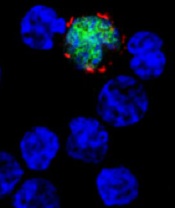
among uninfected cells (blue)
Image by Benjamin
Chaigne-Delalande
NEW YORK—Type 2 Epstein-Barr virus (EBV) tumors, such as Hodgkin and non-Hodgkin lymphomas, are challenging to treat with virus-specific T (VST) cells, according to researchers.
These lymphomas express a more restricted array of EBV antigens that are not particularly immunogenic.
Nevertheless, researchers are devising an approach using peptide mixtures to activate EBV VSTs for use in these patients.
Helen Heslop, MD, of Baylor College of Medicine in Houston, Texas, described this work at the inaugural CRI-CIMT-EATI-AACR International Immunotherapy of Cancer Conference. She also described the researchers’ efforts to create off-the-shelf VSTs.
Dr Heslop explained that, in addition to the more restricted array of EBV antigens, EBV-associated tumors often produce inhibitory cytokines that can impede the activity of T cells.
So the researchers devised a strategy to expand these low-frequency clones by stimulating responding T cells with dendritic cells genetically modified with an ADV viral vector to overexpress LMP1 and LMP2. After multiple stimulations, they obtained an autologous product from the patient.
The team then tested the cytotoxic T cells in 21 patients with relapsed disease and in 29 patients as adjuvant therapy after stem cell transplant (n=14) or chemotherapy (n=15).
In the adjuvant arm, all patients but 1 remain in remission up to 5 years later.
In the relapsed arm, 11 had a complete response (CR), 2 had a partial response (PR), and 8 had progressive disease within 2 to 8 weeks.
“Importantly, there was no toxicity,” Dr Heslop said. “[A]ll were heavily pretreated with multiple lines of therapy for lymphoma, so I think the response rate is encouraging.”
An alternative approach: Pepmix-activated EBV VSTs
Although the antitumor effects of the above approach were encouraging, “we had a very complex manufacturing methodology that we didn’t think was sufficiently scaleable and robust for clinical studies,” Dr Heslop said.
“We also thought there would be potential regulatory issues with live EBV virus and the adenoviral vector,” she added.
And the researchers were concerned about the competition from the EBV/Ad-LMP dominant antigens.
So they devised an alternative approach using peptide mixture (pepmix)-activated EBVSTs.
This approach used autologous monocyte-derived dendritic cells as the antigen-presenting cells for the first stimulation.
The researchers pulsed them with overlapping peptides derived from 4 EBV antigens expressed in the tumors (EBV-LMP1, LMP2, EBNA1, and BARF1). They then expanded and opsonized the cells with IL-7 and IL-15.
For the second stimulation, the team used the T cells pulsed with the peptides and a K562 line pulsed with co-stimulatory molecules. And this process took 23 days, as opposed to the 2-3 months with the previous product.
The researchers have treated 9 patients with these EBVSTs as adjuvant therapy after autologous stem cell transplant. All patients remain in remission.
They also treated 6 patients with active disease. Two are in CR, 2 are in PR, and 2 have progressed.
This trial is ongoing, but the researchers believe that targeting the more challenging type 2 latency tumors with autologous cells can overcome T-cell anergy by using IL-7 and IL-15.
“Obviously, we need more numbers to know what the range of response is,” Dr Heslop said, although, at this early stage, it appears pepmix-activated T cells can produce antitumor responses. 
among uninfected cells (blue)
Image by Benjamin
Chaigne-Delalande
NEW YORK—Type 2 Epstein-Barr virus (EBV) tumors, such as Hodgkin and non-Hodgkin lymphomas, are challenging to treat with virus-specific T (VST) cells, according to researchers.
These lymphomas express a more restricted array of EBV antigens that are not particularly immunogenic.
Nevertheless, researchers are devising an approach using peptide mixtures to activate EBV VSTs for use in these patients.
Helen Heslop, MD, of Baylor College of Medicine in Houston, Texas, described this work at the inaugural CRI-CIMT-EATI-AACR International Immunotherapy of Cancer Conference. She also described the researchers’ efforts to create off-the-shelf VSTs.
Dr Heslop explained that, in addition to the more restricted array of EBV antigens, EBV-associated tumors often produce inhibitory cytokines that can impede the activity of T cells.
So the researchers devised a strategy to expand these low-frequency clones by stimulating responding T cells with dendritic cells genetically modified with an ADV viral vector to overexpress LMP1 and LMP2. After multiple stimulations, they obtained an autologous product from the patient.
The team then tested the cytotoxic T cells in 21 patients with relapsed disease and in 29 patients as adjuvant therapy after stem cell transplant (n=14) or chemotherapy (n=15).
In the adjuvant arm, all patients but 1 remain in remission up to 5 years later.
In the relapsed arm, 11 had a complete response (CR), 2 had a partial response (PR), and 8 had progressive disease within 2 to 8 weeks.
“Importantly, there was no toxicity,” Dr Heslop said. “[A]ll were heavily pretreated with multiple lines of therapy for lymphoma, so I think the response rate is encouraging.”
An alternative approach: Pepmix-activated EBV VSTs
Although the antitumor effects of the above approach were encouraging, “we had a very complex manufacturing methodology that we didn’t think was sufficiently scaleable and robust for clinical studies,” Dr Heslop said.
“We also thought there would be potential regulatory issues with live EBV virus and the adenoviral vector,” she added.
And the researchers were concerned about the competition from the EBV/Ad-LMP dominant antigens.
So they devised an alternative approach using peptide mixture (pepmix)-activated EBVSTs.
This approach used autologous monocyte-derived dendritic cells as the antigen-presenting cells for the first stimulation.
The researchers pulsed them with overlapping peptides derived from 4 EBV antigens expressed in the tumors (EBV-LMP1, LMP2, EBNA1, and BARF1). They then expanded and opsonized the cells with IL-7 and IL-15.
For the second stimulation, the team used the T cells pulsed with the peptides and a K562 line pulsed with co-stimulatory molecules. And this process took 23 days, as opposed to the 2-3 months with the previous product.
The researchers have treated 9 patients with these EBVSTs as adjuvant therapy after autologous stem cell transplant. All patients remain in remission.
They also treated 6 patients with active disease. Two are in CR, 2 are in PR, and 2 have progressed.
This trial is ongoing, but the researchers believe that targeting the more challenging type 2 latency tumors with autologous cells can overcome T-cell anergy by using IL-7 and IL-15.
“Obviously, we need more numbers to know what the range of response is,” Dr Heslop said, although, at this early stage, it appears pepmix-activated T cells can produce antitumor responses.
among uninfected cells (blue)
Image by Benjamin
Chaigne-Delalande
NEW YORK—Type 2 Epstein-Barr virus (EBV) tumors, such as Hodgkin and non-Hodgkin lymphomas, are challenging to treat with virus-specific T (VST) cells, according to researchers.
These lymphomas express a more restricted array of EBV antigens that are not particularly immunogenic.
Nevertheless, researchers are devising an approach using peptide mixtures to activate EBV VSTs for use in these patients.
Helen Heslop, MD, of Baylor College of Medicine in Houston, Texas, described this work at the inaugural CRI-CIMT-EATI-AACR International Immunotherapy of Cancer Conference. She also described the researchers’ efforts to create off-the-shelf VSTs.
Dr Heslop explained that, in addition to the more restricted array of EBV antigens, EBV-associated tumors often produce inhibitory cytokines that can impede the activity of T cells.
So the researchers devised a strategy to expand these low-frequency clones by stimulating responding T cells with dendritic cells genetically modified with an ADV viral vector to overexpress LMP1 and LMP2. After multiple stimulations, they obtained an autologous product from the patient.
The team then tested the cytotoxic T cells in 21 patients with relapsed disease and in 29 patients as adjuvant therapy after stem cell transplant (n=14) or chemotherapy (n=15).
In the adjuvant arm, all patients but 1 remain in remission up to 5 years later.
In the relapsed arm, 11 had a complete response (CR), 2 had a partial response (PR), and 8 had progressive disease within 2 to 8 weeks.
“Importantly, there was no toxicity,” Dr Heslop said. “[A]ll were heavily pretreated with multiple lines of therapy for lymphoma, so I think the response rate is encouraging.”
An alternative approach: Pepmix-activated EBV VSTs
Although the antitumor effects of the above approach were encouraging, “we had a very complex manufacturing methodology that we didn’t think was sufficiently scaleable and robust for clinical studies,” Dr Heslop said.
“We also thought there would be potential regulatory issues with live EBV virus and the adenoviral vector,” she added.
And the researchers were concerned about the competition from the EBV/Ad-LMP dominant antigens.
So they devised an alternative approach using peptide mixture (pepmix)-activated EBVSTs.
This approach used autologous monocyte-derived dendritic cells as the antigen-presenting cells for the first stimulation.
The researchers pulsed them with overlapping peptides derived from 4 EBV antigens expressed in the tumors (EBV-LMP1, LMP2, EBNA1, and BARF1). They then expanded and opsonized the cells with IL-7 and IL-15.
For the second stimulation, the team used the T cells pulsed with the peptides and a K562 line pulsed with co-stimulatory molecules. And this process took 23 days, as opposed to the 2-3 months with the previous product.
The researchers have treated 9 patients with these EBVSTs as adjuvant therapy after autologous stem cell transplant. All patients remain in remission.
They also treated 6 patients with active disease. Two are in CR, 2 are in PR, and 2 have progressed.
This trial is ongoing, but the researchers believe that targeting the more challenging type 2 latency tumors with autologous cells can overcome T-cell anergy by using IL-7 and IL-15.
“Obviously, we need more numbers to know what the range of response is,” Dr Heslop said, although, at this early stage, it appears pepmix-activated T cells can produce antitumor responses.
Creating off-the-shelf VSTs
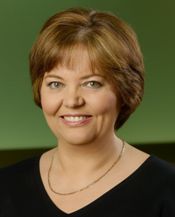
Photo courtesy of Baylor
College of Medicine
NEW YORK—Researchers are creating virus-specific T cells (VST) to treat and prevent viral infections in patients who undergo hematopoietic stem cell transplant.
Thus far, the group has modified T cells with 5 viral vectors—Epstein-Barr virus (EBV), cytomegalovirus (CMV), adenovirus (ADV), BK virus (BKV), and human herpesvirus 6 (HHV6)—and are devising methods whereby these VSTs can be made readily available, off-the-shelf products.
Helen Heslop, MD, of Baylor College of Medicine in Houston, Texas, described the efforts of the Baylor research team at the inaugural CRI-CIMT-EATI-AACR International Cancer Immunotherapy Conference.
The team’s tri-virus and 5-virus VST approaches have been described previously. Here, we focus on the team’s efforts to create an off-the-shelf product.
A companion story describes the team’s VST approach to treating type 2 EBV-associated lymphomas.
Despite promising results with these earlier methodologies both as prophylaxis and treatment after stem cell transplant, problems existed with the approaches that would impede broader implementation of VSTs.
“Most of these initial methodologies were complex,” Dr Heslop said.
And even though the production time of the 5-virus VSTs is only 10 days, it does not allow for urgent use.
To solve this problem, the researchers are developing VSTs as off-the-shelf, third-party banked cells for patients who don’t have the time to wait for donor-specific cells to be made.
“The strategy here is that we make lines that are well-characterized but are HLA-restricted and tied to specific viruses,” Dr Heslop said.
The cells are then cryopreserved so that they’re available, and patients receive VSTs according to their HLA type and the line that has suitable activity for their infections.
“We initially evaluated this approach through a multicenter study sponsored by the NHLBI [National Heart, Lung, and Blood Institute],” Dr Heslop said.
Tri-virus approach
The researchers used the original tri-virus methodology, which was lengthy, “but, in this case, because the cells were already available, the time was not a major issue,” Dr Heslop said.
The team also made some new lines for donors with common alleles. In all, they had 32 lines available while the study was running.
They treated 50 patients: 23 received VSTs for CMV, 18 for ADV, and 9 for EBV.
One patient who had CMV colitis received the VSTs and had a complete response (CR), as evidenced by a normal endoscopy with no viral inclusions.
Another patient had EBV persistent after 6 doses of rituximab. One month after receiving the VST infusion, the patient had a CR, even though the cell line had only 1 class 2 allele. And the patient has sustained the CR for several years.
The overall response rate for the study is 74.0% at day 42 after infusion.
The response rate was not significantly different for each virus, Dr Heslop pointed out. Patients with CMV had a 73.9% response rate, those with EBV had a 66.7% response rate, and those with ADV had a 77.8% response rate.
“This is a little bit lower than with the donor-specific T cells, but I think it’s still a promising approach,” she added.
5-virus peptide mix
The researchers are now evaluating the more rapid, 5-virus peptide mix method for creating off-the-shelf VSTs.
This method replaced live viruses with overlapping peptide pools and added immunogenic antigens for 5 viruses, including BKV and HHV6. The process takes only 10 days to produce VSTs.
The team has identified a line for over 90% of the patients screened.
“That’s because we will accept a line that’s only matched at 1 HLA allele, as long as we have activity against the infecting virus through the shared allele,” Dr Heslop explained.
So they’re conducting a clinical trial using this method, and thus far, they have enrolled 22 patients. Sixteen patients have had 1 infusion, and 6 patients have had multiple infusions.
The 22 patients had 25 infections: 10 CMV, 10 BKV, 2 EBV, 2 ADV, and 1 HHV6.
The overall response rate is 88%. Nine of 10 responses in patients with BKV were partial because BK is difficult to clear from urine. However, the BK patients who had hemorrhagic cystitis all had symptomatic improvement.
Dr Heslop pointed out that these results are similar to those at other centers using EBV third-party T cells.
The initial third-party studies were done in Scotland and had a response rate of about 60%, which increased to around 80% in follow-up studies, where they characterized the T cells more extensively.
Both donor-specific and third-party VSTs have low toxicity, sustained response rates, and activity confirmed by studies in multiple centers.
Dr Heslop believes the rapid manufacturing methodologies will facilitate definitive clinical trials.
She said Cell Medica provided support for some of the trials with EBV tumors.
Photo courtesy of Baylor
College of Medicine
NEW YORK—Researchers are creating virus-specific T cells (VST) to treat and prevent viral infections in patients who undergo hematopoietic stem cell transplant.
Thus far, the group has modified T cells with 5 viral vectors—Epstein-Barr virus (EBV), cytomegalovirus (CMV), adenovirus (ADV), BK virus (BKV), and human herpesvirus 6 (HHV6)—and are devising methods whereby these VSTs can be made readily available, off-the-shelf products.
Helen Heslop, MD, of Baylor College of Medicine in Houston, Texas, described the efforts of the Baylor research team at the inaugural CRI-CIMT-EATI-AACR International Cancer Immunotherapy Conference.
The team’s tri-virus and 5-virus VST approaches have been described previously. Here, we focus on the team’s efforts to create an off-the-shelf product.
A companion story describes the team’s VST approach to treating type 2 EBV-associated lymphomas.
Despite promising results with these earlier methodologies both as prophylaxis and treatment after stem cell transplant, problems existed with the approaches that would impede broader implementation of VSTs.
“Most of these initial methodologies were complex,” Dr Heslop said.
And even though the production time of the 5-virus VSTs is only 10 days, it does not allow for urgent use.
To solve this problem, the researchers are developing VSTs as off-the-shelf, third-party banked cells for patients who don’t have the time to wait for donor-specific cells to be made.
“The strategy here is that we make lines that are well-characterized but are HLA-restricted and tied to specific viruses,” Dr Heslop said.
The cells are then cryopreserved so that they’re available, and patients receive VSTs according to their HLA type and the line that has suitable activity for their infections.
“We initially evaluated this approach through a multicenter study sponsored by the NHLBI [National Heart, Lung, and Blood Institute],” Dr Heslop said.
Tri-virus approach
The researchers used the original tri-virus methodology, which was lengthy, “but, in this case, because the cells were already available, the time was not a major issue,” Dr Heslop said.
The team also made some new lines for donors with common alleles. In all, they had 32 lines available while the study was running.
They treated 50 patients: 23 received VSTs for CMV, 18 for ADV, and 9 for EBV.
One patient who had CMV colitis received the VSTs and had a complete response (CR), as evidenced by a normal endoscopy with no viral inclusions.
Another patient had EBV persistent after 6 doses of rituximab. One month after receiving the VST infusion, the patient had a CR, even though the cell line had only 1 class 2 allele. And the patient has sustained the CR for several years.
The overall response rate for the study is 74.0% at day 42 after infusion.
The response rate was not significantly different for each virus, Dr Heslop pointed out. Patients with CMV had a 73.9% response rate, those with EBV had a 66.7% response rate, and those with ADV had a 77.8% response rate.
“This is a little bit lower than with the donor-specific T cells, but I think it’s still a promising approach,” she added.
5-virus peptide mix
The researchers are now evaluating the more rapid, 5-virus peptide mix method for creating off-the-shelf VSTs.
This method replaced live viruses with overlapping peptide pools and added immunogenic antigens for 5 viruses, including BKV and HHV6. The process takes only 10 days to produce VSTs.
The team has identified a line for over 90% of the patients screened.
“That’s because we will accept a line that’s only matched at 1 HLA allele, as long as we have activity against the infecting virus through the shared allele,” Dr Heslop explained.
So they’re conducting a clinical trial using this method, and thus far, they have enrolled 22 patients. Sixteen patients have had 1 infusion, and 6 patients have had multiple infusions.
The 22 patients had 25 infections: 10 CMV, 10 BKV, 2 EBV, 2 ADV, and 1 HHV6.
The overall response rate is 88%. Nine of 10 responses in patients with BKV were partial because BK is difficult to clear from urine. However, the BK patients who had hemorrhagic cystitis all had symptomatic improvement.
Dr Heslop pointed out that these results are similar to those at other centers using EBV third-party T cells.
The initial third-party studies were done in Scotland and had a response rate of about 60%, which increased to around 80% in follow-up studies, where they characterized the T cells more extensively.
Both donor-specific and third-party VSTs have low toxicity, sustained response rates, and activity confirmed by studies in multiple centers.
Dr Heslop believes the rapid manufacturing methodologies will facilitate definitive clinical trials.
She said Cell Medica provided support for some of the trials with EBV tumors.
Photo courtesy of Baylor
College of Medicine
NEW YORK—Researchers are creating virus-specific T cells (VST) to treat and prevent viral infections in patients who undergo hematopoietic stem cell transplant.
Thus far, the group has modified T cells with 5 viral vectors—Epstein-Barr virus (EBV), cytomegalovirus (CMV), adenovirus (ADV), BK virus (BKV), and human herpesvirus 6 (HHV6)—and are devising methods whereby these VSTs can be made readily available, off-the-shelf products.
Helen Heslop, MD, of Baylor College of Medicine in Houston, Texas, described the efforts of the Baylor research team at the inaugural CRI-CIMT-EATI-AACR International Cancer Immunotherapy Conference.
The team’s tri-virus and 5-virus VST approaches have been described previously. Here, we focus on the team’s efforts to create an off-the-shelf product.
A companion story describes the team’s VST approach to treating type 2 EBV-associated lymphomas.
Despite promising results with these earlier methodologies both as prophylaxis and treatment after stem cell transplant, problems existed with the approaches that would impede broader implementation of VSTs.
“Most of these initial methodologies were complex,” Dr Heslop said.
And even though the production time of the 5-virus VSTs is only 10 days, it does not allow for urgent use.
To solve this problem, the researchers are developing VSTs as off-the-shelf, third-party banked cells for patients who don’t have the time to wait for donor-specific cells to be made.
“The strategy here is that we make lines that are well-characterized but are HLA-restricted and tied to specific viruses,” Dr Heslop said.
The cells are then cryopreserved so that they’re available, and patients receive VSTs according to their HLA type and the line that has suitable activity for their infections.
“We initially evaluated this approach through a multicenter study sponsored by the NHLBI [National Heart, Lung, and Blood Institute],” Dr Heslop said.
Tri-virus approach
The researchers used the original tri-virus methodology, which was lengthy, “but, in this case, because the cells were already available, the time was not a major issue,” Dr Heslop said.
The team also made some new lines for donors with common alleles. In all, they had 32 lines available while the study was running.
They treated 50 patients: 23 received VSTs for CMV, 18 for ADV, and 9 for EBV.
One patient who had CMV colitis received the VSTs and had a complete response (CR), as evidenced by a normal endoscopy with no viral inclusions.
Another patient had EBV persistent after 6 doses of rituximab. One month after receiving the VST infusion, the patient had a CR, even though the cell line had only 1 class 2 allele. And the patient has sustained the CR for several years.
The overall response rate for the study is 74.0% at day 42 after infusion.
The response rate was not significantly different for each virus, Dr Heslop pointed out. Patients with CMV had a 73.9% response rate, those with EBV had a 66.7% response rate, and those with ADV had a 77.8% response rate.
“This is a little bit lower than with the donor-specific T cells, but I think it’s still a promising approach,” she added.
5-virus peptide mix
The researchers are now evaluating the more rapid, 5-virus peptide mix method for creating off-the-shelf VSTs.
This method replaced live viruses with overlapping peptide pools and added immunogenic antigens for 5 viruses, including BKV and HHV6. The process takes only 10 days to produce VSTs.
The team has identified a line for over 90% of the patients screened.
“That’s because we will accept a line that’s only matched at 1 HLA allele, as long as we have activity against the infecting virus through the shared allele,” Dr Heslop explained.
So they’re conducting a clinical trial using this method, and thus far, they have enrolled 22 patients. Sixteen patients have had 1 infusion, and 6 patients have had multiple infusions.
The 22 patients had 25 infections: 10 CMV, 10 BKV, 2 EBV, 2 ADV, and 1 HHV6.
The overall response rate is 88%. Nine of 10 responses in patients with BKV were partial because BK is difficult to clear from urine. However, the BK patients who had hemorrhagic cystitis all had symptomatic improvement.
Dr Heslop pointed out that these results are similar to those at other centers using EBV third-party T cells.
The initial third-party studies were done in Scotland and had a response rate of about 60%, which increased to around 80% in follow-up studies, where they characterized the T cells more extensively.
Both donor-specific and third-party VSTs have low toxicity, sustained response rates, and activity confirmed by studies in multiple centers.
Dr Heslop believes the rapid manufacturing methodologies will facilitate definitive clinical trials.
She said Cell Medica provided support for some of the trials with EBV tumors.
Patients may need anticoagulation
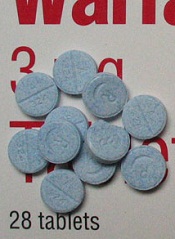
A new study suggests that certain patients with bioprosthetic aortic heart valves may require anticoagulant therapy.
In some patients, researchers observed reduced motion of the leaflets affecting the valve opening.
The team believes this may be a sign of subclinical leaflet thrombosis, particularly since anticoagulant therapy was able to restore leaflet motion.
The researchers described this study in NEJM.
“Transcatheter and surgically implantable tissue valves are life-saving devices in patients with aortic valve stenosis,” said study author Raj Makkar, MD, of the Cedars-Sinai Heart Institute in Los Angeles, California.
“These findings allow us a potentially valuable opportunity to further optimize the outcomes of these procedures. We are not recommending that all patients with these devices be on blood thinners, but, clearly, further studies need to be done to define best medication regimens.”
Dr Makkar and his colleagues began this research when a clinical trial participant with a bioprosthetic aortic heart valve had a stroke. High-resolution imaging revealed reduced motion of the leaflets that open and close to regulate the flow of blood.
“We wanted to find out if patients undergoing a tissue valve procedure are susceptible to blood clots on the leaflets and study the clinical consequences of the same,” Dr Makkar said.
“We also wanted to understand whether our aortic valve patients were more susceptible to having blood clots and whether those clots could indicate that the patient might experience a neurological complication—a mini-stroke.”
So Dr Makkar and his colleagues analyzed 187 patients who received a new valve via a transcatheter procedure or open-heart surgery—55 patients in a trial and 132 patients enrolled in registries.
All patients underwent high-resolution imaging—4-dimensional CT angiography—so the researchers could detect reduced leaflet motion.
Overall, 20% of patients (39/187) had reduced leaflet motion—40% in the trial (22/55) and 13% (17/132) in the registries. This included patients with multiple bioprosthesis types.
The researchers observed a lower incidence of reduced leaflet motion in patients receiving anticoagulant therapy.
The incidence was significantly lower in patients on warfarin than in those receiving dual antiplatelet therapy. It was 0% and 55%, respectively, in the clinical trial (P=0.01) and 0% and 29%, respectively, in the registry patients (P=0.04).
Dr Makkar and his colleagues also re-evaluated a handful of patients who underwent a follow-up CT—11 who were receiving anticoagulation and 10 who were not. Leaflet motion was restored in all 11 treated patients and 1 of the untreated patients (P<0.001).
Lastly, there was some suggestion that the incidence of stroke or transient ischemic attacks might be higher among patients with reduced valve motion. But the researchers said this finding was inconclusive and requires further study.
A new study suggests that certain patients with bioprosthetic aortic heart valves may require anticoagulant therapy.
In some patients, researchers observed reduced motion of the leaflets affecting the valve opening.
The team believes this may be a sign of subclinical leaflet thrombosis, particularly since anticoagulant therapy was able to restore leaflet motion.
The researchers described this study in NEJM.
“Transcatheter and surgically implantable tissue valves are life-saving devices in patients with aortic valve stenosis,” said study author Raj Makkar, MD, of the Cedars-Sinai Heart Institute in Los Angeles, California.
“These findings allow us a potentially valuable opportunity to further optimize the outcomes of these procedures. We are not recommending that all patients with these devices be on blood thinners, but, clearly, further studies need to be done to define best medication regimens.”
Dr Makkar and his colleagues began this research when a clinical trial participant with a bioprosthetic aortic heart valve had a stroke. High-resolution imaging revealed reduced motion of the leaflets that open and close to regulate the flow of blood.
“We wanted to find out if patients undergoing a tissue valve procedure are susceptible to blood clots on the leaflets and study the clinical consequences of the same,” Dr Makkar said.
“We also wanted to understand whether our aortic valve patients were more susceptible to having blood clots and whether those clots could indicate that the patient might experience a neurological complication—a mini-stroke.”
So Dr Makkar and his colleagues analyzed 187 patients who received a new valve via a transcatheter procedure or open-heart surgery—55 patients in a trial and 132 patients enrolled in registries.
All patients underwent high-resolution imaging—4-dimensional CT angiography—so the researchers could detect reduced leaflet motion.
Overall, 20% of patients (39/187) had reduced leaflet motion—40% in the trial (22/55) and 13% (17/132) in the registries. This included patients with multiple bioprosthesis types.
The researchers observed a lower incidence of reduced leaflet motion in patients receiving anticoagulant therapy.
The incidence was significantly lower in patients on warfarin than in those receiving dual antiplatelet therapy. It was 0% and 55%, respectively, in the clinical trial (P=0.01) and 0% and 29%, respectively, in the registry patients (P=0.04).
Dr Makkar and his colleagues also re-evaluated a handful of patients who underwent a follow-up CT—11 who were receiving anticoagulation and 10 who were not. Leaflet motion was restored in all 11 treated patients and 1 of the untreated patients (P<0.001).
Lastly, there was some suggestion that the incidence of stroke or transient ischemic attacks might be higher among patients with reduced valve motion. But the researchers said this finding was inconclusive and requires further study.
A new study suggests that certain patients with bioprosthetic aortic heart valves may require anticoagulant therapy.
In some patients, researchers observed reduced motion of the leaflets affecting the valve opening.
The team believes this may be a sign of subclinical leaflet thrombosis, particularly since anticoagulant therapy was able to restore leaflet motion.
The researchers described this study in NEJM.
“Transcatheter and surgically implantable tissue valves are life-saving devices in patients with aortic valve stenosis,” said study author Raj Makkar, MD, of the Cedars-Sinai Heart Institute in Los Angeles, California.
“These findings allow us a potentially valuable opportunity to further optimize the outcomes of these procedures. We are not recommending that all patients with these devices be on blood thinners, but, clearly, further studies need to be done to define best medication regimens.”
Dr Makkar and his colleagues began this research when a clinical trial participant with a bioprosthetic aortic heart valve had a stroke. High-resolution imaging revealed reduced motion of the leaflets that open and close to regulate the flow of blood.
“We wanted to find out if patients undergoing a tissue valve procedure are susceptible to blood clots on the leaflets and study the clinical consequences of the same,” Dr Makkar said.
“We also wanted to understand whether our aortic valve patients were more susceptible to having blood clots and whether those clots could indicate that the patient might experience a neurological complication—a mini-stroke.”
So Dr Makkar and his colleagues analyzed 187 patients who received a new valve via a transcatheter procedure or open-heart surgery—55 patients in a trial and 132 patients enrolled in registries.
All patients underwent high-resolution imaging—4-dimensional CT angiography—so the researchers could detect reduced leaflet motion.
Overall, 20% of patients (39/187) had reduced leaflet motion—40% in the trial (22/55) and 13% (17/132) in the registries. This included patients with multiple bioprosthesis types.
The researchers observed a lower incidence of reduced leaflet motion in patients receiving anticoagulant therapy.
The incidence was significantly lower in patients on warfarin than in those receiving dual antiplatelet therapy. It was 0% and 55%, respectively, in the clinical trial (P=0.01) and 0% and 29%, respectively, in the registry patients (P=0.04).
Dr Makkar and his colleagues also re-evaluated a handful of patients who underwent a follow-up CT—11 who were receiving anticoagulation and 10 who were not. Leaflet motion was restored in all 11 treated patients and 1 of the untreated patients (P<0.001).
Lastly, there was some suggestion that the incidence of stroke or transient ischemic attacks might be higher among patients with reduced valve motion. But the researchers said this finding was inconclusive and requires further study.
Trio wins Nobel Prize for parasite-related discoveries
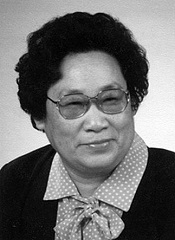
Three researchers have won the 2015 Nobel Prize in Physiology or Medicine for discoveries related to parasitic diseases.
One half of the prize was awarded to Youyou Tu for discoveries concerning a novel therapy against malaria—artemisinin.
The other half of the prize was awarded to William C. Campbell, PhD, and Satoshi Ōmura, PhD, for their discoveries concerning a novel therapy against infections caused by roundworm parasites.
Drs Ōmura and Campbell discovered the drug avermectin. A derivative of this drug has lowered the incidence of river blindness and lymphatic filariasis and demonstrated efficacy against other parasitic diseases.
Artemisinin
Before artemisinin came into use, malaria was treated with chloroquine or quinine—with declining success. By the late 1960s, efforts to eradicate malaria had failed, and the disease was on the rise.
At that time, Tu turned to traditional herbal medicine to tackle the challenge of developing novel malaria therapies. From a large-scale screen of herbal remedies in malaria-infected animals, an extract from the plant Artemisia annua emerged as an interesting candidate.
However, the results were inconsistent. So Tu revisited the ancient literature and discovered clues that guided her in her quest to extract the active component from Artemisia annua. Tu was the first to show that this component, later called artemisinin, was effective against the malaria parasite in animals and humans.
Artemisinin is now used in all malaria-ridden parts of the world. When used in combination therapy, it is estimated to reduce mortality from malaria by more than 20% overall and by more than 30% in children.
Avermectin
The discovery of avermectin began with Streptomyces, bacteria that live in the soil and are known to produce agents with antibacterial activities.
Dr Ōmura isolated new strains of Streptomyces from soil samples and cultured them in the lab. He selected about 50 of the most promising cultures to analyze for their activity against harmful microorganisms. One of these cultures turned out to be Streptomyces avermitilis, the source of avermectin.
Dr Campbell acquired Dr Ōmura’s Streptomyces cultures and explored their efficacy. Dr Campbell showed that a component from one of the cultures could combat parasites in domestic and farm animals.
The bioactive agent was purified and named avermectin. It was subsequently modified to a more effective compound called ivermectin. Ivermectin turned out to be effective against a variety of parasites, including those that cause river blindness and lymphatic filariasis.
Today, ivermectin is used in all parts of the world that are plagued by parasitic diseases. The drug has proven effective against a range of parasites and has limited side effects. Thanks to ivermectin, river blindness and lymphatic filariasis are on the verge of eradication.
About the winners
Youyou Tu was born in 1930 in China. She graduated from Beijing Medical University in 1955. Tu has worked at the China Academy of Traditional Chinese Medicine since 1965. She has been chief professor there since 2000.
William C. Campbell was born in 1930 in Ramelton, Ireland. He received a BA from Trinity College, University of Dublin, in Ireland in 1952. He received a PhD from the University of Wisconsin in Madison, Wisconsin, in 1957.
From 1957 to 1990, Dr Campbell was with the Merck Institute for Therapeutic Research, from 1984 to 1990 as a senior scientist and director for assay research and development. Dr Campbell is currently a research fellow emeritus at Drew University in Madison, New Jersey.
Satoshi Ōmura was born in 1935 in the Yamanashi Prefecture, Japan. He received a PhD in pharmaceutical sciences in 1968 from the University of Tokyo and a PhD in chemistry in 1970 from Tokyo University of Science.
Dr Ōmura was a researcher at the Kitasato Institute in Japan from 1965 to 1971 and a professor at Kitasato University from 1975 to 2007. Since 2007, Dr Ōmura has been a professor emeritus at Kitasato University.
Three researchers have won the 2015 Nobel Prize in Physiology or Medicine for discoveries related to parasitic diseases.
One half of the prize was awarded to Youyou Tu for discoveries concerning a novel therapy against malaria—artemisinin.
The other half of the prize was awarded to William C. Campbell, PhD, and Satoshi Ōmura, PhD, for their discoveries concerning a novel therapy against infections caused by roundworm parasites.
Drs Ōmura and Campbell discovered the drug avermectin. A derivative of this drug has lowered the incidence of river blindness and lymphatic filariasis and demonstrated efficacy against other parasitic diseases.
Artemisinin
Before artemisinin came into use, malaria was treated with chloroquine or quinine—with declining success. By the late 1960s, efforts to eradicate malaria had failed, and the disease was on the rise.
At that time, Tu turned to traditional herbal medicine to tackle the challenge of developing novel malaria therapies. From a large-scale screen of herbal remedies in malaria-infected animals, an extract from the plant Artemisia annua emerged as an interesting candidate.
However, the results were inconsistent. So Tu revisited the ancient literature and discovered clues that guided her in her quest to extract the active component from Artemisia annua. Tu was the first to show that this component, later called artemisinin, was effective against the malaria parasite in animals and humans.
Artemisinin is now used in all malaria-ridden parts of the world. When used in combination therapy, it is estimated to reduce mortality from malaria by more than 20% overall and by more than 30% in children.
Avermectin
The discovery of avermectin began with Streptomyces, bacteria that live in the soil and are known to produce agents with antibacterial activities.
Dr Ōmura isolated new strains of Streptomyces from soil samples and cultured them in the lab. He selected about 50 of the most promising cultures to analyze for their activity against harmful microorganisms. One of these cultures turned out to be Streptomyces avermitilis, the source of avermectin.
Dr Campbell acquired Dr Ōmura’s Streptomyces cultures and explored their efficacy. Dr Campbell showed that a component from one of the cultures could combat parasites in domestic and farm animals.
The bioactive agent was purified and named avermectin. It was subsequently modified to a more effective compound called ivermectin. Ivermectin turned out to be effective against a variety of parasites, including those that cause river blindness and lymphatic filariasis.
Today, ivermectin is used in all parts of the world that are plagued by parasitic diseases. The drug has proven effective against a range of parasites and has limited side effects. Thanks to ivermectin, river blindness and lymphatic filariasis are on the verge of eradication.
About the winners
Youyou Tu was born in 1930 in China. She graduated from Beijing Medical University in 1955. Tu has worked at the China Academy of Traditional Chinese Medicine since 1965. She has been chief professor there since 2000.
William C. Campbell was born in 1930 in Ramelton, Ireland. He received a BA from Trinity College, University of Dublin, in Ireland in 1952. He received a PhD from the University of Wisconsin in Madison, Wisconsin, in 1957.
From 1957 to 1990, Dr Campbell was with the Merck Institute for Therapeutic Research, from 1984 to 1990 as a senior scientist and director for assay research and development. Dr Campbell is currently a research fellow emeritus at Drew University in Madison, New Jersey.
Satoshi Ōmura was born in 1935 in the Yamanashi Prefecture, Japan. He received a PhD in pharmaceutical sciences in 1968 from the University of Tokyo and a PhD in chemistry in 1970 from Tokyo University of Science.
Dr Ōmura was a researcher at the Kitasato Institute in Japan from 1965 to 1971 and a professor at Kitasato University from 1975 to 2007. Since 2007, Dr Ōmura has been a professor emeritus at Kitasato University.
Three researchers have won the 2015 Nobel Prize in Physiology or Medicine for discoveries related to parasitic diseases.
One half of the prize was awarded to Youyou Tu for discoveries concerning a novel therapy against malaria—artemisinin.
The other half of the prize was awarded to William C. Campbell, PhD, and Satoshi Ōmura, PhD, for their discoveries concerning a novel therapy against infections caused by roundworm parasites.
Drs Ōmura and Campbell discovered the drug avermectin. A derivative of this drug has lowered the incidence of river blindness and lymphatic filariasis and demonstrated efficacy against other parasitic diseases.
Artemisinin
Before artemisinin came into use, malaria was treated with chloroquine or quinine—with declining success. By the late 1960s, efforts to eradicate malaria had failed, and the disease was on the rise.
At that time, Tu turned to traditional herbal medicine to tackle the challenge of developing novel malaria therapies. From a large-scale screen of herbal remedies in malaria-infected animals, an extract from the plant Artemisia annua emerged as an interesting candidate.
However, the results were inconsistent. So Tu revisited the ancient literature and discovered clues that guided her in her quest to extract the active component from Artemisia annua. Tu was the first to show that this component, later called artemisinin, was effective against the malaria parasite in animals and humans.
Artemisinin is now used in all malaria-ridden parts of the world. When used in combination therapy, it is estimated to reduce mortality from malaria by more than 20% overall and by more than 30% in children.
Avermectin
The discovery of avermectin began with Streptomyces, bacteria that live in the soil and are known to produce agents with antibacterial activities.
Dr Ōmura isolated new strains of Streptomyces from soil samples and cultured them in the lab. He selected about 50 of the most promising cultures to analyze for their activity against harmful microorganisms. One of these cultures turned out to be Streptomyces avermitilis, the source of avermectin.
Dr Campbell acquired Dr Ōmura’s Streptomyces cultures and explored their efficacy. Dr Campbell showed that a component from one of the cultures could combat parasites in domestic and farm animals.
The bioactive agent was purified and named avermectin. It was subsequently modified to a more effective compound called ivermectin. Ivermectin turned out to be effective against a variety of parasites, including those that cause river blindness and lymphatic filariasis.
Today, ivermectin is used in all parts of the world that are plagued by parasitic diseases. The drug has proven effective against a range of parasites and has limited side effects. Thanks to ivermectin, river blindness and lymphatic filariasis are on the verge of eradication.
About the winners
Youyou Tu was born in 1930 in China. She graduated from Beijing Medical University in 1955. Tu has worked at the China Academy of Traditional Chinese Medicine since 1965. She has been chief professor there since 2000.
William C. Campbell was born in 1930 in Ramelton, Ireland. He received a BA from Trinity College, University of Dublin, in Ireland in 1952. He received a PhD from the University of Wisconsin in Madison, Wisconsin, in 1957.
From 1957 to 1990, Dr Campbell was with the Merck Institute for Therapeutic Research, from 1984 to 1990 as a senior scientist and director for assay research and development. Dr Campbell is currently a research fellow emeritus at Drew University in Madison, New Jersey.
Satoshi Ōmura was born in 1935 in the Yamanashi Prefecture, Japan. He received a PhD in pharmaceutical sciences in 1968 from the University of Tokyo and a PhD in chemistry in 1970 from Tokyo University of Science.
Dr Ōmura was a researcher at the Kitasato Institute in Japan from 1965 to 1971 and a professor at Kitasato University from 1975 to 2007. Since 2007, Dr Ōmura has been a professor emeritus at Kitasato University.