User login
Pulmonology Data Trends 2022
CHEST Physician presents the 2022 edition of Pulmonology Data Trends (click to view the digital edition). This special issue provides updates on hot topics in pulmonology through original infographics and visual storytelling.
Inside this issue:
- Comorbidities, Racial Disparities, and Geographic Differences in Asthma
Navitha Ramesh, MD, FCCP - Post-COVID-19 Effects
Viren Kaul, MD, FCCP, FACP - New Pathogens, COVID-19, and Antibiotic Resistance in the Field of Pneumonia
Marcos I. Restrepo, MD, MSc, PhD, FCCP - COPD Characteristics and Health Disparities
Muhammad Adrish, MD, MBA, FCCP - Reducing Tuberculosis Globally and the Impact of COVID-19
Patricio Escalante, MD, MSc, FCCP and Paige K. Marty, MD - New Treatment Pathways for Cystic Fibrosis
David Finklea, MD - Risk Assessment in Pulmonary Arterial Hypertension
Sandeep Sahay, MD, MSc, FCCP, ATSF - Rising Incidence of Bronchiectasis and Associated Burdens
Anne E. O'Donnell, MD, FCCP - ILD: Diagnostic Considerations and Socioeconomic Barriers
Daniel Dilling, MD, FCCP, FACP, FAST - Advances in Lung Cancer Diagnostics and Treatment
Eric S. Edell, MD, FCCP
CHEST Physician presents the 2022 edition of Pulmonology Data Trends (click to view the digital edition). This special issue provides updates on hot topics in pulmonology through original infographics and visual storytelling.
Inside this issue:
- Comorbidities, Racial Disparities, and Geographic Differences in Asthma
Navitha Ramesh, MD, FCCP - Post-COVID-19 Effects
Viren Kaul, MD, FCCP, FACP - New Pathogens, COVID-19, and Antibiotic Resistance in the Field of Pneumonia
Marcos I. Restrepo, MD, MSc, PhD, FCCP - COPD Characteristics and Health Disparities
Muhammad Adrish, MD, MBA, FCCP - Reducing Tuberculosis Globally and the Impact of COVID-19
Patricio Escalante, MD, MSc, FCCP and Paige K. Marty, MD - New Treatment Pathways for Cystic Fibrosis
David Finklea, MD - Risk Assessment in Pulmonary Arterial Hypertension
Sandeep Sahay, MD, MSc, FCCP, ATSF - Rising Incidence of Bronchiectasis and Associated Burdens
Anne E. O'Donnell, MD, FCCP - ILD: Diagnostic Considerations and Socioeconomic Barriers
Daniel Dilling, MD, FCCP, FACP, FAST - Advances in Lung Cancer Diagnostics and Treatment
Eric S. Edell, MD, FCCP
CHEST Physician presents the 2022 edition of Pulmonology Data Trends (click to view the digital edition). This special issue provides updates on hot topics in pulmonology through original infographics and visual storytelling.
Inside this issue:
- Comorbidities, Racial Disparities, and Geographic Differences in Asthma
Navitha Ramesh, MD, FCCP - Post-COVID-19 Effects
Viren Kaul, MD, FCCP, FACP - New Pathogens, COVID-19, and Antibiotic Resistance in the Field of Pneumonia
Marcos I. Restrepo, MD, MSc, PhD, FCCP - COPD Characteristics and Health Disparities
Muhammad Adrish, MD, MBA, FCCP - Reducing Tuberculosis Globally and the Impact of COVID-19
Patricio Escalante, MD, MSc, FCCP and Paige K. Marty, MD - New Treatment Pathways for Cystic Fibrosis
David Finklea, MD - Risk Assessment in Pulmonary Arterial Hypertension
Sandeep Sahay, MD, MSc, FCCP, ATSF - Rising Incidence of Bronchiectasis and Associated Burdens
Anne E. O'Donnell, MD, FCCP - ILD: Diagnostic Considerations and Socioeconomic Barriers
Daniel Dilling, MD, FCCP, FACP, FAST - Advances in Lung Cancer Diagnostics and Treatment
Eric S. Edell, MD, FCCP
Long COVID could cost the economy trillions, experts predict
from restaurants struggling to replace low-wage workers, to airlines scrambling to replace crew, to overwhelmed hospitals, experts are predicting.
“There’s a lot we need to do to understand what it takes to enable disabled people to participate more in the economy,” said Katie Bach, a senior fellow with Brookings Institution and the author of a study looking into long COVID’s impact on the labor market.
Data from June 2022 from the Centers for Disease Control and Prevention shows that, of the 40% of American adults who contracted COVID-19, nearly one in five still have long COVID symptoms. That works out to 1 in 13, or 7.5%, of the overall U.S. adult population.
Drawing from the CDC data, Ms. Bach estimates in her August 2022 report that as many as 4 million working-age Americans are too sick with long COVID to perform their jobs. That works out to as much as $230 billion in lost wages, or almost 1% of the U.S. GDP.
“This is a big deal,” she said. “We’re talking potentially hundreds of billions of dollars a year and that this is big enough to have a measurable impact on the labor market.”
Other sources have suggested lower figures, but the conclusions are the same: Long COVID is an urgent issue that will cost tens of billions of dollars a year in lost wages alone, Ms. Bach said. But it’s not just lost income for workers. There is a cost for businesses and the public.
Throughout the pandemic, COVID-19’s crippling force could be felt across multiple industries. While business has picked up again, staffing shortages remain a challenge. At some airports this summer, air passengers spent hours in security lines; were stranded for days as flights were canceled, rebooked, and canceled again on short notice; and waited weeks for lost luggage. Restaurants have had to cut back their hours. Those seeking medical care had longer than usual wait times in EDs and urgent care clinics. Some EDs temporarily closed.
These challenges have been attributed in part to the “great resignation” and in part because so many infected workers were out, especially during the Omicron waves. But increasingly, economists and health care professionals alike worry about long COVID’s impact on employers and the broader economy.
David Cutler, PhD, a professor of economics at Harvard University, Cambridge, Mass., believes the total economic loss could be as high as $3.7 trillion, when factoring in the lost quality of life, the cost in lost earnings, and the cost of higher spending on medical care. His estimate is more than a trillion dollars higher than a previous projection he and fellow economist Lawrence Summers, PhD, made in 2020. The reason? Long COVID.
“The higher estimate is largely a result of the greater prevalence of long COVID than we had guessed at the time,” Dr. Cutler wrote in a paper released in July.
“There are about 10 times the number of people with long COVID as have died of COVID. Because long COVID is so new, there is uncertainty about all of the numbers involved in the calculations. Still, the costs here are conservative, based on only cases to date.”
In Ms. Bach’s Brookings report, she projected that, if recovery from long COVID does not pick up and the population of Americans with long COVID were to grow by 10% a year, the annual cost of lost wages alone could reach half a trillion dollars in a decade.
Meanwhile, a working paper by the National Bureau of Economic Research found that workers who missed an entire week of work because of probable COVID-19 illnesses were roughly 7 percentage points less likely to be working a year later, compared with those who did not miss work for health reasons.
“It’s not just individuals with long COVID who are suffering from this. It impacts their families, their livelihoods, and the economy on a global scale. So, we have to raise awareness about those ripple effects,” said Linda Geng, MD, a clinical assistant professor of medicine with Stanford (Calif.) University’s Primary Care and Population Health.
“I think it’s hard for the public to grasp ... and understand the scale of this public health crisis.”
Debilitating fatigue
Long COVID is roughly defined; the CDC defines it as symptoms that linger 3 or more months after a patient first catches the virus.
The symptoms vary and include profound fatigue and brain issues.
“It’s a new degree of extreme and debilitating fatigue and exhaustion, to the point where you can’t do your daily tasks,” said Dr. Geng, who is also the codirector of Stanford’s Post-Acute COVID-19 Syndrome Clinic.
“People can be so debilitated, they can’t even do basic things, like the activities of daily living, let alone do their job, particularly if it’s physically or mentally demanding.”
Patients can also have postexertional malaise, where they feel especially bad and symptoms worsen when they exert themselves physically or mentally, Dr. Geng said. Compounding the issue for many long COVID patients is their trouble getting restful sleep. Those with brain fog have issues with memory, processing information, focused concentration, confusion, making mistakes, and multitasking. Pain is another debilitating symptom that can disrupt daily life and ability to work.
Even people with relatively mild infections can end up with long COVID, Dr. Geng said, noting that many of the patients at the Stanford clinic were never hospitalized with their initial infections. While existing research and Dr. Geng’s clinical experience show that long COVID can hit any age, she most commonly sees patients from ages 20 to their 60s, with an average age in the 40s – people in their prime working ages.
Jason Furman, PhD, a former White House economic adviser who is now a professor at Harvard University, noted in August that the labor force participation rate was far below what could be explained by standard demographic changes like an aging population, with the decline evident across all age groups. Dr. Furman does not speculate about why, but others have.
“We are pessimistic: Both the aging of the population and the impact of long COVID imply that the participation rate will be slow to return to its prepandemic level,” Anna Wong, Yelena Shulyatyeva, Andrew Husby, and Eliza Winger, economists with Bloomberg Economics, wrote in a research note.
Supportive policies
There is some evidence that vaccination reduces the risk of long COVID, but not completely, and it is too early to know if repeat infections increase long COVID risks. There is also no definitive data on how fast or how many people are recovering. Economists often assume that those with long COVID will recover at some point, Ms. Bach noted, but she is careful not to make assumptions.
“If people aren’t recovering, then this group keeps getting bigger,” she said. “We’re still adding, and if people aren’t coming out of that group, this becomes a bigger and bigger problem.”
For now, the number of new people being diagnosed with long COVID appears to have slowed, Ms. Bach said, but it remains to be seen whether the trend can be sustained.
“If people are impaired longer than we think and if the impairment turns out to be severe, then we can have a lot of people who need services like disability insurance,” Dr. Cutler said.
“That could put a really big strain on public sector programs and our ability to meet those needs.”
Policies that support the research and clinical work necessary to prevent and treat long COVID are essential, experts say.
“To me, that is the biggest economic imperative, to say nothing of human suffering,” said Ms. Bach.
Employers also have a role, and experts say there are a number of accommodations businesses should consider. What happens when an employee has long COVID? Can accommodations be made that allow them to continue working productively? If they spend a great deal of time commuting, can they work from home? What can employers do so that family members do not have to drop out of the workforce to take care of loved ones with long COVID?
Disability insurance
To be sure, there is one piece of the puzzle that does not quite fit, according to Dr. Cutler and Ms. Bach. There is no sign yet of a large increase in federal disability insurance applications, and no one quite knows why. Publicly available government data shows that online applications actually dipped by about 4% each year between 2019 and 2021. Applications in 2022 appear on track to remain slightly below prepandemic levels.
To qualify for Social Security Disability Insurance (SSDI), people need to have a disability that lasts at least a year.
“If you’re disabled with long COVID, who knows, right? You don’t know,” said Ms. Bach. “Two of the most dominant symptoms of long COVID are fatigue and brain fog. So, I’ve heard from people that the process of going through an SSDI application is really hard.”
Some long COVID patients told Ms. Bach they simply assumed they would not get SSDI and did not even bother applying. She stressed that working Americans with debilitating long COVID should be aware that their condition is protected by the Americans with Disabilities Act. But the challenge, based on guidance issued by the government, is that not all cases of long COVID qualify as a disability and that individual assessments are necessary.
While more long COVID data are needed, Ms. Bach believes there is enough information for decisionmakers to go after the issue more aggressively. She pointed to the $1.15 billion in funding that Congress earmarked for the National Institutes of Health over the course of 4 years in support of research into the long-term health effects of COVID-19.
“Now, $250 million a year sounds like a lot of money until you start talking about the cost of lost wages – just lost wages,” Ms. Bach said. “That’s not lost productivity. That’s not the cost of people whose family members are sick. Who have to reduce their own labor force participation. That’s not medical costs. Suddenly, $250 million doesn’t really sound like that much.”
A version of this article first appeared on WebMD.com.
from restaurants struggling to replace low-wage workers, to airlines scrambling to replace crew, to overwhelmed hospitals, experts are predicting.
“There’s a lot we need to do to understand what it takes to enable disabled people to participate more in the economy,” said Katie Bach, a senior fellow with Brookings Institution and the author of a study looking into long COVID’s impact on the labor market.
Data from June 2022 from the Centers for Disease Control and Prevention shows that, of the 40% of American adults who contracted COVID-19, nearly one in five still have long COVID symptoms. That works out to 1 in 13, or 7.5%, of the overall U.S. adult population.
Drawing from the CDC data, Ms. Bach estimates in her August 2022 report that as many as 4 million working-age Americans are too sick with long COVID to perform their jobs. That works out to as much as $230 billion in lost wages, or almost 1% of the U.S. GDP.
“This is a big deal,” she said. “We’re talking potentially hundreds of billions of dollars a year and that this is big enough to have a measurable impact on the labor market.”
Other sources have suggested lower figures, but the conclusions are the same: Long COVID is an urgent issue that will cost tens of billions of dollars a year in lost wages alone, Ms. Bach said. But it’s not just lost income for workers. There is a cost for businesses and the public.
Throughout the pandemic, COVID-19’s crippling force could be felt across multiple industries. While business has picked up again, staffing shortages remain a challenge. At some airports this summer, air passengers spent hours in security lines; were stranded for days as flights were canceled, rebooked, and canceled again on short notice; and waited weeks for lost luggage. Restaurants have had to cut back their hours. Those seeking medical care had longer than usual wait times in EDs and urgent care clinics. Some EDs temporarily closed.
These challenges have been attributed in part to the “great resignation” and in part because so many infected workers were out, especially during the Omicron waves. But increasingly, economists and health care professionals alike worry about long COVID’s impact on employers and the broader economy.
David Cutler, PhD, a professor of economics at Harvard University, Cambridge, Mass., believes the total economic loss could be as high as $3.7 trillion, when factoring in the lost quality of life, the cost in lost earnings, and the cost of higher spending on medical care. His estimate is more than a trillion dollars higher than a previous projection he and fellow economist Lawrence Summers, PhD, made in 2020. The reason? Long COVID.
“The higher estimate is largely a result of the greater prevalence of long COVID than we had guessed at the time,” Dr. Cutler wrote in a paper released in July.
“There are about 10 times the number of people with long COVID as have died of COVID. Because long COVID is so new, there is uncertainty about all of the numbers involved in the calculations. Still, the costs here are conservative, based on only cases to date.”
In Ms. Bach’s Brookings report, she projected that, if recovery from long COVID does not pick up and the population of Americans with long COVID were to grow by 10% a year, the annual cost of lost wages alone could reach half a trillion dollars in a decade.
Meanwhile, a working paper by the National Bureau of Economic Research found that workers who missed an entire week of work because of probable COVID-19 illnesses were roughly 7 percentage points less likely to be working a year later, compared with those who did not miss work for health reasons.
“It’s not just individuals with long COVID who are suffering from this. It impacts their families, their livelihoods, and the economy on a global scale. So, we have to raise awareness about those ripple effects,” said Linda Geng, MD, a clinical assistant professor of medicine with Stanford (Calif.) University’s Primary Care and Population Health.
“I think it’s hard for the public to grasp ... and understand the scale of this public health crisis.”
Debilitating fatigue
Long COVID is roughly defined; the CDC defines it as symptoms that linger 3 or more months after a patient first catches the virus.
The symptoms vary and include profound fatigue and brain issues.
“It’s a new degree of extreme and debilitating fatigue and exhaustion, to the point where you can’t do your daily tasks,” said Dr. Geng, who is also the codirector of Stanford’s Post-Acute COVID-19 Syndrome Clinic.
“People can be so debilitated, they can’t even do basic things, like the activities of daily living, let alone do their job, particularly if it’s physically or mentally demanding.”
Patients can also have postexertional malaise, where they feel especially bad and symptoms worsen when they exert themselves physically or mentally, Dr. Geng said. Compounding the issue for many long COVID patients is their trouble getting restful sleep. Those with brain fog have issues with memory, processing information, focused concentration, confusion, making mistakes, and multitasking. Pain is another debilitating symptom that can disrupt daily life and ability to work.
Even people with relatively mild infections can end up with long COVID, Dr. Geng said, noting that many of the patients at the Stanford clinic were never hospitalized with their initial infections. While existing research and Dr. Geng’s clinical experience show that long COVID can hit any age, she most commonly sees patients from ages 20 to their 60s, with an average age in the 40s – people in their prime working ages.
Jason Furman, PhD, a former White House economic adviser who is now a professor at Harvard University, noted in August that the labor force participation rate was far below what could be explained by standard demographic changes like an aging population, with the decline evident across all age groups. Dr. Furman does not speculate about why, but others have.
“We are pessimistic: Both the aging of the population and the impact of long COVID imply that the participation rate will be slow to return to its prepandemic level,” Anna Wong, Yelena Shulyatyeva, Andrew Husby, and Eliza Winger, economists with Bloomberg Economics, wrote in a research note.
Supportive policies
There is some evidence that vaccination reduces the risk of long COVID, but not completely, and it is too early to know if repeat infections increase long COVID risks. There is also no definitive data on how fast or how many people are recovering. Economists often assume that those with long COVID will recover at some point, Ms. Bach noted, but she is careful not to make assumptions.
“If people aren’t recovering, then this group keeps getting bigger,” she said. “We’re still adding, and if people aren’t coming out of that group, this becomes a bigger and bigger problem.”
For now, the number of new people being diagnosed with long COVID appears to have slowed, Ms. Bach said, but it remains to be seen whether the trend can be sustained.
“If people are impaired longer than we think and if the impairment turns out to be severe, then we can have a lot of people who need services like disability insurance,” Dr. Cutler said.
“That could put a really big strain on public sector programs and our ability to meet those needs.”
Policies that support the research and clinical work necessary to prevent and treat long COVID are essential, experts say.
“To me, that is the biggest economic imperative, to say nothing of human suffering,” said Ms. Bach.
Employers also have a role, and experts say there are a number of accommodations businesses should consider. What happens when an employee has long COVID? Can accommodations be made that allow them to continue working productively? If they spend a great deal of time commuting, can they work from home? What can employers do so that family members do not have to drop out of the workforce to take care of loved ones with long COVID?
Disability insurance
To be sure, there is one piece of the puzzle that does not quite fit, according to Dr. Cutler and Ms. Bach. There is no sign yet of a large increase in federal disability insurance applications, and no one quite knows why. Publicly available government data shows that online applications actually dipped by about 4% each year between 2019 and 2021. Applications in 2022 appear on track to remain slightly below prepandemic levels.
To qualify for Social Security Disability Insurance (SSDI), people need to have a disability that lasts at least a year.
“If you’re disabled with long COVID, who knows, right? You don’t know,” said Ms. Bach. “Two of the most dominant symptoms of long COVID are fatigue and brain fog. So, I’ve heard from people that the process of going through an SSDI application is really hard.”
Some long COVID patients told Ms. Bach they simply assumed they would not get SSDI and did not even bother applying. She stressed that working Americans with debilitating long COVID should be aware that their condition is protected by the Americans with Disabilities Act. But the challenge, based on guidance issued by the government, is that not all cases of long COVID qualify as a disability and that individual assessments are necessary.
While more long COVID data are needed, Ms. Bach believes there is enough information for decisionmakers to go after the issue more aggressively. She pointed to the $1.15 billion in funding that Congress earmarked for the National Institutes of Health over the course of 4 years in support of research into the long-term health effects of COVID-19.
“Now, $250 million a year sounds like a lot of money until you start talking about the cost of lost wages – just lost wages,” Ms. Bach said. “That’s not lost productivity. That’s not the cost of people whose family members are sick. Who have to reduce their own labor force participation. That’s not medical costs. Suddenly, $250 million doesn’t really sound like that much.”
A version of this article first appeared on WebMD.com.
from restaurants struggling to replace low-wage workers, to airlines scrambling to replace crew, to overwhelmed hospitals, experts are predicting.
“There’s a lot we need to do to understand what it takes to enable disabled people to participate more in the economy,” said Katie Bach, a senior fellow with Brookings Institution and the author of a study looking into long COVID’s impact on the labor market.
Data from June 2022 from the Centers for Disease Control and Prevention shows that, of the 40% of American adults who contracted COVID-19, nearly one in five still have long COVID symptoms. That works out to 1 in 13, or 7.5%, of the overall U.S. adult population.
Drawing from the CDC data, Ms. Bach estimates in her August 2022 report that as many as 4 million working-age Americans are too sick with long COVID to perform their jobs. That works out to as much as $230 billion in lost wages, or almost 1% of the U.S. GDP.
“This is a big deal,” she said. “We’re talking potentially hundreds of billions of dollars a year and that this is big enough to have a measurable impact on the labor market.”
Other sources have suggested lower figures, but the conclusions are the same: Long COVID is an urgent issue that will cost tens of billions of dollars a year in lost wages alone, Ms. Bach said. But it’s not just lost income for workers. There is a cost for businesses and the public.
Throughout the pandemic, COVID-19’s crippling force could be felt across multiple industries. While business has picked up again, staffing shortages remain a challenge. At some airports this summer, air passengers spent hours in security lines; were stranded for days as flights were canceled, rebooked, and canceled again on short notice; and waited weeks for lost luggage. Restaurants have had to cut back their hours. Those seeking medical care had longer than usual wait times in EDs and urgent care clinics. Some EDs temporarily closed.
These challenges have been attributed in part to the “great resignation” and in part because so many infected workers were out, especially during the Omicron waves. But increasingly, economists and health care professionals alike worry about long COVID’s impact on employers and the broader economy.
David Cutler, PhD, a professor of economics at Harvard University, Cambridge, Mass., believes the total economic loss could be as high as $3.7 trillion, when factoring in the lost quality of life, the cost in lost earnings, and the cost of higher spending on medical care. His estimate is more than a trillion dollars higher than a previous projection he and fellow economist Lawrence Summers, PhD, made in 2020. The reason? Long COVID.
“The higher estimate is largely a result of the greater prevalence of long COVID than we had guessed at the time,” Dr. Cutler wrote in a paper released in July.
“There are about 10 times the number of people with long COVID as have died of COVID. Because long COVID is so new, there is uncertainty about all of the numbers involved in the calculations. Still, the costs here are conservative, based on only cases to date.”
In Ms. Bach’s Brookings report, she projected that, if recovery from long COVID does not pick up and the population of Americans with long COVID were to grow by 10% a year, the annual cost of lost wages alone could reach half a trillion dollars in a decade.
Meanwhile, a working paper by the National Bureau of Economic Research found that workers who missed an entire week of work because of probable COVID-19 illnesses were roughly 7 percentage points less likely to be working a year later, compared with those who did not miss work for health reasons.
“It’s not just individuals with long COVID who are suffering from this. It impacts their families, their livelihoods, and the economy on a global scale. So, we have to raise awareness about those ripple effects,” said Linda Geng, MD, a clinical assistant professor of medicine with Stanford (Calif.) University’s Primary Care and Population Health.
“I think it’s hard for the public to grasp ... and understand the scale of this public health crisis.”
Debilitating fatigue
Long COVID is roughly defined; the CDC defines it as symptoms that linger 3 or more months after a patient first catches the virus.
The symptoms vary and include profound fatigue and brain issues.
“It’s a new degree of extreme and debilitating fatigue and exhaustion, to the point where you can’t do your daily tasks,” said Dr. Geng, who is also the codirector of Stanford’s Post-Acute COVID-19 Syndrome Clinic.
“People can be so debilitated, they can’t even do basic things, like the activities of daily living, let alone do their job, particularly if it’s physically or mentally demanding.”
Patients can also have postexertional malaise, where they feel especially bad and symptoms worsen when they exert themselves physically or mentally, Dr. Geng said. Compounding the issue for many long COVID patients is their trouble getting restful sleep. Those with brain fog have issues with memory, processing information, focused concentration, confusion, making mistakes, and multitasking. Pain is another debilitating symptom that can disrupt daily life and ability to work.
Even people with relatively mild infections can end up with long COVID, Dr. Geng said, noting that many of the patients at the Stanford clinic were never hospitalized with their initial infections. While existing research and Dr. Geng’s clinical experience show that long COVID can hit any age, she most commonly sees patients from ages 20 to their 60s, with an average age in the 40s – people in their prime working ages.
Jason Furman, PhD, a former White House economic adviser who is now a professor at Harvard University, noted in August that the labor force participation rate was far below what could be explained by standard demographic changes like an aging population, with the decline evident across all age groups. Dr. Furman does not speculate about why, but others have.
“We are pessimistic: Both the aging of the population and the impact of long COVID imply that the participation rate will be slow to return to its prepandemic level,” Anna Wong, Yelena Shulyatyeva, Andrew Husby, and Eliza Winger, economists with Bloomberg Economics, wrote in a research note.
Supportive policies
There is some evidence that vaccination reduces the risk of long COVID, but not completely, and it is too early to know if repeat infections increase long COVID risks. There is also no definitive data on how fast or how many people are recovering. Economists often assume that those with long COVID will recover at some point, Ms. Bach noted, but she is careful not to make assumptions.
“If people aren’t recovering, then this group keeps getting bigger,” she said. “We’re still adding, and if people aren’t coming out of that group, this becomes a bigger and bigger problem.”
For now, the number of new people being diagnosed with long COVID appears to have slowed, Ms. Bach said, but it remains to be seen whether the trend can be sustained.
“If people are impaired longer than we think and if the impairment turns out to be severe, then we can have a lot of people who need services like disability insurance,” Dr. Cutler said.
“That could put a really big strain on public sector programs and our ability to meet those needs.”
Policies that support the research and clinical work necessary to prevent and treat long COVID are essential, experts say.
“To me, that is the biggest economic imperative, to say nothing of human suffering,” said Ms. Bach.
Employers also have a role, and experts say there are a number of accommodations businesses should consider. What happens when an employee has long COVID? Can accommodations be made that allow them to continue working productively? If they spend a great deal of time commuting, can they work from home? What can employers do so that family members do not have to drop out of the workforce to take care of loved ones with long COVID?
Disability insurance
To be sure, there is one piece of the puzzle that does not quite fit, according to Dr. Cutler and Ms. Bach. There is no sign yet of a large increase in federal disability insurance applications, and no one quite knows why. Publicly available government data shows that online applications actually dipped by about 4% each year between 2019 and 2021. Applications in 2022 appear on track to remain slightly below prepandemic levels.
To qualify for Social Security Disability Insurance (SSDI), people need to have a disability that lasts at least a year.
“If you’re disabled with long COVID, who knows, right? You don’t know,” said Ms. Bach. “Two of the most dominant symptoms of long COVID are fatigue and brain fog. So, I’ve heard from people that the process of going through an SSDI application is really hard.”
Some long COVID patients told Ms. Bach they simply assumed they would not get SSDI and did not even bother applying. She stressed that working Americans with debilitating long COVID should be aware that their condition is protected by the Americans with Disabilities Act. But the challenge, based on guidance issued by the government, is that not all cases of long COVID qualify as a disability and that individual assessments are necessary.
While more long COVID data are needed, Ms. Bach believes there is enough information for decisionmakers to go after the issue more aggressively. She pointed to the $1.15 billion in funding that Congress earmarked for the National Institutes of Health over the course of 4 years in support of research into the long-term health effects of COVID-19.
“Now, $250 million a year sounds like a lot of money until you start talking about the cost of lost wages – just lost wages,” Ms. Bach said. “That’s not lost productivity. That’s not the cost of people whose family members are sick. Who have to reduce their own labor force participation. That’s not medical costs. Suddenly, $250 million doesn’t really sound like that much.”
A version of this article first appeared on WebMD.com.
Gastroenterology Data Trends 2022
Inside this issue:
- The Impact of COVID-19 on Colorectal Cancer Screening Programs
Rachel B. Issaka, MD, MAS - Early Onset Colorectal Cancer: Trends in Incidence and Screening
Aasma Shaukat, MD, MPH, AGAF - Diversity in the Gastroenterology Workforce and its Implications for Patients
Sandra M. Quezada, MD, MS, AGAF - Trends in Surveillance and Management of Dysplasia in IBD
Joseph D. Feuerstein, MD, AGAF - Environmental Factors in IBD: Diet and Stress
Ashwin Ananthakrishnan, MBBS, MPH - Evolving Therapeutic Goals in Crohn’s Disease Management
Ryan Ungaro, MD, MS - Switching to Disposable Duodenoscopes: Risks and Rewards
Rajesh N. Keswani, MD, MS - Increasing Surveillance Programs and Expanding Treatment Options in HCC
Amit Singal, MD, MS - Achalasia Remains a Challenging Disorder for the Community Gastroenterologist
Benson T. Massey, MD
Inside this issue:
- The Impact of COVID-19 on Colorectal Cancer Screening Programs
Rachel B. Issaka, MD, MAS - Early Onset Colorectal Cancer: Trends in Incidence and Screening
Aasma Shaukat, MD, MPH, AGAF - Diversity in the Gastroenterology Workforce and its Implications for Patients
Sandra M. Quezada, MD, MS, AGAF - Trends in Surveillance and Management of Dysplasia in IBD
Joseph D. Feuerstein, MD, AGAF - Environmental Factors in IBD: Diet and Stress
Ashwin Ananthakrishnan, MBBS, MPH - Evolving Therapeutic Goals in Crohn’s Disease Management
Ryan Ungaro, MD, MS - Switching to Disposable Duodenoscopes: Risks and Rewards
Rajesh N. Keswani, MD, MS - Increasing Surveillance Programs and Expanding Treatment Options in HCC
Amit Singal, MD, MS - Achalasia Remains a Challenging Disorder for the Community Gastroenterologist
Benson T. Massey, MD
Inside this issue:
- The Impact of COVID-19 on Colorectal Cancer Screening Programs
Rachel B. Issaka, MD, MAS - Early Onset Colorectal Cancer: Trends in Incidence and Screening
Aasma Shaukat, MD, MPH, AGAF - Diversity in the Gastroenterology Workforce and its Implications for Patients
Sandra M. Quezada, MD, MS, AGAF - Trends in Surveillance and Management of Dysplasia in IBD
Joseph D. Feuerstein, MD, AGAF - Environmental Factors in IBD: Diet and Stress
Ashwin Ananthakrishnan, MBBS, MPH - Evolving Therapeutic Goals in Crohn’s Disease Management
Ryan Ungaro, MD, MS - Switching to Disposable Duodenoscopes: Risks and Rewards
Rajesh N. Keswani, MD, MS - Increasing Surveillance Programs and Expanding Treatment Options in HCC
Amit Singal, MD, MS - Achalasia Remains a Challenging Disorder for the Community Gastroenterologist
Benson T. Massey, MD
Novel approach brings hospice-bound MM patient into remission
In a case that researchers hope might pave the way for similar responses, a hospice-bound relapsed/refractory multiple myeloma (RRMM) patient who relapsed after chimeric antigen receptor (CAR) T-cell therapy was brought back into remission with the help of next-generation genomic sequencing, targeted molecular analysis and a novel combination of MAP kinase (MAPK)–inhibiting drugs.
“We have shown that comprehensive molecular profiling of advanced myeloma patients may provide critical information to guide treatment beyond standard of care,” senior author Alessandro Lagana, PhD, of the Tisch Cancer Institute, Icahn School of Medicine at Mount Sinai, New York, said in an interview.
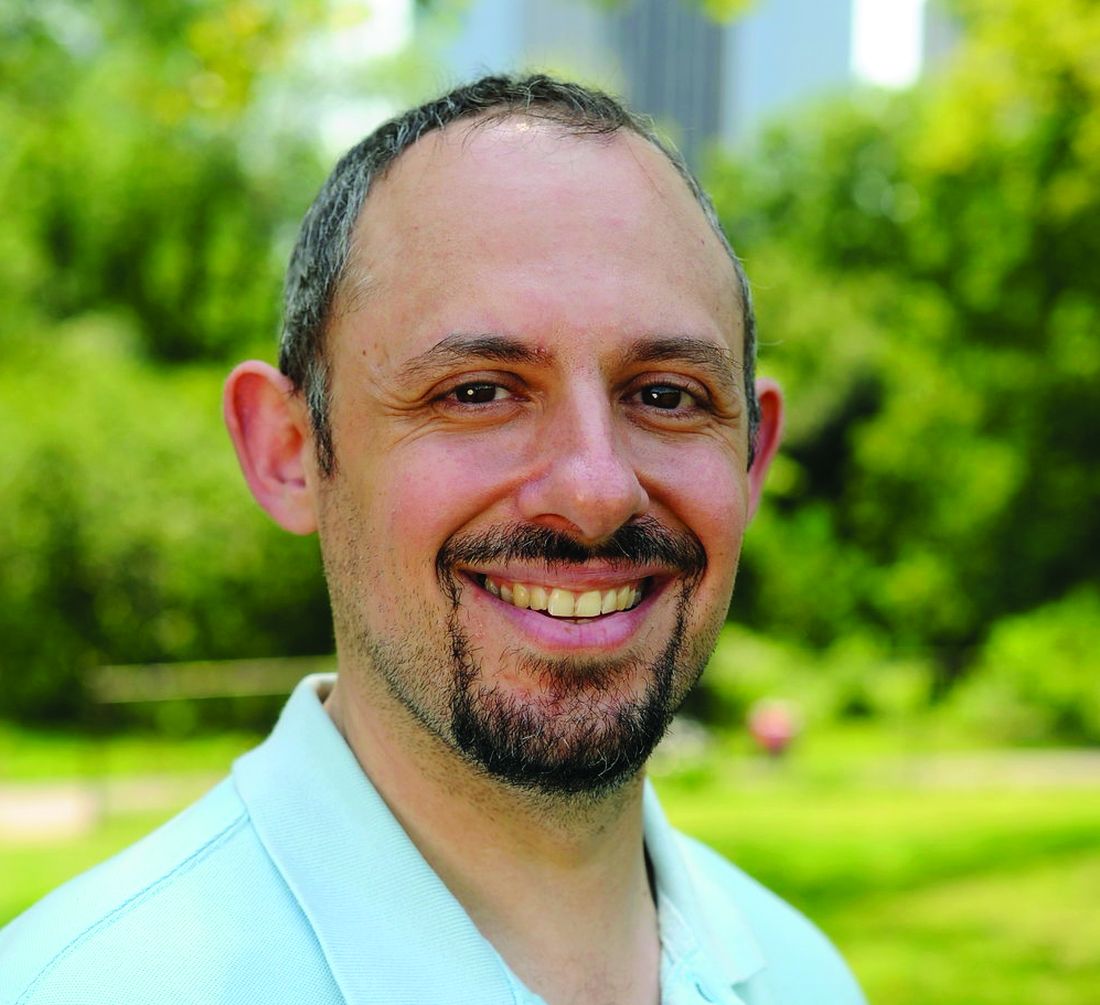
“This represents proof of concept that, while not curative, targeted molecules may serve as potential bridging therapies to clinical trial enrollment,” the authors further report in the case study, published recently in the Journal of Hematology & Oncology.
The use of B-cell maturation antigen (BCMA) CAR T-cell therapy approaches has transformed the treatment of multiple myeloma and leukemias, resulting in high response rates. However, most patients ultimately relapse, and no clear treatment options beyond CAR T therapy are established.
Such was the case for a 61-year old patient described in the study, who had relapsed 6 months after undergoing anti-BCMA CAR T-cell therapy and progressed after being salvaged for a short period with autologous stem cell transplantation. The patient had developed skin extramedullary disease, manifested as subcutaneous nodules.
“The subcutaneous skin lesions in lower extremities made him [ineligible] for another clinical trial and left him with no options,” Dr. Lagana said.
Using next-generation whole-exome sequencing, Dr. Lagana and colleagues had observed that a previously identified BRAF V600E–dominant subclone had persisted, despite the CAR T-cell treatment, in the patient’s bone marrow and cutaneous plasmacytoma.
The finding was not uncommon. More than half of RRMM patients (about 53%) show emerging clones with mutations within the MAPK signaling pathway, and in about 7% of patients, those include BRAF V600E, which can be targeted, the authors noted.
Further assessment of the patient’s CD138-positive MM cells using western blot signaling pathway analysis looking at DNA and RNA markers did indeed show an increase in MAPK signaling as a consequence of the mutation. This suggested a potential benefit of triple MAPK inhibition, compared with standard strategies.
Based on that information and on insights the researchers had gained from previous research, they implemented the novel, orally administered triple-combination treatment strategy, consisting of monomeric inhibition of BRAF dabrafenib (100 mg, twice daily), as well as dimeric inhibition with the multi–kinase inhibitor regorafenib (40 mg, once daily) and a MEK inhibitor (trametinib, 1.5 mg, for 21/28 days daily).
Of note, previous efforts using only monomeric inhibition of BRAF have not shown much success, but early data has shown some potential, with the inclusion of dimeric inhibition.
“Monomeric inhibition of BRAF has been attempted in patients with V600E, but the efficacy has been limited, likely due to feedback activation of the MAPK pathway via induction of BRAF dimer formation,” Dr. Lagana explained.
Meanwhile, “previous in vitro data from our colleagues at Mount Sinai has shown that inhibition of both monomeric and dimeric forms of BRAF in combination with MEK inhibition can overcome the negative feedback and lead to more efficacious and tolerable treatment,” he said.
With the treatment, the patient achieved a very good partial response for 110 days, with prompt reduction of the subcutaneous skin lesions and an 80% reduction in lambda free light chain (27.5 mg/L).
The triple-drug combination was well tolerated with minimal side effects, primarily involving grade 1 fatigue, and the patient was able to carry out activities of daily living and return to work.
“The triple inhibition allowed us to use less of each drug, which resulted in a well-tolerated regimen without any significant side effects,” Dr. Lagana said.
While the patient relapsed about 3 months later, there was, importantly, no recurrence of the subcutaneous nodules.
“We believe that the triple MAPK inhibition completely eradicated the disease clones driving the extramedullary disease,” Dr. Lagana said.
The therapy meanwhile enabled the patient to bridge to a new clinical trial, where he went into complete remission, and still was as of Sept. 29.
“To our knowledge, this was the first reported successful case of this treatment in an RRMM patient,” Dr. Lagana explained.
Case suggests ‘hope’ for relapsing patients
Importantly, currently many patients in the same position may wind up going to hospice, until such targeted medicine gains momentum, coauthor Samir Parekh, MD, a professor of hematology-oncology at the Hess Center for Science and Medicine, Icahn School of Medicine at Mount Sinai, said in an interview.

“As precision medicine is in its infancy in myeloma, these patients are not routinely sequenced for drug options that may be identified by next-generation sequencing,” said Dr. Parekh.
But for clinicians, the message of this case should be that “there is hope for patients relapsing after CAR T,” he added.
“Precision medicine approaches may be applicable even for this relapsed patient population,” he added. “MAP kinase mutations are common and drugs targeting them may be useful in myeloma.”
Noting that “the infrastructure to test and guide application of these therapies needs to be developed for myeloma, Dr. Parekh predicted that, “in the future, more effective MAPK inhibitors and other mutation or RNA-seq guided therapies will be applicable and hopefully provide more durable remissions.”
Approach may help address unmet need
Until then, however, treatment for patients who relapse after CAR-T and BCMA-targeted therapies has emerged as a significant unmet need. Therefore, this case highlights an important potential strategy, said Hans Lee, MD, an associate professor in the department of lymphoma/myeloma, division of cancer medicine, University of Texas MD Anderson Cancer Center, Houston, commenting on the study.
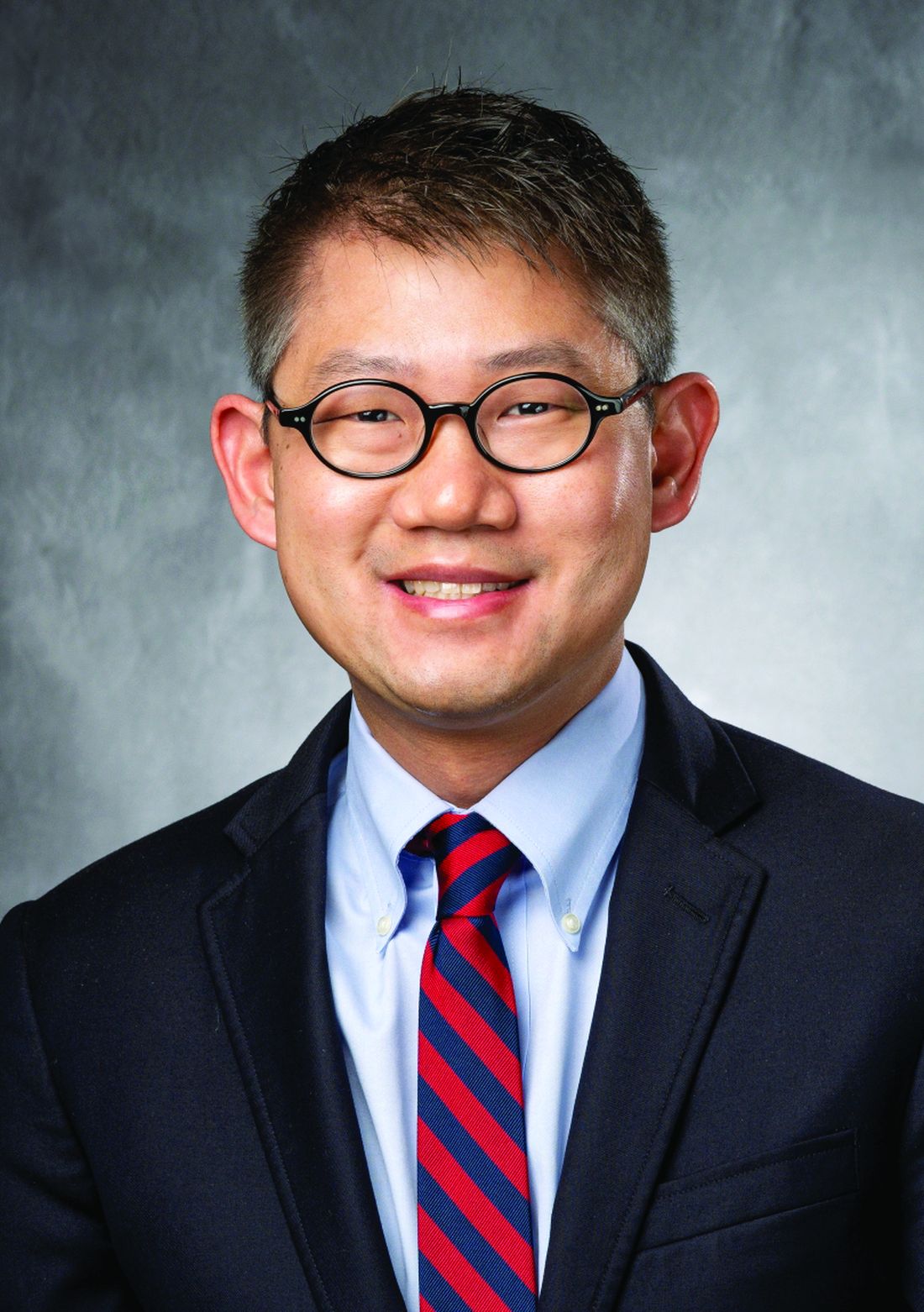
“This case report provides impetus for oncologists to strongly consider performing next-generation sequencing on myeloma tumor samples to look for potential actionable mutations, such as those in the MAPK pathway – which are common in myeloma,” he said. “With limited treatment options in the post–CAR T and post-BCMA setting, identifying such actional mutations may at least provide a bridge to other effective therapies available through clinical trials such as this patient’s case.”
Dr. Lee noted that key caveats include the fact that most physicians currently don’t have access to the type of next-generation sequencing and drug sensitivity testing used in the study.
Nevertheless, considering the limited options in the post–CAR T and post-BCMA setting, “the successful use of triple MAPK pathway inhibition through monomeric and dimeric inhibition of BRAF and MEK inhibition warrants further study in multiple myeloma in a clinical trial,” he said.
Dr. Lagana and associates are doing just that.
“We are about to launch the clinical trial, where we will match advanced RRMM patients with potential targeted treatments using different DNA and RNA markers,” Dr. Lagana said.
Dr. Lagana and Dr. Parekh had no disclosures to report. Three study coauthors reported receiving research grants or consulting fees from numerous pharmaceutical companies.
In a case that researchers hope might pave the way for similar responses, a hospice-bound relapsed/refractory multiple myeloma (RRMM) patient who relapsed after chimeric antigen receptor (CAR) T-cell therapy was brought back into remission with the help of next-generation genomic sequencing, targeted molecular analysis and a novel combination of MAP kinase (MAPK)–inhibiting drugs.
“We have shown that comprehensive molecular profiling of advanced myeloma patients may provide critical information to guide treatment beyond standard of care,” senior author Alessandro Lagana, PhD, of the Tisch Cancer Institute, Icahn School of Medicine at Mount Sinai, New York, said in an interview.
“This represents proof of concept that, while not curative, targeted molecules may serve as potential bridging therapies to clinical trial enrollment,” the authors further report in the case study, published recently in the Journal of Hematology & Oncology.
The use of B-cell maturation antigen (BCMA) CAR T-cell therapy approaches has transformed the treatment of multiple myeloma and leukemias, resulting in high response rates. However, most patients ultimately relapse, and no clear treatment options beyond CAR T therapy are established.
Such was the case for a 61-year old patient described in the study, who had relapsed 6 months after undergoing anti-BCMA CAR T-cell therapy and progressed after being salvaged for a short period with autologous stem cell transplantation. The patient had developed skin extramedullary disease, manifested as subcutaneous nodules.
“The subcutaneous skin lesions in lower extremities made him [ineligible] for another clinical trial and left him with no options,” Dr. Lagana said.
Using next-generation whole-exome sequencing, Dr. Lagana and colleagues had observed that a previously identified BRAF V600E–dominant subclone had persisted, despite the CAR T-cell treatment, in the patient’s bone marrow and cutaneous plasmacytoma.
The finding was not uncommon. More than half of RRMM patients (about 53%) show emerging clones with mutations within the MAPK signaling pathway, and in about 7% of patients, those include BRAF V600E, which can be targeted, the authors noted.
Further assessment of the patient’s CD138-positive MM cells using western blot signaling pathway analysis looking at DNA and RNA markers did indeed show an increase in MAPK signaling as a consequence of the mutation. This suggested a potential benefit of triple MAPK inhibition, compared with standard strategies.
Based on that information and on insights the researchers had gained from previous research, they implemented the novel, orally administered triple-combination treatment strategy, consisting of monomeric inhibition of BRAF dabrafenib (100 mg, twice daily), as well as dimeric inhibition with the multi–kinase inhibitor regorafenib (40 mg, once daily) and a MEK inhibitor (trametinib, 1.5 mg, for 21/28 days daily).
Of note, previous efforts using only monomeric inhibition of BRAF have not shown much success, but early data has shown some potential, with the inclusion of dimeric inhibition.
“Monomeric inhibition of BRAF has been attempted in patients with V600E, but the efficacy has been limited, likely due to feedback activation of the MAPK pathway via induction of BRAF dimer formation,” Dr. Lagana explained.
Meanwhile, “previous in vitro data from our colleagues at Mount Sinai has shown that inhibition of both monomeric and dimeric forms of BRAF in combination with MEK inhibition can overcome the negative feedback and lead to more efficacious and tolerable treatment,” he said.
With the treatment, the patient achieved a very good partial response for 110 days, with prompt reduction of the subcutaneous skin lesions and an 80% reduction in lambda free light chain (27.5 mg/L).
The triple-drug combination was well tolerated with minimal side effects, primarily involving grade 1 fatigue, and the patient was able to carry out activities of daily living and return to work.
“The triple inhibition allowed us to use less of each drug, which resulted in a well-tolerated regimen without any significant side effects,” Dr. Lagana said.
While the patient relapsed about 3 months later, there was, importantly, no recurrence of the subcutaneous nodules.
“We believe that the triple MAPK inhibition completely eradicated the disease clones driving the extramedullary disease,” Dr. Lagana said.
The therapy meanwhile enabled the patient to bridge to a new clinical trial, where he went into complete remission, and still was as of Sept. 29.
“To our knowledge, this was the first reported successful case of this treatment in an RRMM patient,” Dr. Lagana explained.
Case suggests ‘hope’ for relapsing patients
Importantly, currently many patients in the same position may wind up going to hospice, until such targeted medicine gains momentum, coauthor Samir Parekh, MD, a professor of hematology-oncology at the Hess Center for Science and Medicine, Icahn School of Medicine at Mount Sinai, said in an interview.
“As precision medicine is in its infancy in myeloma, these patients are not routinely sequenced for drug options that may be identified by next-generation sequencing,” said Dr. Parekh.
But for clinicians, the message of this case should be that “there is hope for patients relapsing after CAR T,” he added.
“Precision medicine approaches may be applicable even for this relapsed patient population,” he added. “MAP kinase mutations are common and drugs targeting them may be useful in myeloma.”
Noting that “the infrastructure to test and guide application of these therapies needs to be developed for myeloma, Dr. Parekh predicted that, “in the future, more effective MAPK inhibitors and other mutation or RNA-seq guided therapies will be applicable and hopefully provide more durable remissions.”
Approach may help address unmet need
Until then, however, treatment for patients who relapse after CAR-T and BCMA-targeted therapies has emerged as a significant unmet need. Therefore, this case highlights an important potential strategy, said Hans Lee, MD, an associate professor in the department of lymphoma/myeloma, division of cancer medicine, University of Texas MD Anderson Cancer Center, Houston, commenting on the study.
“This case report provides impetus for oncologists to strongly consider performing next-generation sequencing on myeloma tumor samples to look for potential actionable mutations, such as those in the MAPK pathway – which are common in myeloma,” he said. “With limited treatment options in the post–CAR T and post-BCMA setting, identifying such actional mutations may at least provide a bridge to other effective therapies available through clinical trials such as this patient’s case.”
Dr. Lee noted that key caveats include the fact that most physicians currently don’t have access to the type of next-generation sequencing and drug sensitivity testing used in the study.
Nevertheless, considering the limited options in the post–CAR T and post-BCMA setting, “the successful use of triple MAPK pathway inhibition through monomeric and dimeric inhibition of BRAF and MEK inhibition warrants further study in multiple myeloma in a clinical trial,” he said.
Dr. Lagana and associates are doing just that.
“We are about to launch the clinical trial, where we will match advanced RRMM patients with potential targeted treatments using different DNA and RNA markers,” Dr. Lagana said.
Dr. Lagana and Dr. Parekh had no disclosures to report. Three study coauthors reported receiving research grants or consulting fees from numerous pharmaceutical companies.
In a case that researchers hope might pave the way for similar responses, a hospice-bound relapsed/refractory multiple myeloma (RRMM) patient who relapsed after chimeric antigen receptor (CAR) T-cell therapy was brought back into remission with the help of next-generation genomic sequencing, targeted molecular analysis and a novel combination of MAP kinase (MAPK)–inhibiting drugs.
“We have shown that comprehensive molecular profiling of advanced myeloma patients may provide critical information to guide treatment beyond standard of care,” senior author Alessandro Lagana, PhD, of the Tisch Cancer Institute, Icahn School of Medicine at Mount Sinai, New York, said in an interview.
“This represents proof of concept that, while not curative, targeted molecules may serve as potential bridging therapies to clinical trial enrollment,” the authors further report in the case study, published recently in the Journal of Hematology & Oncology.
The use of B-cell maturation antigen (BCMA) CAR T-cell therapy approaches has transformed the treatment of multiple myeloma and leukemias, resulting in high response rates. However, most patients ultimately relapse, and no clear treatment options beyond CAR T therapy are established.
Such was the case for a 61-year old patient described in the study, who had relapsed 6 months after undergoing anti-BCMA CAR T-cell therapy and progressed after being salvaged for a short period with autologous stem cell transplantation. The patient had developed skin extramedullary disease, manifested as subcutaneous nodules.
“The subcutaneous skin lesions in lower extremities made him [ineligible] for another clinical trial and left him with no options,” Dr. Lagana said.
Using next-generation whole-exome sequencing, Dr. Lagana and colleagues had observed that a previously identified BRAF V600E–dominant subclone had persisted, despite the CAR T-cell treatment, in the patient’s bone marrow and cutaneous plasmacytoma.
The finding was not uncommon. More than half of RRMM patients (about 53%) show emerging clones with mutations within the MAPK signaling pathway, and in about 7% of patients, those include BRAF V600E, which can be targeted, the authors noted.
Further assessment of the patient’s CD138-positive MM cells using western blot signaling pathway analysis looking at DNA and RNA markers did indeed show an increase in MAPK signaling as a consequence of the mutation. This suggested a potential benefit of triple MAPK inhibition, compared with standard strategies.
Based on that information and on insights the researchers had gained from previous research, they implemented the novel, orally administered triple-combination treatment strategy, consisting of monomeric inhibition of BRAF dabrafenib (100 mg, twice daily), as well as dimeric inhibition with the multi–kinase inhibitor regorafenib (40 mg, once daily) and a MEK inhibitor (trametinib, 1.5 mg, for 21/28 days daily).
Of note, previous efforts using only monomeric inhibition of BRAF have not shown much success, but early data has shown some potential, with the inclusion of dimeric inhibition.
“Monomeric inhibition of BRAF has been attempted in patients with V600E, but the efficacy has been limited, likely due to feedback activation of the MAPK pathway via induction of BRAF dimer formation,” Dr. Lagana explained.
Meanwhile, “previous in vitro data from our colleagues at Mount Sinai has shown that inhibition of both monomeric and dimeric forms of BRAF in combination with MEK inhibition can overcome the negative feedback and lead to more efficacious and tolerable treatment,” he said.
With the treatment, the patient achieved a very good partial response for 110 days, with prompt reduction of the subcutaneous skin lesions and an 80% reduction in lambda free light chain (27.5 mg/L).
The triple-drug combination was well tolerated with minimal side effects, primarily involving grade 1 fatigue, and the patient was able to carry out activities of daily living and return to work.
“The triple inhibition allowed us to use less of each drug, which resulted in a well-tolerated regimen without any significant side effects,” Dr. Lagana said.
While the patient relapsed about 3 months later, there was, importantly, no recurrence of the subcutaneous nodules.
“We believe that the triple MAPK inhibition completely eradicated the disease clones driving the extramedullary disease,” Dr. Lagana said.
The therapy meanwhile enabled the patient to bridge to a new clinical trial, where he went into complete remission, and still was as of Sept. 29.
“To our knowledge, this was the first reported successful case of this treatment in an RRMM patient,” Dr. Lagana explained.
Case suggests ‘hope’ for relapsing patients
Importantly, currently many patients in the same position may wind up going to hospice, until such targeted medicine gains momentum, coauthor Samir Parekh, MD, a professor of hematology-oncology at the Hess Center for Science and Medicine, Icahn School of Medicine at Mount Sinai, said in an interview.
“As precision medicine is in its infancy in myeloma, these patients are not routinely sequenced for drug options that may be identified by next-generation sequencing,” said Dr. Parekh.
But for clinicians, the message of this case should be that “there is hope for patients relapsing after CAR T,” he added.
“Precision medicine approaches may be applicable even for this relapsed patient population,” he added. “MAP kinase mutations are common and drugs targeting them may be useful in myeloma.”
Noting that “the infrastructure to test and guide application of these therapies needs to be developed for myeloma, Dr. Parekh predicted that, “in the future, more effective MAPK inhibitors and other mutation or RNA-seq guided therapies will be applicable and hopefully provide more durable remissions.”
Approach may help address unmet need
Until then, however, treatment for patients who relapse after CAR-T and BCMA-targeted therapies has emerged as a significant unmet need. Therefore, this case highlights an important potential strategy, said Hans Lee, MD, an associate professor in the department of lymphoma/myeloma, division of cancer medicine, University of Texas MD Anderson Cancer Center, Houston, commenting on the study.
“This case report provides impetus for oncologists to strongly consider performing next-generation sequencing on myeloma tumor samples to look for potential actionable mutations, such as those in the MAPK pathway – which are common in myeloma,” he said. “With limited treatment options in the post–CAR T and post-BCMA setting, identifying such actional mutations may at least provide a bridge to other effective therapies available through clinical trials such as this patient’s case.”
Dr. Lee noted that key caveats include the fact that most physicians currently don’t have access to the type of next-generation sequencing and drug sensitivity testing used in the study.
Nevertheless, considering the limited options in the post–CAR T and post-BCMA setting, “the successful use of triple MAPK pathway inhibition through monomeric and dimeric inhibition of BRAF and MEK inhibition warrants further study in multiple myeloma in a clinical trial,” he said.
Dr. Lagana and associates are doing just that.
“We are about to launch the clinical trial, where we will match advanced RRMM patients with potential targeted treatments using different DNA and RNA markers,” Dr. Lagana said.
Dr. Lagana and Dr. Parekh had no disclosures to report. Three study coauthors reported receiving research grants or consulting fees from numerous pharmaceutical companies.
FROM THE JOURNAL OF HEMATOLOGY & ONCOLOGY
USPSTF: Screen at-risk, nonpregnant people for syphilis
People at increased risk for syphilis – including asymptomatic, nonpregnant adolescents and adults who have ever been sexually active and are at high risk for the disease – should be screened for it, according to a reaffirmation by the United States Preventive Services Task Force of its 2016 recommendation of syphilis screening for people at increased risk for infection.
“Using a reaffirmation process, the authors, led by Carol M. Mangione, MD, MSPH, of the University of California, Los Angeles, wrote in JAMA.
Reported cases in the United States of primary and secondary syphilis – a sexually transmitted infection caused by the bacterium Treponema pallidum that can damage the brain, nerves, eyes, and cardiovascular system if left untreated – increased from a low of 2.1 cases per 100,000 people in 2000 and 2001 to 11.9 cases per 100,000 in 2019, the authors reported. In 2019, men accounted for 83% of all primary and secondary syphilis cases, and men who have sex with men (MSM) accounted for 57% of all primary and secondary syphilis cases in men. Screening and follow-up treatment can cure syphilis and prevent complications.
To help them evaluate the effectiveness and safety of screening, the USPSTF authors reviewed the literature and visually displayed key questions and linkages to interventions and outcomes, Michelle L. Henninger, PhD, Sarah I. Bean, MPH, and Jennifer S. Lin, MD, MCR, of the Kaiser Permanente Evidence-based Practice Center in Portland, Ore., noted in a related evidence report of the post-2016 recommendation data.
Reaffirming its 2016 recommendation, the USPSTF now advises clinicians to:
Assess risk:
- Clinicians should know how common syphilis is in their community and assess their patient’s individual risk.
- Risk for syphilis is higher in MSM, people with HIV infection or other STIs, and those who use illicit drugs or have a history of incarceration, sex work, or military service.
Screen and confirm by testing:
- Traditional screening algorithm: Start with a nontreponemal test such as Venereal Disease Research Laborator or rapid plasma reagin. If positive, confirm result with a treponemal antibody detection test, such as T. pallidum particle agglutination.
- Reverse sequence algorithm: Screen with an initial automated treponemal test such as enzyme-linked or chemiluminescence immunoassay. If positive, confirm result with a nontreponemal test.
Consider screening interval:
- Evidence on optimal screening intervals is limited for the general population, but MSM and people with HIV may benefit from screening yearly or every 3-6 months if they remain at high risk.
The authors acknowledged that primary and secondary syphilis rates are higher in Blacks, Hispanics, Native Americans/Alaska Native, and Native Hawaiians/Pacific Islanders, and that the disparities are primarily driven by social determinants of health including differences in income, education, and access to coverage and care.
They added that differences in sexual networks also play a role in disparities and that sexually active people in communities with higher STI rates may be more likely to become infected.
More testing, treatment, and research are needed
Four experts welcomed the reaffirmation.
“It is important and necessary that the task force has chosen to reaffirm their syphilis screening recommendations, given the continued increase in sexually transmitted infections in the U.S. since the 2016 published recommendations,” Judith A. O’Donnell, MD, director of the department of infection prevention and control at Penn Presbyterian Medical Center in Philadelphia, said in an interview.
“Awareness of the ongoing incidence, understanding of the importance of screening in interrupting transmission, and getting people diagnosed and treated before serious complications are key,” she added.
Heidi Gullettt, MD, MPH, associate director of the Center for Community Health Integration at Case Western Reserve University, Cleveland, said: “The reaffirmation document authors demonstrated a comprehensive review of high-quality studies and epidemiologic data.
“Primary care clinicians rely on USPSTF recommendations to help prioritize evidence-based prevention in practice, so this reaffirmation is a critical step to remind us of the importance of regularly assessing risk and screening with a readily available screening test in the office,” she added.
Testing during office visits is not easy, Dr. Gullettt said, because of competing priorities, stigma associated with STIs, and testing and treatment costs.
“Under the Affordable Care Act, USPSTF screening recommendations are supposed to be covered without cost sharing by patients. This should be the case for syphilis screening,” Dr. Gullett pointed out. “Patients are often reluctant to do screening because of cost.”
Michael Anthony Moody, MD, director of the Collaborative Influenza Vaccine Innovation Center at Duke University, Durham, N.C., said that the true incidence and prevalence of syphilis is unknown.
“The more we test, the more accurate our data will be,” he said. “Syphilis can hide in plain sight, has symptoms that mimic many other diseases, and is usually not diagnosed. Reaffirming that testing for syphilis is important reminds providers that this is a key test for their patient’s health.”
Aniruddha Hazra, MD, medical director of the University of Chicago Medicine Sexual Wellness Clinic, noted that the United States is in a syphilis epidemic.
“Screening asymptomatic people at risk for syphilis is important, but without comprehensive education and training of primary care providers on how to address STIs and sexual health, these recommendations fall flat,” he said.
In an accompanying editorial, Susan Tuddenham, MD, MPH; and Khalil G. Ghanem, MD, PhD, of Johns Hopkins University, Baltimore, urged that funding to develop novel syphilis diagnostics be prioritized, “just as there has been for development of syphilis vaccines, which are still many years from becoming a reality.”
“Relying on emerging biomedical prevention interventions that hold promise, such as doxycycline postexposure prophylaxis, without concomitant robust screening strategies will not lead to syphilis control. Failure to modernize screening strategies for syphilis will also mean failure to control this infection,” they cautioned.
The authors of the recommendation statement and the evidence report, as well as Dr. O’Donnell, Dr. Gullettt, Dr. Moody, and Dr. Hazra, who were not involved in the study, reported no relevant financial relationships. Dr. Tuddenham reported financial relationships with the pharmaceutical and publishing industries. Dr. Ghanem reported financial relationships with the publishing industry. The research was federally funded.
A version of this article first appeared on Medscape.com.
People at increased risk for syphilis – including asymptomatic, nonpregnant adolescents and adults who have ever been sexually active and are at high risk for the disease – should be screened for it, according to a reaffirmation by the United States Preventive Services Task Force of its 2016 recommendation of syphilis screening for people at increased risk for infection.
“Using a reaffirmation process, the authors, led by Carol M. Mangione, MD, MSPH, of the University of California, Los Angeles, wrote in JAMA.
Reported cases in the United States of primary and secondary syphilis – a sexually transmitted infection caused by the bacterium Treponema pallidum that can damage the brain, nerves, eyes, and cardiovascular system if left untreated – increased from a low of 2.1 cases per 100,000 people in 2000 and 2001 to 11.9 cases per 100,000 in 2019, the authors reported. In 2019, men accounted for 83% of all primary and secondary syphilis cases, and men who have sex with men (MSM) accounted for 57% of all primary and secondary syphilis cases in men. Screening and follow-up treatment can cure syphilis and prevent complications.
To help them evaluate the effectiveness and safety of screening, the USPSTF authors reviewed the literature and visually displayed key questions and linkages to interventions and outcomes, Michelle L. Henninger, PhD, Sarah I. Bean, MPH, and Jennifer S. Lin, MD, MCR, of the Kaiser Permanente Evidence-based Practice Center in Portland, Ore., noted in a related evidence report of the post-2016 recommendation data.
Reaffirming its 2016 recommendation, the USPSTF now advises clinicians to:
Assess risk:
- Clinicians should know how common syphilis is in their community and assess their patient’s individual risk.
- Risk for syphilis is higher in MSM, people with HIV infection or other STIs, and those who use illicit drugs or have a history of incarceration, sex work, or military service.
Screen and confirm by testing:
- Traditional screening algorithm: Start with a nontreponemal test such as Venereal Disease Research Laborator or rapid plasma reagin. If positive, confirm result with a treponemal antibody detection test, such as T. pallidum particle agglutination.
- Reverse sequence algorithm: Screen with an initial automated treponemal test such as enzyme-linked or chemiluminescence immunoassay. If positive, confirm result with a nontreponemal test.
Consider screening interval:
- Evidence on optimal screening intervals is limited for the general population, but MSM and people with HIV may benefit from screening yearly or every 3-6 months if they remain at high risk.
The authors acknowledged that primary and secondary syphilis rates are higher in Blacks, Hispanics, Native Americans/Alaska Native, and Native Hawaiians/Pacific Islanders, and that the disparities are primarily driven by social determinants of health including differences in income, education, and access to coverage and care.
They added that differences in sexual networks also play a role in disparities and that sexually active people in communities with higher STI rates may be more likely to become infected.
More testing, treatment, and research are needed
Four experts welcomed the reaffirmation.
“It is important and necessary that the task force has chosen to reaffirm their syphilis screening recommendations, given the continued increase in sexually transmitted infections in the U.S. since the 2016 published recommendations,” Judith A. O’Donnell, MD, director of the department of infection prevention and control at Penn Presbyterian Medical Center in Philadelphia, said in an interview.
“Awareness of the ongoing incidence, understanding of the importance of screening in interrupting transmission, and getting people diagnosed and treated before serious complications are key,” she added.
Heidi Gullettt, MD, MPH, associate director of the Center for Community Health Integration at Case Western Reserve University, Cleveland, said: “The reaffirmation document authors demonstrated a comprehensive review of high-quality studies and epidemiologic data.
“Primary care clinicians rely on USPSTF recommendations to help prioritize evidence-based prevention in practice, so this reaffirmation is a critical step to remind us of the importance of regularly assessing risk and screening with a readily available screening test in the office,” she added.
Testing during office visits is not easy, Dr. Gullettt said, because of competing priorities, stigma associated with STIs, and testing and treatment costs.
“Under the Affordable Care Act, USPSTF screening recommendations are supposed to be covered without cost sharing by patients. This should be the case for syphilis screening,” Dr. Gullett pointed out. “Patients are often reluctant to do screening because of cost.”
Michael Anthony Moody, MD, director of the Collaborative Influenza Vaccine Innovation Center at Duke University, Durham, N.C., said that the true incidence and prevalence of syphilis is unknown.
“The more we test, the more accurate our data will be,” he said. “Syphilis can hide in plain sight, has symptoms that mimic many other diseases, and is usually not diagnosed. Reaffirming that testing for syphilis is important reminds providers that this is a key test for their patient’s health.”
Aniruddha Hazra, MD, medical director of the University of Chicago Medicine Sexual Wellness Clinic, noted that the United States is in a syphilis epidemic.
“Screening asymptomatic people at risk for syphilis is important, but without comprehensive education and training of primary care providers on how to address STIs and sexual health, these recommendations fall flat,” he said.
In an accompanying editorial, Susan Tuddenham, MD, MPH; and Khalil G. Ghanem, MD, PhD, of Johns Hopkins University, Baltimore, urged that funding to develop novel syphilis diagnostics be prioritized, “just as there has been for development of syphilis vaccines, which are still many years from becoming a reality.”
“Relying on emerging biomedical prevention interventions that hold promise, such as doxycycline postexposure prophylaxis, without concomitant robust screening strategies will not lead to syphilis control. Failure to modernize screening strategies for syphilis will also mean failure to control this infection,” they cautioned.
The authors of the recommendation statement and the evidence report, as well as Dr. O’Donnell, Dr. Gullettt, Dr. Moody, and Dr. Hazra, who were not involved in the study, reported no relevant financial relationships. Dr. Tuddenham reported financial relationships with the pharmaceutical and publishing industries. Dr. Ghanem reported financial relationships with the publishing industry. The research was federally funded.
A version of this article first appeared on Medscape.com.
People at increased risk for syphilis – including asymptomatic, nonpregnant adolescents and adults who have ever been sexually active and are at high risk for the disease – should be screened for it, according to a reaffirmation by the United States Preventive Services Task Force of its 2016 recommendation of syphilis screening for people at increased risk for infection.
“Using a reaffirmation process, the authors, led by Carol M. Mangione, MD, MSPH, of the University of California, Los Angeles, wrote in JAMA.
Reported cases in the United States of primary and secondary syphilis – a sexually transmitted infection caused by the bacterium Treponema pallidum that can damage the brain, nerves, eyes, and cardiovascular system if left untreated – increased from a low of 2.1 cases per 100,000 people in 2000 and 2001 to 11.9 cases per 100,000 in 2019, the authors reported. In 2019, men accounted for 83% of all primary and secondary syphilis cases, and men who have sex with men (MSM) accounted for 57% of all primary and secondary syphilis cases in men. Screening and follow-up treatment can cure syphilis and prevent complications.
To help them evaluate the effectiveness and safety of screening, the USPSTF authors reviewed the literature and visually displayed key questions and linkages to interventions and outcomes, Michelle L. Henninger, PhD, Sarah I. Bean, MPH, and Jennifer S. Lin, MD, MCR, of the Kaiser Permanente Evidence-based Practice Center in Portland, Ore., noted in a related evidence report of the post-2016 recommendation data.
Reaffirming its 2016 recommendation, the USPSTF now advises clinicians to:
Assess risk:
- Clinicians should know how common syphilis is in their community and assess their patient’s individual risk.
- Risk for syphilis is higher in MSM, people with HIV infection or other STIs, and those who use illicit drugs or have a history of incarceration, sex work, or military service.
Screen and confirm by testing:
- Traditional screening algorithm: Start with a nontreponemal test such as Venereal Disease Research Laborator or rapid plasma reagin. If positive, confirm result with a treponemal antibody detection test, such as T. pallidum particle agglutination.
- Reverse sequence algorithm: Screen with an initial automated treponemal test such as enzyme-linked or chemiluminescence immunoassay. If positive, confirm result with a nontreponemal test.
Consider screening interval:
- Evidence on optimal screening intervals is limited for the general population, but MSM and people with HIV may benefit from screening yearly or every 3-6 months if they remain at high risk.
The authors acknowledged that primary and secondary syphilis rates are higher in Blacks, Hispanics, Native Americans/Alaska Native, and Native Hawaiians/Pacific Islanders, and that the disparities are primarily driven by social determinants of health including differences in income, education, and access to coverage and care.
They added that differences in sexual networks also play a role in disparities and that sexually active people in communities with higher STI rates may be more likely to become infected.
More testing, treatment, and research are needed
Four experts welcomed the reaffirmation.
“It is important and necessary that the task force has chosen to reaffirm their syphilis screening recommendations, given the continued increase in sexually transmitted infections in the U.S. since the 2016 published recommendations,” Judith A. O’Donnell, MD, director of the department of infection prevention and control at Penn Presbyterian Medical Center in Philadelphia, said in an interview.
“Awareness of the ongoing incidence, understanding of the importance of screening in interrupting transmission, and getting people diagnosed and treated before serious complications are key,” she added.
Heidi Gullettt, MD, MPH, associate director of the Center for Community Health Integration at Case Western Reserve University, Cleveland, said: “The reaffirmation document authors demonstrated a comprehensive review of high-quality studies and epidemiologic data.
“Primary care clinicians rely on USPSTF recommendations to help prioritize evidence-based prevention in practice, so this reaffirmation is a critical step to remind us of the importance of regularly assessing risk and screening with a readily available screening test in the office,” she added.
Testing during office visits is not easy, Dr. Gullettt said, because of competing priorities, stigma associated with STIs, and testing and treatment costs.
“Under the Affordable Care Act, USPSTF screening recommendations are supposed to be covered without cost sharing by patients. This should be the case for syphilis screening,” Dr. Gullett pointed out. “Patients are often reluctant to do screening because of cost.”
Michael Anthony Moody, MD, director of the Collaborative Influenza Vaccine Innovation Center at Duke University, Durham, N.C., said that the true incidence and prevalence of syphilis is unknown.
“The more we test, the more accurate our data will be,” he said. “Syphilis can hide in plain sight, has symptoms that mimic many other diseases, and is usually not diagnosed. Reaffirming that testing for syphilis is important reminds providers that this is a key test for their patient’s health.”
Aniruddha Hazra, MD, medical director of the University of Chicago Medicine Sexual Wellness Clinic, noted that the United States is in a syphilis epidemic.
“Screening asymptomatic people at risk for syphilis is important, but without comprehensive education and training of primary care providers on how to address STIs and sexual health, these recommendations fall flat,” he said.
In an accompanying editorial, Susan Tuddenham, MD, MPH; and Khalil G. Ghanem, MD, PhD, of Johns Hopkins University, Baltimore, urged that funding to develop novel syphilis diagnostics be prioritized, “just as there has been for development of syphilis vaccines, which are still many years from becoming a reality.”
“Relying on emerging biomedical prevention interventions that hold promise, such as doxycycline postexposure prophylaxis, without concomitant robust screening strategies will not lead to syphilis control. Failure to modernize screening strategies for syphilis will also mean failure to control this infection,” they cautioned.
The authors of the recommendation statement and the evidence report, as well as Dr. O’Donnell, Dr. Gullettt, Dr. Moody, and Dr. Hazra, who were not involved in the study, reported no relevant financial relationships. Dr. Tuddenham reported financial relationships with the pharmaceutical and publishing industries. Dr. Ghanem reported financial relationships with the publishing industry. The research was federally funded.
A version of this article first appeared on Medscape.com.
FROM JAMA
Meet our newest genetically engineered frenemy, herpes
Herpes to the rescue
Let’s face it: When people hear the word “herpes,” their first thoughts are not positive. But what if herpes could be a hero?
Scientists have found a way to make a strain of herpes that kills cancer because, hey, it’s 2022, and anything is possible. Trials have been going well and this seems like a safe and effective way to fight cancer.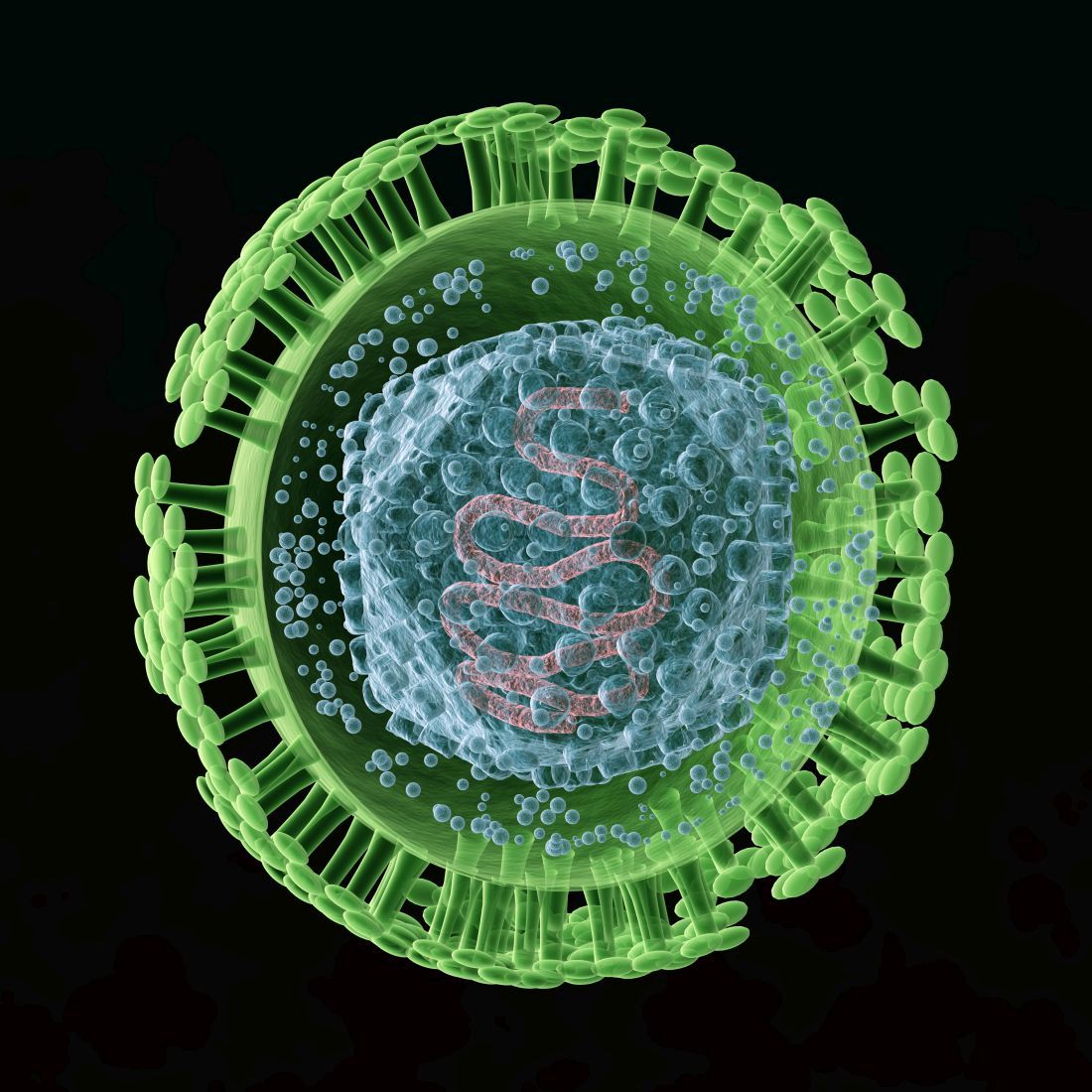
Viruses may be one of our oldest enemies, but it’s also been said that the enemy of my enemy is my friend. So why not make herpes the enemy of cancer, thereby turning it into our friend? The genetically modified herpes virus is injected directly into tumors, where it destroys cancer cells from within. But wait, there’s more! The patient’s immune system also senses the virus and springs into action against it and the cancer in which it is residing.
During the phase 1 trial, three of the nine patients saw tumor reduction and the therapy proved safe as well. Future trials will be able to more specifically target various cancer types and make the treatment better. For once, we are rooting for you, herpes.
A breath of not-so-fresh air
There’s nothing quite like that first real warm day of spring. You can finally open the windows and clear out the old stuffy air that’s been hanging around all winter long. It’s a ritual that’s now backed up with some science in the form of a new study. Turns out that there’s actually a fair amount of smog in the average home. That’s right, smog’s not just for the big city anymore.

As part of the HOMEChem project, a whole host of scientists gathered together under one roof in a typical suburban house and immediately started doing chores. Cooking, cleaning, the works. No, it wasn’t because they had trashed the place the night before. They had set up instrumentation all around the house to measure the chemical makeup of the air inside. A scientist’s idea of a wild party.
The results are perhaps not all that surprising, but interesting nonetheless. Your homemade smog certainly won’t kill you, but there’s both an increased amount and higher concentration of airborne toxins in indoor air, compared with outdoors. Benzene and formaldehyde were common, as were acrolein (a pulmonary toxicant emitted by lumber and burning fats) and isocyanic acid (which can react with proteins in the human body). The researchers noted that most of these chemicals can be removed with proper ventilation.
Although cleaning is certainly responsible for a fair share of the chemicals, cooking generally produced more toxic compounds, similar to what’s found in wildfire smoke. One of the researchers said this makes sense, since a wildfire can be considered an “extreme form of cooking.” Scientists may not know how to party, but their idea of a barbecue sounds … interesting. We’re looking forward to an upcoming study out of California: Can a 1-million acre wildfire adequately cook a ribeye steak?
We’re dying to try composting ... with humans, that is
We here at LOTME are not really fans of politicians, except as objects of ridicule. That is kind of fun. Whether we’re watching Fox News, listening to NPR, or reading Vladimir Putin’s fashion blog, one thing remains clear: If you want actual information, don’t ask a politician.

There are, of course, always exceptions, and we just found one: California state representative Cristina Garcia. Rep. Garcia sponsored a bill just signed into law by Gov. Gavin Newsom that legalizes the practice of human composting, the reduction of remains by “placing bodies in individual vessels and fostering gentle transformation into a nutrient-dense soil.”
Since we’ve written about this sort of thing before – Washington was the first state to legalize the process back in 2019 – we’re more interested now in what Rep. Garcia told NBC News while describing her motivation: “I’ve always wanted to be a tree. The idea of having my family sitting under my shade one day – that brings a lot of joy.” How great is that? Tree-hugging is just not enough. Be the tree.
California is the fifth state to provide its residents with the human composting option, the other three being Colorado, Oregon, and Vermont. The process “typically involves putting a body into a steel vessel, then covering it with organic materials like straw, wood chips and alfalfa. Microbes break down the corpse and the plant matter, transforming the various components into nutrient-rich soil in roughly 30 days,” Smithsonian Magazine explained.
We just happen to have some good news for Rep. Garcia about that wanting-to-be-a-tree business. She’s already pretty close. For more on that, we go to our correspondent from beyond the grave, Carl Sagan, who shares a thought about trees. And no, we couldn’t just write out his quote here. You have to hear it in Dr. Sagan’s own voice.
That’ll be one pandemic with extra distress. Hold the goals
When the COVID-19 pandemic first hit it put a lot of stuff on hold for everyone. Couldn’t eat inside at your favorite restaurant, attend that long-awaited concert, or travel out of the country. Those were all pretty bad, but it was the disruption of pursuing long-term goals that seemed to have the most effect on people’s mental health.
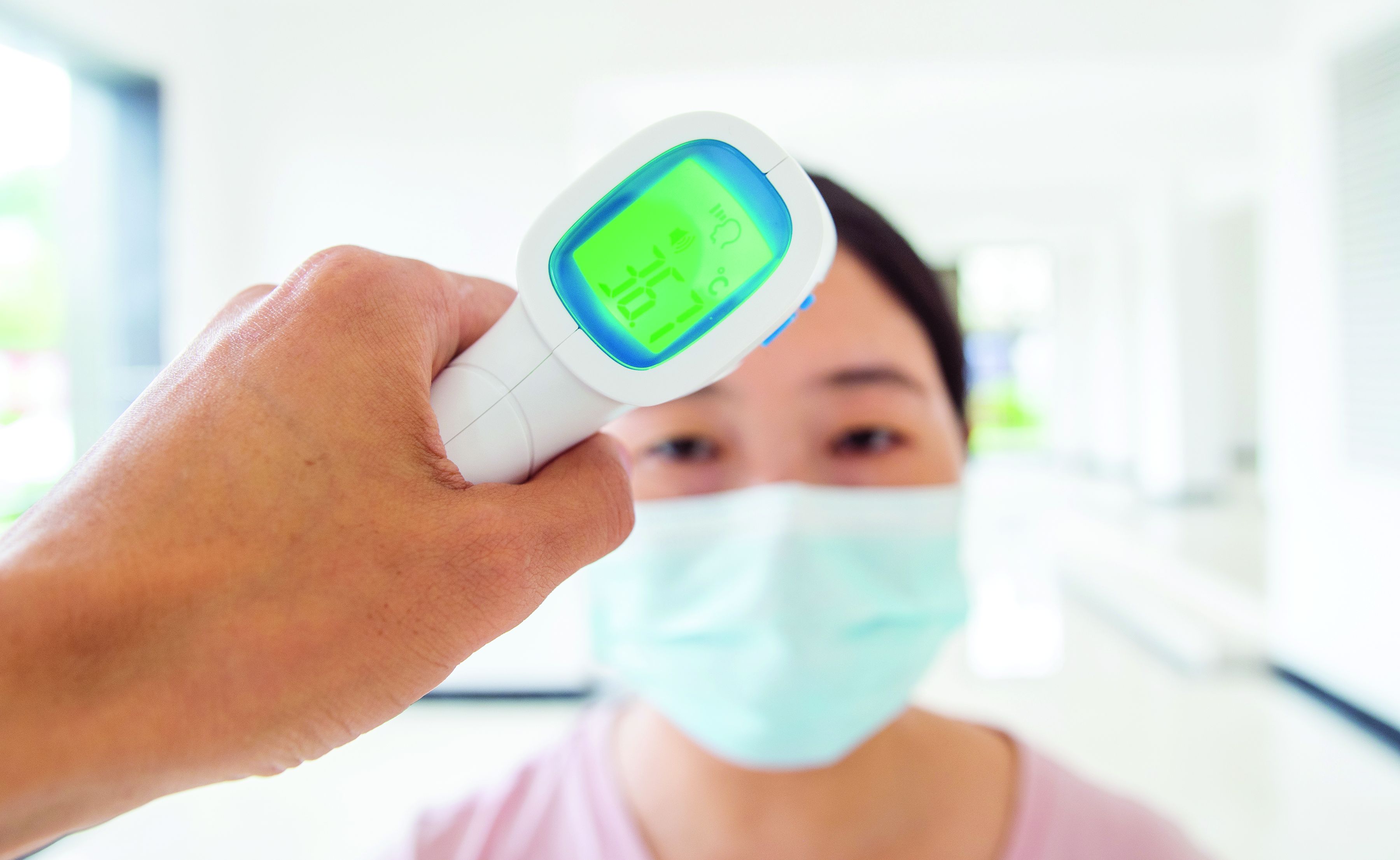
Investigators from the University of Waterloo (Ont.) looked at how putting such goals on hold affected people’s mental well-being. The study’s 226 participants were asked about their “COVID-frozen” goals and the degree to which they were able to actively pursue each goal and how committed they were to achieving it.
What they found was that the participants’ COVID-frozen goals were associated with feelings of psychological distress, such as anxiety, depressive symptoms, stress, and lowered life satisfaction. It was only when participants were able to disengage from goal rumination that well-being was impacted positively.
“Goal rumination is compulsive and can aggravate worries and frustrations while also taking away mental resources from other goals,” Candice Hubley, lead author and a PhD candidate in psychology, said in a written statement. So in short, you’re only stressing yourself out more about something that is far off in the distance when you could be focusing more on short-term, tangible goals instead.
Now, no one is saying to give up on your goals. Just take them one at a time. You’ll have better life satisfaction and your COVID-frozen goals will thaw out before you know it.
Herpes to the rescue
Let’s face it: When people hear the word “herpes,” their first thoughts are not positive. But what if herpes could be a hero?
Scientists have found a way to make a strain of herpes that kills cancer because, hey, it’s 2022, and anything is possible. Trials have been going well and this seems like a safe and effective way to fight cancer.
Viruses may be one of our oldest enemies, but it’s also been said that the enemy of my enemy is my friend. So why not make herpes the enemy of cancer, thereby turning it into our friend? The genetically modified herpes virus is injected directly into tumors, where it destroys cancer cells from within. But wait, there’s more! The patient’s immune system also senses the virus and springs into action against it and the cancer in which it is residing.
During the phase 1 trial, three of the nine patients saw tumor reduction and the therapy proved safe as well. Future trials will be able to more specifically target various cancer types and make the treatment better. For once, we are rooting for you, herpes.
A breath of not-so-fresh air
There’s nothing quite like that first real warm day of spring. You can finally open the windows and clear out the old stuffy air that’s been hanging around all winter long. It’s a ritual that’s now backed up with some science in the form of a new study. Turns out that there’s actually a fair amount of smog in the average home. That’s right, smog’s not just for the big city anymore.
As part of the HOMEChem project, a whole host of scientists gathered together under one roof in a typical suburban house and immediately started doing chores. Cooking, cleaning, the works. No, it wasn’t because they had trashed the place the night before. They had set up instrumentation all around the house to measure the chemical makeup of the air inside. A scientist’s idea of a wild party.
The results are perhaps not all that surprising, but interesting nonetheless. Your homemade smog certainly won’t kill you, but there’s both an increased amount and higher concentration of airborne toxins in indoor air, compared with outdoors. Benzene and formaldehyde were common, as were acrolein (a pulmonary toxicant emitted by lumber and burning fats) and isocyanic acid (which can react with proteins in the human body). The researchers noted that most of these chemicals can be removed with proper ventilation.
Although cleaning is certainly responsible for a fair share of the chemicals, cooking generally produced more toxic compounds, similar to what’s found in wildfire smoke. One of the researchers said this makes sense, since a wildfire can be considered an “extreme form of cooking.” Scientists may not know how to party, but their idea of a barbecue sounds … interesting. We’re looking forward to an upcoming study out of California: Can a 1-million acre wildfire adequately cook a ribeye steak?
We’re dying to try composting ... with humans, that is
We here at LOTME are not really fans of politicians, except as objects of ridicule. That is kind of fun. Whether we’re watching Fox News, listening to NPR, or reading Vladimir Putin’s fashion blog, one thing remains clear: If you want actual information, don’t ask a politician.
There are, of course, always exceptions, and we just found one: California state representative Cristina Garcia. Rep. Garcia sponsored a bill just signed into law by Gov. Gavin Newsom that legalizes the practice of human composting, the reduction of remains by “placing bodies in individual vessels and fostering gentle transformation into a nutrient-dense soil.”
Since we’ve written about this sort of thing before – Washington was the first state to legalize the process back in 2019 – we’re more interested now in what Rep. Garcia told NBC News while describing her motivation: “I’ve always wanted to be a tree. The idea of having my family sitting under my shade one day – that brings a lot of joy.” How great is that? Tree-hugging is just not enough. Be the tree.
California is the fifth state to provide its residents with the human composting option, the other three being Colorado, Oregon, and Vermont. The process “typically involves putting a body into a steel vessel, then covering it with organic materials like straw, wood chips and alfalfa. Microbes break down the corpse and the plant matter, transforming the various components into nutrient-rich soil in roughly 30 days,” Smithsonian Magazine explained.
We just happen to have some good news for Rep. Garcia about that wanting-to-be-a-tree business. She’s already pretty close. For more on that, we go to our correspondent from beyond the grave, Carl Sagan, who shares a thought about trees. And no, we couldn’t just write out his quote here. You have to hear it in Dr. Sagan’s own voice.
That’ll be one pandemic with extra distress. Hold the goals
When the COVID-19 pandemic first hit it put a lot of stuff on hold for everyone. Couldn’t eat inside at your favorite restaurant, attend that long-awaited concert, or travel out of the country. Those were all pretty bad, but it was the disruption of pursuing long-term goals that seemed to have the most effect on people’s mental health.
Investigators from the University of Waterloo (Ont.) looked at how putting such goals on hold affected people’s mental well-being. The study’s 226 participants were asked about their “COVID-frozen” goals and the degree to which they were able to actively pursue each goal and how committed they were to achieving it.
What they found was that the participants’ COVID-frozen goals were associated with feelings of psychological distress, such as anxiety, depressive symptoms, stress, and lowered life satisfaction. It was only when participants were able to disengage from goal rumination that well-being was impacted positively.
“Goal rumination is compulsive and can aggravate worries and frustrations while also taking away mental resources from other goals,” Candice Hubley, lead author and a PhD candidate in psychology, said in a written statement. So in short, you’re only stressing yourself out more about something that is far off in the distance when you could be focusing more on short-term, tangible goals instead.
Now, no one is saying to give up on your goals. Just take them one at a time. You’ll have better life satisfaction and your COVID-frozen goals will thaw out before you know it.
Herpes to the rescue
Let’s face it: When people hear the word “herpes,” their first thoughts are not positive. But what if herpes could be a hero?
Scientists have found a way to make a strain of herpes that kills cancer because, hey, it’s 2022, and anything is possible. Trials have been going well and this seems like a safe and effective way to fight cancer.
Viruses may be one of our oldest enemies, but it’s also been said that the enemy of my enemy is my friend. So why not make herpes the enemy of cancer, thereby turning it into our friend? The genetically modified herpes virus is injected directly into tumors, where it destroys cancer cells from within. But wait, there’s more! The patient’s immune system also senses the virus and springs into action against it and the cancer in which it is residing.
During the phase 1 trial, three of the nine patients saw tumor reduction and the therapy proved safe as well. Future trials will be able to more specifically target various cancer types and make the treatment better. For once, we are rooting for you, herpes.
A breath of not-so-fresh air
There’s nothing quite like that first real warm day of spring. You can finally open the windows and clear out the old stuffy air that’s been hanging around all winter long. It’s a ritual that’s now backed up with some science in the form of a new study. Turns out that there’s actually a fair amount of smog in the average home. That’s right, smog’s not just for the big city anymore.
As part of the HOMEChem project, a whole host of scientists gathered together under one roof in a typical suburban house and immediately started doing chores. Cooking, cleaning, the works. No, it wasn’t because they had trashed the place the night before. They had set up instrumentation all around the house to measure the chemical makeup of the air inside. A scientist’s idea of a wild party.
The results are perhaps not all that surprising, but interesting nonetheless. Your homemade smog certainly won’t kill you, but there’s both an increased amount and higher concentration of airborne toxins in indoor air, compared with outdoors. Benzene and formaldehyde were common, as were acrolein (a pulmonary toxicant emitted by lumber and burning fats) and isocyanic acid (which can react with proteins in the human body). The researchers noted that most of these chemicals can be removed with proper ventilation.
Although cleaning is certainly responsible for a fair share of the chemicals, cooking generally produced more toxic compounds, similar to what’s found in wildfire smoke. One of the researchers said this makes sense, since a wildfire can be considered an “extreme form of cooking.” Scientists may not know how to party, but their idea of a barbecue sounds … interesting. We’re looking forward to an upcoming study out of California: Can a 1-million acre wildfire adequately cook a ribeye steak?
We’re dying to try composting ... with humans, that is
We here at LOTME are not really fans of politicians, except as objects of ridicule. That is kind of fun. Whether we’re watching Fox News, listening to NPR, or reading Vladimir Putin’s fashion blog, one thing remains clear: If you want actual information, don’t ask a politician.
There are, of course, always exceptions, and we just found one: California state representative Cristina Garcia. Rep. Garcia sponsored a bill just signed into law by Gov. Gavin Newsom that legalizes the practice of human composting, the reduction of remains by “placing bodies in individual vessels and fostering gentle transformation into a nutrient-dense soil.”
Since we’ve written about this sort of thing before – Washington was the first state to legalize the process back in 2019 – we’re more interested now in what Rep. Garcia told NBC News while describing her motivation: “I’ve always wanted to be a tree. The idea of having my family sitting under my shade one day – that brings a lot of joy.” How great is that? Tree-hugging is just not enough. Be the tree.
California is the fifth state to provide its residents with the human composting option, the other three being Colorado, Oregon, and Vermont. The process “typically involves putting a body into a steel vessel, then covering it with organic materials like straw, wood chips and alfalfa. Microbes break down the corpse and the plant matter, transforming the various components into nutrient-rich soil in roughly 30 days,” Smithsonian Magazine explained.
We just happen to have some good news for Rep. Garcia about that wanting-to-be-a-tree business. She’s already pretty close. For more on that, we go to our correspondent from beyond the grave, Carl Sagan, who shares a thought about trees. And no, we couldn’t just write out his quote here. You have to hear it in Dr. Sagan’s own voice.
That’ll be one pandemic with extra distress. Hold the goals
When the COVID-19 pandemic first hit it put a lot of stuff on hold for everyone. Couldn’t eat inside at your favorite restaurant, attend that long-awaited concert, or travel out of the country. Those were all pretty bad, but it was the disruption of pursuing long-term goals that seemed to have the most effect on people’s mental health.
Investigators from the University of Waterloo (Ont.) looked at how putting such goals on hold affected people’s mental well-being. The study’s 226 participants were asked about their “COVID-frozen” goals and the degree to which they were able to actively pursue each goal and how committed they were to achieving it.
What they found was that the participants’ COVID-frozen goals were associated with feelings of psychological distress, such as anxiety, depressive symptoms, stress, and lowered life satisfaction. It was only when participants were able to disengage from goal rumination that well-being was impacted positively.
“Goal rumination is compulsive and can aggravate worries and frustrations while also taking away mental resources from other goals,” Candice Hubley, lead author and a PhD candidate in psychology, said in a written statement. So in short, you’re only stressing yourself out more about something that is far off in the distance when you could be focusing more on short-term, tangible goals instead.
Now, no one is saying to give up on your goals. Just take them one at a time. You’ll have better life satisfaction and your COVID-frozen goals will thaw out before you know it.

Commentary: Disease Activity, Progression to Psoriasis, and More in PsA, October 2022

Research on psoriatic arthritis (PsA) published over the past month has highlighted the effect of disease on patients and provided insights into clinical management. Because of the heterogeneous nature of PsA, assessing disease activity is difficult. A blood biomarker for disease activity would be useful. C-reactive protein (CRP) is a commonly used and well-established marker of inflammation in general. However, CRP does not reflect PsA disease activity itself. In a cross-sectional study, Gialouri and colleagues evaluated the association between CRP and PsA disease activity. CRP status (CRP ≤ 0.5 mg/dL [normal] and CRP > 0.5 mg/dL [increased]) was not associated with any of the clinical disease activity (clinical Disease Activity Index for Psoriatic Arthritis [cDAPSA] or minimal disease activity [MDA]) or patient-reported outcomes measures (Patient Global, Patient Pain, Health Assessment Questionnaire-Disability Index [HAQ-DI] or EuroQol [EQ-5D]). Among patients with normal CRP levels, a substantial proportion (45.9%) were not in MDA (thus, an indicator of active disease) while 76.7% of patients with elevated CRP were not in MDA. Therefore, an elevated CRP may indicate active PsA, but a normal CRP is not a reliable indicator of disease state in PsA.
Gender differences in PsA are increasingly being recognized as important. In a real-world survey of 2270 PsA patients (1047 women) from Europe and the United States, Gossec and colleagues demonstrated that, despite similar disease duration, disease presentation, and biologic use, women had worse quality-of-life, disability, and physical functioning scores, a greater degree of work activity impairment, and higher pain and fatigue scores compared with men. Thus, it is increasingly clear that PsA affects women differently from men. Interventions for the holistic management of PsA should be tailored according to the patient's gender for optimal outcomes.
Despite major advances in the treatment of adult PsA, the treatment options for children with PsA (juvenile PsA [JPsA]) are limited. Anti–tumor necrosis factor (TNF) agents are the only currently approved advanced therapy. Brunner and colleagues conducted a treatment-withdrawal, phase 3 study including 86 biologic-naive patients with active enthesitis-related arthritis (n = 52) or JPsA (n = 34) who were randomly assigned to receive secukinumab or placebo.
This study demonstrated that, compared with placebo, secukinumab was associated with a significant delay in disease flare and a higher proportion of patients achieving juvenile idiopathic arthritis American College of Rheumatology 30 response at week 104. This study provides evidence that secukinumab, a safe and effective therapy used in adult psoriatic disease, may provide similar benefits in JPsA, especially in patients who either have not responded to or have contraindications to treatment with anti-TNF agents.
Finally, because skin disease predates joint disease in almost 90% of PsA patients, identifying predictors for the development of joint disease is of considerable interest. It is hoped that identifying such predictors will help dermatologists and primary care physicians stratify management such that those at higher risk are carefully followed up for early diagnosis or even preventive therapy.
To identify such predictors, Ogdie and colleagues conducted a prospective study of 1489 patients with psoriasis and no prior diagnosis of PsA from the CorEvitas Psoriasis registry. They demonstrated that 10% of patients with psoriasis developed PsA after 2 years. Psoriasis Epidemiology Screening Tool (PEST, a brief screening questionnaire for PsA) and body mass index (BMI) were important factors predicting the development of PsA. Although the incidence of PsA in this cohort is higher than that reported from other studies, the study indicates that PEST and BMI should be important factors that predict PsA and should be variables in any prediction model.
Research on psoriatic arthritis (PsA) published over the past month has highlighted the effect of disease on patients and provided insights into clinical management. Because of the heterogeneous nature of PsA, assessing disease activity is difficult. A blood biomarker for disease activity would be useful. C-reactive protein (CRP) is a commonly used and well-established marker of inflammation in general. However, CRP does not reflect PsA disease activity itself. In a cross-sectional study, Gialouri and colleagues evaluated the association between CRP and PsA disease activity. CRP status (CRP ≤ 0.5 mg/dL [normal] and CRP > 0.5 mg/dL [increased]) was not associated with any of the clinical disease activity (clinical Disease Activity Index for Psoriatic Arthritis [cDAPSA] or minimal disease activity [MDA]) or patient-reported outcomes measures (Patient Global, Patient Pain, Health Assessment Questionnaire-Disability Index [HAQ-DI] or EuroQol [EQ-5D]). Among patients with normal CRP levels, a substantial proportion (45.9%) were not in MDA (thus, an indicator of active disease) while 76.7% of patients with elevated CRP were not in MDA. Therefore, an elevated CRP may indicate active PsA, but a normal CRP is not a reliable indicator of disease state in PsA.
Gender differences in PsA are increasingly being recognized as important. In a real-world survey of 2270 PsA patients (1047 women) from Europe and the United States, Gossec and colleagues demonstrated that, despite similar disease duration, disease presentation, and biologic use, women had worse quality-of-life, disability, and physical functioning scores, a greater degree of work activity impairment, and higher pain and fatigue scores compared with men. Thus, it is increasingly clear that PsA affects women differently from men. Interventions for the holistic management of PsA should be tailored according to the patient's gender for optimal outcomes.
Despite major advances in the treatment of adult PsA, the treatment options for children with PsA (juvenile PsA [JPsA]) are limited. Anti–tumor necrosis factor (TNF) agents are the only currently approved advanced therapy. Brunner and colleagues conducted a treatment-withdrawal, phase 3 study including 86 biologic-naive patients with active enthesitis-related arthritis (n = 52) or JPsA (n = 34) who were randomly assigned to receive secukinumab or placebo.
This study demonstrated that, compared with placebo, secukinumab was associated with a significant delay in disease flare and a higher proportion of patients achieving juvenile idiopathic arthritis American College of Rheumatology 30 response at week 104. This study provides evidence that secukinumab, a safe and effective therapy used in adult psoriatic disease, may provide similar benefits in JPsA, especially in patients who either have not responded to or have contraindications to treatment with anti-TNF agents.
Finally, because skin disease predates joint disease in almost 90% of PsA patients, identifying predictors for the development of joint disease is of considerable interest. It is hoped that identifying such predictors will help dermatologists and primary care physicians stratify management such that those at higher risk are carefully followed up for early diagnosis or even preventive therapy.
To identify such predictors, Ogdie and colleagues conducted a prospective study of 1489 patients with psoriasis and no prior diagnosis of PsA from the CorEvitas Psoriasis registry. They demonstrated that 10% of patients with psoriasis developed PsA after 2 years. Psoriasis Epidemiology Screening Tool (PEST, a brief screening questionnaire for PsA) and body mass index (BMI) were important factors predicting the development of PsA. Although the incidence of PsA in this cohort is higher than that reported from other studies, the study indicates that PEST and BMI should be important factors that predict PsA and should be variables in any prediction model.
Research on psoriatic arthritis (PsA) published over the past month has highlighted the effect of disease on patients and provided insights into clinical management. Because of the heterogeneous nature of PsA, assessing disease activity is difficult. A blood biomarker for disease activity would be useful. C-reactive protein (CRP) is a commonly used and well-established marker of inflammation in general. However, CRP does not reflect PsA disease activity itself. In a cross-sectional study, Gialouri and colleagues evaluated the association between CRP and PsA disease activity. CRP status (CRP ≤ 0.5 mg/dL [normal] and CRP > 0.5 mg/dL [increased]) was not associated with any of the clinical disease activity (clinical Disease Activity Index for Psoriatic Arthritis [cDAPSA] or minimal disease activity [MDA]) or patient-reported outcomes measures (Patient Global, Patient Pain, Health Assessment Questionnaire-Disability Index [HAQ-DI] or EuroQol [EQ-5D]). Among patients with normal CRP levels, a substantial proportion (45.9%) were not in MDA (thus, an indicator of active disease) while 76.7% of patients with elevated CRP were not in MDA. Therefore, an elevated CRP may indicate active PsA, but a normal CRP is not a reliable indicator of disease state in PsA.
Gender differences in PsA are increasingly being recognized as important. In a real-world survey of 2270 PsA patients (1047 women) from Europe and the United States, Gossec and colleagues demonstrated that, despite similar disease duration, disease presentation, and biologic use, women had worse quality-of-life, disability, and physical functioning scores, a greater degree of work activity impairment, and higher pain and fatigue scores compared with men. Thus, it is increasingly clear that PsA affects women differently from men. Interventions for the holistic management of PsA should be tailored according to the patient's gender for optimal outcomes.
Despite major advances in the treatment of adult PsA, the treatment options for children with PsA (juvenile PsA [JPsA]) are limited. Anti–tumor necrosis factor (TNF) agents are the only currently approved advanced therapy. Brunner and colleagues conducted a treatment-withdrawal, phase 3 study including 86 biologic-naive patients with active enthesitis-related arthritis (n = 52) or JPsA (n = 34) who were randomly assigned to receive secukinumab or placebo.
This study demonstrated that, compared with placebo, secukinumab was associated with a significant delay in disease flare and a higher proportion of patients achieving juvenile idiopathic arthritis American College of Rheumatology 30 response at week 104. This study provides evidence that secukinumab, a safe and effective therapy used in adult psoriatic disease, may provide similar benefits in JPsA, especially in patients who either have not responded to or have contraindications to treatment with anti-TNF agents.
Finally, because skin disease predates joint disease in almost 90% of PsA patients, identifying predictors for the development of joint disease is of considerable interest. It is hoped that identifying such predictors will help dermatologists and primary care physicians stratify management such that those at higher risk are carefully followed up for early diagnosis or even preventive therapy.
To identify such predictors, Ogdie and colleagues conducted a prospective study of 1489 patients with psoriasis and no prior diagnosis of PsA from the CorEvitas Psoriasis registry. They demonstrated that 10% of patients with psoriasis developed PsA after 2 years. Psoriasis Epidemiology Screening Tool (PEST, a brief screening questionnaire for PsA) and body mass index (BMI) were important factors predicting the development of PsA. Although the incidence of PsA in this cohort is higher than that reported from other studies, the study indicates that PEST and BMI should be important factors that predict PsA and should be variables in any prediction model.
Commentary: Organ Preservation and KRASG12C in CRC, October 2022

As always, several provocative publications on colorectal cancer (CRC) have found their way into the medical literature. I will be discussing two of these in my Clinical Edge Journal Scan commentary for the month of October.
The first article, by Kennecke and colleagues, examines the role of neoadjuvant chemotherapy for early rectal cancer. We have been inundated with data showing that organ preservation is achievable in cases of node-positive rectal cancer with neoadjuvant chemoradiotherapy and chemotherapy (total neoadjuvant treatment [TNT] approach). As such, it stands to reason that organ preservation should also be achievable in cases of early, node-negative rectal cancer.
NEO was a single-arm, phase 2 trial examining the role of neoadjuvant chemotherapy only in early rectal cancer. In it, 58 patients with clinical T1-T3ab N0 low-to-mid rectal adenocarcinoma (proficient mismatch repair status) eligible for endoscopic resection were treated with 3 months of mFOLFOX6 (5-fluorouracil, leucovorin, and oxaliplatin) or CAPEOX (capecitabine and oxaliplatin). Those with evidence of tumor regression proceeded to transanal resection.
The primary endpoint was a protocol-specified organ preservation rate, defined as the proportion of patients with tumor downstaging to ypT0/T1 N0/X and who avoided radical surgery. Thirty-three (33) of the 58 patients were successfully downstaged, resulting in a protocol-specified organ preservation rate of 57% (90% CI 45-68). Of note, this treatment had no radiation at all and only used chemotherapy. Of the remaining 23 patients, 13 declined total mesorectal excision (TME) and went into observation. Of the 10 patients who underwent TME, seven had no histopathologic evidence of residual disease. The 1- and 2-year locoregional relapse-free survival rates were 98% (95% CI 86-100) and 90% (95% CI 58-98), respectively, and there were no metastatic recurrences or deaths. Although this is a small study, the results are enormously encouraging, suggesting that organ preservation not only can be achieved in early-stage rectal cancer, but also can be accomplished using only chemotherapy, further reducing morbidity to patients.
The second study I want to discuss was conducted by Ciardiello and colleagues and concerns the KRASG12C mutation in colorectal cancer. This mutation is targetable in lung cancer and has led to the approval of sotorasib for the treatment of advanced KRASG12C non–small-cell lung cancer . Unfortunately, previous studies of these inhibitors in advanced KRASG12C colorectal cancer have yielded disappointing results.
This study looked retrospectively at 6952 cases of metastatic colorectal cancer across Italy. A total of 256 cases (3.7%) demonstrated the KRASG12C mutation. Of those, 111 met inclusion criteria and were included in the analysis. Of note, this mutation was associated with a poor response to first-line chemotherapy (38.7%), with a median progression-free survival of 9 months (95% CI 7.5-10.5 months). Median overall survival was 21 months (95% CI 17.4-24.6 months). There was little difference between first-line oxaliplatin-containing regimens compared with those containing irinotecan. Triplet therapy (folinic acid, fluorouracil, oxaliplatin, and irinotecan; FOLFOXIRI) was associated with an objective response rate of 56.3% with a progression-free survival of 13 months and median overall survival of 32 months, suggesting that triplet therapy might be a better approach for these patients when they are identified. This study is important because it corroborates and builds upon data reported in smaller studies demonstrating the general resistance of KRASG12C metastatic colorectal cancer to chemotherapeutic treatments.
As always, several provocative publications on colorectal cancer (CRC) have found their way into the medical literature. I will be discussing two of these in my Clinical Edge Journal Scan commentary for the month of October.
The first article, by Kennecke and colleagues, examines the role of neoadjuvant chemotherapy for early rectal cancer. We have been inundated with data showing that organ preservation is achievable in cases of node-positive rectal cancer with neoadjuvant chemoradiotherapy and chemotherapy (total neoadjuvant treatment [TNT] approach). As such, it stands to reason that organ preservation should also be achievable in cases of early, node-negative rectal cancer.
NEO was a single-arm, phase 2 trial examining the role of neoadjuvant chemotherapy only in early rectal cancer. In it, 58 patients with clinical T1-T3ab N0 low-to-mid rectal adenocarcinoma (proficient mismatch repair status) eligible for endoscopic resection were treated with 3 months of mFOLFOX6 (5-fluorouracil, leucovorin, and oxaliplatin) or CAPEOX (capecitabine and oxaliplatin). Those with evidence of tumor regression proceeded to transanal resection.
The primary endpoint was a protocol-specified organ preservation rate, defined as the proportion of patients with tumor downstaging to ypT0/T1 N0/X and who avoided radical surgery. Thirty-three (33) of the 58 patients were successfully downstaged, resulting in a protocol-specified organ preservation rate of 57% (90% CI 45-68). Of note, this treatment had no radiation at all and only used chemotherapy. Of the remaining 23 patients, 13 declined total mesorectal excision (TME) and went into observation. Of the 10 patients who underwent TME, seven had no histopathologic evidence of residual disease. The 1- and 2-year locoregional relapse-free survival rates were 98% (95% CI 86-100) and 90% (95% CI 58-98), respectively, and there were no metastatic recurrences or deaths. Although this is a small study, the results are enormously encouraging, suggesting that organ preservation not only can be achieved in early-stage rectal cancer, but also can be accomplished using only chemotherapy, further reducing morbidity to patients.
The second study I want to discuss was conducted by Ciardiello and colleagues and concerns the KRASG12C mutation in colorectal cancer. This mutation is targetable in lung cancer and has led to the approval of sotorasib for the treatment of advanced KRASG12C non–small-cell lung cancer . Unfortunately, previous studies of these inhibitors in advanced KRASG12C colorectal cancer have yielded disappointing results.
This study looked retrospectively at 6952 cases of metastatic colorectal cancer across Italy. A total of 256 cases (3.7%) demonstrated the KRASG12C mutation. Of those, 111 met inclusion criteria and were included in the analysis. Of note, this mutation was associated with a poor response to first-line chemotherapy (38.7%), with a median progression-free survival of 9 months (95% CI 7.5-10.5 months). Median overall survival was 21 months (95% CI 17.4-24.6 months). There was little difference between first-line oxaliplatin-containing regimens compared with those containing irinotecan. Triplet therapy (folinic acid, fluorouracil, oxaliplatin, and irinotecan; FOLFOXIRI) was associated with an objective response rate of 56.3% with a progression-free survival of 13 months and median overall survival of 32 months, suggesting that triplet therapy might be a better approach for these patients when they are identified. This study is important because it corroborates and builds upon data reported in smaller studies demonstrating the general resistance of KRASG12C metastatic colorectal cancer to chemotherapeutic treatments.
As always, several provocative publications on colorectal cancer (CRC) have found their way into the medical literature. I will be discussing two of these in my Clinical Edge Journal Scan commentary for the month of October.
The first article, by Kennecke and colleagues, examines the role of neoadjuvant chemotherapy for early rectal cancer. We have been inundated with data showing that organ preservation is achievable in cases of node-positive rectal cancer with neoadjuvant chemoradiotherapy and chemotherapy (total neoadjuvant treatment [TNT] approach). As such, it stands to reason that organ preservation should also be achievable in cases of early, node-negative rectal cancer.
NEO was a single-arm, phase 2 trial examining the role of neoadjuvant chemotherapy only in early rectal cancer. In it, 58 patients with clinical T1-T3ab N0 low-to-mid rectal adenocarcinoma (proficient mismatch repair status) eligible for endoscopic resection were treated with 3 months of mFOLFOX6 (5-fluorouracil, leucovorin, and oxaliplatin) or CAPEOX (capecitabine and oxaliplatin). Those with evidence of tumor regression proceeded to transanal resection.
The primary endpoint was a protocol-specified organ preservation rate, defined as the proportion of patients with tumor downstaging to ypT0/T1 N0/X and who avoided radical surgery. Thirty-three (33) of the 58 patients were successfully downstaged, resulting in a protocol-specified organ preservation rate of 57% (90% CI 45-68). Of note, this treatment had no radiation at all and only used chemotherapy. Of the remaining 23 patients, 13 declined total mesorectal excision (TME) and went into observation. Of the 10 patients who underwent TME, seven had no histopathologic evidence of residual disease. The 1- and 2-year locoregional relapse-free survival rates were 98% (95% CI 86-100) and 90% (95% CI 58-98), respectively, and there were no metastatic recurrences or deaths. Although this is a small study, the results are enormously encouraging, suggesting that organ preservation not only can be achieved in early-stage rectal cancer, but also can be accomplished using only chemotherapy, further reducing morbidity to patients.
The second study I want to discuss was conducted by Ciardiello and colleagues and concerns the KRASG12C mutation in colorectal cancer. This mutation is targetable in lung cancer and has led to the approval of sotorasib for the treatment of advanced KRASG12C non–small-cell lung cancer . Unfortunately, previous studies of these inhibitors in advanced KRASG12C colorectal cancer have yielded disappointing results.
This study looked retrospectively at 6952 cases of metastatic colorectal cancer across Italy. A total of 256 cases (3.7%) demonstrated the KRASG12C mutation. Of those, 111 met inclusion criteria and were included in the analysis. Of note, this mutation was associated with a poor response to first-line chemotherapy (38.7%), with a median progression-free survival of 9 months (95% CI 7.5-10.5 months). Median overall survival was 21 months (95% CI 17.4-24.6 months). There was little difference between first-line oxaliplatin-containing regimens compared with those containing irinotecan. Triplet therapy (folinic acid, fluorouracil, oxaliplatin, and irinotecan; FOLFOXIRI) was associated with an objective response rate of 56.3% with a progression-free survival of 13 months and median overall survival of 32 months, suggesting that triplet therapy might be a better approach for these patients when they are identified. This study is important because it corroborates and builds upon data reported in smaller studies demonstrating the general resistance of KRASG12C metastatic colorectal cancer to chemotherapeutic treatments.
Commentary: New Results With DMARD in RA, October 2022

Interleukin (IL)–6 is known to be of great importance in the pathogenesis of rheumatoid arthritis (RA) owing to its role in the inflammatory response. Current IL-6-directed therapies in RA, namely sarilumab and tocilizumab, target the receptor. In a double-blind randomized controlled trial with both placebo and active comparators, Smolen and colleagues evaluated the efficacy of olokizumab, which directly binds and inhibits the activity of IL-6, in combination with methotrexate, in the treatment of people with RA. Patients were treated with methotrexate alone or in combination with adalimumab or olokizumab, and clinical outcomes were evaluated after 12 weeks, a relatively short time frame. Olokizumab was noninferior to adalimumab in terms of the proportion of patients achieving an American College of Rheumatology 20 response, with similar rates of serious adverse events, the most common of which was infection. Though this study included patients from across the globe, the percentage of Black and Asian patients was relatively low and thus may affect the generalizability of this study to a US population; the numbers of patients in each group was also relatively small. These results certainly warrant larger-scale and longer studies to evaluate olokizumab's efficacy.
For those patients with RA who achieve sustained disease remission, the question of medication tapering has been raised as a possible strategy for minimizing risks for therapy. Using insurance database information, Birkner and colleagues performed a prospective cohort study of over 400 patients in Germany. Using shared decision-making between patients and their rheumatologists, two groups of patients were followed: 237 people who elected to remain on therapy and 200 who decided to taper medication. Of note, similar proportions of patients in both groups were taking conventional and biologic disease-modifying antirheumatic drug (DMARD) monotherapy, but more patients in the tapering group were taking a combination therapy with both. Flares and loss of remission were more common in the continuation group, a difference that did not persist after adjusting for patient risk characteristics. Overall, results from this "real-world" study were consistent with prior studies and support the possibility of tapering with flare in a subset of patients. Although the authors address the potential for selection bias in terms of patients "assigned" to each group, this can also be viewed as part of the shared decision-making in determining the appropriateness of tapering therapy in individual patients.
Because people receiving rituximab have experienced more severe COVID-19, studies aimed at enhancing the protection of these patients are of current interest. Of note, in a follow-up to a prior observational study by van der Togt and colleagues on the response to COVID-19 vaccines in people with RA being treated with rituximab, they looked at responses to the third (booster) dose of the COVID-19 vaccine. Only about 20% of patients treated with rituximab developed a humoral response to a third vaccine dose, as defined by immunoglobulins (Ig; total, IgG, and IgM) against SARS-CoV-2. Patients treated with 200 mg rituximab had a higher response rate than did those treated with 500 mg or 1000 mg, though this difference was not statistically significant. The study lacked a control arm of people being treated with other DMARD and also did not measure B-cell counts, COVID-19, or outcomes. Reassuringly, those patients who did have a positive humoral response to the first two vaccine doses tended to maintain a humoral response to the third, regardless of rituximab dose or timing.
Interleukin (IL)–6 is known to be of great importance in the pathogenesis of rheumatoid arthritis (RA) owing to its role in the inflammatory response. Current IL-6-directed therapies in RA, namely sarilumab and tocilizumab, target the receptor. In a double-blind randomized controlled trial with both placebo and active comparators, Smolen and colleagues evaluated the efficacy of olokizumab, which directly binds and inhibits the activity of IL-6, in combination with methotrexate, in the treatment of people with RA. Patients were treated with methotrexate alone or in combination with adalimumab or olokizumab, and clinical outcomes were evaluated after 12 weeks, a relatively short time frame. Olokizumab was noninferior to adalimumab in terms of the proportion of patients achieving an American College of Rheumatology 20 response, with similar rates of serious adverse events, the most common of which was infection. Though this study included patients from across the globe, the percentage of Black and Asian patients was relatively low and thus may affect the generalizability of this study to a US population; the numbers of patients in each group was also relatively small. These results certainly warrant larger-scale and longer studies to evaluate olokizumab's efficacy.
For those patients with RA who achieve sustained disease remission, the question of medication tapering has been raised as a possible strategy for minimizing risks for therapy. Using insurance database information, Birkner and colleagues performed a prospective cohort study of over 400 patients in Germany. Using shared decision-making between patients and their rheumatologists, two groups of patients were followed: 237 people who elected to remain on therapy and 200 who decided to taper medication. Of note, similar proportions of patients in both groups were taking conventional and biologic disease-modifying antirheumatic drug (DMARD) monotherapy, but more patients in the tapering group were taking a combination therapy with both. Flares and loss of remission were more common in the continuation group, a difference that did not persist after adjusting for patient risk characteristics. Overall, results from this "real-world" study were consistent with prior studies and support the possibility of tapering with flare in a subset of patients. Although the authors address the potential for selection bias in terms of patients "assigned" to each group, this can also be viewed as part of the shared decision-making in determining the appropriateness of tapering therapy in individual patients.
Because people receiving rituximab have experienced more severe COVID-19, studies aimed at enhancing the protection of these patients are of current interest. Of note, in a follow-up to a prior observational study by van der Togt and colleagues on the response to COVID-19 vaccines in people with RA being treated with rituximab, they looked at responses to the third (booster) dose of the COVID-19 vaccine. Only about 20% of patients treated with rituximab developed a humoral response to a third vaccine dose, as defined by immunoglobulins (Ig; total, IgG, and IgM) against SARS-CoV-2. Patients treated with 200 mg rituximab had a higher response rate than did those treated with 500 mg or 1000 mg, though this difference was not statistically significant. The study lacked a control arm of people being treated with other DMARD and also did not measure B-cell counts, COVID-19, or outcomes. Reassuringly, those patients who did have a positive humoral response to the first two vaccine doses tended to maintain a humoral response to the third, regardless of rituximab dose or timing.
Interleukin (IL)–6 is known to be of great importance in the pathogenesis of rheumatoid arthritis (RA) owing to its role in the inflammatory response. Current IL-6-directed therapies in RA, namely sarilumab and tocilizumab, target the receptor. In a double-blind randomized controlled trial with both placebo and active comparators, Smolen and colleagues evaluated the efficacy of olokizumab, which directly binds and inhibits the activity of IL-6, in combination with methotrexate, in the treatment of people with RA. Patients were treated with methotrexate alone or in combination with adalimumab or olokizumab, and clinical outcomes were evaluated after 12 weeks, a relatively short time frame. Olokizumab was noninferior to adalimumab in terms of the proportion of patients achieving an American College of Rheumatology 20 response, with similar rates of serious adverse events, the most common of which was infection. Though this study included patients from across the globe, the percentage of Black and Asian patients was relatively low and thus may affect the generalizability of this study to a US population; the numbers of patients in each group was also relatively small. These results certainly warrant larger-scale and longer studies to evaluate olokizumab's efficacy.
For those patients with RA who achieve sustained disease remission, the question of medication tapering has been raised as a possible strategy for minimizing risks for therapy. Using insurance database information, Birkner and colleagues performed a prospective cohort study of over 400 patients in Germany. Using shared decision-making between patients and their rheumatologists, two groups of patients were followed: 237 people who elected to remain on therapy and 200 who decided to taper medication. Of note, similar proportions of patients in both groups were taking conventional and biologic disease-modifying antirheumatic drug (DMARD) monotherapy, but more patients in the tapering group were taking a combination therapy with both. Flares and loss of remission were more common in the continuation group, a difference that did not persist after adjusting for patient risk characteristics. Overall, results from this "real-world" study were consistent with prior studies and support the possibility of tapering with flare in a subset of patients. Although the authors address the potential for selection bias in terms of patients "assigned" to each group, this can also be viewed as part of the shared decision-making in determining the appropriateness of tapering therapy in individual patients.
Because people receiving rituximab have experienced more severe COVID-19, studies aimed at enhancing the protection of these patients are of current interest. Of note, in a follow-up to a prior observational study by van der Togt and colleagues on the response to COVID-19 vaccines in people with RA being treated with rituximab, they looked at responses to the third (booster) dose of the COVID-19 vaccine. Only about 20% of patients treated with rituximab developed a humoral response to a third vaccine dose, as defined by immunoglobulins (Ig; total, IgG, and IgM) against SARS-CoV-2. Patients treated with 200 mg rituximab had a higher response rate than did those treated with 500 mg or 1000 mg, though this difference was not statistically significant. The study lacked a control arm of people being treated with other DMARD and also did not measure B-cell counts, COVID-19, or outcomes. Reassuringly, those patients who did have a positive humoral response to the first two vaccine doses tended to maintain a humoral response to the third, regardless of rituximab dose or timing.