User login
New 3D printable stent holds promise for tracheal tumors
Airflow obstruction caused by a malignant tracheal tumor may be managed with a uniquely designed, 3-dimensional (3D) drug-eluting tracheal stent that, at least in animal models so far, works well and may soon be ready for human trials, Chinese investigators are reporting.
The research was published online Jan. 29 in Materials Today Chemistry.
The problems with currently available stents used to treat airflow obstruction are considerable, corresponding author Shengrong Guo, PhD, professor of pharmaceutics, Shanghai Jiao Tong University, China, and colleagues observe. “Tracheal stents physically open up stenosis, recover airway patency, and promptly relieve symptoms, but [they] cannot treat the tumor,” they explain.
“Thus, tracheal restenosis always occurs soon [after], due to progressive tumor growth after stent placement,” they add. Moreover, implanted stents cover the entire tracheal mucosa, thus preventing mucus and sputum discharge, causing airway blockage, the investigators also note. Compounding these flaws is the unalterable fact that delivery of chemotherapy to a malignant tracheal tumor is inefficient, and systemic chemotherapy is always associated with systemic side effects.
All of these issues make it very challenging to treat these tumors, Dr. Guo noted. On the other hand, if there were a means to deliver a chemotherapeutic agent more directly to the disease site – as is done with drug-eluting beads, for example, in other tumor types – then at least drug delivery would be much more efficient. “In this study, a novel tracheal stent was designed with features of a C-shaped and trilayered wall,” the researchers explain.
The gap angle of the newly developed stent is 72°; the inner diameter is 0.5 cm, and it is 2.0 cm in length. The trilayered wall consists of an inner layer of poly (ε-caprolactone) (PCL), which is a biodegradable and implantable material used alone or compounded with other ingredients to print implants. The middle layer consists of magnetic nanoparticle (MNP)–loaded PCL. The authors explain that MNPs have been approved in the U.S. as contrast agents in MRI.
Combined with temperature-responsive materials, MNPs can serve as a source of magnetic thermotherapy as well, which can be used to control drug release and facilitate drug penetration into deeper tissues. The outer layer of the stent contains a paclitaxel-loaded ethylene-vinyl acetate copolymer layer.
“The C-shaped tracheal stents are easily fabricated on a roller by using a self-made specific three-dimensional printer,” the authors explain. They point out that the C-shaped tracheal stents do not cover the entire tracheal wall, and the uncovered gap in that wall allows for normal mucus and sputum discharge.
In vivo evaluation
Once the stents were printed, the researchers evaluated the biosafety and applicability of their C-shaped tracheal stents. Small rabbits weighing 2.5 to 3.0 kg were used as experimental models and were prepared for surgery. The stent was implanted in the rabbits’ tracheas through the use of a simple stent delivery device. During follow-up, the rabbits recovered well without any sign of infection or respiratory complications.
The animals were also eating well within about 5 days of the surgery, and their weight gradually increased, suggesting that the implantation of a stent with intermittent magnetic heating did not lead to any prominent systemic toxicities. “All rabbits were [euthanized] 30 days after the placement of the tracheal stents” and the stent was removed from the rabbits’ trachea, the researchers report.
Close observation of the trachea indicated that the gap left by the C-shaped stent could keep the airway patent without blocking either mucus or sputum discharge. “The stents have good biosafety in rabbits and keep airway patency for 1 month without the occurrence of mucus/sputum blockage after implantation in rabbit trachea,” Dr. Guo and colleagues conclude.
“These results provide a scientific basis for the development of novel self-expandable C-shaped tracheal stents with combinatorial tracheal support and local chemotherapy,” they affirm.
Pediatric airway obstruction
Thus far, the role of 3D printing seems to be most prominent in the treatment of pediatric airway obstruction, where it is used in the surgical planning stages and to create the implant itself. In a systematic review of its use for this, Joshua Stramiello, MD, University of California, San Diego, and colleagues identified 37 original articles, 11 of which discussed 3D printing for surgical planning, and 26 of which discussed 3D printing implants for interventions.
“3D printing for surgical planning not only improves preoperative assessment of surgical approach and stent customization but also helps facilitate patient/family education,” the authors observe. Most of the research so far has been focused on bioresorbable external airway splints and biological grafts, they add – “with both animal studies and human case reports showing good results in improving symptoms.” One clinical series focused on the use of a 3D-printed, patient-specific, bioresorbable airway splint in a cohort of critically ill children with severe tracheobronchomalacia. (Tracheobronchomalacia is the abnormal collapse of the windpipe).
When reported, 29 splints had been implanted in 15 children with intrathoracic tracheobronchomalacia. At a median follow-up of 8.5 months, 12 children were long-term survivors, and all but one lived at home. As recently discussed by George Cheng, MD, cofounder of restor3D, a Duke University startup that created the first 3D-printed airway stent using a compressible biocompatible material with properties similar to that of silicone, personalized airway stents have the potential for advance customization, minimize pressure points, and improve airflow dynamics to increase mucus clearance.
In fact, the U.S. Food and Drug Administration has already cleared patient-specific airway stents developed by Thomas Gildea, MD, of the Cleveland Clinic. Both the Duke University and Cleveland Clinic stents have been used in patients, with promising outcomes, Dr. Cheng noted.
The authors and Dr. Stramiello and colleagues have disclosed no relevant financial relationships. Dr. Cheng is the cofounder of restor3D.
A version of this article first appeared on Medscape.com.
Airflow obstruction caused by a malignant tracheal tumor may be managed with a uniquely designed, 3-dimensional (3D) drug-eluting tracheal stent that, at least in animal models so far, works well and may soon be ready for human trials, Chinese investigators are reporting.
The research was published online Jan. 29 in Materials Today Chemistry.
The problems with currently available stents used to treat airflow obstruction are considerable, corresponding author Shengrong Guo, PhD, professor of pharmaceutics, Shanghai Jiao Tong University, China, and colleagues observe. “Tracheal stents physically open up stenosis, recover airway patency, and promptly relieve symptoms, but [they] cannot treat the tumor,” they explain.
“Thus, tracheal restenosis always occurs soon [after], due to progressive tumor growth after stent placement,” they add. Moreover, implanted stents cover the entire tracheal mucosa, thus preventing mucus and sputum discharge, causing airway blockage, the investigators also note. Compounding these flaws is the unalterable fact that delivery of chemotherapy to a malignant tracheal tumor is inefficient, and systemic chemotherapy is always associated with systemic side effects.
All of these issues make it very challenging to treat these tumors, Dr. Guo noted. On the other hand, if there were a means to deliver a chemotherapeutic agent more directly to the disease site – as is done with drug-eluting beads, for example, in other tumor types – then at least drug delivery would be much more efficient. “In this study, a novel tracheal stent was designed with features of a C-shaped and trilayered wall,” the researchers explain.
The gap angle of the newly developed stent is 72°; the inner diameter is 0.5 cm, and it is 2.0 cm in length. The trilayered wall consists of an inner layer of poly (ε-caprolactone) (PCL), which is a biodegradable and implantable material used alone or compounded with other ingredients to print implants. The middle layer consists of magnetic nanoparticle (MNP)–loaded PCL. The authors explain that MNPs have been approved in the U.S. as contrast agents in MRI.
Combined with temperature-responsive materials, MNPs can serve as a source of magnetic thermotherapy as well, which can be used to control drug release and facilitate drug penetration into deeper tissues. The outer layer of the stent contains a paclitaxel-loaded ethylene-vinyl acetate copolymer layer.
“The C-shaped tracheal stents are easily fabricated on a roller by using a self-made specific three-dimensional printer,” the authors explain. They point out that the C-shaped tracheal stents do not cover the entire tracheal wall, and the uncovered gap in that wall allows for normal mucus and sputum discharge.
In vivo evaluation
Once the stents were printed, the researchers evaluated the biosafety and applicability of their C-shaped tracheal stents. Small rabbits weighing 2.5 to 3.0 kg were used as experimental models and were prepared for surgery. The stent was implanted in the rabbits’ tracheas through the use of a simple stent delivery device. During follow-up, the rabbits recovered well without any sign of infection or respiratory complications.
The animals were also eating well within about 5 days of the surgery, and their weight gradually increased, suggesting that the implantation of a stent with intermittent magnetic heating did not lead to any prominent systemic toxicities. “All rabbits were [euthanized] 30 days after the placement of the tracheal stents” and the stent was removed from the rabbits’ trachea, the researchers report.
Close observation of the trachea indicated that the gap left by the C-shaped stent could keep the airway patent without blocking either mucus or sputum discharge. “The stents have good biosafety in rabbits and keep airway patency for 1 month without the occurrence of mucus/sputum blockage after implantation in rabbit trachea,” Dr. Guo and colleagues conclude.
“These results provide a scientific basis for the development of novel self-expandable C-shaped tracheal stents with combinatorial tracheal support and local chemotherapy,” they affirm.
Pediatric airway obstruction
Thus far, the role of 3D printing seems to be most prominent in the treatment of pediatric airway obstruction, where it is used in the surgical planning stages and to create the implant itself. In a systematic review of its use for this, Joshua Stramiello, MD, University of California, San Diego, and colleagues identified 37 original articles, 11 of which discussed 3D printing for surgical planning, and 26 of which discussed 3D printing implants for interventions.
“3D printing for surgical planning not only improves preoperative assessment of surgical approach and stent customization but also helps facilitate patient/family education,” the authors observe. Most of the research so far has been focused on bioresorbable external airway splints and biological grafts, they add – “with both animal studies and human case reports showing good results in improving symptoms.” One clinical series focused on the use of a 3D-printed, patient-specific, bioresorbable airway splint in a cohort of critically ill children with severe tracheobronchomalacia. (Tracheobronchomalacia is the abnormal collapse of the windpipe).
When reported, 29 splints had been implanted in 15 children with intrathoracic tracheobronchomalacia. At a median follow-up of 8.5 months, 12 children were long-term survivors, and all but one lived at home. As recently discussed by George Cheng, MD, cofounder of restor3D, a Duke University startup that created the first 3D-printed airway stent using a compressible biocompatible material with properties similar to that of silicone, personalized airway stents have the potential for advance customization, minimize pressure points, and improve airflow dynamics to increase mucus clearance.
In fact, the U.S. Food and Drug Administration has already cleared patient-specific airway stents developed by Thomas Gildea, MD, of the Cleveland Clinic. Both the Duke University and Cleveland Clinic stents have been used in patients, with promising outcomes, Dr. Cheng noted.
The authors and Dr. Stramiello and colleagues have disclosed no relevant financial relationships. Dr. Cheng is the cofounder of restor3D.
A version of this article first appeared on Medscape.com.
Airflow obstruction caused by a malignant tracheal tumor may be managed with a uniquely designed, 3-dimensional (3D) drug-eluting tracheal stent that, at least in animal models so far, works well and may soon be ready for human trials, Chinese investigators are reporting.
The research was published online Jan. 29 in Materials Today Chemistry.
The problems with currently available stents used to treat airflow obstruction are considerable, corresponding author Shengrong Guo, PhD, professor of pharmaceutics, Shanghai Jiao Tong University, China, and colleagues observe. “Tracheal stents physically open up stenosis, recover airway patency, and promptly relieve symptoms, but [they] cannot treat the tumor,” they explain.
“Thus, tracheal restenosis always occurs soon [after], due to progressive tumor growth after stent placement,” they add. Moreover, implanted stents cover the entire tracheal mucosa, thus preventing mucus and sputum discharge, causing airway blockage, the investigators also note. Compounding these flaws is the unalterable fact that delivery of chemotherapy to a malignant tracheal tumor is inefficient, and systemic chemotherapy is always associated with systemic side effects.
All of these issues make it very challenging to treat these tumors, Dr. Guo noted. On the other hand, if there were a means to deliver a chemotherapeutic agent more directly to the disease site – as is done with drug-eluting beads, for example, in other tumor types – then at least drug delivery would be much more efficient. “In this study, a novel tracheal stent was designed with features of a C-shaped and trilayered wall,” the researchers explain.
The gap angle of the newly developed stent is 72°; the inner diameter is 0.5 cm, and it is 2.0 cm in length. The trilayered wall consists of an inner layer of poly (ε-caprolactone) (PCL), which is a biodegradable and implantable material used alone or compounded with other ingredients to print implants. The middle layer consists of magnetic nanoparticle (MNP)–loaded PCL. The authors explain that MNPs have been approved in the U.S. as contrast agents in MRI.
Combined with temperature-responsive materials, MNPs can serve as a source of magnetic thermotherapy as well, which can be used to control drug release and facilitate drug penetration into deeper tissues. The outer layer of the stent contains a paclitaxel-loaded ethylene-vinyl acetate copolymer layer.
“The C-shaped tracheal stents are easily fabricated on a roller by using a self-made specific three-dimensional printer,” the authors explain. They point out that the C-shaped tracheal stents do not cover the entire tracheal wall, and the uncovered gap in that wall allows for normal mucus and sputum discharge.
In vivo evaluation
Once the stents were printed, the researchers evaluated the biosafety and applicability of their C-shaped tracheal stents. Small rabbits weighing 2.5 to 3.0 kg were used as experimental models and were prepared for surgery. The stent was implanted in the rabbits’ tracheas through the use of a simple stent delivery device. During follow-up, the rabbits recovered well without any sign of infection or respiratory complications.
The animals were also eating well within about 5 days of the surgery, and their weight gradually increased, suggesting that the implantation of a stent with intermittent magnetic heating did not lead to any prominent systemic toxicities. “All rabbits were [euthanized] 30 days after the placement of the tracheal stents” and the stent was removed from the rabbits’ trachea, the researchers report.
Close observation of the trachea indicated that the gap left by the C-shaped stent could keep the airway patent without blocking either mucus or sputum discharge. “The stents have good biosafety in rabbits and keep airway patency for 1 month without the occurrence of mucus/sputum blockage after implantation in rabbit trachea,” Dr. Guo and colleagues conclude.
“These results provide a scientific basis for the development of novel self-expandable C-shaped tracheal stents with combinatorial tracheal support and local chemotherapy,” they affirm.
Pediatric airway obstruction
Thus far, the role of 3D printing seems to be most prominent in the treatment of pediatric airway obstruction, where it is used in the surgical planning stages and to create the implant itself. In a systematic review of its use for this, Joshua Stramiello, MD, University of California, San Diego, and colleagues identified 37 original articles, 11 of which discussed 3D printing for surgical planning, and 26 of which discussed 3D printing implants for interventions.
“3D printing for surgical planning not only improves preoperative assessment of surgical approach and stent customization but also helps facilitate patient/family education,” the authors observe. Most of the research so far has been focused on bioresorbable external airway splints and biological grafts, they add – “with both animal studies and human case reports showing good results in improving symptoms.” One clinical series focused on the use of a 3D-printed, patient-specific, bioresorbable airway splint in a cohort of critically ill children with severe tracheobronchomalacia. (Tracheobronchomalacia is the abnormal collapse of the windpipe).
When reported, 29 splints had been implanted in 15 children with intrathoracic tracheobronchomalacia. At a median follow-up of 8.5 months, 12 children were long-term survivors, and all but one lived at home. As recently discussed by George Cheng, MD, cofounder of restor3D, a Duke University startup that created the first 3D-printed airway stent using a compressible biocompatible material with properties similar to that of silicone, personalized airway stents have the potential for advance customization, minimize pressure points, and improve airflow dynamics to increase mucus clearance.
In fact, the U.S. Food and Drug Administration has already cleared patient-specific airway stents developed by Thomas Gildea, MD, of the Cleveland Clinic. Both the Duke University and Cleveland Clinic stents have been used in patients, with promising outcomes, Dr. Cheng noted.
The authors and Dr. Stramiello and colleagues have disclosed no relevant financial relationships. Dr. Cheng is the cofounder of restor3D.
A version of this article first appeared on Medscape.com.
New JIA guidelines emphasize earlier DMARD use
Treatment of systemic juvenile idiopathic arthritis (sJIA) should emphasize early use of conventional synthetic and biologic disease-modifying antirheumatic drugs (DMARDs), compared with the previous reliance on NSAIDs and glucocorticoids, according to new guidelines from the American College of Rheumatology. The recently published 2021 guidelines focus on therapeutic approaches for oligoarthritis, temporomandibular joint (TMJ) arthritis, and sJIA.
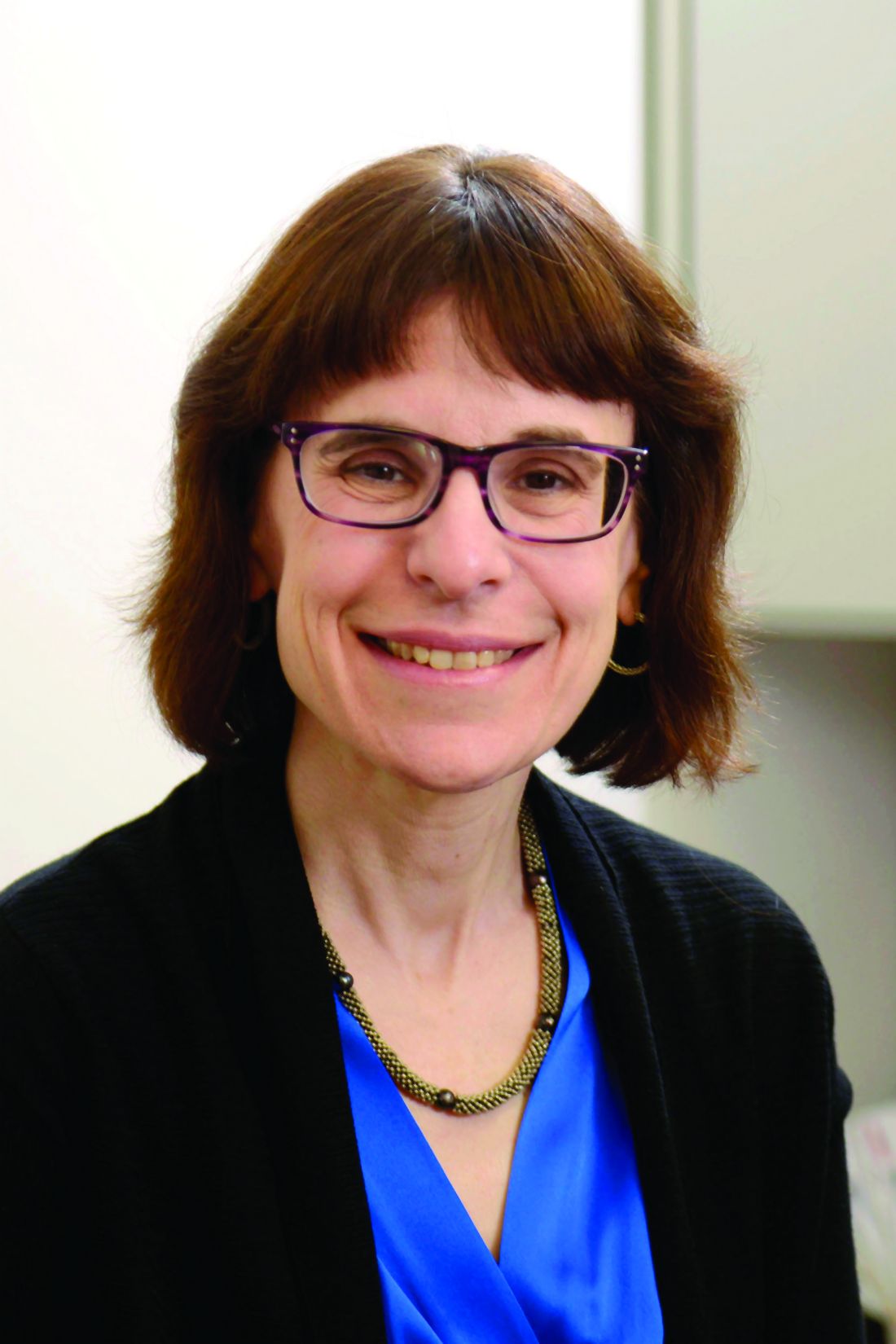
“Systemic JIA should be treated early with biologics to rapidly bring disease under control and to avoid long-term use of glucocorticoids,” Karen Onel, MD, chief of the division of pediatric rheumatology at Weill Cornell Medicine, New York, and lead author of the guidelines, told this news organization. “Unfortunately, biologics can and are frequently denied for first-line use. For this reason, the guidelines are critically important as they demonstrate that first-line use of biologics are standard of care for the treatment of sJIA.”
The new publication is the second part of the ACR’s process to update JIA guidelines that began in 2017 and complements the release in 2019 of guidelines on the management of nonsystemic polyarthritis, sacroiliitis, and enthesitis, as well as a separate guidance on JIA-associated uveitis. The new guidelines include a second publication focused on nonpharmacologic therapies, medication monitoring, immunizations, and imaging. Both sets of guidelines grew out of a 15-member panel that included young adults with JIA and caregivers of children with JIA, and which required at least 70% agreement on recommendations.
“Though the scope of the two guidelines differed, one thing they had in common is the recognition of the importance of shared decision-making with the patient/caregiver,” Dr. Onel said. “Not every decision will be appropriate for every patient, which is why it was so instrumental to receive input from both patients and caregivers when creating these recommendations.”
Oligoarticular and TMJ arthritis
Oligoarticular and TMJ arthritis have similar recommendations, beginning with NSAIDs conditionally recommended and intra-articular glucocorticoids (IAGCs) strongly recommended as part of initial therapy. For oligoarticular arthritis, the guidelines specifically include a strong recommendation of triamcinolone hexacetonide as the preferred agent; no preferred agent is recommended for TMJ arthritis.

“The one thing that the panel was unanimous about was the use of triamcinolone hexacetonide for intra-articular steroid injections in oligoarticular kids,” Susan Shenoi, MBBS, MS, an associate professor and clinical director of pediatric rheumatology at Seattle Children’s Hospital and Research Center, said in an interview. “Triamcinolone hexacetonide has not been available recently, and through advocacy efforts, there is now a pathway to get that medication,” added Dr. Shenoi, a coauthor on the guidelines.
Dr. Onel said that “triamcinolone hexacetonide has been shown to be superior to alternative injectable glucocorticoids in achieving and maintaining remission in children with JIA,” but its unavailability meant physicians had to consider less effective, more potent, or more costly alternatives.” To address the shortage, “the FDA allowed the importation of one particular formulation of triamcinolone hexacetonide [Hexatrione 2%] specifically for joint injections in patients with JIA.”
The guidelines conditionally recommend against oral glucocorticoids for initial therapy for both oligoarticular and TMJ arthritis. In fact, throughout the guidelines it’s clear that the authors emphasize using steroids as little as possible, Dr. Shenoi said.
“Steroids are great anti-inflammatories, but in kids we worry about the long-term effects on growth and metabolism, and now we have many more DMARDs available,” Dr. Shenoi said.
The guidelines strongly recommend conventional synthetic DMARDs for patients with either of these diseases who cannot tolerate or do not respond to NSAIDs or IAGCs, with methotrexate conditionally recommended over leflunomide (Arava) for TMJ and over leflunomide, sulfasalazine (Azulfidine, Sulfazine), and hydroxychloroquine, respectively, for oligoarticular arthritis.
“NSAIDs remain widely used despite evidence supporting early use of DMARDs,” Dr. Onel said. “NSAIDs are readily available and familiar; however, they will not prevent disease progression. These guidelines should encourage short courses of NSAIDs only.”
If patients do not respond to or cannot tolerate NSAIDs, IAGCs, and at least one conventional DMARD, the guidelines strongly recommend a biologic DMARD for oligoarticular arthritis and conditionally recommend one for TMJ arthritis, without any preferences to the specific agent.
The guidelines also advise using validated disease activity measures to guide treatment decisions.
“The most important thing when you’re looking at these patients is to determine, do they have active disease or not?” Dr. Shenoi said. “If they have active disease, then you really want to step up therapy.” Using the relatively new concept of treat-to-target, Dr. Shenoi added that a crucial part of shared decision-making with the family is identifying the most appropriate target for that family “and then really trying hard to achieve that target.”
The guidelines also list risk factors for poor outcome that can be used to guide treatment decisions.
“Specific involvement of key joints, such as TMJ, wrist, sacroiliac, hip, and ankle, and other features were considered reasonable justification for early escalation of therapy,” Dr. Onel said. Other features included presence of erosive disease or enthesitis, delay in diagnosis, elevated levels of inflammation markers, and symmetric disease. “Moving quickly may be needed for a patient who is rapidly worsening, while moving slower may be appropriate for somebody who has improved substantially, but not fully.”
Systemic JIA with and without macrophage activation syndrome
For systemic JIA without macrophage activation syndrome (MAS), the guidelines similarly advise against oral glucocorticoids as initial monotherapy while conditionally recommending NSAIDs for initial monotherapy. Where the guidelines differ most from those for oligoarticular and TMJ arthritis is in progression of DMARD use, with a strong recommendation against conventional synthetic DMARDs as an initial monotherapy and interleukin-1 and IL-6 inhibitors conditionally recommended for initial monotherapy.
For patients who don’t adequately respond to NSAIDs or glucocorticoids, IL-1 and IL-6 inhibitors are strongly recommended over a single or combination of conventional DMARDs. Residual arthritis or an incomplete response to IL-1 or IL-6 inhibitors should lead next to biologic or conventional DMARDs instead of long-term glucocorticoids.
For patients with MAS, the guidelines conditionally recommend IL-1 and IL-6 inhibitors over calcineurin inhibitor monotherapy to reach inactive disease and MAS resolution, with glucocorticoids conditionally recommended in initial treatment. Again, however, for patients with incomplete responses to IL-1 or IL-6 inhibitors or with residual arthritis, the guidelines advise biologic or conventional DMARDs over long-term glucocorticoids.
In patients with sJIA with or without a history of MAS who have inactive disease, practitioners should taper and discontinue glucocorticoids (a strong recommendation). A conditional recommendation for tapering and discontinuing biologic DMARDs follows attainment of inactive disease.
Beyond pharmacology
Although many of the nonpharmacologic recommendations did not have strong evidence based on assessment with Grading of Recommendations Assessment, Development, and Evaluation methodology, consensus was more often the case than not, Dr. Onel said, such as with vaccination.
“There was strong support for the use of immunizations in children with JIA and specific guidance for children with JIA receiving immunosuppression, not on immunosuppression, and children who are underimmunized or unimmunized,” she said. “Although the supportive evidence was very low as per GRADE, panel members were strongly in favor [of immunizations], given risk of infection for immunosuppressed children as well as the preponderance of evidence in similar disease states, such as IBD [inflammatory bowel disease].”
An area with less consensus was whether to check antibody titers for vaccine-preventable childhood infections before beginning immunosuppressive medication, but more panelists opposed the practice than supported it, Dr. Onel said.
“Some panelists felt that the information might be useful for risk management in case of an outbreak or exposure,” she said. “Most believed that screening a fully immunized child was of low benefit and might delay treatment and incur unnecessary cost.”
The process of developing the documents also reveals where the biggest gaps are in research.
“One of the things that we should strive for in the future is really to do more systematic studies so we have better quality of evidence going forward,” Dr. Shenoi said. Overall, however, the guidelines also reveal the progress made in treatment of JIA.
“We now know some of the key cytokines that are involved in the disease pathogenesis, and we have effective therapies for some of these pathways,” Dr. Shenoi said. “We used to use a lot more toxic medication for systemic JIA, and in past decades, these patients used to be on steroids forever. Now we have targeted therapies, and we have some patients who don’t ever need steroids because people are moving toward targeted therapies and having good results. That’s a huge step forward in the field.”
The research was funded by the ACR. Dr. Shenoi has been a consultant for Pfizer. Dr. Onel disclosed no relevant financial relationships.
A version of this article first appeared on Medscape.com.
Treatment of systemic juvenile idiopathic arthritis (sJIA) should emphasize early use of conventional synthetic and biologic disease-modifying antirheumatic drugs (DMARDs), compared with the previous reliance on NSAIDs and glucocorticoids, according to new guidelines from the American College of Rheumatology. The recently published 2021 guidelines focus on therapeutic approaches for oligoarthritis, temporomandibular joint (TMJ) arthritis, and sJIA.
“Systemic JIA should be treated early with biologics to rapidly bring disease under control and to avoid long-term use of glucocorticoids,” Karen Onel, MD, chief of the division of pediatric rheumatology at Weill Cornell Medicine, New York, and lead author of the guidelines, told this news organization. “Unfortunately, biologics can and are frequently denied for first-line use. For this reason, the guidelines are critically important as they demonstrate that first-line use of biologics are standard of care for the treatment of sJIA.”
The new publication is the second part of the ACR’s process to update JIA guidelines that began in 2017 and complements the release in 2019 of guidelines on the management of nonsystemic polyarthritis, sacroiliitis, and enthesitis, as well as a separate guidance on JIA-associated uveitis. The new guidelines include a second publication focused on nonpharmacologic therapies, medication monitoring, immunizations, and imaging. Both sets of guidelines grew out of a 15-member panel that included young adults with JIA and caregivers of children with JIA, and which required at least 70% agreement on recommendations.
“Though the scope of the two guidelines differed, one thing they had in common is the recognition of the importance of shared decision-making with the patient/caregiver,” Dr. Onel said. “Not every decision will be appropriate for every patient, which is why it was so instrumental to receive input from both patients and caregivers when creating these recommendations.”
Oligoarticular and TMJ arthritis
Oligoarticular and TMJ arthritis have similar recommendations, beginning with NSAIDs conditionally recommended and intra-articular glucocorticoids (IAGCs) strongly recommended as part of initial therapy. For oligoarticular arthritis, the guidelines specifically include a strong recommendation of triamcinolone hexacetonide as the preferred agent; no preferred agent is recommended for TMJ arthritis.
“The one thing that the panel was unanimous about was the use of triamcinolone hexacetonide for intra-articular steroid injections in oligoarticular kids,” Susan Shenoi, MBBS, MS, an associate professor and clinical director of pediatric rheumatology at Seattle Children’s Hospital and Research Center, said in an interview. “Triamcinolone hexacetonide has not been available recently, and through advocacy efforts, there is now a pathway to get that medication,” added Dr. Shenoi, a coauthor on the guidelines.
Dr. Onel said that “triamcinolone hexacetonide has been shown to be superior to alternative injectable glucocorticoids in achieving and maintaining remission in children with JIA,” but its unavailability meant physicians had to consider less effective, more potent, or more costly alternatives.” To address the shortage, “the FDA allowed the importation of one particular formulation of triamcinolone hexacetonide [Hexatrione 2%] specifically for joint injections in patients with JIA.”
The guidelines conditionally recommend against oral glucocorticoids for initial therapy for both oligoarticular and TMJ arthritis. In fact, throughout the guidelines it’s clear that the authors emphasize using steroids as little as possible, Dr. Shenoi said.
“Steroids are great anti-inflammatories, but in kids we worry about the long-term effects on growth and metabolism, and now we have many more DMARDs available,” Dr. Shenoi said.
The guidelines strongly recommend conventional synthetic DMARDs for patients with either of these diseases who cannot tolerate or do not respond to NSAIDs or IAGCs, with methotrexate conditionally recommended over leflunomide (Arava) for TMJ and over leflunomide, sulfasalazine (Azulfidine, Sulfazine), and hydroxychloroquine, respectively, for oligoarticular arthritis.
“NSAIDs remain widely used despite evidence supporting early use of DMARDs,” Dr. Onel said. “NSAIDs are readily available and familiar; however, they will not prevent disease progression. These guidelines should encourage short courses of NSAIDs only.”
If patients do not respond to or cannot tolerate NSAIDs, IAGCs, and at least one conventional DMARD, the guidelines strongly recommend a biologic DMARD for oligoarticular arthritis and conditionally recommend one for TMJ arthritis, without any preferences to the specific agent.
The guidelines also advise using validated disease activity measures to guide treatment decisions.
“The most important thing when you’re looking at these patients is to determine, do they have active disease or not?” Dr. Shenoi said. “If they have active disease, then you really want to step up therapy.” Using the relatively new concept of treat-to-target, Dr. Shenoi added that a crucial part of shared decision-making with the family is identifying the most appropriate target for that family “and then really trying hard to achieve that target.”
The guidelines also list risk factors for poor outcome that can be used to guide treatment decisions.
“Specific involvement of key joints, such as TMJ, wrist, sacroiliac, hip, and ankle, and other features were considered reasonable justification for early escalation of therapy,” Dr. Onel said. Other features included presence of erosive disease or enthesitis, delay in diagnosis, elevated levels of inflammation markers, and symmetric disease. “Moving quickly may be needed for a patient who is rapidly worsening, while moving slower may be appropriate for somebody who has improved substantially, but not fully.”
Systemic JIA with and without macrophage activation syndrome
For systemic JIA without macrophage activation syndrome (MAS), the guidelines similarly advise against oral glucocorticoids as initial monotherapy while conditionally recommending NSAIDs for initial monotherapy. Where the guidelines differ most from those for oligoarticular and TMJ arthritis is in progression of DMARD use, with a strong recommendation against conventional synthetic DMARDs as an initial monotherapy and interleukin-1 and IL-6 inhibitors conditionally recommended for initial monotherapy.
For patients who don’t adequately respond to NSAIDs or glucocorticoids, IL-1 and IL-6 inhibitors are strongly recommended over a single or combination of conventional DMARDs. Residual arthritis or an incomplete response to IL-1 or IL-6 inhibitors should lead next to biologic or conventional DMARDs instead of long-term glucocorticoids.
For patients with MAS, the guidelines conditionally recommend IL-1 and IL-6 inhibitors over calcineurin inhibitor monotherapy to reach inactive disease and MAS resolution, with glucocorticoids conditionally recommended in initial treatment. Again, however, for patients with incomplete responses to IL-1 or IL-6 inhibitors or with residual arthritis, the guidelines advise biologic or conventional DMARDs over long-term glucocorticoids.
In patients with sJIA with or without a history of MAS who have inactive disease, practitioners should taper and discontinue glucocorticoids (a strong recommendation). A conditional recommendation for tapering and discontinuing biologic DMARDs follows attainment of inactive disease.
Beyond pharmacology
Although many of the nonpharmacologic recommendations did not have strong evidence based on assessment with Grading of Recommendations Assessment, Development, and Evaluation methodology, consensus was more often the case than not, Dr. Onel said, such as with vaccination.
“There was strong support for the use of immunizations in children with JIA and specific guidance for children with JIA receiving immunosuppression, not on immunosuppression, and children who are underimmunized or unimmunized,” she said. “Although the supportive evidence was very low as per GRADE, panel members were strongly in favor [of immunizations], given risk of infection for immunosuppressed children as well as the preponderance of evidence in similar disease states, such as IBD [inflammatory bowel disease].”
An area with less consensus was whether to check antibody titers for vaccine-preventable childhood infections before beginning immunosuppressive medication, but more panelists opposed the practice than supported it, Dr. Onel said.
“Some panelists felt that the information might be useful for risk management in case of an outbreak or exposure,” she said. “Most believed that screening a fully immunized child was of low benefit and might delay treatment and incur unnecessary cost.”
The process of developing the documents also reveals where the biggest gaps are in research.
“One of the things that we should strive for in the future is really to do more systematic studies so we have better quality of evidence going forward,” Dr. Shenoi said. Overall, however, the guidelines also reveal the progress made in treatment of JIA.
“We now know some of the key cytokines that are involved in the disease pathogenesis, and we have effective therapies for some of these pathways,” Dr. Shenoi said. “We used to use a lot more toxic medication for systemic JIA, and in past decades, these patients used to be on steroids forever. Now we have targeted therapies, and we have some patients who don’t ever need steroids because people are moving toward targeted therapies and having good results. That’s a huge step forward in the field.”
The research was funded by the ACR. Dr. Shenoi has been a consultant for Pfizer. Dr. Onel disclosed no relevant financial relationships.
A version of this article first appeared on Medscape.com.
Treatment of systemic juvenile idiopathic arthritis (sJIA) should emphasize early use of conventional synthetic and biologic disease-modifying antirheumatic drugs (DMARDs), compared with the previous reliance on NSAIDs and glucocorticoids, according to new guidelines from the American College of Rheumatology. The recently published 2021 guidelines focus on therapeutic approaches for oligoarthritis, temporomandibular joint (TMJ) arthritis, and sJIA.
“Systemic JIA should be treated early with biologics to rapidly bring disease under control and to avoid long-term use of glucocorticoids,” Karen Onel, MD, chief of the division of pediatric rheumatology at Weill Cornell Medicine, New York, and lead author of the guidelines, told this news organization. “Unfortunately, biologics can and are frequently denied for first-line use. For this reason, the guidelines are critically important as they demonstrate that first-line use of biologics are standard of care for the treatment of sJIA.”
The new publication is the second part of the ACR’s process to update JIA guidelines that began in 2017 and complements the release in 2019 of guidelines on the management of nonsystemic polyarthritis, sacroiliitis, and enthesitis, as well as a separate guidance on JIA-associated uveitis. The new guidelines include a second publication focused on nonpharmacologic therapies, medication monitoring, immunizations, and imaging. Both sets of guidelines grew out of a 15-member panel that included young adults with JIA and caregivers of children with JIA, and which required at least 70% agreement on recommendations.
“Though the scope of the two guidelines differed, one thing they had in common is the recognition of the importance of shared decision-making with the patient/caregiver,” Dr. Onel said. “Not every decision will be appropriate for every patient, which is why it was so instrumental to receive input from both patients and caregivers when creating these recommendations.”
Oligoarticular and TMJ arthritis
Oligoarticular and TMJ arthritis have similar recommendations, beginning with NSAIDs conditionally recommended and intra-articular glucocorticoids (IAGCs) strongly recommended as part of initial therapy. For oligoarticular arthritis, the guidelines specifically include a strong recommendation of triamcinolone hexacetonide as the preferred agent; no preferred agent is recommended for TMJ arthritis.
“The one thing that the panel was unanimous about was the use of triamcinolone hexacetonide for intra-articular steroid injections in oligoarticular kids,” Susan Shenoi, MBBS, MS, an associate professor and clinical director of pediatric rheumatology at Seattle Children’s Hospital and Research Center, said in an interview. “Triamcinolone hexacetonide has not been available recently, and through advocacy efforts, there is now a pathway to get that medication,” added Dr. Shenoi, a coauthor on the guidelines.
Dr. Onel said that “triamcinolone hexacetonide has been shown to be superior to alternative injectable glucocorticoids in achieving and maintaining remission in children with JIA,” but its unavailability meant physicians had to consider less effective, more potent, or more costly alternatives.” To address the shortage, “the FDA allowed the importation of one particular formulation of triamcinolone hexacetonide [Hexatrione 2%] specifically for joint injections in patients with JIA.”
The guidelines conditionally recommend against oral glucocorticoids for initial therapy for both oligoarticular and TMJ arthritis. In fact, throughout the guidelines it’s clear that the authors emphasize using steroids as little as possible, Dr. Shenoi said.
“Steroids are great anti-inflammatories, but in kids we worry about the long-term effects on growth and metabolism, and now we have many more DMARDs available,” Dr. Shenoi said.
The guidelines strongly recommend conventional synthetic DMARDs for patients with either of these diseases who cannot tolerate or do not respond to NSAIDs or IAGCs, with methotrexate conditionally recommended over leflunomide (Arava) for TMJ and over leflunomide, sulfasalazine (Azulfidine, Sulfazine), and hydroxychloroquine, respectively, for oligoarticular arthritis.
“NSAIDs remain widely used despite evidence supporting early use of DMARDs,” Dr. Onel said. “NSAIDs are readily available and familiar; however, they will not prevent disease progression. These guidelines should encourage short courses of NSAIDs only.”
If patients do not respond to or cannot tolerate NSAIDs, IAGCs, and at least one conventional DMARD, the guidelines strongly recommend a biologic DMARD for oligoarticular arthritis and conditionally recommend one for TMJ arthritis, without any preferences to the specific agent.
The guidelines also advise using validated disease activity measures to guide treatment decisions.
“The most important thing when you’re looking at these patients is to determine, do they have active disease or not?” Dr. Shenoi said. “If they have active disease, then you really want to step up therapy.” Using the relatively new concept of treat-to-target, Dr. Shenoi added that a crucial part of shared decision-making with the family is identifying the most appropriate target for that family “and then really trying hard to achieve that target.”
The guidelines also list risk factors for poor outcome that can be used to guide treatment decisions.
“Specific involvement of key joints, such as TMJ, wrist, sacroiliac, hip, and ankle, and other features were considered reasonable justification for early escalation of therapy,” Dr. Onel said. Other features included presence of erosive disease or enthesitis, delay in diagnosis, elevated levels of inflammation markers, and symmetric disease. “Moving quickly may be needed for a patient who is rapidly worsening, while moving slower may be appropriate for somebody who has improved substantially, but not fully.”
Systemic JIA with and without macrophage activation syndrome
For systemic JIA without macrophage activation syndrome (MAS), the guidelines similarly advise against oral glucocorticoids as initial monotherapy while conditionally recommending NSAIDs for initial monotherapy. Where the guidelines differ most from those for oligoarticular and TMJ arthritis is in progression of DMARD use, with a strong recommendation against conventional synthetic DMARDs as an initial monotherapy and interleukin-1 and IL-6 inhibitors conditionally recommended for initial monotherapy.
For patients who don’t adequately respond to NSAIDs or glucocorticoids, IL-1 and IL-6 inhibitors are strongly recommended over a single or combination of conventional DMARDs. Residual arthritis or an incomplete response to IL-1 or IL-6 inhibitors should lead next to biologic or conventional DMARDs instead of long-term glucocorticoids.
For patients with MAS, the guidelines conditionally recommend IL-1 and IL-6 inhibitors over calcineurin inhibitor monotherapy to reach inactive disease and MAS resolution, with glucocorticoids conditionally recommended in initial treatment. Again, however, for patients with incomplete responses to IL-1 or IL-6 inhibitors or with residual arthritis, the guidelines advise biologic or conventional DMARDs over long-term glucocorticoids.
In patients with sJIA with or without a history of MAS who have inactive disease, practitioners should taper and discontinue glucocorticoids (a strong recommendation). A conditional recommendation for tapering and discontinuing biologic DMARDs follows attainment of inactive disease.
Beyond pharmacology
Although many of the nonpharmacologic recommendations did not have strong evidence based on assessment with Grading of Recommendations Assessment, Development, and Evaluation methodology, consensus was more often the case than not, Dr. Onel said, such as with vaccination.
“There was strong support for the use of immunizations in children with JIA and specific guidance for children with JIA receiving immunosuppression, not on immunosuppression, and children who are underimmunized or unimmunized,” she said. “Although the supportive evidence was very low as per GRADE, panel members were strongly in favor [of immunizations], given risk of infection for immunosuppressed children as well as the preponderance of evidence in similar disease states, such as IBD [inflammatory bowel disease].”
An area with less consensus was whether to check antibody titers for vaccine-preventable childhood infections before beginning immunosuppressive medication, but more panelists opposed the practice than supported it, Dr. Onel said.
“Some panelists felt that the information might be useful for risk management in case of an outbreak or exposure,” she said. “Most believed that screening a fully immunized child was of low benefit and might delay treatment and incur unnecessary cost.”
The process of developing the documents also reveals where the biggest gaps are in research.
“One of the things that we should strive for in the future is really to do more systematic studies so we have better quality of evidence going forward,” Dr. Shenoi said. Overall, however, the guidelines also reveal the progress made in treatment of JIA.
“We now know some of the key cytokines that are involved in the disease pathogenesis, and we have effective therapies for some of these pathways,” Dr. Shenoi said. “We used to use a lot more toxic medication for systemic JIA, and in past decades, these patients used to be on steroids forever. Now we have targeted therapies, and we have some patients who don’t ever need steroids because people are moving toward targeted therapies and having good results. That’s a huge step forward in the field.”
The research was funded by the ACR. Dr. Shenoi has been a consultant for Pfizer. Dr. Onel disclosed no relevant financial relationships.
A version of this article first appeared on Medscape.com.
FROM ARTHRITIS & RHEUMATOLOGY
Rare pediatric cancers persist 63 years after nuclear accident
Chernobyl. Fukushima. Three Mile Island.
The world knows these names all too well because of accidents there: complete or partial meltdowns of nuclear reactors that released massive amounts of cancer-causing radiation into the air, soil, and water.
The Santa Susana Field Lab is far less well-known, but no less infamous for what took place at this former rocket engine and nuclear energy test site just 28 miles northwest of downtown Los Angeles.
In July 1959, an accident involving one of 10 experimental nuclear reactors at the SSFL site released a cloud of harmful radiation and toxic chemicals over the surrounding area, including Simi Valley, San Gabriel Valley, Chatsworth, and Canoga Park. The small reactor had no containment vessel.
This accident resulted in a release of radioactive iodine estimated to be as much as 250 times that of the partial meltdown that would occur 2 decades later at Three Mile Island, a much larger commercial reactor that had a containment vessel.
Decades-long cover-up
In 1959, the public knew nothing about what happened at the site.
According to John Pace, then an employee at SSFL, the accident was covered up. Mr. Pace recounted the cover-up in the documentary “In the Dark of the Valley,” which first aired in November 2021 on MSNBC.
In fact, the accident at SSFL remained under wraps for 2 decades, according to Daniel Hirsch, former director of the Program on Environmental and Nuclear Policy at the University of California, Santa Cruz, and now president of Committee to Bridge the Gap, a nuclear policy nongovernmental organization.
“Students working with me while I was teaching at UCLA in 1979 uncovered these Atomic Energy Commission reports from Atomics International,” he said in an interview. “We had to order the documents from the annex to the UCLA Engineering Library. They were stored offsite, and it took a few days, and when we got them, we opened them up, and there were these fold-out photographs of the fuel [rods]. As we folded out the photographs further, we saw one photo with an arrow labeled ‘longitudinal cracks,’ and then other arrows showing other kinds of cracks, and then another arrow labeled ‘melted blob.’ ”
Mr. Hirsch and his students found that other accidents had occurred at SSFL, including a fuel fabrication system that leached plutonium, fires in a “hot” lab where irradiated nuclear fuel from around the United States was handled, and open-air burn pits where radioactive and toxic chemical wastes were illegally torched.
According to the Committee to Bridge the Gap, when the 2,800-acre SSFL site was being developed under the name Rocketdyne by aircraft maker North American Aviation, the area was sparsely populated, with nearly as many grazing animals as people in its hills and valleys.
North American Aviation later became part of Rockwell International, which in turn sold its aerospace and defense business units to the Boeing Company in 1996. Boeing, now in charge of the site and the cleanup efforts, is doing everything in its power to shirk or diminish its responsibility, Mr. Hirsch and other critics say.
Parents against SSFL
Today, more than 150,000 people live within 5 miles of SSFL, and more than half a million live within 10 miles.
Melissa Bumstead is one of those residents. She and her family live 3.7 miles from the Santa Susana site. When her toddler Grace was diagnosed with a rare form of leukemia in 2014, doctors told Ms. Bumstead there were no known links between her daughter’s cancer and environmental contamination.
But during Grace’s treatment at Children’s Hospital Los Angeles, her mother began meeting other parents who lived near her and had children facing equally rare cancers.
Lauren Hammersley, whose daughter Hazel was diagnosed with a rare brain tumor called neuroblastoma at age 2, lived about 10 miles from Ms. Bumstead on the other side of a mountain and just over 4 miles from SSFL.
On her street alone, Ms. Bumstead discovered three cases of pediatric cancer, including two children in adjacent homes who had the same rare brain tumor as Hazel Hammersley.
As Ms. Bumstead told Los Angeles National Public Radio station KCRW in 2021, “I started to panic because I knew that childhood cancer is extremely rare. There’s only 15,000 new cases every year out of 72 million children in America. So, the chance of knowing your neighbors, especially at an internationally renowned hospital like Children’s Hospital Los Angeles – we knew something wasn’t right.”
After a relapse of her tumor, Hazel died in 2018, a few months after her seventh birthday.
Cancer clusters
Hoping to understand why their kids were getting so sick, Ms. Bumstead and the other parents formed a Facebook group. They plotted their homes on Google Maps and found that they all lived within roughly 10 miles of one another. It would take another year for them to realize that the SSFL site was at the center of the circle.
Once they realized that being close to SSFL could be their common thread, Ms. Bumstead and parents in her group began to gradually piece together the story, linking unusual or unexplained illnesses in their families to potential radiation or toxic chemical exposures from the lab.
“What really convinced me that this was absolutely a problem was when I learned about the epidemiological study by Dr. Hal Morgenstern that found that residents living within 2 miles of the Santa Susana Field Lab actually had a 60% higher cancer incidence rate and that over 1,500 workers have been diagnosed with cancer just from the Santa Susana Field Lab,” she told KCRW.
In 2015, Ms. Bumstead and other parents formed Parents Against Santa Susana Field Lab to hold SSFL site owner Boeing accountable for radiologic and toxic contamination and to ensure that Boeing cleans the site and surrounding areas. The group “seeks to reduce, to the greatest extent possible, the number of local families who have to hear the words, ‘Your child has cancer.’ ”
No longer quite so rare
Dr. Morgenstern, now retired from the University of Michigan, declined to be interviewed for this article. But as he and colleagues reported to the Centers for Disease Control and Prevention’s Agency for Toxic Substances and Disease Registry in 2007, there were strong signs of a link between contamination of the site and cancer.
The researchers compared cancer rates of adults living within 2 miles and 2-5 miles from SSFL with those of adults living more than 5 miles away, in Ventura and Los Angeles counties. They found that from 1988 through 1995, residents living within 2 miles of SSFL had a 60% higher rate of cancers than the control group. These included cancers of the thyroid, oral and nasal cavities, pharynx, larynx, esophagus, and bladder, as well as blood cancers such as leukemia, lymphoma, and multiple myeloma.
In separate studies, the investigators found higher rates of certain cancers among workers at SSFL who were exposed to radiation and to hydrazine, a chemical in rocket fuel.
In an interview, Dr. Saro Armenian, a pediatric hematologist-oncologist who was not involved in the studies, said the 60% increase in cancer incidence, which translated into a 1.6-fold increase in risk, merits more investigation.
“In epidemiologic studies, a 1.6-fold risk is actually a pretty strong signal because typically, most signals that you get are somewhere around 1.1- to 1.2-fold increased risk,” noted Dr. Armenian, a specialist in pediatric cancer survivorship and outcomes at City of Hope National Medical Center in Duarte, Calif.
However, Dr. Thomas Mack, former director of the Los Angeles County Cancer Surveillance Program, contends that there is insufficient evidence to support a direct link between the 1959 reactor accident and recent incident cancers. Dr. Mack is currently a professor of preventive medicine and pathology at the University of Southern California in Los Angeles.
“I have evaluated concerns about local excesses of cancer at least 100 times, usually from county residents, but for a while I represented the CDC and the California cancer registry,” Dr. Mack said, in response to an emailed request for comment.
“So far I have seen no evidence of carcinogenic radionucleotides or chemical carcinogens from Santa Susana found in any meaningful amount in any nearby community, but if someone has such evidence that would constitute evidence, that needs a response,” Dr. Mack added.
Boeing and California
Boeing has said problems at SSFL were not responsible for the high cancer rates among children in the community.
In April 2007, in a statement opposing a bill before the California State Legislature that would compel Boeing to pay for SSFL site cleanup, the company said that “in contrast to the accusations made against The Boeing Company that falsely claim increased cancer rates in the communities surrounding SSFL, a recent study conducted by the University of Michigan School of Public Health just concluded the opposite.”
Yet as Dr. Morgenstern wrote in 2007 to California state Sen. Joe Simitian, then chair of the Committee on Environmental Quality: “For the period 1996 through 2002, we found that the incidence rate of thyroid cancer was more than 60% greater among residents living within 2 miles of SSFL than for residents living more than 5 miles from SSFL. The magnitude and consistency of the thyroid finding for both periods is especially provocative because of evidence from other studies linking thyroid cancer with environmental exposures originating at SSFL and found in the surrounding communities.”
Boeing chose to ignore the results and instead focused on the methods used in the study, where the authors acknowledged that they measured distance from the site rather than environmental exposures and thus could not conclusively link excess cancer rates to exposures arising from SSFL.
But Dr. Morgenstern emphasized the conclusion of the report: “Despite the methodologic limitations of this study, the findings suggest there may be elevated incidence rates of certain cancers near SSFL that have been linked in previous studies with hazardous substances used at Rocketdyne, some of which have been observed or projected to exist offsite.”
Failure to come clean
In 2008, a law that set standards for cleanup of the site was passed. But the law was overturned in 2014 after a legal challenge by Boeing.
That left in place a 2007 order of consent between Boeing, NASA, the U.S. Department of Energy, and the California Department of Toxic Substances Control (DTSC) that required cleanup of SSFL to a much less stringent standard.
As of last year, Boeing and DTSC had begun confidential, nonbinding agreements regarding the 2007 order of consent, according to Parents Against SSFL.
Among the contaminants lingering at the site are radioactive particles, chemical compounds, heavy metals, and polluted water.
“In fact, over 300 contaminants of concern have been found at the site, and they are refusing to clean it,” Mr. Hirsch said. “This company releases large amounts of carcinogens, and perhaps significant numbers of people get sick with cancer, and the company doesn’t go to prison. They get more federal contracts.”
A version of this article first appeared on WebMD.com.
April 20, 2022 – Editor’s note: This article has been updated to include an interview with Dr. Thomas Mack, former director of the Los Angeles County Cancer Surveillance Program, who contends that there is insufficient evidence to support a direct link between the 1959 reactor accident and recent incident cancers.
Chernobyl. Fukushima. Three Mile Island.
The world knows these names all too well because of accidents there: complete or partial meltdowns of nuclear reactors that released massive amounts of cancer-causing radiation into the air, soil, and water.
The Santa Susana Field Lab is far less well-known, but no less infamous for what took place at this former rocket engine and nuclear energy test site just 28 miles northwest of downtown Los Angeles.
In July 1959, an accident involving one of 10 experimental nuclear reactors at the SSFL site released a cloud of harmful radiation and toxic chemicals over the surrounding area, including Simi Valley, San Gabriel Valley, Chatsworth, and Canoga Park. The small reactor had no containment vessel.
This accident resulted in a release of radioactive iodine estimated to be as much as 250 times that of the partial meltdown that would occur 2 decades later at Three Mile Island, a much larger commercial reactor that had a containment vessel.
Decades-long cover-up
In 1959, the public knew nothing about what happened at the site.
According to John Pace, then an employee at SSFL, the accident was covered up. Mr. Pace recounted the cover-up in the documentary “In the Dark of the Valley,” which first aired in November 2021 on MSNBC.
In fact, the accident at SSFL remained under wraps for 2 decades, according to Daniel Hirsch, former director of the Program on Environmental and Nuclear Policy at the University of California, Santa Cruz, and now president of Committee to Bridge the Gap, a nuclear policy nongovernmental organization.
“Students working with me while I was teaching at UCLA in 1979 uncovered these Atomic Energy Commission reports from Atomics International,” he said in an interview. “We had to order the documents from the annex to the UCLA Engineering Library. They were stored offsite, and it took a few days, and when we got them, we opened them up, and there were these fold-out photographs of the fuel [rods]. As we folded out the photographs further, we saw one photo with an arrow labeled ‘longitudinal cracks,’ and then other arrows showing other kinds of cracks, and then another arrow labeled ‘melted blob.’ ”
Mr. Hirsch and his students found that other accidents had occurred at SSFL, including a fuel fabrication system that leached plutonium, fires in a “hot” lab where irradiated nuclear fuel from around the United States was handled, and open-air burn pits where radioactive and toxic chemical wastes were illegally torched.
According to the Committee to Bridge the Gap, when the 2,800-acre SSFL site was being developed under the name Rocketdyne by aircraft maker North American Aviation, the area was sparsely populated, with nearly as many grazing animals as people in its hills and valleys.
North American Aviation later became part of Rockwell International, which in turn sold its aerospace and defense business units to the Boeing Company in 1996. Boeing, now in charge of the site and the cleanup efforts, is doing everything in its power to shirk or diminish its responsibility, Mr. Hirsch and other critics say.
Parents against SSFL
Today, more than 150,000 people live within 5 miles of SSFL, and more than half a million live within 10 miles.
Melissa Bumstead is one of those residents. She and her family live 3.7 miles from the Santa Susana site. When her toddler Grace was diagnosed with a rare form of leukemia in 2014, doctors told Ms. Bumstead there were no known links between her daughter’s cancer and environmental contamination.
But during Grace’s treatment at Children’s Hospital Los Angeles, her mother began meeting other parents who lived near her and had children facing equally rare cancers.
Lauren Hammersley, whose daughter Hazel was diagnosed with a rare brain tumor called neuroblastoma at age 2, lived about 10 miles from Ms. Bumstead on the other side of a mountain and just over 4 miles from SSFL.
On her street alone, Ms. Bumstead discovered three cases of pediatric cancer, including two children in adjacent homes who had the same rare brain tumor as Hazel Hammersley.
As Ms. Bumstead told Los Angeles National Public Radio station KCRW in 2021, “I started to panic because I knew that childhood cancer is extremely rare. There’s only 15,000 new cases every year out of 72 million children in America. So, the chance of knowing your neighbors, especially at an internationally renowned hospital like Children’s Hospital Los Angeles – we knew something wasn’t right.”
After a relapse of her tumor, Hazel died in 2018, a few months after her seventh birthday.
Cancer clusters
Hoping to understand why their kids were getting so sick, Ms. Bumstead and the other parents formed a Facebook group. They plotted their homes on Google Maps and found that they all lived within roughly 10 miles of one another. It would take another year for them to realize that the SSFL site was at the center of the circle.
Once they realized that being close to SSFL could be their common thread, Ms. Bumstead and parents in her group began to gradually piece together the story, linking unusual or unexplained illnesses in their families to potential radiation or toxic chemical exposures from the lab.
“What really convinced me that this was absolutely a problem was when I learned about the epidemiological study by Dr. Hal Morgenstern that found that residents living within 2 miles of the Santa Susana Field Lab actually had a 60% higher cancer incidence rate and that over 1,500 workers have been diagnosed with cancer just from the Santa Susana Field Lab,” she told KCRW.
In 2015, Ms. Bumstead and other parents formed Parents Against Santa Susana Field Lab to hold SSFL site owner Boeing accountable for radiologic and toxic contamination and to ensure that Boeing cleans the site and surrounding areas. The group “seeks to reduce, to the greatest extent possible, the number of local families who have to hear the words, ‘Your child has cancer.’ ”
No longer quite so rare
Dr. Morgenstern, now retired from the University of Michigan, declined to be interviewed for this article. But as he and colleagues reported to the Centers for Disease Control and Prevention’s Agency for Toxic Substances and Disease Registry in 2007, there were strong signs of a link between contamination of the site and cancer.
The researchers compared cancer rates of adults living within 2 miles and 2-5 miles from SSFL with those of adults living more than 5 miles away, in Ventura and Los Angeles counties. They found that from 1988 through 1995, residents living within 2 miles of SSFL had a 60% higher rate of cancers than the control group. These included cancers of the thyroid, oral and nasal cavities, pharynx, larynx, esophagus, and bladder, as well as blood cancers such as leukemia, lymphoma, and multiple myeloma.
In separate studies, the investigators found higher rates of certain cancers among workers at SSFL who were exposed to radiation and to hydrazine, a chemical in rocket fuel.
In an interview, Dr. Saro Armenian, a pediatric hematologist-oncologist who was not involved in the studies, said the 60% increase in cancer incidence, which translated into a 1.6-fold increase in risk, merits more investigation.
“In epidemiologic studies, a 1.6-fold risk is actually a pretty strong signal because typically, most signals that you get are somewhere around 1.1- to 1.2-fold increased risk,” noted Dr. Armenian, a specialist in pediatric cancer survivorship and outcomes at City of Hope National Medical Center in Duarte, Calif.
However, Dr. Thomas Mack, former director of the Los Angeles County Cancer Surveillance Program, contends that there is insufficient evidence to support a direct link between the 1959 reactor accident and recent incident cancers. Dr. Mack is currently a professor of preventive medicine and pathology at the University of Southern California in Los Angeles.
“I have evaluated concerns about local excesses of cancer at least 100 times, usually from county residents, but for a while I represented the CDC and the California cancer registry,” Dr. Mack said, in response to an emailed request for comment.
“So far I have seen no evidence of carcinogenic radionucleotides or chemical carcinogens from Santa Susana found in any meaningful amount in any nearby community, but if someone has such evidence that would constitute evidence, that needs a response,” Dr. Mack added.
Boeing and California
Boeing has said problems at SSFL were not responsible for the high cancer rates among children in the community.
In April 2007, in a statement opposing a bill before the California State Legislature that would compel Boeing to pay for SSFL site cleanup, the company said that “in contrast to the accusations made against The Boeing Company that falsely claim increased cancer rates in the communities surrounding SSFL, a recent study conducted by the University of Michigan School of Public Health just concluded the opposite.”
Yet as Dr. Morgenstern wrote in 2007 to California state Sen. Joe Simitian, then chair of the Committee on Environmental Quality: “For the period 1996 through 2002, we found that the incidence rate of thyroid cancer was more than 60% greater among residents living within 2 miles of SSFL than for residents living more than 5 miles from SSFL. The magnitude and consistency of the thyroid finding for both periods is especially provocative because of evidence from other studies linking thyroid cancer with environmental exposures originating at SSFL and found in the surrounding communities.”
Boeing chose to ignore the results and instead focused on the methods used in the study, where the authors acknowledged that they measured distance from the site rather than environmental exposures and thus could not conclusively link excess cancer rates to exposures arising from SSFL.
But Dr. Morgenstern emphasized the conclusion of the report: “Despite the methodologic limitations of this study, the findings suggest there may be elevated incidence rates of certain cancers near SSFL that have been linked in previous studies with hazardous substances used at Rocketdyne, some of which have been observed or projected to exist offsite.”
Failure to come clean
In 2008, a law that set standards for cleanup of the site was passed. But the law was overturned in 2014 after a legal challenge by Boeing.
That left in place a 2007 order of consent between Boeing, NASA, the U.S. Department of Energy, and the California Department of Toxic Substances Control (DTSC) that required cleanup of SSFL to a much less stringent standard.
As of last year, Boeing and DTSC had begun confidential, nonbinding agreements regarding the 2007 order of consent, according to Parents Against SSFL.
Among the contaminants lingering at the site are radioactive particles, chemical compounds, heavy metals, and polluted water.
“In fact, over 300 contaminants of concern have been found at the site, and they are refusing to clean it,” Mr. Hirsch said. “This company releases large amounts of carcinogens, and perhaps significant numbers of people get sick with cancer, and the company doesn’t go to prison. They get more federal contracts.”
A version of this article first appeared on WebMD.com.
April 20, 2022 – Editor’s note: This article has been updated to include an interview with Dr. Thomas Mack, former director of the Los Angeles County Cancer Surveillance Program, who contends that there is insufficient evidence to support a direct link between the 1959 reactor accident and recent incident cancers.
Chernobyl. Fukushima. Three Mile Island.
The world knows these names all too well because of accidents there: complete or partial meltdowns of nuclear reactors that released massive amounts of cancer-causing radiation into the air, soil, and water.
The Santa Susana Field Lab is far less well-known, but no less infamous for what took place at this former rocket engine and nuclear energy test site just 28 miles northwest of downtown Los Angeles.
In July 1959, an accident involving one of 10 experimental nuclear reactors at the SSFL site released a cloud of harmful radiation and toxic chemicals over the surrounding area, including Simi Valley, San Gabriel Valley, Chatsworth, and Canoga Park. The small reactor had no containment vessel.
This accident resulted in a release of radioactive iodine estimated to be as much as 250 times that of the partial meltdown that would occur 2 decades later at Three Mile Island, a much larger commercial reactor that had a containment vessel.
Decades-long cover-up
In 1959, the public knew nothing about what happened at the site.
According to John Pace, then an employee at SSFL, the accident was covered up. Mr. Pace recounted the cover-up in the documentary “In the Dark of the Valley,” which first aired in November 2021 on MSNBC.
In fact, the accident at SSFL remained under wraps for 2 decades, according to Daniel Hirsch, former director of the Program on Environmental and Nuclear Policy at the University of California, Santa Cruz, and now president of Committee to Bridge the Gap, a nuclear policy nongovernmental organization.
“Students working with me while I was teaching at UCLA in 1979 uncovered these Atomic Energy Commission reports from Atomics International,” he said in an interview. “We had to order the documents from the annex to the UCLA Engineering Library. They were stored offsite, and it took a few days, and when we got them, we opened them up, and there were these fold-out photographs of the fuel [rods]. As we folded out the photographs further, we saw one photo with an arrow labeled ‘longitudinal cracks,’ and then other arrows showing other kinds of cracks, and then another arrow labeled ‘melted blob.’ ”
Mr. Hirsch and his students found that other accidents had occurred at SSFL, including a fuel fabrication system that leached plutonium, fires in a “hot” lab where irradiated nuclear fuel from around the United States was handled, and open-air burn pits where radioactive and toxic chemical wastes were illegally torched.
According to the Committee to Bridge the Gap, when the 2,800-acre SSFL site was being developed under the name Rocketdyne by aircraft maker North American Aviation, the area was sparsely populated, with nearly as many grazing animals as people in its hills and valleys.
North American Aviation later became part of Rockwell International, which in turn sold its aerospace and defense business units to the Boeing Company in 1996. Boeing, now in charge of the site and the cleanup efforts, is doing everything in its power to shirk or diminish its responsibility, Mr. Hirsch and other critics say.
Parents against SSFL
Today, more than 150,000 people live within 5 miles of SSFL, and more than half a million live within 10 miles.
Melissa Bumstead is one of those residents. She and her family live 3.7 miles from the Santa Susana site. When her toddler Grace was diagnosed with a rare form of leukemia in 2014, doctors told Ms. Bumstead there were no known links between her daughter’s cancer and environmental contamination.
But during Grace’s treatment at Children’s Hospital Los Angeles, her mother began meeting other parents who lived near her and had children facing equally rare cancers.
Lauren Hammersley, whose daughter Hazel was diagnosed with a rare brain tumor called neuroblastoma at age 2, lived about 10 miles from Ms. Bumstead on the other side of a mountain and just over 4 miles from SSFL.
On her street alone, Ms. Bumstead discovered three cases of pediatric cancer, including two children in adjacent homes who had the same rare brain tumor as Hazel Hammersley.
As Ms. Bumstead told Los Angeles National Public Radio station KCRW in 2021, “I started to panic because I knew that childhood cancer is extremely rare. There’s only 15,000 new cases every year out of 72 million children in America. So, the chance of knowing your neighbors, especially at an internationally renowned hospital like Children’s Hospital Los Angeles – we knew something wasn’t right.”
After a relapse of her tumor, Hazel died in 2018, a few months after her seventh birthday.
Cancer clusters
Hoping to understand why their kids were getting so sick, Ms. Bumstead and the other parents formed a Facebook group. They plotted their homes on Google Maps and found that they all lived within roughly 10 miles of one another. It would take another year for them to realize that the SSFL site was at the center of the circle.
Once they realized that being close to SSFL could be their common thread, Ms. Bumstead and parents in her group began to gradually piece together the story, linking unusual or unexplained illnesses in their families to potential radiation or toxic chemical exposures from the lab.
“What really convinced me that this was absolutely a problem was when I learned about the epidemiological study by Dr. Hal Morgenstern that found that residents living within 2 miles of the Santa Susana Field Lab actually had a 60% higher cancer incidence rate and that over 1,500 workers have been diagnosed with cancer just from the Santa Susana Field Lab,” she told KCRW.
In 2015, Ms. Bumstead and other parents formed Parents Against Santa Susana Field Lab to hold SSFL site owner Boeing accountable for radiologic and toxic contamination and to ensure that Boeing cleans the site and surrounding areas. The group “seeks to reduce, to the greatest extent possible, the number of local families who have to hear the words, ‘Your child has cancer.’ ”
No longer quite so rare
Dr. Morgenstern, now retired from the University of Michigan, declined to be interviewed for this article. But as he and colleagues reported to the Centers for Disease Control and Prevention’s Agency for Toxic Substances and Disease Registry in 2007, there were strong signs of a link between contamination of the site and cancer.
The researchers compared cancer rates of adults living within 2 miles and 2-5 miles from SSFL with those of adults living more than 5 miles away, in Ventura and Los Angeles counties. They found that from 1988 through 1995, residents living within 2 miles of SSFL had a 60% higher rate of cancers than the control group. These included cancers of the thyroid, oral and nasal cavities, pharynx, larynx, esophagus, and bladder, as well as blood cancers such as leukemia, lymphoma, and multiple myeloma.
In separate studies, the investigators found higher rates of certain cancers among workers at SSFL who were exposed to radiation and to hydrazine, a chemical in rocket fuel.
In an interview, Dr. Saro Armenian, a pediatric hematologist-oncologist who was not involved in the studies, said the 60% increase in cancer incidence, which translated into a 1.6-fold increase in risk, merits more investigation.
“In epidemiologic studies, a 1.6-fold risk is actually a pretty strong signal because typically, most signals that you get are somewhere around 1.1- to 1.2-fold increased risk,” noted Dr. Armenian, a specialist in pediatric cancer survivorship and outcomes at City of Hope National Medical Center in Duarte, Calif.
However, Dr. Thomas Mack, former director of the Los Angeles County Cancer Surveillance Program, contends that there is insufficient evidence to support a direct link between the 1959 reactor accident and recent incident cancers. Dr. Mack is currently a professor of preventive medicine and pathology at the University of Southern California in Los Angeles.
“I have evaluated concerns about local excesses of cancer at least 100 times, usually from county residents, but for a while I represented the CDC and the California cancer registry,” Dr. Mack said, in response to an emailed request for comment.
“So far I have seen no evidence of carcinogenic radionucleotides or chemical carcinogens from Santa Susana found in any meaningful amount in any nearby community, but if someone has such evidence that would constitute evidence, that needs a response,” Dr. Mack added.
Boeing and California
Boeing has said problems at SSFL were not responsible for the high cancer rates among children in the community.
In April 2007, in a statement opposing a bill before the California State Legislature that would compel Boeing to pay for SSFL site cleanup, the company said that “in contrast to the accusations made against The Boeing Company that falsely claim increased cancer rates in the communities surrounding SSFL, a recent study conducted by the University of Michigan School of Public Health just concluded the opposite.”
Yet as Dr. Morgenstern wrote in 2007 to California state Sen. Joe Simitian, then chair of the Committee on Environmental Quality: “For the period 1996 through 2002, we found that the incidence rate of thyroid cancer was more than 60% greater among residents living within 2 miles of SSFL than for residents living more than 5 miles from SSFL. The magnitude and consistency of the thyroid finding for both periods is especially provocative because of evidence from other studies linking thyroid cancer with environmental exposures originating at SSFL and found in the surrounding communities.”
Boeing chose to ignore the results and instead focused on the methods used in the study, where the authors acknowledged that they measured distance from the site rather than environmental exposures and thus could not conclusively link excess cancer rates to exposures arising from SSFL.
But Dr. Morgenstern emphasized the conclusion of the report: “Despite the methodologic limitations of this study, the findings suggest there may be elevated incidence rates of certain cancers near SSFL that have been linked in previous studies with hazardous substances used at Rocketdyne, some of which have been observed or projected to exist offsite.”
Failure to come clean
In 2008, a law that set standards for cleanup of the site was passed. But the law was overturned in 2014 after a legal challenge by Boeing.
That left in place a 2007 order of consent between Boeing, NASA, the U.S. Department of Energy, and the California Department of Toxic Substances Control (DTSC) that required cleanup of SSFL to a much less stringent standard.
As of last year, Boeing and DTSC had begun confidential, nonbinding agreements regarding the 2007 order of consent, according to Parents Against SSFL.
Among the contaminants lingering at the site are radioactive particles, chemical compounds, heavy metals, and polluted water.
“In fact, over 300 contaminants of concern have been found at the site, and they are refusing to clean it,” Mr. Hirsch said. “This company releases large amounts of carcinogens, and perhaps significant numbers of people get sick with cancer, and the company doesn’t go to prison. They get more federal contracts.”
A version of this article first appeared on WebMD.com.
April 20, 2022 – Editor’s note: This article has been updated to include an interview with Dr. Thomas Mack, former director of the Los Angeles County Cancer Surveillance Program, who contends that there is insufficient evidence to support a direct link between the 1959 reactor accident and recent incident cancers.
The Pharmacological Management of Constipation

Professor Satish Rao, MD is the J. Harold Harrison, MD, Distinguished University Chair in Gastroenterology. Dr. Rao is also founding Director of the Digestive Health Center and Clinical Research Center, and tenured Director and Professor of Medicine. His research interests in Neurogastroenterology/Motility have focused on gaining mechanistic insights, developing novel diagnostic tools and pioneering innovative treatments for constipation, dyssynergic defecation, fecal incontinence, IBS, food intolerance, gas and bloating and small intestinal bacterial and fungal overgrowth (SIBO/SIFO) and visceral pain. His latest invention translumbosacral neuromodulation therapy (TNT) is revolutionizing treatment for fecal incontinence.
As a gastroenterologist, with a focus on research that includes pathophysiological treatment of IBS and constipation as the primary objective, how prevalent is it in your current practice?
Dr. Rao: It is a pleasure to discuss a topic very close to my heart. It is a very important but often neglected topic, and very many times people go to pharmacies, over-the-counter, or their grandmothers, seeking treatment for constipation, whereas, with all the advances today, they should be coming to us, gastroenterologists, as the primary source for really managing this problem.
Constipation is very common. It all depends, to some extent, on how we define it. But if we define it based on some more popular criteria, such as those supported by the Rome Foundation criteria, the global prevalence, is between 10% to 15%. As you can see millions of Americans suffer with this problem, and almost all AGA members would have seen hundreds of these patients in the course of their practice every year. So, it is highly prevalent.
The term constipation is misunderstood by many people. Different people have different names, different people have different definitions and different criteria. For years, most physicians and most textbooks equated constipation to infrequent bowel movements. That logic has changed dramatically in the last 10 to 15 years, where we now recognize constipation as not only infrequent bowel movement but, more commonly, difficulty with bowel movement. This difficulty with bowel movement has been the missing link as we were all focused on infrequent bowel movement. We now recognize that constipation means one of six things.
What are those six things that tell us it’s constipation? One, there’s excessive straining to have a bowel movement; two after having had a bowel movement, you're left with a feeling of incomplete evacuation; three, the stools are hard and difficult to pass. We have a very famous scale, called the Bristol Stool Form Scale. If anybody takes the time to look at the scale, if your stool form happens to be 1, 2, or 3, then you're more likely to be constipated; four, a patient has to use digital maneuvers or some kind of support to try and evacuate stool; five, a patient reports a sensation of blockage at the time of bowel movement repeatedly, and at least with 25% of bowel movements; and six, stool frequency of less than three bowel movements per week.
In order to diagnose constipation, if a patient has any two of these symptoms, for 25% of bowel movements over a period of three to six months, then that individual should be considered as having chronic constipation.
When is pharmacological management of constipation appropriate? And what diagnostic approach do you usually take to determine treatment?
Dr. Rao: I usually take a very detailed history from these patients. One of the things we have recognized, recently, is how inadequate our history has become, not necessarily from a lack of asking questions, but it seems to be a multifactorial process. We tested this in a prospective study showing that only 30% of the time were patients history correct in letting us know why they came to the clinic. The same patient who answered a questionnaire about their symptoms, when they keep a diary for one week, there's only 30% of the time there is concordance; 70% of the time the story is different.
Hence, the first step really is to get an accurate story about your patient with constipation. Fortunately, there are some digital apps that are available, a constipation stool diary app, and there is a MyGiHealth app, et cetera. People can use these apps or they can keep a paper diary. The next step would be to determine what may be mechanistically going wrong. These two steps will guide your management approach.
We have some simple tests that we can do. One is called a colon transit study, where we measure the speed at which stool goes through the colon. And we have two tests that are commonly used. One is called a Sitz marker test. The patient swallows the capsule which has 24 plastic rings. And then they take it on day one. They get an X-ray on day six, which is 120 hours later, and you count how many of those markers are left behind with the X-ray. If there are more than five, it's abnormal. It says they have slow transit. In other words, lazy colon. On the other hand, if they pass most of the markers, then they don't have a lazy colon.
The second test we often do is a wireless motility capsule test, which is again a capsule they swallow. They wear a recorder for five days. And then that measures the speed at which the capsule goes through the colon. A very simple way of measuring colon speed as well. These tests tell us if you have a lazy colon.
Another test that we do is anorectal manometry. We do the test because 40%-50% of patients have pelvic floor dysfunction. And that gives us important insights mechanistically whether they have rectal hypersensitivity or whether they have a problem with evacuating stool. If they have rectal hypersensitivity and they're complaining of constipation, then it equates to irritable bowel syndrome with constipation. That's how we pick up that category of constipation.
The other category I mentioned earlier, lazy colon, is slow transit constipation. And the third category we often see is called dyssynergic defecation, where they are unable to evacuate stool in a timely, orderly fashion. And that is the third group of constipation. Use these tests to help you diagnose which kind of constipation a patient has. That will then guide towards appropriate management.
Is there a higher frequency in the need for pharmacological management of constipation? And is it in any particular patient, for instance, such as older adults, the elderly, or those that may be critically ill, or any other demographic?
Dr. Rao: In terms of managing the constipation itself, many times patients will go to the drugstore or talk to a pharmacist and start taking some over-the-counter preparations.
Until recently, there hasn’t been any good study to tell us which one works, which preparation works. But we recently published a systematic review of which I had the pleasure of serving as the first author, where we looked at the 30-year data on over-the-counter treatments. We found that there is very good evidence to support polyethylene glycol, PEG, as grade A, recommendation.
We also found good evidence for senna, and for magnesium. These three compounds had good evidence. Whereas, for other over-the-counter preparations, such as fiber supplements, there are some fruit-based supplements that are now available, lactulose and so on, the evidence was second grade.
With regards to prescriptions, a drug that is approved is linaclotide, which is approved at a dose of 145 micrograms a day in a capsule form for treatment of chronic constipation. It's also approved for IBS with constipation at a higher dose of 290 micrograms a day. We also have plecanatide 3mg tablets. Both linaclotide and plecanatide, are guanylate cyclase C receptor agonists. They activate secretion through the guanylate cyclase pathway in the gut. And then, by inducing secretion, they improve constipation. Both drugs are approved for IBS-C and chronic constipation.
Then we have lubiprostone, which is a chloride channel 2 activator drug that is approved at a dose of 24 micrograms twice a day with food for treatment of chronic constipation, and 8 micrograms twice a day for treatment of IBS with constipation.
The most recent drug that was approved is called prucalopride. And this is approved at 1 to 2 milligrams a day. And this is a serotonin compound, which speeds up the gut activity including the, stomach, small bowel, and the colon. And by speeding up gut activity, it improves constipation.
Regarding particular demographics, I find that older patients tend to be a little bit more sensitive to some drugs. Some older adults are more refractory to standard compounds, which makes their management a little bit more challenging. We have to really titrate the dose very carefully.
The critically ill group is a little bit more challenging. Often, it's acute constipation or they're in ICU settings and there the management becomes a little bit more complex. One component of that critically ill group-- and of course, you can also see them in outpatient practice-- is the opioid-induced constipation, which is a category in its own right and has been recognized by the FDA. Unfortunately, one of the major side effects of opioid is constipation. It takes a toll in the gut.
Fortunately, we have a new set of drugs, called PAMORAs, or peripherally acting mu-opioid receptor antagonists. These drugs, when you take them orally, will neutralize the effect of opioids in the gut, and thereby relieve constipation without affecting the analgesic effect of opioids. Examples of these class of drugs are methylnaltrexone, naloxegol, naldemedine, etc. These are all FDA approved now for treatment of opioid-induced constipation, which is part of your critical ill or hospitalized patients, and sometimes they are really outpatients as well.
Are there risk factors?
Dr. Rao: There are several risk factors for constipation. They include, for example, elderly, particularly people who are not very mobile for various reasons, people-- but I think the biggest risk factor that I would like to mention, emphasize, is drugs. There are many, many, many drugs that cause constipation. Opioids, as I just mentioned . Also a number of anti-hypertensive drugs. Calcium channel blockers, for example, are constipating.
Now, iron, heavy metals, and calcium, are very constipating. So are anticholinergics, and antidepressants. Many antidepressants, particularly the tricyclic class, are very constipating.
My first message to my colleagues is, when a patient is presenting to you in the clinic, the first thing I teach my students, residents, fellows, is to look at the drug list. Think about that drug as a mischief for constipation. If it is feasible and appropriate, remove the drug, or substitute the drug, as you are looking for other reasons for constipation.
Another important risk factor worth mentioning is acute constipation. Constipation in a 70-year-old person, suddenly over the last six weeks, is serious and may raise suspicion for cancer in the colon, and the need for investigation. If patients suddenly develop constipation like that, then, it is important to make sure that there is nothing blocking the colon, that is creating constipation.
One other important group is pregnancy. I did forget to mention that. Interestingly, between a quarter to a third of woman, otherwise healthy women, have never had any symptoms, however, during pregnancy they do become constipated. That's because of hormonal changes, particularly the rush of progesterone which is happening in their body. And so, they will have to be managed during their stage, and very many times they will come back to their normal lifestyle afterwards.
When it comes to the data on current and emerging treatments, what do you see in the future of pharmacological management of constipation?
Dr. Rao: I think one of the critical things in the pharmacologic management of constipation is to recognize that constipation is rarely a one-mechanism disorder. And it may be in a particular individual, but how do we know? For example, how do we know that their gut is not producing enough serotonin? And that is why they are serotonin depleted in the gut and we need to supplement them with a serotonin product, to just give you an example. We don't know that. We don't have their genetic makeup, and so on.
What I'm getting at is, constipation is a heterogenic problem, and there are multiple mechanisms that lead to it. Therefore, our current armamentarium has significantly improved in the last decade.
The first decade of the new Millennium saw significant new drugs that were introduced. The second decade has seen even more. But I think there are other compounds that are now coming up. There are sodium-hydrogen ion pump blocking drugs , and there are other mechanistic drugs . There's another drug which is available in Japan, not yet in the US, called elobixibat, which actually blocks bile acid. Normally, 95% of the bile is reabsorbed in the colon. But if you block bile acid reabsorption and allow some bile to spill into the colon, your own bile can become a laxative in the colon.
Another important approach has been through a capsule technology, called Vibrant capsule. . I'm part of an investigative group is investigating this drug. The phase III data is not yet available but has been submitted, You take a capsule once a day, and this gently agitates the colon, and thereby stimulating the colon muscles to move the stool, and then you evacuate. So, it is not a pharmacologic, but it is a form of a capsule device treatment .
These are some emerging treatments just around the corner. There is kind of a belt device that you can wear around the belly, which passes a small amount of electric current in a sequential manner, to stimulate peristalsis, called electrical interference therapy.
If pharmacological management is not an option, then what's next?
Dr. Rao: Pharmacologic management works for about 50% of patients. But it doesn't work in everybody. It's not because the drug itself is not working or has side effects, instead, the issue is that the problem is not likely to be fixed by pharmacologic management.
About 40% of patients have a pelvic floor dysfunction called dyssynergic defecation. These folks, unbeknownst to them, have learned a new process of pooping, where they are blocking their own pooping action. They're not doing it deliberately. They're totally unaware. A third of them have this problem right from childhood. 2/3 acquire this problem in adulthood. Needless to say, this problem affects 40% of patients.
So yes, you can give them medications, and that will temporarily help them. But because they cannot evacuate this stool, it will never help them permanently. These individuals are best helped by a behavioral treatment called biofeedback therapy. Hopefully in the future, home-based biofeedback tools can become available, and that can really make this treatment more widely available to the public.
Is there anything else you'd like to add before we conclude?
Dr. Rao: My most important message to my colleagues is that constipation is a very common problem. Please take time to spend with your patients. Please use an app or a diary to record the symptoms. If at all possible, perform a digital rectal examination on all your constipated patients to identify the pelvic floor dysfunction group of patients. Manage them appropriately with over the counter drugs or particularly the FDA-approved pharmacotherapies. And that will work in a majority.
But when drugs don’t work or patients have predominant symptoms of difficult defecation, put on your thinking hat. Don't give up on your patients. Instead of sending them to a surgeon, which many times we rush to do, try and see what other things you can do including manometric testing and biofeedback therapy.
Professor Satish Rao, MD is the J. Harold Harrison, MD, Distinguished University Chair in Gastroenterology. Dr. Rao is also founding Director of the Digestive Health Center and Clinical Research Center, and tenured Director and Professor of Medicine. His research interests in Neurogastroenterology/Motility have focused on gaining mechanistic insights, developing novel diagnostic tools and pioneering innovative treatments for constipation, dyssynergic defecation, fecal incontinence, IBS, food intolerance, gas and bloating and small intestinal bacterial and fungal overgrowth (SIBO/SIFO) and visceral pain. His latest invention translumbosacral neuromodulation therapy (TNT) is revolutionizing treatment for fecal incontinence.
As a gastroenterologist, with a focus on research that includes pathophysiological treatment of IBS and constipation as the primary objective, how prevalent is it in your current practice?
Dr. Rao: It is a pleasure to discuss a topic very close to my heart. It is a very important but often neglected topic, and very many times people go to pharmacies, over-the-counter, or their grandmothers, seeking treatment for constipation, whereas, with all the advances today, they should be coming to us, gastroenterologists, as the primary source for really managing this problem.
Constipation is very common. It all depends, to some extent, on how we define it. But if we define it based on some more popular criteria, such as those supported by the Rome Foundation criteria, the global prevalence, is between 10% to 15%. As you can see millions of Americans suffer with this problem, and almost all AGA members would have seen hundreds of these patients in the course of their practice every year. So, it is highly prevalent.
The term constipation is misunderstood by many people. Different people have different names, different people have different definitions and different criteria. For years, most physicians and most textbooks equated constipation to infrequent bowel movements. That logic has changed dramatically in the last 10 to 15 years, where we now recognize constipation as not only infrequent bowel movement but, more commonly, difficulty with bowel movement. This difficulty with bowel movement has been the missing link as we were all focused on infrequent bowel movement. We now recognize that constipation means one of six things.
What are those six things that tell us it’s constipation? One, there’s excessive straining to have a bowel movement; two after having had a bowel movement, you're left with a feeling of incomplete evacuation; three, the stools are hard and difficult to pass. We have a very famous scale, called the Bristol Stool Form Scale. If anybody takes the time to look at the scale, if your stool form happens to be 1, 2, or 3, then you're more likely to be constipated; four, a patient has to use digital maneuvers or some kind of support to try and evacuate stool; five, a patient reports a sensation of blockage at the time of bowel movement repeatedly, and at least with 25% of bowel movements; and six, stool frequency of less than three bowel movements per week.
In order to diagnose constipation, if a patient has any two of these symptoms, for 25% of bowel movements over a period of three to six months, then that individual should be considered as having chronic constipation.
When is pharmacological management of constipation appropriate? And what diagnostic approach do you usually take to determine treatment?
Dr. Rao: I usually take a very detailed history from these patients. One of the things we have recognized, recently, is how inadequate our history has become, not necessarily from a lack of asking questions, but it seems to be a multifactorial process. We tested this in a prospective study showing that only 30% of the time were patients history correct in letting us know why they came to the clinic. The same patient who answered a questionnaire about their symptoms, when they keep a diary for one week, there's only 30% of the time there is concordance; 70% of the time the story is different.
Hence, the first step really is to get an accurate story about your patient with constipation. Fortunately, there are some digital apps that are available, a constipation stool diary app, and there is a MyGiHealth app, et cetera. People can use these apps or they can keep a paper diary. The next step would be to determine what may be mechanistically going wrong. These two steps will guide your management approach.
We have some simple tests that we can do. One is called a colon transit study, where we measure the speed at which stool goes through the colon. And we have two tests that are commonly used. One is called a Sitz marker test. The patient swallows the capsule which has 24 plastic rings. And then they take it on day one. They get an X-ray on day six, which is 120 hours later, and you count how many of those markers are left behind with the X-ray. If there are more than five, it's abnormal. It says they have slow transit. In other words, lazy colon. On the other hand, if they pass most of the markers, then they don't have a lazy colon.
The second test we often do is a wireless motility capsule test, which is again a capsule they swallow. They wear a recorder for five days. And then that measures the speed at which the capsule goes through the colon. A very simple way of measuring colon speed as well. These tests tell us if you have a lazy colon.
Another test that we do is anorectal manometry. We do the test because 40%-50% of patients have pelvic floor dysfunction. And that gives us important insights mechanistically whether they have rectal hypersensitivity or whether they have a problem with evacuating stool. If they have rectal hypersensitivity and they're complaining of constipation, then it equates to irritable bowel syndrome with constipation. That's how we pick up that category of constipation.
The other category I mentioned earlier, lazy colon, is slow transit constipation. And the third category we often see is called dyssynergic defecation, where they are unable to evacuate stool in a timely, orderly fashion. And that is the third group of constipation. Use these tests to help you diagnose which kind of constipation a patient has. That will then guide towards appropriate management.
Is there a higher frequency in the need for pharmacological management of constipation? And is it in any particular patient, for instance, such as older adults, the elderly, or those that may be critically ill, or any other demographic?
Dr. Rao: In terms of managing the constipation itself, many times patients will go to the drugstore or talk to a pharmacist and start taking some over-the-counter preparations.
Until recently, there hasn’t been any good study to tell us which one works, which preparation works. But we recently published a systematic review of which I had the pleasure of serving as the first author, where we looked at the 30-year data on over-the-counter treatments. We found that there is very good evidence to support polyethylene glycol, PEG, as grade A, recommendation.
We also found good evidence for senna, and for magnesium. These three compounds had good evidence. Whereas, for other over-the-counter preparations, such as fiber supplements, there are some fruit-based supplements that are now available, lactulose and so on, the evidence was second grade.
With regards to prescriptions, a drug that is approved is linaclotide, which is approved at a dose of 145 micrograms a day in a capsule form for treatment of chronic constipation. It's also approved for IBS with constipation at a higher dose of 290 micrograms a day. We also have plecanatide 3mg tablets. Both linaclotide and plecanatide, are guanylate cyclase C receptor agonists. They activate secretion through the guanylate cyclase pathway in the gut. And then, by inducing secretion, they improve constipation. Both drugs are approved for IBS-C and chronic constipation.
Then we have lubiprostone, which is a chloride channel 2 activator drug that is approved at a dose of 24 micrograms twice a day with food for treatment of chronic constipation, and 8 micrograms twice a day for treatment of IBS with constipation.
The most recent drug that was approved is called prucalopride. And this is approved at 1 to 2 milligrams a day. And this is a serotonin compound, which speeds up the gut activity including the, stomach, small bowel, and the colon. And by speeding up gut activity, it improves constipation.
Regarding particular demographics, I find that older patients tend to be a little bit more sensitive to some drugs. Some older adults are more refractory to standard compounds, which makes their management a little bit more challenging. We have to really titrate the dose very carefully.
The critically ill group is a little bit more challenging. Often, it's acute constipation or they're in ICU settings and there the management becomes a little bit more complex. One component of that critically ill group-- and of course, you can also see them in outpatient practice-- is the opioid-induced constipation, which is a category in its own right and has been recognized by the FDA. Unfortunately, one of the major side effects of opioid is constipation. It takes a toll in the gut.
Fortunately, we have a new set of drugs, called PAMORAs, or peripherally acting mu-opioid receptor antagonists. These drugs, when you take them orally, will neutralize the effect of opioids in the gut, and thereby relieve constipation without affecting the analgesic effect of opioids. Examples of these class of drugs are methylnaltrexone, naloxegol, naldemedine, etc. These are all FDA approved now for treatment of opioid-induced constipation, which is part of your critical ill or hospitalized patients, and sometimes they are really outpatients as well.
Are there risk factors?
Dr. Rao: There are several risk factors for constipation. They include, for example, elderly, particularly people who are not very mobile for various reasons, people-- but I think the biggest risk factor that I would like to mention, emphasize, is drugs. There are many, many, many drugs that cause constipation. Opioids, as I just mentioned . Also a number of anti-hypertensive drugs. Calcium channel blockers, for example, are constipating.
Now, iron, heavy metals, and calcium, are very constipating. So are anticholinergics, and antidepressants. Many antidepressants, particularly the tricyclic class, are very constipating.
My first message to my colleagues is, when a patient is presenting to you in the clinic, the first thing I teach my students, residents, fellows, is to look at the drug list. Think about that drug as a mischief for constipation. If it is feasible and appropriate, remove the drug, or substitute the drug, as you are looking for other reasons for constipation.
Another important risk factor worth mentioning is acute constipation. Constipation in a 70-year-old person, suddenly over the last six weeks, is serious and may raise suspicion for cancer in the colon, and the need for investigation. If patients suddenly develop constipation like that, then, it is important to make sure that there is nothing blocking the colon, that is creating constipation.
One other important group is pregnancy. I did forget to mention that. Interestingly, between a quarter to a third of woman, otherwise healthy women, have never had any symptoms, however, during pregnancy they do become constipated. That's because of hormonal changes, particularly the rush of progesterone which is happening in their body. And so, they will have to be managed during their stage, and very many times they will come back to their normal lifestyle afterwards.
When it comes to the data on current and emerging treatments, what do you see in the future of pharmacological management of constipation?
Dr. Rao: I think one of the critical things in the pharmacologic management of constipation is to recognize that constipation is rarely a one-mechanism disorder. And it may be in a particular individual, but how do we know? For example, how do we know that their gut is not producing enough serotonin? And that is why they are serotonin depleted in the gut and we need to supplement them with a serotonin product, to just give you an example. We don't know that. We don't have their genetic makeup, and so on.
What I'm getting at is, constipation is a heterogenic problem, and there are multiple mechanisms that lead to it. Therefore, our current armamentarium has significantly improved in the last decade.
The first decade of the new Millennium saw significant new drugs that were introduced. The second decade has seen even more. But I think there are other compounds that are now coming up. There are sodium-hydrogen ion pump blocking drugs , and there are other mechanistic drugs . There's another drug which is available in Japan, not yet in the US, called elobixibat, which actually blocks bile acid. Normally, 95% of the bile is reabsorbed in the colon. But if you block bile acid reabsorption and allow some bile to spill into the colon, your own bile can become a laxative in the colon.
Another important approach has been through a capsule technology, called Vibrant capsule. . I'm part of an investigative group is investigating this drug. The phase III data is not yet available but has been submitted, You take a capsule once a day, and this gently agitates the colon, and thereby stimulating the colon muscles to move the stool, and then you evacuate. So, it is not a pharmacologic, but it is a form of a capsule device treatment .
These are some emerging treatments just around the corner. There is kind of a belt device that you can wear around the belly, which passes a small amount of electric current in a sequential manner, to stimulate peristalsis, called electrical interference therapy.
If pharmacological management is not an option, then what's next?
Dr. Rao: Pharmacologic management works for about 50% of patients. But it doesn't work in everybody. It's not because the drug itself is not working or has side effects, instead, the issue is that the problem is not likely to be fixed by pharmacologic management.
About 40% of patients have a pelvic floor dysfunction called dyssynergic defecation. These folks, unbeknownst to them, have learned a new process of pooping, where they are blocking their own pooping action. They're not doing it deliberately. They're totally unaware. A third of them have this problem right from childhood. 2/3 acquire this problem in adulthood. Needless to say, this problem affects 40% of patients.
So yes, you can give them medications, and that will temporarily help them. But because they cannot evacuate this stool, it will never help them permanently. These individuals are best helped by a behavioral treatment called biofeedback therapy. Hopefully in the future, home-based biofeedback tools can become available, and that can really make this treatment more widely available to the public.
Is there anything else you'd like to add before we conclude?
Dr. Rao: My most important message to my colleagues is that constipation is a very common problem. Please take time to spend with your patients. Please use an app or a diary to record the symptoms. If at all possible, perform a digital rectal examination on all your constipated patients to identify the pelvic floor dysfunction group of patients. Manage them appropriately with over the counter drugs or particularly the FDA-approved pharmacotherapies. And that will work in a majority.
But when drugs don’t work or patients have predominant symptoms of difficult defecation, put on your thinking hat. Don't give up on your patients. Instead of sending them to a surgeon, which many times we rush to do, try and see what other things you can do including manometric testing and biofeedback therapy.
Professor Satish Rao, MD is the J. Harold Harrison, MD, Distinguished University Chair in Gastroenterology. Dr. Rao is also founding Director of the Digestive Health Center and Clinical Research Center, and tenured Director and Professor of Medicine. His research interests in Neurogastroenterology/Motility have focused on gaining mechanistic insights, developing novel diagnostic tools and pioneering innovative treatments for constipation, dyssynergic defecation, fecal incontinence, IBS, food intolerance, gas and bloating and small intestinal bacterial and fungal overgrowth (SIBO/SIFO) and visceral pain. His latest invention translumbosacral neuromodulation therapy (TNT) is revolutionizing treatment for fecal incontinence.
As a gastroenterologist, with a focus on research that includes pathophysiological treatment of IBS and constipation as the primary objective, how prevalent is it in your current practice?
Dr. Rao: It is a pleasure to discuss a topic very close to my heart. It is a very important but often neglected topic, and very many times people go to pharmacies, over-the-counter, or their grandmothers, seeking treatment for constipation, whereas, with all the advances today, they should be coming to us, gastroenterologists, as the primary source for really managing this problem.
Constipation is very common. It all depends, to some extent, on how we define it. But if we define it based on some more popular criteria, such as those supported by the Rome Foundation criteria, the global prevalence, is between 10% to 15%. As you can see millions of Americans suffer with this problem, and almost all AGA members would have seen hundreds of these patients in the course of their practice every year. So, it is highly prevalent.
The term constipation is misunderstood by many people. Different people have different names, different people have different definitions and different criteria. For years, most physicians and most textbooks equated constipation to infrequent bowel movements. That logic has changed dramatically in the last 10 to 15 years, where we now recognize constipation as not only infrequent bowel movement but, more commonly, difficulty with bowel movement. This difficulty with bowel movement has been the missing link as we were all focused on infrequent bowel movement. We now recognize that constipation means one of six things.
What are those six things that tell us it’s constipation? One, there’s excessive straining to have a bowel movement; two after having had a bowel movement, you're left with a feeling of incomplete evacuation; three, the stools are hard and difficult to pass. We have a very famous scale, called the Bristol Stool Form Scale. If anybody takes the time to look at the scale, if your stool form happens to be 1, 2, or 3, then you're more likely to be constipated; four, a patient has to use digital maneuvers or some kind of support to try and evacuate stool; five, a patient reports a sensation of blockage at the time of bowel movement repeatedly, and at least with 25% of bowel movements; and six, stool frequency of less than three bowel movements per week.
In order to diagnose constipation, if a patient has any two of these symptoms, for 25% of bowel movements over a period of three to six months, then that individual should be considered as having chronic constipation.
When is pharmacological management of constipation appropriate? And what diagnostic approach do you usually take to determine treatment?
Dr. Rao: I usually take a very detailed history from these patients. One of the things we have recognized, recently, is how inadequate our history has become, not necessarily from a lack of asking questions, but it seems to be a multifactorial process. We tested this in a prospective study showing that only 30% of the time were patients history correct in letting us know why they came to the clinic. The same patient who answered a questionnaire about their symptoms, when they keep a diary for one week, there's only 30% of the time there is concordance; 70% of the time the story is different.
Hence, the first step really is to get an accurate story about your patient with constipation. Fortunately, there are some digital apps that are available, a constipation stool diary app, and there is a MyGiHealth app, et cetera. People can use these apps or they can keep a paper diary. The next step would be to determine what may be mechanistically going wrong. These two steps will guide your management approach.
We have some simple tests that we can do. One is called a colon transit study, where we measure the speed at which stool goes through the colon. And we have two tests that are commonly used. One is called a Sitz marker test. The patient swallows the capsule which has 24 plastic rings. And then they take it on day one. They get an X-ray on day six, which is 120 hours later, and you count how many of those markers are left behind with the X-ray. If there are more than five, it's abnormal. It says they have slow transit. In other words, lazy colon. On the other hand, if they pass most of the markers, then they don't have a lazy colon.
The second test we often do is a wireless motility capsule test, which is again a capsule they swallow. They wear a recorder for five days. And then that measures the speed at which the capsule goes through the colon. A very simple way of measuring colon speed as well. These tests tell us if you have a lazy colon.
Another test that we do is anorectal manometry. We do the test because 40%-50% of patients have pelvic floor dysfunction. And that gives us important insights mechanistically whether they have rectal hypersensitivity or whether they have a problem with evacuating stool. If they have rectal hypersensitivity and they're complaining of constipation, then it equates to irritable bowel syndrome with constipation. That's how we pick up that category of constipation.
The other category I mentioned earlier, lazy colon, is slow transit constipation. And the third category we often see is called dyssynergic defecation, where they are unable to evacuate stool in a timely, orderly fashion. And that is the third group of constipation. Use these tests to help you diagnose which kind of constipation a patient has. That will then guide towards appropriate management.
Is there a higher frequency in the need for pharmacological management of constipation? And is it in any particular patient, for instance, such as older adults, the elderly, or those that may be critically ill, or any other demographic?
Dr. Rao: In terms of managing the constipation itself, many times patients will go to the drugstore or talk to a pharmacist and start taking some over-the-counter preparations.
Until recently, there hasn’t been any good study to tell us which one works, which preparation works. But we recently published a systematic review of which I had the pleasure of serving as the first author, where we looked at the 30-year data on over-the-counter treatments. We found that there is very good evidence to support polyethylene glycol, PEG, as grade A, recommendation.
We also found good evidence for senna, and for magnesium. These three compounds had good evidence. Whereas, for other over-the-counter preparations, such as fiber supplements, there are some fruit-based supplements that are now available, lactulose and so on, the evidence was second grade.
With regards to prescriptions, a drug that is approved is linaclotide, which is approved at a dose of 145 micrograms a day in a capsule form for treatment of chronic constipation. It's also approved for IBS with constipation at a higher dose of 290 micrograms a day. We also have plecanatide 3mg tablets. Both linaclotide and plecanatide, are guanylate cyclase C receptor agonists. They activate secretion through the guanylate cyclase pathway in the gut. And then, by inducing secretion, they improve constipation. Both drugs are approved for IBS-C and chronic constipation.
Then we have lubiprostone, which is a chloride channel 2 activator drug that is approved at a dose of 24 micrograms twice a day with food for treatment of chronic constipation, and 8 micrograms twice a day for treatment of IBS with constipation.
The most recent drug that was approved is called prucalopride. And this is approved at 1 to 2 milligrams a day. And this is a serotonin compound, which speeds up the gut activity including the, stomach, small bowel, and the colon. And by speeding up gut activity, it improves constipation.
Regarding particular demographics, I find that older patients tend to be a little bit more sensitive to some drugs. Some older adults are more refractory to standard compounds, which makes their management a little bit more challenging. We have to really titrate the dose very carefully.
The critically ill group is a little bit more challenging. Often, it's acute constipation or they're in ICU settings and there the management becomes a little bit more complex. One component of that critically ill group-- and of course, you can also see them in outpatient practice-- is the opioid-induced constipation, which is a category in its own right and has been recognized by the FDA. Unfortunately, one of the major side effects of opioid is constipation. It takes a toll in the gut.
Fortunately, we have a new set of drugs, called PAMORAs, or peripherally acting mu-opioid receptor antagonists. These drugs, when you take them orally, will neutralize the effect of opioids in the gut, and thereby relieve constipation without affecting the analgesic effect of opioids. Examples of these class of drugs are methylnaltrexone, naloxegol, naldemedine, etc. These are all FDA approved now for treatment of opioid-induced constipation, which is part of your critical ill or hospitalized patients, and sometimes they are really outpatients as well.
Are there risk factors?
Dr. Rao: There are several risk factors for constipation. They include, for example, elderly, particularly people who are not very mobile for various reasons, people-- but I think the biggest risk factor that I would like to mention, emphasize, is drugs. There are many, many, many drugs that cause constipation. Opioids, as I just mentioned . Also a number of anti-hypertensive drugs. Calcium channel blockers, for example, are constipating.
Now, iron, heavy metals, and calcium, are very constipating. So are anticholinergics, and antidepressants. Many antidepressants, particularly the tricyclic class, are very constipating.
My first message to my colleagues is, when a patient is presenting to you in the clinic, the first thing I teach my students, residents, fellows, is to look at the drug list. Think about that drug as a mischief for constipation. If it is feasible and appropriate, remove the drug, or substitute the drug, as you are looking for other reasons for constipation.
Another important risk factor worth mentioning is acute constipation. Constipation in a 70-year-old person, suddenly over the last six weeks, is serious and may raise suspicion for cancer in the colon, and the need for investigation. If patients suddenly develop constipation like that, then, it is important to make sure that there is nothing blocking the colon, that is creating constipation.
One other important group is pregnancy. I did forget to mention that. Interestingly, between a quarter to a third of woman, otherwise healthy women, have never had any symptoms, however, during pregnancy they do become constipated. That's because of hormonal changes, particularly the rush of progesterone which is happening in their body. And so, they will have to be managed during their stage, and very many times they will come back to their normal lifestyle afterwards.
When it comes to the data on current and emerging treatments, what do you see in the future of pharmacological management of constipation?
Dr. Rao: I think one of the critical things in the pharmacologic management of constipation is to recognize that constipation is rarely a one-mechanism disorder. And it may be in a particular individual, but how do we know? For example, how do we know that their gut is not producing enough serotonin? And that is why they are serotonin depleted in the gut and we need to supplement them with a serotonin product, to just give you an example. We don't know that. We don't have their genetic makeup, and so on.
What I'm getting at is, constipation is a heterogenic problem, and there are multiple mechanisms that lead to it. Therefore, our current armamentarium has significantly improved in the last decade.
The first decade of the new Millennium saw significant new drugs that were introduced. The second decade has seen even more. But I think there are other compounds that are now coming up. There are sodium-hydrogen ion pump blocking drugs , and there are other mechanistic drugs . There's another drug which is available in Japan, not yet in the US, called elobixibat, which actually blocks bile acid. Normally, 95% of the bile is reabsorbed in the colon. But if you block bile acid reabsorption and allow some bile to spill into the colon, your own bile can become a laxative in the colon.
Another important approach has been through a capsule technology, called Vibrant capsule. . I'm part of an investigative group is investigating this drug. The phase III data is not yet available but has been submitted, You take a capsule once a day, and this gently agitates the colon, and thereby stimulating the colon muscles to move the stool, and then you evacuate. So, it is not a pharmacologic, but it is a form of a capsule device treatment .
These are some emerging treatments just around the corner. There is kind of a belt device that you can wear around the belly, which passes a small amount of electric current in a sequential manner, to stimulate peristalsis, called electrical interference therapy.
If pharmacological management is not an option, then what's next?
Dr. Rao: Pharmacologic management works for about 50% of patients. But it doesn't work in everybody. It's not because the drug itself is not working or has side effects, instead, the issue is that the problem is not likely to be fixed by pharmacologic management.
About 40% of patients have a pelvic floor dysfunction called dyssynergic defecation. These folks, unbeknownst to them, have learned a new process of pooping, where they are blocking their own pooping action. They're not doing it deliberately. They're totally unaware. A third of them have this problem right from childhood. 2/3 acquire this problem in adulthood. Needless to say, this problem affects 40% of patients.
So yes, you can give them medications, and that will temporarily help them. But because they cannot evacuate this stool, it will never help them permanently. These individuals are best helped by a behavioral treatment called biofeedback therapy. Hopefully in the future, home-based biofeedback tools can become available, and that can really make this treatment more widely available to the public.
Is there anything else you'd like to add before we conclude?
Dr. Rao: My most important message to my colleagues is that constipation is a very common problem. Please take time to spend with your patients. Please use an app or a diary to record the symptoms. If at all possible, perform a digital rectal examination on all your constipated patients to identify the pelvic floor dysfunction group of patients. Manage them appropriately with over the counter drugs or particularly the FDA-approved pharmacotherapies. And that will work in a majority.
But when drugs don’t work or patients have predominant symptoms of difficult defecation, put on your thinking hat. Don't give up on your patients. Instead of sending them to a surgeon, which many times we rush to do, try and see what other things you can do including manometric testing and biofeedback therapy.
Neurologic Care Isn’t Reducible to a Code

Neurology, once considered a “diagnose and adios” specialty, is gaining newfound, scientific respect. Our vastly improved understanding of neurologic pathophysiology has led to many Food and Drug Administration–approved medications that can specifically enhance treatment outcomes. Medications for migraine, multiple sclerosis, epilepsy, and other chronic neurological diseases have been extended and modernized; for millions of patients, these medicines fulfill their long-awaited needs.

What would Dr Osler have said if he witnessed today’s definition of the practice of medicine? As singular as our patients and their disorders are, the delivery of care is anything but. The processes in the delivery of this care have created many unforeseen twists and turns, thanks to the electronic health record (EHR), the resource-based relative value scale (RBRVS), evaluation and management (E&M) coding, and private health insurance (PHI).
From a neurologist’s perspective, I will elaborate upon these changes that have affected our day-to-day neurology practices. I have practiced general neurology and headache medicine both in private and academic practices, evaluating and treating thousands of inpatients and outpatients in urban and rural healthcare facilities since 1986.
The EHR
Despite herculean, lofty, and sustained efforts by the medical business world to promote EHR adoption worldwide, goals remain unmet. Intended to improve the quality of care and patient outcomes, reduce medical errors, and crystalize communications among providers and with patients, it is instead associated with physician burnout (B), lack of usability (U) and interoperability (I), has likability (L) issues, and provides no productive physician direction (D) – there is an enormous need to BUILD it better.
In my own practice, it is inevitable that I will use my EHR laptop with an unknowing patient. If so, I try to make her feel comfortable in its presence as I strive to stay intent on our discussion. Yet I invariably split my concentration between machine and patient. The machine often gets my full attention, with its confusing and unnecessary medical record notes, tech glitches and screen interruptions, let alone its complicated web of tabs, buttons, links, and obscure prompts. As for fulfilling CMS’ meaningful use criteria to reap financial benefits, I long ago abandoned that effort if earning benefits and reaching the desired patient outcome weren’t on the same path.
We are required to read numerous EHR windows, deal with misused, template-based medical records and the usually faulty copy-and-paste function, which results in flagrant errors. A common example is templating or copy-and-pasting normal examination findings such as “pupils equal, round, and reactive to light and accommodation (PERRLA),” without making modifications for a patient who has obvious abnormal pupillary findings. It is the EHR that often induces these types of documentation errors.
The EHR, as it exists now, intrudes into our time with patients. But for the past 30 years, the RBRVs have defined how we are compensated for our services. This compensation scale was created to provide a standard system of paying physicians’ services based on resource costs associated with patient care. The resource components are physician work, practice expense, and professional liability insurance. These components make our compensation based on effort rather than effect.
Payments are calculated into relative value units (RVUs), which are often structured into physician employment contracts.1 There are many RVU calculations and formulas that determine physician reimbursement and compensation; these are not entirely straightforward and too often lack transparency. Despite Dr Osler’s plea in Aequanimitas for physicians to maintain imperturbability and equanimity, that plea goes to the wayside when debating the value of the RBRVS. This system dilutes the complexities of the physician visit, especially for patients with comorbidities, polypharmacy, and cognitive and social concerns.2
Another frustrating, time-absorbing business requirement is E&M coding; the codes came about around the same time as RBRVs. Congress established E&M in the mid-1990s to facilitate medical billing by translating physician-patient encounters into 5-digit codes. In a neurology office, this authentication takes considerable effort, detracts from the patient’s visit, and adds to the documentation requirement to receive insured patient payments.
Years ago, I reviewed neurology insurance claims for a global health service company. I remember the considerable discussion over subjective documentation technicalities, attempting to justify the submitted E&M code. The onerous administrative burden E&M has created continues to evolve, with no end in sight.
Private insurance
When was the last time that you did not have to submit a prior authorization (PA) request to a payer in a week’s worth of days?
PA requests impede timely, efficient, and much-needed vital care while usurping a physician’s decision-making process. In 2020, the American Medical Association released the responses of 1000 physicians who were asked about making PA requests.3 Physicians said that the time delays affected their patients’ health and created adverse events, including hospitalizations. PAs are not only requested for new drugs; physicians report that the increase in the volume of PAs includes requests for existing drugs and services.
It takes staff days to make the requests; most medical practices interact with dozens of different health plans, all with different requirements related to PAs. Insurers often follow the lead of Medicare, and Medicare does not cover most self-injectable medications.4
I can report the same experiences. Ten years ago, private insurers rejected ~20% of my practice’s PA requests. Today, more than half of my patients need a PA from their insurer—often for 2 or 3 prescriptions each—and at least half of the requests are rejected. And, unlike 10 years ago, most of my requests are still denied after an appeal.
My patients are mostly migraine patients. When appropriate, I discuss with them the new acute and preventive anti–calcitonin gene-related peptides (anti-CGRPs), which, for the chronic migraine patient, can be a small slice of heaven. Reality strikes, however, when we discuss the likely PA process. This shift no longer focuses on getting likely migraine relief, but instead on the insurance company or companies approving the PA.
Sometimes the PA approval process is only accomplished by patients fighting the PA battle for themselves. One patient recently had to convince her PA oversight insurance representative that, if her PA was denied, her suicide would follow.
And what do patients do if the PA has been denied? Sometimes I must treat a patient with something else, which is often less appropriate for that patient. I have had many patients who have given up during the process.
Industry sees PAs in a different light. A survey5 of 44 payers conducted in 2019 found that PAs save money, improve evidence-based care, and so on. Physicians asking for the PAs were singled out as the reasons PAs were denied, as these physicians did not follow proper protocols.
Despite government and PHI policies that are supposed to enhance healthcare delivery and stabilize costs, US healthcare costs stand at $3.6 trillion.6,7 These medical practice transitions have increased administrative burden, accounting for 34% of US total healthcare expenditures vs 17% in Canada.8,9
In neurology, successful outcomes are predicated on recognizing the singularity of each patient. The current health system’s need for homogenization is making such recognition difficult. I invite you to read my commentary entitled The Practice of Medicine - Hazy or Invisible Lines, which discusses the unintended consequences of these well-intentioned medical practice adjustments.
Comments from Alan Rapoport, MD
Editor in Chief, Neurology Reviews
Professor Landy’s article excellently details just some of the roadblocks all neurologists face in providing patient-centric care. Prescribing medication or devices alone does not provide such care, but that is what many doctors must do because of limited time with the patient. Dr Osler was correct; we have to treat the patient who has the disease, not the disease the patient has. Taking an adequate history, conducting a full neurologic examination, documenting both, reviewing outside records, discussing the diagnosis and plan with the patient, ordering appropriate testing, and dictating all of the above in 20 or 30 minutes is impossible to do well. Going forward, we can expect computers and some form of artificial intelligence will help us to be more efficient, but we must keep the patient in the center. No wonder patients are not as happy with the healthcare system and their doctors as they used to be.
Alan Rapoport, MD
Clinical Professor of Neurology
The David Geffen School of Medicine at UCLA, Los Angeles, California
Past President
The International Headache Society (IHS)
References
- Menacker M. Physician compensation methodology must change! Am J Med. 2019;132(5):554-555.
2. Katz S, Melmed G. How relative value units undervalue the cognitive physician visit: a focus on inflammatory bowel disease. Gastroenterol Hepatol (N Y). 2016;12(4):240-244.
- American Medical Association. 2020 AMA prior authorization (PA) physician survey. 2020. Accessed March 10, 2022.
- Medicare. Prescription drugs (outpatient). Accessed March 9, 2022. https://www.medicare.gov/coverage/prescription-drugs-outpatient
- AHIP. Key Results of Industry Survey on Prior Authorizations. Published 2020. Accessed March 9, 2022. https://www.ahip.org/ahip-survey-prior-authorization-grounded-in-clinical-evidence-and-selectively-used/
- Agha L, Frandsen B, Rebitzer JB. Fragmented division of labor and healthcare costs: evidence from moves across regions. J Public Econ. 2019;169:144-159.
- Geng LN, Verghese A, Tilburt JC. Consultative medicine – an emerging specialty for patients with perplexing conditions. N Engl J Med. 2021;385(26):2478-2484.
- Kocher RP. Reducing administrative waste in the US health care system. JAMA. 2021;325(5):427-428.
- Himmelstein DU, Campbell T, Woolhandler S. Health care administrative costs in the United States and Canada, 2017. Ann Intern Med. 2020;172(2):134-142.
- Landy S. The practice of medicine – hazy or invisible lines. HPHR. Published 2021. Accessed March 9, 2022. hphr.org/blog-landy-1/
Neurology, once considered a “diagnose and adios” specialty, is gaining newfound, scientific respect. Our vastly improved understanding of neurologic pathophysiology has led to many Food and Drug Administration–approved medications that can specifically enhance treatment outcomes. Medications for migraine, multiple sclerosis, epilepsy, and other chronic neurological diseases have been extended and modernized; for millions of patients, these medicines fulfill their long-awaited needs.
What would Dr Osler have said if he witnessed today’s definition of the practice of medicine? As singular as our patients and their disorders are, the delivery of care is anything but. The processes in the delivery of this care have created many unforeseen twists and turns, thanks to the electronic health record (EHR), the resource-based relative value scale (RBRVS), evaluation and management (E&M) coding, and private health insurance (PHI).
From a neurologist’s perspective, I will elaborate upon these changes that have affected our day-to-day neurology practices. I have practiced general neurology and headache medicine both in private and academic practices, evaluating and treating thousands of inpatients and outpatients in urban and rural healthcare facilities since 1986.
The EHR
Despite herculean, lofty, and sustained efforts by the medical business world to promote EHR adoption worldwide, goals remain unmet. Intended to improve the quality of care and patient outcomes, reduce medical errors, and crystalize communications among providers and with patients, it is instead associated with physician burnout (B), lack of usability (U) and interoperability (I), has likability (L) issues, and provides no productive physician direction (D) – there is an enormous need to BUILD it better.
In my own practice, it is inevitable that I will use my EHR laptop with an unknowing patient. If so, I try to make her feel comfortable in its presence as I strive to stay intent on our discussion. Yet I invariably split my concentration between machine and patient. The machine often gets my full attention, with its confusing and unnecessary medical record notes, tech glitches and screen interruptions, let alone its complicated web of tabs, buttons, links, and obscure prompts. As for fulfilling CMS’ meaningful use criteria to reap financial benefits, I long ago abandoned that effort if earning benefits and reaching the desired patient outcome weren’t on the same path.
We are required to read numerous EHR windows, deal with misused, template-based medical records and the usually faulty copy-and-paste function, which results in flagrant errors. A common example is templating or copy-and-pasting normal examination findings such as “pupils equal, round, and reactive to light and accommodation (PERRLA),” without making modifications for a patient who has obvious abnormal pupillary findings. It is the EHR that often induces these types of documentation errors.
The EHR, as it exists now, intrudes into our time with patients. But for the past 30 years, the RBRVs have defined how we are compensated for our services. This compensation scale was created to provide a standard system of paying physicians’ services based on resource costs associated with patient care. The resource components are physician work, practice expense, and professional liability insurance. These components make our compensation based on effort rather than effect.
Payments are calculated into relative value units (RVUs), which are often structured into physician employment contracts.1 There are many RVU calculations and formulas that determine physician reimbursement and compensation; these are not entirely straightforward and too often lack transparency. Despite Dr Osler’s plea in Aequanimitas for physicians to maintain imperturbability and equanimity, that plea goes to the wayside when debating the value of the RBRVS. This system dilutes the complexities of the physician visit, especially for patients with comorbidities, polypharmacy, and cognitive and social concerns.2
Another frustrating, time-absorbing business requirement is E&M coding; the codes came about around the same time as RBRVs. Congress established E&M in the mid-1990s to facilitate medical billing by translating physician-patient encounters into 5-digit codes. In a neurology office, this authentication takes considerable effort, detracts from the patient’s visit, and adds to the documentation requirement to receive insured patient payments.
Years ago, I reviewed neurology insurance claims for a global health service company. I remember the considerable discussion over subjective documentation technicalities, attempting to justify the submitted E&M code. The onerous administrative burden E&M has created continues to evolve, with no end in sight.
Private insurance
When was the last time that you did not have to submit a prior authorization (PA) request to a payer in a week’s worth of days?
PA requests impede timely, efficient, and much-needed vital care while usurping a physician’s decision-making process. In 2020, the American Medical Association released the responses of 1000 physicians who were asked about making PA requests.3 Physicians said that the time delays affected their patients’ health and created adverse events, including hospitalizations. PAs are not only requested for new drugs; physicians report that the increase in the volume of PAs includes requests for existing drugs and services.
It takes staff days to make the requests; most medical practices interact with dozens of different health plans, all with different requirements related to PAs. Insurers often follow the lead of Medicare, and Medicare does not cover most self-injectable medications.4
I can report the same experiences. Ten years ago, private insurers rejected ~20% of my practice’s PA requests. Today, more than half of my patients need a PA from their insurer—often for 2 or 3 prescriptions each—and at least half of the requests are rejected. And, unlike 10 years ago, most of my requests are still denied after an appeal.
My patients are mostly migraine patients. When appropriate, I discuss with them the new acute and preventive anti–calcitonin gene-related peptides (anti-CGRPs), which, for the chronic migraine patient, can be a small slice of heaven. Reality strikes, however, when we discuss the likely PA process. This shift no longer focuses on getting likely migraine relief, but instead on the insurance company or companies approving the PA.
Sometimes the PA approval process is only accomplished by patients fighting the PA battle for themselves. One patient recently had to convince her PA oversight insurance representative that, if her PA was denied, her suicide would follow.
And what do patients do if the PA has been denied? Sometimes I must treat a patient with something else, which is often less appropriate for that patient. I have had many patients who have given up during the process.
Industry sees PAs in a different light. A survey5 of 44 payers conducted in 2019 found that PAs save money, improve evidence-based care, and so on. Physicians asking for the PAs were singled out as the reasons PAs were denied, as these physicians did not follow proper protocols.
Despite government and PHI policies that are supposed to enhance healthcare delivery and stabilize costs, US healthcare costs stand at $3.6 trillion.6,7 These medical practice transitions have increased administrative burden, accounting for 34% of US total healthcare expenditures vs 17% in Canada.8,9
In neurology, successful outcomes are predicated on recognizing the singularity of each patient. The current health system’s need for homogenization is making such recognition difficult. I invite you to read my commentary entitled The Practice of Medicine - Hazy or Invisible Lines, which discusses the unintended consequences of these well-intentioned medical practice adjustments.
Comments from Alan Rapoport, MD
Editor in Chief, Neurology Reviews
Professor Landy’s article excellently details just some of the roadblocks all neurologists face in providing patient-centric care. Prescribing medication or devices alone does not provide such care, but that is what many doctors must do because of limited time with the patient. Dr Osler was correct; we have to treat the patient who has the disease, not the disease the patient has. Taking an adequate history, conducting a full neurologic examination, documenting both, reviewing outside records, discussing the diagnosis and plan with the patient, ordering appropriate testing, and dictating all of the above in 20 or 30 minutes is impossible to do well. Going forward, we can expect computers and some form of artificial intelligence will help us to be more efficient, but we must keep the patient in the center. No wonder patients are not as happy with the healthcare system and their doctors as they used to be.
Alan Rapoport, MD
Clinical Professor of Neurology
The David Geffen School of Medicine at UCLA, Los Angeles, California
Past President
The International Headache Society (IHS)
Neurology, once considered a “diagnose and adios” specialty, is gaining newfound, scientific respect. Our vastly improved understanding of neurologic pathophysiology has led to many Food and Drug Administration–approved medications that can specifically enhance treatment outcomes. Medications for migraine, multiple sclerosis, epilepsy, and other chronic neurological diseases have been extended and modernized; for millions of patients, these medicines fulfill their long-awaited needs.
What would Dr Osler have said if he witnessed today’s definition of the practice of medicine? As singular as our patients and their disorders are, the delivery of care is anything but. The processes in the delivery of this care have created many unforeseen twists and turns, thanks to the electronic health record (EHR), the resource-based relative value scale (RBRVS), evaluation and management (E&M) coding, and private health insurance (PHI).
From a neurologist’s perspective, I will elaborate upon these changes that have affected our day-to-day neurology practices. I have practiced general neurology and headache medicine both in private and academic practices, evaluating and treating thousands of inpatients and outpatients in urban and rural healthcare facilities since 1986.
The EHR
Despite herculean, lofty, and sustained efforts by the medical business world to promote EHR adoption worldwide, goals remain unmet. Intended to improve the quality of care and patient outcomes, reduce medical errors, and crystalize communications among providers and with patients, it is instead associated with physician burnout (B), lack of usability (U) and interoperability (I), has likability (L) issues, and provides no productive physician direction (D) – there is an enormous need to BUILD it better.
In my own practice, it is inevitable that I will use my EHR laptop with an unknowing patient. If so, I try to make her feel comfortable in its presence as I strive to stay intent on our discussion. Yet I invariably split my concentration between machine and patient. The machine often gets my full attention, with its confusing and unnecessary medical record notes, tech glitches and screen interruptions, let alone its complicated web of tabs, buttons, links, and obscure prompts. As for fulfilling CMS’ meaningful use criteria to reap financial benefits, I long ago abandoned that effort if earning benefits and reaching the desired patient outcome weren’t on the same path.
We are required to read numerous EHR windows, deal with misused, template-based medical records and the usually faulty copy-and-paste function, which results in flagrant errors. A common example is templating or copy-and-pasting normal examination findings such as “pupils equal, round, and reactive to light and accommodation (PERRLA),” without making modifications for a patient who has obvious abnormal pupillary findings. It is the EHR that often induces these types of documentation errors.
The EHR, as it exists now, intrudes into our time with patients. But for the past 30 years, the RBRVs have defined how we are compensated for our services. This compensation scale was created to provide a standard system of paying physicians’ services based on resource costs associated with patient care. The resource components are physician work, practice expense, and professional liability insurance. These components make our compensation based on effort rather than effect.
Payments are calculated into relative value units (RVUs), which are often structured into physician employment contracts.1 There are many RVU calculations and formulas that determine physician reimbursement and compensation; these are not entirely straightforward and too often lack transparency. Despite Dr Osler’s plea in Aequanimitas for physicians to maintain imperturbability and equanimity, that plea goes to the wayside when debating the value of the RBRVS. This system dilutes the complexities of the physician visit, especially for patients with comorbidities, polypharmacy, and cognitive and social concerns.2
Another frustrating, time-absorbing business requirement is E&M coding; the codes came about around the same time as RBRVs. Congress established E&M in the mid-1990s to facilitate medical billing by translating physician-patient encounters into 5-digit codes. In a neurology office, this authentication takes considerable effort, detracts from the patient’s visit, and adds to the documentation requirement to receive insured patient payments.
Years ago, I reviewed neurology insurance claims for a global health service company. I remember the considerable discussion over subjective documentation technicalities, attempting to justify the submitted E&M code. The onerous administrative burden E&M has created continues to evolve, with no end in sight.
Private insurance
When was the last time that you did not have to submit a prior authorization (PA) request to a payer in a week’s worth of days?
PA requests impede timely, efficient, and much-needed vital care while usurping a physician’s decision-making process. In 2020, the American Medical Association released the responses of 1000 physicians who were asked about making PA requests.3 Physicians said that the time delays affected their patients’ health and created adverse events, including hospitalizations. PAs are not only requested for new drugs; physicians report that the increase in the volume of PAs includes requests for existing drugs and services.
It takes staff days to make the requests; most medical practices interact with dozens of different health plans, all with different requirements related to PAs. Insurers often follow the lead of Medicare, and Medicare does not cover most self-injectable medications.4
I can report the same experiences. Ten years ago, private insurers rejected ~20% of my practice’s PA requests. Today, more than half of my patients need a PA from their insurer—often for 2 or 3 prescriptions each—and at least half of the requests are rejected. And, unlike 10 years ago, most of my requests are still denied after an appeal.
My patients are mostly migraine patients. When appropriate, I discuss with them the new acute and preventive anti–calcitonin gene-related peptides (anti-CGRPs), which, for the chronic migraine patient, can be a small slice of heaven. Reality strikes, however, when we discuss the likely PA process. This shift no longer focuses on getting likely migraine relief, but instead on the insurance company or companies approving the PA.
Sometimes the PA approval process is only accomplished by patients fighting the PA battle for themselves. One patient recently had to convince her PA oversight insurance representative that, if her PA was denied, her suicide would follow.
And what do patients do if the PA has been denied? Sometimes I must treat a patient with something else, which is often less appropriate for that patient. I have had many patients who have given up during the process.
Industry sees PAs in a different light. A survey5 of 44 payers conducted in 2019 found that PAs save money, improve evidence-based care, and so on. Physicians asking for the PAs were singled out as the reasons PAs were denied, as these physicians did not follow proper protocols.
Despite government and PHI policies that are supposed to enhance healthcare delivery and stabilize costs, US healthcare costs stand at $3.6 trillion.6,7 These medical practice transitions have increased administrative burden, accounting for 34% of US total healthcare expenditures vs 17% in Canada.8,9
In neurology, successful outcomes are predicated on recognizing the singularity of each patient. The current health system’s need for homogenization is making such recognition difficult. I invite you to read my commentary entitled The Practice of Medicine - Hazy or Invisible Lines, which discusses the unintended consequences of these well-intentioned medical practice adjustments.
Comments from Alan Rapoport, MD
Editor in Chief, Neurology Reviews
Professor Landy’s article excellently details just some of the roadblocks all neurologists face in providing patient-centric care. Prescribing medication or devices alone does not provide such care, but that is what many doctors must do because of limited time with the patient. Dr Osler was correct; we have to treat the patient who has the disease, not the disease the patient has. Taking an adequate history, conducting a full neurologic examination, documenting both, reviewing outside records, discussing the diagnosis and plan with the patient, ordering appropriate testing, and dictating all of the above in 20 or 30 minutes is impossible to do well. Going forward, we can expect computers and some form of artificial intelligence will help us to be more efficient, but we must keep the patient in the center. No wonder patients are not as happy with the healthcare system and their doctors as they used to be.
Alan Rapoport, MD
Clinical Professor of Neurology
The David Geffen School of Medicine at UCLA, Los Angeles, California
Past President
The International Headache Society (IHS)
References
- Menacker M. Physician compensation methodology must change! Am J Med. 2019;132(5):554-555.
2. Katz S, Melmed G. How relative value units undervalue the cognitive physician visit: a focus on inflammatory bowel disease. Gastroenterol Hepatol (N Y). 2016;12(4):240-244.
- American Medical Association. 2020 AMA prior authorization (PA) physician survey. 2020. Accessed March 10, 2022.
- Medicare. Prescription drugs (outpatient). Accessed March 9, 2022. https://www.medicare.gov/coverage/prescription-drugs-outpatient
- AHIP. Key Results of Industry Survey on Prior Authorizations. Published 2020. Accessed March 9, 2022. https://www.ahip.org/ahip-survey-prior-authorization-grounded-in-clinical-evidence-and-selectively-used/
- Agha L, Frandsen B, Rebitzer JB. Fragmented division of labor and healthcare costs: evidence from moves across regions. J Public Econ. 2019;169:144-159.
- Geng LN, Verghese A, Tilburt JC. Consultative medicine – an emerging specialty for patients with perplexing conditions. N Engl J Med. 2021;385(26):2478-2484.
- Kocher RP. Reducing administrative waste in the US health care system. JAMA. 2021;325(5):427-428.
- Himmelstein DU, Campbell T, Woolhandler S. Health care administrative costs in the United States and Canada, 2017. Ann Intern Med. 2020;172(2):134-142.
- Landy S. The practice of medicine – hazy or invisible lines. HPHR. Published 2021. Accessed March 9, 2022. hphr.org/blog-landy-1/
References
- Menacker M. Physician compensation methodology must change! Am J Med. 2019;132(5):554-555.
2. Katz S, Melmed G. How relative value units undervalue the cognitive physician visit: a focus on inflammatory bowel disease. Gastroenterol Hepatol (N Y). 2016;12(4):240-244.
- American Medical Association. 2020 AMA prior authorization (PA) physician survey. 2020. Accessed March 10, 2022.
- Medicare. Prescription drugs (outpatient). Accessed March 9, 2022. https://www.medicare.gov/coverage/prescription-drugs-outpatient
- AHIP. Key Results of Industry Survey on Prior Authorizations. Published 2020. Accessed March 9, 2022. https://www.ahip.org/ahip-survey-prior-authorization-grounded-in-clinical-evidence-and-selectively-used/
- Agha L, Frandsen B, Rebitzer JB. Fragmented division of labor and healthcare costs: evidence from moves across regions. J Public Econ. 2019;169:144-159.
- Geng LN, Verghese A, Tilburt JC. Consultative medicine – an emerging specialty for patients with perplexing conditions. N Engl J Med. 2021;385(26):2478-2484.
- Kocher RP. Reducing administrative waste in the US health care system. JAMA. 2021;325(5):427-428.
- Himmelstein DU, Campbell T, Woolhandler S. Health care administrative costs in the United States and Canada, 2017. Ann Intern Med. 2020;172(2):134-142.
- Landy S. The practice of medicine – hazy or invisible lines. HPHR. Published 2021. Accessed March 9, 2022. hphr.org/blog-landy-1/
Can colorectal ESD succeed in outpatient settings?
Endoscopic submucosal dissection to remove large colorectal lesions was performed safely and successfully in an outpatient setting, based on data from more than 600 patients.
The widespread adoption of endoscopic submucosal dissection (ESD) has been slow because of its relative complexity, compared with other procedures, wrote Viktor Tidehag, MD, of Danderyd Hospital, Stockholm, and colleagues. The technique, first developed in Japan, is usually an inpatient procedure in Asian countries, the researchers said. However, “We have previously published a study of 156 ESD patients discharged after 2-4 hours of observation post ESD, providing a proof of concept that uncomplicated colorectal ESD can be safely performed as an outpatient procedure,” they wrote.
In a study published in Gastrointestinal Endoscopy, the researchers reviewed data from a larger group of 660 consecutive colorectal ESD procedures at a single center between April 2014 and November 2020. Of these, 48 were planned admission and 612 were scheduled as outpatient procedures. All patients had lesions greater than 20 mm; the median size of the lesions was 38 mm, but the median lesion size was significantly smaller for outpatients, compared with inpatients (37 mm vs. 55 mm). The lesions included 323 (48.9%) in the proximal colon, 102 (15.5%) in the distal colon, and 235 (35.6%) in the rectum. The median procedure duration was 70 minutes, but was significantly shorter for outpatients, compared with inpatients (65 minutes vs. 121 minutes). The mean age of patients in the outpatient and inpatient groups was 68.7 years vs. 70.6 years.
Overall, en bloc resection was achieved in 620 (93.9%) cases, 30 were completed as piecemeal resections, and 10 were aborted and referred for surgical resection. A total of 33 of the scheduled outpatient procedures turned into unplanned inpatient procedures.
As for intraoperative adverse events, no significant differences in perforation rate occurred between inpatients and outpatients. Overall, perforation occurred in 38 cases (5.8%); 35 of these were treated with clip and 21 also were treated with antibiotics. A total of three patients required emergency surgery following perforations.
Within 30 days of the procedures, 46 patients (7.0%) sought medical attention for possible procedure-related concerns, the researchers said. “No correlation was found between 30-day complications and lesion location, resection speed, age, or perioperative perforation,” the researchers wrote in their discussion of the findings.
The study findings were limited by several factors including the retrospective, nonrandomized design from a single center, with no controls, as well as the potential for selection bias of healthy patients selected for outpatient procedures, and lack of data on comorbidities, the researchers noted. However, the results were strengthened by the inclusion of a large number of lesions in the proximal colon, they said.
Endoscopic treatment is associated with lower mortality and morbidity, as well as lower costs, compared with laparoscopic and open surgery, and ESD could have a significant effect on health economics if widely implemented, the researchers noted in their discussion. “Being able to perform ESD in an outpatient setting compared to an inpatient situation would further decrease treatment costs compared to resection surgery,” they said. However, “patients must be well informed about the anticipated postoperative course and potential complications that can arise,” particularly in relation to intraprocedural or delayed perforation, they concluded.
Data support adoption of ESD
The current study was informative and will provide more support for adoption of colorectal ESD in the West, said Salmaan Jawaid, MD, of Baylor College of Medicine, Houston, in an interview.

“Health economics in Asian countries are strikingly different than in other countries and support routine postprocedural admissions for observation,” Dr. Jawaid said. “Colorectal ESD has been slow to gain momentum in the West due to a steep learning curve, long procedural times, and the potential for complications with resultant hospital admissions. These logistical elements and impact on health care economics in the West serve as tremendous deterrents [of] adoption of colorectal ESD,” he explained.
“The current study demonstrates colorectal ESD, in a European health care system, may be feasible and safe in an outpatient setting, thereby effectively utilizing health care resources,” said Dr. Jawaid. “If admission after colorectal ESD is not routinely needed, health care systems may be more willing to support ESD on a broader scale with a consequent increase in surgery-saving procedures,” he noted.
Dr. Jawaid said he was not surprised by the findings overall. “However, I did find it interesting the number of patients who were safely discharged the same day after suffering colonic perforations,” he noted. He suspects improved methods of defect closure would explain this, and could in turn increase the rate of adoption.
“In experienced hands, I believe similar results will be attainable in a U.S.-based health care system,” he added.
However, “Validated protocol-based clinical pathways are needed in the West before widespread outpatient colorectal ESD is implemented. In the United States, emphasis should be made on the development of long-term educational systems whose primary goal is to ensure proper skills are acquired for endoscopic dissection,” he emphasized. “If support from a U.S. health care system is desired on a larger scale, detailed cost-benefit analyses are needed comparing all modalities of colon polyp removal.”
The study received no outside funding. The researchers had no financial conflicts to disclose. Dr. Jawaid disclosed serving as a consultant for Lumendi and Conmed.
This article was updated March 15, 2022.
Endoscopic submucosal dissection to remove large colorectal lesions was performed safely and successfully in an outpatient setting, based on data from more than 600 patients.
The widespread adoption of endoscopic submucosal dissection (ESD) has been slow because of its relative complexity, compared with other procedures, wrote Viktor Tidehag, MD, of Danderyd Hospital, Stockholm, and colleagues. The technique, first developed in Japan, is usually an inpatient procedure in Asian countries, the researchers said. However, “We have previously published a study of 156 ESD patients discharged after 2-4 hours of observation post ESD, providing a proof of concept that uncomplicated colorectal ESD can be safely performed as an outpatient procedure,” they wrote.
In a study published in Gastrointestinal Endoscopy, the researchers reviewed data from a larger group of 660 consecutive colorectal ESD procedures at a single center between April 2014 and November 2020. Of these, 48 were planned admission and 612 were scheduled as outpatient procedures. All patients had lesions greater than 20 mm; the median size of the lesions was 38 mm, but the median lesion size was significantly smaller for outpatients, compared with inpatients (37 mm vs. 55 mm). The lesions included 323 (48.9%) in the proximal colon, 102 (15.5%) in the distal colon, and 235 (35.6%) in the rectum. The median procedure duration was 70 minutes, but was significantly shorter for outpatients, compared with inpatients (65 minutes vs. 121 minutes). The mean age of patients in the outpatient and inpatient groups was 68.7 years vs. 70.6 years.
Overall, en bloc resection was achieved in 620 (93.9%) cases, 30 were completed as piecemeal resections, and 10 were aborted and referred for surgical resection. A total of 33 of the scheduled outpatient procedures turned into unplanned inpatient procedures.
As for intraoperative adverse events, no significant differences in perforation rate occurred between inpatients and outpatients. Overall, perforation occurred in 38 cases (5.8%); 35 of these were treated with clip and 21 also were treated with antibiotics. A total of three patients required emergency surgery following perforations.
Within 30 days of the procedures, 46 patients (7.0%) sought medical attention for possible procedure-related concerns, the researchers said. “No correlation was found between 30-day complications and lesion location, resection speed, age, or perioperative perforation,” the researchers wrote in their discussion of the findings.
The study findings were limited by several factors including the retrospective, nonrandomized design from a single center, with no controls, as well as the potential for selection bias of healthy patients selected for outpatient procedures, and lack of data on comorbidities, the researchers noted. However, the results were strengthened by the inclusion of a large number of lesions in the proximal colon, they said.
Endoscopic treatment is associated with lower mortality and morbidity, as well as lower costs, compared with laparoscopic and open surgery, and ESD could have a significant effect on health economics if widely implemented, the researchers noted in their discussion. “Being able to perform ESD in an outpatient setting compared to an inpatient situation would further decrease treatment costs compared to resection surgery,” they said. However, “patients must be well informed about the anticipated postoperative course and potential complications that can arise,” particularly in relation to intraprocedural or delayed perforation, they concluded.
Data support adoption of ESD
The current study was informative and will provide more support for adoption of colorectal ESD in the West, said Salmaan Jawaid, MD, of Baylor College of Medicine, Houston, in an interview.
“Health economics in Asian countries are strikingly different than in other countries and support routine postprocedural admissions for observation,” Dr. Jawaid said. “Colorectal ESD has been slow to gain momentum in the West due to a steep learning curve, long procedural times, and the potential for complications with resultant hospital admissions. These logistical elements and impact on health care economics in the West serve as tremendous deterrents [of] adoption of colorectal ESD,” he explained.
“The current study demonstrates colorectal ESD, in a European health care system, may be feasible and safe in an outpatient setting, thereby effectively utilizing health care resources,” said Dr. Jawaid. “If admission after colorectal ESD is not routinely needed, health care systems may be more willing to support ESD on a broader scale with a consequent increase in surgery-saving procedures,” he noted.
Dr. Jawaid said he was not surprised by the findings overall. “However, I did find it interesting the number of patients who were safely discharged the same day after suffering colonic perforations,” he noted. He suspects improved methods of defect closure would explain this, and could in turn increase the rate of adoption.
“In experienced hands, I believe similar results will be attainable in a U.S.-based health care system,” he added.
However, “Validated protocol-based clinical pathways are needed in the West before widespread outpatient colorectal ESD is implemented. In the United States, emphasis should be made on the development of long-term educational systems whose primary goal is to ensure proper skills are acquired for endoscopic dissection,” he emphasized. “If support from a U.S. health care system is desired on a larger scale, detailed cost-benefit analyses are needed comparing all modalities of colon polyp removal.”
The study received no outside funding. The researchers had no financial conflicts to disclose. Dr. Jawaid disclosed serving as a consultant for Lumendi and Conmed.
This article was updated March 15, 2022.
Endoscopic submucosal dissection to remove large colorectal lesions was performed safely and successfully in an outpatient setting, based on data from more than 600 patients.
The widespread adoption of endoscopic submucosal dissection (ESD) has been slow because of its relative complexity, compared with other procedures, wrote Viktor Tidehag, MD, of Danderyd Hospital, Stockholm, and colleagues. The technique, first developed in Japan, is usually an inpatient procedure in Asian countries, the researchers said. However, “We have previously published a study of 156 ESD patients discharged after 2-4 hours of observation post ESD, providing a proof of concept that uncomplicated colorectal ESD can be safely performed as an outpatient procedure,” they wrote.
In a study published in Gastrointestinal Endoscopy, the researchers reviewed data from a larger group of 660 consecutive colorectal ESD procedures at a single center between April 2014 and November 2020. Of these, 48 were planned admission and 612 were scheduled as outpatient procedures. All patients had lesions greater than 20 mm; the median size of the lesions was 38 mm, but the median lesion size was significantly smaller for outpatients, compared with inpatients (37 mm vs. 55 mm). The lesions included 323 (48.9%) in the proximal colon, 102 (15.5%) in the distal colon, and 235 (35.6%) in the rectum. The median procedure duration was 70 minutes, but was significantly shorter for outpatients, compared with inpatients (65 minutes vs. 121 minutes). The mean age of patients in the outpatient and inpatient groups was 68.7 years vs. 70.6 years.
Overall, en bloc resection was achieved in 620 (93.9%) cases, 30 were completed as piecemeal resections, and 10 were aborted and referred for surgical resection. A total of 33 of the scheduled outpatient procedures turned into unplanned inpatient procedures.
As for intraoperative adverse events, no significant differences in perforation rate occurred between inpatients and outpatients. Overall, perforation occurred in 38 cases (5.8%); 35 of these were treated with clip and 21 also were treated with antibiotics. A total of three patients required emergency surgery following perforations.
Within 30 days of the procedures, 46 patients (7.0%) sought medical attention for possible procedure-related concerns, the researchers said. “No correlation was found between 30-day complications and lesion location, resection speed, age, or perioperative perforation,” the researchers wrote in their discussion of the findings.
The study findings were limited by several factors including the retrospective, nonrandomized design from a single center, with no controls, as well as the potential for selection bias of healthy patients selected for outpatient procedures, and lack of data on comorbidities, the researchers noted. However, the results were strengthened by the inclusion of a large number of lesions in the proximal colon, they said.
Endoscopic treatment is associated with lower mortality and morbidity, as well as lower costs, compared with laparoscopic and open surgery, and ESD could have a significant effect on health economics if widely implemented, the researchers noted in their discussion. “Being able to perform ESD in an outpatient setting compared to an inpatient situation would further decrease treatment costs compared to resection surgery,” they said. However, “patients must be well informed about the anticipated postoperative course and potential complications that can arise,” particularly in relation to intraprocedural or delayed perforation, they concluded.
Data support adoption of ESD
The current study was informative and will provide more support for adoption of colorectal ESD in the West, said Salmaan Jawaid, MD, of Baylor College of Medicine, Houston, in an interview.
“Health economics in Asian countries are strikingly different than in other countries and support routine postprocedural admissions for observation,” Dr. Jawaid said. “Colorectal ESD has been slow to gain momentum in the West due to a steep learning curve, long procedural times, and the potential for complications with resultant hospital admissions. These logistical elements and impact on health care economics in the West serve as tremendous deterrents [of] adoption of colorectal ESD,” he explained.
“The current study demonstrates colorectal ESD, in a European health care system, may be feasible and safe in an outpatient setting, thereby effectively utilizing health care resources,” said Dr. Jawaid. “If admission after colorectal ESD is not routinely needed, health care systems may be more willing to support ESD on a broader scale with a consequent increase in surgery-saving procedures,” he noted.
Dr. Jawaid said he was not surprised by the findings overall. “However, I did find it interesting the number of patients who were safely discharged the same day after suffering colonic perforations,” he noted. He suspects improved methods of defect closure would explain this, and could in turn increase the rate of adoption.
“In experienced hands, I believe similar results will be attainable in a U.S.-based health care system,” he added.
However, “Validated protocol-based clinical pathways are needed in the West before widespread outpatient colorectal ESD is implemented. In the United States, emphasis should be made on the development of long-term educational systems whose primary goal is to ensure proper skills are acquired for endoscopic dissection,” he emphasized. “If support from a U.S. health care system is desired on a larger scale, detailed cost-benefit analyses are needed comparing all modalities of colon polyp removal.”
The study received no outside funding. The researchers had no financial conflicts to disclose. Dr. Jawaid disclosed serving as a consultant for Lumendi and Conmed.
This article was updated March 15, 2022.
FROM GASTROINTESTINAL ENDOSCOPY
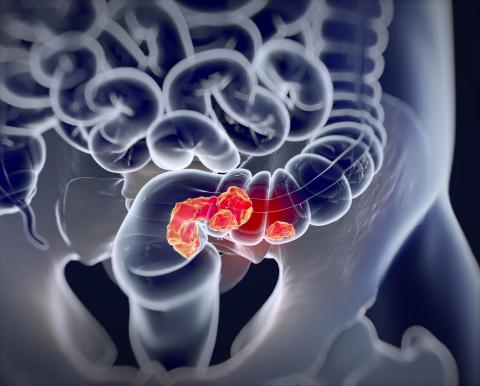
RFA has long-lasting protective effects in esophageal cancer
Radiofrequency ablation (RFA) is effective and long lasting in preventing esophageal adenocarcinoma, new data suggest.
Researchers, led by Paul Wolfson, MBBS, from the Wellcome/EPSRC (Engineering and Physical Sciences Research Council) Centre for Interventional & Surgical Sciences, University College London also found that most treatment relapses happen early and can be re-treated successfully.
Findings were published in a final 10-year report from the United Kingdom National Halo Radiofrequency Ablation Registry and in Gastrointestinal Endoscopy. Because RFA has been used in mainstream clinical practice only since 2005, long-term data of more than 5 years has been lacking.
Multiple studies have shown that RFA is effective in preventing esophageal cancer, but data have been lacking on how long RFA is effective in preventing esophageal adenocarcinoma in patients with dysplastic Barrett’s esophagus (BE). A significant number of patients with dysplastic BE do not initially have visible lesions. For instance, the U.S. RFA Patient Registry reported an average 2.7-year follow up of 4,982 patients, but only 1,305 had dysplasia, the authors of the U.K. report note.
“It is well-established that endoscopic treatment of dysplastic BE is initially successful in up to 90% of patients,” the authors wrote. “What is less well understood is how long that benefit lasts and if this contributes to a substantial reduction in progression to cancer.”
Researchers prospectively gathered data from 2,535 patients from 28 U.K. specialist centers who underwent RFA therapy for BE (average length 5.2cm, range 1-20 cm). Among the group, 20% had low-grade dysplasia, 54% had high-grade dysplasia, and 26% had intramucosal carcinoma.
They looked at rates of invasive cancer and analyzed data for 1,175 patients to assess clearance rates of dysplasia (CR-D) and intestinal metaplasia (CR-IM) within 2 years of starting RFA, then looked at relapses and rates of return to CR-D and CR-IM after more therapy.
One year after RFA therapy, the Kaplan Meier (KM) rate of invasive cancer in the 2,535 patients was 0.5%. Ten years after starting treatment, the KM cancer rate was 4.1%, with a crude incidence rate of 0.52 per 100 patient-years. After 2 years of RFA, CR-D was 88% and CR-IM was 62.6%.
At 8 years, the KM relapse rates were 5.9% from CR-D and 18.7% from CR-IM. Most relapses happened in the first 2 years.
“Our study confirms durable reversal of dysplasia and BE with RFA, which reduces cancer risk by more than 90% compared to historical control data of 6-19% per annum,” the authors wrote.
Despite advances in diagnosis and treatment for esophageal adenocarcinoma, there has been only small improvement in 5-year survival over the past 40 years, the authors note. Meanwhile, the incidence of continues to rise in the Western world.
Researchers look for minimally invasive solutions
Surgery removing the esophagus and lymph node clearance had been the standard for high-grade dysplasia, the authors wrote. It is still the intervention of choice for patients with locoregional disease, but it comes with high morbidity and mortality rates.
This has spurred researchers to look for a minimally invasive solution focused on organ preservation to treat early disease and avoid surgical side effects but also to deliver a cure, according to the authors.
Shria Kumar, MD, assistant professor in the Division of Digestive and Liver Diseases at University of Miami Miller School of Medicine, told this publication, “Endoscopic ablation of dysplasia or intramucosal cancer is a mainstay of Barrett’s treatment.”
She noted the importance of the 10-year time period as the initial studies that established ablation evaluated outcomes within 1-3 years, and more recent data shows 5-year favorable outcomes.
Citing a study from the New England Journal of Medicine, Dr. Kumar said, “The present study’s cohort developed cancer at rates similar to one of the earlier U.S.-based cohorts of Barrett’s patients, suggesting that we can draw some parallels.”
She pointed out notable characteristics in the U.K. cohort: “The majority of participants were male and Caucasian; 80% of had high-grade dysplasia or early cancer upon enrollment and long-segment Barrett’s.”
That difference is important when thinking about how this applies to a more diverse U.S. population, she said, or even patients who don’t have high-grade dysplasia or early cancer when they enroll.
“It’s also important to point out are that individuals with low-grade dysplasia were included in this U.K.-based study. There has been evidence that persons in Europe with low-grade dysplasia have higher rates of progression than persons in the U.S. with low-grade dysplasia.”
Dr. Kumar said this may be attributable to differences in the way pathologists practice in the two countries or in endoscopists’ treatment patterns. U.S. guidelines agree that ablation can be used in select persons with low-grade dysplasia, she said, but it’s an area that needs further study.
“Overall, though, this is a really important study of real-time data showing that ablation is impacting cancer rates in a positive way and that in select patients, we can really decrease the risk of invasive cancer by endoscopic eradication therapies,” Dr. Kumar said.
Two coauthors have received grants from Medtronic and Pentax Medical. The other authors have declared no relevant financial relationships. Dr. Kumar reports no relevant financial relationships.
Radiofrequency ablation (RFA) is effective and long lasting in preventing esophageal adenocarcinoma, new data suggest.
Researchers, led by Paul Wolfson, MBBS, from the Wellcome/EPSRC (Engineering and Physical Sciences Research Council) Centre for Interventional & Surgical Sciences, University College London also found that most treatment relapses happen early and can be re-treated successfully.
Findings were published in a final 10-year report from the United Kingdom National Halo Radiofrequency Ablation Registry and in Gastrointestinal Endoscopy. Because RFA has been used in mainstream clinical practice only since 2005, long-term data of more than 5 years has been lacking.
Multiple studies have shown that RFA is effective in preventing esophageal cancer, but data have been lacking on how long RFA is effective in preventing esophageal adenocarcinoma in patients with dysplastic Barrett’s esophagus (BE). A significant number of patients with dysplastic BE do not initially have visible lesions. For instance, the U.S. RFA Patient Registry reported an average 2.7-year follow up of 4,982 patients, but only 1,305 had dysplasia, the authors of the U.K. report note.
“It is well-established that endoscopic treatment of dysplastic BE is initially successful in up to 90% of patients,” the authors wrote. “What is less well understood is how long that benefit lasts and if this contributes to a substantial reduction in progression to cancer.”
Researchers prospectively gathered data from 2,535 patients from 28 U.K. specialist centers who underwent RFA therapy for BE (average length 5.2cm, range 1-20 cm). Among the group, 20% had low-grade dysplasia, 54% had high-grade dysplasia, and 26% had intramucosal carcinoma.
They looked at rates of invasive cancer and analyzed data for 1,175 patients to assess clearance rates of dysplasia (CR-D) and intestinal metaplasia (CR-IM) within 2 years of starting RFA, then looked at relapses and rates of return to CR-D and CR-IM after more therapy.
One year after RFA therapy, the Kaplan Meier (KM) rate of invasive cancer in the 2,535 patients was 0.5%. Ten years after starting treatment, the KM cancer rate was 4.1%, with a crude incidence rate of 0.52 per 100 patient-years. After 2 years of RFA, CR-D was 88% and CR-IM was 62.6%.
At 8 years, the KM relapse rates were 5.9% from CR-D and 18.7% from CR-IM. Most relapses happened in the first 2 years.
“Our study confirms durable reversal of dysplasia and BE with RFA, which reduces cancer risk by more than 90% compared to historical control data of 6-19% per annum,” the authors wrote.
Despite advances in diagnosis and treatment for esophageal adenocarcinoma, there has been only small improvement in 5-year survival over the past 40 years, the authors note. Meanwhile, the incidence of continues to rise in the Western world.
Researchers look for minimally invasive solutions
Surgery removing the esophagus and lymph node clearance had been the standard for high-grade dysplasia, the authors wrote. It is still the intervention of choice for patients with locoregional disease, but it comes with high morbidity and mortality rates.
This has spurred researchers to look for a minimally invasive solution focused on organ preservation to treat early disease and avoid surgical side effects but also to deliver a cure, according to the authors.
Shria Kumar, MD, assistant professor in the Division of Digestive and Liver Diseases at University of Miami Miller School of Medicine, told this publication, “Endoscopic ablation of dysplasia or intramucosal cancer is a mainstay of Barrett’s treatment.”
She noted the importance of the 10-year time period as the initial studies that established ablation evaluated outcomes within 1-3 years, and more recent data shows 5-year favorable outcomes.
Citing a study from the New England Journal of Medicine, Dr. Kumar said, “The present study’s cohort developed cancer at rates similar to one of the earlier U.S.-based cohorts of Barrett’s patients, suggesting that we can draw some parallels.”
She pointed out notable characteristics in the U.K. cohort: “The majority of participants were male and Caucasian; 80% of had high-grade dysplasia or early cancer upon enrollment and long-segment Barrett’s.”
That difference is important when thinking about how this applies to a more diverse U.S. population, she said, or even patients who don’t have high-grade dysplasia or early cancer when they enroll.
“It’s also important to point out are that individuals with low-grade dysplasia were included in this U.K.-based study. There has been evidence that persons in Europe with low-grade dysplasia have higher rates of progression than persons in the U.S. with low-grade dysplasia.”
Dr. Kumar said this may be attributable to differences in the way pathologists practice in the two countries or in endoscopists’ treatment patterns. U.S. guidelines agree that ablation can be used in select persons with low-grade dysplasia, she said, but it’s an area that needs further study.
“Overall, though, this is a really important study of real-time data showing that ablation is impacting cancer rates in a positive way and that in select patients, we can really decrease the risk of invasive cancer by endoscopic eradication therapies,” Dr. Kumar said.
Two coauthors have received grants from Medtronic and Pentax Medical. The other authors have declared no relevant financial relationships. Dr. Kumar reports no relevant financial relationships.
Radiofrequency ablation (RFA) is effective and long lasting in preventing esophageal adenocarcinoma, new data suggest.
Researchers, led by Paul Wolfson, MBBS, from the Wellcome/EPSRC (Engineering and Physical Sciences Research Council) Centre for Interventional & Surgical Sciences, University College London also found that most treatment relapses happen early and can be re-treated successfully.
Findings were published in a final 10-year report from the United Kingdom National Halo Radiofrequency Ablation Registry and in Gastrointestinal Endoscopy. Because RFA has been used in mainstream clinical practice only since 2005, long-term data of more than 5 years has been lacking.
Multiple studies have shown that RFA is effective in preventing esophageal cancer, but data have been lacking on how long RFA is effective in preventing esophageal adenocarcinoma in patients with dysplastic Barrett’s esophagus (BE). A significant number of patients with dysplastic BE do not initially have visible lesions. For instance, the U.S. RFA Patient Registry reported an average 2.7-year follow up of 4,982 patients, but only 1,305 had dysplasia, the authors of the U.K. report note.
“It is well-established that endoscopic treatment of dysplastic BE is initially successful in up to 90% of patients,” the authors wrote. “What is less well understood is how long that benefit lasts and if this contributes to a substantial reduction in progression to cancer.”
Researchers prospectively gathered data from 2,535 patients from 28 U.K. specialist centers who underwent RFA therapy for BE (average length 5.2cm, range 1-20 cm). Among the group, 20% had low-grade dysplasia, 54% had high-grade dysplasia, and 26% had intramucosal carcinoma.
They looked at rates of invasive cancer and analyzed data for 1,175 patients to assess clearance rates of dysplasia (CR-D) and intestinal metaplasia (CR-IM) within 2 years of starting RFA, then looked at relapses and rates of return to CR-D and CR-IM after more therapy.
One year after RFA therapy, the Kaplan Meier (KM) rate of invasive cancer in the 2,535 patients was 0.5%. Ten years after starting treatment, the KM cancer rate was 4.1%, with a crude incidence rate of 0.52 per 100 patient-years. After 2 years of RFA, CR-D was 88% and CR-IM was 62.6%.
At 8 years, the KM relapse rates were 5.9% from CR-D and 18.7% from CR-IM. Most relapses happened in the first 2 years.
“Our study confirms durable reversal of dysplasia and BE with RFA, which reduces cancer risk by more than 90% compared to historical control data of 6-19% per annum,” the authors wrote.
Despite advances in diagnosis and treatment for esophageal adenocarcinoma, there has been only small improvement in 5-year survival over the past 40 years, the authors note. Meanwhile, the incidence of continues to rise in the Western world.
Researchers look for minimally invasive solutions
Surgery removing the esophagus and lymph node clearance had been the standard for high-grade dysplasia, the authors wrote. It is still the intervention of choice for patients with locoregional disease, but it comes with high morbidity and mortality rates.
This has spurred researchers to look for a minimally invasive solution focused on organ preservation to treat early disease and avoid surgical side effects but also to deliver a cure, according to the authors.
Shria Kumar, MD, assistant professor in the Division of Digestive and Liver Diseases at University of Miami Miller School of Medicine, told this publication, “Endoscopic ablation of dysplasia or intramucosal cancer is a mainstay of Barrett’s treatment.”
She noted the importance of the 10-year time period as the initial studies that established ablation evaluated outcomes within 1-3 years, and more recent data shows 5-year favorable outcomes.
Citing a study from the New England Journal of Medicine, Dr. Kumar said, “The present study’s cohort developed cancer at rates similar to one of the earlier U.S.-based cohorts of Barrett’s patients, suggesting that we can draw some parallels.”
She pointed out notable characteristics in the U.K. cohort: “The majority of participants were male and Caucasian; 80% of had high-grade dysplasia or early cancer upon enrollment and long-segment Barrett’s.”
That difference is important when thinking about how this applies to a more diverse U.S. population, she said, or even patients who don’t have high-grade dysplasia or early cancer when they enroll.
“It’s also important to point out are that individuals with low-grade dysplasia were included in this U.K.-based study. There has been evidence that persons in Europe with low-grade dysplasia have higher rates of progression than persons in the U.S. with low-grade dysplasia.”
Dr. Kumar said this may be attributable to differences in the way pathologists practice in the two countries or in endoscopists’ treatment patterns. U.S. guidelines agree that ablation can be used in select persons with low-grade dysplasia, she said, but it’s an area that needs further study.
“Overall, though, this is a really important study of real-time data showing that ablation is impacting cancer rates in a positive way and that in select patients, we can really decrease the risk of invasive cancer by endoscopic eradication therapies,” Dr. Kumar said.
Two coauthors have received grants from Medtronic and Pentax Medical. The other authors have declared no relevant financial relationships. Dr. Kumar reports no relevant financial relationships.
FROM GASTROINTESTINAL ENDOSCOPY
Topical steroid shows promise for EOE
A topical formulation of fluticasone designed to dissolve and coat the esophagus appears safe and effective for the treatment of eosinophilic esophagitis (EOE), according to new results from a phase 2b study. The results pave the way for phase 3 clinical trials.
Topical steroids are frequently used off-label for EOE. They may be repurposed from nebulizers used for asthma, with patients mixing the drugs themselves or sending them to a pharmacy to be compounded. Patients remove the spacer from a nebulizer in order to swallow the active compound or mix the liquid that would be nebulized with honey or Splenda to thicken it to maximize its contact with the esophagus. “Both of these things are very cumbersome and difficult. I get a lot of complaints from patients [that] it doesn’t taste good. So, the fact that we have a drug that we are already using, but it’s designed for the esophagus, is really exciting,” said Nielsen Fernandez-Becker, MD, PhD, of the department of gastroenterology and hepatology at Stanford (Calif.) University. Dr. Fernandez-Becker referred some patients to the trial and performed some procedures.
“I don’t think the findings are unexpected, given what we’ve seen with swallowed inhalers with fluticasone, but I think the real importance of this is that it does look like a dedicated swallow form works. And if this leads to [Food and Drug Administration] approval, then I think that that really becomes a game-changer for this EOE population. Getting something that’s FDA approved to treat this disorder is a key unmet need,” said John Clarke, MD, who was not involved in the study.
He also pointed out that the safety profile of the drug appears good with respect to both candidiasis and adrenal suppression. “It at least seems comparable, if not better than what we’re currently doing with the inhaler,” said Dr. Clarke, a clinical professor of medicine and director of the esophagus program at Stanford University.
Current options for EOE are limited primarily to the use of proton pump inhibitors and food-elimination diets. Oral budesonide is available to patients in Europe and under investigation in the United States.
The new formulation (APT-1011, Ellodi Pharmaceuticals) is meant to be taken without water and dissolves on the tongue and then coats the esophagus.
In the phase 2b study published in Clinical Gastroenterology and Hepatology, researchers randomized 106 adults from six countries with EOE to receive one of four doses of APT-1011, or placebo. Participants had to have current symptoms of dysphagia and active disease after no histologic response from at least 8 weeks of high-dose (20-40 mg/day) proton pump inhibitors. The study included a placebo-controlled, 12-week induction period followed by 40 weeks of maintenance therapy with no placebo arm. The researchers considered a count of fewer than six eosinophils per high-powered field, as measured during an esophageal biopsy, to be a histologic response.
No patients in the placebo group had a response. The response rate was 80% among patients taking a 3-mg dose twice per day; 67% among those taking a 3-mg dose only at bedtime; 86% for those taking 1.5 mg twice per day; and 48% for 1.5 mg only at bedtime (P < .001 for all comparisons to placebo).
After 12 weeks, EOE Endoscopic Reference Score (EREFS) improved from 4.5 to 2.3 in the 3-mg b.i.d. group (5.3-2.1 for bedtime only), and from 4.6 to 1.7 for the 1.5-mg b.i.d. group (5.3-2.9 for 1.5 bedtime only). In the placebo group, the change was from 5.2 to 4.5.
Among those who responded during the induction period, the majority continued to be responders at weeks 26 and 52, including the 3-mg b.i.d. group (88% and 69%, respectively), the 3-mg bedtime-only group (79% and 64%), the 1.5-mg b.i.d. group (89% and 84%), and the 1.5-mg bedtime-only group (70% and 30%).
If approved, the new formulation will likely have a big impact on EOE patients, according to Dr. Fernandez-Becker. “The treatment that we decide on ultimately is through shared decision-making with the physician and the patient. I have many patients who want to go with diet, but it’s very difficult and it takes a long time to tailor the therapy, and many patients are not interested in proton pump inhibitors. So topical steroids are something that I prescribe a lot for patients,” she said.
The fact that the formulation is based on a drug with a known safety record is encouraging, but more research needs to be done. “I don’t expect that this would be any different, but that’s something that’s going to be studied,” said Dr. Fernandez-Becker.
The study was funded by Ellodi Pharmaceuticals. Dr. Clarke has no relevant financial disclosures. Dr. Fernandez-Becker has no relevant financial disclosures but was a participant in the study.
A topical formulation of fluticasone designed to dissolve and coat the esophagus appears safe and effective for the treatment of eosinophilic esophagitis (EOE), according to new results from a phase 2b study. The results pave the way for phase 3 clinical trials.
Topical steroids are frequently used off-label for EOE. They may be repurposed from nebulizers used for asthma, with patients mixing the drugs themselves or sending them to a pharmacy to be compounded. Patients remove the spacer from a nebulizer in order to swallow the active compound or mix the liquid that would be nebulized with honey or Splenda to thicken it to maximize its contact with the esophagus. “Both of these things are very cumbersome and difficult. I get a lot of complaints from patients [that] it doesn’t taste good. So, the fact that we have a drug that we are already using, but it’s designed for the esophagus, is really exciting,” said Nielsen Fernandez-Becker, MD, PhD, of the department of gastroenterology and hepatology at Stanford (Calif.) University. Dr. Fernandez-Becker referred some patients to the trial and performed some procedures.
“I don’t think the findings are unexpected, given what we’ve seen with swallowed inhalers with fluticasone, but I think the real importance of this is that it does look like a dedicated swallow form works. And if this leads to [Food and Drug Administration] approval, then I think that that really becomes a game-changer for this EOE population. Getting something that’s FDA approved to treat this disorder is a key unmet need,” said John Clarke, MD, who was not involved in the study.
He also pointed out that the safety profile of the drug appears good with respect to both candidiasis and adrenal suppression. “It at least seems comparable, if not better than what we’re currently doing with the inhaler,” said Dr. Clarke, a clinical professor of medicine and director of the esophagus program at Stanford University.
Current options for EOE are limited primarily to the use of proton pump inhibitors and food-elimination diets. Oral budesonide is available to patients in Europe and under investigation in the United States.
The new formulation (APT-1011, Ellodi Pharmaceuticals) is meant to be taken without water and dissolves on the tongue and then coats the esophagus.
In the phase 2b study published in Clinical Gastroenterology and Hepatology, researchers randomized 106 adults from six countries with EOE to receive one of four doses of APT-1011, or placebo. Participants had to have current symptoms of dysphagia and active disease after no histologic response from at least 8 weeks of high-dose (20-40 mg/day) proton pump inhibitors. The study included a placebo-controlled, 12-week induction period followed by 40 weeks of maintenance therapy with no placebo arm. The researchers considered a count of fewer than six eosinophils per high-powered field, as measured during an esophageal biopsy, to be a histologic response.
No patients in the placebo group had a response. The response rate was 80% among patients taking a 3-mg dose twice per day; 67% among those taking a 3-mg dose only at bedtime; 86% for those taking 1.5 mg twice per day; and 48% for 1.5 mg only at bedtime (P < .001 for all comparisons to placebo).
After 12 weeks, EOE Endoscopic Reference Score (EREFS) improved from 4.5 to 2.3 in the 3-mg b.i.d. group (5.3-2.1 for bedtime only), and from 4.6 to 1.7 for the 1.5-mg b.i.d. group (5.3-2.9 for 1.5 bedtime only). In the placebo group, the change was from 5.2 to 4.5.
Among those who responded during the induction period, the majority continued to be responders at weeks 26 and 52, including the 3-mg b.i.d. group (88% and 69%, respectively), the 3-mg bedtime-only group (79% and 64%), the 1.5-mg b.i.d. group (89% and 84%), and the 1.5-mg bedtime-only group (70% and 30%).
If approved, the new formulation will likely have a big impact on EOE patients, according to Dr. Fernandez-Becker. “The treatment that we decide on ultimately is through shared decision-making with the physician and the patient. I have many patients who want to go with diet, but it’s very difficult and it takes a long time to tailor the therapy, and many patients are not interested in proton pump inhibitors. So topical steroids are something that I prescribe a lot for patients,” she said.
The fact that the formulation is based on a drug with a known safety record is encouraging, but more research needs to be done. “I don’t expect that this would be any different, but that’s something that’s going to be studied,” said Dr. Fernandez-Becker.
The study was funded by Ellodi Pharmaceuticals. Dr. Clarke has no relevant financial disclosures. Dr. Fernandez-Becker has no relevant financial disclosures but was a participant in the study.
A topical formulation of fluticasone designed to dissolve and coat the esophagus appears safe and effective for the treatment of eosinophilic esophagitis (EOE), according to new results from a phase 2b study. The results pave the way for phase 3 clinical trials.
Topical steroids are frequently used off-label for EOE. They may be repurposed from nebulizers used for asthma, with patients mixing the drugs themselves or sending them to a pharmacy to be compounded. Patients remove the spacer from a nebulizer in order to swallow the active compound or mix the liquid that would be nebulized with honey or Splenda to thicken it to maximize its contact with the esophagus. “Both of these things are very cumbersome and difficult. I get a lot of complaints from patients [that] it doesn’t taste good. So, the fact that we have a drug that we are already using, but it’s designed for the esophagus, is really exciting,” said Nielsen Fernandez-Becker, MD, PhD, of the department of gastroenterology and hepatology at Stanford (Calif.) University. Dr. Fernandez-Becker referred some patients to the trial and performed some procedures.
“I don’t think the findings are unexpected, given what we’ve seen with swallowed inhalers with fluticasone, but I think the real importance of this is that it does look like a dedicated swallow form works. And if this leads to [Food and Drug Administration] approval, then I think that that really becomes a game-changer for this EOE population. Getting something that’s FDA approved to treat this disorder is a key unmet need,” said John Clarke, MD, who was not involved in the study.
He also pointed out that the safety profile of the drug appears good with respect to both candidiasis and adrenal suppression. “It at least seems comparable, if not better than what we’re currently doing with the inhaler,” said Dr. Clarke, a clinical professor of medicine and director of the esophagus program at Stanford University.
Current options for EOE are limited primarily to the use of proton pump inhibitors and food-elimination diets. Oral budesonide is available to patients in Europe and under investigation in the United States.
The new formulation (APT-1011, Ellodi Pharmaceuticals) is meant to be taken without water and dissolves on the tongue and then coats the esophagus.
In the phase 2b study published in Clinical Gastroenterology and Hepatology, researchers randomized 106 adults from six countries with EOE to receive one of four doses of APT-1011, or placebo. Participants had to have current symptoms of dysphagia and active disease after no histologic response from at least 8 weeks of high-dose (20-40 mg/day) proton pump inhibitors. The study included a placebo-controlled, 12-week induction period followed by 40 weeks of maintenance therapy with no placebo arm. The researchers considered a count of fewer than six eosinophils per high-powered field, as measured during an esophageal biopsy, to be a histologic response.
No patients in the placebo group had a response. The response rate was 80% among patients taking a 3-mg dose twice per day; 67% among those taking a 3-mg dose only at bedtime; 86% for those taking 1.5 mg twice per day; and 48% for 1.5 mg only at bedtime (P < .001 for all comparisons to placebo).
After 12 weeks, EOE Endoscopic Reference Score (EREFS) improved from 4.5 to 2.3 in the 3-mg b.i.d. group (5.3-2.1 for bedtime only), and from 4.6 to 1.7 for the 1.5-mg b.i.d. group (5.3-2.9 for 1.5 bedtime only). In the placebo group, the change was from 5.2 to 4.5.
Among those who responded during the induction period, the majority continued to be responders at weeks 26 and 52, including the 3-mg b.i.d. group (88% and 69%, respectively), the 3-mg bedtime-only group (79% and 64%), the 1.5-mg b.i.d. group (89% and 84%), and the 1.5-mg bedtime-only group (70% and 30%).
If approved, the new formulation will likely have a big impact on EOE patients, according to Dr. Fernandez-Becker. “The treatment that we decide on ultimately is through shared decision-making with the physician and the patient. I have many patients who want to go with diet, but it’s very difficult and it takes a long time to tailor the therapy, and many patients are not interested in proton pump inhibitors. So topical steroids are something that I prescribe a lot for patients,” she said.
The fact that the formulation is based on a drug with a known safety record is encouraging, but more research needs to be done. “I don’t expect that this would be any different, but that’s something that’s going to be studied,” said Dr. Fernandez-Becker.
The study was funded by Ellodi Pharmaceuticals. Dr. Clarke has no relevant financial disclosures. Dr. Fernandez-Becker has no relevant financial disclosures but was a participant in the study.
FROM CLINICAL GASTROENTEROLOGY AND HEPATOLOGY

Guidance seeks to improve statin treatment adherence
International experts have created recommendations on ways to improve adherence to statin therapy by offering doctors guidance on how to distinguish between true side effects of statins and those arising due to patients’ expectations of side effects.
A position paper from the International Lipid Expert Panel (ILEP), a group of over 70 experts worldwide, provides a step-by-step approach to diagnosing and managing symptoms, such as muscle aches, and encourages patients to continue the statin therapy they have been prescribed.
The authors described in their paper, published in the Journal of Cachexia, Sarcopenia, and Muscle, how statins are among the most commonly prescribed drugs globally, with “strong and unambiguous evidence” that statin treatment makes a significant difference in preventing cardiovascular disease and dying from it.
They said how, although a recent meta-analysis showed the prevalence of statin intolerance is less than 10%, “as many as 1 in 2 patients stop taking statins, reduce the dose, or take them irregularly because they believe they are responsible for side effects.”
In addition to misattribution of aches and pains, a substantial proportion of statin-associated muscle symptoms (SAMS) result from the action of taking medicines and the expectation that medicines cause side effects. A systematic review of trials estimated that between 38% and 78% of SAMS-related statin intolerance could be attributed to expectation alone.
Nocebo/drucebo effect
President of the ILEP, Professor Maciej Banach, of the Medical University of Lodz and the University of Zielona Góra, both in Poland, who originated these recommendations, said: “There is an enormous worldwide problem with diagnosing statin intolerance correctly. In addition, we know that most diagnosed statin side effects should not, in fact, be attributed to statin therapy.”
He highlighted how as much as 70% of statin side effect symptoms may be due to a psychological phenomenon called the “nocebo” or “drucebo” effect.
“The ‘nocebo/drucebo’ effect is when patients’ expectations that they will experience side effects from the statins result in them actually experiencing these symptoms,” Professor Banach explained. Knowledge gained from the internet, leaflets, friends and family, and other sources, for example, about the most common side effects – muscle pain and liver complaints – can “result in them discontinuing their therapy and, therefore, increasing their risk of heart problems, stroke, and death,” he cautioned.
First author of the paper, Dr. Peter Penson, a reader in Cardiovascular Pharmacology at Liverpool John Moores University, England, said “the benefits of statins are not seen immediately by patients, whilst the associated adverse effects are more tangible, and so many patients stop taking statins, thereby putting themselves at risk of serious illness or death.”
A practical evidence-based guide
The authors expressed hope that their recommendations would help doctors improve patient-centered care for those patients at risk of cardiovascular disease and help these patients understand the reason for their treatment, the benefits, including that statins may prolong their lives, and the potential harms, thus enabling the patient to “make a fully informed decision about commencing and continuing therapy.”
The recommendations include:
- That health care professionals should consider the nocebo/drucebo effect when they first prescribe statins and provide information to patients about the rationale and benefits of the therapy
- The Personalized Lipid Intervention Plan (PLIP) should be used to help this process. It estimates the patient’s 10-year risk of cardiovascular disease with and without statin therapy, as well as providing clear information on adverse side effects, including that muscle symptoms are common but rarely caused by statins
- How to effectively diagnose statin intolerance and exclude nocebo/drucebo effect
- Routine follow-up to check the safety and efficacy of the therapy is recommended, and strategies for managing patients with complete statin intolerance are provided, within the recommendations. Also offered is advice about improving adherence to statin therapy and suggestions for the identification and management of the “relatively small number of patients who have true statin intolerance.”
Dr. Penson emphasized how this was the first paper to deal explicitly with the nocebo/drucebo effect and offers “practical and evidence-based suggestions” to help support individuals who are at risk of cardiovascular disease but who experience adverse effects attributable to their medicines. He added how the PLIP summarizes important lifestyle advice to help patients reduce their risk of heart attacks and strokes and also discusses the evidence for non-statin drugs that can be used to lower cholesterol.
Dr. Penson pointed out how “the vast majority of patients can take statins safely and that the benefits greatly outweigh the potential risk of side effects” and, therefore, an individual’s risk of heart problems, stroke, and death, can be reduced.
A version of this article first appeared on Medscape.com.
International experts have created recommendations on ways to improve adherence to statin therapy by offering doctors guidance on how to distinguish between true side effects of statins and those arising due to patients’ expectations of side effects.
A position paper from the International Lipid Expert Panel (ILEP), a group of over 70 experts worldwide, provides a step-by-step approach to diagnosing and managing symptoms, such as muscle aches, and encourages patients to continue the statin therapy they have been prescribed.
The authors described in their paper, published in the Journal of Cachexia, Sarcopenia, and Muscle, how statins are among the most commonly prescribed drugs globally, with “strong and unambiguous evidence” that statin treatment makes a significant difference in preventing cardiovascular disease and dying from it.
They said how, although a recent meta-analysis showed the prevalence of statin intolerance is less than 10%, “as many as 1 in 2 patients stop taking statins, reduce the dose, or take them irregularly because they believe they are responsible for side effects.”
In addition to misattribution of aches and pains, a substantial proportion of statin-associated muscle symptoms (SAMS) result from the action of taking medicines and the expectation that medicines cause side effects. A systematic review of trials estimated that between 38% and 78% of SAMS-related statin intolerance could be attributed to expectation alone.
Nocebo/drucebo effect
President of the ILEP, Professor Maciej Banach, of the Medical University of Lodz and the University of Zielona Góra, both in Poland, who originated these recommendations, said: “There is an enormous worldwide problem with diagnosing statin intolerance correctly. In addition, we know that most diagnosed statin side effects should not, in fact, be attributed to statin therapy.”
He highlighted how as much as 70% of statin side effect symptoms may be due to a psychological phenomenon called the “nocebo” or “drucebo” effect.
“The ‘nocebo/drucebo’ effect is when patients’ expectations that they will experience side effects from the statins result in them actually experiencing these symptoms,” Professor Banach explained. Knowledge gained from the internet, leaflets, friends and family, and other sources, for example, about the most common side effects – muscle pain and liver complaints – can “result in them discontinuing their therapy and, therefore, increasing their risk of heart problems, stroke, and death,” he cautioned.
First author of the paper, Dr. Peter Penson, a reader in Cardiovascular Pharmacology at Liverpool John Moores University, England, said “the benefits of statins are not seen immediately by patients, whilst the associated adverse effects are more tangible, and so many patients stop taking statins, thereby putting themselves at risk of serious illness or death.”
A practical evidence-based guide
The authors expressed hope that their recommendations would help doctors improve patient-centered care for those patients at risk of cardiovascular disease and help these patients understand the reason for their treatment, the benefits, including that statins may prolong their lives, and the potential harms, thus enabling the patient to “make a fully informed decision about commencing and continuing therapy.”
The recommendations include:
- That health care professionals should consider the nocebo/drucebo effect when they first prescribe statins and provide information to patients about the rationale and benefits of the therapy
- The Personalized Lipid Intervention Plan (PLIP) should be used to help this process. It estimates the patient’s 10-year risk of cardiovascular disease with and without statin therapy, as well as providing clear information on adverse side effects, including that muscle symptoms are common but rarely caused by statins
- How to effectively diagnose statin intolerance and exclude nocebo/drucebo effect
- Routine follow-up to check the safety and efficacy of the therapy is recommended, and strategies for managing patients with complete statin intolerance are provided, within the recommendations. Also offered is advice about improving adherence to statin therapy and suggestions for the identification and management of the “relatively small number of patients who have true statin intolerance.”
Dr. Penson emphasized how this was the first paper to deal explicitly with the nocebo/drucebo effect and offers “practical and evidence-based suggestions” to help support individuals who are at risk of cardiovascular disease but who experience adverse effects attributable to their medicines. He added how the PLIP summarizes important lifestyle advice to help patients reduce their risk of heart attacks and strokes and also discusses the evidence for non-statin drugs that can be used to lower cholesterol.
Dr. Penson pointed out how “the vast majority of patients can take statins safely and that the benefits greatly outweigh the potential risk of side effects” and, therefore, an individual’s risk of heart problems, stroke, and death, can be reduced.
A version of this article first appeared on Medscape.com.
International experts have created recommendations on ways to improve adherence to statin therapy by offering doctors guidance on how to distinguish between true side effects of statins and those arising due to patients’ expectations of side effects.
A position paper from the International Lipid Expert Panel (ILEP), a group of over 70 experts worldwide, provides a step-by-step approach to diagnosing and managing symptoms, such as muscle aches, and encourages patients to continue the statin therapy they have been prescribed.
The authors described in their paper, published in the Journal of Cachexia, Sarcopenia, and Muscle, how statins are among the most commonly prescribed drugs globally, with “strong and unambiguous evidence” that statin treatment makes a significant difference in preventing cardiovascular disease and dying from it.
They said how, although a recent meta-analysis showed the prevalence of statin intolerance is less than 10%, “as many as 1 in 2 patients stop taking statins, reduce the dose, or take them irregularly because they believe they are responsible for side effects.”
In addition to misattribution of aches and pains, a substantial proportion of statin-associated muscle symptoms (SAMS) result from the action of taking medicines and the expectation that medicines cause side effects. A systematic review of trials estimated that between 38% and 78% of SAMS-related statin intolerance could be attributed to expectation alone.
Nocebo/drucebo effect
President of the ILEP, Professor Maciej Banach, of the Medical University of Lodz and the University of Zielona Góra, both in Poland, who originated these recommendations, said: “There is an enormous worldwide problem with diagnosing statin intolerance correctly. In addition, we know that most diagnosed statin side effects should not, in fact, be attributed to statin therapy.”
He highlighted how as much as 70% of statin side effect symptoms may be due to a psychological phenomenon called the “nocebo” or “drucebo” effect.
“The ‘nocebo/drucebo’ effect is when patients’ expectations that they will experience side effects from the statins result in them actually experiencing these symptoms,” Professor Banach explained. Knowledge gained from the internet, leaflets, friends and family, and other sources, for example, about the most common side effects – muscle pain and liver complaints – can “result in them discontinuing their therapy and, therefore, increasing their risk of heart problems, stroke, and death,” he cautioned.
First author of the paper, Dr. Peter Penson, a reader in Cardiovascular Pharmacology at Liverpool John Moores University, England, said “the benefits of statins are not seen immediately by patients, whilst the associated adverse effects are more tangible, and so many patients stop taking statins, thereby putting themselves at risk of serious illness or death.”
A practical evidence-based guide
The authors expressed hope that their recommendations would help doctors improve patient-centered care for those patients at risk of cardiovascular disease and help these patients understand the reason for their treatment, the benefits, including that statins may prolong their lives, and the potential harms, thus enabling the patient to “make a fully informed decision about commencing and continuing therapy.”
The recommendations include:
- That health care professionals should consider the nocebo/drucebo effect when they first prescribe statins and provide information to patients about the rationale and benefits of the therapy
- The Personalized Lipid Intervention Plan (PLIP) should be used to help this process. It estimates the patient’s 10-year risk of cardiovascular disease with and without statin therapy, as well as providing clear information on adverse side effects, including that muscle symptoms are common but rarely caused by statins
- How to effectively diagnose statin intolerance and exclude nocebo/drucebo effect
- Routine follow-up to check the safety and efficacy of the therapy is recommended, and strategies for managing patients with complete statin intolerance are provided, within the recommendations. Also offered is advice about improving adherence to statin therapy and suggestions for the identification and management of the “relatively small number of patients who have true statin intolerance.”
Dr. Penson emphasized how this was the first paper to deal explicitly with the nocebo/drucebo effect and offers “practical and evidence-based suggestions” to help support individuals who are at risk of cardiovascular disease but who experience adverse effects attributable to their medicines. He added how the PLIP summarizes important lifestyle advice to help patients reduce their risk of heart attacks and strokes and also discusses the evidence for non-statin drugs that can be used to lower cholesterol.
Dr. Penson pointed out how “the vast majority of patients can take statins safely and that the benefits greatly outweigh the potential risk of side effects” and, therefore, an individual’s risk of heart problems, stroke, and death, can be reduced.
A version of this article first appeared on Medscape.com.
FROM THE JOURNAL OF CACHEXIA, SARCOPENIA, AND MUSCLE
B-cell depletion overkill?
The results, drawn from a retrospective analysis, provide support for clinical trials to rest longer re-infusion intervals.
The study appeared online Jan. 21 in the journal Multiple Sclerosis and Related Disorders, presented by lead author Mahmoud AbdelRazek, MD, at the annual meeting held by the Americas Committee for Treatment and Research in Multiple Sclerosis (ACTRIMS).
Both drugs were approved based on clinical trials that investigated 6-month doses, but previous studies have suggested depletion can last longer, including a range of 9-26 months in the case of rituximab.
The initial rationale for monitoring B cell depletion was to prevent a relapse by re-infusing a patient if B cells levels rise, but the researchers noted a pattern of sustained depletion, especially in patients who had a delayed infusion for some reason – they often still had low B cell counts at the time of the next drug infusion. “That became not an unusual finding,” said Dr. AbdelRazek in an interview. He is an instructor of neurology at Harvard Medical School.
Patients also found the delay appealing, in part because they often felt unwell in the days following an infusion, and delays could mean fewer infections and other adverse effects. “Most of my patients I’ve discussed this with would be very appreciative of that delay,” said Dr. AbdelRazek. “There’s obviously an economic benefit as well,” said Dr. AbdelRazek.
The final answer?
The retrospective nature of the study is a key weakness, and the rationale to delay infusions based on continuing B cell depletion assumes that B cell depletion is in fact the mechanism of action for countering MS. “That is a critical question,” said Mark Gudesblatt, MD, who was asked to comment on the study. But if that is indeed the way the drugs work, then it would make sense to identify patients who repopulate B cells more slowly and tailor drug regimens. “It’s not one size fits all and blindly just re-dosing. The upsides are good: You come in less frequently for dosing, the cost to payers is less. But the bad is, maybe there are other markers. This is the putative mechanism, but what we believe may not be the final answer. There may be more to the story,” said Dr. Gutesblatt, who is Medical Director at South Shore Neurologic Associates, Patchogue, New York.
Dr. AbdelRazek also noted the study’s limitation. “I think a clinical trial is going to be warranted to really have this translated into clinical practice,” he said. His group is planning to conduct just such a trial, pending confirmation of a funding source.
B cell depletion beyond 6 months
The researchers analyzed data from 178 patients with MS and 10 patients with NMOSD who received ocrelizumab (n = 111) or rituximab (n = 53), or both (n = 24) at two Harvard Medical School teaching hospitals between 2010 and 2020. The data included 800 infusions and 1,054 CD19 measurements.
The researchers defined B cell depletion as an absolute count of 20 cells/uL or less, a B cell percentage of 2% or less, or if B cells were 5% or less of total lymphocytes.
Among the patient population, B cell depletion that met all 3 criteria occurred as long as 13.8 months after an initial ocrelizumab infusion cycle, and 22.8 months after second or more cycles of ocrelizumab. Following rituximab, the researchers noted B cell depletions. Following 500 mg of rituximab, B cell depletion defined by the first, second, or third criteria occurred as far out as 22.3, 26.2, and 28.5 months. For 1,000 mg doses of rituximab, B cell depletion occurred as long as 18.3, 18.3, and 29.1 months after a dose.
Examining 90 B cell measurements conducted at least 8 months after an ocrelizumab infusion, 50% were depleted by the first definition and 54% by the second definition. At 13 months, the figures were 58% and 62% among 26 B-cell measurements. Eight months or more after rituximab, 113 B-cell measurements showed rates of 43% and 52% B-cell depletion by the first two criteria.
Dr. AbdelRazek and Dr. Gudesblatt have no relevant financial disclosures.
The results, drawn from a retrospective analysis, provide support for clinical trials to rest longer re-infusion intervals.
The study appeared online Jan. 21 in the journal Multiple Sclerosis and Related Disorders, presented by lead author Mahmoud AbdelRazek, MD, at the annual meeting held by the Americas Committee for Treatment and Research in Multiple Sclerosis (ACTRIMS).
Both drugs were approved based on clinical trials that investigated 6-month doses, but previous studies have suggested depletion can last longer, including a range of 9-26 months in the case of rituximab.
The initial rationale for monitoring B cell depletion was to prevent a relapse by re-infusing a patient if B cells levels rise, but the researchers noted a pattern of sustained depletion, especially in patients who had a delayed infusion for some reason – they often still had low B cell counts at the time of the next drug infusion. “That became not an unusual finding,” said Dr. AbdelRazek in an interview. He is an instructor of neurology at Harvard Medical School.
Patients also found the delay appealing, in part because they often felt unwell in the days following an infusion, and delays could mean fewer infections and other adverse effects. “Most of my patients I’ve discussed this with would be very appreciative of that delay,” said Dr. AbdelRazek. “There’s obviously an economic benefit as well,” said Dr. AbdelRazek.
The final answer?
The retrospective nature of the study is a key weakness, and the rationale to delay infusions based on continuing B cell depletion assumes that B cell depletion is in fact the mechanism of action for countering MS. “That is a critical question,” said Mark Gudesblatt, MD, who was asked to comment on the study. But if that is indeed the way the drugs work, then it would make sense to identify patients who repopulate B cells more slowly and tailor drug regimens. “It’s not one size fits all and blindly just re-dosing. The upsides are good: You come in less frequently for dosing, the cost to payers is less. But the bad is, maybe there are other markers. This is the putative mechanism, but what we believe may not be the final answer. There may be more to the story,” said Dr. Gutesblatt, who is Medical Director at South Shore Neurologic Associates, Patchogue, New York.
Dr. AbdelRazek also noted the study’s limitation. “I think a clinical trial is going to be warranted to really have this translated into clinical practice,” he said. His group is planning to conduct just such a trial, pending confirmation of a funding source.
B cell depletion beyond 6 months
The researchers analyzed data from 178 patients with MS and 10 patients with NMOSD who received ocrelizumab (n = 111) or rituximab (n = 53), or both (n = 24) at two Harvard Medical School teaching hospitals between 2010 and 2020. The data included 800 infusions and 1,054 CD19 measurements.
The researchers defined B cell depletion as an absolute count of 20 cells/uL or less, a B cell percentage of 2% or less, or if B cells were 5% or less of total lymphocytes.
Among the patient population, B cell depletion that met all 3 criteria occurred as long as 13.8 months after an initial ocrelizumab infusion cycle, and 22.8 months after second or more cycles of ocrelizumab. Following rituximab, the researchers noted B cell depletions. Following 500 mg of rituximab, B cell depletion defined by the first, second, or third criteria occurred as far out as 22.3, 26.2, and 28.5 months. For 1,000 mg doses of rituximab, B cell depletion occurred as long as 18.3, 18.3, and 29.1 months after a dose.
Examining 90 B cell measurements conducted at least 8 months after an ocrelizumab infusion, 50% were depleted by the first definition and 54% by the second definition. At 13 months, the figures were 58% and 62% among 26 B-cell measurements. Eight months or more after rituximab, 113 B-cell measurements showed rates of 43% and 52% B-cell depletion by the first two criteria.
Dr. AbdelRazek and Dr. Gudesblatt have no relevant financial disclosures.
The results, drawn from a retrospective analysis, provide support for clinical trials to rest longer re-infusion intervals.
The study appeared online Jan. 21 in the journal Multiple Sclerosis and Related Disorders, presented by lead author Mahmoud AbdelRazek, MD, at the annual meeting held by the Americas Committee for Treatment and Research in Multiple Sclerosis (ACTRIMS).
Both drugs were approved based on clinical trials that investigated 6-month doses, but previous studies have suggested depletion can last longer, including a range of 9-26 months in the case of rituximab.
The initial rationale for monitoring B cell depletion was to prevent a relapse by re-infusing a patient if B cells levels rise, but the researchers noted a pattern of sustained depletion, especially in patients who had a delayed infusion for some reason – they often still had low B cell counts at the time of the next drug infusion. “That became not an unusual finding,” said Dr. AbdelRazek in an interview. He is an instructor of neurology at Harvard Medical School.
Patients also found the delay appealing, in part because they often felt unwell in the days following an infusion, and delays could mean fewer infections and other adverse effects. “Most of my patients I’ve discussed this with would be very appreciative of that delay,” said Dr. AbdelRazek. “There’s obviously an economic benefit as well,” said Dr. AbdelRazek.
The final answer?
The retrospective nature of the study is a key weakness, and the rationale to delay infusions based on continuing B cell depletion assumes that B cell depletion is in fact the mechanism of action for countering MS. “That is a critical question,” said Mark Gudesblatt, MD, who was asked to comment on the study. But if that is indeed the way the drugs work, then it would make sense to identify patients who repopulate B cells more slowly and tailor drug regimens. “It’s not one size fits all and blindly just re-dosing. The upsides are good: You come in less frequently for dosing, the cost to payers is less. But the bad is, maybe there are other markers. This is the putative mechanism, but what we believe may not be the final answer. There may be more to the story,” said Dr. Gutesblatt, who is Medical Director at South Shore Neurologic Associates, Patchogue, New York.
Dr. AbdelRazek also noted the study’s limitation. “I think a clinical trial is going to be warranted to really have this translated into clinical practice,” he said. His group is planning to conduct just such a trial, pending confirmation of a funding source.
B cell depletion beyond 6 months
The researchers analyzed data from 178 patients with MS and 10 patients with NMOSD who received ocrelizumab (n = 111) or rituximab (n = 53), or both (n = 24) at two Harvard Medical School teaching hospitals between 2010 and 2020. The data included 800 infusions and 1,054 CD19 measurements.
The researchers defined B cell depletion as an absolute count of 20 cells/uL or less, a B cell percentage of 2% or less, or if B cells were 5% or less of total lymphocytes.
Among the patient population, B cell depletion that met all 3 criteria occurred as long as 13.8 months after an initial ocrelizumab infusion cycle, and 22.8 months after second or more cycles of ocrelizumab. Following rituximab, the researchers noted B cell depletions. Following 500 mg of rituximab, B cell depletion defined by the first, second, or third criteria occurred as far out as 22.3, 26.2, and 28.5 months. For 1,000 mg doses of rituximab, B cell depletion occurred as long as 18.3, 18.3, and 29.1 months after a dose.
Examining 90 B cell measurements conducted at least 8 months after an ocrelizumab infusion, 50% were depleted by the first definition and 54% by the second definition. At 13 months, the figures were 58% and 62% among 26 B-cell measurements. Eight months or more after rituximab, 113 B-cell measurements showed rates of 43% and 52% B-cell depletion by the first two criteria.
Dr. AbdelRazek and Dr. Gudesblatt have no relevant financial disclosures.
FROM ACTRIMS FORUM 2022