User login
'Hablamos Espa?ol' - Dealing with a language barrier
As a vascular surgeon in Southern California for the last 13 years, I am no stranger to the challenges of treating the non-English-speaking patient. The move from Brazil to New York and then to California made my native Portuguese develop into a handy form of Spanish.
Since my first days as a surgical resident, I have noticed how language hurdles can affect patient care. Obtaining an accurate history was only the beginning of the problem. It took a while to comprehend the intricate role of Latino family members in health care decision making.
Conferences about surgical management with a group of at least 10 individuals in which the patient was often not part of were common. Latino cultures include a more family-centered decision making model (familismo) compared to the more individualistic or autonomy-based model seen in the United States.
With each case, I have grown more familiar with Puerto Ricans and Dominican patients and their culture. My "Portunhol" brought many smiles and sighs of relief, and certainly facilitated the handling of many cases.
When I started a multispecialty group just six months ago, hiring bilingual office staff was a priority. We recruited two medical assistants who were able to schedule office visits and discuss pre- and post-operative care with Spanish-speaking patients and family members. Brochures about vascular diseases are on display in English and Spanish and are easily supplied by industry upon request. Latinos are more likely than Caucasians to feel that they were treated unfairly by providers or by the medical system. I hope I can help change this perception with the sign hanging in my waiting room.
As a vascular surgeon in Southern California for the last 13 years, I am no stranger to the challenges of treating the non-English-speaking patient. The move from Brazil to New York and then to California made my native Portuguese develop into a handy form of Spanish.
Since my first days as a surgical resident, I have noticed how language hurdles can affect patient care. Obtaining an accurate history was only the beginning of the problem. It took a while to comprehend the intricate role of Latino family members in health care decision making.
Conferences about surgical management with a group of at least 10 individuals in which the patient was often not part of were common. Latino cultures include a more family-centered decision making model (familismo) compared to the more individualistic or autonomy-based model seen in the United States.
With each case, I have grown more familiar with Puerto Ricans and Dominican patients and their culture. My "Portunhol" brought many smiles and sighs of relief, and certainly facilitated the handling of many cases.
When I started a multispecialty group just six months ago, hiring bilingual office staff was a priority. We recruited two medical assistants who were able to schedule office visits and discuss pre- and post-operative care with Spanish-speaking patients and family members. Brochures about vascular diseases are on display in English and Spanish and are easily supplied by industry upon request. Latinos are more likely than Caucasians to feel that they were treated unfairly by providers or by the medical system. I hope I can help change this perception with the sign hanging in my waiting room.
As a vascular surgeon in Southern California for the last 13 years, I am no stranger to the challenges of treating the non-English-speaking patient. The move from Brazil to New York and then to California made my native Portuguese develop into a handy form of Spanish.
Since my first days as a surgical resident, I have noticed how language hurdles can affect patient care. Obtaining an accurate history was only the beginning of the problem. It took a while to comprehend the intricate role of Latino family members in health care decision making.
Conferences about surgical management with a group of at least 10 individuals in which the patient was often not part of were common. Latino cultures include a more family-centered decision making model (familismo) compared to the more individualistic or autonomy-based model seen in the United States.
With each case, I have grown more familiar with Puerto Ricans and Dominican patients and their culture. My "Portunhol" brought many smiles and sighs of relief, and certainly facilitated the handling of many cases.
When I started a multispecialty group just six months ago, hiring bilingual office staff was a priority. We recruited two medical assistants who were able to schedule office visits and discuss pre- and post-operative care with Spanish-speaking patients and family members. Brochures about vascular diseases are on display in English and Spanish and are easily supplied by industry upon request. Latinos are more likely than Caucasians to feel that they were treated unfairly by providers or by the medical system. I hope I can help change this perception with the sign hanging in my waiting room.
How cultural differences influence your patients
Culture is comprised of values, convictions, and practices that have developed over time within ethnic, religious, or geographically distinct societies or groups and have been transmitted over generations.
These traits have enormous impact on how patients behave during stressful states in their life such as chronic illness, and they greatly influence how patients perceive disease, symptoms, expected outcomes, and their relationship with providers of care.

As vascular specialists, we usually palliate and rarely cure vascular disease, which is a chronic illness. We manage a diverse population of patients and are constantly challenged by cultural diversity. As such, cultural sensitivity is essential if we want to be effective as physicians and interventionalists.
For example, behavioral response to vascular disease is culturally determined. Patients' symptoms, fear, pain, stress, and what they perceive to be the cause of their illness is often closely associated to their cultural background and biases, as is their degree of collaboration with caregivers during certain treatments.
In some cultures, symptoms are a surrogate for the sickness; as such, once treated and without these symptoms, the patient believes him or herself to be cured. The need for subsequent ongoing management of their disease is not evident to the patient for this very reason. The rationale for continuation of medications, follow up visits and other surveillance, and lifestyle modification seems superfluous now that the patient is no longer "ill." These beliefs and perceptions clearly affect their compliance. On the other end of the spectrum are fatalistic cultures where chronic disease, where there is no cure, is a reason for doom, with no hope for improvement. With this mentality the negative outcome is inevitable and therefore any therapeutic strategy is considered futile. This pessimistic outlook regarding chronic illness, specifically vascular disease, is also frustrating for the specialist and has the potential for creating animosity and divergence in the patient physician relationship - ultimately rendering suboptimal care.
Family has different meaning in different cultures and, accordingly, may play different roles as a support system in our ethnically diverse patient population. In some cultures, family only includes those in the immediate nuclear family. In other cultures, family extends to include multiple remotely related relatives. In the latter case the challenge for the physician will be to identify the relative we will communicate the most with him or her as representative of the entire family and will be the one to effectively disseminate the information to other members and mobilize everybody effectively towards achieving the best possible outcome for the patient. Some cultures consider the key decision-maker to be the head of the household, someone who might or might not be the patient. Other cultures involve in the decision making process their spiritual leader, even if he is not relative (i.e. rabbi)! Some cultures believe it necessary to "shield" the patient from information that implies a grave or dismal prognostic; as such, these families often prefer that the patient be excluded from discussions of prognosis and certain disclosures related to treatment. Finally, in some cultures, younger members of the family are excluded from decisions in patient care, which can be problematic in cases where their services would be helpful for language translation.
Behaviors associated with communication differ immensely from culture to culture and may challenge how we perceive and interact with our vascular patients and their families. Moreover, in some cultures, behavior towards the vascular surgeon may be shaped by certain biases that exist regarding age and gender as a factor affecting the physician's ability to provide good medical care. Some cultures regard eye contact as an indication that they are listening and processing the conversation; in other cultures, eye contact is avoided for various reasons - sometimes gender or age related. Some cultures go as far as to believe that it is unacceptable or at least embarrassing to receive medical care from individuals who are younger or of the opposite gender from the patient receiving care.
Not too long ago, I cared for a patient with repetitive TIAs and critical stenosis of his right internal carotid who needed a carotid endarterectomy. He was from Bangladesh. He came dressed in the traditional costume. As he did not speak English, his daughter translated for him. After examining the patient and reviewing the studies, I discussed the merits and risks of carotid endarterectomy and the technical aspects of the procedure with his daughter. The patient was present during the conversation, however, he avoided direct eye contact. Because of this I made minimal effort to directly involve him in the conversation that was mainly carried out between the daughter and myself. His procedure was scheduled.
Despite seeming agreement by the patient and his daughter, his surgery was cancelled and re-scheduled by the daughter three times with little explanation over a relatively prolonged period of time. The patient ultimately sustained a stroke. Only thereafter did his daughter mention that the patient was not comfortable having surgery performed by a female surgeon, that he was very upset that he could not participate in the initial discussions, and, as a result, felt that the power of decision making had been transferred to his young daughter. This was interpreted as a challenge to his authority as the head of his household. The daughter was too embarrassed to discuss this at the first visit or mention this regarding the subsequent cancellations. Eventually, the patient underwent his procedure by a male vascular surgeon, who also spoke his language. Although I could easily identify his vascular concern, I failed to recognize his cultural perceptions and sensitivities. If I had been more aware of these sensitivities during the first visit and had tried to address them with him or at least refer him from the beginning to one of my male partners, I might have prevented his stroke and rendered more effective care.
The patients we treat all have vascular disease that we made a commitment to treat, but the similarity often ends there. Our patient may be old or young, rich or poor, educated or not, from cultures all over the globe - evidenced by a plethora of varying beliefs and practices. It is our responsibility as physicians to understand these differences in core values and biases if we want to treat the patient and not just the disease.
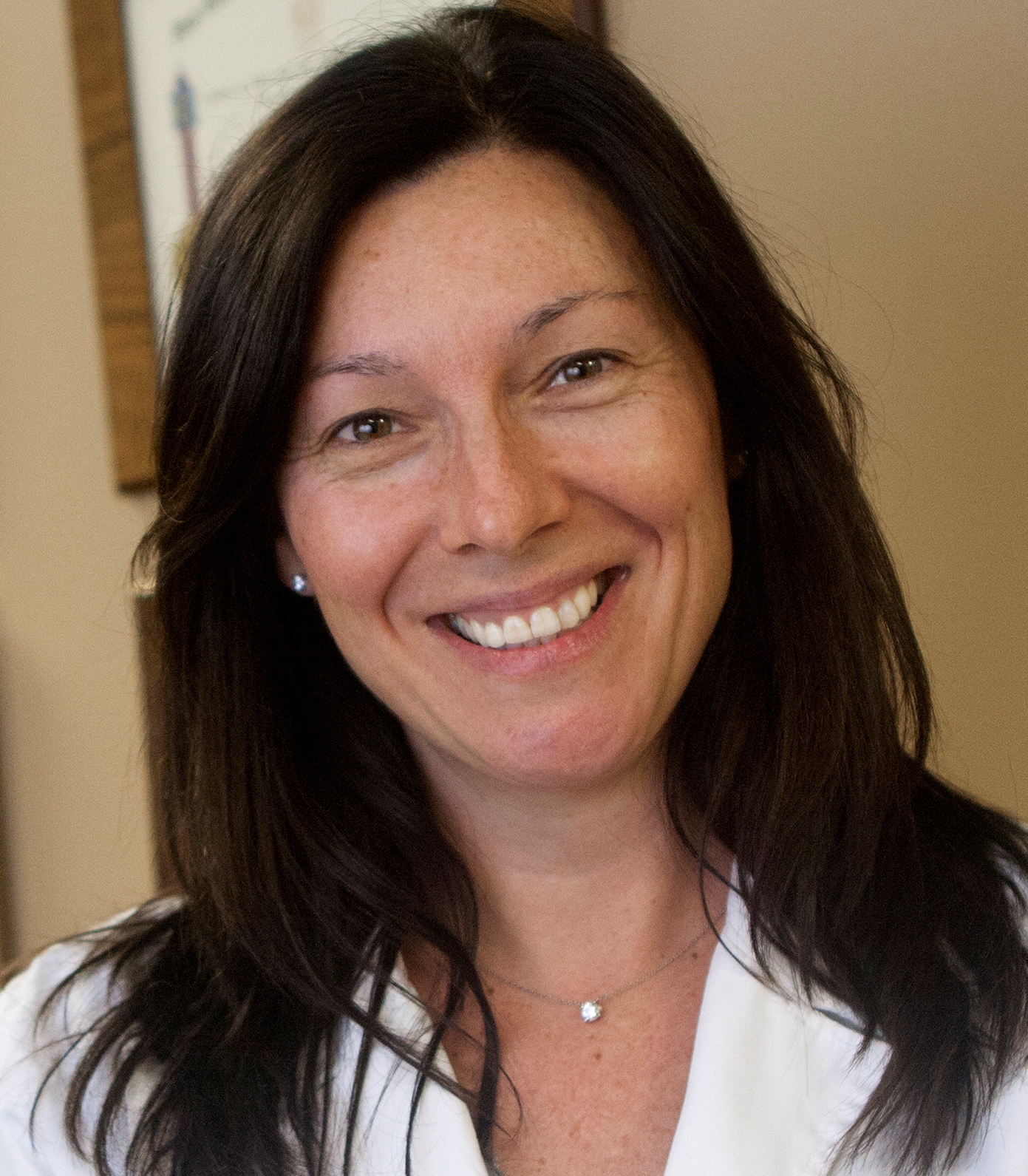
Dr. Vouyouka is a member of the SVS Diversity and Inclusion Committee.
Culture is comprised of values, convictions, and practices that have developed over time within ethnic, religious, or geographically distinct societies or groups and have been transmitted over generations.
These traits have enormous impact on how patients behave during stressful states in their life such as chronic illness, and they greatly influence how patients perceive disease, symptoms, expected outcomes, and their relationship with providers of care.
As vascular specialists, we usually palliate and rarely cure vascular disease, which is a chronic illness. We manage a diverse population of patients and are constantly challenged by cultural diversity. As such, cultural sensitivity is essential if we want to be effective as physicians and interventionalists.
For example, behavioral response to vascular disease is culturally determined. Patients' symptoms, fear, pain, stress, and what they perceive to be the cause of their illness is often closely associated to their cultural background and biases, as is their degree of collaboration with caregivers during certain treatments.
In some cultures, symptoms are a surrogate for the sickness; as such, once treated and without these symptoms, the patient believes him or herself to be cured. The need for subsequent ongoing management of their disease is not evident to the patient for this very reason. The rationale for continuation of medications, follow up visits and other surveillance, and lifestyle modification seems superfluous now that the patient is no longer "ill." These beliefs and perceptions clearly affect their compliance. On the other end of the spectrum are fatalistic cultures where chronic disease, where there is no cure, is a reason for doom, with no hope for improvement. With this mentality the negative outcome is inevitable and therefore any therapeutic strategy is considered futile. This pessimistic outlook regarding chronic illness, specifically vascular disease, is also frustrating for the specialist and has the potential for creating animosity and divergence in the patient physician relationship - ultimately rendering suboptimal care.
Family has different meaning in different cultures and, accordingly, may play different roles as a support system in our ethnically diverse patient population. In some cultures, family only includes those in the immediate nuclear family. In other cultures, family extends to include multiple remotely related relatives. In the latter case the challenge for the physician will be to identify the relative we will communicate the most with him or her as representative of the entire family and will be the one to effectively disseminate the information to other members and mobilize everybody effectively towards achieving the best possible outcome for the patient. Some cultures consider the key decision-maker to be the head of the household, someone who might or might not be the patient. Other cultures involve in the decision making process their spiritual leader, even if he is not relative (i.e. rabbi)! Some cultures believe it necessary to "shield" the patient from information that implies a grave or dismal prognostic; as such, these families often prefer that the patient be excluded from discussions of prognosis and certain disclosures related to treatment. Finally, in some cultures, younger members of the family are excluded from decisions in patient care, which can be problematic in cases where their services would be helpful for language translation.
Behaviors associated with communication differ immensely from culture to culture and may challenge how we perceive and interact with our vascular patients and their families. Moreover, in some cultures, behavior towards the vascular surgeon may be shaped by certain biases that exist regarding age and gender as a factor affecting the physician's ability to provide good medical care. Some cultures regard eye contact as an indication that they are listening and processing the conversation; in other cultures, eye contact is avoided for various reasons - sometimes gender or age related. Some cultures go as far as to believe that it is unacceptable or at least embarrassing to receive medical care from individuals who are younger or of the opposite gender from the patient receiving care.
Not too long ago, I cared for a patient with repetitive TIAs and critical stenosis of his right internal carotid who needed a carotid endarterectomy. He was from Bangladesh. He came dressed in the traditional costume. As he did not speak English, his daughter translated for him. After examining the patient and reviewing the studies, I discussed the merits and risks of carotid endarterectomy and the technical aspects of the procedure with his daughter. The patient was present during the conversation, however, he avoided direct eye contact. Because of this I made minimal effort to directly involve him in the conversation that was mainly carried out between the daughter and myself. His procedure was scheduled.
Despite seeming agreement by the patient and his daughter, his surgery was cancelled and re-scheduled by the daughter three times with little explanation over a relatively prolonged period of time. The patient ultimately sustained a stroke. Only thereafter did his daughter mention that the patient was not comfortable having surgery performed by a female surgeon, that he was very upset that he could not participate in the initial discussions, and, as a result, felt that the power of decision making had been transferred to his young daughter. This was interpreted as a challenge to his authority as the head of his household. The daughter was too embarrassed to discuss this at the first visit or mention this regarding the subsequent cancellations. Eventually, the patient underwent his procedure by a male vascular surgeon, who also spoke his language. Although I could easily identify his vascular concern, I failed to recognize his cultural perceptions and sensitivities. If I had been more aware of these sensitivities during the first visit and had tried to address them with him or at least refer him from the beginning to one of my male partners, I might have prevented his stroke and rendered more effective care.
The patients we treat all have vascular disease that we made a commitment to treat, but the similarity often ends there. Our patient may be old or young, rich or poor, educated or not, from cultures all over the globe - evidenced by a plethora of varying beliefs and practices. It is our responsibility as physicians to understand these differences in core values and biases if we want to treat the patient and not just the disease.
Dr. Vouyouka is a member of the SVS Diversity and Inclusion Committee.
Culture is comprised of values, convictions, and practices that have developed over time within ethnic, religious, or geographically distinct societies or groups and have been transmitted over generations.
These traits have enormous impact on how patients behave during stressful states in their life such as chronic illness, and they greatly influence how patients perceive disease, symptoms, expected outcomes, and their relationship with providers of care.
As vascular specialists, we usually palliate and rarely cure vascular disease, which is a chronic illness. We manage a diverse population of patients and are constantly challenged by cultural diversity. As such, cultural sensitivity is essential if we want to be effective as physicians and interventionalists.
For example, behavioral response to vascular disease is culturally determined. Patients' symptoms, fear, pain, stress, and what they perceive to be the cause of their illness is often closely associated to their cultural background and biases, as is their degree of collaboration with caregivers during certain treatments.
In some cultures, symptoms are a surrogate for the sickness; as such, once treated and without these symptoms, the patient believes him or herself to be cured. The need for subsequent ongoing management of their disease is not evident to the patient for this very reason. The rationale for continuation of medications, follow up visits and other surveillance, and lifestyle modification seems superfluous now that the patient is no longer "ill." These beliefs and perceptions clearly affect their compliance. On the other end of the spectrum are fatalistic cultures where chronic disease, where there is no cure, is a reason for doom, with no hope for improvement. With this mentality the negative outcome is inevitable and therefore any therapeutic strategy is considered futile. This pessimistic outlook regarding chronic illness, specifically vascular disease, is also frustrating for the specialist and has the potential for creating animosity and divergence in the patient physician relationship - ultimately rendering suboptimal care.
Family has different meaning in different cultures and, accordingly, may play different roles as a support system in our ethnically diverse patient population. In some cultures, family only includes those in the immediate nuclear family. In other cultures, family extends to include multiple remotely related relatives. In the latter case the challenge for the physician will be to identify the relative we will communicate the most with him or her as representative of the entire family and will be the one to effectively disseminate the information to other members and mobilize everybody effectively towards achieving the best possible outcome for the patient. Some cultures consider the key decision-maker to be the head of the household, someone who might or might not be the patient. Other cultures involve in the decision making process their spiritual leader, even if he is not relative (i.e. rabbi)! Some cultures believe it necessary to "shield" the patient from information that implies a grave or dismal prognostic; as such, these families often prefer that the patient be excluded from discussions of prognosis and certain disclosures related to treatment. Finally, in some cultures, younger members of the family are excluded from decisions in patient care, which can be problematic in cases where their services would be helpful for language translation.
Behaviors associated with communication differ immensely from culture to culture and may challenge how we perceive and interact with our vascular patients and their families. Moreover, in some cultures, behavior towards the vascular surgeon may be shaped by certain biases that exist regarding age and gender as a factor affecting the physician's ability to provide good medical care. Some cultures regard eye contact as an indication that they are listening and processing the conversation; in other cultures, eye contact is avoided for various reasons - sometimes gender or age related. Some cultures go as far as to believe that it is unacceptable or at least embarrassing to receive medical care from individuals who are younger or of the opposite gender from the patient receiving care.
Not too long ago, I cared for a patient with repetitive TIAs and critical stenosis of his right internal carotid who needed a carotid endarterectomy. He was from Bangladesh. He came dressed in the traditional costume. As he did not speak English, his daughter translated for him. After examining the patient and reviewing the studies, I discussed the merits and risks of carotid endarterectomy and the technical aspects of the procedure with his daughter. The patient was present during the conversation, however, he avoided direct eye contact. Because of this I made minimal effort to directly involve him in the conversation that was mainly carried out between the daughter and myself. His procedure was scheduled.
Despite seeming agreement by the patient and his daughter, his surgery was cancelled and re-scheduled by the daughter three times with little explanation over a relatively prolonged period of time. The patient ultimately sustained a stroke. Only thereafter did his daughter mention that the patient was not comfortable having surgery performed by a female surgeon, that he was very upset that he could not participate in the initial discussions, and, as a result, felt that the power of decision making had been transferred to his young daughter. This was interpreted as a challenge to his authority as the head of his household. The daughter was too embarrassed to discuss this at the first visit or mention this regarding the subsequent cancellations. Eventually, the patient underwent his procedure by a male vascular surgeon, who also spoke his language. Although I could easily identify his vascular concern, I failed to recognize his cultural perceptions and sensitivities. If I had been more aware of these sensitivities during the first visit and had tried to address them with him or at least refer him from the beginning to one of my male partners, I might have prevented his stroke and rendered more effective care.
The patients we treat all have vascular disease that we made a commitment to treat, but the similarity often ends there. Our patient may be old or young, rich or poor, educated or not, from cultures all over the globe - evidenced by a plethora of varying beliefs and practices. It is our responsibility as physicians to understand these differences in core values and biases if we want to treat the patient and not just the disease.
Dr. Vouyouka is a member of the SVS Diversity and Inclusion Committee.
SVS Coding Resources
2013 Coding Guide Available
The latest edition of the Coding Guide is available for pre-purchase on VascularWeb. This valuable resource is designed to provide vascular surgeons and their staff with the information necessary to achieve accurate coding for vascular procedures. It includes all updates to codes for 2013. Purchase today for access through Dec. 31, 2013 at VascularWeb.org.
SVS Coding Course: April 5-6
Taj Boston Hotel, Boston, Mass.
The SVS Coding Course teaches attendees how to improve and expand their essential coding knowledge. As a special offer, a complimentary 2013 Coding Guide subscription will be available to all registered attendees.
Registration is also open for the optional workshop, E & M Coding for Vascular Surgeons, offered on April 5 (additional fee required).
This workshop focuses on coding and documentation rules for choosing the correct evaluation management category.
Learn more about CME and CEU credit, hotel accommodations, and about the course schedule at VascularWeb.org.
2013 Coding Guide Available
The latest edition of the Coding Guide is available for pre-purchase on VascularWeb. This valuable resource is designed to provide vascular surgeons and their staff with the information necessary to achieve accurate coding for vascular procedures. It includes all updates to codes for 2013. Purchase today for access through Dec. 31, 2013 at VascularWeb.org.
SVS Coding Course: April 5-6
Taj Boston Hotel, Boston, Mass.
The SVS Coding Course teaches attendees how to improve and expand their essential coding knowledge. As a special offer, a complimentary 2013 Coding Guide subscription will be available to all registered attendees.
Registration is also open for the optional workshop, E & M Coding for Vascular Surgeons, offered on April 5 (additional fee required).
This workshop focuses on coding and documentation rules for choosing the correct evaluation management category.
Learn more about CME and CEU credit, hotel accommodations, and about the course schedule at VascularWeb.org.
2013 Coding Guide Available
The latest edition of the Coding Guide is available for pre-purchase on VascularWeb. This valuable resource is designed to provide vascular surgeons and their staff with the information necessary to achieve accurate coding for vascular procedures. It includes all updates to codes for 2013. Purchase today for access through Dec. 31, 2013 at VascularWeb.org.
SVS Coding Course: April 5-6
Taj Boston Hotel, Boston, Mass.
The SVS Coding Course teaches attendees how to improve and expand their essential coding knowledge. As a special offer, a complimentary 2013 Coding Guide subscription will be available to all registered attendees.
Registration is also open for the optional workshop, E & M Coding for Vascular Surgeons, offered on April 5 (additional fee required).
This workshop focuses on coding and documentation rules for choosing the correct evaluation management category.
Learn more about CME and CEU credit, hotel accommodations, and about the course schedule at VascularWeb.org.
Contributions, Deadlines, Meetings, and Committees
Make Your SVS Foundation Contribution by Dec. 31, 2012
Support your specialty with a contribution to the SVS® Foundation. Donations made by Dec. 31 may be used as a deduction on your 2012 tax return. The Foundation supports young vascular surgeons in their research.
Learn how the SVS Foundation has helped launch the careers of these SVS members.
Vascular Annual Meeting® Abstract Submission Deadline
The abstract submission deadline for the 2013 Vascular Annual Meeting® is Jan 3, 2013. Plan to share research and attend the premier meeting for vascular health professionals, to be held May 30-June 1, 2013 in San Francisco. Registration and housing for the meeting will open on March 5, 2013.
International Session Offered during 2013 Vascular Annual Meeting
A new session will be offered at the 2013 Vascular Annual Meeting, the International Forum. It will be held as a concurrent session on Wednesday at 5:00 pm, May 29, 2013. International authors are encouraged to consider this opportunity and submit an abstract by the Jan. 3, 2013 deadline.
Contact your Representative Today
Contact your House of Representatives and Senate members to avoid two scheduled cuts to Medicare physician payment: the Sustainable Growth Rate (SGR)-driven 26.5 percent cut and the 2 percent cut under sequestration. An automated letter is posted on VascularWeb.org® which can be viewed and emailed. Or contact your House and Senate members by telephone at 1-800-833-6354.
2013 SVS Nominating Committee Announced
The 2013 Nominating Committee members are: Robert Zwolak, chair; Richard Cambria, SVS Past President; Michael Dalsing, representing affiliated societies on Board of Directors; Randolph Geary, representing SVS Councils; and Gilbert Upchurch, at-large member nominated by SVS members.
Make Your SVS Foundation Contribution by Dec. 31, 2012
Support your specialty with a contribution to the SVS® Foundation. Donations made by Dec. 31 may be used as a deduction on your 2012 tax return. The Foundation supports young vascular surgeons in their research.
Learn how the SVS Foundation has helped launch the careers of these SVS members.
Vascular Annual Meeting® Abstract Submission Deadline
The abstract submission deadline for the 2013 Vascular Annual Meeting® is Jan 3, 2013. Plan to share research and attend the premier meeting for vascular health professionals, to be held May 30-June 1, 2013 in San Francisco. Registration and housing for the meeting will open on March 5, 2013.
International Session Offered during 2013 Vascular Annual Meeting
A new session will be offered at the 2013 Vascular Annual Meeting, the International Forum. It will be held as a concurrent session on Wednesday at 5:00 pm, May 29, 2013. International authors are encouraged to consider this opportunity and submit an abstract by the Jan. 3, 2013 deadline.
Contact your Representative Today
Contact your House of Representatives and Senate members to avoid two scheduled cuts to Medicare physician payment: the Sustainable Growth Rate (SGR)-driven 26.5 percent cut and the 2 percent cut under sequestration. An automated letter is posted on VascularWeb.org® which can be viewed and emailed. Or contact your House and Senate members by telephone at 1-800-833-6354.
2013 SVS Nominating Committee Announced
The 2013 Nominating Committee members are: Robert Zwolak, chair; Richard Cambria, SVS Past President; Michael Dalsing, representing affiliated societies on Board of Directors; Randolph Geary, representing SVS Councils; and Gilbert Upchurch, at-large member nominated by SVS members.
Make Your SVS Foundation Contribution by Dec. 31, 2012
Support your specialty with a contribution to the SVS® Foundation. Donations made by Dec. 31 may be used as a deduction on your 2012 tax return. The Foundation supports young vascular surgeons in their research.
Learn how the SVS Foundation has helped launch the careers of these SVS members.
Vascular Annual Meeting® Abstract Submission Deadline
The abstract submission deadline for the 2013 Vascular Annual Meeting® is Jan 3, 2013. Plan to share research and attend the premier meeting for vascular health professionals, to be held May 30-June 1, 2013 in San Francisco. Registration and housing for the meeting will open on March 5, 2013.
International Session Offered during 2013 Vascular Annual Meeting
A new session will be offered at the 2013 Vascular Annual Meeting, the International Forum. It will be held as a concurrent session on Wednesday at 5:00 pm, May 29, 2013. International authors are encouraged to consider this opportunity and submit an abstract by the Jan. 3, 2013 deadline.
Contact your Representative Today
Contact your House of Representatives and Senate members to avoid two scheduled cuts to Medicare physician payment: the Sustainable Growth Rate (SGR)-driven 26.5 percent cut and the 2 percent cut under sequestration. An automated letter is posted on VascularWeb.org® which can be viewed and emailed. Or contact your House and Senate members by telephone at 1-800-833-6354.
2013 SVS Nominating Committee Announced
The 2013 Nominating Committee members are: Robert Zwolak, chair; Richard Cambria, SVS Past President; Michael Dalsing, representing affiliated societies on Board of Directors; Randolph Geary, representing SVS Councils; and Gilbert Upchurch, at-large member nominated by SVS members.
New Journal, iPad App Launched
Watch for New Journal
The first issue of the Journal of Vascular Surgery: Venous and Lymphatic Disorders® should reach your mailboxes the first week in January 2013. Published four times a year by the Society for Vascular Surgery® and the American Venous Forum, this new journal will include basic scientific research, case reports, venous images, techniques, review articles, and practice management manuscripts related to all aspects of venous disease, lymphatic disease, and wound care with an emphasis on the practicing clinician. Check out the Journal's new website for a preview.
JVS iPad Available
The Journal of Vascular Surgery® (JVS) iPadapp is now available. To download the app, go to the App Store via your iPad and search JVS. Enter your current JVASCSURG.COM Username and Password to access JVS content. If you have not claimed online access to JVS, you will need to do so before accessing the app. For more information about how to claim access to JVS and its new iPad app, visit www.JVASCSURG.org for complete registration instructions.
Watch for New Journal
The first issue of the Journal of Vascular Surgery: Venous and Lymphatic Disorders® should reach your mailboxes the first week in January 2013. Published four times a year by the Society for Vascular Surgery® and the American Venous Forum, this new journal will include basic scientific research, case reports, venous images, techniques, review articles, and practice management manuscripts related to all aspects of venous disease, lymphatic disease, and wound care with an emphasis on the practicing clinician. Check out the Journal's new website for a preview.
JVS iPad Available
The Journal of Vascular Surgery® (JVS) iPadapp is now available. To download the app, go to the App Store via your iPad and search JVS. Enter your current JVASCSURG.COM Username and Password to access JVS content. If you have not claimed online access to JVS, you will need to do so before accessing the app. For more information about how to claim access to JVS and its new iPad app, visit www.JVASCSURG.org for complete registration instructions.
Watch for New Journal
The first issue of the Journal of Vascular Surgery: Venous and Lymphatic Disorders® should reach your mailboxes the first week in January 2013. Published four times a year by the Society for Vascular Surgery® and the American Venous Forum, this new journal will include basic scientific research, case reports, venous images, techniques, review articles, and practice management manuscripts related to all aspects of venous disease, lymphatic disease, and wound care with an emphasis on the practicing clinician. Check out the Journal's new website for a preview.
JVS iPad Available
The Journal of Vascular Surgery® (JVS) iPadapp is now available. To download the app, go to the App Store via your iPad and search JVS. Enter your current JVASCSURG.COM Username and Password to access JVS content. If you have not claimed online access to JVS, you will need to do so before accessing the app. For more information about how to claim access to JVS and its new iPad app, visit www.JVASCSURG.org for complete registration instructions.
Help Fund Future Vascular Research
Research funding is becoming more difficult to obtain, yet it plays a vital role in the outcome of vascular patients.
The SVS® Foundation awards grants to vascular surgeon scientists to help develop their careers in research. Many of the grants are presented to promising, young vascular surgeons to create the basis for significant research accomplishment as their careers mature.
Help the SVS Foundation continue this vital work by contributing here. Learn more about some past SVS Foundation Award grant recipients by clicking here.
To apply for SVS Foundation awards go online here for instructions.
Research funding is becoming more difficult to obtain, yet it plays a vital role in the outcome of vascular patients.
The SVS® Foundation awards grants to vascular surgeon scientists to help develop their careers in research. Many of the grants are presented to promising, young vascular surgeons to create the basis for significant research accomplishment as their careers mature.
Help the SVS Foundation continue this vital work by contributing here. Learn more about some past SVS Foundation Award grant recipients by clicking here.
To apply for SVS Foundation awards go online here for instructions.
Research funding is becoming more difficult to obtain, yet it plays a vital role in the outcome of vascular patients.
The SVS® Foundation awards grants to vascular surgeon scientists to help develop their careers in research. Many of the grants are presented to promising, young vascular surgeons to create the basis for significant research accomplishment as their careers mature.
Help the SVS Foundation continue this vital work by contributing here. Learn more about some past SVS Foundation Award grant recipients by clicking here.
To apply for SVS Foundation awards go online here for instructions.
Read the 2012 SVS Annual Report
The report contains a message from Society for Vascular Surgery® President Peter Gloviczki MD, an illustrated timeline of the remarkable history of SVS, a report on 2012 SVS accomplishments, and an article on the growth of the SVS international membership listing the large number of countries involved.
Also included is a report on SVS's volunteers who have cared for U.S. troops in the past 5 years, as well as 2013 SVS financial information.
The
The report contains a message from Society for Vascular Surgery® President Peter Gloviczki MD, an illustrated timeline of the remarkable history of SVS, a report on 2012 SVS accomplishments, and an article on the growth of the SVS international membership listing the large number of countries involved.
Also included is a report on SVS's volunteers who have cared for U.S. troops in the past 5 years, as well as 2013 SVS financial information.
The
The report contains a message from Society for Vascular Surgery® President Peter Gloviczki MD, an illustrated timeline of the remarkable history of SVS, a report on 2012 SVS accomplishments, and an article on the growth of the SVS international membership listing the large number of countries involved.
Also included is a report on SVS's volunteers who have cared for U.S. troops in the past 5 years, as well as 2013 SVS financial information.
The
CME and Self-Assessment Deadlines for 2012 Vascular Annual Meeting®
If you attended the premier event for vascular health professionals, the recent Vascular Annual Meeting®, make the most of your educational experience and act now to claim any credits earned. Due to implementation of a new VAM CME system, the deadline to earn self-assessment credit toward Part 2 of the ABS Maintenance of Certification Program is Dec. 30, 2012 and the CME credit deadline is March 1, 2013.
After those dates, CME and self-assessment credits for the 2012 Vascular Annual Meeting will no longer be available. The CME process has been streamlined and takes just a few minutes, so claim those credits today and learn more online here.
For questions or comments about the SVS CME program, please email education@vascularsociety.org or call 800-258-7188.
If you attended the premier event for vascular health professionals, the recent Vascular Annual Meeting®, make the most of your educational experience and act now to claim any credits earned. Due to implementation of a new VAM CME system, the deadline to earn self-assessment credit toward Part 2 of the ABS Maintenance of Certification Program is Dec. 30, 2012 and the CME credit deadline is March 1, 2013.
After those dates, CME and self-assessment credits for the 2012 Vascular Annual Meeting will no longer be available. The CME process has been streamlined and takes just a few minutes, so claim those credits today and learn more online here.
For questions or comments about the SVS CME program, please email education@vascularsociety.org or call 800-258-7188.
If you attended the premier event for vascular health professionals, the recent Vascular Annual Meeting®, make the most of your educational experience and act now to claim any credits earned. Due to implementation of a new VAM CME system, the deadline to earn self-assessment credit toward Part 2 of the ABS Maintenance of Certification Program is Dec. 30, 2012 and the CME credit deadline is March 1, 2013.
After those dates, CME and self-assessment credits for the 2012 Vascular Annual Meeting will no longer be available. The CME process has been streamlined and takes just a few minutes, so claim those credits today and learn more online here.
For questions or comments about the SVS CME program, please email education@vascularsociety.org or call 800-258-7188.
Vascular Surgery News a Click Away
Interested in the latest news about Vascular Surgery?
VascularWeb visitors may now link directly to, and register for an RSS feed for vascular news provided by IMNG Medical News. The bar is located in the lower right-hand corner of the home page, which also includes direct links to the Journal of Vascular Surgery, Vascular Specialist, SVS Pulse, and the newsfeed.
Subscribers to the RSS may read all the vascular news or choose topics specific to their interests including: From the Vascular Community; Aneurysms; Carotid Disease and Stroke; PAD and Claudication; DVT and Pulmonary Embolism; Diabetes and Related Conditions; Venous Diseases; Vascular Surgery Chronicles (History); Mesenteric Disease; Government and Regulations; Devices, Drugs; and Trials, Veith's Viewpoint and Editorials; Resident News; and Residents' Views.
Interested in the latest news about Vascular Surgery?
VascularWeb visitors may now link directly to, and register for an RSS feed for vascular news provided by IMNG Medical News. The bar is located in the lower right-hand corner of the home page, which also includes direct links to the Journal of Vascular Surgery, Vascular Specialist, SVS Pulse, and the newsfeed.
Subscribers to the RSS may read all the vascular news or choose topics specific to their interests including: From the Vascular Community; Aneurysms; Carotid Disease and Stroke; PAD and Claudication; DVT and Pulmonary Embolism; Diabetes and Related Conditions; Venous Diseases; Vascular Surgery Chronicles (History); Mesenteric Disease; Government and Regulations; Devices, Drugs; and Trials, Veith's Viewpoint and Editorials; Resident News; and Residents' Views.
Interested in the latest news about Vascular Surgery?
VascularWeb visitors may now link directly to, and register for an RSS feed for vascular news provided by IMNG Medical News. The bar is located in the lower right-hand corner of the home page, which also includes direct links to the Journal of Vascular Surgery, Vascular Specialist, SVS Pulse, and the newsfeed.
Subscribers to the RSS may read all the vascular news or choose topics specific to their interests including: From the Vascular Community; Aneurysms; Carotid Disease and Stroke; PAD and Claudication; DVT and Pulmonary Embolism; Diabetes and Related Conditions; Venous Diseases; Vascular Surgery Chronicles (History); Mesenteric Disease; Government and Regulations; Devices, Drugs; and Trials, Veith's Viewpoint and Editorials; Resident News; and Residents' Views.
New Limits on ABS Exam Admissibility
A policy which limits exam admissibility has been instituted by the American Board of Surgery for the 2012-2013 academic year. With this change, an individual may be eligible for initial certification in general surgery and vascular surgery for no more than seven years following completion of training.
This new policy will apply to individuals who complete their residency training in general surgery or vascular surgery in the 2012-2013 academic year and thereafter. Individuals who completed their training prior to this period will continue their certification process under the ABS' previous policies.
More details about this policy are available here.
A policy which limits exam admissibility has been instituted by the American Board of Surgery for the 2012-2013 academic year. With this change, an individual may be eligible for initial certification in general surgery and vascular surgery for no more than seven years following completion of training.
This new policy will apply to individuals who complete their residency training in general surgery or vascular surgery in the 2012-2013 academic year and thereafter. Individuals who completed their training prior to this period will continue their certification process under the ABS' previous policies.
More details about this policy are available here.
A policy which limits exam admissibility has been instituted by the American Board of Surgery for the 2012-2013 academic year. With this change, an individual may be eligible for initial certification in general surgery and vascular surgery for no more than seven years following completion of training.
This new policy will apply to individuals who complete their residency training in general surgery or vascular surgery in the 2012-2013 academic year and thereafter. Individuals who completed their training prior to this period will continue their certification process under the ABS' previous policies.
More details about this policy are available here.