User login
ADA releases guidelines for type 2 diabetes in children, youth
The American Diabetes Association’s guidelines for the evaluation and management of pediatric patients with type 2 diabetes differ from those for adults.

“Puberty-related physiologic insulin resistance, particularly in obese youth, may play a role” in the fact that youth are more insulin resistant than adults. Also, type 2 diabetes apparently is “more aggressive in youth than adults, with a faster rate of deterioration of beta-cell function and poorer response to glucose-lowering medications,” wrote Silva Arslanian, MD, from the division of pediatric endocrinology, metabolism, and diabetes mellitus at the University of Pittsburgh, and her colleagues. “Even though our knowledge of youth-onset type 2 diabetes has increased tremendously over the last 2 decades, robust and evidence-based data are still limited regarding diagnostic and therapeutic approaches and prevention of complications.”
The ADA position statement by Dr. Arslanian and her colleagues outlines management of type 2 diabetes in children and youth.
Diagnosis
and repeat testing should occur at least every 3 years for these patients. Pancreatic autoantibody tests should also be considered in this patient population to rule out autoimmune type 1 diabetes, and genetic evaluation should be performed to test for monogenic diabetes, “based on clinical characteristics and presentation,” they wrote.
Use fasting plasma glucose, 2-hour fasting plasma glucose after a 75-g oral glucose tolerance test, or glycosylated hemoglobin (HbA1C) to test for diabetes or prediabetes. Also consider factors like medication adherence and treatment effects when prescribing glucose-lowering or other medications for overweight or obese children and adolescents with type 2 diabetes.
Lifestyle management
With regard to lifestyle management programs, the intervention should be introduced as a part of diabetes care – aimed at reducing between 7% and 10% of body weight – and be based on a chronic care model. The intervention should include 30-60 minutes of moderate to intense physical activity for 5 days each week, strength training 3 days per week, and incorporate healthy eating plans. Dr. Arslanian and her associates noted there was limited evidence for pharmacotherapy for weight reduction in children and adolescents with type 2 diabetes.
Pharmacologic therapy
Pharmacologic therapy should be started together with lifestyle therapy once a diagnosis is made, according to the recommendations.
Metformin is the preferred initial pharmacologic treatment for patients with normal renal function who are asymptomatic and with HbA1C levels of less than 8.5%.
Patients with blood glucose greater than or equal to 250 mg/dL and HbA1C greater than or equal to 8.5% with symptoms such as weight loss, polydipsia, polyuria, or nocturia should receive basal insulin during initiation and titration of metformin.
Patients with ketosis or ketoacidosis should receive intravenous insulin to address hyperglycemia. Once the acidosis is corrected, initiate metformin with subcutaneous insulin therapy. For patients who are reaching home-based glucose monitoring targets, consider tapering the dose over 2-6 weeks with a 10%-30% reduction in insulin every few days.
In patients where metformin alone is not meeting the glycemic target, consider basal insulin therapy and, if that fails to help achieve glycemic targets, more intensive approaches should be considered, such as metabolic surgery.

Jay Cohen, MD, FACE, medical director at the Endocrine Clinic in Memphis, said in an interview that he agreed with the ADA position statement except for the pharmacologic therapy recommendations.
“The pharmacology therapy is 4 years outdated,” he said. “We routinely use all of the medications that are not Food and Drug Administration [approved] for kids, but are FDA approved for adults.”
He also questioned the ADA’s recommendation to give basal insulin to patients who are insulin resistant.
“Why give insulin if these people are insulin resistant?” said Dr. Cohen, who also is a Clinical Endocrinology News editorial board member. “The oral and injectable noninsulins work fabulously with less weight gain – already a problem for these patients – and less hypoglycemia, less side effects, and better compliance.”
Treatment goals
The HbA1C goal for children and adolescents with type 2 diabetes is less than 7% when treated with oral agents alone. HbA1C should be tested every 3 months and should be individualized, according to the ADA recommendations. In some patients, such as those with a shorter diabetes duration, lesser degrees of beta-cell dysfunction, and those who achieve significant weight improvement through lifestyle changes or taking metformin, consider lowering the HbA1C goal to less than 6.5%.
Give individualized care with regard to home self-monitoring of blood glucose. Also provide patients and their families with “culturally competent” diabetes self-management tools and lifestyle programs. Consider social factors such as housing stability, food insecurity, and financial barriers when making treatment decisions.
Screening for complications
To screen for nephropathy, take BP measurements at every visit and promote lifestyle management to reduce risk of diabetic kidney disease and improve weight loss. After 6 months, if a patient’s BP remains greater than the 95th percentile for their age, gender, and height, ACE inhibitors, or angiotensin receptor blockers are initial therapeutic options, according to the position statement. Other BP-lowering treatments may be added as necessary.
Also monitor protein intake (0.8 g/kg per day) as well as urine albumin/creatinine ratio (UACR) and estimated glomerular filtration rate (eGFR) annually. Patients with diabetes and hypertension who are not pregnant should receive an ACE inhibitor or angiotensin receptor blocker if their UACR is modestly elevated (30-299 mg/g creatinine). Such a regimen is strongly recommended if their UACR is above 300 mg/g creatinine and/or if their eGFR is less than 60 mL/min per 1.73 m2.
Screening issues
When considering diabetes distress and mental or behavioral health in children and adolescents with type 2 diabetes, use standardized and validated tools to assess symptoms such as depression and disordered eating behaviors. Regularly screen for smoking and alcohol use and provide preconception counseling for female patients of child-bearing age.
Screen for neuropathy, retinopathy, and nonalcoholic fatty liver disease annually and for obstructive sleep apnea at each visit. Lipid testing should be performed annually once patients have achieved glycemic control. Polycystic ovary syndrome should be considered in female patients with type 2 diabetes and treated with metformin together with lifestyle changes to address menstrual cyclicity and hyperandrogenism, the authors recommended.
Dr. Arslanian is on a data monitoring committee for AstraZeneca; data safety monitoring board for Boehringer Ingelheim; and advisory boards for Eli Lilly, Novo Nordisk, and Sanofi-Aventis; and has received research grants from Eli Lilly and Novo Nordisk. Other authors reported various relationships with a number of pharmaceutical companies.
SOURCE: Arslanian S et al. Diabetes Care. 2018 Nov 13. doi: 10.2337/dci18-0052.
The American Diabetes Association’s guidelines for the evaluation and management of pediatric patients with type 2 diabetes differ from those for adults.
“Puberty-related physiologic insulin resistance, particularly in obese youth, may play a role” in the fact that youth are more insulin resistant than adults. Also, type 2 diabetes apparently is “more aggressive in youth than adults, with a faster rate of deterioration of beta-cell function and poorer response to glucose-lowering medications,” wrote Silva Arslanian, MD, from the division of pediatric endocrinology, metabolism, and diabetes mellitus at the University of Pittsburgh, and her colleagues. “Even though our knowledge of youth-onset type 2 diabetes has increased tremendously over the last 2 decades, robust and evidence-based data are still limited regarding diagnostic and therapeutic approaches and prevention of complications.”
The ADA position statement by Dr. Arslanian and her colleagues outlines management of type 2 diabetes in children and youth.
Diagnosis
and repeat testing should occur at least every 3 years for these patients. Pancreatic autoantibody tests should also be considered in this patient population to rule out autoimmune type 1 diabetes, and genetic evaluation should be performed to test for monogenic diabetes, “based on clinical characteristics and presentation,” they wrote.
Use fasting plasma glucose, 2-hour fasting plasma glucose after a 75-g oral glucose tolerance test, or glycosylated hemoglobin (HbA1C) to test for diabetes or prediabetes. Also consider factors like medication adherence and treatment effects when prescribing glucose-lowering or other medications for overweight or obese children and adolescents with type 2 diabetes.
Lifestyle management
With regard to lifestyle management programs, the intervention should be introduced as a part of diabetes care – aimed at reducing between 7% and 10% of body weight – and be based on a chronic care model. The intervention should include 30-60 minutes of moderate to intense physical activity for 5 days each week, strength training 3 days per week, and incorporate healthy eating plans. Dr. Arslanian and her associates noted there was limited evidence for pharmacotherapy for weight reduction in children and adolescents with type 2 diabetes.
Pharmacologic therapy
Pharmacologic therapy should be started together with lifestyle therapy once a diagnosis is made, according to the recommendations.
Metformin is the preferred initial pharmacologic treatment for patients with normal renal function who are asymptomatic and with HbA1C levels of less than 8.5%.
Patients with blood glucose greater than or equal to 250 mg/dL and HbA1C greater than or equal to 8.5% with symptoms such as weight loss, polydipsia, polyuria, or nocturia should receive basal insulin during initiation and titration of metformin.
Patients with ketosis or ketoacidosis should receive intravenous insulin to address hyperglycemia. Once the acidosis is corrected, initiate metformin with subcutaneous insulin therapy. For patients who are reaching home-based glucose monitoring targets, consider tapering the dose over 2-6 weeks with a 10%-30% reduction in insulin every few days.
In patients where metformin alone is not meeting the glycemic target, consider basal insulin therapy and, if that fails to help achieve glycemic targets, more intensive approaches should be considered, such as metabolic surgery.
Jay Cohen, MD, FACE, medical director at the Endocrine Clinic in Memphis, said in an interview that he agreed with the ADA position statement except for the pharmacologic therapy recommendations.
“The pharmacology therapy is 4 years outdated,” he said. “We routinely use all of the medications that are not Food and Drug Administration [approved] for kids, but are FDA approved for adults.”
He also questioned the ADA’s recommendation to give basal insulin to patients who are insulin resistant.
“Why give insulin if these people are insulin resistant?” said Dr. Cohen, who also is a Clinical Endocrinology News editorial board member. “The oral and injectable noninsulins work fabulously with less weight gain – already a problem for these patients – and less hypoglycemia, less side effects, and better compliance.”
Treatment goals
The HbA1C goal for children and adolescents with type 2 diabetes is less than 7% when treated with oral agents alone. HbA1C should be tested every 3 months and should be individualized, according to the ADA recommendations. In some patients, such as those with a shorter diabetes duration, lesser degrees of beta-cell dysfunction, and those who achieve significant weight improvement through lifestyle changes or taking metformin, consider lowering the HbA1C goal to less than 6.5%.
Give individualized care with regard to home self-monitoring of blood glucose. Also provide patients and their families with “culturally competent” diabetes self-management tools and lifestyle programs. Consider social factors such as housing stability, food insecurity, and financial barriers when making treatment decisions.
Screening for complications
To screen for nephropathy, take BP measurements at every visit and promote lifestyle management to reduce risk of diabetic kidney disease and improve weight loss. After 6 months, if a patient’s BP remains greater than the 95th percentile for their age, gender, and height, ACE inhibitors, or angiotensin receptor blockers are initial therapeutic options, according to the position statement. Other BP-lowering treatments may be added as necessary.
Also monitor protein intake (0.8 g/kg per day) as well as urine albumin/creatinine ratio (UACR) and estimated glomerular filtration rate (eGFR) annually. Patients with diabetes and hypertension who are not pregnant should receive an ACE inhibitor or angiotensin receptor blocker if their UACR is modestly elevated (30-299 mg/g creatinine). Such a regimen is strongly recommended if their UACR is above 300 mg/g creatinine and/or if their eGFR is less than 60 mL/min per 1.73 m2.
Screening issues
When considering diabetes distress and mental or behavioral health in children and adolescents with type 2 diabetes, use standardized and validated tools to assess symptoms such as depression and disordered eating behaviors. Regularly screen for smoking and alcohol use and provide preconception counseling for female patients of child-bearing age.
Screen for neuropathy, retinopathy, and nonalcoholic fatty liver disease annually and for obstructive sleep apnea at each visit. Lipid testing should be performed annually once patients have achieved glycemic control. Polycystic ovary syndrome should be considered in female patients with type 2 diabetes and treated with metformin together with lifestyle changes to address menstrual cyclicity and hyperandrogenism, the authors recommended.
Dr. Arslanian is on a data monitoring committee for AstraZeneca; data safety monitoring board for Boehringer Ingelheim; and advisory boards for Eli Lilly, Novo Nordisk, and Sanofi-Aventis; and has received research grants from Eli Lilly and Novo Nordisk. Other authors reported various relationships with a number of pharmaceutical companies.
SOURCE: Arslanian S et al. Diabetes Care. 2018 Nov 13. doi: 10.2337/dci18-0052.
The American Diabetes Association’s guidelines for the evaluation and management of pediatric patients with type 2 diabetes differ from those for adults.
“Puberty-related physiologic insulin resistance, particularly in obese youth, may play a role” in the fact that youth are more insulin resistant than adults. Also, type 2 diabetes apparently is “more aggressive in youth than adults, with a faster rate of deterioration of beta-cell function and poorer response to glucose-lowering medications,” wrote Silva Arslanian, MD, from the division of pediatric endocrinology, metabolism, and diabetes mellitus at the University of Pittsburgh, and her colleagues. “Even though our knowledge of youth-onset type 2 diabetes has increased tremendously over the last 2 decades, robust and evidence-based data are still limited regarding diagnostic and therapeutic approaches and prevention of complications.”
The ADA position statement by Dr. Arslanian and her colleagues outlines management of type 2 diabetes in children and youth.
Diagnosis
and repeat testing should occur at least every 3 years for these patients. Pancreatic autoantibody tests should also be considered in this patient population to rule out autoimmune type 1 diabetes, and genetic evaluation should be performed to test for monogenic diabetes, “based on clinical characteristics and presentation,” they wrote.
Use fasting plasma glucose, 2-hour fasting plasma glucose after a 75-g oral glucose tolerance test, or glycosylated hemoglobin (HbA1C) to test for diabetes or prediabetes. Also consider factors like medication adherence and treatment effects when prescribing glucose-lowering or other medications for overweight or obese children and adolescents with type 2 diabetes.
Lifestyle management
With regard to lifestyle management programs, the intervention should be introduced as a part of diabetes care – aimed at reducing between 7% and 10% of body weight – and be based on a chronic care model. The intervention should include 30-60 minutes of moderate to intense physical activity for 5 days each week, strength training 3 days per week, and incorporate healthy eating plans. Dr. Arslanian and her associates noted there was limited evidence for pharmacotherapy for weight reduction in children and adolescents with type 2 diabetes.
Pharmacologic therapy
Pharmacologic therapy should be started together with lifestyle therapy once a diagnosis is made, according to the recommendations.
Metformin is the preferred initial pharmacologic treatment for patients with normal renal function who are asymptomatic and with HbA1C levels of less than 8.5%.
Patients with blood glucose greater than or equal to 250 mg/dL and HbA1C greater than or equal to 8.5% with symptoms such as weight loss, polydipsia, polyuria, or nocturia should receive basal insulin during initiation and titration of metformin.
Patients with ketosis or ketoacidosis should receive intravenous insulin to address hyperglycemia. Once the acidosis is corrected, initiate metformin with subcutaneous insulin therapy. For patients who are reaching home-based glucose monitoring targets, consider tapering the dose over 2-6 weeks with a 10%-30% reduction in insulin every few days.
In patients where metformin alone is not meeting the glycemic target, consider basal insulin therapy and, if that fails to help achieve glycemic targets, more intensive approaches should be considered, such as metabolic surgery.
Jay Cohen, MD, FACE, medical director at the Endocrine Clinic in Memphis, said in an interview that he agreed with the ADA position statement except for the pharmacologic therapy recommendations.
“The pharmacology therapy is 4 years outdated,” he said. “We routinely use all of the medications that are not Food and Drug Administration [approved] for kids, but are FDA approved for adults.”
He also questioned the ADA’s recommendation to give basal insulin to patients who are insulin resistant.
“Why give insulin if these people are insulin resistant?” said Dr. Cohen, who also is a Clinical Endocrinology News editorial board member. “The oral and injectable noninsulins work fabulously with less weight gain – already a problem for these patients – and less hypoglycemia, less side effects, and better compliance.”
Treatment goals
The HbA1C goal for children and adolescents with type 2 diabetes is less than 7% when treated with oral agents alone. HbA1C should be tested every 3 months and should be individualized, according to the ADA recommendations. In some patients, such as those with a shorter diabetes duration, lesser degrees of beta-cell dysfunction, and those who achieve significant weight improvement through lifestyle changes or taking metformin, consider lowering the HbA1C goal to less than 6.5%.
Give individualized care with regard to home self-monitoring of blood glucose. Also provide patients and their families with “culturally competent” diabetes self-management tools and lifestyle programs. Consider social factors such as housing stability, food insecurity, and financial barriers when making treatment decisions.
Screening for complications
To screen for nephropathy, take BP measurements at every visit and promote lifestyle management to reduce risk of diabetic kidney disease and improve weight loss. After 6 months, if a patient’s BP remains greater than the 95th percentile for their age, gender, and height, ACE inhibitors, or angiotensin receptor blockers are initial therapeutic options, according to the position statement. Other BP-lowering treatments may be added as necessary.
Also monitor protein intake (0.8 g/kg per day) as well as urine albumin/creatinine ratio (UACR) and estimated glomerular filtration rate (eGFR) annually. Patients with diabetes and hypertension who are not pregnant should receive an ACE inhibitor or angiotensin receptor blocker if their UACR is modestly elevated (30-299 mg/g creatinine). Such a regimen is strongly recommended if their UACR is above 300 mg/g creatinine and/or if their eGFR is less than 60 mL/min per 1.73 m2.
Screening issues
When considering diabetes distress and mental or behavioral health in children and adolescents with type 2 diabetes, use standardized and validated tools to assess symptoms such as depression and disordered eating behaviors. Regularly screen for smoking and alcohol use and provide preconception counseling for female patients of child-bearing age.
Screen for neuropathy, retinopathy, and nonalcoholic fatty liver disease annually and for obstructive sleep apnea at each visit. Lipid testing should be performed annually once patients have achieved glycemic control. Polycystic ovary syndrome should be considered in female patients with type 2 diabetes and treated with metformin together with lifestyle changes to address menstrual cyclicity and hyperandrogenism, the authors recommended.
Dr. Arslanian is on a data monitoring committee for AstraZeneca; data safety monitoring board for Boehringer Ingelheim; and advisory boards for Eli Lilly, Novo Nordisk, and Sanofi-Aventis; and has received research grants from Eli Lilly and Novo Nordisk. Other authors reported various relationships with a number of pharmaceutical companies.
SOURCE: Arslanian S et al. Diabetes Care. 2018 Nov 13. doi: 10.2337/dci18-0052.
FROM DIABETES CARE

Draft guidelines advise HIV screening for most teens and adults
Individuals aged 15-65 years, including pregnant women, should be screened for HIV infection, and those at risk should be given prophylaxis, according to draft recommendations issued by the U.S. Preventive Services Task Force. The screening recommendation extends to younger adolescents and older adults at increased risk for HIV infection. The recommendations are level A.
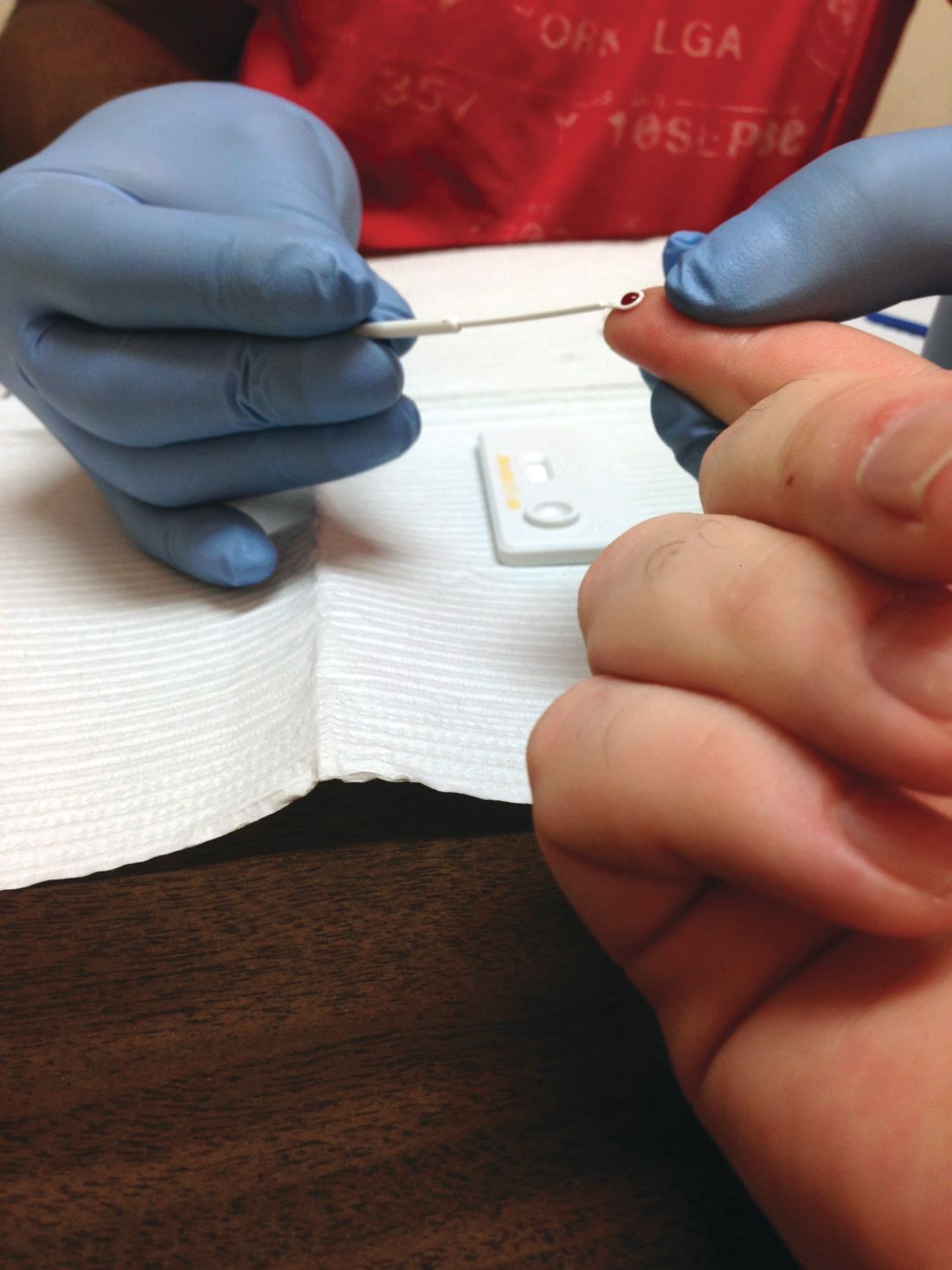
HIV remains a significant public health issue in the United States, with rates rising among individuals aged 25-29 years, although the overall number of cases has dropped slightly, according to the USPSTF report.
HIV prevention is a multistep process that includes not only screening but also wearing condoms during sex and using clean needles and syringes if injecting drugs, the researchers noted.
However, those at high risk for HIV, such as intravenous drug users, can help reduce their risk by taking a daily pill, the researchers wrote.
In an evidence report submitted to the Agency for Healthcare Research and Quality, researchers reviewed the Cochrane databases, MEDLINE, and Embase for studies up to June 2018. Based on data from 11 trials, pre-exposure prophylaxis (PrEP) consisting of antiretroviral therapy was associated with decreased risk of HIV infection, compared with placebo or no PrEP, with consistent effects across risk categories, the investigators noted.
The most common HIV risk factors include man-to-man sexual contact, injection drug use, having sex without a condom, exchanging sex for drugs or money, and having sex with an HIV-infected partner, according to the USPSTF report.
Although PrEP was associated with renal and gastrointestinal adverse effects, most were mild and resolved when the therapy either ended or continued long term. The use of PrEP does not absolve high-risk individuals from observing safety in sex activity and intravenous drug use, the researchers noted.
The Task Force’s draft recommendation statements and draft evidence reviews are available for public comment and are posted on the Task Force website at www.uspreventiveservicestaskforce.org. Comments can be submitted from Nov. 20, 2018, to Dec. 26, 2018, at www.uspreventiveservicestaskforce.org/tfcomment.htm.
Individuals aged 15-65 years, including pregnant women, should be screened for HIV infection, and those at risk should be given prophylaxis, according to draft recommendations issued by the U.S. Preventive Services Task Force. The screening recommendation extends to younger adolescents and older adults at increased risk for HIV infection. The recommendations are level A.
HIV remains a significant public health issue in the United States, with rates rising among individuals aged 25-29 years, although the overall number of cases has dropped slightly, according to the USPSTF report.
HIV prevention is a multistep process that includes not only screening but also wearing condoms during sex and using clean needles and syringes if injecting drugs, the researchers noted.
However, those at high risk for HIV, such as intravenous drug users, can help reduce their risk by taking a daily pill, the researchers wrote.
In an evidence report submitted to the Agency for Healthcare Research and Quality, researchers reviewed the Cochrane databases, MEDLINE, and Embase for studies up to June 2018. Based on data from 11 trials, pre-exposure prophylaxis (PrEP) consisting of antiretroviral therapy was associated with decreased risk of HIV infection, compared with placebo or no PrEP, with consistent effects across risk categories, the investigators noted.
The most common HIV risk factors include man-to-man sexual contact, injection drug use, having sex without a condom, exchanging sex for drugs or money, and having sex with an HIV-infected partner, according to the USPSTF report.
Although PrEP was associated with renal and gastrointestinal adverse effects, most were mild and resolved when the therapy either ended or continued long term. The use of PrEP does not absolve high-risk individuals from observing safety in sex activity and intravenous drug use, the researchers noted.
The Task Force’s draft recommendation statements and draft evidence reviews are available for public comment and are posted on the Task Force website at www.uspreventiveservicestaskforce.org. Comments can be submitted from Nov. 20, 2018, to Dec. 26, 2018, at www.uspreventiveservicestaskforce.org/tfcomment.htm.
Individuals aged 15-65 years, including pregnant women, should be screened for HIV infection, and those at risk should be given prophylaxis, according to draft recommendations issued by the U.S. Preventive Services Task Force. The screening recommendation extends to younger adolescents and older adults at increased risk for HIV infection. The recommendations are level A.
HIV remains a significant public health issue in the United States, with rates rising among individuals aged 25-29 years, although the overall number of cases has dropped slightly, according to the USPSTF report.
HIV prevention is a multistep process that includes not only screening but also wearing condoms during sex and using clean needles and syringes if injecting drugs, the researchers noted.
However, those at high risk for HIV, such as intravenous drug users, can help reduce their risk by taking a daily pill, the researchers wrote.
In an evidence report submitted to the Agency for Healthcare Research and Quality, researchers reviewed the Cochrane databases, MEDLINE, and Embase for studies up to June 2018. Based on data from 11 trials, pre-exposure prophylaxis (PrEP) consisting of antiretroviral therapy was associated with decreased risk of HIV infection, compared with placebo or no PrEP, with consistent effects across risk categories, the investigators noted.
The most common HIV risk factors include man-to-man sexual contact, injection drug use, having sex without a condom, exchanging sex for drugs or money, and having sex with an HIV-infected partner, according to the USPSTF report.
Although PrEP was associated with renal and gastrointestinal adverse effects, most were mild and resolved when the therapy either ended or continued long term. The use of PrEP does not absolve high-risk individuals from observing safety in sex activity and intravenous drug use, the researchers noted.
The Task Force’s draft recommendation statements and draft evidence reviews are available for public comment and are posted on the Task Force website at www.uspreventiveservicestaskforce.org. Comments can be submitted from Nov. 20, 2018, to Dec. 26, 2018, at www.uspreventiveservicestaskforce.org/tfcomment.htm.
Experts advise risk stratification for newborn early-onset sepsis
according to a pair of clinical reports published in Pediatrics.
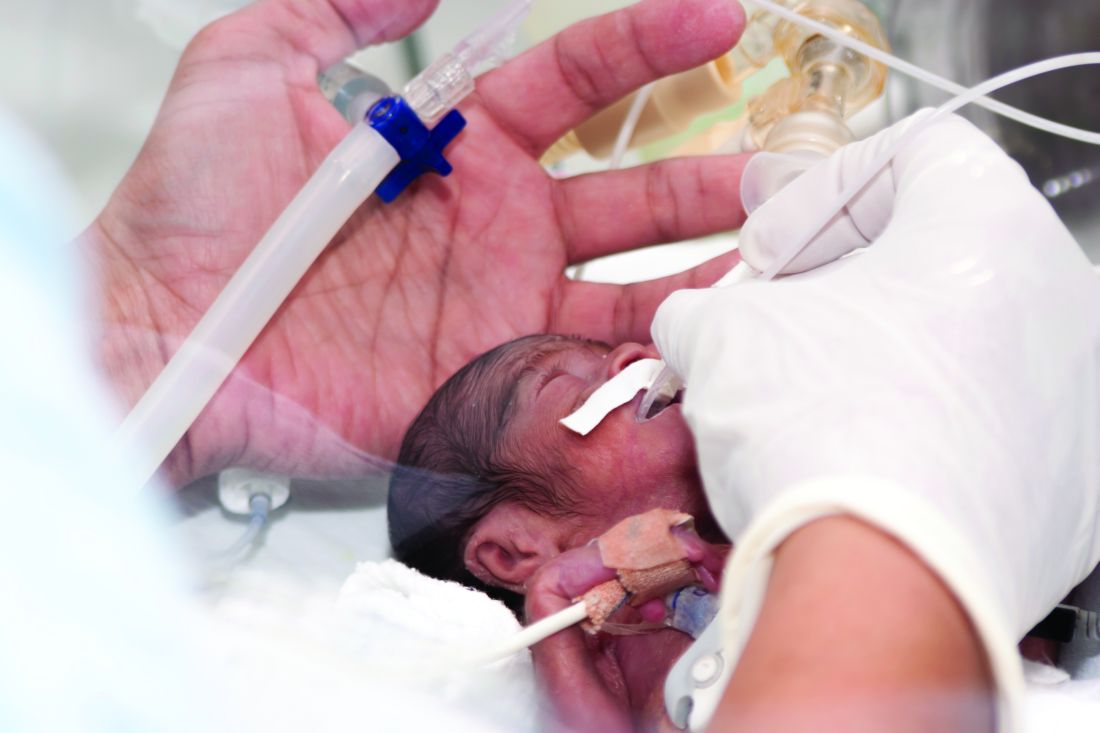
Early-onset sepsis usually begins during labor in term infants, but in preterm infants, “the pathogenesis of preterm EOS likely begins before the onset of labor in many cases of preterm labor and/or PROM [premature rupture of membranes],” wrote Karen M. Puopolo, MD, of the University of Pennsylvania, Philadelphia, and her colleagues.
In the report on preterm infants, the researchers noted that EOS risk assessment using gestational age can be useful for term infants, but not for preterm infants. Instead, they advised categorizing preterm infants as low risk based on birth circumstances. Low-risk preterm infants were defined as those born by cesarean delivery because of maternal noninfectious illness or placental insufficiency in the absence of labor, attempts to induce labor, or rupture of membranes before delivery. Consider the risk/benefit balance of performing an EOS laboratory evaluation and empirical antibiotics, depending on the neonate’s clinical condition, the researchers said.
Preterm infants at high risk for EOS are those born preterm because of maternal cervical incompetence, preterm labor, premature rupture of membranes, clinical concerns for intra-amniotic infection, or acute onset of “unexplained nonreassuring fetal status,” Dr. Puopolo and her associates said. These infants should be managed with a blood culture and empirical antibiotics.
“The combination of ampicillin and gentamicin is the most appropriate empirical antibiotic regimen for infants at risk for EOS,” they noted. “Empirical administration of additional broad-spectrum antibiotics may be indicated in preterm infants who are severely ill and at a high risk for EOS, particularly after prolonged antepartum maternal antibiotic treatment,” they said. Antibiotics should be discontinued by 36-48 hours of incubation unless the infant shows signs of site-specific infection.
In the second report, again with Dr. Puopolo as the primary author, management of EOS was addressed for full-term infants, defined as those born at 35 weeks’ gestation or later.
Infants born at 35 weeks’ gestation or later can be stratified for EOS risk based on algorithms for intrapartum risk factors as well as risk assessments based on these risk factors and infant examinations, the researchers said.
There are a variety of acceptable approaches to risk stratification: categorical algorithms with threshold values for intrapartum risk factors; multivariate risk assessment based on both intrapartum risk factors (such as maternal chorioamnionitis, group B streptococcus colonization, adequacy of intrapartum antibiotic prophylaxis, and duration of ROM); and serial infant examination to detect clinical signs of illness after birth, Dr. Puopolo and her associates wrote.
They recommended that birth centers choose which type of EOS risk assessment to use and tailor it to their own situation. Once local guidelines are developed, ongoing surveillance is suggested.
The same recommendations apply to term infants as preterm infants regarding first-choice use of ampicillin and gentamicin when necessary, to be discontinued when blood cultures are sterile at 36-48 hours of incubation in the absence of site-specific infection, they said.
The reports do “not indicate an exclusive course of treatment or serve as a standard of medical care. Variations, taking into account individual circumstances, may be appropriate,” Dr. Puopolo and her associates noted.
The researchers had no financial conflicts to disclose, and there was no external funding.
SOURCE: Puopolo KM et al. Pediatrics. 2018 Nov. doi: 10.1542/peds.2018-2896; Puopolo KM et al. Pediatrics. 2018 Nov. doi: 10.1542/peds.2018-2894.
according to a pair of clinical reports published in Pediatrics.
Early-onset sepsis usually begins during labor in term infants, but in preterm infants, “the pathogenesis of preterm EOS likely begins before the onset of labor in many cases of preterm labor and/or PROM [premature rupture of membranes],” wrote Karen M. Puopolo, MD, of the University of Pennsylvania, Philadelphia, and her colleagues.
In the report on preterm infants, the researchers noted that EOS risk assessment using gestational age can be useful for term infants, but not for preterm infants. Instead, they advised categorizing preterm infants as low risk based on birth circumstances. Low-risk preterm infants were defined as those born by cesarean delivery because of maternal noninfectious illness or placental insufficiency in the absence of labor, attempts to induce labor, or rupture of membranes before delivery. Consider the risk/benefit balance of performing an EOS laboratory evaluation and empirical antibiotics, depending on the neonate’s clinical condition, the researchers said.
Preterm infants at high risk for EOS are those born preterm because of maternal cervical incompetence, preterm labor, premature rupture of membranes, clinical concerns for intra-amniotic infection, or acute onset of “unexplained nonreassuring fetal status,” Dr. Puopolo and her associates said. These infants should be managed with a blood culture and empirical antibiotics.
“The combination of ampicillin and gentamicin is the most appropriate empirical antibiotic regimen for infants at risk for EOS,” they noted. “Empirical administration of additional broad-spectrum antibiotics may be indicated in preterm infants who are severely ill and at a high risk for EOS, particularly after prolonged antepartum maternal antibiotic treatment,” they said. Antibiotics should be discontinued by 36-48 hours of incubation unless the infant shows signs of site-specific infection.
In the second report, again with Dr. Puopolo as the primary author, management of EOS was addressed for full-term infants, defined as those born at 35 weeks’ gestation or later.
Infants born at 35 weeks’ gestation or later can be stratified for EOS risk based on algorithms for intrapartum risk factors as well as risk assessments based on these risk factors and infant examinations, the researchers said.
There are a variety of acceptable approaches to risk stratification: categorical algorithms with threshold values for intrapartum risk factors; multivariate risk assessment based on both intrapartum risk factors (such as maternal chorioamnionitis, group B streptococcus colonization, adequacy of intrapartum antibiotic prophylaxis, and duration of ROM); and serial infant examination to detect clinical signs of illness after birth, Dr. Puopolo and her associates wrote.
They recommended that birth centers choose which type of EOS risk assessment to use and tailor it to their own situation. Once local guidelines are developed, ongoing surveillance is suggested.
The same recommendations apply to term infants as preterm infants regarding first-choice use of ampicillin and gentamicin when necessary, to be discontinued when blood cultures are sterile at 36-48 hours of incubation in the absence of site-specific infection, they said.
The reports do “not indicate an exclusive course of treatment or serve as a standard of medical care. Variations, taking into account individual circumstances, may be appropriate,” Dr. Puopolo and her associates noted.
The researchers had no financial conflicts to disclose, and there was no external funding.
SOURCE: Puopolo KM et al. Pediatrics. 2018 Nov. doi: 10.1542/peds.2018-2896; Puopolo KM et al. Pediatrics. 2018 Nov. doi: 10.1542/peds.2018-2894.
according to a pair of clinical reports published in Pediatrics.
Early-onset sepsis usually begins during labor in term infants, but in preterm infants, “the pathogenesis of preterm EOS likely begins before the onset of labor in many cases of preterm labor and/or PROM [premature rupture of membranes],” wrote Karen M. Puopolo, MD, of the University of Pennsylvania, Philadelphia, and her colleagues.
In the report on preterm infants, the researchers noted that EOS risk assessment using gestational age can be useful for term infants, but not for preterm infants. Instead, they advised categorizing preterm infants as low risk based on birth circumstances. Low-risk preterm infants were defined as those born by cesarean delivery because of maternal noninfectious illness or placental insufficiency in the absence of labor, attempts to induce labor, or rupture of membranes before delivery. Consider the risk/benefit balance of performing an EOS laboratory evaluation and empirical antibiotics, depending on the neonate’s clinical condition, the researchers said.
Preterm infants at high risk for EOS are those born preterm because of maternal cervical incompetence, preterm labor, premature rupture of membranes, clinical concerns for intra-amniotic infection, or acute onset of “unexplained nonreassuring fetal status,” Dr. Puopolo and her associates said. These infants should be managed with a blood culture and empirical antibiotics.
“The combination of ampicillin and gentamicin is the most appropriate empirical antibiotic regimen for infants at risk for EOS,” they noted. “Empirical administration of additional broad-spectrum antibiotics may be indicated in preterm infants who are severely ill and at a high risk for EOS, particularly after prolonged antepartum maternal antibiotic treatment,” they said. Antibiotics should be discontinued by 36-48 hours of incubation unless the infant shows signs of site-specific infection.
In the second report, again with Dr. Puopolo as the primary author, management of EOS was addressed for full-term infants, defined as those born at 35 weeks’ gestation or later.
Infants born at 35 weeks’ gestation or later can be stratified for EOS risk based on algorithms for intrapartum risk factors as well as risk assessments based on these risk factors and infant examinations, the researchers said.
There are a variety of acceptable approaches to risk stratification: categorical algorithms with threshold values for intrapartum risk factors; multivariate risk assessment based on both intrapartum risk factors (such as maternal chorioamnionitis, group B streptococcus colonization, adequacy of intrapartum antibiotic prophylaxis, and duration of ROM); and serial infant examination to detect clinical signs of illness after birth, Dr. Puopolo and her associates wrote.
They recommended that birth centers choose which type of EOS risk assessment to use and tailor it to their own situation. Once local guidelines are developed, ongoing surveillance is suggested.
The same recommendations apply to term infants as preterm infants regarding first-choice use of ampicillin and gentamicin when necessary, to be discontinued when blood cultures are sterile at 36-48 hours of incubation in the absence of site-specific infection, they said.
The reports do “not indicate an exclusive course of treatment or serve as a standard of medical care. Variations, taking into account individual circumstances, may be appropriate,” Dr. Puopolo and her associates noted.
The researchers had no financial conflicts to disclose, and there was no external funding.
SOURCE: Puopolo KM et al. Pediatrics. 2018 Nov. doi: 10.1542/peds.2018-2896; Puopolo KM et al. Pediatrics. 2018 Nov. doi: 10.1542/peds.2018-2894.
FROM PEDIATRICS
Levonorgestrel implant right after delivery does not affect breastfeeding, infant growth
Researchers found no significant differences in infant growth, changes in breastfeeding initiation or breastfeeding continuation at 3-month and 6-month follow-up among women who received a levonorgestrel contraception implant very soon after delivery, compared with women who waited to receive the implant.

“These findings are consistent with the preponderance of literature supporting the hypothesis that progestin-containing contraceptives do not compromise a woman’s ability to initiate or sustain breastfeeding and do not adversely affect infant growth,” Sarah Averbach, MD, of the University of California, San Francisco, and her colleagues wrote in their study published in Contraception.
Dr. Averbach and her colleagues randomized 96 women to receive a two-rod levonorgestrel (LNG)–releasing subdermal contraceptive implant within 5 days of delivery (mean time, 36 hours post delivery) and 87 women to delay the implant to between 6 and 8 weeks at a postpartum follow-up visit (mean time, 68 days). The women were a minimum of 18 years old with a recent vaginal or cesarean section delivery at a Ugandan hospital; 55% of the women had at least three children, and 73% said they had prior experience breastfeeding. The researchers then examined infant weight change and infant head circumference change at 6 months from birth, time to lactogenesis, and whether mothers continued to breastfeed at 3 months and 6 months after birth.
Infant weight was similar in the immediate-implant group (4,632 g), compared with the delayed-implant group (4,407 g; P = .26); infant head circumference was similar between both groups (9.3 cm vs. 9.5 cm; P = .70) at 6 months as well. The time to lactogenesis was not significantly different in the immediate-implant (65 hours) and delayed-implant (63 hours; P = .84) groups. At 3 months, 74% of immediate-implant participants and 71% of delayed-implant participants said they were breastfeeding exclusively (P = .74); at 6 months, 48% of immediate implant participants and 52% of delayed implant participants reported exclusive breastfeeding (P equals .58).
Limitations of the study included follow-up to only 6 months and selection of participants with previous breastfeeding experience. Researchers also noted better measurements of infant and maternal breast milk intake also could be used and limit generalization of the results.
This study was funded by the Society of Family Planning Research Fund. Dr. Averbach is supported by an award from the Eunice Kennedy Shriver National Institute of Child Health & Human Development. The other authors had no relevant financial disclosures.
SOURCE: Averbach S et al. Contraception. 2018. doi: 10.1016/j.contraception.2018.10.008.
Researchers found no significant differences in infant growth, changes in breastfeeding initiation or breastfeeding continuation at 3-month and 6-month follow-up among women who received a levonorgestrel contraception implant very soon after delivery, compared with women who waited to receive the implant.
“These findings are consistent with the preponderance of literature supporting the hypothesis that progestin-containing contraceptives do not compromise a woman’s ability to initiate or sustain breastfeeding and do not adversely affect infant growth,” Sarah Averbach, MD, of the University of California, San Francisco, and her colleagues wrote in their study published in Contraception.
Dr. Averbach and her colleagues randomized 96 women to receive a two-rod levonorgestrel (LNG)–releasing subdermal contraceptive implant within 5 days of delivery (mean time, 36 hours post delivery) and 87 women to delay the implant to between 6 and 8 weeks at a postpartum follow-up visit (mean time, 68 days). The women were a minimum of 18 years old with a recent vaginal or cesarean section delivery at a Ugandan hospital; 55% of the women had at least three children, and 73% said they had prior experience breastfeeding. The researchers then examined infant weight change and infant head circumference change at 6 months from birth, time to lactogenesis, and whether mothers continued to breastfeed at 3 months and 6 months after birth.
Infant weight was similar in the immediate-implant group (4,632 g), compared with the delayed-implant group (4,407 g; P = .26); infant head circumference was similar between both groups (9.3 cm vs. 9.5 cm; P = .70) at 6 months as well. The time to lactogenesis was not significantly different in the immediate-implant (65 hours) and delayed-implant (63 hours; P = .84) groups. At 3 months, 74% of immediate-implant participants and 71% of delayed-implant participants said they were breastfeeding exclusively (P = .74); at 6 months, 48% of immediate implant participants and 52% of delayed implant participants reported exclusive breastfeeding (P equals .58).
Limitations of the study included follow-up to only 6 months and selection of participants with previous breastfeeding experience. Researchers also noted better measurements of infant and maternal breast milk intake also could be used and limit generalization of the results.
This study was funded by the Society of Family Planning Research Fund. Dr. Averbach is supported by an award from the Eunice Kennedy Shriver National Institute of Child Health & Human Development. The other authors had no relevant financial disclosures.
SOURCE: Averbach S et al. Contraception. 2018. doi: 10.1016/j.contraception.2018.10.008.
Researchers found no significant differences in infant growth, changes in breastfeeding initiation or breastfeeding continuation at 3-month and 6-month follow-up among women who received a levonorgestrel contraception implant very soon after delivery, compared with women who waited to receive the implant.
“These findings are consistent with the preponderance of literature supporting the hypothesis that progestin-containing contraceptives do not compromise a woman’s ability to initiate or sustain breastfeeding and do not adversely affect infant growth,” Sarah Averbach, MD, of the University of California, San Francisco, and her colleagues wrote in their study published in Contraception.
Dr. Averbach and her colleagues randomized 96 women to receive a two-rod levonorgestrel (LNG)–releasing subdermal contraceptive implant within 5 days of delivery (mean time, 36 hours post delivery) and 87 women to delay the implant to between 6 and 8 weeks at a postpartum follow-up visit (mean time, 68 days). The women were a minimum of 18 years old with a recent vaginal or cesarean section delivery at a Ugandan hospital; 55% of the women had at least three children, and 73% said they had prior experience breastfeeding. The researchers then examined infant weight change and infant head circumference change at 6 months from birth, time to lactogenesis, and whether mothers continued to breastfeed at 3 months and 6 months after birth.
Infant weight was similar in the immediate-implant group (4,632 g), compared with the delayed-implant group (4,407 g; P = .26); infant head circumference was similar between both groups (9.3 cm vs. 9.5 cm; P = .70) at 6 months as well. The time to lactogenesis was not significantly different in the immediate-implant (65 hours) and delayed-implant (63 hours; P = .84) groups. At 3 months, 74% of immediate-implant participants and 71% of delayed-implant participants said they were breastfeeding exclusively (P = .74); at 6 months, 48% of immediate implant participants and 52% of delayed implant participants reported exclusive breastfeeding (P equals .58).
Limitations of the study included follow-up to only 6 months and selection of participants with previous breastfeeding experience. Researchers also noted better measurements of infant and maternal breast milk intake also could be used and limit generalization of the results.
This study was funded by the Society of Family Planning Research Fund. Dr. Averbach is supported by an award from the Eunice Kennedy Shriver National Institute of Child Health & Human Development. The other authors had no relevant financial disclosures.
SOURCE: Averbach S et al. Contraception. 2018. doi: 10.1016/j.contraception.2018.10.008.
FROM CONTRACEPTION
Key clinical point:
Major finding: Infant weight was similar in the immediate-implant group (4,632 g), compared with the delayed-implant group (4,407 g; P = .26); infant head circumference was similar between both groups (9.3 cm vs. 9.5 cm; P = .70) at 6 months as well.
Study details: A randomized trial of 96 women in Uganda who received a contraceptive implant less than 5 days after delivery and 86 women who received the implant between 6 and 8 weeks post partum.
Disclosures: This study was funded by the Society of Family Planning Research Fund. Dr. Averbach is supported by an award from the Eunice Kennedy Shriver National Institute of Child Health & Human Development. The other authors had no relevant financial disclosures.
Source: Averbach S et al. Contraception. 2018. doi: 10.1016/j.contraception.2018.10.008.

Jornay PM improves classroom functioning in ADHD
SEATTLE – A novel formulation of methylphenidate could provide morning relief to pediatric patients with attention-deficit/hyperactivity disorder, according to results of a pivotal phase 3 classroom trial.
In the study, delayed release/extended release methylphenidate (DR/ER MPH), when taken the night before, improved ADHD symptoms throughout a 12-hour laboratory classroom period – including in the late afternoons and early mornings.
The formulation, also known as Jornay PM, received Food and Drug Administration approval for ADHD in August for patients aged 6 and older. “For kids who have a horrendous time in the morning, getting up out of bed, and getting ready for school, they get up and they’re ready to rock and roll. [The drug] makes the mornings go better,” Ann Childress, MD, said in an interview at the annual meeting of the American Academy of Child and Adolescent Psychiatry.
In a previous phase 3 trial, DR/ER MPH proved beneficial in late afternoon and early morning symptoms in a naturalistic sample over a 3- week treatment course (J Child Adolesc Pharmacol. 2017 Aug 1;27[6]:474-82). The current work sought to show its value in a classroom setting. And in yet another earlier survey, 77% of parents rated early morning functional impairment in children with ADHD as moderate to severe (J Child Adolesc Pharmacol. 2017 Oct 1;27[8]:715-22).
“,” said Dr. Childress, president of the Center for Psychiatry and Behavioral Medicine in Las Vegas.
In the current study, presented by Dr. Childress at the meeting, 117 children aged 6-12 years with ADHD and morning behavioral problems, after a 5-day washout period, were started on an evening DR/ER MPH dose of 20 mg or 40 mg. They were then seen for up to 4 more weeks, and doses optimized (maximum 100 mg/day).
Adjustments also were made in the evening dose schedule to determine an optimal dosing time, which had to range from 6:30 pm to 9:30 pm, at least 1 hour after dinner. Clinicians optimized the dose and timing to achieve maximum symptom control throughout the day (minimum 30% improvement in total symptom score from baseline), while remaining safe and well-tolerated.The participants were then randomized to maintain the current drug dose, or to switch to placebo for 1 week. The primary endpoint was the average of all post-dose SKAMP-CS (Swanson, Kotkin, Agler, M-Flynn, and Pelham combined scale) measurements, as recorded by a trained, independent observer during the 12-hour period on the last classroom day.
There was a significant improvement in the primary measure, with the treatment group averaging 14.8 on the SKAMP-CS, compared with 20.7 for the placebo group (P less than .001). The improved outcomes were steady throughout the day, failing to achieve statistical significance at 8 a.m., but achieving significance in measurements taken at 9 a.m.,10 a.m., 12 p.m., 2 pm, 4 p.m., 6 p.m., and 7 p.m.
The formulation also achieved significant difference in morning and late afternoon measurements of the Parent Rating of Evening and Morning Behavior Scale, Revised (PREMB-R AM and PREMB-R PM). The treatment group scored a mean of 0.9 on PREMB-R AM, compared with 2.7 for placebo (P less than .001), and 6.1 vs. 9.3 in the PREMB-R PM scale (P = .003).
Most treatment emergent adverse events were considered mild or moderate, and occurred in 36.9% of the treatment group and 40.7% of placebo subjects.
The study was funded by Ironshore Pharmaceuticals, which said in a press statement that it plans to launch the drug early next year. In addition to Ironshore, Dr. Childress has served on the advisory board for, consulted for, or received research support from Aevi Genomic Medicine, Akili Interactive, Alcobra, Arbor Pharmaceuticals, Eli Lilly, Forest Laboratories, Lundbeck, KemPharm, Neos Therapeutics, Noven Pharmaceuticals, Otsuka America Pharmaceutical, Pearson, Pfizer, Purdue Pharma, Rhodes Pharmaceuticals, Shire, Sunovion, and Tris Pharma.
SEATTLE – A novel formulation of methylphenidate could provide morning relief to pediatric patients with attention-deficit/hyperactivity disorder, according to results of a pivotal phase 3 classroom trial.
In the study, delayed release/extended release methylphenidate (DR/ER MPH), when taken the night before, improved ADHD symptoms throughout a 12-hour laboratory classroom period – including in the late afternoons and early mornings.
The formulation, also known as Jornay PM, received Food and Drug Administration approval for ADHD in August for patients aged 6 and older. “For kids who have a horrendous time in the morning, getting up out of bed, and getting ready for school, they get up and they’re ready to rock and roll. [The drug] makes the mornings go better,” Ann Childress, MD, said in an interview at the annual meeting of the American Academy of Child and Adolescent Psychiatry.
In a previous phase 3 trial, DR/ER MPH proved beneficial in late afternoon and early morning symptoms in a naturalistic sample over a 3- week treatment course (J Child Adolesc Pharmacol. 2017 Aug 1;27[6]:474-82). The current work sought to show its value in a classroom setting. And in yet another earlier survey, 77% of parents rated early morning functional impairment in children with ADHD as moderate to severe (J Child Adolesc Pharmacol. 2017 Oct 1;27[8]:715-22).
“,” said Dr. Childress, president of the Center for Psychiatry and Behavioral Medicine in Las Vegas.
In the current study, presented by Dr. Childress at the meeting, 117 children aged 6-12 years with ADHD and morning behavioral problems, after a 5-day washout period, were started on an evening DR/ER MPH dose of 20 mg or 40 mg. They were then seen for up to 4 more weeks, and doses optimized (maximum 100 mg/day).
Adjustments also were made in the evening dose schedule to determine an optimal dosing time, which had to range from 6:30 pm to 9:30 pm, at least 1 hour after dinner. Clinicians optimized the dose and timing to achieve maximum symptom control throughout the day (minimum 30% improvement in total symptom score from baseline), while remaining safe and well-tolerated.The participants were then randomized to maintain the current drug dose, or to switch to placebo for 1 week. The primary endpoint was the average of all post-dose SKAMP-CS (Swanson, Kotkin, Agler, M-Flynn, and Pelham combined scale) measurements, as recorded by a trained, independent observer during the 12-hour period on the last classroom day.
There was a significant improvement in the primary measure, with the treatment group averaging 14.8 on the SKAMP-CS, compared with 20.7 for the placebo group (P less than .001). The improved outcomes were steady throughout the day, failing to achieve statistical significance at 8 a.m., but achieving significance in measurements taken at 9 a.m.,10 a.m., 12 p.m., 2 pm, 4 p.m., 6 p.m., and 7 p.m.
The formulation also achieved significant difference in morning and late afternoon measurements of the Parent Rating of Evening and Morning Behavior Scale, Revised (PREMB-R AM and PREMB-R PM). The treatment group scored a mean of 0.9 on PREMB-R AM, compared with 2.7 for placebo (P less than .001), and 6.1 vs. 9.3 in the PREMB-R PM scale (P = .003).
Most treatment emergent adverse events were considered mild or moderate, and occurred in 36.9% of the treatment group and 40.7% of placebo subjects.
The study was funded by Ironshore Pharmaceuticals, which said in a press statement that it plans to launch the drug early next year. In addition to Ironshore, Dr. Childress has served on the advisory board for, consulted for, or received research support from Aevi Genomic Medicine, Akili Interactive, Alcobra, Arbor Pharmaceuticals, Eli Lilly, Forest Laboratories, Lundbeck, KemPharm, Neos Therapeutics, Noven Pharmaceuticals, Otsuka America Pharmaceutical, Pearson, Pfizer, Purdue Pharma, Rhodes Pharmaceuticals, Shire, Sunovion, and Tris Pharma.
SEATTLE – A novel formulation of methylphenidate could provide morning relief to pediatric patients with attention-deficit/hyperactivity disorder, according to results of a pivotal phase 3 classroom trial.
In the study, delayed release/extended release methylphenidate (DR/ER MPH), when taken the night before, improved ADHD symptoms throughout a 12-hour laboratory classroom period – including in the late afternoons and early mornings.
The formulation, also known as Jornay PM, received Food and Drug Administration approval for ADHD in August for patients aged 6 and older. “For kids who have a horrendous time in the morning, getting up out of bed, and getting ready for school, they get up and they’re ready to rock and roll. [The drug] makes the mornings go better,” Ann Childress, MD, said in an interview at the annual meeting of the American Academy of Child and Adolescent Psychiatry.
In a previous phase 3 trial, DR/ER MPH proved beneficial in late afternoon and early morning symptoms in a naturalistic sample over a 3- week treatment course (J Child Adolesc Pharmacol. 2017 Aug 1;27[6]:474-82). The current work sought to show its value in a classroom setting. And in yet another earlier survey, 77% of parents rated early morning functional impairment in children with ADHD as moderate to severe (J Child Adolesc Pharmacol. 2017 Oct 1;27[8]:715-22).
“,” said Dr. Childress, president of the Center for Psychiatry and Behavioral Medicine in Las Vegas.
In the current study, presented by Dr. Childress at the meeting, 117 children aged 6-12 years with ADHD and morning behavioral problems, after a 5-day washout period, were started on an evening DR/ER MPH dose of 20 mg or 40 mg. They were then seen for up to 4 more weeks, and doses optimized (maximum 100 mg/day).
Adjustments also were made in the evening dose schedule to determine an optimal dosing time, which had to range from 6:30 pm to 9:30 pm, at least 1 hour after dinner. Clinicians optimized the dose and timing to achieve maximum symptom control throughout the day (minimum 30% improvement in total symptom score from baseline), while remaining safe and well-tolerated.The participants were then randomized to maintain the current drug dose, or to switch to placebo for 1 week. The primary endpoint was the average of all post-dose SKAMP-CS (Swanson, Kotkin, Agler, M-Flynn, and Pelham combined scale) measurements, as recorded by a trained, independent observer during the 12-hour period on the last classroom day.
There was a significant improvement in the primary measure, with the treatment group averaging 14.8 on the SKAMP-CS, compared with 20.7 for the placebo group (P less than .001). The improved outcomes were steady throughout the day, failing to achieve statistical significance at 8 a.m., but achieving significance in measurements taken at 9 a.m.,10 a.m., 12 p.m., 2 pm, 4 p.m., 6 p.m., and 7 p.m.
The formulation also achieved significant difference in morning and late afternoon measurements of the Parent Rating of Evening and Morning Behavior Scale, Revised (PREMB-R AM and PREMB-R PM). The treatment group scored a mean of 0.9 on PREMB-R AM, compared with 2.7 for placebo (P less than .001), and 6.1 vs. 9.3 in the PREMB-R PM scale (P = .003).
Most treatment emergent adverse events were considered mild or moderate, and occurred in 36.9% of the treatment group and 40.7% of placebo subjects.
The study was funded by Ironshore Pharmaceuticals, which said in a press statement that it plans to launch the drug early next year. In addition to Ironshore, Dr. Childress has served on the advisory board for, consulted for, or received research support from Aevi Genomic Medicine, Akili Interactive, Alcobra, Arbor Pharmaceuticals, Eli Lilly, Forest Laboratories, Lundbeck, KemPharm, Neos Therapeutics, Noven Pharmaceuticals, Otsuka America Pharmaceutical, Pearson, Pfizer, Purdue Pharma, Rhodes Pharmaceuticals, Shire, Sunovion, and Tris Pharma.
REPORTING FROM AACAP 2018
Key clinical point: Children who took the formulation experienced improved, steady outcomes throughout the day.
Major finding: The treatment group scored an average of 0.9 on the PREMB-R morning test, compared with 2.7 in the placebo group.
Study details: Randomized, controlled trial involving 117 patients.
Disclosures: The study was funded by Ironshore Pharmaceuticals, which said in a press statement that it plans to launch the drug early next year. In addition to Ironshore, Dr. Childress has served on the advisory board for, consulted for, or received research support from Aevi Genomic Medicine, Akili Interactive, Alcobra, Arbor Pharmaceuticals, Eli Lilly, Forest Laboratories, Lundbeck, KemPharm, Neos Therapeutics, Noven Pharmaceuticals, Otsuka America Pharmaceutical, Pearson, Pfizer, Purdue Pharma, Rhodes Pharmaceuticals, Shire, Sunovion, and Tris Pharma.
Consider omitting CSF testing in older, low-risk febrile infants
Risk stratification tools that omit lumbar puncture accurately classified most well-appearing febrile infants with invasive bacterial infections as being at low risk, results of a recent study show.
The modified Philadelphia criteria were highly sensitive for risk stratifying febrile infants, in a recent validation study based on a large, multicenter sample, investigators report. No infants with bacterial meningitis were classified as low risk using the modified criteria, which do not include routine testing of cerebrospinal fluid (CSF). Two infants with bacterial meningitis, both younger than 28 days old, were classified as low risk using the Rochester criteria, which also avoid routine lumbar puncture, investigators reported.
“Our findings support the use of the modified Philadelphia criteria without routine CSF testing for febrile infants in the second month of life,” the investigators said in their report, published in Pediatrics.
However, to confirm the safety of omitting CSF testing in low-risk febrile infants older than 28 days, a prospective study will be needed, cautioned the researchers, led by Paul L. Aronson, MD, of the department of pediatrics at Yale University in New Haven, Conn.
Nevertheless, some clinicians do not automatically perform CSF testing in infants older than 28 days because of the rarity of bacterial meningitis in that age group, they said in the report.
The study by Dr. Aronson and colleagues was based on data for infants younger than 60 days of age seen in the emergency departments of 9 hospitals between July 2011 and June 2016. The final sample included 135 infants with invasive bacterial infections, including 118 who had bacteremia without meningitis and 17 who had bacterial meningitis, along with 249 matched febrile infant controls.
A total of 25 infants with invasive bacterial infections were classified as low risk by the Rochester criteria, and 11 of those were low risk by the modified Philadelphia criteria, investigators said.
Compared with the modified Philadelphia criteria, the Rochester criteria had a lower sensitivity (81.5% vs. 91.9%; P = 0.01) and a higher specificity (59.8 vs. 34.5%; P less than 0.001).
Out of the 11 infants deemed low risk per the modified Philadelphia criteria, none were diagnosed with bacterial meningitis. By contrast, 2 of the 25 infants who were low risk per the Rochester criteria had bacterial meningitis, and both were younger than or equal to 28 days of age. “Both of these infants would have been classified as high risk per the modified Philadelphia criteria,” Dr. Aronson and his coauthors said.
Based on the findings of this study, caution should be exercised in applying low-risk criteria to infants 28 days of age or younger, according to the investigators.
they wrote.
Dr. Aronson and his coauthors reported that they had no relevant disclosures. One coauthor reported serving as an expert witness in malpractice cases involving evaluation of febrile children.
SOURCE: Aronson PL et al. Pediatrics. 13 Nov 2018. doi: 10.1542/peds.2018-1879).
While the modified Philadelphia criteria did not misidentify any infant older than 28 days with bacterial meningitis as low risk, limitations of the study design should be “recognized and weighed” before adopting a change in clinical practice, wrote M. Douglas Baker, MD.
Those limitations, Dr. Baker wrote, include frequent use of automated white blood cell differential counts, exclusion of eligible infants at some study locations, and clinical documentation of appearance that was not uniform across sites.
The conclusions of the study, however, are “sound,” he added.
“The modified Philadelphia criteria, which does not include routine cerebrospinal fluid testing, identifies most infants who are febrile with invasive bacterial infections,” he wrote. But modification of the Philadelphia tool reduces its sensitivity and “jeopardizes safe use for its original purpose,” Dr. Baker said.
“The original Philadelphia criteria were intended to safely identify infants who were at a low enough risk of having concurrent bacterial infections to safely manage their febrile illnesses at home without the use of antibiotics,” he wrote. “Those criteria performed well, approaching 100% sensitivity, when applied to different study populations.”
Dr. Baker added that when evaluating and managing fever in infants, “thoughtful omission” of lumbar puncture requires disclosure of the likelihood of bacterial meningitis, and the risks of delayed diagnosis of the condition, which can have potential lifelong consequences.
“All stakeholders need to understand the data at hand and accept responsibility for the outcomes of their decisions,” he wrote.
M. Douglas Baker, MD, is affiliated with Johns Hopkins All Children’s Hospital, St. Petersburg, Fla. These comments are taken from an accompanying editorial (Pediatrics. 13 Nov 2018. doi: 10.1542/peds.2018-2861). He declared no conflicts of interest.
While the modified Philadelphia criteria did not misidentify any infant older than 28 days with bacterial meningitis as low risk, limitations of the study design should be “recognized and weighed” before adopting a change in clinical practice, wrote M. Douglas Baker, MD.
Those limitations, Dr. Baker wrote, include frequent use of automated white blood cell differential counts, exclusion of eligible infants at some study locations, and clinical documentation of appearance that was not uniform across sites.
The conclusions of the study, however, are “sound,” he added.
“The modified Philadelphia criteria, which does not include routine cerebrospinal fluid testing, identifies most infants who are febrile with invasive bacterial infections,” he wrote. But modification of the Philadelphia tool reduces its sensitivity and “jeopardizes safe use for its original purpose,” Dr. Baker said.
“The original Philadelphia criteria were intended to safely identify infants who were at a low enough risk of having concurrent bacterial infections to safely manage their febrile illnesses at home without the use of antibiotics,” he wrote. “Those criteria performed well, approaching 100% sensitivity, when applied to different study populations.”
Dr. Baker added that when evaluating and managing fever in infants, “thoughtful omission” of lumbar puncture requires disclosure of the likelihood of bacterial meningitis, and the risks of delayed diagnosis of the condition, which can have potential lifelong consequences.
“All stakeholders need to understand the data at hand and accept responsibility for the outcomes of their decisions,” he wrote.
M. Douglas Baker, MD, is affiliated with Johns Hopkins All Children’s Hospital, St. Petersburg, Fla. These comments are taken from an accompanying editorial (Pediatrics. 13 Nov 2018. doi: 10.1542/peds.2018-2861). He declared no conflicts of interest.
While the modified Philadelphia criteria did not misidentify any infant older than 28 days with bacterial meningitis as low risk, limitations of the study design should be “recognized and weighed” before adopting a change in clinical practice, wrote M. Douglas Baker, MD.
Those limitations, Dr. Baker wrote, include frequent use of automated white blood cell differential counts, exclusion of eligible infants at some study locations, and clinical documentation of appearance that was not uniform across sites.
The conclusions of the study, however, are “sound,” he added.
“The modified Philadelphia criteria, which does not include routine cerebrospinal fluid testing, identifies most infants who are febrile with invasive bacterial infections,” he wrote. But modification of the Philadelphia tool reduces its sensitivity and “jeopardizes safe use for its original purpose,” Dr. Baker said.
“The original Philadelphia criteria were intended to safely identify infants who were at a low enough risk of having concurrent bacterial infections to safely manage their febrile illnesses at home without the use of antibiotics,” he wrote. “Those criteria performed well, approaching 100% sensitivity, when applied to different study populations.”
Dr. Baker added that when evaluating and managing fever in infants, “thoughtful omission” of lumbar puncture requires disclosure of the likelihood of bacterial meningitis, and the risks of delayed diagnosis of the condition, which can have potential lifelong consequences.
“All stakeholders need to understand the data at hand and accept responsibility for the outcomes of their decisions,” he wrote.
M. Douglas Baker, MD, is affiliated with Johns Hopkins All Children’s Hospital, St. Petersburg, Fla. These comments are taken from an accompanying editorial (Pediatrics. 13 Nov 2018. doi: 10.1542/peds.2018-2861). He declared no conflicts of interest.
Risk stratification tools that omit lumbar puncture accurately classified most well-appearing febrile infants with invasive bacterial infections as being at low risk, results of a recent study show.
The modified Philadelphia criteria were highly sensitive for risk stratifying febrile infants, in a recent validation study based on a large, multicenter sample, investigators report. No infants with bacterial meningitis were classified as low risk using the modified criteria, which do not include routine testing of cerebrospinal fluid (CSF). Two infants with bacterial meningitis, both younger than 28 days old, were classified as low risk using the Rochester criteria, which also avoid routine lumbar puncture, investigators reported.
“Our findings support the use of the modified Philadelphia criteria without routine CSF testing for febrile infants in the second month of life,” the investigators said in their report, published in Pediatrics.
However, to confirm the safety of omitting CSF testing in low-risk febrile infants older than 28 days, a prospective study will be needed, cautioned the researchers, led by Paul L. Aronson, MD, of the department of pediatrics at Yale University in New Haven, Conn.
Nevertheless, some clinicians do not automatically perform CSF testing in infants older than 28 days because of the rarity of bacterial meningitis in that age group, they said in the report.
The study by Dr. Aronson and colleagues was based on data for infants younger than 60 days of age seen in the emergency departments of 9 hospitals between July 2011 and June 2016. The final sample included 135 infants with invasive bacterial infections, including 118 who had bacteremia without meningitis and 17 who had bacterial meningitis, along with 249 matched febrile infant controls.
A total of 25 infants with invasive bacterial infections were classified as low risk by the Rochester criteria, and 11 of those were low risk by the modified Philadelphia criteria, investigators said.
Compared with the modified Philadelphia criteria, the Rochester criteria had a lower sensitivity (81.5% vs. 91.9%; P = 0.01) and a higher specificity (59.8 vs. 34.5%; P less than 0.001).
Out of the 11 infants deemed low risk per the modified Philadelphia criteria, none were diagnosed with bacterial meningitis. By contrast, 2 of the 25 infants who were low risk per the Rochester criteria had bacterial meningitis, and both were younger than or equal to 28 days of age. “Both of these infants would have been classified as high risk per the modified Philadelphia criteria,” Dr. Aronson and his coauthors said.
Based on the findings of this study, caution should be exercised in applying low-risk criteria to infants 28 days of age or younger, according to the investigators.
they wrote.
Dr. Aronson and his coauthors reported that they had no relevant disclosures. One coauthor reported serving as an expert witness in malpractice cases involving evaluation of febrile children.
SOURCE: Aronson PL et al. Pediatrics. 13 Nov 2018. doi: 10.1542/peds.2018-1879).
Risk stratification tools that omit lumbar puncture accurately classified most well-appearing febrile infants with invasive bacterial infections as being at low risk, results of a recent study show.
The modified Philadelphia criteria were highly sensitive for risk stratifying febrile infants, in a recent validation study based on a large, multicenter sample, investigators report. No infants with bacterial meningitis were classified as low risk using the modified criteria, which do not include routine testing of cerebrospinal fluid (CSF). Two infants with bacterial meningitis, both younger than 28 days old, were classified as low risk using the Rochester criteria, which also avoid routine lumbar puncture, investigators reported.
“Our findings support the use of the modified Philadelphia criteria without routine CSF testing for febrile infants in the second month of life,” the investigators said in their report, published in Pediatrics.
However, to confirm the safety of omitting CSF testing in low-risk febrile infants older than 28 days, a prospective study will be needed, cautioned the researchers, led by Paul L. Aronson, MD, of the department of pediatrics at Yale University in New Haven, Conn.
Nevertheless, some clinicians do not automatically perform CSF testing in infants older than 28 days because of the rarity of bacterial meningitis in that age group, they said in the report.
The study by Dr. Aronson and colleagues was based on data for infants younger than 60 days of age seen in the emergency departments of 9 hospitals between July 2011 and June 2016. The final sample included 135 infants with invasive bacterial infections, including 118 who had bacteremia without meningitis and 17 who had bacterial meningitis, along with 249 matched febrile infant controls.
A total of 25 infants with invasive bacterial infections were classified as low risk by the Rochester criteria, and 11 of those were low risk by the modified Philadelphia criteria, investigators said.
Compared with the modified Philadelphia criteria, the Rochester criteria had a lower sensitivity (81.5% vs. 91.9%; P = 0.01) and a higher specificity (59.8 vs. 34.5%; P less than 0.001).
Out of the 11 infants deemed low risk per the modified Philadelphia criteria, none were diagnosed with bacterial meningitis. By contrast, 2 of the 25 infants who were low risk per the Rochester criteria had bacterial meningitis, and both were younger than or equal to 28 days of age. “Both of these infants would have been classified as high risk per the modified Philadelphia criteria,” Dr. Aronson and his coauthors said.
Based on the findings of this study, caution should be exercised in applying low-risk criteria to infants 28 days of age or younger, according to the investigators.
they wrote.
Dr. Aronson and his coauthors reported that they had no relevant disclosures. One coauthor reported serving as an expert witness in malpractice cases involving evaluation of febrile children.
SOURCE: Aronson PL et al. Pediatrics. 13 Nov 2018. doi: 10.1542/peds.2018-1879).
FROM PEDIATRICS
Key clinical point: The modified Philadelphia criteria, which omit lumbar puncture, accurately classified febrile infants as low risk, though prospective studies are needed to confirm the safety of routinely omitting cerebrospinal testing.
Major finding: Zero of 11 infants classified as low risk had a diagnosis of bacterial meningitis.
Study details: An analysis including 135 non–ill-appearing infants younger than 60 days of age with invasive bacterial infections and 249 matched febrile infant controls.
Disclosures: Dr. Aronson and his coauthors reported no financial conflicts. One coauthor reported serving as an expert witness in malpractice cases involving febrile children.
Source: Aronson PL et al. Pediatrics. 13 Nov 2018. doi: 10.1542/peds. 2018-1879.
Children with poor cardiorespiratory fitness have a higher risk of type 2 diabetes and cardiovascular disease
according to the analysis of an ongoing Finnish study of physical activity and dietary intervention in school children.
“Our results are in agreement with previous findings that cardiorespiratory fitness measured in exercise test laboratories or using field tests and scaled by body mass (BM) using the ratio standard method had a strong inverse association with cardiometabolic risk in children,” lead author Andrew O. Agbaje, MD, MPH, and his coauthors wrote in the Scandinavian Journal of Medicine & Science in Sports.
The coauthors assessed the cardiorespiratory fitness of 352 primary school children – 186 boys and 166 girls – from Kuopio, Finland, all of whom were already participating in the ongoing PANIC (Physical Activity and Nutrition in Children) Study. The children were asked to perform a maximal exercise test, upon which fitness was assessed by measuring peak oxygen uptake (VO2 peak), noted Dr. Agbaje, a PhD student at the University of Eastern Finland’s Institute of Biomedicine in Kuopio, and his colleagues.
Body mass and lean mass were also measured by bioelectrical impedance and used to scale VO2 peak, while variables such as waist circumference, insulin, glucose, HDL cholesterol, and triglycerides were used to calculate a continuous cardiometabolic risk score. Upon analysis, VO2 peak less than 45.8 mL/kg BM-1 min-1 in boys and less than 44.1 mL/kg BM-1 min-1 in girls was associated with increased cardiometabolic risk.
The coauthors noted that cardiorespiratory fitness can be influenced by genetics and that adjustments for puberty had “no effect on the relationships between VO2 peak and cardiometabolic risk.” As such, they recommended that “longitudinal studies are needed to clarify the role of CRF in cardiometabolic health during growth and maturation.”
That said, despite advocating caution in regard to determining proper CRF thresholds, the coauthors suggested that CRF scaled by BM could be used to screen children and improve prevention efforts. “Cardiometabolic risk tracks from childhood into adulthood and the early identification of individuals at increased risk is essential in developing public health actions targeted at preventing cardiometabolic diseases,” they wrote.
The study was funded by grants from the Ministry of Education and Culture of Finland, Ministry of Social Affairs and Health of Finland, Research Committee of the Kuopio University Hospital Catchment Area (State Research Funding), Finnish Innovation Fund Sitra, Social Insurance Institution of Finland, Finnish Cultural Foundation, Foundation for Paediatric Research, Diabetes Research Foundation in Finland, Finnish Foundation for Cardiovascular Research, Juho Vainio Foundation, Paavo Nurmi Foundation, and the Yrjö Jahnsson Foundation. Dr. Agbaje reported grant support from the Olvi Foundation and the Urho Känkanen Foundation.
SOURCE: Agbaje AO et al. Scand J Med Sci Sports. 2018 Sep 19. doi: 10.1111/sms.13307.
according to the analysis of an ongoing Finnish study of physical activity and dietary intervention in school children.
“Our results are in agreement with previous findings that cardiorespiratory fitness measured in exercise test laboratories or using field tests and scaled by body mass (BM) using the ratio standard method had a strong inverse association with cardiometabolic risk in children,” lead author Andrew O. Agbaje, MD, MPH, and his coauthors wrote in the Scandinavian Journal of Medicine & Science in Sports.
The coauthors assessed the cardiorespiratory fitness of 352 primary school children – 186 boys and 166 girls – from Kuopio, Finland, all of whom were already participating in the ongoing PANIC (Physical Activity and Nutrition in Children) Study. The children were asked to perform a maximal exercise test, upon which fitness was assessed by measuring peak oxygen uptake (VO2 peak), noted Dr. Agbaje, a PhD student at the University of Eastern Finland’s Institute of Biomedicine in Kuopio, and his colleagues.
Body mass and lean mass were also measured by bioelectrical impedance and used to scale VO2 peak, while variables such as waist circumference, insulin, glucose, HDL cholesterol, and triglycerides were used to calculate a continuous cardiometabolic risk score. Upon analysis, VO2 peak less than 45.8 mL/kg BM-1 min-1 in boys and less than 44.1 mL/kg BM-1 min-1 in girls was associated with increased cardiometabolic risk.
The coauthors noted that cardiorespiratory fitness can be influenced by genetics and that adjustments for puberty had “no effect on the relationships between VO2 peak and cardiometabolic risk.” As such, they recommended that “longitudinal studies are needed to clarify the role of CRF in cardiometabolic health during growth and maturation.”
That said, despite advocating caution in regard to determining proper CRF thresholds, the coauthors suggested that CRF scaled by BM could be used to screen children and improve prevention efforts. “Cardiometabolic risk tracks from childhood into adulthood and the early identification of individuals at increased risk is essential in developing public health actions targeted at preventing cardiometabolic diseases,” they wrote.
The study was funded by grants from the Ministry of Education and Culture of Finland, Ministry of Social Affairs and Health of Finland, Research Committee of the Kuopio University Hospital Catchment Area (State Research Funding), Finnish Innovation Fund Sitra, Social Insurance Institution of Finland, Finnish Cultural Foundation, Foundation for Paediatric Research, Diabetes Research Foundation in Finland, Finnish Foundation for Cardiovascular Research, Juho Vainio Foundation, Paavo Nurmi Foundation, and the Yrjö Jahnsson Foundation. Dr. Agbaje reported grant support from the Olvi Foundation and the Urho Känkanen Foundation.
SOURCE: Agbaje AO et al. Scand J Med Sci Sports. 2018 Sep 19. doi: 10.1111/sms.13307.
according to the analysis of an ongoing Finnish study of physical activity and dietary intervention in school children.
“Our results are in agreement with previous findings that cardiorespiratory fitness measured in exercise test laboratories or using field tests and scaled by body mass (BM) using the ratio standard method had a strong inverse association with cardiometabolic risk in children,” lead author Andrew O. Agbaje, MD, MPH, and his coauthors wrote in the Scandinavian Journal of Medicine & Science in Sports.
The coauthors assessed the cardiorespiratory fitness of 352 primary school children – 186 boys and 166 girls – from Kuopio, Finland, all of whom were already participating in the ongoing PANIC (Physical Activity and Nutrition in Children) Study. The children were asked to perform a maximal exercise test, upon which fitness was assessed by measuring peak oxygen uptake (VO2 peak), noted Dr. Agbaje, a PhD student at the University of Eastern Finland’s Institute of Biomedicine in Kuopio, and his colleagues.
Body mass and lean mass were also measured by bioelectrical impedance and used to scale VO2 peak, while variables such as waist circumference, insulin, glucose, HDL cholesterol, and triglycerides were used to calculate a continuous cardiometabolic risk score. Upon analysis, VO2 peak less than 45.8 mL/kg BM-1 min-1 in boys and less than 44.1 mL/kg BM-1 min-1 in girls was associated with increased cardiometabolic risk.
The coauthors noted that cardiorespiratory fitness can be influenced by genetics and that adjustments for puberty had “no effect on the relationships between VO2 peak and cardiometabolic risk.” As such, they recommended that “longitudinal studies are needed to clarify the role of CRF in cardiometabolic health during growth and maturation.”
That said, despite advocating caution in regard to determining proper CRF thresholds, the coauthors suggested that CRF scaled by BM could be used to screen children and improve prevention efforts. “Cardiometabolic risk tracks from childhood into adulthood and the early identification of individuals at increased risk is essential in developing public health actions targeted at preventing cardiometabolic diseases,” they wrote.
The study was funded by grants from the Ministry of Education and Culture of Finland, Ministry of Social Affairs and Health of Finland, Research Committee of the Kuopio University Hospital Catchment Area (State Research Funding), Finnish Innovation Fund Sitra, Social Insurance Institution of Finland, Finnish Cultural Foundation, Foundation for Paediatric Research, Diabetes Research Foundation in Finland, Finnish Foundation for Cardiovascular Research, Juho Vainio Foundation, Paavo Nurmi Foundation, and the Yrjö Jahnsson Foundation. Dr. Agbaje reported grant support from the Olvi Foundation and the Urho Känkanen Foundation.
SOURCE: Agbaje AO et al. Scand J Med Sci Sports. 2018 Sep 19. doi: 10.1111/sms.13307.
FROM THE SCANDINAVIAN JOURNAL OF MEDICINE & SCIENCE IN SPORTS
Key clinical point: Peak oxygen uptake less than 45.8 mL/kg BM-1 min-1 in boys and less than 44.1 mL/kg BM-1 min-1 in girls was associated with increased cardiometabolic risk.
Major finding: Cardiorespiratory fitness scaled by body mass could be used to screen for cardiometabolic risk in children.
Study details: An analysis of 352 Finnish children, all aged 9-11 years, who took a maximal exercise test as part of an ongoing physical activity and dietary intervention study.
Disclosures: The study was funded by grants from the Ministry of Education and Culture of Finland, Ministry of Social Affairs and Health of Finland, Research Committee of the Kuopio University Hospital Catchment Area, Finnish Innovation Fund Sitra, Social Insurance Institution of Finland, Finnish Cultural Foundation, Foundation for Paediatric Research, Diabetes Research Foundation in Finland, Finnish Foundation for Cardiovascular Research, Juho Vainio Foundation, Paavo Nurmi Foundation, and the Yrjö Jahnsson Foundation. Dr. Agbaje reported grant support from the Olvi Foundation and the Urho Känkanen Foundation.
Source: Agbaje AO et al. Scand J Med Sci Sports. 2018 Sep 19. doi: 10.1111/sms.13307.
Sandy Hook Promise: Four programs help people recognize signs of a threat
ORLANDO – “The caretaker of all living things” – that was the good-natured moniker 7-year-old Daniel Barden had earned from his family – according to his dad, Mark Barden. Daniel would pick up black ants and take them outside “to be with their families,” even when the ant bit his fingers.

A walk down the sidewalk after a rain would take three times longer than it should because Daniel stopped to pick up every worm on the pavement and put it in the grass, lest it dry out in the sun, Mr. Barden said with a chuckle at the annual meeting of the American Academy of Pediatrics.
Daniel was his youngest and full of pure joy, Mr. Barden said, but that ended with his son’s murder during the Sandy Hook Elementary mass shooting Dec. 14, 2012. To honor his son and work to reduce the likelihood of similar mass shootings, Mr. Barden, now the managing director of Sandy Hook Promise in Newtown, Conn., shared with the pediatrician audience the work of the organization formed by Sandy Hook parents to attempt to prevent gun violence before it happens.
“We’re moms and dads and a couple of families who have lost loved ones in that tragedy, and we are growing as an organization,” Mr. Barden said. “Our basic, most fundamental objective is to prevent other families from living with the pain I will live with for the rest of my life.”
Their mission involves “creating a culture engaged and committed to identifying, intervening, and getting help for individuals who may be at risk of hurting themselves or others,” Mr. Barden said.
Sandy Hook Promise accomplishes this goal by educating and empowering communities through their four programs: Start with Hello, SOS Suicide Prevention Program, SaySomething, and Safety Assessment & Intervention. The organization delivers these programs through multiple platforms, including national and local trainers, digital curriculum downloads, interactive online training videos, and using multilingual presenters and English and Spanish materials.
The organization also especially works with schools and student’s clubs to change their culture and feel empowered to speak up and do their part to prevent gun violence too.
These programs resulted from extensive qualitative and quantitative research that Sandy Hook Promise conducted after the shooting with academic researchers, law enforcement, educators, school administrators, mental health professionals, and social movement experts.
“As we see these stories play themselves out over and over again, we start to reveal the story of somebody who didn’t just snap overnight,” Mr. Barden said. Signs that a person may be at risk for committing mass violence include suicidality, preoccupation with weapons, talking about committing violent acts, and general signs of depression and anxiety. “If we can train people how to not only recognize but to look for those signs, we can make a sustainable difference,” he said.
Most mass shootings are planned at least 6 months in advance, he said. About 80% of school shooters tell someone about their plans, and 69% tell multiple people. Similarly, up to 70% of people who die by suicide tell someone they plan to do it or give some other warning sign.
Further, more than a third of violent threats and bullying occurs electronically, so students are well equipped to watch for the signs and report them if they know how and feel comfortable doing so.
Mr. Barden outlined the goals of each of the four Sandy Hook Promise programs.
Start With Hello
This program “teaches youth how to identify and minimize social isolation, marginalization, and rejection in order to create an inclusive, connected community,” Mr. Barden explained. The goals of the program are to reduce bullying, foster socialization, increase engagement, and change a culture from within.
SOS Signs of Suicide
This is Sandy Hook Promise’s newest program and is built on a program developed by the Federal Bureau of Investigation following the Virginia Tech shooting and adapted for school-based applications.
“It also develops a multidisciplinary team within the school who acts as various touch points who know how to recognize a potential warning sign and then triage that information and take steps to get to the root cause of that behavior and not just bandage the wound,” Mr. Barden explained.
SaySomething
The organization’s flagship program does the most to recruit student involvement in recognizing the signs of a potential threat, particularly in social media, and report the individual and their behavior to a trusted adult or through Sandy Hook Promise’s Anonymous Reporting System.
“The kids take this one, and they run with it and do amazing things with it,” Mr. Barden said, noting that it particularly helps students recognize warning signs on social media. “We have growing evidence of kids following this model, and we’ve already prevented mass shootings and numerous suicides with this.”
Safety Assessment & Intervention (SAI) program
This program “trains a multidisciplinary team how to identify, assess, and respond to threats and observed at-risk behaviors,” Mr. Barden said. SAI aims to create a safer, more open school environment with less violence, bullying, and threats. That includes reducing educators’ fear and anxiety, and leading students to have a more positive view of teachers and staff.
Students can report tips to the Anonymous Reporting System through the website, calling the hot line or via a free mobile app. Regardless of the method, the anonymous tips go to a 24/7 multilingual crisis center and, if needed, law enforcement. The crisis center contacts the appropriate school official via text, email, or a phone call, and the case is tracked in real time until it’s addressed, resolved, and closed.
All of these programs are freely available to any school or institution who wants to use them, Mr. Barden said, because the organization does not want cost to get in the way of any school or community that is taking advantage of tools to reduce the risk of violence.
In fact, more than 3.5 million youth and adults in more than 7,000 schools in every state have been trained in these programs, helping hundreds of youth access mental health and wellness help, he said. The program has reduced truancy, bullying, and other forms of violence and victimization, and it has intervened in multiple school shooting plans across the United States.
Mr. Barden wrapped up his address with his gratitude for pediatricians’ willingness to be partners in reducing gun violence.
“I want to tell you how much it means to me that you took the time to come here and listen to my story and the work I’m doing,” he said, “and how proud I am to be able to share it with you, and how proud I am to be able to honor that little kid who truly was the caretaker of all living things and to continue that spirit in his honor and in his absence.”
ORLANDO – “The caretaker of all living things” – that was the good-natured moniker 7-year-old Daniel Barden had earned from his family – according to his dad, Mark Barden. Daniel would pick up black ants and take them outside “to be with their families,” even when the ant bit his fingers.
A walk down the sidewalk after a rain would take three times longer than it should because Daniel stopped to pick up every worm on the pavement and put it in the grass, lest it dry out in the sun, Mr. Barden said with a chuckle at the annual meeting of the American Academy of Pediatrics.
Daniel was his youngest and full of pure joy, Mr. Barden said, but that ended with his son’s murder during the Sandy Hook Elementary mass shooting Dec. 14, 2012. To honor his son and work to reduce the likelihood of similar mass shootings, Mr. Barden, now the managing director of Sandy Hook Promise in Newtown, Conn., shared with the pediatrician audience the work of the organization formed by Sandy Hook parents to attempt to prevent gun violence before it happens.
“We’re moms and dads and a couple of families who have lost loved ones in that tragedy, and we are growing as an organization,” Mr. Barden said. “Our basic, most fundamental objective is to prevent other families from living with the pain I will live with for the rest of my life.”
Their mission involves “creating a culture engaged and committed to identifying, intervening, and getting help for individuals who may be at risk of hurting themselves or others,” Mr. Barden said.
Sandy Hook Promise accomplishes this goal by educating and empowering communities through their four programs: Start with Hello, SOS Suicide Prevention Program, SaySomething, and Safety Assessment & Intervention. The organization delivers these programs through multiple platforms, including national and local trainers, digital curriculum downloads, interactive online training videos, and using multilingual presenters and English and Spanish materials.
The organization also especially works with schools and student’s clubs to change their culture and feel empowered to speak up and do their part to prevent gun violence too.
These programs resulted from extensive qualitative and quantitative research that Sandy Hook Promise conducted after the shooting with academic researchers, law enforcement, educators, school administrators, mental health professionals, and social movement experts.
“As we see these stories play themselves out over and over again, we start to reveal the story of somebody who didn’t just snap overnight,” Mr. Barden said. Signs that a person may be at risk for committing mass violence include suicidality, preoccupation with weapons, talking about committing violent acts, and general signs of depression and anxiety. “If we can train people how to not only recognize but to look for those signs, we can make a sustainable difference,” he said.
Most mass shootings are planned at least 6 months in advance, he said. About 80% of school shooters tell someone about their plans, and 69% tell multiple people. Similarly, up to 70% of people who die by suicide tell someone they plan to do it or give some other warning sign.
Further, more than a third of violent threats and bullying occurs electronically, so students are well equipped to watch for the signs and report them if they know how and feel comfortable doing so.
Mr. Barden outlined the goals of each of the four Sandy Hook Promise programs.
Start With Hello
This program “teaches youth how to identify and minimize social isolation, marginalization, and rejection in order to create an inclusive, connected community,” Mr. Barden explained. The goals of the program are to reduce bullying, foster socialization, increase engagement, and change a culture from within.
SOS Signs of Suicide
This is Sandy Hook Promise’s newest program and is built on a program developed by the Federal Bureau of Investigation following the Virginia Tech shooting and adapted for school-based applications.
“It also develops a multidisciplinary team within the school who acts as various touch points who know how to recognize a potential warning sign and then triage that information and take steps to get to the root cause of that behavior and not just bandage the wound,” Mr. Barden explained.
SaySomething
The organization’s flagship program does the most to recruit student involvement in recognizing the signs of a potential threat, particularly in social media, and report the individual and their behavior to a trusted adult or through Sandy Hook Promise’s Anonymous Reporting System.
“The kids take this one, and they run with it and do amazing things with it,” Mr. Barden said, noting that it particularly helps students recognize warning signs on social media. “We have growing evidence of kids following this model, and we’ve already prevented mass shootings and numerous suicides with this.”
Safety Assessment & Intervention (SAI) program
This program “trains a multidisciplinary team how to identify, assess, and respond to threats and observed at-risk behaviors,” Mr. Barden said. SAI aims to create a safer, more open school environment with less violence, bullying, and threats. That includes reducing educators’ fear and anxiety, and leading students to have a more positive view of teachers and staff.
Students can report tips to the Anonymous Reporting System through the website, calling the hot line or via a free mobile app. Regardless of the method, the anonymous tips go to a 24/7 multilingual crisis center and, if needed, law enforcement. The crisis center contacts the appropriate school official via text, email, or a phone call, and the case is tracked in real time until it’s addressed, resolved, and closed.
All of these programs are freely available to any school or institution who wants to use them, Mr. Barden said, because the organization does not want cost to get in the way of any school or community that is taking advantage of tools to reduce the risk of violence.
In fact, more than 3.5 million youth and adults in more than 7,000 schools in every state have been trained in these programs, helping hundreds of youth access mental health and wellness help, he said. The program has reduced truancy, bullying, and other forms of violence and victimization, and it has intervened in multiple school shooting plans across the United States.
Mr. Barden wrapped up his address with his gratitude for pediatricians’ willingness to be partners in reducing gun violence.
“I want to tell you how much it means to me that you took the time to come here and listen to my story and the work I’m doing,” he said, “and how proud I am to be able to share it with you, and how proud I am to be able to honor that little kid who truly was the caretaker of all living things and to continue that spirit in his honor and in his absence.”
ORLANDO – “The caretaker of all living things” – that was the good-natured moniker 7-year-old Daniel Barden had earned from his family – according to his dad, Mark Barden. Daniel would pick up black ants and take them outside “to be with their families,” even when the ant bit his fingers.
A walk down the sidewalk after a rain would take three times longer than it should because Daniel stopped to pick up every worm on the pavement and put it in the grass, lest it dry out in the sun, Mr. Barden said with a chuckle at the annual meeting of the American Academy of Pediatrics.
Daniel was his youngest and full of pure joy, Mr. Barden said, but that ended with his son’s murder during the Sandy Hook Elementary mass shooting Dec. 14, 2012. To honor his son and work to reduce the likelihood of similar mass shootings, Mr. Barden, now the managing director of Sandy Hook Promise in Newtown, Conn., shared with the pediatrician audience the work of the organization formed by Sandy Hook parents to attempt to prevent gun violence before it happens.
“We’re moms and dads and a couple of families who have lost loved ones in that tragedy, and we are growing as an organization,” Mr. Barden said. “Our basic, most fundamental objective is to prevent other families from living with the pain I will live with for the rest of my life.”
Their mission involves “creating a culture engaged and committed to identifying, intervening, and getting help for individuals who may be at risk of hurting themselves or others,” Mr. Barden said.
Sandy Hook Promise accomplishes this goal by educating and empowering communities through their four programs: Start with Hello, SOS Suicide Prevention Program, SaySomething, and Safety Assessment & Intervention. The organization delivers these programs through multiple platforms, including national and local trainers, digital curriculum downloads, interactive online training videos, and using multilingual presenters and English and Spanish materials.
The organization also especially works with schools and student’s clubs to change their culture and feel empowered to speak up and do their part to prevent gun violence too.
These programs resulted from extensive qualitative and quantitative research that Sandy Hook Promise conducted after the shooting with academic researchers, law enforcement, educators, school administrators, mental health professionals, and social movement experts.
“As we see these stories play themselves out over and over again, we start to reveal the story of somebody who didn’t just snap overnight,” Mr. Barden said. Signs that a person may be at risk for committing mass violence include suicidality, preoccupation with weapons, talking about committing violent acts, and general signs of depression and anxiety. “If we can train people how to not only recognize but to look for those signs, we can make a sustainable difference,” he said.
Most mass shootings are planned at least 6 months in advance, he said. About 80% of school shooters tell someone about their plans, and 69% tell multiple people. Similarly, up to 70% of people who die by suicide tell someone they plan to do it or give some other warning sign.
Further, more than a third of violent threats and bullying occurs electronically, so students are well equipped to watch for the signs and report them if they know how and feel comfortable doing so.
Mr. Barden outlined the goals of each of the four Sandy Hook Promise programs.
Start With Hello
This program “teaches youth how to identify and minimize social isolation, marginalization, and rejection in order to create an inclusive, connected community,” Mr. Barden explained. The goals of the program are to reduce bullying, foster socialization, increase engagement, and change a culture from within.
SOS Signs of Suicide
This is Sandy Hook Promise’s newest program and is built on a program developed by the Federal Bureau of Investigation following the Virginia Tech shooting and adapted for school-based applications.
“It also develops a multidisciplinary team within the school who acts as various touch points who know how to recognize a potential warning sign and then triage that information and take steps to get to the root cause of that behavior and not just bandage the wound,” Mr. Barden explained.
SaySomething
The organization’s flagship program does the most to recruit student involvement in recognizing the signs of a potential threat, particularly in social media, and report the individual and their behavior to a trusted adult or through Sandy Hook Promise’s Anonymous Reporting System.
“The kids take this one, and they run with it and do amazing things with it,” Mr. Barden said, noting that it particularly helps students recognize warning signs on social media. “We have growing evidence of kids following this model, and we’ve already prevented mass shootings and numerous suicides with this.”
Safety Assessment & Intervention (SAI) program
This program “trains a multidisciplinary team how to identify, assess, and respond to threats and observed at-risk behaviors,” Mr. Barden said. SAI aims to create a safer, more open school environment with less violence, bullying, and threats. That includes reducing educators’ fear and anxiety, and leading students to have a more positive view of teachers and staff.
Students can report tips to the Anonymous Reporting System through the website, calling the hot line or via a free mobile app. Regardless of the method, the anonymous tips go to a 24/7 multilingual crisis center and, if needed, law enforcement. The crisis center contacts the appropriate school official via text, email, or a phone call, and the case is tracked in real time until it’s addressed, resolved, and closed.
All of these programs are freely available to any school or institution who wants to use them, Mr. Barden said, because the organization does not want cost to get in the way of any school or community that is taking advantage of tools to reduce the risk of violence.
In fact, more than 3.5 million youth and adults in more than 7,000 schools in every state have been trained in these programs, helping hundreds of youth access mental health and wellness help, he said. The program has reduced truancy, bullying, and other forms of violence and victimization, and it has intervened in multiple school shooting plans across the United States.
Mr. Barden wrapped up his address with his gratitude for pediatricians’ willingness to be partners in reducing gun violence.
“I want to tell you how much it means to me that you took the time to come here and listen to my story and the work I’m doing,” he said, “and how proud I am to be able to share it with you, and how proud I am to be able to honor that little kid who truly was the caretaker of all living things and to continue that spirit in his honor and in his absence.”
EXPERT ANALYSIS FROM AAP 18
FDA aims to squash youth vaping, smoking
The Food and Drug Administration once again has upped the ante in its war on youth smoking and vaping.

“Today, I’m pursuing actions aimed at addressing the disturbing trend of youth nicotine use and continuing to advance the historic declines we’ve achieved in recent years in the rates of combustible cigarette use among kids,” FDA Commissioner Scott Gottlieb, MD, said in a statement.
First and foremost, the FDA wants to reduce the lure of e-cigarettes by limiting the variety of flavored products for sale in retail outlets. Under the proposal unveiled Nov. 15, only electronic nicotine delivery systems (ENDS) that are unflavored or have tobacco, mint, or menthol flavors would be widely available. Flavored products – think cherry, cotton candy, and mango – would be sold in age-restricted environments, such as stand-alone tobacco retailers like vape shops. The FDA also seeks more stringent enforcement of age verification on ENDS products sold online.
The proposal also would reexamine regulations governing flavored cigars, with the possible aim of banning them.

“These efforts to address flavors and protect youth would dramatically impact the ability of American kids to access tobacco products that we know are both appealing and addicting,” Dr. Gottlieb said in a statement. “This policy framework reflects a redoubling of the FDA’s efforts to protect kids from all nicotine-containing products.”
In a move that seems to be aimed at youth-oriented products like Juul, the FDA will be seeking to remove from the market any ENDS product that is marketed specifically to young people.
Finally, the FDA intends to pursue regulation that would ban menthol from combustible tobacco products.
“I believe these menthol-flavored products represent one of the most common and pernicious routes by which kids initiate on combustible cigarettes,” Dr. Gottlieb said. “The menthol serves to mask some of the unattractive features of smoking that might otherwise discourage a child from smoking. Moreover, I believe that menthol products disproportionately and adversely affect underserved communities. And as a matter of public health, they exacerbate troubling disparities in health related to race and socioeconomic status.”
The policy shift comes as the Centers for Disease Control and Prevention released data from the 2018 National Youth Tobacco Survey showing that use of e-cigarettes among high schoolers is on the rise, growing from 1.5% in 2011 to 20.8% in 2018. Middle schoolers saw use over the same time period increase from 0.6% to 4.9%.
The rise of current use of e-cigarettes was enough to reverse a declining trend in overall tobacco use in recent years between 2015 and 2017.
“FDA’s enforcement efforts and policy framework would restrict access to most flavored e-cigarettes and limit the chances of youth beginning to use these products, while ensuring the products are available to adult smokers as an alternative to combustible cigarettes,” Alex M. Azar II, secretary of the Department of Health & Human Services, said in a statement supporting the FDA’s efforts. “Our obligation at HHS is always to the public health, and we believe FDA’s goals strike the right public health balance in addressing the multifaceted challenge we have before us today.”
Under Dr. Gottlieb, the FDA has been aggressively pursuing ways to reduce tobacco consumption, targeting both ENDS and combustible tobacco regulations in an effort to limit nicotine exposure and reduce the number of people addicted to nicotine and the health issues that come with it.
The American College of Cardiology voiced its support of the FDA’s actions.
“The FDA’s announcement restricting the sale of flavored e-cigarettes and other tobacco products shows they are ready to do their part in making tobacco products less available to our children,” ACC President C. Michael Valentine, MD, said in a statement, adding that the medical community needs to continue to do its part to make sure tobacco use continues to decline, especially in the nonadult population.
The FDA proposals were published as part of an advance notice of proposed rulemaking in the Federal Register. Comments can be made at www.regulations.gov through June 19.
The Food and Drug Administration once again has upped the ante in its war on youth smoking and vaping.
“Today, I’m pursuing actions aimed at addressing the disturbing trend of youth nicotine use and continuing to advance the historic declines we’ve achieved in recent years in the rates of combustible cigarette use among kids,” FDA Commissioner Scott Gottlieb, MD, said in a statement.
First and foremost, the FDA wants to reduce the lure of e-cigarettes by limiting the variety of flavored products for sale in retail outlets. Under the proposal unveiled Nov. 15, only electronic nicotine delivery systems (ENDS) that are unflavored or have tobacco, mint, or menthol flavors would be widely available. Flavored products – think cherry, cotton candy, and mango – would be sold in age-restricted environments, such as stand-alone tobacco retailers like vape shops. The FDA also seeks more stringent enforcement of age verification on ENDS products sold online.
The proposal also would reexamine regulations governing flavored cigars, with the possible aim of banning them.
“These efforts to address flavors and protect youth would dramatically impact the ability of American kids to access tobacco products that we know are both appealing and addicting,” Dr. Gottlieb said in a statement. “This policy framework reflects a redoubling of the FDA’s efforts to protect kids from all nicotine-containing products.”
In a move that seems to be aimed at youth-oriented products like Juul, the FDA will be seeking to remove from the market any ENDS product that is marketed specifically to young people.
Finally, the FDA intends to pursue regulation that would ban menthol from combustible tobacco products.
“I believe these menthol-flavored products represent one of the most common and pernicious routes by which kids initiate on combustible cigarettes,” Dr. Gottlieb said. “The menthol serves to mask some of the unattractive features of smoking that might otherwise discourage a child from smoking. Moreover, I believe that menthol products disproportionately and adversely affect underserved communities. And as a matter of public health, they exacerbate troubling disparities in health related to race and socioeconomic status.”
The policy shift comes as the Centers for Disease Control and Prevention released data from the 2018 National Youth Tobacco Survey showing that use of e-cigarettes among high schoolers is on the rise, growing from 1.5% in 2011 to 20.8% in 2018. Middle schoolers saw use over the same time period increase from 0.6% to 4.9%.
The rise of current use of e-cigarettes was enough to reverse a declining trend in overall tobacco use in recent years between 2015 and 2017.
“FDA’s enforcement efforts and policy framework would restrict access to most flavored e-cigarettes and limit the chances of youth beginning to use these products, while ensuring the products are available to adult smokers as an alternative to combustible cigarettes,” Alex M. Azar II, secretary of the Department of Health & Human Services, said in a statement supporting the FDA’s efforts. “Our obligation at HHS is always to the public health, and we believe FDA’s goals strike the right public health balance in addressing the multifaceted challenge we have before us today.”
Under Dr. Gottlieb, the FDA has been aggressively pursuing ways to reduce tobacco consumption, targeting both ENDS and combustible tobacco regulations in an effort to limit nicotine exposure and reduce the number of people addicted to nicotine and the health issues that come with it.
The American College of Cardiology voiced its support of the FDA’s actions.
“The FDA’s announcement restricting the sale of flavored e-cigarettes and other tobacco products shows they are ready to do their part in making tobacco products less available to our children,” ACC President C. Michael Valentine, MD, said in a statement, adding that the medical community needs to continue to do its part to make sure tobacco use continues to decline, especially in the nonadult population.
The FDA proposals were published as part of an advance notice of proposed rulemaking in the Federal Register. Comments can be made at www.regulations.gov through June 19.
The Food and Drug Administration once again has upped the ante in its war on youth smoking and vaping.
“Today, I’m pursuing actions aimed at addressing the disturbing trend of youth nicotine use and continuing to advance the historic declines we’ve achieved in recent years in the rates of combustible cigarette use among kids,” FDA Commissioner Scott Gottlieb, MD, said in a statement.
First and foremost, the FDA wants to reduce the lure of e-cigarettes by limiting the variety of flavored products for sale in retail outlets. Under the proposal unveiled Nov. 15, only electronic nicotine delivery systems (ENDS) that are unflavored or have tobacco, mint, or menthol flavors would be widely available. Flavored products – think cherry, cotton candy, and mango – would be sold in age-restricted environments, such as stand-alone tobacco retailers like vape shops. The FDA also seeks more stringent enforcement of age verification on ENDS products sold online.
The proposal also would reexamine regulations governing flavored cigars, with the possible aim of banning them.
“These efforts to address flavors and protect youth would dramatically impact the ability of American kids to access tobacco products that we know are both appealing and addicting,” Dr. Gottlieb said in a statement. “This policy framework reflects a redoubling of the FDA’s efforts to protect kids from all nicotine-containing products.”
In a move that seems to be aimed at youth-oriented products like Juul, the FDA will be seeking to remove from the market any ENDS product that is marketed specifically to young people.
Finally, the FDA intends to pursue regulation that would ban menthol from combustible tobacco products.
“I believe these menthol-flavored products represent one of the most common and pernicious routes by which kids initiate on combustible cigarettes,” Dr. Gottlieb said. “The menthol serves to mask some of the unattractive features of smoking that might otherwise discourage a child from smoking. Moreover, I believe that menthol products disproportionately and adversely affect underserved communities. And as a matter of public health, they exacerbate troubling disparities in health related to race and socioeconomic status.”
The policy shift comes as the Centers for Disease Control and Prevention released data from the 2018 National Youth Tobacco Survey showing that use of e-cigarettes among high schoolers is on the rise, growing from 1.5% in 2011 to 20.8% in 2018. Middle schoolers saw use over the same time period increase from 0.6% to 4.9%.
The rise of current use of e-cigarettes was enough to reverse a declining trend in overall tobacco use in recent years between 2015 and 2017.
“FDA’s enforcement efforts and policy framework would restrict access to most flavored e-cigarettes and limit the chances of youth beginning to use these products, while ensuring the products are available to adult smokers as an alternative to combustible cigarettes,” Alex M. Azar II, secretary of the Department of Health & Human Services, said in a statement supporting the FDA’s efforts. “Our obligation at HHS is always to the public health, and we believe FDA’s goals strike the right public health balance in addressing the multifaceted challenge we have before us today.”
Under Dr. Gottlieb, the FDA has been aggressively pursuing ways to reduce tobacco consumption, targeting both ENDS and combustible tobacco regulations in an effort to limit nicotine exposure and reduce the number of people addicted to nicotine and the health issues that come with it.
The American College of Cardiology voiced its support of the FDA’s actions.
“The FDA’s announcement restricting the sale of flavored e-cigarettes and other tobacco products shows they are ready to do their part in making tobacco products less available to our children,” ACC President C. Michael Valentine, MD, said in a statement, adding that the medical community needs to continue to do its part to make sure tobacco use continues to decline, especially in the nonadult population.
The FDA proposals were published as part of an advance notice of proposed rulemaking in the Federal Register. Comments can be made at www.regulations.gov through June 19.
Despite declines in prenatal use of alcohol and cigarettes, cannabis use is on the rise
Despite general decreases in cigarette and alcohol use among pregnant women during 2002-2016, cannabis use in pregnancy persisted and has actually increased slightly over the past 14 years, reported Arpana Agrawal, PhD, and her associates, of the Washington University, St. Louis.

Dr. Agrawal and her associates analyzed data from the National Survey of Drug Use and Health from 2002-2016 to quantify changes in alcohol, cigarette, and cannabis use among pregnant women aged 18-44 years. Survey-adjusted prevalence estimates of alcohol, cigarette, and cannabis use in 2002 were 10%, 18%, and 3%, respectively, versus corresponding rates in 2016 of 8%, 10%, and 5%, according to their research letter in JAMA Pediatrics.
A sampling of 12,058 women aged 18-25 years (n = 8,170) or 26-44 years (n = 3,888) was taken from a population of more than 436,056 women included in the National Survey database. Fully 3,554 of the women included in the final study group were in their first trimester of pregnancy.
The findings in Dr. Agrawal’s study were similar to another study conducted by Brown et al., although the exact prevalence for cannabis use differed slightly.
In addition to observing a reduction in the use of alcohol and cigarettes, the authors also noted a significant decline in the combined use of alcohol and cigarettes together. For alcohol use specifically, the greatest decrease was seen among women aged 18-25 years. For cigarette smoking in pregnancy, the most significant decreases were seen in white women, those aged 18-25 years, and those who had achieved completion of high school or more advanced studies.
Overall, the effects were modest when sample sizes were stratified by trimester: decreases in cigarette smoking were observed in the first trimester, and more significantly, later in pregnancy. For alcohol, nominal reductions were observed in the second and third trimesters. Cannabis use, on the other hand, increased in the first trimester, but showed no significant increases during the second and third trimesters.
“Greater public awareness regarding the consequences of prenatal cannabis exposure in offspring health is necessary,” Dr. Agrawal and her colleagues wrote.
The authors had no relevant disclosures to report. Funding was provided by grants from the National Institute on Drug Abuse, the National Institute of Child Health and Human Development, and the National Institute on Alcohol Abuse and Alcoholism.
SOURCE: Agrawal A et al. JAMA Pediatr. 2018 Nov 5. doi: 10.1001/jamapediatrics.2018.3096.
Despite general decreases in cigarette and alcohol use among pregnant women during 2002-2016, cannabis use in pregnancy persisted and has actually increased slightly over the past 14 years, reported Arpana Agrawal, PhD, and her associates, of the Washington University, St. Louis.
Dr. Agrawal and her associates analyzed data from the National Survey of Drug Use and Health from 2002-2016 to quantify changes in alcohol, cigarette, and cannabis use among pregnant women aged 18-44 years. Survey-adjusted prevalence estimates of alcohol, cigarette, and cannabis use in 2002 were 10%, 18%, and 3%, respectively, versus corresponding rates in 2016 of 8%, 10%, and 5%, according to their research letter in JAMA Pediatrics.
A sampling of 12,058 women aged 18-25 years (n = 8,170) or 26-44 years (n = 3,888) was taken from a population of more than 436,056 women included in the National Survey database. Fully 3,554 of the women included in the final study group were in their first trimester of pregnancy.
The findings in Dr. Agrawal’s study were similar to another study conducted by Brown et al., although the exact prevalence for cannabis use differed slightly.
In addition to observing a reduction in the use of alcohol and cigarettes, the authors also noted a significant decline in the combined use of alcohol and cigarettes together. For alcohol use specifically, the greatest decrease was seen among women aged 18-25 years. For cigarette smoking in pregnancy, the most significant decreases were seen in white women, those aged 18-25 years, and those who had achieved completion of high school or more advanced studies.
Overall, the effects were modest when sample sizes were stratified by trimester: decreases in cigarette smoking were observed in the first trimester, and more significantly, later in pregnancy. For alcohol, nominal reductions were observed in the second and third trimesters. Cannabis use, on the other hand, increased in the first trimester, but showed no significant increases during the second and third trimesters.
“Greater public awareness regarding the consequences of prenatal cannabis exposure in offspring health is necessary,” Dr. Agrawal and her colleagues wrote.
The authors had no relevant disclosures to report. Funding was provided by grants from the National Institute on Drug Abuse, the National Institute of Child Health and Human Development, and the National Institute on Alcohol Abuse and Alcoholism.
SOURCE: Agrawal A et al. JAMA Pediatr. 2018 Nov 5. doi: 10.1001/jamapediatrics.2018.3096.
Despite general decreases in cigarette and alcohol use among pregnant women during 2002-2016, cannabis use in pregnancy persisted and has actually increased slightly over the past 14 years, reported Arpana Agrawal, PhD, and her associates, of the Washington University, St. Louis.
Dr. Agrawal and her associates analyzed data from the National Survey of Drug Use and Health from 2002-2016 to quantify changes in alcohol, cigarette, and cannabis use among pregnant women aged 18-44 years. Survey-adjusted prevalence estimates of alcohol, cigarette, and cannabis use in 2002 were 10%, 18%, and 3%, respectively, versus corresponding rates in 2016 of 8%, 10%, and 5%, according to their research letter in JAMA Pediatrics.
A sampling of 12,058 women aged 18-25 years (n = 8,170) or 26-44 years (n = 3,888) was taken from a population of more than 436,056 women included in the National Survey database. Fully 3,554 of the women included in the final study group were in their first trimester of pregnancy.
The findings in Dr. Agrawal’s study were similar to another study conducted by Brown et al., although the exact prevalence for cannabis use differed slightly.
In addition to observing a reduction in the use of alcohol and cigarettes, the authors also noted a significant decline in the combined use of alcohol and cigarettes together. For alcohol use specifically, the greatest decrease was seen among women aged 18-25 years. For cigarette smoking in pregnancy, the most significant decreases were seen in white women, those aged 18-25 years, and those who had achieved completion of high school or more advanced studies.
Overall, the effects were modest when sample sizes were stratified by trimester: decreases in cigarette smoking were observed in the first trimester, and more significantly, later in pregnancy. For alcohol, nominal reductions were observed in the second and third trimesters. Cannabis use, on the other hand, increased in the first trimester, but showed no significant increases during the second and third trimesters.
“Greater public awareness regarding the consequences of prenatal cannabis exposure in offspring health is necessary,” Dr. Agrawal and her colleagues wrote.
The authors had no relevant disclosures to report. Funding was provided by grants from the National Institute on Drug Abuse, the National Institute of Child Health and Human Development, and the National Institute on Alcohol Abuse and Alcoholism.
SOURCE: Agrawal A et al. JAMA Pediatr. 2018 Nov 5. doi: 10.1001/jamapediatrics.2018.3096.
FROM JAMA PEDIATRICS
Key clinical point:
Major finding: Greatest increase in use of cannabis over the 14 years of the study was seen during the first trimester; the increase in use of cannabis in the second and third trimesters was not significant.
Study details: A study of 12,058 pregnant women from 2002-2016.
Disclosures: The authors had no relevant financial disclosures. Funding was provided by grants from the National Institute on Drug Abuse, the National Institute of Child Health and Human Development, and the National Institute on Alcohol Abuse and Alcoholism.
Source: Agrawal A et al. JAMA Pediatr. 2018 Nov 5. doi: 10.1001/jamapediatrics.2018.3096.