User login
Anti-MOG antibodies associated with non-MS, monophasic demyelinating disease in young children
BERLIN – In children with an incident acquired demyelinating episode, the presence of antibodies against myelin oligodendrocyte glycoprotein (MOG) weighs against an eventual diagnosis of multiple sclerosis, especially if the child is younger than 11 years.
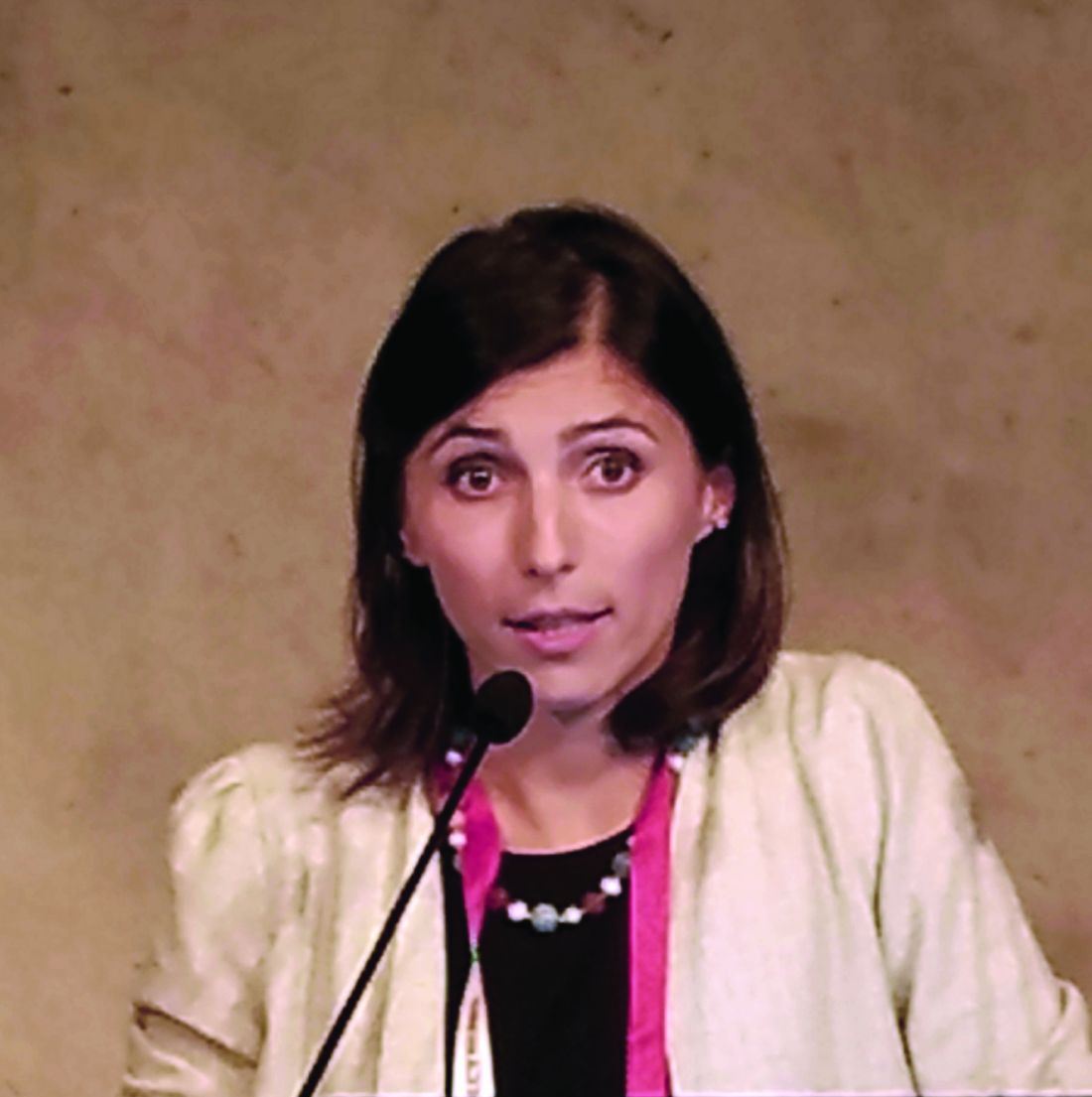
“Anti-MOG antibodies are present in about 30% of children with acquired demyelinating syndromes,” Giulia Fadda, MD, said at the annual congress of the European Committee for Treatment and Research in Multiple Sclerosis. “About 80% experience a monophasic disease course.”
The antibodies are found in almost all children who have a relapsing non-MS demyelinating disease, said Dr. Fadda, who is a postdoctoral research fellow at the University of Pennsylvania, Philadelphia. But when the antibodies are present in children with an MS diagnosis, they identify a very specific subset with atypical clinical and imaging features.
The large prospective Canadian Pediatric Demyelinating Disease Study provided the sample for the study she presented at ECTRIMS. Children are recruited into the study soon after a first demyelinating event, and they are followed clinically, serologically, and with regular brain MRI.
The cohort in Dr. Fadda’s study comprised 275 children who were a mean of about 11 years old at symptom onset. The mean clinical follow-up was 6.7 years; the mean serologic follow-up, 4 years, and the mean imaging follow-up, 3.5 years. The study examined 1,368 serum samples and 1,459 MRI scans.
Overall, 32% of the children were positive for anti-MOG antibodies. Positivity was not associated with sex, but children with antibodies were significantly younger than those without (7 vs. 12 years). In fact, 77% of anti-MOG–positive children were younger than 11 years; just 15% of older children were positive for the antibodies.
Anti-MOG positivity was also associated with certain clinical phenotypes. Among positive children, 40% presented with optic neuritis, 37% with acute disseminated encephalomyelitis, and 14% with transverse myelitis; the rest had other phenotypes. Optic neuritis was significantly less common among antibody-negative patients (22%), as was encephalomyelitis (17%). Transverse myelitis was significantly more common (31%).
The analysis of MRI scans was stratified according to age younger than 11 years and 11 years and older. “The first thing we noticed among the younger MOG-positive children is that they had a high number of lesions, which were more commonly ill-defined, diffuse, and bilateral,” Dr. Fadda said. “Almost all the brain areas were affected, with a slight preponderance of thalamic and juxtacortical lesions. Among the MOG-negative children, lesions were more often perpendicular to the major axis of the corpus callosum.”
Among the older MOG antibody–positive children, the diffuse pattern was rarer, and the lesions were frequently cerebellar. “But by far, the features that best differentiated positivity from negativity were black holes and enhancing lesions, which we saw in a high proportion of children without the antibodies” at 73% and 49%, respectively.
Over a mean imaging follow-up period of 4 years, lesions were more likely to resolve completely in antibody-positive children than in those without antibodies (50% vs. 21%). Serologically, children who were MOG-antibody negative at baseline were likely to stay that way, with 99% remaining seronegative. Positive children, on the other hand, were significantly more likely to change serologic status, with 56% turning negative and 8% serologically fluctuating over the follow-up period; only 36% remained persistently seropositive. Persistent positive status was significantly associated with younger age (7 vs. 9 years) and an optic neuritis presentation (62% vs. 27%).
Most children (81%) who were antibody positive at baseline experienced no relapses. Among the 16 children who did experience a clinical relapse, the mean time to a second event was about 1 year. Nine of these children stayed persistently positive, while five seroconverted and two had fluctuating status.
Of the 60 antibody-positive children who had a monophasic course, 23 were persistently positive, 34 seroconverted, and 3 had fluctuating serology.
Eventually, 54 children received an MS diagnosis. Of these, 83% were antibody negative at baseline. Ten children received a diagnosis of a relapsing non-MS demyelinating disorder; of these, 91% were antibody positive at baseline.
Dr. Fadda disclosed relationships with Atara Biotherapeutic and Sanofi-Genzyme.
SOURCE: Waters P et al. Mult Scler. 2018;24(S2):29-30, Abstract 65.
BERLIN – In children with an incident acquired demyelinating episode, the presence of antibodies against myelin oligodendrocyte glycoprotein (MOG) weighs against an eventual diagnosis of multiple sclerosis, especially if the child is younger than 11 years.
“Anti-MOG antibodies are present in about 30% of children with acquired demyelinating syndromes,” Giulia Fadda, MD, said at the annual congress of the European Committee for Treatment and Research in Multiple Sclerosis. “About 80% experience a monophasic disease course.”
The antibodies are found in almost all children who have a relapsing non-MS demyelinating disease, said Dr. Fadda, who is a postdoctoral research fellow at the University of Pennsylvania, Philadelphia. But when the antibodies are present in children with an MS diagnosis, they identify a very specific subset with atypical clinical and imaging features.
The large prospective Canadian Pediatric Demyelinating Disease Study provided the sample for the study she presented at ECTRIMS. Children are recruited into the study soon after a first demyelinating event, and they are followed clinically, serologically, and with regular brain MRI.
The cohort in Dr. Fadda’s study comprised 275 children who were a mean of about 11 years old at symptom onset. The mean clinical follow-up was 6.7 years; the mean serologic follow-up, 4 years, and the mean imaging follow-up, 3.5 years. The study examined 1,368 serum samples and 1,459 MRI scans.
Overall, 32% of the children were positive for anti-MOG antibodies. Positivity was not associated with sex, but children with antibodies were significantly younger than those without (7 vs. 12 years). In fact, 77% of anti-MOG–positive children were younger than 11 years; just 15% of older children were positive for the antibodies.
Anti-MOG positivity was also associated with certain clinical phenotypes. Among positive children, 40% presented with optic neuritis, 37% with acute disseminated encephalomyelitis, and 14% with transverse myelitis; the rest had other phenotypes. Optic neuritis was significantly less common among antibody-negative patients (22%), as was encephalomyelitis (17%). Transverse myelitis was significantly more common (31%).
The analysis of MRI scans was stratified according to age younger than 11 years and 11 years and older. “The first thing we noticed among the younger MOG-positive children is that they had a high number of lesions, which were more commonly ill-defined, diffuse, and bilateral,” Dr. Fadda said. “Almost all the brain areas were affected, with a slight preponderance of thalamic and juxtacortical lesions. Among the MOG-negative children, lesions were more often perpendicular to the major axis of the corpus callosum.”
Among the older MOG antibody–positive children, the diffuse pattern was rarer, and the lesions were frequently cerebellar. “But by far, the features that best differentiated positivity from negativity were black holes and enhancing lesions, which we saw in a high proportion of children without the antibodies” at 73% and 49%, respectively.
Over a mean imaging follow-up period of 4 years, lesions were more likely to resolve completely in antibody-positive children than in those without antibodies (50% vs. 21%). Serologically, children who were MOG-antibody negative at baseline were likely to stay that way, with 99% remaining seronegative. Positive children, on the other hand, were significantly more likely to change serologic status, with 56% turning negative and 8% serologically fluctuating over the follow-up period; only 36% remained persistently seropositive. Persistent positive status was significantly associated with younger age (7 vs. 9 years) and an optic neuritis presentation (62% vs. 27%).
Most children (81%) who were antibody positive at baseline experienced no relapses. Among the 16 children who did experience a clinical relapse, the mean time to a second event was about 1 year. Nine of these children stayed persistently positive, while five seroconverted and two had fluctuating status.
Of the 60 antibody-positive children who had a monophasic course, 23 were persistently positive, 34 seroconverted, and 3 had fluctuating serology.
Eventually, 54 children received an MS diagnosis. Of these, 83% were antibody negative at baseline. Ten children received a diagnosis of a relapsing non-MS demyelinating disorder; of these, 91% were antibody positive at baseline.
Dr. Fadda disclosed relationships with Atara Biotherapeutic and Sanofi-Genzyme.
SOURCE: Waters P et al. Mult Scler. 2018;24(S2):29-30, Abstract 65.
BERLIN – In children with an incident acquired demyelinating episode, the presence of antibodies against myelin oligodendrocyte glycoprotein (MOG) weighs against an eventual diagnosis of multiple sclerosis, especially if the child is younger than 11 years.
“Anti-MOG antibodies are present in about 30% of children with acquired demyelinating syndromes,” Giulia Fadda, MD, said at the annual congress of the European Committee for Treatment and Research in Multiple Sclerosis. “About 80% experience a monophasic disease course.”
The antibodies are found in almost all children who have a relapsing non-MS demyelinating disease, said Dr. Fadda, who is a postdoctoral research fellow at the University of Pennsylvania, Philadelphia. But when the antibodies are present in children with an MS diagnosis, they identify a very specific subset with atypical clinical and imaging features.
The large prospective Canadian Pediatric Demyelinating Disease Study provided the sample for the study she presented at ECTRIMS. Children are recruited into the study soon after a first demyelinating event, and they are followed clinically, serologically, and with regular brain MRI.
The cohort in Dr. Fadda’s study comprised 275 children who were a mean of about 11 years old at symptom onset. The mean clinical follow-up was 6.7 years; the mean serologic follow-up, 4 years, and the mean imaging follow-up, 3.5 years. The study examined 1,368 serum samples and 1,459 MRI scans.
Overall, 32% of the children were positive for anti-MOG antibodies. Positivity was not associated with sex, but children with antibodies were significantly younger than those without (7 vs. 12 years). In fact, 77% of anti-MOG–positive children were younger than 11 years; just 15% of older children were positive for the antibodies.
Anti-MOG positivity was also associated with certain clinical phenotypes. Among positive children, 40% presented with optic neuritis, 37% with acute disseminated encephalomyelitis, and 14% with transverse myelitis; the rest had other phenotypes. Optic neuritis was significantly less common among antibody-negative patients (22%), as was encephalomyelitis (17%). Transverse myelitis was significantly more common (31%).
The analysis of MRI scans was stratified according to age younger than 11 years and 11 years and older. “The first thing we noticed among the younger MOG-positive children is that they had a high number of lesions, which were more commonly ill-defined, diffuse, and bilateral,” Dr. Fadda said. “Almost all the brain areas were affected, with a slight preponderance of thalamic and juxtacortical lesions. Among the MOG-negative children, lesions were more often perpendicular to the major axis of the corpus callosum.”
Among the older MOG antibody–positive children, the diffuse pattern was rarer, and the lesions were frequently cerebellar. “But by far, the features that best differentiated positivity from negativity were black holes and enhancing lesions, which we saw in a high proportion of children without the antibodies” at 73% and 49%, respectively.
Over a mean imaging follow-up period of 4 years, lesions were more likely to resolve completely in antibody-positive children than in those without antibodies (50% vs. 21%). Serologically, children who were MOG-antibody negative at baseline were likely to stay that way, with 99% remaining seronegative. Positive children, on the other hand, were significantly more likely to change serologic status, with 56% turning negative and 8% serologically fluctuating over the follow-up period; only 36% remained persistently seropositive. Persistent positive status was significantly associated with younger age (7 vs. 9 years) and an optic neuritis presentation (62% vs. 27%).
Most children (81%) who were antibody positive at baseline experienced no relapses. Among the 16 children who did experience a clinical relapse, the mean time to a second event was about 1 year. Nine of these children stayed persistently positive, while five seroconverted and two had fluctuating status.
Of the 60 antibody-positive children who had a monophasic course, 23 were persistently positive, 34 seroconverted, and 3 had fluctuating serology.
Eventually, 54 children received an MS diagnosis. Of these, 83% were antibody negative at baseline. Ten children received a diagnosis of a relapsing non-MS demyelinating disorder; of these, 91% were antibody positive at baseline.
Dr. Fadda disclosed relationships with Atara Biotherapeutic and Sanofi-Genzyme.
SOURCE: Waters P et al. Mult Scler. 2018;24(S2):29-30, Abstract 65.
REPORTING FROM ECTRIMS 2018
Key clinical point:
Major finding: Most children (81%) who were antibody positive at baseline experienced no relapses.
Study details: A cohort of 275 children from the prospective Canadian Pediatric Demyelinating Disease Study.
Disclosures: Dr. Fadda disclosed relationships with Atara Biotherapeutics and Sanofi-Genzyme.
Source: Waters P et al. Mult Scler. 2018;24(S2):29-30, Abstract 65.
Antibiotic-obesity link ‘clinically insignificant’ at age 10 years
NASHVILLE, tenn. – Antibiotic use in the first 2 years of life was associated with a small amount of weight gain by 10 years of age, but the amount is “likely clinically insignificant,” according to new data presented at Obesity Week.

At 10 years of age, children without chronic health conditions who received any antibiotics had an odds ratio of 1.02 for being overweight or obese; for children with complex chronic conditions, the OR was 1.07 (95% confidence intervals, 0.97-1.07 and 0.96-1.19, respectively). The findings were based on data from almost 60,000 children studied in a large, multi-institutional national cohort.
“This is good news,” said first author Sheryl Rifas-Shiman, MPH, discussing the findings during a poster session. She noted that the 10-year data from the longitudinal study are consistent with findings at the 5-year mark that had previously been reported.
The study comes against the background of a recent meta-analysis finding that children given any antibiotics before age 24 months had a higher body mass index z-score (BMI-z) in childhood than children who didn’t take antibiotics. Disruptions that antibiotics can cause in the gut microbiome have been hypothesized to promote overweight and obesity in children.
The present study was conducted using electronic medical record data from 2009-2016 drawn from institutions participating in PCORnet, a national research collaboration and clearinghouse.
The analysis dichotomized the cohort into those who, by 24 months of age, had received any antibiotics and those who received none. Ms. Rifas-Shiman and her colleagues also looked at a categorical count of the number of antibiotic prescriptions, from 0 to 4 or more.
Finally, they broke the type of antibiotics into narrow- or broad-spectrum, she said in an interview during the poster session. In order for exposure to be considered narrow-spectrum only, the analysis was limited to participants who had no broad-spectrum antibiotic exposure during the same time frame.
The study’s multivariable analysis also took into account complex chronic conditions the children may have had.
Fifty-seven percent of children received antibiotics before the age of 24 months. Patients were overall just under half (48%) female, and about half (49%) were white. Black children made up 37% of the cohort, and Hispanic children constituted 12%.
By 10 years of age, 36% of participants were overweight or obese, with BMIs at or above the 85th percentile, according to 2000 Centers for Disease Control growth charts.
There was a suggestion of a dose-response relationship for both narrow- and broad-spectrum antibiotics because only at the higher antibiotic exposures did increased BMI-z reach statistical significance. However, broad-spectrum antibiotics were not more likely than narrow-spectrum antibiotics to be associated with increased BMI-z.
Other multivariable adjustment took into account site clustering and adjusted for sex, race, ethnicity, preterm birth, asthma or infectious disease diagnoses, and corticosteroid exposure, as well as health care visits in the first 2 years of life.
Limitations of the study included the fact that it was observational, raising the potential for undetected confounders. Also, since the study looked at prescription, rather than dispensing data, there could be some exposure misclassification by which children who were classified as having taken antibiotics did not actually take them or did not take the full amount prescribed.
“Antibiotics should always be used judiciously; however, the long-term risk of childhood obesity from antibiotics in infancy appears to be small and clinically insignificant,” wrote Ms. Rifas-Shiman, of the department of population medicine, Harvard Medical School and Harvard Pilgrim Health Care Institute, both in Boston.
The study was funded by an award from the Patient-Centered Outcomes Research Institute.
SOURCE: Rifas-Shiman et al. Obesity Week 2018, Poster TP-3155.
NASHVILLE, tenn. – Antibiotic use in the first 2 years of life was associated with a small amount of weight gain by 10 years of age, but the amount is “likely clinically insignificant,” according to new data presented at Obesity Week.
At 10 years of age, children without chronic health conditions who received any antibiotics had an odds ratio of 1.02 for being overweight or obese; for children with complex chronic conditions, the OR was 1.07 (95% confidence intervals, 0.97-1.07 and 0.96-1.19, respectively). The findings were based on data from almost 60,000 children studied in a large, multi-institutional national cohort.
“This is good news,” said first author Sheryl Rifas-Shiman, MPH, discussing the findings during a poster session. She noted that the 10-year data from the longitudinal study are consistent with findings at the 5-year mark that had previously been reported.
The study comes against the background of a recent meta-analysis finding that children given any antibiotics before age 24 months had a higher body mass index z-score (BMI-z) in childhood than children who didn’t take antibiotics. Disruptions that antibiotics can cause in the gut microbiome have been hypothesized to promote overweight and obesity in children.
The present study was conducted using electronic medical record data from 2009-2016 drawn from institutions participating in PCORnet, a national research collaboration and clearinghouse.
The analysis dichotomized the cohort into those who, by 24 months of age, had received any antibiotics and those who received none. Ms. Rifas-Shiman and her colleagues also looked at a categorical count of the number of antibiotic prescriptions, from 0 to 4 or more.
Finally, they broke the type of antibiotics into narrow- or broad-spectrum, she said in an interview during the poster session. In order for exposure to be considered narrow-spectrum only, the analysis was limited to participants who had no broad-spectrum antibiotic exposure during the same time frame.
The study’s multivariable analysis also took into account complex chronic conditions the children may have had.
Fifty-seven percent of children received antibiotics before the age of 24 months. Patients were overall just under half (48%) female, and about half (49%) were white. Black children made up 37% of the cohort, and Hispanic children constituted 12%.
By 10 years of age, 36% of participants were overweight or obese, with BMIs at or above the 85th percentile, according to 2000 Centers for Disease Control growth charts.
There was a suggestion of a dose-response relationship for both narrow- and broad-spectrum antibiotics because only at the higher antibiotic exposures did increased BMI-z reach statistical significance. However, broad-spectrum antibiotics were not more likely than narrow-spectrum antibiotics to be associated with increased BMI-z.
Other multivariable adjustment took into account site clustering and adjusted for sex, race, ethnicity, preterm birth, asthma or infectious disease diagnoses, and corticosteroid exposure, as well as health care visits in the first 2 years of life.
Limitations of the study included the fact that it was observational, raising the potential for undetected confounders. Also, since the study looked at prescription, rather than dispensing data, there could be some exposure misclassification by which children who were classified as having taken antibiotics did not actually take them or did not take the full amount prescribed.
“Antibiotics should always be used judiciously; however, the long-term risk of childhood obesity from antibiotics in infancy appears to be small and clinically insignificant,” wrote Ms. Rifas-Shiman, of the department of population medicine, Harvard Medical School and Harvard Pilgrim Health Care Institute, both in Boston.
The study was funded by an award from the Patient-Centered Outcomes Research Institute.
SOURCE: Rifas-Shiman et al. Obesity Week 2018, Poster TP-3155.
NASHVILLE, tenn. – Antibiotic use in the first 2 years of life was associated with a small amount of weight gain by 10 years of age, but the amount is “likely clinically insignificant,” according to new data presented at Obesity Week.
At 10 years of age, children without chronic health conditions who received any antibiotics had an odds ratio of 1.02 for being overweight or obese; for children with complex chronic conditions, the OR was 1.07 (95% confidence intervals, 0.97-1.07 and 0.96-1.19, respectively). The findings were based on data from almost 60,000 children studied in a large, multi-institutional national cohort.
“This is good news,” said first author Sheryl Rifas-Shiman, MPH, discussing the findings during a poster session. She noted that the 10-year data from the longitudinal study are consistent with findings at the 5-year mark that had previously been reported.
The study comes against the background of a recent meta-analysis finding that children given any antibiotics before age 24 months had a higher body mass index z-score (BMI-z) in childhood than children who didn’t take antibiotics. Disruptions that antibiotics can cause in the gut microbiome have been hypothesized to promote overweight and obesity in children.
The present study was conducted using electronic medical record data from 2009-2016 drawn from institutions participating in PCORnet, a national research collaboration and clearinghouse.
The analysis dichotomized the cohort into those who, by 24 months of age, had received any antibiotics and those who received none. Ms. Rifas-Shiman and her colleagues also looked at a categorical count of the number of antibiotic prescriptions, from 0 to 4 or more.
Finally, they broke the type of antibiotics into narrow- or broad-spectrum, she said in an interview during the poster session. In order for exposure to be considered narrow-spectrum only, the analysis was limited to participants who had no broad-spectrum antibiotic exposure during the same time frame.
The study’s multivariable analysis also took into account complex chronic conditions the children may have had.
Fifty-seven percent of children received antibiotics before the age of 24 months. Patients were overall just under half (48%) female, and about half (49%) were white. Black children made up 37% of the cohort, and Hispanic children constituted 12%.
By 10 years of age, 36% of participants were overweight or obese, with BMIs at or above the 85th percentile, according to 2000 Centers for Disease Control growth charts.
There was a suggestion of a dose-response relationship for both narrow- and broad-spectrum antibiotics because only at the higher antibiotic exposures did increased BMI-z reach statistical significance. However, broad-spectrum antibiotics were not more likely than narrow-spectrum antibiotics to be associated with increased BMI-z.
Other multivariable adjustment took into account site clustering and adjusted for sex, race, ethnicity, preterm birth, asthma or infectious disease diagnoses, and corticosteroid exposure, as well as health care visits in the first 2 years of life.
Limitations of the study included the fact that it was observational, raising the potential for undetected confounders. Also, since the study looked at prescription, rather than dispensing data, there could be some exposure misclassification by which children who were classified as having taken antibiotics did not actually take them or did not take the full amount prescribed.
“Antibiotics should always be used judiciously; however, the long-term risk of childhood obesity from antibiotics in infancy appears to be small and clinically insignificant,” wrote Ms. Rifas-Shiman, of the department of population medicine, Harvard Medical School and Harvard Pilgrim Health Care Institute, both in Boston.
The study was funded by an award from the Patient-Centered Outcomes Research Institute.
SOURCE: Rifas-Shiman et al. Obesity Week 2018, Poster TP-3155.
REPORTING FROM OBESITY WEEK 2018
Key clinical point: Antibiotic use before the age of 2 years was not associated with clinically significant weight gain at age 10 years.
Major finding: By age 10 years, children given antibiotics without chronic health conditions had an odds ratio of 1.02 for being overweight or obese, and those with chronic health conditions had an OR of 1.07, with 95% confidence intervals for both groups crossing unity.
Study details: Prospective, multisite, national cohort study of 56,727 children.
Disclosures: The study was funded by the Patient-Centered Outcomes Research Institute. Ms. Rifas-Shiman reported that she had no conflicts of interest.
Source: Rifas-Shiman S et al. Obesity Week 2018, poster TP-3155,
Demyelinating diseases, especially MS, disrupt normal brain development in children
BERLIN – Demyelinating diseases appear to disrupt white matter development in children, slowing the trajectory of brain growth to almost unmeasurable levels, based on results from a single-center comparison study of 213 individuals.

While children with multiple sclerosis (MS) showed the most severe slowing, even a single demyelinating event slowed white matter growth, Robert A. Brown, PhD, said at the annual congress of the European Committees for Treatment and Research in Multiple Sclerosis.
Dr. Brown of the Montreal Neurological Institute at McGill University, Montreal, employed a signal mass correction of consecutive brain MRIs enhanced with magnetization transfer. Magnetization transfer ratio (MTR) quantifies myelin more effectively than does other imaging enhancement modalities, Dr. Brown said.
“It labels the macromolecules of myelin and correlates almost perfectly with Luxol fast blue stain on histology,” he said. And by measuring myelin instead of whole-brain volume, MTR sidesteps the confounders of inflammation and edema. “When tissue swells, the water dilutes the myelin. MRI is really sensitive to density, so dilution with water lowers that signal.”
But MTR isn’t failsafe either, he said, especially in teens. “A cautionary note: In healthy adolescents, white matter MTR can actually decrease, not increase, not because they are losing myelin but because the axons in brain tissue are growing so fast that they outstrip the production of new myelin. So, we can get another dilution effect here, except that instead of water, axons are diluting the myelin. We have to take that into account when using MTR.”
A volume-corrected MTR calculates both mass and volume to give what Dr. Brown termed signal mass. “We have demonstrated previously that signal mass is about twice as powerful as volume change alone for measuring the differences [in brain volume] between adults with MS and healthy controls.”
The study he presented at ECTRIMS used this technique to examine the trajectory of white matter change in a cohort of children from the Canadian Pediatric Demyelinating Disease Study who were all scanned at the same site in the same center. He compared brain volume at baseline and 1 year in 102 children with a monophasic demyelinating disease, 87 with MS, and 24 healthy, age-matched controls.
The children with MS were a median of about 17 years old at baseline, while those with a monophasic event and healthy controls were a median of about 12 years old. Median follow-up was 1 year in the healthy controls, 2 years in the MS cohort, and 4 years in the monophasic group. The investigators adjusted their comparisons for sex, since both bioavailable testosterone and androgen-receptor activity correlate with decreased MTR in young men. This doesn’t mean, though, that testosterone decreases myelination. Rather, it’s postulated that testosterone increases axonal caliber, which would decrease the number of neurons in each imaging voxel and, thus, the MTR signal (J Neurosci. 2008 Sep 17;28[38]:9519-24).
In the volume-only assessment, white matter in healthy controls increased at a rate of about 0.5% per year. White matter growth was about 0.2% per year in children with monophasic demyelination, which was significantly lower than in healthy controls.
“The MS children had no white matter growth that we could measure,” with an annual change of about 0.01%, Dr. Brown said. “It looks like a failure of normal development and was significantly lower than what we saw in the children with a demyelination event.”
MTR showed the expected age-associated decreases, which were highest among those with MS: –0.8% per year in healthy controls, –0.6% per year in those with a monophasic event, and –0.9% per year in those with MS.
The signal mass change showed the whole picture, Dr. Brown said. Signal mass declined 0.3% per year in healthy controls, 0.5% per year in the monophasic group, and 0.9% per year in the MS group – a significantly worse trajectory than either the control subjects or those with a monophasic event.
“Signal mass puts it all together and gives us the total picture of tissue loss, with quite severe loss in children with MS. It seems as though both monophasic insult and pediatric-onset MS disrupt brain development.”
Dr. Brown has been a consultant for NeuroRx Research and Biogen.
SOURCE: Brown RA et al. Mult Scler. 2018;24(S2):27-8, Abstract 63.
BERLIN – Demyelinating diseases appear to disrupt white matter development in children, slowing the trajectory of brain growth to almost unmeasurable levels, based on results from a single-center comparison study of 213 individuals.
While children with multiple sclerosis (MS) showed the most severe slowing, even a single demyelinating event slowed white matter growth, Robert A. Brown, PhD, said at the annual congress of the European Committees for Treatment and Research in Multiple Sclerosis.
Dr. Brown of the Montreal Neurological Institute at McGill University, Montreal, employed a signal mass correction of consecutive brain MRIs enhanced with magnetization transfer. Magnetization transfer ratio (MTR) quantifies myelin more effectively than does other imaging enhancement modalities, Dr. Brown said.
“It labels the macromolecules of myelin and correlates almost perfectly with Luxol fast blue stain on histology,” he said. And by measuring myelin instead of whole-brain volume, MTR sidesteps the confounders of inflammation and edema. “When tissue swells, the water dilutes the myelin. MRI is really sensitive to density, so dilution with water lowers that signal.”
But MTR isn’t failsafe either, he said, especially in teens. “A cautionary note: In healthy adolescents, white matter MTR can actually decrease, not increase, not because they are losing myelin but because the axons in brain tissue are growing so fast that they outstrip the production of new myelin. So, we can get another dilution effect here, except that instead of water, axons are diluting the myelin. We have to take that into account when using MTR.”
A volume-corrected MTR calculates both mass and volume to give what Dr. Brown termed signal mass. “We have demonstrated previously that signal mass is about twice as powerful as volume change alone for measuring the differences [in brain volume] between adults with MS and healthy controls.”
The study he presented at ECTRIMS used this technique to examine the trajectory of white matter change in a cohort of children from the Canadian Pediatric Demyelinating Disease Study who were all scanned at the same site in the same center. He compared brain volume at baseline and 1 year in 102 children with a monophasic demyelinating disease, 87 with MS, and 24 healthy, age-matched controls.
The children with MS were a median of about 17 years old at baseline, while those with a monophasic event and healthy controls were a median of about 12 years old. Median follow-up was 1 year in the healthy controls, 2 years in the MS cohort, and 4 years in the monophasic group. The investigators adjusted their comparisons for sex, since both bioavailable testosterone and androgen-receptor activity correlate with decreased MTR in young men. This doesn’t mean, though, that testosterone decreases myelination. Rather, it’s postulated that testosterone increases axonal caliber, which would decrease the number of neurons in each imaging voxel and, thus, the MTR signal (J Neurosci. 2008 Sep 17;28[38]:9519-24).
In the volume-only assessment, white matter in healthy controls increased at a rate of about 0.5% per year. White matter growth was about 0.2% per year in children with monophasic demyelination, which was significantly lower than in healthy controls.
“The MS children had no white matter growth that we could measure,” with an annual change of about 0.01%, Dr. Brown said. “It looks like a failure of normal development and was significantly lower than what we saw in the children with a demyelination event.”
MTR showed the expected age-associated decreases, which were highest among those with MS: –0.8% per year in healthy controls, –0.6% per year in those with a monophasic event, and –0.9% per year in those with MS.
The signal mass change showed the whole picture, Dr. Brown said. Signal mass declined 0.3% per year in healthy controls, 0.5% per year in the monophasic group, and 0.9% per year in the MS group – a significantly worse trajectory than either the control subjects or those with a monophasic event.
“Signal mass puts it all together and gives us the total picture of tissue loss, with quite severe loss in children with MS. It seems as though both monophasic insult and pediatric-onset MS disrupt brain development.”
Dr. Brown has been a consultant for NeuroRx Research and Biogen.
SOURCE: Brown RA et al. Mult Scler. 2018;24(S2):27-8, Abstract 63.
BERLIN – Demyelinating diseases appear to disrupt white matter development in children, slowing the trajectory of brain growth to almost unmeasurable levels, based on results from a single-center comparison study of 213 individuals.
While children with multiple sclerosis (MS) showed the most severe slowing, even a single demyelinating event slowed white matter growth, Robert A. Brown, PhD, said at the annual congress of the European Committees for Treatment and Research in Multiple Sclerosis.
Dr. Brown of the Montreal Neurological Institute at McGill University, Montreal, employed a signal mass correction of consecutive brain MRIs enhanced with magnetization transfer. Magnetization transfer ratio (MTR) quantifies myelin more effectively than does other imaging enhancement modalities, Dr. Brown said.
“It labels the macromolecules of myelin and correlates almost perfectly with Luxol fast blue stain on histology,” he said. And by measuring myelin instead of whole-brain volume, MTR sidesteps the confounders of inflammation and edema. “When tissue swells, the water dilutes the myelin. MRI is really sensitive to density, so dilution with water lowers that signal.”
But MTR isn’t failsafe either, he said, especially in teens. “A cautionary note: In healthy adolescents, white matter MTR can actually decrease, not increase, not because they are losing myelin but because the axons in brain tissue are growing so fast that they outstrip the production of new myelin. So, we can get another dilution effect here, except that instead of water, axons are diluting the myelin. We have to take that into account when using MTR.”
A volume-corrected MTR calculates both mass and volume to give what Dr. Brown termed signal mass. “We have demonstrated previously that signal mass is about twice as powerful as volume change alone for measuring the differences [in brain volume] between adults with MS and healthy controls.”
The study he presented at ECTRIMS used this technique to examine the trajectory of white matter change in a cohort of children from the Canadian Pediatric Demyelinating Disease Study who were all scanned at the same site in the same center. He compared brain volume at baseline and 1 year in 102 children with a monophasic demyelinating disease, 87 with MS, and 24 healthy, age-matched controls.
The children with MS were a median of about 17 years old at baseline, while those with a monophasic event and healthy controls were a median of about 12 years old. Median follow-up was 1 year in the healthy controls, 2 years in the MS cohort, and 4 years in the monophasic group. The investigators adjusted their comparisons for sex, since both bioavailable testosterone and androgen-receptor activity correlate with decreased MTR in young men. This doesn’t mean, though, that testosterone decreases myelination. Rather, it’s postulated that testosterone increases axonal caliber, which would decrease the number of neurons in each imaging voxel and, thus, the MTR signal (J Neurosci. 2008 Sep 17;28[38]:9519-24).
In the volume-only assessment, white matter in healthy controls increased at a rate of about 0.5% per year. White matter growth was about 0.2% per year in children with monophasic demyelination, which was significantly lower than in healthy controls.
“The MS children had no white matter growth that we could measure,” with an annual change of about 0.01%, Dr. Brown said. “It looks like a failure of normal development and was significantly lower than what we saw in the children with a demyelination event.”
MTR showed the expected age-associated decreases, which were highest among those with MS: –0.8% per year in healthy controls, –0.6% per year in those with a monophasic event, and –0.9% per year in those with MS.
The signal mass change showed the whole picture, Dr. Brown said. Signal mass declined 0.3% per year in healthy controls, 0.5% per year in the monophasic group, and 0.9% per year in the MS group – a significantly worse trajectory than either the control subjects or those with a monophasic event.
“Signal mass puts it all together and gives us the total picture of tissue loss, with quite severe loss in children with MS. It seems as though both monophasic insult and pediatric-onset MS disrupt brain development.”
Dr. Brown has been a consultant for NeuroRx Research and Biogen.
SOURCE: Brown RA et al. Mult Scler. 2018;24(S2):27-8, Abstract 63.
REPORTING FROM ECTRIMS 2018
Key clinical point: Demyelinating disorders disrupt brain growth in children.
Major finding: Children with MS had virtually no white matter growth, and those with ADM lagged significantly behind controls.
Study details: The prospective imaging study comprised 24 controls, 102 with an ADM, and 87 with MS.
Disclosures: Dr. Brown has been a consultant for NeuroRx Research and Biogen Idec.
Source: Brown RA et al. Mult Scler. 2018;24(S2):27-8, Abstract 63
Assess ADHD at developmental age, rather than chronological
ORLANDO – said David O. Childers, MD, chief of the division of developmental pediatrics at the University of Florida in Jacksonville.

“That is a huge consideration, and the vast majority of pediatricians don’t understand that,” Dr. Childers said at the annual meeting of the American Academy of Pediatrics.
A diagnosis of ADHD in children should be reserved for situations in which the symptoms clearly interfere with how they function in social, academic, and occupational settings. ADHD should not be diagnosed in children who exhibit hostility, defiance, a failure to understand, or who have oppositional defiant disorder (ODD). In addition, ADHD in children often overlaps with other conditions, such as learning disabilities, ODD, anxiety, depression, poor self-esteem, conduct disorder, motor coordination problems, and encopresis and enuresis.
One mistake you can make is starting the medication too young in patients who exhibit symptoms of ADHD. Receptive language relative to developmental age should be taken into consideration when deciding whether to treat very young patients. “If the voice in your head is at a 3-year-old level, that’s going to be your behavior picture regardless of your chronological age,” Dr. Childers said.
You also can misdiagnose ADHD in young patients because you don’t recognize behavioral phenotypes and diagnoses that are similar to ADHD. Extreme prematurity, global developmental delay, fetal alcohol syndrome, spina bifida, genetic syndrome, intellectual and learning disabilities, closed head injuries, and depression all can mimic ADHD symptoms. “Everything that wheezes is not asthma, and everything that is ‘hyper’ or ‘drifty’ is not ADHD,” he noted.
Another mistake is considering mixed amphetamine salts (MAS) the same as methylphenidate (MPH), Dr. Childers said. MAS has 5 mg of active isomer versus 2.5 mg in MPH doses, and patients could see side effects from the increased potency in MAS in the form of appetite suppression and tics. You should start with a low dose of the medication and titrate up until patients get the most out of the medication to avoid situations in which patients report a change in personality or that the treatment is not effective.
“The medicine should never change a kid’s personality,” Dr. Childers said. “We are not here to treat the kid to the point of hyperactivity management; we’re here to treat for attention.”
In cases where patients ask for the short-acting medication rather than long-acting stimulant, remember that short-acting medication for ADHD has a higher potential for abuse. “Medication diversion is real. It does occur,” he said.
Establishing a basal sleep history and whether the child has insomnia is important before prescribing ADHD medication. Dr. Childers noted he uses a short-acting stimulant as an off-label treatment to treat some of his patients with insomnia, but he said to be aware of side effects like headache, abdominal pain, anorexia, and tics, as well as cardiac issues.
You also should rethink your diagnosis if the medication is not having an effect after two trials of a stimulant, Dr. Childers noted, and when a child has conditions like anxiety and depression that can mimic ADHD symptoms, a stimulant will increase irritability and have a paradoxical response to the medication. Inattentive ADHD can be missed in adolescent patients who struggle academically until they fall behind their peers, which can result in developing depression that complicates treatment, he said.
A learning disorder also can be mistaken for ADHD in children and presents in different ways depending on what grade the child is in. As a child ages and learns how to read, he or she will begin to fall behind as learning through reading becomes more complex. Learning disorders should be ruled out before treating for ADHD because, if the child improves after taking a stimulant, it could be more difficult to find a diagnosis of learning disorder later, Dr. Childers noted.
Bipolar disorder can be overdiagnosed in children; in these patients, the most likely diagnoses are ADHD and ODD, he said. According to a 2004 National Alliance of Mental Illness fact sheet, approximately 7% of patients in caseloads for federally funded studies in psychiatric facilities met the criteria for bipolar disorder, but the lifelong prevalence of the disease is between 1% and 1.6%.
“Bipolar disorder is frequently oppositional defiant disorder, and the word ‘no’ can be a trigger,” Dr. Childers said.
Dr. Childers reported no relevant conflicts of interest.
ORLANDO – said David O. Childers, MD, chief of the division of developmental pediatrics at the University of Florida in Jacksonville.
“That is a huge consideration, and the vast majority of pediatricians don’t understand that,” Dr. Childers said at the annual meeting of the American Academy of Pediatrics.
A diagnosis of ADHD in children should be reserved for situations in which the symptoms clearly interfere with how they function in social, academic, and occupational settings. ADHD should not be diagnosed in children who exhibit hostility, defiance, a failure to understand, or who have oppositional defiant disorder (ODD). In addition, ADHD in children often overlaps with other conditions, such as learning disabilities, ODD, anxiety, depression, poor self-esteem, conduct disorder, motor coordination problems, and encopresis and enuresis.
One mistake you can make is starting the medication too young in patients who exhibit symptoms of ADHD. Receptive language relative to developmental age should be taken into consideration when deciding whether to treat very young patients. “If the voice in your head is at a 3-year-old level, that’s going to be your behavior picture regardless of your chronological age,” Dr. Childers said.
You also can misdiagnose ADHD in young patients because you don’t recognize behavioral phenotypes and diagnoses that are similar to ADHD. Extreme prematurity, global developmental delay, fetal alcohol syndrome, spina bifida, genetic syndrome, intellectual and learning disabilities, closed head injuries, and depression all can mimic ADHD symptoms. “Everything that wheezes is not asthma, and everything that is ‘hyper’ or ‘drifty’ is not ADHD,” he noted.
Another mistake is considering mixed amphetamine salts (MAS) the same as methylphenidate (MPH), Dr. Childers said. MAS has 5 mg of active isomer versus 2.5 mg in MPH doses, and patients could see side effects from the increased potency in MAS in the form of appetite suppression and tics. You should start with a low dose of the medication and titrate up until patients get the most out of the medication to avoid situations in which patients report a change in personality or that the treatment is not effective.
“The medicine should never change a kid’s personality,” Dr. Childers said. “We are not here to treat the kid to the point of hyperactivity management; we’re here to treat for attention.”
In cases where patients ask for the short-acting medication rather than long-acting stimulant, remember that short-acting medication for ADHD has a higher potential for abuse. “Medication diversion is real. It does occur,” he said.
Establishing a basal sleep history and whether the child has insomnia is important before prescribing ADHD medication. Dr. Childers noted he uses a short-acting stimulant as an off-label treatment to treat some of his patients with insomnia, but he said to be aware of side effects like headache, abdominal pain, anorexia, and tics, as well as cardiac issues.
You also should rethink your diagnosis if the medication is not having an effect after two trials of a stimulant, Dr. Childers noted, and when a child has conditions like anxiety and depression that can mimic ADHD symptoms, a stimulant will increase irritability and have a paradoxical response to the medication. Inattentive ADHD can be missed in adolescent patients who struggle academically until they fall behind their peers, which can result in developing depression that complicates treatment, he said.
A learning disorder also can be mistaken for ADHD in children and presents in different ways depending on what grade the child is in. As a child ages and learns how to read, he or she will begin to fall behind as learning through reading becomes more complex. Learning disorders should be ruled out before treating for ADHD because, if the child improves after taking a stimulant, it could be more difficult to find a diagnosis of learning disorder later, Dr. Childers noted.
Bipolar disorder can be overdiagnosed in children; in these patients, the most likely diagnoses are ADHD and ODD, he said. According to a 2004 National Alliance of Mental Illness fact sheet, approximately 7% of patients in caseloads for federally funded studies in psychiatric facilities met the criteria for bipolar disorder, but the lifelong prevalence of the disease is between 1% and 1.6%.
“Bipolar disorder is frequently oppositional defiant disorder, and the word ‘no’ can be a trigger,” Dr. Childers said.
Dr. Childers reported no relevant conflicts of interest.
ORLANDO – said David O. Childers, MD, chief of the division of developmental pediatrics at the University of Florida in Jacksonville.
“That is a huge consideration, and the vast majority of pediatricians don’t understand that,” Dr. Childers said at the annual meeting of the American Academy of Pediatrics.
A diagnosis of ADHD in children should be reserved for situations in which the symptoms clearly interfere with how they function in social, academic, and occupational settings. ADHD should not be diagnosed in children who exhibit hostility, defiance, a failure to understand, or who have oppositional defiant disorder (ODD). In addition, ADHD in children often overlaps with other conditions, such as learning disabilities, ODD, anxiety, depression, poor self-esteem, conduct disorder, motor coordination problems, and encopresis and enuresis.
One mistake you can make is starting the medication too young in patients who exhibit symptoms of ADHD. Receptive language relative to developmental age should be taken into consideration when deciding whether to treat very young patients. “If the voice in your head is at a 3-year-old level, that’s going to be your behavior picture regardless of your chronological age,” Dr. Childers said.
You also can misdiagnose ADHD in young patients because you don’t recognize behavioral phenotypes and diagnoses that are similar to ADHD. Extreme prematurity, global developmental delay, fetal alcohol syndrome, spina bifida, genetic syndrome, intellectual and learning disabilities, closed head injuries, and depression all can mimic ADHD symptoms. “Everything that wheezes is not asthma, and everything that is ‘hyper’ or ‘drifty’ is not ADHD,” he noted.
Another mistake is considering mixed amphetamine salts (MAS) the same as methylphenidate (MPH), Dr. Childers said. MAS has 5 mg of active isomer versus 2.5 mg in MPH doses, and patients could see side effects from the increased potency in MAS in the form of appetite suppression and tics. You should start with a low dose of the medication and titrate up until patients get the most out of the medication to avoid situations in which patients report a change in personality or that the treatment is not effective.
“The medicine should never change a kid’s personality,” Dr. Childers said. “We are not here to treat the kid to the point of hyperactivity management; we’re here to treat for attention.”
In cases where patients ask for the short-acting medication rather than long-acting stimulant, remember that short-acting medication for ADHD has a higher potential for abuse. “Medication diversion is real. It does occur,” he said.
Establishing a basal sleep history and whether the child has insomnia is important before prescribing ADHD medication. Dr. Childers noted he uses a short-acting stimulant as an off-label treatment to treat some of his patients with insomnia, but he said to be aware of side effects like headache, abdominal pain, anorexia, and tics, as well as cardiac issues.
You also should rethink your diagnosis if the medication is not having an effect after two trials of a stimulant, Dr. Childers noted, and when a child has conditions like anxiety and depression that can mimic ADHD symptoms, a stimulant will increase irritability and have a paradoxical response to the medication. Inattentive ADHD can be missed in adolescent patients who struggle academically until they fall behind their peers, which can result in developing depression that complicates treatment, he said.
A learning disorder also can be mistaken for ADHD in children and presents in different ways depending on what grade the child is in. As a child ages and learns how to read, he or she will begin to fall behind as learning through reading becomes more complex. Learning disorders should be ruled out before treating for ADHD because, if the child improves after taking a stimulant, it could be more difficult to find a diagnosis of learning disorder later, Dr. Childers noted.
Bipolar disorder can be overdiagnosed in children; in these patients, the most likely diagnoses are ADHD and ODD, he said. According to a 2004 National Alliance of Mental Illness fact sheet, approximately 7% of patients in caseloads for federally funded studies in psychiatric facilities met the criteria for bipolar disorder, but the lifelong prevalence of the disease is between 1% and 1.6%.
“Bipolar disorder is frequently oppositional defiant disorder, and the word ‘no’ can be a trigger,” Dr. Childers said.
Dr. Childers reported no relevant conflicts of interest.
EXPERT ANALYSIS FROM AAP 18
New pediatric therapies show promise for influenza, multidrug-resistant pathogens
ORLANDO – John S. Bradley, MD, said at the annual meeting of the American Academy of Pediatrics.
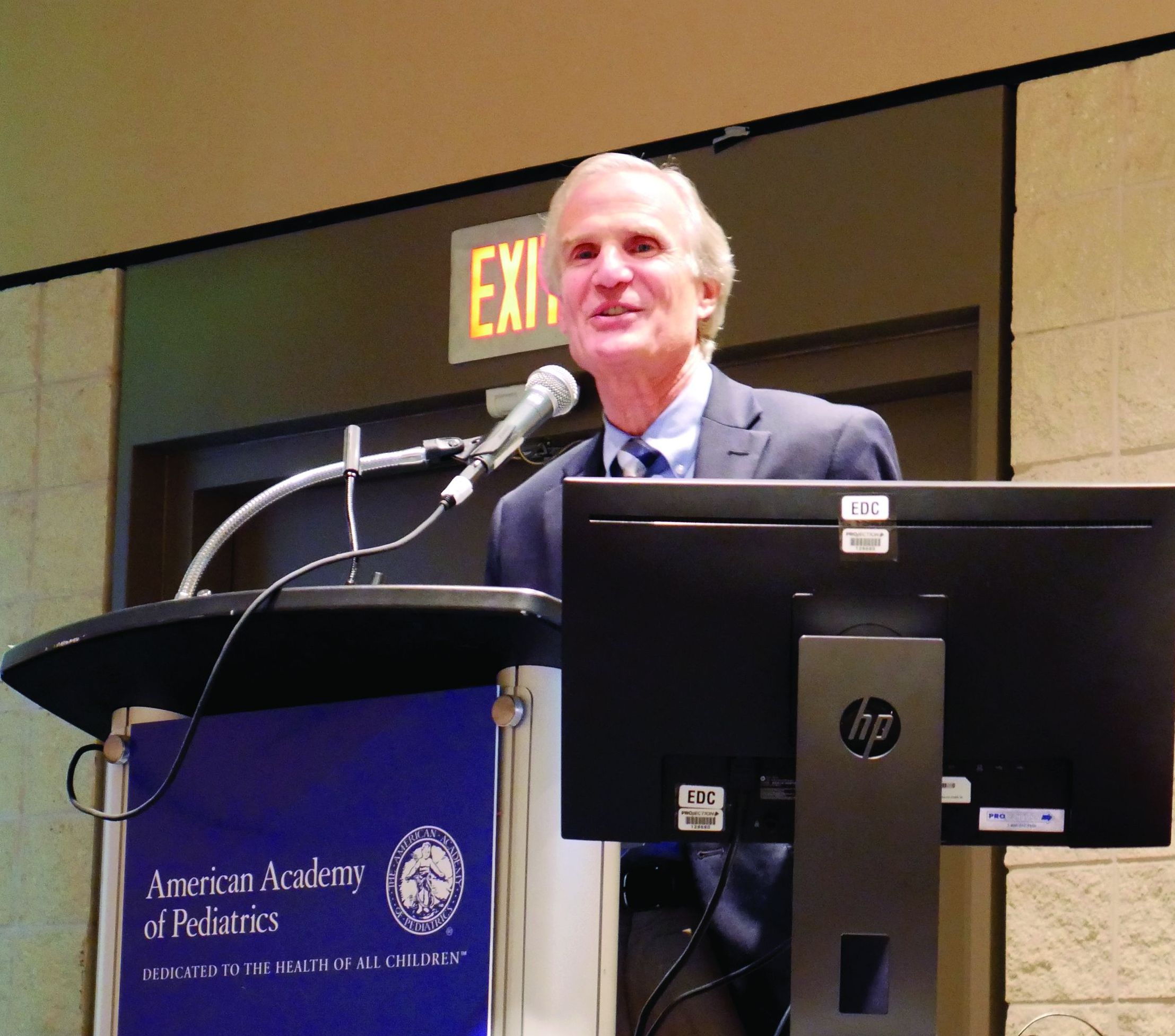
Dr. Bradley, director of the division of infectious diseases at Rady Children’s Hospital–San Diego, discussed a therapy for influenza, baloxavir, which was recently approved as a fast-acting single-dose medication and currently is under study in children. Also, a recent double-blind, phase 3 trial in the New England Journal of Medicine recruited patients as young as 12 years old. In the study, patients in the intervention group resolved their fever in median 25 hours, compared with 42 hours in the placebo group. Baloxavir better reduced viral load at day 2, compared with oseltamivir and placebo, but there was a similar alleviation of symptoms between both groups. There was a greater incidence of nausea and vomiting among the oseltamivir group, while the baloxavir group had a higher rate of diarrhea (N Engl J Med 2018;379:913-23).
However, Dr. Bradley noted baloxavir is much more expensive than oseltamivir, which may not justify the better tolerance of the drug for influenza treatment.
You don’t get better with it faster, so I’m not going to be recommending you all run to baloxavir this flu season for kids 12 years of age and older,” Dr. Bradley said. “I think oseltamivir is still fine, unless we end up with oseltamivir resistance.”
Solithromycin, an intravenous and oral fluoroketolide, has shown promising results against gram-positive and gram-negative pathogens for community-acquired pneumonia and other infections. During the drug’s study period, Cempra sold solithromycin to Melinta. However, one trial showed elevated liver functions in a higher number of patients than expected, and the Food and Drug Administration asked Melinta to conduct additional studies. Investigations on solithromycin have currently stopped until Melinta secures funding. “Until they get better resources, this particular drug is on hold, but you’ll see it again, I’m sure,” said Dr. Bradley, who also is professor and chief of the division of infectious diseases at the University of California, San Diego.
Dr. Bradley also discussed the efficacy of tedizolid, a protein synthesis inhibitor similar to linezolid approved in adults for the treatment of skin infections. He noted tedizolid is more active than linezolid, but the treatment course is a shorter dose for a shorter amount of time. Compared with linezolid, which can cause thrombocytopenia or neutropenia if taken for more than 10 days to 14 days, there also are fewer side effects.
“The tedizolid is much, much safer,” Dr. Bradley said, who added that trials for efficacy of tedizolid are currently underway in pediatric patients. “We’re hoping that will end up being the pediatric oxazolidinone.”
Other investigative therapies approved for adults and under study for use in children include ceftazidime/avibactam for treatment of urinary tract and complicated intra-abdominal infections, which is effective against meropenem-resistant Enterobacteriaceae and resistant Escherichia coli with extended-spectrum beta-lactamases (ESBL); ceftolozane/tazobactam has also been approved for adults, is pending approval in pediatric patients, and is active against ESBLs such as Pseudomonas; and meropenem/vaborbactam, which is active against Klebsiella pneumoniae carbapenemase (KPC)–producing isolates. Plazomicin, an aminoglycoside similar to gentamicin used to treat KPC-producing isolates, is stable against enzymes that degrade gentamicin and tobramycin.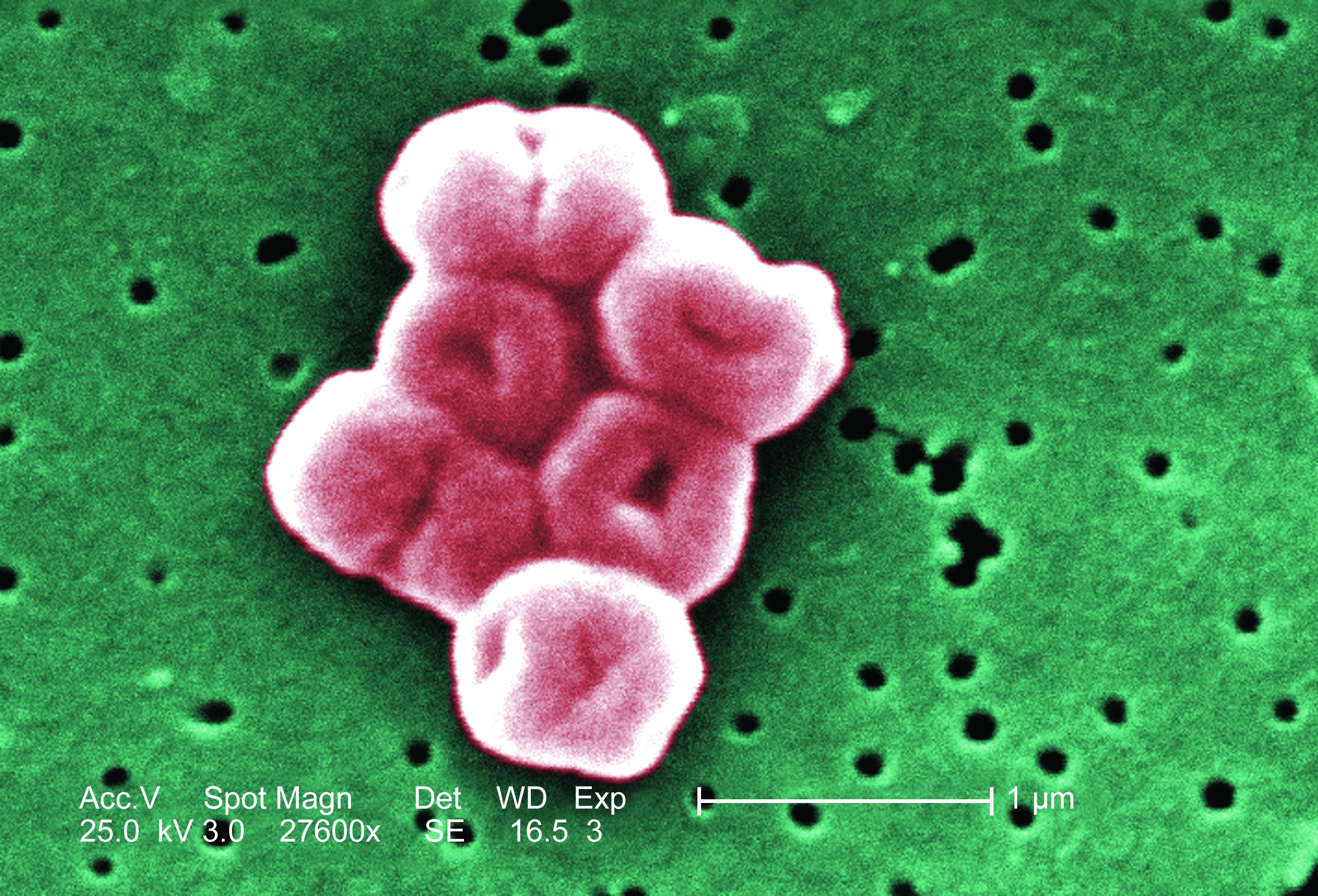
Therapies currently under study for adults and being considered for children include imipenem/relebactam for treatment against E. coli, Enterobacter species, and KPC-producing isolates, and cefiderocol, a siderophore cephalosporin antibiotic – commonly described as a “Trojan horse” antibiotic because it binds to iron and is actively transported into the organism – is effective against Pseudomonas and has finished phase 2 trials in adults, with researchers looking to do single-dose trials in children, Dr. Bradley noted.
More experimentally, phage therapy for multidrug-resistant Acinetobacter baumannii proved effective in a 68-year-old patient with necrotizing pancreatitis who continued to deteriorate over a 4-month period despite multiple courses of antibiotics and attempted drainage of a pancreatic pseudocyst. Researchers selected a phage-specific bacterium with specificity for A. baumannii and cured him. “This is like science fiction,” Dr. Bradley said.
Dr. Bradley reported no relevant conflicts of interest.
ORLANDO – John S. Bradley, MD, said at the annual meeting of the American Academy of Pediatrics.
Dr. Bradley, director of the division of infectious diseases at Rady Children’s Hospital–San Diego, discussed a therapy for influenza, baloxavir, which was recently approved as a fast-acting single-dose medication and currently is under study in children. Also, a recent double-blind, phase 3 trial in the New England Journal of Medicine recruited patients as young as 12 years old. In the study, patients in the intervention group resolved their fever in median 25 hours, compared with 42 hours in the placebo group. Baloxavir better reduced viral load at day 2, compared with oseltamivir and placebo, but there was a similar alleviation of symptoms between both groups. There was a greater incidence of nausea and vomiting among the oseltamivir group, while the baloxavir group had a higher rate of diarrhea (N Engl J Med 2018;379:913-23).
However, Dr. Bradley noted baloxavir is much more expensive than oseltamivir, which may not justify the better tolerance of the drug for influenza treatment.
You don’t get better with it faster, so I’m not going to be recommending you all run to baloxavir this flu season for kids 12 years of age and older,” Dr. Bradley said. “I think oseltamivir is still fine, unless we end up with oseltamivir resistance.”
Solithromycin, an intravenous and oral fluoroketolide, has shown promising results against gram-positive and gram-negative pathogens for community-acquired pneumonia and other infections. During the drug’s study period, Cempra sold solithromycin to Melinta. However, one trial showed elevated liver functions in a higher number of patients than expected, and the Food and Drug Administration asked Melinta to conduct additional studies. Investigations on solithromycin have currently stopped until Melinta secures funding. “Until they get better resources, this particular drug is on hold, but you’ll see it again, I’m sure,” said Dr. Bradley, who also is professor and chief of the division of infectious diseases at the University of California, San Diego.
Dr. Bradley also discussed the efficacy of tedizolid, a protein synthesis inhibitor similar to linezolid approved in adults for the treatment of skin infections. He noted tedizolid is more active than linezolid, but the treatment course is a shorter dose for a shorter amount of time. Compared with linezolid, which can cause thrombocytopenia or neutropenia if taken for more than 10 days to 14 days, there also are fewer side effects.
“The tedizolid is much, much safer,” Dr. Bradley said, who added that trials for efficacy of tedizolid are currently underway in pediatric patients. “We’re hoping that will end up being the pediatric oxazolidinone.”
Other investigative therapies approved for adults and under study for use in children include ceftazidime/avibactam for treatment of urinary tract and complicated intra-abdominal infections, which is effective against meropenem-resistant Enterobacteriaceae and resistant Escherichia coli with extended-spectrum beta-lactamases (ESBL); ceftolozane/tazobactam has also been approved for adults, is pending approval in pediatric patients, and is active against ESBLs such as Pseudomonas; and meropenem/vaborbactam, which is active against Klebsiella pneumoniae carbapenemase (KPC)–producing isolates. Plazomicin, an aminoglycoside similar to gentamicin used to treat KPC-producing isolates, is stable against enzymes that degrade gentamicin and tobramycin.
Therapies currently under study for adults and being considered for children include imipenem/relebactam for treatment against E. coli, Enterobacter species, and KPC-producing isolates, and cefiderocol, a siderophore cephalosporin antibiotic – commonly described as a “Trojan horse” antibiotic because it binds to iron and is actively transported into the organism – is effective against Pseudomonas and has finished phase 2 trials in adults, with researchers looking to do single-dose trials in children, Dr. Bradley noted.
More experimentally, phage therapy for multidrug-resistant Acinetobacter baumannii proved effective in a 68-year-old patient with necrotizing pancreatitis who continued to deteriorate over a 4-month period despite multiple courses of antibiotics and attempted drainage of a pancreatic pseudocyst. Researchers selected a phage-specific bacterium with specificity for A. baumannii and cured him. “This is like science fiction,” Dr. Bradley said.
Dr. Bradley reported no relevant conflicts of interest.
ORLANDO – John S. Bradley, MD, said at the annual meeting of the American Academy of Pediatrics.
Dr. Bradley, director of the division of infectious diseases at Rady Children’s Hospital–San Diego, discussed a therapy for influenza, baloxavir, which was recently approved as a fast-acting single-dose medication and currently is under study in children. Also, a recent double-blind, phase 3 trial in the New England Journal of Medicine recruited patients as young as 12 years old. In the study, patients in the intervention group resolved their fever in median 25 hours, compared with 42 hours in the placebo group. Baloxavir better reduced viral load at day 2, compared with oseltamivir and placebo, but there was a similar alleviation of symptoms between both groups. There was a greater incidence of nausea and vomiting among the oseltamivir group, while the baloxavir group had a higher rate of diarrhea (N Engl J Med 2018;379:913-23).
However, Dr. Bradley noted baloxavir is much more expensive than oseltamivir, which may not justify the better tolerance of the drug for influenza treatment.
You don’t get better with it faster, so I’m not going to be recommending you all run to baloxavir this flu season for kids 12 years of age and older,” Dr. Bradley said. “I think oseltamivir is still fine, unless we end up with oseltamivir resistance.”
Solithromycin, an intravenous and oral fluoroketolide, has shown promising results against gram-positive and gram-negative pathogens for community-acquired pneumonia and other infections. During the drug’s study period, Cempra sold solithromycin to Melinta. However, one trial showed elevated liver functions in a higher number of patients than expected, and the Food and Drug Administration asked Melinta to conduct additional studies. Investigations on solithromycin have currently stopped until Melinta secures funding. “Until they get better resources, this particular drug is on hold, but you’ll see it again, I’m sure,” said Dr. Bradley, who also is professor and chief of the division of infectious diseases at the University of California, San Diego.
Dr. Bradley also discussed the efficacy of tedizolid, a protein synthesis inhibitor similar to linezolid approved in adults for the treatment of skin infections. He noted tedizolid is more active than linezolid, but the treatment course is a shorter dose for a shorter amount of time. Compared with linezolid, which can cause thrombocytopenia or neutropenia if taken for more than 10 days to 14 days, there also are fewer side effects.
“The tedizolid is much, much safer,” Dr. Bradley said, who added that trials for efficacy of tedizolid are currently underway in pediatric patients. “We’re hoping that will end up being the pediatric oxazolidinone.”
Other investigative therapies approved for adults and under study for use in children include ceftazidime/avibactam for treatment of urinary tract and complicated intra-abdominal infections, which is effective against meropenem-resistant Enterobacteriaceae and resistant Escherichia coli with extended-spectrum beta-lactamases (ESBL); ceftolozane/tazobactam has also been approved for adults, is pending approval in pediatric patients, and is active against ESBLs such as Pseudomonas; and meropenem/vaborbactam, which is active against Klebsiella pneumoniae carbapenemase (KPC)–producing isolates. Plazomicin, an aminoglycoside similar to gentamicin used to treat KPC-producing isolates, is stable against enzymes that degrade gentamicin and tobramycin.
Therapies currently under study for adults and being considered for children include imipenem/relebactam for treatment against E. coli, Enterobacter species, and KPC-producing isolates, and cefiderocol, a siderophore cephalosporin antibiotic – commonly described as a “Trojan horse” antibiotic because it binds to iron and is actively transported into the organism – is effective against Pseudomonas and has finished phase 2 trials in adults, with researchers looking to do single-dose trials in children, Dr. Bradley noted.
More experimentally, phage therapy for multidrug-resistant Acinetobacter baumannii proved effective in a 68-year-old patient with necrotizing pancreatitis who continued to deteriorate over a 4-month period despite multiple courses of antibiotics and attempted drainage of a pancreatic pseudocyst. Researchers selected a phage-specific bacterium with specificity for A. baumannii and cured him. “This is like science fiction,” Dr. Bradley said.
Dr. Bradley reported no relevant conflicts of interest.
EXPERT ANALYSIS FROM AAP 18
Team approach needed to tackle complex care for fostered, adopted children
ORLANDO – Children in foster care or who are adopted are at a higher risk of developing medical conditions, and a team approach is needed when caring for these children with a focus on medical, developmental, and mental health, Judith K. Eckerle, MD, said at the annual meeting of the American Academy of Pediatrics.
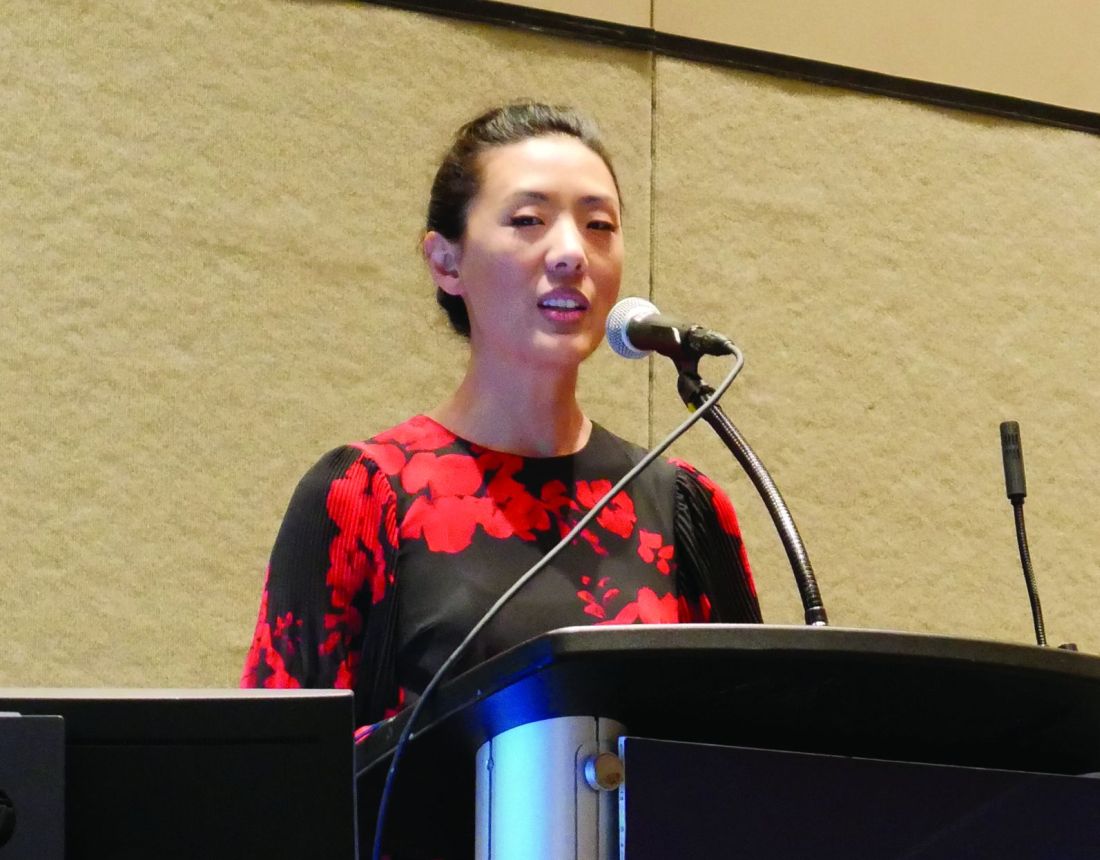
“One of the things that I’m advocating more these days is [that] we don’t operate as physicians or medical people in a vacuum. We certainly have to operate within a team approach, and that really is the best approach for these kids,” said Dr. Eckerle, a pediatrician who specializes in neurobehavioral development and is director of the Adoption Medicine Clinic at the University of Minnesota, Minneapolis.
Recognizing how early adversity is associated with conditions such as growth, brain development, motor skills, cognition, mental health, attachment, stress sensitivity, sensory processing, language, and chromosome structure can help in the medical assessment of these patients. Dr. Eckerle noted that these issues can even present in children with no early adversity who are adopted or placed into healthy foster environments.
“What we’ve learned is, we’ve just seen dozens if not hundreds of kids now in the exact same scenario who are having exactly the same types of bonding, or attachment or stress issues, as kids who did spend those few years in a really neglectful or orphanage scenarios,” Dr. Eckerle said.
“The majority of adopted and foster care kids do great in the end,” she emphasized. “As a group, they can do beautifully, but we just have to be cognizant of the things that we should be looking for and not just gloss over them so we’re not missing things along the way.”
At her institution, Dr. Eckerle said a medical assessment for new foster care or adoption patients begins with explaining the exam process with the parent and child before the child is screened by an occupational therapist. During the screening, the occupational therapist will screen the child for signs of developmental delay such as delay in gross or fine motor skills, speech, cognition, musculoskeletal, psychosocial, and sensory processing, as well as in school-based, self-care, and functional skills.
While the child is out of the room, Dr. Eckerle will ask whether the parent has any concerns about the child. After that, she will check the child’s eyes, heart, and ears to make sure they are healthy; during the end of the exam, she may order lab tests based on any concerns about prenatal or foster care trauma. Adolescents and children in whom sexual abuse is suspected should be screened for hepatitis B, hepatitis C, syphilis, and HIV.
International adoptees should undergo ova and parasite screening and the Giardia antigen test. International adoptees as well as those who had contact with the homeless or prison systems should undergo QuantiFERON-TB Gold testing for tuberculosis, and children aged under 5 years should receive targeted tuberculin skin testing. She said her center also screens children for intellectual disability, fetal alcohol spectrum disorder, short stature, and precocious puberty.
Lastly, the child is seen by a pediatric psychologist for additional screening. Dr. Eckerle noted the most common diagnoses seen at her center are reactive attachment disorder, oppositional defiant disorder, conduct disorder, pervasive development delay, autism, learning disabilities, emotional or behavioral problems, and ADHD. With regard to mental health, doctors should help a caregiver understand a child with a mental health conditions and consider pairing with a pediatric psychologist to offer evidence-based interventions for children aged under 5 years, such as child-parent psychotherapy, circle of security, and attachment biobehavioral catch-up, and offer trauma-focused cognitive behavioral therapy in children aged between 4 and 5 years.
Bad behavior often is misinterpreted as dishonesty and willful misconduct on the part of the child, but instead could be a neurodevelopmental or mental health problem, Dr. Eckerle noted. For example, a parent might interpret a child who takes a sparkling watch off of a teacher’s desk as stealing, but the child may not yet understand the concept of ownership. “Reframing these things will lead to the goal of helping that parent understand the child.”
Above all, Dr. Eckerle said she emphasizes what will happen after the exam with children she sees to establish a routine, as many children she sees have gone through multiple foster environments. It also is important to let parents know the exam is just a first step and they likely will not receive a diagnosis that day, particularly with out-of-state or international families. “I want them to have appropriate expectations that we’re not going to cure or solve or fix everything the second that they leave that room, but that we are starting the process and we are on the right track.”
Dr. Eckerle reported no conflicts of interest.
ORLANDO – Children in foster care or who are adopted are at a higher risk of developing medical conditions, and a team approach is needed when caring for these children with a focus on medical, developmental, and mental health, Judith K. Eckerle, MD, said at the annual meeting of the American Academy of Pediatrics.
“One of the things that I’m advocating more these days is [that] we don’t operate as physicians or medical people in a vacuum. We certainly have to operate within a team approach, and that really is the best approach for these kids,” said Dr. Eckerle, a pediatrician who specializes in neurobehavioral development and is director of the Adoption Medicine Clinic at the University of Minnesota, Minneapolis.
Recognizing how early adversity is associated with conditions such as growth, brain development, motor skills, cognition, mental health, attachment, stress sensitivity, sensory processing, language, and chromosome structure can help in the medical assessment of these patients. Dr. Eckerle noted that these issues can even present in children with no early adversity who are adopted or placed into healthy foster environments.
“What we’ve learned is, we’ve just seen dozens if not hundreds of kids now in the exact same scenario who are having exactly the same types of bonding, or attachment or stress issues, as kids who did spend those few years in a really neglectful or orphanage scenarios,” Dr. Eckerle said.
“The majority of adopted and foster care kids do great in the end,” she emphasized. “As a group, they can do beautifully, but we just have to be cognizant of the things that we should be looking for and not just gloss over them so we’re not missing things along the way.”
At her institution, Dr. Eckerle said a medical assessment for new foster care or adoption patients begins with explaining the exam process with the parent and child before the child is screened by an occupational therapist. During the screening, the occupational therapist will screen the child for signs of developmental delay such as delay in gross or fine motor skills, speech, cognition, musculoskeletal, psychosocial, and sensory processing, as well as in school-based, self-care, and functional skills.
While the child is out of the room, Dr. Eckerle will ask whether the parent has any concerns about the child. After that, she will check the child’s eyes, heart, and ears to make sure they are healthy; during the end of the exam, she may order lab tests based on any concerns about prenatal or foster care trauma. Adolescents and children in whom sexual abuse is suspected should be screened for hepatitis B, hepatitis C, syphilis, and HIV.
International adoptees should undergo ova and parasite screening and the Giardia antigen test. International adoptees as well as those who had contact with the homeless or prison systems should undergo QuantiFERON-TB Gold testing for tuberculosis, and children aged under 5 years should receive targeted tuberculin skin testing. She said her center also screens children for intellectual disability, fetal alcohol spectrum disorder, short stature, and precocious puberty.
Lastly, the child is seen by a pediatric psychologist for additional screening. Dr. Eckerle noted the most common diagnoses seen at her center are reactive attachment disorder, oppositional defiant disorder, conduct disorder, pervasive development delay, autism, learning disabilities, emotional or behavioral problems, and ADHD. With regard to mental health, doctors should help a caregiver understand a child with a mental health conditions and consider pairing with a pediatric psychologist to offer evidence-based interventions for children aged under 5 years, such as child-parent psychotherapy, circle of security, and attachment biobehavioral catch-up, and offer trauma-focused cognitive behavioral therapy in children aged between 4 and 5 years.
Bad behavior often is misinterpreted as dishonesty and willful misconduct on the part of the child, but instead could be a neurodevelopmental or mental health problem, Dr. Eckerle noted. For example, a parent might interpret a child who takes a sparkling watch off of a teacher’s desk as stealing, but the child may not yet understand the concept of ownership. “Reframing these things will lead to the goal of helping that parent understand the child.”
Above all, Dr. Eckerle said she emphasizes what will happen after the exam with children she sees to establish a routine, as many children she sees have gone through multiple foster environments. It also is important to let parents know the exam is just a first step and they likely will not receive a diagnosis that day, particularly with out-of-state or international families. “I want them to have appropriate expectations that we’re not going to cure or solve or fix everything the second that they leave that room, but that we are starting the process and we are on the right track.”
Dr. Eckerle reported no conflicts of interest.
ORLANDO – Children in foster care or who are adopted are at a higher risk of developing medical conditions, and a team approach is needed when caring for these children with a focus on medical, developmental, and mental health, Judith K. Eckerle, MD, said at the annual meeting of the American Academy of Pediatrics.
“One of the things that I’m advocating more these days is [that] we don’t operate as physicians or medical people in a vacuum. We certainly have to operate within a team approach, and that really is the best approach for these kids,” said Dr. Eckerle, a pediatrician who specializes in neurobehavioral development and is director of the Adoption Medicine Clinic at the University of Minnesota, Minneapolis.
Recognizing how early adversity is associated with conditions such as growth, brain development, motor skills, cognition, mental health, attachment, stress sensitivity, sensory processing, language, and chromosome structure can help in the medical assessment of these patients. Dr. Eckerle noted that these issues can even present in children with no early adversity who are adopted or placed into healthy foster environments.
“What we’ve learned is, we’ve just seen dozens if not hundreds of kids now in the exact same scenario who are having exactly the same types of bonding, or attachment or stress issues, as kids who did spend those few years in a really neglectful or orphanage scenarios,” Dr. Eckerle said.
“The majority of adopted and foster care kids do great in the end,” she emphasized. “As a group, they can do beautifully, but we just have to be cognizant of the things that we should be looking for and not just gloss over them so we’re not missing things along the way.”
At her institution, Dr. Eckerle said a medical assessment for new foster care or adoption patients begins with explaining the exam process with the parent and child before the child is screened by an occupational therapist. During the screening, the occupational therapist will screen the child for signs of developmental delay such as delay in gross or fine motor skills, speech, cognition, musculoskeletal, psychosocial, and sensory processing, as well as in school-based, self-care, and functional skills.
While the child is out of the room, Dr. Eckerle will ask whether the parent has any concerns about the child. After that, she will check the child’s eyes, heart, and ears to make sure they are healthy; during the end of the exam, she may order lab tests based on any concerns about prenatal or foster care trauma. Adolescents and children in whom sexual abuse is suspected should be screened for hepatitis B, hepatitis C, syphilis, and HIV.
International adoptees should undergo ova and parasite screening and the Giardia antigen test. International adoptees as well as those who had contact with the homeless or prison systems should undergo QuantiFERON-TB Gold testing for tuberculosis, and children aged under 5 years should receive targeted tuberculin skin testing. She said her center also screens children for intellectual disability, fetal alcohol spectrum disorder, short stature, and precocious puberty.
Lastly, the child is seen by a pediatric psychologist for additional screening. Dr. Eckerle noted the most common diagnoses seen at her center are reactive attachment disorder, oppositional defiant disorder, conduct disorder, pervasive development delay, autism, learning disabilities, emotional or behavioral problems, and ADHD. With regard to mental health, doctors should help a caregiver understand a child with a mental health conditions and consider pairing with a pediatric psychologist to offer evidence-based interventions for children aged under 5 years, such as child-parent psychotherapy, circle of security, and attachment biobehavioral catch-up, and offer trauma-focused cognitive behavioral therapy in children aged between 4 and 5 years.
Bad behavior often is misinterpreted as dishonesty and willful misconduct on the part of the child, but instead could be a neurodevelopmental or mental health problem, Dr. Eckerle noted. For example, a parent might interpret a child who takes a sparkling watch off of a teacher’s desk as stealing, but the child may not yet understand the concept of ownership. “Reframing these things will lead to the goal of helping that parent understand the child.”
Above all, Dr. Eckerle said she emphasizes what will happen after the exam with children she sees to establish a routine, as many children she sees have gone through multiple foster environments. It also is important to let parents know the exam is just a first step and they likely will not receive a diagnosis that day, particularly with out-of-state or international families. “I want them to have appropriate expectations that we’re not going to cure or solve or fix everything the second that they leave that room, but that we are starting the process and we are on the right track.”
Dr. Eckerle reported no conflicts of interest.
EXPERT ANALYSIS FROM AAP 18
Children with headache disorders may benefit from anti-CGRP mAb treatment
Use of anti–calcitonin gene-related peptide (CGRP) monoclonal antibodies (mAbs) may benefit children with more than 8 headache days each month, a high Pediatric Migraine Disability Assessment (PedMIDAS) score, and failure of other treatments; however, researchers cautioned that long-term safety outcomes for the treatment are not yet known, according to a recent set of recommendations published in the journal Headache.

Christina L. Szperka, MD, MSCE, of the division of neurology at the Children’s Hospital of Philadelphia and members of the Pediatric and Adolescent Headache special interest group of the American Headache Society discussed the topic of anti-CGRP mAbs at the 2018 Annual Scientific Meeting of the American Headache Society. They noted clinical outcomes for anti-CGRP mAbs in pediatric patients will likely not be available for several years and created a set of recommendations based on expert opinion of anti-CGRP mAb use in children and adolescents.
Their recommendations support using anti-CGRP mAbs for children with migraine if patients meet the following criteria: headache frequency exceeding 8 headache days per month; a PedMIDAS score of 30 or greater; failure of two or more therapies, such as pharmacologic, nonpharmacologic, or nutraceutical ones; and in patients who are past puberty.
The special interest group recommended against use of anti-CGRP mAbs in children and adolescents with recent meningitis, recent peripheral nerve injury, neurosurgery, or a central nervous system injury caused by a potentially compromised blood-brain barrier. Children and adolescents with immunodeficiency, receiving immunosuppressive medications, with structural heart defects, with pulmonary hypertension, with coronary artery disease, with cardiomyopathy, or at risk for stroke should also avoid use of anti-CGRP mAbs. Anti-CGRP mAbs are also potentially teratogenic and should not be used by adolescents or women who are pregnant, breastfeeding, or have a pregnancy wish.
Pediatric patients with significant osteoporosis or bone disease should be monitored when prescribed anti-CGRP mAbs, and the recommendations specified monitoring height and linear growth or waiting until after puberty to prescribe anti-CGRP mAbs. Although there is currently no evidence that use of anti-CGRP mAb requires pituitary hormone monitoring, the recommendations noted that weight and body mass index should also be observed.
“Pediatric and adolescent trials of anti-CGRP mAbs should be designed to maximize the chances of determining efficacy in these age groups and should focus on those who have not been successful with current multidisciplinary care,” Dr. Szperka and her colleagues wrote in the recommendations. “In the interim, the use of anti-CGRP mAbs for the treatment of headache disorders in children and adolescents may be considered in appropriate cases but should be done with close follow-up and attention to patient characteristics such as age, pubertal state, and medical comorbidities.”
Dr. Szperka receives grant support from Pfizer and Amgen and research funding from NIH. Other authors have reported grants, consulting fees, speaking fees, royalties, advisory board memberships, speaker’s bureau memberships and travel funds from Alder, Allergan, American Academy of Neurology, Amgen, Aralez, Avanir, Autonomic Technologies Inc., Biohaven, Cambridge University Press, Curelator, Depomed, Dr. Reddy’s Laboratories, Electrocore, eNeura, Genentech, Healint, Impax, JAMA Neurology, Journal Watch, Lilly, Massachusetts Medical Society, MedDay, MedicoLegal, Merck, NIH, Novartis, Oxford University Press, Quest Diagnostics, Scion, Supernus, Teva, Trigemina Inc., Upsher-Smith, UpToDate, Wolters Kluwer and Zosano.
SOURCE: Szperka CL et al. Headache. 2018. doi: 10.1111/head.13414.
Use of anti–calcitonin gene-related peptide (CGRP) monoclonal antibodies (mAbs) may benefit children with more than 8 headache days each month, a high Pediatric Migraine Disability Assessment (PedMIDAS) score, and failure of other treatments; however, researchers cautioned that long-term safety outcomes for the treatment are not yet known, according to a recent set of recommendations published in the journal Headache.
Christina L. Szperka, MD, MSCE, of the division of neurology at the Children’s Hospital of Philadelphia and members of the Pediatric and Adolescent Headache special interest group of the American Headache Society discussed the topic of anti-CGRP mAbs at the 2018 Annual Scientific Meeting of the American Headache Society. They noted clinical outcomes for anti-CGRP mAbs in pediatric patients will likely not be available for several years and created a set of recommendations based on expert opinion of anti-CGRP mAb use in children and adolescents.
Their recommendations support using anti-CGRP mAbs for children with migraine if patients meet the following criteria: headache frequency exceeding 8 headache days per month; a PedMIDAS score of 30 or greater; failure of two or more therapies, such as pharmacologic, nonpharmacologic, or nutraceutical ones; and in patients who are past puberty.
The special interest group recommended against use of anti-CGRP mAbs in children and adolescents with recent meningitis, recent peripheral nerve injury, neurosurgery, or a central nervous system injury caused by a potentially compromised blood-brain barrier. Children and adolescents with immunodeficiency, receiving immunosuppressive medications, with structural heart defects, with pulmonary hypertension, with coronary artery disease, with cardiomyopathy, or at risk for stroke should also avoid use of anti-CGRP mAbs. Anti-CGRP mAbs are also potentially teratogenic and should not be used by adolescents or women who are pregnant, breastfeeding, or have a pregnancy wish.
Pediatric patients with significant osteoporosis or bone disease should be monitored when prescribed anti-CGRP mAbs, and the recommendations specified monitoring height and linear growth or waiting until after puberty to prescribe anti-CGRP mAbs. Although there is currently no evidence that use of anti-CGRP mAb requires pituitary hormone monitoring, the recommendations noted that weight and body mass index should also be observed.
“Pediatric and adolescent trials of anti-CGRP mAbs should be designed to maximize the chances of determining efficacy in these age groups and should focus on those who have not been successful with current multidisciplinary care,” Dr. Szperka and her colleagues wrote in the recommendations. “In the interim, the use of anti-CGRP mAbs for the treatment of headache disorders in children and adolescents may be considered in appropriate cases but should be done with close follow-up and attention to patient characteristics such as age, pubertal state, and medical comorbidities.”
Dr. Szperka receives grant support from Pfizer and Amgen and research funding from NIH. Other authors have reported grants, consulting fees, speaking fees, royalties, advisory board memberships, speaker’s bureau memberships and travel funds from Alder, Allergan, American Academy of Neurology, Amgen, Aralez, Avanir, Autonomic Technologies Inc., Biohaven, Cambridge University Press, Curelator, Depomed, Dr. Reddy’s Laboratories, Electrocore, eNeura, Genentech, Healint, Impax, JAMA Neurology, Journal Watch, Lilly, Massachusetts Medical Society, MedDay, MedicoLegal, Merck, NIH, Novartis, Oxford University Press, Quest Diagnostics, Scion, Supernus, Teva, Trigemina Inc., Upsher-Smith, UpToDate, Wolters Kluwer and Zosano.
SOURCE: Szperka CL et al. Headache. 2018. doi: 10.1111/head.13414.
Use of anti–calcitonin gene-related peptide (CGRP) monoclonal antibodies (mAbs) may benefit children with more than 8 headache days each month, a high Pediatric Migraine Disability Assessment (PedMIDAS) score, and failure of other treatments; however, researchers cautioned that long-term safety outcomes for the treatment are not yet known, according to a recent set of recommendations published in the journal Headache.
Christina L. Szperka, MD, MSCE, of the division of neurology at the Children’s Hospital of Philadelphia and members of the Pediatric and Adolescent Headache special interest group of the American Headache Society discussed the topic of anti-CGRP mAbs at the 2018 Annual Scientific Meeting of the American Headache Society. They noted clinical outcomes for anti-CGRP mAbs in pediatric patients will likely not be available for several years and created a set of recommendations based on expert opinion of anti-CGRP mAb use in children and adolescents.
Their recommendations support using anti-CGRP mAbs for children with migraine if patients meet the following criteria: headache frequency exceeding 8 headache days per month; a PedMIDAS score of 30 or greater; failure of two or more therapies, such as pharmacologic, nonpharmacologic, or nutraceutical ones; and in patients who are past puberty.
The special interest group recommended against use of anti-CGRP mAbs in children and adolescents with recent meningitis, recent peripheral nerve injury, neurosurgery, or a central nervous system injury caused by a potentially compromised blood-brain barrier. Children and adolescents with immunodeficiency, receiving immunosuppressive medications, with structural heart defects, with pulmonary hypertension, with coronary artery disease, with cardiomyopathy, or at risk for stroke should also avoid use of anti-CGRP mAbs. Anti-CGRP mAbs are also potentially teratogenic and should not be used by adolescents or women who are pregnant, breastfeeding, or have a pregnancy wish.
Pediatric patients with significant osteoporosis or bone disease should be monitored when prescribed anti-CGRP mAbs, and the recommendations specified monitoring height and linear growth or waiting until after puberty to prescribe anti-CGRP mAbs. Although there is currently no evidence that use of anti-CGRP mAb requires pituitary hormone monitoring, the recommendations noted that weight and body mass index should also be observed.
“Pediatric and adolescent trials of anti-CGRP mAbs should be designed to maximize the chances of determining efficacy in these age groups and should focus on those who have not been successful with current multidisciplinary care,” Dr. Szperka and her colleagues wrote in the recommendations. “In the interim, the use of anti-CGRP mAbs for the treatment of headache disorders in children and adolescents may be considered in appropriate cases but should be done with close follow-up and attention to patient characteristics such as age, pubertal state, and medical comorbidities.”
Dr. Szperka receives grant support from Pfizer and Amgen and research funding from NIH. Other authors have reported grants, consulting fees, speaking fees, royalties, advisory board memberships, speaker’s bureau memberships and travel funds from Alder, Allergan, American Academy of Neurology, Amgen, Aralez, Avanir, Autonomic Technologies Inc., Biohaven, Cambridge University Press, Curelator, Depomed, Dr. Reddy’s Laboratories, Electrocore, eNeura, Genentech, Healint, Impax, JAMA Neurology, Journal Watch, Lilly, Massachusetts Medical Society, MedDay, MedicoLegal, Merck, NIH, Novartis, Oxford University Press, Quest Diagnostics, Scion, Supernus, Teva, Trigemina Inc., Upsher-Smith, UpToDate, Wolters Kluwer and Zosano.
SOURCE: Szperka CL et al. Headache. 2018. doi: 10.1111/head.13414.
FROM HEADACHE
Key clinical point: Treatment of headache disorders with anti–calcitonin gene-related peptide (CGRP) monoclonal antibodies (mAbs) in children and adolescents may be indicated in some cases.
Major finding: Pediatric patients with more than eight headache days per month, PedMIDAS score of 30 or higher, and failure of other pharmacological, nonpharmacological, and nutraceutical treatments may benefit from anti-CGRP mAb treatment.
Study details: Expert opinion from the members of the Pediatric and Adolescent Headache special interest group based on recommendations made at the 2018 Annual Scientific Meeting of the American Headache Society.
Disclosures: Dr. Szperka receives grant support from Pfizer and Amgen and research funding from NIH. Other authors have reported grants, consulting fees, speaking fees, royalties, advisory board memberships, speaker’s bureau memberships, and travel funds from Alder, Allergan, American Academy of Neurology, Amgen, Aralez, Avanir, Autonomic Technologies, Biohaven, Cambridge University Press, Curelator, Depomed, Dr. Reddy’s Laboratories, Electrocore, eNeura, Genentech, Healint, Impax, JAMA Neurology, Journal Watch, Lilly, Massachusetts Medical Society, MedDay, MedicoLegal, Merck, NIH, Novartis, Oxford University Press, Quest Diagnostics, Scion, Supernus, Teva, Trigemina, Upsher-Smith, UpToDate, Wolters Kluwer, and Zosano.
Source: Szperka CL et al. Headache. 2018. doi: 10.1111/head.13414.
AAP advises moderate physical, cognitive activity after sports concussion
according to a new clinical report from the American Academy of Pediatrics.

The update to the 2010 guidelines was needed to reflect the latest research “and it was necessary to provide this new information to guide pediatricians in evaluating and treating concussions they may see in their practice,” Mark Halstead, MD, of Washington University, St. Louis, said in an interview.
The biggest changes to the guidelines involve management of concussion, noted Dr. Halstead, who was a coauthor of the AAP clinical report. “The previous recommendation called for cognitive and physical rest, which unfortunately was interpreted as complete removal from all physical activity and limiting many other things including electronic use.
“Because of research that has been conducted since the original report, it has been shown that starting some light physical activity to increase heart rate, provided it does not worsen symptoms, can be beneficial in recovery. Also, the recommendation for complete removal of electronics and computer use has unfortunately created some issues with kids getting socially isolated,” he added.
“For better or for worse, kids are connected through their electronic devices. Removing them, with no evidence that it worsens the concussion, essentially punishes kids for their injury. We also are trying to discourage prolonged removal of kids from school,” Dr. Halstead emphasized.
The new recommendations emphasize the unique nature of sports-related concussion (SRC) from one individual to another, and the need for individualized management.
Symptoms of SRC fall into five categories, according to the guidelines: somatic, vestibular, oculomotor, cognitive, and emotional/sleep. Pediatric health care providers should rule out more severe head injuries and recognize that concussion symptoms are nonspecific and may reflect preexisting conditions, such as migraine or headache disorders, learning disorders, ADHD, mental health conditions, or sleep disorders.
Use of assessments such as the Sport Concussion Management Tool (SCAT5 for 13 years and older or Child SCAT5 for 5-12 years) can help guide clinicians, but should not be used in isolation to diagnose a concussion, the guideline authors wrote.
Strategies for injury prevention are included in the guidelines as well, such as the use of appropriate headgear. As for management, computerized neurocognitive testing can play a role in decisions regarding return to play, but should not be used in isolation.

“The biggest thing we are lacking is an objective diagnostic test to determine the presence of a concussion or its resolution,” coauthor Kody A. Moffatt, MD, of Creighton University, Omaha, Nebraska, said in an interview.
“Mandatory baseline and postinjury computerized neurocognitive testing is not recommended,” he added.
Clinicians can best manage SRC with prompt recognition and diagnosis using the available tools, followed by relative rest and return to school, then noncontact physical activities, and eventually a return to sport if appropriate.
“Most concussions in children and adolescents will resolve within 4 weeks as long as there is not additional injury to the brain during that time,” Dr. Moffat said.
More research is needed in particular about concussions in elementary and middle school children, Dr. Halstead added.
In the meantime, the take-home message to pediatricians for managing SRC is one of common sense. “Extremes of removing all stimulus from a child is not likely to get them better sooner and research suggests may take them longer to get better,” Dr. Halstead noted. “That doesn’t mean they don’t have to reduce anything, as it is important to reduce physical activity and modify school workload while recovering but we should be avoiding the blanket recommendation to ‘stay home and do nothing until you are better’ approach to concussion management.”
Dr. Halstead and Dr. Moffatt reported no relevant financial conflicts to disclose; the same was true for the other report coauthors. There was no external funding for the report.
SOURCE: Halstead M et al. Pediatrics. 2018 Nov 12. doi: 10.1542/peds.2018-3074.
according to a new clinical report from the American Academy of Pediatrics.
The update to the 2010 guidelines was needed to reflect the latest research “and it was necessary to provide this new information to guide pediatricians in evaluating and treating concussions they may see in their practice,” Mark Halstead, MD, of Washington University, St. Louis, said in an interview.
The biggest changes to the guidelines involve management of concussion, noted Dr. Halstead, who was a coauthor of the AAP clinical report. “The previous recommendation called for cognitive and physical rest, which unfortunately was interpreted as complete removal from all physical activity and limiting many other things including electronic use.
“Because of research that has been conducted since the original report, it has been shown that starting some light physical activity to increase heart rate, provided it does not worsen symptoms, can be beneficial in recovery. Also, the recommendation for complete removal of electronics and computer use has unfortunately created some issues with kids getting socially isolated,” he added.
“For better or for worse, kids are connected through their electronic devices. Removing them, with no evidence that it worsens the concussion, essentially punishes kids for their injury. We also are trying to discourage prolonged removal of kids from school,” Dr. Halstead emphasized.
The new recommendations emphasize the unique nature of sports-related concussion (SRC) from one individual to another, and the need for individualized management.
Symptoms of SRC fall into five categories, according to the guidelines: somatic, vestibular, oculomotor, cognitive, and emotional/sleep. Pediatric health care providers should rule out more severe head injuries and recognize that concussion symptoms are nonspecific and may reflect preexisting conditions, such as migraine or headache disorders, learning disorders, ADHD, mental health conditions, or sleep disorders.
Use of assessments such as the Sport Concussion Management Tool (SCAT5 for 13 years and older or Child SCAT5 for 5-12 years) can help guide clinicians, but should not be used in isolation to diagnose a concussion, the guideline authors wrote.
Strategies for injury prevention are included in the guidelines as well, such as the use of appropriate headgear. As for management, computerized neurocognitive testing can play a role in decisions regarding return to play, but should not be used in isolation.
“The biggest thing we are lacking is an objective diagnostic test to determine the presence of a concussion or its resolution,” coauthor Kody A. Moffatt, MD, of Creighton University, Omaha, Nebraska, said in an interview.
“Mandatory baseline and postinjury computerized neurocognitive testing is not recommended,” he added.
Clinicians can best manage SRC with prompt recognition and diagnosis using the available tools, followed by relative rest and return to school, then noncontact physical activities, and eventually a return to sport if appropriate.
“Most concussions in children and adolescents will resolve within 4 weeks as long as there is not additional injury to the brain during that time,” Dr. Moffat said.
More research is needed in particular about concussions in elementary and middle school children, Dr. Halstead added.
In the meantime, the take-home message to pediatricians for managing SRC is one of common sense. “Extremes of removing all stimulus from a child is not likely to get them better sooner and research suggests may take them longer to get better,” Dr. Halstead noted. “That doesn’t mean they don’t have to reduce anything, as it is important to reduce physical activity and modify school workload while recovering but we should be avoiding the blanket recommendation to ‘stay home and do nothing until you are better’ approach to concussion management.”
Dr. Halstead and Dr. Moffatt reported no relevant financial conflicts to disclose; the same was true for the other report coauthors. There was no external funding for the report.
SOURCE: Halstead M et al. Pediatrics. 2018 Nov 12. doi: 10.1542/peds.2018-3074.
according to a new clinical report from the American Academy of Pediatrics.
The update to the 2010 guidelines was needed to reflect the latest research “and it was necessary to provide this new information to guide pediatricians in evaluating and treating concussions they may see in their practice,” Mark Halstead, MD, of Washington University, St. Louis, said in an interview.
The biggest changes to the guidelines involve management of concussion, noted Dr. Halstead, who was a coauthor of the AAP clinical report. “The previous recommendation called for cognitive and physical rest, which unfortunately was interpreted as complete removal from all physical activity and limiting many other things including electronic use.
“Because of research that has been conducted since the original report, it has been shown that starting some light physical activity to increase heart rate, provided it does not worsen symptoms, can be beneficial in recovery. Also, the recommendation for complete removal of electronics and computer use has unfortunately created some issues with kids getting socially isolated,” he added.
“For better or for worse, kids are connected through their electronic devices. Removing them, with no evidence that it worsens the concussion, essentially punishes kids for their injury. We also are trying to discourage prolonged removal of kids from school,” Dr. Halstead emphasized.
The new recommendations emphasize the unique nature of sports-related concussion (SRC) from one individual to another, and the need for individualized management.
Symptoms of SRC fall into five categories, according to the guidelines: somatic, vestibular, oculomotor, cognitive, and emotional/sleep. Pediatric health care providers should rule out more severe head injuries and recognize that concussion symptoms are nonspecific and may reflect preexisting conditions, such as migraine or headache disorders, learning disorders, ADHD, mental health conditions, or sleep disorders.
Use of assessments such as the Sport Concussion Management Tool (SCAT5 for 13 years and older or Child SCAT5 for 5-12 years) can help guide clinicians, but should not be used in isolation to diagnose a concussion, the guideline authors wrote.
Strategies for injury prevention are included in the guidelines as well, such as the use of appropriate headgear. As for management, computerized neurocognitive testing can play a role in decisions regarding return to play, but should not be used in isolation.
“The biggest thing we are lacking is an objective diagnostic test to determine the presence of a concussion or its resolution,” coauthor Kody A. Moffatt, MD, of Creighton University, Omaha, Nebraska, said in an interview.
“Mandatory baseline and postinjury computerized neurocognitive testing is not recommended,” he added.
Clinicians can best manage SRC with prompt recognition and diagnosis using the available tools, followed by relative rest and return to school, then noncontact physical activities, and eventually a return to sport if appropriate.
“Most concussions in children and adolescents will resolve within 4 weeks as long as there is not additional injury to the brain during that time,” Dr. Moffat said.
More research is needed in particular about concussions in elementary and middle school children, Dr. Halstead added.
In the meantime, the take-home message to pediatricians for managing SRC is one of common sense. “Extremes of removing all stimulus from a child is not likely to get them better sooner and research suggests may take them longer to get better,” Dr. Halstead noted. “That doesn’t mean they don’t have to reduce anything, as it is important to reduce physical activity and modify school workload while recovering but we should be avoiding the blanket recommendation to ‘stay home and do nothing until you are better’ approach to concussion management.”
Dr. Halstead and Dr. Moffatt reported no relevant financial conflicts to disclose; the same was true for the other report coauthors. There was no external funding for the report.
SOURCE: Halstead M et al. Pediatrics. 2018 Nov 12. doi: 10.1542/peds.2018-3074.
FROM PEDIATRICS
Most perpetrators in school shootings brought guns from home
SEATTLE – A new analysis of all school shootings, including those with four or fewer victims, reinforces the need for prevention in the home by preventing guns from falling into unauthorized use.
The researchers examined 223 shootings in the United States that occurred during 2005-2012 and found that in more than a third of the 60 cases for which information was available, the perpetrator obtained the gun from the home and was aged 17 years or younger. Furthermore, evidence of mental illness in the shooter was rare.
The finding complements studies of “mass shootings,” which tend to garner headlines and more research attention, according to Ayame Takahashi, MD, who presented the findings at a poster session at the annual meeting of the American Academy of Child and Adolescent Psychiatry. “What we see in the news are the big rampage shootings, with multiple victims, where the target may be anyone they can get. You hear in little bits and pieces about the single-shooter incidents, which are way more common.
“We wanted to look at as many of these cases as we could find to look at the overall variables that might be behind these smaller school shootings, which are way more common,” said Dr. Takahashi, who is an assistant professor of psychiatry at Southern Illinois University Medicine, Springfield.
The researchers identified shootings using the data from the Brady Campaign to Prevent Gun Violence during 1997-2012, and supplemented it with listings found in “The Bully Society: School shootings and the crisis of bullying in America’s schools” (New York: NYU Press, 2013). Other sources included a study on rampage shootings in U.S. high school and college settings during 2002-2008; the Virginia Tech Review Panel report, a 2014 FBI report, the Everytown for Gun Safety website, and the list of school shootings on Wikipedia.
The analysis included incidents that had occurred on a school property, including school buses, at a time when students or staff would have been at risk. The offender could have been a current or former student or employee, or anyone who came onto the school property with the intent to harm students or staff.
The sample included 223 shootings. In 60 cases, the researchers found information about how guns were obtained, and in 37% of those cases, the source was the offender’s home and the offender was 17 years old or younger. In 30% of the cases, the shooter owned the gun, but in almost all these cases, the shooter was aged 19 years or older.
Sixty-one cases had information available about the presence or absence of mental illness in the offender. In 20% of these cases, the shooter was determined to have a mental illness or, rarely, a developmental disability.
The results suggest that mental illness might be rare among school shooters, and therefore, call into question efforts to limit gun ownership among people with mental illness. “It may be barking up the wrong tree,” Dr. Takahashi said.
Instead, she advocates more messaging of gun safety in the home, to prevent unauthorized use. Psychiatrists can help by discussing these issues with patients, but she also called for more community involvement and education about the issue.
“The people who come to you, they’re kind of in your court already. so that the message gets out there beyond the folks that we see in our offices,” she said.
Dr. Takahashi has no relevant disclosures.
SEATTLE – A new analysis of all school shootings, including those with four or fewer victims, reinforces the need for prevention in the home by preventing guns from falling into unauthorized use.
The researchers examined 223 shootings in the United States that occurred during 2005-2012 and found that in more than a third of the 60 cases for which information was available, the perpetrator obtained the gun from the home and was aged 17 years or younger. Furthermore, evidence of mental illness in the shooter was rare.
The finding complements studies of “mass shootings,” which tend to garner headlines and more research attention, according to Ayame Takahashi, MD, who presented the findings at a poster session at the annual meeting of the American Academy of Child and Adolescent Psychiatry. “What we see in the news are the big rampage shootings, with multiple victims, where the target may be anyone they can get. You hear in little bits and pieces about the single-shooter incidents, which are way more common.
“We wanted to look at as many of these cases as we could find to look at the overall variables that might be behind these smaller school shootings, which are way more common,” said Dr. Takahashi, who is an assistant professor of psychiatry at Southern Illinois University Medicine, Springfield.
The researchers identified shootings using the data from the Brady Campaign to Prevent Gun Violence during 1997-2012, and supplemented it with listings found in “The Bully Society: School shootings and the crisis of bullying in America’s schools” (New York: NYU Press, 2013). Other sources included a study on rampage shootings in U.S. high school and college settings during 2002-2008; the Virginia Tech Review Panel report, a 2014 FBI report, the Everytown for Gun Safety website, and the list of school shootings on Wikipedia.
The analysis included incidents that had occurred on a school property, including school buses, at a time when students or staff would have been at risk. The offender could have been a current or former student or employee, or anyone who came onto the school property with the intent to harm students or staff.
The sample included 223 shootings. In 60 cases, the researchers found information about how guns were obtained, and in 37% of those cases, the source was the offender’s home and the offender was 17 years old or younger. In 30% of the cases, the shooter owned the gun, but in almost all these cases, the shooter was aged 19 years or older.
Sixty-one cases had information available about the presence or absence of mental illness in the offender. In 20% of these cases, the shooter was determined to have a mental illness or, rarely, a developmental disability.
The results suggest that mental illness might be rare among school shooters, and therefore, call into question efforts to limit gun ownership among people with mental illness. “It may be barking up the wrong tree,” Dr. Takahashi said.
Instead, she advocates more messaging of gun safety in the home, to prevent unauthorized use. Psychiatrists can help by discussing these issues with patients, but she also called for more community involvement and education about the issue.
“The people who come to you, they’re kind of in your court already. so that the message gets out there beyond the folks that we see in our offices,” she said.
Dr. Takahashi has no relevant disclosures.
SEATTLE – A new analysis of all school shootings, including those with four or fewer victims, reinforces the need for prevention in the home by preventing guns from falling into unauthorized use.
The researchers examined 223 shootings in the United States that occurred during 2005-2012 and found that in more than a third of the 60 cases for which information was available, the perpetrator obtained the gun from the home and was aged 17 years or younger. Furthermore, evidence of mental illness in the shooter was rare.
The finding complements studies of “mass shootings,” which tend to garner headlines and more research attention, according to Ayame Takahashi, MD, who presented the findings at a poster session at the annual meeting of the American Academy of Child and Adolescent Psychiatry. “What we see in the news are the big rampage shootings, with multiple victims, where the target may be anyone they can get. You hear in little bits and pieces about the single-shooter incidents, which are way more common.
“We wanted to look at as many of these cases as we could find to look at the overall variables that might be behind these smaller school shootings, which are way more common,” said Dr. Takahashi, who is an assistant professor of psychiatry at Southern Illinois University Medicine, Springfield.
The researchers identified shootings using the data from the Brady Campaign to Prevent Gun Violence during 1997-2012, and supplemented it with listings found in “The Bully Society: School shootings and the crisis of bullying in America’s schools” (New York: NYU Press, 2013). Other sources included a study on rampage shootings in U.S. high school and college settings during 2002-2008; the Virginia Tech Review Panel report, a 2014 FBI report, the Everytown for Gun Safety website, and the list of school shootings on Wikipedia.
The analysis included incidents that had occurred on a school property, including school buses, at a time when students or staff would have been at risk. The offender could have been a current or former student or employee, or anyone who came onto the school property with the intent to harm students or staff.
The sample included 223 shootings. In 60 cases, the researchers found information about how guns were obtained, and in 37% of those cases, the source was the offender’s home and the offender was 17 years old or younger. In 30% of the cases, the shooter owned the gun, but in almost all these cases, the shooter was aged 19 years or older.
Sixty-one cases had information available about the presence or absence of mental illness in the offender. In 20% of these cases, the shooter was determined to have a mental illness or, rarely, a developmental disability.
The results suggest that mental illness might be rare among school shooters, and therefore, call into question efforts to limit gun ownership among people with mental illness. “It may be barking up the wrong tree,” Dr. Takahashi said.
Instead, she advocates more messaging of gun safety in the home, to prevent unauthorized use. Psychiatrists can help by discussing these issues with patients, but she also called for more community involvement and education about the issue.
“The people who come to you, they’re kind of in your court already. so that the message gets out there beyond the folks that we see in our offices,” she said.
Dr. Takahashi has no relevant disclosures.
REPORTING FROM AACAP 2018
Key clinical point: Psychiatrists can help by discussing gun safety with patients.
Major finding: About 20% of school shooters had a confirmed mental illness or developmental disability.
Study details: Analysis of 223 school shootings in the United States between 2005 and 2012.
Disclosures: Dr. Takahashi had no relevant disclosures.
More acute flaccid myelitis cases confirmed by CDC
Acute flaccid myelitis (AFM) has stricken 90 patients in the United States this year and another 252 cases are being investigated, according to new data from the Centers for Disease Control and Prevention.

The number of confirmed cases is triple that seen in 2017.
Nearly all of the patients (90%) were children aged 2-8 years, and 99% experienced a fever and /or respiratory illness 7-10 days before the onset of symptoms. But although the prodrome and seasonality of AFM suggest an infective process, only 54% of the patients tested positive for the virus, Nancy Messonnier, MD, said during a briefing held by CDC officials. The most common findings were the enteroviruses EV-A71 (29%) and EV-D68 (37%); other viruses were recovered in the remaining pathogen-positive cases.
It’s not at all clear that these were causative agents, said Dr. Messonnier, director of the National Center for Immunization and Respiratory Diseases.
“At this time of year lots of children have a fever and respiratory infections,” she said. AFM may be caused by one of the identified viruses, a still-undetected pathogen, or a pathogen hiding in untested tissue. “Or, it could be an infection that’s kicking off an immune process,” attacking gray matter in the spinal cord.
The reported increase in cases must be viewed cautiously, Dr. Messonnier said. Physicians are becoming more aware of AFM, so the spike could represent an increase in reporting as well as actual incidence.
It’s not clear why the disease manifests almost exclusively in children, Dr. Messonnier said. Nor do health officials have much of a grasp on AFM’s long-term sequelae.
“We know that patients can recover fully, but at least half don’t, and some of those have serious sequelae. Unfortunately, we have not been following every patient, so this is a gap in our knowledge.”
A newly created national task force will examine AFM’s long-term effects, Dr. Messonnier said. The task force will also look at mortality; health departments across the country will examine mortality records to identify any past deaths preceded by AFM-like symptoms.
“One of the reasons we have convened this task force is to think about this hypothesis [of an autoimmune syndrome]. We have not backed off on the idea of an infectious organism causing it, but we are thinking more broadly,” Dr. Messonnier said.
Some anti-immunization groups are blaming vaccines for the disease, noting that several childhood vaccines list encephalomyelitis and transverse myelitis as possible adverse events.
“We are investigating every one of the cases in this and prior years and have a list of hypotheses based on the epidemiology,” Dr. Messonnier said. “I would say toxins are low on that list. Many of the children may have been vaccinated [before developing AFM] and that is something we will look at, but for now we recommend that all children should be vaccinated” according to the recommended schedule.
Additional details were published on 80 of the cases. Patients’ mean age was 4 years; 59% were male. Symptoms suggesting a viral illness occurred in 99%; these included fever (81%), cough, rhinorrhea, and congestion (78%), and vomiting and diarrhea (38%).
AFM symptoms varied; 47% had only upper limb involvement, 9% only lower limb, 15% two or three upper, and 29% all four limbs. All the patients with confirmed AFM were hospitalized, and 59% treated in intensive care units. There were no deaths (MMWR. 2018;ePub:13 November. DOI: http://dx.doi.org/10.15585/mmwr.mm6745e1).
AFM remains extremely rare, Dr. Messonnier said. But physicians should be alert for any signs of sudden limb weakness in children and report those immediately. The workup should include questions about recent fever with or without respiratory or gastrointestinal symptoms. Prompt collection of viral testing samples (cerebrospinal fluid, serum, respiratory, and stool specimens) is critical.
Additional information for health care professionals is available on the CDC AFM web page.
Acute flaccid myelitis (AFM) has stricken 90 patients in the United States this year and another 252 cases are being investigated, according to new data from the Centers for Disease Control and Prevention.
The number of confirmed cases is triple that seen in 2017.
Nearly all of the patients (90%) were children aged 2-8 years, and 99% experienced a fever and /or respiratory illness 7-10 days before the onset of symptoms. But although the prodrome and seasonality of AFM suggest an infective process, only 54% of the patients tested positive for the virus, Nancy Messonnier, MD, said during a briefing held by CDC officials. The most common findings were the enteroviruses EV-A71 (29%) and EV-D68 (37%); other viruses were recovered in the remaining pathogen-positive cases.
It’s not at all clear that these were causative agents, said Dr. Messonnier, director of the National Center for Immunization and Respiratory Diseases.
“At this time of year lots of children have a fever and respiratory infections,” she said. AFM may be caused by one of the identified viruses, a still-undetected pathogen, or a pathogen hiding in untested tissue. “Or, it could be an infection that’s kicking off an immune process,” attacking gray matter in the spinal cord.
The reported increase in cases must be viewed cautiously, Dr. Messonnier said. Physicians are becoming more aware of AFM, so the spike could represent an increase in reporting as well as actual incidence.
It’s not clear why the disease manifests almost exclusively in children, Dr. Messonnier said. Nor do health officials have much of a grasp on AFM’s long-term sequelae.
“We know that patients can recover fully, but at least half don’t, and some of those have serious sequelae. Unfortunately, we have not been following every patient, so this is a gap in our knowledge.”
A newly created national task force will examine AFM’s long-term effects, Dr. Messonnier said. The task force will also look at mortality; health departments across the country will examine mortality records to identify any past deaths preceded by AFM-like symptoms.
“One of the reasons we have convened this task force is to think about this hypothesis [of an autoimmune syndrome]. We have not backed off on the idea of an infectious organism causing it, but we are thinking more broadly,” Dr. Messonnier said.
Some anti-immunization groups are blaming vaccines for the disease, noting that several childhood vaccines list encephalomyelitis and transverse myelitis as possible adverse events.
“We are investigating every one of the cases in this and prior years and have a list of hypotheses based on the epidemiology,” Dr. Messonnier said. “I would say toxins are low on that list. Many of the children may have been vaccinated [before developing AFM] and that is something we will look at, but for now we recommend that all children should be vaccinated” according to the recommended schedule.
Additional details were published on 80 of the cases. Patients’ mean age was 4 years; 59% were male. Symptoms suggesting a viral illness occurred in 99%; these included fever (81%), cough, rhinorrhea, and congestion (78%), and vomiting and diarrhea (38%).
AFM symptoms varied; 47% had only upper limb involvement, 9% only lower limb, 15% two or three upper, and 29% all four limbs. All the patients with confirmed AFM were hospitalized, and 59% treated in intensive care units. There were no deaths (MMWR. 2018;ePub:13 November. DOI: http://dx.doi.org/10.15585/mmwr.mm6745e1).
AFM remains extremely rare, Dr. Messonnier said. But physicians should be alert for any signs of sudden limb weakness in children and report those immediately. The workup should include questions about recent fever with or without respiratory or gastrointestinal symptoms. Prompt collection of viral testing samples (cerebrospinal fluid, serum, respiratory, and stool specimens) is critical.
Additional information for health care professionals is available on the CDC AFM web page.
Acute flaccid myelitis (AFM) has stricken 90 patients in the United States this year and another 252 cases are being investigated, according to new data from the Centers for Disease Control and Prevention.
The number of confirmed cases is triple that seen in 2017.
Nearly all of the patients (90%) were children aged 2-8 years, and 99% experienced a fever and /or respiratory illness 7-10 days before the onset of symptoms. But although the prodrome and seasonality of AFM suggest an infective process, only 54% of the patients tested positive for the virus, Nancy Messonnier, MD, said during a briefing held by CDC officials. The most common findings were the enteroviruses EV-A71 (29%) and EV-D68 (37%); other viruses were recovered in the remaining pathogen-positive cases.
It’s not at all clear that these were causative agents, said Dr. Messonnier, director of the National Center for Immunization and Respiratory Diseases.
“At this time of year lots of children have a fever and respiratory infections,” she said. AFM may be caused by one of the identified viruses, a still-undetected pathogen, or a pathogen hiding in untested tissue. “Or, it could be an infection that’s kicking off an immune process,” attacking gray matter in the spinal cord.
The reported increase in cases must be viewed cautiously, Dr. Messonnier said. Physicians are becoming more aware of AFM, so the spike could represent an increase in reporting as well as actual incidence.
It’s not clear why the disease manifests almost exclusively in children, Dr. Messonnier said. Nor do health officials have much of a grasp on AFM’s long-term sequelae.
“We know that patients can recover fully, but at least half don’t, and some of those have serious sequelae. Unfortunately, we have not been following every patient, so this is a gap in our knowledge.”
A newly created national task force will examine AFM’s long-term effects, Dr. Messonnier said. The task force will also look at mortality; health departments across the country will examine mortality records to identify any past deaths preceded by AFM-like symptoms.
“One of the reasons we have convened this task force is to think about this hypothesis [of an autoimmune syndrome]. We have not backed off on the idea of an infectious organism causing it, but we are thinking more broadly,” Dr. Messonnier said.
Some anti-immunization groups are blaming vaccines for the disease, noting that several childhood vaccines list encephalomyelitis and transverse myelitis as possible adverse events.
“We are investigating every one of the cases in this and prior years and have a list of hypotheses based on the epidemiology,” Dr. Messonnier said. “I would say toxins are low on that list. Many of the children may have been vaccinated [before developing AFM] and that is something we will look at, but for now we recommend that all children should be vaccinated” according to the recommended schedule.
Additional details were published on 80 of the cases. Patients’ mean age was 4 years; 59% were male. Symptoms suggesting a viral illness occurred in 99%; these included fever (81%), cough, rhinorrhea, and congestion (78%), and vomiting and diarrhea (38%).
AFM symptoms varied; 47% had only upper limb involvement, 9% only lower limb, 15% two or three upper, and 29% all four limbs. All the patients with confirmed AFM were hospitalized, and 59% treated in intensive care units. There were no deaths (MMWR. 2018;ePub:13 November. DOI: http://dx.doi.org/10.15585/mmwr.mm6745e1).
AFM remains extremely rare, Dr. Messonnier said. But physicians should be alert for any signs of sudden limb weakness in children and report those immediately. The workup should include questions about recent fever with or without respiratory or gastrointestinal symptoms. Prompt collection of viral testing samples (cerebrospinal fluid, serum, respiratory, and stool specimens) is critical.
Additional information for health care professionals is available on the CDC AFM web page.
FROM A CDC BRIEFING