User login
Rapid Sequence MRI May Hold Advantages for Neonates With Seizures
The imaging modality may reduce patients’ exposure to radiation and sedation.
CHICAGO—Use of rapid sequence MRI in the evaluation of neonates with seizures and no hypoxic-ischemic encephalopathy (HIE) is associated with reduced number of CT and MRI scans and similar length of hospital stay and cost, according to a study presented at the 47th Annual Meeting of the Child Neurology Society. “The potential reduction in radiation and sedation exposure associated with CTs and regular MRIs makes rapid sequence MRI an attractive imaging modality in this population,” said Theresa M. Czech, MD, and Andrea C. Pardo, MD, attending physicians at Ann & Robert H. Lurie Children’s Hospital of Chicago. Dr. Czech is an Instructor in Pediatrics, and Dr. Pardo is an Assistant Professor of Pediatrics, both at Northwestern University Feinberg School of Medicine in Chicago.
Neurologists routinely use brain imaging to identify the etiologies of neonatal seizures. Rapid sequence MRI “can reduce the risk of radiation associated with CT or the need for procedural sedation associated with regular MRIs,” said Drs. Czech and Pardo. “Our goal was to determine whether the implementation of a protocol recommending the use of rapid sequence MRI was associated with increased efficiency in the evaluation of neonates with seizures.” Rapid sequence MRI consisted of three plane ultrafast T2 sequences with gradient echo and diffusion weighted sequences.
The researchers compared outcomes before and after the implementation of a protocol recommending the use of rapid sequence MRI. The primary outcome was hospital length of stay. Secondary outcomes included the use of other imaging modalities (ie, head ultrasound, CT, and MRI), cost of imaging, and cost of hospitalization. They excluded neonates with clinical evidence of HIE. Continuous variables were compared using the Mann-Whitney U test, and categorical variables were compared using the chi-squared test.
In all, 95 patients (gestational age, 39 weeks; 63% male) met inclusion criteria—47 in the preintervention group and 48 in the postintervention group. The groups had similar demographics and severity of illness. Implementation of the protocol-guided rapid sequence MRI was associated with decreased use of CT (34% vs 10%) and full MRI (85% vs 62%). Use of head ultrasound (28% vs 12%), length of hospital stay, and costs were not significantly different between groups.
The imaging modality may reduce patients’ exposure to radiation and sedation.
The imaging modality may reduce patients’ exposure to radiation and sedation.
CHICAGO—Use of rapid sequence MRI in the evaluation of neonates with seizures and no hypoxic-ischemic encephalopathy (HIE) is associated with reduced number of CT and MRI scans and similar length of hospital stay and cost, according to a study presented at the 47th Annual Meeting of the Child Neurology Society. “The potential reduction in radiation and sedation exposure associated with CTs and regular MRIs makes rapid sequence MRI an attractive imaging modality in this population,” said Theresa M. Czech, MD, and Andrea C. Pardo, MD, attending physicians at Ann & Robert H. Lurie Children’s Hospital of Chicago. Dr. Czech is an Instructor in Pediatrics, and Dr. Pardo is an Assistant Professor of Pediatrics, both at Northwestern University Feinberg School of Medicine in Chicago.
Neurologists routinely use brain imaging to identify the etiologies of neonatal seizures. Rapid sequence MRI “can reduce the risk of radiation associated with CT or the need for procedural sedation associated with regular MRIs,” said Drs. Czech and Pardo. “Our goal was to determine whether the implementation of a protocol recommending the use of rapid sequence MRI was associated with increased efficiency in the evaluation of neonates with seizures.” Rapid sequence MRI consisted of three plane ultrafast T2 sequences with gradient echo and diffusion weighted sequences.
The researchers compared outcomes before and after the implementation of a protocol recommending the use of rapid sequence MRI. The primary outcome was hospital length of stay. Secondary outcomes included the use of other imaging modalities (ie, head ultrasound, CT, and MRI), cost of imaging, and cost of hospitalization. They excluded neonates with clinical evidence of HIE. Continuous variables were compared using the Mann-Whitney U test, and categorical variables were compared using the chi-squared test.
In all, 95 patients (gestational age, 39 weeks; 63% male) met inclusion criteria—47 in the preintervention group and 48 in the postintervention group. The groups had similar demographics and severity of illness. Implementation of the protocol-guided rapid sequence MRI was associated with decreased use of CT (34% vs 10%) and full MRI (85% vs 62%). Use of head ultrasound (28% vs 12%), length of hospital stay, and costs were not significantly different between groups.
CHICAGO—Use of rapid sequence MRI in the evaluation of neonates with seizures and no hypoxic-ischemic encephalopathy (HIE) is associated with reduced number of CT and MRI scans and similar length of hospital stay and cost, according to a study presented at the 47th Annual Meeting of the Child Neurology Society. “The potential reduction in radiation and sedation exposure associated with CTs and regular MRIs makes rapid sequence MRI an attractive imaging modality in this population,” said Theresa M. Czech, MD, and Andrea C. Pardo, MD, attending physicians at Ann & Robert H. Lurie Children’s Hospital of Chicago. Dr. Czech is an Instructor in Pediatrics, and Dr. Pardo is an Assistant Professor of Pediatrics, both at Northwestern University Feinberg School of Medicine in Chicago.
Neurologists routinely use brain imaging to identify the etiologies of neonatal seizures. Rapid sequence MRI “can reduce the risk of radiation associated with CT or the need for procedural sedation associated with regular MRIs,” said Drs. Czech and Pardo. “Our goal was to determine whether the implementation of a protocol recommending the use of rapid sequence MRI was associated with increased efficiency in the evaluation of neonates with seizures.” Rapid sequence MRI consisted of three plane ultrafast T2 sequences with gradient echo and diffusion weighted sequences.
The researchers compared outcomes before and after the implementation of a protocol recommending the use of rapid sequence MRI. The primary outcome was hospital length of stay. Secondary outcomes included the use of other imaging modalities (ie, head ultrasound, CT, and MRI), cost of imaging, and cost of hospitalization. They excluded neonates with clinical evidence of HIE. Continuous variables were compared using the Mann-Whitney U test, and categorical variables were compared using the chi-squared test.
In all, 95 patients (gestational age, 39 weeks; 63% male) met inclusion criteria—47 in the preintervention group and 48 in the postintervention group. The groups had similar demographics and severity of illness. Implementation of the protocol-guided rapid sequence MRI was associated with decreased use of CT (34% vs 10%) and full MRI (85% vs 62%). Use of head ultrasound (28% vs 12%), length of hospital stay, and costs were not significantly different between groups.
AAP renews public health approach to gun injury prevention
ORLANDO – The American Academy of Pediatrics created the Gun Safety and Injury Prevention Research Initiative to study and implement gun safety interventions to prevent homicide, suicide and unintentional injuries caused by firearms.
In an interview at the annual meeting of the American Academy of Pediatrics, Colleen A. Kraft, MD, FAAP, current AAP president, explained how AAP has renewed its efforts to protect children from firearm injuries. Black children are more likely to die in a homicide, while white children are more likely to die in a suicide through use of a firearm, Dr. Kraft said. The AAP seeks to find a nonpolitical way to discuss gun safety “with a lens on children and a lens on safety,” she said.
“What we are looking to do is to bring together partners who have the research expertise in gun safety and injury prevention, find out what we know, decide what we don’t know yet, and begin to bring together focus groups of parents and families and legislators and doctors, and people to talk about … gun safety in a way that resonates with everyone,” Dr. Kraft said.
Visit AAP’s website for more information on the Gun Safety and Injury Prevention Research Initiative.
Dr. Kraft reports no relevant conflicts of interest.
ORLANDO – The American Academy of Pediatrics created the Gun Safety and Injury Prevention Research Initiative to study and implement gun safety interventions to prevent homicide, suicide and unintentional injuries caused by firearms.
In an interview at the annual meeting of the American Academy of Pediatrics, Colleen A. Kraft, MD, FAAP, current AAP president, explained how AAP has renewed its efforts to protect children from firearm injuries. Black children are more likely to die in a homicide, while white children are more likely to die in a suicide through use of a firearm, Dr. Kraft said. The AAP seeks to find a nonpolitical way to discuss gun safety “with a lens on children and a lens on safety,” she said.
“What we are looking to do is to bring together partners who have the research expertise in gun safety and injury prevention, find out what we know, decide what we don’t know yet, and begin to bring together focus groups of parents and families and legislators and doctors, and people to talk about … gun safety in a way that resonates with everyone,” Dr. Kraft said.
Visit AAP’s website for more information on the Gun Safety and Injury Prevention Research Initiative.
Dr. Kraft reports no relevant conflicts of interest.
ORLANDO – The American Academy of Pediatrics created the Gun Safety and Injury Prevention Research Initiative to study and implement gun safety interventions to prevent homicide, suicide and unintentional injuries caused by firearms.
In an interview at the annual meeting of the American Academy of Pediatrics, Colleen A. Kraft, MD, FAAP, current AAP president, explained how AAP has renewed its efforts to protect children from firearm injuries. Black children are more likely to die in a homicide, while white children are more likely to die in a suicide through use of a firearm, Dr. Kraft said. The AAP seeks to find a nonpolitical way to discuss gun safety “with a lens on children and a lens on safety,” she said.
“What we are looking to do is to bring together partners who have the research expertise in gun safety and injury prevention, find out what we know, decide what we don’t know yet, and begin to bring together focus groups of parents and families and legislators and doctors, and people to talk about … gun safety in a way that resonates with everyone,” Dr. Kraft said.
Visit AAP’s website for more information on the Gun Safety and Injury Prevention Research Initiative.
Dr. Kraft reports no relevant conflicts of interest.
REPORTING FROM AAP 2018

AAP president affirms academy’s support for transgender children
ORLANDO – Many Colleen A. Kraft, MD, president of the American Academy of Pediatrics, said in an interview.
The AAP’s policy on caring and supporting these patients is evidence-based, and includes recommendations on providing appropriate health care services for transgender individuals, as well as respect and understanding for families. In the interview, Dr. Kraft, discussed the role pediatricians have in providing a safe and supportive environment for transgender and gender-diverse individuals and their families.
“[These children] need to be listened to, they need to be respected for who they are, and they need access to the appropriate health services,” Dr. Kraft said.
The AAP’s policy statement on ensuring care and support for transgender children and adolescents is available here.
Dr. Kraft reported no relevant conflicts of interest.
ORLANDO – Many Colleen A. Kraft, MD, president of the American Academy of Pediatrics, said in an interview.
The AAP’s policy on caring and supporting these patients is evidence-based, and includes recommendations on providing appropriate health care services for transgender individuals, as well as respect and understanding for families. In the interview, Dr. Kraft, discussed the role pediatricians have in providing a safe and supportive environment for transgender and gender-diverse individuals and their families.
“[These children] need to be listened to, they need to be respected for who they are, and they need access to the appropriate health services,” Dr. Kraft said.
The AAP’s policy statement on ensuring care and support for transgender children and adolescents is available here.
Dr. Kraft reported no relevant conflicts of interest.
ORLANDO – Many Colleen A. Kraft, MD, president of the American Academy of Pediatrics, said in an interview.
The AAP’s policy on caring and supporting these patients is evidence-based, and includes recommendations on providing appropriate health care services for transgender individuals, as well as respect and understanding for families. In the interview, Dr. Kraft, discussed the role pediatricians have in providing a safe and supportive environment for transgender and gender-diverse individuals and their families.
“[These children] need to be listened to, they need to be respected for who they are, and they need access to the appropriate health services,” Dr. Kraft said.
The AAP’s policy statement on ensuring care and support for transgender children and adolescents is available here.
Dr. Kraft reported no relevant conflicts of interest.
REPORTING FROM AAP 2018

Movement disorders in children warrant screening evaluations
SEATTLE – Movement disorders should be a factor in screening children receiving pharmacotherapy, Jagan K. Chilakamarri, MD, said at the annual meeting of the American Academy of Child and Adolescent Psychiatry.

“I started seeing a very, very complex group of pediatric patients in my office,” said Dr. Chilakamarri, medical director at the Atlanta Psychiatric Institute, and codirector of the Movement Disorders Program at Emory University, Atlanta. “I decided I needed to coordinate with a neurologist and sort out what was happening.”
Dr. Chilakamarri suspects that the advent of new drug therapies and polytherapy is leading to a range of movement effects, especially in young patients prescribed multiple agents.
Many psychiatrists may not be comfortable with screening or diagnosing movement disorders, preferring instead to refer a patient to a neurologist. That’s understandable, but the neurologist may not have the psychotropic drug history in mind when assessing a patient. If a drug or drug combination is responsible for a movement disorder, it befits the psychiatrist to address it, he said.
“I want psychiatrists to be more familiar with how to do a basic movement disorder assessment, and how to understand these movements in the context of the patient, whether they’re drug induced or related to their own disorder, or something comorbid that we are not able to understand – how to measure them, how to understand them, and when to send them to the appropriate referral so that these patients are being well addressed. Some may not be addressed by a neurologist; maybe the patient should go to an endocrinologist because of a thyroid problem,” said Dr. Chilakamarri.
The best way to gain that understanding and familiarity, aside from reviewing the potential side effects of psychotropic medications, is to partner with a neurologist who can impart a better understanding of how movement disorders present.
“Whenever we see these odd or strange movements, we basically see if we can send the patient to a neurologist. I have no problem with that, but what I’m trying to say is, if we can be a little bit more aware, a little bit more understanding of these things, we can reduce some of those events,” said Dr. Chilakamarri.
He disclosed no conflicts of interest.
SOURCE: Commonly occurring movement disorders in children, AACAP 2018.
SEATTLE – Movement disorders should be a factor in screening children receiving pharmacotherapy, Jagan K. Chilakamarri, MD, said at the annual meeting of the American Academy of Child and Adolescent Psychiatry.
“I started seeing a very, very complex group of pediatric patients in my office,” said Dr. Chilakamarri, medical director at the Atlanta Psychiatric Institute, and codirector of the Movement Disorders Program at Emory University, Atlanta. “I decided I needed to coordinate with a neurologist and sort out what was happening.”
Dr. Chilakamarri suspects that the advent of new drug therapies and polytherapy is leading to a range of movement effects, especially in young patients prescribed multiple agents.
Many psychiatrists may not be comfortable with screening or diagnosing movement disorders, preferring instead to refer a patient to a neurologist. That’s understandable, but the neurologist may not have the psychotropic drug history in mind when assessing a patient. If a drug or drug combination is responsible for a movement disorder, it befits the psychiatrist to address it, he said.
“I want psychiatrists to be more familiar with how to do a basic movement disorder assessment, and how to understand these movements in the context of the patient, whether they’re drug induced or related to their own disorder, or something comorbid that we are not able to understand – how to measure them, how to understand them, and when to send them to the appropriate referral so that these patients are being well addressed. Some may not be addressed by a neurologist; maybe the patient should go to an endocrinologist because of a thyroid problem,” said Dr. Chilakamarri.
The best way to gain that understanding and familiarity, aside from reviewing the potential side effects of psychotropic medications, is to partner with a neurologist who can impart a better understanding of how movement disorders present.
“Whenever we see these odd or strange movements, we basically see if we can send the patient to a neurologist. I have no problem with that, but what I’m trying to say is, if we can be a little bit more aware, a little bit more understanding of these things, we can reduce some of those events,” said Dr. Chilakamarri.
He disclosed no conflicts of interest.
SOURCE: Commonly occurring movement disorders in children, AACAP 2018.
SEATTLE – Movement disorders should be a factor in screening children receiving pharmacotherapy, Jagan K. Chilakamarri, MD, said at the annual meeting of the American Academy of Child and Adolescent Psychiatry.
“I started seeing a very, very complex group of pediatric patients in my office,” said Dr. Chilakamarri, medical director at the Atlanta Psychiatric Institute, and codirector of the Movement Disorders Program at Emory University, Atlanta. “I decided I needed to coordinate with a neurologist and sort out what was happening.”
Dr. Chilakamarri suspects that the advent of new drug therapies and polytherapy is leading to a range of movement effects, especially in young patients prescribed multiple agents.
Many psychiatrists may not be comfortable with screening or diagnosing movement disorders, preferring instead to refer a patient to a neurologist. That’s understandable, but the neurologist may not have the psychotropic drug history in mind when assessing a patient. If a drug or drug combination is responsible for a movement disorder, it befits the psychiatrist to address it, he said.
“I want psychiatrists to be more familiar with how to do a basic movement disorder assessment, and how to understand these movements in the context of the patient, whether they’re drug induced or related to their own disorder, or something comorbid that we are not able to understand – how to measure them, how to understand them, and when to send them to the appropriate referral so that these patients are being well addressed. Some may not be addressed by a neurologist; maybe the patient should go to an endocrinologist because of a thyroid problem,” said Dr. Chilakamarri.
The best way to gain that understanding and familiarity, aside from reviewing the potential side effects of psychotropic medications, is to partner with a neurologist who can impart a better understanding of how movement disorders present.
“Whenever we see these odd or strange movements, we basically see if we can send the patient to a neurologist. I have no problem with that, but what I’m trying to say is, if we can be a little bit more aware, a little bit more understanding of these things, we can reduce some of those events,” said Dr. Chilakamarri.
He disclosed no conflicts of interest.
SOURCE: Commonly occurring movement disorders in children, AACAP 2018.
REPORTING FROM AACAP 2018
Antibiotics, antacids before age 2 linked to obesity
Acid-suppressing medications were also associated with childhood obesity, although to a lesser extent, according to results of the study, which included more than a quarter of a million children receiving care in the U.S. military health system.
Antibiotics and antacids are both microbiota-altering medications, researchers said, noting that obesity has been linked to variations in the native gut microbiota.
While the evidence from previous studies is conflicting on whether microbiota-altering medications may play a role in development of childhood obesity, this study does suggest such medications may lead to weight gain early in life, they said in the journal Gut.
“Providers should practice appropriate stewardship as the first-line response to these findings,” said Christopher M. Stark, MD, of the William Beaumont Army Medical Center, El Paso, Tex., and his co-authors.
This retrospective analysis included the largest cohort of pediatric patients ever studied for the link between antibiotics and obesity, according to Dr. Stark and colleagues, and was the first to look at the link between acid-suppressing medications and obesity in that age group.
The analysis included a total of 333,353 U.S. Department of Defense TRICARE beneficiaries born between October 2006 and September 2013 who were exposed to antibiotics, histamine-2-receptor antagonists (H2RAs), or proton pump inhibitors (PPIs) within the first 2 years of life.
Patients were followed past their initial exposure period, up to 8 years of age in some cases, investigators said.
Antibiotics were prescribed in 72.4% of those children, while H2RAs and PPIs were prescribed in 11.8% and 3.3%, respectively, with a substantial number of children receiving more than one of the medications of interest for this study.
A total of 46,993 (14.1%) of the children developed obesity. Of those obese children only 9,268, or 11%, had no antibiotic or acid suppressant prescriptions on record in the first 2 years of life, the reported data show.
Antibiotic prescriptions were associated with a 26% increase in obesity risk (unadjusted hazard ratio, 1.26; 95% CI, 1.23-1.28), investigators reported. That association strengthened steadily with the number of antibiotic prescriptions, with adjusted hazard ratios of 1.12 (95% CI, 1.09-1.15) for a single prescription, up to 1.42 (95% CI, 1.37-1.46) for 4 or more prescriptions
Likewise, H2RAs and PPIs were associated, albeit weakly, with an increased hazard of obesity, investigators said. The adjusted hazard ratios and 95% confidence intervals were 1.02 (1.01-1.03) for PPIs and 1.01 (1.004-1.02) for H2RA prescriptions.
The risk of obesity steadily climbed for those receiving multiple medications, researchers added, from a hazard ratio of 1.21 for one medication, 1.31 for two, and 1.42 for three, data show.
Dr. Stark and co-authors declared no competing interests related to the study.
SOURCE: Stark CM, et al. Gut. 2018 Oct 30. pii: gutjnl-2017-314971.
Acid-suppressing medications were also associated with childhood obesity, although to a lesser extent, according to results of the study, which included more than a quarter of a million children receiving care in the U.S. military health system.
Antibiotics and antacids are both microbiota-altering medications, researchers said, noting that obesity has been linked to variations in the native gut microbiota.
While the evidence from previous studies is conflicting on whether microbiota-altering medications may play a role in development of childhood obesity, this study does suggest such medications may lead to weight gain early in life, they said in the journal Gut.
“Providers should practice appropriate stewardship as the first-line response to these findings,” said Christopher M. Stark, MD, of the William Beaumont Army Medical Center, El Paso, Tex., and his co-authors.
This retrospective analysis included the largest cohort of pediatric patients ever studied for the link between antibiotics and obesity, according to Dr. Stark and colleagues, and was the first to look at the link between acid-suppressing medications and obesity in that age group.
The analysis included a total of 333,353 U.S. Department of Defense TRICARE beneficiaries born between October 2006 and September 2013 who were exposed to antibiotics, histamine-2-receptor antagonists (H2RAs), or proton pump inhibitors (PPIs) within the first 2 years of life.
Patients were followed past their initial exposure period, up to 8 years of age in some cases, investigators said.
Antibiotics were prescribed in 72.4% of those children, while H2RAs and PPIs were prescribed in 11.8% and 3.3%, respectively, with a substantial number of children receiving more than one of the medications of interest for this study.
A total of 46,993 (14.1%) of the children developed obesity. Of those obese children only 9,268, or 11%, had no antibiotic or acid suppressant prescriptions on record in the first 2 years of life, the reported data show.
Antibiotic prescriptions were associated with a 26% increase in obesity risk (unadjusted hazard ratio, 1.26; 95% CI, 1.23-1.28), investigators reported. That association strengthened steadily with the number of antibiotic prescriptions, with adjusted hazard ratios of 1.12 (95% CI, 1.09-1.15) for a single prescription, up to 1.42 (95% CI, 1.37-1.46) for 4 or more prescriptions
Likewise, H2RAs and PPIs were associated, albeit weakly, with an increased hazard of obesity, investigators said. The adjusted hazard ratios and 95% confidence intervals were 1.02 (1.01-1.03) for PPIs and 1.01 (1.004-1.02) for H2RA prescriptions.
The risk of obesity steadily climbed for those receiving multiple medications, researchers added, from a hazard ratio of 1.21 for one medication, 1.31 for two, and 1.42 for three, data show.
Dr. Stark and co-authors declared no competing interests related to the study.
SOURCE: Stark CM, et al. Gut. 2018 Oct 30. pii: gutjnl-2017-314971.
Acid-suppressing medications were also associated with childhood obesity, although to a lesser extent, according to results of the study, which included more than a quarter of a million children receiving care in the U.S. military health system.
Antibiotics and antacids are both microbiota-altering medications, researchers said, noting that obesity has been linked to variations in the native gut microbiota.
While the evidence from previous studies is conflicting on whether microbiota-altering medications may play a role in development of childhood obesity, this study does suggest such medications may lead to weight gain early in life, they said in the journal Gut.
“Providers should practice appropriate stewardship as the first-line response to these findings,” said Christopher M. Stark, MD, of the William Beaumont Army Medical Center, El Paso, Tex., and his co-authors.
This retrospective analysis included the largest cohort of pediatric patients ever studied for the link between antibiotics and obesity, according to Dr. Stark and colleagues, and was the first to look at the link between acid-suppressing medications and obesity in that age group.
The analysis included a total of 333,353 U.S. Department of Defense TRICARE beneficiaries born between October 2006 and September 2013 who were exposed to antibiotics, histamine-2-receptor antagonists (H2RAs), or proton pump inhibitors (PPIs) within the first 2 years of life.
Patients were followed past their initial exposure period, up to 8 years of age in some cases, investigators said.
Antibiotics were prescribed in 72.4% of those children, while H2RAs and PPIs were prescribed in 11.8% and 3.3%, respectively, with a substantial number of children receiving more than one of the medications of interest for this study.
A total of 46,993 (14.1%) of the children developed obesity. Of those obese children only 9,268, or 11%, had no antibiotic or acid suppressant prescriptions on record in the first 2 years of life, the reported data show.
Antibiotic prescriptions were associated with a 26% increase in obesity risk (unadjusted hazard ratio, 1.26; 95% CI, 1.23-1.28), investigators reported. That association strengthened steadily with the number of antibiotic prescriptions, with adjusted hazard ratios of 1.12 (95% CI, 1.09-1.15) for a single prescription, up to 1.42 (95% CI, 1.37-1.46) for 4 or more prescriptions
Likewise, H2RAs and PPIs were associated, albeit weakly, with an increased hazard of obesity, investigators said. The adjusted hazard ratios and 95% confidence intervals were 1.02 (1.01-1.03) for PPIs and 1.01 (1.004-1.02) for H2RA prescriptions.
The risk of obesity steadily climbed for those receiving multiple medications, researchers added, from a hazard ratio of 1.21 for one medication, 1.31 for two, and 1.42 for three, data show.
Dr. Stark and co-authors declared no competing interests related to the study.
SOURCE: Stark CM, et al. Gut. 2018 Oct 30. pii: gutjnl-2017-314971.
FROM GUT
Key clinical point: When prescribed early in life, antibiotics, and to a lesser extent antacids, were associated with childhood obesity.
Major finding: Antibiotic prescriptions were associated with a 26% increase in obesity risk (unadjusted hazard ratio, 1.26; 95% CI, 1.23-1.28).
Study details: Retrospective study of 333,353 children in the U.S. military health system exposed in the first two years of life to antibiotics, histamine-2-receptor antagonists, or proton pump inhibitors.
Disclosures: Study authors declared no competing interests related to the work.
Source: Stark CM, et al. Gut. 2018 Oct 30. pii: gutjnl-2017-314971.
Pediatric indications appear in one-third of orphan drug approvals
WASHINGTON – Pediatric indications appeared in approximately 36% of orphan drug approvals between 2000 and 2017, according to data from the Food and Drug Administration.
“Given the impact of rare disease on children, it is of particular interest to better understand where new drug approvals and advances are occurring, through the lens of pediatrics,” said Kathleen L. Miller, Ph.D., and Michael Lanthier of the Food and Drug Administration in Silver Spring, Md. They presented their findings in a poster at the NORD Rare Summit, held by the National Organization for Rare Disorders.
Overall, 31% of 314 orphan drug approvals by the FDA between 2000 and 2017 had a pediatric and adult indication, 5% had pediatric-only indications, and 64% had adult-only indications.
For the 112 pediatric indication approvals, 14% were for inherited blood disorders, 14% for inherited metabolic disorders, 13% for rare cancers, 10% for antidotes and medical countermeasures, 9% for infectious diseases, 8% for auto-inflammatory diseases, 7% for neurologic disorders, and 25% for other conditions.
Approximately 63% of the total orphan drug approvals during the study period were for rare cancers or genetic disorders (138 approvals and 59 approvals, respectively). Although 90% of the rare cancer approvals were for adults only, 84% of genetic disorder drug approvals had pediatric indications, Dr. Miller and Mr. Lanthier noted.
When analyzed by submission type, pediatric indications were included in 52% of new orphan formulations, 35% of orphan secondary indication approvals, and 32% of new molecular entity approvals.
Although more research is needed, the results suggest that “pediatric indications represent a sizable proportion of orphan drug approvals in both a range of therapeutic areas and in a range of approval types,” the investigators concluded.
The researchers are employed by the FDA, which sponsored the study. They had no financial conflicts to disclose.
WASHINGTON – Pediatric indications appeared in approximately 36% of orphan drug approvals between 2000 and 2017, according to data from the Food and Drug Administration.
“Given the impact of rare disease on children, it is of particular interest to better understand where new drug approvals and advances are occurring, through the lens of pediatrics,” said Kathleen L. Miller, Ph.D., and Michael Lanthier of the Food and Drug Administration in Silver Spring, Md. They presented their findings in a poster at the NORD Rare Summit, held by the National Organization for Rare Disorders.
Overall, 31% of 314 orphan drug approvals by the FDA between 2000 and 2017 had a pediatric and adult indication, 5% had pediatric-only indications, and 64% had adult-only indications.
For the 112 pediatric indication approvals, 14% were for inherited blood disorders, 14% for inherited metabolic disorders, 13% for rare cancers, 10% for antidotes and medical countermeasures, 9% for infectious diseases, 8% for auto-inflammatory diseases, 7% for neurologic disorders, and 25% for other conditions.
Approximately 63% of the total orphan drug approvals during the study period were for rare cancers or genetic disorders (138 approvals and 59 approvals, respectively). Although 90% of the rare cancer approvals were for adults only, 84% of genetic disorder drug approvals had pediatric indications, Dr. Miller and Mr. Lanthier noted.
When analyzed by submission type, pediatric indications were included in 52% of new orphan formulations, 35% of orphan secondary indication approvals, and 32% of new molecular entity approvals.
Although more research is needed, the results suggest that “pediatric indications represent a sizable proportion of orphan drug approvals in both a range of therapeutic areas and in a range of approval types,” the investigators concluded.
The researchers are employed by the FDA, which sponsored the study. They had no financial conflicts to disclose.
WASHINGTON – Pediatric indications appeared in approximately 36% of orphan drug approvals between 2000 and 2017, according to data from the Food and Drug Administration.
“Given the impact of rare disease on children, it is of particular interest to better understand where new drug approvals and advances are occurring, through the lens of pediatrics,” said Kathleen L. Miller, Ph.D., and Michael Lanthier of the Food and Drug Administration in Silver Spring, Md. They presented their findings in a poster at the NORD Rare Summit, held by the National Organization for Rare Disorders.
Overall, 31% of 314 orphan drug approvals by the FDA between 2000 and 2017 had a pediatric and adult indication, 5% had pediatric-only indications, and 64% had adult-only indications.
For the 112 pediatric indication approvals, 14% were for inherited blood disorders, 14% for inherited metabolic disorders, 13% for rare cancers, 10% for antidotes and medical countermeasures, 9% for infectious diseases, 8% for auto-inflammatory diseases, 7% for neurologic disorders, and 25% for other conditions.
Approximately 63% of the total orphan drug approvals during the study period were for rare cancers or genetic disorders (138 approvals and 59 approvals, respectively). Although 90% of the rare cancer approvals were for adults only, 84% of genetic disorder drug approvals had pediatric indications, Dr. Miller and Mr. Lanthier noted.
When analyzed by submission type, pediatric indications were included in 52% of new orphan formulations, 35% of orphan secondary indication approvals, and 32% of new molecular entity approvals.
Although more research is needed, the results suggest that “pediatric indications represent a sizable proportion of orphan drug approvals in both a range of therapeutic areas and in a range of approval types,” the investigators concluded.
The researchers are employed by the FDA, which sponsored the study. They had no financial conflicts to disclose.
REPORTING FROM NORD SUMMIT 2018
Key clinical point:
Major finding: A total of 112 orphan drug approvals between 2000 and 2017 included a pediatric indication.
Study details: The data come from a review of 314 orphan drug approvals by the FDA between 2000 and 2017.
Disclosures: The researchers are employed by the Food and Drug Administration, which sponsored the study. They had no financial conflicts to disclose.
Lower threshold for platelet transfusions appears safer
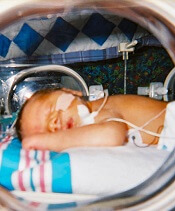
A lower threshold for platelet transfusions may be safer for preterm infants with severe thrombocytopenia, a new study suggests.
Researchers randomized preterm infants with severe thrombocytopenia to receive transfusions at platelet count thresholds of 50,000/mm3 or 25,000/mm3.
The team found that patients in the high-threshold group had a significantly higher risk of major bleeding or death.
Anna Curley, MD, of the National Maternity Hospital in Dublin, Ireland, and her colleagues reported this finding in The New England Journal of Medicine.
The researchers studied 660 infants with a mean gestational age of 26.6 weeks. They were randomized to receive platelet transfusions at a high platelet-count threshold of 50,000/mm3 or a low threshold of 25,000/mm3.
Within 28 days of randomization, a new major bleeding episode or death occurred in 26% of the high-threshold group and 19% of the low-threshold group.
When the researchers adjusted for gestational age, intrauterine growth restriction, and trial site, the odds ratio (OR) for major bleeding or death was 1.57 (95% confidence interval [CI], 1.06-2.32; P=0.02).
The OR for death alone was 1.56 (95% CI, 0.95-2.55), and the hazard ratio for at least one major bleeding episode was 1.32 (95% CI, 1.00-1.74).
The rates of serious adverse events, not including major bleeding, were similar between the high- and low-threshold groups—25% and 22%, respectively (OR=1.14; 95% CI, 0.78-1.67).
The researchers said the results of this trial suggest that reducing the transfusion threshold from 50,000/mm3 to 25,000/mm3 may prevent death or major bleeding in 7 of 100 preterm neonates with severe thrombocytopenia.
However, the team also acknowledged that it isn’t clear why reducing the threshold may reduce the risk of mortality or major bleeding in this patient group.
The researchers said a range of factors might play a role in adverse outcomes of platelet transfusion in preterm neonates, including inflammatory consequences, hemodynamic shifts, fragility of the germinal matrix, disturbances in organ and brain blood flow, preterm lungs with a large capillary bed and abundant immune cells, platelet-derived reactive oxygen species, proangiogenic factors, and vessel occlusion by platelet microthrombi.
This study was supported by the National Health Service Blood and Transplant Research and Development Committee, Sanquin Research, Addenbrooke’s Charitable Trust, the Neonatal Breath of Life Fund, and the National Institute for Health Research Clinical Research Network.
One study author reported consulting for Sanquin Research, and another declared travel funds from Cerus Corporation.
A lower threshold for platelet transfusions may be safer for preterm infants with severe thrombocytopenia, a new study suggests.
Researchers randomized preterm infants with severe thrombocytopenia to receive transfusions at platelet count thresholds of 50,000/mm3 or 25,000/mm3.
The team found that patients in the high-threshold group had a significantly higher risk of major bleeding or death.
Anna Curley, MD, of the National Maternity Hospital in Dublin, Ireland, and her colleagues reported this finding in The New England Journal of Medicine.
The researchers studied 660 infants with a mean gestational age of 26.6 weeks. They were randomized to receive platelet transfusions at a high platelet-count threshold of 50,000/mm3 or a low threshold of 25,000/mm3.
Within 28 days of randomization, a new major bleeding episode or death occurred in 26% of the high-threshold group and 19% of the low-threshold group.
When the researchers adjusted for gestational age, intrauterine growth restriction, and trial site, the odds ratio (OR) for major bleeding or death was 1.57 (95% confidence interval [CI], 1.06-2.32; P=0.02).
The OR for death alone was 1.56 (95% CI, 0.95-2.55), and the hazard ratio for at least one major bleeding episode was 1.32 (95% CI, 1.00-1.74).
The rates of serious adverse events, not including major bleeding, were similar between the high- and low-threshold groups—25% and 22%, respectively (OR=1.14; 95% CI, 0.78-1.67).
The researchers said the results of this trial suggest that reducing the transfusion threshold from 50,000/mm3 to 25,000/mm3 may prevent death or major bleeding in 7 of 100 preterm neonates with severe thrombocytopenia.
However, the team also acknowledged that it isn’t clear why reducing the threshold may reduce the risk of mortality or major bleeding in this patient group.
The researchers said a range of factors might play a role in adverse outcomes of platelet transfusion in preterm neonates, including inflammatory consequences, hemodynamic shifts, fragility of the germinal matrix, disturbances in organ and brain blood flow, preterm lungs with a large capillary bed and abundant immune cells, platelet-derived reactive oxygen species, proangiogenic factors, and vessel occlusion by platelet microthrombi.
This study was supported by the National Health Service Blood and Transplant Research and Development Committee, Sanquin Research, Addenbrooke’s Charitable Trust, the Neonatal Breath of Life Fund, and the National Institute for Health Research Clinical Research Network.
One study author reported consulting for Sanquin Research, and another declared travel funds from Cerus Corporation.
A lower threshold for platelet transfusions may be safer for preterm infants with severe thrombocytopenia, a new study suggests.
Researchers randomized preterm infants with severe thrombocytopenia to receive transfusions at platelet count thresholds of 50,000/mm3 or 25,000/mm3.
The team found that patients in the high-threshold group had a significantly higher risk of major bleeding or death.
Anna Curley, MD, of the National Maternity Hospital in Dublin, Ireland, and her colleagues reported this finding in The New England Journal of Medicine.
The researchers studied 660 infants with a mean gestational age of 26.6 weeks. They were randomized to receive platelet transfusions at a high platelet-count threshold of 50,000/mm3 or a low threshold of 25,000/mm3.
Within 28 days of randomization, a new major bleeding episode or death occurred in 26% of the high-threshold group and 19% of the low-threshold group.
When the researchers adjusted for gestational age, intrauterine growth restriction, and trial site, the odds ratio (OR) for major bleeding or death was 1.57 (95% confidence interval [CI], 1.06-2.32; P=0.02).
The OR for death alone was 1.56 (95% CI, 0.95-2.55), and the hazard ratio for at least one major bleeding episode was 1.32 (95% CI, 1.00-1.74).
The rates of serious adverse events, not including major bleeding, were similar between the high- and low-threshold groups—25% and 22%, respectively (OR=1.14; 95% CI, 0.78-1.67).
The researchers said the results of this trial suggest that reducing the transfusion threshold from 50,000/mm3 to 25,000/mm3 may prevent death or major bleeding in 7 of 100 preterm neonates with severe thrombocytopenia.
However, the team also acknowledged that it isn’t clear why reducing the threshold may reduce the risk of mortality or major bleeding in this patient group.
The researchers said a range of factors might play a role in adverse outcomes of platelet transfusion in preterm neonates, including inflammatory consequences, hemodynamic shifts, fragility of the germinal matrix, disturbances in organ and brain blood flow, preterm lungs with a large capillary bed and abundant immune cells, platelet-derived reactive oxygen species, proangiogenic factors, and vessel occlusion by platelet microthrombi.
This study was supported by the National Health Service Blood and Transplant Research and Development Committee, Sanquin Research, Addenbrooke’s Charitable Trust, the Neonatal Breath of Life Fund, and the National Institute for Health Research Clinical Research Network.
One study author reported consulting for Sanquin Research, and another declared travel funds from Cerus Corporation.
Are you an optimist or pessimist?
“I’m fine. How are your kids?”

“They’re doing great, but we miss you. It hasn’t been the same at that group since you retired.”
I thanked her for her kind words. But the truth is that there were certainly physicians remaining at that practice who were at least as skillful and probably more caring than I had been. However, they were being increasingly challenged by an organization that struggled with how to be customer friendly and patient centered although it claimed to be both.
It must have been 8 years since I first met this young woman. She had just delivered her first child and was finishing her last year of family practice residency. In the nearly a decade since I had last spoken to her, she had worked in a couple primary care practices and was now the administrator of a rehabilitation facility. She described the all too common scenario of spending hours at home trying to complete her charting when she was doing primary care. Now she spends a good chunk of her time on the phone arguing with insurance companies trying to get coverage for her aging patients.
As she told me how frustrated she was with her current job and how pessimistic she was about the future of health care in this country, I realized that it wasn’t me that she really missed. I, and my old practice, are just examples of what primary care used to be.

As I walked home from the grocery store after our encounter, I wondered how deeply I shared her pessimism. We mostly talked about how bad things have gotten now. But we didn’t talk much about where we thought the state of health care in the Unite States was headed.
Are you an optimist or a pessimist? To what degree will your answer to be colored by your career trajectory? Would you tell a young person that you think our health care system is so messed up that you would discourage them from becoming a physician because the work environment is becoming increasingly toxic?
Or would you acknowledge that health care in this country is going through a difficult time, but the potential reward of knowing that every day you have helped, or at least tried to help, someone is worth riding out storm?
For a moment, step back from your narrow focus as a health care provider. What would you tell a 40-something father of two children who is worried about what health care is going to look like when he is as old as his parents are now?
If you have come down on the positive side of this coin, where are the solutions going to come from? Is technology going to come up with the answers? Is a nationwide electronic medical record system that allows all providers to communicate seamlessly with each other a realistic possibility? Will physicians and patients eventually adapt to and accept a new reality in which health care providers are primarily technicians following algorithms generated by a team of scientists and payers?
Or will we continue to muddle along and hope that our system will get over the hiccups and arrive at some political solution? I am eager to hear what you think. ... and feel.
Dr. Wilkoff practiced primary care pediatrics in Brunswick, Maine for nearly 40 years. He has authored several books on behavioral pediatrics, including “How to Say No to Your Toddler.” Email him at pdnews@mdedge.com.
“I’m fine. How are your kids?”
“They’re doing great, but we miss you. It hasn’t been the same at that group since you retired.”
I thanked her for her kind words. But the truth is that there were certainly physicians remaining at that practice who were at least as skillful and probably more caring than I had been. However, they were being increasingly challenged by an organization that struggled with how to be customer friendly and patient centered although it claimed to be both.
It must have been 8 years since I first met this young woman. She had just delivered her first child and was finishing her last year of family practice residency. In the nearly a decade since I had last spoken to her, she had worked in a couple primary care practices and was now the administrator of a rehabilitation facility. She described the all too common scenario of spending hours at home trying to complete her charting when she was doing primary care. Now she spends a good chunk of her time on the phone arguing with insurance companies trying to get coverage for her aging patients.
As she told me how frustrated she was with her current job and how pessimistic she was about the future of health care in this country, I realized that it wasn’t me that she really missed. I, and my old practice, are just examples of what primary care used to be.
As I walked home from the grocery store after our encounter, I wondered how deeply I shared her pessimism. We mostly talked about how bad things have gotten now. But we didn’t talk much about where we thought the state of health care in the Unite States was headed.
Are you an optimist or a pessimist? To what degree will your answer to be colored by your career trajectory? Would you tell a young person that you think our health care system is so messed up that you would discourage them from becoming a physician because the work environment is becoming increasingly toxic?
Or would you acknowledge that health care in this country is going through a difficult time, but the potential reward of knowing that every day you have helped, or at least tried to help, someone is worth riding out storm?
For a moment, step back from your narrow focus as a health care provider. What would you tell a 40-something father of two children who is worried about what health care is going to look like when he is as old as his parents are now?
If you have come down on the positive side of this coin, where are the solutions going to come from? Is technology going to come up with the answers? Is a nationwide electronic medical record system that allows all providers to communicate seamlessly with each other a realistic possibility? Will physicians and patients eventually adapt to and accept a new reality in which health care providers are primarily technicians following algorithms generated by a team of scientists and payers?
Or will we continue to muddle along and hope that our system will get over the hiccups and arrive at some political solution? I am eager to hear what you think. ... and feel.
Dr. Wilkoff practiced primary care pediatrics in Brunswick, Maine for nearly 40 years. He has authored several books on behavioral pediatrics, including “How to Say No to Your Toddler.” Email him at pdnews@mdedge.com.
“I’m fine. How are your kids?”
“They’re doing great, but we miss you. It hasn’t been the same at that group since you retired.”
I thanked her for her kind words. But the truth is that there were certainly physicians remaining at that practice who were at least as skillful and probably more caring than I had been. However, they were being increasingly challenged by an organization that struggled with how to be customer friendly and patient centered although it claimed to be both.
It must have been 8 years since I first met this young woman. She had just delivered her first child and was finishing her last year of family practice residency. In the nearly a decade since I had last spoken to her, she had worked in a couple primary care practices and was now the administrator of a rehabilitation facility. She described the all too common scenario of spending hours at home trying to complete her charting when she was doing primary care. Now she spends a good chunk of her time on the phone arguing with insurance companies trying to get coverage for her aging patients.
As she told me how frustrated she was with her current job and how pessimistic she was about the future of health care in this country, I realized that it wasn’t me that she really missed. I, and my old practice, are just examples of what primary care used to be.
As I walked home from the grocery store after our encounter, I wondered how deeply I shared her pessimism. We mostly talked about how bad things have gotten now. But we didn’t talk much about where we thought the state of health care in the Unite States was headed.
Are you an optimist or a pessimist? To what degree will your answer to be colored by your career trajectory? Would you tell a young person that you think our health care system is so messed up that you would discourage them from becoming a physician because the work environment is becoming increasingly toxic?
Or would you acknowledge that health care in this country is going through a difficult time, but the potential reward of knowing that every day you have helped, or at least tried to help, someone is worth riding out storm?
For a moment, step back from your narrow focus as a health care provider. What would you tell a 40-something father of two children who is worried about what health care is going to look like when he is as old as his parents are now?
If you have come down on the positive side of this coin, where are the solutions going to come from? Is technology going to come up with the answers? Is a nationwide electronic medical record system that allows all providers to communicate seamlessly with each other a realistic possibility? Will physicians and patients eventually adapt to and accept a new reality in which health care providers are primarily technicians following algorithms generated by a team of scientists and payers?
Or will we continue to muddle along and hope that our system will get over the hiccups and arrive at some political solution? I am eager to hear what you think. ... and feel.
Dr. Wilkoff practiced primary care pediatrics in Brunswick, Maine for nearly 40 years. He has authored several books on behavioral pediatrics, including “How to Say No to Your Toddler.” Email him at pdnews@mdedge.com.

In pediatric ICU, being underweight can be deadly
SAN DIEGO – Underweight people don’t get much attention amid the obesity epidemic. But a new analysis of worldwide data finds that underweight pediatric ICU patients worldwide face a higher risk of death within 28 days than all their counterparts, even the overweight and obese.

While the report suggests that underweight patients weren’t sicker than the other children and young adults, they also faced a higher risk of fluid accumulation and all-stage acute kidney injury, compared with overweight children, study lead author Rajit K. Basu, MD, MS, of Emory University and Children’s Healthcare of Atlanta, said in an interview. His team’s findings were released at Kidney Week 2018, sponsored by the American Society of Nephrology.
“Obesity gets the lion’s share of the spotlight, but there is a large and likely growing population of children who, for reasons left to be fully parsed out, are underweight,” Dr. Basu said. “These patients have increased attributable risks for poor outcome.”
The new report is a follow-up analysis of a 2017 prospective study by the same team that tracked acute kidney injury and mortality in 4,683 pediatric ICU patients at 32 clinics in Asia, Australia, Europe, and North America. The patients, aged from 3 months to 25 years, were recruited over 3 months in 2014 (N Engl J Med 2017;376:11-20).
The researchers launched the study to better understand the risk facing underweight pediatric patients. “There is a paucity of data linking mortality to weight classification in children,” Dr. Basu said. “There are only a few reports, and there is a suggestion that the ‘obesity paradox’ – protection from morbidity and mortality because of excessive weight – exists.”
For the new analysis, researchers tracked 3,719 patients: 29% were underweight, 44% had normal weight, 11% were overweight, and 16% were obese.
The 28-day mortality rate was 4% overall and highest in the underweight patients at 6%, compared with normal (3%), overweight (2%), and obese patients (2%) (P less than .0001). Underweight patients had a higher adjusted risk of mortality, compared with normal-weight patients (adjusted odds ratio, 1.8; 95% confidence interval, 1.2-2.8).
Underweight patients also had “a higher risk of fluid accumulation and a higher incidence of all-stage acute kidney injury, compared to overweight children,” Dr. Basu said.
The study authors also examined mortality rates in the 14% of patients (n = 542) who had sepsis. Again, underweight patients had the highest risk of 28-day mortality (15%), compared with normal weight (7%), overweight (4%), and obese patients (5%) (P = 0.003).
Who are the underweight children? “Analysis of the comorbidities reveals that nearly one-third of these children had some neuromuscular and/or pulmonary comorbidities, implying that these children were most likely static cerebral palsy children or had neuromuscular developmental disorder,” Dr. Basu said. “The demographic data also interestingly pointed out that the underweight population was predominantly Eastern Asian in origin.”
But there wasn’t a sign of increased illness in the underweight patients. “We can say that these kids were no sicker compared to the overweight kids as assessed by objective severity-of-illness scoring tools used in the critically ill population,” he said.
Is there a link between fluid overload and higher mortality numbers in underweight children? “There is a preponderance of data now, particularly in children, associating excessive fluid accumulation and poor outcome,” Dr. Basu said, who pointed to a 2018 systematic review and analysis that linked fluid overload to a higher risk of in-hospital mortality (OR, 4.34; 95% CI, 3.01-6.26) (JAMA Pediatr. 2018;172[3]:257-68).
Fluid accumulation disrupts organs “via hydrostatic pressure overregulation, causing an imbalance in local mediators of hormonal homeostasis and through vascular congestion,” he said. However, best practices regarding fluid are not yet clear.
“Fluid accumulation does occur frequently,” he said, “and it is likely a very important and relevant part of practice for bedside providers to be mindful on a multiple-times-a-day basis of what is happening with net fluid balance and how that relates to end-organ function, particularly the lungs and the kidneys.”
The National Institutes of Health provided partial funding for the study. One of the authors received fellowship funding from Gambro/Baxter Healthcare.
SAN DIEGO – Underweight people don’t get much attention amid the obesity epidemic. But a new analysis of worldwide data finds that underweight pediatric ICU patients worldwide face a higher risk of death within 28 days than all their counterparts, even the overweight and obese.
While the report suggests that underweight patients weren’t sicker than the other children and young adults, they also faced a higher risk of fluid accumulation and all-stage acute kidney injury, compared with overweight children, study lead author Rajit K. Basu, MD, MS, of Emory University and Children’s Healthcare of Atlanta, said in an interview. His team’s findings were released at Kidney Week 2018, sponsored by the American Society of Nephrology.
“Obesity gets the lion’s share of the spotlight, but there is a large and likely growing population of children who, for reasons left to be fully parsed out, are underweight,” Dr. Basu said. “These patients have increased attributable risks for poor outcome.”
The new report is a follow-up analysis of a 2017 prospective study by the same team that tracked acute kidney injury and mortality in 4,683 pediatric ICU patients at 32 clinics in Asia, Australia, Europe, and North America. The patients, aged from 3 months to 25 years, were recruited over 3 months in 2014 (N Engl J Med 2017;376:11-20).
The researchers launched the study to better understand the risk facing underweight pediatric patients. “There is a paucity of data linking mortality to weight classification in children,” Dr. Basu said. “There are only a few reports, and there is a suggestion that the ‘obesity paradox’ – protection from morbidity and mortality because of excessive weight – exists.”
For the new analysis, researchers tracked 3,719 patients: 29% were underweight, 44% had normal weight, 11% were overweight, and 16% were obese.
The 28-day mortality rate was 4% overall and highest in the underweight patients at 6%, compared with normal (3%), overweight (2%), and obese patients (2%) (P less than .0001). Underweight patients had a higher adjusted risk of mortality, compared with normal-weight patients (adjusted odds ratio, 1.8; 95% confidence interval, 1.2-2.8).
Underweight patients also had “a higher risk of fluid accumulation and a higher incidence of all-stage acute kidney injury, compared to overweight children,” Dr. Basu said.
The study authors also examined mortality rates in the 14% of patients (n = 542) who had sepsis. Again, underweight patients had the highest risk of 28-day mortality (15%), compared with normal weight (7%), overweight (4%), and obese patients (5%) (P = 0.003).
Who are the underweight children? “Analysis of the comorbidities reveals that nearly one-third of these children had some neuromuscular and/or pulmonary comorbidities, implying that these children were most likely static cerebral palsy children or had neuromuscular developmental disorder,” Dr. Basu said. “The demographic data also interestingly pointed out that the underweight population was predominantly Eastern Asian in origin.”
But there wasn’t a sign of increased illness in the underweight patients. “We can say that these kids were no sicker compared to the overweight kids as assessed by objective severity-of-illness scoring tools used in the critically ill population,” he said.
Is there a link between fluid overload and higher mortality numbers in underweight children? “There is a preponderance of data now, particularly in children, associating excessive fluid accumulation and poor outcome,” Dr. Basu said, who pointed to a 2018 systematic review and analysis that linked fluid overload to a higher risk of in-hospital mortality (OR, 4.34; 95% CI, 3.01-6.26) (JAMA Pediatr. 2018;172[3]:257-68).
Fluid accumulation disrupts organs “via hydrostatic pressure overregulation, causing an imbalance in local mediators of hormonal homeostasis and through vascular congestion,” he said. However, best practices regarding fluid are not yet clear.
“Fluid accumulation does occur frequently,” he said, “and it is likely a very important and relevant part of practice for bedside providers to be mindful on a multiple-times-a-day basis of what is happening with net fluid balance and how that relates to end-organ function, particularly the lungs and the kidneys.”
The National Institutes of Health provided partial funding for the study. One of the authors received fellowship funding from Gambro/Baxter Healthcare.
SAN DIEGO – Underweight people don’t get much attention amid the obesity epidemic. But a new analysis of worldwide data finds that underweight pediatric ICU patients worldwide face a higher risk of death within 28 days than all their counterparts, even the overweight and obese.
While the report suggests that underweight patients weren’t sicker than the other children and young adults, they also faced a higher risk of fluid accumulation and all-stage acute kidney injury, compared with overweight children, study lead author Rajit K. Basu, MD, MS, of Emory University and Children’s Healthcare of Atlanta, said in an interview. His team’s findings were released at Kidney Week 2018, sponsored by the American Society of Nephrology.
“Obesity gets the lion’s share of the spotlight, but there is a large and likely growing population of children who, for reasons left to be fully parsed out, are underweight,” Dr. Basu said. “These patients have increased attributable risks for poor outcome.”
The new report is a follow-up analysis of a 2017 prospective study by the same team that tracked acute kidney injury and mortality in 4,683 pediatric ICU patients at 32 clinics in Asia, Australia, Europe, and North America. The patients, aged from 3 months to 25 years, were recruited over 3 months in 2014 (N Engl J Med 2017;376:11-20).
The researchers launched the study to better understand the risk facing underweight pediatric patients. “There is a paucity of data linking mortality to weight classification in children,” Dr. Basu said. “There are only a few reports, and there is a suggestion that the ‘obesity paradox’ – protection from morbidity and mortality because of excessive weight – exists.”
For the new analysis, researchers tracked 3,719 patients: 29% were underweight, 44% had normal weight, 11% were overweight, and 16% were obese.
The 28-day mortality rate was 4% overall and highest in the underweight patients at 6%, compared with normal (3%), overweight (2%), and obese patients (2%) (P less than .0001). Underweight patients had a higher adjusted risk of mortality, compared with normal-weight patients (adjusted odds ratio, 1.8; 95% confidence interval, 1.2-2.8).
Underweight patients also had “a higher risk of fluid accumulation and a higher incidence of all-stage acute kidney injury, compared to overweight children,” Dr. Basu said.
The study authors also examined mortality rates in the 14% of patients (n = 542) who had sepsis. Again, underweight patients had the highest risk of 28-day mortality (15%), compared with normal weight (7%), overweight (4%), and obese patients (5%) (P = 0.003).
Who are the underweight children? “Analysis of the comorbidities reveals that nearly one-third of these children had some neuromuscular and/or pulmonary comorbidities, implying that these children were most likely static cerebral palsy children or had neuromuscular developmental disorder,” Dr. Basu said. “The demographic data also interestingly pointed out that the underweight population was predominantly Eastern Asian in origin.”
But there wasn’t a sign of increased illness in the underweight patients. “We can say that these kids were no sicker compared to the overweight kids as assessed by objective severity-of-illness scoring tools used in the critically ill population,” he said.
Is there a link between fluid overload and higher mortality numbers in underweight children? “There is a preponderance of data now, particularly in children, associating excessive fluid accumulation and poor outcome,” Dr. Basu said, who pointed to a 2018 systematic review and analysis that linked fluid overload to a higher risk of in-hospital mortality (OR, 4.34; 95% CI, 3.01-6.26) (JAMA Pediatr. 2018;172[3]:257-68).
Fluid accumulation disrupts organs “via hydrostatic pressure overregulation, causing an imbalance in local mediators of hormonal homeostasis and through vascular congestion,” he said. However, best practices regarding fluid are not yet clear.
“Fluid accumulation does occur frequently,” he said, “and it is likely a very important and relevant part of practice for bedside providers to be mindful on a multiple-times-a-day basis of what is happening with net fluid balance and how that relates to end-organ function, particularly the lungs and the kidneys.”
The National Institutes of Health provided partial funding for the study. One of the authors received fellowship funding from Gambro/Baxter Healthcare.
REPORTING FROM KIDNEY WEEK 2018
Key clinical point:
Major finding: Underweight patients had a higher adjusted risk of 28-day mortality than normal-weight patients (adjusted odds ratio, 1.8; 95% confidence interval, 1.2-2.8).
Study details: A follow-up analysis of 3,719 pediatric ICU patients, aged from 3 months to 25 years, recruited in a prospective study over 3 months in 2014 at 32 worldwide centers.
Disclosures: The National Institutes of Health provided partial funding for the study. One of the authors received fellowship funding from Gambro/Baxter Healthcare.
Can the 2017 McDonald Criteria Diagnose MS in Children?
Applying the new criteria to children may allow earlier diagnosis than the 2010 criteria do.
BERLIN—Applying the 2017 McDonald criteria to children is feasible and allows an earlier diagnosis of multiple sclerosis (MS), according to data described at ECTRIMS 2018. The presence of oligoclonal bands and negativity of myelin oligodendrocyte glycoprotein (MOG)-IgG are informative biomarkers when evaluating the risk of MS in children with a first demyelinating event, said the authors.
Few researchers have examined the application of the revised 2017 McDonald criteria to children. In addition, the role of biomarkers in confirming or ruling out a diagnosis of MS is uncertain. Georgina Arrambide, MD, PhD, a neurologist at Vall d’Hebron University Hospital in Barcelona, and colleagues conducted a prospective cohort study to compare the application of the 2017 and 2010 McDonald criteria in children with a first demyelinating event and to evaluate the contribution of biomarkers (ie, oligoclonal bands, aquaporin 4 [AQP4], and MOG-IgG) in predicting their clinical course.

The investigators followed a cohort of children from a first demyelinating episode. Serum and CSF samples were taken at fewer than three months from disease onset, and the researchers examined them for oligoclonal bands, AQP4, and MOG-IgG. Dr. Arrambide and colleagues also systematically analyzed 37 MRI items while blinded to clinical and immunologic data. They evaluated the proportion of patients fulfilling the 2010 and the 2017 McDonald criteria at baseline and the contribution of biomarkers to predicting the clinical course.
Clinical and baseline MRI data were available for 55 children (45% female) with a median age of 6.2. About 67% of children were younger than 12. At baseline, the diagnoses according to 2010 McDonald and 2013 International Pediatric MS Study Group criteria were acute disseminated encephalomyelitis (ADEM, 28 patients), MS (three patients), classical clinically isolated syndrome (CIS, 17 patients), radiologically isolated syndrome (RIS, one patient), and other (MRI suggestive of ADEM but without encephalopathy, six patients).
After a median follow-up of 16 months, the diagnosis changed in 10 patients because of clinical (five patients) or radiologic (five patients) activity. Seven patients evolved to MS (six patients with classical CIS and one with RIS), one to relapsing optic neuritis (ON), one to ADEM-ON (ie, ADEM followed by ON), and one to neuromyelitis optica spectrum disorder. None of the seven patients with available baseline samples who evolved to MS had MOG-IgG, compared with 22 of 38 (58%) patients who did not evolve. None had AQP4. In contrast, five of seven (71%) patients with MS had positive oligoclonal bands, compared with one of 26 (4%) who did not develop MS.
At baseline, three of 10 patients fulfilled the 2010 McDonald criteria. Four additional patients fulfilled the 2017 MS criteria thanks to the contribution of oligoclonal bands.
Applying the new criteria to children may allow earlier diagnosis than the 2010 criteria do.
Applying the new criteria to children may allow earlier diagnosis than the 2010 criteria do.
BERLIN—Applying the 2017 McDonald criteria to children is feasible and allows an earlier diagnosis of multiple sclerosis (MS), according to data described at ECTRIMS 2018. The presence of oligoclonal bands and negativity of myelin oligodendrocyte glycoprotein (MOG)-IgG are informative biomarkers when evaluating the risk of MS in children with a first demyelinating event, said the authors.
Few researchers have examined the application of the revised 2017 McDonald criteria to children. In addition, the role of biomarkers in confirming or ruling out a diagnosis of MS is uncertain. Georgina Arrambide, MD, PhD, a neurologist at Vall d’Hebron University Hospital in Barcelona, and colleagues conducted a prospective cohort study to compare the application of the 2017 and 2010 McDonald criteria in children with a first demyelinating event and to evaluate the contribution of biomarkers (ie, oligoclonal bands, aquaporin 4 [AQP4], and MOG-IgG) in predicting their clinical course.
The investigators followed a cohort of children from a first demyelinating episode. Serum and CSF samples were taken at fewer than three months from disease onset, and the researchers examined them for oligoclonal bands, AQP4, and MOG-IgG. Dr. Arrambide and colleagues also systematically analyzed 37 MRI items while blinded to clinical and immunologic data. They evaluated the proportion of patients fulfilling the 2010 and the 2017 McDonald criteria at baseline and the contribution of biomarkers to predicting the clinical course.
Clinical and baseline MRI data were available for 55 children (45% female) with a median age of 6.2. About 67% of children were younger than 12. At baseline, the diagnoses according to 2010 McDonald and 2013 International Pediatric MS Study Group criteria were acute disseminated encephalomyelitis (ADEM, 28 patients), MS (three patients), classical clinically isolated syndrome (CIS, 17 patients), radiologically isolated syndrome (RIS, one patient), and other (MRI suggestive of ADEM but without encephalopathy, six patients).
After a median follow-up of 16 months, the diagnosis changed in 10 patients because of clinical (five patients) or radiologic (five patients) activity. Seven patients evolved to MS (six patients with classical CIS and one with RIS), one to relapsing optic neuritis (ON), one to ADEM-ON (ie, ADEM followed by ON), and one to neuromyelitis optica spectrum disorder. None of the seven patients with available baseline samples who evolved to MS had MOG-IgG, compared with 22 of 38 (58%) patients who did not evolve. None had AQP4. In contrast, five of seven (71%) patients with MS had positive oligoclonal bands, compared with one of 26 (4%) who did not develop MS.
At baseline, three of 10 patients fulfilled the 2010 McDonald criteria. Four additional patients fulfilled the 2017 MS criteria thanks to the contribution of oligoclonal bands.
BERLIN—Applying the 2017 McDonald criteria to children is feasible and allows an earlier diagnosis of multiple sclerosis (MS), according to data described at ECTRIMS 2018. The presence of oligoclonal bands and negativity of myelin oligodendrocyte glycoprotein (MOG)-IgG are informative biomarkers when evaluating the risk of MS in children with a first demyelinating event, said the authors.
Few researchers have examined the application of the revised 2017 McDonald criteria to children. In addition, the role of biomarkers in confirming or ruling out a diagnosis of MS is uncertain. Georgina Arrambide, MD, PhD, a neurologist at Vall d’Hebron University Hospital in Barcelona, and colleagues conducted a prospective cohort study to compare the application of the 2017 and 2010 McDonald criteria in children with a first demyelinating event and to evaluate the contribution of biomarkers (ie, oligoclonal bands, aquaporin 4 [AQP4], and MOG-IgG) in predicting their clinical course.
The investigators followed a cohort of children from a first demyelinating episode. Serum and CSF samples were taken at fewer than three months from disease onset, and the researchers examined them for oligoclonal bands, AQP4, and MOG-IgG. Dr. Arrambide and colleagues also systematically analyzed 37 MRI items while blinded to clinical and immunologic data. They evaluated the proportion of patients fulfilling the 2010 and the 2017 McDonald criteria at baseline and the contribution of biomarkers to predicting the clinical course.
Clinical and baseline MRI data were available for 55 children (45% female) with a median age of 6.2. About 67% of children were younger than 12. At baseline, the diagnoses according to 2010 McDonald and 2013 International Pediatric MS Study Group criteria were acute disseminated encephalomyelitis (ADEM, 28 patients), MS (three patients), classical clinically isolated syndrome (CIS, 17 patients), radiologically isolated syndrome (RIS, one patient), and other (MRI suggestive of ADEM but without encephalopathy, six patients).
After a median follow-up of 16 months, the diagnosis changed in 10 patients because of clinical (five patients) or radiologic (five patients) activity. Seven patients evolved to MS (six patients with classical CIS and one with RIS), one to relapsing optic neuritis (ON), one to ADEM-ON (ie, ADEM followed by ON), and one to neuromyelitis optica spectrum disorder. None of the seven patients with available baseline samples who evolved to MS had MOG-IgG, compared with 22 of 38 (58%) patients who did not evolve. None had AQP4. In contrast, five of seven (71%) patients with MS had positive oligoclonal bands, compared with one of 26 (4%) who did not develop MS.
At baseline, three of 10 patients fulfilled the 2010 McDonald criteria. Four additional patients fulfilled the 2017 MS criteria thanks to the contribution of oligoclonal bands.