User login
Home-Based Therapy May Benefit Young Children With Motor Stereotypies
Teaching parents to deliver behavioral therapy via an instructional DVD may be an effective treatment approach for patients 5 and older.
CHICAGO—Home-based, parent-administered behavioral therapy supplemented by telephone contact with a therapist is effective in reducing complex motor stereotypies in children as young as 5, according to a study presented at the 47th Annual Meeting of the Child Neurology Society. “We recommend this combined approach for children ages 5 and older,” said Harvey S. Singer, MD, Professor of Neurology at Johns Hopkins School of Medicine in Baltimore, and colleagues.

Rhythmic Movements
Motor stereotypies are repetitive, rhythmic, fixed movements that last for seconds or minutes, stop with distraction, and are thought to arise from alterations within habitual motor pathways in the brain. Complex motor stereotypies typically involve the upper extremities (eg, hand flapping and finger wiggling) and begin in early childhood. Pharmacologic therapy has not been effective, but behavioral therapy has benefited patients, Dr. Singer and colleagues said. In one study of 54 children ages 7 to 14, home-based, parent-administered behavioral therapy using an instructional DVD significantly reduced stereotypies versus baseline.
To evaluate the effectiveness of a home-based, parent-provided therapy accompanied by scheduled telephone calls with a therapist in patients ages 5 to 7 with primary complex motor stereotypies, Dr. Singer and colleagues conducted a study with 38 children (24 boys; mean age, 6).
Patients had confirmed complex motor stereotypies with onset before age 3. Patients reported no premonitory urge and had temporary suspension of movement by an external stimulus or distraction. The researchers did not exclude patients due to inattentiveness, hyperactivity, impulsivity, or obsessive-compulsive behaviors. They did exclude patients with autism spectrum disorder, evidence of intellectual disability, seizures or a known neurologic disorder, or motor or vocal tics. Primary outcome measures included the Stereotypy Severity Scale (SSS) Motor and Impairment scores and the Stereotypy Linear Analog Scale (SLAS). Secondary outcomes included Patient Global Impression of Improvement (PGI-I).
Behavioral Therapy
The investigators sent participants a 44-minute instructional DVD about complex motor stereotypies with instructions provided by a behavioral psychologist. Parents were instructed to implement awareness training in the first week and to collect data and reinforce suppression starting in Week 2. Awareness training aims to make the child aware of his or her movements by using videos showing the activity and by the practice of voluntarily starting and stopping the movement.
Fourteen of the 38 participants were lost to follow-up (ie, they completed no post-DVD receipt assessments). The intent-to-treat group included 24 participants (15 boys) who completed at least one phone call with the study psychologist after receiving the DVD. There was no difference in stereotypy severity among those who were lost to follow-up and those in the intent-to-treat group. Those lost to follow-up had higher scores on ADHD ratings, however, which “suggests those with greater ADHD symptomatology at baseline were more likely to drop out,” the researchers said.
Compared with baseline measures, participants in the intent-to-treat group had significant reductions in SSS Motor and SSS Impairment scores at the last available assessment, and outcome measures progressively improved during the study. On the PGI-I, 56.5% of participants were very much or much improved, 30% were improved, and 13% reported no change.
All primary outcome measures significantly decreased. SSS Motor scores decreased by 23% as measured by telephone and 30% as measured online, SSS Impairment scores decreased by 31% measured by telephone and 32% measured online, and SLAS decreased by 54% as measured online. “The similarity between beneficial outcomes on the SSS Motor and SSS Impairment scales suggest a positive impact on both the movements themselves and their functional impact,” Dr. Singer and colleagues said.
Teaching parents to deliver behavioral therapy via an instructional DVD may be an effective treatment approach for patients 5 and older.
Teaching parents to deliver behavioral therapy via an instructional DVD may be an effective treatment approach for patients 5 and older.
CHICAGO—Home-based, parent-administered behavioral therapy supplemented by telephone contact with a therapist is effective in reducing complex motor stereotypies in children as young as 5, according to a study presented at the 47th Annual Meeting of the Child Neurology Society. “We recommend this combined approach for children ages 5 and older,” said Harvey S. Singer, MD, Professor of Neurology at Johns Hopkins School of Medicine in Baltimore, and colleagues.
Rhythmic Movements
Motor stereotypies are repetitive, rhythmic, fixed movements that last for seconds or minutes, stop with distraction, and are thought to arise from alterations within habitual motor pathways in the brain. Complex motor stereotypies typically involve the upper extremities (eg, hand flapping and finger wiggling) and begin in early childhood. Pharmacologic therapy has not been effective, but behavioral therapy has benefited patients, Dr. Singer and colleagues said. In one study of 54 children ages 7 to 14, home-based, parent-administered behavioral therapy using an instructional DVD significantly reduced stereotypies versus baseline.
To evaluate the effectiveness of a home-based, parent-provided therapy accompanied by scheduled telephone calls with a therapist in patients ages 5 to 7 with primary complex motor stereotypies, Dr. Singer and colleagues conducted a study with 38 children (24 boys; mean age, 6).
Patients had confirmed complex motor stereotypies with onset before age 3. Patients reported no premonitory urge and had temporary suspension of movement by an external stimulus or distraction. The researchers did not exclude patients due to inattentiveness, hyperactivity, impulsivity, or obsessive-compulsive behaviors. They did exclude patients with autism spectrum disorder, evidence of intellectual disability, seizures or a known neurologic disorder, or motor or vocal tics. Primary outcome measures included the Stereotypy Severity Scale (SSS) Motor and Impairment scores and the Stereotypy Linear Analog Scale (SLAS). Secondary outcomes included Patient Global Impression of Improvement (PGI-I).
Behavioral Therapy
The investigators sent participants a 44-minute instructional DVD about complex motor stereotypies with instructions provided by a behavioral psychologist. Parents were instructed to implement awareness training in the first week and to collect data and reinforce suppression starting in Week 2. Awareness training aims to make the child aware of his or her movements by using videos showing the activity and by the practice of voluntarily starting and stopping the movement.
Fourteen of the 38 participants were lost to follow-up (ie, they completed no post-DVD receipt assessments). The intent-to-treat group included 24 participants (15 boys) who completed at least one phone call with the study psychologist after receiving the DVD. There was no difference in stereotypy severity among those who were lost to follow-up and those in the intent-to-treat group. Those lost to follow-up had higher scores on ADHD ratings, however, which “suggests those with greater ADHD symptomatology at baseline were more likely to drop out,” the researchers said.
Compared with baseline measures, participants in the intent-to-treat group had significant reductions in SSS Motor and SSS Impairment scores at the last available assessment, and outcome measures progressively improved during the study. On the PGI-I, 56.5% of participants were very much or much improved, 30% were improved, and 13% reported no change.
All primary outcome measures significantly decreased. SSS Motor scores decreased by 23% as measured by telephone and 30% as measured online, SSS Impairment scores decreased by 31% measured by telephone and 32% measured online, and SLAS decreased by 54% as measured online. “The similarity between beneficial outcomes on the SSS Motor and SSS Impairment scales suggest a positive impact on both the movements themselves and their functional impact,” Dr. Singer and colleagues said.
CHICAGO—Home-based, parent-administered behavioral therapy supplemented by telephone contact with a therapist is effective in reducing complex motor stereotypies in children as young as 5, according to a study presented at the 47th Annual Meeting of the Child Neurology Society. “We recommend this combined approach for children ages 5 and older,” said Harvey S. Singer, MD, Professor of Neurology at Johns Hopkins School of Medicine in Baltimore, and colleagues.
Rhythmic Movements
Motor stereotypies are repetitive, rhythmic, fixed movements that last for seconds or minutes, stop with distraction, and are thought to arise from alterations within habitual motor pathways in the brain. Complex motor stereotypies typically involve the upper extremities (eg, hand flapping and finger wiggling) and begin in early childhood. Pharmacologic therapy has not been effective, but behavioral therapy has benefited patients, Dr. Singer and colleagues said. In one study of 54 children ages 7 to 14, home-based, parent-administered behavioral therapy using an instructional DVD significantly reduced stereotypies versus baseline.
To evaluate the effectiveness of a home-based, parent-provided therapy accompanied by scheduled telephone calls with a therapist in patients ages 5 to 7 with primary complex motor stereotypies, Dr. Singer and colleagues conducted a study with 38 children (24 boys; mean age, 6).
Patients had confirmed complex motor stereotypies with onset before age 3. Patients reported no premonitory urge and had temporary suspension of movement by an external stimulus or distraction. The researchers did not exclude patients due to inattentiveness, hyperactivity, impulsivity, or obsessive-compulsive behaviors. They did exclude patients with autism spectrum disorder, evidence of intellectual disability, seizures or a known neurologic disorder, or motor or vocal tics. Primary outcome measures included the Stereotypy Severity Scale (SSS) Motor and Impairment scores and the Stereotypy Linear Analog Scale (SLAS). Secondary outcomes included Patient Global Impression of Improvement (PGI-I).
Behavioral Therapy
The investigators sent participants a 44-minute instructional DVD about complex motor stereotypies with instructions provided by a behavioral psychologist. Parents were instructed to implement awareness training in the first week and to collect data and reinforce suppression starting in Week 2. Awareness training aims to make the child aware of his or her movements by using videos showing the activity and by the practice of voluntarily starting and stopping the movement.
Fourteen of the 38 participants were lost to follow-up (ie, they completed no post-DVD receipt assessments). The intent-to-treat group included 24 participants (15 boys) who completed at least one phone call with the study psychologist after receiving the DVD. There was no difference in stereotypy severity among those who were lost to follow-up and those in the intent-to-treat group. Those lost to follow-up had higher scores on ADHD ratings, however, which “suggests those with greater ADHD symptomatology at baseline were more likely to drop out,” the researchers said.
Compared with baseline measures, participants in the intent-to-treat group had significant reductions in SSS Motor and SSS Impairment scores at the last available assessment, and outcome measures progressively improved during the study. On the PGI-I, 56.5% of participants were very much or much improved, 30% were improved, and 13% reported no change.
All primary outcome measures significantly decreased. SSS Motor scores decreased by 23% as measured by telephone and 30% as measured online, SSS Impairment scores decreased by 31% measured by telephone and 32% measured online, and SLAS decreased by 54% as measured online. “The similarity between beneficial outcomes on the SSS Motor and SSS Impairment scales suggest a positive impact on both the movements themselves and their functional impact,” Dr. Singer and colleagues said.
Reviewing the state of HCV and HBV in children
The natural histories of hepatitis B virus (HBV) and hepatitis C virus (HCV) are very different in children, compared with their progress in adults, and depends on age at time of infection, mode of acquisition, ethnicity, and genotype, according to a review in a special pediatric issue of Clinics in Liver Disease.

Most children infected perinatally or vertically continue to be asymptomatic but are at uniquely higher risk of developing chronic viral hepatitis and progressing to liver cirrhosis and hepatocellular carcinoma (HCC), according to Krupa R. Mysore, MD, and Daniel H. Leung, MD, both of the Baylor College of Medicine, Houston. In addition, because the risk of progression to cancer along with such other liver damage is high in children, the reviewers stated that HCV and HBV can be classified as oncoviruses.
Their article assessed overall epidemiology, viral characteristics, and immune responses, as well as prevention, clinical manifestations, and current advances in the treatment of hepatitis B and C in children.
Because of the introduction of universal infant vaccination for HBV in the United States in 1991, the incidence of acute hepatitis B in U.S. children (those aged less than 19 years) has decreased from approximately 13.80/100,000 population (in children aged 10-19 years) in the 1980s to 0.34/100,000 population in 2002, Dr. Mysore and Dr. Leung wrote.
However, they added that those children who have chronic HBV remain at high risk for HCC, with a 100-fold greater incidence, compared with the HBV-negative population.
Similarly, HCV is a significant problem in children, with an estimated prevalence in the United States of 0.2% and 0.4% for children aged 6-11 years and 12-19 years, respectively. Vertical transmission from the mother is responsible for more than 60% of pediatric HCV infection and adds approximately 7,200 new cases in the United States yearly. Older children can acquire the virus through intravenous and intranasal drug use and high-risk sexual activity, they stated.
“Our understanding of the pathobiology and immunology of hepatitis B and C is unprecedented. As new antiviral therapies are being developed for the pediatric population, the differences in management and monitoring between children and adults with HBV and HCV are beginning to narrow but are still important,” the authors wrote.
They pointed out that soon-to-be-available treatments for HCV will be curative in children aged as young as 3 years. “[T]his will change the natural history of HCV and the prevalence of hepatocellular carcinoma over the next several decades for the better,” Dr. Mysore and Dr. Leung concluded.
They reported that they had no conflicts of interest to disclose.
SOURCE: Mysore KR et al. Clin Liver Dis. 2018; 22:703-22.
The natural histories of hepatitis B virus (HBV) and hepatitis C virus (HCV) are very different in children, compared with their progress in adults, and depends on age at time of infection, mode of acquisition, ethnicity, and genotype, according to a review in a special pediatric issue of Clinics in Liver Disease.
Most children infected perinatally or vertically continue to be asymptomatic but are at uniquely higher risk of developing chronic viral hepatitis and progressing to liver cirrhosis and hepatocellular carcinoma (HCC), according to Krupa R. Mysore, MD, and Daniel H. Leung, MD, both of the Baylor College of Medicine, Houston. In addition, because the risk of progression to cancer along with such other liver damage is high in children, the reviewers stated that HCV and HBV can be classified as oncoviruses.
Their article assessed overall epidemiology, viral characteristics, and immune responses, as well as prevention, clinical manifestations, and current advances in the treatment of hepatitis B and C in children.
Because of the introduction of universal infant vaccination for HBV in the United States in 1991, the incidence of acute hepatitis B in U.S. children (those aged less than 19 years) has decreased from approximately 13.80/100,000 population (in children aged 10-19 years) in the 1980s to 0.34/100,000 population in 2002, Dr. Mysore and Dr. Leung wrote.
However, they added that those children who have chronic HBV remain at high risk for HCC, with a 100-fold greater incidence, compared with the HBV-negative population.
Similarly, HCV is a significant problem in children, with an estimated prevalence in the United States of 0.2% and 0.4% for children aged 6-11 years and 12-19 years, respectively. Vertical transmission from the mother is responsible for more than 60% of pediatric HCV infection and adds approximately 7,200 new cases in the United States yearly. Older children can acquire the virus through intravenous and intranasal drug use and high-risk sexual activity, they stated.
“Our understanding of the pathobiology and immunology of hepatitis B and C is unprecedented. As new antiviral therapies are being developed for the pediatric population, the differences in management and monitoring between children and adults with HBV and HCV are beginning to narrow but are still important,” the authors wrote.
They pointed out that soon-to-be-available treatments for HCV will be curative in children aged as young as 3 years. “[T]his will change the natural history of HCV and the prevalence of hepatocellular carcinoma over the next several decades for the better,” Dr. Mysore and Dr. Leung concluded.
They reported that they had no conflicts of interest to disclose.
SOURCE: Mysore KR et al. Clin Liver Dis. 2018; 22:703-22.
The natural histories of hepatitis B virus (HBV) and hepatitis C virus (HCV) are very different in children, compared with their progress in adults, and depends on age at time of infection, mode of acquisition, ethnicity, and genotype, according to a review in a special pediatric issue of Clinics in Liver Disease.
Most children infected perinatally or vertically continue to be asymptomatic but are at uniquely higher risk of developing chronic viral hepatitis and progressing to liver cirrhosis and hepatocellular carcinoma (HCC), according to Krupa R. Mysore, MD, and Daniel H. Leung, MD, both of the Baylor College of Medicine, Houston. In addition, because the risk of progression to cancer along with such other liver damage is high in children, the reviewers stated that HCV and HBV can be classified as oncoviruses.
Their article assessed overall epidemiology, viral characteristics, and immune responses, as well as prevention, clinical manifestations, and current advances in the treatment of hepatitis B and C in children.
Because of the introduction of universal infant vaccination for HBV in the United States in 1991, the incidence of acute hepatitis B in U.S. children (those aged less than 19 years) has decreased from approximately 13.80/100,000 population (in children aged 10-19 years) in the 1980s to 0.34/100,000 population in 2002, Dr. Mysore and Dr. Leung wrote.
However, they added that those children who have chronic HBV remain at high risk for HCC, with a 100-fold greater incidence, compared with the HBV-negative population.
Similarly, HCV is a significant problem in children, with an estimated prevalence in the United States of 0.2% and 0.4% for children aged 6-11 years and 12-19 years, respectively. Vertical transmission from the mother is responsible for more than 60% of pediatric HCV infection and adds approximately 7,200 new cases in the United States yearly. Older children can acquire the virus through intravenous and intranasal drug use and high-risk sexual activity, they stated.
“Our understanding of the pathobiology and immunology of hepatitis B and C is unprecedented. As new antiviral therapies are being developed for the pediatric population, the differences in management and monitoring between children and adults with HBV and HCV are beginning to narrow but are still important,” the authors wrote.
They pointed out that soon-to-be-available treatments for HCV will be curative in children aged as young as 3 years. “[T]his will change the natural history of HCV and the prevalence of hepatocellular carcinoma over the next several decades for the better,” Dr. Mysore and Dr. Leung concluded.
They reported that they had no conflicts of interest to disclose.
SOURCE: Mysore KR et al. Clin Liver Dis. 2018; 22:703-22.
FROM CLINICS IN LIVER DISEASE
Many teens don’t know e-cigarettes contain nicotine
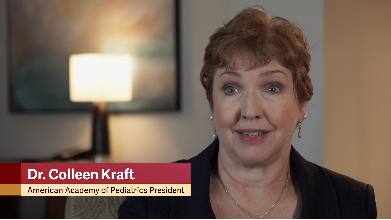
ORLANDO – Flavoring and lack of Food and Drug Administration regulation of e-cigarettes has led to more children and adolescents using these devices, according to American Academy of Pediatrics President Colleen A. Kraft, MD.
In an interview, Dr. Kraft said the FDA should regulate these products and limit their purchase to adults who are at least 21 years old. E-cigarettes were initially intended as an aid for adults to reduce their cigarette use, but the addition of flavoring has attracted children and adolescents to the devices, Dr. Kraft noted.
“When you have these devices that have flavors like gummy bear and cotton candy and bubblegum, you are marketing to children, and we are calling out the FDA because they could actually stop this today,” she said. In fact, Dr. Kraft added, many children and adolescents don’t even realize that e-cigarettes contain nicotine.
Dr. Kraft reported no relevant conflicts of interest.
ORLANDO – Flavoring and lack of Food and Drug Administration regulation of e-cigarettes has led to more children and adolescents using these devices, according to American Academy of Pediatrics President Colleen A. Kraft, MD.
In an interview, Dr. Kraft said the FDA should regulate these products and limit their purchase to adults who are at least 21 years old. E-cigarettes were initially intended as an aid for adults to reduce their cigarette use, but the addition of flavoring has attracted children and adolescents to the devices, Dr. Kraft noted.
“When you have these devices that have flavors like gummy bear and cotton candy and bubblegum, you are marketing to children, and we are calling out the FDA because they could actually stop this today,” she said. In fact, Dr. Kraft added, many children and adolescents don’t even realize that e-cigarettes contain nicotine.
Dr. Kraft reported no relevant conflicts of interest.
ORLANDO – Flavoring and lack of Food and Drug Administration regulation of e-cigarettes has led to more children and adolescents using these devices, according to American Academy of Pediatrics President Colleen A. Kraft, MD.
In an interview, Dr. Kraft said the FDA should regulate these products and limit their purchase to adults who are at least 21 years old. E-cigarettes were initially intended as an aid for adults to reduce their cigarette use, but the addition of flavoring has attracted children and adolescents to the devices, Dr. Kraft noted.
“When you have these devices that have flavors like gummy bear and cotton candy and bubblegum, you are marketing to children, and we are calling out the FDA because they could actually stop this today,” she said. In fact, Dr. Kraft added, many children and adolescents don’t even realize that e-cigarettes contain nicotine.
Dr. Kraft reported no relevant conflicts of interest.
REPORTING FROM AAP 2018
Communicate with Millennials using their preferred methods
ORLANDO – Pediatricians can learn from how Millennials use services and purchase products from popular companies, such as Amazon Alexa, Warby Parker, Instagram, and Snapchat, and use that information to connect with Millennial parents and children in their practice, Kristopher Jones, JD, MS, said.
In a video interview, Mr. Jones explained how Amazon Alexa uses structured data as recommendations when users make queries of the service; for example, a Millennial might make a choice to book an appointment with a pediatrician based on the results Amazon Alexa displays, such as an office’s available hours. An office that is not optimized to appear in those results would be missed by those potential patients.
Warby Parker has a digital-first strategy focused on convenience, ease of use, and an emphasis on mission; one opportunity for pediatricians in this area is to be more overt about which causes they are supporting, Mr. Jones said. In the case of Instagram and Snapchat, pediatricians should consider creating a presence on these platforms and focusing on less text-heavy content to appeal to Millennials.
“It’s a really, really important opportunity to be able to meet the Millennials where they want to be met, and that means developing strategies to leveraging pictures and videos and other forms of Millennial content to communicate with them,” he said.
Mr. Jones reported no relevant conflicts of interest.
ORLANDO – Pediatricians can learn from how Millennials use services and purchase products from popular companies, such as Amazon Alexa, Warby Parker, Instagram, and Snapchat, and use that information to connect with Millennial parents and children in their practice, Kristopher Jones, JD, MS, said.
In a video interview, Mr. Jones explained how Amazon Alexa uses structured data as recommendations when users make queries of the service; for example, a Millennial might make a choice to book an appointment with a pediatrician based on the results Amazon Alexa displays, such as an office’s available hours. An office that is not optimized to appear in those results would be missed by those potential patients.
Warby Parker has a digital-first strategy focused on convenience, ease of use, and an emphasis on mission; one opportunity for pediatricians in this area is to be more overt about which causes they are supporting, Mr. Jones said. In the case of Instagram and Snapchat, pediatricians should consider creating a presence on these platforms and focusing on less text-heavy content to appeal to Millennials.
“It’s a really, really important opportunity to be able to meet the Millennials where they want to be met, and that means developing strategies to leveraging pictures and videos and other forms of Millennial content to communicate with them,” he said.
Mr. Jones reported no relevant conflicts of interest.
ORLANDO – Pediatricians can learn from how Millennials use services and purchase products from popular companies, such as Amazon Alexa, Warby Parker, Instagram, and Snapchat, and use that information to connect with Millennial parents and children in their practice, Kristopher Jones, JD, MS, said.
In a video interview, Mr. Jones explained how Amazon Alexa uses structured data as recommendations when users make queries of the service; for example, a Millennial might make a choice to book an appointment with a pediatrician based on the results Amazon Alexa displays, such as an office’s available hours. An office that is not optimized to appear in those results would be missed by those potential patients.
Warby Parker has a digital-first strategy focused on convenience, ease of use, and an emphasis on mission; one opportunity for pediatricians in this area is to be more overt about which causes they are supporting, Mr. Jones said. In the case of Instagram and Snapchat, pediatricians should consider creating a presence on these platforms and focusing on less text-heavy content to appeal to Millennials.
“It’s a really, really important opportunity to be able to meet the Millennials where they want to be met, and that means developing strategies to leveraging pictures and videos and other forms of Millennial content to communicate with them,” he said.
Mr. Jones reported no relevant conflicts of interest.
REPORTING FROM AAP 2018

OV-101 shows promise for Angelman syndrome
SEATTLE – A novel extrasynaptic gamma-aminobutyric acid (GABA)–receptor agonist called OV-101 was safe and well-tolerated in adult and adolescent Angelman syndrome patients in a 12-week phase 2 trial. In a secondary analysis, the treatment appeared to improve sleep.
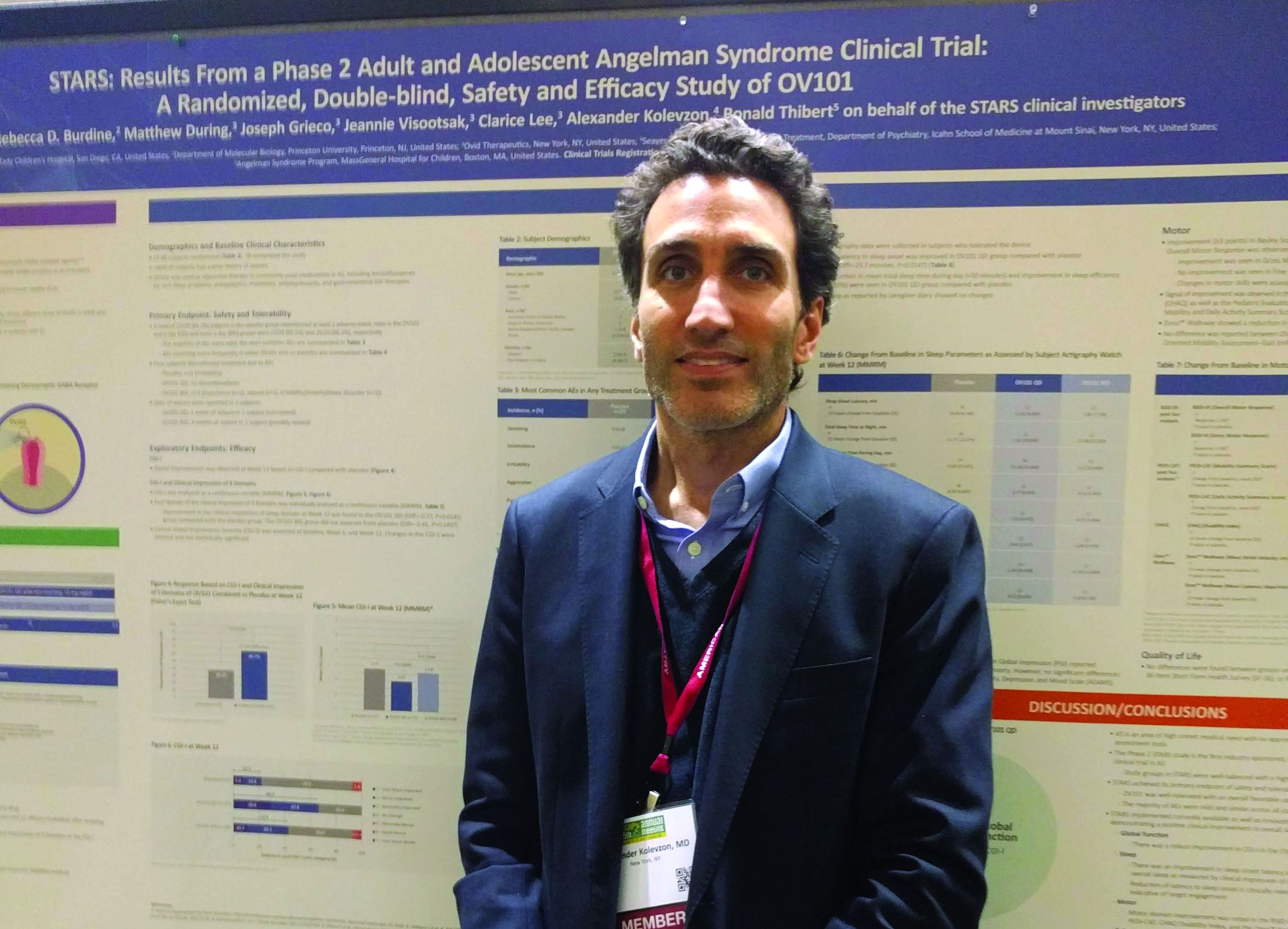
Angelman syndrome is associated with a microdeletion on chromosome 15 encompassing the ubiquitin protein ligase E3a (UBE3A) gene. The resulting loss of expression of the UBE3A protein leads to increases in the uptake of GABA and reduces levels of extrasynaptic GABA. Patients with Angelman syndrome typically have motor dysfunction, often extreme: “These kids are very excitable, very active, and they have lots of trouble with sleep,” said Alex Kolevzon, MD, professor of psychiatry and pediatrics at the Icahn School of Medicine at Mount Sinai, in an interview.
Dr. Kolevzon presented the results at a poster session at the annual meeting of the American Academy of Child and Adolescent Psychiatry.
The study was conducted at 12 sites in the United States and 1 in Israel. Ovid Pharmaceuticals plans to apply to the Food and Drug Administration later this year for approval. There is no existing drug for Angelman syndrome, and the study provided good safety reassurance. “There were some side effects, but for the most part we considered them mild, and only four (out of 88 subjects) discontinued because of side effects,” said Dr. Kolevzon.
The researchers used actigraphy to gain a more objective measure of sleep in the study participants. They randomized 88 patients with Angelman syndrome (aged 13-49 years) to receive placebo in the morning and 15 mg of OV-101 at night, 10 mg OVID-101 in the morning and 15 mg OVID-101 at night, or placebo both in the morning and at night.
Pyrexia occurred in 24% of the group who received the active drug only at night, 3% of the group given the twice-daily dose, and 7% of the placebo group. Seizures occurred in 7% of the once-daily group and 10% of the twice-daily group; seizures were not noted in the placebo group.
The main efficacy outcome measure was the Clinical Global Impressions-9 (CGI-9) scale. The once-daily group had a significant benefit in the sleep domain at 12 weeks, compared with placebo (difference, –0.77; P = .0141), but the twice-daily group had only a trend toward improvement in sleep (difference, –0.45; P = .1407).
Both active therapy groups had significant improvement in CGI-9 measures after 12 weeks of treatment compared to placebo – the twice-daily group (P = .0206, Fisher’s Exact Test) and the once-daily group (P = .0006, mixed model repeated measures analysis).
The actigraphy analysis, conducted in the 45% of patients who could tolerate its use, found that, compared to placebo, the once-daily dosing group experienced an 25.7 minute improvement in latency to sleep onset (P = .0147), as well an approximately 50 minute reduction in sleep time during the day, and a 3.65% improvement in sleep efficiency.
OV-101 has the potential to treat other conditions as well. “Obviously there are a lot of neurodevelopmental disorders where you see dysregulation between the GABAergic and glutamergic systems. This is a drug that has a unique effect on the GABAergic system. It’s already being studied in Fragile X syndrome, where we see this same kind of dysregulation and excess excitation,” said Dr. Kolevzon.
Dr. Kolevzon is a consultant for several drug companies including Ovid Therapeutics.
SOURCE: AACAP 2018. New Research Poster 3.1.
SEATTLE – A novel extrasynaptic gamma-aminobutyric acid (GABA)–receptor agonist called OV-101 was safe and well-tolerated in adult and adolescent Angelman syndrome patients in a 12-week phase 2 trial. In a secondary analysis, the treatment appeared to improve sleep.
Angelman syndrome is associated with a microdeletion on chromosome 15 encompassing the ubiquitin protein ligase E3a (UBE3A) gene. The resulting loss of expression of the UBE3A protein leads to increases in the uptake of GABA and reduces levels of extrasynaptic GABA. Patients with Angelman syndrome typically have motor dysfunction, often extreme: “These kids are very excitable, very active, and they have lots of trouble with sleep,” said Alex Kolevzon, MD, professor of psychiatry and pediatrics at the Icahn School of Medicine at Mount Sinai, in an interview.
Dr. Kolevzon presented the results at a poster session at the annual meeting of the American Academy of Child and Adolescent Psychiatry.
The study was conducted at 12 sites in the United States and 1 in Israel. Ovid Pharmaceuticals plans to apply to the Food and Drug Administration later this year for approval. There is no existing drug for Angelman syndrome, and the study provided good safety reassurance. “There were some side effects, but for the most part we considered them mild, and only four (out of 88 subjects) discontinued because of side effects,” said Dr. Kolevzon.
The researchers used actigraphy to gain a more objective measure of sleep in the study participants. They randomized 88 patients with Angelman syndrome (aged 13-49 years) to receive placebo in the morning and 15 mg of OV-101 at night, 10 mg OVID-101 in the morning and 15 mg OVID-101 at night, or placebo both in the morning and at night.
Pyrexia occurred in 24% of the group who received the active drug only at night, 3% of the group given the twice-daily dose, and 7% of the placebo group. Seizures occurred in 7% of the once-daily group and 10% of the twice-daily group; seizures were not noted in the placebo group.
The main efficacy outcome measure was the Clinical Global Impressions-9 (CGI-9) scale. The once-daily group had a significant benefit in the sleep domain at 12 weeks, compared with placebo (difference, –0.77; P = .0141), but the twice-daily group had only a trend toward improvement in sleep (difference, –0.45; P = .1407).
Both active therapy groups had significant improvement in CGI-9 measures after 12 weeks of treatment compared to placebo – the twice-daily group (P = .0206, Fisher’s Exact Test) and the once-daily group (P = .0006, mixed model repeated measures analysis).
The actigraphy analysis, conducted in the 45% of patients who could tolerate its use, found that, compared to placebo, the once-daily dosing group experienced an 25.7 minute improvement in latency to sleep onset (P = .0147), as well an approximately 50 minute reduction in sleep time during the day, and a 3.65% improvement in sleep efficiency.
OV-101 has the potential to treat other conditions as well. “Obviously there are a lot of neurodevelopmental disorders where you see dysregulation between the GABAergic and glutamergic systems. This is a drug that has a unique effect on the GABAergic system. It’s already being studied in Fragile X syndrome, where we see this same kind of dysregulation and excess excitation,” said Dr. Kolevzon.
Dr. Kolevzon is a consultant for several drug companies including Ovid Therapeutics.
SOURCE: AACAP 2018. New Research Poster 3.1.
SEATTLE – A novel extrasynaptic gamma-aminobutyric acid (GABA)–receptor agonist called OV-101 was safe and well-tolerated in adult and adolescent Angelman syndrome patients in a 12-week phase 2 trial. In a secondary analysis, the treatment appeared to improve sleep.
Angelman syndrome is associated with a microdeletion on chromosome 15 encompassing the ubiquitin protein ligase E3a (UBE3A) gene. The resulting loss of expression of the UBE3A protein leads to increases in the uptake of GABA and reduces levels of extrasynaptic GABA. Patients with Angelman syndrome typically have motor dysfunction, often extreme: “These kids are very excitable, very active, and they have lots of trouble with sleep,” said Alex Kolevzon, MD, professor of psychiatry and pediatrics at the Icahn School of Medicine at Mount Sinai, in an interview.
Dr. Kolevzon presented the results at a poster session at the annual meeting of the American Academy of Child and Adolescent Psychiatry.
The study was conducted at 12 sites in the United States and 1 in Israel. Ovid Pharmaceuticals plans to apply to the Food and Drug Administration later this year for approval. There is no existing drug for Angelman syndrome, and the study provided good safety reassurance. “There were some side effects, but for the most part we considered them mild, and only four (out of 88 subjects) discontinued because of side effects,” said Dr. Kolevzon.
The researchers used actigraphy to gain a more objective measure of sleep in the study participants. They randomized 88 patients with Angelman syndrome (aged 13-49 years) to receive placebo in the morning and 15 mg of OV-101 at night, 10 mg OVID-101 in the morning and 15 mg OVID-101 at night, or placebo both in the morning and at night.
Pyrexia occurred in 24% of the group who received the active drug only at night, 3% of the group given the twice-daily dose, and 7% of the placebo group. Seizures occurred in 7% of the once-daily group and 10% of the twice-daily group; seizures were not noted in the placebo group.
The main efficacy outcome measure was the Clinical Global Impressions-9 (CGI-9) scale. The once-daily group had a significant benefit in the sleep domain at 12 weeks, compared with placebo (difference, –0.77; P = .0141), but the twice-daily group had only a trend toward improvement in sleep (difference, –0.45; P = .1407).
Both active therapy groups had significant improvement in CGI-9 measures after 12 weeks of treatment compared to placebo – the twice-daily group (P = .0206, Fisher’s Exact Test) and the once-daily group (P = .0006, mixed model repeated measures analysis).
The actigraphy analysis, conducted in the 45% of patients who could tolerate its use, found that, compared to placebo, the once-daily dosing group experienced an 25.7 minute improvement in latency to sleep onset (P = .0147), as well an approximately 50 minute reduction in sleep time during the day, and a 3.65% improvement in sleep efficiency.
OV-101 has the potential to treat other conditions as well. “Obviously there are a lot of neurodevelopmental disorders where you see dysregulation between the GABAergic and glutamergic systems. This is a drug that has a unique effect on the GABAergic system. It’s already being studied in Fragile X syndrome, where we see this same kind of dysregulation and excess excitation,” said Dr. Kolevzon.
Dr. Kolevzon is a consultant for several drug companies including Ovid Therapeutics.
SOURCE: AACAP 2018. New Research Poster 3.1.
REPORTING FROM AACAP 2018
Key clinical point: A new drug may improve sleep outcomes in Angelman Syndrome.
Major finding: Patients who received a single daily dose of OV-101 scored better than study participants given placebo on the Clinical Global Impressions-Improvement scale.
Study details: Randomized, controlled phase 2 trial (n = 88).
Disclosures: The study was funded by Ovid Therapeutics. Dr. Kolevzon is a consultant for Ovid Therapeutics and several other drug companies.
Source: AACAP 2018 New Research Poster 3.1. .
AAP: Pediatricians can mitigate conflict effects on children
Pediatricians have a central role in addressing the impact to children caused by armed conflict, including diagnosing and managing health conditions resulting from exposure to associated violence, according to a new American Academy of Pediatrics policy statement.
The recommendation, published in Pediatrics, emphasizes the need for child health professionals to understand the prevalence of armed conflict and its pervasive effects on children and to respond both domestically and globally to the problem. The AAP defines armed conflict as any organized dispute that involves the use of weapons, violence, or force, such as international wars, civil wars, ethnic conflicts, and violence associated with gangs and drug trafficking. Children effected by armed conflict may include refugees forcibly displaced from their countries, unaccompanied immigrant children, and former child combatants, known as child soldiers.
The policy details the various health effects triggered by armed conflict, including physical, mental, developmental, and behavioral health conditions in children as well as indirect effects through deprivation and toxic stress. Children affected by armed conflict, for example, are at increased risk for PTSD, depression, anxiety, and behavioral and psychosomatic problems, which can continue well into adulthood, according to the policy statement.
To address these effects, pediatricians should receive training on trauma-informed care that enables them to recognize the dynamics of traumatic life experiences among children exposed to armed conflict and provide optimal responses, the policy advises.
and can work to mitigate the effects of trauma, according to the policy. The AAP recommends that child health professionals be prepared to diagnose and offer initial management for conditions associated with exposure to armed conflict as well as partner with community mental and behavioral health providers to establish collaborative care networks, when possible. Other AAP recommendations in the policy statement include that child health professionals:
- Be trained to provide “culturally effective care,” defined as “the delivery of care within the context of appropriate physician knowledge, understanding, and appreciation of all cultural distinctions, leading to optimal health outcomes.”
- Collaborate with local refugee resettlement groups and other public and private sector organizations, such as schools, health systems, and social services, to “facilitate the integration of children and families into their communities and to help families meet unmet needs.”
- Receive special preparation before working with refugees in camps or in conflict settings to become familiar with recognized standards for child protection and to better manage the physical, sexual, and psychological injuries caused by armed conflict.
The policy statement goes on to offer recommendations for systems that serve children exposed to armed conflict, advising that such systems should protect exposed children from abuse and exploitation, and offer access to physical, mental, behavioral, developmental, oral, and rehabilitation health services.
Finally, the AAP stressed its support of policies that advance the health, development, well-being, and rights of children affected by armed conflict and displacement. The AAP states that children should not be separated from their families during displacement and resettlement, emphasizing that “an intact family is the optimal environment for children’s health and well-being” and that “in the event of separation, family reunification should be prioritized.”
In addition, the AAP strongly advocates that children affected by armed conflict have access to educational opportunities, noting that pediatricians can act as a voice toward this end.
“There is strong evidence to suggest that education for boys and girls at all levels reduces most forms of political violence,” the authors wrote. “However, education currently receives less than 2% of all humanitarian funding, and girls are more likely than boys to be excluded from education. Because education is a priority for many children and essential for their well-being, child health providers may advocate for their educational rights and access, especially during humanitarian emergencies.”
SOURCE: Shenoda S et al. Pediatrics. 2018 Nov 5. doi: 10.1542/peds.2018.2586.
The new policy by the American Academy of Pediatrics regarding the effects of armed conflict on children is an important and interesting statement. At first look, someone reading statements like “children should be protected from land mines” might easily conclude that what is contained here is simply common sense guidelines.

On an individual level, the statement also urges individual child health professionals to consider getting out of their comfort zone and become more involved in community organizations, advocacy, and public policy. It also directly states that child health professionals should be prepared to diagnose and treat several mental health conditions that many might not consider in their current scope of practice. This is an important point, especially considering that stigma surrounding mental health treatment in many developing countries is even worse than it is in the United States – which means that primary care plays a crucial role in identification and treatment of these conditions.
David C. Rettew, MD , is an associate professor of psychiatry and pediatrics and director of child and adolescent psychiatry at the University of Vermont’s Center for Children, Youth, and Families in Burlington, Vt. These comments were taken from an interview with Dr. Rettew for this article.
The new policy by the American Academy of Pediatrics regarding the effects of armed conflict on children is an important and interesting statement. At first look, someone reading statements like “children should be protected from land mines” might easily conclude that what is contained here is simply common sense guidelines.
On an individual level, the statement also urges individual child health professionals to consider getting out of their comfort zone and become more involved in community organizations, advocacy, and public policy. It also directly states that child health professionals should be prepared to diagnose and treat several mental health conditions that many might not consider in their current scope of practice. This is an important point, especially considering that stigma surrounding mental health treatment in many developing countries is even worse than it is in the United States – which means that primary care plays a crucial role in identification and treatment of these conditions.
David C. Rettew, MD , is an associate professor of psychiatry and pediatrics and director of child and adolescent psychiatry at the University of Vermont’s Center for Children, Youth, and Families in Burlington, Vt. These comments were taken from an interview with Dr. Rettew for this article.
The new policy by the American Academy of Pediatrics regarding the effects of armed conflict on children is an important and interesting statement. At first look, someone reading statements like “children should be protected from land mines” might easily conclude that what is contained here is simply common sense guidelines.
On an individual level, the statement also urges individual child health professionals to consider getting out of their comfort zone and become more involved in community organizations, advocacy, and public policy. It also directly states that child health professionals should be prepared to diagnose and treat several mental health conditions that many might not consider in their current scope of practice. This is an important point, especially considering that stigma surrounding mental health treatment in many developing countries is even worse than it is in the United States – which means that primary care plays a crucial role in identification and treatment of these conditions.
David C. Rettew, MD , is an associate professor of psychiatry and pediatrics and director of child and adolescent psychiatry at the University of Vermont’s Center for Children, Youth, and Families in Burlington, Vt. These comments were taken from an interview with Dr. Rettew for this article.
Pediatricians have a central role in addressing the impact to children caused by armed conflict, including diagnosing and managing health conditions resulting from exposure to associated violence, according to a new American Academy of Pediatrics policy statement.
The recommendation, published in Pediatrics, emphasizes the need for child health professionals to understand the prevalence of armed conflict and its pervasive effects on children and to respond both domestically and globally to the problem. The AAP defines armed conflict as any organized dispute that involves the use of weapons, violence, or force, such as international wars, civil wars, ethnic conflicts, and violence associated with gangs and drug trafficking. Children effected by armed conflict may include refugees forcibly displaced from their countries, unaccompanied immigrant children, and former child combatants, known as child soldiers.
The policy details the various health effects triggered by armed conflict, including physical, mental, developmental, and behavioral health conditions in children as well as indirect effects through deprivation and toxic stress. Children affected by armed conflict, for example, are at increased risk for PTSD, depression, anxiety, and behavioral and psychosomatic problems, which can continue well into adulthood, according to the policy statement.
To address these effects, pediatricians should receive training on trauma-informed care that enables them to recognize the dynamics of traumatic life experiences among children exposed to armed conflict and provide optimal responses, the policy advises.
and can work to mitigate the effects of trauma, according to the policy. The AAP recommends that child health professionals be prepared to diagnose and offer initial management for conditions associated with exposure to armed conflict as well as partner with community mental and behavioral health providers to establish collaborative care networks, when possible. Other AAP recommendations in the policy statement include that child health professionals:
- Be trained to provide “culturally effective care,” defined as “the delivery of care within the context of appropriate physician knowledge, understanding, and appreciation of all cultural distinctions, leading to optimal health outcomes.”
- Collaborate with local refugee resettlement groups and other public and private sector organizations, such as schools, health systems, and social services, to “facilitate the integration of children and families into their communities and to help families meet unmet needs.”
- Receive special preparation before working with refugees in camps or in conflict settings to become familiar with recognized standards for child protection and to better manage the physical, sexual, and psychological injuries caused by armed conflict.
The policy statement goes on to offer recommendations for systems that serve children exposed to armed conflict, advising that such systems should protect exposed children from abuse and exploitation, and offer access to physical, mental, behavioral, developmental, oral, and rehabilitation health services.
Finally, the AAP stressed its support of policies that advance the health, development, well-being, and rights of children affected by armed conflict and displacement. The AAP states that children should not be separated from their families during displacement and resettlement, emphasizing that “an intact family is the optimal environment for children’s health and well-being” and that “in the event of separation, family reunification should be prioritized.”
In addition, the AAP strongly advocates that children affected by armed conflict have access to educational opportunities, noting that pediatricians can act as a voice toward this end.
“There is strong evidence to suggest that education for boys and girls at all levels reduces most forms of political violence,” the authors wrote. “However, education currently receives less than 2% of all humanitarian funding, and girls are more likely than boys to be excluded from education. Because education is a priority for many children and essential for their well-being, child health providers may advocate for their educational rights and access, especially during humanitarian emergencies.”
SOURCE: Shenoda S et al. Pediatrics. 2018 Nov 5. doi: 10.1542/peds.2018.2586.
Pediatricians have a central role in addressing the impact to children caused by armed conflict, including diagnosing and managing health conditions resulting from exposure to associated violence, according to a new American Academy of Pediatrics policy statement.
The recommendation, published in Pediatrics, emphasizes the need for child health professionals to understand the prevalence of armed conflict and its pervasive effects on children and to respond both domestically and globally to the problem. The AAP defines armed conflict as any organized dispute that involves the use of weapons, violence, or force, such as international wars, civil wars, ethnic conflicts, and violence associated with gangs and drug trafficking. Children effected by armed conflict may include refugees forcibly displaced from their countries, unaccompanied immigrant children, and former child combatants, known as child soldiers.
The policy details the various health effects triggered by armed conflict, including physical, mental, developmental, and behavioral health conditions in children as well as indirect effects through deprivation and toxic stress. Children affected by armed conflict, for example, are at increased risk for PTSD, depression, anxiety, and behavioral and psychosomatic problems, which can continue well into adulthood, according to the policy statement.
To address these effects, pediatricians should receive training on trauma-informed care that enables them to recognize the dynamics of traumatic life experiences among children exposed to armed conflict and provide optimal responses, the policy advises.
and can work to mitigate the effects of trauma, according to the policy. The AAP recommends that child health professionals be prepared to diagnose and offer initial management for conditions associated with exposure to armed conflict as well as partner with community mental and behavioral health providers to establish collaborative care networks, when possible. Other AAP recommendations in the policy statement include that child health professionals:
- Be trained to provide “culturally effective care,” defined as “the delivery of care within the context of appropriate physician knowledge, understanding, and appreciation of all cultural distinctions, leading to optimal health outcomes.”
- Collaborate with local refugee resettlement groups and other public and private sector organizations, such as schools, health systems, and social services, to “facilitate the integration of children and families into their communities and to help families meet unmet needs.”
- Receive special preparation before working with refugees in camps or in conflict settings to become familiar with recognized standards for child protection and to better manage the physical, sexual, and psychological injuries caused by armed conflict.
The policy statement goes on to offer recommendations for systems that serve children exposed to armed conflict, advising that such systems should protect exposed children from abuse and exploitation, and offer access to physical, mental, behavioral, developmental, oral, and rehabilitation health services.
Finally, the AAP stressed its support of policies that advance the health, development, well-being, and rights of children affected by armed conflict and displacement. The AAP states that children should not be separated from their families during displacement and resettlement, emphasizing that “an intact family is the optimal environment for children’s health and well-being” and that “in the event of separation, family reunification should be prioritized.”
In addition, the AAP strongly advocates that children affected by armed conflict have access to educational opportunities, noting that pediatricians can act as a voice toward this end.
“There is strong evidence to suggest that education for boys and girls at all levels reduces most forms of political violence,” the authors wrote. “However, education currently receives less than 2% of all humanitarian funding, and girls are more likely than boys to be excluded from education. Because education is a priority for many children and essential for their well-being, child health providers may advocate for their educational rights and access, especially during humanitarian emergencies.”
SOURCE: Shenoda S et al. Pediatrics. 2018 Nov 5. doi: 10.1542/peds.2018.2586.
FROM PEDIATRICS
Mindfulness training for parents boosted mental health measures
SEATTLE – Mindfulness exercises can ease stress for low-income parents and improve mental health measures in their children, results of a small pilot study presented at the American Academy of Child and Adolescent Psychiatry indicate.
The researchers credit the location of the mindfulness intervention, an early childhood developmental center, and the focus on the child rather than the parent for the success of the program. The intervention is designed to help the child, and that is the major message to the parent. “Every parent will do things to help their child, even though not every parent will do things to help themselves,” said Matthew G. Biel, MD, of Georgetown University, Washington, who presented the study at a poster session.
Mindfulness has gained traction among adults and children, but its application to parenting is new, he said. The study was open label and included 33 caregivers of children aged 0-5 years (85% female, 82% African American, 85% with household income less than $50,000/year). All subjects participated in a weekly mindfulness session lasting 60-90 minutes, which was led by an experienced instructor who had strong cultural knowledge of the local community. Sessions were conducted in a circle and included mindfulness practices and parent sharing of experiences. Focal points for mindfulness practices included breathing, body awareness, mindful movement, thoughts, emotions, and mindful listening and speaking.
The intervention was associated with statistically significant improvements in a range of measures, including sleep disturbance (effect size, 0.50; P = .005), parenting stress (ES, 0.33; P = .012), mindful discipline (ES, 0.21; P = .043), parental support (ES, 0.44; P = .007), child autonomy (ES, 032; P = .033), positive affect in parents (ES, 0.28; P = .046) and negative affect in parents (ES, 0.49; P = .028), and overall parental mental health (ES, 0.55; P = .020). “Across the board we’re seeing a positive impact,” said Dr. Biel.
The researchers are now implementing the program in another school and planning an intervention study with a waiting list control.
Satyani McPherson, a coauthor of the study and a mindfulness expert who has been teaching since the 1980s, explained that mindfulness really needs to be experienced to be understood. “You can talk about this all day, and no one gets it until they experience it. As soon as people have their mindfulness practice, they come out of it and they say, ‘Aaah, I feel so much better,’ ” she said in an interview.
The key to success lies in repetition and practice, and parents who did their mindfulness “homework” between sessions saw more benefit in the pilot study, said Ms. McPherson. The good news is that mindfulness can be incorporated into all sorts of daily activities, whether it’s showering, eating, or being stopped at a red light. It can even be used as a sort of time-out for patients. “Go into the restroom, lock the door, and observe your breath for one minute, or just one breath or three breaths. It helps you to ground yourself,” said Ms. McPherson.
Ms McPherson is an employee of Minds Incorporated. Dr. Biel receives research support from the Bainum Family Foundation, Chan-Zuckerberg Initiative, DC Health, Marriott Foundation, and self-funds his research.
SOURCE: AACAP 2018. Abstract 1.40.
SEATTLE – Mindfulness exercises can ease stress for low-income parents and improve mental health measures in their children, results of a small pilot study presented at the American Academy of Child and Adolescent Psychiatry indicate.
The researchers credit the location of the mindfulness intervention, an early childhood developmental center, and the focus on the child rather than the parent for the success of the program. The intervention is designed to help the child, and that is the major message to the parent. “Every parent will do things to help their child, even though not every parent will do things to help themselves,” said Matthew G. Biel, MD, of Georgetown University, Washington, who presented the study at a poster session.
Mindfulness has gained traction among adults and children, but its application to parenting is new, he said. The study was open label and included 33 caregivers of children aged 0-5 years (85% female, 82% African American, 85% with household income less than $50,000/year). All subjects participated in a weekly mindfulness session lasting 60-90 minutes, which was led by an experienced instructor who had strong cultural knowledge of the local community. Sessions were conducted in a circle and included mindfulness practices and parent sharing of experiences. Focal points for mindfulness practices included breathing, body awareness, mindful movement, thoughts, emotions, and mindful listening and speaking.
The intervention was associated with statistically significant improvements in a range of measures, including sleep disturbance (effect size, 0.50; P = .005), parenting stress (ES, 0.33; P = .012), mindful discipline (ES, 0.21; P = .043), parental support (ES, 0.44; P = .007), child autonomy (ES, 032; P = .033), positive affect in parents (ES, 0.28; P = .046) and negative affect in parents (ES, 0.49; P = .028), and overall parental mental health (ES, 0.55; P = .020). “Across the board we’re seeing a positive impact,” said Dr. Biel.
The researchers are now implementing the program in another school and planning an intervention study with a waiting list control.
Satyani McPherson, a coauthor of the study and a mindfulness expert who has been teaching since the 1980s, explained that mindfulness really needs to be experienced to be understood. “You can talk about this all day, and no one gets it until they experience it. As soon as people have their mindfulness practice, they come out of it and they say, ‘Aaah, I feel so much better,’ ” she said in an interview.
The key to success lies in repetition and practice, and parents who did their mindfulness “homework” between sessions saw more benefit in the pilot study, said Ms. McPherson. The good news is that mindfulness can be incorporated into all sorts of daily activities, whether it’s showering, eating, or being stopped at a red light. It can even be used as a sort of time-out for patients. “Go into the restroom, lock the door, and observe your breath for one minute, or just one breath or three breaths. It helps you to ground yourself,” said Ms. McPherson.
Ms McPherson is an employee of Minds Incorporated. Dr. Biel receives research support from the Bainum Family Foundation, Chan-Zuckerberg Initiative, DC Health, Marriott Foundation, and self-funds his research.
SOURCE: AACAP 2018. Abstract 1.40.
SEATTLE – Mindfulness exercises can ease stress for low-income parents and improve mental health measures in their children, results of a small pilot study presented at the American Academy of Child and Adolescent Psychiatry indicate.
The researchers credit the location of the mindfulness intervention, an early childhood developmental center, and the focus on the child rather than the parent for the success of the program. The intervention is designed to help the child, and that is the major message to the parent. “Every parent will do things to help their child, even though not every parent will do things to help themselves,” said Matthew G. Biel, MD, of Georgetown University, Washington, who presented the study at a poster session.
Mindfulness has gained traction among adults and children, but its application to parenting is new, he said. The study was open label and included 33 caregivers of children aged 0-5 years (85% female, 82% African American, 85% with household income less than $50,000/year). All subjects participated in a weekly mindfulness session lasting 60-90 minutes, which was led by an experienced instructor who had strong cultural knowledge of the local community. Sessions were conducted in a circle and included mindfulness practices and parent sharing of experiences. Focal points for mindfulness practices included breathing, body awareness, mindful movement, thoughts, emotions, and mindful listening and speaking.
The intervention was associated with statistically significant improvements in a range of measures, including sleep disturbance (effect size, 0.50; P = .005), parenting stress (ES, 0.33; P = .012), mindful discipline (ES, 0.21; P = .043), parental support (ES, 0.44; P = .007), child autonomy (ES, 032; P = .033), positive affect in parents (ES, 0.28; P = .046) and negative affect in parents (ES, 0.49; P = .028), and overall parental mental health (ES, 0.55; P = .020). “Across the board we’re seeing a positive impact,” said Dr. Biel.
The researchers are now implementing the program in another school and planning an intervention study with a waiting list control.
Satyani McPherson, a coauthor of the study and a mindfulness expert who has been teaching since the 1980s, explained that mindfulness really needs to be experienced to be understood. “You can talk about this all day, and no one gets it until they experience it. As soon as people have their mindfulness practice, they come out of it and they say, ‘Aaah, I feel so much better,’ ” she said in an interview.
The key to success lies in repetition and practice, and parents who did their mindfulness “homework” between sessions saw more benefit in the pilot study, said Ms. McPherson. The good news is that mindfulness can be incorporated into all sorts of daily activities, whether it’s showering, eating, or being stopped at a red light. It can even be used as a sort of time-out for patients. “Go into the restroom, lock the door, and observe your breath for one minute, or just one breath or three breaths. It helps you to ground yourself,” said Ms. McPherson.
Ms McPherson is an employee of Minds Incorporated. Dr. Biel receives research support from the Bainum Family Foundation, Chan-Zuckerberg Initiative, DC Health, Marriott Foundation, and self-funds his research.
SOURCE: AACAP 2018. Abstract 1.40.
REPORTING FROM AACAP 2018
Key clinical point: Weekly mindfulness improved measures of parenting and parent mental health.
Major finding: Eight measures showed significant improvement with mindfulness training.
Study details: Prospective, open-label study of 33 caregivers.
Disclosures: The study was funded by the Marriot Foundation. Dr. Biel receives research funding from various foundations. Ms. McPherson is an employee of Minds Incorporated and was compensated for teaching the mindfulness courses in the study.
Source: AACAP 2018. Abstract 1.40.
Most kids can’t tell real firearms from toy guns
ORLANDO – Less than half of children could identify a real gun from a toy gun in photos, regardless of whether their parents owned a gun or had talked to them about firearm safety, according to a new study.

“That is very concerning to us because a large percentage of these parents are actually storing their firearms insecurely and then their children cannot tell the difference,” study investigator Kiesha Fraser Doh, MD, reported at the annual conference of the American Academy of Pediatrics.
Dr. Fraser Doh, assistant professor of pediatrics and emergency medicine physician at Emory University School of Medicine and Children’s Healthcare of Atlanta said she was inspired to conduct this study after she noticed she was seeing approximately one firearm injury in children about every 2½ weeks in her institution. She also realized that her own child frequently went on play dates, but she did not always think to ask about firearms in the home of the friends her child visited.
An estimated one in three U.S. children live in homes with a firearm, she explained, and many of these guns are left loaded and/or unlocked.
The researchers enrolled a convenience sample of 297 English-speaking caregivers who presented at one of three pediatrics EDs over 3 months. Two were suburban departments, and one was urban.
Overall, most respondents (79%) were female and 56% were black, while 33% were white. Most of the caregivers responding had some college education (72%), and just over half (51%) had an income greater than $50,000.
The researchers asked caregivers whether they had guns in their own home and whether their child had access to firearms in their own or other homes. They also asked if their child played with toy guns and whether they believed their child could tell the difference between a real gun and a toy one.
Compared with those who did not own guns, gun owners were significantly more likely to be white and have both an income over $50,000 and some college education.
Meanwhile, researchers showed the children, aged 7-17 years, photos of a toy gun and a real gun and asked which was which.
A quarter of the caregivers (25%) owned guns, and half of them (50%) allowed their children to play with guns, compared with 26% of the non-gun owners.
In addition, 86% of the gun owners had discussed gun safety with their children, and the same proportion believed their children could correctly distinguish between a real gun and a toy gun.
By comparison, 58% of the non-gun owners had discussed gun safety with their children, and the same percentage believed their children could tell the difference between real and fake guns.
The children’s confidence in being able to tell the difference was similar regardless of whether their parents owned guns (79%) or didn’t (76%).
Yet less than half of all children correctly identified the real gun in the photos: 39% of the gun owners’ children and 42% of the non-gun owners’ children correctly pointed out the real gun, a nonsignificant difference.
Throughout the entire sample, more than 8 in 10 respondents, both gun owners (86%) and not (84%), believed there should be a law that requires caregivers to store their guns safely. A similar proportion (85% of gun owners and 80% of non-gun owners) believed legal penalties should exist for caregivers “if a child encounters an unsecured firearm.”
Overall, 5% of the respondents (14% of gun owners and 4% of non-gun owners) believed their child could get a gun within 24 hours if desired.
“So what does this mean to us as clinicians? It behooves [pediatricians] to actually continue to educate families at well-child visits on the guidelines about how to store firearms safely, locked up, unloaded, separate from ammunition,” Dr. Fraser Doh said. “On the flip side, parents need to be asking about the presence of firearms in the homes their children visit and also make sure that they’re storing their weapons safety.”
Dr. Fraser Doh said she had no relevant conflicts of interest.
Key clinical point: Less than half of children could distinguish between photos of a real gun versus pictures of a toy gun.
Major finding: 39% of the gun owners’ children and 42% of the non–gun owners’ children correctly identified the photo of a real gun versus a toy gun.
Study details: The findings are based on a study involving 297 English-speaking children, aged 7-17 years, and their parents.
Key clinical point: Less than half of children could distinguish between photos of a real gun versus pictures of a toy gun.
Major finding: 39% of the gun owners’ children and 42% of the non–gun owners’ children correctly identified the photo of a real gun versus a toy gun.
Study details: The findings are based on a study involving 297 English-speaking children, aged 7-17 years, and their parents.
Key clinical point: Less than half of children could distinguish between photos of a real gun versus pictures of a toy gun.
Major finding: 39% of the gun owners’ children and 42% of the non–gun owners’ children correctly identified the photo of a real gun versus a toy gun.
Study details: The findings are based on a study involving 297 English-speaking children, aged 7-17 years, and their parents.
ORLANDO – Less than half of children could identify a real gun from a toy gun in photos, regardless of whether their parents owned a gun or had talked to them about firearm safety, according to a new study.
“That is very concerning to us because a large percentage of these parents are actually storing their firearms insecurely and then their children cannot tell the difference,” study investigator Kiesha Fraser Doh, MD, reported at the annual conference of the American Academy of Pediatrics.
Dr. Fraser Doh, assistant professor of pediatrics and emergency medicine physician at Emory University School of Medicine and Children’s Healthcare of Atlanta said she was inspired to conduct this study after she noticed she was seeing approximately one firearm injury in children about every 2½ weeks in her institution. She also realized that her own child frequently went on play dates, but she did not always think to ask about firearms in the home of the friends her child visited.
An estimated one in three U.S. children live in homes with a firearm, she explained, and many of these guns are left loaded and/or unlocked.
The researchers enrolled a convenience sample of 297 English-speaking caregivers who presented at one of three pediatrics EDs over 3 months. Two were suburban departments, and one was urban.
Overall, most respondents (79%) were female and 56% were black, while 33% were white. Most of the caregivers responding had some college education (72%), and just over half (51%) had an income greater than $50,000.
The researchers asked caregivers whether they had guns in their own home and whether their child had access to firearms in their own or other homes. They also asked if their child played with toy guns and whether they believed their child could tell the difference between a real gun and a toy one.
Compared with those who did not own guns, gun owners were significantly more likely to be white and have both an income over $50,000 and some college education.
Meanwhile, researchers showed the children, aged 7-17 years, photos of a toy gun and a real gun and asked which was which.
A quarter of the caregivers (25%) owned guns, and half of them (50%) allowed their children to play with guns, compared with 26% of the non-gun owners.
In addition, 86% of the gun owners had discussed gun safety with their children, and the same proportion believed their children could correctly distinguish between a real gun and a toy gun.
By comparison, 58% of the non-gun owners had discussed gun safety with their children, and the same percentage believed their children could tell the difference between real and fake guns.
The children’s confidence in being able to tell the difference was similar regardless of whether their parents owned guns (79%) or didn’t (76%).
Yet less than half of all children correctly identified the real gun in the photos: 39% of the gun owners’ children and 42% of the non-gun owners’ children correctly pointed out the real gun, a nonsignificant difference.
Throughout the entire sample, more than 8 in 10 respondents, both gun owners (86%) and not (84%), believed there should be a law that requires caregivers to store their guns safely. A similar proportion (85% of gun owners and 80% of non-gun owners) believed legal penalties should exist for caregivers “if a child encounters an unsecured firearm.”
Overall, 5% of the respondents (14% of gun owners and 4% of non-gun owners) believed their child could get a gun within 24 hours if desired.
“So what does this mean to us as clinicians? It behooves [pediatricians] to actually continue to educate families at well-child visits on the guidelines about how to store firearms safely, locked up, unloaded, separate from ammunition,” Dr. Fraser Doh said. “On the flip side, parents need to be asking about the presence of firearms in the homes their children visit and also make sure that they’re storing their weapons safety.”
Dr. Fraser Doh said she had no relevant conflicts of interest.
ORLANDO – Less than half of children could identify a real gun from a toy gun in photos, regardless of whether their parents owned a gun or had talked to them about firearm safety, according to a new study.
“That is very concerning to us because a large percentage of these parents are actually storing their firearms insecurely and then their children cannot tell the difference,” study investigator Kiesha Fraser Doh, MD, reported at the annual conference of the American Academy of Pediatrics.
Dr. Fraser Doh, assistant professor of pediatrics and emergency medicine physician at Emory University School of Medicine and Children’s Healthcare of Atlanta said she was inspired to conduct this study after she noticed she was seeing approximately one firearm injury in children about every 2½ weeks in her institution. She also realized that her own child frequently went on play dates, but she did not always think to ask about firearms in the home of the friends her child visited.
An estimated one in three U.S. children live in homes with a firearm, she explained, and many of these guns are left loaded and/or unlocked.
The researchers enrolled a convenience sample of 297 English-speaking caregivers who presented at one of three pediatrics EDs over 3 months. Two were suburban departments, and one was urban.
Overall, most respondents (79%) were female and 56% were black, while 33% were white. Most of the caregivers responding had some college education (72%), and just over half (51%) had an income greater than $50,000.
The researchers asked caregivers whether they had guns in their own home and whether their child had access to firearms in their own or other homes. They also asked if their child played with toy guns and whether they believed their child could tell the difference between a real gun and a toy one.
Compared with those who did not own guns, gun owners were significantly more likely to be white and have both an income over $50,000 and some college education.
Meanwhile, researchers showed the children, aged 7-17 years, photos of a toy gun and a real gun and asked which was which.
A quarter of the caregivers (25%) owned guns, and half of them (50%) allowed their children to play with guns, compared with 26% of the non-gun owners.
In addition, 86% of the gun owners had discussed gun safety with their children, and the same proportion believed their children could correctly distinguish between a real gun and a toy gun.
By comparison, 58% of the non-gun owners had discussed gun safety with their children, and the same percentage believed their children could tell the difference between real and fake guns.
The children’s confidence in being able to tell the difference was similar regardless of whether their parents owned guns (79%) or didn’t (76%).
Yet less than half of all children correctly identified the real gun in the photos: 39% of the gun owners’ children and 42% of the non-gun owners’ children correctly pointed out the real gun, a nonsignificant difference.
Throughout the entire sample, more than 8 in 10 respondents, both gun owners (86%) and not (84%), believed there should be a law that requires caregivers to store their guns safely. A similar proportion (85% of gun owners and 80% of non-gun owners) believed legal penalties should exist for caregivers “if a child encounters an unsecured firearm.”
Overall, 5% of the respondents (14% of gun owners and 4% of non-gun owners) believed their child could get a gun within 24 hours if desired.
“So what does this mean to us as clinicians? It behooves [pediatricians] to actually continue to educate families at well-child visits on the guidelines about how to store firearms safely, locked up, unloaded, separate from ammunition,” Dr. Fraser Doh said. “On the flip side, parents need to be asking about the presence of firearms in the homes their children visit and also make sure that they’re storing their weapons safety.”
Dr. Fraser Doh said she had no relevant conflicts of interest.
REPORTING FROM AAP 2018
FDA approves Sympazan for Lennox-Gastaut syndrome
, according to a release from its developer. Final approval came after the orphan drug designation period for the previously marketed formulation, Onfi, came to an end in October.

LGS is a severe form of epilepsy; it can present with multiple types of seizures, as well as intellectual disabilities. Patients with LGS can have difficulty swallowing tablets or large volumes of oral suspension – which was previously the only way clobazam was delivered – because of physical limitations or behavioral or compliance issues. According to the press release from Aquestive Therapeutics, the Sympazan oral film might be able to get around those difficulties and reduce care burdens, especially with patients who are resistant to or even combative about treatment.
The approval is based on multiple pharmacokinetic studies that altogether showed that the oral film is bioequivalent to clobazam tablets and has a similar safety profile.
In a phase 3 study of 238 patients with LGS, clobazam tablets were shown to reduce drop seizures (those that involved falls) by 41% at low doses and by 68% at high doses versus a reduction of 12% seen with placebo (P less than .05 for all doses vs. placebo).
There is a risk of profound sedation when clobazam is used alongside benzodiazepines; there is also a risk of sedation and somnolence if it is used concomitantly with alcohol or other CNS depressants. Other risks associated with clobazam include suicidal ideation and behavior, serious dermatologic reactions, and physical and psychological dependence. The most common adverse reactions included constipation, pyrexia, lethargy, and drooling.
Full prescribing information can be found on the FDA website.
, according to a release from its developer. Final approval came after the orphan drug designation period for the previously marketed formulation, Onfi, came to an end in October.
LGS is a severe form of epilepsy; it can present with multiple types of seizures, as well as intellectual disabilities. Patients with LGS can have difficulty swallowing tablets or large volumes of oral suspension – which was previously the only way clobazam was delivered – because of physical limitations or behavioral or compliance issues. According to the press release from Aquestive Therapeutics, the Sympazan oral film might be able to get around those difficulties and reduce care burdens, especially with patients who are resistant to or even combative about treatment.
The approval is based on multiple pharmacokinetic studies that altogether showed that the oral film is bioequivalent to clobazam tablets and has a similar safety profile.
In a phase 3 study of 238 patients with LGS, clobazam tablets were shown to reduce drop seizures (those that involved falls) by 41% at low doses and by 68% at high doses versus a reduction of 12% seen with placebo (P less than .05 for all doses vs. placebo).
There is a risk of profound sedation when clobazam is used alongside benzodiazepines; there is also a risk of sedation and somnolence if it is used concomitantly with alcohol or other CNS depressants. Other risks associated with clobazam include suicidal ideation and behavior, serious dermatologic reactions, and physical and psychological dependence. The most common adverse reactions included constipation, pyrexia, lethargy, and drooling.
Full prescribing information can be found on the FDA website.
, according to a release from its developer. Final approval came after the orphan drug designation period for the previously marketed formulation, Onfi, came to an end in October.
LGS is a severe form of epilepsy; it can present with multiple types of seizures, as well as intellectual disabilities. Patients with LGS can have difficulty swallowing tablets or large volumes of oral suspension – which was previously the only way clobazam was delivered – because of physical limitations or behavioral or compliance issues. According to the press release from Aquestive Therapeutics, the Sympazan oral film might be able to get around those difficulties and reduce care burdens, especially with patients who are resistant to or even combative about treatment.
The approval is based on multiple pharmacokinetic studies that altogether showed that the oral film is bioequivalent to clobazam tablets and has a similar safety profile.
In a phase 3 study of 238 patients with LGS, clobazam tablets were shown to reduce drop seizures (those that involved falls) by 41% at low doses and by 68% at high doses versus a reduction of 12% seen with placebo (P less than .05 for all doses vs. placebo).
There is a risk of profound sedation when clobazam is used alongside benzodiazepines; there is also a risk of sedation and somnolence if it is used concomitantly with alcohol or other CNS depressants. Other risks associated with clobazam include suicidal ideation and behavior, serious dermatologic reactions, and physical and psychological dependence. The most common adverse reactions included constipation, pyrexia, lethargy, and drooling.
Full prescribing information can be found on the FDA website.
What Are the Characteristics of Children With Poststroke Headache?
Researchers characterize poststroke headache in a pediatric population.
CHICAGO—Among children with pediatric stroke, older age at stroke onset, unilateral infarct location, and stroke etiologies of arteriopathy and chronic illness are associated with the development of poststroke headache, according to a retrospective study presented at the 47th Annual Meeting of the Child Neurology Society.
Poststroke headache is a common morbidity among patients with pediatric stroke, said Ana B. Chelse, MD, of Ann & Robert H. Lurie Children’s Hospital and Northwestern University Feinberg School of Medicine in Chicago, and colleagues. In addition, poststroke headache in children may increase health care utilization, including neuroimaging and hospital admission, the investigators said.
Research indicates that about 20% of children with stroke have headache one year after the stroke, but data about poststroke headache in children are limited.
To assess the prevalence of novel headache after pediatric stroke, the characteristics of patients with poststroke headache, and the association between poststroke headache and stroke recurrence, Dr. Chelse and colleagues conducted a single-center, retrospective study of children 30 days to 18 years old with stroke. The researchers used an internal database to identify patients with a radiographically confirmed stroke at Lurie Children’s Hospital between January 1, 2008, and December 31, 2016.
Patients with ischemic stroke with secondary hemorrhage were included in the study, but patients with primary intracerebral hemorrhage were not. The researchers obtained patients’ demographic characteristics, infarct location, headache history, emergency department visits, neuroimaging, hospital admissions, and headache treatment from medical records. They defined stroke recurrence as an acute neurologic deficit with evidence of new radiologically confirmed ischemia.
The investigators analyzed the data using chi-squared and Fisher’s exact tests. They also performed exploratory multiple logistic regression analyses that included predictors deemed significant in univariate analyses.
Of 183 patients, 45 (24.5%) had poststroke headache. Headache developed at an average of 11.7 months after stroke. In multiple logistic regression analysis, older age and unilateral infarct location were associated with poststroke headache, as were stroke etiologies of arteriopathy (odds ratio [OR], 7.28) or chronic illness (OR, 1.90). Twenty-one patients (11.4%) had a recurrent stroke during the study period. Poststroke headache was associated with stroke recurrence in a univariate analysis, but the association did not reach statistical significance after multiple logistic regression. This association is “uncertain but potentially important,” Dr. Chelse and colleagues said.
Researchers characterize poststroke headache in a pediatric population.
Researchers characterize poststroke headache in a pediatric population.
CHICAGO—Among children with pediatric stroke, older age at stroke onset, unilateral infarct location, and stroke etiologies of arteriopathy and chronic illness are associated with the development of poststroke headache, according to a retrospective study presented at the 47th Annual Meeting of the Child Neurology Society.
Poststroke headache is a common morbidity among patients with pediatric stroke, said Ana B. Chelse, MD, of Ann & Robert H. Lurie Children’s Hospital and Northwestern University Feinberg School of Medicine in Chicago, and colleagues. In addition, poststroke headache in children may increase health care utilization, including neuroimaging and hospital admission, the investigators said.
Research indicates that about 20% of children with stroke have headache one year after the stroke, but data about poststroke headache in children are limited.
To assess the prevalence of novel headache after pediatric stroke, the characteristics of patients with poststroke headache, and the association between poststroke headache and stroke recurrence, Dr. Chelse and colleagues conducted a single-center, retrospective study of children 30 days to 18 years old with stroke. The researchers used an internal database to identify patients with a radiographically confirmed stroke at Lurie Children’s Hospital between January 1, 2008, and December 31, 2016.
Patients with ischemic stroke with secondary hemorrhage were included in the study, but patients with primary intracerebral hemorrhage were not. The researchers obtained patients’ demographic characteristics, infarct location, headache history, emergency department visits, neuroimaging, hospital admissions, and headache treatment from medical records. They defined stroke recurrence as an acute neurologic deficit with evidence of new radiologically confirmed ischemia.
The investigators analyzed the data using chi-squared and Fisher’s exact tests. They also performed exploratory multiple logistic regression analyses that included predictors deemed significant in univariate analyses.
Of 183 patients, 45 (24.5%) had poststroke headache. Headache developed at an average of 11.7 months after stroke. In multiple logistic regression analysis, older age and unilateral infarct location were associated with poststroke headache, as were stroke etiologies of arteriopathy (odds ratio [OR], 7.28) or chronic illness (OR, 1.90). Twenty-one patients (11.4%) had a recurrent stroke during the study period. Poststroke headache was associated with stroke recurrence in a univariate analysis, but the association did not reach statistical significance after multiple logistic regression. This association is “uncertain but potentially important,” Dr. Chelse and colleagues said.
CHICAGO—Among children with pediatric stroke, older age at stroke onset, unilateral infarct location, and stroke etiologies of arteriopathy and chronic illness are associated with the development of poststroke headache, according to a retrospective study presented at the 47th Annual Meeting of the Child Neurology Society.
Poststroke headache is a common morbidity among patients with pediatric stroke, said Ana B. Chelse, MD, of Ann & Robert H. Lurie Children’s Hospital and Northwestern University Feinberg School of Medicine in Chicago, and colleagues. In addition, poststroke headache in children may increase health care utilization, including neuroimaging and hospital admission, the investigators said.
Research indicates that about 20% of children with stroke have headache one year after the stroke, but data about poststroke headache in children are limited.
To assess the prevalence of novel headache after pediatric stroke, the characteristics of patients with poststroke headache, and the association between poststroke headache and stroke recurrence, Dr. Chelse and colleagues conducted a single-center, retrospective study of children 30 days to 18 years old with stroke. The researchers used an internal database to identify patients with a radiographically confirmed stroke at Lurie Children’s Hospital between January 1, 2008, and December 31, 2016.
Patients with ischemic stroke with secondary hemorrhage were included in the study, but patients with primary intracerebral hemorrhage were not. The researchers obtained patients’ demographic characteristics, infarct location, headache history, emergency department visits, neuroimaging, hospital admissions, and headache treatment from medical records. They defined stroke recurrence as an acute neurologic deficit with evidence of new radiologically confirmed ischemia.
The investigators analyzed the data using chi-squared and Fisher’s exact tests. They also performed exploratory multiple logistic regression analyses that included predictors deemed significant in univariate analyses.
Of 183 patients, 45 (24.5%) had poststroke headache. Headache developed at an average of 11.7 months after stroke. In multiple logistic regression analysis, older age and unilateral infarct location were associated with poststroke headache, as were stroke etiologies of arteriopathy (odds ratio [OR], 7.28) or chronic illness (OR, 1.90). Twenty-one patients (11.4%) had a recurrent stroke during the study period. Poststroke headache was associated with stroke recurrence in a univariate analysis, but the association did not reach statistical significance after multiple logistic regression. This association is “uncertain but potentially important,” Dr. Chelse and colleagues said.