User login
In Colorectal Cancer, Donating Half a Liver Could Save Lives
This transcript has been edited for clarity.
Benjamin L. Schlechter, MD: Dr. Dib is the director of the Hepatobiliary Surgery and Living Donor Program at Beth Israel Deaconess Medical Center here in Boston, and a Harvard Medical School faculty member.
He was previously at the Pontificia Universidad Católica de Chile, a leading international institution investigating the role of liver transplant in colorectal cancer, among other diseases. Dr. Dib, before we move to our discussion, I’d like to hear a bit about your pathway to becoming a transplant surgeon. How did you end up working on colorectal cancer and liver transplants in this field?
Martin J. Dib, MD: Thank you so much, Dr. Schlechter. I am originally from Chile. I had an opportunity to come to Beth Israel Deaconess Medical Center after medical school and I did liver regeneration research at the transplant center. After that, I was lucky enough to match as a general surgery resident at Beth Israel Deaconess.
This is my alma mater and I was able to graduate as a surgeon here. You and I had some paths together. After graduating from Harvard as a surgeon, I was trained in liver transplant, abdominal transplant, surgical oncology, and hepatobiliary surgery at the University of Toronto.
I have been developing this passion for being able to transplant cancer patients and use organ transplant techniques to be able to do complex resections for cancer.
Dr. Schlechter: Let’s talk about the topic for today, which is liver transplant and colorectal cancer. I’ll be honest — this is not a very familiar topic for a lot of oncologists. There are a lot of details that I think are new to us as oncologists. We need to expand this conversation to get access to patients for this.
First and foremost, can you talk about some of the parameters for a resectable liver metastasis vs unresectable disease that would be an indication for a liver transplant?
Dr. Dib: I think this is a very interesting topic because liver transplantation for cancer is not new. Liver transplantation started in the 1960s when people started doing liver transplants for advanced liver tumors. The problem is that they were selecting patients who had very advanced — and poor tumor biology — tumors. The outcomes were not good.
It was only in 1996 when the Milan criteria started. Mazzaferro and colleagues, using strict patient selection, were able to do liver transplant for selected hepatocellular carcinoma patients. Having those excellent outcomes in selecting patients opened the field for what we now call transplant oncology, which is using selection criteria and using other methods to be able to select which patients will do well after transplantation, even with immunosuppression.
Liver transplantation for colorectal metastasis was used at the very beginning of the era of liver transplantation, but with very poor outcomes. It was abandoned because of the outcomes. It is exciting to see that after 20 years of not doing it, there was a group in Norway that started again. They are doing liver transplants for colorectal metastases (mets), but with very selected patients.
In Norway, they had a very unusual setting where they had more liver donors than patients on the list waiting for liver transplant. So they can’t share these livers and we’re all jealous, right? Every single country in the West struggles because we don’t have enough livers for the rest of the list. And they had a lot of livers to be able to transplant people.
They decided to transplant some selected patients with colorectal mets that were unresectable. And the surprise was that they found that they were able to get a 60% survival at 5 years. And so that was new. After that, in Norway, they started showing this data to other centers in the world. It wasn’t until this year that we could see not only the long-term data and long-term outcomes of using liver transplantation for unresectable colorectal mets, but also we’re now having data from a prospective clinical trial from France.
It was three countries in the prospective clinical trial: France, Belgium, and Italy. We now see that we have a little stronger data to support the use of liver transplants for unresectable colorectal mets.
Dr. Schlechter: That’s the TRANSMET study you’re referencing that was presented at ASCO in the late-breaking abstract session in 2024, and then more recently in The Lancet’s eClinicalMedicine. Both of those papers were led by René Adam. That was a cool presentation to sit through. I was in the room, and I was taking a ton of notes and there was a lot of info that came out of that.
First of all, it showed that patients who had received chemotherapy and were responding could then go on to liver transplant in that population. Impressively, 81% of the patients who were randomized to transplant received it. Frankly, that’s a big number, especially compared with the West, as you said, and in particular the US and here in New England where livers are a very precious commodity.
And even accounting for that, if you look at the intention-to-treat analysis, the 5-year overall survival in that population was 57% compared with 13% with chemotherapy. And that feels like a real number for chemotherapy. If you look at the per-protocol analysis, frankly, the numbers are higher.
It’s always a challenging assessment. What was also interesting to me was the pattern of recurrence, which in general was that recurrences were extrahepatic. So not only were patients rendered disease-free, but in general, the liver remained disease-free and only 3% of patients had liver-only recurrence and 11% had widespread metastatic disease.
The biggest group was lung metastases, at about 40%. Ultimately, they reported a progression-free survival of 17. 4 months for transplant compared with 6. 4 months with chemotherapy. On every parameter, it looks like liver transplant wins for these people. Help me out. Who are these people? How do we find these people?
What are the inclusions and exclusions for this population?
Dr. Dib: I think that’s very important. This is not a therapy that will be for every patient. These are selected patients who have liver-only unresectable colorectal mets. These are patients that don’t have any extrahepatic disease and that either the primary has been taken out already or that they have the primary present, but the plan is to take the primary and then do a liver transplantation after 3 months, hopefully after 6 months, of removing the primary.
These are patients who meet all the criteria that we have seen in terms of the best outcomes — patients that have Oslo scores of less than three. The Oslo trial, which included the SECA (Secondary Cancer)-I and SECA-II trials, basically showed that patients with a maximal tumor diameter of less than 5.5 with a pretransplant CEA (carcinoembryonic antigen) of less than 80 that do not have progression on chemotherapy, among other variables, do better. But the concept is that this is a therapy that will apply only to selected patients. That way we can continue to have adequate overall survival post-transplant that would be comparable to other diseases that we do liver transplants for.
Dr. Schlechter: Were there other biomarkers, any mutations that were included or excluded?
Dr. Dib: Yes. If you look at SECA-I, SECA-II trial outcomes, and also TRANSMET, they all say patients with BRAF mutations shouldn’t be transplanted. There are other parameters, including, for example, the site of the primary tumor. Patients with a left-sided colon primary tumor do much better than patients who have a right-sided primary tumor.
That’s not a complete contraindication, but if you look at the most updated inclusion criteria of programs, like the ones that the one that we have here at Beth Israel Deaconess and many others, the inclusion criteria protocols include patients who have only hepatic disease.
So, if there are no extrahepatic mets, the resection of the primary has been done or will be done after a multidisciplinary discussion. We want to make sure they have the absence of BRAF mutation, and that they don’t have disease progression while on chemotherapy. So hopefully we have data from enough months to be able to make sure that there’s no intrahepatic or extrahepatic progression while on chemotherapy.
And that’s including CEA and also looking at the imaging.
Dr. Schlechter: When you’re seeing a patient, how much chemo do you think they should have? What’s a good run chemotherapy-wise for these patients? Let’s say, before I refer a patient to you, how much chemo should they have? And then what should I do? Do I get a PET scan? Do I get MRI? What’s the right scanning I should do to prove there’s no extrahepatic disease before sending a patient in for consideration?
Dr. Dib: First, we need to confirm unresectability. Referring patients early is always a good measure to make sure that we’re all in agreement that it’s an unresectable patient. Having a PET scan from the very beginning is helpful because it shows the disease before doing chemotherapy.
In terms of the lines of chemotherapy, ideally in the TRANSMET trial, for example, the idea was to show tumor control for at least 3 months, with less than three lines of chemotherapy. Some patients will do that with FOLFIRI. It depends on the case.
I think some of those evaluations will need a multidisciplinary discussion. In our case, we are connected to the Norway team. We frequently talk with the Oslo team and an international community of transplant centers to get opinions on particular cases.
But I think referring patients early is a good measure. If we don’t think that they qualify, we will let the team know. We’re strictly looking at patients who have unresectable liver mets that don’t have extrahepatic disease. The idea is to do a primary tumor resection, and then get to transplantation, hopefully after 6 months. In some cases that have some concerns in terms of tumor biology, we may even extend the time from diagnosis to transplant to over 1.5 years.
Dr. Schlechter: Excellent. And what’s the experience like for these patients? In training as a resident many years ago, I saw patients with cirrhosis who went on to have a liver transplant, and that was sort of trading one disease for another. What is the posttransplant, or the remission, experience of a liver transplant for colorectal cancer like for the patient?
Dr. Dib: That’s a very important point. I think that transplantation has gotten better and better, as has chemotherapy systemic therapy. The liver transplantation experience from 20 years ago has improved dramatically. I think the quality of life of liver transplant patients after transplantation has increased quite a bit.
At Beth Israel Deaconess, we have a liver transplant program that is doing over a 100 livers a year. And when you have a high-volume center, usually the experience gets better. The time in the hospital post-transplant decreases.
In general, when we’re doing liver transplants, patients are getting extubated in the OR 30% of the time. The vast majority of patients are going home within 1 or 2 weeks. They need to have immunosuppression for the rest of their lives. We have a very good program of transplant coordinators that will help the family and the patient to live with immunosuppression and live with a transplanted organ.
But I would say that we have many, many patients, especially these patients who are not patients with cirrhosis. Their health is not as deteriorated as patients who have low MELD (model for end-stage liver disease) scores. They don’t have liver disease. They have cancer. So usually patients like that, many of them can go back to work and live a quality of life that is fairly reasonable.
Dr. Schlechter: That’s good to hear. When we hear statements like liver transplant for colon cancer, a lot of us have this picture of a much sicker population, but it’s interesting and true that the colorectal cancer population as a candidate for liver transplant is a much healthier population than the population with cirrhosis.
Let’s talk about organs and donors. Largely in the TRANSMET study, for example, that was cadaveric donors. Those were not living donors and you’ve done a lot of work on living donors. If the answer in the United States, because of limited access to organs, is going to be living donors, who are those donors?
What is that like? How do you identify them?
Dr. Dib: There’s a lot of advantages to using living donors for these patients. In any type of patient that needs a liver transplant, cadaveric donors or deceased donors is the same concept. There are two types of deceased donors: the brain-dead donors and donors after cardiac death. Those are hard to come by.
We still have 15%-20% mortality on the waiting list in the United States. We’re already still struggling to get enough donors to transplant the patients that are on the list. Now, if you add a new indication, which is unresectable colorectal mets, we need to make sure that the outcomes are equivalent to the patients who are going to be transplanted for other reasons.
Right now, for example, the 5-year overall survival of a patient with cirrhosis, or a patient with hepatocellular carcinoma, is over 80% 5-year survival. In the SECA trials and TRANSMET trial, if we do a good selection, I think we can get to 70% 5-year survival. But until we have more data, I think it’s a cautious measure to, as a field, try to use living donors and not compete with the rest of the list of patients who are already dying on the list for liver transplants.
Once we get more data, it’s going to be something that, in the transplant community, we may be able to use deceased donors. Especially deceased donors with maybe extended criteria that are not going to be used for other patients. We can do living-unrelated or living-related donations. Family members or also friends or neighbors or part of the community, even altruistic donors, can donate to a potential recipient. And that enables us to not only time the transplant in an adequate manner, because we’re able to transplant the patient early, but also time it so we can give the number of chemotherapy cycles that we want to give.
That’s a huge advantage. You don’t compete for a liver with the cadaveric waiting list of patients that are waiting for other reasons, and you can select the tumor biology very well because you know exactly when the surgery is going to be. For instance, we can say, okay, this patient has KRAS mutation, left-sided colon cancer, and has been having good tumor biology with no progression. We will wait 6 months from the primary tumor to the transplant, which is going to be 1 year from diagnosis to transplant. And we can see during that time whether they continue to have good tumor biology.
But if you have a deceased donor liver transplant, sometimes you can’t time that well and schedule it. It becomes a bit more tricky in terms of patient selection and making sure that we do this for the people who are going to benefit.
Dr. Schlechter: And how does donor matching work? Is it HLA (human leukocyte antigen) matched or ABO-matched? Who can donate when you say a living-related? For example, when we think about bone marrow transplantation, which we’re all familiar with in the oncology population, it’s an incredibly complex match process. Is this the same challenge?
Dr. Dib: No, it’s a little bit simpler. Living donors for liver transplants need to be between the ages of 18 and 60. They need to be relatively healthy, relatively fit, with a BMI hopefully less than 30, definitely less than 35. The compatibility is ABO compatibility. So, if they’re ABO-compatible, relatively young, relatively healthy, they would be a potential donor and we will go ahead and do a CT scan.
If the CT scan shows that they have a good, adequate anatomy, more than 90% of those will be good donors. I would say that out of 100 people who want to be donors, 25 of them will be adequate. One out of four people who want to save their family member and want to have this operation are able to donate half of their liver to their family member or loved one.
Dr. Schlechter: Excellent. And it’s helpful to know that the matching process is simpler. During his discussion, René Adam unequivocally stated that liver transplants are a new standard of care for colorectal cancer. And I guess my question is, do you agree with this statement? How do we balance the demand for living donors and the demand for deceased donors? Especially in a time of increasing fatty liver disease and obesity, other indications for liver transplant, causes of cirrhosis, and also in an era of young-onset colorectal cancer. Patients are younger. Is this a new standard of care? Do you agree with that statement?
Dr. Dib: I do agree with that statement. I think it’s important to understand that not all patients with colorectal mets are the same. Of the number of patients in the United States who have colorectal cancer, let’s say 50% of them will have liver metastasis. Only 15%-20% of them will have liver-only metastasis.
This is only for patients who have liver-only metastasis without extrahepatic disease. And only maybe 15%-20% of them will meet all the criteria to be able to undergo liver transplantation. I think it’s for a very selective subset of patients who have very good tumor biology, generally young patients who don’t have any other alternative to having even a complex liver resection and are not able to get R0 resection. That is when we could think about doing liver transplantation.
It’s one more of the skills that we can have. It doesn’t mean that it will be the only skill, or the best skill, for all of the patients.
Dr. Schlechter: When a patient volunteers to be a living donor for a loved one or a family member, and they go through all the screening and they’re found to be a candidate, what is the surgical experience for that patient?
How long are they in the hospital? What sort of operation is that?
Dr. Dib: Living donors are very special patients. These are patients who do not need an operation. And the only reason they’re doing this is to save the life of their loved one. Donor safety is our priority number one, two, three, and four. The donor operation needs to be perfect.
And so we take good care of, first of all, selecting the living donors, making sure that they’re young and they don’t have any big contraindications. We also ensure that they are well informed of the process. The living donor surgery that we’re now doing is laparoscopic and minimally invasive. Here at Beth Israel Deaconess, we have done it laparoscopically with very good results.
I think that experience before and after the surgery gets so much better because of the better recovery. They’re able to go home, in general, within 4 or 5 days, and they get on with their normal life within 6-8 weeks. I think it’s important for them to know all the processes and the actual risks and benefits for the recipient.
Among those risks, I think it’s important for them to understand that this is a complex operation. Even if we do it laparoscopically or robotically, so that the scar is less, inside we’re still taking out half of the liver. That is a surgery that needs to be undertaken very meticulously, with a focus on minimizing any bleeding.
It’s a surgery that takes a long time. It takes about 6 hours. We do our best to try to minimize any risks.
Dr. Schlechter: Excellent. Thanks for that. Today we had Dr. Martin Dib joining us to discuss liver transplant for metastatic colorectal cancer. We discussed the various important criteria. We discussed that early referral to multidisciplinary centers that manage these is important to help get patients set up.
We discussed the fact that there are certain inclusion and exclusion criteria to consider. Obviously, unresectable disease is a critical determination that should be made by a liver surgeon. The absence of extrahepatic disease is important in staging with PET or other imaging. We discussed certain other biological exclusions.
There’s a relative contraindication of right-sided vs left-sided cancers, but right-sided cancers can be transplanted. We discussed that an elevated CEA greater than 80 is a contraindication, as are mutations in BRAF. We reviewed data from both the TRANSMET trial recently published in The Lancet and presented at ASCO in 2024, as well as the older Oslo criteria and Oslo trials and SECA trials.
And finally, we heard that donors can now come as living donors, a laparoscopic robotic surgery with a better safety profile, and greater access to organs that are ABO matched and not HLA matched because of the nature of the biology. Thank you again for joining us.
Benjamin L. Schlechter, MD, is senior physician, Gastrointestinal Cancer Center, Dana-Farber Cancer Institute, Boston, Massachusetts. He has disclosed no relevant financial relationships. Martin J. Dib, MD, is member of the faculty, Department of Surgery, Harvard Medical School; director of Hepatobiliary Surgery, Division of Transplantation, Beth Israel Deaconess Medical Center, Boston. He has disclosed no relevant financial relationships.
A version of this transcript appeared on Medscape.com.
This transcript has been edited for clarity.
Benjamin L. Schlechter, MD: Dr. Dib is the director of the Hepatobiliary Surgery and Living Donor Program at Beth Israel Deaconess Medical Center here in Boston, and a Harvard Medical School faculty member.
He was previously at the Pontificia Universidad Católica de Chile, a leading international institution investigating the role of liver transplant in colorectal cancer, among other diseases. Dr. Dib, before we move to our discussion, I’d like to hear a bit about your pathway to becoming a transplant surgeon. How did you end up working on colorectal cancer and liver transplants in this field?
Martin J. Dib, MD: Thank you so much, Dr. Schlechter. I am originally from Chile. I had an opportunity to come to Beth Israel Deaconess Medical Center after medical school and I did liver regeneration research at the transplant center. After that, I was lucky enough to match as a general surgery resident at Beth Israel Deaconess.
This is my alma mater and I was able to graduate as a surgeon here. You and I had some paths together. After graduating from Harvard as a surgeon, I was trained in liver transplant, abdominal transplant, surgical oncology, and hepatobiliary surgery at the University of Toronto.
I have been developing this passion for being able to transplant cancer patients and use organ transplant techniques to be able to do complex resections for cancer.
Dr. Schlechter: Let’s talk about the topic for today, which is liver transplant and colorectal cancer. I’ll be honest — this is not a very familiar topic for a lot of oncologists. There are a lot of details that I think are new to us as oncologists. We need to expand this conversation to get access to patients for this.
First and foremost, can you talk about some of the parameters for a resectable liver metastasis vs unresectable disease that would be an indication for a liver transplant?
Dr. Dib: I think this is a very interesting topic because liver transplantation for cancer is not new. Liver transplantation started in the 1960s when people started doing liver transplants for advanced liver tumors. The problem is that they were selecting patients who had very advanced — and poor tumor biology — tumors. The outcomes were not good.
It was only in 1996 when the Milan criteria started. Mazzaferro and colleagues, using strict patient selection, were able to do liver transplant for selected hepatocellular carcinoma patients. Having those excellent outcomes in selecting patients opened the field for what we now call transplant oncology, which is using selection criteria and using other methods to be able to select which patients will do well after transplantation, even with immunosuppression.
Liver transplantation for colorectal metastasis was used at the very beginning of the era of liver transplantation, but with very poor outcomes. It was abandoned because of the outcomes. It is exciting to see that after 20 years of not doing it, there was a group in Norway that started again. They are doing liver transplants for colorectal metastases (mets), but with very selected patients.
In Norway, they had a very unusual setting where they had more liver donors than patients on the list waiting for liver transplant. So they can’t share these livers and we’re all jealous, right? Every single country in the West struggles because we don’t have enough livers for the rest of the list. And they had a lot of livers to be able to transplant people.
They decided to transplant some selected patients with colorectal mets that were unresectable. And the surprise was that they found that they were able to get a 60% survival at 5 years. And so that was new. After that, in Norway, they started showing this data to other centers in the world. It wasn’t until this year that we could see not only the long-term data and long-term outcomes of using liver transplantation for unresectable colorectal mets, but also we’re now having data from a prospective clinical trial from France.
It was three countries in the prospective clinical trial: France, Belgium, and Italy. We now see that we have a little stronger data to support the use of liver transplants for unresectable colorectal mets.
Dr. Schlechter: That’s the TRANSMET study you’re referencing that was presented at ASCO in the late-breaking abstract session in 2024, and then more recently in The Lancet’s eClinicalMedicine. Both of those papers were led by René Adam. That was a cool presentation to sit through. I was in the room, and I was taking a ton of notes and there was a lot of info that came out of that.
First of all, it showed that patients who had received chemotherapy and were responding could then go on to liver transplant in that population. Impressively, 81% of the patients who were randomized to transplant received it. Frankly, that’s a big number, especially compared with the West, as you said, and in particular the US and here in New England where livers are a very precious commodity.
And even accounting for that, if you look at the intention-to-treat analysis, the 5-year overall survival in that population was 57% compared with 13% with chemotherapy. And that feels like a real number for chemotherapy. If you look at the per-protocol analysis, frankly, the numbers are higher.
It’s always a challenging assessment. What was also interesting to me was the pattern of recurrence, which in general was that recurrences were extrahepatic. So not only were patients rendered disease-free, but in general, the liver remained disease-free and only 3% of patients had liver-only recurrence and 11% had widespread metastatic disease.
The biggest group was lung metastases, at about 40%. Ultimately, they reported a progression-free survival of 17. 4 months for transplant compared with 6. 4 months with chemotherapy. On every parameter, it looks like liver transplant wins for these people. Help me out. Who are these people? How do we find these people?
What are the inclusions and exclusions for this population?
Dr. Dib: I think that’s very important. This is not a therapy that will be for every patient. These are selected patients who have liver-only unresectable colorectal mets. These are patients that don’t have any extrahepatic disease and that either the primary has been taken out already or that they have the primary present, but the plan is to take the primary and then do a liver transplantation after 3 months, hopefully after 6 months, of removing the primary.
These are patients who meet all the criteria that we have seen in terms of the best outcomes — patients that have Oslo scores of less than three. The Oslo trial, which included the SECA (Secondary Cancer)-I and SECA-II trials, basically showed that patients with a maximal tumor diameter of less than 5.5 with a pretransplant CEA (carcinoembryonic antigen) of less than 80 that do not have progression on chemotherapy, among other variables, do better. But the concept is that this is a therapy that will apply only to selected patients. That way we can continue to have adequate overall survival post-transplant that would be comparable to other diseases that we do liver transplants for.
Dr. Schlechter: Were there other biomarkers, any mutations that were included or excluded?
Dr. Dib: Yes. If you look at SECA-I, SECA-II trial outcomes, and also TRANSMET, they all say patients with BRAF mutations shouldn’t be transplanted. There are other parameters, including, for example, the site of the primary tumor. Patients with a left-sided colon primary tumor do much better than patients who have a right-sided primary tumor.
That’s not a complete contraindication, but if you look at the most updated inclusion criteria of programs, like the ones that the one that we have here at Beth Israel Deaconess and many others, the inclusion criteria protocols include patients who have only hepatic disease.
So, if there are no extrahepatic mets, the resection of the primary has been done or will be done after a multidisciplinary discussion. We want to make sure they have the absence of BRAF mutation, and that they don’t have disease progression while on chemotherapy. So hopefully we have data from enough months to be able to make sure that there’s no intrahepatic or extrahepatic progression while on chemotherapy.
And that’s including CEA and also looking at the imaging.
Dr. Schlechter: When you’re seeing a patient, how much chemo do you think they should have? What’s a good run chemotherapy-wise for these patients? Let’s say, before I refer a patient to you, how much chemo should they have? And then what should I do? Do I get a PET scan? Do I get MRI? What’s the right scanning I should do to prove there’s no extrahepatic disease before sending a patient in for consideration?
Dr. Dib: First, we need to confirm unresectability. Referring patients early is always a good measure to make sure that we’re all in agreement that it’s an unresectable patient. Having a PET scan from the very beginning is helpful because it shows the disease before doing chemotherapy.
In terms of the lines of chemotherapy, ideally in the TRANSMET trial, for example, the idea was to show tumor control for at least 3 months, with less than three lines of chemotherapy. Some patients will do that with FOLFIRI. It depends on the case.
I think some of those evaluations will need a multidisciplinary discussion. In our case, we are connected to the Norway team. We frequently talk with the Oslo team and an international community of transplant centers to get opinions on particular cases.
But I think referring patients early is a good measure. If we don’t think that they qualify, we will let the team know. We’re strictly looking at patients who have unresectable liver mets that don’t have extrahepatic disease. The idea is to do a primary tumor resection, and then get to transplantation, hopefully after 6 months. In some cases that have some concerns in terms of tumor biology, we may even extend the time from diagnosis to transplant to over 1.5 years.
Dr. Schlechter: Excellent. And what’s the experience like for these patients? In training as a resident many years ago, I saw patients with cirrhosis who went on to have a liver transplant, and that was sort of trading one disease for another. What is the posttransplant, or the remission, experience of a liver transplant for colorectal cancer like for the patient?
Dr. Dib: That’s a very important point. I think that transplantation has gotten better and better, as has chemotherapy systemic therapy. The liver transplantation experience from 20 years ago has improved dramatically. I think the quality of life of liver transplant patients after transplantation has increased quite a bit.
At Beth Israel Deaconess, we have a liver transplant program that is doing over a 100 livers a year. And when you have a high-volume center, usually the experience gets better. The time in the hospital post-transplant decreases.
In general, when we’re doing liver transplants, patients are getting extubated in the OR 30% of the time. The vast majority of patients are going home within 1 or 2 weeks. They need to have immunosuppression for the rest of their lives. We have a very good program of transplant coordinators that will help the family and the patient to live with immunosuppression and live with a transplanted organ.
But I would say that we have many, many patients, especially these patients who are not patients with cirrhosis. Their health is not as deteriorated as patients who have low MELD (model for end-stage liver disease) scores. They don’t have liver disease. They have cancer. So usually patients like that, many of them can go back to work and live a quality of life that is fairly reasonable.
Dr. Schlechter: That’s good to hear. When we hear statements like liver transplant for colon cancer, a lot of us have this picture of a much sicker population, but it’s interesting and true that the colorectal cancer population as a candidate for liver transplant is a much healthier population than the population with cirrhosis.
Let’s talk about organs and donors. Largely in the TRANSMET study, for example, that was cadaveric donors. Those were not living donors and you’ve done a lot of work on living donors. If the answer in the United States, because of limited access to organs, is going to be living donors, who are those donors?
What is that like? How do you identify them?
Dr. Dib: There’s a lot of advantages to using living donors for these patients. In any type of patient that needs a liver transplant, cadaveric donors or deceased donors is the same concept. There are two types of deceased donors: the brain-dead donors and donors after cardiac death. Those are hard to come by.
We still have 15%-20% mortality on the waiting list in the United States. We’re already still struggling to get enough donors to transplant the patients that are on the list. Now, if you add a new indication, which is unresectable colorectal mets, we need to make sure that the outcomes are equivalent to the patients who are going to be transplanted for other reasons.
Right now, for example, the 5-year overall survival of a patient with cirrhosis, or a patient with hepatocellular carcinoma, is over 80% 5-year survival. In the SECA trials and TRANSMET trial, if we do a good selection, I think we can get to 70% 5-year survival. But until we have more data, I think it’s a cautious measure to, as a field, try to use living donors and not compete with the rest of the list of patients who are already dying on the list for liver transplants.
Once we get more data, it’s going to be something that, in the transplant community, we may be able to use deceased donors. Especially deceased donors with maybe extended criteria that are not going to be used for other patients. We can do living-unrelated or living-related donations. Family members or also friends or neighbors or part of the community, even altruistic donors, can donate to a potential recipient. And that enables us to not only time the transplant in an adequate manner, because we’re able to transplant the patient early, but also time it so we can give the number of chemotherapy cycles that we want to give.
That’s a huge advantage. You don’t compete for a liver with the cadaveric waiting list of patients that are waiting for other reasons, and you can select the tumor biology very well because you know exactly when the surgery is going to be. For instance, we can say, okay, this patient has KRAS mutation, left-sided colon cancer, and has been having good tumor biology with no progression. We will wait 6 months from the primary tumor to the transplant, which is going to be 1 year from diagnosis to transplant. And we can see during that time whether they continue to have good tumor biology.
But if you have a deceased donor liver transplant, sometimes you can’t time that well and schedule it. It becomes a bit more tricky in terms of patient selection and making sure that we do this for the people who are going to benefit.
Dr. Schlechter: And how does donor matching work? Is it HLA (human leukocyte antigen) matched or ABO-matched? Who can donate when you say a living-related? For example, when we think about bone marrow transplantation, which we’re all familiar with in the oncology population, it’s an incredibly complex match process. Is this the same challenge?
Dr. Dib: No, it’s a little bit simpler. Living donors for liver transplants need to be between the ages of 18 and 60. They need to be relatively healthy, relatively fit, with a BMI hopefully less than 30, definitely less than 35. The compatibility is ABO compatibility. So, if they’re ABO-compatible, relatively young, relatively healthy, they would be a potential donor and we will go ahead and do a CT scan.
If the CT scan shows that they have a good, adequate anatomy, more than 90% of those will be good donors. I would say that out of 100 people who want to be donors, 25 of them will be adequate. One out of four people who want to save their family member and want to have this operation are able to donate half of their liver to their family member or loved one.
Dr. Schlechter: Excellent. And it’s helpful to know that the matching process is simpler. During his discussion, René Adam unequivocally stated that liver transplants are a new standard of care for colorectal cancer. And I guess my question is, do you agree with this statement? How do we balance the demand for living donors and the demand for deceased donors? Especially in a time of increasing fatty liver disease and obesity, other indications for liver transplant, causes of cirrhosis, and also in an era of young-onset colorectal cancer. Patients are younger. Is this a new standard of care? Do you agree with that statement?
Dr. Dib: I do agree with that statement. I think it’s important to understand that not all patients with colorectal mets are the same. Of the number of patients in the United States who have colorectal cancer, let’s say 50% of them will have liver metastasis. Only 15%-20% of them will have liver-only metastasis.
This is only for patients who have liver-only metastasis without extrahepatic disease. And only maybe 15%-20% of them will meet all the criteria to be able to undergo liver transplantation. I think it’s for a very selective subset of patients who have very good tumor biology, generally young patients who don’t have any other alternative to having even a complex liver resection and are not able to get R0 resection. That is when we could think about doing liver transplantation.
It’s one more of the skills that we can have. It doesn’t mean that it will be the only skill, or the best skill, for all of the patients.
Dr. Schlechter: When a patient volunteers to be a living donor for a loved one or a family member, and they go through all the screening and they’re found to be a candidate, what is the surgical experience for that patient?
How long are they in the hospital? What sort of operation is that?
Dr. Dib: Living donors are very special patients. These are patients who do not need an operation. And the only reason they’re doing this is to save the life of their loved one. Donor safety is our priority number one, two, three, and four. The donor operation needs to be perfect.
And so we take good care of, first of all, selecting the living donors, making sure that they’re young and they don’t have any big contraindications. We also ensure that they are well informed of the process. The living donor surgery that we’re now doing is laparoscopic and minimally invasive. Here at Beth Israel Deaconess, we have done it laparoscopically with very good results.
I think that experience before and after the surgery gets so much better because of the better recovery. They’re able to go home, in general, within 4 or 5 days, and they get on with their normal life within 6-8 weeks. I think it’s important for them to know all the processes and the actual risks and benefits for the recipient.
Among those risks, I think it’s important for them to understand that this is a complex operation. Even if we do it laparoscopically or robotically, so that the scar is less, inside we’re still taking out half of the liver. That is a surgery that needs to be undertaken very meticulously, with a focus on minimizing any bleeding.
It’s a surgery that takes a long time. It takes about 6 hours. We do our best to try to minimize any risks.
Dr. Schlechter: Excellent. Thanks for that. Today we had Dr. Martin Dib joining us to discuss liver transplant for metastatic colorectal cancer. We discussed the various important criteria. We discussed that early referral to multidisciplinary centers that manage these is important to help get patients set up.
We discussed the fact that there are certain inclusion and exclusion criteria to consider. Obviously, unresectable disease is a critical determination that should be made by a liver surgeon. The absence of extrahepatic disease is important in staging with PET or other imaging. We discussed certain other biological exclusions.
There’s a relative contraindication of right-sided vs left-sided cancers, but right-sided cancers can be transplanted. We discussed that an elevated CEA greater than 80 is a contraindication, as are mutations in BRAF. We reviewed data from both the TRANSMET trial recently published in The Lancet and presented at ASCO in 2024, as well as the older Oslo criteria and Oslo trials and SECA trials.
And finally, we heard that donors can now come as living donors, a laparoscopic robotic surgery with a better safety profile, and greater access to organs that are ABO matched and not HLA matched because of the nature of the biology. Thank you again for joining us.
Benjamin L. Schlechter, MD, is senior physician, Gastrointestinal Cancer Center, Dana-Farber Cancer Institute, Boston, Massachusetts. He has disclosed no relevant financial relationships. Martin J. Dib, MD, is member of the faculty, Department of Surgery, Harvard Medical School; director of Hepatobiliary Surgery, Division of Transplantation, Beth Israel Deaconess Medical Center, Boston. He has disclosed no relevant financial relationships.
A version of this transcript appeared on Medscape.com.
This transcript has been edited for clarity.
Benjamin L. Schlechter, MD: Dr. Dib is the director of the Hepatobiliary Surgery and Living Donor Program at Beth Israel Deaconess Medical Center here in Boston, and a Harvard Medical School faculty member.
He was previously at the Pontificia Universidad Católica de Chile, a leading international institution investigating the role of liver transplant in colorectal cancer, among other diseases. Dr. Dib, before we move to our discussion, I’d like to hear a bit about your pathway to becoming a transplant surgeon. How did you end up working on colorectal cancer and liver transplants in this field?
Martin J. Dib, MD: Thank you so much, Dr. Schlechter. I am originally from Chile. I had an opportunity to come to Beth Israel Deaconess Medical Center after medical school and I did liver regeneration research at the transplant center. After that, I was lucky enough to match as a general surgery resident at Beth Israel Deaconess.
This is my alma mater and I was able to graduate as a surgeon here. You and I had some paths together. After graduating from Harvard as a surgeon, I was trained in liver transplant, abdominal transplant, surgical oncology, and hepatobiliary surgery at the University of Toronto.
I have been developing this passion for being able to transplant cancer patients and use organ transplant techniques to be able to do complex resections for cancer.
Dr. Schlechter: Let’s talk about the topic for today, which is liver transplant and colorectal cancer. I’ll be honest — this is not a very familiar topic for a lot of oncologists. There are a lot of details that I think are new to us as oncologists. We need to expand this conversation to get access to patients for this.
First and foremost, can you talk about some of the parameters for a resectable liver metastasis vs unresectable disease that would be an indication for a liver transplant?
Dr. Dib: I think this is a very interesting topic because liver transplantation for cancer is not new. Liver transplantation started in the 1960s when people started doing liver transplants for advanced liver tumors. The problem is that they were selecting patients who had very advanced — and poor tumor biology — tumors. The outcomes were not good.
It was only in 1996 when the Milan criteria started. Mazzaferro and colleagues, using strict patient selection, were able to do liver transplant for selected hepatocellular carcinoma patients. Having those excellent outcomes in selecting patients opened the field for what we now call transplant oncology, which is using selection criteria and using other methods to be able to select which patients will do well after transplantation, even with immunosuppression.
Liver transplantation for colorectal metastasis was used at the very beginning of the era of liver transplantation, but with very poor outcomes. It was abandoned because of the outcomes. It is exciting to see that after 20 years of not doing it, there was a group in Norway that started again. They are doing liver transplants for colorectal metastases (mets), but with very selected patients.
In Norway, they had a very unusual setting where they had more liver donors than patients on the list waiting for liver transplant. So they can’t share these livers and we’re all jealous, right? Every single country in the West struggles because we don’t have enough livers for the rest of the list. And they had a lot of livers to be able to transplant people.
They decided to transplant some selected patients with colorectal mets that were unresectable. And the surprise was that they found that they were able to get a 60% survival at 5 years. And so that was new. After that, in Norway, they started showing this data to other centers in the world. It wasn’t until this year that we could see not only the long-term data and long-term outcomes of using liver transplantation for unresectable colorectal mets, but also we’re now having data from a prospective clinical trial from France.
It was three countries in the prospective clinical trial: France, Belgium, and Italy. We now see that we have a little stronger data to support the use of liver transplants for unresectable colorectal mets.
Dr. Schlechter: That’s the TRANSMET study you’re referencing that was presented at ASCO in the late-breaking abstract session in 2024, and then more recently in The Lancet’s eClinicalMedicine. Both of those papers were led by René Adam. That was a cool presentation to sit through. I was in the room, and I was taking a ton of notes and there was a lot of info that came out of that.
First of all, it showed that patients who had received chemotherapy and were responding could then go on to liver transplant in that population. Impressively, 81% of the patients who were randomized to transplant received it. Frankly, that’s a big number, especially compared with the West, as you said, and in particular the US and here in New England where livers are a very precious commodity.
And even accounting for that, if you look at the intention-to-treat analysis, the 5-year overall survival in that population was 57% compared with 13% with chemotherapy. And that feels like a real number for chemotherapy. If you look at the per-protocol analysis, frankly, the numbers are higher.
It’s always a challenging assessment. What was also interesting to me was the pattern of recurrence, which in general was that recurrences were extrahepatic. So not only were patients rendered disease-free, but in general, the liver remained disease-free and only 3% of patients had liver-only recurrence and 11% had widespread metastatic disease.
The biggest group was lung metastases, at about 40%. Ultimately, they reported a progression-free survival of 17. 4 months for transplant compared with 6. 4 months with chemotherapy. On every parameter, it looks like liver transplant wins for these people. Help me out. Who are these people? How do we find these people?
What are the inclusions and exclusions for this population?
Dr. Dib: I think that’s very important. This is not a therapy that will be for every patient. These are selected patients who have liver-only unresectable colorectal mets. These are patients that don’t have any extrahepatic disease and that either the primary has been taken out already or that they have the primary present, but the plan is to take the primary and then do a liver transplantation after 3 months, hopefully after 6 months, of removing the primary.
These are patients who meet all the criteria that we have seen in terms of the best outcomes — patients that have Oslo scores of less than three. The Oslo trial, which included the SECA (Secondary Cancer)-I and SECA-II trials, basically showed that patients with a maximal tumor diameter of less than 5.5 with a pretransplant CEA (carcinoembryonic antigen) of less than 80 that do not have progression on chemotherapy, among other variables, do better. But the concept is that this is a therapy that will apply only to selected patients. That way we can continue to have adequate overall survival post-transplant that would be comparable to other diseases that we do liver transplants for.
Dr. Schlechter: Were there other biomarkers, any mutations that were included or excluded?
Dr. Dib: Yes. If you look at SECA-I, SECA-II trial outcomes, and also TRANSMET, they all say patients with BRAF mutations shouldn’t be transplanted. There are other parameters, including, for example, the site of the primary tumor. Patients with a left-sided colon primary tumor do much better than patients who have a right-sided primary tumor.
That’s not a complete contraindication, but if you look at the most updated inclusion criteria of programs, like the ones that the one that we have here at Beth Israel Deaconess and many others, the inclusion criteria protocols include patients who have only hepatic disease.
So, if there are no extrahepatic mets, the resection of the primary has been done or will be done after a multidisciplinary discussion. We want to make sure they have the absence of BRAF mutation, and that they don’t have disease progression while on chemotherapy. So hopefully we have data from enough months to be able to make sure that there’s no intrahepatic or extrahepatic progression while on chemotherapy.
And that’s including CEA and also looking at the imaging.
Dr. Schlechter: When you’re seeing a patient, how much chemo do you think they should have? What’s a good run chemotherapy-wise for these patients? Let’s say, before I refer a patient to you, how much chemo should they have? And then what should I do? Do I get a PET scan? Do I get MRI? What’s the right scanning I should do to prove there’s no extrahepatic disease before sending a patient in for consideration?
Dr. Dib: First, we need to confirm unresectability. Referring patients early is always a good measure to make sure that we’re all in agreement that it’s an unresectable patient. Having a PET scan from the very beginning is helpful because it shows the disease before doing chemotherapy.
In terms of the lines of chemotherapy, ideally in the TRANSMET trial, for example, the idea was to show tumor control for at least 3 months, with less than three lines of chemotherapy. Some patients will do that with FOLFIRI. It depends on the case.
I think some of those evaluations will need a multidisciplinary discussion. In our case, we are connected to the Norway team. We frequently talk with the Oslo team and an international community of transplant centers to get opinions on particular cases.
But I think referring patients early is a good measure. If we don’t think that they qualify, we will let the team know. We’re strictly looking at patients who have unresectable liver mets that don’t have extrahepatic disease. The idea is to do a primary tumor resection, and then get to transplantation, hopefully after 6 months. In some cases that have some concerns in terms of tumor biology, we may even extend the time from diagnosis to transplant to over 1.5 years.
Dr. Schlechter: Excellent. And what’s the experience like for these patients? In training as a resident many years ago, I saw patients with cirrhosis who went on to have a liver transplant, and that was sort of trading one disease for another. What is the posttransplant, or the remission, experience of a liver transplant for colorectal cancer like for the patient?
Dr. Dib: That’s a very important point. I think that transplantation has gotten better and better, as has chemotherapy systemic therapy. The liver transplantation experience from 20 years ago has improved dramatically. I think the quality of life of liver transplant patients after transplantation has increased quite a bit.
At Beth Israel Deaconess, we have a liver transplant program that is doing over a 100 livers a year. And when you have a high-volume center, usually the experience gets better. The time in the hospital post-transplant decreases.
In general, when we’re doing liver transplants, patients are getting extubated in the OR 30% of the time. The vast majority of patients are going home within 1 or 2 weeks. They need to have immunosuppression for the rest of their lives. We have a very good program of transplant coordinators that will help the family and the patient to live with immunosuppression and live with a transplanted organ.
But I would say that we have many, many patients, especially these patients who are not patients with cirrhosis. Their health is not as deteriorated as patients who have low MELD (model for end-stage liver disease) scores. They don’t have liver disease. They have cancer. So usually patients like that, many of them can go back to work and live a quality of life that is fairly reasonable.
Dr. Schlechter: That’s good to hear. When we hear statements like liver transplant for colon cancer, a lot of us have this picture of a much sicker population, but it’s interesting and true that the colorectal cancer population as a candidate for liver transplant is a much healthier population than the population with cirrhosis.
Let’s talk about organs and donors. Largely in the TRANSMET study, for example, that was cadaveric donors. Those were not living donors and you’ve done a lot of work on living donors. If the answer in the United States, because of limited access to organs, is going to be living donors, who are those donors?
What is that like? How do you identify them?
Dr. Dib: There’s a lot of advantages to using living donors for these patients. In any type of patient that needs a liver transplant, cadaveric donors or deceased donors is the same concept. There are two types of deceased donors: the brain-dead donors and donors after cardiac death. Those are hard to come by.
We still have 15%-20% mortality on the waiting list in the United States. We’re already still struggling to get enough donors to transplant the patients that are on the list. Now, if you add a new indication, which is unresectable colorectal mets, we need to make sure that the outcomes are equivalent to the patients who are going to be transplanted for other reasons.
Right now, for example, the 5-year overall survival of a patient with cirrhosis, or a patient with hepatocellular carcinoma, is over 80% 5-year survival. In the SECA trials and TRANSMET trial, if we do a good selection, I think we can get to 70% 5-year survival. But until we have more data, I think it’s a cautious measure to, as a field, try to use living donors and not compete with the rest of the list of patients who are already dying on the list for liver transplants.
Once we get more data, it’s going to be something that, in the transplant community, we may be able to use deceased donors. Especially deceased donors with maybe extended criteria that are not going to be used for other patients. We can do living-unrelated or living-related donations. Family members or also friends or neighbors or part of the community, even altruistic donors, can donate to a potential recipient. And that enables us to not only time the transplant in an adequate manner, because we’re able to transplant the patient early, but also time it so we can give the number of chemotherapy cycles that we want to give.
That’s a huge advantage. You don’t compete for a liver with the cadaveric waiting list of patients that are waiting for other reasons, and you can select the tumor biology very well because you know exactly when the surgery is going to be. For instance, we can say, okay, this patient has KRAS mutation, left-sided colon cancer, and has been having good tumor biology with no progression. We will wait 6 months from the primary tumor to the transplant, which is going to be 1 year from diagnosis to transplant. And we can see during that time whether they continue to have good tumor biology.
But if you have a deceased donor liver transplant, sometimes you can’t time that well and schedule it. It becomes a bit more tricky in terms of patient selection and making sure that we do this for the people who are going to benefit.
Dr. Schlechter: And how does donor matching work? Is it HLA (human leukocyte antigen) matched or ABO-matched? Who can donate when you say a living-related? For example, when we think about bone marrow transplantation, which we’re all familiar with in the oncology population, it’s an incredibly complex match process. Is this the same challenge?
Dr. Dib: No, it’s a little bit simpler. Living donors for liver transplants need to be between the ages of 18 and 60. They need to be relatively healthy, relatively fit, with a BMI hopefully less than 30, definitely less than 35. The compatibility is ABO compatibility. So, if they’re ABO-compatible, relatively young, relatively healthy, they would be a potential donor and we will go ahead and do a CT scan.
If the CT scan shows that they have a good, adequate anatomy, more than 90% of those will be good donors. I would say that out of 100 people who want to be donors, 25 of them will be adequate. One out of four people who want to save their family member and want to have this operation are able to donate half of their liver to their family member or loved one.
Dr. Schlechter: Excellent. And it’s helpful to know that the matching process is simpler. During his discussion, René Adam unequivocally stated that liver transplants are a new standard of care for colorectal cancer. And I guess my question is, do you agree with this statement? How do we balance the demand for living donors and the demand for deceased donors? Especially in a time of increasing fatty liver disease and obesity, other indications for liver transplant, causes of cirrhosis, and also in an era of young-onset colorectal cancer. Patients are younger. Is this a new standard of care? Do you agree with that statement?
Dr. Dib: I do agree with that statement. I think it’s important to understand that not all patients with colorectal mets are the same. Of the number of patients in the United States who have colorectal cancer, let’s say 50% of them will have liver metastasis. Only 15%-20% of them will have liver-only metastasis.
This is only for patients who have liver-only metastasis without extrahepatic disease. And only maybe 15%-20% of them will meet all the criteria to be able to undergo liver transplantation. I think it’s for a very selective subset of patients who have very good tumor biology, generally young patients who don’t have any other alternative to having even a complex liver resection and are not able to get R0 resection. That is when we could think about doing liver transplantation.
It’s one more of the skills that we can have. It doesn’t mean that it will be the only skill, or the best skill, for all of the patients.
Dr. Schlechter: When a patient volunteers to be a living donor for a loved one or a family member, and they go through all the screening and they’re found to be a candidate, what is the surgical experience for that patient?
How long are they in the hospital? What sort of operation is that?
Dr. Dib: Living donors are very special patients. These are patients who do not need an operation. And the only reason they’re doing this is to save the life of their loved one. Donor safety is our priority number one, two, three, and four. The donor operation needs to be perfect.
And so we take good care of, first of all, selecting the living donors, making sure that they’re young and they don’t have any big contraindications. We also ensure that they are well informed of the process. The living donor surgery that we’re now doing is laparoscopic and minimally invasive. Here at Beth Israel Deaconess, we have done it laparoscopically with very good results.
I think that experience before and after the surgery gets so much better because of the better recovery. They’re able to go home, in general, within 4 or 5 days, and they get on with their normal life within 6-8 weeks. I think it’s important for them to know all the processes and the actual risks and benefits for the recipient.
Among those risks, I think it’s important for them to understand that this is a complex operation. Even if we do it laparoscopically or robotically, so that the scar is less, inside we’re still taking out half of the liver. That is a surgery that needs to be undertaken very meticulously, with a focus on minimizing any bleeding.
It’s a surgery that takes a long time. It takes about 6 hours. We do our best to try to minimize any risks.
Dr. Schlechter: Excellent. Thanks for that. Today we had Dr. Martin Dib joining us to discuss liver transplant for metastatic colorectal cancer. We discussed the various important criteria. We discussed that early referral to multidisciplinary centers that manage these is important to help get patients set up.
We discussed the fact that there are certain inclusion and exclusion criteria to consider. Obviously, unresectable disease is a critical determination that should be made by a liver surgeon. The absence of extrahepatic disease is important in staging with PET or other imaging. We discussed certain other biological exclusions.
There’s a relative contraindication of right-sided vs left-sided cancers, but right-sided cancers can be transplanted. We discussed that an elevated CEA greater than 80 is a contraindication, as are mutations in BRAF. We reviewed data from both the TRANSMET trial recently published in The Lancet and presented at ASCO in 2024, as well as the older Oslo criteria and Oslo trials and SECA trials.
And finally, we heard that donors can now come as living donors, a laparoscopic robotic surgery with a better safety profile, and greater access to organs that are ABO matched and not HLA matched because of the nature of the biology. Thank you again for joining us.
Benjamin L. Schlechter, MD, is senior physician, Gastrointestinal Cancer Center, Dana-Farber Cancer Institute, Boston, Massachusetts. He has disclosed no relevant financial relationships. Martin J. Dib, MD, is member of the faculty, Department of Surgery, Harvard Medical School; director of Hepatobiliary Surgery, Division of Transplantation, Beth Israel Deaconess Medical Center, Boston. He has disclosed no relevant financial relationships.
A version of this transcript appeared on Medscape.com.
The Wellness Industry: Financially Toxic, Says Ethicist
This transcript has been edited for clarity.
Hi. I’m Art Caplan. I’m at the Division of Medical Ethics at the NYU Grossman School of Medicine in New York City.
We have many debates and arguments that are swirling around about the out-of-control costs of Medicare. Many people are arguing we’ve got to trim it and cut back, and many people note that we can’t just go on and on with that kind of expenditure.
People look around for savings. Rightly, we can’t go on with the prices that we’re paying. No system could. We’ll bankrupt ourselves if we don’t drive prices down.
There’s another area that is driving up cost where, despite the fact that Medicare doesn’t pay for it, we could capture resources and hopefully shift them back to things like Medicare coverage or the insurance of other efficacious procedures. That area is the wellness industry.
That’s money coming out of people’s pockets that we could hopefully aim at the payment of things that we know work, not seeing the money drain out to cover bunk, nonsense, and charlatanism.
Does any or most of this stuff work? Do anything? Help anybody? No. We are spending money on charlatans and quacks. The US Food and Drug Administration (FDA), which you might think is the agency that could step in and start to get rid of some of this nonsense, is just too overwhelmed trying to track drugs, devices, and vaccines to give much attention to the wellness industry.
What am I talking about specifically? I’m talking about everything from gut probiotics that are sold in sodas to probiotic facial creams and the Goop industry of Gwyneth Paltrow, where you have people buying things like wellness mats or vaginal eggs that are supposed to maintain gynecologic health.
We’re talking about things like PEMF, or pulse electronic magnetic fields, where you buy a machine and expose yourself to mild magnetic pulses. I went online to look them up, and the machines cost $5000-$50,000. There’s no evidence that it works. By the way, the machines are not only out there as being sold for pain relief and many other things to humans, but also they’re being sold for your pets.
That industry is completely out of control. Wellness interventions, whether it’s transcranial magnetism or all manner of supplements that are sold in health food stores, over and over again, we see a world in which wellness is promoted but no data are introduced to show that any of it helps, works, or does anybody any good.
It may not be all that harmful, but it’s certainly financially toxic to many people who end up spending good amounts of money using these things. I think doctors need to ask patients if they are using any of these things, particularly if they have chronic conditions. They’re likely, many of them, to be seduced by online advertisement to get involved with this stuff because it’s preventive or it’ll help treat some condition that they have.
The industry is out of control. We’re trying to figure out how to spend money on things we know work in medicine, and yet we continue to tolerate bunk, nonsense, quackery, and charlatanism, just letting it grow and grow and grow in terms of cost.
That’s money that could go elsewhere. That is money that is being taken out of the pockets of patients. They’re doing things that may even delay medical treatment, which won’t really help them, and they are doing things that perhaps might even interfere with medical care that really is known to be beneficial.
I think it’s time to push for more money for the FDA to regulate the wellness side. I think it’s time for the Federal Trade Commission to go after ads that promise health benefits. I think it’s time to have some honest conversations with patients: What are you using? What are you doing? Tell me about it, and here’s why I think you could probably spend your money in a better way.
Dr. Caplan, director, Division of Medical Ethics, New York University Langone Medical Center, New York, disclosed ties with Johnson & Johnson’s Panel for Compassionate Drug Use (unpaid position). He serves as a contributing author and adviser for Medscape.
A version of this article appeared on Medscape.com.
This transcript has been edited for clarity.
Hi. I’m Art Caplan. I’m at the Division of Medical Ethics at the NYU Grossman School of Medicine in New York City.
We have many debates and arguments that are swirling around about the out-of-control costs of Medicare. Many people are arguing we’ve got to trim it and cut back, and many people note that we can’t just go on and on with that kind of expenditure.
People look around for savings. Rightly, we can’t go on with the prices that we’re paying. No system could. We’ll bankrupt ourselves if we don’t drive prices down.
There’s another area that is driving up cost where, despite the fact that Medicare doesn’t pay for it, we could capture resources and hopefully shift them back to things like Medicare coverage or the insurance of other efficacious procedures. That area is the wellness industry.
That’s money coming out of people’s pockets that we could hopefully aim at the payment of things that we know work, not seeing the money drain out to cover bunk, nonsense, and charlatanism.
Does any or most of this stuff work? Do anything? Help anybody? No. We are spending money on charlatans and quacks. The US Food and Drug Administration (FDA), which you might think is the agency that could step in and start to get rid of some of this nonsense, is just too overwhelmed trying to track drugs, devices, and vaccines to give much attention to the wellness industry.
What am I talking about specifically? I’m talking about everything from gut probiotics that are sold in sodas to probiotic facial creams and the Goop industry of Gwyneth Paltrow, where you have people buying things like wellness mats or vaginal eggs that are supposed to maintain gynecologic health.
We’re talking about things like PEMF, or pulse electronic magnetic fields, where you buy a machine and expose yourself to mild magnetic pulses. I went online to look them up, and the machines cost $5000-$50,000. There’s no evidence that it works. By the way, the machines are not only out there as being sold for pain relief and many other things to humans, but also they’re being sold for your pets.
That industry is completely out of control. Wellness interventions, whether it’s transcranial magnetism or all manner of supplements that are sold in health food stores, over and over again, we see a world in which wellness is promoted but no data are introduced to show that any of it helps, works, or does anybody any good.
It may not be all that harmful, but it’s certainly financially toxic to many people who end up spending good amounts of money using these things. I think doctors need to ask patients if they are using any of these things, particularly if they have chronic conditions. They’re likely, many of them, to be seduced by online advertisement to get involved with this stuff because it’s preventive or it’ll help treat some condition that they have.
The industry is out of control. We’re trying to figure out how to spend money on things we know work in medicine, and yet we continue to tolerate bunk, nonsense, quackery, and charlatanism, just letting it grow and grow and grow in terms of cost.
That’s money that could go elsewhere. That is money that is being taken out of the pockets of patients. They’re doing things that may even delay medical treatment, which won’t really help them, and they are doing things that perhaps might even interfere with medical care that really is known to be beneficial.
I think it’s time to push for more money for the FDA to regulate the wellness side. I think it’s time for the Federal Trade Commission to go after ads that promise health benefits. I think it’s time to have some honest conversations with patients: What are you using? What are you doing? Tell me about it, and here’s why I think you could probably spend your money in a better way.
Dr. Caplan, director, Division of Medical Ethics, New York University Langone Medical Center, New York, disclosed ties with Johnson & Johnson’s Panel for Compassionate Drug Use (unpaid position). He serves as a contributing author and adviser for Medscape.
A version of this article appeared on Medscape.com.
This transcript has been edited for clarity.
Hi. I’m Art Caplan. I’m at the Division of Medical Ethics at the NYU Grossman School of Medicine in New York City.
We have many debates and arguments that are swirling around about the out-of-control costs of Medicare. Many people are arguing we’ve got to trim it and cut back, and many people note that we can’t just go on and on with that kind of expenditure.
People look around for savings. Rightly, we can’t go on with the prices that we’re paying. No system could. We’ll bankrupt ourselves if we don’t drive prices down.
There’s another area that is driving up cost where, despite the fact that Medicare doesn’t pay for it, we could capture resources and hopefully shift them back to things like Medicare coverage or the insurance of other efficacious procedures. That area is the wellness industry.
That’s money coming out of people’s pockets that we could hopefully aim at the payment of things that we know work, not seeing the money drain out to cover bunk, nonsense, and charlatanism.
Does any or most of this stuff work? Do anything? Help anybody? No. We are spending money on charlatans and quacks. The US Food and Drug Administration (FDA), which you might think is the agency that could step in and start to get rid of some of this nonsense, is just too overwhelmed trying to track drugs, devices, and vaccines to give much attention to the wellness industry.
What am I talking about specifically? I’m talking about everything from gut probiotics that are sold in sodas to probiotic facial creams and the Goop industry of Gwyneth Paltrow, where you have people buying things like wellness mats or vaginal eggs that are supposed to maintain gynecologic health.
We’re talking about things like PEMF, or pulse electronic magnetic fields, where you buy a machine and expose yourself to mild magnetic pulses. I went online to look them up, and the machines cost $5000-$50,000. There’s no evidence that it works. By the way, the machines are not only out there as being sold for pain relief and many other things to humans, but also they’re being sold for your pets.
That industry is completely out of control. Wellness interventions, whether it’s transcranial magnetism or all manner of supplements that are sold in health food stores, over and over again, we see a world in which wellness is promoted but no data are introduced to show that any of it helps, works, or does anybody any good.
It may not be all that harmful, but it’s certainly financially toxic to many people who end up spending good amounts of money using these things. I think doctors need to ask patients if they are using any of these things, particularly if they have chronic conditions. They’re likely, many of them, to be seduced by online advertisement to get involved with this stuff because it’s preventive or it’ll help treat some condition that they have.
The industry is out of control. We’re trying to figure out how to spend money on things we know work in medicine, and yet we continue to tolerate bunk, nonsense, quackery, and charlatanism, just letting it grow and grow and grow in terms of cost.
That’s money that could go elsewhere. That is money that is being taken out of the pockets of patients. They’re doing things that may even delay medical treatment, which won’t really help them, and they are doing things that perhaps might even interfere with medical care that really is known to be beneficial.
I think it’s time to push for more money for the FDA to regulate the wellness side. I think it’s time for the Federal Trade Commission to go after ads that promise health benefits. I think it’s time to have some honest conversations with patients: What are you using? What are you doing? Tell me about it, and here’s why I think you could probably spend your money in a better way.
Dr. Caplan, director, Division of Medical Ethics, New York University Langone Medical Center, New York, disclosed ties with Johnson & Johnson’s Panel for Compassionate Drug Use (unpaid position). He serves as a contributing author and adviser for Medscape.
A version of this article appeared on Medscape.com.
SURMOUNT-OSA Results: ‘Impressive’ in Improving Sleep Apnea
This transcript has been edited for clarity.
Akshay B. Jain, MD: Welcome. I’m Dr. Akshay Jain, an endocrinologist in Vancouver, Canada, and with me is a very special guest. Today we have Dr. James Kim, a primary care physician working in Calgary, Canada. Both Dr. Kim and I were fortunate to attend the recently concluded American Diabetes Association annual conference in Orlando in June.
We thought we could share with you some of the key learnings that we found very insightful and clinically quite relevant. We were hoping to bring our own conclusion regarding what these findings were, both from a primary care perspective and an endocrinology perspective.
There were so many different studies that, frankly, it was difficult to pick them, but we handpicked a few studies we felt we could do a bit of a deeper dive on, and we’ll talk about each of these studies.
Welcome, Dr. Kim, and thanks for joining us.
James W. Kim, MBBCh, PgDip, MScCH: Thank you so much, Dr Jain. It’s a pleasure to be here.
Dr. Jain: Probably the best place to start would be with the SURMOUNT-OSA study. This was highlighted at the American Diabetes Association conference. Essentially, it looked at people who are living with obesity who also had obstructive sleep apnea.
This was a randomized controlled trial where individuals tested either got tirzepatide (trade name, Mounjaro) or placebo treatment. They looked at the change in their apnea-hypopnea index at the end of the study.
This included both people who were using CPAP machines and those who were not using CPAP machines at baseline. We do know that many individuals with sleep apnea may not use these machines.
That was a big reduction.
Dr. Kim, what’s the relevance of this study in primary care?
Dr. Kim: Oh, it’s massive. Obstructive sleep apnea is probably one of the most underdiagnosed yet huge cardiac risk factors that we tend to overlook in primary care. We sometimes say, oh, it’s just sleep apnea; what’s the big deal? We know it’s a big problem. We know that more than 50% of people with type 2 diabetes have obstructive sleep apnea, and some studies have even quoted that 90% of their population cohorts had sleep apnea. This is a big deal.
What do we know so far? We know that obstructive sleep apnea, which I’m just going to call OSA, increases the risk for hypertension, bad cholesterol, and worsening blood glucose in terms of A1c and fasting glucose, which eventually leads to myocardial infarction, arrhythmia, stroke, and eventually cardiovascular death.
We also know that people with type 2 diabetes have an increased risk for OSA. There seems to be a bidirectional relationship between diabetes and OSA. It seems like weight plays the biggest role in terms of developing OSA, and numerous studies have shown this.
Also, thankfully, some of the studies showed that weight loss improves not just OSA but also blood pressure, cholesterol, blood glucose, and insulin sensitivities. These have been fascinating. We see these patients every single day. If you think about it in your population, for 50%-90% of the patients to have OSA is a large number. If you haven’t seen a person with OSA this week, you probably missed them, very likely.
Therefore, the SURMOUNT-OSA trial was quite fascinating with, as you mentioned, 50%-60% reduction in the severity of OSA, which is very impressive. Even more impressive, I think, is that for about 50% of the patients on tirzepatide, the OSA improves so much that they may not even need to be on CPAP machines.
Those who were on CPAP may not need to be on CPAP any longer. These are huge data, especially for primary care, because as you mentioned, we see these people every single day.
Dr. Jain: Thanks for pointing that out. Clearly, it’s very clinically relevant. I think the most important takeaway for me from this study was the correlation between weight loss and AHI improvement.
Clearly, it showed that placebo had about a 6% drop in AHI, whereas there was a 60% drop in the tirzepatide group, so you can see that it’s significantly different. The placebo group did not have any significant degree of weight loss, whereas the tirzepatide group had nearly 20% weight loss. This again goes to show that there is a very close correlation between weight loss and improvement in OSA.
What’s very important to note is that we’ve seen this in the past as well. We had seen some of these data with other GLP-1 agents, but the extent of improvement that we have seen in the SURMOUNT-OSA trial is significantly more than what we’ve seen in previous studies. There is a ray of hope now where we have medical management to offer people who are living with obesity and obstructive sleep apnea.
Dr. Kim: I want to add that, from a primary care perspective, this study also showed the improvement of the sleep apnea–related symptoms as well. The biggest problem with sleep apnea — or at least what patients’ spouses complain of, is the person snoring too much; it’s a symptom.
It’s the next-day symptoms that really do disturb people, like chronic fatigue. I have numerous patients who say that, once they’ve been treated for sleep apnea, they feel like a brand-new person. They have sudden bursts of energy that they never felt before, and over 50% of these people have huge improvements in the symptoms as well.
This is a huge trial. The only thing that I wish this study included were people with mild obstructive sleep apnea who were symptomatic. I do understand that, with other studies in this population, the data have been conflicting, but it would have been really awesome if they had those patients included. However, it is still a significant study for primary care.
Dr. Jain: That’s a really good point. Fatigue improves and overall quality of life improves. That’s very important from a primary care perspective.
From an endocrinology perspective, we know that management of sleep apnea can often lead to improvement in male hypogonadism, polycystic ovary syndrome, and insulin resistance. The amount of insulin required, or the number of medications needed for managing diabetes, can improve. Hypertension can improve as well. There are multiple benefits that you can get from appropriate management of sleep apnea.
Thanks, Dr. Kim. We really appreciate your insights on SURMOUNT-OSA.
Dr. Jain is a clinical instructor, Department of Endocrinology, University of British Columbia, Vancouver. Dr. Kim is a clinical assistant professor, Department of Family Medicine, University of Calgary in Alberta. Both disclosed conflicts of interest with numerous pharmaceutical companies.
A version of this article appeared on Medscape.com.
This transcript has been edited for clarity.
Akshay B. Jain, MD: Welcome. I’m Dr. Akshay Jain, an endocrinologist in Vancouver, Canada, and with me is a very special guest. Today we have Dr. James Kim, a primary care physician working in Calgary, Canada. Both Dr. Kim and I were fortunate to attend the recently concluded American Diabetes Association annual conference in Orlando in June.
We thought we could share with you some of the key learnings that we found very insightful and clinically quite relevant. We were hoping to bring our own conclusion regarding what these findings were, both from a primary care perspective and an endocrinology perspective.
There were so many different studies that, frankly, it was difficult to pick them, but we handpicked a few studies we felt we could do a bit of a deeper dive on, and we’ll talk about each of these studies.
Welcome, Dr. Kim, and thanks for joining us.
James W. Kim, MBBCh, PgDip, MScCH: Thank you so much, Dr Jain. It’s a pleasure to be here.
Dr. Jain: Probably the best place to start would be with the SURMOUNT-OSA study. This was highlighted at the American Diabetes Association conference. Essentially, it looked at people who are living with obesity who also had obstructive sleep apnea.
This was a randomized controlled trial where individuals tested either got tirzepatide (trade name, Mounjaro) or placebo treatment. They looked at the change in their apnea-hypopnea index at the end of the study.
This included both people who were using CPAP machines and those who were not using CPAP machines at baseline. We do know that many individuals with sleep apnea may not use these machines.
That was a big reduction.
Dr. Kim, what’s the relevance of this study in primary care?
Dr. Kim: Oh, it’s massive. Obstructive sleep apnea is probably one of the most underdiagnosed yet huge cardiac risk factors that we tend to overlook in primary care. We sometimes say, oh, it’s just sleep apnea; what’s the big deal? We know it’s a big problem. We know that more than 50% of people with type 2 diabetes have obstructive sleep apnea, and some studies have even quoted that 90% of their population cohorts had sleep apnea. This is a big deal.
What do we know so far? We know that obstructive sleep apnea, which I’m just going to call OSA, increases the risk for hypertension, bad cholesterol, and worsening blood glucose in terms of A1c and fasting glucose, which eventually leads to myocardial infarction, arrhythmia, stroke, and eventually cardiovascular death.
We also know that people with type 2 diabetes have an increased risk for OSA. There seems to be a bidirectional relationship between diabetes and OSA. It seems like weight plays the biggest role in terms of developing OSA, and numerous studies have shown this.
Also, thankfully, some of the studies showed that weight loss improves not just OSA but also blood pressure, cholesterol, blood glucose, and insulin sensitivities. These have been fascinating. We see these patients every single day. If you think about it in your population, for 50%-90% of the patients to have OSA is a large number. If you haven’t seen a person with OSA this week, you probably missed them, very likely.
Therefore, the SURMOUNT-OSA trial was quite fascinating with, as you mentioned, 50%-60% reduction in the severity of OSA, which is very impressive. Even more impressive, I think, is that for about 50% of the patients on tirzepatide, the OSA improves so much that they may not even need to be on CPAP machines.
Those who were on CPAP may not need to be on CPAP any longer. These are huge data, especially for primary care, because as you mentioned, we see these people every single day.
Dr. Jain: Thanks for pointing that out. Clearly, it’s very clinically relevant. I think the most important takeaway for me from this study was the correlation between weight loss and AHI improvement.
Clearly, it showed that placebo had about a 6% drop in AHI, whereas there was a 60% drop in the tirzepatide group, so you can see that it’s significantly different. The placebo group did not have any significant degree of weight loss, whereas the tirzepatide group had nearly 20% weight loss. This again goes to show that there is a very close correlation between weight loss and improvement in OSA.
What’s very important to note is that we’ve seen this in the past as well. We had seen some of these data with other GLP-1 agents, but the extent of improvement that we have seen in the SURMOUNT-OSA trial is significantly more than what we’ve seen in previous studies. There is a ray of hope now where we have medical management to offer people who are living with obesity and obstructive sleep apnea.
Dr. Kim: I want to add that, from a primary care perspective, this study also showed the improvement of the sleep apnea–related symptoms as well. The biggest problem with sleep apnea — or at least what patients’ spouses complain of, is the person snoring too much; it’s a symptom.
It’s the next-day symptoms that really do disturb people, like chronic fatigue. I have numerous patients who say that, once they’ve been treated for sleep apnea, they feel like a brand-new person. They have sudden bursts of energy that they never felt before, and over 50% of these people have huge improvements in the symptoms as well.
This is a huge trial. The only thing that I wish this study included were people with mild obstructive sleep apnea who were symptomatic. I do understand that, with other studies in this population, the data have been conflicting, but it would have been really awesome if they had those patients included. However, it is still a significant study for primary care.
Dr. Jain: That’s a really good point. Fatigue improves and overall quality of life improves. That’s very important from a primary care perspective.
From an endocrinology perspective, we know that management of sleep apnea can often lead to improvement in male hypogonadism, polycystic ovary syndrome, and insulin resistance. The amount of insulin required, or the number of medications needed for managing diabetes, can improve. Hypertension can improve as well. There are multiple benefits that you can get from appropriate management of sleep apnea.
Thanks, Dr. Kim. We really appreciate your insights on SURMOUNT-OSA.
Dr. Jain is a clinical instructor, Department of Endocrinology, University of British Columbia, Vancouver. Dr. Kim is a clinical assistant professor, Department of Family Medicine, University of Calgary in Alberta. Both disclosed conflicts of interest with numerous pharmaceutical companies.
A version of this article appeared on Medscape.com.
This transcript has been edited for clarity.
Akshay B. Jain, MD: Welcome. I’m Dr. Akshay Jain, an endocrinologist in Vancouver, Canada, and with me is a very special guest. Today we have Dr. James Kim, a primary care physician working in Calgary, Canada. Both Dr. Kim and I were fortunate to attend the recently concluded American Diabetes Association annual conference in Orlando in June.
We thought we could share with you some of the key learnings that we found very insightful and clinically quite relevant. We were hoping to bring our own conclusion regarding what these findings were, both from a primary care perspective and an endocrinology perspective.
There were so many different studies that, frankly, it was difficult to pick them, but we handpicked a few studies we felt we could do a bit of a deeper dive on, and we’ll talk about each of these studies.
Welcome, Dr. Kim, and thanks for joining us.
James W. Kim, MBBCh, PgDip, MScCH: Thank you so much, Dr Jain. It’s a pleasure to be here.
Dr. Jain: Probably the best place to start would be with the SURMOUNT-OSA study. This was highlighted at the American Diabetes Association conference. Essentially, it looked at people who are living with obesity who also had obstructive sleep apnea.
This was a randomized controlled trial where individuals tested either got tirzepatide (trade name, Mounjaro) or placebo treatment. They looked at the change in their apnea-hypopnea index at the end of the study.
This included both people who were using CPAP machines and those who were not using CPAP machines at baseline. We do know that many individuals with sleep apnea may not use these machines.
That was a big reduction.
Dr. Kim, what’s the relevance of this study in primary care?
Dr. Kim: Oh, it’s massive. Obstructive sleep apnea is probably one of the most underdiagnosed yet huge cardiac risk factors that we tend to overlook in primary care. We sometimes say, oh, it’s just sleep apnea; what’s the big deal? We know it’s a big problem. We know that more than 50% of people with type 2 diabetes have obstructive sleep apnea, and some studies have even quoted that 90% of their population cohorts had sleep apnea. This is a big deal.
What do we know so far? We know that obstructive sleep apnea, which I’m just going to call OSA, increases the risk for hypertension, bad cholesterol, and worsening blood glucose in terms of A1c and fasting glucose, which eventually leads to myocardial infarction, arrhythmia, stroke, and eventually cardiovascular death.
We also know that people with type 2 diabetes have an increased risk for OSA. There seems to be a bidirectional relationship between diabetes and OSA. It seems like weight plays the biggest role in terms of developing OSA, and numerous studies have shown this.
Also, thankfully, some of the studies showed that weight loss improves not just OSA but also blood pressure, cholesterol, blood glucose, and insulin sensitivities. These have been fascinating. We see these patients every single day. If you think about it in your population, for 50%-90% of the patients to have OSA is a large number. If you haven’t seen a person with OSA this week, you probably missed them, very likely.
Therefore, the SURMOUNT-OSA trial was quite fascinating with, as you mentioned, 50%-60% reduction in the severity of OSA, which is very impressive. Even more impressive, I think, is that for about 50% of the patients on tirzepatide, the OSA improves so much that they may not even need to be on CPAP machines.
Those who were on CPAP may not need to be on CPAP any longer. These are huge data, especially for primary care, because as you mentioned, we see these people every single day.
Dr. Jain: Thanks for pointing that out. Clearly, it’s very clinically relevant. I think the most important takeaway for me from this study was the correlation between weight loss and AHI improvement.
Clearly, it showed that placebo had about a 6% drop in AHI, whereas there was a 60% drop in the tirzepatide group, so you can see that it’s significantly different. The placebo group did not have any significant degree of weight loss, whereas the tirzepatide group had nearly 20% weight loss. This again goes to show that there is a very close correlation between weight loss and improvement in OSA.
What’s very important to note is that we’ve seen this in the past as well. We had seen some of these data with other GLP-1 agents, but the extent of improvement that we have seen in the SURMOUNT-OSA trial is significantly more than what we’ve seen in previous studies. There is a ray of hope now where we have medical management to offer people who are living with obesity and obstructive sleep apnea.
Dr. Kim: I want to add that, from a primary care perspective, this study also showed the improvement of the sleep apnea–related symptoms as well. The biggest problem with sleep apnea — or at least what patients’ spouses complain of, is the person snoring too much; it’s a symptom.
It’s the next-day symptoms that really do disturb people, like chronic fatigue. I have numerous patients who say that, once they’ve been treated for sleep apnea, they feel like a brand-new person. They have sudden bursts of energy that they never felt before, and over 50% of these people have huge improvements in the symptoms as well.
This is a huge trial. The only thing that I wish this study included were people with mild obstructive sleep apnea who were symptomatic. I do understand that, with other studies in this population, the data have been conflicting, but it would have been really awesome if they had those patients included. However, it is still a significant study for primary care.
Dr. Jain: That’s a really good point. Fatigue improves and overall quality of life improves. That’s very important from a primary care perspective.
From an endocrinology perspective, we know that management of sleep apnea can often lead to improvement in male hypogonadism, polycystic ovary syndrome, and insulin resistance. The amount of insulin required, or the number of medications needed for managing diabetes, can improve. Hypertension can improve as well. There are multiple benefits that you can get from appropriate management of sleep apnea.
Thanks, Dr. Kim. We really appreciate your insights on SURMOUNT-OSA.
Dr. Jain is a clinical instructor, Department of Endocrinology, University of British Columbia, Vancouver. Dr. Kim is a clinical assistant professor, Department of Family Medicine, University of Calgary in Alberta. Both disclosed conflicts of interest with numerous pharmaceutical companies.
A version of this article appeared on Medscape.com.
Are Beta-Blockers Needed Post MI? No, Even After the ABYSS Trial
The ABYSS trial found that interruption of beta-blocker therapy in patients after myocardial infarction (MI) was not noninferior to continuing the drugs.
I will argue why I think it is okay to stop beta-blockers after MI — despite this conclusion. The results of ABYSS are, in fact, similar to REDUCE-AMI, which compared beta-blocker use or nonuse immediately after MI, and found no difference in a composite endpoint of death or MI.
The ABYSS Trial
ABYSS investigators randomly assigned nearly 3700 patients who had MI and were prescribed a beta-blocker to either continue (control arm) or stop (active arm) the drug at 1 year.
Patients had to have a left ventricular ejection fraction (LVEF) at least 40%; the median was 60%.
The composite primary endpoint included death, MI, stroke, or hospitalization for any cardiovascular reason. ABYSS authors chose a noninferiority design. The assumption must have been that the interruption arm offered an easier option for patients — eg, fewer pills.
Over 3 years, a primary endpoint occurred in 23.8% of the interruption group vs 21.1% in the continuation group.
In ABYSS, the noninferiority margin was set at a 3% absolute risk increase. The 2.7% absolute risk increase had an upper bound of the 95% CI (worst case) of 5.5% leading to the not-noninferior conclusion (5.5% exceeds the noninferiority margins).
More simply stated, the primary outcome event rate was higher in the interruption arm.
Does This Mean we Should Continue Beta-Blockers in Post-MI Patients?
This led some to conclude that we should continue beta-blockers. I disagree. To properly interpret the ABYSS trial, you must consider trial procedures, components of the primary endpoint, and then compare ABYSS with REDUCE-AMI.
It’s also reasonable to have extremely pessimistic prior beliefs about post-MI beta-blockade because the evidence establishing benefit comes from trials conducted before urgent revascularization became the standard therapy.
ABYSS was a pragmatic open-label trial. The core problem with this design is that one of the components of the primary outcome (hospitalization for cardiovascular reasons) requires clinical judgment — and is therefore susceptible to bias, particularly in an open-label trial.
This becomes apparent when we look at the components of the primary outcome in the two arms of the trial (interrupt vs continue):
- For death, the rates were 4.1 and 4.0%
- For MI, the rates were 2.5 and 2.4%
- For stroke, the rates were 1.0% in both arms
- For CV hospitalization, the rates were 18.9% vs 16.6%
The higher rate CV hospitalization alone drove the results of ABYSS. Death, MI, and stroke rates were nearly identical.
The most common reason for admission to the hospital in this category was for angiography. In fact, the rate of angiography was 2.3% higher in the interruption arm — identical to the rate increase in the CV hospitalization component of the primary endpoint.
The results of ABYSS, therefore, were driven by higher rates of angiography in the interrupt arm.
You need not imply malfeasance to speculate that patients who had their beta-blocker stopped might be treated differently regarding hospital admissions or angiography than those who stayed on beta-blockers. Researchers from Imperial College London called such a bias in unblinded trials “subtraction anxiety and faith healing.”
Had the ABYSS investigators chosen the simpler, less bias-prone endpoints of death, MI, or stroke, their results would have been the same as REDUCE-AMI.
My Final Two Conclusions
I would conclude that interruption of beta-blockers at 1 year vs continuation in post-MI patients did not lead to an increase in death, MI, or stroke.
ABYSS, therefore, is consistent with REDUCE-AMI. Taken together, along with the pessimistic priors, these are important findings because they allow us to stop a medicine and reduce the work of being a patient.
My second conclusion concerns ways of knowing in medicine. I’ve long felt that randomized controlled trials (RCTs) are the best way to sort out causation. This idea led me to the believe that medicine should have more RCTs rather than follow expert opinion or therapeutic fashion.
I’ve now modified my love of RCTs — a little. The ABYSS trial is yet another example of the need to be super careful with their design.
Something as seemingly simple as choosing what to measure can alter the way clinicians interpret and use the data.
So, let’s have (slightly) more trials, but we should be really careful in their design. Slow and careful is the best way to practice medicine. And it’s surely the best way to do research as well.
Dr. Mandrola, clinical electrophysiologist, Baptist Medical Associates, Louisville, Kentucky, has disclosed no relevant financial relationships.
A version of this article appeared on Medscape.com.
The ABYSS trial found that interruption of beta-blocker therapy in patients after myocardial infarction (MI) was not noninferior to continuing the drugs.
I will argue why I think it is okay to stop beta-blockers after MI — despite this conclusion. The results of ABYSS are, in fact, similar to REDUCE-AMI, which compared beta-blocker use or nonuse immediately after MI, and found no difference in a composite endpoint of death or MI.
The ABYSS Trial
ABYSS investigators randomly assigned nearly 3700 patients who had MI and were prescribed a beta-blocker to either continue (control arm) or stop (active arm) the drug at 1 year.
Patients had to have a left ventricular ejection fraction (LVEF) at least 40%; the median was 60%.
The composite primary endpoint included death, MI, stroke, or hospitalization for any cardiovascular reason. ABYSS authors chose a noninferiority design. The assumption must have been that the interruption arm offered an easier option for patients — eg, fewer pills.
Over 3 years, a primary endpoint occurred in 23.8% of the interruption group vs 21.1% in the continuation group.
In ABYSS, the noninferiority margin was set at a 3% absolute risk increase. The 2.7% absolute risk increase had an upper bound of the 95% CI (worst case) of 5.5% leading to the not-noninferior conclusion (5.5% exceeds the noninferiority margins).
More simply stated, the primary outcome event rate was higher in the interruption arm.
Does This Mean we Should Continue Beta-Blockers in Post-MI Patients?
This led some to conclude that we should continue beta-blockers. I disagree. To properly interpret the ABYSS trial, you must consider trial procedures, components of the primary endpoint, and then compare ABYSS with REDUCE-AMI.
It’s also reasonable to have extremely pessimistic prior beliefs about post-MI beta-blockade because the evidence establishing benefit comes from trials conducted before urgent revascularization became the standard therapy.
ABYSS was a pragmatic open-label trial. The core problem with this design is that one of the components of the primary outcome (hospitalization for cardiovascular reasons) requires clinical judgment — and is therefore susceptible to bias, particularly in an open-label trial.
This becomes apparent when we look at the components of the primary outcome in the two arms of the trial (interrupt vs continue):
- For death, the rates were 4.1 and 4.0%
- For MI, the rates were 2.5 and 2.4%
- For stroke, the rates were 1.0% in both arms
- For CV hospitalization, the rates were 18.9% vs 16.6%
The higher rate CV hospitalization alone drove the results of ABYSS. Death, MI, and stroke rates were nearly identical.
The most common reason for admission to the hospital in this category was for angiography. In fact, the rate of angiography was 2.3% higher in the interruption arm — identical to the rate increase in the CV hospitalization component of the primary endpoint.
The results of ABYSS, therefore, were driven by higher rates of angiography in the interrupt arm.
You need not imply malfeasance to speculate that patients who had their beta-blocker stopped might be treated differently regarding hospital admissions or angiography than those who stayed on beta-blockers. Researchers from Imperial College London called such a bias in unblinded trials “subtraction anxiety and faith healing.”
Had the ABYSS investigators chosen the simpler, less bias-prone endpoints of death, MI, or stroke, their results would have been the same as REDUCE-AMI.
My Final Two Conclusions
I would conclude that interruption of beta-blockers at 1 year vs continuation in post-MI patients did not lead to an increase in death, MI, or stroke.
ABYSS, therefore, is consistent with REDUCE-AMI. Taken together, along with the pessimistic priors, these are important findings because they allow us to stop a medicine and reduce the work of being a patient.
My second conclusion concerns ways of knowing in medicine. I’ve long felt that randomized controlled trials (RCTs) are the best way to sort out causation. This idea led me to the believe that medicine should have more RCTs rather than follow expert opinion or therapeutic fashion.
I’ve now modified my love of RCTs — a little. The ABYSS trial is yet another example of the need to be super careful with their design.
Something as seemingly simple as choosing what to measure can alter the way clinicians interpret and use the data.
So, let’s have (slightly) more trials, but we should be really careful in their design. Slow and careful is the best way to practice medicine. And it’s surely the best way to do research as well.
Dr. Mandrola, clinical electrophysiologist, Baptist Medical Associates, Louisville, Kentucky, has disclosed no relevant financial relationships.
A version of this article appeared on Medscape.com.
The ABYSS trial found that interruption of beta-blocker therapy in patients after myocardial infarction (MI) was not noninferior to continuing the drugs.
I will argue why I think it is okay to stop beta-blockers after MI — despite this conclusion. The results of ABYSS are, in fact, similar to REDUCE-AMI, which compared beta-blocker use or nonuse immediately after MI, and found no difference in a composite endpoint of death or MI.
The ABYSS Trial
ABYSS investigators randomly assigned nearly 3700 patients who had MI and were prescribed a beta-blocker to either continue (control arm) or stop (active arm) the drug at 1 year.
Patients had to have a left ventricular ejection fraction (LVEF) at least 40%; the median was 60%.
The composite primary endpoint included death, MI, stroke, or hospitalization for any cardiovascular reason. ABYSS authors chose a noninferiority design. The assumption must have been that the interruption arm offered an easier option for patients — eg, fewer pills.
Over 3 years, a primary endpoint occurred in 23.8% of the interruption group vs 21.1% in the continuation group.
In ABYSS, the noninferiority margin was set at a 3% absolute risk increase. The 2.7% absolute risk increase had an upper bound of the 95% CI (worst case) of 5.5% leading to the not-noninferior conclusion (5.5% exceeds the noninferiority margins).
More simply stated, the primary outcome event rate was higher in the interruption arm.
Does This Mean we Should Continue Beta-Blockers in Post-MI Patients?
This led some to conclude that we should continue beta-blockers. I disagree. To properly interpret the ABYSS trial, you must consider trial procedures, components of the primary endpoint, and then compare ABYSS with REDUCE-AMI.
It’s also reasonable to have extremely pessimistic prior beliefs about post-MI beta-blockade because the evidence establishing benefit comes from trials conducted before urgent revascularization became the standard therapy.
ABYSS was a pragmatic open-label trial. The core problem with this design is that one of the components of the primary outcome (hospitalization for cardiovascular reasons) requires clinical judgment — and is therefore susceptible to bias, particularly in an open-label trial.
This becomes apparent when we look at the components of the primary outcome in the two arms of the trial (interrupt vs continue):
- For death, the rates were 4.1 and 4.0%
- For MI, the rates were 2.5 and 2.4%
- For stroke, the rates were 1.0% in both arms
- For CV hospitalization, the rates were 18.9% vs 16.6%
The higher rate CV hospitalization alone drove the results of ABYSS. Death, MI, and stroke rates were nearly identical.
The most common reason for admission to the hospital in this category was for angiography. In fact, the rate of angiography was 2.3% higher in the interruption arm — identical to the rate increase in the CV hospitalization component of the primary endpoint.
The results of ABYSS, therefore, were driven by higher rates of angiography in the interrupt arm.
You need not imply malfeasance to speculate that patients who had their beta-blocker stopped might be treated differently regarding hospital admissions or angiography than those who stayed on beta-blockers. Researchers from Imperial College London called such a bias in unblinded trials “subtraction anxiety and faith healing.”
Had the ABYSS investigators chosen the simpler, less bias-prone endpoints of death, MI, or stroke, their results would have been the same as REDUCE-AMI.
My Final Two Conclusions
I would conclude that interruption of beta-blockers at 1 year vs continuation in post-MI patients did not lead to an increase in death, MI, or stroke.
ABYSS, therefore, is consistent with REDUCE-AMI. Taken together, along with the pessimistic priors, these are important findings because they allow us to stop a medicine and reduce the work of being a patient.
My second conclusion concerns ways of knowing in medicine. I’ve long felt that randomized controlled trials (RCTs) are the best way to sort out causation. This idea led me to the believe that medicine should have more RCTs rather than follow expert opinion or therapeutic fashion.
I’ve now modified my love of RCTs — a little. The ABYSS trial is yet another example of the need to be super careful with their design.
Something as seemingly simple as choosing what to measure can alter the way clinicians interpret and use the data.
So, let’s have (slightly) more trials, but we should be really careful in their design. Slow and careful is the best way to practice medicine. And it’s surely the best way to do research as well.
Dr. Mandrola, clinical electrophysiologist, Baptist Medical Associates, Louisville, Kentucky, has disclosed no relevant financial relationships.
A version of this article appeared on Medscape.com.
A New Era of Obesity Medicine
Obesity has now reached epidemic proportions, with global prevalence of the condition increasing more than threefold between 1975 and 2022. In the United States alone, roughly two in five adults have obesity. As healthcare providers are intimately aware, obesity is linked to many serious health conditions, including type 2 diabetes, cardiovascular disease, and metabolic-associated steatotic liver disease, as well as some forms of cancer. As such, it presents a major challenge to chronic disease prevention and overall health.
For many years, management of obesity was considered within the purview of primary care as part of chronic disease management. However, as obesity has become more common, our understanding of the underlying causes of obesity has improved, and optimal strategies to manage and treat obesity have evolved. From glucagon-like peptide 1 agonists to an expanding armamentarium of bariatric procedures, emerging therapeutics have revolutionized treatment of patients with obesity and related health conditions.
In this month’s Member Spotlight, we introduce you to gastroenterologist Dr. Janese Laster, who has built a successful career with a primary focus on obesity medicine. She shares her passionate perspective on why gastroenterologists should play a more prominent role in management of this complex, chronic disease. We also include a summary of obesity-related content presented as part of this spring’s AGA Post-Graduate Course, with helpful clinical pearls from experts Dr. Andres Acosta, Dr. Violeta Popov, Dr. Sonali Paul, and Dr. Pooja Singhal.
Also in our September issue, we highlight a recent, practice-changing randomized controlled trial from Clinical Gastroenterology and Hepatology supporting use of snare tip soft coagulation as the preferred thermal margin treatment to reduce recurrence rates following colorectal endoscopic mucosal resection. In our quarterly Perspectives column, Dr. Maggie Ham and Dr. Petr Protiva offer their insights into a pressing question on many of our minds — whether to take the 10-year “high-stakes” exam or opt for the Longitudinal Knowledge Assessment to maintain American Board of Internal Medicine certification. As always, thanks for reading and please don’t hesitate to reach out with suggestions for future coverage.
Megan A. Adams, MD, JD, MSc
Editor in Chief
Obesity has now reached epidemic proportions, with global prevalence of the condition increasing more than threefold between 1975 and 2022. In the United States alone, roughly two in five adults have obesity. As healthcare providers are intimately aware, obesity is linked to many serious health conditions, including type 2 diabetes, cardiovascular disease, and metabolic-associated steatotic liver disease, as well as some forms of cancer. As such, it presents a major challenge to chronic disease prevention and overall health.
For many years, management of obesity was considered within the purview of primary care as part of chronic disease management. However, as obesity has become more common, our understanding of the underlying causes of obesity has improved, and optimal strategies to manage and treat obesity have evolved. From glucagon-like peptide 1 agonists to an expanding armamentarium of bariatric procedures, emerging therapeutics have revolutionized treatment of patients with obesity and related health conditions.
In this month’s Member Spotlight, we introduce you to gastroenterologist Dr. Janese Laster, who has built a successful career with a primary focus on obesity medicine. She shares her passionate perspective on why gastroenterologists should play a more prominent role in management of this complex, chronic disease. We also include a summary of obesity-related content presented as part of this spring’s AGA Post-Graduate Course, with helpful clinical pearls from experts Dr. Andres Acosta, Dr. Violeta Popov, Dr. Sonali Paul, and Dr. Pooja Singhal.
Also in our September issue, we highlight a recent, practice-changing randomized controlled trial from Clinical Gastroenterology and Hepatology supporting use of snare tip soft coagulation as the preferred thermal margin treatment to reduce recurrence rates following colorectal endoscopic mucosal resection. In our quarterly Perspectives column, Dr. Maggie Ham and Dr. Petr Protiva offer their insights into a pressing question on many of our minds — whether to take the 10-year “high-stakes” exam or opt for the Longitudinal Knowledge Assessment to maintain American Board of Internal Medicine certification. As always, thanks for reading and please don’t hesitate to reach out with suggestions for future coverage.
Megan A. Adams, MD, JD, MSc
Editor in Chief
Obesity has now reached epidemic proportions, with global prevalence of the condition increasing more than threefold between 1975 and 2022. In the United States alone, roughly two in five adults have obesity. As healthcare providers are intimately aware, obesity is linked to many serious health conditions, including type 2 diabetes, cardiovascular disease, and metabolic-associated steatotic liver disease, as well as some forms of cancer. As such, it presents a major challenge to chronic disease prevention and overall health.
For many years, management of obesity was considered within the purview of primary care as part of chronic disease management. However, as obesity has become more common, our understanding of the underlying causes of obesity has improved, and optimal strategies to manage and treat obesity have evolved. From glucagon-like peptide 1 agonists to an expanding armamentarium of bariatric procedures, emerging therapeutics have revolutionized treatment of patients with obesity and related health conditions.
In this month’s Member Spotlight, we introduce you to gastroenterologist Dr. Janese Laster, who has built a successful career with a primary focus on obesity medicine. She shares her passionate perspective on why gastroenterologists should play a more prominent role in management of this complex, chronic disease. We also include a summary of obesity-related content presented as part of this spring’s AGA Post-Graduate Course, with helpful clinical pearls from experts Dr. Andres Acosta, Dr. Violeta Popov, Dr. Sonali Paul, and Dr. Pooja Singhal.
Also in our September issue, we highlight a recent, practice-changing randomized controlled trial from Clinical Gastroenterology and Hepatology supporting use of snare tip soft coagulation as the preferred thermal margin treatment to reduce recurrence rates following colorectal endoscopic mucosal resection. In our quarterly Perspectives column, Dr. Maggie Ham and Dr. Petr Protiva offer their insights into a pressing question on many of our minds — whether to take the 10-year “high-stakes” exam or opt for the Longitudinal Knowledge Assessment to maintain American Board of Internal Medicine certification. As always, thanks for reading and please don’t hesitate to reach out with suggestions for future coverage.
Megan A. Adams, MD, JD, MSc
Editor in Chief
Alternative Paths to Recertification
Dear colleagues,
When the American Board of Internal Medicine (ABIM) made changes to its recertification process, introducing its continuous Maintenance of Certification (MOC) in 2014, there was significant controversy across subspecialties. In response, the ABIM accreditation process has evolved. Currently, there remains the traditional 10-year MOC exam, and a newly introduced Longitudinal Knowledge Assessment (LKA) where questions are answered every quarter. But which is the better one for you?
In this issue of Perspectives, Dr. Petr Protiva and Dr. Maggie Ham discuss their experiences with these differing assessment methods. Dr. Ham touches on the flexibility and convenience of the LKA, while Dr. Protiva writes about the benefits of the focused preparation and clear endpoint that the 10-year exam offers.
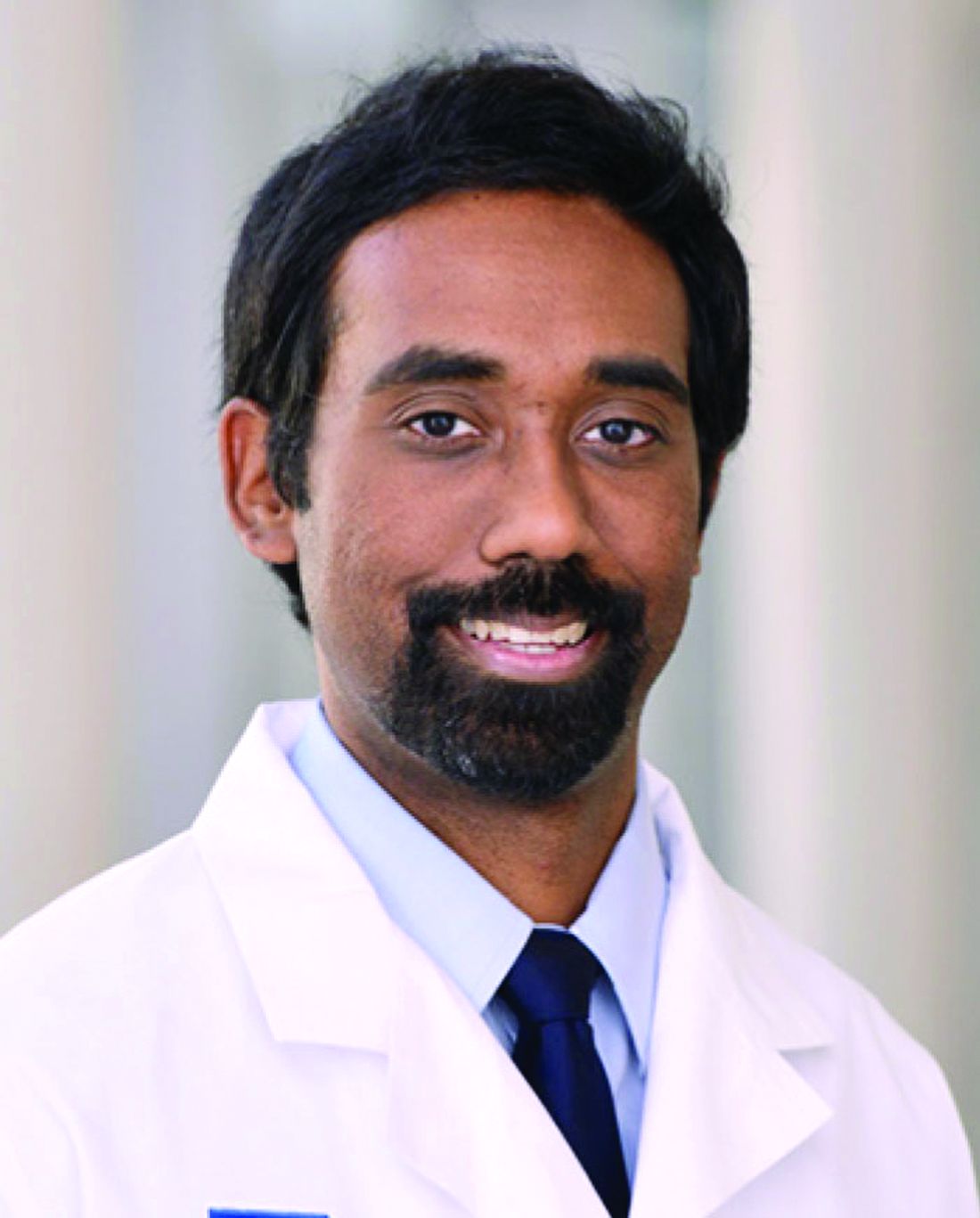
We hope their experiences will help you decide on your approach to recertification. Good luck!
We look forward to hearing your thoughts on how endoscopy will continue to evolve@AGA_GIHN.
Gyanprakash A. Ketwaroo, MD, MSc, is associate professor of medicine, Yale University, New Haven, Conn., and chief of endoscopy at West Haven (Conn.) VA Medical Center. He is an associate editor for GI & Hepatology News.
Traditional 10-Year ABIM Exam: A Personal Perspective
BY PETR PROTIVA, MD, MPH, AGAF
The American Board of Internal Medicine (ABIM) offers board certification in gastroenterology, a mark of professional excellence. Physicians can maintain their certification through the traditional 10-year examination or the newer Longitudinal Knowledge Assessment (LKA).
I completed my initial certification exam in 2003 and currently practice gastroenterology full time at the West Haven (Conn.) VA, where I am associate chief of gastroenterology, and the Yale School of Medicine. I am a clinician educator, running clinical trials and performing general and some advanced endoscopy.

As an academic gastroenterologist, I recertified in November 2023 using the traditional 10-year examination. An informal survey among my colleagues revealed that most opted for the LKA route. The traditional exam offers consistency, a clear endpoint, and a comprehensive review but comes with high stakes, significant preparation requirements, and potential for outdated information. In contrast, the LKA promotes continuous learning, flexibility, and immediate feedback, though it requires ongoing commitment. The LKA is generally perceived as the preferable option for maintaining and enhancing a current knowledge base.
In a highly academic environment with ample opportunities for learning and staying current with clinical science, the traditional exam’s drawbacks can be mitigated. My decision to opt for the 10-year exam was based on prior experience and the ease of accessing and maintaining knowledge in an academic setting. I considered the LKA as well, but there’s no clear answer as to which exam is “better.” The choice ultimately depends on individual physician preferences, learning styles, and professional circumstances. This piece recounts my experience with the 10-year recertification exam in 2023.
Preparing for the 10-Year Exam
In the year my recertification was due, I logged into my ABIM account to verify requirements and deadlines. After signing up for the recertification exam on the ABIM website, I was directed to the Pearson Vue website to select my testing center and date. The process was straightforward and glitch-free.
To fulfill the Maintenance of Certification (MOC) point requirements, it is necessary to systematically accumulate points through accredited Continuing Medical Education (CME) activities. The ABIM web portal indicates how many MOC points you are missing for the recertification cycle. I converted my UpToDate CME credits into ABIM MOC points, a straightforward process if you follow the necessary steps and keep your accounts updated.
Numerous resources are available for assessing and testing your knowledge prior to the exam. My first assessment included an online GI Board question bank, followed by a virtual Board Review Course. Next, I used the GI society-based Self-Assessment Test, which was well-suited for honing testing skills as well as reviewing the questions and answers in detail. Both the online question bank and GI society tests offered additional MOC points upon successful completion of practice exams. I also found it useful to reread guidelines in areas outside my usual practice and use UpToDate on an ongoing basis, like in everyday clinical practice. Completing the MOC requirements well ahead of my exam date was relatively easy.
Exam Experience
The exam itself is a 10-hour, grueling experience, but I was familiar with the format and expectations. The exam day was divided into several sessions, each containing a maximum of 60 multiple-choice questions, usually totaling 220 questions with an average of 2 minutes per question. The use of UpToDate is permitted during the recertification exam. While UpToDate is an excellent clinical resource, it cannot substitute for comprehensive knowledge. It is useful for verifying specific facts but cannot fill knowledge gaps during the exam.
Pros and Cons of the 10-Year Exam
Pros:
- Focused Preparation: Preparing for a single, comprehensive exam leads to an in-depth review of the entire subspecialty, reinforcing foundational knowledge and ensuring breadth in less familiar areas.
- Clear Endpoint: The 10-year exam offers a clear endpoint. Once passed, the certification is valid for the next decade, allowing focus on practice or academic endeavors without a need for ongoing assessments.
- Consistency: The standardized nature of the exam ensures consistency in the assessment process, with all physicians tested under the same conditions.
- Benchmarking: A decade-long interval provides a significant time frame for measuring knowledge and expertise, allowing comparison with other test takers.
Cons:
- High Stakes: The exam is high stakes, creating significant stress. Failure can have serious professional consequences, potentially affecting credentials and career.
- Rigidity: The fixed schedule offers little flexibility, requiring careful planning and preparation, which may not align with personal or professional circumstances.
- Comprehensive Nature: Extensive preparation is challenging for busy physicians. Balancing study time with clinical responsibilities can be difficult.
- Outdated Information: Medical knowledge evolves rapidly, and the 10-year interval may not reflect the most current practices, leading to gaps in knowledge.
Conclusion
While I cannot directly compare my experience to the LKA, the traditional 10-year exam has both strengths and weaknesses. It requires extensive preparation and is high stakes, but it offers a clear endpoint and comprehensive review. The choice between the 10-year exam and the LKA depends on individual preferences, learning styles, and professional circumstances. In an academic environment, the traditional exam can be a good option, but continuous medical education remains essential regardless of the recertification method chosen.
Dr. Protiva is associate chief of gastroenterology at the West Haven (Conn.) VA Medical Center, and associate professor of medicine (digestive diseases) at Yale School of Medicine, New Haven, Conn. He has no disclosures related to this article.
The Longitudinal Knowledge Assessment: Flexible and Convenient
BY MAGGIE HAM, MD, AGAF
I completed my initial certification exam in 2013 when I completed gastroenterology fellowship training at the Beth Israel Deaconess Medical Center in Boston. I am currently in clinical practice at Southern California Permanente Medical Group in Ventura, California, where I see patients and perform endoscopy daily.
I practice general gastroenterology and hepatology with an emphasis on inflammatory bowel disease, colon cancer prevention, and women’s health. I am also the medical director of the gastroenterology lab at Community Memorial Hospital in Ventura, physician in charge of a building at Kaiser, and assistant chief of gastroenterology. My husband and I are both gastroenterologists with a child in elementary school.

Two years ago, I decided to embark upon the Longitudinal Knowledge Assessment (LKA) for gastroenterology. This is offered by the American Board of Internal Medicine (ABIM) in lieu of the 10-year recertification examination. As a full-time working mother, I could not fathom the time it would take to study and sit down for the high-stakes 10-year exam.
The LKA consists of 30 questions per quarter, which equates to 600 questions over 5 years. One hundred questions may be skipped over the 5-year period. The questions can be answered from anywhere with an internet-connected device without any camera monitoring. I would often answer questions from the comfort of my own home using my laptop, but could also do so using my phone while waiting in line at the store or on a long plane ride. The 30 questions do not need to be answered in the same sitting, so within the quarter I can save my progress and answer the remaining questions at my convenience. This has worked well for me alongside my personal and professional obligations.
I can download my progress report which informs me of my score, and what the passing score is. I can see what the average score is, how I am performing relative to that, and how I am faring in each category (ie, esophagus, stomach and duodenum, liver, etc.). I also receive Maintenance of Certification points with each LKA question I answer correctly. With the 10-year ABIM recertification exam, I would still need to complete MOC.
While there is a 4-minute time limit for each question, it really has not been an issue. If needed, I can request to extend the time, to read or to look things up. It is an open book exam, so I have learned and kept abreast of GI knowledge. Any references other than another human may be used. I typically use UpToDate and the GI society guidelines, which have been sufficient. Occasionally there are experimental questions sprinkled throughout the exam, so I may never know the answer. Otherwise, the solution to each question will be presented to me immediately upon answering, with an explanation accompanied by references. I appreciate that this keeps me updated with the latest guidelines and recommendations, which was my primary reason for selecting the LKA.
At the end of the 5 years, you may choose to continue the LKA cycle, or take the 10-year exam. If you do not pass the LKA, they do give you a 1-year grace period to pass the exam if you want to continue to participate in MOC.
The quarter does seem to come around fairly quickly, but they do send frequent reminders by email or text as the deadline approaches. And if you forget to answer all the questions in a quarter, the LKA allows for 100 questions that may be skipped over the 5-year period.
Being able to answer questions from anywhere at any time is incredibly flexible and convenient. The immediate feedback is also great and helps me identify my strengths and weaknesses. While I will not know until the end of the 5-year period whether I have passed or not, I can check my progress report which gives me an idea of where I stand. Overall, I would say I am satisfied with the LKA, as it has been easy to maintain certification while effectively contributing to my continuing medical education.
Dr. Ham is a gastroenterologist at Southern California Permanente Medical Group in Ventura, California. She is also medical director of the gastroenterology lab at Southern Community Memorial Hospital in Ventura. She has no disclosures related to this article.
Dear colleagues,
When the American Board of Internal Medicine (ABIM) made changes to its recertification process, introducing its continuous Maintenance of Certification (MOC) in 2014, there was significant controversy across subspecialties. In response, the ABIM accreditation process has evolved. Currently, there remains the traditional 10-year MOC exam, and a newly introduced Longitudinal Knowledge Assessment (LKA) where questions are answered every quarter. But which is the better one for you?
In this issue of Perspectives, Dr. Petr Protiva and Dr. Maggie Ham discuss their experiences with these differing assessment methods. Dr. Ham touches on the flexibility and convenience of the LKA, while Dr. Protiva writes about the benefits of the focused preparation and clear endpoint that the 10-year exam offers.
We hope their experiences will help you decide on your approach to recertification. Good luck!
We look forward to hearing your thoughts on how endoscopy will continue to evolve@AGA_GIHN.
Gyanprakash A. Ketwaroo, MD, MSc, is associate professor of medicine, Yale University, New Haven, Conn., and chief of endoscopy at West Haven (Conn.) VA Medical Center. He is an associate editor for GI & Hepatology News.
Traditional 10-Year ABIM Exam: A Personal Perspective
BY PETR PROTIVA, MD, MPH, AGAF
The American Board of Internal Medicine (ABIM) offers board certification in gastroenterology, a mark of professional excellence. Physicians can maintain their certification through the traditional 10-year examination or the newer Longitudinal Knowledge Assessment (LKA).
I completed my initial certification exam in 2003 and currently practice gastroenterology full time at the West Haven (Conn.) VA, where I am associate chief of gastroenterology, and the Yale School of Medicine. I am a clinician educator, running clinical trials and performing general and some advanced endoscopy.
As an academic gastroenterologist, I recertified in November 2023 using the traditional 10-year examination. An informal survey among my colleagues revealed that most opted for the LKA route. The traditional exam offers consistency, a clear endpoint, and a comprehensive review but comes with high stakes, significant preparation requirements, and potential for outdated information. In contrast, the LKA promotes continuous learning, flexibility, and immediate feedback, though it requires ongoing commitment. The LKA is generally perceived as the preferable option for maintaining and enhancing a current knowledge base.
In a highly academic environment with ample opportunities for learning and staying current with clinical science, the traditional exam’s drawbacks can be mitigated. My decision to opt for the 10-year exam was based on prior experience and the ease of accessing and maintaining knowledge in an academic setting. I considered the LKA as well, but there’s no clear answer as to which exam is “better.” The choice ultimately depends on individual physician preferences, learning styles, and professional circumstances. This piece recounts my experience with the 10-year recertification exam in 2023.
Preparing for the 10-Year Exam
In the year my recertification was due, I logged into my ABIM account to verify requirements and deadlines. After signing up for the recertification exam on the ABIM website, I was directed to the Pearson Vue website to select my testing center and date. The process was straightforward and glitch-free.
To fulfill the Maintenance of Certification (MOC) point requirements, it is necessary to systematically accumulate points through accredited Continuing Medical Education (CME) activities. The ABIM web portal indicates how many MOC points you are missing for the recertification cycle. I converted my UpToDate CME credits into ABIM MOC points, a straightforward process if you follow the necessary steps and keep your accounts updated.
Numerous resources are available for assessing and testing your knowledge prior to the exam. My first assessment included an online GI Board question bank, followed by a virtual Board Review Course. Next, I used the GI society-based Self-Assessment Test, which was well-suited for honing testing skills as well as reviewing the questions and answers in detail. Both the online question bank and GI society tests offered additional MOC points upon successful completion of practice exams. I also found it useful to reread guidelines in areas outside my usual practice and use UpToDate on an ongoing basis, like in everyday clinical practice. Completing the MOC requirements well ahead of my exam date was relatively easy.
Exam Experience
The exam itself is a 10-hour, grueling experience, but I was familiar with the format and expectations. The exam day was divided into several sessions, each containing a maximum of 60 multiple-choice questions, usually totaling 220 questions with an average of 2 minutes per question. The use of UpToDate is permitted during the recertification exam. While UpToDate is an excellent clinical resource, it cannot substitute for comprehensive knowledge. It is useful for verifying specific facts but cannot fill knowledge gaps during the exam.
Pros and Cons of the 10-Year Exam
Pros:
- Focused Preparation: Preparing for a single, comprehensive exam leads to an in-depth review of the entire subspecialty, reinforcing foundational knowledge and ensuring breadth in less familiar areas.
- Clear Endpoint: The 10-year exam offers a clear endpoint. Once passed, the certification is valid for the next decade, allowing focus on practice or academic endeavors without a need for ongoing assessments.
- Consistency: The standardized nature of the exam ensures consistency in the assessment process, with all physicians tested under the same conditions.
- Benchmarking: A decade-long interval provides a significant time frame for measuring knowledge and expertise, allowing comparison with other test takers.
Cons:
- High Stakes: The exam is high stakes, creating significant stress. Failure can have serious professional consequences, potentially affecting credentials and career.
- Rigidity: The fixed schedule offers little flexibility, requiring careful planning and preparation, which may not align with personal or professional circumstances.
- Comprehensive Nature: Extensive preparation is challenging for busy physicians. Balancing study time with clinical responsibilities can be difficult.
- Outdated Information: Medical knowledge evolves rapidly, and the 10-year interval may not reflect the most current practices, leading to gaps in knowledge.
Conclusion
While I cannot directly compare my experience to the LKA, the traditional 10-year exam has both strengths and weaknesses. It requires extensive preparation and is high stakes, but it offers a clear endpoint and comprehensive review. The choice between the 10-year exam and the LKA depends on individual preferences, learning styles, and professional circumstances. In an academic environment, the traditional exam can be a good option, but continuous medical education remains essential regardless of the recertification method chosen.
Dr. Protiva is associate chief of gastroenterology at the West Haven (Conn.) VA Medical Center, and associate professor of medicine (digestive diseases) at Yale School of Medicine, New Haven, Conn. He has no disclosures related to this article.
The Longitudinal Knowledge Assessment: Flexible and Convenient
BY MAGGIE HAM, MD, AGAF
I completed my initial certification exam in 2013 when I completed gastroenterology fellowship training at the Beth Israel Deaconess Medical Center in Boston. I am currently in clinical practice at Southern California Permanente Medical Group in Ventura, California, where I see patients and perform endoscopy daily.
I practice general gastroenterology and hepatology with an emphasis on inflammatory bowel disease, colon cancer prevention, and women’s health. I am also the medical director of the gastroenterology lab at Community Memorial Hospital in Ventura, physician in charge of a building at Kaiser, and assistant chief of gastroenterology. My husband and I are both gastroenterologists with a child in elementary school.
Two years ago, I decided to embark upon the Longitudinal Knowledge Assessment (LKA) for gastroenterology. This is offered by the American Board of Internal Medicine (ABIM) in lieu of the 10-year recertification examination. As a full-time working mother, I could not fathom the time it would take to study and sit down for the high-stakes 10-year exam.
The LKA consists of 30 questions per quarter, which equates to 600 questions over 5 years. One hundred questions may be skipped over the 5-year period. The questions can be answered from anywhere with an internet-connected device without any camera monitoring. I would often answer questions from the comfort of my own home using my laptop, but could also do so using my phone while waiting in line at the store or on a long plane ride. The 30 questions do not need to be answered in the same sitting, so within the quarter I can save my progress and answer the remaining questions at my convenience. This has worked well for me alongside my personal and professional obligations.
I can download my progress report which informs me of my score, and what the passing score is. I can see what the average score is, how I am performing relative to that, and how I am faring in each category (ie, esophagus, stomach and duodenum, liver, etc.). I also receive Maintenance of Certification points with each LKA question I answer correctly. With the 10-year ABIM recertification exam, I would still need to complete MOC.
While there is a 4-minute time limit for each question, it really has not been an issue. If needed, I can request to extend the time, to read or to look things up. It is an open book exam, so I have learned and kept abreast of GI knowledge. Any references other than another human may be used. I typically use UpToDate and the GI society guidelines, which have been sufficient. Occasionally there are experimental questions sprinkled throughout the exam, so I may never know the answer. Otherwise, the solution to each question will be presented to me immediately upon answering, with an explanation accompanied by references. I appreciate that this keeps me updated with the latest guidelines and recommendations, which was my primary reason for selecting the LKA.
At the end of the 5 years, you may choose to continue the LKA cycle, or take the 10-year exam. If you do not pass the LKA, they do give you a 1-year grace period to pass the exam if you want to continue to participate in MOC.
The quarter does seem to come around fairly quickly, but they do send frequent reminders by email or text as the deadline approaches. And if you forget to answer all the questions in a quarter, the LKA allows for 100 questions that may be skipped over the 5-year period.
Being able to answer questions from anywhere at any time is incredibly flexible and convenient. The immediate feedback is also great and helps me identify my strengths and weaknesses. While I will not know until the end of the 5-year period whether I have passed or not, I can check my progress report which gives me an idea of where I stand. Overall, I would say I am satisfied with the LKA, as it has been easy to maintain certification while effectively contributing to my continuing medical education.
Dr. Ham is a gastroenterologist at Southern California Permanente Medical Group in Ventura, California. She is also medical director of the gastroenterology lab at Southern Community Memorial Hospital in Ventura. She has no disclosures related to this article.
Dear colleagues,
When the American Board of Internal Medicine (ABIM) made changes to its recertification process, introducing its continuous Maintenance of Certification (MOC) in 2014, there was significant controversy across subspecialties. In response, the ABIM accreditation process has evolved. Currently, there remains the traditional 10-year MOC exam, and a newly introduced Longitudinal Knowledge Assessment (LKA) where questions are answered every quarter. But which is the better one for you?
In this issue of Perspectives, Dr. Petr Protiva and Dr. Maggie Ham discuss their experiences with these differing assessment methods. Dr. Ham touches on the flexibility and convenience of the LKA, while Dr. Protiva writes about the benefits of the focused preparation and clear endpoint that the 10-year exam offers.
We hope their experiences will help you decide on your approach to recertification. Good luck!
We look forward to hearing your thoughts on how endoscopy will continue to evolve@AGA_GIHN.
Gyanprakash A. Ketwaroo, MD, MSc, is associate professor of medicine, Yale University, New Haven, Conn., and chief of endoscopy at West Haven (Conn.) VA Medical Center. He is an associate editor for GI & Hepatology News.
Traditional 10-Year ABIM Exam: A Personal Perspective
BY PETR PROTIVA, MD, MPH, AGAF
The American Board of Internal Medicine (ABIM) offers board certification in gastroenterology, a mark of professional excellence. Physicians can maintain their certification through the traditional 10-year examination or the newer Longitudinal Knowledge Assessment (LKA).
I completed my initial certification exam in 2003 and currently practice gastroenterology full time at the West Haven (Conn.) VA, where I am associate chief of gastroenterology, and the Yale School of Medicine. I am a clinician educator, running clinical trials and performing general and some advanced endoscopy.
As an academic gastroenterologist, I recertified in November 2023 using the traditional 10-year examination. An informal survey among my colleagues revealed that most opted for the LKA route. The traditional exam offers consistency, a clear endpoint, and a comprehensive review but comes with high stakes, significant preparation requirements, and potential for outdated information. In contrast, the LKA promotes continuous learning, flexibility, and immediate feedback, though it requires ongoing commitment. The LKA is generally perceived as the preferable option for maintaining and enhancing a current knowledge base.
In a highly academic environment with ample opportunities for learning and staying current with clinical science, the traditional exam’s drawbacks can be mitigated. My decision to opt for the 10-year exam was based on prior experience and the ease of accessing and maintaining knowledge in an academic setting. I considered the LKA as well, but there’s no clear answer as to which exam is “better.” The choice ultimately depends on individual physician preferences, learning styles, and professional circumstances. This piece recounts my experience with the 10-year recertification exam in 2023.
Preparing for the 10-Year Exam
In the year my recertification was due, I logged into my ABIM account to verify requirements and deadlines. After signing up for the recertification exam on the ABIM website, I was directed to the Pearson Vue website to select my testing center and date. The process was straightforward and glitch-free.
To fulfill the Maintenance of Certification (MOC) point requirements, it is necessary to systematically accumulate points through accredited Continuing Medical Education (CME) activities. The ABIM web portal indicates how many MOC points you are missing for the recertification cycle. I converted my UpToDate CME credits into ABIM MOC points, a straightforward process if you follow the necessary steps and keep your accounts updated.
Numerous resources are available for assessing and testing your knowledge prior to the exam. My first assessment included an online GI Board question bank, followed by a virtual Board Review Course. Next, I used the GI society-based Self-Assessment Test, which was well-suited for honing testing skills as well as reviewing the questions and answers in detail. Both the online question bank and GI society tests offered additional MOC points upon successful completion of practice exams. I also found it useful to reread guidelines in areas outside my usual practice and use UpToDate on an ongoing basis, like in everyday clinical practice. Completing the MOC requirements well ahead of my exam date was relatively easy.
Exam Experience
The exam itself is a 10-hour, grueling experience, but I was familiar with the format and expectations. The exam day was divided into several sessions, each containing a maximum of 60 multiple-choice questions, usually totaling 220 questions with an average of 2 minutes per question. The use of UpToDate is permitted during the recertification exam. While UpToDate is an excellent clinical resource, it cannot substitute for comprehensive knowledge. It is useful for verifying specific facts but cannot fill knowledge gaps during the exam.
Pros and Cons of the 10-Year Exam
Pros:
- Focused Preparation: Preparing for a single, comprehensive exam leads to an in-depth review of the entire subspecialty, reinforcing foundational knowledge and ensuring breadth in less familiar areas.
- Clear Endpoint: The 10-year exam offers a clear endpoint. Once passed, the certification is valid for the next decade, allowing focus on practice or academic endeavors without a need for ongoing assessments.
- Consistency: The standardized nature of the exam ensures consistency in the assessment process, with all physicians tested under the same conditions.
- Benchmarking: A decade-long interval provides a significant time frame for measuring knowledge and expertise, allowing comparison with other test takers.
Cons:
- High Stakes: The exam is high stakes, creating significant stress. Failure can have serious professional consequences, potentially affecting credentials and career.
- Rigidity: The fixed schedule offers little flexibility, requiring careful planning and preparation, which may not align with personal or professional circumstances.
- Comprehensive Nature: Extensive preparation is challenging for busy physicians. Balancing study time with clinical responsibilities can be difficult.
- Outdated Information: Medical knowledge evolves rapidly, and the 10-year interval may not reflect the most current practices, leading to gaps in knowledge.
Conclusion
While I cannot directly compare my experience to the LKA, the traditional 10-year exam has both strengths and weaknesses. It requires extensive preparation and is high stakes, but it offers a clear endpoint and comprehensive review. The choice between the 10-year exam and the LKA depends on individual preferences, learning styles, and professional circumstances. In an academic environment, the traditional exam can be a good option, but continuous medical education remains essential regardless of the recertification method chosen.
Dr. Protiva is associate chief of gastroenterology at the West Haven (Conn.) VA Medical Center, and associate professor of medicine (digestive diseases) at Yale School of Medicine, New Haven, Conn. He has no disclosures related to this article.
The Longitudinal Knowledge Assessment: Flexible and Convenient
BY MAGGIE HAM, MD, AGAF
I completed my initial certification exam in 2013 when I completed gastroenterology fellowship training at the Beth Israel Deaconess Medical Center in Boston. I am currently in clinical practice at Southern California Permanente Medical Group in Ventura, California, where I see patients and perform endoscopy daily.
I practice general gastroenterology and hepatology with an emphasis on inflammatory bowel disease, colon cancer prevention, and women’s health. I am also the medical director of the gastroenterology lab at Community Memorial Hospital in Ventura, physician in charge of a building at Kaiser, and assistant chief of gastroenterology. My husband and I are both gastroenterologists with a child in elementary school.
Two years ago, I decided to embark upon the Longitudinal Knowledge Assessment (LKA) for gastroenterology. This is offered by the American Board of Internal Medicine (ABIM) in lieu of the 10-year recertification examination. As a full-time working mother, I could not fathom the time it would take to study and sit down for the high-stakes 10-year exam.
The LKA consists of 30 questions per quarter, which equates to 600 questions over 5 years. One hundred questions may be skipped over the 5-year period. The questions can be answered from anywhere with an internet-connected device without any camera monitoring. I would often answer questions from the comfort of my own home using my laptop, but could also do so using my phone while waiting in line at the store or on a long plane ride. The 30 questions do not need to be answered in the same sitting, so within the quarter I can save my progress and answer the remaining questions at my convenience. This has worked well for me alongside my personal and professional obligations.
I can download my progress report which informs me of my score, and what the passing score is. I can see what the average score is, how I am performing relative to that, and how I am faring in each category (ie, esophagus, stomach and duodenum, liver, etc.). I also receive Maintenance of Certification points with each LKA question I answer correctly. With the 10-year ABIM recertification exam, I would still need to complete MOC.
While there is a 4-minute time limit for each question, it really has not been an issue. If needed, I can request to extend the time, to read or to look things up. It is an open book exam, so I have learned and kept abreast of GI knowledge. Any references other than another human may be used. I typically use UpToDate and the GI society guidelines, which have been sufficient. Occasionally there are experimental questions sprinkled throughout the exam, so I may never know the answer. Otherwise, the solution to each question will be presented to me immediately upon answering, with an explanation accompanied by references. I appreciate that this keeps me updated with the latest guidelines and recommendations, which was my primary reason for selecting the LKA.
At the end of the 5 years, you may choose to continue the LKA cycle, or take the 10-year exam. If you do not pass the LKA, they do give you a 1-year grace period to pass the exam if you want to continue to participate in MOC.
The quarter does seem to come around fairly quickly, but they do send frequent reminders by email or text as the deadline approaches. And if you forget to answer all the questions in a quarter, the LKA allows for 100 questions that may be skipped over the 5-year period.
Being able to answer questions from anywhere at any time is incredibly flexible and convenient. The immediate feedback is also great and helps me identify my strengths and weaknesses. While I will not know until the end of the 5-year period whether I have passed or not, I can check my progress report which gives me an idea of where I stand. Overall, I would say I am satisfied with the LKA, as it has been easy to maintain certification while effectively contributing to my continuing medical education.
Dr. Ham is a gastroenterologist at Southern California Permanente Medical Group in Ventura, California. She is also medical director of the gastroenterology lab at Southern Community Memorial Hospital in Ventura. She has no disclosures related to this article.
What Are the Best Supplements for Patients With Kidney Disease? A Few Stand Out
The global dietary supplement industry generates more than $400 billion a year. Supplements are alleged to treat many health concerns, from immune conditions and cognition to sexual dysfunction and premature wrinkles. Although some supplements have been proven to be helpful, others have no scientific basis.
I can preach all day that a healthy diet rarely needs supplementation. But even as a dietitian, I find it difficult to consistently eat a diet that is both sufficiently varied and adequate to provide for all my nutrition needs. Our patients with kidney disease, surely, are not immune to this plight. They may even be more inclined to nutrient deficiencies, as poor diet is linked to increased incidence and progression of chronic kidney disease (CKD).
I find that patients with kidney disease often have an interest in dietary supplementation, even those with a well-rounded diet. Though we can discourage the use of supplements, or at the very least encourage patient transparency regarding supplement use, many will continue dietary supplementation at the suggestion of their friends, family, or even their preferred daytime talk show host.
What these patients truly require is education on using supplements that are most beneficial to them. By recommending supplements that address patients’ pain points like inflammation, dyslipidemia, cardiovascular health, and reduced progression to end-stage renal disease (ESRD), we can improve patient health and, hopefully, decrease use of questionable supplements.
Probiotics
Although probiotics have been used in the treatment of digestive issues for many years, the gut-kidney axis is only recently being explored. Studies show that the microbiota of patients with CKD is altered, even in the early stages of disease, producing additional inflammation and metabolic dysfunction. This can be remedied, or at least alleviated, by introducing a probiotic supplement.
Some probiotics have been shown to decrease inflammation, decrease fasting blood glucose, decrease low-density lipoprotein cholesterol, triglycerides, and total cholesterol, increase estimated glomerular filtration rate (eGFR), decrease blood urea nitrogen and urea, and decrease uric acid
Probiotic-rich foods like kimchi or fermented pickles may not be appropriate because of excessive sodium content or simply because of patient preference — kombucha isn’t for everyone. However, adding a probiotic supplement can improve gut microbiota without undermining dietary concerns.
When recommending probiotics, patients should be educated to ensure that their probiotic has strains that have been proven to be beneficial for kidney health. Lactobacillus acidophilus, Lactobacillus casei, Bifidobacterium species, and Streptococcus thermophilus have been shown to have a positive effect on kidney health and decreasing progression of CKD at a dosage of 109 colony-forming units per day.
Fish Oil
Though nephrology and cardiology are separate fields, it cannot be overstated that kidney patients are also heart patients.
Patients with CKD and an eGFR < 60 mL/min per 1.73 m2 are most likely to die from cardiovascular causes, and this likelihood increases as eGFR decreases. CKD-associated dyslipidemia results in elevated triglycerides and reduced high-density lipoprotein cholesterol often accompanied by proteinuria, and has been linked to an increase in atherosclerosis.
A simple fish oil supplement can work to decrease oxidative stress, relieve inflammation, and improve serum lipids, leading to improved kidney and cardiovascular health. One meta-analysis found that high-dose fish oil supplementation, though it had no effect on serum creatinine or eGFR, was associated with a lower risk for proteinuria and progression to ESRD.
Fish oil’s popularity in recent years bodes well for the kidney patient. It is now easily obtained over the counter in high doses to meet the recommended adequate intake of omega-3s, which is 1100 mg/d for women and 1600 mg/d for men. There are also more burpless varieties of these supplements to increase compliance.
Vitamin D
Patients with renal disease are prone to vitamin D deficiency through inadequate intake and limited sunlight, which is exacerbated by the diseased kidney’s inability to effectively convert calcidiol to calcitriol. Vitamin D deficiency is linked to poor bone health, fatigue, muscle pain, impaired wound healing, and depression. Low vitamin D status has also been linked to poor outcomes in cancer, multiple sclerosis, cardiovascular disease, type 2 diabetes, and weight loss.
A meta-analysis of over 6000 patients with CKD found that high levels of 25-hydroxy vitamin D (25[OH]D) are associated with significantly improved survival rates regardless of CKD or ESRD status.
Kidney Disease: Improving Global Outcomes guidelines recommend supplementing with ergocalciferol or cholecalciferol to correct (OH)D deficiency. This ensures adequate supply for conversion to calcitriol, but it cannot affect bone and mineral metabolism without further intervention in the form of calcitriol supplementation. By supplementing with ergocalciferol or cholecalciferol to meet the recommended daily allowance of 15 µg (600 IU) for adults under 70 years and 20 µg (800 IU) for adults over 70 years, the primary care team can ensure that the body has all the building blocks required for the nephrology team to then address mineral and bone disorder in CKD without the fear of promoting hypercalcemia.
Safe Purchasing Practices
Patients should be reminded to purchase dietary supplements from reputable dealers, especially when purchasing online. Retailers like Amazon are increasing the barriers required to sell supplements to improve the quality of products sold on the site. But other online retailers may sell products from outside of the United States that fall outside of the Food and Drug Administration’s jurisdiction.
Patients should also be reminded that “more is not always better” and counseled on appropriate dosages for individual needs.
In Summary
Patients will probably continue to lean on dietary supplements, regardless of our approval. Transparency and education are important when working with patients with CKD, especially in regard to dietary supplements.
When recommended appropriately, however, the supplements discussed can lead to better outcomes with improvements in kidney health by addressing inflammation, serum lipids, glycemic control, and cardiovascular health.
Ms. Winfree Root is a renal dietitian in private practice in Mary Esther, Florida. She disclosed no relevant conflicts of interest.
A version of this article first appeared on Medscape.com.
The global dietary supplement industry generates more than $400 billion a year. Supplements are alleged to treat many health concerns, from immune conditions and cognition to sexual dysfunction and premature wrinkles. Although some supplements have been proven to be helpful, others have no scientific basis.
I can preach all day that a healthy diet rarely needs supplementation. But even as a dietitian, I find it difficult to consistently eat a diet that is both sufficiently varied and adequate to provide for all my nutrition needs. Our patients with kidney disease, surely, are not immune to this plight. They may even be more inclined to nutrient deficiencies, as poor diet is linked to increased incidence and progression of chronic kidney disease (CKD).
I find that patients with kidney disease often have an interest in dietary supplementation, even those with a well-rounded diet. Though we can discourage the use of supplements, or at the very least encourage patient transparency regarding supplement use, many will continue dietary supplementation at the suggestion of their friends, family, or even their preferred daytime talk show host.
What these patients truly require is education on using supplements that are most beneficial to them. By recommending supplements that address patients’ pain points like inflammation, dyslipidemia, cardiovascular health, and reduced progression to end-stage renal disease (ESRD), we can improve patient health and, hopefully, decrease use of questionable supplements.
Probiotics
Although probiotics have been used in the treatment of digestive issues for many years, the gut-kidney axis is only recently being explored. Studies show that the microbiota of patients with CKD is altered, even in the early stages of disease, producing additional inflammation and metabolic dysfunction. This can be remedied, or at least alleviated, by introducing a probiotic supplement.
Some probiotics have been shown to decrease inflammation, decrease fasting blood glucose, decrease low-density lipoprotein cholesterol, triglycerides, and total cholesterol, increase estimated glomerular filtration rate (eGFR), decrease blood urea nitrogen and urea, and decrease uric acid
Probiotic-rich foods like kimchi or fermented pickles may not be appropriate because of excessive sodium content or simply because of patient preference — kombucha isn’t for everyone. However, adding a probiotic supplement can improve gut microbiota without undermining dietary concerns.
When recommending probiotics, patients should be educated to ensure that their probiotic has strains that have been proven to be beneficial for kidney health. Lactobacillus acidophilus, Lactobacillus casei, Bifidobacterium species, and Streptococcus thermophilus have been shown to have a positive effect on kidney health and decreasing progression of CKD at a dosage of 109 colony-forming units per day.
Fish Oil
Though nephrology and cardiology are separate fields, it cannot be overstated that kidney patients are also heart patients.
Patients with CKD and an eGFR < 60 mL/min per 1.73 m2 are most likely to die from cardiovascular causes, and this likelihood increases as eGFR decreases. CKD-associated dyslipidemia results in elevated triglycerides and reduced high-density lipoprotein cholesterol often accompanied by proteinuria, and has been linked to an increase in atherosclerosis.
A simple fish oil supplement can work to decrease oxidative stress, relieve inflammation, and improve serum lipids, leading to improved kidney and cardiovascular health. One meta-analysis found that high-dose fish oil supplementation, though it had no effect on serum creatinine or eGFR, was associated with a lower risk for proteinuria and progression to ESRD.
Fish oil’s popularity in recent years bodes well for the kidney patient. It is now easily obtained over the counter in high doses to meet the recommended adequate intake of omega-3s, which is 1100 mg/d for women and 1600 mg/d for men. There are also more burpless varieties of these supplements to increase compliance.
Vitamin D
Patients with renal disease are prone to vitamin D deficiency through inadequate intake and limited sunlight, which is exacerbated by the diseased kidney’s inability to effectively convert calcidiol to calcitriol. Vitamin D deficiency is linked to poor bone health, fatigue, muscle pain, impaired wound healing, and depression. Low vitamin D status has also been linked to poor outcomes in cancer, multiple sclerosis, cardiovascular disease, type 2 diabetes, and weight loss.
A meta-analysis of over 6000 patients with CKD found that high levels of 25-hydroxy vitamin D (25[OH]D) are associated with significantly improved survival rates regardless of CKD or ESRD status.
Kidney Disease: Improving Global Outcomes guidelines recommend supplementing with ergocalciferol or cholecalciferol to correct (OH)D deficiency. This ensures adequate supply for conversion to calcitriol, but it cannot affect bone and mineral metabolism without further intervention in the form of calcitriol supplementation. By supplementing with ergocalciferol or cholecalciferol to meet the recommended daily allowance of 15 µg (600 IU) for adults under 70 years and 20 µg (800 IU) for adults over 70 years, the primary care team can ensure that the body has all the building blocks required for the nephrology team to then address mineral and bone disorder in CKD without the fear of promoting hypercalcemia.
Safe Purchasing Practices
Patients should be reminded to purchase dietary supplements from reputable dealers, especially when purchasing online. Retailers like Amazon are increasing the barriers required to sell supplements to improve the quality of products sold on the site. But other online retailers may sell products from outside of the United States that fall outside of the Food and Drug Administration’s jurisdiction.
Patients should also be reminded that “more is not always better” and counseled on appropriate dosages for individual needs.
In Summary
Patients will probably continue to lean on dietary supplements, regardless of our approval. Transparency and education are important when working with patients with CKD, especially in regard to dietary supplements.
When recommended appropriately, however, the supplements discussed can lead to better outcomes with improvements in kidney health by addressing inflammation, serum lipids, glycemic control, and cardiovascular health.
Ms. Winfree Root is a renal dietitian in private practice in Mary Esther, Florida. She disclosed no relevant conflicts of interest.
A version of this article first appeared on Medscape.com.
The global dietary supplement industry generates more than $400 billion a year. Supplements are alleged to treat many health concerns, from immune conditions and cognition to sexual dysfunction and premature wrinkles. Although some supplements have been proven to be helpful, others have no scientific basis.
I can preach all day that a healthy diet rarely needs supplementation. But even as a dietitian, I find it difficult to consistently eat a diet that is both sufficiently varied and adequate to provide for all my nutrition needs. Our patients with kidney disease, surely, are not immune to this plight. They may even be more inclined to nutrient deficiencies, as poor diet is linked to increased incidence and progression of chronic kidney disease (CKD).
I find that patients with kidney disease often have an interest in dietary supplementation, even those with a well-rounded diet. Though we can discourage the use of supplements, or at the very least encourage patient transparency regarding supplement use, many will continue dietary supplementation at the suggestion of their friends, family, or even their preferred daytime talk show host.
What these patients truly require is education on using supplements that are most beneficial to them. By recommending supplements that address patients’ pain points like inflammation, dyslipidemia, cardiovascular health, and reduced progression to end-stage renal disease (ESRD), we can improve patient health and, hopefully, decrease use of questionable supplements.
Probiotics
Although probiotics have been used in the treatment of digestive issues for many years, the gut-kidney axis is only recently being explored. Studies show that the microbiota of patients with CKD is altered, even in the early stages of disease, producing additional inflammation and metabolic dysfunction. This can be remedied, or at least alleviated, by introducing a probiotic supplement.
Some probiotics have been shown to decrease inflammation, decrease fasting blood glucose, decrease low-density lipoprotein cholesterol, triglycerides, and total cholesterol, increase estimated glomerular filtration rate (eGFR), decrease blood urea nitrogen and urea, and decrease uric acid
Probiotic-rich foods like kimchi or fermented pickles may not be appropriate because of excessive sodium content or simply because of patient preference — kombucha isn’t for everyone. However, adding a probiotic supplement can improve gut microbiota without undermining dietary concerns.
When recommending probiotics, patients should be educated to ensure that their probiotic has strains that have been proven to be beneficial for kidney health. Lactobacillus acidophilus, Lactobacillus casei, Bifidobacterium species, and Streptococcus thermophilus have been shown to have a positive effect on kidney health and decreasing progression of CKD at a dosage of 109 colony-forming units per day.
Fish Oil
Though nephrology and cardiology are separate fields, it cannot be overstated that kidney patients are also heart patients.
Patients with CKD and an eGFR < 60 mL/min per 1.73 m2 are most likely to die from cardiovascular causes, and this likelihood increases as eGFR decreases. CKD-associated dyslipidemia results in elevated triglycerides and reduced high-density lipoprotein cholesterol often accompanied by proteinuria, and has been linked to an increase in atherosclerosis.
A simple fish oil supplement can work to decrease oxidative stress, relieve inflammation, and improve serum lipids, leading to improved kidney and cardiovascular health. One meta-analysis found that high-dose fish oil supplementation, though it had no effect on serum creatinine or eGFR, was associated with a lower risk for proteinuria and progression to ESRD.
Fish oil’s popularity in recent years bodes well for the kidney patient. It is now easily obtained over the counter in high doses to meet the recommended adequate intake of omega-3s, which is 1100 mg/d for women and 1600 mg/d for men. There are also more burpless varieties of these supplements to increase compliance.
Vitamin D
Patients with renal disease are prone to vitamin D deficiency through inadequate intake and limited sunlight, which is exacerbated by the diseased kidney’s inability to effectively convert calcidiol to calcitriol. Vitamin D deficiency is linked to poor bone health, fatigue, muscle pain, impaired wound healing, and depression. Low vitamin D status has also been linked to poor outcomes in cancer, multiple sclerosis, cardiovascular disease, type 2 diabetes, and weight loss.
A meta-analysis of over 6000 patients with CKD found that high levels of 25-hydroxy vitamin D (25[OH]D) are associated with significantly improved survival rates regardless of CKD or ESRD status.
Kidney Disease: Improving Global Outcomes guidelines recommend supplementing with ergocalciferol or cholecalciferol to correct (OH)D deficiency. This ensures adequate supply for conversion to calcitriol, but it cannot affect bone and mineral metabolism without further intervention in the form of calcitriol supplementation. By supplementing with ergocalciferol or cholecalciferol to meet the recommended daily allowance of 15 µg (600 IU) for adults under 70 years and 20 µg (800 IU) for adults over 70 years, the primary care team can ensure that the body has all the building blocks required for the nephrology team to then address mineral and bone disorder in CKD without the fear of promoting hypercalcemia.
Safe Purchasing Practices
Patients should be reminded to purchase dietary supplements from reputable dealers, especially when purchasing online. Retailers like Amazon are increasing the barriers required to sell supplements to improve the quality of products sold on the site. But other online retailers may sell products from outside of the United States that fall outside of the Food and Drug Administration’s jurisdiction.
Patients should also be reminded that “more is not always better” and counseled on appropriate dosages for individual needs.
In Summary
Patients will probably continue to lean on dietary supplements, regardless of our approval. Transparency and education are important when working with patients with CKD, especially in regard to dietary supplements.
When recommended appropriately, however, the supplements discussed can lead to better outcomes with improvements in kidney health by addressing inflammation, serum lipids, glycemic control, and cardiovascular health.
Ms. Winfree Root is a renal dietitian in private practice in Mary Esther, Florida. She disclosed no relevant conflicts of interest.
A version of this article first appeared on Medscape.com.
Part of Taking a Good (Human) Patient History Includes Asking About Pet Vaccinations
This transcript has been edited for clarity.
In my job, I spend 99% of my time thinking about ethical issues that arise in the care of human beings. That is the focus of our medical school, and that’s what we do.
However,
Recently, there has been a great increase in the number of pet owners who are saying, “I’m not going to vaccinate my pets.” As horrible as this sounds, what’s happening is vaccine hesitancy about vaccines used in humans is extending through some people to their pets.
The number of people who say they don’t trust things like rabies vaccine to be effective or safe for their pet animals is 40%, at least in surveys, and the American Veterinary Medical Association reports that 15%-18% of pet owners are not, in fact, vaccinating their pets against rabies.
Rabies, as I hope everybody knows, is one horrible disease. Even the treatment of it, should you get bitten by a rabid animal, is no fun, expensive, and hopefully something that can be administered quickly. It’s not always the case. Worldwide, at least 70,000 people die from rabies every year.
Obviously, there are many countries that are so terrified of rabies, they won’t let you bring pets in without quarantining them, say, England, for at least 6 months to a year, I believe, because they don’t want rabies getting into their country. They’re very strict about the movement of pets.
It is inexcusable for people, first, not to give their pets vaccines that prevent them getting distemper, parvovirus, or many other diseases that harm the pet. It’s also inexcusable to shorten your pet’s life or ask your patients to care for pets who get sick from many of these diseases that are vaccine preventable.
Worst of all, it’s inexcusable for any pet owner not to give a rabies vaccine to their pets. Were it up to me, I’d say you have to license your pet, and as part of that, you must mandate rabies vaccines for your dogs, cats, and other pets.
We know what happens when people encounter wild animals like raccoons and rabbits. It is not a good situation. Your pets can easily encounter a rabid animal and then put themselves in a position where they can harm their human owners.
We have an efficacious, safe treatment. If you’re dealing with someone, it might make sense to ask them, “Do you own a pet? Are you vaccinating?” It may not be something you’d ever thought about, but what we don’t need is rabies back in a bigger way in the United States than it’s been in the past.
I think, as a matter of prudence and public health, maybe firing up that question, “Got a pet in the house and are you vaccinating,” could be part of taking a good history.
Dr. Caplan is director of the division of medical ethics at New York University Langone Medical Center, New York City. He disclosed conflicts of interest with Johnson & Johnson and Medscape.
A version of this article first appeared on Medscape.com.
This transcript has been edited for clarity.
In my job, I spend 99% of my time thinking about ethical issues that arise in the care of human beings. That is the focus of our medical school, and that’s what we do.
However,
Recently, there has been a great increase in the number of pet owners who are saying, “I’m not going to vaccinate my pets.” As horrible as this sounds, what’s happening is vaccine hesitancy about vaccines used in humans is extending through some people to their pets.
The number of people who say they don’t trust things like rabies vaccine to be effective or safe for their pet animals is 40%, at least in surveys, and the American Veterinary Medical Association reports that 15%-18% of pet owners are not, in fact, vaccinating their pets against rabies.
Rabies, as I hope everybody knows, is one horrible disease. Even the treatment of it, should you get bitten by a rabid animal, is no fun, expensive, and hopefully something that can be administered quickly. It’s not always the case. Worldwide, at least 70,000 people die from rabies every year.
Obviously, there are many countries that are so terrified of rabies, they won’t let you bring pets in without quarantining them, say, England, for at least 6 months to a year, I believe, because they don’t want rabies getting into their country. They’re very strict about the movement of pets.
It is inexcusable for people, first, not to give their pets vaccines that prevent them getting distemper, parvovirus, or many other diseases that harm the pet. It’s also inexcusable to shorten your pet’s life or ask your patients to care for pets who get sick from many of these diseases that are vaccine preventable.
Worst of all, it’s inexcusable for any pet owner not to give a rabies vaccine to their pets. Were it up to me, I’d say you have to license your pet, and as part of that, you must mandate rabies vaccines for your dogs, cats, and other pets.
We know what happens when people encounter wild animals like raccoons and rabbits. It is not a good situation. Your pets can easily encounter a rabid animal and then put themselves in a position where they can harm their human owners.
We have an efficacious, safe treatment. If you’re dealing with someone, it might make sense to ask them, “Do you own a pet? Are you vaccinating?” It may not be something you’d ever thought about, but what we don’t need is rabies back in a bigger way in the United States than it’s been in the past.
I think, as a matter of prudence and public health, maybe firing up that question, “Got a pet in the house and are you vaccinating,” could be part of taking a good history.
Dr. Caplan is director of the division of medical ethics at New York University Langone Medical Center, New York City. He disclosed conflicts of interest with Johnson & Johnson and Medscape.
A version of this article first appeared on Medscape.com.
This transcript has been edited for clarity.
In my job, I spend 99% of my time thinking about ethical issues that arise in the care of human beings. That is the focus of our medical school, and that’s what we do.
However,
Recently, there has been a great increase in the number of pet owners who are saying, “I’m not going to vaccinate my pets.” As horrible as this sounds, what’s happening is vaccine hesitancy about vaccines used in humans is extending through some people to their pets.
The number of people who say they don’t trust things like rabies vaccine to be effective or safe for their pet animals is 40%, at least in surveys, and the American Veterinary Medical Association reports that 15%-18% of pet owners are not, in fact, vaccinating their pets against rabies.
Rabies, as I hope everybody knows, is one horrible disease. Even the treatment of it, should you get bitten by a rabid animal, is no fun, expensive, and hopefully something that can be administered quickly. It’s not always the case. Worldwide, at least 70,000 people die from rabies every year.
Obviously, there are many countries that are so terrified of rabies, they won’t let you bring pets in without quarantining them, say, England, for at least 6 months to a year, I believe, because they don’t want rabies getting into their country. They’re very strict about the movement of pets.
It is inexcusable for people, first, not to give their pets vaccines that prevent them getting distemper, parvovirus, or many other diseases that harm the pet. It’s also inexcusable to shorten your pet’s life or ask your patients to care for pets who get sick from many of these diseases that are vaccine preventable.
Worst of all, it’s inexcusable for any pet owner not to give a rabies vaccine to their pets. Were it up to me, I’d say you have to license your pet, and as part of that, you must mandate rabies vaccines for your dogs, cats, and other pets.
We know what happens when people encounter wild animals like raccoons and rabbits. It is not a good situation. Your pets can easily encounter a rabid animal and then put themselves in a position where they can harm their human owners.
We have an efficacious, safe treatment. If you’re dealing with someone, it might make sense to ask them, “Do you own a pet? Are you vaccinating?” It may not be something you’d ever thought about, but what we don’t need is rabies back in a bigger way in the United States than it’s been in the past.
I think, as a matter of prudence and public health, maybe firing up that question, “Got a pet in the house and are you vaccinating,” could be part of taking a good history.
Dr. Caplan is director of the division of medical ethics at New York University Langone Medical Center, New York City. He disclosed conflicts of interest with Johnson & Johnson and Medscape.
A version of this article first appeared on Medscape.com.
The Prohibitive Price Tag
Earlier in 2024 the American Headache Society issued a position statement that CGRP (calcitonin gene-related peptide) agents are a first-line option for migraine prevention.
No Shinola, Sherlock.
Any of us working frontline neurology have figured that out, including me. And I was, honestly, pretty skeptical of them when they hit the pharmacy shelves. But these days, to quote The Monkees (and Neil Diamond), “I’m a Believer.”
Unfortunately, things don’t quite work out that way. Just because a drug is clearly successful doesn’t make it practical to use first line. Most insurances won’t even let family doctors prescribe them, so they have to send patients to a neurologist (which I’m not complaining about).
Then me and my neuro-brethren have to jump through hoops because of their cost. One month of any of these drugs costs the same as a few years (or more) of generic Topamax, Nortriptyline, Nadolol, etc. Granted, I shouldn’t complain about that, either. If everyone with migraines was getting them it would drive up insurance premiums across the board — including mine.
So, after patients have tried and failed at least two to four other options (depending on their plan) I can usually get a CGRP covered. This involves filling out some forms online and submitting them ... then waiting.
Even if the drug is approved, and successful, that’s still not the end of the story. Depending on the plan I have to get them reauthorized anywhere from every 3 to 12 months. There’s also the chance that in December I’ll get a letter saying the drug won’t be covered starting January, and to try one of the recommended alternatives, like generic Topamax, Nortriptyline, Nadolol, etc. Wash, rinse, repeat.
Having celebrities like Lady Gaga pushing them doesn’t help. The commercials never mention that getting the medication isn’t as easy as “ask your doctor.” Nor does it point out that Lady Gaga won’t have an issue with a CGRP agent’s price tag of $800-$1000 per month, while most of her fans need that money for rent and groceries.
The guidelines, in essence, are useful, but only apply to a perfect world where drug cost doesn’t matter. We aren’t in one. I’m not knocking the pharmaceutical companies — research and development take A LOT of money, and every drug that comes to market has to pay not only for itself, but for several others that failed. Innovation isn’t cheap.
That doesn’t make it any easier to explain to patients, who see ads, or news blurbs on Facebook, or whatever. I just wish the advertisements would have more transparency about how the pricing works.
After all, regardless of how good an automobile may be, don’t car ads show an MSRP?
Dr. Block has a solo neurology practice in Scottsdale, Arizona.
Earlier in 2024 the American Headache Society issued a position statement that CGRP (calcitonin gene-related peptide) agents are a first-line option for migraine prevention.
No Shinola, Sherlock.
Any of us working frontline neurology have figured that out, including me. And I was, honestly, pretty skeptical of them when they hit the pharmacy shelves. But these days, to quote The Monkees (and Neil Diamond), “I’m a Believer.”
Unfortunately, things don’t quite work out that way. Just because a drug is clearly successful doesn’t make it practical to use first line. Most insurances won’t even let family doctors prescribe them, so they have to send patients to a neurologist (which I’m not complaining about).
Then me and my neuro-brethren have to jump through hoops because of their cost. One month of any of these drugs costs the same as a few years (or more) of generic Topamax, Nortriptyline, Nadolol, etc. Granted, I shouldn’t complain about that, either. If everyone with migraines was getting them it would drive up insurance premiums across the board — including mine.
So, after patients have tried and failed at least two to four other options (depending on their plan) I can usually get a CGRP covered. This involves filling out some forms online and submitting them ... then waiting.
Even if the drug is approved, and successful, that’s still not the end of the story. Depending on the plan I have to get them reauthorized anywhere from every 3 to 12 months. There’s also the chance that in December I’ll get a letter saying the drug won’t be covered starting January, and to try one of the recommended alternatives, like generic Topamax, Nortriptyline, Nadolol, etc. Wash, rinse, repeat.
Having celebrities like Lady Gaga pushing them doesn’t help. The commercials never mention that getting the medication isn’t as easy as “ask your doctor.” Nor does it point out that Lady Gaga won’t have an issue with a CGRP agent’s price tag of $800-$1000 per month, while most of her fans need that money for rent and groceries.
The guidelines, in essence, are useful, but only apply to a perfect world where drug cost doesn’t matter. We aren’t in one. I’m not knocking the pharmaceutical companies — research and development take A LOT of money, and every drug that comes to market has to pay not only for itself, but for several others that failed. Innovation isn’t cheap.
That doesn’t make it any easier to explain to patients, who see ads, or news blurbs on Facebook, or whatever. I just wish the advertisements would have more transparency about how the pricing works.
After all, regardless of how good an automobile may be, don’t car ads show an MSRP?
Dr. Block has a solo neurology practice in Scottsdale, Arizona.
Earlier in 2024 the American Headache Society issued a position statement that CGRP (calcitonin gene-related peptide) agents are a first-line option for migraine prevention.
No Shinola, Sherlock.
Any of us working frontline neurology have figured that out, including me. And I was, honestly, pretty skeptical of them when they hit the pharmacy shelves. But these days, to quote The Monkees (and Neil Diamond), “I’m a Believer.”
Unfortunately, things don’t quite work out that way. Just because a drug is clearly successful doesn’t make it practical to use first line. Most insurances won’t even let family doctors prescribe them, so they have to send patients to a neurologist (which I’m not complaining about).
Then me and my neuro-brethren have to jump through hoops because of their cost. One month of any of these drugs costs the same as a few years (or more) of generic Topamax, Nortriptyline, Nadolol, etc. Granted, I shouldn’t complain about that, either. If everyone with migraines was getting them it would drive up insurance premiums across the board — including mine.
So, after patients have tried and failed at least two to four other options (depending on their plan) I can usually get a CGRP covered. This involves filling out some forms online and submitting them ... then waiting.
Even if the drug is approved, and successful, that’s still not the end of the story. Depending on the plan I have to get them reauthorized anywhere from every 3 to 12 months. There’s also the chance that in December I’ll get a letter saying the drug won’t be covered starting January, and to try one of the recommended alternatives, like generic Topamax, Nortriptyline, Nadolol, etc. Wash, rinse, repeat.
Having celebrities like Lady Gaga pushing them doesn’t help. The commercials never mention that getting the medication isn’t as easy as “ask your doctor.” Nor does it point out that Lady Gaga won’t have an issue with a CGRP agent’s price tag of $800-$1000 per month, while most of her fans need that money for rent and groceries.
The guidelines, in essence, are useful, but only apply to a perfect world where drug cost doesn’t matter. We aren’t in one. I’m not knocking the pharmaceutical companies — research and development take A LOT of money, and every drug that comes to market has to pay not only for itself, but for several others that failed. Innovation isn’t cheap.
That doesn’t make it any easier to explain to patients, who see ads, or news blurbs on Facebook, or whatever. I just wish the advertisements would have more transparency about how the pricing works.
After all, regardless of how good an automobile may be, don’t car ads show an MSRP?
Dr. Block has a solo neurology practice in Scottsdale, Arizona.
Promoting a Weight-Inclusive Approach to Treat Obesity
Clinicians continue to argue that solely focusing on weight in discussions with patients with obesity can be harmful. But with highly effective agents like semaglutide and tirzepatide, more discussions are being had about obesity, in and out of the doctor’s office.
In this time of new therapeutic options, it’s critical to be thoughtful in how we broach the topic of weight management and obesity treatments with our patients.
With a stigmatized topic like obesity, it’s not surprising that there is contention surrounding the issue. Weight stigma and discrimination persist worldwide, even though there is ample scientific evidence that weight regulation is strongly determined by uncontrollable factors.
However, the debate to discuss weight or not doesn’t need to be polarized. There is a common denominator: Help patients live healthy, long lives. Let’s review the principles of the various approaches to care.
Chronic Disease–Centric Paradigm
Historically, physicians have addressed and managed chronic diseases, such as type 2 diabetes, hypertension, and dyslipidemia. Even though obesity is a known risk factor for these conditions and can cause many other diseases through low-grade chronic inflammation issues and organ dysfunction, weight management treatment was an afterthought or never entertained.
During my training, I often wondered why we focused on prescribing medications for multiple chronic diseases instead of addressing obesity directly, which could potentially improve all these conditions.
There are numerous reasons why this paradigm was viewed as the “standard of care” for so many decades. First, it provided a framework for managing an ever-growing list of chronic diseases. And even though the American Medical Association declared obesity a disease in 2013, this was not widely accepted in the healthcare community.
Healthcare systems and the US reimbursement model have been aligned with a chronic disease treatment paradigm. At the same time, healthcare professionals, like others in society, harbor prejudices. These have presented significant barriers to providing weight management care.
Additionally, medical education was, and remains, inadequate in training physicians how to prevent and treat obesity.
Weight-Centric Paradigm
The literature defines a weight-centric approach to care as one that places significant emphasis on body weight as a primary indicator of health — a perspective that may view lower body weight as inherently healthier. This approach includes comprehensive treatment of obesity that factors in lifestyle, pharmacotherapy, procedures, and surgery. A weight-centric approach has been described as having six tenets, examples of which are “weight is mostly volitional and within the control of the individual,” and “excess body weight causes disease and premature death.” This approach heavily relies on body mass index (BMI) as an indicator of a patients’ current and future health status.
We know that using BMI as a measure of health has inherent limitations. Recent recommendations suggest that it be used alongside other measurements and assessments, such as waist circumference and waist-to-hip ratio. One major concern with the paradigm, however, is that it can perpetuate weight stigmatization through an overemphasis on weight vs global health. The definition doesn’t acknowledge the wealth of data demonstrating the associated risk increased that central adiposity poses for increased morbidity and mortality. The answer needs to be more nuanced.
Instead of watering down a “weight-centric approach” to be equated with “weight equals health,” I propose it could mean addressing obesity upstream (ie, an adipose-centric approach) to prevent associated morbidity and mortality downstream.
Also, measuring a patient’s weight in the clinic would be an impartial act, obtaining a routine data point, like measuring a person’s blood pressure. Just as it is necessary to obtain a patient’s blood pressure data to treat hypertension, it is necessary to obtain adiposity health-related data (eg, weight, waist circumference, neck circumference, waist-to-hip ratio, weight history, physical exam, lab tests) to make informed clinical decisions and safeguard delivery of evidence-based care.
A weight-centric approach is a positive shift from focusing solely on chronic diseases because it allows us to address obesity and explore treatment options. However, challenges remain with this approach in ensuring that weight management discussions are handled holistically, without bias, and with sensitivity.
Weight-Inclusive Paradigm
A weight-inclusive approach promotes overall health and well-being while providing nonstigmatizing care to patients. There is an emphasis on respect for body diversity, with advocacy for body size acceptance and body positivity. When I use this approach in my clinical practice, I emphasize to patients that the ultimate goal we are striving for is improved health and not a particular number on the scale or particular body type.
This approach supports equal treatment and access to healthcare for all individuals. At its core, the weight inclusive paradigm is a holistic, nonbiased approach to all patients, regardless of body size. For this reason, I use a patient-centered treatment plan with my patients that is comprehensive, is multipronged, and considers all tools available in the toolbox indicated for that individual.
The weight-inclusive paradigm has much in common with the principles of Health at Every Size. Both share common goals of focusing on health rather than weight, challenging weight stigma and weight discrimination.
Because a weight-inclusive approach encourages body acceptance, some contend that this leads to disregard of the risk that visceral adiposity poses for increased morbidity and mortality. But this is not an either/or situation. Healthcare professionals can accept individuals for who they are regardless of body size and, with patient permission, address obesity in the context of broader health considerations with an individualized, patient-centered treatment plan.
Human-Inclusive and Health-Centered Paradigm
Appreciating the evolution of healthcare delivery paradigms, and with greater understanding of the pathophysiology of obesity and arrival of newer, effective treatments, I propose a human-inclusive and health-centered (HIHC) approach to patient care. This model weaves together the fundamental theme of a focus on health, not weight, and aligns with the Hippocratic Oath: to treat patients to the best of our ability and do no harm.
Unfortunately, history has played out differently. Owing to a confluence of variables, from a lack of training in obesity treatment to a societal obsession with thinness that fosters an anti-fat bias culture, patients have unduly endured tremendous shame and blame for living with overweight and obesity over the years. Now is our chance to do better.
It is our responsibility as healthcare professionals to provide bias-free, patient-centered care to each and every patient, no matter their race, ethnicity, sexual orientation, religion, or body shape and size. Why limit the phrasing to “weight inclusive” when we should strive for a “human inclusive” approach?
When it comes to discussing weight with patients, there is no universally established methodology to introducing the topic. Still, recommended strategies do exist. And we know that individuals with obesity who experience weight bias and stigma have increased morbidity and mortality, regardless of their weight or BMI.
Hence, we must generate compassionate and respectful conversations, free of judgment and bias, when discussing obesity and obesity treatments with patients. Let’s ensure we broaden the discussion beyond weight; acknowledge social determinants of health; and empower individuals to make choices that support their overall health, functionality, and quality of life.
As we embark on an HIHC paradigm, it will be important not to swing into healthism, whereby those who aren’t healthy or those who don’t pursue health are stigmatized as being less-than. Preserving dignity means accepting patient autonomy and choices.
I think we all want the same thing: acceptance of all, access to healthcare for all, and bias-free support of patients to live healthy lives. Let’s do this.
Dr. Velazquez, assistant professor of surgery and medicine, Cedars-Sinai Medical Center, and director of obesity medicine, Department of Surgery, Cedars-Sinai Center for Weight Management and Metabolic Health, Los Angeles, California, disclosed ties with Intellihealth, Weight Watchers, Novo Nordisk, and Lilly. She received a research grant from NIH Grant — National Heart, Lung, and Blood Institute (NCT0517662).
A version of this article appeared on Medscape.com.
Clinicians continue to argue that solely focusing on weight in discussions with patients with obesity can be harmful. But with highly effective agents like semaglutide and tirzepatide, more discussions are being had about obesity, in and out of the doctor’s office.
In this time of new therapeutic options, it’s critical to be thoughtful in how we broach the topic of weight management and obesity treatments with our patients.
With a stigmatized topic like obesity, it’s not surprising that there is contention surrounding the issue. Weight stigma and discrimination persist worldwide, even though there is ample scientific evidence that weight regulation is strongly determined by uncontrollable factors.
However, the debate to discuss weight or not doesn’t need to be polarized. There is a common denominator: Help patients live healthy, long lives. Let’s review the principles of the various approaches to care.
Chronic Disease–Centric Paradigm
Historically, physicians have addressed and managed chronic diseases, such as type 2 diabetes, hypertension, and dyslipidemia. Even though obesity is a known risk factor for these conditions and can cause many other diseases through low-grade chronic inflammation issues and organ dysfunction, weight management treatment was an afterthought or never entertained.
During my training, I often wondered why we focused on prescribing medications for multiple chronic diseases instead of addressing obesity directly, which could potentially improve all these conditions.
There are numerous reasons why this paradigm was viewed as the “standard of care” for so many decades. First, it provided a framework for managing an ever-growing list of chronic diseases. And even though the American Medical Association declared obesity a disease in 2013, this was not widely accepted in the healthcare community.
Healthcare systems and the US reimbursement model have been aligned with a chronic disease treatment paradigm. At the same time, healthcare professionals, like others in society, harbor prejudices. These have presented significant barriers to providing weight management care.
Additionally, medical education was, and remains, inadequate in training physicians how to prevent and treat obesity.
Weight-Centric Paradigm
The literature defines a weight-centric approach to care as one that places significant emphasis on body weight as a primary indicator of health — a perspective that may view lower body weight as inherently healthier. This approach includes comprehensive treatment of obesity that factors in lifestyle, pharmacotherapy, procedures, and surgery. A weight-centric approach has been described as having six tenets, examples of which are “weight is mostly volitional and within the control of the individual,” and “excess body weight causes disease and premature death.” This approach heavily relies on body mass index (BMI) as an indicator of a patients’ current and future health status.
We know that using BMI as a measure of health has inherent limitations. Recent recommendations suggest that it be used alongside other measurements and assessments, such as waist circumference and waist-to-hip ratio. One major concern with the paradigm, however, is that it can perpetuate weight stigmatization through an overemphasis on weight vs global health. The definition doesn’t acknowledge the wealth of data demonstrating the associated risk increased that central adiposity poses for increased morbidity and mortality. The answer needs to be more nuanced.
Instead of watering down a “weight-centric approach” to be equated with “weight equals health,” I propose it could mean addressing obesity upstream (ie, an adipose-centric approach) to prevent associated morbidity and mortality downstream.
Also, measuring a patient’s weight in the clinic would be an impartial act, obtaining a routine data point, like measuring a person’s blood pressure. Just as it is necessary to obtain a patient’s blood pressure data to treat hypertension, it is necessary to obtain adiposity health-related data (eg, weight, waist circumference, neck circumference, waist-to-hip ratio, weight history, physical exam, lab tests) to make informed clinical decisions and safeguard delivery of evidence-based care.
A weight-centric approach is a positive shift from focusing solely on chronic diseases because it allows us to address obesity and explore treatment options. However, challenges remain with this approach in ensuring that weight management discussions are handled holistically, without bias, and with sensitivity.
Weight-Inclusive Paradigm
A weight-inclusive approach promotes overall health and well-being while providing nonstigmatizing care to patients. There is an emphasis on respect for body diversity, with advocacy for body size acceptance and body positivity. When I use this approach in my clinical practice, I emphasize to patients that the ultimate goal we are striving for is improved health and not a particular number on the scale or particular body type.
This approach supports equal treatment and access to healthcare for all individuals. At its core, the weight inclusive paradigm is a holistic, nonbiased approach to all patients, regardless of body size. For this reason, I use a patient-centered treatment plan with my patients that is comprehensive, is multipronged, and considers all tools available in the toolbox indicated for that individual.
The weight-inclusive paradigm has much in common with the principles of Health at Every Size. Both share common goals of focusing on health rather than weight, challenging weight stigma and weight discrimination.
Because a weight-inclusive approach encourages body acceptance, some contend that this leads to disregard of the risk that visceral adiposity poses for increased morbidity and mortality. But this is not an either/or situation. Healthcare professionals can accept individuals for who they are regardless of body size and, with patient permission, address obesity in the context of broader health considerations with an individualized, patient-centered treatment plan.
Human-Inclusive and Health-Centered Paradigm
Appreciating the evolution of healthcare delivery paradigms, and with greater understanding of the pathophysiology of obesity and arrival of newer, effective treatments, I propose a human-inclusive and health-centered (HIHC) approach to patient care. This model weaves together the fundamental theme of a focus on health, not weight, and aligns with the Hippocratic Oath: to treat patients to the best of our ability and do no harm.
Unfortunately, history has played out differently. Owing to a confluence of variables, from a lack of training in obesity treatment to a societal obsession with thinness that fosters an anti-fat bias culture, patients have unduly endured tremendous shame and blame for living with overweight and obesity over the years. Now is our chance to do better.
It is our responsibility as healthcare professionals to provide bias-free, patient-centered care to each and every patient, no matter their race, ethnicity, sexual orientation, religion, or body shape and size. Why limit the phrasing to “weight inclusive” when we should strive for a “human inclusive” approach?
When it comes to discussing weight with patients, there is no universally established methodology to introducing the topic. Still, recommended strategies do exist. And we know that individuals with obesity who experience weight bias and stigma have increased morbidity and mortality, regardless of their weight or BMI.
Hence, we must generate compassionate and respectful conversations, free of judgment and bias, when discussing obesity and obesity treatments with patients. Let’s ensure we broaden the discussion beyond weight; acknowledge social determinants of health; and empower individuals to make choices that support their overall health, functionality, and quality of life.
As we embark on an HIHC paradigm, it will be important not to swing into healthism, whereby those who aren’t healthy or those who don’t pursue health are stigmatized as being less-than. Preserving dignity means accepting patient autonomy and choices.
I think we all want the same thing: acceptance of all, access to healthcare for all, and bias-free support of patients to live healthy lives. Let’s do this.
Dr. Velazquez, assistant professor of surgery and medicine, Cedars-Sinai Medical Center, and director of obesity medicine, Department of Surgery, Cedars-Sinai Center for Weight Management and Metabolic Health, Los Angeles, California, disclosed ties with Intellihealth, Weight Watchers, Novo Nordisk, and Lilly. She received a research grant from NIH Grant — National Heart, Lung, and Blood Institute (NCT0517662).
A version of this article appeared on Medscape.com.
Clinicians continue to argue that solely focusing on weight in discussions with patients with obesity can be harmful. But with highly effective agents like semaglutide and tirzepatide, more discussions are being had about obesity, in and out of the doctor’s office.
In this time of new therapeutic options, it’s critical to be thoughtful in how we broach the topic of weight management and obesity treatments with our patients.
With a stigmatized topic like obesity, it’s not surprising that there is contention surrounding the issue. Weight stigma and discrimination persist worldwide, even though there is ample scientific evidence that weight regulation is strongly determined by uncontrollable factors.
However, the debate to discuss weight or not doesn’t need to be polarized. There is a common denominator: Help patients live healthy, long lives. Let’s review the principles of the various approaches to care.
Chronic Disease–Centric Paradigm
Historically, physicians have addressed and managed chronic diseases, such as type 2 diabetes, hypertension, and dyslipidemia. Even though obesity is a known risk factor for these conditions and can cause many other diseases through low-grade chronic inflammation issues and organ dysfunction, weight management treatment was an afterthought or never entertained.
During my training, I often wondered why we focused on prescribing medications for multiple chronic diseases instead of addressing obesity directly, which could potentially improve all these conditions.
There are numerous reasons why this paradigm was viewed as the “standard of care” for so many decades. First, it provided a framework for managing an ever-growing list of chronic diseases. And even though the American Medical Association declared obesity a disease in 2013, this was not widely accepted in the healthcare community.
Healthcare systems and the US reimbursement model have been aligned with a chronic disease treatment paradigm. At the same time, healthcare professionals, like others in society, harbor prejudices. These have presented significant barriers to providing weight management care.
Additionally, medical education was, and remains, inadequate in training physicians how to prevent and treat obesity.
Weight-Centric Paradigm
The literature defines a weight-centric approach to care as one that places significant emphasis on body weight as a primary indicator of health — a perspective that may view lower body weight as inherently healthier. This approach includes comprehensive treatment of obesity that factors in lifestyle, pharmacotherapy, procedures, and surgery. A weight-centric approach has been described as having six tenets, examples of which are “weight is mostly volitional and within the control of the individual,” and “excess body weight causes disease and premature death.” This approach heavily relies on body mass index (BMI) as an indicator of a patients’ current and future health status.
We know that using BMI as a measure of health has inherent limitations. Recent recommendations suggest that it be used alongside other measurements and assessments, such as waist circumference and waist-to-hip ratio. One major concern with the paradigm, however, is that it can perpetuate weight stigmatization through an overemphasis on weight vs global health. The definition doesn’t acknowledge the wealth of data demonstrating the associated risk increased that central adiposity poses for increased morbidity and mortality. The answer needs to be more nuanced.
Instead of watering down a “weight-centric approach” to be equated with “weight equals health,” I propose it could mean addressing obesity upstream (ie, an adipose-centric approach) to prevent associated morbidity and mortality downstream.
Also, measuring a patient’s weight in the clinic would be an impartial act, obtaining a routine data point, like measuring a person’s blood pressure. Just as it is necessary to obtain a patient’s blood pressure data to treat hypertension, it is necessary to obtain adiposity health-related data (eg, weight, waist circumference, neck circumference, waist-to-hip ratio, weight history, physical exam, lab tests) to make informed clinical decisions and safeguard delivery of evidence-based care.
A weight-centric approach is a positive shift from focusing solely on chronic diseases because it allows us to address obesity and explore treatment options. However, challenges remain with this approach in ensuring that weight management discussions are handled holistically, without bias, and with sensitivity.
Weight-Inclusive Paradigm
A weight-inclusive approach promotes overall health and well-being while providing nonstigmatizing care to patients. There is an emphasis on respect for body diversity, with advocacy for body size acceptance and body positivity. When I use this approach in my clinical practice, I emphasize to patients that the ultimate goal we are striving for is improved health and not a particular number on the scale or particular body type.
This approach supports equal treatment and access to healthcare for all individuals. At its core, the weight inclusive paradigm is a holistic, nonbiased approach to all patients, regardless of body size. For this reason, I use a patient-centered treatment plan with my patients that is comprehensive, is multipronged, and considers all tools available in the toolbox indicated for that individual.
The weight-inclusive paradigm has much in common with the principles of Health at Every Size. Both share common goals of focusing on health rather than weight, challenging weight stigma and weight discrimination.
Because a weight-inclusive approach encourages body acceptance, some contend that this leads to disregard of the risk that visceral adiposity poses for increased morbidity and mortality. But this is not an either/or situation. Healthcare professionals can accept individuals for who they are regardless of body size and, with patient permission, address obesity in the context of broader health considerations with an individualized, patient-centered treatment plan.
Human-Inclusive and Health-Centered Paradigm
Appreciating the evolution of healthcare delivery paradigms, and with greater understanding of the pathophysiology of obesity and arrival of newer, effective treatments, I propose a human-inclusive and health-centered (HIHC) approach to patient care. This model weaves together the fundamental theme of a focus on health, not weight, and aligns with the Hippocratic Oath: to treat patients to the best of our ability and do no harm.
Unfortunately, history has played out differently. Owing to a confluence of variables, from a lack of training in obesity treatment to a societal obsession with thinness that fosters an anti-fat bias culture, patients have unduly endured tremendous shame and blame for living with overweight and obesity over the years. Now is our chance to do better.
It is our responsibility as healthcare professionals to provide bias-free, patient-centered care to each and every patient, no matter their race, ethnicity, sexual orientation, religion, or body shape and size. Why limit the phrasing to “weight inclusive” when we should strive for a “human inclusive” approach?
When it comes to discussing weight with patients, there is no universally established methodology to introducing the topic. Still, recommended strategies do exist. And we know that individuals with obesity who experience weight bias and stigma have increased morbidity and mortality, regardless of their weight or BMI.
Hence, we must generate compassionate and respectful conversations, free of judgment and bias, when discussing obesity and obesity treatments with patients. Let’s ensure we broaden the discussion beyond weight; acknowledge social determinants of health; and empower individuals to make choices that support their overall health, functionality, and quality of life.
As we embark on an HIHC paradigm, it will be important not to swing into healthism, whereby those who aren’t healthy or those who don’t pursue health are stigmatized as being less-than. Preserving dignity means accepting patient autonomy and choices.
I think we all want the same thing: acceptance of all, access to healthcare for all, and bias-free support of patients to live healthy lives. Let’s do this.
Dr. Velazquez, assistant professor of surgery and medicine, Cedars-Sinai Medical Center, and director of obesity medicine, Department of Surgery, Cedars-Sinai Center for Weight Management and Metabolic Health, Los Angeles, California, disclosed ties with Intellihealth, Weight Watchers, Novo Nordisk, and Lilly. She received a research grant from NIH Grant — National Heart, Lung, and Blood Institute (NCT0517662).
A version of this article appeared on Medscape.com.