User login
VIDEO: Cardiac inflammation present in RA patients, but resolves with RA therapy
WASHINGTON – Chronic cardiac inflammation is present in rheumatoid arthritis patients and appears to resolve when they achieve a good clinical response to medical therapy.
The findings of two cardiac imaging studies offer a tantalizing clue to the link between RA and heart failure, said Isabelle Amigues, MD, who reported the findings at the annual meeting of the American College of Rheumatology.
“We know that the inflammation of RA is not just restricted to joints,” said Dr. Amigues, a rheumatology fellow at Columbia University, New York. “We see it throughout the body, so of course it makes sense that we would see it in the heart as well. And now we see that we may be able to manage this with good disease management.
The study that found improvement of myocarditis with RA therapy was very small – just 8 patients and 12 controls – but the results were surprising and encouraging, Dr. Amigues said.
The video associated with this article is no longer available on this site. Please view all of our videos on the MDedge YouTube channel
The initial study examined chronic myocarditis in 119 patients with active RA; most (76%) were positive for anti-cyclic citrullinated peptides. They had a mean disease duration of 7 years. The mean Disease Activity Score was 3.8; 28% had low disease activity. About a third of the patients were taking a tumor necrosis factor inhibitor.
These patients were age- and gender-matched with 13 controls who did not have RA. All underwent cardiac FDG-PET scans as a marker of inflammation, as well as 3-D echocardiography to assess left ventricular mass and volume, and both systolic and diastolic function.
The maximum standard uptake value (SUVmax) in the scans was 12% higher in study patients than in the controls. This finding was associated with a higher body mass index and moderate to severe disease activity. After adjustment for BMI and RA treatment, the mean SUVmax was 30% higher for the patients with moderate to severe disease activity than in those who had low disease activity. Patients taking non-TNF biologics had 35% less cardiac inflammation than did those taking a TNF inhibitor or those not taking a biologic.
There were no significant associations with age, gender, race, diabetes, C-reactive protein or IL-6, coronary flow reserve, or coronary calcium. Inflammation was not related to any measure of cardiac structure or function on echocardiography.
“This finding makes sense, because we know that RA causes systemic inflammation, so it’s not surprising to see inflammation at the level of the heart,” Dr. Amigues said in an interview. “We do need longitudinal studies though to determine if structural or functional changes occur later on in the disease process.”
While the initial study didn’t look at cardiac changes in the disease process, Dr. Amigues’ subsequent study did find these associated with successful RA treatment. This follow-up study comprised eight patients who underwent PET scans and 3-D echocardiography at baseline and 6 months after initiation of a step-up treatment regimen. These were compared to 12 age- and gender-matched controls without RA, who had one baseline scan.
Most patients (87%) were women; their mean age was 62 years, and mean disease duration, 5 months. Most of the patients received TNF inhibitors with methotrexate as their step-up therapy; the rest were given triple therapy.
At the baseline scan, mean SUVmax was significantly higher in the patients than in controls (7.2 vs. 3.4 units). After 6 months of treatment, the mean DAS28 score among patients had decreased more than 1 point (4.57-3.51). Their mean SUVmax had also decreased to the level seen in controls. This was a significant improvement, Dr. Amigues said.
Again, there were no structural or functional differences between the two groups at baseline or follow-up, suggesting that cardiac inflammation is not inducing structural change – at least early in the RA disease process, Dr. Amigues said.
She reported having no relevant financial disclosures.
msullivan@frontlinemedcom.com
On Twitter @Alz_Gal
WASHINGTON – Chronic cardiac inflammation is present in rheumatoid arthritis patients and appears to resolve when they achieve a good clinical response to medical therapy.
The findings of two cardiac imaging studies offer a tantalizing clue to the link between RA and heart failure, said Isabelle Amigues, MD, who reported the findings at the annual meeting of the American College of Rheumatology.
“We know that the inflammation of RA is not just restricted to joints,” said Dr. Amigues, a rheumatology fellow at Columbia University, New York. “We see it throughout the body, so of course it makes sense that we would see it in the heart as well. And now we see that we may be able to manage this with good disease management.
The study that found improvement of myocarditis with RA therapy was very small – just 8 patients and 12 controls – but the results were surprising and encouraging, Dr. Amigues said.
The video associated with this article is no longer available on this site. Please view all of our videos on the MDedge YouTube channel
The initial study examined chronic myocarditis in 119 patients with active RA; most (76%) were positive for anti-cyclic citrullinated peptides. They had a mean disease duration of 7 years. The mean Disease Activity Score was 3.8; 28% had low disease activity. About a third of the patients were taking a tumor necrosis factor inhibitor.
These patients were age- and gender-matched with 13 controls who did not have RA. All underwent cardiac FDG-PET scans as a marker of inflammation, as well as 3-D echocardiography to assess left ventricular mass and volume, and both systolic and diastolic function.
The maximum standard uptake value (SUVmax) in the scans was 12% higher in study patients than in the controls. This finding was associated with a higher body mass index and moderate to severe disease activity. After adjustment for BMI and RA treatment, the mean SUVmax was 30% higher for the patients with moderate to severe disease activity than in those who had low disease activity. Patients taking non-TNF biologics had 35% less cardiac inflammation than did those taking a TNF inhibitor or those not taking a biologic.
There were no significant associations with age, gender, race, diabetes, C-reactive protein or IL-6, coronary flow reserve, or coronary calcium. Inflammation was not related to any measure of cardiac structure or function on echocardiography.
“This finding makes sense, because we know that RA causes systemic inflammation, so it’s not surprising to see inflammation at the level of the heart,” Dr. Amigues said in an interview. “We do need longitudinal studies though to determine if structural or functional changes occur later on in the disease process.”
While the initial study didn’t look at cardiac changes in the disease process, Dr. Amigues’ subsequent study did find these associated with successful RA treatment. This follow-up study comprised eight patients who underwent PET scans and 3-D echocardiography at baseline and 6 months after initiation of a step-up treatment regimen. These were compared to 12 age- and gender-matched controls without RA, who had one baseline scan.
Most patients (87%) were women; their mean age was 62 years, and mean disease duration, 5 months. Most of the patients received TNF inhibitors with methotrexate as their step-up therapy; the rest were given triple therapy.
At the baseline scan, mean SUVmax was significantly higher in the patients than in controls (7.2 vs. 3.4 units). After 6 months of treatment, the mean DAS28 score among patients had decreased more than 1 point (4.57-3.51). Their mean SUVmax had also decreased to the level seen in controls. This was a significant improvement, Dr. Amigues said.
Again, there were no structural or functional differences between the two groups at baseline or follow-up, suggesting that cardiac inflammation is not inducing structural change – at least early in the RA disease process, Dr. Amigues said.
She reported having no relevant financial disclosures.
msullivan@frontlinemedcom.com
On Twitter @Alz_Gal
WASHINGTON – Chronic cardiac inflammation is present in rheumatoid arthritis patients and appears to resolve when they achieve a good clinical response to medical therapy.
The findings of two cardiac imaging studies offer a tantalizing clue to the link between RA and heart failure, said Isabelle Amigues, MD, who reported the findings at the annual meeting of the American College of Rheumatology.
“We know that the inflammation of RA is not just restricted to joints,” said Dr. Amigues, a rheumatology fellow at Columbia University, New York. “We see it throughout the body, so of course it makes sense that we would see it in the heart as well. And now we see that we may be able to manage this with good disease management.
The study that found improvement of myocarditis with RA therapy was very small – just 8 patients and 12 controls – but the results were surprising and encouraging, Dr. Amigues said.
The video associated with this article is no longer available on this site. Please view all of our videos on the MDedge YouTube channel
The initial study examined chronic myocarditis in 119 patients with active RA; most (76%) were positive for anti-cyclic citrullinated peptides. They had a mean disease duration of 7 years. The mean Disease Activity Score was 3.8; 28% had low disease activity. About a third of the patients were taking a tumor necrosis factor inhibitor.
These patients were age- and gender-matched with 13 controls who did not have RA. All underwent cardiac FDG-PET scans as a marker of inflammation, as well as 3-D echocardiography to assess left ventricular mass and volume, and both systolic and diastolic function.
The maximum standard uptake value (SUVmax) in the scans was 12% higher in study patients than in the controls. This finding was associated with a higher body mass index and moderate to severe disease activity. After adjustment for BMI and RA treatment, the mean SUVmax was 30% higher for the patients with moderate to severe disease activity than in those who had low disease activity. Patients taking non-TNF biologics had 35% less cardiac inflammation than did those taking a TNF inhibitor or those not taking a biologic.
There were no significant associations with age, gender, race, diabetes, C-reactive protein or IL-6, coronary flow reserve, or coronary calcium. Inflammation was not related to any measure of cardiac structure or function on echocardiography.
“This finding makes sense, because we know that RA causes systemic inflammation, so it’s not surprising to see inflammation at the level of the heart,” Dr. Amigues said in an interview. “We do need longitudinal studies though to determine if structural or functional changes occur later on in the disease process.”
While the initial study didn’t look at cardiac changes in the disease process, Dr. Amigues’ subsequent study did find these associated with successful RA treatment. This follow-up study comprised eight patients who underwent PET scans and 3-D echocardiography at baseline and 6 months after initiation of a step-up treatment regimen. These were compared to 12 age- and gender-matched controls without RA, who had one baseline scan.
Most patients (87%) were women; their mean age was 62 years, and mean disease duration, 5 months. Most of the patients received TNF inhibitors with methotrexate as their step-up therapy; the rest were given triple therapy.
At the baseline scan, mean SUVmax was significantly higher in the patients than in controls (7.2 vs. 3.4 units). After 6 months of treatment, the mean DAS28 score among patients had decreased more than 1 point (4.57-3.51). Their mean SUVmax had also decreased to the level seen in controls. This was a significant improvement, Dr. Amigues said.
Again, there were no structural or functional differences between the two groups at baseline or follow-up, suggesting that cardiac inflammation is not inducing structural change – at least early in the RA disease process, Dr. Amigues said.
She reported having no relevant financial disclosures.
msullivan@frontlinemedcom.com
On Twitter @Alz_Gal
AT THE ACR ANNUAL MEETING
Key clinical point:
Major finding: PET imaging showed 12% more inflammatory activity in the hearts of patients than in those of controls; this decreased significantly as disease activity remitted with treatment.
Data source: The myocarditis study comprised 119 patients; the therapeutic response study comprised 8 patients and 12 controls.
Disclosures: Dr. Amigues reported having no relevant financial disclosures.

VIDEO: Allopurinol may not raise kidney disease risk in gout
WASHINGTON – Urate-lowering therapy (ULT) with allopurinol does not appear to increase the risk of chronic kidney disease in patients with gout who have normal or near-normal kidney function at diagnosis, according to a large retrospective study presented at the annual meeting of the American College of Rheumatology.
The study was based on electronic health records from The Health Improvement Network (THIN), a database that includes patients treated by general practitioners in the United Kingdom.
“It is sad in my practice to see how many gout patients are not treated with ULT because patients fear the side effects of medication or just don’t want to be treated, especially when they are not in flare. Many general practitioners also don’t view gout as a serious condition requiring medication,” said lead author Ana Beatriz Vargas-Santos, PhD, a research fellow at Boston University and a rheumatologist at the State University of Rio de Janeiro in a video interview.
The video associated with this article is no longer available on this site. Please view all of our videos on the MDedge YouTube channel
The study enrolled 13,608 patients with newly diagnosed gout and normal kidney function who started ULT)with allopurinol and compared them with 13,608 gout patients in the THIN database who did not start ULT.
At a mean follow-up of 4 years, there was no increased risk of developing chronic kidney disease (CKD) stage 3 or higher in the allopurinol users: 1,401 of the allopurinol initiators versus 1,319 of nonusers developed CKD stage 3 or higher.
“Our study shows that there was no risk of harm to the kidney with allopurinol. This suggests that if a patient on gout presents with declining kidney function, it is better to look for other causes and keep the patient on allopurinol to lower serum urate. Accumulating evidence is in the same direction. Doctors have to be less fearful of prescribing allopurinol. Gout patients deserve better,” Dr. Vargas-Santos stated.
Dr. Vargas-Santos had no financial disclosures.
WASHINGTON – Urate-lowering therapy (ULT) with allopurinol does not appear to increase the risk of chronic kidney disease in patients with gout who have normal or near-normal kidney function at diagnosis, according to a large retrospective study presented at the annual meeting of the American College of Rheumatology.
The study was based on electronic health records from The Health Improvement Network (THIN), a database that includes patients treated by general practitioners in the United Kingdom.
“It is sad in my practice to see how many gout patients are not treated with ULT because patients fear the side effects of medication or just don’t want to be treated, especially when they are not in flare. Many general practitioners also don’t view gout as a serious condition requiring medication,” said lead author Ana Beatriz Vargas-Santos, PhD, a research fellow at Boston University and a rheumatologist at the State University of Rio de Janeiro in a video interview.
The video associated with this article is no longer available on this site. Please view all of our videos on the MDedge YouTube channel
The study enrolled 13,608 patients with newly diagnosed gout and normal kidney function who started ULT)with allopurinol and compared them with 13,608 gout patients in the THIN database who did not start ULT.
At a mean follow-up of 4 years, there was no increased risk of developing chronic kidney disease (CKD) stage 3 or higher in the allopurinol users: 1,401 of the allopurinol initiators versus 1,319 of nonusers developed CKD stage 3 or higher.
“Our study shows that there was no risk of harm to the kidney with allopurinol. This suggests that if a patient on gout presents with declining kidney function, it is better to look for other causes and keep the patient on allopurinol to lower serum urate. Accumulating evidence is in the same direction. Doctors have to be less fearful of prescribing allopurinol. Gout patients deserve better,” Dr. Vargas-Santos stated.
Dr. Vargas-Santos had no financial disclosures.
WASHINGTON – Urate-lowering therapy (ULT) with allopurinol does not appear to increase the risk of chronic kidney disease in patients with gout who have normal or near-normal kidney function at diagnosis, according to a large retrospective study presented at the annual meeting of the American College of Rheumatology.
The study was based on electronic health records from The Health Improvement Network (THIN), a database that includes patients treated by general practitioners in the United Kingdom.
“It is sad in my practice to see how many gout patients are not treated with ULT because patients fear the side effects of medication or just don’t want to be treated, especially when they are not in flare. Many general practitioners also don’t view gout as a serious condition requiring medication,” said lead author Ana Beatriz Vargas-Santos, PhD, a research fellow at Boston University and a rheumatologist at the State University of Rio de Janeiro in a video interview.
The video associated with this article is no longer available on this site. Please view all of our videos on the MDedge YouTube channel
The study enrolled 13,608 patients with newly diagnosed gout and normal kidney function who started ULT)with allopurinol and compared them with 13,608 gout patients in the THIN database who did not start ULT.
At a mean follow-up of 4 years, there was no increased risk of developing chronic kidney disease (CKD) stage 3 or higher in the allopurinol users: 1,401 of the allopurinol initiators versus 1,319 of nonusers developed CKD stage 3 or higher.
“Our study shows that there was no risk of harm to the kidney with allopurinol. This suggests that if a patient on gout presents with declining kidney function, it is better to look for other causes and keep the patient on allopurinol to lower serum urate. Accumulating evidence is in the same direction. Doctors have to be less fearful of prescribing allopurinol. Gout patients deserve better,” Dr. Vargas-Santos stated.
Dr. Vargas-Santos had no financial disclosures.
AT THE ACR ANNUAL MEETING

‘Skip phenomenon’ could explain fluctuating positivity for S. aureus bacteremia
NEW ORLEANS – A proportion of patients treated appropriately with antibiotics for Staphylococcus aureus bacteremia can generate a negative blood culture followed by a positive one, a new clinical entity researchers are calling the “skip phenomenon.”
“This pattern is really in cases where people have known Staph. aureus bacteremia; it seems to clear; they’re on appropriate antibiotic therapy; and despite that, we see that the blood cultures come back positive again several days later,” explained Justin A. Fiala, MD, of Mayo Clinic in Rochester, Minn.
In a video interview, Dr. Fiala outlined the findings of the first study to identify and characterize this phenomenon.
Certain patients with S. aureus bacteremia could be at higher risk for skip phenomenon, for example. The nested case-control study identified these higher-risk patients, a population that might warrant more clinical testing.
Dr. Fiala also discussed associations with patient outcomes, as well as the overall prevalence of skip phenomenon in his research, which included more than 900 patients with S. aureus bacteremia treated at Mayo Clinic.
Dr. Fiala had no relevant financial disclosures.
The video associated with this article is no longer available on this site. Please view all of our videos on the MDedge YouTube channel
NEW ORLEANS – A proportion of patients treated appropriately with antibiotics for Staphylococcus aureus bacteremia can generate a negative blood culture followed by a positive one, a new clinical entity researchers are calling the “skip phenomenon.”
“This pattern is really in cases where people have known Staph. aureus bacteremia; it seems to clear; they’re on appropriate antibiotic therapy; and despite that, we see that the blood cultures come back positive again several days later,” explained Justin A. Fiala, MD, of Mayo Clinic in Rochester, Minn.
In a video interview, Dr. Fiala outlined the findings of the first study to identify and characterize this phenomenon.
Certain patients with S. aureus bacteremia could be at higher risk for skip phenomenon, for example. The nested case-control study identified these higher-risk patients, a population that might warrant more clinical testing.
Dr. Fiala also discussed associations with patient outcomes, as well as the overall prevalence of skip phenomenon in his research, which included more than 900 patients with S. aureus bacteremia treated at Mayo Clinic.
Dr. Fiala had no relevant financial disclosures.
The video associated with this article is no longer available on this site. Please view all of our videos on the MDedge YouTube channel
NEW ORLEANS – A proportion of patients treated appropriately with antibiotics for Staphylococcus aureus bacteremia can generate a negative blood culture followed by a positive one, a new clinical entity researchers are calling the “skip phenomenon.”
“This pattern is really in cases where people have known Staph. aureus bacteremia; it seems to clear; they’re on appropriate antibiotic therapy; and despite that, we see that the blood cultures come back positive again several days later,” explained Justin A. Fiala, MD, of Mayo Clinic in Rochester, Minn.
In a video interview, Dr. Fiala outlined the findings of the first study to identify and characterize this phenomenon.
Certain patients with S. aureus bacteremia could be at higher risk for skip phenomenon, for example. The nested case-control study identified these higher-risk patients, a population that might warrant more clinical testing.
Dr. Fiala also discussed associations with patient outcomes, as well as the overall prevalence of skip phenomenon in his research, which included more than 900 patients with S. aureus bacteremia treated at Mayo Clinic.
Dr. Fiala had no relevant financial disclosures.
The video associated with this article is no longer available on this site. Please view all of our videos on the MDedge YouTube channel
Inpatient telemedicine could bridge infectious disease specialist gap
NEW ORLEANS – Telemedicine inpatient consultations are a relatively new component in health care, but they could help address the problem of infectious disease physician shortages, particularly in rural communities, according to Lewis McCurdy, MD.
Dr. McCurdy of Carolinas HealthCare System in Charlotte, N.C., shared his experience providing virtual consultations for inpatients at a rural community hospital, noting that the approach was well received by patients, and that uptake by providers doubled during the first year.
Further, the virtual consultations appeared to have important clinical benefits, because very few patients had to be transferred to higher-level acuity facilities. The consultations seemed to help providers with challenging situations that they might not have felt comfortable managing otherwise, such as bloodstream infections, he said at the combined annual meetings of the Infectious Diseases Society of America, the Society for Healthcare Epidemiology of America, the HIV Medicine Association, and the Pediatric Infectious Diseases Society.
In a video interview, Dr. McCurdy discussed the development of the process for using telemedicine for inpatient consultations, outcomes after about 18 months at one facility, and challenges of providing telemedicine services.
The approach could be very helpful for smaller communities without an infectious disease provider, Dr. McCurdy said.
“This allows us to sort of expand our expertise into those communities on a more efficiently scaled basis,” he explained. “So, it does provide one solution to trying to meet the demand in the community for ID expertise.”
Dr. McCurdy reported having no disclosures.
The video associated with this article is no longer available on this site. Please view all of our videos on the MDedge YouTube channel
NEW ORLEANS – Telemedicine inpatient consultations are a relatively new component in health care, but they could help address the problem of infectious disease physician shortages, particularly in rural communities, according to Lewis McCurdy, MD.
Dr. McCurdy of Carolinas HealthCare System in Charlotte, N.C., shared his experience providing virtual consultations for inpatients at a rural community hospital, noting that the approach was well received by patients, and that uptake by providers doubled during the first year.
Further, the virtual consultations appeared to have important clinical benefits, because very few patients had to be transferred to higher-level acuity facilities. The consultations seemed to help providers with challenging situations that they might not have felt comfortable managing otherwise, such as bloodstream infections, he said at the combined annual meetings of the Infectious Diseases Society of America, the Society for Healthcare Epidemiology of America, the HIV Medicine Association, and the Pediatric Infectious Diseases Society.
In a video interview, Dr. McCurdy discussed the development of the process for using telemedicine for inpatient consultations, outcomes after about 18 months at one facility, and challenges of providing telemedicine services.
The approach could be very helpful for smaller communities without an infectious disease provider, Dr. McCurdy said.
“This allows us to sort of expand our expertise into those communities on a more efficiently scaled basis,” he explained. “So, it does provide one solution to trying to meet the demand in the community for ID expertise.”
Dr. McCurdy reported having no disclosures.
The video associated with this article is no longer available on this site. Please view all of our videos on the MDedge YouTube channel
NEW ORLEANS – Telemedicine inpatient consultations are a relatively new component in health care, but they could help address the problem of infectious disease physician shortages, particularly in rural communities, according to Lewis McCurdy, MD.
Dr. McCurdy of Carolinas HealthCare System in Charlotte, N.C., shared his experience providing virtual consultations for inpatients at a rural community hospital, noting that the approach was well received by patients, and that uptake by providers doubled during the first year.
Further, the virtual consultations appeared to have important clinical benefits, because very few patients had to be transferred to higher-level acuity facilities. The consultations seemed to help providers with challenging situations that they might not have felt comfortable managing otherwise, such as bloodstream infections, he said at the combined annual meetings of the Infectious Diseases Society of America, the Society for Healthcare Epidemiology of America, the HIV Medicine Association, and the Pediatric Infectious Diseases Society.
In a video interview, Dr. McCurdy discussed the development of the process for using telemedicine for inpatient consultations, outcomes after about 18 months at one facility, and challenges of providing telemedicine services.
The approach could be very helpful for smaller communities without an infectious disease provider, Dr. McCurdy said.
“This allows us to sort of expand our expertise into those communities on a more efficiently scaled basis,” he explained. “So, it does provide one solution to trying to meet the demand in the community for ID expertise.”
Dr. McCurdy reported having no disclosures.
The video associated with this article is no longer available on this site. Please view all of our videos on the MDedge YouTube channel
VIDEO: PCI outcomes lag in women, minorities
WASHINGTON – The relatively low number of women and minority-group patients enrolled into cardiovascular disease clinical trials may skew the results, based on a comparison of outcomes following coronary stenting in an analysis of more than 4,000 patients.
During 12 months following coronary-disease treatment with percutaneous coronary intervention (PCI), women of diverse racial and ethnic backgrounds had a statistically significant 60% relative increase in death and myocardial infarctions, compared with white men, after adjustment for known baseline variables, Wayne B. Batchelor, MD, reported at the Transcatheter Cardiovascular Therapeutics annual meeting.
Minority patients, a mix of women and men, had a 90% relative rise in death and MIs, and a 60% higher rate of MIs after adjustment, both statistically significant differences.
Dr. Batchelor and his associates have not yet analyzed what factors are behind these worse outcomes in women and minority patients. But he suspects social and economic factors may provide at least some explanation, including income, education, language fluency, exercise habits, and access to health care.
“I think the trends we saw are real; the question is what accounts for the differences,” said Dr. Batchelor, an interventional cardiologist in Tallahassee, Fla. Regardless of the causes, he believes that the outcome differences have important immediate messages.
“We need to ensure better representation of women and minorities in clinical trials,” he said in an interview. “We don’t collect enough data from women and minorities. Historically, they have been underrepresented in trials.”
Another lesson is the importance of putting women and minority patients with cardiovascular disease on guideline-directed treatment, including dual antiplatelet therapy, lipid-lowering drugs, and antihypertensive drugs. The results show potential opportunity to further improve outcomes in women and minority patients, Dr. Batchelor said at the meeting, sponsored by the Cardiovascular Research Foundation.
The PLATINUM Diversity trial enrolled 1,501 women and men from minority groups with coronary disease who required PCI at one of 52 U.S. sites. For his analysis, Dr. Batchelor combined the 12-month outcomes of these patients with 12-month data from 2,687 unselected patients enrolled in the PROMUS Element Plus post-marketing approval study, a group of mostly white men.
The PLATINUM Diversity trial was sponsored by Boston Scientific. Dr. Batchelor has received research support from and has been a speaker for and consultant to Boston Scientific. He also has been a speaker for and consultant to Abbott Vascular and Medtronic.
The video associated with this article is no longer available on this site. Please view all of our videos on the MDedge YouTube channel
mzoler@frontlinemedcom.com On Twitter @mitchelzoler
WASHINGTON – The relatively low number of women and minority-group patients enrolled into cardiovascular disease clinical trials may skew the results, based on a comparison of outcomes following coronary stenting in an analysis of more than 4,000 patients.
During 12 months following coronary-disease treatment with percutaneous coronary intervention (PCI), women of diverse racial and ethnic backgrounds had a statistically significant 60% relative increase in death and myocardial infarctions, compared with white men, after adjustment for known baseline variables, Wayne B. Batchelor, MD, reported at the Transcatheter Cardiovascular Therapeutics annual meeting.
Minority patients, a mix of women and men, had a 90% relative rise in death and MIs, and a 60% higher rate of MIs after adjustment, both statistically significant differences.
Dr. Batchelor and his associates have not yet analyzed what factors are behind these worse outcomes in women and minority patients. But he suspects social and economic factors may provide at least some explanation, including income, education, language fluency, exercise habits, and access to health care.
“I think the trends we saw are real; the question is what accounts for the differences,” said Dr. Batchelor, an interventional cardiologist in Tallahassee, Fla. Regardless of the causes, he believes that the outcome differences have important immediate messages.
“We need to ensure better representation of women and minorities in clinical trials,” he said in an interview. “We don’t collect enough data from women and minorities. Historically, they have been underrepresented in trials.”
Another lesson is the importance of putting women and minority patients with cardiovascular disease on guideline-directed treatment, including dual antiplatelet therapy, lipid-lowering drugs, and antihypertensive drugs. The results show potential opportunity to further improve outcomes in women and minority patients, Dr. Batchelor said at the meeting, sponsored by the Cardiovascular Research Foundation.
The PLATINUM Diversity trial enrolled 1,501 women and men from minority groups with coronary disease who required PCI at one of 52 U.S. sites. For his analysis, Dr. Batchelor combined the 12-month outcomes of these patients with 12-month data from 2,687 unselected patients enrolled in the PROMUS Element Plus post-marketing approval study, a group of mostly white men.
The PLATINUM Diversity trial was sponsored by Boston Scientific. Dr. Batchelor has received research support from and has been a speaker for and consultant to Boston Scientific. He also has been a speaker for and consultant to Abbott Vascular and Medtronic.
The video associated with this article is no longer available on this site. Please view all of our videos on the MDedge YouTube channel
mzoler@frontlinemedcom.com On Twitter @mitchelzoler
WASHINGTON – The relatively low number of women and minority-group patients enrolled into cardiovascular disease clinical trials may skew the results, based on a comparison of outcomes following coronary stenting in an analysis of more than 4,000 patients.
During 12 months following coronary-disease treatment with percutaneous coronary intervention (PCI), women of diverse racial and ethnic backgrounds had a statistically significant 60% relative increase in death and myocardial infarctions, compared with white men, after adjustment for known baseline variables, Wayne B. Batchelor, MD, reported at the Transcatheter Cardiovascular Therapeutics annual meeting.
Minority patients, a mix of women and men, had a 90% relative rise in death and MIs, and a 60% higher rate of MIs after adjustment, both statistically significant differences.
Dr. Batchelor and his associates have not yet analyzed what factors are behind these worse outcomes in women and minority patients. But he suspects social and economic factors may provide at least some explanation, including income, education, language fluency, exercise habits, and access to health care.
“I think the trends we saw are real; the question is what accounts for the differences,” said Dr. Batchelor, an interventional cardiologist in Tallahassee, Fla. Regardless of the causes, he believes that the outcome differences have important immediate messages.
“We need to ensure better representation of women and minorities in clinical trials,” he said in an interview. “We don’t collect enough data from women and minorities. Historically, they have been underrepresented in trials.”
Another lesson is the importance of putting women and minority patients with cardiovascular disease on guideline-directed treatment, including dual antiplatelet therapy, lipid-lowering drugs, and antihypertensive drugs. The results show potential opportunity to further improve outcomes in women and minority patients, Dr. Batchelor said at the meeting, sponsored by the Cardiovascular Research Foundation.
The PLATINUM Diversity trial enrolled 1,501 women and men from minority groups with coronary disease who required PCI at one of 52 U.S. sites. For his analysis, Dr. Batchelor combined the 12-month outcomes of these patients with 12-month data from 2,687 unselected patients enrolled in the PROMUS Element Plus post-marketing approval study, a group of mostly white men.
The PLATINUM Diversity trial was sponsored by Boston Scientific. Dr. Batchelor has received research support from and has been a speaker for and consultant to Boston Scientific. He also has been a speaker for and consultant to Abbott Vascular and Medtronic.
The video associated with this article is no longer available on this site. Please view all of our videos on the MDedge YouTube channel
mzoler@frontlinemedcom.com On Twitter @mitchelzoler
Key clinical point:
Major finding: One year after percutaneous coronary intervention, death or myocardial infarction was 60% higher in women and 90% higher in minorities, compared with white men.
Data source: PLATINUM Diversity, a multicenter, single-arm study with 1,501 patients, and the PROMUS Element Plus U.S. postmarketing approval study with 2,683 patients.
Disclosures: The PLATINUM Diversity trial was sponsored by Boston Scientific. Dr. Batchelor has received research support from and has been a speaker for and consultant to Boston Scientific. He also has been a speaker for and consultant to Abbott Vascular and Medtronic.
VIDEO: Consider comorbidities when preparing patients for systemic psoriasis therapy
LAS VEGAS – Clinicians should consider the increased risk for multiple comorbidities in their patients with psoriasis, Joel M. Gelfand, MD, said in a video interview at the Skin Disease Education Foundation’s annual Las Vegas Dermatology Seminar.
“These are patients who should undergo the type of age-appropriate screening that any patient should have,” including checks for blood pressure and diabetes, said Dr. Gelfand, professor of dermatology and epidemiology at the University of Pennsylvania, Philadelphia.
In terms of preparing for systemic psoriasis therapy, “there are lots of things we can do to lower the risk of having bad outcomes,” including age-appropriate cancer screening such as colonoscopy and mammography, he added. Vaccination is also an important strategy to help reduce the risk of potential side effects related to immunosuppression, he noted.
Dr. Gelfand disclosed relationships with multiple companies including AbbVie, Celgene, Janssen, Lilly, Merck, Novartis, Pfizer, Sanofi, and Valeant.
SDEF and this news organization are owned by the same parent company.
The video associated with this article is no longer available on this site. Please view all of our videos on the MDedge YouTube channel
LAS VEGAS – Clinicians should consider the increased risk for multiple comorbidities in their patients with psoriasis, Joel M. Gelfand, MD, said in a video interview at the Skin Disease Education Foundation’s annual Las Vegas Dermatology Seminar.
“These are patients who should undergo the type of age-appropriate screening that any patient should have,” including checks for blood pressure and diabetes, said Dr. Gelfand, professor of dermatology and epidemiology at the University of Pennsylvania, Philadelphia.
In terms of preparing for systemic psoriasis therapy, “there are lots of things we can do to lower the risk of having bad outcomes,” including age-appropriate cancer screening such as colonoscopy and mammography, he added. Vaccination is also an important strategy to help reduce the risk of potential side effects related to immunosuppression, he noted.
Dr. Gelfand disclosed relationships with multiple companies including AbbVie, Celgene, Janssen, Lilly, Merck, Novartis, Pfizer, Sanofi, and Valeant.
SDEF and this news organization are owned by the same parent company.
The video associated with this article is no longer available on this site. Please view all of our videos on the MDedge YouTube channel
LAS VEGAS – Clinicians should consider the increased risk for multiple comorbidities in their patients with psoriasis, Joel M. Gelfand, MD, said in a video interview at the Skin Disease Education Foundation’s annual Las Vegas Dermatology Seminar.
“These are patients who should undergo the type of age-appropriate screening that any patient should have,” including checks for blood pressure and diabetes, said Dr. Gelfand, professor of dermatology and epidemiology at the University of Pennsylvania, Philadelphia.
In terms of preparing for systemic psoriasis therapy, “there are lots of things we can do to lower the risk of having bad outcomes,” including age-appropriate cancer screening such as colonoscopy and mammography, he added. Vaccination is also an important strategy to help reduce the risk of potential side effects related to immunosuppression, he noted.
Dr. Gelfand disclosed relationships with multiple companies including AbbVie, Celgene, Janssen, Lilly, Merck, Novartis, Pfizer, Sanofi, and Valeant.
SDEF and this news organization are owned by the same parent company.
The video associated with this article is no longer available on this site. Please view all of our videos on the MDedge YouTube channel
EXPERT ANALYSIS AT SDEF LAS VEGAS DERMATOLOGY SEMINAR

VIDEO: IL-23 inhibitors on the upswing
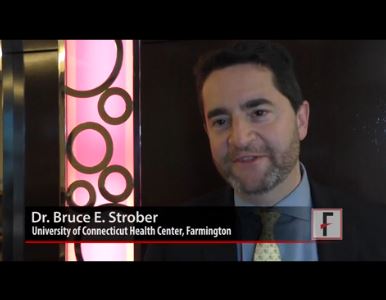
LAS VEGAS – Interleukin-23 (IL-23) inhibitors, currently in the pipeline for treating psoriasis, are showing great promise for the treatment of the disease, Bruce E. Strober, MD, PhD, said in a video interview at the Skin Disease Education Foundation’s Las Vegas Dermatology Seminar.
“There likely will be at least three, if not four, IL-23 inhibitors, all biologics, approved within the next 5 years,” said Dr. Strober, professor and chair of the department of dermatology at the University of Connecticut Health Center, Farmington. “The IL-23 inhibitors are specific, and they seem to be delivering as good or better efficacy than ustekinumab,” with the potential for longer dosing intervals, depending on the patient, he noted.
Dr. Strober disclosed relationships with multiple companies including AbbVie, Amgen, Boehringer Ingelheim, Celgene, Dermira, GlaxoSmithKline, Merck, Novartis, and Pfizer.
SDEF and this news organization are owned by the same parent company.
The video associated with this article is no longer available on this site. Please view all of our videos on the MDedge YouTube channel
LAS VEGAS – Interleukin-23 (IL-23) inhibitors, currently in the pipeline for treating psoriasis, are showing great promise for the treatment of the disease, Bruce E. Strober, MD, PhD, said in a video interview at the Skin Disease Education Foundation’s Las Vegas Dermatology Seminar.
“There likely will be at least three, if not four, IL-23 inhibitors, all biologics, approved within the next 5 years,” said Dr. Strober, professor and chair of the department of dermatology at the University of Connecticut Health Center, Farmington. “The IL-23 inhibitors are specific, and they seem to be delivering as good or better efficacy than ustekinumab,” with the potential for longer dosing intervals, depending on the patient, he noted.
Dr. Strober disclosed relationships with multiple companies including AbbVie, Amgen, Boehringer Ingelheim, Celgene, Dermira, GlaxoSmithKline, Merck, Novartis, and Pfizer.
SDEF and this news organization are owned by the same parent company.
The video associated with this article is no longer available on this site. Please view all of our videos on the MDedge YouTube channel
LAS VEGAS – Interleukin-23 (IL-23) inhibitors, currently in the pipeline for treating psoriasis, are showing great promise for the treatment of the disease, Bruce E. Strober, MD, PhD, said in a video interview at the Skin Disease Education Foundation’s Las Vegas Dermatology Seminar.
“There likely will be at least three, if not four, IL-23 inhibitors, all biologics, approved within the next 5 years,” said Dr. Strober, professor and chair of the department of dermatology at the University of Connecticut Health Center, Farmington. “The IL-23 inhibitors are specific, and they seem to be delivering as good or better efficacy than ustekinumab,” with the potential for longer dosing intervals, depending on the patient, he noted.
Dr. Strober disclosed relationships with multiple companies including AbbVie, Amgen, Boehringer Ingelheim, Celgene, Dermira, GlaxoSmithKline, Merck, Novartis, and Pfizer.
SDEF and this news organization are owned by the same parent company.
The video associated with this article is no longer available on this site. Please view all of our videos on the MDedge YouTube channel
EXPERT ANALYSIS FROM SDEF LAS VEGAS DERMATOLOGY SEMINAR
VIDEO: Recognizing the systemic impact of rosacea
LAS VEGAS – At its core, “we understand that rosacea is an inflammatory disease,” Linda Stein Gold, MD, said at the Skin Disease Education Foundation’s annual Las Vegas Dermatology Seminar.
As with psoriasis, she added, “we understand that rosacea might have some systemic implications.”
In fact, data suggest that cardiovascular disease is independently associated with rosacea after controlling for multiple variables, she noted. “So we now believe it’s important to get the inflammation under control, not just for the skin, but for the body as a whole,” Dr. Stein Gold, director of dermatology research, Henry Ford Health System, Detroit, said in a video interview.
She disclosed receiving research support, serving as a consultant, serving on the speakers bureau, and/or serving on the scientific advisory board for multiple pharmaceutical companies.
SDEF and this organization are owned by the same parent company.
The video associated with this article is no longer available on this site. Please view all of our videos on the MDedge YouTube channel
LAS VEGAS – At its core, “we understand that rosacea is an inflammatory disease,” Linda Stein Gold, MD, said at the Skin Disease Education Foundation’s annual Las Vegas Dermatology Seminar.
As with psoriasis, she added, “we understand that rosacea might have some systemic implications.”
In fact, data suggest that cardiovascular disease is independently associated with rosacea after controlling for multiple variables, she noted. “So we now believe it’s important to get the inflammation under control, not just for the skin, but for the body as a whole,” Dr. Stein Gold, director of dermatology research, Henry Ford Health System, Detroit, said in a video interview.
She disclosed receiving research support, serving as a consultant, serving on the speakers bureau, and/or serving on the scientific advisory board for multiple pharmaceutical companies.
SDEF and this organization are owned by the same parent company.
The video associated with this article is no longer available on this site. Please view all of our videos on the MDedge YouTube channel
LAS VEGAS – At its core, “we understand that rosacea is an inflammatory disease,” Linda Stein Gold, MD, said at the Skin Disease Education Foundation’s annual Las Vegas Dermatology Seminar.
As with psoriasis, she added, “we understand that rosacea might have some systemic implications.”
In fact, data suggest that cardiovascular disease is independently associated with rosacea after controlling for multiple variables, she noted. “So we now believe it’s important to get the inflammation under control, not just for the skin, but for the body as a whole,” Dr. Stein Gold, director of dermatology research, Henry Ford Health System, Detroit, said in a video interview.
She disclosed receiving research support, serving as a consultant, serving on the speakers bureau, and/or serving on the scientific advisory board for multiple pharmaceutical companies.
SDEF and this organization are owned by the same parent company.
The video associated with this article is no longer available on this site. Please view all of our videos on the MDedge YouTube channel
EXPERT ANALYSIS AT SDEF LAS VEGAS DERMATOLOGY SEMINAR

VIDEO: Topical antifungals win with patients
LAS VEGAS – New topical treatment options for onychomycosis represent significant improvements over older agents, and may approach the success seen with oral drugs, according to Dr. Theodore Rosen, professor of dermatology, Baylor College of Medicine, Houston.
Efinaconazole and tavaborole both permeate the nail and allow for spreading to the lateral nail folds and hyponychium, Dr. Rosen said in a video interview at the Skin Disease Education Foundation’s annual Las Vegas Dermatology Seminar. Moreover, the topical treatments are popular with patients. Even if patients are not 100% clear, they are usually happy if their condition improves enough to wear sandals with confidence, Dr. Rosen added in the interview.
SDEF and this news organization are owned by the same parent company.
Dr. Rosen disclosed being a paid participant on the scientific advisory boards for Anacor and Valeant.
The video associated with this article is no longer available on this site. Please view all of our videos on the MDedge YouTube channel
LAS VEGAS – New topical treatment options for onychomycosis represent significant improvements over older agents, and may approach the success seen with oral drugs, according to Dr. Theodore Rosen, professor of dermatology, Baylor College of Medicine, Houston.
Efinaconazole and tavaborole both permeate the nail and allow for spreading to the lateral nail folds and hyponychium, Dr. Rosen said in a video interview at the Skin Disease Education Foundation’s annual Las Vegas Dermatology Seminar. Moreover, the topical treatments are popular with patients. Even if patients are not 100% clear, they are usually happy if their condition improves enough to wear sandals with confidence, Dr. Rosen added in the interview.
SDEF and this news organization are owned by the same parent company.
Dr. Rosen disclosed being a paid participant on the scientific advisory boards for Anacor and Valeant.
The video associated with this article is no longer available on this site. Please view all of our videos on the MDedge YouTube channel
LAS VEGAS – New topical treatment options for onychomycosis represent significant improvements over older agents, and may approach the success seen with oral drugs, according to Dr. Theodore Rosen, professor of dermatology, Baylor College of Medicine, Houston.
Efinaconazole and tavaborole both permeate the nail and allow for spreading to the lateral nail folds and hyponychium, Dr. Rosen said in a video interview at the Skin Disease Education Foundation’s annual Las Vegas Dermatology Seminar. Moreover, the topical treatments are popular with patients. Even if patients are not 100% clear, they are usually happy if their condition improves enough to wear sandals with confidence, Dr. Rosen added in the interview.
SDEF and this news organization are owned by the same parent company.
Dr. Rosen disclosed being a paid participant on the scientific advisory boards for Anacor and Valeant.
The video associated with this article is no longer available on this site. Please view all of our videos on the MDedge YouTube channel
EXPERT ANALYSIS FROM SDEF LAS VEGAS SEMINAR

VIDEO: No effect of donor on FMT outcomes in C. difficile patients
NEW ORLEANS – Fecal microbiota transplantation, or FMT, is a highly effective treatment for Clostridium difficile infection (CDI) and other digestive and autoimmune disorders, but little is known about the role of donor characteristics with respect to outcomes in patients with recurrent CDI.
A study of nearly 1,999 patients with an 83.9% cure rate showed no significant difference between 28 donors in terms of clinical outcomes at 8 weeks, according to Majdi Osman, MD, of OpenBiome, a not-for-profit stool bank in the Boston area.
Studies in inflammatory bowel diseases have suggested that donors do matter, but that does not appear to be the case when it comes to recurrent CDI, Dr. Osman said at an annual scientific meeting on infectious diseases.
“Broadly speaking, it seems like the efficacy rate is the same amongst all of our donors,” he said in a video interview at the combined annual meetings of the Infectious Diseases Society of America, the Society for Healthcare Epidemiology of America, the HIV Medicine Association, and the Pediatric Infectious Diseases Society.
The video associated with this article is no longer available on this site. Please view all of our videos on the MDedge YouTube channel
Potential donors are subject to a rigorous screening process, and less than 3% are accepted, but given that donors were shown in previous studies to play a role in effectiveness in some other conditions, Dr. Osman said it was worth checking to see if outcomes in CDI could be further improved through donor selection.
In fact, it appears that “the donor doesn’t matter,” he said, noting that it may be that “we are selecting for a fairly narrow spectrum of the population, and actually the stool that we’re selecting is fairly similar in composition.”
Efforts are underway to look more closely at that possibility, and Dr. Osman said he hopes to see more standardized clinical trials and clinical follow-up. He also said he is excited about an FMT registry – a joint project of the American Gastroenterology Association and the Infectious Diseases Society of America – that will follow 4,000 patients for 10 years.
“We will be working closely with them to provide material and get some really good robust clinical data going forward,” he said.
Dr. Osman reported having no disclosures.
NEW ORLEANS – Fecal microbiota transplantation, or FMT, is a highly effective treatment for Clostridium difficile infection (CDI) and other digestive and autoimmune disorders, but little is known about the role of donor characteristics with respect to outcomes in patients with recurrent CDI.
A study of nearly 1,999 patients with an 83.9% cure rate showed no significant difference between 28 donors in terms of clinical outcomes at 8 weeks, according to Majdi Osman, MD, of OpenBiome, a not-for-profit stool bank in the Boston area.
Studies in inflammatory bowel diseases have suggested that donors do matter, but that does not appear to be the case when it comes to recurrent CDI, Dr. Osman said at an annual scientific meeting on infectious diseases.
“Broadly speaking, it seems like the efficacy rate is the same amongst all of our donors,” he said in a video interview at the combined annual meetings of the Infectious Diseases Society of America, the Society for Healthcare Epidemiology of America, the HIV Medicine Association, and the Pediatric Infectious Diseases Society.
The video associated with this article is no longer available on this site. Please view all of our videos on the MDedge YouTube channel
Potential donors are subject to a rigorous screening process, and less than 3% are accepted, but given that donors were shown in previous studies to play a role in effectiveness in some other conditions, Dr. Osman said it was worth checking to see if outcomes in CDI could be further improved through donor selection.
In fact, it appears that “the donor doesn’t matter,” he said, noting that it may be that “we are selecting for a fairly narrow spectrum of the population, and actually the stool that we’re selecting is fairly similar in composition.”
Efforts are underway to look more closely at that possibility, and Dr. Osman said he hopes to see more standardized clinical trials and clinical follow-up. He also said he is excited about an FMT registry – a joint project of the American Gastroenterology Association and the Infectious Diseases Society of America – that will follow 4,000 patients for 10 years.
“We will be working closely with them to provide material and get some really good robust clinical data going forward,” he said.
Dr. Osman reported having no disclosures.
NEW ORLEANS – Fecal microbiota transplantation, or FMT, is a highly effective treatment for Clostridium difficile infection (CDI) and other digestive and autoimmune disorders, but little is known about the role of donor characteristics with respect to outcomes in patients with recurrent CDI.
A study of nearly 1,999 patients with an 83.9% cure rate showed no significant difference between 28 donors in terms of clinical outcomes at 8 weeks, according to Majdi Osman, MD, of OpenBiome, a not-for-profit stool bank in the Boston area.
Studies in inflammatory bowel diseases have suggested that donors do matter, but that does not appear to be the case when it comes to recurrent CDI, Dr. Osman said at an annual scientific meeting on infectious diseases.
“Broadly speaking, it seems like the efficacy rate is the same amongst all of our donors,” he said in a video interview at the combined annual meetings of the Infectious Diseases Society of America, the Society for Healthcare Epidemiology of America, the HIV Medicine Association, and the Pediatric Infectious Diseases Society.
The video associated with this article is no longer available on this site. Please view all of our videos on the MDedge YouTube channel
Potential donors are subject to a rigorous screening process, and less than 3% are accepted, but given that donors were shown in previous studies to play a role in effectiveness in some other conditions, Dr. Osman said it was worth checking to see if outcomes in CDI could be further improved through donor selection.
In fact, it appears that “the donor doesn’t matter,” he said, noting that it may be that “we are selecting for a fairly narrow spectrum of the population, and actually the stool that we’re selecting is fairly similar in composition.”
Efforts are underway to look more closely at that possibility, and Dr. Osman said he hopes to see more standardized clinical trials and clinical follow-up. He also said he is excited about an FMT registry – a joint project of the American Gastroenterology Association and the Infectious Diseases Society of America – that will follow 4,000 patients for 10 years.
“We will be working closely with them to provide material and get some really good robust clinical data going forward,” he said.
Dr. Osman reported having no disclosures.