User login
Need is dire for palliative care in disaster planning
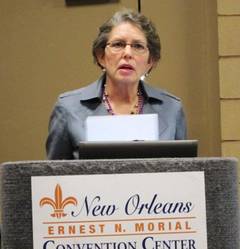
NEW ORLEANS – In a room filled with roughly 2,000 health care providers, just a dozen or so hands went up when the audience was asked whether their hospital or state had a "crisis standards of care" protocol.
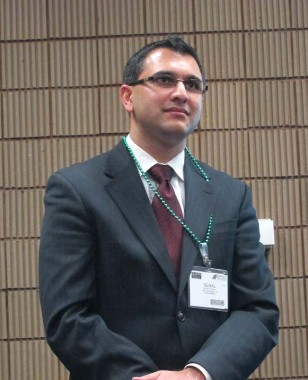
"That’s actually very common, because the problem with some of these protocols is that very few people know that they exist, which makes it hard to implement them in a time of crisis," Dr. Sheri Fink said during a disaster preparedness plenary session at the annual meeting of the American Academy of Hospice and Palliative Medicine.
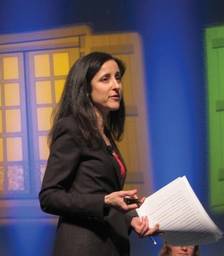
Dr. Fink and other experts made the case for a wider discussion of the often agonizing decisions health care providers face when natural disasters disrupt delivery of care. For example: After "superstorm" Hurricane Sandy last fall, providers at one hospital were warned of the possibility they might be faced with having just six functioning power outlets for 56 ICU patients. No one should have to make that kind of call alone, the experts contend.
The Institute of Medicine (IOM) issued a 2009 report in the wake of Hurricane Katrina defining crisis standards of care (CSC), and followed it up last year with a series of templates to guide those responsible for CSC planning and implementation.
Many CSC protocols call for withdrawing patients from scarce resources, and offer guidance on how to score patients for resource allocation and evacuation. Very little research is available, however, to support these triage protocols, and most fail to discuss the practical removal of care, according to Dr. Fink, a senior fellow at the Harvard Humanitarian Initiative who earned a 2010 Pulitzer prize for investigative reporting on the deadly choices made after Katrina at Memorial Medical Center in New Orleans.
"All of you here who have engaged in end-of-life discussions, who’ve dealt with withdrawing patients from ventilators where the care is futile, know just how hard it is to help the family wrap their mind around that," she said. "Just imagine being in a disaster when you have to do that, and there’s a reasonable chance that the patient could survive."
In New Orleans, the sickest of the sick with a DNR (do not resuscitate) order were taken out last from Memorial Hospital – but no one asked them or their families, thus violating patient autonomy. Some families who found out about the decision begged to have the DNR rescinded and their loved ones moved. After Sandy, some hospitals planned to evacuate the sickest; but after triaging patients and explaining the scope of the disaster to families, they found that many families let other patients go first, Dr. Fink said.
"DNR orders aren’t necessarily a great triage," she said. "They tell you about the patient’s foresight about dying, not about their ability to survive."
Hospitals understand the need to have redundant communication systems and off-site drug supplies, but they may not think about such practical issues as the weight of their patients, said Marianne Matzo, Ph.D., chair of palliative care nursing at the University of Oklahoma Health Sciences Center College of Nursing in Oklahoma City, and a member of the IOM committee that crafted the CSC templates.
During Katrina, emergency cots broke under the weight of obese patients, while helicopter pilots told hospital staff they could evacuate two obese patients or four normal-weight patients. After Sandy, two obese patients had to be sheltered in place at Bellevue Hospital in New York because they were too heavy to be transported out once the electricity went out.
In the face of America’s obesity epidemic, a first step in triage may be to move heavier patients to lower floors, before the elevators stop working, she said.
The IOM has convened a new committee to look at what triggers the activation of CSC protocols. During Sandy, the trigger was the same, but the responses varied. The Veterans Health Administration evacuated its patients before the storm, Bellevue evacuated patients after the storm and, unfortunately, New York University evacuated patients during the storm, Dr. Matzo said.
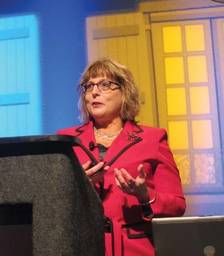
Both women pointed to the need for greater discourse and education among physicians and the public about disaster planning, response, and recovery.
Vital education for all first responders and providers should include how to access medication stockpiles, how to titrate opiates for patients in pain and near death, how to use medications to manage symptoms so an individual experiences a comfortable death, and basics in psychosocial counseling and support for peer-to-peer and provider/patient services under mass casualty event scenarios, Dr. Matzo said.
When disaster planners make decisions about which patients will and will not get access to lifesaving resources without the help of palliative care experts, Dr. Fink said, "it’s just sort of assumed that the default is that everyone else will get palliated."
However, the lesson learned from New Orleans and other recent U.S. disasters is that few actually do.
Dr. Fink and Dr. Matzo reported no relevant disclosures.
It seems that there are two broad categories of disasters: mass-casualty events (in which our existing health care infrastructure is not compromised) and natural disasters (in which the infrastructure as well as safety of patients, health care providers and their families may be at risk).
In both cases, we are learning from each successive event (as demonstrated by the Dr. Fink reporting and by efforts to standardize the approach to ethical dilemmas, triage, etc). Having been at war for the last 10 or so years has improved coordination of response at the community and health care system level.
During a disaster, we can really only follow our training and care for the patients in our institutions. Going forward, it is imperative that hospitalists be involved in disaster-planning efforts in their respective institutions.
Hospitalists may be asked to help determine when and if to deploy scarce resources, and as such should advocate for institutional or perhaps statewide standards. This keeps the onus for making these decisions off individual physicians. The Institute of Medicine's initial efforts at producing such standards can be found at tinyurl.com/IOMCrisis.
Leigh Fredholm, M.D., is a codirector of Seton Health Palliative Care, part of the University of Texas Southwestern Residency Programs in Austin. She is coauthor of the Palliatively Speaking blog for Hospitalist News.
It seems that there are two broad categories of disasters: mass-casualty events (in which our existing health care infrastructure is not compromised) and natural disasters (in which the infrastructure as well as safety of patients, health care providers and their families may be at risk).
In both cases, we are learning from each successive event (as demonstrated by the Dr. Fink reporting and by efforts to standardize the approach to ethical dilemmas, triage, etc). Having been at war for the last 10 or so years has improved coordination of response at the community and health care system level.
During a disaster, we can really only follow our training and care for the patients in our institutions. Going forward, it is imperative that hospitalists be involved in disaster-planning efforts in their respective institutions.
Hospitalists may be asked to help determine when and if to deploy scarce resources, and as such should advocate for institutional or perhaps statewide standards. This keeps the onus for making these decisions off individual physicians. The Institute of Medicine's initial efforts at producing such standards can be found at tinyurl.com/IOMCrisis.
Leigh Fredholm, M.D., is a codirector of Seton Health Palliative Care, part of the University of Texas Southwestern Residency Programs in Austin. She is coauthor of the Palliatively Speaking blog for Hospitalist News.
It seems that there are two broad categories of disasters: mass-casualty events (in which our existing health care infrastructure is not compromised) and natural disasters (in which the infrastructure as well as safety of patients, health care providers and their families may be at risk).
In both cases, we are learning from each successive event (as demonstrated by the Dr. Fink reporting and by efforts to standardize the approach to ethical dilemmas, triage, etc). Having been at war for the last 10 or so years has improved coordination of response at the community and health care system level.
During a disaster, we can really only follow our training and care for the patients in our institutions. Going forward, it is imperative that hospitalists be involved in disaster-planning efforts in their respective institutions.
Hospitalists may be asked to help determine when and if to deploy scarce resources, and as such should advocate for institutional or perhaps statewide standards. This keeps the onus for making these decisions off individual physicians. The Institute of Medicine's initial efforts at producing such standards can be found at tinyurl.com/IOMCrisis.
Leigh Fredholm, M.D., is a codirector of Seton Health Palliative Care, part of the University of Texas Southwestern Residency Programs in Austin. She is coauthor of the Palliatively Speaking blog for Hospitalist News.
NEW ORLEANS – In a room filled with roughly 2,000 health care providers, just a dozen or so hands went up when the audience was asked whether their hospital or state had a "crisis standards of care" protocol.
"That’s actually very common, because the problem with some of these protocols is that very few people know that they exist, which makes it hard to implement them in a time of crisis," Dr. Sheri Fink said during a disaster preparedness plenary session at the annual meeting of the American Academy of Hospice and Palliative Medicine.
Dr. Fink and other experts made the case for a wider discussion of the often agonizing decisions health care providers face when natural disasters disrupt delivery of care. For example: After "superstorm" Hurricane Sandy last fall, providers at one hospital were warned of the possibility they might be faced with having just six functioning power outlets for 56 ICU patients. No one should have to make that kind of call alone, the experts contend.
The Institute of Medicine (IOM) issued a 2009 report in the wake of Hurricane Katrina defining crisis standards of care (CSC), and followed it up last year with a series of templates to guide those responsible for CSC planning and implementation.
Many CSC protocols call for withdrawing patients from scarce resources, and offer guidance on how to score patients for resource allocation and evacuation. Very little research is available, however, to support these triage protocols, and most fail to discuss the practical removal of care, according to Dr. Fink, a senior fellow at the Harvard Humanitarian Initiative who earned a 2010 Pulitzer prize for investigative reporting on the deadly choices made after Katrina at Memorial Medical Center in New Orleans.
"All of you here who have engaged in end-of-life discussions, who’ve dealt with withdrawing patients from ventilators where the care is futile, know just how hard it is to help the family wrap their mind around that," she said. "Just imagine being in a disaster when you have to do that, and there’s a reasonable chance that the patient could survive."
In New Orleans, the sickest of the sick with a DNR (do not resuscitate) order were taken out last from Memorial Hospital – but no one asked them or their families, thus violating patient autonomy. Some families who found out about the decision begged to have the DNR rescinded and their loved ones moved. After Sandy, some hospitals planned to evacuate the sickest; but after triaging patients and explaining the scope of the disaster to families, they found that many families let other patients go first, Dr. Fink said.
"DNR orders aren’t necessarily a great triage," she said. "They tell you about the patient’s foresight about dying, not about their ability to survive."
Hospitals understand the need to have redundant communication systems and off-site drug supplies, but they may not think about such practical issues as the weight of their patients, said Marianne Matzo, Ph.D., chair of palliative care nursing at the University of Oklahoma Health Sciences Center College of Nursing in Oklahoma City, and a member of the IOM committee that crafted the CSC templates.
During Katrina, emergency cots broke under the weight of obese patients, while helicopter pilots told hospital staff they could evacuate two obese patients or four normal-weight patients. After Sandy, two obese patients had to be sheltered in place at Bellevue Hospital in New York because they were too heavy to be transported out once the electricity went out.
In the face of America’s obesity epidemic, a first step in triage may be to move heavier patients to lower floors, before the elevators stop working, she said.
The IOM has convened a new committee to look at what triggers the activation of CSC protocols. During Sandy, the trigger was the same, but the responses varied. The Veterans Health Administration evacuated its patients before the storm, Bellevue evacuated patients after the storm and, unfortunately, New York University evacuated patients during the storm, Dr. Matzo said.
Both women pointed to the need for greater discourse and education among physicians and the public about disaster planning, response, and recovery.
Vital education for all first responders and providers should include how to access medication stockpiles, how to titrate opiates for patients in pain and near death, how to use medications to manage symptoms so an individual experiences a comfortable death, and basics in psychosocial counseling and support for peer-to-peer and provider/patient services under mass casualty event scenarios, Dr. Matzo said.
When disaster planners make decisions about which patients will and will not get access to lifesaving resources without the help of palliative care experts, Dr. Fink said, "it’s just sort of assumed that the default is that everyone else will get palliated."
However, the lesson learned from New Orleans and other recent U.S. disasters is that few actually do.
Dr. Fink and Dr. Matzo reported no relevant disclosures.
NEW ORLEANS – In a room filled with roughly 2,000 health care providers, just a dozen or so hands went up when the audience was asked whether their hospital or state had a "crisis standards of care" protocol.
"That’s actually very common, because the problem with some of these protocols is that very few people know that they exist, which makes it hard to implement them in a time of crisis," Dr. Sheri Fink said during a disaster preparedness plenary session at the annual meeting of the American Academy of Hospice and Palliative Medicine.
Dr. Fink and other experts made the case for a wider discussion of the often agonizing decisions health care providers face when natural disasters disrupt delivery of care. For example: After "superstorm" Hurricane Sandy last fall, providers at one hospital were warned of the possibility they might be faced with having just six functioning power outlets for 56 ICU patients. No one should have to make that kind of call alone, the experts contend.
The Institute of Medicine (IOM) issued a 2009 report in the wake of Hurricane Katrina defining crisis standards of care (CSC), and followed it up last year with a series of templates to guide those responsible for CSC planning and implementation.
Many CSC protocols call for withdrawing patients from scarce resources, and offer guidance on how to score patients for resource allocation and evacuation. Very little research is available, however, to support these triage protocols, and most fail to discuss the practical removal of care, according to Dr. Fink, a senior fellow at the Harvard Humanitarian Initiative who earned a 2010 Pulitzer prize for investigative reporting on the deadly choices made after Katrina at Memorial Medical Center in New Orleans.
"All of you here who have engaged in end-of-life discussions, who’ve dealt with withdrawing patients from ventilators where the care is futile, know just how hard it is to help the family wrap their mind around that," she said. "Just imagine being in a disaster when you have to do that, and there’s a reasonable chance that the patient could survive."
In New Orleans, the sickest of the sick with a DNR (do not resuscitate) order were taken out last from Memorial Hospital – but no one asked them or their families, thus violating patient autonomy. Some families who found out about the decision begged to have the DNR rescinded and their loved ones moved. After Sandy, some hospitals planned to evacuate the sickest; but after triaging patients and explaining the scope of the disaster to families, they found that many families let other patients go first, Dr. Fink said.
"DNR orders aren’t necessarily a great triage," she said. "They tell you about the patient’s foresight about dying, not about their ability to survive."
Hospitals understand the need to have redundant communication systems and off-site drug supplies, but they may not think about such practical issues as the weight of their patients, said Marianne Matzo, Ph.D., chair of palliative care nursing at the University of Oklahoma Health Sciences Center College of Nursing in Oklahoma City, and a member of the IOM committee that crafted the CSC templates.
During Katrina, emergency cots broke under the weight of obese patients, while helicopter pilots told hospital staff they could evacuate two obese patients or four normal-weight patients. After Sandy, two obese patients had to be sheltered in place at Bellevue Hospital in New York because they were too heavy to be transported out once the electricity went out.
In the face of America’s obesity epidemic, a first step in triage may be to move heavier patients to lower floors, before the elevators stop working, she said.
The IOM has convened a new committee to look at what triggers the activation of CSC protocols. During Sandy, the trigger was the same, but the responses varied. The Veterans Health Administration evacuated its patients before the storm, Bellevue evacuated patients after the storm and, unfortunately, New York University evacuated patients during the storm, Dr. Matzo said.
Both women pointed to the need for greater discourse and education among physicians and the public about disaster planning, response, and recovery.
Vital education for all first responders and providers should include how to access medication stockpiles, how to titrate opiates for patients in pain and near death, how to use medications to manage symptoms so an individual experiences a comfortable death, and basics in psychosocial counseling and support for peer-to-peer and provider/patient services under mass casualty event scenarios, Dr. Matzo said.
When disaster planners make decisions about which patients will and will not get access to lifesaving resources without the help of palliative care experts, Dr. Fink said, "it’s just sort of assumed that the default is that everyone else will get palliated."
However, the lesson learned from New Orleans and other recent U.S. disasters is that few actually do.
Dr. Fink and Dr. Matzo reported no relevant disclosures.
AT THE AAHPM ANNUAL ASSEMBLY
Dexamethasone eases end-of-life cancer-related fatigue
NEW ORLEANS – Dexamethasone was more effective than was placebo in relieving cancer-related fatigue in a double-blind randomized trial of patients with advanced cancer.
After 14 days of treatment, scores on the Functional Assessment of Chronic Illness Therapy (FACIT) fatigue subscale improved by nearly 6 points in the dexamethasone group (9.0 vs. 3.1; P = .008).
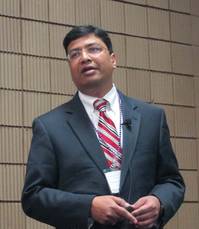
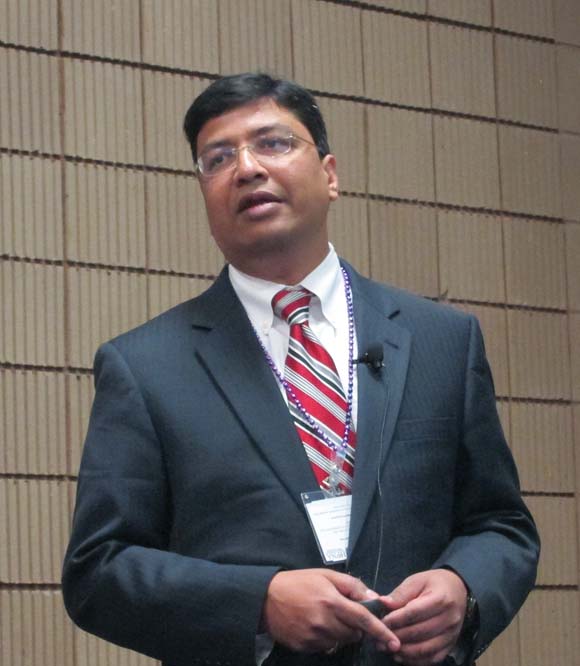
"[Treatment] duration is very important in our patient population because when they are referred to us, it’s very late. They typically have a survival of just 28 to 7 days," Dr. Sriram Yennu said at the annual meeting of the American Academy of Hospice and Palliative Medicine.
Although 20%-50% of palliative care patients receive some form of corticosteroid, no steroid study to date has used cancer-related fatigue (CRF) as a primary outcome or assessed CRF with a validated outcome measure, he said. Fatigue is ubiquitous, however, contributing up to one-third of symptom distress in patients with advanced cancer.
The study enrolled 132 outpatients with a life expectancy of at least 4 weeks with three or more cancer-related symptoms (fatigue, pain, nausea, loss of appetite, depression, anxiety, or sleep disturbance), and randomly assigned them to oral dexamethasone 4 mg twice daily or placebo for 14 days.
The most common diagnosis was head and neck/lung cancer in 45 patients, followed by gastrointestinal cancer in 39, breast cancer in 13, and genitourinary in 10. Median patient age was 60; 81 patients were white, and the average FACIT fatigue score was 19.6, where 52 denotes no fatigue and 0 is severe fatigue.
Among 84 evaluable patients, total scores on FACIT favored the dexamethasone group (18.16 vs. 7.87; P = .03), as did scores on its physical subscale (5.25 vs. 1.32; P = .002), said Dr. Yennu of the department of palliative care and rehabilitation medicine, University of Texas MD Anderson Cancer Center, Houston.
Scores on the physical domain of the Edmonton Symptom Assessment Scale (ESAS) were better in the dexamethasone group than in the placebo group (–10.15 vs. –5.39; P = .04), according to the study, which earned Dr. Yennu a young investigator award.
Notably, scores were similar between the dexamethasone and placebo groups on the emotional subscale of FACIT (1.85 vs. 1.18; P = .49) and the ESAS psychological subscale (–1.48 vs. –2.08; P = .76). The emotional domain of the FACIT-F is measured by six items using a 0-4 scale where 0 is "not at all" and 4 includes statements like "I am losing hope in the fight against my illness." The finding suggests that the improvement in fatigue was likely not just a euphoric effect, as observed before in other steroid trials, Dr. Yennu said.
He expressed concern that corticosteroid use would increase toxicity, particularly insomnia, but no significant differences were observed between the dexamethasone and placebo groups regarding insomnia (3 vs. 4), overall adverse events (41 vs. 44) or serious adverse events (17 vs. 11).
Larger, long-term safety and efficacy studies are needed to address steroid dose and duration, and whether dexamethasone should be coupled with interventions targeting the psychological domain, he said. A 3-point difference in the FACIT is considered clinically important, but research in press in the Journal of Clinical Oncology, by Dr. Yennu and his colleagues, suggests a 10-point difference is more meaningful.
The American Cancer Society supported the study. Dr. Yennu reported having no financial disclosures.
NEW ORLEANS – Dexamethasone was more effective than was placebo in relieving cancer-related fatigue in a double-blind randomized trial of patients with advanced cancer.
After 14 days of treatment, scores on the Functional Assessment of Chronic Illness Therapy (FACIT) fatigue subscale improved by nearly 6 points in the dexamethasone group (9.0 vs. 3.1; P = .008).
"[Treatment] duration is very important in our patient population because when they are referred to us, it’s very late. They typically have a survival of just 28 to 7 days," Dr. Sriram Yennu said at the annual meeting of the American Academy of Hospice and Palliative Medicine.
Although 20%-50% of palliative care patients receive some form of corticosteroid, no steroid study to date has used cancer-related fatigue (CRF) as a primary outcome or assessed CRF with a validated outcome measure, he said. Fatigue is ubiquitous, however, contributing up to one-third of symptom distress in patients with advanced cancer.
The study enrolled 132 outpatients with a life expectancy of at least 4 weeks with three or more cancer-related symptoms (fatigue, pain, nausea, loss of appetite, depression, anxiety, or sleep disturbance), and randomly assigned them to oral dexamethasone 4 mg twice daily or placebo for 14 days.
The most common diagnosis was head and neck/lung cancer in 45 patients, followed by gastrointestinal cancer in 39, breast cancer in 13, and genitourinary in 10. Median patient age was 60; 81 patients were white, and the average FACIT fatigue score was 19.6, where 52 denotes no fatigue and 0 is severe fatigue.
Among 84 evaluable patients, total scores on FACIT favored the dexamethasone group (18.16 vs. 7.87; P = .03), as did scores on its physical subscale (5.25 vs. 1.32; P = .002), said Dr. Yennu of the department of palliative care and rehabilitation medicine, University of Texas MD Anderson Cancer Center, Houston.
Scores on the physical domain of the Edmonton Symptom Assessment Scale (ESAS) were better in the dexamethasone group than in the placebo group (–10.15 vs. –5.39; P = .04), according to the study, which earned Dr. Yennu a young investigator award.
Notably, scores were similar between the dexamethasone and placebo groups on the emotional subscale of FACIT (1.85 vs. 1.18; P = .49) and the ESAS psychological subscale (–1.48 vs. –2.08; P = .76). The emotional domain of the FACIT-F is measured by six items using a 0-4 scale where 0 is "not at all" and 4 includes statements like "I am losing hope in the fight against my illness." The finding suggests that the improvement in fatigue was likely not just a euphoric effect, as observed before in other steroid trials, Dr. Yennu said.
He expressed concern that corticosteroid use would increase toxicity, particularly insomnia, but no significant differences were observed between the dexamethasone and placebo groups regarding insomnia (3 vs. 4), overall adverse events (41 vs. 44) or serious adverse events (17 vs. 11).
Larger, long-term safety and efficacy studies are needed to address steroid dose and duration, and whether dexamethasone should be coupled with interventions targeting the psychological domain, he said. A 3-point difference in the FACIT is considered clinically important, but research in press in the Journal of Clinical Oncology, by Dr. Yennu and his colleagues, suggests a 10-point difference is more meaningful.
The American Cancer Society supported the study. Dr. Yennu reported having no financial disclosures.
NEW ORLEANS – Dexamethasone was more effective than was placebo in relieving cancer-related fatigue in a double-blind randomized trial of patients with advanced cancer.
After 14 days of treatment, scores on the Functional Assessment of Chronic Illness Therapy (FACIT) fatigue subscale improved by nearly 6 points in the dexamethasone group (9.0 vs. 3.1; P = .008).
"[Treatment] duration is very important in our patient population because when they are referred to us, it’s very late. They typically have a survival of just 28 to 7 days," Dr. Sriram Yennu said at the annual meeting of the American Academy of Hospice and Palliative Medicine.
Although 20%-50% of palliative care patients receive some form of corticosteroid, no steroid study to date has used cancer-related fatigue (CRF) as a primary outcome or assessed CRF with a validated outcome measure, he said. Fatigue is ubiquitous, however, contributing up to one-third of symptom distress in patients with advanced cancer.
The study enrolled 132 outpatients with a life expectancy of at least 4 weeks with three or more cancer-related symptoms (fatigue, pain, nausea, loss of appetite, depression, anxiety, or sleep disturbance), and randomly assigned them to oral dexamethasone 4 mg twice daily or placebo for 14 days.
The most common diagnosis was head and neck/lung cancer in 45 patients, followed by gastrointestinal cancer in 39, breast cancer in 13, and genitourinary in 10. Median patient age was 60; 81 patients were white, and the average FACIT fatigue score was 19.6, where 52 denotes no fatigue and 0 is severe fatigue.
Among 84 evaluable patients, total scores on FACIT favored the dexamethasone group (18.16 vs. 7.87; P = .03), as did scores on its physical subscale (5.25 vs. 1.32; P = .002), said Dr. Yennu of the department of palliative care and rehabilitation medicine, University of Texas MD Anderson Cancer Center, Houston.
Scores on the physical domain of the Edmonton Symptom Assessment Scale (ESAS) were better in the dexamethasone group than in the placebo group (–10.15 vs. –5.39; P = .04), according to the study, which earned Dr. Yennu a young investigator award.
Notably, scores were similar between the dexamethasone and placebo groups on the emotional subscale of FACIT (1.85 vs. 1.18; P = .49) and the ESAS psychological subscale (–1.48 vs. –2.08; P = .76). The emotional domain of the FACIT-F is measured by six items using a 0-4 scale where 0 is "not at all" and 4 includes statements like "I am losing hope in the fight against my illness." The finding suggests that the improvement in fatigue was likely not just a euphoric effect, as observed before in other steroid trials, Dr. Yennu said.
He expressed concern that corticosteroid use would increase toxicity, particularly insomnia, but no significant differences were observed between the dexamethasone and placebo groups regarding insomnia (3 vs. 4), overall adverse events (41 vs. 44) or serious adverse events (17 vs. 11).
Larger, long-term safety and efficacy studies are needed to address steroid dose and duration, and whether dexamethasone should be coupled with interventions targeting the psychological domain, he said. A 3-point difference in the FACIT is considered clinically important, but research in press in the Journal of Clinical Oncology, by Dr. Yennu and his colleagues, suggests a 10-point difference is more meaningful.
The American Cancer Society supported the study. Dr. Yennu reported having no financial disclosures.
AT THE AAHPM ANNUAL ASSEMBLY
Major finding: Scores on the FACIT fatigue subscale improved by an average of 6 points in patients treated with dexamethasone, compared with 3 points in patients treated with placebo.
Data source: Double-blind, randomized trial of 132 patients with advanced cancer.
Disclosures: The American Cancer Society supported the study. Dr. Yennu reported having no financial disclosures.
Cancer patients embrace pioneer assisted-suicide program
The Death with Dignity program, a pioneering program that includes medically assisted suicide for competent, terminally ill adults treated at a comprehensive cancer center in Seattle, has been well accepted by patients, families, and clinicians, according to a report published online April 11 in the New England Journal of Medicine.
The report details the experience in 2009-2011 with the Death with Dignity program at the Seattle Cancer Care Alliance, which serves all of the Pacific Northwest. The program, "designed to adhere to legal regulations, maintain safety, and ensure the quality of patient care," allows patients with a life expectancy of 6 months or less because of a diagnosed medical condition (usually cancer) to request and self-administer lethal medication prescribed by a physician.
This experience may help to inform efforts to introduce similar programs in other states. At present, Hawaii, Pennsylvania, and Vermont are all considering pertinent legislation, said Dr. Elizabeth Trice Loggers of the Fred Hutchinson Cancer Research Center, Seattle, and her associates.
The program’s policy – written by the Seattle Cancer Care Alliance’s medical director and approved by a majority of the medical executive committee members, as with any clinical policy – requires that patients request information about medically assisted suicide from their physicians, or that these clinicians raise the topic, to be considered for referral. Participation is entirely voluntary for medical staff and faculty members.
Every patient who is a potential participant is first assigned an advocate, a licensed social worker employed by the Alliance, who assists patients, family members, pharmacists, and physicians throughout a multistep process of participating. This advocate also tracks compliance with required documentation for the state Department of Health.
The advocate, as well as the attending physician, ensures that all potential participants are aware of alternatives to medically assisted suicide, such as palliative care and hospice care. The patient’s terminal status is verified, and if the attending physician doesn’t wish to participate, a prescribing physician and a consulting physician are chosen from a group of willing providers.
Psychosocial and psychological assessments are required to ensure the patient’s competence to make the choice of assisted suicide and to identify any depression, which would make the patient ineligible to participate. The patient’s preferences for interventions and health-care directives are documented. Grief support, legacy support, and bereavement support are offered through periodic calls and visits.
The patient and his or her family meet with the prescribing clinician and the consulting clinician to review the diagnosis, prognosis, treatment alternatives, and end-of-life issues. After a mandatory waiting period of 15 days, a written prescription is then sent to the pharmacy, and the pharmacist schedules another appointment with the patient and family to discuss preparation of the drug(s), potential side effects, and the concomitant use of prescription antiemetics.
Patients are then free to fill the prescription or not and to take the drug(s) or not, as they wish.
To date, 114 patients have inquired about the Death with Dignity program, and 44 (38%) either did not pursue the matter further or were deemed ineligible to participate.
Thirty patients (26%) have made a first oral request to initiate the process but either decided not to participate or died before completing the process. Forty patients (35% of those who made an initial inquiry) received prescriptions for lethal medication, and all 40 have died. Twenty-four chose to die by ingesting the medication (secobarbital).
Thus, only 21% of the participants actually used assisted suicide. Death with Dignity participants accounted for 2.4% of all annual deaths among patients at the Seattle Cancer Center Alliance.*
The reasons patients gave most often for participating in the assisted-suicide program were loss of autonomy (97%), inability to engage in enjoyable activities (89%), and loss of dignity (75%).
"We have not received any complaints from family members or caregivers regarding our process or the manner of death. Anecdotally, families describe the death as peaceful (even when death has taken longer than the average of approximately 35 minutes)," Dr. Loggers and her associates wrote physician (N. Engl. J. Med. 2013 April 11;368:1417-24 [doi:10.1056/NEJMsa1213398]).
"Both patients and families frequently express gratitude after the patient received the prescription, regardless of whether it is ever filled or ingested, typically referencing an important sense of control in an uncertain situation," they noted.
Opponents of medically assisted suicide have argued that legislation would disproportionately affect vulnerable populations, such as racial or ethnic minorities, low-income groups, or cognitively impaired patients. The Death with Dignity experience refutes this argument, as most participants were white, male, and well educated, the investigators said.
There have been no unexpected complications among patients who chose assisted suicide, but one patient remained alive for a day after taking the medication. This protracted dying process caused distress to both the family members and the clinicians involved. Similar cases have been reported previously, they added.
*Correction, 4/12/13: An earlier version of this story described findings from a study (citation) in the New England Journal of Medicine. That study misstated the percentage of Death with Dignity patients among all annual patient deaths reported at the Seattle Cancer Center Alliance.
The Death with Dignity program, a pioneering program that includes medically assisted suicide for competent, terminally ill adults treated at a comprehensive cancer center in Seattle, has been well accepted by patients, families, and clinicians, according to a report published online April 11 in the New England Journal of Medicine.
The report details the experience in 2009-2011 with the Death with Dignity program at the Seattle Cancer Care Alliance, which serves all of the Pacific Northwest. The program, "designed to adhere to legal regulations, maintain safety, and ensure the quality of patient care," allows patients with a life expectancy of 6 months or less because of a diagnosed medical condition (usually cancer) to request and self-administer lethal medication prescribed by a physician.
This experience may help to inform efforts to introduce similar programs in other states. At present, Hawaii, Pennsylvania, and Vermont are all considering pertinent legislation, said Dr. Elizabeth Trice Loggers of the Fred Hutchinson Cancer Research Center, Seattle, and her associates.
The program’s policy – written by the Seattle Cancer Care Alliance’s medical director and approved by a majority of the medical executive committee members, as with any clinical policy – requires that patients request information about medically assisted suicide from their physicians, or that these clinicians raise the topic, to be considered for referral. Participation is entirely voluntary for medical staff and faculty members.
Every patient who is a potential participant is first assigned an advocate, a licensed social worker employed by the Alliance, who assists patients, family members, pharmacists, and physicians throughout a multistep process of participating. This advocate also tracks compliance with required documentation for the state Department of Health.
The advocate, as well as the attending physician, ensures that all potential participants are aware of alternatives to medically assisted suicide, such as palliative care and hospice care. The patient’s terminal status is verified, and if the attending physician doesn’t wish to participate, a prescribing physician and a consulting physician are chosen from a group of willing providers.
Psychosocial and psychological assessments are required to ensure the patient’s competence to make the choice of assisted suicide and to identify any depression, which would make the patient ineligible to participate. The patient’s preferences for interventions and health-care directives are documented. Grief support, legacy support, and bereavement support are offered through periodic calls and visits.
The patient and his or her family meet with the prescribing clinician and the consulting clinician to review the diagnosis, prognosis, treatment alternatives, and end-of-life issues. After a mandatory waiting period of 15 days, a written prescription is then sent to the pharmacy, and the pharmacist schedules another appointment with the patient and family to discuss preparation of the drug(s), potential side effects, and the concomitant use of prescription antiemetics.
Patients are then free to fill the prescription or not and to take the drug(s) or not, as they wish.
To date, 114 patients have inquired about the Death with Dignity program, and 44 (38%) either did not pursue the matter further or were deemed ineligible to participate.
Thirty patients (26%) have made a first oral request to initiate the process but either decided not to participate or died before completing the process. Forty patients (35% of those who made an initial inquiry) received prescriptions for lethal medication, and all 40 have died. Twenty-four chose to die by ingesting the medication (secobarbital).
Thus, only 21% of the participants actually used assisted suicide. Death with Dignity participants accounted for 2.4% of all annual deaths among patients at the Seattle Cancer Center Alliance.*
The reasons patients gave most often for participating in the assisted-suicide program were loss of autonomy (97%), inability to engage in enjoyable activities (89%), and loss of dignity (75%).
"We have not received any complaints from family members or caregivers regarding our process or the manner of death. Anecdotally, families describe the death as peaceful (even when death has taken longer than the average of approximately 35 minutes)," Dr. Loggers and her associates wrote physician (N. Engl. J. Med. 2013 April 11;368:1417-24 [doi:10.1056/NEJMsa1213398]).
"Both patients and families frequently express gratitude after the patient received the prescription, regardless of whether it is ever filled or ingested, typically referencing an important sense of control in an uncertain situation," they noted.
Opponents of medically assisted suicide have argued that legislation would disproportionately affect vulnerable populations, such as racial or ethnic minorities, low-income groups, or cognitively impaired patients. The Death with Dignity experience refutes this argument, as most participants were white, male, and well educated, the investigators said.
There have been no unexpected complications among patients who chose assisted suicide, but one patient remained alive for a day after taking the medication. This protracted dying process caused distress to both the family members and the clinicians involved. Similar cases have been reported previously, they added.
*Correction, 4/12/13: An earlier version of this story described findings from a study (citation) in the New England Journal of Medicine. That study misstated the percentage of Death with Dignity patients among all annual patient deaths reported at the Seattle Cancer Center Alliance.
The Death with Dignity program, a pioneering program that includes medically assisted suicide for competent, terminally ill adults treated at a comprehensive cancer center in Seattle, has been well accepted by patients, families, and clinicians, according to a report published online April 11 in the New England Journal of Medicine.
The report details the experience in 2009-2011 with the Death with Dignity program at the Seattle Cancer Care Alliance, which serves all of the Pacific Northwest. The program, "designed to adhere to legal regulations, maintain safety, and ensure the quality of patient care," allows patients with a life expectancy of 6 months or less because of a diagnosed medical condition (usually cancer) to request and self-administer lethal medication prescribed by a physician.
This experience may help to inform efforts to introduce similar programs in other states. At present, Hawaii, Pennsylvania, and Vermont are all considering pertinent legislation, said Dr. Elizabeth Trice Loggers of the Fred Hutchinson Cancer Research Center, Seattle, and her associates.
The program’s policy – written by the Seattle Cancer Care Alliance’s medical director and approved by a majority of the medical executive committee members, as with any clinical policy – requires that patients request information about medically assisted suicide from their physicians, or that these clinicians raise the topic, to be considered for referral. Participation is entirely voluntary for medical staff and faculty members.
Every patient who is a potential participant is first assigned an advocate, a licensed social worker employed by the Alliance, who assists patients, family members, pharmacists, and physicians throughout a multistep process of participating. This advocate also tracks compliance with required documentation for the state Department of Health.
The advocate, as well as the attending physician, ensures that all potential participants are aware of alternatives to medically assisted suicide, such as palliative care and hospice care. The patient’s terminal status is verified, and if the attending physician doesn’t wish to participate, a prescribing physician and a consulting physician are chosen from a group of willing providers.
Psychosocial and psychological assessments are required to ensure the patient’s competence to make the choice of assisted suicide and to identify any depression, which would make the patient ineligible to participate. The patient’s preferences for interventions and health-care directives are documented. Grief support, legacy support, and bereavement support are offered through periodic calls and visits.
The patient and his or her family meet with the prescribing clinician and the consulting clinician to review the diagnosis, prognosis, treatment alternatives, and end-of-life issues. After a mandatory waiting period of 15 days, a written prescription is then sent to the pharmacy, and the pharmacist schedules another appointment with the patient and family to discuss preparation of the drug(s), potential side effects, and the concomitant use of prescription antiemetics.
Patients are then free to fill the prescription or not and to take the drug(s) or not, as they wish.
To date, 114 patients have inquired about the Death with Dignity program, and 44 (38%) either did not pursue the matter further or were deemed ineligible to participate.
Thirty patients (26%) have made a first oral request to initiate the process but either decided not to participate or died before completing the process. Forty patients (35% of those who made an initial inquiry) received prescriptions for lethal medication, and all 40 have died. Twenty-four chose to die by ingesting the medication (secobarbital).
Thus, only 21% of the participants actually used assisted suicide. Death with Dignity participants accounted for 2.4% of all annual deaths among patients at the Seattle Cancer Center Alliance.*
The reasons patients gave most often for participating in the assisted-suicide program were loss of autonomy (97%), inability to engage in enjoyable activities (89%), and loss of dignity (75%).
"We have not received any complaints from family members or caregivers regarding our process or the manner of death. Anecdotally, families describe the death as peaceful (even when death has taken longer than the average of approximately 35 minutes)," Dr. Loggers and her associates wrote physician (N. Engl. J. Med. 2013 April 11;368:1417-24 [doi:10.1056/NEJMsa1213398]).
"Both patients and families frequently express gratitude after the patient received the prescription, regardless of whether it is ever filled or ingested, typically referencing an important sense of control in an uncertain situation," they noted.
Opponents of medically assisted suicide have argued that legislation would disproportionately affect vulnerable populations, such as racial or ethnic minorities, low-income groups, or cognitively impaired patients. The Death with Dignity experience refutes this argument, as most participants were white, male, and well educated, the investigators said.
There have been no unexpected complications among patients who chose assisted suicide, but one patient remained alive for a day after taking the medication. This protracted dying process caused distress to both the family members and the clinicians involved. Similar cases have been reported previously, they added.
*Correction, 4/12/13: An earlier version of this story described findings from a study (citation) in the New England Journal of Medicine. That study misstated the percentage of Death with Dignity patients among all annual patient deaths reported at the Seattle Cancer Center Alliance.
FROM THE NEW ENGLAND JOURNAL OF MEDICINE
Major finding: None of the 114 patients who participated in the Death with Dignity (assisted-suicide) program during a 2-year period, nor their family members and caregivers, have complained about the process or manner of death.
Data source: A descriptive study of the experience to date concerning the Death with Dignity program serving patients throughout the Pacific Northwest at a comprehensive cancer center.
Disclosures: No financial conflicts of interest were reported.
Prescription is futile: Medication burden remains high at end of life
NEW ORLEANS – Futile and duplicate medications remain a significant burden among patients at the end of life, according to a blinded, prospective cohort study of 397 consecutive hospice patients.
At some point in their end of life care, 39% of patients received futile medications such as statins, and 19% received duplicate medications.

Reducing futile and duplicate medications provides not only a cost benefit, but also a morbidity benefit because many of these patients are frail and sometimes unable to swallow, and these medications increase pill burden and may actually exacerbate the very symptoms you’re trying to treat, Nehal Munshi said at the annual meeting of the American Academy of Hospice and Palliative Medicine.
Based on the medical literature and personal experience, the patients’ medications were independently ranked by two expert palliative care physicians and one pharmacist as appropriate, questionable, futile, duplicate, or not enough patient data to support a ranking. Consensus was achieved where there were discrepancies.
Medications in the hospice emergency kit, also known as the e-kit, were omitted from the analysis. Duplication medications were defined as two agents prescribed for the same indication when one would have sufficed.
Patients in the study were drawn from six hospice agencies in Louisiana over a 6-month period. Their median age was 80 (range 23-107), 58% were women, 72% were white, 23% black, and 0.5% Hispanic. More than one-third of patients (37.3%) died within 2 weeks of study entry.
Vitamins and minerals including calcium, iron, and fish oil supplements made up the bulk of futile medications (67%), followed by statins (21%), and other medications (12%) including allopurinol (Zyloprim and generics), Imodium, megestrol acetate (Megace), Metamucil, epoetin alfa (Epogen), alendronate sodium (Fosamax), cholestyramine (Questran), and silodosin (Rapaflo), Mr. Munshi reported.
Questionable medications were anticoagulants/antiplatelets (36%), Alzheimer’s medications (18%), electrolytes (14%), appetite stimulants (9%), and other (23%) including acetaminophen, ranitidine (Zantac), methylphenidate (Ritalin), amphetamine and dextroamphetamine (Adderall), cetirizine (Zyrtec), and Sudafed.
Prior to hospice admission, patients were on a median of 7 medications, but as many as 27 separate medications, said Mr. Munshi, a fourth-year medical student at Tulane Medical School in New Orleans. It was not possible to determine whether the average number of medications was lower for those entering hospice after being cared for by a palliative care physician.
Hospices appeared to make little headway in reducing pill burden. Only 7.3% of patients with futile medications prior to hospice admission had such medications withdrawn in hospice care.
Stripping away unnecessary medications can actually increase well being among patients entering hospice, a phenomenon known as the "hospice bounce," Dr. Louis Lux, medical director of Hospice Compassus in Austin, and director of the internal medicine clerkship at Texas A&M Health Science Center in Round Rock, both in Texas, said during a discussion of the study. He suggested that it helps patients to understand that their bodies are changing and that you’re not taking away medications, but trying to improve their quality of life.
"Sometimes it’s a choice between being able to swallow a statin or an antiemetic," he said.
At the same time, Dr. Lux cautioned that many patients are invested in their medications, and that studies have shown that abrupt cessation of statins can increase the risk of cardiovascular events in some people.
Mr. Munshi agreed that medication reduction "needs to be a team approach" including the patient, the family, community physicians, specialists, and hospice providers, but suggested that policy and practice modifications aimed at reducing futile and duplication medications, not only after the transition to hospice but potentially much earlier or prior to starting a treatment, could yield substantial benefits.
The authors reported no relevant conflicts of interest.
NEW ORLEANS – Futile and duplicate medications remain a significant burden among patients at the end of life, according to a blinded, prospective cohort study of 397 consecutive hospice patients.
At some point in their end of life care, 39% of patients received futile medications such as statins, and 19% received duplicate medications.
Reducing futile and duplicate medications provides not only a cost benefit, but also a morbidity benefit because many of these patients are frail and sometimes unable to swallow, and these medications increase pill burden and may actually exacerbate the very symptoms you’re trying to treat, Nehal Munshi said at the annual meeting of the American Academy of Hospice and Palliative Medicine.
Based on the medical literature and personal experience, the patients’ medications were independently ranked by two expert palliative care physicians and one pharmacist as appropriate, questionable, futile, duplicate, or not enough patient data to support a ranking. Consensus was achieved where there were discrepancies.
Medications in the hospice emergency kit, also known as the e-kit, were omitted from the analysis. Duplication medications were defined as two agents prescribed for the same indication when one would have sufficed.
Patients in the study were drawn from six hospice agencies in Louisiana over a 6-month period. Their median age was 80 (range 23-107), 58% were women, 72% were white, 23% black, and 0.5% Hispanic. More than one-third of patients (37.3%) died within 2 weeks of study entry.
Vitamins and minerals including calcium, iron, and fish oil supplements made up the bulk of futile medications (67%), followed by statins (21%), and other medications (12%) including allopurinol (Zyloprim and generics), Imodium, megestrol acetate (Megace), Metamucil, epoetin alfa (Epogen), alendronate sodium (Fosamax), cholestyramine (Questran), and silodosin (Rapaflo), Mr. Munshi reported.
Questionable medications were anticoagulants/antiplatelets (36%), Alzheimer’s medications (18%), electrolytes (14%), appetite stimulants (9%), and other (23%) including acetaminophen, ranitidine (Zantac), methylphenidate (Ritalin), amphetamine and dextroamphetamine (Adderall), cetirizine (Zyrtec), and Sudafed.
Prior to hospice admission, patients were on a median of 7 medications, but as many as 27 separate medications, said Mr. Munshi, a fourth-year medical student at Tulane Medical School in New Orleans. It was not possible to determine whether the average number of medications was lower for those entering hospice after being cared for by a palliative care physician.
Hospices appeared to make little headway in reducing pill burden. Only 7.3% of patients with futile medications prior to hospice admission had such medications withdrawn in hospice care.
Stripping away unnecessary medications can actually increase well being among patients entering hospice, a phenomenon known as the "hospice bounce," Dr. Louis Lux, medical director of Hospice Compassus in Austin, and director of the internal medicine clerkship at Texas A&M Health Science Center in Round Rock, both in Texas, said during a discussion of the study. He suggested that it helps patients to understand that their bodies are changing and that you’re not taking away medications, but trying to improve their quality of life.
"Sometimes it’s a choice between being able to swallow a statin or an antiemetic," he said.
At the same time, Dr. Lux cautioned that many patients are invested in their medications, and that studies have shown that abrupt cessation of statins can increase the risk of cardiovascular events in some people.
Mr. Munshi agreed that medication reduction "needs to be a team approach" including the patient, the family, community physicians, specialists, and hospice providers, but suggested that policy and practice modifications aimed at reducing futile and duplication medications, not only after the transition to hospice but potentially much earlier or prior to starting a treatment, could yield substantial benefits.
The authors reported no relevant conflicts of interest.
NEW ORLEANS – Futile and duplicate medications remain a significant burden among patients at the end of life, according to a blinded, prospective cohort study of 397 consecutive hospice patients.
At some point in their end of life care, 39% of patients received futile medications such as statins, and 19% received duplicate medications.
Reducing futile and duplicate medications provides not only a cost benefit, but also a morbidity benefit because many of these patients are frail and sometimes unable to swallow, and these medications increase pill burden and may actually exacerbate the very symptoms you’re trying to treat, Nehal Munshi said at the annual meeting of the American Academy of Hospice and Palliative Medicine.
Based on the medical literature and personal experience, the patients’ medications were independently ranked by two expert palliative care physicians and one pharmacist as appropriate, questionable, futile, duplicate, or not enough patient data to support a ranking. Consensus was achieved where there were discrepancies.
Medications in the hospice emergency kit, also known as the e-kit, were omitted from the analysis. Duplication medications were defined as two agents prescribed for the same indication when one would have sufficed.
Patients in the study were drawn from six hospice agencies in Louisiana over a 6-month period. Their median age was 80 (range 23-107), 58% were women, 72% were white, 23% black, and 0.5% Hispanic. More than one-third of patients (37.3%) died within 2 weeks of study entry.
Vitamins and minerals including calcium, iron, and fish oil supplements made up the bulk of futile medications (67%), followed by statins (21%), and other medications (12%) including allopurinol (Zyloprim and generics), Imodium, megestrol acetate (Megace), Metamucil, epoetin alfa (Epogen), alendronate sodium (Fosamax), cholestyramine (Questran), and silodosin (Rapaflo), Mr. Munshi reported.
Questionable medications were anticoagulants/antiplatelets (36%), Alzheimer’s medications (18%), electrolytes (14%), appetite stimulants (9%), and other (23%) including acetaminophen, ranitidine (Zantac), methylphenidate (Ritalin), amphetamine and dextroamphetamine (Adderall), cetirizine (Zyrtec), and Sudafed.
Prior to hospice admission, patients were on a median of 7 medications, but as many as 27 separate medications, said Mr. Munshi, a fourth-year medical student at Tulane Medical School in New Orleans. It was not possible to determine whether the average number of medications was lower for those entering hospice after being cared for by a palliative care physician.
Hospices appeared to make little headway in reducing pill burden. Only 7.3% of patients with futile medications prior to hospice admission had such medications withdrawn in hospice care.
Stripping away unnecessary medications can actually increase well being among patients entering hospice, a phenomenon known as the "hospice bounce," Dr. Louis Lux, medical director of Hospice Compassus in Austin, and director of the internal medicine clerkship at Texas A&M Health Science Center in Round Rock, both in Texas, said during a discussion of the study. He suggested that it helps patients to understand that their bodies are changing and that you’re not taking away medications, but trying to improve their quality of life.
"Sometimes it’s a choice between being able to swallow a statin or an antiemetic," he said.
At the same time, Dr. Lux cautioned that many patients are invested in their medications, and that studies have shown that abrupt cessation of statins can increase the risk of cardiovascular events in some people.
Mr. Munshi agreed that medication reduction "needs to be a team approach" including the patient, the family, community physicians, specialists, and hospice providers, but suggested that policy and practice modifications aimed at reducing futile and duplication medications, not only after the transition to hospice but potentially much earlier or prior to starting a treatment, could yield substantial benefits.
The authors reported no relevant conflicts of interest.
AT THE AAHPM ANNUAL ASSEMBLY
Major finding: At some point in their end of life care, 39% of patients received futile medications and 19% received duplicate medications.
Data source: Blinded, prospective cohort study of 397 consecutive hospice patients.
Disclosures: The authors reported no relevant conflicts of interest.
What's in a name: Is the moniker 'palliative care' too loaded?
NEW ORLEANS – That which we call a rose by any other name would smell as sweet. Perhaps not, if the conversation turns to palliative care.
A telephone survey of 169 patients with advanced cancer found that those randomized to hear the term "supportive care" instead of "palliative care" rated their understanding, overall impressions and future perceived need for those services significantly higher.
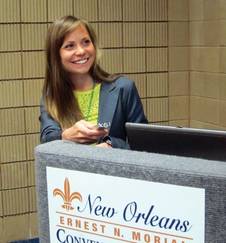
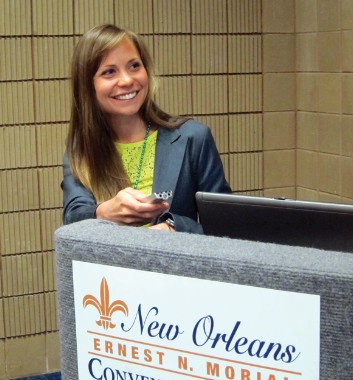
In contrast, there was no significant difference in outcomes when patients heard either a "patient-centered" or "traditional" description of palliative/supportive care services, Rachael Maciasz said at the annual meeting of the American Association of Hospice and Palliative Medicine.
"It may be that ‘palliative care’ is so loaded with advanced cancer patients because of family members’ or friends’ experiences with this in the past that [they think] their family member is going to die," she said. "Perhaps what comes after that, no matter how you describe it, you can’t change that impression."
Patients with stage IV solid tumors or refractory/recurrent hematologic malignancies were recruited from 20 oncologists at two comprehensive cancer centers in Pittsburgh, and randomized to one of four survey groups: "palliative care/patient-centered," "palliative care/traditional," "supportive care/patient-centered," and "supportive care/traditional." Outcomes were measured using 10-point Likert scales, with 0 meaning "do not understand at all," or impression "not favorable at all" or "strongly disagree with" a need for services.
The most common cancer diagnoses were breast (32%), lung (18%), and gastrointestinal (13%).
The majority (63%) of patients were female, 95% were white, 88% were Catholic/Christian, 4% Jewish, and 7% other religion or agnostic. The most common cancer diagnoses were breast (32%), lung (18%), and gastrointestinal (13%). Their average age was 62 and roughly 11% had prior exposure to palliative care services.
The supportive care groups had significantly higher mean ratings than did the palliative care groups for overall understanding of what the service had to offer (7.7 vs. 6.8) and for overall favorable impressions (8.4 vs. 7.3), said Ms. Maciasz, a fourth-year medical student and a Doris Duke Clinical Research Fellow at the University of Pittsburgh.
Patients rated their current need for supportive and palliative care services equally, but were significantly more likely to perceive a future need for supportive services for themselves or family (8.6 vs. 7.7).
All patients rated their willingness to see a supportive/palliative care specialist as higher if their oncologist recommended it rather than if they had to ask their oncologist whether they could see a specialist on their own (8.6 vs. 6.0).
In a robust multivariable regression model that adjusted for term, description, and all significant variables in univariate analyses, the term supportive care was again significantly associated with more favorable impressions (correlation coefficient 1.24) and higher future perceived need (correlation coefficient 0.93), Ms. Maciasz said.
The qualitative results also paralleled the quantitative results.
"I had the impression that fewer patients went in with an impression of palliative care and that if you could explain it in ways that made perfect sense and described how awesome it is, that it wouldn’t matter if it was [called] palliative or supportive," Ms. Maciasz said in an interview. "I think it’s just loaded, but I don’t think it’s unique to patients."
Research data have shown that some oncologists don’t like the term palliative care. "I think there’s something about the term palliative care that means I can’t give you everything you need," she suggested.
Ms. Maciasz and her coauthors reported having no financial disclosures.
NEW ORLEANS – That which we call a rose by any other name would smell as sweet. Perhaps not, if the conversation turns to palliative care.
A telephone survey of 169 patients with advanced cancer found that those randomized to hear the term "supportive care" instead of "palliative care" rated their understanding, overall impressions and future perceived need for those services significantly higher.
In contrast, there was no significant difference in outcomes when patients heard either a "patient-centered" or "traditional" description of palliative/supportive care services, Rachael Maciasz said at the annual meeting of the American Association of Hospice and Palliative Medicine.
"It may be that ‘palliative care’ is so loaded with advanced cancer patients because of family members’ or friends’ experiences with this in the past that [they think] their family member is going to die," she said. "Perhaps what comes after that, no matter how you describe it, you can’t change that impression."
Patients with stage IV solid tumors or refractory/recurrent hematologic malignancies were recruited from 20 oncologists at two comprehensive cancer centers in Pittsburgh, and randomized to one of four survey groups: "palliative care/patient-centered," "palliative care/traditional," "supportive care/patient-centered," and "supportive care/traditional." Outcomes were measured using 10-point Likert scales, with 0 meaning "do not understand at all," or impression "not favorable at all" or "strongly disagree with" a need for services.
The most common cancer diagnoses were breast (32%), lung (18%), and gastrointestinal (13%).
The majority (63%) of patients were female, 95% were white, 88% were Catholic/Christian, 4% Jewish, and 7% other religion or agnostic. The most common cancer diagnoses were breast (32%), lung (18%), and gastrointestinal (13%). Their average age was 62 and roughly 11% had prior exposure to palliative care services.
The supportive care groups had significantly higher mean ratings than did the palliative care groups for overall understanding of what the service had to offer (7.7 vs. 6.8) and for overall favorable impressions (8.4 vs. 7.3), said Ms. Maciasz, a fourth-year medical student and a Doris Duke Clinical Research Fellow at the University of Pittsburgh.
Patients rated their current need for supportive and palliative care services equally, but were significantly more likely to perceive a future need for supportive services for themselves or family (8.6 vs. 7.7).
All patients rated their willingness to see a supportive/palliative care specialist as higher if their oncologist recommended it rather than if they had to ask their oncologist whether they could see a specialist on their own (8.6 vs. 6.0).
In a robust multivariable regression model that adjusted for term, description, and all significant variables in univariate analyses, the term supportive care was again significantly associated with more favorable impressions (correlation coefficient 1.24) and higher future perceived need (correlation coefficient 0.93), Ms. Maciasz said.
The qualitative results also paralleled the quantitative results.
"I had the impression that fewer patients went in with an impression of palliative care and that if you could explain it in ways that made perfect sense and described how awesome it is, that it wouldn’t matter if it was [called] palliative or supportive," Ms. Maciasz said in an interview. "I think it’s just loaded, but I don’t think it’s unique to patients."
Research data have shown that some oncologists don’t like the term palliative care. "I think there’s something about the term palliative care that means I can’t give you everything you need," she suggested.
Ms. Maciasz and her coauthors reported having no financial disclosures.
NEW ORLEANS – That which we call a rose by any other name would smell as sweet. Perhaps not, if the conversation turns to palliative care.
A telephone survey of 169 patients with advanced cancer found that those randomized to hear the term "supportive care" instead of "palliative care" rated their understanding, overall impressions and future perceived need for those services significantly higher.
In contrast, there was no significant difference in outcomes when patients heard either a "patient-centered" or "traditional" description of palliative/supportive care services, Rachael Maciasz said at the annual meeting of the American Association of Hospice and Palliative Medicine.
"It may be that ‘palliative care’ is so loaded with advanced cancer patients because of family members’ or friends’ experiences with this in the past that [they think] their family member is going to die," she said. "Perhaps what comes after that, no matter how you describe it, you can’t change that impression."
Patients with stage IV solid tumors or refractory/recurrent hematologic malignancies were recruited from 20 oncologists at two comprehensive cancer centers in Pittsburgh, and randomized to one of four survey groups: "palliative care/patient-centered," "palliative care/traditional," "supportive care/patient-centered," and "supportive care/traditional." Outcomes were measured using 10-point Likert scales, with 0 meaning "do not understand at all," or impression "not favorable at all" or "strongly disagree with" a need for services.
The most common cancer diagnoses were breast (32%), lung (18%), and gastrointestinal (13%).
The majority (63%) of patients were female, 95% were white, 88% were Catholic/Christian, 4% Jewish, and 7% other religion or agnostic. The most common cancer diagnoses were breast (32%), lung (18%), and gastrointestinal (13%). Their average age was 62 and roughly 11% had prior exposure to palliative care services.
The supportive care groups had significantly higher mean ratings than did the palliative care groups for overall understanding of what the service had to offer (7.7 vs. 6.8) and for overall favorable impressions (8.4 vs. 7.3), said Ms. Maciasz, a fourth-year medical student and a Doris Duke Clinical Research Fellow at the University of Pittsburgh.
Patients rated their current need for supportive and palliative care services equally, but were significantly more likely to perceive a future need for supportive services for themselves or family (8.6 vs. 7.7).
All patients rated their willingness to see a supportive/palliative care specialist as higher if their oncologist recommended it rather than if they had to ask their oncologist whether they could see a specialist on their own (8.6 vs. 6.0).
In a robust multivariable regression model that adjusted for term, description, and all significant variables in univariate analyses, the term supportive care was again significantly associated with more favorable impressions (correlation coefficient 1.24) and higher future perceived need (correlation coefficient 0.93), Ms. Maciasz said.
The qualitative results also paralleled the quantitative results.
"I had the impression that fewer patients went in with an impression of palliative care and that if you could explain it in ways that made perfect sense and described how awesome it is, that it wouldn’t matter if it was [called] palliative or supportive," Ms. Maciasz said in an interview. "I think it’s just loaded, but I don’t think it’s unique to patients."
Research data have shown that some oncologists don’t like the term palliative care. "I think there’s something about the term palliative care that means I can’t give you everything you need," she suggested.
Ms. Maciasz and her coauthors reported having no financial disclosures.
AT THE AAHPM ANNUAL ASSEMBLY
Major finding: The term supportive care was rated significantly higher than palliative care for overall understanding (mean 7.7 vs. 6.8; P = .021), favorable impressions (mean 8.4 vs. 7.3; P = .002) and perceived future need (8.6 vs. 7.7; P = .017).
Data source: Randomized 2X2 factorial telephone survey of 169 patients with advanced cancer.
Disclosures: The authors reported having no financial disclosures.
MOPAT may guide pain evaluation, relief in noncommunicative patients
NEW ORLEANS – The Multidimensional Objective Pain Assessment Tool can be used to assess and guide relief of acute pain in noncommunicative hospice patients in an inpatient setting, a study has shown.
"The MOPAT was reliable, fast, and clinically useful," Deborah McGuire, Ph.D., said at the annual assembly of the American Academy of Hospice and Palliative Medicine.
Assessing pain in patients who can not self-report their pain is a continuing clinical challenge, she observed. There are few validated assessment tools, and the limited research that is available is typically in partially cognitively impaired patients, limiting the ability to extrapolate the findings to patients who are fully cognitively impaired.
To address this gap, investigators at the University of Maryland School of Nursing in Baltimore validated the MOPAT, which consists of a four-item behavioral dimension ranked on a 3-point scale with 0 being none and 3 severe, and a three-item physiologic dimension rated as "no change from usual" or "change from usual." Both dimensions are summed for a total score of pain severity.
As part of the hospital study, staff and study nurses also used the MOPAT before and after pharmacologic and nonpharmacologic pain interventions in 100 patients admitted to a community-based hospice in a noncommunicative state and receiving palliative care for a diagnosis or condition known to cause acute pain.
Their average age was 72.6 years (range, 35-99 years); 61% were women; 92% were white; and 53% were in the active/terminal phase of dying. Other reasons for noncommunication included expressive/receptive aphasia (15%), metabolic encephalopathy (7%), stroke (6%), malignancy (5%), and delirium (5%). Pain was typically due to functional activities such as bathing and turning patients (57.3%), followed by inadequate analgesia in 31% and other reasons in 12%.
Agreement between staff and study nurses on pain ratings before and after the pain interventions was generally good on both the behavioral dimension (61.2% vs. 73.3%) and physiologic dimension (79.6% vs. 78%), said Dr. McGuire, professor of nursing at the university.
Results for internal consistency were acceptable for the behavioral dimension (alpha coefficient, 0.77 for study nurses and 0.81 for staff nurses) and for the overall scores (0.77), but not for the physiologic dimension (0.44 for study nurses; 0.63 for staff nurses). The inability to scale the severity of physiologic indicators likely contributed to the low alpha coefficients for this dimension, she said, adding in an interview that the dimension is currently being revised for the investigators’ next study.
Still, pain scores as rated by staff nurses decreased significantly after the pain interventions on the behavioral (mean, 6.3 vs. 1.7) and physiologic dimensions (mean, 1.49 vs. 0.89), indicating that "the MOPAT was sensitive to changes in pain and therefore a good measure of pain severity," Dr. McGuire said at the meeting, also sponsored by the Hospice and Palliative Nurses Association.
When surveyed on how often they encountered patients unable to communicate, 64.5% of 62 nurses said frequently; 32%, occasionally; and 3.2%, constantly.
Using a five-point scale, nurses also reported that the MOPAT was easy to use (mean score, 3.86); was easy to understand (3.90); assisted in communicating to others about the patient’s pain (3.67); and was helpful in determining whether the patient might need a pain relief intervention (3.64).
Dr. McGuire noted that the Hospice of Lancaster County (Pa.) has incorporated the MOPAT into its pain standard of care in the inpatient units and the home setting, and that it will be tested in combination with analgesic order sets in 22 different hospital inpatient units to examine pain-related outcomes such as severity and treatment choice.
"What we are aiming at in our longer-term program of research is to be able to find a simple tool that can be used to assess pain in people who can’t self-report across various settings in which palliative care is given – not just acute care or hospice," she said.
The National Institute of Nursing Research sponsored the study. Dr. McGuire and her coauthors reported no relevant financial disclosures.
NEW ORLEANS – The Multidimensional Objective Pain Assessment Tool can be used to assess and guide relief of acute pain in noncommunicative hospice patients in an inpatient setting, a study has shown.
"The MOPAT was reliable, fast, and clinically useful," Deborah McGuire, Ph.D., said at the annual assembly of the American Academy of Hospice and Palliative Medicine.
Assessing pain in patients who can not self-report their pain is a continuing clinical challenge, she observed. There are few validated assessment tools, and the limited research that is available is typically in partially cognitively impaired patients, limiting the ability to extrapolate the findings to patients who are fully cognitively impaired.
To address this gap, investigators at the University of Maryland School of Nursing in Baltimore validated the MOPAT, which consists of a four-item behavioral dimension ranked on a 3-point scale with 0 being none and 3 severe, and a three-item physiologic dimension rated as "no change from usual" or "change from usual." Both dimensions are summed for a total score of pain severity.
As part of the hospital study, staff and study nurses also used the MOPAT before and after pharmacologic and nonpharmacologic pain interventions in 100 patients admitted to a community-based hospice in a noncommunicative state and receiving palliative care for a diagnosis or condition known to cause acute pain.
Their average age was 72.6 years (range, 35-99 years); 61% were women; 92% were white; and 53% were in the active/terminal phase of dying. Other reasons for noncommunication included expressive/receptive aphasia (15%), metabolic encephalopathy (7%), stroke (6%), malignancy (5%), and delirium (5%). Pain was typically due to functional activities such as bathing and turning patients (57.3%), followed by inadequate analgesia in 31% and other reasons in 12%.
Agreement between staff and study nurses on pain ratings before and after the pain interventions was generally good on both the behavioral dimension (61.2% vs. 73.3%) and physiologic dimension (79.6% vs. 78%), said Dr. McGuire, professor of nursing at the university.
Results for internal consistency were acceptable for the behavioral dimension (alpha coefficient, 0.77 for study nurses and 0.81 for staff nurses) and for the overall scores (0.77), but not for the physiologic dimension (0.44 for study nurses; 0.63 for staff nurses). The inability to scale the severity of physiologic indicators likely contributed to the low alpha coefficients for this dimension, she said, adding in an interview that the dimension is currently being revised for the investigators’ next study.
Still, pain scores as rated by staff nurses decreased significantly after the pain interventions on the behavioral (mean, 6.3 vs. 1.7) and physiologic dimensions (mean, 1.49 vs. 0.89), indicating that "the MOPAT was sensitive to changes in pain and therefore a good measure of pain severity," Dr. McGuire said at the meeting, also sponsored by the Hospice and Palliative Nurses Association.
When surveyed on how often they encountered patients unable to communicate, 64.5% of 62 nurses said frequently; 32%, occasionally; and 3.2%, constantly.
Using a five-point scale, nurses also reported that the MOPAT was easy to use (mean score, 3.86); was easy to understand (3.90); assisted in communicating to others about the patient’s pain (3.67); and was helpful in determining whether the patient might need a pain relief intervention (3.64).
Dr. McGuire noted that the Hospice of Lancaster County (Pa.) has incorporated the MOPAT into its pain standard of care in the inpatient units and the home setting, and that it will be tested in combination with analgesic order sets in 22 different hospital inpatient units to examine pain-related outcomes such as severity and treatment choice.
"What we are aiming at in our longer-term program of research is to be able to find a simple tool that can be used to assess pain in people who can’t self-report across various settings in which palliative care is given – not just acute care or hospice," she said.
The National Institute of Nursing Research sponsored the study. Dr. McGuire and her coauthors reported no relevant financial disclosures.
NEW ORLEANS – The Multidimensional Objective Pain Assessment Tool can be used to assess and guide relief of acute pain in noncommunicative hospice patients in an inpatient setting, a study has shown.
"The MOPAT was reliable, fast, and clinically useful," Deborah McGuire, Ph.D., said at the annual assembly of the American Academy of Hospice and Palliative Medicine.
Assessing pain in patients who can not self-report their pain is a continuing clinical challenge, she observed. There are few validated assessment tools, and the limited research that is available is typically in partially cognitively impaired patients, limiting the ability to extrapolate the findings to patients who are fully cognitively impaired.
To address this gap, investigators at the University of Maryland School of Nursing in Baltimore validated the MOPAT, which consists of a four-item behavioral dimension ranked on a 3-point scale with 0 being none and 3 severe, and a three-item physiologic dimension rated as "no change from usual" or "change from usual." Both dimensions are summed for a total score of pain severity.
As part of the hospital study, staff and study nurses also used the MOPAT before and after pharmacologic and nonpharmacologic pain interventions in 100 patients admitted to a community-based hospice in a noncommunicative state and receiving palliative care for a diagnosis or condition known to cause acute pain.
Their average age was 72.6 years (range, 35-99 years); 61% were women; 92% were white; and 53% were in the active/terminal phase of dying. Other reasons for noncommunication included expressive/receptive aphasia (15%), metabolic encephalopathy (7%), stroke (6%), malignancy (5%), and delirium (5%). Pain was typically due to functional activities such as bathing and turning patients (57.3%), followed by inadequate analgesia in 31% and other reasons in 12%.
Agreement between staff and study nurses on pain ratings before and after the pain interventions was generally good on both the behavioral dimension (61.2% vs. 73.3%) and physiologic dimension (79.6% vs. 78%), said Dr. McGuire, professor of nursing at the university.
Results for internal consistency were acceptable for the behavioral dimension (alpha coefficient, 0.77 for study nurses and 0.81 for staff nurses) and for the overall scores (0.77), but not for the physiologic dimension (0.44 for study nurses; 0.63 for staff nurses). The inability to scale the severity of physiologic indicators likely contributed to the low alpha coefficients for this dimension, she said, adding in an interview that the dimension is currently being revised for the investigators’ next study.
Still, pain scores as rated by staff nurses decreased significantly after the pain interventions on the behavioral (mean, 6.3 vs. 1.7) and physiologic dimensions (mean, 1.49 vs. 0.89), indicating that "the MOPAT was sensitive to changes in pain and therefore a good measure of pain severity," Dr. McGuire said at the meeting, also sponsored by the Hospice and Palliative Nurses Association.
When surveyed on how often they encountered patients unable to communicate, 64.5% of 62 nurses said frequently; 32%, occasionally; and 3.2%, constantly.
Using a five-point scale, nurses also reported that the MOPAT was easy to use (mean score, 3.86); was easy to understand (3.90); assisted in communicating to others about the patient’s pain (3.67); and was helpful in determining whether the patient might need a pain relief intervention (3.64).
Dr. McGuire noted that the Hospice of Lancaster County (Pa.) has incorporated the MOPAT into its pain standard of care in the inpatient units and the home setting, and that it will be tested in combination with analgesic order sets in 22 different hospital inpatient units to examine pain-related outcomes such as severity and treatment choice.
"What we are aiming at in our longer-term program of research is to be able to find a simple tool that can be used to assess pain in people who can’t self-report across various settings in which palliative care is given – not just acute care or hospice," she said.
The National Institute of Nursing Research sponsored the study. Dr. McGuire and her coauthors reported no relevant financial disclosures.
AT THE AMERICAN ACADEMY OF HOSPICE AND PALLIATIVE MEDICINE ANNUAL ASSEMBLY
Major finding: Pain scores as rated by staff nurses decreased significantly after the pain interventions on the behavioral (mean, 6.3 vs. 1.7) and physiologic dimensions (mean, 1.49 vs. 0.89).
Data source: A prospective, longitudinal study in 100 inpatients receiving palliative care in a community-based hospice.
Disclosures: The National Institute of Nursing Research sponsored the study. Dr. McGuire and her coauthors reported no relevant financial disclosures.
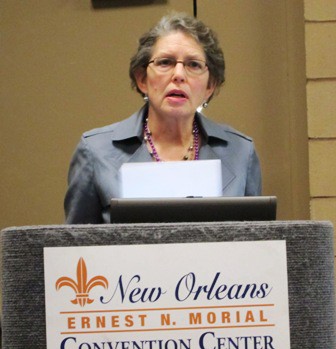
Networks: A survey, a course, unique liaisons, and more
Sleep Medicine
Survey results
Last year, the Sleep Medicine NetWork sent out a survey to its members to explore their relative comfort in managing different types of patients who may be seen in practice and the degree to which they encouraged referral of such patients to their practices. Though one could certainly debate the validity of the measurement tool, there were two main goals in collecting these data: we were hoping to debunk the commonly propagated myth that pulmonary sleep specialists \""only like to manage apnea\"" and that we are also planning on developing sessions at the CHEST meeting to focus on those areas in which are members were least comfortable.
One hundred and fifty NetWork members responded to the survey. Unsurprisingly, 93% reported that they were extremely comfortable managing obstructive sleep apnea; but we were surprised to see that the next most \""comfortable\"" area was restless legs syndrome, followed by central sleep apnea, and circadian rhythm disorders. Narcolepsy, parasomnias, insomnia, and management of the psychiatric patient with sleep problems rounded out the list. Based upon these data, the steering committee is planning a broader slate of sleep-related educational opportunities at CHEST 2013, with focus on some of the areas identified by our membership as areas in which they were less comfortable.
The steering committee has also started an online journal club, available through the College\'’s e-Community. Each month, one of our members will post a brief commentary on a recent sleep medicine publication. The conversation has been robust, and we hope you will join in!
Dr. David Schulman, FCCP
Chair
Occupational and Environmental Health
Course coming in June
From respiratory health hazards in the home and workplace to outdoor air pollution and global warming, the Occupational and Environmental Lung Disease Conference 2013 will cover everything you need to know about respiratory exposures and their effects on human health. Hear the most important new knowledge in the field and the clinical updates essential for patient care. This targeted intensive educational immersion in occupational and environmental lung diseases is a ""can’’t miss"" course for pulmonary clinicians and others. This multiday conference will bring together an expert faculty of educators and investigators. The last time this course was held was in 1999 – so don’’t miss this one! Go to the College’’s website to find all the information you need about this course in Toronto, Canada, on June 21-23. Register today!
Dr. Ware Kuschner, FCCP
Palliative and End-of-Life Care
How to make ethics consultations in hospitals more helpful and accessible
The practice of hospital clinical ethics is maturing. From the earliest days of hospital ethics committees to today (Rothman. Strangers at the Bedside, 2003), the practice of hospital clinical ethics consultation (CEC) has become ubiquitous (Fox et al. Am J Bioethics. 2007;7[2]:13; Hurst et al. Health Care Annal. 2007;15[4]:321; Nagao et al. BMC Med Ethics. 2008;29[9]:2). Currently, most hospitals have ethics committees that perform consultations.
Physicians do not call ethics consultations for many reasons:they They take too much time, might make the situation worse, or will be unqualified (DuVal et al. J Gen Intern Med. 2004;19:251). These published data are inconsistent with the authors’’ experience, as we consult on over 300 cases annually, but are consistent with what physicians elsewhere report. At the North American Burn Society meeting in January,, b, ,urn surgeons said they did not typically call consults because they did not find them helpful; and when they did, the services were not available in a timely fashion. So what is the problem?
The problem, we think, is a result of how the whole field of clinical ethics has evolved. The ""facilitative"" model has dominated (ASBH Core Competencies, volume 2). One might muse that if there haven’’t been qualified clinical ethicists, then simply facilitating the relevant parties in coming to their own recommendations was prudent. But today we know what a qualified clinical ethicist looks like (Acres et al. J Clin Ethics. 2012;23[2]:156) and what processes are needed to hire one (Mokwunye et al. HEC Forum. 2010;22[1]:51). Hospitals need to stop relying completely on ethics committee members, the vast majority of whom are untrained volunteers.
Instead, hospitals need to start building clinical ethics programs, just as they do other specialty group programs (such as behavioral medicine and heart failure groups). Just hiring one qualified clinical ethicist would allow for training for the ethics committee (Edelstein et al. HEC Forum. 2009;21[4]:34; Mokwunye et al. HEC Forum. 2012;23[2]:147), hospital-wide ethics education, and the establishment of upstream clinical ethics practices (DeRenzo et al. Cambridge Quarterly of Healthcare Ethics. 2006;15[2]:207). Once a hospital makes these changes, physicians will find they have better access to a helpful, full-service clinical ethics program that provides timely consultative services.
Dr. Nneka O. Mokwunye
Steering Committee Member
Dr. Evan G. DeRenzo
Respiratory Care
Unique liaisons
Did you know this NetWork has unique liaisons from the ACCP community?
Here is a brief description of these organizations with their liaisons from the ACCP:
AARC-BOMA: American Association for Respiratory Care – Board of Medical Advisors (www.aarc.org/)
The AARC is an association for respiratory care professionals and allied health specialists interested in cardiopulmonary care. The AARC is committed to enhancing professionalism of respiratory care practitioners, improving job performance, and helping to broaden the practitioners’’ scope of knowledge. The AARC publishes AARC Times and RESPIRATORY CARE.
AARC-BOMA Liaisons: Dr. Robert Aranson, FCCP; Dr. Kent L. Christopher, RRT, FCCP; Dr. Woody V. Kageler, FCCP; and Dr. Harold Manning, FCCP.
CoARC: Commission on Accreditation for Respiratory Care (www.coarc.com/)
CoARC’’s mission is to promote high quality respiratory care education through accreditation services. The CoARC accredits first professional respiratory care degree programs at the Associate, Baccalaureate, and Master Degree level in the United States and internationally and also accredits professional respiratory care degree programs in polysomnography.
CoARC Liaisons: Dr. David L. Bowton, FCCP; Dr. Joseph P. Coyle, FCCP; and Dr. Kevin M. O’’Neil, FCCP.
NAMDRC: The National Association for Medical Direction of Respiratory Care (www.namdrc.org/)
NAMDRC is a national organization of physicians whose mission is to educate its members and address regulatory, legislative, and payment issues that relate to the delivery of health care to patients with respiratory disorders. NAMDRC represents physicians in respiratory care departments, critical/ICUs, sleep labs, pulmonary rehabilitation, and managing blood gas laboratories. NAMDRC publishes Washington Watchline and Current Controversies.
NAMDRC has a representative to the ACCP Respiratory Care NetWork: Dr. Paul A. Selecky, FCCP.
NBRC: The National Board for Respiratory Care (www.nbrc.org)
The NBRC is a voluntary health certifying board that evaluates the professional competence of respiratory therapists. The NBRC strives for excellence in providing credentialing examinations and associated services to the respiratory community. The NBRC’’s CRT examination is currently the basis for state licensure for RTs in 49 states. Through its Continuing Competency Program, the NBRC demonstrates compliance with the accreditation standards of the National Commission for Certifying Agencies (NCCA).
NBRC Liaisons: Dr. Robert A. Balk, FCCP; Dr. Brian W. Carlin, FCCP (also the current NBRC Vice President); Dr. David A. Kaminsky, FCCP; Dr. Carl Kaplan, FCCP; and Dr. Robert A. May, FCCP.
Dr. Herbert Patrick, FCCP
Chair
Dr. Kevin M. O\'’Neil, FCCP
Vice-Chair
Home Care
Home sleep testing
The field of sleep medicine is evolving in multiple ways. One critical change involves the growing, and increasingly mandated, adoption of home sleep testing (HST) for the diagnosis of obstructive sleep apnea (OSA). While the technology is not new, its role in the routine diagnosis of OSA has evolved over the past decade. In a comprehensive review in 2003 by the ATS, AASM, and ACCP, HST was considered acceptable when attended, but its widespread use discouraged. A decision by Medicare to approve HST as an acceptable diagnostic modality paved the way for a more widespread adoption of HST. Recent data emerged that seemed to suggest that HST has acceptable degree of specificity and sensitivity in diagnosing OSA, but it was also clear that such results were seen only in a carefully selected and circumscribed population of patients without significant comorbidity and with high pretest probability of OSA. The broader applicability of such results is hence unclear. Advantages to HST are convenience, better patient acceptance, low barrier to deployment, and lower cost. Disadvantages include data loss, a large percentage of indeterminate study results, misdiagnosis – both false-positive and false-negative, and finally, inability to determine effects on sleep architecture, as well as diagnose comorbid sleep conditions. Important concerns regarding HST have been raised that include the lack of large outcome studies and lack of external validity. The cost effectiveness of a strategy that largely adopts HST as a diagnostic modality has also been questioned.
A clinical guidelines paper by the AASM portable monitoring task force highlights the limitations and contraindications of HST. The key elements include selecting patients with high pretest probability and excluding patients with moderate to severe pulmonary disease, neuromuscular disease, and congestive heart failure, or when other sleep disorders are either suspected or comorbid.
Issues to consider as one incorporates an HST strategy include selecting the appropriate equipment and outlining an appropriate triage and distribution plan that includes an appropriate chain of custody. A recent paper from the AASM, published in the Journal of Clinical Sleep Medicine, categorizes the different systems on the basis of a SCOPER system, to enable a ready comparison of the features across different systems. Factors that need to be considered would include costs, not only of the equipment itself, but more importantly of the disposables, as well as data management and software integration with your existing platform.
Dr. Shyam Subramanian, FCCP
Vice-Chair
Selected References:
1. Collop NA, Tracy SL, Kapur V, et al. Obstructive sleep apnea devices for out-of-center (OOC) testing: technology evaluation. J Clin Sleep Med. 2011;7(5):531.
2. Pietzsch JB, Garner A, Cipriano LE, Linehan JH. An integrated health-economic analysis of diagnostic and therapeutic strategies in the treatment of moderate-to-severe obstructive sleep apnea. Sleep. 2011;34(6):695.
3. Portable Monitoring Task Force of the American Academy of Sleep Medicine. Clinical guidelines for the use of unattended portable monitors in the diagnosis of obstructive sleep apnea in adult patients. J Clin Sleep Med. 2007;3(7):737.
Dr. Shyam Subramanian, FCCP
Vice-Chair
NetWork members: Join the conversation in the ACCP e-Community today! http://Find us at ecommunity.chestnet.org.
Sleep Medicine
Survey results
Last year, the Sleep Medicine NetWork sent out a survey to its members to explore their relative comfort in managing different types of patients who may be seen in practice and the degree to which they encouraged referral of such patients to their practices. Though one could certainly debate the validity of the measurement tool, there were two main goals in collecting these data: we were hoping to debunk the commonly propagated myth that pulmonary sleep specialists \""only like to manage apnea\"" and that we are also planning on developing sessions at the CHEST meeting to focus on those areas in which are members were least comfortable.
One hundred and fifty NetWork members responded to the survey. Unsurprisingly, 93% reported that they were extremely comfortable managing obstructive sleep apnea; but we were surprised to see that the next most \""comfortable\"" area was restless legs syndrome, followed by central sleep apnea, and circadian rhythm disorders. Narcolepsy, parasomnias, insomnia, and management of the psychiatric patient with sleep problems rounded out the list. Based upon these data, the steering committee is planning a broader slate of sleep-related educational opportunities at CHEST 2013, with focus on some of the areas identified by our membership as areas in which they were less comfortable.
The steering committee has also started an online journal club, available through the College\'’s e-Community. Each month, one of our members will post a brief commentary on a recent sleep medicine publication. The conversation has been robust, and we hope you will join in!
Dr. David Schulman, FCCP
Chair
Occupational and Environmental Health
Course coming in June
From respiratory health hazards in the home and workplace to outdoor air pollution and global warming, the Occupational and Environmental Lung Disease Conference 2013 will cover everything you need to know about respiratory exposures and their effects on human health. Hear the most important new knowledge in the field and the clinical updates essential for patient care. This targeted intensive educational immersion in occupational and environmental lung diseases is a ""can’’t miss"" course for pulmonary clinicians and others. This multiday conference will bring together an expert faculty of educators and investigators. The last time this course was held was in 1999 – so don’’t miss this one! Go to the College’’s website to find all the information you need about this course in Toronto, Canada, on June 21-23. Register today!
Dr. Ware Kuschner, FCCP
Palliative and End-of-Life Care
How to make ethics consultations in hospitals more helpful and accessible
The practice of hospital clinical ethics is maturing. From the earliest days of hospital ethics committees to today (Rothman. Strangers at the Bedside, 2003), the practice of hospital clinical ethics consultation (CEC) has become ubiquitous (Fox et al. Am J Bioethics. 2007;7[2]:13; Hurst et al. Health Care Annal. 2007;15[4]:321; Nagao et al. BMC Med Ethics. 2008;29[9]:2). Currently, most hospitals have ethics committees that perform consultations.
Physicians do not call ethics consultations for many reasons:they They take too much time, might make the situation worse, or will be unqualified (DuVal et al. J Gen Intern Med. 2004;19:251). These published data are inconsistent with the authors’’ experience, as we consult on over 300 cases annually, but are consistent with what physicians elsewhere report. At the North American Burn Society meeting in January,, b, ,urn surgeons said they did not typically call consults because they did not find them helpful; and when they did, the services were not available in a timely fashion. So what is the problem?
The problem, we think, is a result of how the whole field of clinical ethics has evolved. The ""facilitative"" model has dominated (ASBH Core Competencies, volume 2). One might muse that if there haven’’t been qualified clinical ethicists, then simply facilitating the relevant parties in coming to their own recommendations was prudent. But today we know what a qualified clinical ethicist looks like (Acres et al. J Clin Ethics. 2012;23[2]:156) and what processes are needed to hire one (Mokwunye et al. HEC Forum. 2010;22[1]:51). Hospitals need to stop relying completely on ethics committee members, the vast majority of whom are untrained volunteers.
Instead, hospitals need to start building clinical ethics programs, just as they do other specialty group programs (such as behavioral medicine and heart failure groups). Just hiring one qualified clinical ethicist would allow for training for the ethics committee (Edelstein et al. HEC Forum. 2009;21[4]:34; Mokwunye et al. HEC Forum. 2012;23[2]:147), hospital-wide ethics education, and the establishment of upstream clinical ethics practices (DeRenzo et al. Cambridge Quarterly of Healthcare Ethics. 2006;15[2]:207). Once a hospital makes these changes, physicians will find they have better access to a helpful, full-service clinical ethics program that provides timely consultative services.
Dr. Nneka O. Mokwunye
Steering Committee Member
Dr. Evan G. DeRenzo
Respiratory Care
Unique liaisons
Did you know this NetWork has unique liaisons from the ACCP community?
Here is a brief description of these organizations with their liaisons from the ACCP:
AARC-BOMA: American Association for Respiratory Care – Board of Medical Advisors (www.aarc.org/)
The AARC is an association for respiratory care professionals and allied health specialists interested in cardiopulmonary care. The AARC is committed to enhancing professionalism of respiratory care practitioners, improving job performance, and helping to broaden the practitioners’’ scope of knowledge. The AARC publishes AARC Times and RESPIRATORY CARE.
AARC-BOMA Liaisons: Dr. Robert Aranson, FCCP; Dr. Kent L. Christopher, RRT, FCCP; Dr. Woody V. Kageler, FCCP; and Dr. Harold Manning, FCCP.
CoARC: Commission on Accreditation for Respiratory Care (www.coarc.com/)
CoARC’’s mission is to promote high quality respiratory care education through accreditation services. The CoARC accredits first professional respiratory care degree programs at the Associate, Baccalaureate, and Master Degree level in the United States and internationally and also accredits professional respiratory care degree programs in polysomnography.
CoARC Liaisons: Dr. David L. Bowton, FCCP; Dr. Joseph P. Coyle, FCCP; and Dr. Kevin M. O’’Neil, FCCP.
NAMDRC: The National Association for Medical Direction of Respiratory Care (www.namdrc.org/)
NAMDRC is a national organization of physicians whose mission is to educate its members and address regulatory, legislative, and payment issues that relate to the delivery of health care to patients with respiratory disorders. NAMDRC represents physicians in respiratory care departments, critical/ICUs, sleep labs, pulmonary rehabilitation, and managing blood gas laboratories. NAMDRC publishes Washington Watchline and Current Controversies.
NAMDRC has a representative to the ACCP Respiratory Care NetWork: Dr. Paul A. Selecky, FCCP.
NBRC: The National Board for Respiratory Care (www.nbrc.org)
The NBRC is a voluntary health certifying board that evaluates the professional competence of respiratory therapists. The NBRC strives for excellence in providing credentialing examinations and associated services to the respiratory community. The NBRC’’s CRT examination is currently the basis for state licensure for RTs in 49 states. Through its Continuing Competency Program, the NBRC demonstrates compliance with the accreditation standards of the National Commission for Certifying Agencies (NCCA).
NBRC Liaisons: Dr. Robert A. Balk, FCCP; Dr. Brian W. Carlin, FCCP (also the current NBRC Vice President); Dr. David A. Kaminsky, FCCP; Dr. Carl Kaplan, FCCP; and Dr. Robert A. May, FCCP.
Dr. Herbert Patrick, FCCP
Chair
Dr. Kevin M. O\'’Neil, FCCP
Vice-Chair
Home Care
Home sleep testing
The field of sleep medicine is evolving in multiple ways. One critical change involves the growing, and increasingly mandated, adoption of home sleep testing (HST) for the diagnosis of obstructive sleep apnea (OSA). While the technology is not new, its role in the routine diagnosis of OSA has evolved over the past decade. In a comprehensive review in 2003 by the ATS, AASM, and ACCP, HST was considered acceptable when attended, but its widespread use discouraged. A decision by Medicare to approve HST as an acceptable diagnostic modality paved the way for a more widespread adoption of HST. Recent data emerged that seemed to suggest that HST has acceptable degree of specificity and sensitivity in diagnosing OSA, but it was also clear that such results were seen only in a carefully selected and circumscribed population of patients without significant comorbidity and with high pretest probability of OSA. The broader applicability of such results is hence unclear. Advantages to HST are convenience, better patient acceptance, low barrier to deployment, and lower cost. Disadvantages include data loss, a large percentage of indeterminate study results, misdiagnosis – both false-positive and false-negative, and finally, inability to determine effects on sleep architecture, as well as diagnose comorbid sleep conditions. Important concerns regarding HST have been raised that include the lack of large outcome studies and lack of external validity. The cost effectiveness of a strategy that largely adopts HST as a diagnostic modality has also been questioned.
A clinical guidelines paper by the AASM portable monitoring task force highlights the limitations and contraindications of HST. The key elements include selecting patients with high pretest probability and excluding patients with moderate to severe pulmonary disease, neuromuscular disease, and congestive heart failure, or when other sleep disorders are either suspected or comorbid.
Issues to consider as one incorporates an HST strategy include selecting the appropriate equipment and outlining an appropriate triage and distribution plan that includes an appropriate chain of custody. A recent paper from the AASM, published in the Journal of Clinical Sleep Medicine, categorizes the different systems on the basis of a SCOPER system, to enable a ready comparison of the features across different systems. Factors that need to be considered would include costs, not only of the equipment itself, but more importantly of the disposables, as well as data management and software integration with your existing platform.
Dr. Shyam Subramanian, FCCP
Vice-Chair
Selected References:
1. Collop NA, Tracy SL, Kapur V, et al. Obstructive sleep apnea devices for out-of-center (OOC) testing: technology evaluation. J Clin Sleep Med. 2011;7(5):531.
2. Pietzsch JB, Garner A, Cipriano LE, Linehan JH. An integrated health-economic analysis of diagnostic and therapeutic strategies in the treatment of moderate-to-severe obstructive sleep apnea. Sleep. 2011;34(6):695.
3. Portable Monitoring Task Force of the American Academy of Sleep Medicine. Clinical guidelines for the use of unattended portable monitors in the diagnosis of obstructive sleep apnea in adult patients. J Clin Sleep Med. 2007;3(7):737.
Dr. Shyam Subramanian, FCCP
Vice-Chair
NetWork members: Join the conversation in the ACCP e-Community today! http://Find us at ecommunity.chestnet.org.
Sleep Medicine
Survey results
Last year, the Sleep Medicine NetWork sent out a survey to its members to explore their relative comfort in managing different types of patients who may be seen in practice and the degree to which they encouraged referral of such patients to their practices. Though one could certainly debate the validity of the measurement tool, there were two main goals in collecting these data: we were hoping to debunk the commonly propagated myth that pulmonary sleep specialists \""only like to manage apnea\"" and that we are also planning on developing sessions at the CHEST meeting to focus on those areas in which are members were least comfortable.
One hundred and fifty NetWork members responded to the survey. Unsurprisingly, 93% reported that they were extremely comfortable managing obstructive sleep apnea; but we were surprised to see that the next most \""comfortable\"" area was restless legs syndrome, followed by central sleep apnea, and circadian rhythm disorders. Narcolepsy, parasomnias, insomnia, and management of the psychiatric patient with sleep problems rounded out the list. Based upon these data, the steering committee is planning a broader slate of sleep-related educational opportunities at CHEST 2013, with focus on some of the areas identified by our membership as areas in which they were less comfortable.
The steering committee has also started an online journal club, available through the College\'’s e-Community. Each month, one of our members will post a brief commentary on a recent sleep medicine publication. The conversation has been robust, and we hope you will join in!
Dr. David Schulman, FCCP
Chair
Occupational and Environmental Health
Course coming in June
From respiratory health hazards in the home and workplace to outdoor air pollution and global warming, the Occupational and Environmental Lung Disease Conference 2013 will cover everything you need to know about respiratory exposures and their effects on human health. Hear the most important new knowledge in the field and the clinical updates essential for patient care. This targeted intensive educational immersion in occupational and environmental lung diseases is a ""can’’t miss"" course for pulmonary clinicians and others. This multiday conference will bring together an expert faculty of educators and investigators. The last time this course was held was in 1999 – so don’’t miss this one! Go to the College’’s website to find all the information you need about this course in Toronto, Canada, on June 21-23. Register today!
Dr. Ware Kuschner, FCCP
Palliative and End-of-Life Care
How to make ethics consultations in hospitals more helpful and accessible
The practice of hospital clinical ethics is maturing. From the earliest days of hospital ethics committees to today (Rothman. Strangers at the Bedside, 2003), the practice of hospital clinical ethics consultation (CEC) has become ubiquitous (Fox et al. Am J Bioethics. 2007;7[2]:13; Hurst et al. Health Care Annal. 2007;15[4]:321; Nagao et al. BMC Med Ethics. 2008;29[9]:2). Currently, most hospitals have ethics committees that perform consultations.
Physicians do not call ethics consultations for many reasons:they They take too much time, might make the situation worse, or will be unqualified (DuVal et al. J Gen Intern Med. 2004;19:251). These published data are inconsistent with the authors’’ experience, as we consult on over 300 cases annually, but are consistent with what physicians elsewhere report. At the North American Burn Society meeting in January,, b, ,urn surgeons said they did not typically call consults because they did not find them helpful; and when they did, the services were not available in a timely fashion. So what is the problem?
The problem, we think, is a result of how the whole field of clinical ethics has evolved. The ""facilitative"" model has dominated (ASBH Core Competencies, volume 2). One might muse that if there haven’’t been qualified clinical ethicists, then simply facilitating the relevant parties in coming to their own recommendations was prudent. But today we know what a qualified clinical ethicist looks like (Acres et al. J Clin Ethics. 2012;23[2]:156) and what processes are needed to hire one (Mokwunye et al. HEC Forum. 2010;22[1]:51). Hospitals need to stop relying completely on ethics committee members, the vast majority of whom are untrained volunteers.
Instead, hospitals need to start building clinical ethics programs, just as they do other specialty group programs (such as behavioral medicine and heart failure groups). Just hiring one qualified clinical ethicist would allow for training for the ethics committee (Edelstein et al. HEC Forum. 2009;21[4]:34; Mokwunye et al. HEC Forum. 2012;23[2]:147), hospital-wide ethics education, and the establishment of upstream clinical ethics practices (DeRenzo et al. Cambridge Quarterly of Healthcare Ethics. 2006;15[2]:207). Once a hospital makes these changes, physicians will find they have better access to a helpful, full-service clinical ethics program that provides timely consultative services.
Dr. Nneka O. Mokwunye
Steering Committee Member
Dr. Evan G. DeRenzo
Respiratory Care
Unique liaisons
Did you know this NetWork has unique liaisons from the ACCP community?
Here is a brief description of these organizations with their liaisons from the ACCP:
AARC-BOMA: American Association for Respiratory Care – Board of Medical Advisors (www.aarc.org/)
The AARC is an association for respiratory care professionals and allied health specialists interested in cardiopulmonary care. The AARC is committed to enhancing professionalism of respiratory care practitioners, improving job performance, and helping to broaden the practitioners’’ scope of knowledge. The AARC publishes AARC Times and RESPIRATORY CARE.
AARC-BOMA Liaisons: Dr. Robert Aranson, FCCP; Dr. Kent L. Christopher, RRT, FCCP; Dr. Woody V. Kageler, FCCP; and Dr. Harold Manning, FCCP.
CoARC: Commission on Accreditation for Respiratory Care (www.coarc.com/)
CoARC’’s mission is to promote high quality respiratory care education through accreditation services. The CoARC accredits first professional respiratory care degree programs at the Associate, Baccalaureate, and Master Degree level in the United States and internationally and also accredits professional respiratory care degree programs in polysomnography.
CoARC Liaisons: Dr. David L. Bowton, FCCP; Dr. Joseph P. Coyle, FCCP; and Dr. Kevin M. O’’Neil, FCCP.
NAMDRC: The National Association for Medical Direction of Respiratory Care (www.namdrc.org/)
NAMDRC is a national organization of physicians whose mission is to educate its members and address regulatory, legislative, and payment issues that relate to the delivery of health care to patients with respiratory disorders. NAMDRC represents physicians in respiratory care departments, critical/ICUs, sleep labs, pulmonary rehabilitation, and managing blood gas laboratories. NAMDRC publishes Washington Watchline and Current Controversies.
NAMDRC has a representative to the ACCP Respiratory Care NetWork: Dr. Paul A. Selecky, FCCP.
NBRC: The National Board for Respiratory Care (www.nbrc.org)
The NBRC is a voluntary health certifying board that evaluates the professional competence of respiratory therapists. The NBRC strives for excellence in providing credentialing examinations and associated services to the respiratory community. The NBRC’’s CRT examination is currently the basis for state licensure for RTs in 49 states. Through its Continuing Competency Program, the NBRC demonstrates compliance with the accreditation standards of the National Commission for Certifying Agencies (NCCA).
NBRC Liaisons: Dr. Robert A. Balk, FCCP; Dr. Brian W. Carlin, FCCP (also the current NBRC Vice President); Dr. David A. Kaminsky, FCCP; Dr. Carl Kaplan, FCCP; and Dr. Robert A. May, FCCP.
Dr. Herbert Patrick, FCCP
Chair
Dr. Kevin M. O\'’Neil, FCCP
Vice-Chair
Home Care
Home sleep testing
The field of sleep medicine is evolving in multiple ways. One critical change involves the growing, and increasingly mandated, adoption of home sleep testing (HST) for the diagnosis of obstructive sleep apnea (OSA). While the technology is not new, its role in the routine diagnosis of OSA has evolved over the past decade. In a comprehensive review in 2003 by the ATS, AASM, and ACCP, HST was considered acceptable when attended, but its widespread use discouraged. A decision by Medicare to approve HST as an acceptable diagnostic modality paved the way for a more widespread adoption of HST. Recent data emerged that seemed to suggest that HST has acceptable degree of specificity and sensitivity in diagnosing OSA, but it was also clear that such results were seen only in a carefully selected and circumscribed population of patients without significant comorbidity and with high pretest probability of OSA. The broader applicability of such results is hence unclear. Advantages to HST are convenience, better patient acceptance, low barrier to deployment, and lower cost. Disadvantages include data loss, a large percentage of indeterminate study results, misdiagnosis – both false-positive and false-negative, and finally, inability to determine effects on sleep architecture, as well as diagnose comorbid sleep conditions. Important concerns regarding HST have been raised that include the lack of large outcome studies and lack of external validity. The cost effectiveness of a strategy that largely adopts HST as a diagnostic modality has also been questioned.
A clinical guidelines paper by the AASM portable monitoring task force highlights the limitations and contraindications of HST. The key elements include selecting patients with high pretest probability and excluding patients with moderate to severe pulmonary disease, neuromuscular disease, and congestive heart failure, or when other sleep disorders are either suspected or comorbid.
Issues to consider as one incorporates an HST strategy include selecting the appropriate equipment and outlining an appropriate triage and distribution plan that includes an appropriate chain of custody. A recent paper from the AASM, published in the Journal of Clinical Sleep Medicine, categorizes the different systems on the basis of a SCOPER system, to enable a ready comparison of the features across different systems. Factors that need to be considered would include costs, not only of the equipment itself, but more importantly of the disposables, as well as data management and software integration with your existing platform.
Dr. Shyam Subramanian, FCCP
Vice-Chair
Selected References:
1. Collop NA, Tracy SL, Kapur V, et al. Obstructive sleep apnea devices for out-of-center (OOC) testing: technology evaluation. J Clin Sleep Med. 2011;7(5):531.
2. Pietzsch JB, Garner A, Cipriano LE, Linehan JH. An integrated health-economic analysis of diagnostic and therapeutic strategies in the treatment of moderate-to-severe obstructive sleep apnea. Sleep. 2011;34(6):695.
3. Portable Monitoring Task Force of the American Academy of Sleep Medicine. Clinical guidelines for the use of unattended portable monitors in the diagnosis of obstructive sleep apnea in adult patients. J Clin Sleep Med. 2007;3(7):737.
Dr. Shyam Subramanian, FCCP
Vice-Chair
NetWork members: Join the conversation in the ACCP e-Community today! http://Find us at ecommunity.chestnet.org.
Top oncologists share clinical, supportive care updates
Community Oncology Editor-in-Chief Dr. David Henry and Dr. Linda Bosserman, an Editor on the journal, present a round-up of the top-notch clinical and supportive presentations at the Oncology Practice Summit in Las Vegas.
The Oncology Practice Summit was the 8th annual meeting of Community Oncology, the journal of clinical issues in community practice. Dr. Abraham was a co-chair of the Summit, which was hosted this year by Community Oncology as well as The Journal of Supportive Oncology, and The Oncology Report.
Community Oncology Editor-in-Chief Dr. David Henry and Dr. Linda Bosserman, an Editor on the journal, present a round-up of the top-notch clinical and supportive presentations at the Oncology Practice Summit in Las Vegas.
The Oncology Practice Summit was the 8th annual meeting of Community Oncology, the journal of clinical issues in community practice. Dr. Abraham was a co-chair of the Summit, which was hosted this year by Community Oncology as well as The Journal of Supportive Oncology, and The Oncology Report.
Community Oncology Editor-in-Chief Dr. David Henry and Dr. Linda Bosserman, an Editor on the journal, present a round-up of the top-notch clinical and supportive presentations at the Oncology Practice Summit in Las Vegas.
The Oncology Practice Summit was the 8th annual meeting of Community Oncology, the journal of clinical issues in community practice. Dr. Abraham was a co-chair of the Summit, which was hosted this year by Community Oncology as well as The Journal of Supportive Oncology, and The Oncology Report.
Duloxetine reduces chemo-induced neuropathy
A 5-week course of daily oral duloxetine reduced pain and improved function and quality of life for patients with chemotherapy-induced peripheral neuropathy, according to a report in the April 3 issue of JAMA.
Duloxetine’s effects on chemotherapy-induced peripheral neuropathic pain were measured in a randomized, double-blind, placebo-controlled, crossover clinical trial involving 231 cancer patients aged 25 years and older who had been treated with platinum or taxane agents. Study subjects were approximately twice as likely to experience a 30% reduction in pain while taking duloxetine than while taking placebo and were 2.4 times more likely to experience a 50% reduction in pain, said Ellen M. Lavoie Smith, Ph.D., of the University of Michigan School of Nursing, Ann Arbor, and her associates. The data were presented at the 2012 annual meeting of the American Society of Clinical Oncology.
Patients also reported better daily functioning with duloxetine, compared with placebo, including improved scores on measures assessing numbness, tingling, or discomfort of the hands or feet; tinnitus or difficulty hearing; joint pain; muscle cramps and weakness; and difficulty walking, dressing, or feeling small objects in the hands. Pain-related quality of life also improved to a greater degree with duloxetine (mean change of 2.44 points out of 44 possible points on the Functional Assessment of Cancer Treatment, Gynecologic Oncology Group Neurotoxicity subscale) than with placebo (mean change of 0.87 points).
There were no hematologic or grade 4 adverse events. Mild adverse events were reported by 16% during duloxetine treatment and 27% during placebo treatment, and moderate adverse effects were reported by 7% and 3%, respectively. These included fatigue, insomnia, and nausea in both patient groups, the investigators said (JAMA 2013;309:1359-67).
This study was supported by the National Cancer Institute and the Alliance Statistics and Data Center. Study drugs and placebo were supplied by Eli Lilly. Dr. Smith reported no conflicts of interest, and one of her associates reported ties to Genentech.
A 5-week course of daily oral duloxetine reduced pain and improved function and quality of life for patients with chemotherapy-induced peripheral neuropathy, according to a report in the April 3 issue of JAMA.
Duloxetine’s effects on chemotherapy-induced peripheral neuropathic pain were measured in a randomized, double-blind, placebo-controlled, crossover clinical trial involving 231 cancer patients aged 25 years and older who had been treated with platinum or taxane agents. Study subjects were approximately twice as likely to experience a 30% reduction in pain while taking duloxetine than while taking placebo and were 2.4 times more likely to experience a 50% reduction in pain, said Ellen M. Lavoie Smith, Ph.D., of the University of Michigan School of Nursing, Ann Arbor, and her associates. The data were presented at the 2012 annual meeting of the American Society of Clinical Oncology.
Patients also reported better daily functioning with duloxetine, compared with placebo, including improved scores on measures assessing numbness, tingling, or discomfort of the hands or feet; tinnitus or difficulty hearing; joint pain; muscle cramps and weakness; and difficulty walking, dressing, or feeling small objects in the hands. Pain-related quality of life also improved to a greater degree with duloxetine (mean change of 2.44 points out of 44 possible points on the Functional Assessment of Cancer Treatment, Gynecologic Oncology Group Neurotoxicity subscale) than with placebo (mean change of 0.87 points).
There were no hematologic or grade 4 adverse events. Mild adverse events were reported by 16% during duloxetine treatment and 27% during placebo treatment, and moderate adverse effects were reported by 7% and 3%, respectively. These included fatigue, insomnia, and nausea in both patient groups, the investigators said (JAMA 2013;309:1359-67).
This study was supported by the National Cancer Institute and the Alliance Statistics and Data Center. Study drugs and placebo were supplied by Eli Lilly. Dr. Smith reported no conflicts of interest, and one of her associates reported ties to Genentech.
A 5-week course of daily oral duloxetine reduced pain and improved function and quality of life for patients with chemotherapy-induced peripheral neuropathy, according to a report in the April 3 issue of JAMA.
Duloxetine’s effects on chemotherapy-induced peripheral neuropathic pain were measured in a randomized, double-blind, placebo-controlled, crossover clinical trial involving 231 cancer patients aged 25 years and older who had been treated with platinum or taxane agents. Study subjects were approximately twice as likely to experience a 30% reduction in pain while taking duloxetine than while taking placebo and were 2.4 times more likely to experience a 50% reduction in pain, said Ellen M. Lavoie Smith, Ph.D., of the University of Michigan School of Nursing, Ann Arbor, and her associates. The data were presented at the 2012 annual meeting of the American Society of Clinical Oncology.
Patients also reported better daily functioning with duloxetine, compared with placebo, including improved scores on measures assessing numbness, tingling, or discomfort of the hands or feet; tinnitus or difficulty hearing; joint pain; muscle cramps and weakness; and difficulty walking, dressing, or feeling small objects in the hands. Pain-related quality of life also improved to a greater degree with duloxetine (mean change of 2.44 points out of 44 possible points on the Functional Assessment of Cancer Treatment, Gynecologic Oncology Group Neurotoxicity subscale) than with placebo (mean change of 0.87 points).
There were no hematologic or grade 4 adverse events. Mild adverse events were reported by 16% during duloxetine treatment and 27% during placebo treatment, and moderate adverse effects were reported by 7% and 3%, respectively. These included fatigue, insomnia, and nausea in both patient groups, the investigators said (JAMA 2013;309:1359-67).
This study was supported by the National Cancer Institute and the Alliance Statistics and Data Center. Study drugs and placebo were supplied by Eli Lilly. Dr. Smith reported no conflicts of interest, and one of her associates reported ties to Genentech.
FROM JAMA
Major finding: Study subjects were 2.4 times more likely to experience a 50% pain reduction while taking duloxetine than while taking placebo.
Data source: A randomized, double-blind, placebo-controlled crossover trial involving 231 cancer patients.
Disclosures: This study was supported by the National Cancer Institute and the Alliance Statistics and Data Center. Study drugs and placebo were supplied by Eli Lilly. Dr. Smith reported no conflicts of interest, and one of her associates reported ties to Genentech.
Record Number of Physicians Pass Hospice and Palliative Medicine Exam
Number of physicians who passed for the first time the most recent Hospice and Palliative Medicine (HPM) board-certifying exam given in October by the American Board of Internal Medicine (ABIM). This number, an 83% success rate, represents a major influx of mid-career physicians qualifying in HPM just ahead of the closure of an experiential pathway to HPM board certification. Starting in 2013, physicians must complete a full-time, yearlong fellowship in HPM in order to sit for its board exam. ABIM and nine other specialty societies are responsible for HPM board certification. The last experiential pathway exam for HPM, in osteopathy, will be in September.
Number of physicians who passed for the first time the most recent Hospice and Palliative Medicine (HPM) board-certifying exam given in October by the American Board of Internal Medicine (ABIM). This number, an 83% success rate, represents a major influx of mid-career physicians qualifying in HPM just ahead of the closure of an experiential pathway to HPM board certification. Starting in 2013, physicians must complete a full-time, yearlong fellowship in HPM in order to sit for its board exam. ABIM and nine other specialty societies are responsible for HPM board certification. The last experiential pathway exam for HPM, in osteopathy, will be in September.
Number of physicians who passed for the first time the most recent Hospice and Palliative Medicine (HPM) board-certifying exam given in October by the American Board of Internal Medicine (ABIM). This number, an 83% success rate, represents a major influx of mid-career physicians qualifying in HPM just ahead of the closure of an experiential pathway to HPM board certification. Starting in 2013, physicians must complete a full-time, yearlong fellowship in HPM in order to sit for its board exam. ABIM and nine other specialty societies are responsible for HPM board certification. The last experiential pathway exam for HPM, in osteopathy, will be in September.