User login
YouTube poor source of palliative information
NEW ORLEANS – Just 28% of 468 videos sampled from YouTube were rated as having useful information on palliative care, hospice, or end of life, while 72% were considered poor quality.
Unfortunately, the poor information is getting much more exposure: Poor-quality videos averaged about 28,056,711 million hits, compared with only about 11,808 hits for the good-quality videos, Benjamin Getter, D.O., said at the annual meeting of the American Academy of Hospice and Palliative Medicine.
One reason may be the sheer volume of videos and that patients are likely to use filters or broad search terms such as "palliative care" or "pain." YouTube queues up videos containing those words based on viewer count, so when view counts are low, videos get pushed back further on search results page.
"Studies have shown that whether it’s Google or YouTube, the distance you will go looking for your information decreases exponentially," he said. "The third page of Google might as well not exist."
Dr. Getter pointed out that more than 700 YouTube videos are shared on Twitter each minute and that 100 million people take some social action be it sharing, liking, or commenting on YouTube every week. Younger generations are also using YouTube videos as a source of news, "This is something we need to take advantage of," he said.
Dr. Getter and his coauthor, Dr. Wesam Aziz, both palliative medicine fellows at the University of Texas Health Science Center in San Antonio, identified the 468 YouTube videos by relevance and view count search strategies, and independently categorized them as useful, misleading, or personal experience. Videos creators fell into one of five categories: health care institutions, media/news organizations, hospices, universities, and individuals.
Video quality was "good" if the video had useful information, including relevant personal experiences, or "not good" if the video was misleading or not related to palliative care. In all, 133 videos were of good quality (28%) and 335 not-good quality (72%).
Dr. Getter acknowledged that the rating system was subjective, but said in an interview that "In 98% of cases, it was exceedingly obvious." For example, videos on nociceptive pain caused by trauma were obviously unrelated to palliative care pain, whereas the AAHPM’s "You're Sick. It's Serious" video was clearly useful and accurate.
As expected, good-quality videos were significantly more likely to come from educational or health care institutions, whereas poor quality videos were typically uploaded by independent sources and the news media.
"More outreach is needed to educate the public and news organizations about palliative care," he said at the meeting, also sponsored by the Hospice and Palliative Nurses Association.
Dr. Getter suggested health care organizations also could do more, such as casting a wider net for their videos and using keywords and search terms in their content to optimize their videos for search engines, a process known as search engine optimization.
"Share, share, share; be your own advocate," he urged. "You’d be surprised at how many of these videos that were great and were uploaded by health care and hospice organizations can’t be found anywhere on their websites. To me, it just seems kind of silly to go to all the trouble producing these things and not have the exposure."
The authors reported having no financial disclosures.
NEW ORLEANS – Just 28% of 468 videos sampled from YouTube were rated as having useful information on palliative care, hospice, or end of life, while 72% were considered poor quality.
Unfortunately, the poor information is getting much more exposure: Poor-quality videos averaged about 28,056,711 million hits, compared with only about 11,808 hits for the good-quality videos, Benjamin Getter, D.O., said at the annual meeting of the American Academy of Hospice and Palliative Medicine.
One reason may be the sheer volume of videos and that patients are likely to use filters or broad search terms such as "palliative care" or "pain." YouTube queues up videos containing those words based on viewer count, so when view counts are low, videos get pushed back further on search results page.
"Studies have shown that whether it’s Google or YouTube, the distance you will go looking for your information decreases exponentially," he said. "The third page of Google might as well not exist."
Dr. Getter pointed out that more than 700 YouTube videos are shared on Twitter each minute and that 100 million people take some social action be it sharing, liking, or commenting on YouTube every week. Younger generations are also using YouTube videos as a source of news, "This is something we need to take advantage of," he said.
Dr. Getter and his coauthor, Dr. Wesam Aziz, both palliative medicine fellows at the University of Texas Health Science Center in San Antonio, identified the 468 YouTube videos by relevance and view count search strategies, and independently categorized them as useful, misleading, or personal experience. Videos creators fell into one of five categories: health care institutions, media/news organizations, hospices, universities, and individuals.
Video quality was "good" if the video had useful information, including relevant personal experiences, or "not good" if the video was misleading or not related to palliative care. In all, 133 videos were of good quality (28%) and 335 not-good quality (72%).
Dr. Getter acknowledged that the rating system was subjective, but said in an interview that "In 98% of cases, it was exceedingly obvious." For example, videos on nociceptive pain caused by trauma were obviously unrelated to palliative care pain, whereas the AAHPM’s "You're Sick. It's Serious" video was clearly useful and accurate.
As expected, good-quality videos were significantly more likely to come from educational or health care institutions, whereas poor quality videos were typically uploaded by independent sources and the news media.
"More outreach is needed to educate the public and news organizations about palliative care," he said at the meeting, also sponsored by the Hospice and Palliative Nurses Association.
Dr. Getter suggested health care organizations also could do more, such as casting a wider net for their videos and using keywords and search terms in their content to optimize their videos for search engines, a process known as search engine optimization.
"Share, share, share; be your own advocate," he urged. "You’d be surprised at how many of these videos that were great and were uploaded by health care and hospice organizations can’t be found anywhere on their websites. To me, it just seems kind of silly to go to all the trouble producing these things and not have the exposure."
The authors reported having no financial disclosures.
NEW ORLEANS – Just 28% of 468 videos sampled from YouTube were rated as having useful information on palliative care, hospice, or end of life, while 72% were considered poor quality.
Unfortunately, the poor information is getting much more exposure: Poor-quality videos averaged about 28,056,711 million hits, compared with only about 11,808 hits for the good-quality videos, Benjamin Getter, D.O., said at the annual meeting of the American Academy of Hospice and Palliative Medicine.
One reason may be the sheer volume of videos and that patients are likely to use filters or broad search terms such as "palliative care" or "pain." YouTube queues up videos containing those words based on viewer count, so when view counts are low, videos get pushed back further on search results page.
"Studies have shown that whether it’s Google or YouTube, the distance you will go looking for your information decreases exponentially," he said. "The third page of Google might as well not exist."
Dr. Getter pointed out that more than 700 YouTube videos are shared on Twitter each minute and that 100 million people take some social action be it sharing, liking, or commenting on YouTube every week. Younger generations are also using YouTube videos as a source of news, "This is something we need to take advantage of," he said.
Dr. Getter and his coauthor, Dr. Wesam Aziz, both palliative medicine fellows at the University of Texas Health Science Center in San Antonio, identified the 468 YouTube videos by relevance and view count search strategies, and independently categorized them as useful, misleading, or personal experience. Videos creators fell into one of five categories: health care institutions, media/news organizations, hospices, universities, and individuals.
Video quality was "good" if the video had useful information, including relevant personal experiences, or "not good" if the video was misleading or not related to palliative care. In all, 133 videos were of good quality (28%) and 335 not-good quality (72%).
Dr. Getter acknowledged that the rating system was subjective, but said in an interview that "In 98% of cases, it was exceedingly obvious." For example, videos on nociceptive pain caused by trauma were obviously unrelated to palliative care pain, whereas the AAHPM’s "You're Sick. It's Serious" video was clearly useful and accurate.
As expected, good-quality videos were significantly more likely to come from educational or health care institutions, whereas poor quality videos were typically uploaded by independent sources and the news media.
"More outreach is needed to educate the public and news organizations about palliative care," he said at the meeting, also sponsored by the Hospice and Palliative Nurses Association.
Dr. Getter suggested health care organizations also could do more, such as casting a wider net for their videos and using keywords and search terms in their content to optimize their videos for search engines, a process known as search engine optimization.
"Share, share, share; be your own advocate," he urged. "You’d be surprised at how many of these videos that were great and were uploaded by health care and hospice organizations can’t be found anywhere on their websites. To me, it just seems kind of silly to go to all the trouble producing these things and not have the exposure."
The authors reported having no financial disclosures.
Major finding: In all, 133 palliative care videos (28%) were good quality and 335 were poor quality (72%).
Data source: Retrospective analysis of 468 YouTube videos.
Disclosures: The authors reported having no financial disclosures.
Nurse-led delirium screen validated in hospitalized elderly
NEW ORLEANS – The Delirium Observation Screening Scale is easy, fast, and accurate when performed by a bedside nurse in elderly hospitalized patients, according to results of a validation study.
The purely observational screening tool requires no cognitive testing or additional education for nursing staff and typically takes 2-3 minutes to complete, Katie Gavinski, a medical student at the University of Iowa, Iowa City, said at the annual meeting of the American Academy of Hospice and Palliative Medicine.
The DOSS includes 13 yes/no questions, such as whether the patient maintains attention to a conversation or action or knows which part of the day it is. A score of 15 or more is considered positive for delirium. The DOSS was developed and validated in the Netherlands but had not been validated in the United States in an elderly patient population, she said.
To accomplish this, the investigators compared results in the medical records of 54 elderly patients in a general medicine inpatient unit from twice-daily screening with the DOSS and those prospectively obtained using the 16-item, clinician-rated Delirium Rating Scale-Revised-98 (DRS-R-98).
A total of 100 delirium assessments were performed in the 54 patients, whose average age was 77 years; 40% were male.
In all, 83 tests were negative for delirium and 17 were positive. There was one false-negative test and 8 false-positive results, of which seven were in patients considered in sub-syndromal delirium based on a DRS-R-98 score of 8-14, Ms. Gavinski reported.
Thus, sensitivity was 90% and specificity 91%.
Positive DRS-R-98 screens were significantly correlated with positive DOSS screens for delirium, she said.
Senior author and colleague Dr. Michelle Weckmann, also of the University of Iowa, said that the DOSS is not designed to be used by physicians but appears to be a powerful tool in the hands of nurses.
"Routine implementation of the DOSS on hospital units has the potential to increase identification of delirium with minimal use of hospital resources, and improved identification of delirium has the potential to significantly improve patient care and outcomes," she said in an interview.
E-mail surveys from 98 adult-unit nurses revealed that 87% were confident performing the DOSS and 91% said that they could complete it in less than 3 minutes.
Only about 30% of the nurses, however, agreed or strongly agreed that the DOSS provided valuable information for the treatment of their patients or enhanced patient care, Ms. Gavinski said.
"The biggest thing nursing staff called for was additional education," she said. "They understood how to do it and that they would get a positive result for delirium, but didn’t know what to do with that result."
As a result of the study, the DOSS has been integrated into all adult units, and about 98% of patients over the age of 64 are now being screened with the DOSS at least once during their hospitalization. A delirium order set also was developed to address the question of what to do next if a screen is positive. Future research will evaluate whether delirium screening with the DOSS improves the outcomes of patients who test positive, Ms. Gavinski said.
During a discussion of the study, she noted that the 2 a.m. and 2 p.m. screening times used in the study were selected arbitrarily and that the test can be completed whenever nurses interact with their patients. Also, the DOSS does not specifically measure delirium severity, whereas the DRS-R-98 has 13 severity items and 3 diagnostic items.
Ms. Gavinski and her coauthors reported no relevant disclosures.
NEW ORLEANS – The Delirium Observation Screening Scale is easy, fast, and accurate when performed by a bedside nurse in elderly hospitalized patients, according to results of a validation study.
The purely observational screening tool requires no cognitive testing or additional education for nursing staff and typically takes 2-3 minutes to complete, Katie Gavinski, a medical student at the University of Iowa, Iowa City, said at the annual meeting of the American Academy of Hospice and Palliative Medicine.
The DOSS includes 13 yes/no questions, such as whether the patient maintains attention to a conversation or action or knows which part of the day it is. A score of 15 or more is considered positive for delirium. The DOSS was developed and validated in the Netherlands but had not been validated in the United States in an elderly patient population, she said.
To accomplish this, the investigators compared results in the medical records of 54 elderly patients in a general medicine inpatient unit from twice-daily screening with the DOSS and those prospectively obtained using the 16-item, clinician-rated Delirium Rating Scale-Revised-98 (DRS-R-98).
A total of 100 delirium assessments were performed in the 54 patients, whose average age was 77 years; 40% were male.
In all, 83 tests were negative for delirium and 17 were positive. There was one false-negative test and 8 false-positive results, of which seven were in patients considered in sub-syndromal delirium based on a DRS-R-98 score of 8-14, Ms. Gavinski reported.
Thus, sensitivity was 90% and specificity 91%.
Positive DRS-R-98 screens were significantly correlated with positive DOSS screens for delirium, she said.
Senior author and colleague Dr. Michelle Weckmann, also of the University of Iowa, said that the DOSS is not designed to be used by physicians but appears to be a powerful tool in the hands of nurses.
"Routine implementation of the DOSS on hospital units has the potential to increase identification of delirium with minimal use of hospital resources, and improved identification of delirium has the potential to significantly improve patient care and outcomes," she said in an interview.
E-mail surveys from 98 adult-unit nurses revealed that 87% were confident performing the DOSS and 91% said that they could complete it in less than 3 minutes.
Only about 30% of the nurses, however, agreed or strongly agreed that the DOSS provided valuable information for the treatment of their patients or enhanced patient care, Ms. Gavinski said.
"The biggest thing nursing staff called for was additional education," she said. "They understood how to do it and that they would get a positive result for delirium, but didn’t know what to do with that result."
As a result of the study, the DOSS has been integrated into all adult units, and about 98% of patients over the age of 64 are now being screened with the DOSS at least once during their hospitalization. A delirium order set also was developed to address the question of what to do next if a screen is positive. Future research will evaluate whether delirium screening with the DOSS improves the outcomes of patients who test positive, Ms. Gavinski said.
During a discussion of the study, she noted that the 2 a.m. and 2 p.m. screening times used in the study were selected arbitrarily and that the test can be completed whenever nurses interact with their patients. Also, the DOSS does not specifically measure delirium severity, whereas the DRS-R-98 has 13 severity items and 3 diagnostic items.
Ms. Gavinski and her coauthors reported no relevant disclosures.
NEW ORLEANS – The Delirium Observation Screening Scale is easy, fast, and accurate when performed by a bedside nurse in elderly hospitalized patients, according to results of a validation study.
The purely observational screening tool requires no cognitive testing or additional education for nursing staff and typically takes 2-3 minutes to complete, Katie Gavinski, a medical student at the University of Iowa, Iowa City, said at the annual meeting of the American Academy of Hospice and Palliative Medicine.
The DOSS includes 13 yes/no questions, such as whether the patient maintains attention to a conversation or action or knows which part of the day it is. A score of 15 or more is considered positive for delirium. The DOSS was developed and validated in the Netherlands but had not been validated in the United States in an elderly patient population, she said.
To accomplish this, the investigators compared results in the medical records of 54 elderly patients in a general medicine inpatient unit from twice-daily screening with the DOSS and those prospectively obtained using the 16-item, clinician-rated Delirium Rating Scale-Revised-98 (DRS-R-98).
A total of 100 delirium assessments were performed in the 54 patients, whose average age was 77 years; 40% were male.
In all, 83 tests were negative for delirium and 17 were positive. There was one false-negative test and 8 false-positive results, of which seven were in patients considered in sub-syndromal delirium based on a DRS-R-98 score of 8-14, Ms. Gavinski reported.
Thus, sensitivity was 90% and specificity 91%.
Positive DRS-R-98 screens were significantly correlated with positive DOSS screens for delirium, she said.
Senior author and colleague Dr. Michelle Weckmann, also of the University of Iowa, said that the DOSS is not designed to be used by physicians but appears to be a powerful tool in the hands of nurses.
"Routine implementation of the DOSS on hospital units has the potential to increase identification of delirium with minimal use of hospital resources, and improved identification of delirium has the potential to significantly improve patient care and outcomes," she said in an interview.
E-mail surveys from 98 adult-unit nurses revealed that 87% were confident performing the DOSS and 91% said that they could complete it in less than 3 minutes.
Only about 30% of the nurses, however, agreed or strongly agreed that the DOSS provided valuable information for the treatment of their patients or enhanced patient care, Ms. Gavinski said.
"The biggest thing nursing staff called for was additional education," she said. "They understood how to do it and that they would get a positive result for delirium, but didn’t know what to do with that result."
As a result of the study, the DOSS has been integrated into all adult units, and about 98% of patients over the age of 64 are now being screened with the DOSS at least once during their hospitalization. A delirium order set also was developed to address the question of what to do next if a screen is positive. Future research will evaluate whether delirium screening with the DOSS improves the outcomes of patients who test positive, Ms. Gavinski said.
During a discussion of the study, she noted that the 2 a.m. and 2 p.m. screening times used in the study were selected arbitrarily and that the test can be completed whenever nurses interact with their patients. Also, the DOSS does not specifically measure delirium severity, whereas the DRS-R-98 has 13 severity items and 3 diagnostic items.
Ms. Gavinski and her coauthors reported no relevant disclosures.
Major finding: The DOSS had a sensitivity of 90% and specificity of 91%.
Data source: Prospective validation study in 54 elderly hospitalized patients.
Disclosures: Ms. Gavinski and her coauthors reported no relevant disclosures.
New palliative care guidelines stress certification, diversity
NEW ORLEANS – New palliative care guidelines encourage discipline-specific certification for each of the major disciplines in a palliative care program, even for chaplaincy.
The guidelines are critical in raising the bar to guide the training of professionals and the development of programs, said Dr. Diane Meier, coleader of the National Consensus Project for Quality Palliative Care (NCP), which released the guidelines during the annual meeting of the American Academy of Hospice and Palliative Medicine.
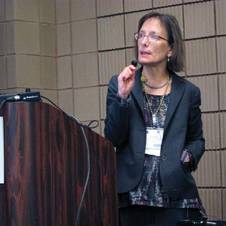
Since the guidelines’ last revision in 2009, the Accreditation Council for Graduate Medical Education recognized hospice and palliative medicine as a subspecialty of 11 different parent boards. That paved the way for the development of hospice and palliative medicine fellowships, now an eligibility requirement for the board certification exams.
This year, the Centers for Medicare and Medicaid Services also began implementing an annual quality reporting program for hospice organizations that includes a financial incentive for hospice provider participation. Data from roughly 600 hospitals are also filed with the Center to Advance Palliative Care (CAPC), which releases a report card on access to palliative care in U.S. hospitals.
"Right now it’s too early in the field to use it for public reporting or payment, but it’s not too early to use it to be able to say, ‘Look, here are the standards, and here’s how we compare in terms of staffing ratios to peer hospitals in our part of the country, and we aren’t even close,’ " Dr. Meier, CAPC director and professor of geriatrics and palliative medicine at Mount Sinai Hospital in New York, said in an interview.
In 2011, 46% of the roughly 2.5 million deaths in the United States were under the care of one of the nation’s more than 5,000 hospices, with data suggesting that costs during the last year of life are cut by an average of $2,309 per hospice user.
The new, third edition of the Clinical Practice Guidelines for Quality Palliative Care, endorsed by some 50 organizations, emphasizes the need to deliver palliative care from the time of diagnosis, through an interdisciplinary team. Earlier editions of the guidelines were used as the basis for the National Quality Forum Framework and Preferred Practices for Quality Palliative Care, as well as the Joint Commission’s 2011 palliative care advanced certification.
Although hospice and palliative care at a 300-bed tertiary hospital will look substantially different than at a 40-bed community hospital, it must include all eight domains of care. It is not a physician and a half-time nurse doing pain consults, insists NCP coleader Betty Ferrell, Ph.D., R.N.
She observed that the social, cultural, and spiritual domains have undergone the biggest changes in the latest edition.
The social domain emphasizes the need to collaborate with patients and families to identify and capitalize on their strengths, and to use a social worker with patient population–specific skills in assessment and interventions. The cultural domain contains new content stressing the need for cultural and linguistic competence, including plain language, literacy, and delivering written materials in languages other than English. Translators also should be used for patients and families who do not speak or understand English, or for those who feel more comfortable communicating in another language.
"We really need to do a lot of this [work] because, if you look at our literature, you could say it’s kind of uni-perspective," Dr. Ferrell, a professor and research scientist at the City of Hope Medical Center in Los Angeles, acknowledged.
The spiritual domain was revised to include a definition of spirituality stressing assessment, access, and staff collaboration in attending to the spiritual, religious, and existential concerns throughout the illness trajectory.
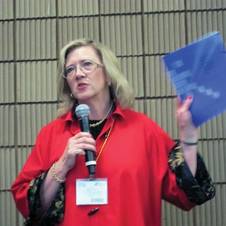
"Chaplains may see a small minority of patients in the hospital; thus it’s important for all health care providers to address spiritual needs," she said.
The ethical and legal domain was reorganized into three sections to highlight the need for ongoing discussions about goals of care as well as greater communication and documentation of advance-care planning documents. The section also describes team competencies in the identification and resolution of ethical issues, and acknowledges the frequency and complexity of legal and regulatory issues in palliative care.
During a discussion of the guidelines, audience members said they’ve often been kept from doing the next step in care because of fear of legal reprisal. Only a dozen or so of the roughly 200 members in the audience, however, raised their hands when asked whether legal counsel had ever attended a palliative care meeting at their hospital.
"We’ve had ethics committees involved in palliative care; but we actually need more access to our legal counsel so we can feel safer and that we’re making consistent judgments," Dr. Ferrell said at the meeting, also sponsored by the Hospice and Palliative Nurses Association.
Finally, the domain previously called "Care of the imminently dying" was renamed "Care of the patient at the end of life." It highlights the need to meticulously assess and manage pain and other symptoms, to guide families about what to expect in the dying process, and to begin bereavement support before the actual death.
"Families need support, given that they have often never witnessed a death until faced with losing someone they love," she said. "The reality of death is very different from images on film and television."
The guidelines were sponsored by the American Academy of Hospice and Palliative Medicine, the Center to Advance Palliative Care, the Hospice and Palliative Nurses Association, the National Hospice and Palliative Care Organization, the National Association of Social Workers, and the National Palliative Care Research Center. Dr. Meier and Dr. Ferrell reported no relevant conflicts of interest.
NEW ORLEANS – New palliative care guidelines encourage discipline-specific certification for each of the major disciplines in a palliative care program, even for chaplaincy.
The guidelines are critical in raising the bar to guide the training of professionals and the development of programs, said Dr. Diane Meier, coleader of the National Consensus Project for Quality Palliative Care (NCP), which released the guidelines during the annual meeting of the American Academy of Hospice and Palliative Medicine.
Since the guidelines’ last revision in 2009, the Accreditation Council for Graduate Medical Education recognized hospice and palliative medicine as a subspecialty of 11 different parent boards. That paved the way for the development of hospice and palliative medicine fellowships, now an eligibility requirement for the board certification exams.
This year, the Centers for Medicare and Medicaid Services also began implementing an annual quality reporting program for hospice organizations that includes a financial incentive for hospice provider participation. Data from roughly 600 hospitals are also filed with the Center to Advance Palliative Care (CAPC), which releases a report card on access to palliative care in U.S. hospitals.
"Right now it’s too early in the field to use it for public reporting or payment, but it’s not too early to use it to be able to say, ‘Look, here are the standards, and here’s how we compare in terms of staffing ratios to peer hospitals in our part of the country, and we aren’t even close,’ " Dr. Meier, CAPC director and professor of geriatrics and palliative medicine at Mount Sinai Hospital in New York, said in an interview.
In 2011, 46% of the roughly 2.5 million deaths in the United States were under the care of one of the nation’s more than 5,000 hospices, with data suggesting that costs during the last year of life are cut by an average of $2,309 per hospice user.
The new, third edition of the Clinical Practice Guidelines for Quality Palliative Care, endorsed by some 50 organizations, emphasizes the need to deliver palliative care from the time of diagnosis, through an interdisciplinary team. Earlier editions of the guidelines were used as the basis for the National Quality Forum Framework and Preferred Practices for Quality Palliative Care, as well as the Joint Commission’s 2011 palliative care advanced certification.
Although hospice and palliative care at a 300-bed tertiary hospital will look substantially different than at a 40-bed community hospital, it must include all eight domains of care. It is not a physician and a half-time nurse doing pain consults, insists NCP coleader Betty Ferrell, Ph.D., R.N.
She observed that the social, cultural, and spiritual domains have undergone the biggest changes in the latest edition.
The social domain emphasizes the need to collaborate with patients and families to identify and capitalize on their strengths, and to use a social worker with patient population–specific skills in assessment and interventions. The cultural domain contains new content stressing the need for cultural and linguistic competence, including plain language, literacy, and delivering written materials in languages other than English. Translators also should be used for patients and families who do not speak or understand English, or for those who feel more comfortable communicating in another language.
"We really need to do a lot of this [work] because, if you look at our literature, you could say it’s kind of uni-perspective," Dr. Ferrell, a professor and research scientist at the City of Hope Medical Center in Los Angeles, acknowledged.
The spiritual domain was revised to include a definition of spirituality stressing assessment, access, and staff collaboration in attending to the spiritual, religious, and existential concerns throughout the illness trajectory.
"Chaplains may see a small minority of patients in the hospital; thus it’s important for all health care providers to address spiritual needs," she said.
The ethical and legal domain was reorganized into three sections to highlight the need for ongoing discussions about goals of care as well as greater communication and documentation of advance-care planning documents. The section also describes team competencies in the identification and resolution of ethical issues, and acknowledges the frequency and complexity of legal and regulatory issues in palliative care.
During a discussion of the guidelines, audience members said they’ve often been kept from doing the next step in care because of fear of legal reprisal. Only a dozen or so of the roughly 200 members in the audience, however, raised their hands when asked whether legal counsel had ever attended a palliative care meeting at their hospital.
"We’ve had ethics committees involved in palliative care; but we actually need more access to our legal counsel so we can feel safer and that we’re making consistent judgments," Dr. Ferrell said at the meeting, also sponsored by the Hospice and Palliative Nurses Association.
Finally, the domain previously called "Care of the imminently dying" was renamed "Care of the patient at the end of life." It highlights the need to meticulously assess and manage pain and other symptoms, to guide families about what to expect in the dying process, and to begin bereavement support before the actual death.
"Families need support, given that they have often never witnessed a death until faced with losing someone they love," she said. "The reality of death is very different from images on film and television."
The guidelines were sponsored by the American Academy of Hospice and Palliative Medicine, the Center to Advance Palliative Care, the Hospice and Palliative Nurses Association, the National Hospice and Palliative Care Organization, the National Association of Social Workers, and the National Palliative Care Research Center. Dr. Meier and Dr. Ferrell reported no relevant conflicts of interest.
NEW ORLEANS – New palliative care guidelines encourage discipline-specific certification for each of the major disciplines in a palliative care program, even for chaplaincy.
The guidelines are critical in raising the bar to guide the training of professionals and the development of programs, said Dr. Diane Meier, coleader of the National Consensus Project for Quality Palliative Care (NCP), which released the guidelines during the annual meeting of the American Academy of Hospice and Palliative Medicine.
Since the guidelines’ last revision in 2009, the Accreditation Council for Graduate Medical Education recognized hospice and palliative medicine as a subspecialty of 11 different parent boards. That paved the way for the development of hospice and palliative medicine fellowships, now an eligibility requirement for the board certification exams.
This year, the Centers for Medicare and Medicaid Services also began implementing an annual quality reporting program for hospice organizations that includes a financial incentive for hospice provider participation. Data from roughly 600 hospitals are also filed with the Center to Advance Palliative Care (CAPC), which releases a report card on access to palliative care in U.S. hospitals.
"Right now it’s too early in the field to use it for public reporting or payment, but it’s not too early to use it to be able to say, ‘Look, here are the standards, and here’s how we compare in terms of staffing ratios to peer hospitals in our part of the country, and we aren’t even close,’ " Dr. Meier, CAPC director and professor of geriatrics and palliative medicine at Mount Sinai Hospital in New York, said in an interview.
In 2011, 46% of the roughly 2.5 million deaths in the United States were under the care of one of the nation’s more than 5,000 hospices, with data suggesting that costs during the last year of life are cut by an average of $2,309 per hospice user.
The new, third edition of the Clinical Practice Guidelines for Quality Palliative Care, endorsed by some 50 organizations, emphasizes the need to deliver palliative care from the time of diagnosis, through an interdisciplinary team. Earlier editions of the guidelines were used as the basis for the National Quality Forum Framework and Preferred Practices for Quality Palliative Care, as well as the Joint Commission’s 2011 palliative care advanced certification.
Although hospice and palliative care at a 300-bed tertiary hospital will look substantially different than at a 40-bed community hospital, it must include all eight domains of care. It is not a physician and a half-time nurse doing pain consults, insists NCP coleader Betty Ferrell, Ph.D., R.N.
She observed that the social, cultural, and spiritual domains have undergone the biggest changes in the latest edition.
The social domain emphasizes the need to collaborate with patients and families to identify and capitalize on their strengths, and to use a social worker with patient population–specific skills in assessment and interventions. The cultural domain contains new content stressing the need for cultural and linguistic competence, including plain language, literacy, and delivering written materials in languages other than English. Translators also should be used for patients and families who do not speak or understand English, or for those who feel more comfortable communicating in another language.
"We really need to do a lot of this [work] because, if you look at our literature, you could say it’s kind of uni-perspective," Dr. Ferrell, a professor and research scientist at the City of Hope Medical Center in Los Angeles, acknowledged.
The spiritual domain was revised to include a definition of spirituality stressing assessment, access, and staff collaboration in attending to the spiritual, religious, and existential concerns throughout the illness trajectory.
"Chaplains may see a small minority of patients in the hospital; thus it’s important for all health care providers to address spiritual needs," she said.
The ethical and legal domain was reorganized into three sections to highlight the need for ongoing discussions about goals of care as well as greater communication and documentation of advance-care planning documents. The section also describes team competencies in the identification and resolution of ethical issues, and acknowledges the frequency and complexity of legal and regulatory issues in palliative care.
During a discussion of the guidelines, audience members said they’ve often been kept from doing the next step in care because of fear of legal reprisal. Only a dozen or so of the roughly 200 members in the audience, however, raised their hands when asked whether legal counsel had ever attended a palliative care meeting at their hospital.
"We’ve had ethics committees involved in palliative care; but we actually need more access to our legal counsel so we can feel safer and that we’re making consistent judgments," Dr. Ferrell said at the meeting, also sponsored by the Hospice and Palliative Nurses Association.
Finally, the domain previously called "Care of the imminently dying" was renamed "Care of the patient at the end of life." It highlights the need to meticulously assess and manage pain and other symptoms, to guide families about what to expect in the dying process, and to begin bereavement support before the actual death.
"Families need support, given that they have often never witnessed a death until faced with losing someone they love," she said. "The reality of death is very different from images on film and television."
The guidelines were sponsored by the American Academy of Hospice and Palliative Medicine, the Center to Advance Palliative Care, the Hospice and Palliative Nurses Association, the National Hospice and Palliative Care Organization, the National Association of Social Workers, and the National Palliative Care Research Center. Dr. Meier and Dr. Ferrell reported no relevant conflicts of interest.
AT THE AAHPM ANNUAL ASSEMBLY
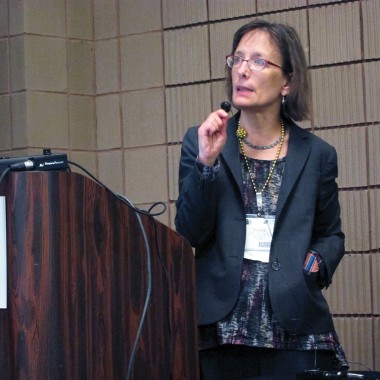
Passport to personality: Is it the patient who's 'difficult'?
You know that you’ve been at a valuable meeting when you can use on Monday morning the "take-home messages" you gathered over the weekend.
The annual conference of the American Psychosocial Oncology Society was just such a meeting, filled with valuable data and perspective on distress screening tools, survivorship guidance, and ways to integrate psychosocial care comfortably into the evolving medical model of cancer care.
But the lessons I put into play before I unpacked my briefcase were gleaned in a dynamic workshop led by Dr. John D. Wynn of the Swedish Cancer Institute in Seattle.
A psychiatrist, Dr. Wynn has long been regarded as an expert on the uneasy intersection of cancer and Axis II personality traits and disorders, having written the chapter on this topic in Dr. Jimmie Holland’s classic textbook Psycho-Oncology (New York: Oxford University Press, 2010).
Sorting through Axis II diagnoses, he frames Clusters A, B, and C as "weird," "wild," and "worried." Along the way, he challenged the accepted dogma that personality disorders are easily defined, enduring, and inflexible when research calls into question all of these notions.
To be sure, there are individuals whose ways of dealing with others and the world fall far outside the reassuring central band of "average." But labels – formal or informal –may be overused and unhelpful, he argued.
For example, "uncooperative" and "difficult" aren’t assigned codes in the DSM-IV or ICD-9, but they’re quasi-diagnoses used with great frequency in rounds, case conferences, and at the nursing station.
Dr. Wynn drove home the point that such terms are relative. Members of the treatment team are likely viewed as "difficult" by the very same patients who elicit the label from us. Consider the context, he counseled.
"Medical care encourages and reinforces dependency, passivity, and attention seeking," he explained.
While most people in society are able to adapt to the highly structured culture of Western medicine, grinning and bearing it in their new costumes (cotton gowns) and subservient patient roles, others may simply not possess that flexibility, particularly in the context of extreme fear, embarrassment, or mistrust.
Dr. Wynn argues that the people who are often diagnosed with personality disorders really have "adaptive failure" – a term he wishes would have made it into DSM-5. They have both a poor sense of self and a poor capacity for interpersonal functioning.
And this is a painful combination when it comes to coping with a life-threatening diagnosis in a strange new world, where amicability, conformity, and allegiance to the treatment plan are highly prized.
So how does all this play out in the clinic?
Dr. Wynn’s advice is to use our own reactions to such patients as diagnostic cues, tapping into our professionalism to guide our responses.
See each patient as unique and uniquely challenged by the circumstances of his or her disease, and respond based on what you see and feel, he advised.
Take extra time to listen to patients who fail to follow through with treatment, appear needy or overly-entitled, and even those who may "frighten or repel us."
Do fear, shame, or confusion lie at the heart of such behavior?
Could respect, collaboration, and limit setting put in check the most troubling interactions with such patients?
With Dr. Wynn’s conceptualization fresh in my mind, I was inspired to step back and put into context my own reactions to patients I find difficult.
I found myself more patient, more understanding, and more curious about the underpinnings of behaviors that play havoc with the treatment schedule and have the potential to bring out the worst in us all.
What particularly helps for me is to remember (and remind colleagues) that our shared enemy is cancer, not the patient. By seeing the patient as our ally in that fight, we are motivated to compassionately demystify our traditions and find creative bridges to connection with all types of people who need our care.
Dr. Freed is a psychologist in Santa Barbara, Calif., and a medical journalist.
You know that you’ve been at a valuable meeting when you can use on Monday morning the "take-home messages" you gathered over the weekend.
The annual conference of the American Psychosocial Oncology Society was just such a meeting, filled with valuable data and perspective on distress screening tools, survivorship guidance, and ways to integrate psychosocial care comfortably into the evolving medical model of cancer care.
But the lessons I put into play before I unpacked my briefcase were gleaned in a dynamic workshop led by Dr. John D. Wynn of the Swedish Cancer Institute in Seattle.
A psychiatrist, Dr. Wynn has long been regarded as an expert on the uneasy intersection of cancer and Axis II personality traits and disorders, having written the chapter on this topic in Dr. Jimmie Holland’s classic textbook Psycho-Oncology (New York: Oxford University Press, 2010).
Sorting through Axis II diagnoses, he frames Clusters A, B, and C as "weird," "wild," and "worried." Along the way, he challenged the accepted dogma that personality disorders are easily defined, enduring, and inflexible when research calls into question all of these notions.
To be sure, there are individuals whose ways of dealing with others and the world fall far outside the reassuring central band of "average." But labels – formal or informal –may be overused and unhelpful, he argued.
For example, "uncooperative" and "difficult" aren’t assigned codes in the DSM-IV or ICD-9, but they’re quasi-diagnoses used with great frequency in rounds, case conferences, and at the nursing station.
Dr. Wynn drove home the point that such terms are relative. Members of the treatment team are likely viewed as "difficult" by the very same patients who elicit the label from us. Consider the context, he counseled.
"Medical care encourages and reinforces dependency, passivity, and attention seeking," he explained.
While most people in society are able to adapt to the highly structured culture of Western medicine, grinning and bearing it in their new costumes (cotton gowns) and subservient patient roles, others may simply not possess that flexibility, particularly in the context of extreme fear, embarrassment, or mistrust.
Dr. Wynn argues that the people who are often diagnosed with personality disorders really have "adaptive failure" – a term he wishes would have made it into DSM-5. They have both a poor sense of self and a poor capacity for interpersonal functioning.
And this is a painful combination when it comes to coping with a life-threatening diagnosis in a strange new world, where amicability, conformity, and allegiance to the treatment plan are highly prized.
So how does all this play out in the clinic?
Dr. Wynn’s advice is to use our own reactions to such patients as diagnostic cues, tapping into our professionalism to guide our responses.
See each patient as unique and uniquely challenged by the circumstances of his or her disease, and respond based on what you see and feel, he advised.
Take extra time to listen to patients who fail to follow through with treatment, appear needy or overly-entitled, and even those who may "frighten or repel us."
Do fear, shame, or confusion lie at the heart of such behavior?
Could respect, collaboration, and limit setting put in check the most troubling interactions with such patients?
With Dr. Wynn’s conceptualization fresh in my mind, I was inspired to step back and put into context my own reactions to patients I find difficult.
I found myself more patient, more understanding, and more curious about the underpinnings of behaviors that play havoc with the treatment schedule and have the potential to bring out the worst in us all.
What particularly helps for me is to remember (and remind colleagues) that our shared enemy is cancer, not the patient. By seeing the patient as our ally in that fight, we are motivated to compassionately demystify our traditions and find creative bridges to connection with all types of people who need our care.
Dr. Freed is a psychologist in Santa Barbara, Calif., and a medical journalist.
You know that you’ve been at a valuable meeting when you can use on Monday morning the "take-home messages" you gathered over the weekend.
The annual conference of the American Psychosocial Oncology Society was just such a meeting, filled with valuable data and perspective on distress screening tools, survivorship guidance, and ways to integrate psychosocial care comfortably into the evolving medical model of cancer care.
But the lessons I put into play before I unpacked my briefcase were gleaned in a dynamic workshop led by Dr. John D. Wynn of the Swedish Cancer Institute in Seattle.
A psychiatrist, Dr. Wynn has long been regarded as an expert on the uneasy intersection of cancer and Axis II personality traits and disorders, having written the chapter on this topic in Dr. Jimmie Holland’s classic textbook Psycho-Oncology (New York: Oxford University Press, 2010).
Sorting through Axis II diagnoses, he frames Clusters A, B, and C as "weird," "wild," and "worried." Along the way, he challenged the accepted dogma that personality disorders are easily defined, enduring, and inflexible when research calls into question all of these notions.
To be sure, there are individuals whose ways of dealing with others and the world fall far outside the reassuring central band of "average." But labels – formal or informal –may be overused and unhelpful, he argued.
For example, "uncooperative" and "difficult" aren’t assigned codes in the DSM-IV or ICD-9, but they’re quasi-diagnoses used with great frequency in rounds, case conferences, and at the nursing station.
Dr. Wynn drove home the point that such terms are relative. Members of the treatment team are likely viewed as "difficult" by the very same patients who elicit the label from us. Consider the context, he counseled.
"Medical care encourages and reinforces dependency, passivity, and attention seeking," he explained.
While most people in society are able to adapt to the highly structured culture of Western medicine, grinning and bearing it in their new costumes (cotton gowns) and subservient patient roles, others may simply not possess that flexibility, particularly in the context of extreme fear, embarrassment, or mistrust.
Dr. Wynn argues that the people who are often diagnosed with personality disorders really have "adaptive failure" – a term he wishes would have made it into DSM-5. They have both a poor sense of self and a poor capacity for interpersonal functioning.
And this is a painful combination when it comes to coping with a life-threatening diagnosis in a strange new world, where amicability, conformity, and allegiance to the treatment plan are highly prized.
So how does all this play out in the clinic?
Dr. Wynn’s advice is to use our own reactions to such patients as diagnostic cues, tapping into our professionalism to guide our responses.
See each patient as unique and uniquely challenged by the circumstances of his or her disease, and respond based on what you see and feel, he advised.
Take extra time to listen to patients who fail to follow through with treatment, appear needy or overly-entitled, and even those who may "frighten or repel us."
Do fear, shame, or confusion lie at the heart of such behavior?
Could respect, collaboration, and limit setting put in check the most troubling interactions with such patients?
With Dr. Wynn’s conceptualization fresh in my mind, I was inspired to step back and put into context my own reactions to patients I find difficult.
I found myself more patient, more understanding, and more curious about the underpinnings of behaviors that play havoc with the treatment schedule and have the potential to bring out the worst in us all.
What particularly helps for me is to remember (and remind colleagues) that our shared enemy is cancer, not the patient. By seeing the patient as our ally in that fight, we are motivated to compassionately demystify our traditions and find creative bridges to connection with all types of people who need our care.
Dr. Freed is a psychologist in Santa Barbara, Calif., and a medical journalist.
End-of-life hypoactive delirium responds to antipsychotics
LAS VEGAS – Hypoactive delirium is common in terminally ill patients; just as disconcerting as hyperactive, agitated delirium; and just as likely to respond to antipsychotics, according to Dr. William Breitbart, chief of the psychiatry service at Memorial Sloan-Kettering Cancer Center, New York.
Outwardly, patients with hypoactive delirium appear less distressed than do patients with hyperactive delirium, yet they report just as much distress and about half of them report delusions and hallucinations.
About 80% of terminal cancer patients become delirious in their final weeks of life, and about half of them experience hypoactive delirium in association with opioid analgesia, metabolic derangements, and organ failure.
Addressing hypoactive delirium requires diplomacy, especially in patients with hallucinations, he said. Dying patients often see dead relatives – parents, for instance, who come to accompany them to the afterlife. "For me to barrel into the room and say those are psychotic symptoms or describe these experiences as absurd would be insensitive; they are profoundly meaningful experiences to patients and families," Dr. Breitbart said at the annual psychopharmacology update held by the Nevada Psychiatric Association. Instead, he acknowledges the significance of the visions, but notes that they can rapidly change to very frightening visions. He then discusses the use of medications to avert this possible progression.
Antipsychotics help to reduce agitation, psychotic symptoms, and more subtle problems such as disorientation in these patients, Dr. Breitbart said at the conference. When the underlying metabolic problems can be addressed in cancer patients, the drugs can be used for a few weeks and this sort of short-term use is not associated with increased mortality, he said. The ultimate goal of treatment is an "upright patient who is awake, alert, and conversant with family and staff."
In the patient with imminent terminal illness, however, sometimes "the best you can achieve (with antipsychotics) is a sedated patient," he said.
Low-dose haloperidol is generally preferred; atypical antipsychotics have not proven any more effective or safer. Close monitoring for side effects – particularly prolonged QTc intervals and extrapyramidal symptoms – is essential (J. Clin. Oncol. 2012;30:1206-14).
Haloperidol and chlorpromazine work equally well in both types of delirium. Dr. Breitbart said he’ll sometimes add chlorpromazine when agitation fails to respond to haloperidol alone.
Aripiprazole may work a bit better in hypoactive patients; olanzapine may be preferred in hyperactive patients. Risperidone is another option.
"We tend not to use benzodiazepines because they worsen delirium, but if your goal is to sedate a patient, then benzodiazepines are helpful. We often use haloperidol in combination with a drug like lorazepam to help get an agitated patient under better control," he said.
Dr. Breitbart said he has no relevant financial relationships with commercial interests.
LAS VEGAS – Hypoactive delirium is common in terminally ill patients; just as disconcerting as hyperactive, agitated delirium; and just as likely to respond to antipsychotics, according to Dr. William Breitbart, chief of the psychiatry service at Memorial Sloan-Kettering Cancer Center, New York.
Outwardly, patients with hypoactive delirium appear less distressed than do patients with hyperactive delirium, yet they report just as much distress and about half of them report delusions and hallucinations.
About 80% of terminal cancer patients become delirious in their final weeks of life, and about half of them experience hypoactive delirium in association with opioid analgesia, metabolic derangements, and organ failure.
Addressing hypoactive delirium requires diplomacy, especially in patients with hallucinations, he said. Dying patients often see dead relatives – parents, for instance, who come to accompany them to the afterlife. "For me to barrel into the room and say those are psychotic symptoms or describe these experiences as absurd would be insensitive; they are profoundly meaningful experiences to patients and families," Dr. Breitbart said at the annual psychopharmacology update held by the Nevada Psychiatric Association. Instead, he acknowledges the significance of the visions, but notes that they can rapidly change to very frightening visions. He then discusses the use of medications to avert this possible progression.
Antipsychotics help to reduce agitation, psychotic symptoms, and more subtle problems such as disorientation in these patients, Dr. Breitbart said at the conference. When the underlying metabolic problems can be addressed in cancer patients, the drugs can be used for a few weeks and this sort of short-term use is not associated with increased mortality, he said. The ultimate goal of treatment is an "upright patient who is awake, alert, and conversant with family and staff."
In the patient with imminent terminal illness, however, sometimes "the best you can achieve (with antipsychotics) is a sedated patient," he said.
Low-dose haloperidol is generally preferred; atypical antipsychotics have not proven any more effective or safer. Close monitoring for side effects – particularly prolonged QTc intervals and extrapyramidal symptoms – is essential (J. Clin. Oncol. 2012;30:1206-14).
Haloperidol and chlorpromazine work equally well in both types of delirium. Dr. Breitbart said he’ll sometimes add chlorpromazine when agitation fails to respond to haloperidol alone.
Aripiprazole may work a bit better in hypoactive patients; olanzapine may be preferred in hyperactive patients. Risperidone is another option.
"We tend not to use benzodiazepines because they worsen delirium, but if your goal is to sedate a patient, then benzodiazepines are helpful. We often use haloperidol in combination with a drug like lorazepam to help get an agitated patient under better control," he said.
Dr. Breitbart said he has no relevant financial relationships with commercial interests.
LAS VEGAS – Hypoactive delirium is common in terminally ill patients; just as disconcerting as hyperactive, agitated delirium; and just as likely to respond to antipsychotics, according to Dr. William Breitbart, chief of the psychiatry service at Memorial Sloan-Kettering Cancer Center, New York.
Outwardly, patients with hypoactive delirium appear less distressed than do patients with hyperactive delirium, yet they report just as much distress and about half of them report delusions and hallucinations.
About 80% of terminal cancer patients become delirious in their final weeks of life, and about half of them experience hypoactive delirium in association with opioid analgesia, metabolic derangements, and organ failure.
Addressing hypoactive delirium requires diplomacy, especially in patients with hallucinations, he said. Dying patients often see dead relatives – parents, for instance, who come to accompany them to the afterlife. "For me to barrel into the room and say those are psychotic symptoms or describe these experiences as absurd would be insensitive; they are profoundly meaningful experiences to patients and families," Dr. Breitbart said at the annual psychopharmacology update held by the Nevada Psychiatric Association. Instead, he acknowledges the significance of the visions, but notes that they can rapidly change to very frightening visions. He then discusses the use of medications to avert this possible progression.
Antipsychotics help to reduce agitation, psychotic symptoms, and more subtle problems such as disorientation in these patients, Dr. Breitbart said at the conference. When the underlying metabolic problems can be addressed in cancer patients, the drugs can be used for a few weeks and this sort of short-term use is not associated with increased mortality, he said. The ultimate goal of treatment is an "upright patient who is awake, alert, and conversant with family and staff."
In the patient with imminent terminal illness, however, sometimes "the best you can achieve (with antipsychotics) is a sedated patient," he said.
Low-dose haloperidol is generally preferred; atypical antipsychotics have not proven any more effective or safer. Close monitoring for side effects – particularly prolonged QTc intervals and extrapyramidal symptoms – is essential (J. Clin. Oncol. 2012;30:1206-14).
Haloperidol and chlorpromazine work equally well in both types of delirium. Dr. Breitbart said he’ll sometimes add chlorpromazine when agitation fails to respond to haloperidol alone.
Aripiprazole may work a bit better in hypoactive patients; olanzapine may be preferred in hyperactive patients. Risperidone is another option.
"We tend not to use benzodiazepines because they worsen delirium, but if your goal is to sedate a patient, then benzodiazepines are helpful. We often use haloperidol in combination with a drug like lorazepam to help get an agitated patient under better control," he said.
Dr. Breitbart said he has no relevant financial relationships with commercial interests.
AT NPA ANNUAL PSYCHOPHARMACOLOGY CONFERENCE
Harness side effects when selecting psychotropics for cancer patients
LAS VEGAS – When it comes to treating depression in end-stage cancer patients, the side effects of psychotropics can prove almost as helpful as their primary indications.
"We tend to select drugs based on the side effects we want to utilize," said Dr. William S. Breitbart, chief of the Memorial Sloan-Kettering Cancer Center Psychiatry Service in New York.
For instance, sedating, constipating medicines such as tricyclics would be work well for a depressed patient with insomnia, diarrhea, and mouth sores. However, it would make sense to avoid those side effects in a patient with constipation or one who sleeps too much because of opioid pain management, he said.
Tricyclics also have some pain-fighting ability, and antidepressants in general help with dyspnea and can, along with neuroleptics, counter steroid side effects.
Drugs such as venlafaxine, mirtazapine, citalopram, and escitalopram are favored for terminally ill cancer patients, when possible, because they have little effect on the cytochrome P450 system, and so are unlikely to interfere with the blood levels of chemotherapeutic agents such as tamoxifen, Dr. Breitbart said at the Nevada Psychiatric Association’s Annual Psychopharmacology Update conference.
In addition, excitement in psychiatry about ketamine as an antidepressant has also been extended to patients in palliative care settings. However, Dr. Breitbart said, so far, there has not been enough controlled trials to support the use of ketamine with these terminal patients.
The side effects of other psychotropics are useful, too. Mirtazapine can help patients gain weight; olanzapine can do that, has analgesic properties, and helps with nausea and vomiting. Fitful sleep can be calmed by various agents with sedating properties.
Pain, metabolic abnormalities, anemia, adrenal insufficiency, hypogonadism, and chemotherapy agents themselves are among the factors that can contribute to depression in cancer patients. Patients with pancreatic cancer have higher rates of depression than do those with other intra-abdominal or retroperitoneal cancers, as well, perhaps because they have high levels of endogenous proinflammatory cytokines, which have been linked to depression.
About 60% of patients will respond to antidepressant therapy; individual and group psychotherapy, music and relaxation therapy, and social support help, too.
Psychostimulants help improve mood, cognition, and concentration, as well. "We occasionally use combinations of psychostimulants with [selective serotonin reuptake inhibitors] to jump-start the effect of the antidepressant agent." They also potentiate the analgesic effect of opioids and counteract their sedation, "so you can achieve analgesia at higher [opioid] doses" instead of limiting them because of sedation, Dr. Breitbart said.
Rather then suppressing appetite, psychostimulants give cancer patients a better sense of well-being and improve their appetite, which may help them gain a few pounds.
It’s a challenge to identify depression in advanced cancer, because fatigue, weight loss, and other effects of cancer and its treatment mimic depression. One solution is to increase the threshold for depression diagnoses, requiring a couple more associated symptoms instead of the usual four. Also, just the simple question, "Have you been depressed most of the time for the past 2 weeks" is a great screening tool for advanced cancer patients, he said.
Dr. Breitbart said he has no relevant commercial interests.
LAS VEGAS – When it comes to treating depression in end-stage cancer patients, the side effects of psychotropics can prove almost as helpful as their primary indications.
"We tend to select drugs based on the side effects we want to utilize," said Dr. William S. Breitbart, chief of the Memorial Sloan-Kettering Cancer Center Psychiatry Service in New York.
For instance, sedating, constipating medicines such as tricyclics would be work well for a depressed patient with insomnia, diarrhea, and mouth sores. However, it would make sense to avoid those side effects in a patient with constipation or one who sleeps too much because of opioid pain management, he said.
Tricyclics also have some pain-fighting ability, and antidepressants in general help with dyspnea and can, along with neuroleptics, counter steroid side effects.
Drugs such as venlafaxine, mirtazapine, citalopram, and escitalopram are favored for terminally ill cancer patients, when possible, because they have little effect on the cytochrome P450 system, and so are unlikely to interfere with the blood levels of chemotherapeutic agents such as tamoxifen, Dr. Breitbart said at the Nevada Psychiatric Association’s Annual Psychopharmacology Update conference.
In addition, excitement in psychiatry about ketamine as an antidepressant has also been extended to patients in palliative care settings. However, Dr. Breitbart said, so far, there has not been enough controlled trials to support the use of ketamine with these terminal patients.
The side effects of other psychotropics are useful, too. Mirtazapine can help patients gain weight; olanzapine can do that, has analgesic properties, and helps with nausea and vomiting. Fitful sleep can be calmed by various agents with sedating properties.
Pain, metabolic abnormalities, anemia, adrenal insufficiency, hypogonadism, and chemotherapy agents themselves are among the factors that can contribute to depression in cancer patients. Patients with pancreatic cancer have higher rates of depression than do those with other intra-abdominal or retroperitoneal cancers, as well, perhaps because they have high levels of endogenous proinflammatory cytokines, which have been linked to depression.
About 60% of patients will respond to antidepressant therapy; individual and group psychotherapy, music and relaxation therapy, and social support help, too.
Psychostimulants help improve mood, cognition, and concentration, as well. "We occasionally use combinations of psychostimulants with [selective serotonin reuptake inhibitors] to jump-start the effect of the antidepressant agent." They also potentiate the analgesic effect of opioids and counteract their sedation, "so you can achieve analgesia at higher [opioid] doses" instead of limiting them because of sedation, Dr. Breitbart said.
Rather then suppressing appetite, psychostimulants give cancer patients a better sense of well-being and improve their appetite, which may help them gain a few pounds.
It’s a challenge to identify depression in advanced cancer, because fatigue, weight loss, and other effects of cancer and its treatment mimic depression. One solution is to increase the threshold for depression diagnoses, requiring a couple more associated symptoms instead of the usual four. Also, just the simple question, "Have you been depressed most of the time for the past 2 weeks" is a great screening tool for advanced cancer patients, he said.
Dr. Breitbart said he has no relevant commercial interests.
LAS VEGAS – When it comes to treating depression in end-stage cancer patients, the side effects of psychotropics can prove almost as helpful as their primary indications.
"We tend to select drugs based on the side effects we want to utilize," said Dr. William S. Breitbart, chief of the Memorial Sloan-Kettering Cancer Center Psychiatry Service in New York.
For instance, sedating, constipating medicines such as tricyclics would be work well for a depressed patient with insomnia, diarrhea, and mouth sores. However, it would make sense to avoid those side effects in a patient with constipation or one who sleeps too much because of opioid pain management, he said.
Tricyclics also have some pain-fighting ability, and antidepressants in general help with dyspnea and can, along with neuroleptics, counter steroid side effects.
Drugs such as venlafaxine, mirtazapine, citalopram, and escitalopram are favored for terminally ill cancer patients, when possible, because they have little effect on the cytochrome P450 system, and so are unlikely to interfere with the blood levels of chemotherapeutic agents such as tamoxifen, Dr. Breitbart said at the Nevada Psychiatric Association’s Annual Psychopharmacology Update conference.
In addition, excitement in psychiatry about ketamine as an antidepressant has also been extended to patients in palliative care settings. However, Dr. Breitbart said, so far, there has not been enough controlled trials to support the use of ketamine with these terminal patients.
The side effects of other psychotropics are useful, too. Mirtazapine can help patients gain weight; olanzapine can do that, has analgesic properties, and helps with nausea and vomiting. Fitful sleep can be calmed by various agents with sedating properties.
Pain, metabolic abnormalities, anemia, adrenal insufficiency, hypogonadism, and chemotherapy agents themselves are among the factors that can contribute to depression in cancer patients. Patients with pancreatic cancer have higher rates of depression than do those with other intra-abdominal or retroperitoneal cancers, as well, perhaps because they have high levels of endogenous proinflammatory cytokines, which have been linked to depression.
About 60% of patients will respond to antidepressant therapy; individual and group psychotherapy, music and relaxation therapy, and social support help, too.
Psychostimulants help improve mood, cognition, and concentration, as well. "We occasionally use combinations of psychostimulants with [selective serotonin reuptake inhibitors] to jump-start the effect of the antidepressant agent." They also potentiate the analgesic effect of opioids and counteract their sedation, "so you can achieve analgesia at higher [opioid] doses" instead of limiting them because of sedation, Dr. Breitbart said.
Rather then suppressing appetite, psychostimulants give cancer patients a better sense of well-being and improve their appetite, which may help them gain a few pounds.
It’s a challenge to identify depression in advanced cancer, because fatigue, weight loss, and other effects of cancer and its treatment mimic depression. One solution is to increase the threshold for depression diagnoses, requiring a couple more associated symptoms instead of the usual four. Also, just the simple question, "Have you been depressed most of the time for the past 2 weeks" is a great screening tool for advanced cancer patients, he said.
Dr. Breitbart said he has no relevant commercial interests.
FROM THE NPA ANNUAL PSYCHO-PHARMACOLOGY CONFERENCE
Frailty in older adults: Implications for end-of-life care
As people get older, they have more things wrong with them. And the more things they have wrong with them, the more likely they are to die. But everyone accumulates deficits at a different rate, and not all people of the same age have the same short-term risk of dying. This variable susceptibility to death and other adverse outcomes in older people of the same age is called frailty.1
Frailty poses special challenges to how we organize and deliver health care. These challenges are sometimes seen most starkly when people are most frail, especially as they approach the end of life.
In this paper, we will review how frailty is conceptualized and defined, consider how frailty affects the care of people at the end of their lives, and suggest practices that can make end-of-life care better for frail older adults.
DEFINING FRAILTY
As with all complex systems, when frail people become acutely unwell their highest-order functions fail first. Thus, cognitive impairment, functional decline, impaired mobility, and social withdrawal are hallmark presentations of the further accumulation of deficits in vulnerable seniors.
Delirium and falls are important clues that a person’s resilience is becoming compromised and that the person is at risk of further insults in a downward spiral or acceleration of things going wrong.1,2 Frailty is associated with poor health outcomes, from disability to institutionalization and death.3
This idea of frailty as vulnerability arising from dysregulation of multiple physiologic systems is reasonably non-controversial. Even so, there are competing views on how to systematically quantify those who are at an increased risk of adverse sequelae.
Quantifying frailty is particularly important if it can tell us if a patient is at high risk of further decline and death. As frailty advances, it is appropriate to shift the focus of care to palliation, with the goal of optimizing quality of life and easing symptoms.4 Identifying someone as frail can aid decision-making in the setting of critical illness, where the system commonly defaults to an “always do everything” mode without considering the ramifications of such an approach. Furthermore, without a routine means of measuring frailty, it is often left to critical care units or rapid-response medical teams to initiate a discussion about whether an aggressive course of care is appropriate or desired.5,6
Frailty as a syndrome
Fried et al7 defined frailty as a syndrome arising from the “physiologic triad” of sarcopenia and immune and neuroendocrine dysregulation. Patients are considered frail if they have three or more of the following five criteria:
- Reduced activity
- Slowing of mobility
- Weight loss
- Diminished handgrip strength
- Exhaustion.
Someone who has only one or two of these items is said to be “pre-frail”; someone with none is said to be “robust.”
The frailty index
An alternative viewpoint is that frailty is a state arising from the accumulation of deficits, which can be counted in a frailty index.
The frailty index is based on the concept that frailty is a consequence of interacting physical, psychological, and social factors. As deficits accumulate, people become increasingly vulnerable to adverse outcomes.
The frailty index is calculated as the number of deficits the patient has, divided by the number of deficits considered. For example, in a frailty index based on a comprehensive geriatric assessment, an individual with impairments in 4 of 10 domains and with 10 of 24 possible comorbidities would have 14 of 34 possible deficits, for a frailty index of 0.41.8
A criticism of the frailty index is that it includes functional dependence as a deficit. The criticism stems from the view that frailty should be seen as occurring prior to disability. According to this view, including dependence in instrumental and basic activities of daily living as a deficit confuses disability with frailty.
Proponents of the frailty index counter that frailty is not “all or none” and needs to be graded. The frailty index can distinguish between people with and without disability by means of the number of deficits that they have, which is most important. For example, a person disabled by a paraplegic injury would have a lower frailty index score and therefore would be considered less frail than a person with advanced cancer affecting multiple body systems. (This is assuming the person who has suffered the injury resulting in paraplegia doesn’t have a concomitant condition such as renal failure or heart disease. In the absence of other health insults, such patients are less at risk of further morbidity or death than the patient with advanced cancer until they get another health insult or insults added to their frailty.)
In any case, functional capacity is fundamental in medical decision-making and when estimating prognoses. An example is the use of the Eastern Cooperative Oncology Group’s functional status measure.9,10
Sum of physical and psychological stressors
Consensus is growing for the concept that frail people are made more vulnerable by the combination of both physical and psychological stressors. This is particularly important to bear in mind for patients who may appear physically robust but whose total health burden makes them vulnerable to further insults.
For example, think of a relatively young overweight patient with hypertension, diabetes, dyslipidemia, and ischemic white matter changes (which can manifest as low mood and even mild vascular cognitive impairment). In such a patient, an acute illness could result in cognitive and functional decline that can be permanent.
Balance of assets and deficits
About 20 years ago, we used the metaphor of a balance beam to describe how frailty comes about in older adults. In this view, there is an interplay of physiological and functional health determinants. Assets such as health, resources, and caregivers are balanced against deficits such as illnesses, dependency on others, and support burden.8
For the most part, later concepts of frailty have focused on the individual, with social factors construed separately as social vulnerability.11
Tools for assessing frailty in people who are not yet disabled
Several tools exist to clinically assess frailty in people who are not yet disabled.
The FRAIL scale.12 The Geriatric Advisory Panel of the International Academy of Nutrition and Aging formulated a scale for measuring frailty as a “pre-disability state.” The FRAIL scale consists of five easily remembered items:
- Fatigue
- Resistance (inability to climb one flight of stairs)
- Ambulation (inability to walk one block)
- Illnesses (more than five)
- Loss of weight (> 5%).
Like the “reduced activity” criterion of the frailty syndrome mentioned above (in practical terms, described as the inability to do heavy household chores),13 the FRAIL scale seems to blur the distinction between disability (here, the inability to climb stairs or to walk a block) and “pre-disability,” to an uncertain end. It also seems to blend the notion of a state and a syndrome; these points will need to be clarified in due course.
The Tilburg Frailty Indicator14 was constructed around the multidimensional viewpoint of frailty, beyond disease or disability state, to identify frail community-dwelling older individuals. The first part of this two-part questionnaire consists of 10 questions on frailty determinants and medical comorbidities, while the second part contains physical, psychological, and social variables strongly associated with frailty, as well as information about disability in walking and balance. Interestingly, although it includes both social and physical factors, it does not include cognition.
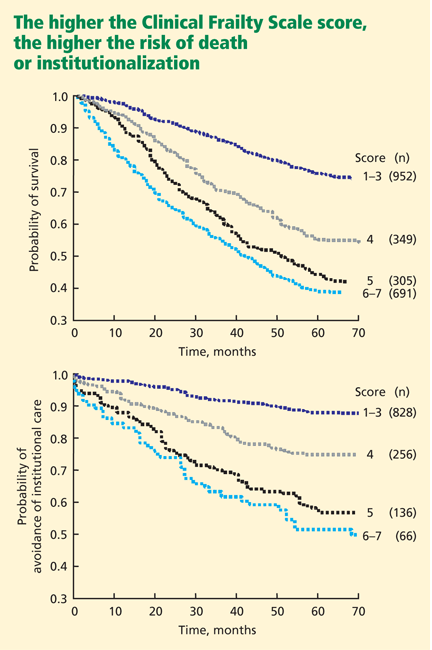
The Clinical Frailty Scale was developed as a practical approach to assess frailty using physical and functional indicators of health and illness burden. The descriptors for this 7-point scale guide clinicians in quantifying the degree of frailty present. It ranges from 1 (very fit) to 7 (severely frail).7 The higher the score, the higher the risks of death or institutionalization. Even mild frailty is associated with a 50% 5-year mortality rate in community-dwelling older adults (Figure 1).8
The Edmonton Frail Scale,15 like the Clinical Frailty Scale, was developed to be practical and usable at the bedside. It is based on the following domains: cognition, general health status, functional independence, social support, medication use, nutrition, mood, continence, and functional performance.
In a community-based sample, the Edmonton Frail Scale compared favorably with the clinical assessment of geriatric specialists who completed a comprehensive evaluation (Pearson’s correlation coefficient 0.64, P < .001).15
FRAILTY AS A PROGNOSTIC INDICATOR
Using frailty scales to aid in prognostication can be useful to clinicians. Survival prognostication is inherently challenging in individuals with multiple comorbidities and variable trajectories of decline, but it remains a vital clinical skill for all clinicians. Framing these difficult discussions in the context of degree of frailty provides a unifying concept, beyond a single-system construct, for care providers, patients, and their loved ones.
Patients nearing the end of their lives need this kind of clarity and support. Regardless of their diagnoses, patients typically want to know when they are at high risk of dying, as do their families and caregivers. People in general look for such information so that they can align medical decision-making congruently with predicted prognosis.16,17 They also use it to plan for the final chapter of their life and their death.
The frailty index is strongly correlated with risk of death
The frailty index is strongly correlated with the risk of death, with a correlation coefficient greater than 0.95. As such, an individual’s frailty index score is considered an estimate of biologic age, which has greater correlation with associated morbidity and death than does chronological age.18,19 In the general population, more than 99% of people have a frailty index value of less than 0.7. As people approach this value, the chance of survival is greatly diminished; indeed, one report suggested that of those who have a frailty index value of more than 0.5 (based on a comprehensive geriatric assessment), 100% are dead by about 20 months later.20,21
In short, there is a limit to which deficits can be added before the system fails. In this sense, the frailty index is akin to the concept of physiologic reserve. Reserve is finite, and as a system loses redundancy it can no longer survive new stresses.
What does this information mean for individual patients?
Even so, prognostication for individual patients remains probabilistic. Any patient has a chance to improve, stabilize, worsen, or die. However, a patient can reach an upper limit of frailty. At that point, instead of accumulating another deficit, death is much more likely. Similarly, although improvement can happen, the chance of improvement is low, and the improvement is typically modest.
Framing survival possibilities in terms of the number of things that people have wrong with them and the chance of death or of change (and the extent of change) makes sense to physicians, patients, and families. Being able to do so offers a much greater opportunity for realistic discussions of the likely outcomes of medical care than the foreseeable scenario of a junior doctor asking a senior citizen, “If your heart stops, do you want us to save your life?”
Understanding prognosis in the face of not just disease but also frailty can also help us focus not on disease but on health consequences of illness. Can the person think? Walk? Care for herself or himself? Interact with others? These questions need to be considered when end-of-life decisions are being discussed.22
Since making predictions about survival is most challenging when multiple comorbidities are present, using the concept of accumulating deficits to better define the slope of decline can be very helpful when discussing “the road ahead” with patients and their families. Visually mapping out the slope of decline and how it is accelerating as conditions progress and deficits accumulate can aid in medical decision-making. Looking individually at the deficits themselves and associated markers of progression can also help with prognostic discussions.
For example, a patient with chronic obstructive pulmonary disease could very well be unaware of the progression and ultimately terminal prognosis of this disease. The slope of clinical decline can be initially shallow, with saw-tooth fluctuations from acute exacerbations that seemingly “resolve to baseline” when antibiotic and steroid courses are completed. Talking with these patients and their families about heralding markers, such as more hospitalizations and cognitive decline with acute exacerbations, can clarify the steepening slope of decline and the way comorbidities interact.
FRAILTY AND END-OF-LIFE CARE
Frailty is progressive, and as it worsens, integrating a palliative approach is appropriate, with a focus on optimizing quality of life and relieving symptoms.4 This principle holds true regardless of the care setting, from acute care hospitals to hospice facilities and long-term care residences.
The principles of end-of-life care are applicable to frail individuals with progressive conditions from the time of diagnosis throughout the course of decline. As the population ages, more people suffer and die from progressive chronic conditions such as cerebrovascular disease, respiratory disease, and dementia.23 An interdisciplinary team approach can ensure all components of palliation are effectively delivered, such as easing symptoms, providing psychosocial and spiritual support, and improving quality of life.24
Pain management
Pain is widely underassessed and undertreated in older patients. Its management at the end of life is particularly challenging if the patient’s language is compromised, as in dementia.23,25,26
A recent cross-sectional analysis of self-reported pain in a longitudinal study of community-dwelling older adults showed an independent association between moderate or higher pain and frailty. The authors propose that persistent pain goes beyond physical discomfort in that it may contribute to homeostenosis (progressive diminishment of homeostatic reserve) and directly worsen frailty.27
Examine the medication list
In palliative care, medical interventions focus on optimizing quality of life.
This especially includes reexamining long medication lists that increase the chance of adverse drug effects.28 Many patients are on disease-modifying medications that may or may not help control symptoms—and might well exacerbate them. For example, betablockers for ischemic heart disease and angiotensin-converting enzyme inhibitors for diabetic nephropathy both can cause hypotension-induced lassitude or even falls due to orthostasis.
A sensible approach is to keep the drugs that may still contribute to quality of life, while discontinuing other drugs that may be causing side effects or that are unlikely to provide meaningful benefit in terms of prevention in patients who have limited life expectancy.29 Discontinuing ineffective, poorly tolerated, and duplicated medications also makes it easier to introduce new medications to manage symptoms—there will be fewer drug interactions, and fewer pills to take, an increasingly important issue in the setting of gastrointestinal symptoms such as dysphagia and gastroparesis or compliance issues as frequently encountered when cognitive impairment is present.29,30
In managing symptoms, start low and go slow—but get there
In managing symptoms in frail elderly patients we use the same classes of medications as in younger patients. The trick is to use appropriate doses.
The concept of “start low and go slow” is key, but so is “get there”—ie, reach the therapeutic goal. The principal drugs for symptom control, such as opioids for pain and dyspnea and anxiolytics for anxiety and restlessness, are associated with a higher rate of and more severe adverse effects in frail older adults.
Even so, most frail older adults appear to be undertreated in this regard, particularly if they are cognitively impaired.23 This fact, coupled with the reality that behavioral symptoms associated with advanced dementia can represent unmet care needs including undertreated pain, highlights the critical need to control symptoms optimally in frail seniors.
This is particularly relevant for those who can no longer verbally articulate their symptoms. Nonverbal pain scales and vigilant assessment of behavioral signs of pain are paramount skills for clinicians providing palliative care to patients with cognitive impairment. Caregivers and loved ones should be included in the assessment process.26,31
Adjunctive therapies for pain control
Maximizing adjunctive therapies can optimize pain control in this drug-sensitive population. Heat and cold packs to affected areas, acupuncture, massage therapy, and structured exercise regimens are some options that can improve quality of life. Cognitive behavioral therapy may offer coping strategies, provided the patient can participate in this process from a cognitive perspective.26,27 Topical preparations are often well tolerated and may include medicinal ingredients that are helpful without systemic effects, such as anti-inflammatory drugs or analgesics.
Optimal use of nonopioid drugs may help reduce the need for narcotics, particularly in the presence of musculoskeletal pain. An example is acetaminophen in regular doses—we would recommend no more than 3 g per day. Acetaminophen is preferred for older adults rather than nonsteroidal anti-inflammatory drugs, given the potential gastric and cardiovascular side effects of the latter medications.
Antidepressants and anticonvulsants such as gabapentin can also be considered as adjuncts for pain control, particularly in the setting of neuropathic pain, with careful monitoring for tolerance.25
When opioids are used, vigilance for constipation is essential.
Establishing goals of care
Goals of care need to be established incrementally along the course of clinical decline and as early as possible so that palliative support can be promptly implemented as symptoms worsen.32
End-of-life care can still include treatments with curative intent, depending on the overall prognosis and the state of the underlying terminal illness. On the other hand, frail older adults who are subjected to invasive treatments that are unlikely to provide cure, such as Whipple surgery, need special intervention postoperatively if they are not to suffer complications such as persisting delirium and functional decline.33
In this regard, geriatric palliative care is frequently about not “crossing a threshold.” Patients may still be receiving active management and be hospitalized for acute exacerbations of progressing chronic conditions, such as chronic obstructive pulmonary disease and heart failure, while palliative principles are introduced and increasingly become the focus of care.
To align goals of care with frailty burden, it is crucial to quantify frailty and to review the patient’s comorbidities. Particularly when dementia is present, lack of communication between the patient’s doctors or between the doctor and the family about disease burden can lead to inappropriately aggressive care.
Many family members and even clinicians do not recognize that advanced dementia is terminal.34,35 In light of this, a palliative approach to care may not even be considered as an appropriate plan when hallmark complications associated with progressing cognitive decline occur, such as aspiration pneumonia or dehydration. Education about dementia and other conditions with progressive organ failure should be done as soon as possible after diagnosis and readdressed at intervals throughout the patient’s clinical decline.
Earlier discussions also ensure that patients themselves can be involved in decision-making more often before cognitive impairment advances to the point where proxy discussions take over.16
BETTER PALLIATIVE CARE FOR ALL
Palliative care, developed initially to provide holistic and timely symptom-based care for patients with noncurable cancer, should also be available and offered to patients with nonmalignant, life-limiting diseases.23,36,37 Meeting this standard of geriatric care is not easy, given the burden of frailty in this population. Needed are multimodal palliative efforts across the spectrum of settings, from the home to the hospital and nursing home.23
To do this, we need to embrace the complexity posed by each person’s presentation and view care through the frailty lens. This will give us a common language in which to engage in a conversation with the same goal in mind: optimizing quality of life.
Furthermore, quantifying frailty can help minimize interventions that are futile or burdensome, that are not expected to ease symptoms, and that can worsen cognition and function. At the end of a patient’s life, we do not want to add to his or her frailty burden but rather minimize the morbidity associated with it.
The concept of frailty assessment is therefore essential for the timely delivery of holistic palliative care in geriatric patients who have progressive and ultimately terminal conditions.
- Rockwood K, Mitnitski A. Frailty defined by deficit accumulation and geriatric medicine defined by frailty. Clin Geriatr Med 2011; 27:17–26.
- Michel JP, Bonin-Guillame S, Gold G, Herrmann F. Cognition and frailty: possible interrelations. In:Carey JR, Robine JM, Michel JP, Christen Y, editors. Longevity and Frailty. Berlin Heidelberg: Springer; 2005:119–124. Research and Perspectives in Longevity.
- Espinoza S, Walston JD. Frailty in older adults: insights and interventions. Cleve Clin J Med 2005; 72:1105–1112.
- Boockvar KS, Meier DE. Palliative care for frail older adults: “there are things I can’t do anymore that I wish I could . . . “. JAMA 2006; 296:2245–2253.
- Abellan van Kan G, Rolland Y, Houles M, Gillette-Guyonnet S, Soto M, Vellas B. The assessment of frailty in older adults. Clin Geriatr Med 2010; 26:275–286.
- McDermid RC, Bagshaw SM. ICU and critical care outreach for the elderly. Best Pract Res Clin Anaesthesiol 2011; 25:439–449.
- Fried LP, Tangen CM, Walston J, et al; Cardiovascular Health Study Collaborative Research Group. Frailty in older adults: evidence for a phenotype. J Gerontol A Biol Sci Med Sci 2001; 56:M146–M156.
- Rockwood K, Fox RA, Stolee P, Robertson D, Beattie BL. Frailty in elderly people: an evolving concept. CMAJ 1994; 150:489–495.
- Puts MT, Monette J, Girre V, et al. Are frailty markers useful for predicting treatment toxicity and mortality in older newly diagnosed cancer patients? Results from a prospective pilot study. Crit Rev Oncol Hematol 2011; 78:138–149.
- Oken MM, Creech RH, Tormey DC, et al. Toxicity and response criteria of the Eastern Cooperative Oncology Group. Am J Clin Oncol 1982; 5:649–655.
- Andrew MK, Mitnitski AB, Rockwood K. Social vulnerability, frailty and mortality in elderly people. PLoS One 2008; 3:e2232.
- Abellan van Kan G, Rolland YM, Morley JE, Vellas B. Frailty: toward a clinical definition. J Am Med Dir Assoc 2008; 9:71–72.
- Eckel SP, Bandeen-Roche K, Chaves PH, Fried LP, Louis TA. Surrogate screening models for the low physical activity criterion of frailty. Aging Clin Exp Res 2011; 23:209–216.
- Gobbens RJ, van Assen MA, Luijkx KG, Wijnen-Sponselee MT, Schols JM. The Tilburg Frailty Indicator: psychometric properties. J Am Med Dir Assoc 2010; 11:344–355.
- Rolfson DB, Majumdar SR, Tsuyuki RT, Tahir A, Rockwood K. Validity and reliability of the Edmonton Frail Scale. Age Ageing 2006; 35:526–529.
- Mallery LH, Moorhouse P. Respecting frailty. J Med Ethics 2011; 37:126–128.
- McDermid RC, Stelfox HT, Bagshaw SM. Frailty in the critically ill: a novel concept. Crit Care 2011; 15:301.
- Kulminski AM, Ukraintseva SV, Kulminskaya IV, Arbeev KG, Land K, Yashin AI. Cumulative deficits better characterize susceptibility to death in elderly people than phenotypic frailty: lessons from the Cardiovascular Health Study. J Am Geriatr Soc 2008; 56:898–903.
- Rockwood K, Mitnitski A. Frailty in relation to the accumulation of deficits. J Gerontol A Biol Sci Med Sci 2007; 62:722–727.
- Rockwood K, Mitnitski A. Limits to deficit accumulation in elderly people. Mech Ageing Dev 2006; 127:494–496.
- Rockwood K, Rockwood MR, Mitnitski A. Physiological redundancy in older adults in relation to the change with age in the slope of a frailty index. J Am Geriatr Soc 2010; 58:318–323.
- Kulminski A, Yashin A, Ukraintseva S, et al. Accumulation of health disorders as a systemic measure of aging: findings from the NLTCS data. Mech Ageing Dev 2006; 127:840–848.
- Davies E, Higginson IJ; WHO Europe. Better Palliative Care for Older People. Milan, Italy: Tipolitografia Trabella Sr; 2004.
- Raudonis BM, Daniel K. Frailty: an indication for palliative care. Geriatr Nurs 2010; 31:379–384.
- American Geriatrics Society Panel on Pharmacological Management of Persistent Pain in Older Persons. Pharmacological management of persistent pain in older persons. J Am Geriatr Soc 2009; 57:1331–1436.
- AGS Panel on Persistent Pain in Older Persons. The management of persistent pain in older persons. J Am Geriatr Soc 2002; 50(suppl 6):S205–S224.
- Shega JW, Dale W, Andrew M, Paice J, Rockwood K, Weiner DK. Persistent pain and frailty: a case for homeostenosis. J Am Geriatr Soc 2012; 60:113–117.
- Hanlon JT, Perera S, Sevick MA, Rodriguez KL, Jaffe EJ. Pain and its treatment in older nursing home hospice/palliative care residents. J Am Med Dir Assoc 2010; 11:579–583.
- Currow DC, Stevenson JP, Abernethy AP, Plummer J, Shelby-James TM. Prescribing in palliative care as death approaches. J Am Geriatr Soc 2007; 55:590–595.
- Holmes HM, Hayley DC, Alexander GC, Sachs GA. Reconsidering medication appropriateness for patients late in life. Arch Intern Med 2006; 166:605–609.
- Kapo J, Morrison LJ, Liao S. Palliative care for the older adult. J Palliat Med 2007; 10:185–209.
- Gaertner J, Wolf J, Frechen S, et al. Recommending early integration of palliative care—does it work? Support Care Cancer 2012; 20:507–513.
- Chen CC, Lin MT, Tien YW, Yen CJ, Huang GH, Inouye SK. Modified hospital elder life program: effects on abdominal surgery patients. J Am Coll Surg 2011; 213:245–252.
- Mitchell SL, Teno JM, Kiely DK, et al. The clinical course of advanced dementia. N Engl J Med 2009; 361:1529–1538.
- Arcand M, Monette J, Monette M, et al. Educating nursing home staff about the progression of dementia and the comfort care option: impact on family satisfaction with end-of-life care. J Am Med Dir Assoc 2009; 10:50–55.
- Mitchell SL, Kiely DK, Hamel MB. Dying with advanced dementia in the nursing home. Arch Intern Med 2004; 164:321–326.
- Birch D, Draper J. A critical literature review exploring the challenges of delivering effective palliative care to older people with dementia. J Clin Nurs 2008; 17:1144–1163.
As people get older, they have more things wrong with them. And the more things they have wrong with them, the more likely they are to die. But everyone accumulates deficits at a different rate, and not all people of the same age have the same short-term risk of dying. This variable susceptibility to death and other adverse outcomes in older people of the same age is called frailty.1
Frailty poses special challenges to how we organize and deliver health care. These challenges are sometimes seen most starkly when people are most frail, especially as they approach the end of life.
In this paper, we will review how frailty is conceptualized and defined, consider how frailty affects the care of people at the end of their lives, and suggest practices that can make end-of-life care better for frail older adults.
DEFINING FRAILTY
As with all complex systems, when frail people become acutely unwell their highest-order functions fail first. Thus, cognitive impairment, functional decline, impaired mobility, and social withdrawal are hallmark presentations of the further accumulation of deficits in vulnerable seniors.
Delirium and falls are important clues that a person’s resilience is becoming compromised and that the person is at risk of further insults in a downward spiral or acceleration of things going wrong.1,2 Frailty is associated with poor health outcomes, from disability to institutionalization and death.3
This idea of frailty as vulnerability arising from dysregulation of multiple physiologic systems is reasonably non-controversial. Even so, there are competing views on how to systematically quantify those who are at an increased risk of adverse sequelae.
Quantifying frailty is particularly important if it can tell us if a patient is at high risk of further decline and death. As frailty advances, it is appropriate to shift the focus of care to palliation, with the goal of optimizing quality of life and easing symptoms.4 Identifying someone as frail can aid decision-making in the setting of critical illness, where the system commonly defaults to an “always do everything” mode without considering the ramifications of such an approach. Furthermore, without a routine means of measuring frailty, it is often left to critical care units or rapid-response medical teams to initiate a discussion about whether an aggressive course of care is appropriate or desired.5,6
Frailty as a syndrome
Fried et al7 defined frailty as a syndrome arising from the “physiologic triad” of sarcopenia and immune and neuroendocrine dysregulation. Patients are considered frail if they have three or more of the following five criteria:
- Reduced activity
- Slowing of mobility
- Weight loss
- Diminished handgrip strength
- Exhaustion.
Someone who has only one or two of these items is said to be “pre-frail”; someone with none is said to be “robust.”
The frailty index
An alternative viewpoint is that frailty is a state arising from the accumulation of deficits, which can be counted in a frailty index.
The frailty index is based on the concept that frailty is a consequence of interacting physical, psychological, and social factors. As deficits accumulate, people become increasingly vulnerable to adverse outcomes.
The frailty index is calculated as the number of deficits the patient has, divided by the number of deficits considered. For example, in a frailty index based on a comprehensive geriatric assessment, an individual with impairments in 4 of 10 domains and with 10 of 24 possible comorbidities would have 14 of 34 possible deficits, for a frailty index of 0.41.8
A criticism of the frailty index is that it includes functional dependence as a deficit. The criticism stems from the view that frailty should be seen as occurring prior to disability. According to this view, including dependence in instrumental and basic activities of daily living as a deficit confuses disability with frailty.
Proponents of the frailty index counter that frailty is not “all or none” and needs to be graded. The frailty index can distinguish between people with and without disability by means of the number of deficits that they have, which is most important. For example, a person disabled by a paraplegic injury would have a lower frailty index score and therefore would be considered less frail than a person with advanced cancer affecting multiple body systems. (This is assuming the person who has suffered the injury resulting in paraplegia doesn’t have a concomitant condition such as renal failure or heart disease. In the absence of other health insults, such patients are less at risk of further morbidity or death than the patient with advanced cancer until they get another health insult or insults added to their frailty.)
In any case, functional capacity is fundamental in medical decision-making and when estimating prognoses. An example is the use of the Eastern Cooperative Oncology Group’s functional status measure.9,10
Sum of physical and psychological stressors
Consensus is growing for the concept that frail people are made more vulnerable by the combination of both physical and psychological stressors. This is particularly important to bear in mind for patients who may appear physically robust but whose total health burden makes them vulnerable to further insults.
For example, think of a relatively young overweight patient with hypertension, diabetes, dyslipidemia, and ischemic white matter changes (which can manifest as low mood and even mild vascular cognitive impairment). In such a patient, an acute illness could result in cognitive and functional decline that can be permanent.
Balance of assets and deficits
About 20 years ago, we used the metaphor of a balance beam to describe how frailty comes about in older adults. In this view, there is an interplay of physiological and functional health determinants. Assets such as health, resources, and caregivers are balanced against deficits such as illnesses, dependency on others, and support burden.8
For the most part, later concepts of frailty have focused on the individual, with social factors construed separately as social vulnerability.11
Tools for assessing frailty in people who are not yet disabled
Several tools exist to clinically assess frailty in people who are not yet disabled.
The FRAIL scale.12 The Geriatric Advisory Panel of the International Academy of Nutrition and Aging formulated a scale for measuring frailty as a “pre-disability state.” The FRAIL scale consists of five easily remembered items:
- Fatigue
- Resistance (inability to climb one flight of stairs)
- Ambulation (inability to walk one block)
- Illnesses (more than five)
- Loss of weight (> 5%).
Like the “reduced activity” criterion of the frailty syndrome mentioned above (in practical terms, described as the inability to do heavy household chores),13 the FRAIL scale seems to blur the distinction between disability (here, the inability to climb stairs or to walk a block) and “pre-disability,” to an uncertain end. It also seems to blend the notion of a state and a syndrome; these points will need to be clarified in due course.
The Tilburg Frailty Indicator14 was constructed around the multidimensional viewpoint of frailty, beyond disease or disability state, to identify frail community-dwelling older individuals. The first part of this two-part questionnaire consists of 10 questions on frailty determinants and medical comorbidities, while the second part contains physical, psychological, and social variables strongly associated with frailty, as well as information about disability in walking and balance. Interestingly, although it includes both social and physical factors, it does not include cognition.
The Clinical Frailty Scale was developed as a practical approach to assess frailty using physical and functional indicators of health and illness burden. The descriptors for this 7-point scale guide clinicians in quantifying the degree of frailty present. It ranges from 1 (very fit) to 7 (severely frail).7 The higher the score, the higher the risks of death or institutionalization. Even mild frailty is associated with a 50% 5-year mortality rate in community-dwelling older adults (Figure 1).8
The Edmonton Frail Scale,15 like the Clinical Frailty Scale, was developed to be practical and usable at the bedside. It is based on the following domains: cognition, general health status, functional independence, social support, medication use, nutrition, mood, continence, and functional performance.
In a community-based sample, the Edmonton Frail Scale compared favorably with the clinical assessment of geriatric specialists who completed a comprehensive evaluation (Pearson’s correlation coefficient 0.64, P < .001).15
FRAILTY AS A PROGNOSTIC INDICATOR
Using frailty scales to aid in prognostication can be useful to clinicians. Survival prognostication is inherently challenging in individuals with multiple comorbidities and variable trajectories of decline, but it remains a vital clinical skill for all clinicians. Framing these difficult discussions in the context of degree of frailty provides a unifying concept, beyond a single-system construct, for care providers, patients, and their loved ones.
Patients nearing the end of their lives need this kind of clarity and support. Regardless of their diagnoses, patients typically want to know when they are at high risk of dying, as do their families and caregivers. People in general look for such information so that they can align medical decision-making congruently with predicted prognosis.16,17 They also use it to plan for the final chapter of their life and their death.
The frailty index is strongly correlated with risk of death
The frailty index is strongly correlated with the risk of death, with a correlation coefficient greater than 0.95. As such, an individual’s frailty index score is considered an estimate of biologic age, which has greater correlation with associated morbidity and death than does chronological age.18,19 In the general population, more than 99% of people have a frailty index value of less than 0.7. As people approach this value, the chance of survival is greatly diminished; indeed, one report suggested that of those who have a frailty index value of more than 0.5 (based on a comprehensive geriatric assessment), 100% are dead by about 20 months later.20,21
In short, there is a limit to which deficits can be added before the system fails. In this sense, the frailty index is akin to the concept of physiologic reserve. Reserve is finite, and as a system loses redundancy it can no longer survive new stresses.
What does this information mean for individual patients?
Even so, prognostication for individual patients remains probabilistic. Any patient has a chance to improve, stabilize, worsen, or die. However, a patient can reach an upper limit of frailty. At that point, instead of accumulating another deficit, death is much more likely. Similarly, although improvement can happen, the chance of improvement is low, and the improvement is typically modest.
Framing survival possibilities in terms of the number of things that people have wrong with them and the chance of death or of change (and the extent of change) makes sense to physicians, patients, and families. Being able to do so offers a much greater opportunity for realistic discussions of the likely outcomes of medical care than the foreseeable scenario of a junior doctor asking a senior citizen, “If your heart stops, do you want us to save your life?”
Understanding prognosis in the face of not just disease but also frailty can also help us focus not on disease but on health consequences of illness. Can the person think? Walk? Care for herself or himself? Interact with others? These questions need to be considered when end-of-life decisions are being discussed.22
Since making predictions about survival is most challenging when multiple comorbidities are present, using the concept of accumulating deficits to better define the slope of decline can be very helpful when discussing “the road ahead” with patients and their families. Visually mapping out the slope of decline and how it is accelerating as conditions progress and deficits accumulate can aid in medical decision-making. Looking individually at the deficits themselves and associated markers of progression can also help with prognostic discussions.
For example, a patient with chronic obstructive pulmonary disease could very well be unaware of the progression and ultimately terminal prognosis of this disease. The slope of clinical decline can be initially shallow, with saw-tooth fluctuations from acute exacerbations that seemingly “resolve to baseline” when antibiotic and steroid courses are completed. Talking with these patients and their families about heralding markers, such as more hospitalizations and cognitive decline with acute exacerbations, can clarify the steepening slope of decline and the way comorbidities interact.
FRAILTY AND END-OF-LIFE CARE
Frailty is progressive, and as it worsens, integrating a palliative approach is appropriate, with a focus on optimizing quality of life and relieving symptoms.4 This principle holds true regardless of the care setting, from acute care hospitals to hospice facilities and long-term care residences.
The principles of end-of-life care are applicable to frail individuals with progressive conditions from the time of diagnosis throughout the course of decline. As the population ages, more people suffer and die from progressive chronic conditions such as cerebrovascular disease, respiratory disease, and dementia.23 An interdisciplinary team approach can ensure all components of palliation are effectively delivered, such as easing symptoms, providing psychosocial and spiritual support, and improving quality of life.24
Pain management
Pain is widely underassessed and undertreated in older patients. Its management at the end of life is particularly challenging if the patient’s language is compromised, as in dementia.23,25,26
A recent cross-sectional analysis of self-reported pain in a longitudinal study of community-dwelling older adults showed an independent association between moderate or higher pain and frailty. The authors propose that persistent pain goes beyond physical discomfort in that it may contribute to homeostenosis (progressive diminishment of homeostatic reserve) and directly worsen frailty.27
Examine the medication list
In palliative care, medical interventions focus on optimizing quality of life.
This especially includes reexamining long medication lists that increase the chance of adverse drug effects.28 Many patients are on disease-modifying medications that may or may not help control symptoms—and might well exacerbate them. For example, betablockers for ischemic heart disease and angiotensin-converting enzyme inhibitors for diabetic nephropathy both can cause hypotension-induced lassitude or even falls due to orthostasis.
A sensible approach is to keep the drugs that may still contribute to quality of life, while discontinuing other drugs that may be causing side effects or that are unlikely to provide meaningful benefit in terms of prevention in patients who have limited life expectancy.29 Discontinuing ineffective, poorly tolerated, and duplicated medications also makes it easier to introduce new medications to manage symptoms—there will be fewer drug interactions, and fewer pills to take, an increasingly important issue in the setting of gastrointestinal symptoms such as dysphagia and gastroparesis or compliance issues as frequently encountered when cognitive impairment is present.29,30
In managing symptoms, start low and go slow—but get there
In managing symptoms in frail elderly patients we use the same classes of medications as in younger patients. The trick is to use appropriate doses.
The concept of “start low and go slow” is key, but so is “get there”—ie, reach the therapeutic goal. The principal drugs for symptom control, such as opioids for pain and dyspnea and anxiolytics for anxiety and restlessness, are associated with a higher rate of and more severe adverse effects in frail older adults.
Even so, most frail older adults appear to be undertreated in this regard, particularly if they are cognitively impaired.23 This fact, coupled with the reality that behavioral symptoms associated with advanced dementia can represent unmet care needs including undertreated pain, highlights the critical need to control symptoms optimally in frail seniors.
This is particularly relevant for those who can no longer verbally articulate their symptoms. Nonverbal pain scales and vigilant assessment of behavioral signs of pain are paramount skills for clinicians providing palliative care to patients with cognitive impairment. Caregivers and loved ones should be included in the assessment process.26,31
Adjunctive therapies for pain control
Maximizing adjunctive therapies can optimize pain control in this drug-sensitive population. Heat and cold packs to affected areas, acupuncture, massage therapy, and structured exercise regimens are some options that can improve quality of life. Cognitive behavioral therapy may offer coping strategies, provided the patient can participate in this process from a cognitive perspective.26,27 Topical preparations are often well tolerated and may include medicinal ingredients that are helpful without systemic effects, such as anti-inflammatory drugs or analgesics.
Optimal use of nonopioid drugs may help reduce the need for narcotics, particularly in the presence of musculoskeletal pain. An example is acetaminophen in regular doses—we would recommend no more than 3 g per day. Acetaminophen is preferred for older adults rather than nonsteroidal anti-inflammatory drugs, given the potential gastric and cardiovascular side effects of the latter medications.
Antidepressants and anticonvulsants such as gabapentin can also be considered as adjuncts for pain control, particularly in the setting of neuropathic pain, with careful monitoring for tolerance.25
When opioids are used, vigilance for constipation is essential.
Establishing goals of care
Goals of care need to be established incrementally along the course of clinical decline and as early as possible so that palliative support can be promptly implemented as symptoms worsen.32
End-of-life care can still include treatments with curative intent, depending on the overall prognosis and the state of the underlying terminal illness. On the other hand, frail older adults who are subjected to invasive treatments that are unlikely to provide cure, such as Whipple surgery, need special intervention postoperatively if they are not to suffer complications such as persisting delirium and functional decline.33
In this regard, geriatric palliative care is frequently about not “crossing a threshold.” Patients may still be receiving active management and be hospitalized for acute exacerbations of progressing chronic conditions, such as chronic obstructive pulmonary disease and heart failure, while palliative principles are introduced and increasingly become the focus of care.
To align goals of care with frailty burden, it is crucial to quantify frailty and to review the patient’s comorbidities. Particularly when dementia is present, lack of communication between the patient’s doctors or between the doctor and the family about disease burden can lead to inappropriately aggressive care.
Many family members and even clinicians do not recognize that advanced dementia is terminal.34,35 In light of this, a palliative approach to care may not even be considered as an appropriate plan when hallmark complications associated with progressing cognitive decline occur, such as aspiration pneumonia or dehydration. Education about dementia and other conditions with progressive organ failure should be done as soon as possible after diagnosis and readdressed at intervals throughout the patient’s clinical decline.
Earlier discussions also ensure that patients themselves can be involved in decision-making more often before cognitive impairment advances to the point where proxy discussions take over.16
BETTER PALLIATIVE CARE FOR ALL
Palliative care, developed initially to provide holistic and timely symptom-based care for patients with noncurable cancer, should also be available and offered to patients with nonmalignant, life-limiting diseases.23,36,37 Meeting this standard of geriatric care is not easy, given the burden of frailty in this population. Needed are multimodal palliative efforts across the spectrum of settings, from the home to the hospital and nursing home.23
To do this, we need to embrace the complexity posed by each person’s presentation and view care through the frailty lens. This will give us a common language in which to engage in a conversation with the same goal in mind: optimizing quality of life.
Furthermore, quantifying frailty can help minimize interventions that are futile or burdensome, that are not expected to ease symptoms, and that can worsen cognition and function. At the end of a patient’s life, we do not want to add to his or her frailty burden but rather minimize the morbidity associated with it.
The concept of frailty assessment is therefore essential for the timely delivery of holistic palliative care in geriatric patients who have progressive and ultimately terminal conditions.
As people get older, they have more things wrong with them. And the more things they have wrong with them, the more likely they are to die. But everyone accumulates deficits at a different rate, and not all people of the same age have the same short-term risk of dying. This variable susceptibility to death and other adverse outcomes in older people of the same age is called frailty.1
Frailty poses special challenges to how we organize and deliver health care. These challenges are sometimes seen most starkly when people are most frail, especially as they approach the end of life.
In this paper, we will review how frailty is conceptualized and defined, consider how frailty affects the care of people at the end of their lives, and suggest practices that can make end-of-life care better for frail older adults.
DEFINING FRAILTY
As with all complex systems, when frail people become acutely unwell their highest-order functions fail first. Thus, cognitive impairment, functional decline, impaired mobility, and social withdrawal are hallmark presentations of the further accumulation of deficits in vulnerable seniors.
Delirium and falls are important clues that a person’s resilience is becoming compromised and that the person is at risk of further insults in a downward spiral or acceleration of things going wrong.1,2 Frailty is associated with poor health outcomes, from disability to institutionalization and death.3
This idea of frailty as vulnerability arising from dysregulation of multiple physiologic systems is reasonably non-controversial. Even so, there are competing views on how to systematically quantify those who are at an increased risk of adverse sequelae.
Quantifying frailty is particularly important if it can tell us if a patient is at high risk of further decline and death. As frailty advances, it is appropriate to shift the focus of care to palliation, with the goal of optimizing quality of life and easing symptoms.4 Identifying someone as frail can aid decision-making in the setting of critical illness, where the system commonly defaults to an “always do everything” mode without considering the ramifications of such an approach. Furthermore, without a routine means of measuring frailty, it is often left to critical care units or rapid-response medical teams to initiate a discussion about whether an aggressive course of care is appropriate or desired.5,6
Frailty as a syndrome
Fried et al7 defined frailty as a syndrome arising from the “physiologic triad” of sarcopenia and immune and neuroendocrine dysregulation. Patients are considered frail if they have three or more of the following five criteria:
- Reduced activity
- Slowing of mobility
- Weight loss
- Diminished handgrip strength
- Exhaustion.
Someone who has only one or two of these items is said to be “pre-frail”; someone with none is said to be “robust.”
The frailty index
An alternative viewpoint is that frailty is a state arising from the accumulation of deficits, which can be counted in a frailty index.
The frailty index is based on the concept that frailty is a consequence of interacting physical, psychological, and social factors. As deficits accumulate, people become increasingly vulnerable to adverse outcomes.
The frailty index is calculated as the number of deficits the patient has, divided by the number of deficits considered. For example, in a frailty index based on a comprehensive geriatric assessment, an individual with impairments in 4 of 10 domains and with 10 of 24 possible comorbidities would have 14 of 34 possible deficits, for a frailty index of 0.41.8
A criticism of the frailty index is that it includes functional dependence as a deficit. The criticism stems from the view that frailty should be seen as occurring prior to disability. According to this view, including dependence in instrumental and basic activities of daily living as a deficit confuses disability with frailty.
Proponents of the frailty index counter that frailty is not “all or none” and needs to be graded. The frailty index can distinguish between people with and without disability by means of the number of deficits that they have, which is most important. For example, a person disabled by a paraplegic injury would have a lower frailty index score and therefore would be considered less frail than a person with advanced cancer affecting multiple body systems. (This is assuming the person who has suffered the injury resulting in paraplegia doesn’t have a concomitant condition such as renal failure or heart disease. In the absence of other health insults, such patients are less at risk of further morbidity or death than the patient with advanced cancer until they get another health insult or insults added to their frailty.)
In any case, functional capacity is fundamental in medical decision-making and when estimating prognoses. An example is the use of the Eastern Cooperative Oncology Group’s functional status measure.9,10
Sum of physical and psychological stressors
Consensus is growing for the concept that frail people are made more vulnerable by the combination of both physical and psychological stressors. This is particularly important to bear in mind for patients who may appear physically robust but whose total health burden makes them vulnerable to further insults.
For example, think of a relatively young overweight patient with hypertension, diabetes, dyslipidemia, and ischemic white matter changes (which can manifest as low mood and even mild vascular cognitive impairment). In such a patient, an acute illness could result in cognitive and functional decline that can be permanent.
Balance of assets and deficits
About 20 years ago, we used the metaphor of a balance beam to describe how frailty comes about in older adults. In this view, there is an interplay of physiological and functional health determinants. Assets such as health, resources, and caregivers are balanced against deficits such as illnesses, dependency on others, and support burden.8
For the most part, later concepts of frailty have focused on the individual, with social factors construed separately as social vulnerability.11
Tools for assessing frailty in people who are not yet disabled
Several tools exist to clinically assess frailty in people who are not yet disabled.
The FRAIL scale.12 The Geriatric Advisory Panel of the International Academy of Nutrition and Aging formulated a scale for measuring frailty as a “pre-disability state.” The FRAIL scale consists of five easily remembered items:
- Fatigue
- Resistance (inability to climb one flight of stairs)
- Ambulation (inability to walk one block)
- Illnesses (more than five)
- Loss of weight (> 5%).
Like the “reduced activity” criterion of the frailty syndrome mentioned above (in practical terms, described as the inability to do heavy household chores),13 the FRAIL scale seems to blur the distinction between disability (here, the inability to climb stairs or to walk a block) and “pre-disability,” to an uncertain end. It also seems to blend the notion of a state and a syndrome; these points will need to be clarified in due course.
The Tilburg Frailty Indicator14 was constructed around the multidimensional viewpoint of frailty, beyond disease or disability state, to identify frail community-dwelling older individuals. The first part of this two-part questionnaire consists of 10 questions on frailty determinants and medical comorbidities, while the second part contains physical, psychological, and social variables strongly associated with frailty, as well as information about disability in walking and balance. Interestingly, although it includes both social and physical factors, it does not include cognition.
The Clinical Frailty Scale was developed as a practical approach to assess frailty using physical and functional indicators of health and illness burden. The descriptors for this 7-point scale guide clinicians in quantifying the degree of frailty present. It ranges from 1 (very fit) to 7 (severely frail).7 The higher the score, the higher the risks of death or institutionalization. Even mild frailty is associated with a 50% 5-year mortality rate in community-dwelling older adults (Figure 1).8
The Edmonton Frail Scale,15 like the Clinical Frailty Scale, was developed to be practical and usable at the bedside. It is based on the following domains: cognition, general health status, functional independence, social support, medication use, nutrition, mood, continence, and functional performance.
In a community-based sample, the Edmonton Frail Scale compared favorably with the clinical assessment of geriatric specialists who completed a comprehensive evaluation (Pearson’s correlation coefficient 0.64, P < .001).15
FRAILTY AS A PROGNOSTIC INDICATOR
Using frailty scales to aid in prognostication can be useful to clinicians. Survival prognostication is inherently challenging in individuals with multiple comorbidities and variable trajectories of decline, but it remains a vital clinical skill for all clinicians. Framing these difficult discussions in the context of degree of frailty provides a unifying concept, beyond a single-system construct, for care providers, patients, and their loved ones.
Patients nearing the end of their lives need this kind of clarity and support. Regardless of their diagnoses, patients typically want to know when they are at high risk of dying, as do their families and caregivers. People in general look for such information so that they can align medical decision-making congruently with predicted prognosis.16,17 They also use it to plan for the final chapter of their life and their death.
The frailty index is strongly correlated with risk of death
The frailty index is strongly correlated with the risk of death, with a correlation coefficient greater than 0.95. As such, an individual’s frailty index score is considered an estimate of biologic age, which has greater correlation with associated morbidity and death than does chronological age.18,19 In the general population, more than 99% of people have a frailty index value of less than 0.7. As people approach this value, the chance of survival is greatly diminished; indeed, one report suggested that of those who have a frailty index value of more than 0.5 (based on a comprehensive geriatric assessment), 100% are dead by about 20 months later.20,21
In short, there is a limit to which deficits can be added before the system fails. In this sense, the frailty index is akin to the concept of physiologic reserve. Reserve is finite, and as a system loses redundancy it can no longer survive new stresses.
What does this information mean for individual patients?
Even so, prognostication for individual patients remains probabilistic. Any patient has a chance to improve, stabilize, worsen, or die. However, a patient can reach an upper limit of frailty. At that point, instead of accumulating another deficit, death is much more likely. Similarly, although improvement can happen, the chance of improvement is low, and the improvement is typically modest.
Framing survival possibilities in terms of the number of things that people have wrong with them and the chance of death or of change (and the extent of change) makes sense to physicians, patients, and families. Being able to do so offers a much greater opportunity for realistic discussions of the likely outcomes of medical care than the foreseeable scenario of a junior doctor asking a senior citizen, “If your heart stops, do you want us to save your life?”
Understanding prognosis in the face of not just disease but also frailty can also help us focus not on disease but on health consequences of illness. Can the person think? Walk? Care for herself or himself? Interact with others? These questions need to be considered when end-of-life decisions are being discussed.22
Since making predictions about survival is most challenging when multiple comorbidities are present, using the concept of accumulating deficits to better define the slope of decline can be very helpful when discussing “the road ahead” with patients and their families. Visually mapping out the slope of decline and how it is accelerating as conditions progress and deficits accumulate can aid in medical decision-making. Looking individually at the deficits themselves and associated markers of progression can also help with prognostic discussions.
For example, a patient with chronic obstructive pulmonary disease could very well be unaware of the progression and ultimately terminal prognosis of this disease. The slope of clinical decline can be initially shallow, with saw-tooth fluctuations from acute exacerbations that seemingly “resolve to baseline” when antibiotic and steroid courses are completed. Talking with these patients and their families about heralding markers, such as more hospitalizations and cognitive decline with acute exacerbations, can clarify the steepening slope of decline and the way comorbidities interact.
FRAILTY AND END-OF-LIFE CARE
Frailty is progressive, and as it worsens, integrating a palliative approach is appropriate, with a focus on optimizing quality of life and relieving symptoms.4 This principle holds true regardless of the care setting, from acute care hospitals to hospice facilities and long-term care residences.
The principles of end-of-life care are applicable to frail individuals with progressive conditions from the time of diagnosis throughout the course of decline. As the population ages, more people suffer and die from progressive chronic conditions such as cerebrovascular disease, respiratory disease, and dementia.23 An interdisciplinary team approach can ensure all components of palliation are effectively delivered, such as easing symptoms, providing psychosocial and spiritual support, and improving quality of life.24
Pain management
Pain is widely underassessed and undertreated in older patients. Its management at the end of life is particularly challenging if the patient’s language is compromised, as in dementia.23,25,26
A recent cross-sectional analysis of self-reported pain in a longitudinal study of community-dwelling older adults showed an independent association between moderate or higher pain and frailty. The authors propose that persistent pain goes beyond physical discomfort in that it may contribute to homeostenosis (progressive diminishment of homeostatic reserve) and directly worsen frailty.27
Examine the medication list
In palliative care, medical interventions focus on optimizing quality of life.
This especially includes reexamining long medication lists that increase the chance of adverse drug effects.28 Many patients are on disease-modifying medications that may or may not help control symptoms—and might well exacerbate them. For example, betablockers for ischemic heart disease and angiotensin-converting enzyme inhibitors for diabetic nephropathy both can cause hypotension-induced lassitude or even falls due to orthostasis.
A sensible approach is to keep the drugs that may still contribute to quality of life, while discontinuing other drugs that may be causing side effects or that are unlikely to provide meaningful benefit in terms of prevention in patients who have limited life expectancy.29 Discontinuing ineffective, poorly tolerated, and duplicated medications also makes it easier to introduce new medications to manage symptoms—there will be fewer drug interactions, and fewer pills to take, an increasingly important issue in the setting of gastrointestinal symptoms such as dysphagia and gastroparesis or compliance issues as frequently encountered when cognitive impairment is present.29,30
In managing symptoms, start low and go slow—but get there
In managing symptoms in frail elderly patients we use the same classes of medications as in younger patients. The trick is to use appropriate doses.
The concept of “start low and go slow” is key, but so is “get there”—ie, reach the therapeutic goal. The principal drugs for symptom control, such as opioids for pain and dyspnea and anxiolytics for anxiety and restlessness, are associated with a higher rate of and more severe adverse effects in frail older adults.
Even so, most frail older adults appear to be undertreated in this regard, particularly if they are cognitively impaired.23 This fact, coupled with the reality that behavioral symptoms associated with advanced dementia can represent unmet care needs including undertreated pain, highlights the critical need to control symptoms optimally in frail seniors.
This is particularly relevant for those who can no longer verbally articulate their symptoms. Nonverbal pain scales and vigilant assessment of behavioral signs of pain are paramount skills for clinicians providing palliative care to patients with cognitive impairment. Caregivers and loved ones should be included in the assessment process.26,31
Adjunctive therapies for pain control
Maximizing adjunctive therapies can optimize pain control in this drug-sensitive population. Heat and cold packs to affected areas, acupuncture, massage therapy, and structured exercise regimens are some options that can improve quality of life. Cognitive behavioral therapy may offer coping strategies, provided the patient can participate in this process from a cognitive perspective.26,27 Topical preparations are often well tolerated and may include medicinal ingredients that are helpful without systemic effects, such as anti-inflammatory drugs or analgesics.
Optimal use of nonopioid drugs may help reduce the need for narcotics, particularly in the presence of musculoskeletal pain. An example is acetaminophen in regular doses—we would recommend no more than 3 g per day. Acetaminophen is preferred for older adults rather than nonsteroidal anti-inflammatory drugs, given the potential gastric and cardiovascular side effects of the latter medications.
Antidepressants and anticonvulsants such as gabapentin can also be considered as adjuncts for pain control, particularly in the setting of neuropathic pain, with careful monitoring for tolerance.25
When opioids are used, vigilance for constipation is essential.
Establishing goals of care
Goals of care need to be established incrementally along the course of clinical decline and as early as possible so that palliative support can be promptly implemented as symptoms worsen.32
End-of-life care can still include treatments with curative intent, depending on the overall prognosis and the state of the underlying terminal illness. On the other hand, frail older adults who are subjected to invasive treatments that are unlikely to provide cure, such as Whipple surgery, need special intervention postoperatively if they are not to suffer complications such as persisting delirium and functional decline.33
In this regard, geriatric palliative care is frequently about not “crossing a threshold.” Patients may still be receiving active management and be hospitalized for acute exacerbations of progressing chronic conditions, such as chronic obstructive pulmonary disease and heart failure, while palliative principles are introduced and increasingly become the focus of care.
To align goals of care with frailty burden, it is crucial to quantify frailty and to review the patient’s comorbidities. Particularly when dementia is present, lack of communication between the patient’s doctors or between the doctor and the family about disease burden can lead to inappropriately aggressive care.
Many family members and even clinicians do not recognize that advanced dementia is terminal.34,35 In light of this, a palliative approach to care may not even be considered as an appropriate plan when hallmark complications associated with progressing cognitive decline occur, such as aspiration pneumonia or dehydration. Education about dementia and other conditions with progressive organ failure should be done as soon as possible after diagnosis and readdressed at intervals throughout the patient’s clinical decline.
Earlier discussions also ensure that patients themselves can be involved in decision-making more often before cognitive impairment advances to the point where proxy discussions take over.16
BETTER PALLIATIVE CARE FOR ALL
Palliative care, developed initially to provide holistic and timely symptom-based care for patients with noncurable cancer, should also be available and offered to patients with nonmalignant, life-limiting diseases.23,36,37 Meeting this standard of geriatric care is not easy, given the burden of frailty in this population. Needed are multimodal palliative efforts across the spectrum of settings, from the home to the hospital and nursing home.23
To do this, we need to embrace the complexity posed by each person’s presentation and view care through the frailty lens. This will give us a common language in which to engage in a conversation with the same goal in mind: optimizing quality of life.
Furthermore, quantifying frailty can help minimize interventions that are futile or burdensome, that are not expected to ease symptoms, and that can worsen cognition and function. At the end of a patient’s life, we do not want to add to his or her frailty burden but rather minimize the morbidity associated with it.
The concept of frailty assessment is therefore essential for the timely delivery of holistic palliative care in geriatric patients who have progressive and ultimately terminal conditions.
- Rockwood K, Mitnitski A. Frailty defined by deficit accumulation and geriatric medicine defined by frailty. Clin Geriatr Med 2011; 27:17–26.
- Michel JP, Bonin-Guillame S, Gold G, Herrmann F. Cognition and frailty: possible interrelations. In:Carey JR, Robine JM, Michel JP, Christen Y, editors. Longevity and Frailty. Berlin Heidelberg: Springer; 2005:119–124. Research and Perspectives in Longevity.
- Espinoza S, Walston JD. Frailty in older adults: insights and interventions. Cleve Clin J Med 2005; 72:1105–1112.
- Boockvar KS, Meier DE. Palliative care for frail older adults: “there are things I can’t do anymore that I wish I could . . . “. JAMA 2006; 296:2245–2253.
- Abellan van Kan G, Rolland Y, Houles M, Gillette-Guyonnet S, Soto M, Vellas B. The assessment of frailty in older adults. Clin Geriatr Med 2010; 26:275–286.
- McDermid RC, Bagshaw SM. ICU and critical care outreach for the elderly. Best Pract Res Clin Anaesthesiol 2011; 25:439–449.
- Fried LP, Tangen CM, Walston J, et al; Cardiovascular Health Study Collaborative Research Group. Frailty in older adults: evidence for a phenotype. J Gerontol A Biol Sci Med Sci 2001; 56:M146–M156.
- Rockwood K, Fox RA, Stolee P, Robertson D, Beattie BL. Frailty in elderly people: an evolving concept. CMAJ 1994; 150:489–495.
- Puts MT, Monette J, Girre V, et al. Are frailty markers useful for predicting treatment toxicity and mortality in older newly diagnosed cancer patients? Results from a prospective pilot study. Crit Rev Oncol Hematol 2011; 78:138–149.
- Oken MM, Creech RH, Tormey DC, et al. Toxicity and response criteria of the Eastern Cooperative Oncology Group. Am J Clin Oncol 1982; 5:649–655.
- Andrew MK, Mitnitski AB, Rockwood K. Social vulnerability, frailty and mortality in elderly people. PLoS One 2008; 3:e2232.
- Abellan van Kan G, Rolland YM, Morley JE, Vellas B. Frailty: toward a clinical definition. J Am Med Dir Assoc 2008; 9:71–72.
- Eckel SP, Bandeen-Roche K, Chaves PH, Fried LP, Louis TA. Surrogate screening models for the low physical activity criterion of frailty. Aging Clin Exp Res 2011; 23:209–216.
- Gobbens RJ, van Assen MA, Luijkx KG, Wijnen-Sponselee MT, Schols JM. The Tilburg Frailty Indicator: psychometric properties. J Am Med Dir Assoc 2010; 11:344–355.
- Rolfson DB, Majumdar SR, Tsuyuki RT, Tahir A, Rockwood K. Validity and reliability of the Edmonton Frail Scale. Age Ageing 2006; 35:526–529.
- Mallery LH, Moorhouse P. Respecting frailty. J Med Ethics 2011; 37:126–128.
- McDermid RC, Stelfox HT, Bagshaw SM. Frailty in the critically ill: a novel concept. Crit Care 2011; 15:301.
- Kulminski AM, Ukraintseva SV, Kulminskaya IV, Arbeev KG, Land K, Yashin AI. Cumulative deficits better characterize susceptibility to death in elderly people than phenotypic frailty: lessons from the Cardiovascular Health Study. J Am Geriatr Soc 2008; 56:898–903.
- Rockwood K, Mitnitski A. Frailty in relation to the accumulation of deficits. J Gerontol A Biol Sci Med Sci 2007; 62:722–727.
- Rockwood K, Mitnitski A. Limits to deficit accumulation in elderly people. Mech Ageing Dev 2006; 127:494–496.
- Rockwood K, Rockwood MR, Mitnitski A. Physiological redundancy in older adults in relation to the change with age in the slope of a frailty index. J Am Geriatr Soc 2010; 58:318–323.
- Kulminski A, Yashin A, Ukraintseva S, et al. Accumulation of health disorders as a systemic measure of aging: findings from the NLTCS data. Mech Ageing Dev 2006; 127:840–848.
- Davies E, Higginson IJ; WHO Europe. Better Palliative Care for Older People. Milan, Italy: Tipolitografia Trabella Sr; 2004.
- Raudonis BM, Daniel K. Frailty: an indication for palliative care. Geriatr Nurs 2010; 31:379–384.
- American Geriatrics Society Panel on Pharmacological Management of Persistent Pain in Older Persons. Pharmacological management of persistent pain in older persons. J Am Geriatr Soc 2009; 57:1331–1436.
- AGS Panel on Persistent Pain in Older Persons. The management of persistent pain in older persons. J Am Geriatr Soc 2002; 50(suppl 6):S205–S224.
- Shega JW, Dale W, Andrew M, Paice J, Rockwood K, Weiner DK. Persistent pain and frailty: a case for homeostenosis. J Am Geriatr Soc 2012; 60:113–117.
- Hanlon JT, Perera S, Sevick MA, Rodriguez KL, Jaffe EJ. Pain and its treatment in older nursing home hospice/palliative care residents. J Am Med Dir Assoc 2010; 11:579–583.
- Currow DC, Stevenson JP, Abernethy AP, Plummer J, Shelby-James TM. Prescribing in palliative care as death approaches. J Am Geriatr Soc 2007; 55:590–595.
- Holmes HM, Hayley DC, Alexander GC, Sachs GA. Reconsidering medication appropriateness for patients late in life. Arch Intern Med 2006; 166:605–609.
- Kapo J, Morrison LJ, Liao S. Palliative care for the older adult. J Palliat Med 2007; 10:185–209.
- Gaertner J, Wolf J, Frechen S, et al. Recommending early integration of palliative care—does it work? Support Care Cancer 2012; 20:507–513.
- Chen CC, Lin MT, Tien YW, Yen CJ, Huang GH, Inouye SK. Modified hospital elder life program: effects on abdominal surgery patients. J Am Coll Surg 2011; 213:245–252.
- Mitchell SL, Teno JM, Kiely DK, et al. The clinical course of advanced dementia. N Engl J Med 2009; 361:1529–1538.
- Arcand M, Monette J, Monette M, et al. Educating nursing home staff about the progression of dementia and the comfort care option: impact on family satisfaction with end-of-life care. J Am Med Dir Assoc 2009; 10:50–55.
- Mitchell SL, Kiely DK, Hamel MB. Dying with advanced dementia in the nursing home. Arch Intern Med 2004; 164:321–326.
- Birch D, Draper J. A critical literature review exploring the challenges of delivering effective palliative care to older people with dementia. J Clin Nurs 2008; 17:1144–1163.
- Rockwood K, Mitnitski A. Frailty defined by deficit accumulation and geriatric medicine defined by frailty. Clin Geriatr Med 2011; 27:17–26.
- Michel JP, Bonin-Guillame S, Gold G, Herrmann F. Cognition and frailty: possible interrelations. In:Carey JR, Robine JM, Michel JP, Christen Y, editors. Longevity and Frailty. Berlin Heidelberg: Springer; 2005:119–124. Research and Perspectives in Longevity.
- Espinoza S, Walston JD. Frailty in older adults: insights and interventions. Cleve Clin J Med 2005; 72:1105–1112.
- Boockvar KS, Meier DE. Palliative care for frail older adults: “there are things I can’t do anymore that I wish I could . . . “. JAMA 2006; 296:2245–2253.
- Abellan van Kan G, Rolland Y, Houles M, Gillette-Guyonnet S, Soto M, Vellas B. The assessment of frailty in older adults. Clin Geriatr Med 2010; 26:275–286.
- McDermid RC, Bagshaw SM. ICU and critical care outreach for the elderly. Best Pract Res Clin Anaesthesiol 2011; 25:439–449.
- Fried LP, Tangen CM, Walston J, et al; Cardiovascular Health Study Collaborative Research Group. Frailty in older adults: evidence for a phenotype. J Gerontol A Biol Sci Med Sci 2001; 56:M146–M156.
- Rockwood K, Fox RA, Stolee P, Robertson D, Beattie BL. Frailty in elderly people: an evolving concept. CMAJ 1994; 150:489–495.
- Puts MT, Monette J, Girre V, et al. Are frailty markers useful for predicting treatment toxicity and mortality in older newly diagnosed cancer patients? Results from a prospective pilot study. Crit Rev Oncol Hematol 2011; 78:138–149.
- Oken MM, Creech RH, Tormey DC, et al. Toxicity and response criteria of the Eastern Cooperative Oncology Group. Am J Clin Oncol 1982; 5:649–655.
- Andrew MK, Mitnitski AB, Rockwood K. Social vulnerability, frailty and mortality in elderly people. PLoS One 2008; 3:e2232.
- Abellan van Kan G, Rolland YM, Morley JE, Vellas B. Frailty: toward a clinical definition. J Am Med Dir Assoc 2008; 9:71–72.
- Eckel SP, Bandeen-Roche K, Chaves PH, Fried LP, Louis TA. Surrogate screening models for the low physical activity criterion of frailty. Aging Clin Exp Res 2011; 23:209–216.
- Gobbens RJ, van Assen MA, Luijkx KG, Wijnen-Sponselee MT, Schols JM. The Tilburg Frailty Indicator: psychometric properties. J Am Med Dir Assoc 2010; 11:344–355.
- Rolfson DB, Majumdar SR, Tsuyuki RT, Tahir A, Rockwood K. Validity and reliability of the Edmonton Frail Scale. Age Ageing 2006; 35:526–529.
- Mallery LH, Moorhouse P. Respecting frailty. J Med Ethics 2011; 37:126–128.
- McDermid RC, Stelfox HT, Bagshaw SM. Frailty in the critically ill: a novel concept. Crit Care 2011; 15:301.
- Kulminski AM, Ukraintseva SV, Kulminskaya IV, Arbeev KG, Land K, Yashin AI. Cumulative deficits better characterize susceptibility to death in elderly people than phenotypic frailty: lessons from the Cardiovascular Health Study. J Am Geriatr Soc 2008; 56:898–903.
- Rockwood K, Mitnitski A. Frailty in relation to the accumulation of deficits. J Gerontol A Biol Sci Med Sci 2007; 62:722–727.
- Rockwood K, Mitnitski A. Limits to deficit accumulation in elderly people. Mech Ageing Dev 2006; 127:494–496.
- Rockwood K, Rockwood MR, Mitnitski A. Physiological redundancy in older adults in relation to the change with age in the slope of a frailty index. J Am Geriatr Soc 2010; 58:318–323.
- Kulminski A, Yashin A, Ukraintseva S, et al. Accumulation of health disorders as a systemic measure of aging: findings from the NLTCS data. Mech Ageing Dev 2006; 127:840–848.
- Davies E, Higginson IJ; WHO Europe. Better Palliative Care for Older People. Milan, Italy: Tipolitografia Trabella Sr; 2004.
- Raudonis BM, Daniel K. Frailty: an indication for palliative care. Geriatr Nurs 2010; 31:379–384.
- American Geriatrics Society Panel on Pharmacological Management of Persistent Pain in Older Persons. Pharmacological management of persistent pain in older persons. J Am Geriatr Soc 2009; 57:1331–1436.
- AGS Panel on Persistent Pain in Older Persons. The management of persistent pain in older persons. J Am Geriatr Soc 2002; 50(suppl 6):S205–S224.
- Shega JW, Dale W, Andrew M, Paice J, Rockwood K, Weiner DK. Persistent pain and frailty: a case for homeostenosis. J Am Geriatr Soc 2012; 60:113–117.
- Hanlon JT, Perera S, Sevick MA, Rodriguez KL, Jaffe EJ. Pain and its treatment in older nursing home hospice/palliative care residents. J Am Med Dir Assoc 2010; 11:579–583.
- Currow DC, Stevenson JP, Abernethy AP, Plummer J, Shelby-James TM. Prescribing in palliative care as death approaches. J Am Geriatr Soc 2007; 55:590–595.
- Holmes HM, Hayley DC, Alexander GC, Sachs GA. Reconsidering medication appropriateness for patients late in life. Arch Intern Med 2006; 166:605–609.
- Kapo J, Morrison LJ, Liao S. Palliative care for the older adult. J Palliat Med 2007; 10:185–209.
- Gaertner J, Wolf J, Frechen S, et al. Recommending early integration of palliative care—does it work? Support Care Cancer 2012; 20:507–513.
- Chen CC, Lin MT, Tien YW, Yen CJ, Huang GH, Inouye SK. Modified hospital elder life program: effects on abdominal surgery patients. J Am Coll Surg 2011; 213:245–252.
- Mitchell SL, Teno JM, Kiely DK, et al. The clinical course of advanced dementia. N Engl J Med 2009; 361:1529–1538.
- Arcand M, Monette J, Monette M, et al. Educating nursing home staff about the progression of dementia and the comfort care option: impact on family satisfaction with end-of-life care. J Am Med Dir Assoc 2009; 10:50–55.
- Mitchell SL, Kiely DK, Hamel MB. Dying with advanced dementia in the nursing home. Arch Intern Med 2004; 164:321–326.
- Birch D, Draper J. A critical literature review exploring the challenges of delivering effective palliative care to older people with dementia. J Clin Nurs 2008; 17:1144–1163.
KEY POINTS
- Frail older adults are more susceptible to delirium, functional decline, impaired mobility, falls, social withdrawal, and death.
- Evaluating the health care needs of people who are frail requires assessment of their cognition, function, mobility, balance, and social circumstances, in addition to understanding their medical problems.
- When people are so frail that they cannot withstand interventions that can cause significant injury, such as surgery or chemotherapy, then appropriate end-of-life care should focus on maintaining their highest-order functions.
- End-of-life care can include curative treatments of some episodes if they threaten cognition, mobility, or function or cause pain and suffering, even in the context of an overall palliative care plan.
Online network offers 24/7 patient support
When a cancer patient from Menomonie, Wis., reached out to the American Cancer Society’s WhatNext online network seeking treatment reassurance, a ready-made support group jumped into action.
"Anyone familiar with 5-FU [5-fluorouracil], cetuximab (Erbitux), or carboplatin? Has anyone ever worn a pump?" asked Packerbacker. "New nodule revealed metastatic cancer. ... I had cisplatin in the past and tolerated it with minor side effects. I’m still nervous, though. Wish me luck?"

An optimistic response came from a user in New Jersey: "I received 5-FU via a pump. ... Not fun, more of a pain in the butt. It turned out to not be a big deal at all," wrote IKickedIt.
"Good luck!" wrote FreeBird in Tampa, Fla. "Dad had carboplatin and Taxol [paclitaxel] for his previous lung cancer. He did really well with it!"
Patients and family members of patients described how to wear the pump, how to shower with the pump (by using plastic wrap and a shower head from a home improvement store), and how to disguise the pump (in a "cute backpack," suggested one user). Another user wrote, "Just kept the pump on my desk."
The new network boasts more than 10,000 registered users who pose questions and offer suggestions on topics both weighty and mundane.
"For those of you who had both options available, how did you decide between a lumpectomy and a mastectomy?" asked a mom from Cincinnati.
"Best advice for a caregiver who gets a bad cold?" queried Iibcarolek from California. "First of all, take care of yourself," advised Fizztig, who recommended frequent hand washing, using hand sanitizer, protecting sneezes, and getting enough rest.
By negotiating the well-organized website, users will find categories where they can share their experience and journey. Categories include "Oh, No," "Celebration," "Decision Point," and "Procedure or Surgery."
The website is organized by diagnosis. There is also a Pinboard where users can search, browse, or post inspirational photos and videos (similar to Pinterest).
One photo on the Pinboard is of a young girl wearing a scarf on her head with the following note from bcncnabb: "People stare. You all know this. You’ve all felt it in restaurants, at the grocery store, or any other place where people don’t get it. ... But wow, what people don’t notice is the fight, the spirit, and the grace that it takes to live with cancer."
Dr. Len Lichtenfeld, deputy chief medical officer of the American Cancer Society (ACS), endorsed the new online tool as an "exciting" use of technology to extend the reach of both the ACS and the oncology community. "We know that people who connect with each other in times like this feel more empowered, less anxious, and can approach this crucial time in their lives feeling supported," he noted.
The website’s exchange of practical tips reminded me of a caregiver’s lament about the difficulties of managing her husband’s percutaneous endoscopic gastrostomy (PEG) tube, which even the visiting in-home nurses didn’t really understand. In the exhausting days following his discharge after surgery for esophageal cancer, she taught herself how to triple flush the tube to prevent middle-of-the-night clogs.
Today, I would refer her to WhatNext, where I’m confident she would receive (and offer) pep talks and helpful advice.
In some cases, connections formed on WhatNext have led to offline friendships. The ACS highlighted a bond formed between MGM48 and MichaelV, both of whom have prostate cancer. "We compare notes and discuss life with cancer," said MGM48. "I’m happy to have a live sounding board sometimes.
"Let’s face it, no one outside really completely gets it," he said.
Dr. Freed is a clinical psychologist in Santa Barbara, Calif., and a medical journalist.
When a cancer patient from Menomonie, Wis., reached out to the American Cancer Society’s WhatNext online network seeking treatment reassurance, a ready-made support group jumped into action.
"Anyone familiar with 5-FU [5-fluorouracil], cetuximab (Erbitux), or carboplatin? Has anyone ever worn a pump?" asked Packerbacker. "New nodule revealed metastatic cancer. ... I had cisplatin in the past and tolerated it with minor side effects. I’m still nervous, though. Wish me luck?"
An optimistic response came from a user in New Jersey: "I received 5-FU via a pump. ... Not fun, more of a pain in the butt. It turned out to not be a big deal at all," wrote IKickedIt.
"Good luck!" wrote FreeBird in Tampa, Fla. "Dad had carboplatin and Taxol [paclitaxel] for his previous lung cancer. He did really well with it!"
Patients and family members of patients described how to wear the pump, how to shower with the pump (by using plastic wrap and a shower head from a home improvement store), and how to disguise the pump (in a "cute backpack," suggested one user). Another user wrote, "Just kept the pump on my desk."
The new network boasts more than 10,000 registered users who pose questions and offer suggestions on topics both weighty and mundane.
"For those of you who had both options available, how did you decide between a lumpectomy and a mastectomy?" asked a mom from Cincinnati.
"Best advice for a caregiver who gets a bad cold?" queried Iibcarolek from California. "First of all, take care of yourself," advised Fizztig, who recommended frequent hand washing, using hand sanitizer, protecting sneezes, and getting enough rest.
By negotiating the well-organized website, users will find categories where they can share their experience and journey. Categories include "Oh, No," "Celebration," "Decision Point," and "Procedure or Surgery."
The website is organized by diagnosis. There is also a Pinboard where users can search, browse, or post inspirational photos and videos (similar to Pinterest).
One photo on the Pinboard is of a young girl wearing a scarf on her head with the following note from bcncnabb: "People stare. You all know this. You’ve all felt it in restaurants, at the grocery store, or any other place where people don’t get it. ... But wow, what people don’t notice is the fight, the spirit, and the grace that it takes to live with cancer."
Dr. Len Lichtenfeld, deputy chief medical officer of the American Cancer Society (ACS), endorsed the new online tool as an "exciting" use of technology to extend the reach of both the ACS and the oncology community. "We know that people who connect with each other in times like this feel more empowered, less anxious, and can approach this crucial time in their lives feeling supported," he noted.
The website’s exchange of practical tips reminded me of a caregiver’s lament about the difficulties of managing her husband’s percutaneous endoscopic gastrostomy (PEG) tube, which even the visiting in-home nurses didn’t really understand. In the exhausting days following his discharge after surgery for esophageal cancer, she taught herself how to triple flush the tube to prevent middle-of-the-night clogs.
Today, I would refer her to WhatNext, where I’m confident she would receive (and offer) pep talks and helpful advice.
In some cases, connections formed on WhatNext have led to offline friendships. The ACS highlighted a bond formed between MGM48 and MichaelV, both of whom have prostate cancer. "We compare notes and discuss life with cancer," said MGM48. "I’m happy to have a live sounding board sometimes.
"Let’s face it, no one outside really completely gets it," he said.
Dr. Freed is a clinical psychologist in Santa Barbara, Calif., and a medical journalist.
When a cancer patient from Menomonie, Wis., reached out to the American Cancer Society’s WhatNext online network seeking treatment reassurance, a ready-made support group jumped into action.
"Anyone familiar with 5-FU [5-fluorouracil], cetuximab (Erbitux), or carboplatin? Has anyone ever worn a pump?" asked Packerbacker. "New nodule revealed metastatic cancer. ... I had cisplatin in the past and tolerated it with minor side effects. I’m still nervous, though. Wish me luck?"
An optimistic response came from a user in New Jersey: "I received 5-FU via a pump. ... Not fun, more of a pain in the butt. It turned out to not be a big deal at all," wrote IKickedIt.
"Good luck!" wrote FreeBird in Tampa, Fla. "Dad had carboplatin and Taxol [paclitaxel] for his previous lung cancer. He did really well with it!"
Patients and family members of patients described how to wear the pump, how to shower with the pump (by using plastic wrap and a shower head from a home improvement store), and how to disguise the pump (in a "cute backpack," suggested one user). Another user wrote, "Just kept the pump on my desk."
The new network boasts more than 10,000 registered users who pose questions and offer suggestions on topics both weighty and mundane.
"For those of you who had both options available, how did you decide between a lumpectomy and a mastectomy?" asked a mom from Cincinnati.
"Best advice for a caregiver who gets a bad cold?" queried Iibcarolek from California. "First of all, take care of yourself," advised Fizztig, who recommended frequent hand washing, using hand sanitizer, protecting sneezes, and getting enough rest.
By negotiating the well-organized website, users will find categories where they can share their experience and journey. Categories include "Oh, No," "Celebration," "Decision Point," and "Procedure or Surgery."
The website is organized by diagnosis. There is also a Pinboard where users can search, browse, or post inspirational photos and videos (similar to Pinterest).
One photo on the Pinboard is of a young girl wearing a scarf on her head with the following note from bcncnabb: "People stare. You all know this. You’ve all felt it in restaurants, at the grocery store, or any other place where people don’t get it. ... But wow, what people don’t notice is the fight, the spirit, and the grace that it takes to live with cancer."
Dr. Len Lichtenfeld, deputy chief medical officer of the American Cancer Society (ACS), endorsed the new online tool as an "exciting" use of technology to extend the reach of both the ACS and the oncology community. "We know that people who connect with each other in times like this feel more empowered, less anxious, and can approach this crucial time in their lives feeling supported," he noted.
The website’s exchange of practical tips reminded me of a caregiver’s lament about the difficulties of managing her husband’s percutaneous endoscopic gastrostomy (PEG) tube, which even the visiting in-home nurses didn’t really understand. In the exhausting days following his discharge after surgery for esophageal cancer, she taught herself how to triple flush the tube to prevent middle-of-the-night clogs.
Today, I would refer her to WhatNext, where I’m confident she would receive (and offer) pep talks and helpful advice.
In some cases, connections formed on WhatNext have led to offline friendships. The ACS highlighted a bond formed between MGM48 and MichaelV, both of whom have prostate cancer. "We compare notes and discuss life with cancer," said MGM48. "I’m happy to have a live sounding board sometimes.
"Let’s face it, no one outside really completely gets it," he said.
Dr. Freed is a clinical psychologist in Santa Barbara, Calif., and a medical journalist.

Multidisciplinary Palliative-Care Consults Help Reduce Hospital Readmissions
Research on seriously ill, hospitalized, Medicare-age patients finds that those who received inpatient consultations from a multidisciplinary, palliative-care team (including a physician, nurse, and social worker) had lower 30-day hospital readmission rates.1 Ten percent of discharged patients who received the palliative-care consult were readmitted within 30 days at an urban HMO medical center in Los Angeles County during the same period, even though they were sicker than the overall discharged population.
Receipt of hospice care or home-based palliative-care services following discharge was also associated with significantly lower rates of readmissions, suggesting opportunities for systemic cost savings from earlier access to longitudinal, or ongoing, palliative-care services, says Susan Enguidanos, MPH, PhD, assistant professor of gerontology at the University of Southern California in Los Angeles. Patients discharged from the hospital without any follow-up care in the home had higher odds of readmission.
“Hospitals and medical centers should seriously consider an inpatient palliative care consultation team for many reasons, mostly arising from findings from other studies that have demonstrated improved quality of life, pain and symptom management, satisfaction with medical care, and other promising outcomes,” Dr. Enguidanos says. “Our study suggests that longitudinal palliative care is also associated with the lower readmission rate.”
References
- Enguidanos S, Vesper E, Lorenz K. 30-day readmissions among seriously ill older adults. J Palliat Med. 2012;15(12):1356-1361.
- The Advisory Board Company. Mastering the cardiovascular care continuum: strategies for bridging divides among providers and across time. The Advisory Board Company website. Available at: http://www.advisory.com/Research/Cardiovascular-Roundtable/Studies/2012/Mastering-the-Cardiovascular-Care-Continuum. Accessed Jan. 8, 2013.
- Misky G, Carlson T, Klem P, et al. Development and implementation of a clinical care pathway for acute VTE reduces hospital utilization and cost at an urban tertiary care center [abstract]. J Hosp Med. 2012;7 Suppl 2:S66-S67.
- Versel N. Health IT holds key to better care integration. Information Week website. Available at: http://www.informationweek.com/healthcare/interoperability/health-it-holds-key-to-better-care-integ/240012443. Accessed Jan. 8, 2013.
- Office of Inspector General. Early Assessment Finds That CMS Faces Obstacles in Overseeing the Medicare EHR Incentive Program. Office of Inspector General website. Available at: https://oig.hhs.gov/oei/reports/oei-05-11-00250.asp. Accessed Jan. 8, 2013.
Research on seriously ill, hospitalized, Medicare-age patients finds that those who received inpatient consultations from a multidisciplinary, palliative-care team (including a physician, nurse, and social worker) had lower 30-day hospital readmission rates.1 Ten percent of discharged patients who received the palliative-care consult were readmitted within 30 days at an urban HMO medical center in Los Angeles County during the same period, even though they were sicker than the overall discharged population.
Receipt of hospice care or home-based palliative-care services following discharge was also associated with significantly lower rates of readmissions, suggesting opportunities for systemic cost savings from earlier access to longitudinal, or ongoing, palliative-care services, says Susan Enguidanos, MPH, PhD, assistant professor of gerontology at the University of Southern California in Los Angeles. Patients discharged from the hospital without any follow-up care in the home had higher odds of readmission.
“Hospitals and medical centers should seriously consider an inpatient palliative care consultation team for many reasons, mostly arising from findings from other studies that have demonstrated improved quality of life, pain and symptom management, satisfaction with medical care, and other promising outcomes,” Dr. Enguidanos says. “Our study suggests that longitudinal palliative care is also associated with the lower readmission rate.”
References
- Enguidanos S, Vesper E, Lorenz K. 30-day readmissions among seriously ill older adults. J Palliat Med. 2012;15(12):1356-1361.
- The Advisory Board Company. Mastering the cardiovascular care continuum: strategies for bridging divides among providers and across time. The Advisory Board Company website. Available at: http://www.advisory.com/Research/Cardiovascular-Roundtable/Studies/2012/Mastering-the-Cardiovascular-Care-Continuum. Accessed Jan. 8, 2013.
- Misky G, Carlson T, Klem P, et al. Development and implementation of a clinical care pathway for acute VTE reduces hospital utilization and cost at an urban tertiary care center [abstract]. J Hosp Med. 2012;7 Suppl 2:S66-S67.
- Versel N. Health IT holds key to better care integration. Information Week website. Available at: http://www.informationweek.com/healthcare/interoperability/health-it-holds-key-to-better-care-integ/240012443. Accessed Jan. 8, 2013.
- Office of Inspector General. Early Assessment Finds That CMS Faces Obstacles in Overseeing the Medicare EHR Incentive Program. Office of Inspector General website. Available at: https://oig.hhs.gov/oei/reports/oei-05-11-00250.asp. Accessed Jan. 8, 2013.
Research on seriously ill, hospitalized, Medicare-age patients finds that those who received inpatient consultations from a multidisciplinary, palliative-care team (including a physician, nurse, and social worker) had lower 30-day hospital readmission rates.1 Ten percent of discharged patients who received the palliative-care consult were readmitted within 30 days at an urban HMO medical center in Los Angeles County during the same period, even though they were sicker than the overall discharged population.
Receipt of hospice care or home-based palliative-care services following discharge was also associated with significantly lower rates of readmissions, suggesting opportunities for systemic cost savings from earlier access to longitudinal, or ongoing, palliative-care services, says Susan Enguidanos, MPH, PhD, assistant professor of gerontology at the University of Southern California in Los Angeles. Patients discharged from the hospital without any follow-up care in the home had higher odds of readmission.
“Hospitals and medical centers should seriously consider an inpatient palliative care consultation team for many reasons, mostly arising from findings from other studies that have demonstrated improved quality of life, pain and symptom management, satisfaction with medical care, and other promising outcomes,” Dr. Enguidanos says. “Our study suggests that longitudinal palliative care is also associated with the lower readmission rate.”
References
- Enguidanos S, Vesper E, Lorenz K. 30-day readmissions among seriously ill older adults. J Palliat Med. 2012;15(12):1356-1361.
- The Advisory Board Company. Mastering the cardiovascular care continuum: strategies for bridging divides among providers and across time. The Advisory Board Company website. Available at: http://www.advisory.com/Research/Cardiovascular-Roundtable/Studies/2012/Mastering-the-Cardiovascular-Care-Continuum. Accessed Jan. 8, 2013.
- Misky G, Carlson T, Klem P, et al. Development and implementation of a clinical care pathway for acute VTE reduces hospital utilization and cost at an urban tertiary care center [abstract]. J Hosp Med. 2012;7 Suppl 2:S66-S67.
- Versel N. Health IT holds key to better care integration. Information Week website. Available at: http://www.informationweek.com/healthcare/interoperability/health-it-holds-key-to-better-care-integ/240012443. Accessed Jan. 8, 2013.
- Office of Inspector General. Early Assessment Finds That CMS Faces Obstacles in Overseeing the Medicare EHR Incentive Program. Office of Inspector General website. Available at: https://oig.hhs.gov/oei/reports/oei-05-11-00250.asp. Accessed Jan. 8, 2013.
Who Decides What Comes Next?
The past year has been quite a roller coaster ride for many of my friends and their families. Several were caught in the throes of Hurricane Sandy and spent days without power and water; many lost their homes and possessions. Others dealt with the loss of a parent or sibling (unrelated to the storm). We, as a nation, faced the unimaginable tragedy of the violent death of children at the hands of a gunman.
While we singularly or collectively grieved these losses, many of us reflected on the reality that our time here on earth is limited. And that started me thinking about death and dying and how we deal (or not) with that juncture in our lives. When it comes to dying, we are often ill prepared for this part of life’s journey. When we are young, we have the misconception (wonderful though it may be) that we are invincible and immortal. We sail through our days seemingly without a care in the world, believing that we will live forever. But, alas, at some point we face the reality of life, when we witness or experience the death of a loved one. And unfortunately, many are left with the responsibility to deal with end-of-life decisions, without ever having had the discussion of what the person wanted in regard to this process. Even as I write this, I am counseling a neighbor whose 78-year-old husband—suddenly and seriously ill—is now in a drug-induced coma. He has a chronic illness, but they never had the conversation.
There is a lot to consider—and tackling the question is difficult, because much of what needs to be identified or clarified is a sensitive subject. Many are not comfortable asking for or sharing information considered very private. But it is important that our wishes are known, so that in the event we cannot act on our own behalf, our preferences for care and treatment are respected. Moreover, we as heath care providers must embrace that Primum non nocere(First do no harm) might include not initiating treatments in an attempt to prolong life when the outcome is inevitable.
Health care providers have spent their careers dedicated to preventing or treating illnesses and eliminating suffering. Advances in technology have allowed us to prolong life. However, many of these advances do not improve the quality of life; rather, they often only delay the process of dying. It is important that we understand which and how much of these technologies our loved ones (and we ourselves) want utilized, or discontinued, when our disease or age has reached the point when it is time to realize our end is near. But the time to discuss and plan for that phase of our life must occur long before the crisis hits.
End-of-life planning is not a new concept. Since the 1980s, the Agency for Healthcare Research and Quality (AHRQ) has both funded and supported dozens of research projects on the topic of end-of-life care. The research funded by AHRQ indicates that many people have not participated in advance planning, although they are interested in and willing to discuss end-of-life care.1 Worse yet, in many instances, researchers found that care at the end of life sometimes appears to be inconsistent with the patient’s preference to forgo life-sustaining treatment, and patients may receive care they do not want.2
In 1997, the NIH designated the National Institute of Nursing Research (NINR) as the lead institute for end-of-life research to advance the science of palliative and end-of-life care and to lead the way in addressing some of the most critical challenges in clinical care.3 This is further evidence that end-of-life care is an important topic to be discussed, and we, the health care providers, need to initiate the conversation.
The conversation is not reserved for the terminally ill; we must also discuss plans with those who have a chronic illness and even with those who are in “perfect health.” These plans, also known as advance directives, can allay many of the anxieties that patients and families have regarding what to do in the event the patient cannot speak for him- or herself, and instill confidence that the wishes of the patient will be honored.
Advance directives are not reserved for the old and infirm. All of us must plan for the unexpected—the sudden life—threatening illness or injury or freak accident—that leaves us unable to communicate what treatments we want or do not and when we want treatments discontinued. Initiating the discussion is not easy for some. For others, when we see or hear about a tragedy that leaves someone paralyzed or in a coma, we are quick to voice what we would want in a similar situation. That is the perfect lead—in to the discussion regarding our wishes. A structured process for an end-of-life discussion has been outlined by AHRQ researchers.1 Theirs is a simple five-step plan:
1. Initiate a guided discussion.
2. Introduce the subject of advance care planning and offer information.
3. Prepare and complete advance care planning documents.
4. Review the patient’s preferences on a regular basis and update documentation.
5. Apply the patient’s desires to actual circumstances.1
(A detailed discussion of these steps can be found at www.ahrq.gov/RESEARCH/endliferia/endria.pdf.)
Now is the time to assist friends, family members, and your patients in discussing and documenting their plans. Take the time to document your own advance directives. Let your family and your health care provider know what you want, and have it put in your health record. Review it annually, in the event that there have been changes in your family or in technology. Do not miss the opportunity to let your family know what you want.
Do you have a plan in place? Share your thoughts by emailing NPEditor@qhc.com.
References
1. Kass-Bartelmes BL, Hughes R, Rutherford MK. Advance care planning: preferences for care at the end of life. Rockville, MD: Agency for Healthcare Research and Quality; 2003. Research in Action Issue #12. AHRQ Pub No. 03-0018.
2. Teno JM, Licks S, Lynn J, et al. Do advance directives provide instructions that direct care? J Am Geriatr Soc. 1997;45(4):508-512.
3. NIH National Institute of Nursing Research. Spotlight on end-of-life research. www.ninr .nih.gov/researchandfunding/spotlight-on-end-of-life-research. Accessed January 22, 2013.
The past year has been quite a roller coaster ride for many of my friends and their families. Several were caught in the throes of Hurricane Sandy and spent days without power and water; many lost their homes and possessions. Others dealt with the loss of a parent or sibling (unrelated to the storm). We, as a nation, faced the unimaginable tragedy of the violent death of children at the hands of a gunman.
While we singularly or collectively grieved these losses, many of us reflected on the reality that our time here on earth is limited. And that started me thinking about death and dying and how we deal (or not) with that juncture in our lives. When it comes to dying, we are often ill prepared for this part of life’s journey. When we are young, we have the misconception (wonderful though it may be) that we are invincible and immortal. We sail through our days seemingly without a care in the world, believing that we will live forever. But, alas, at some point we face the reality of life, when we witness or experience the death of a loved one. And unfortunately, many are left with the responsibility to deal with end-of-life decisions, without ever having had the discussion of what the person wanted in regard to this process. Even as I write this, I am counseling a neighbor whose 78-year-old husband—suddenly and seriously ill—is now in a drug-induced coma. He has a chronic illness, but they never had the conversation.
There is a lot to consider—and tackling the question is difficult, because much of what needs to be identified or clarified is a sensitive subject. Many are not comfortable asking for or sharing information considered very private. But it is important that our wishes are known, so that in the event we cannot act on our own behalf, our preferences for care and treatment are respected. Moreover, we as heath care providers must embrace that Primum non nocere(First do no harm) might include not initiating treatments in an attempt to prolong life when the outcome is inevitable.
Health care providers have spent their careers dedicated to preventing or treating illnesses and eliminating suffering. Advances in technology have allowed us to prolong life. However, many of these advances do not improve the quality of life; rather, they often only delay the process of dying. It is important that we understand which and how much of these technologies our loved ones (and we ourselves) want utilized, or discontinued, when our disease or age has reached the point when it is time to realize our end is near. But the time to discuss and plan for that phase of our life must occur long before the crisis hits.
End-of-life planning is not a new concept. Since the 1980s, the Agency for Healthcare Research and Quality (AHRQ) has both funded and supported dozens of research projects on the topic of end-of-life care. The research funded by AHRQ indicates that many people have not participated in advance planning, although they are interested in and willing to discuss end-of-life care.1 Worse yet, in many instances, researchers found that care at the end of life sometimes appears to be inconsistent with the patient’s preference to forgo life-sustaining treatment, and patients may receive care they do not want.2
In 1997, the NIH designated the National Institute of Nursing Research (NINR) as the lead institute for end-of-life research to advance the science of palliative and end-of-life care and to lead the way in addressing some of the most critical challenges in clinical care.3 This is further evidence that end-of-life care is an important topic to be discussed, and we, the health care providers, need to initiate the conversation.
The conversation is not reserved for the terminally ill; we must also discuss plans with those who have a chronic illness and even with those who are in “perfect health.” These plans, also known as advance directives, can allay many of the anxieties that patients and families have regarding what to do in the event the patient cannot speak for him- or herself, and instill confidence that the wishes of the patient will be honored.
Advance directives are not reserved for the old and infirm. All of us must plan for the unexpected—the sudden life—threatening illness or injury or freak accident—that leaves us unable to communicate what treatments we want or do not and when we want treatments discontinued. Initiating the discussion is not easy for some. For others, when we see or hear about a tragedy that leaves someone paralyzed or in a coma, we are quick to voice what we would want in a similar situation. That is the perfect lead—in to the discussion regarding our wishes. A structured process for an end-of-life discussion has been outlined by AHRQ researchers.1 Theirs is a simple five-step plan:
1. Initiate a guided discussion.
2. Introduce the subject of advance care planning and offer information.
3. Prepare and complete advance care planning documents.
4. Review the patient’s preferences on a regular basis and update documentation.
5. Apply the patient’s desires to actual circumstances.1
(A detailed discussion of these steps can be found at www.ahrq.gov/RESEARCH/endliferia/endria.pdf.)
Now is the time to assist friends, family members, and your patients in discussing and documenting their plans. Take the time to document your own advance directives. Let your family and your health care provider know what you want, and have it put in your health record. Review it annually, in the event that there have been changes in your family or in technology. Do not miss the opportunity to let your family know what you want.
Do you have a plan in place? Share your thoughts by emailing NPEditor@qhc.com.
References
1. Kass-Bartelmes BL, Hughes R, Rutherford MK. Advance care planning: preferences for care at the end of life. Rockville, MD: Agency for Healthcare Research and Quality; 2003. Research in Action Issue #12. AHRQ Pub No. 03-0018.
2. Teno JM, Licks S, Lynn J, et al. Do advance directives provide instructions that direct care? J Am Geriatr Soc. 1997;45(4):508-512.
3. NIH National Institute of Nursing Research. Spotlight on end-of-life research. www.ninr .nih.gov/researchandfunding/spotlight-on-end-of-life-research. Accessed January 22, 2013.
The past year has been quite a roller coaster ride for many of my friends and their families. Several were caught in the throes of Hurricane Sandy and spent days without power and water; many lost their homes and possessions. Others dealt with the loss of a parent or sibling (unrelated to the storm). We, as a nation, faced the unimaginable tragedy of the violent death of children at the hands of a gunman.
While we singularly or collectively grieved these losses, many of us reflected on the reality that our time here on earth is limited. And that started me thinking about death and dying and how we deal (or not) with that juncture in our lives. When it comes to dying, we are often ill prepared for this part of life’s journey. When we are young, we have the misconception (wonderful though it may be) that we are invincible and immortal. We sail through our days seemingly without a care in the world, believing that we will live forever. But, alas, at some point we face the reality of life, when we witness or experience the death of a loved one. And unfortunately, many are left with the responsibility to deal with end-of-life decisions, without ever having had the discussion of what the person wanted in regard to this process. Even as I write this, I am counseling a neighbor whose 78-year-old husband—suddenly and seriously ill—is now in a drug-induced coma. He has a chronic illness, but they never had the conversation.
There is a lot to consider—and tackling the question is difficult, because much of what needs to be identified or clarified is a sensitive subject. Many are not comfortable asking for or sharing information considered very private. But it is important that our wishes are known, so that in the event we cannot act on our own behalf, our preferences for care and treatment are respected. Moreover, we as heath care providers must embrace that Primum non nocere(First do no harm) might include not initiating treatments in an attempt to prolong life when the outcome is inevitable.
Health care providers have spent their careers dedicated to preventing or treating illnesses and eliminating suffering. Advances in technology have allowed us to prolong life. However, many of these advances do not improve the quality of life; rather, they often only delay the process of dying. It is important that we understand which and how much of these technologies our loved ones (and we ourselves) want utilized, or discontinued, when our disease or age has reached the point when it is time to realize our end is near. But the time to discuss and plan for that phase of our life must occur long before the crisis hits.
End-of-life planning is not a new concept. Since the 1980s, the Agency for Healthcare Research and Quality (AHRQ) has both funded and supported dozens of research projects on the topic of end-of-life care. The research funded by AHRQ indicates that many people have not participated in advance planning, although they are interested in and willing to discuss end-of-life care.1 Worse yet, in many instances, researchers found that care at the end of life sometimes appears to be inconsistent with the patient’s preference to forgo life-sustaining treatment, and patients may receive care they do not want.2
In 1997, the NIH designated the National Institute of Nursing Research (NINR) as the lead institute for end-of-life research to advance the science of palliative and end-of-life care and to lead the way in addressing some of the most critical challenges in clinical care.3 This is further evidence that end-of-life care is an important topic to be discussed, and we, the health care providers, need to initiate the conversation.
The conversation is not reserved for the terminally ill; we must also discuss plans with those who have a chronic illness and even with those who are in “perfect health.” These plans, also known as advance directives, can allay many of the anxieties that patients and families have regarding what to do in the event the patient cannot speak for him- or herself, and instill confidence that the wishes of the patient will be honored.
Advance directives are not reserved for the old and infirm. All of us must plan for the unexpected—the sudden life—threatening illness or injury or freak accident—that leaves us unable to communicate what treatments we want or do not and when we want treatments discontinued. Initiating the discussion is not easy for some. For others, when we see or hear about a tragedy that leaves someone paralyzed or in a coma, we are quick to voice what we would want in a similar situation. That is the perfect lead—in to the discussion regarding our wishes. A structured process for an end-of-life discussion has been outlined by AHRQ researchers.1 Theirs is a simple five-step plan:
1. Initiate a guided discussion.
2. Introduce the subject of advance care planning and offer information.
3. Prepare and complete advance care planning documents.
4. Review the patient’s preferences on a regular basis and update documentation.
5. Apply the patient’s desires to actual circumstances.1
(A detailed discussion of these steps can be found at www.ahrq.gov/RESEARCH/endliferia/endria.pdf.)
Now is the time to assist friends, family members, and your patients in discussing and documenting their plans. Take the time to document your own advance directives. Let your family and your health care provider know what you want, and have it put in your health record. Review it annually, in the event that there have been changes in your family or in technology. Do not miss the opportunity to let your family know what you want.
Do you have a plan in place? Share your thoughts by emailing NPEditor@qhc.com.
References
1. Kass-Bartelmes BL, Hughes R, Rutherford MK. Advance care planning: preferences for care at the end of life. Rockville, MD: Agency for Healthcare Research and Quality; 2003. Research in Action Issue #12. AHRQ Pub No. 03-0018.
2. Teno JM, Licks S, Lynn J, et al. Do advance directives provide instructions that direct care? J Am Geriatr Soc. 1997;45(4):508-512.
3. NIH National Institute of Nursing Research. Spotlight on end-of-life research. www.ninr .nih.gov/researchandfunding/spotlight-on-end-of-life-research. Accessed January 22, 2013.