User login
Post-COVID fatigue, exercise intolerance signal ME/CFS
A new study provides yet more evidence that a significant subset of people who experience persistent fatigue and exercise intolerance following COVID-19 will meet diagnostic criteria for myalgic encephalomyelitis/chronic fatigue syndrome (ME/CFS).
Data from the prospective observational study of 42 patients with “post-COVID-19 syndrome (PCS),” including persistent fatigue and exercise intolerance, suggest that a large proportion will meet strict diagnostic criteria for ME/CFS, including the hallmark postexertional malaise (PEM). Still others may experience similar disability but lack duration and/or severity requirements for the diagnosis.

Moreover, disease severity and symptom burden were found similar in those with ME/CFS following COVID-19 and in a group of 19 age- and sex-matched individuals with ME/CFS that wasn’t associated with COVID-19.
“The major finding is that ME/CFS is indeed part of the spectrum of the post-COVID syndrome and very similar to the ME/CFS we know after other infectious triggers,” senior author Carmen Scheibenbogen, MD, acting director of the Institute for Medical Immunology at the Charité University Medicine Campus Virchow-Klinikum, Berlin, told this news organization.
Importantly, from a clinical standpoint, both diminished hand-grip strength (HGS) and orthostatic intolerance were common across all patient groups, as were several laboratory values, Claudia Kedor, MD, and colleagues at Charité report in the paper, published online in Nature Communications.
Of the 42 with PCS, including persistent fatigue and exercise intolerance lasting at least 6 months, 19 met the rigorous Canadian Consensus Criteria (CCC) for ME/CFS, established in 2003, which require PEM, along with sleep dysfunction, significant persistent fatigue, pain, and several other symptoms from neurological/cognitive, autonomic, neuroendocrine, and immune categories that persist for at least 6 months.
Of the 23 who did not meet the CCC criteria, 18 still experienced PEM but for less than the required 14 hours set by the authors based on recent data. The original CCC had suggested 24 hours as the PEM duration. Eight subjects met all the Canadian criteria except for the neurological/cognitive symptoms. None of the 42 had evidence of severe depression.
The previously widely used 1994 “Fukuda” criteria for ME/CFS are no longer recommended because they don’t require PEM, which is now considered a key symptom. The more recent 2015 Institute (now Academy) of Medicine criteria don’t define the length of PEM, the authors note in the paper.
Dr. Scheibenbogen said, “Post-COVID has a spectrum of syndromes and conditions. We see that a subset of patients have similar symptoms of ME/CFS but don’t fulfill the CCC, although they may meet less stringent criteria. We think this is of relevance for both diagnostic markers and development of therapy, because there may be different pathomechanisms between the subsets of post-COVID patients.”
She pointed to other studies from her group suggesting that inflammation is present early in post-COVID (not yet published), while in the subset that goes on to ME/CFS, autoantibodies or endothelial dysfunction play a more important role. «At the moment, it’s quite complex, and I don’t think in the end we will have just one pathomechanism. So I think we’ll need to develop various treatment strategies.”
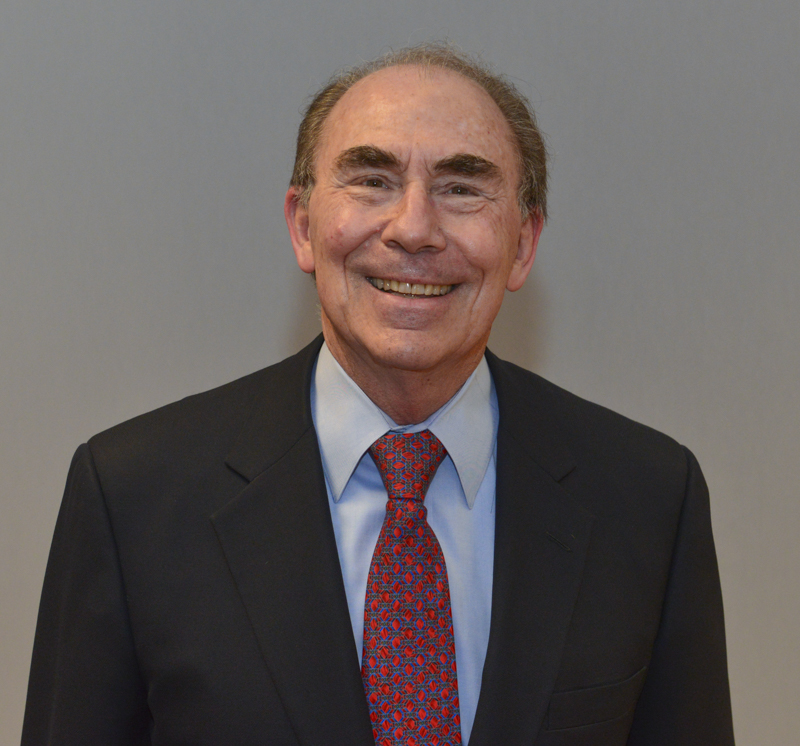
Asked to comment on the new data, Anthony L. Komaroff, MD, professor of medicine at Harvard Medical School, senior physician at Brigham and Women’s Hospital, both in Boston, and editor in chief of the Harvard Health Letter, told this news organization, “This paper adds to the evidence that an illness with symptoms that meet criteria for ME/CFS can follow COVID-19 in nearly half of those patients who have lingering symptoms. This can occur even in people who initially have only mild symptoms from COVID-19, although it is more likely to happen in the people who are sickest when they first get COVID-19. And those who meet criteria for ME/CFS were seriously impaired in their ability to function, [both] at work and at home.”
But, Dr. Komaroff also cautioned, “the study does not help in determining what fraction of all people who are infected with SARS-CoV-2 go on to develop a condition like ME/CFS, nor how long that condition will last. It is crucial that we get answers to these questions, as the impact on the economy, the health care system, and the disability system could be substantial.”
He pointed to a recent report from the Brookings Institution (2022 Aug 24. “New data shows long Covid is keeping as many as 4 million people out of work” Katie Bach) “finding that “long COVID may be a major contributor to the shortage of job applicants plaguing many businesses.”
Biomarkers include hand-grip strength, orthostatic intolerance, lab measures
Hand-grip strength, as assessed by 10 repeat grips at maximum force and repeated after 60 minutes, were lower for all those meeting ME/CFS criteria, compared with the healthy controls. Hand-grip strength parameters were also positively correlated with laboratory hemoglobin measures in both PCS groups who did and didn’t meet the Canadian ME/CFS criteria.
A total of three patients with PCS who didn’t meet ME/CFS criteria and seven with PCS who met ME/CFS criteria had sitting blood pressures of greater than 140 mm Hg systolic and/or greater than 90 mm Hg diastolic. Five patients with PCS – four who met ME/CFS criteria and one who didn’t – fulfilled criteria for postural orthostatic tachycardia syndrome. Orthostatic hypotension was diagnosed in a total of seven with PCS, including one who did not meet ME/CFS criteria and the rest who did.
Among significant laboratory findings, mannose-binding lectin deficiency, which is associated with increased infection susceptibility and found in only about 6% of historical controls, was found more frequently in both of the PCS cohorts (17% of those with ME/CFS and 23% of those without) than it has been in the past among those with ME/CFS, compared with historical controls (15%).
There was only slight elevation in C-reactive protein, the most commonly measured marker of inflammation. However, another marker indicating inflammation within the last 3-4 months, interleukin 8 assessed in erythrocytes, was above normal in 37% with PCS and ME/CFS and in 48% with PCS who did not meet the ME/CFS criteria.
Elevated antinuclear antibodies, anti–thyroid peroxidase antibodies, vitamin D deficiencies, and folic acid deficiencies were all seen in small numbers of the PCS patients. Angiotensin-converting enzyme 1 levels were below the normal range in 31% of all patients.
“We must anticipate that this pandemic has the potential to dramatically increase the number of ME/CFS patients,” Dr. Kedor and colleagues write. “At the same time, it offers the unique chance to identify ME/CFS patients in a very early stage of disease and apply interventions such as pacing and coping early with a better therapeutic prognosis. Further, it is an unprecedented opportunity to understand the underlying pathomechanism and characterize targets for specific treatment approaches.”
Dr. Scheibenbogen and Dr. Komaroff reported no relevant financial relationships.
A version of this article first appeared on Medscape.com.
A new study provides yet more evidence that a significant subset of people who experience persistent fatigue and exercise intolerance following COVID-19 will meet diagnostic criteria for myalgic encephalomyelitis/chronic fatigue syndrome (ME/CFS).
Data from the prospective observational study of 42 patients with “post-COVID-19 syndrome (PCS),” including persistent fatigue and exercise intolerance, suggest that a large proportion will meet strict diagnostic criteria for ME/CFS, including the hallmark postexertional malaise (PEM). Still others may experience similar disability but lack duration and/or severity requirements for the diagnosis.
Moreover, disease severity and symptom burden were found similar in those with ME/CFS following COVID-19 and in a group of 19 age- and sex-matched individuals with ME/CFS that wasn’t associated with COVID-19.
“The major finding is that ME/CFS is indeed part of the spectrum of the post-COVID syndrome and very similar to the ME/CFS we know after other infectious triggers,” senior author Carmen Scheibenbogen, MD, acting director of the Institute for Medical Immunology at the Charité University Medicine Campus Virchow-Klinikum, Berlin, told this news organization.
Importantly, from a clinical standpoint, both diminished hand-grip strength (HGS) and orthostatic intolerance were common across all patient groups, as were several laboratory values, Claudia Kedor, MD, and colleagues at Charité report in the paper, published online in Nature Communications.
Of the 42 with PCS, including persistent fatigue and exercise intolerance lasting at least 6 months, 19 met the rigorous Canadian Consensus Criteria (CCC) for ME/CFS, established in 2003, which require PEM, along with sleep dysfunction, significant persistent fatigue, pain, and several other symptoms from neurological/cognitive, autonomic, neuroendocrine, and immune categories that persist for at least 6 months.
Of the 23 who did not meet the CCC criteria, 18 still experienced PEM but for less than the required 14 hours set by the authors based on recent data. The original CCC had suggested 24 hours as the PEM duration. Eight subjects met all the Canadian criteria except for the neurological/cognitive symptoms. None of the 42 had evidence of severe depression.
The previously widely used 1994 “Fukuda” criteria for ME/CFS are no longer recommended because they don’t require PEM, which is now considered a key symptom. The more recent 2015 Institute (now Academy) of Medicine criteria don’t define the length of PEM, the authors note in the paper.
Dr. Scheibenbogen said, “Post-COVID has a spectrum of syndromes and conditions. We see that a subset of patients have similar symptoms of ME/CFS but don’t fulfill the CCC, although they may meet less stringent criteria. We think this is of relevance for both diagnostic markers and development of therapy, because there may be different pathomechanisms between the subsets of post-COVID patients.”
She pointed to other studies from her group suggesting that inflammation is present early in post-COVID (not yet published), while in the subset that goes on to ME/CFS, autoantibodies or endothelial dysfunction play a more important role. «At the moment, it’s quite complex, and I don’t think in the end we will have just one pathomechanism. So I think we’ll need to develop various treatment strategies.”
Asked to comment on the new data, Anthony L. Komaroff, MD, professor of medicine at Harvard Medical School, senior physician at Brigham and Women’s Hospital, both in Boston, and editor in chief of the Harvard Health Letter, told this news organization, “This paper adds to the evidence that an illness with symptoms that meet criteria for ME/CFS can follow COVID-19 in nearly half of those patients who have lingering symptoms. This can occur even in people who initially have only mild symptoms from COVID-19, although it is more likely to happen in the people who are sickest when they first get COVID-19. And those who meet criteria for ME/CFS were seriously impaired in their ability to function, [both] at work and at home.”
But, Dr. Komaroff also cautioned, “the study does not help in determining what fraction of all people who are infected with SARS-CoV-2 go on to develop a condition like ME/CFS, nor how long that condition will last. It is crucial that we get answers to these questions, as the impact on the economy, the health care system, and the disability system could be substantial.”
He pointed to a recent report from the Brookings Institution (2022 Aug 24. “New data shows long Covid is keeping as many as 4 million people out of work” Katie Bach) “finding that “long COVID may be a major contributor to the shortage of job applicants plaguing many businesses.”
Biomarkers include hand-grip strength, orthostatic intolerance, lab measures
Hand-grip strength, as assessed by 10 repeat grips at maximum force and repeated after 60 minutes, were lower for all those meeting ME/CFS criteria, compared with the healthy controls. Hand-grip strength parameters were also positively correlated with laboratory hemoglobin measures in both PCS groups who did and didn’t meet the Canadian ME/CFS criteria.
A total of three patients with PCS who didn’t meet ME/CFS criteria and seven with PCS who met ME/CFS criteria had sitting blood pressures of greater than 140 mm Hg systolic and/or greater than 90 mm Hg diastolic. Five patients with PCS – four who met ME/CFS criteria and one who didn’t – fulfilled criteria for postural orthostatic tachycardia syndrome. Orthostatic hypotension was diagnosed in a total of seven with PCS, including one who did not meet ME/CFS criteria and the rest who did.
Among significant laboratory findings, mannose-binding lectin deficiency, which is associated with increased infection susceptibility and found in only about 6% of historical controls, was found more frequently in both of the PCS cohorts (17% of those with ME/CFS and 23% of those without) than it has been in the past among those with ME/CFS, compared with historical controls (15%).
There was only slight elevation in C-reactive protein, the most commonly measured marker of inflammation. However, another marker indicating inflammation within the last 3-4 months, interleukin 8 assessed in erythrocytes, was above normal in 37% with PCS and ME/CFS and in 48% with PCS who did not meet the ME/CFS criteria.
Elevated antinuclear antibodies, anti–thyroid peroxidase antibodies, vitamin D deficiencies, and folic acid deficiencies were all seen in small numbers of the PCS patients. Angiotensin-converting enzyme 1 levels were below the normal range in 31% of all patients.
“We must anticipate that this pandemic has the potential to dramatically increase the number of ME/CFS patients,” Dr. Kedor and colleagues write. “At the same time, it offers the unique chance to identify ME/CFS patients in a very early stage of disease and apply interventions such as pacing and coping early with a better therapeutic prognosis. Further, it is an unprecedented opportunity to understand the underlying pathomechanism and characterize targets for specific treatment approaches.”
Dr. Scheibenbogen and Dr. Komaroff reported no relevant financial relationships.
A version of this article first appeared on Medscape.com.
A new study provides yet more evidence that a significant subset of people who experience persistent fatigue and exercise intolerance following COVID-19 will meet diagnostic criteria for myalgic encephalomyelitis/chronic fatigue syndrome (ME/CFS).
Data from the prospective observational study of 42 patients with “post-COVID-19 syndrome (PCS),” including persistent fatigue and exercise intolerance, suggest that a large proportion will meet strict diagnostic criteria for ME/CFS, including the hallmark postexertional malaise (PEM). Still others may experience similar disability but lack duration and/or severity requirements for the diagnosis.
Moreover, disease severity and symptom burden were found similar in those with ME/CFS following COVID-19 and in a group of 19 age- and sex-matched individuals with ME/CFS that wasn’t associated with COVID-19.
“The major finding is that ME/CFS is indeed part of the spectrum of the post-COVID syndrome and very similar to the ME/CFS we know after other infectious triggers,” senior author Carmen Scheibenbogen, MD, acting director of the Institute for Medical Immunology at the Charité University Medicine Campus Virchow-Klinikum, Berlin, told this news organization.
Importantly, from a clinical standpoint, both diminished hand-grip strength (HGS) and orthostatic intolerance were common across all patient groups, as were several laboratory values, Claudia Kedor, MD, and colleagues at Charité report in the paper, published online in Nature Communications.
Of the 42 with PCS, including persistent fatigue and exercise intolerance lasting at least 6 months, 19 met the rigorous Canadian Consensus Criteria (CCC) for ME/CFS, established in 2003, which require PEM, along with sleep dysfunction, significant persistent fatigue, pain, and several other symptoms from neurological/cognitive, autonomic, neuroendocrine, and immune categories that persist for at least 6 months.
Of the 23 who did not meet the CCC criteria, 18 still experienced PEM but for less than the required 14 hours set by the authors based on recent data. The original CCC had suggested 24 hours as the PEM duration. Eight subjects met all the Canadian criteria except for the neurological/cognitive symptoms. None of the 42 had evidence of severe depression.
The previously widely used 1994 “Fukuda” criteria for ME/CFS are no longer recommended because they don’t require PEM, which is now considered a key symptom. The more recent 2015 Institute (now Academy) of Medicine criteria don’t define the length of PEM, the authors note in the paper.
Dr. Scheibenbogen said, “Post-COVID has a spectrum of syndromes and conditions. We see that a subset of patients have similar symptoms of ME/CFS but don’t fulfill the CCC, although they may meet less stringent criteria. We think this is of relevance for both diagnostic markers and development of therapy, because there may be different pathomechanisms between the subsets of post-COVID patients.”
She pointed to other studies from her group suggesting that inflammation is present early in post-COVID (not yet published), while in the subset that goes on to ME/CFS, autoantibodies or endothelial dysfunction play a more important role. «At the moment, it’s quite complex, and I don’t think in the end we will have just one pathomechanism. So I think we’ll need to develop various treatment strategies.”
Asked to comment on the new data, Anthony L. Komaroff, MD, professor of medicine at Harvard Medical School, senior physician at Brigham and Women’s Hospital, both in Boston, and editor in chief of the Harvard Health Letter, told this news organization, “This paper adds to the evidence that an illness with symptoms that meet criteria for ME/CFS can follow COVID-19 in nearly half of those patients who have lingering symptoms. This can occur even in people who initially have only mild symptoms from COVID-19, although it is more likely to happen in the people who are sickest when they first get COVID-19. And those who meet criteria for ME/CFS were seriously impaired in their ability to function, [both] at work and at home.”
But, Dr. Komaroff also cautioned, “the study does not help in determining what fraction of all people who are infected with SARS-CoV-2 go on to develop a condition like ME/CFS, nor how long that condition will last. It is crucial that we get answers to these questions, as the impact on the economy, the health care system, and the disability system could be substantial.”
He pointed to a recent report from the Brookings Institution (2022 Aug 24. “New data shows long Covid is keeping as many as 4 million people out of work” Katie Bach) “finding that “long COVID may be a major contributor to the shortage of job applicants plaguing many businesses.”
Biomarkers include hand-grip strength, orthostatic intolerance, lab measures
Hand-grip strength, as assessed by 10 repeat grips at maximum force and repeated after 60 minutes, were lower for all those meeting ME/CFS criteria, compared with the healthy controls. Hand-grip strength parameters were also positively correlated with laboratory hemoglobin measures in both PCS groups who did and didn’t meet the Canadian ME/CFS criteria.
A total of three patients with PCS who didn’t meet ME/CFS criteria and seven with PCS who met ME/CFS criteria had sitting blood pressures of greater than 140 mm Hg systolic and/or greater than 90 mm Hg diastolic. Five patients with PCS – four who met ME/CFS criteria and one who didn’t – fulfilled criteria for postural orthostatic tachycardia syndrome. Orthostatic hypotension was diagnosed in a total of seven with PCS, including one who did not meet ME/CFS criteria and the rest who did.
Among significant laboratory findings, mannose-binding lectin deficiency, which is associated with increased infection susceptibility and found in only about 6% of historical controls, was found more frequently in both of the PCS cohorts (17% of those with ME/CFS and 23% of those without) than it has been in the past among those with ME/CFS, compared with historical controls (15%).
There was only slight elevation in C-reactive protein, the most commonly measured marker of inflammation. However, another marker indicating inflammation within the last 3-4 months, interleukin 8 assessed in erythrocytes, was above normal in 37% with PCS and ME/CFS and in 48% with PCS who did not meet the ME/CFS criteria.
Elevated antinuclear antibodies, anti–thyroid peroxidase antibodies, vitamin D deficiencies, and folic acid deficiencies were all seen in small numbers of the PCS patients. Angiotensin-converting enzyme 1 levels were below the normal range in 31% of all patients.
“We must anticipate that this pandemic has the potential to dramatically increase the number of ME/CFS patients,” Dr. Kedor and colleagues write. “At the same time, it offers the unique chance to identify ME/CFS patients in a very early stage of disease and apply interventions such as pacing and coping early with a better therapeutic prognosis. Further, it is an unprecedented opportunity to understand the underlying pathomechanism and characterize targets for specific treatment approaches.”
Dr. Scheibenbogen and Dr. Komaroff reported no relevant financial relationships.
A version of this article first appeared on Medscape.com.
FROM NATURE COMMUNICATIONS

Even mild COVID tied to vascular impairment
In a small prospective study, participants who previously had COVID-19, even those with mild illness, had significantly decreased CVR, compared with never-infected individuals.
Results also showed cerebral blood flow (CBF) was greater in never-infected versus previously infected participants, and whole-brain CVR was lower in previously infected versus never-infected participants. Although CVR was also smaller in those with versus those without post-COVID neurologic conditions, the difference was not considered significant.
“It is important to remember that while our findings were statistically significant, we had a relatively small sample size – 25 total participants – and so we encourage future larger studies in this domain to see if these results are reproducible at a larger scale,” lead author Andrew Callen, MD, assistant professor of radiology, Neuroradiology Section, University of Colorado at Denver, Aurora, said in an interview.
“In a practical sense, it may encourage treating clinicians to be more aggressive with preventative neurovascular and cardiovascular health measures and/or screening in this patient population,” Dr. Callen said.
The findings were published online in the American Journal of Roentgenology.
Endothelial dysfunction
The acute phase SARS-CoV-2 infection “is associated with strokes that have features of both vascular inflammation and thromboembolism,” the investigators note.
Moreover, following the acute phase of infection, up to three-quarters of patients “experience persistent neurologic symptoms not attributable to another diagnosis, including headache, difficulty concentrating, vision changes, disequilibrium, and fatigue,” they write.
Preliminary studies “suggest a potential role for endothelial and circulatory dysfunction” in these symptoms, they add.
The researchers note that vessel wall imaging is an MRI technique that can detect and characterize arterial vascular inflammation and may differentiate vasculitic arterial pathology from atherosclerotic pathology.
Dr. Callen conducted previous research assessing cerebral vasoreactivity in women living with HIV. He noted that this is a population at a much higher risk of stroke, compared with uninfected individuals with otherwise similar cardiovascular risk factors, even when their viral load is controlled with antiretroviral therapies.
Evidence has pointed to chronic endothelial dysfunction in these individuals, and endothelial function and dysfunction can be measured through vasoreactivity testing, Dr. Callen said.
“As the COVID pandemic progressed, not only did we observe an increased rate of stroke in individuals acutely infected with COVID, but histopathological evidence began to emerge which suggested that the COVID-19 virus had tropism to and often damaged the vascular endothelium,” he noted.
This emerging evidence prompted Dr. Callen to wonder whether “individuals previously infected with COVID might also demonstrate long-term impairment in cerebral vasoreactivity or if we might see abnormalities using high resolution vessel wall imaging.”
In the current study, 15 individuals with prior SARS-CoV-2 infection (11 women, 4 men; mean age, 43 years) were compared with 10 never-infected individuals (8 women, 2 men; mean age, 43 years) who functioned as the control group.
The previously infected individuals, of whom three had prior critical infection and 12 had prior mild infection, were assessed, on average, about 8 months after infection. Of this group, seven had various post-COVID neurologic conditions, including headache, memory impairment, insomnia, depression, disequilibrium, fatigue, personality change, phantosmias (detecting smells that aren’t present), dysgeusia (taste disorder), and tinnitus.
All participants underwent MRI and vessel wall imaging. The MRI included arterial spin labeling perfusion imaging with acetazolamide stimulus to measure CBF and calculate CVR. The vessel wall imaging examinations used a contrast-enhanced black-blood 3D T1-weighted sequence.
Imaging data
Prior to acetazolamide administration, the mean whole-cortex CBF did not differ significantly between never-infected and previously infected participants. However, following the acetazolamide administration, the mean whole-cortex CBF was greater in never-infected participants (73.8 mL/100 g/min vs. 60.5 mL/100 g/min, respectively; P = .04).
Moreover, the mean whole-brain CVR was greater in never-infected participants, compared with previously infected participants (27.8 mL/100 g/min vs. 19.1 mL/100 g/min; P < .001).
After adjusting for age and sex, researchers found that prior infection was associated with a lower whole-brain CVR (–8.9 mL/100 g/min; 95% confidence interval, 4.6-13.3 ml/100g/min; P < .001).
Previously infected individuals also showed significantly lower CVR, even after the researchers excluded those with prior critical illness.
A nonsignificant difference was found in previously infected participants, with smaller CVR in participants with versus without post-COVID neurologic symptoms (16.9 vs. 21.0 mL/100 g/min; P = .22).
In addition, 40% of the previously infected participants versus 10% of the never-infected participants had at least one vessel wall imaging abnormality – but the difference was not deemed significant (P = .18). Notably, “all detected vessel wall imaging abnormalities were morphologically consistent with atherosclerosis rather than vasculitis,” the investigators said.
Dr. Callen said it is “unknown whether the lack of statistical significance in the differences in vasoreactivity impairment with those living with long COVID symptoms is due to a lack of a biomechanistic correlation or due to statistical underpowering.”
If it is the latter, “it may emphasize the role of vascular health in those living with long COVID symptoms and potentially all individuals living with COVID,” he added.
Independent risk factor?
Commenting on the study for this article, Jared Narvid, MD, associate professor of neuroradiology, University of California, San Francisco, said it “adds to the literature suggesting a correlation between COVID-19 infection and measures of cerebrovascular abnormality.”
Dr. Narvid, who was not involved with the research, added that “although it is a small case-control study, it is well executed and should encourage scientists to further study whether COVID-19 infection represents an independent risk factor for cerebrovascular disease.”
The investigators agree. “Future studies are needed to determine the clinical implications arising from SARS-CoV-2–associated CVR impairment,” they write.
The study was funded by a University of Colorado department of radiology Faculty Development Seed Grant. The investigators and Dr. Narvid report no relevant financial relationships.
A version of this article first appeared on Medscape.com .
In a small prospective study, participants who previously had COVID-19, even those with mild illness, had significantly decreased CVR, compared with never-infected individuals.
Results also showed cerebral blood flow (CBF) was greater in never-infected versus previously infected participants, and whole-brain CVR was lower in previously infected versus never-infected participants. Although CVR was also smaller in those with versus those without post-COVID neurologic conditions, the difference was not considered significant.
“It is important to remember that while our findings were statistically significant, we had a relatively small sample size – 25 total participants – and so we encourage future larger studies in this domain to see if these results are reproducible at a larger scale,” lead author Andrew Callen, MD, assistant professor of radiology, Neuroradiology Section, University of Colorado at Denver, Aurora, said in an interview.
“In a practical sense, it may encourage treating clinicians to be more aggressive with preventative neurovascular and cardiovascular health measures and/or screening in this patient population,” Dr. Callen said.
The findings were published online in the American Journal of Roentgenology.
Endothelial dysfunction
The acute phase SARS-CoV-2 infection “is associated with strokes that have features of both vascular inflammation and thromboembolism,” the investigators note.
Moreover, following the acute phase of infection, up to three-quarters of patients “experience persistent neurologic symptoms not attributable to another diagnosis, including headache, difficulty concentrating, vision changes, disequilibrium, and fatigue,” they write.
Preliminary studies “suggest a potential role for endothelial and circulatory dysfunction” in these symptoms, they add.
The researchers note that vessel wall imaging is an MRI technique that can detect and characterize arterial vascular inflammation and may differentiate vasculitic arterial pathology from atherosclerotic pathology.
Dr. Callen conducted previous research assessing cerebral vasoreactivity in women living with HIV. He noted that this is a population at a much higher risk of stroke, compared with uninfected individuals with otherwise similar cardiovascular risk factors, even when their viral load is controlled with antiretroviral therapies.
Evidence has pointed to chronic endothelial dysfunction in these individuals, and endothelial function and dysfunction can be measured through vasoreactivity testing, Dr. Callen said.
“As the COVID pandemic progressed, not only did we observe an increased rate of stroke in individuals acutely infected with COVID, but histopathological evidence began to emerge which suggested that the COVID-19 virus had tropism to and often damaged the vascular endothelium,” he noted.
This emerging evidence prompted Dr. Callen to wonder whether “individuals previously infected with COVID might also demonstrate long-term impairment in cerebral vasoreactivity or if we might see abnormalities using high resolution vessel wall imaging.”
In the current study, 15 individuals with prior SARS-CoV-2 infection (11 women, 4 men; mean age, 43 years) were compared with 10 never-infected individuals (8 women, 2 men; mean age, 43 years) who functioned as the control group.
The previously infected individuals, of whom three had prior critical infection and 12 had prior mild infection, were assessed, on average, about 8 months after infection. Of this group, seven had various post-COVID neurologic conditions, including headache, memory impairment, insomnia, depression, disequilibrium, fatigue, personality change, phantosmias (detecting smells that aren’t present), dysgeusia (taste disorder), and tinnitus.
All participants underwent MRI and vessel wall imaging. The MRI included arterial spin labeling perfusion imaging with acetazolamide stimulus to measure CBF and calculate CVR. The vessel wall imaging examinations used a contrast-enhanced black-blood 3D T1-weighted sequence.
Imaging data
Prior to acetazolamide administration, the mean whole-cortex CBF did not differ significantly between never-infected and previously infected participants. However, following the acetazolamide administration, the mean whole-cortex CBF was greater in never-infected participants (73.8 mL/100 g/min vs. 60.5 mL/100 g/min, respectively; P = .04).
Moreover, the mean whole-brain CVR was greater in never-infected participants, compared with previously infected participants (27.8 mL/100 g/min vs. 19.1 mL/100 g/min; P < .001).
After adjusting for age and sex, researchers found that prior infection was associated with a lower whole-brain CVR (–8.9 mL/100 g/min; 95% confidence interval, 4.6-13.3 ml/100g/min; P < .001).
Previously infected individuals also showed significantly lower CVR, even after the researchers excluded those with prior critical illness.
A nonsignificant difference was found in previously infected participants, with smaller CVR in participants with versus without post-COVID neurologic symptoms (16.9 vs. 21.0 mL/100 g/min; P = .22).
In addition, 40% of the previously infected participants versus 10% of the never-infected participants had at least one vessel wall imaging abnormality – but the difference was not deemed significant (P = .18). Notably, “all detected vessel wall imaging abnormalities were morphologically consistent with atherosclerosis rather than vasculitis,” the investigators said.
Dr. Callen said it is “unknown whether the lack of statistical significance in the differences in vasoreactivity impairment with those living with long COVID symptoms is due to a lack of a biomechanistic correlation or due to statistical underpowering.”
If it is the latter, “it may emphasize the role of vascular health in those living with long COVID symptoms and potentially all individuals living with COVID,” he added.
Independent risk factor?
Commenting on the study for this article, Jared Narvid, MD, associate professor of neuroradiology, University of California, San Francisco, said it “adds to the literature suggesting a correlation between COVID-19 infection and measures of cerebrovascular abnormality.”
Dr. Narvid, who was not involved with the research, added that “although it is a small case-control study, it is well executed and should encourage scientists to further study whether COVID-19 infection represents an independent risk factor for cerebrovascular disease.”
The investigators agree. “Future studies are needed to determine the clinical implications arising from SARS-CoV-2–associated CVR impairment,” they write.
The study was funded by a University of Colorado department of radiology Faculty Development Seed Grant. The investigators and Dr. Narvid report no relevant financial relationships.
A version of this article first appeared on Medscape.com .
In a small prospective study, participants who previously had COVID-19, even those with mild illness, had significantly decreased CVR, compared with never-infected individuals.
Results also showed cerebral blood flow (CBF) was greater in never-infected versus previously infected participants, and whole-brain CVR was lower in previously infected versus never-infected participants. Although CVR was also smaller in those with versus those without post-COVID neurologic conditions, the difference was not considered significant.
“It is important to remember that while our findings were statistically significant, we had a relatively small sample size – 25 total participants – and so we encourage future larger studies in this domain to see if these results are reproducible at a larger scale,” lead author Andrew Callen, MD, assistant professor of radiology, Neuroradiology Section, University of Colorado at Denver, Aurora, said in an interview.
“In a practical sense, it may encourage treating clinicians to be more aggressive with preventative neurovascular and cardiovascular health measures and/or screening in this patient population,” Dr. Callen said.
The findings were published online in the American Journal of Roentgenology.
Endothelial dysfunction
The acute phase SARS-CoV-2 infection “is associated with strokes that have features of both vascular inflammation and thromboembolism,” the investigators note.
Moreover, following the acute phase of infection, up to three-quarters of patients “experience persistent neurologic symptoms not attributable to another diagnosis, including headache, difficulty concentrating, vision changes, disequilibrium, and fatigue,” they write.
Preliminary studies “suggest a potential role for endothelial and circulatory dysfunction” in these symptoms, they add.
The researchers note that vessel wall imaging is an MRI technique that can detect and characterize arterial vascular inflammation and may differentiate vasculitic arterial pathology from atherosclerotic pathology.
Dr. Callen conducted previous research assessing cerebral vasoreactivity in women living with HIV. He noted that this is a population at a much higher risk of stroke, compared with uninfected individuals with otherwise similar cardiovascular risk factors, even when their viral load is controlled with antiretroviral therapies.
Evidence has pointed to chronic endothelial dysfunction in these individuals, and endothelial function and dysfunction can be measured through vasoreactivity testing, Dr. Callen said.
“As the COVID pandemic progressed, not only did we observe an increased rate of stroke in individuals acutely infected with COVID, but histopathological evidence began to emerge which suggested that the COVID-19 virus had tropism to and often damaged the vascular endothelium,” he noted.
This emerging evidence prompted Dr. Callen to wonder whether “individuals previously infected with COVID might also demonstrate long-term impairment in cerebral vasoreactivity or if we might see abnormalities using high resolution vessel wall imaging.”
In the current study, 15 individuals with prior SARS-CoV-2 infection (11 women, 4 men; mean age, 43 years) were compared with 10 never-infected individuals (8 women, 2 men; mean age, 43 years) who functioned as the control group.
The previously infected individuals, of whom three had prior critical infection and 12 had prior mild infection, were assessed, on average, about 8 months after infection. Of this group, seven had various post-COVID neurologic conditions, including headache, memory impairment, insomnia, depression, disequilibrium, fatigue, personality change, phantosmias (detecting smells that aren’t present), dysgeusia (taste disorder), and tinnitus.
All participants underwent MRI and vessel wall imaging. The MRI included arterial spin labeling perfusion imaging with acetazolamide stimulus to measure CBF and calculate CVR. The vessel wall imaging examinations used a contrast-enhanced black-blood 3D T1-weighted sequence.
Imaging data
Prior to acetazolamide administration, the mean whole-cortex CBF did not differ significantly between never-infected and previously infected participants. However, following the acetazolamide administration, the mean whole-cortex CBF was greater in never-infected participants (73.8 mL/100 g/min vs. 60.5 mL/100 g/min, respectively; P = .04).
Moreover, the mean whole-brain CVR was greater in never-infected participants, compared with previously infected participants (27.8 mL/100 g/min vs. 19.1 mL/100 g/min; P < .001).
After adjusting for age and sex, researchers found that prior infection was associated with a lower whole-brain CVR (–8.9 mL/100 g/min; 95% confidence interval, 4.6-13.3 ml/100g/min; P < .001).
Previously infected individuals also showed significantly lower CVR, even after the researchers excluded those with prior critical illness.
A nonsignificant difference was found in previously infected participants, with smaller CVR in participants with versus without post-COVID neurologic symptoms (16.9 vs. 21.0 mL/100 g/min; P = .22).
In addition, 40% of the previously infected participants versus 10% of the never-infected participants had at least one vessel wall imaging abnormality – but the difference was not deemed significant (P = .18). Notably, “all detected vessel wall imaging abnormalities were morphologically consistent with atherosclerosis rather than vasculitis,” the investigators said.
Dr. Callen said it is “unknown whether the lack of statistical significance in the differences in vasoreactivity impairment with those living with long COVID symptoms is due to a lack of a biomechanistic correlation or due to statistical underpowering.”
If it is the latter, “it may emphasize the role of vascular health in those living with long COVID symptoms and potentially all individuals living with COVID,” he added.
Independent risk factor?
Commenting on the study for this article, Jared Narvid, MD, associate professor of neuroradiology, University of California, San Francisco, said it “adds to the literature suggesting a correlation between COVID-19 infection and measures of cerebrovascular abnormality.”
Dr. Narvid, who was not involved with the research, added that “although it is a small case-control study, it is well executed and should encourage scientists to further study whether COVID-19 infection represents an independent risk factor for cerebrovascular disease.”
The investigators agree. “Future studies are needed to determine the clinical implications arising from SARS-CoV-2–associated CVR impairment,” they write.
The study was funded by a University of Colorado department of radiology Faculty Development Seed Grant. The investigators and Dr. Narvid report no relevant financial relationships.
A version of this article first appeared on Medscape.com .
When do we stop using BMI to diagnose obesity?
“BMI is trash. Full stop.” This controversial tweet received 26,500 likes and almost 3,000 retweets. The 400 comments from medical and non–health care personnel ranged from agreeable to contrary to offensive.
As a Black woman who is an obesity expert living with the impact of obesity in my own life, I know the emotion that a BMI conversation can evoke. Before emotions hijack the conversation, let’s discuss BMI’s past, present, and future.
BMI: From observational measurement to clinical use
Imagine walking into your favorite clothing store where an eager clerk greets you with a shirt to try on. The fit is off, but the clerk insists that the shirt must fit because everyone who’s your height should be able to wear it. This scenario seems ridiculous. But this is how we’ve come to use the BMI. Instead of thinking that people of the same height may be the same size, we declare that they must be the same size.
The idea behind the BMI was conceived in 1832 by Belgian anthropologist and mathematician Adolphe Quetelet, but he didn’t intend for it to be a health measure. Instead, it was simply an observation of how people’s weight changed in proportion to height over their lifetime.
Fast-forward to the 20th century, when insurance companies began using weight as an indicator of health status. Weights were recorded in a “Life Table.” Individual health status was determined on the basis of arbitrary cut-offs for weight on the Life Tables. Furthermore, White men set the “normal” weight standards because they were the primary insurance holders.
In 1972, Dr. Ancel Keys, a physician and leading expert in body composition at the time, cried foul on this practice and sought to standardize the use of weight as a health indicator. Dr. Keys used Quetelet’s calculation and termed it the Body Mass Index.
By 1985, the U.S. National Institutes of Health and the World Health Organization adopted the BMI. By the 21st century, BMI had become widely used in clinical settings. For example, the Centers for Medicare & Medicaid Services adopted BMI as a quality-of-care measure, placing even more pressure on clinicians to use BMI as a health screening tool.
BMI as a tool to diagnose obesity
We can’t discuss BMI without discussing the disease of obesity. BMI is the most widely used tool to diagnose obesity. In the United States, one-third of Americans meet the criteria for obesity. Another one-third are at risk for obesity.
Compared with BMI’s relatively quick acceptance into clinical practice, however, obesity was only recently recognized as a disease.
Historically, obesity has been viewed as a lifestyle choice, fueled by misinformation and multiple forms of bias. The historical bias associated with BMI and discrimination has led some public health officials and scholars to dismiss the use of BMI or fail to recognize obesity as disease.
This is a dangerous conclusion, because it comes to the detriment of the very people disproportionately impacted by obesity-related health disparities.
Furthermore, weight bias continues to prevent people living with obesity from receiving insurance coverage for life-enhancing obesity medications and interventions.
Is it time to phase out BMI?
The BMI is intertwined with many forms of bias: age, gender, racial, ethnic, and even weight. Therefore, it is time to phase out BMI. However, phasing out BMI is complex and will take time, given that:
- Obesity is still a relatively “young” disease. 2023 marks the 10th anniversary of obesity’s recognition as a disease by the American Medical Association. Currently, BMI is the most widely used tool to diagnose obesity. Tools such as waist circumference, body composition, and metabolic health assessment will need to replace the BMI. Shifting from BMI emphasizes that obesity is more than a number on the scale. Obesity, as defined by the Obesity Medicine Association, is indeed a “chronic, relapsing, multi-factorial, neurobehavioral disease, wherein an increase in body fat promotes adipose tissue dysfunction and abnormal fat mass physical forces, resulting in adverse metabolic, biomechanical, and psychosocial health consequences.”
- Much of our health research is tied to BMI. There have been some shifts in looking at non–weight-related health indicators. However, we need more robust studies evaluating other health indicators beyond weight and BMI. The availability of this data will help eliminate the need for BMI and promote individualized health assessment.
- Current treatment guidelines for obesity medications are based on BMI. (Note: Medications to treat obesity are called “anti-obesity” medications or AOMs. However, given the stigma associated with obesity, I prefer not to use the term “anti-obesity.”) Presently this interferes with long-term obesity treatment. Once BMI is “normal,” many patients lose insurance coverage for their obesity medication, despite needing long-term metabolic support to overcome the compensatory mechanism of weight regain. Obesity is a chronic disease that exists independent of weight status. Therefore, using non-BMI measures will help ensure appropriate lifetime support for obesity.
The preceding are barriers, not impossibilities. In the interim, if BMI is still used in any capacity, the BMI reference chart should be an adjusted BMI chart based on age, race, ethnicity, biological sex, and obesity-related conditions. Furthermore, BMI isn’t the sole determining factor of health status.
Instead, an “abnormal” BMI should initiate conversation and further testing, if needed, to determine an individual’s health. For example, compare two people of the same height with different BMIs and lifestyles. Current studies support that a person flagged as having a high adjusted BMI but practicing a healthy lifestyle and having no metabolic diseases is less at risk than a person with a “normal” BMI but high waist circumference and an unhealthy lifestyle.
Regardless of your personal feelings, the facts are clear. Technology empowers us with better tools than BMI to determine health status. Therefore, it’s not a matter of if we will stop using BMI but when.
Sylvia Gonsahn-Bollie, MD, DipABOM, is an integrative obesity specialist who specializes in individualized solutions for emotional and biological overeating. Connect with her at www.embraceyouweightloss.com or on Instagram @embraceyoumd. Her bestselling book, “Embrace You: Your Guide to Transforming Weight Loss Misconceptions Into Lifelong Wellness,” is Healthline.com’s Best Overall Weight Loss Book 2022 and one of Livestrong.com’s picks for the 8 Best Weight-Loss Books to Read in 2022.
A version of this article first appeared on Medscape.com.
“BMI is trash. Full stop.” This controversial tweet received 26,500 likes and almost 3,000 retweets. The 400 comments from medical and non–health care personnel ranged from agreeable to contrary to offensive.
As a Black woman who is an obesity expert living with the impact of obesity in my own life, I know the emotion that a BMI conversation can evoke. Before emotions hijack the conversation, let’s discuss BMI’s past, present, and future.
BMI: From observational measurement to clinical use
Imagine walking into your favorite clothing store where an eager clerk greets you with a shirt to try on. The fit is off, but the clerk insists that the shirt must fit because everyone who’s your height should be able to wear it. This scenario seems ridiculous. But this is how we’ve come to use the BMI. Instead of thinking that people of the same height may be the same size, we declare that they must be the same size.
The idea behind the BMI was conceived in 1832 by Belgian anthropologist and mathematician Adolphe Quetelet, but he didn’t intend for it to be a health measure. Instead, it was simply an observation of how people’s weight changed in proportion to height over their lifetime.
Fast-forward to the 20th century, when insurance companies began using weight as an indicator of health status. Weights were recorded in a “Life Table.” Individual health status was determined on the basis of arbitrary cut-offs for weight on the Life Tables. Furthermore, White men set the “normal” weight standards because they were the primary insurance holders.
In 1972, Dr. Ancel Keys, a physician and leading expert in body composition at the time, cried foul on this practice and sought to standardize the use of weight as a health indicator. Dr. Keys used Quetelet’s calculation and termed it the Body Mass Index.
By 1985, the U.S. National Institutes of Health and the World Health Organization adopted the BMI. By the 21st century, BMI had become widely used in clinical settings. For example, the Centers for Medicare & Medicaid Services adopted BMI as a quality-of-care measure, placing even more pressure on clinicians to use BMI as a health screening tool.
BMI as a tool to diagnose obesity
We can’t discuss BMI without discussing the disease of obesity. BMI is the most widely used tool to diagnose obesity. In the United States, one-third of Americans meet the criteria for obesity. Another one-third are at risk for obesity.
Compared with BMI’s relatively quick acceptance into clinical practice, however, obesity was only recently recognized as a disease.
Historically, obesity has been viewed as a lifestyle choice, fueled by misinformation and multiple forms of bias. The historical bias associated with BMI and discrimination has led some public health officials and scholars to dismiss the use of BMI or fail to recognize obesity as disease.
This is a dangerous conclusion, because it comes to the detriment of the very people disproportionately impacted by obesity-related health disparities.
Furthermore, weight bias continues to prevent people living with obesity from receiving insurance coverage for life-enhancing obesity medications and interventions.
Is it time to phase out BMI?
The BMI is intertwined with many forms of bias: age, gender, racial, ethnic, and even weight. Therefore, it is time to phase out BMI. However, phasing out BMI is complex and will take time, given that:
- Obesity is still a relatively “young” disease. 2023 marks the 10th anniversary of obesity’s recognition as a disease by the American Medical Association. Currently, BMI is the most widely used tool to diagnose obesity. Tools such as waist circumference, body composition, and metabolic health assessment will need to replace the BMI. Shifting from BMI emphasizes that obesity is more than a number on the scale. Obesity, as defined by the Obesity Medicine Association, is indeed a “chronic, relapsing, multi-factorial, neurobehavioral disease, wherein an increase in body fat promotes adipose tissue dysfunction and abnormal fat mass physical forces, resulting in adverse metabolic, biomechanical, and psychosocial health consequences.”
- Much of our health research is tied to BMI. There have been some shifts in looking at non–weight-related health indicators. However, we need more robust studies evaluating other health indicators beyond weight and BMI. The availability of this data will help eliminate the need for BMI and promote individualized health assessment.
- Current treatment guidelines for obesity medications are based on BMI. (Note: Medications to treat obesity are called “anti-obesity” medications or AOMs. However, given the stigma associated with obesity, I prefer not to use the term “anti-obesity.”) Presently this interferes with long-term obesity treatment. Once BMI is “normal,” many patients lose insurance coverage for their obesity medication, despite needing long-term metabolic support to overcome the compensatory mechanism of weight regain. Obesity is a chronic disease that exists independent of weight status. Therefore, using non-BMI measures will help ensure appropriate lifetime support for obesity.
The preceding are barriers, not impossibilities. In the interim, if BMI is still used in any capacity, the BMI reference chart should be an adjusted BMI chart based on age, race, ethnicity, biological sex, and obesity-related conditions. Furthermore, BMI isn’t the sole determining factor of health status.
Instead, an “abnormal” BMI should initiate conversation and further testing, if needed, to determine an individual’s health. For example, compare two people of the same height with different BMIs and lifestyles. Current studies support that a person flagged as having a high adjusted BMI but practicing a healthy lifestyle and having no metabolic diseases is less at risk than a person with a “normal” BMI but high waist circumference and an unhealthy lifestyle.
Regardless of your personal feelings, the facts are clear. Technology empowers us with better tools than BMI to determine health status. Therefore, it’s not a matter of if we will stop using BMI but when.
Sylvia Gonsahn-Bollie, MD, DipABOM, is an integrative obesity specialist who specializes in individualized solutions for emotional and biological overeating. Connect with her at www.embraceyouweightloss.com or on Instagram @embraceyoumd. Her bestselling book, “Embrace You: Your Guide to Transforming Weight Loss Misconceptions Into Lifelong Wellness,” is Healthline.com’s Best Overall Weight Loss Book 2022 and one of Livestrong.com’s picks for the 8 Best Weight-Loss Books to Read in 2022.
A version of this article first appeared on Medscape.com.
“BMI is trash. Full stop.” This controversial tweet received 26,500 likes and almost 3,000 retweets. The 400 comments from medical and non–health care personnel ranged from agreeable to contrary to offensive.
As a Black woman who is an obesity expert living with the impact of obesity in my own life, I know the emotion that a BMI conversation can evoke. Before emotions hijack the conversation, let’s discuss BMI’s past, present, and future.
BMI: From observational measurement to clinical use
Imagine walking into your favorite clothing store where an eager clerk greets you with a shirt to try on. The fit is off, but the clerk insists that the shirt must fit because everyone who’s your height should be able to wear it. This scenario seems ridiculous. But this is how we’ve come to use the BMI. Instead of thinking that people of the same height may be the same size, we declare that they must be the same size.
The idea behind the BMI was conceived in 1832 by Belgian anthropologist and mathematician Adolphe Quetelet, but he didn’t intend for it to be a health measure. Instead, it was simply an observation of how people’s weight changed in proportion to height over their lifetime.
Fast-forward to the 20th century, when insurance companies began using weight as an indicator of health status. Weights were recorded in a “Life Table.” Individual health status was determined on the basis of arbitrary cut-offs for weight on the Life Tables. Furthermore, White men set the “normal” weight standards because they were the primary insurance holders.
In 1972, Dr. Ancel Keys, a physician and leading expert in body composition at the time, cried foul on this practice and sought to standardize the use of weight as a health indicator. Dr. Keys used Quetelet’s calculation and termed it the Body Mass Index.
By 1985, the U.S. National Institutes of Health and the World Health Organization adopted the BMI. By the 21st century, BMI had become widely used in clinical settings. For example, the Centers for Medicare & Medicaid Services adopted BMI as a quality-of-care measure, placing even more pressure on clinicians to use BMI as a health screening tool.
BMI as a tool to diagnose obesity
We can’t discuss BMI without discussing the disease of obesity. BMI is the most widely used tool to diagnose obesity. In the United States, one-third of Americans meet the criteria for obesity. Another one-third are at risk for obesity.
Compared with BMI’s relatively quick acceptance into clinical practice, however, obesity was only recently recognized as a disease.
Historically, obesity has been viewed as a lifestyle choice, fueled by misinformation and multiple forms of bias. The historical bias associated with BMI and discrimination has led some public health officials and scholars to dismiss the use of BMI or fail to recognize obesity as disease.
This is a dangerous conclusion, because it comes to the detriment of the very people disproportionately impacted by obesity-related health disparities.
Furthermore, weight bias continues to prevent people living with obesity from receiving insurance coverage for life-enhancing obesity medications and interventions.
Is it time to phase out BMI?
The BMI is intertwined with many forms of bias: age, gender, racial, ethnic, and even weight. Therefore, it is time to phase out BMI. However, phasing out BMI is complex and will take time, given that:
- Obesity is still a relatively “young” disease. 2023 marks the 10th anniversary of obesity’s recognition as a disease by the American Medical Association. Currently, BMI is the most widely used tool to diagnose obesity. Tools such as waist circumference, body composition, and metabolic health assessment will need to replace the BMI. Shifting from BMI emphasizes that obesity is more than a number on the scale. Obesity, as defined by the Obesity Medicine Association, is indeed a “chronic, relapsing, multi-factorial, neurobehavioral disease, wherein an increase in body fat promotes adipose tissue dysfunction and abnormal fat mass physical forces, resulting in adverse metabolic, biomechanical, and psychosocial health consequences.”
- Much of our health research is tied to BMI. There have been some shifts in looking at non–weight-related health indicators. However, we need more robust studies evaluating other health indicators beyond weight and BMI. The availability of this data will help eliminate the need for BMI and promote individualized health assessment.
- Current treatment guidelines for obesity medications are based on BMI. (Note: Medications to treat obesity are called “anti-obesity” medications or AOMs. However, given the stigma associated with obesity, I prefer not to use the term “anti-obesity.”) Presently this interferes with long-term obesity treatment. Once BMI is “normal,” many patients lose insurance coverage for their obesity medication, despite needing long-term metabolic support to overcome the compensatory mechanism of weight regain. Obesity is a chronic disease that exists independent of weight status. Therefore, using non-BMI measures will help ensure appropriate lifetime support for obesity.
The preceding are barriers, not impossibilities. In the interim, if BMI is still used in any capacity, the BMI reference chart should be an adjusted BMI chart based on age, race, ethnicity, biological sex, and obesity-related conditions. Furthermore, BMI isn’t the sole determining factor of health status.
Instead, an “abnormal” BMI should initiate conversation and further testing, if needed, to determine an individual’s health. For example, compare two people of the same height with different BMIs and lifestyles. Current studies support that a person flagged as having a high adjusted BMI but practicing a healthy lifestyle and having no metabolic diseases is less at risk than a person with a “normal” BMI but high waist circumference and an unhealthy lifestyle.
Regardless of your personal feelings, the facts are clear. Technology empowers us with better tools than BMI to determine health status. Therefore, it’s not a matter of if we will stop using BMI but when.
Sylvia Gonsahn-Bollie, MD, DipABOM, is an integrative obesity specialist who specializes in individualized solutions for emotional and biological overeating. Connect with her at www.embraceyouweightloss.com or on Instagram @embraceyoumd. Her bestselling book, “Embrace You: Your Guide to Transforming Weight Loss Misconceptions Into Lifelong Wellness,” is Healthline.com’s Best Overall Weight Loss Book 2022 and one of Livestrong.com’s picks for the 8 Best Weight-Loss Books to Read in 2022.
A version of this article first appeared on Medscape.com.
Cabozantinib boosts dual immunotherapy in advanced RCC
PARIS – (PFS) in advanced renal cell carcinoma (aRCC), particularly in intermediate-risk patients, suggest results from the COSMIC-313 trial.
At present, dual checkpoint inhibition with nivolumab and ipilimumab is a standard of care for first-line treatment of aRCC that is deemed to be of intermediate or poor risk on the International Metastatic RCC Database Consortium (IMDC) risk score.
Cabozantinib, a tyrosine kinase inhibitor (TKI), is also a standard of care in aRCC, both as a single agent and in combination with nivolumab.
The new study investigated the use of the three drugs together as upfront first-line treatment and suggests that this triplet may become a new standard of care, especially in patients with intermediate-risk disease.
The research was presented at the European Society for Medical Oncology Congress in Paris.
The trial involved 855 previously untreated patients with aRCC, all of whom received dual immunotherapy with nivolumab and ipilimumab, who were randomly assigned to also receive either cabozantinib or matched placebo.
Patients given the triplet therapy had a significant 27% reduction in the risk for progression versus the doublet in the overall patient population.
The difference increased to 37% in patients with intermediate-risk disease on the IMDC risk score.
However, patients with poor-risk disease appeared not to derive any benefit from adding cabozantinib to nivolumab plus ipilimumab.
In addition, grade 3 or 4 treatment-related adverse events were more common with the triplet therapy.
The results suggest that adding cabozantinib results in a “statistically significant and clinically meaningful” PFS benefit, study presenter Toni Choueiri, MD, director of the Lank Center for Genitourinary Oncology at the Dana-Farber Cancer Institute, Boston, told a press conference.
He added that the safety profile of the triplet therapy was “generally manageable” and “consistent with the profiles of the treatment components.”
“The study will continue to the next analysis of overall survival, as this secondary endpoint was not met at first interim analysis,” Dr. Choueiri commented.
He told this news organization that, based on the current results, the triplet combination “may end up in intermediate-risk” patients, although it is not clear why there is a difference in response between risk groups, and the finding is “quite intriguing.”
Asked which therapy to choose now for first-line treatment of aRCC, given that there are now so many options, he said that there is now such “an embarrassment of riches of trials in the first-line” that it is perhaps easier to talk about which therapies “not to use.”
“We cannot use single TKIs anymore, so you have to use doublets and possibly now triplets,” he said.
“In my practice, patients that are progressing rapidly ... need a VEGF [vascular endothelial growth factor]–based combination. In patients that can wait and ... do not have a heavy disease burden, I still believe in nivolumab and ipilimumab, which has the longest follow-up, and the responses are durable.”
Approached for comment, Dominik Berthold, MD, Centre hospitalier universitaire vaudois, Lausanne, Switzerland, said that this is a “really important study” because it has a “modern” study comparator in the control arm.
He said in an interview, however, that the question now is “obviously” how much treatment should be escalated to triple therapy “upfront versus the sequencing of active drugs.” The answer, he said, is currently unclear, and overall survival data are awaited.
Alongside the potential “challenge” of the toxicity to patients of the triplet therapy, Dr. Berthold also highlighted that it is “currently a challenge for health systems to imagine giving such expensive combinations.”
So though it is “really interesting data” and potentially represents a “step forward” in the field, the combination of cabozantinib and nivolumab plus ipilimumab is “not for everybody.”
Dr. Choueiri said that he does “agree” that adding a third drug to an already expensive doublet therapy can mean that the costs end up being “exorbitant.”
However, he noted that in aRCC, “the paradigm is sequential, so if we’re able to delay the second line, and give drugs later, especially if there is some quality of life [benefit], I’m not sure it is more expensive” to give the three-drug combination.
Commenting for ESMO, Viktor Grünwald, MD, West German Cancer Center, University Hospital Essen, Germany, noted that this is the “first study” to report “successful treatment intensification” in metastatic RCC through the use of triple therapy.
“However, treatment intensification is rarely seen without additional risks. Patients experienced the benefit of superior disease control but also additional toxicities, treatment pauses and discontinuations,” he pointed out.
“The triplet may compete in the clinical landscape with recommended life-prolonging immune doublets but mature overall survival data is needed for it to become a novel standard of care,” Dr. Grünwald commented.
Details of the new results
The phase 3 COSMIC-313 trial enrolled intermediate- or poor-risk patients with aRCC and good performance status who had received no prior systemic therapy and had a clear cell component on histology, which, Dr. Choueiri noted, represents around 80% of patients.
They were randomly assigned to cabozantinib or a matched placebo against a background of four cycles of nivolumab plus ipilimumab followed by nivolumab for up to 2 years. No crossover was allowed between the two arms. Tumor assessment was performed every 8 weeks.
Overall, 855 patients were randomly assigned, 75% of whom had an intermediate risk on the IDMC risk score, and 25% had a poor risk. The median age of the patients was around 60 years, and between 73% and 76% were men. Prior nephrectomy had been performed in 65%.
The study met its primary endpoint of a significant improvement in PFS as assessed by blinded independent central review. The median PFS was not reached for the triplet versus 11.3 months for patients given the doublet, at a hazard ratio of 0.73 (P = 0.013).
At 12 months, 57% of patients in the triplet-therapy arm remained disease-free versus 49% of those on dual immunotherapy.
Moreover, there was a higher objective response rate with the triplet therapy, at 43% versus 36% for the doublet, and the median duration of response was not reached in either group.
Prespecified subgroup analysis suggested that most subgroups responded similarly to the overall patient population.
However, breaking the results down by IMDC risk group, Dr. Choueiri showed that PFS benefit was even greater in intermediate-risk patients, at an HR for the triplet versus the doublet therapy of 0.63 (95% confidence interval, 047-0.85), and a similar response rate as in the overall analysis.
But the benefit of adding cabozantinib to nivolumab plus ipilimumab appeared to be lost in poor-risk patients, at an HR for the triplet versus the doublet of 1.04 (95% CI, 0.65-1.69). And in this subgroup, the objective response rates were similar: 37% with the triplet and 38% with the doublet.
Also, the triplet had a higher rate of adverse events. Grade 3 or 4 treatment-related adverse events were observed in 73% of patients on the triplet versus 41% with the doublet; 1% of patients in each group had a grade 5 event.
Treatment-related adverse events leading to discontinuation of all treatment components occurred in 12% of patients receiving triplet therapy and in 5% of those assigned to placebo and nivolumab plus ipilimumab.
Dr. Choueiri highlighted that some adverse events, including elevated liver transaminases, diarrhea, and skin toxicity, were markedly more frequent with cabozantinib and nivolumab plus ipilimumab than with the doublet therapy. Discussing the study, Sumanta K. Pal, MD, co-director of the Kidney Cancer Program at City of Hope, Irvine, Calif., said that ESMO Congress 2022 has been a “high watermark” for trials in the RCC field and congratulated the researchers of COSMIC-313 for the number of “firsts” that it achieved.
However, he continued, the “elephant in the room” is the current lack of overall survival, and he pointed out that those hotly anticipated results could have a major impact on the future use of the triplet combination.
Dr. Pal questioned whether, in the meantime, it is even possible to make a decision about the combination and urged investigators of all trials to make overall survival data available sooner.
He also highlighted the high rates of elevated liver transaminases, and the apparent overlapping toxicities between the TKI and the immune checkpoint inhibitors, asking: “Does toxicity stand in the way of treatment?”
In conclusion, Dr. Pal acknowledged that the study did meet its PFS primary endpoint but asked whether a risk-adapted approach could be used to optimize delivery of triplet therapy.
He also called for investment into biomarker studies for regimens that are “actually used in the clinic” and wondered whether there could be a shift toward using drugs with novel modes of action that do not yield overlapping toxicities.
The study was funded by Exelixis.
Dr. Choueiri reports relationships with Bristol-Myers Squibb; Pfizer; Lilly; Merck; Exelixis; AstraZeneca; EMD Serono; Calithera; Ipsen; Infinity; Surface Oncology; Analysis Group; ww2.peerview.com; gotoper.com; researchtopractice.com; ResearchToPractice; National Association of Managed Care; Orien Network; Aptitude Health; Advent health; UAE Society of Onc; MJH life sciences; MDACC; Cancernet; Kidney Cancer Association; Springer; WebMed; ASiM, Caribou Publishing; Aravive; Roche, and others.
A version of this article first appeared on Medscape.com.
PARIS – (PFS) in advanced renal cell carcinoma (aRCC), particularly in intermediate-risk patients, suggest results from the COSMIC-313 trial.
At present, dual checkpoint inhibition with nivolumab and ipilimumab is a standard of care for first-line treatment of aRCC that is deemed to be of intermediate or poor risk on the International Metastatic RCC Database Consortium (IMDC) risk score.
Cabozantinib, a tyrosine kinase inhibitor (TKI), is also a standard of care in aRCC, both as a single agent and in combination with nivolumab.
The new study investigated the use of the three drugs together as upfront first-line treatment and suggests that this triplet may become a new standard of care, especially in patients with intermediate-risk disease.
The research was presented at the European Society for Medical Oncology Congress in Paris.
The trial involved 855 previously untreated patients with aRCC, all of whom received dual immunotherapy with nivolumab and ipilimumab, who were randomly assigned to also receive either cabozantinib or matched placebo.
Patients given the triplet therapy had a significant 27% reduction in the risk for progression versus the doublet in the overall patient population.
The difference increased to 37% in patients with intermediate-risk disease on the IMDC risk score.
However, patients with poor-risk disease appeared not to derive any benefit from adding cabozantinib to nivolumab plus ipilimumab.
In addition, grade 3 or 4 treatment-related adverse events were more common with the triplet therapy.
The results suggest that adding cabozantinib results in a “statistically significant and clinically meaningful” PFS benefit, study presenter Toni Choueiri, MD, director of the Lank Center for Genitourinary Oncology at the Dana-Farber Cancer Institute, Boston, told a press conference.
He added that the safety profile of the triplet therapy was “generally manageable” and “consistent with the profiles of the treatment components.”
“The study will continue to the next analysis of overall survival, as this secondary endpoint was not met at first interim analysis,” Dr. Choueiri commented.
He told this news organization that, based on the current results, the triplet combination “may end up in intermediate-risk” patients, although it is not clear why there is a difference in response between risk groups, and the finding is “quite intriguing.”
Asked which therapy to choose now for first-line treatment of aRCC, given that there are now so many options, he said that there is now such “an embarrassment of riches of trials in the first-line” that it is perhaps easier to talk about which therapies “not to use.”
“We cannot use single TKIs anymore, so you have to use doublets and possibly now triplets,” he said.
“In my practice, patients that are progressing rapidly ... need a VEGF [vascular endothelial growth factor]–based combination. In patients that can wait and ... do not have a heavy disease burden, I still believe in nivolumab and ipilimumab, which has the longest follow-up, and the responses are durable.”
Approached for comment, Dominik Berthold, MD, Centre hospitalier universitaire vaudois, Lausanne, Switzerland, said that this is a “really important study” because it has a “modern” study comparator in the control arm.
He said in an interview, however, that the question now is “obviously” how much treatment should be escalated to triple therapy “upfront versus the sequencing of active drugs.” The answer, he said, is currently unclear, and overall survival data are awaited.
Alongside the potential “challenge” of the toxicity to patients of the triplet therapy, Dr. Berthold also highlighted that it is “currently a challenge for health systems to imagine giving such expensive combinations.”
So though it is “really interesting data” and potentially represents a “step forward” in the field, the combination of cabozantinib and nivolumab plus ipilimumab is “not for everybody.”
Dr. Choueiri said that he does “agree” that adding a third drug to an already expensive doublet therapy can mean that the costs end up being “exorbitant.”
However, he noted that in aRCC, “the paradigm is sequential, so if we’re able to delay the second line, and give drugs later, especially if there is some quality of life [benefit], I’m not sure it is more expensive” to give the three-drug combination.
Commenting for ESMO, Viktor Grünwald, MD, West German Cancer Center, University Hospital Essen, Germany, noted that this is the “first study” to report “successful treatment intensification” in metastatic RCC through the use of triple therapy.
“However, treatment intensification is rarely seen without additional risks. Patients experienced the benefit of superior disease control but also additional toxicities, treatment pauses and discontinuations,” he pointed out.
“The triplet may compete in the clinical landscape with recommended life-prolonging immune doublets but mature overall survival data is needed for it to become a novel standard of care,” Dr. Grünwald commented.
Details of the new results
The phase 3 COSMIC-313 trial enrolled intermediate- or poor-risk patients with aRCC and good performance status who had received no prior systemic therapy and had a clear cell component on histology, which, Dr. Choueiri noted, represents around 80% of patients.
They were randomly assigned to cabozantinib or a matched placebo against a background of four cycles of nivolumab plus ipilimumab followed by nivolumab for up to 2 years. No crossover was allowed between the two arms. Tumor assessment was performed every 8 weeks.
Overall, 855 patients were randomly assigned, 75% of whom had an intermediate risk on the IDMC risk score, and 25% had a poor risk. The median age of the patients was around 60 years, and between 73% and 76% were men. Prior nephrectomy had been performed in 65%.
The study met its primary endpoint of a significant improvement in PFS as assessed by blinded independent central review. The median PFS was not reached for the triplet versus 11.3 months for patients given the doublet, at a hazard ratio of 0.73 (P = 0.013).
At 12 months, 57% of patients in the triplet-therapy arm remained disease-free versus 49% of those on dual immunotherapy.
Moreover, there was a higher objective response rate with the triplet therapy, at 43% versus 36% for the doublet, and the median duration of response was not reached in either group.
Prespecified subgroup analysis suggested that most subgroups responded similarly to the overall patient population.
However, breaking the results down by IMDC risk group, Dr. Choueiri showed that PFS benefit was even greater in intermediate-risk patients, at an HR for the triplet versus the doublet therapy of 0.63 (95% confidence interval, 047-0.85), and a similar response rate as in the overall analysis.
But the benefit of adding cabozantinib to nivolumab plus ipilimumab appeared to be lost in poor-risk patients, at an HR for the triplet versus the doublet of 1.04 (95% CI, 0.65-1.69). And in this subgroup, the objective response rates were similar: 37% with the triplet and 38% with the doublet.
Also, the triplet had a higher rate of adverse events. Grade 3 or 4 treatment-related adverse events were observed in 73% of patients on the triplet versus 41% with the doublet; 1% of patients in each group had a grade 5 event.
Treatment-related adverse events leading to discontinuation of all treatment components occurred in 12% of patients receiving triplet therapy and in 5% of those assigned to placebo and nivolumab plus ipilimumab.
Dr. Choueiri highlighted that some adverse events, including elevated liver transaminases, diarrhea, and skin toxicity, were markedly more frequent with cabozantinib and nivolumab plus ipilimumab than with the doublet therapy. Discussing the study, Sumanta K. Pal, MD, co-director of the Kidney Cancer Program at City of Hope, Irvine, Calif., said that ESMO Congress 2022 has been a “high watermark” for trials in the RCC field and congratulated the researchers of COSMIC-313 for the number of “firsts” that it achieved.
However, he continued, the “elephant in the room” is the current lack of overall survival, and he pointed out that those hotly anticipated results could have a major impact on the future use of the triplet combination.
Dr. Pal questioned whether, in the meantime, it is even possible to make a decision about the combination and urged investigators of all trials to make overall survival data available sooner.
He also highlighted the high rates of elevated liver transaminases, and the apparent overlapping toxicities between the TKI and the immune checkpoint inhibitors, asking: “Does toxicity stand in the way of treatment?”
In conclusion, Dr. Pal acknowledged that the study did meet its PFS primary endpoint but asked whether a risk-adapted approach could be used to optimize delivery of triplet therapy.
He also called for investment into biomarker studies for regimens that are “actually used in the clinic” and wondered whether there could be a shift toward using drugs with novel modes of action that do not yield overlapping toxicities.
The study was funded by Exelixis.
Dr. Choueiri reports relationships with Bristol-Myers Squibb; Pfizer; Lilly; Merck; Exelixis; AstraZeneca; EMD Serono; Calithera; Ipsen; Infinity; Surface Oncology; Analysis Group; ww2.peerview.com; gotoper.com; researchtopractice.com; ResearchToPractice; National Association of Managed Care; Orien Network; Aptitude Health; Advent health; UAE Society of Onc; MJH life sciences; MDACC; Cancernet; Kidney Cancer Association; Springer; WebMed; ASiM, Caribou Publishing; Aravive; Roche, and others.
A version of this article first appeared on Medscape.com.
PARIS – (PFS) in advanced renal cell carcinoma (aRCC), particularly in intermediate-risk patients, suggest results from the COSMIC-313 trial.
At present, dual checkpoint inhibition with nivolumab and ipilimumab is a standard of care for first-line treatment of aRCC that is deemed to be of intermediate or poor risk on the International Metastatic RCC Database Consortium (IMDC) risk score.
Cabozantinib, a tyrosine kinase inhibitor (TKI), is also a standard of care in aRCC, both as a single agent and in combination with nivolumab.
The new study investigated the use of the three drugs together as upfront first-line treatment and suggests that this triplet may become a new standard of care, especially in patients with intermediate-risk disease.
The research was presented at the European Society for Medical Oncology Congress in Paris.
The trial involved 855 previously untreated patients with aRCC, all of whom received dual immunotherapy with nivolumab and ipilimumab, who were randomly assigned to also receive either cabozantinib or matched placebo.
Patients given the triplet therapy had a significant 27% reduction in the risk for progression versus the doublet in the overall patient population.
The difference increased to 37% in patients with intermediate-risk disease on the IMDC risk score.
However, patients with poor-risk disease appeared not to derive any benefit from adding cabozantinib to nivolumab plus ipilimumab.
In addition, grade 3 or 4 treatment-related adverse events were more common with the triplet therapy.
The results suggest that adding cabozantinib results in a “statistically significant and clinically meaningful” PFS benefit, study presenter Toni Choueiri, MD, director of the Lank Center for Genitourinary Oncology at the Dana-Farber Cancer Institute, Boston, told a press conference.
He added that the safety profile of the triplet therapy was “generally manageable” and “consistent with the profiles of the treatment components.”
“The study will continue to the next analysis of overall survival, as this secondary endpoint was not met at first interim analysis,” Dr. Choueiri commented.
He told this news organization that, based on the current results, the triplet combination “may end up in intermediate-risk” patients, although it is not clear why there is a difference in response between risk groups, and the finding is “quite intriguing.”
Asked which therapy to choose now for first-line treatment of aRCC, given that there are now so many options, he said that there is now such “an embarrassment of riches of trials in the first-line” that it is perhaps easier to talk about which therapies “not to use.”
“We cannot use single TKIs anymore, so you have to use doublets and possibly now triplets,” he said.
“In my practice, patients that are progressing rapidly ... need a VEGF [vascular endothelial growth factor]–based combination. In patients that can wait and ... do not have a heavy disease burden, I still believe in nivolumab and ipilimumab, which has the longest follow-up, and the responses are durable.”
Approached for comment, Dominik Berthold, MD, Centre hospitalier universitaire vaudois, Lausanne, Switzerland, said that this is a “really important study” because it has a “modern” study comparator in the control arm.
He said in an interview, however, that the question now is “obviously” how much treatment should be escalated to triple therapy “upfront versus the sequencing of active drugs.” The answer, he said, is currently unclear, and overall survival data are awaited.
Alongside the potential “challenge” of the toxicity to patients of the triplet therapy, Dr. Berthold also highlighted that it is “currently a challenge for health systems to imagine giving such expensive combinations.”
So though it is “really interesting data” and potentially represents a “step forward” in the field, the combination of cabozantinib and nivolumab plus ipilimumab is “not for everybody.”
Dr. Choueiri said that he does “agree” that adding a third drug to an already expensive doublet therapy can mean that the costs end up being “exorbitant.”
However, he noted that in aRCC, “the paradigm is sequential, so if we’re able to delay the second line, and give drugs later, especially if there is some quality of life [benefit], I’m not sure it is more expensive” to give the three-drug combination.
Commenting for ESMO, Viktor Grünwald, MD, West German Cancer Center, University Hospital Essen, Germany, noted that this is the “first study” to report “successful treatment intensification” in metastatic RCC through the use of triple therapy.
“However, treatment intensification is rarely seen without additional risks. Patients experienced the benefit of superior disease control but also additional toxicities, treatment pauses and discontinuations,” he pointed out.
“The triplet may compete in the clinical landscape with recommended life-prolonging immune doublets but mature overall survival data is needed for it to become a novel standard of care,” Dr. Grünwald commented.
Details of the new results
The phase 3 COSMIC-313 trial enrolled intermediate- or poor-risk patients with aRCC and good performance status who had received no prior systemic therapy and had a clear cell component on histology, which, Dr. Choueiri noted, represents around 80% of patients.
They were randomly assigned to cabozantinib or a matched placebo against a background of four cycles of nivolumab plus ipilimumab followed by nivolumab for up to 2 years. No crossover was allowed between the two arms. Tumor assessment was performed every 8 weeks.
Overall, 855 patients were randomly assigned, 75% of whom had an intermediate risk on the IDMC risk score, and 25% had a poor risk. The median age of the patients was around 60 years, and between 73% and 76% were men. Prior nephrectomy had been performed in 65%.
The study met its primary endpoint of a significant improvement in PFS as assessed by blinded independent central review. The median PFS was not reached for the triplet versus 11.3 months for patients given the doublet, at a hazard ratio of 0.73 (P = 0.013).
At 12 months, 57% of patients in the triplet-therapy arm remained disease-free versus 49% of those on dual immunotherapy.
Moreover, there was a higher objective response rate with the triplet therapy, at 43% versus 36% for the doublet, and the median duration of response was not reached in either group.
Prespecified subgroup analysis suggested that most subgroups responded similarly to the overall patient population.
However, breaking the results down by IMDC risk group, Dr. Choueiri showed that PFS benefit was even greater in intermediate-risk patients, at an HR for the triplet versus the doublet therapy of 0.63 (95% confidence interval, 047-0.85), and a similar response rate as in the overall analysis.
But the benefit of adding cabozantinib to nivolumab plus ipilimumab appeared to be lost in poor-risk patients, at an HR for the triplet versus the doublet of 1.04 (95% CI, 0.65-1.69). And in this subgroup, the objective response rates were similar: 37% with the triplet and 38% with the doublet.
Also, the triplet had a higher rate of adverse events. Grade 3 or 4 treatment-related adverse events were observed in 73% of patients on the triplet versus 41% with the doublet; 1% of patients in each group had a grade 5 event.
Treatment-related adverse events leading to discontinuation of all treatment components occurred in 12% of patients receiving triplet therapy and in 5% of those assigned to placebo and nivolumab plus ipilimumab.
Dr. Choueiri highlighted that some adverse events, including elevated liver transaminases, diarrhea, and skin toxicity, were markedly more frequent with cabozantinib and nivolumab plus ipilimumab than with the doublet therapy. Discussing the study, Sumanta K. Pal, MD, co-director of the Kidney Cancer Program at City of Hope, Irvine, Calif., said that ESMO Congress 2022 has been a “high watermark” for trials in the RCC field and congratulated the researchers of COSMIC-313 for the number of “firsts” that it achieved.
However, he continued, the “elephant in the room” is the current lack of overall survival, and he pointed out that those hotly anticipated results could have a major impact on the future use of the triplet combination.
Dr. Pal questioned whether, in the meantime, it is even possible to make a decision about the combination and urged investigators of all trials to make overall survival data available sooner.
He also highlighted the high rates of elevated liver transaminases, and the apparent overlapping toxicities between the TKI and the immune checkpoint inhibitors, asking: “Does toxicity stand in the way of treatment?”
In conclusion, Dr. Pal acknowledged that the study did meet its PFS primary endpoint but asked whether a risk-adapted approach could be used to optimize delivery of triplet therapy.
He also called for investment into biomarker studies for regimens that are “actually used in the clinic” and wondered whether there could be a shift toward using drugs with novel modes of action that do not yield overlapping toxicities.
The study was funded by Exelixis.
Dr. Choueiri reports relationships with Bristol-Myers Squibb; Pfizer; Lilly; Merck; Exelixis; AstraZeneca; EMD Serono; Calithera; Ipsen; Infinity; Surface Oncology; Analysis Group; ww2.peerview.com; gotoper.com; researchtopractice.com; ResearchToPractice; National Association of Managed Care; Orien Network; Aptitude Health; Advent health; UAE Society of Onc; MJH life sciences; MDACC; Cancernet; Kidney Cancer Association; Springer; WebMed; ASiM, Caribou Publishing; Aravive; Roche, and others.
A version of this article first appeared on Medscape.com.
Hip fractures likely to double by 2050 as population ages
The annual incidence of hip fractures declined in most countries from 2005 to 2018, but this rate is projected to roughly double by 2050, according to a new study of 19 countries/regions.
The study by Chor-Wing Sing, PhD, and colleagues was presented at the annual meeting of the American Society of Bone and Mineral Research. The predicted increase in hip fractures is being driven by the aging population, with the population of those age 85 and older projected to increase 4.5-fold from 2010 to 2050, they note.
The researchers also estimate that from 2018 to 2050 the incidence of fractures will increase by 1.9-fold overall – more in men (2.4-fold) than in women (1.7-fold).
In addition, rates of use of osteoporosis drugs 1 year after a hip fracture were less than 50%, with less treatment in men. Men were also more likely than women to die within 1 year of a hip fracture.

The researchers conclude that “larger and more collaborative efforts among health care providers, policymakers, and patients are needed to prevent hip fractures and improve the treatment gap and post-fracture care, especially in men and the oldest old.”
Aging will fuel rise in hip fractures; more preventive treatment needed
“Even though there is a decreasing trend of hip fracture incidence in some countries, such a percentage decrease is insufficient to offset the percentage increase in the aging population,” senior co-author Ching-Lung Cheung, PhD, associate professor in the department of pharmacology and pharmacy at the University of Hong Kong, explained to this news organization.
The takeaways from the study are that “a greater effort on fracture prevention should be made to avoid the continuous increase in the number of hip fractures,” he said.
In addition, “although initiation of anti-osteoporosis medication after hip fracture is recommended in international guidelines, the 1-year treatment rate [was] well below 50% in most of the countries and regions studied. This indicates the treatment rate is far from optimal.”
“Our study also showed that the use of anti-osteoporosis medications following a hip fracture is lower in men than in women by 30% to 67%,” he said. “Thus, more attention should be paid to preventing and treating hip fractures in men.”
“The greater increase in the projected number of hip fractures in men than in women “could be [because] osteoporosis is commonly perceived as a ‘woman’s disease,’ ” he speculated.
Invited to comment, Juliet Compston, MD, who selected the study as one of the top clinical science highlight abstracts at the ASBMR meeting, agrees that “there is substantial room for improvement” in osteoporosis treatment rates following a hip fracture “in all the regions covered by the study.”
“In addition,” she continues, “the wide variations in treatment rates can provide important lessons about the most effective models of care for people who sustain a hip fracture: for example, fracture liaison services.”
Men suffer as osteoporosis perceived to be a ‘woman’s disease’
The even lower treatment rate in men than women is “concerning and likely reflects the mistaken perception that osteoporosis is predominantly a disease affecting women,” notes Dr. Compston, emeritus professor of bone medicine, University of Cambridge, United Kingdom.
Also invited to comment, Peter R. Ebeling, MD, outgoing president of the ASBMR, said that the projected doubling of hip fractures “is likely mainly due to aging of the population, with increasing lifespan for males in particular. However, increasing urbanization and decreasing weight-bearing exercise as a result are likely to also contribute in developing countries.”
“Unfortunately, despite the advances in treatments for osteoporosis over the last 25 years, osteoporosis treatment rates remain low, and osteoporosis remains undiagnosed in postmenopausal women and older men,” added Dr. Ebeling, from Monash University, Melbourne, who was not involved with the research.
“More targeted screening for osteoporosis would help,” he said, “as would treating patients for it following other minimal trauma fractures (vertebral, distal radius, and humerus, etc.), since if left untreated, about 50% of these patients will have hip fractures later in life.”
“Some countries may be doing better because they have health quality standards for hip fracture (for example, surgery within 24 hours, investigation, and treatment for osteoporosis). In other countries like Australia, bone density tests and treatment for osteoporosis are reimbursed, increasing their uptake.”
The public health implications of this study are “substantial” according to Dr. Compston. “People who have sustained a hip fracture are at high risk of subsequent fractures if untreated. There is a range of safe, cost-effective pharmacological therapies to reduce fracture rate, and wider use of these would have a major impact on the current and future burden imposed by hip fractures in the elderly population.”
Similarly, Dr. Ebeling noted that “prevention is important to save a huge health burden for patients and costs for society.”
“Patients with minimal trauma fractures (particularly hip or spinal fractures) should be investigated and treated for osteoporosis with care pathways established in the hospitals, reaching out to the community [fracture liaison services],” he said.
Support for these is being sought under Medicare in the United States, he noted, and bone densitometry reimbursement rates also need to be higher in the United States.
Projections for number of hip fractures to 2050
Previous international reviews of hip fractures have been based on heterogeneous data from more than 10 to 30 years ago, the researchers note.
They performed a retrospective cohort study using a common protocol across 19 countries/regions, as described in an article about the protocol published in BMJ Open.
They analyzed data from adults aged 50 and older who were hospitalized with a hip fracture to determine 1) the annual incidence of hip fractures in 2008-2015; 2) the uptake of drugs to treat osteoporosis at 1 year after a hip fracture; and 3) all-cause mortality at 1 year after a hip fracture.
In a second step, they estimated the number of hip fractures that would occur from 2030 to 2050, using World Bank population growth projections.
The data are from 20 health care databases from 19 countries/regions: Oceania (Australia, New Zealand), Asia (Hong Kong, Japan, Singapore, South Korea, Taiwan, and Thailand), Northern Europe (Denmark, Finland, and U.K.), Western Europe (France, Germany, Italy, The Netherlands, and Spain), and North and South America (Canada, United States, and Brazil).
The population in Japan was under age 75. U.S. data are from two databases: Medicare (age ≥ 65) and Optum.
Most databases (13) covered 90%-100% of the national population, and the rest covered 5%-70% of the population.
From 2008 to 2015, the annual incidence of hip fractures declined in 11 countries/regions (Singapore, Denmark, Hong Kong, Taiwan, Finland, U.K., Italy, Spain, United States [Medicare], Canada, and New Zealand).
“One potential reason that some countries have seen relatively large declines in hip fractures is better osteoporosis management and post-fracture care,” said Dr. Sing in a press release issued by ASBMR. “Better fall-prevention programs and clearer guidelines for clinical care have likely made a difference.”
Hip fracture incidence increased in five countries (The Netherlands, South Korea, France, Germany, and Brazil) and was stable in four countries (Australia, Japan, Thailand, and United States [Optum]).
The United Kingdom had the highest rate of osteoporosis treatment at 1-year after a hip fracture (50.3%). Rates in the other countries/regions ranged from 11.5% to 37%.
Fewer men than women were receiving drugs for osteoporosis at 1 year (range 5.1% to 38.2% versus 15.0% to 54.7%).
From 2005 to 2018, rates of osteoporosis treatment at 1 year after a hip fracture declined in six countries, increased in four countries, and were stable in five countries.
All-cause mortality within 1 year of hip fracture was higher in men than in women (range 19.2% to 35.8% versus 12.1% to 25.4%).
“Among the studied countries and regions, the U.S. ranks fifth with the highest hip fracture incidence,” Dr. Cheung replied when specifically asked about this. “The risk of hip fracture is determined by multiple factors: for example, lifestyle, diet, genetics, as well as management of osteoporosis,” he noted.
“Denmark is the only country showing no projected increase, and it is because Denmark had a continuous and remarkable decrease in the incidence of hip fractures,” he added, which “can offset the number of hip fractures contributed by the population aging.”
The study was funded by Amgen. Dr. Sing and Dr. Cheung have reported no relevant financial relationships. One of the study authors is employed by Amgen.
A version of this article first appeared on Medscape.com.
The annual incidence of hip fractures declined in most countries from 2005 to 2018, but this rate is projected to roughly double by 2050, according to a new study of 19 countries/regions.
The study by Chor-Wing Sing, PhD, and colleagues was presented at the annual meeting of the American Society of Bone and Mineral Research. The predicted increase in hip fractures is being driven by the aging population, with the population of those age 85 and older projected to increase 4.5-fold from 2010 to 2050, they note.
The researchers also estimate that from 2018 to 2050 the incidence of fractures will increase by 1.9-fold overall – more in men (2.4-fold) than in women (1.7-fold).
In addition, rates of use of osteoporosis drugs 1 year after a hip fracture were less than 50%, with less treatment in men. Men were also more likely than women to die within 1 year of a hip fracture.
The researchers conclude that “larger and more collaborative efforts among health care providers, policymakers, and patients are needed to prevent hip fractures and improve the treatment gap and post-fracture care, especially in men and the oldest old.”
Aging will fuel rise in hip fractures; more preventive treatment needed
“Even though there is a decreasing trend of hip fracture incidence in some countries, such a percentage decrease is insufficient to offset the percentage increase in the aging population,” senior co-author Ching-Lung Cheung, PhD, associate professor in the department of pharmacology and pharmacy at the University of Hong Kong, explained to this news organization.
The takeaways from the study are that “a greater effort on fracture prevention should be made to avoid the continuous increase in the number of hip fractures,” he said.
In addition, “although initiation of anti-osteoporosis medication after hip fracture is recommended in international guidelines, the 1-year treatment rate [was] well below 50% in most of the countries and regions studied. This indicates the treatment rate is far from optimal.”
“Our study also showed that the use of anti-osteoporosis medications following a hip fracture is lower in men than in women by 30% to 67%,” he said. “Thus, more attention should be paid to preventing and treating hip fractures in men.”
“The greater increase in the projected number of hip fractures in men than in women “could be [because] osteoporosis is commonly perceived as a ‘woman’s disease,’ ” he speculated.
Invited to comment, Juliet Compston, MD, who selected the study as one of the top clinical science highlight abstracts at the ASBMR meeting, agrees that “there is substantial room for improvement” in osteoporosis treatment rates following a hip fracture “in all the regions covered by the study.”
“In addition,” she continues, “the wide variations in treatment rates can provide important lessons about the most effective models of care for people who sustain a hip fracture: for example, fracture liaison services.”
Men suffer as osteoporosis perceived to be a ‘woman’s disease’
The even lower treatment rate in men than women is “concerning and likely reflects the mistaken perception that osteoporosis is predominantly a disease affecting women,” notes Dr. Compston, emeritus professor of bone medicine, University of Cambridge, United Kingdom.
Also invited to comment, Peter R. Ebeling, MD, outgoing president of the ASBMR, said that the projected doubling of hip fractures “is likely mainly due to aging of the population, with increasing lifespan for males in particular. However, increasing urbanization and decreasing weight-bearing exercise as a result are likely to also contribute in developing countries.”
“Unfortunately, despite the advances in treatments for osteoporosis over the last 25 years, osteoporosis treatment rates remain low, and osteoporosis remains undiagnosed in postmenopausal women and older men,” added Dr. Ebeling, from Monash University, Melbourne, who was not involved with the research.
“More targeted screening for osteoporosis would help,” he said, “as would treating patients for it following other minimal trauma fractures (vertebral, distal radius, and humerus, etc.), since if left untreated, about 50% of these patients will have hip fractures later in life.”
“Some countries may be doing better because they have health quality standards for hip fracture (for example, surgery within 24 hours, investigation, and treatment for osteoporosis). In other countries like Australia, bone density tests and treatment for osteoporosis are reimbursed, increasing their uptake.”
The public health implications of this study are “substantial” according to Dr. Compston. “People who have sustained a hip fracture are at high risk of subsequent fractures if untreated. There is a range of safe, cost-effective pharmacological therapies to reduce fracture rate, and wider use of these would have a major impact on the current and future burden imposed by hip fractures in the elderly population.”
Similarly, Dr. Ebeling noted that “prevention is important to save a huge health burden for patients and costs for society.”
“Patients with minimal trauma fractures (particularly hip or spinal fractures) should be investigated and treated for osteoporosis with care pathways established in the hospitals, reaching out to the community [fracture liaison services],” he said.
Support for these is being sought under Medicare in the United States, he noted, and bone densitometry reimbursement rates also need to be higher in the United States.
Projections for number of hip fractures to 2050
Previous international reviews of hip fractures have been based on heterogeneous data from more than 10 to 30 years ago, the researchers note.
They performed a retrospective cohort study using a common protocol across 19 countries/regions, as described in an article about the protocol published in BMJ Open.
They analyzed data from adults aged 50 and older who were hospitalized with a hip fracture to determine 1) the annual incidence of hip fractures in 2008-2015; 2) the uptake of drugs to treat osteoporosis at 1 year after a hip fracture; and 3) all-cause mortality at 1 year after a hip fracture.
In a second step, they estimated the number of hip fractures that would occur from 2030 to 2050, using World Bank population growth projections.
The data are from 20 health care databases from 19 countries/regions: Oceania (Australia, New Zealand), Asia (Hong Kong, Japan, Singapore, South Korea, Taiwan, and Thailand), Northern Europe (Denmark, Finland, and U.K.), Western Europe (France, Germany, Italy, The Netherlands, and Spain), and North and South America (Canada, United States, and Brazil).
The population in Japan was under age 75. U.S. data are from two databases: Medicare (age ≥ 65) and Optum.
Most databases (13) covered 90%-100% of the national population, and the rest covered 5%-70% of the population.
From 2008 to 2015, the annual incidence of hip fractures declined in 11 countries/regions (Singapore, Denmark, Hong Kong, Taiwan, Finland, U.K., Italy, Spain, United States [Medicare], Canada, and New Zealand).
“One potential reason that some countries have seen relatively large declines in hip fractures is better osteoporosis management and post-fracture care,” said Dr. Sing in a press release issued by ASBMR. “Better fall-prevention programs and clearer guidelines for clinical care have likely made a difference.”
Hip fracture incidence increased in five countries (The Netherlands, South Korea, France, Germany, and Brazil) and was stable in four countries (Australia, Japan, Thailand, and United States [Optum]).
The United Kingdom had the highest rate of osteoporosis treatment at 1-year after a hip fracture (50.3%). Rates in the other countries/regions ranged from 11.5% to 37%.
Fewer men than women were receiving drugs for osteoporosis at 1 year (range 5.1% to 38.2% versus 15.0% to 54.7%).
From 2005 to 2018, rates of osteoporosis treatment at 1 year after a hip fracture declined in six countries, increased in four countries, and were stable in five countries.
All-cause mortality within 1 year of hip fracture was higher in men than in women (range 19.2% to 35.8% versus 12.1% to 25.4%).
“Among the studied countries and regions, the U.S. ranks fifth with the highest hip fracture incidence,” Dr. Cheung replied when specifically asked about this. “The risk of hip fracture is determined by multiple factors: for example, lifestyle, diet, genetics, as well as management of osteoporosis,” he noted.
“Denmark is the only country showing no projected increase, and it is because Denmark had a continuous and remarkable decrease in the incidence of hip fractures,” he added, which “can offset the number of hip fractures contributed by the population aging.”
The study was funded by Amgen. Dr. Sing and Dr. Cheung have reported no relevant financial relationships. One of the study authors is employed by Amgen.
A version of this article first appeared on Medscape.com.
The annual incidence of hip fractures declined in most countries from 2005 to 2018, but this rate is projected to roughly double by 2050, according to a new study of 19 countries/regions.
The study by Chor-Wing Sing, PhD, and colleagues was presented at the annual meeting of the American Society of Bone and Mineral Research. The predicted increase in hip fractures is being driven by the aging population, with the population of those age 85 and older projected to increase 4.5-fold from 2010 to 2050, they note.
The researchers also estimate that from 2018 to 2050 the incidence of fractures will increase by 1.9-fold overall – more in men (2.4-fold) than in women (1.7-fold).
In addition, rates of use of osteoporosis drugs 1 year after a hip fracture were less than 50%, with less treatment in men. Men were also more likely than women to die within 1 year of a hip fracture.
The researchers conclude that “larger and more collaborative efforts among health care providers, policymakers, and patients are needed to prevent hip fractures and improve the treatment gap and post-fracture care, especially in men and the oldest old.”
Aging will fuel rise in hip fractures; more preventive treatment needed
“Even though there is a decreasing trend of hip fracture incidence in some countries, such a percentage decrease is insufficient to offset the percentage increase in the aging population,” senior co-author Ching-Lung Cheung, PhD, associate professor in the department of pharmacology and pharmacy at the University of Hong Kong, explained to this news organization.
The takeaways from the study are that “a greater effort on fracture prevention should be made to avoid the continuous increase in the number of hip fractures,” he said.
In addition, “although initiation of anti-osteoporosis medication after hip fracture is recommended in international guidelines, the 1-year treatment rate [was] well below 50% in most of the countries and regions studied. This indicates the treatment rate is far from optimal.”
“Our study also showed that the use of anti-osteoporosis medications following a hip fracture is lower in men than in women by 30% to 67%,” he said. “Thus, more attention should be paid to preventing and treating hip fractures in men.”
“The greater increase in the projected number of hip fractures in men than in women “could be [because] osteoporosis is commonly perceived as a ‘woman’s disease,’ ” he speculated.
Invited to comment, Juliet Compston, MD, who selected the study as one of the top clinical science highlight abstracts at the ASBMR meeting, agrees that “there is substantial room for improvement” in osteoporosis treatment rates following a hip fracture “in all the regions covered by the study.”
“In addition,” she continues, “the wide variations in treatment rates can provide important lessons about the most effective models of care for people who sustain a hip fracture: for example, fracture liaison services.”
Men suffer as osteoporosis perceived to be a ‘woman’s disease’
The even lower treatment rate in men than women is “concerning and likely reflects the mistaken perception that osteoporosis is predominantly a disease affecting women,” notes Dr. Compston, emeritus professor of bone medicine, University of Cambridge, United Kingdom.
Also invited to comment, Peter R. Ebeling, MD, outgoing president of the ASBMR, said that the projected doubling of hip fractures “is likely mainly due to aging of the population, with increasing lifespan for males in particular. However, increasing urbanization and decreasing weight-bearing exercise as a result are likely to also contribute in developing countries.”
“Unfortunately, despite the advances in treatments for osteoporosis over the last 25 years, osteoporosis treatment rates remain low, and osteoporosis remains undiagnosed in postmenopausal women and older men,” added Dr. Ebeling, from Monash University, Melbourne, who was not involved with the research.
“More targeted screening for osteoporosis would help,” he said, “as would treating patients for it following other minimal trauma fractures (vertebral, distal radius, and humerus, etc.), since if left untreated, about 50% of these patients will have hip fractures later in life.”
“Some countries may be doing better because they have health quality standards for hip fracture (for example, surgery within 24 hours, investigation, and treatment for osteoporosis). In other countries like Australia, bone density tests and treatment for osteoporosis are reimbursed, increasing their uptake.”
The public health implications of this study are “substantial” according to Dr. Compston. “People who have sustained a hip fracture are at high risk of subsequent fractures if untreated. There is a range of safe, cost-effective pharmacological therapies to reduce fracture rate, and wider use of these would have a major impact on the current and future burden imposed by hip fractures in the elderly population.”
Similarly, Dr. Ebeling noted that “prevention is important to save a huge health burden for patients and costs for society.”
“Patients with minimal trauma fractures (particularly hip or spinal fractures) should be investigated and treated for osteoporosis with care pathways established in the hospitals, reaching out to the community [fracture liaison services],” he said.
Support for these is being sought under Medicare in the United States, he noted, and bone densitometry reimbursement rates also need to be higher in the United States.
Projections for number of hip fractures to 2050
Previous international reviews of hip fractures have been based on heterogeneous data from more than 10 to 30 years ago, the researchers note.
They performed a retrospective cohort study using a common protocol across 19 countries/regions, as described in an article about the protocol published in BMJ Open.
They analyzed data from adults aged 50 and older who were hospitalized with a hip fracture to determine 1) the annual incidence of hip fractures in 2008-2015; 2) the uptake of drugs to treat osteoporosis at 1 year after a hip fracture; and 3) all-cause mortality at 1 year after a hip fracture.
In a second step, they estimated the number of hip fractures that would occur from 2030 to 2050, using World Bank population growth projections.
The data are from 20 health care databases from 19 countries/regions: Oceania (Australia, New Zealand), Asia (Hong Kong, Japan, Singapore, South Korea, Taiwan, and Thailand), Northern Europe (Denmark, Finland, and U.K.), Western Europe (France, Germany, Italy, The Netherlands, and Spain), and North and South America (Canada, United States, and Brazil).
The population in Japan was under age 75. U.S. data are from two databases: Medicare (age ≥ 65) and Optum.
Most databases (13) covered 90%-100% of the national population, and the rest covered 5%-70% of the population.
From 2008 to 2015, the annual incidence of hip fractures declined in 11 countries/regions (Singapore, Denmark, Hong Kong, Taiwan, Finland, U.K., Italy, Spain, United States [Medicare], Canada, and New Zealand).
“One potential reason that some countries have seen relatively large declines in hip fractures is better osteoporosis management and post-fracture care,” said Dr. Sing in a press release issued by ASBMR. “Better fall-prevention programs and clearer guidelines for clinical care have likely made a difference.”
Hip fracture incidence increased in five countries (The Netherlands, South Korea, France, Germany, and Brazil) and was stable in four countries (Australia, Japan, Thailand, and United States [Optum]).
The United Kingdom had the highest rate of osteoporosis treatment at 1-year after a hip fracture (50.3%). Rates in the other countries/regions ranged from 11.5% to 37%.
Fewer men than women were receiving drugs for osteoporosis at 1 year (range 5.1% to 38.2% versus 15.0% to 54.7%).
From 2005 to 2018, rates of osteoporosis treatment at 1 year after a hip fracture declined in six countries, increased in four countries, and were stable in five countries.
All-cause mortality within 1 year of hip fracture was higher in men than in women (range 19.2% to 35.8% versus 12.1% to 25.4%).
“Among the studied countries and regions, the U.S. ranks fifth with the highest hip fracture incidence,” Dr. Cheung replied when specifically asked about this. “The risk of hip fracture is determined by multiple factors: for example, lifestyle, diet, genetics, as well as management of osteoporosis,” he noted.
“Denmark is the only country showing no projected increase, and it is because Denmark had a continuous and remarkable decrease in the incidence of hip fractures,” he added, which “can offset the number of hip fractures contributed by the population aging.”
The study was funded by Amgen. Dr. Sing and Dr. Cheung have reported no relevant financial relationships. One of the study authors is employed by Amgen.
A version of this article first appeared on Medscape.com.
FROM ASBMR 2022

Filgotinib reduces flare risk in uveitis in phase 2 study
GHENT, BELGIUM – Filgotinib (Jyseleca), a Janus kinase (JAK) inhibitor, reduced the risk of flare after withdrawal of glucocorticoids in patients with vision-threatening, noninfectious intermediate, posterior, or pan uveitis, data from a phase 2 study show.
Robin Besuyen, MD, clinical development leader in inflammatory diseases at Galapagos BV, Leiden, the Netherlands, presented the phase 2 results of the placebo-controlled HUMBOLDT trial at the 13th International Congress on Spondyloarthritides.
Treatment with filgotinib was well tolerated, with no new safety concerns for the immunosuppressed uveitis population.

Uveitis involves intraocular inflammation of the eye, accounts for 5%-20% of cases of blindness, and frequently requires long-term use of systemic therapy, mostly glucocorticoids or adalimumab (Humira).
Uveitis is documented to occur in 25%-40% of patients with spondyloarthritis, and its management is essential to prevent morbidity caused by vision loss and secondary complications. The majority of patients in HUMBOLDT had idiopathic uveitis (57%). One patient with spondyloarthritis was included.
Filgotinib is being investigated in the treatment of uveitis because Janus kinases have been found to play a role in the complex cytokine-signaling pathways implicated in immune-mediated diseases, including uveitis. “A preferential inhibitor of JAK 1 could play a role in managing this condition,” Dr. Besuyen said.
Session moderator Xenofon Baraliakos, MD, professor of internal medicine and rheumatology at Ruhr University Bochum (Germany), reflected on what he said was an “important study,” which, to his knowledge, was the first study of its kind in uveitis.

“The fact that they showed a significant decrease in uveitis in such a short period of time is very positive, especially for the uveitis we know of in spondyloarthritides,” he said in an interview. “The posterior uveitis was significantly impacted, and this is a very positive signal to move forward with further JAK studies in uveitis and apply them in patients with active uveitis and spondyloarthritis.”
With respect to patients with spondyloarthritis, he pointed out that, “if uveitis is fluctuating [in patients with spondyloarthritis] then patients can lose their vision. Uveitis is one of the most frequent extraskeletal manifestations of spondyloarthritis.”
However, he noted that the researchers did not show any correlation to HLA-B27 [human leukocyte antigen B27], which is “something we consider when we discuss uveitis in spondyloarthritides, but these data are convincing.”
Phase 2, randomized, double-blind trial – one of very few in uveitis
Participants in the randomized, double-blind trial were at least 18 years old and had intermediate, posterior, or pan uveitis that was active despite 2 weeks of treatment with glucocorticoids (oral prednisolone 10-60 mg/day). They were randomized 1:1 to filgotinib (200 mg once daily) or placebo and were assessed for evidence of treatment failure from week 6 onwards. Glucocorticoids in all participants were tapered off over 15 weeks.
The primary endpoint was the proportion of participants with treatment failure by week 24, defined as new, active, inflammatory chorioretinal and/or retinal vascular lesions at week 6 or later; worsening of best corrected visual acuity by 15 or more letters; or inability to achieve an anterior chamber cell or vitreous haze grade less than or equal to 0.5+ at week 6 or a 2-step grade increase after week 6. These effects had to be present in at least one eye.
Patients were stratified by the presence of sarcoidosis-related uveitis, baseline use of immunosuppressants, and prior use of anti–tumor necrosis factor (TNF) therapy. The mean patient age was 46 years, and around 60% were female, 57% had pan uveitis, and 22% had posterior uveitis. The mean number of uveitis flares in the previous 12 months was two.
A total of 37 patients received filgotinib and 35 received placebo, and together they composed the safety analysis set. Of these, 32 on filgotinib and 34 on placebo continued treatment to week 6, so 66 patients entered the efficacy analysis.
The study sponsor, Gilead, decided to stop the trial early for business reasons after the U.S. Food and Drug Administration rejected its application for filgotinib in the treatment of rheumatoid arthritis, and only 74 patients of the originally planned 248 participants were randomized. “Therefore, the conclusions that have been drawn from the study are limited, and results should be interpreted with caution,” Dr. Besuyen noted.
Primary endpoint of treatment failure favored filgotinib
The primary endpoint of treatment failure was met by 12 (38%) of 32 patients taking filgotinib and 23 (67%) of 34 patients taking placebo, generating an odds ratio of 0.23 favoring filgotinib, which was statistically significant (P = .008), Dr. Besuyen reported.
The median time to treatment failure on or after week 6, one of the trial’s secondary endpoints, was 22 weeks for placebo but could not be calculated for filgotinib because fewer than half of these patients failed treatment with filgotinib.
Filgotinib was safe and well tolerated, and the safety profile emerging from this study was similar to that seen in the indications for which it is marketed in the European Union, United Kingdom, and Japan (rheumatoid arthritis and ulcerative colitis). There were no deaths, no major adverse cardiovascular events, no malignancies, and no opportunistic infections. Treatment-emergent serious adverse events were seen in 13.5% with filgotinib and 5.7% with placebo.
Gilead Sciences and Galapagos NV sponsored and collaborated on the trial. Dr. Besuyen is an employee of Galapagos NV. Dr. Baraliakos has declared no relevant financial conflicts of interest.
GHENT, BELGIUM – Filgotinib (Jyseleca), a Janus kinase (JAK) inhibitor, reduced the risk of flare after withdrawal of glucocorticoids in patients with vision-threatening, noninfectious intermediate, posterior, or pan uveitis, data from a phase 2 study show.
Robin Besuyen, MD, clinical development leader in inflammatory diseases at Galapagos BV, Leiden, the Netherlands, presented the phase 2 results of the placebo-controlled HUMBOLDT trial at the 13th International Congress on Spondyloarthritides.
Treatment with filgotinib was well tolerated, with no new safety concerns for the immunosuppressed uveitis population.
Uveitis involves intraocular inflammation of the eye, accounts for 5%-20% of cases of blindness, and frequently requires long-term use of systemic therapy, mostly glucocorticoids or adalimumab (Humira).
Uveitis is documented to occur in 25%-40% of patients with spondyloarthritis, and its management is essential to prevent morbidity caused by vision loss and secondary complications. The majority of patients in HUMBOLDT had idiopathic uveitis (57%). One patient with spondyloarthritis was included.
Filgotinib is being investigated in the treatment of uveitis because Janus kinases have been found to play a role in the complex cytokine-signaling pathways implicated in immune-mediated diseases, including uveitis. “A preferential inhibitor of JAK 1 could play a role in managing this condition,” Dr. Besuyen said.
Session moderator Xenofon Baraliakos, MD, professor of internal medicine and rheumatology at Ruhr University Bochum (Germany), reflected on what he said was an “important study,” which, to his knowledge, was the first study of its kind in uveitis.
“The fact that they showed a significant decrease in uveitis in such a short period of time is very positive, especially for the uveitis we know of in spondyloarthritides,” he said in an interview. “The posterior uveitis was significantly impacted, and this is a very positive signal to move forward with further JAK studies in uveitis and apply them in patients with active uveitis and spondyloarthritis.”
With respect to patients with spondyloarthritis, he pointed out that, “if uveitis is fluctuating [in patients with spondyloarthritis] then patients can lose their vision. Uveitis is one of the most frequent extraskeletal manifestations of spondyloarthritis.”
However, he noted that the researchers did not show any correlation to HLA-B27 [human leukocyte antigen B27], which is “something we consider when we discuss uveitis in spondyloarthritides, but these data are convincing.”
Phase 2, randomized, double-blind trial – one of very few in uveitis
Participants in the randomized, double-blind trial were at least 18 years old and had intermediate, posterior, or pan uveitis that was active despite 2 weeks of treatment with glucocorticoids (oral prednisolone 10-60 mg/day). They were randomized 1:1 to filgotinib (200 mg once daily) or placebo and were assessed for evidence of treatment failure from week 6 onwards. Glucocorticoids in all participants were tapered off over 15 weeks.
The primary endpoint was the proportion of participants with treatment failure by week 24, defined as new, active, inflammatory chorioretinal and/or retinal vascular lesions at week 6 or later; worsening of best corrected visual acuity by 15 or more letters; or inability to achieve an anterior chamber cell or vitreous haze grade less than or equal to 0.5+ at week 6 or a 2-step grade increase after week 6. These effects had to be present in at least one eye.
Patients were stratified by the presence of sarcoidosis-related uveitis, baseline use of immunosuppressants, and prior use of anti–tumor necrosis factor (TNF) therapy. The mean patient age was 46 years, and around 60% were female, 57% had pan uveitis, and 22% had posterior uveitis. The mean number of uveitis flares in the previous 12 months was two.
A total of 37 patients received filgotinib and 35 received placebo, and together they composed the safety analysis set. Of these, 32 on filgotinib and 34 on placebo continued treatment to week 6, so 66 patients entered the efficacy analysis.
The study sponsor, Gilead, decided to stop the trial early for business reasons after the U.S. Food and Drug Administration rejected its application for filgotinib in the treatment of rheumatoid arthritis, and only 74 patients of the originally planned 248 participants were randomized. “Therefore, the conclusions that have been drawn from the study are limited, and results should be interpreted with caution,” Dr. Besuyen noted.
Primary endpoint of treatment failure favored filgotinib
The primary endpoint of treatment failure was met by 12 (38%) of 32 patients taking filgotinib and 23 (67%) of 34 patients taking placebo, generating an odds ratio of 0.23 favoring filgotinib, which was statistically significant (P = .008), Dr. Besuyen reported.
The median time to treatment failure on or after week 6, one of the trial’s secondary endpoints, was 22 weeks for placebo but could not be calculated for filgotinib because fewer than half of these patients failed treatment with filgotinib.
Filgotinib was safe and well tolerated, and the safety profile emerging from this study was similar to that seen in the indications for which it is marketed in the European Union, United Kingdom, and Japan (rheumatoid arthritis and ulcerative colitis). There were no deaths, no major adverse cardiovascular events, no malignancies, and no opportunistic infections. Treatment-emergent serious adverse events were seen in 13.5% with filgotinib and 5.7% with placebo.
Gilead Sciences and Galapagos NV sponsored and collaborated on the trial. Dr. Besuyen is an employee of Galapagos NV. Dr. Baraliakos has declared no relevant financial conflicts of interest.
GHENT, BELGIUM – Filgotinib (Jyseleca), a Janus kinase (JAK) inhibitor, reduced the risk of flare after withdrawal of glucocorticoids in patients with vision-threatening, noninfectious intermediate, posterior, or pan uveitis, data from a phase 2 study show.
Robin Besuyen, MD, clinical development leader in inflammatory diseases at Galapagos BV, Leiden, the Netherlands, presented the phase 2 results of the placebo-controlled HUMBOLDT trial at the 13th International Congress on Spondyloarthritides.
Treatment with filgotinib was well tolerated, with no new safety concerns for the immunosuppressed uveitis population.
Uveitis involves intraocular inflammation of the eye, accounts for 5%-20% of cases of blindness, and frequently requires long-term use of systemic therapy, mostly glucocorticoids or adalimumab (Humira).
Uveitis is documented to occur in 25%-40% of patients with spondyloarthritis, and its management is essential to prevent morbidity caused by vision loss and secondary complications. The majority of patients in HUMBOLDT had idiopathic uveitis (57%). One patient with spondyloarthritis was included.
Filgotinib is being investigated in the treatment of uveitis because Janus kinases have been found to play a role in the complex cytokine-signaling pathways implicated in immune-mediated diseases, including uveitis. “A preferential inhibitor of JAK 1 could play a role in managing this condition,” Dr. Besuyen said.
Session moderator Xenofon Baraliakos, MD, professor of internal medicine and rheumatology at Ruhr University Bochum (Germany), reflected on what he said was an “important study,” which, to his knowledge, was the first study of its kind in uveitis.
“The fact that they showed a significant decrease in uveitis in such a short period of time is very positive, especially for the uveitis we know of in spondyloarthritides,” he said in an interview. “The posterior uveitis was significantly impacted, and this is a very positive signal to move forward with further JAK studies in uveitis and apply them in patients with active uveitis and spondyloarthritis.”
With respect to patients with spondyloarthritis, he pointed out that, “if uveitis is fluctuating [in patients with spondyloarthritis] then patients can lose their vision. Uveitis is one of the most frequent extraskeletal manifestations of spondyloarthritis.”
However, he noted that the researchers did not show any correlation to HLA-B27 [human leukocyte antigen B27], which is “something we consider when we discuss uveitis in spondyloarthritides, but these data are convincing.”
Phase 2, randomized, double-blind trial – one of very few in uveitis
Participants in the randomized, double-blind trial were at least 18 years old and had intermediate, posterior, or pan uveitis that was active despite 2 weeks of treatment with glucocorticoids (oral prednisolone 10-60 mg/day). They were randomized 1:1 to filgotinib (200 mg once daily) or placebo and were assessed for evidence of treatment failure from week 6 onwards. Glucocorticoids in all participants were tapered off over 15 weeks.
The primary endpoint was the proportion of participants with treatment failure by week 24, defined as new, active, inflammatory chorioretinal and/or retinal vascular lesions at week 6 or later; worsening of best corrected visual acuity by 15 or more letters; or inability to achieve an anterior chamber cell or vitreous haze grade less than or equal to 0.5+ at week 6 or a 2-step grade increase after week 6. These effects had to be present in at least one eye.
Patients were stratified by the presence of sarcoidosis-related uveitis, baseline use of immunosuppressants, and prior use of anti–tumor necrosis factor (TNF) therapy. The mean patient age was 46 years, and around 60% were female, 57% had pan uveitis, and 22% had posterior uveitis. The mean number of uveitis flares in the previous 12 months was two.
A total of 37 patients received filgotinib and 35 received placebo, and together they composed the safety analysis set. Of these, 32 on filgotinib and 34 on placebo continued treatment to week 6, so 66 patients entered the efficacy analysis.
The study sponsor, Gilead, decided to stop the trial early for business reasons after the U.S. Food and Drug Administration rejected its application for filgotinib in the treatment of rheumatoid arthritis, and only 74 patients of the originally planned 248 participants were randomized. “Therefore, the conclusions that have been drawn from the study are limited, and results should be interpreted with caution,” Dr. Besuyen noted.
Primary endpoint of treatment failure favored filgotinib
The primary endpoint of treatment failure was met by 12 (38%) of 32 patients taking filgotinib and 23 (67%) of 34 patients taking placebo, generating an odds ratio of 0.23 favoring filgotinib, which was statistically significant (P = .008), Dr. Besuyen reported.
The median time to treatment failure on or after week 6, one of the trial’s secondary endpoints, was 22 weeks for placebo but could not be calculated for filgotinib because fewer than half of these patients failed treatment with filgotinib.
Filgotinib was safe and well tolerated, and the safety profile emerging from this study was similar to that seen in the indications for which it is marketed in the European Union, United Kingdom, and Japan (rheumatoid arthritis and ulcerative colitis). There were no deaths, no major adverse cardiovascular events, no malignancies, and no opportunistic infections. Treatment-emergent serious adverse events were seen in 13.5% with filgotinib and 5.7% with placebo.
Gilead Sciences and Galapagos NV sponsored and collaborated on the trial. Dr. Besuyen is an employee of Galapagos NV. Dr. Baraliakos has declared no relevant financial conflicts of interest.
AT THE 2022 SPA CONGRESS

Getting to know the incoming CHEST President
Q and A with Doreen J. Addrizzo-Harris, MD, FCCP
Starting January 1, 2023, current President-Elect Doreen J. Addrizzo-Harris, MD, FCCP, will become the new President of the American College of Chest Physicians. working as a Professor of Medicine at the NYU Grossman School of Medicine.
Before she steps into the role of President, we spoke with Dr. Addrizzo-Harris for a glimpse into what she looks to bring to the CHEST organization.
What would you like to accomplish as President of CHEST?
For my presidency, I want to continue the great trajectory CHEST is on by focusing on increasing membership, expanding our educational offerings and advancing our communication strategies, and continuing the initiatives that strive to make diversity seamless and a part of everything we do.
As many know, I have a very strong passion for the work of the CHEST Foundation, and, throughout my presidency, I will focus on how CHEST can support and integrate with the Foundation’s goal of improving patient care – whether it’s through supporting clinical research grants, expanding patient education and advocacy events, or through funding programs like the First 5 Minutes™, which touches on strengthening the rapport and trust between clinician and patient and enhances cultural competency by building an understanding of barriers to care. I can also see increasing patient involvement in CHEST to lend a unique perspective to upcoming initiatives.
Another key focus will be to strengthen and expand our membership through many venues.
We will focus on increasing physician membership of both new members and lapsed members but will also focus on increasing membership of those other providers who help us care for our patients, including advanced practice providers, respiratory therapists and more. CHEST is already an inclusive organization to a variety of health care providers, but we can do more.
My presidency will also focus on increasing collaborations with our sister societies to find new ways to reach fellows-in-training, as well as residents and medical students who are interested in pulmonary, critical care, or sleep medicine.
Along those lines, I’m also planning a dedicated focus on providing more opportunities to fellows and early career members. The goal is to enhance communications between trainees and key thought-leaders in a way that is simple, seamless, and welcoming. CHEST already does this better than anyone else, but an expanded offering, particularly in the area of career development, can help reach even more individuals – both on a national and on an international level. One such event was our successful Young Professionals Event at the Belmont event in New York City this past June.
What do you consider to be the greatest strength of CHEST, and how will you build upon this during your presidency?
CHEST has many strengths, but I think our greatest is the strength of our team – our members, our faculty, our volunteer leaders, and our staff.
To build on this, my presidency will include a strong communications strategy to reach, educate, and share the variety of opportunities with our members. I want to build on some of the excellent initiatives Dr. David Schulman started this year to continue engaging and showing our newer members, or soon-to-be members how to get involved with CHEST.
What are some challenges facing CHEST, and how will you address these challenges?
A challenge for all associations, CHEST included, will be redefining what associations look like in the wake of a global pandemic now that virtual and hybrid learning has become a part of what we do on a day-to-day basis. What will the CHEST Annual Meeting look like 3 years from now? What will keep learners coming to a physical meeting when so much is accessible on the internet? What will keep members engaged in settings where we no longer get together in-person – like the board review that is now virtual?
This all will take a lot of strategy, which is already being worked on. It will include ideas like enhancing the networking opportunities to extend beyond the annual meeting, strengthening our international strategy, and continuing to innovate in the area of medical education.
And finally, what do you ask of the members and Fellows of CHEST to support you during your presidency?
I ask that everyone get involved. Please reach out if you have questions. I am (and all our leaders are) very accessible and we can connect you with the right people to get you engaged. Also, please spread the word. Tell your colleagues, trainees, etc., how great CHEST is and get them involved with CHEST too. We have so much to offer.#
Q and A with Doreen J. Addrizzo-Harris, MD, FCCP
Q and A with Doreen J. Addrizzo-Harris, MD, FCCP
Starting January 1, 2023, current President-Elect Doreen J. Addrizzo-Harris, MD, FCCP, will become the new President of the American College of Chest Physicians. working as a Professor of Medicine at the NYU Grossman School of Medicine.
Before she steps into the role of President, we spoke with Dr. Addrizzo-Harris for a glimpse into what she looks to bring to the CHEST organization.
What would you like to accomplish as President of CHEST?
For my presidency, I want to continue the great trajectory CHEST is on by focusing on increasing membership, expanding our educational offerings and advancing our communication strategies, and continuing the initiatives that strive to make diversity seamless and a part of everything we do.
As many know, I have a very strong passion for the work of the CHEST Foundation, and, throughout my presidency, I will focus on how CHEST can support and integrate with the Foundation’s goal of improving patient care – whether it’s through supporting clinical research grants, expanding patient education and advocacy events, or through funding programs like the First 5 Minutes™, which touches on strengthening the rapport and trust between clinician and patient and enhances cultural competency by building an understanding of barriers to care. I can also see increasing patient involvement in CHEST to lend a unique perspective to upcoming initiatives.
Another key focus will be to strengthen and expand our membership through many venues.
We will focus on increasing physician membership of both new members and lapsed members but will also focus on increasing membership of those other providers who help us care for our patients, including advanced practice providers, respiratory therapists and more. CHEST is already an inclusive organization to a variety of health care providers, but we can do more.
My presidency will also focus on increasing collaborations with our sister societies to find new ways to reach fellows-in-training, as well as residents and medical students who are interested in pulmonary, critical care, or sleep medicine.
Along those lines, I’m also planning a dedicated focus on providing more opportunities to fellows and early career members. The goal is to enhance communications between trainees and key thought-leaders in a way that is simple, seamless, and welcoming. CHEST already does this better than anyone else, but an expanded offering, particularly in the area of career development, can help reach even more individuals – both on a national and on an international level. One such event was our successful Young Professionals Event at the Belmont event in New York City this past June.
What do you consider to be the greatest strength of CHEST, and how will you build upon this during your presidency?
CHEST has many strengths, but I think our greatest is the strength of our team – our members, our faculty, our volunteer leaders, and our staff.
To build on this, my presidency will include a strong communications strategy to reach, educate, and share the variety of opportunities with our members. I want to build on some of the excellent initiatives Dr. David Schulman started this year to continue engaging and showing our newer members, or soon-to-be members how to get involved with CHEST.
What are some challenges facing CHEST, and how will you address these challenges?
A challenge for all associations, CHEST included, will be redefining what associations look like in the wake of a global pandemic now that virtual and hybrid learning has become a part of what we do on a day-to-day basis. What will the CHEST Annual Meeting look like 3 years from now? What will keep learners coming to a physical meeting when so much is accessible on the internet? What will keep members engaged in settings where we no longer get together in-person – like the board review that is now virtual?
This all will take a lot of strategy, which is already being worked on. It will include ideas like enhancing the networking opportunities to extend beyond the annual meeting, strengthening our international strategy, and continuing to innovate in the area of medical education.
And finally, what do you ask of the members and Fellows of CHEST to support you during your presidency?
I ask that everyone get involved. Please reach out if you have questions. I am (and all our leaders are) very accessible and we can connect you with the right people to get you engaged. Also, please spread the word. Tell your colleagues, trainees, etc., how great CHEST is and get them involved with CHEST too. We have so much to offer.#
Starting January 1, 2023, current President-Elect Doreen J. Addrizzo-Harris, MD, FCCP, will become the new President of the American College of Chest Physicians. working as a Professor of Medicine at the NYU Grossman School of Medicine.
Before she steps into the role of President, we spoke with Dr. Addrizzo-Harris for a glimpse into what she looks to bring to the CHEST organization.
What would you like to accomplish as President of CHEST?
For my presidency, I want to continue the great trajectory CHEST is on by focusing on increasing membership, expanding our educational offerings and advancing our communication strategies, and continuing the initiatives that strive to make diversity seamless and a part of everything we do.
As many know, I have a very strong passion for the work of the CHEST Foundation, and, throughout my presidency, I will focus on how CHEST can support and integrate with the Foundation’s goal of improving patient care – whether it’s through supporting clinical research grants, expanding patient education and advocacy events, or through funding programs like the First 5 Minutes™, which touches on strengthening the rapport and trust between clinician and patient and enhances cultural competency by building an understanding of barriers to care. I can also see increasing patient involvement in CHEST to lend a unique perspective to upcoming initiatives.
Another key focus will be to strengthen and expand our membership through many venues.
We will focus on increasing physician membership of both new members and lapsed members but will also focus on increasing membership of those other providers who help us care for our patients, including advanced practice providers, respiratory therapists and more. CHEST is already an inclusive organization to a variety of health care providers, but we can do more.
My presidency will also focus on increasing collaborations with our sister societies to find new ways to reach fellows-in-training, as well as residents and medical students who are interested in pulmonary, critical care, or sleep medicine.
Along those lines, I’m also planning a dedicated focus on providing more opportunities to fellows and early career members. The goal is to enhance communications between trainees and key thought-leaders in a way that is simple, seamless, and welcoming. CHEST already does this better than anyone else, but an expanded offering, particularly in the area of career development, can help reach even more individuals – both on a national and on an international level. One such event was our successful Young Professionals Event at the Belmont event in New York City this past June.
What do you consider to be the greatest strength of CHEST, and how will you build upon this during your presidency?
CHEST has many strengths, but I think our greatest is the strength of our team – our members, our faculty, our volunteer leaders, and our staff.
To build on this, my presidency will include a strong communications strategy to reach, educate, and share the variety of opportunities with our members. I want to build on some of the excellent initiatives Dr. David Schulman started this year to continue engaging and showing our newer members, or soon-to-be members how to get involved with CHEST.
What are some challenges facing CHEST, and how will you address these challenges?
A challenge for all associations, CHEST included, will be redefining what associations look like in the wake of a global pandemic now that virtual and hybrid learning has become a part of what we do on a day-to-day basis. What will the CHEST Annual Meeting look like 3 years from now? What will keep learners coming to a physical meeting when so much is accessible on the internet? What will keep members engaged in settings where we no longer get together in-person – like the board review that is now virtual?
This all will take a lot of strategy, which is already being worked on. It will include ideas like enhancing the networking opportunities to extend beyond the annual meeting, strengthening our international strategy, and continuing to innovate in the area of medical education.
And finally, what do you ask of the members and Fellows of CHEST to support you during your presidency?
I ask that everyone get involved. Please reach out if you have questions. I am (and all our leaders are) very accessible and we can connect you with the right people to get you engaged. Also, please spread the word. Tell your colleagues, trainees, etc., how great CHEST is and get them involved with CHEST too. We have so much to offer.#

First drug for desmoid tumors: ‘Impressive’ data for nirogacestat
PARIS –
Nirogacestat, under development by Connecticut-based SpringWorks Therapeutics, is an oral, selective, small-molecule gamma secretase inhibitor that targets the Notch signaling pathway, which is involved in cell differentiation. Desmoid tumors express high levels of Notch, so there is a “clear mechanistic rationale” for using such drugs in these patients.
Now, nirogacestat has shown a significant improvement in progression-free survival (PFS) and also a reduction in symptoms and better quality of life, when compared with placebo in the phase 3 DeFi trial.
The company has said that, by the end of this year, it will file these data for U.S. Food and Drug Administration approval of the drug for use in desmoid tumors.
Trial results were presented at the annual meeting of the European Society for Medical Oncology.
Overall, nirogacestat demonstrated “rapid, sustained, and statistically significant improvements in all primary and secondary endpoints,” study presenter Bernd Kasper, MD, PhD, sarcoma unit, Mannheim (Germany) Cancer Center, told a press conference.
There were “really impressive” reductions in pain scores and symptom burden, as well as improvements in health-related quality of life.
Dr. Kasper highlighted that this is the “first phase 3 trial … to demonstrate a clinical benefit with a gamma secretase inhibitor in any indication.”
With the drug showing a “manageable safety profile,” despite a high rate of ovarian dysfunction, Dr. Kasper believes it “has the potential to become the standard of care for patients with desmoid tumors requiring systemic treatment.”
Asked how long patients could take the drug, he replied, “Usually you take a drug as long as the patient benefits” from it.
“That means as long as there is no progression,” Dr. Kasper said, noting that there are patients from the earlier phase trials of nirogacestat who have been taking the drug “for years.”
However, there is a “very important question that is not answered” by the current study: “How long should we treat our patients?”
Dr. Kasper said to answer that question will require further trials, including those focused on treatment discontinuation.
Large trial in rare cancer
DeFi is a “unique study” and “very important in many aspects,” commented Jean-Yves Blay, MD, PhD, professor of medicine at the University Claude Bernard in Lyon, France, in an ESMO press release. Dr. Blay was not involved with the DeFi research.
“The results show benefit for the first time with a novel treatment with a new mode of action in patients where treatment options are currently limited,” he said, adding that the findings are “practice changing.”
Dr. Blay also praised the study for being “smart,” as it showed that large, placebo-controlled trials can be conducted in a rare cancer, and demonstrated the “importance of targeting the right patients with right drug.”
“The success of this study puts even more emphasis on the concept of having patients with rare cancers referred into reference centers, where clinical studies can be accomplished in record times, with the potential to deliver new treatments to patients with orphan diseases,” he said.
Discussing the results following their presentation, Dr. Blay said there are nevertheless a number of different treatment options for desmoid tumors, including sorafenib (Nexavar), and it is not clear whether patients with nonprogressive disease would experience any symptomatic benefit with nirogacestat.
Biomarkers of treatment efficacy and resistance are also required, he continued, and the drug’s long-term toxicity profile needs to be understood. In addition, its impact on ovarian dysfunction, as well as on future pregnancies, is currently unclear.
Details of the results
Presenting the study, Dr. Kasper explained that desmoid tumors have a variable presentation and an “unpredictable disease course,” and this together with the lack of approved therapies means they are “challenging to manage.”
Moreover, “due to local and aggressive growth, desmoid tumors can cause pain, disfigurement, and functional problems that can be a real burden for patients,” Dr. Kasper stressed.
Treatment should therefore be individualized to each patient to “optimize tumor control and improve the symptom burden,” he told the audience, including the impact on pain, physical function, and overall quality of life.
Indeed, a recent global consensus-based guideline for the management of desmoid tumors recommended a five-step model for treatment selection based on the level of evidence, overall response rate, PFS rate, ease of administration, and expected toxicity.
The DeFi trial enrolled patients with progressive desmoid tumors, stratified by target tumor location (intra-/extra-abdominal), who either were treatment-naive and not amenable to surgery, or were treatment refractory, or had recurrent disease after one prior line of therapy.
Dr. Kasper said in an interview that they required the patient to have at least 20% disease progression at the tumor sites so that they would include only those “who are in need of treatment.”
He explained that requirement was “quite strict” to ensure they excluded patients with “smaller-scale disease” and those with spontaneous regression, which can occur in desmoid tumors.
In all, 142 patients from 37 sites worldwide were randomly assigned to receive either nirogacestat 150 mg or placebo twice daily in 28-day cycles until radiographic progression, at which point patients were moved into an open-label phase and placebo patients could switch to nirogacestat.
The median age of the patients was 34 years, and two-thirds were female. Dr. Kasper underlined that there was a “rather high” prevalence of multifocal disease, at around 40%.
At the data cutoff for the primary analysis on April 7, nirogacestat was associated with a significant reduction in disease progression, at a median PFS that was not reached vs. 15.1 months for placebo, or a hazard ratio of 0.29 (P < .001).
This effect was seen across all subgroups included in the analysis, including when stratifying patients by age, gender, tumor characteristics, and prior treatment.
The objective response rate was also significantly higher with nirogacestat, at 41% vs. 8% in patients assigned to placebo (P < .001). A complete response was seen in 7% of patients given active treatment vs. 0% of those in the placebo group.
The median time to response was 5.6 months with nirogacestat and 11.1 months for patients given placebo.
Dr. Kasper also showed that nirogacestat was associated with significant reductions in pain severity, compared with placebo at treatment cycle 10, as measured on the Brief Pain Index-Short Form of –1.5 (P < .001).
There were also significant improvements with nirogacestat over placebo in the DT Symptom and DT Impact Scales (P < .001 for both), and on the global health status/quality of life scale (P = .007), physical functioning scale (P < .001), and role functioning scale (P < .001) of the EORTC Quality of Life Questionnaire-Core 30.
After a median exposure of 20.6 months, grade 3 or higher treatment-emergent adverse events were observed in 57% of patients treated with nirogacestat vs. 17% of those given placebo, who had a median treatment exposure of 11.4 months.
The most commonly reported adverse events of any grade with the active drug were diarrhea (84%), nausea (54%), fatigue (51%), and hypophosphatemia (42%), but Dr. Kasper noted that 95% of treatment-emergent adverse events were grade 1 or 2, with the first onset typically during cycle 1.
Ovarian dysfunction was observed in 75% of women of childbearing age, at a median onset at 9 weeks and a median duration of 21 weeks. However, the dysfunction resolved in 74% of patients, including those who continued active therapy.
The study was funded by SpringWorks Therapeutics. Dr. Kasper declares relationships with Bayer, Blueprint, Boehringer Ingelheim, SpringWorks, GSK, PharmaMar, and Ayala.
A version of this article first appeared on Medscape.com.
PARIS –
Nirogacestat, under development by Connecticut-based SpringWorks Therapeutics, is an oral, selective, small-molecule gamma secretase inhibitor that targets the Notch signaling pathway, which is involved in cell differentiation. Desmoid tumors express high levels of Notch, so there is a “clear mechanistic rationale” for using such drugs in these patients.
Now, nirogacestat has shown a significant improvement in progression-free survival (PFS) and also a reduction in symptoms and better quality of life, when compared with placebo in the phase 3 DeFi trial.
The company has said that, by the end of this year, it will file these data for U.S. Food and Drug Administration approval of the drug for use in desmoid tumors.
Trial results were presented at the annual meeting of the European Society for Medical Oncology.
Overall, nirogacestat demonstrated “rapid, sustained, and statistically significant improvements in all primary and secondary endpoints,” study presenter Bernd Kasper, MD, PhD, sarcoma unit, Mannheim (Germany) Cancer Center, told a press conference.
There were “really impressive” reductions in pain scores and symptom burden, as well as improvements in health-related quality of life.
Dr. Kasper highlighted that this is the “first phase 3 trial … to demonstrate a clinical benefit with a gamma secretase inhibitor in any indication.”
With the drug showing a “manageable safety profile,” despite a high rate of ovarian dysfunction, Dr. Kasper believes it “has the potential to become the standard of care for patients with desmoid tumors requiring systemic treatment.”
Asked how long patients could take the drug, he replied, “Usually you take a drug as long as the patient benefits” from it.
“That means as long as there is no progression,” Dr. Kasper said, noting that there are patients from the earlier phase trials of nirogacestat who have been taking the drug “for years.”
However, there is a “very important question that is not answered” by the current study: “How long should we treat our patients?”
Dr. Kasper said to answer that question will require further trials, including those focused on treatment discontinuation.
Large trial in rare cancer
DeFi is a “unique study” and “very important in many aspects,” commented Jean-Yves Blay, MD, PhD, professor of medicine at the University Claude Bernard in Lyon, France, in an ESMO press release. Dr. Blay was not involved with the DeFi research.
“The results show benefit for the first time with a novel treatment with a new mode of action in patients where treatment options are currently limited,” he said, adding that the findings are “practice changing.”
Dr. Blay also praised the study for being “smart,” as it showed that large, placebo-controlled trials can be conducted in a rare cancer, and demonstrated the “importance of targeting the right patients with right drug.”
“The success of this study puts even more emphasis on the concept of having patients with rare cancers referred into reference centers, where clinical studies can be accomplished in record times, with the potential to deliver new treatments to patients with orphan diseases,” he said.
Discussing the results following their presentation, Dr. Blay said there are nevertheless a number of different treatment options for desmoid tumors, including sorafenib (Nexavar), and it is not clear whether patients with nonprogressive disease would experience any symptomatic benefit with nirogacestat.
Biomarkers of treatment efficacy and resistance are also required, he continued, and the drug’s long-term toxicity profile needs to be understood. In addition, its impact on ovarian dysfunction, as well as on future pregnancies, is currently unclear.
Details of the results
Presenting the study, Dr. Kasper explained that desmoid tumors have a variable presentation and an “unpredictable disease course,” and this together with the lack of approved therapies means they are “challenging to manage.”
Moreover, “due to local and aggressive growth, desmoid tumors can cause pain, disfigurement, and functional problems that can be a real burden for patients,” Dr. Kasper stressed.
Treatment should therefore be individualized to each patient to “optimize tumor control and improve the symptom burden,” he told the audience, including the impact on pain, physical function, and overall quality of life.
Indeed, a recent global consensus-based guideline for the management of desmoid tumors recommended a five-step model for treatment selection based on the level of evidence, overall response rate, PFS rate, ease of administration, and expected toxicity.
The DeFi trial enrolled patients with progressive desmoid tumors, stratified by target tumor location (intra-/extra-abdominal), who either were treatment-naive and not amenable to surgery, or were treatment refractory, or had recurrent disease after one prior line of therapy.
Dr. Kasper said in an interview that they required the patient to have at least 20% disease progression at the tumor sites so that they would include only those “who are in need of treatment.”
He explained that requirement was “quite strict” to ensure they excluded patients with “smaller-scale disease” and those with spontaneous regression, which can occur in desmoid tumors.
In all, 142 patients from 37 sites worldwide were randomly assigned to receive either nirogacestat 150 mg or placebo twice daily in 28-day cycles until radiographic progression, at which point patients were moved into an open-label phase and placebo patients could switch to nirogacestat.
The median age of the patients was 34 years, and two-thirds were female. Dr. Kasper underlined that there was a “rather high” prevalence of multifocal disease, at around 40%.
At the data cutoff for the primary analysis on April 7, nirogacestat was associated with a significant reduction in disease progression, at a median PFS that was not reached vs. 15.1 months for placebo, or a hazard ratio of 0.29 (P < .001).
This effect was seen across all subgroups included in the analysis, including when stratifying patients by age, gender, tumor characteristics, and prior treatment.
The objective response rate was also significantly higher with nirogacestat, at 41% vs. 8% in patients assigned to placebo (P < .001). A complete response was seen in 7% of patients given active treatment vs. 0% of those in the placebo group.
The median time to response was 5.6 months with nirogacestat and 11.1 months for patients given placebo.
Dr. Kasper also showed that nirogacestat was associated with significant reductions in pain severity, compared with placebo at treatment cycle 10, as measured on the Brief Pain Index-Short Form of –1.5 (P < .001).
There were also significant improvements with nirogacestat over placebo in the DT Symptom and DT Impact Scales (P < .001 for both), and on the global health status/quality of life scale (P = .007), physical functioning scale (P < .001), and role functioning scale (P < .001) of the EORTC Quality of Life Questionnaire-Core 30.
After a median exposure of 20.6 months, grade 3 or higher treatment-emergent adverse events were observed in 57% of patients treated with nirogacestat vs. 17% of those given placebo, who had a median treatment exposure of 11.4 months.
The most commonly reported adverse events of any grade with the active drug were diarrhea (84%), nausea (54%), fatigue (51%), and hypophosphatemia (42%), but Dr. Kasper noted that 95% of treatment-emergent adverse events were grade 1 or 2, with the first onset typically during cycle 1.
Ovarian dysfunction was observed in 75% of women of childbearing age, at a median onset at 9 weeks and a median duration of 21 weeks. However, the dysfunction resolved in 74% of patients, including those who continued active therapy.
The study was funded by SpringWorks Therapeutics. Dr. Kasper declares relationships with Bayer, Blueprint, Boehringer Ingelheim, SpringWorks, GSK, PharmaMar, and Ayala.
A version of this article first appeared on Medscape.com.
PARIS –
Nirogacestat, under development by Connecticut-based SpringWorks Therapeutics, is an oral, selective, small-molecule gamma secretase inhibitor that targets the Notch signaling pathway, which is involved in cell differentiation. Desmoid tumors express high levels of Notch, so there is a “clear mechanistic rationale” for using such drugs in these patients.
Now, nirogacestat has shown a significant improvement in progression-free survival (PFS) and also a reduction in symptoms and better quality of life, when compared with placebo in the phase 3 DeFi trial.
The company has said that, by the end of this year, it will file these data for U.S. Food and Drug Administration approval of the drug for use in desmoid tumors.
Trial results were presented at the annual meeting of the European Society for Medical Oncology.
Overall, nirogacestat demonstrated “rapid, sustained, and statistically significant improvements in all primary and secondary endpoints,” study presenter Bernd Kasper, MD, PhD, sarcoma unit, Mannheim (Germany) Cancer Center, told a press conference.
There were “really impressive” reductions in pain scores and symptom burden, as well as improvements in health-related quality of life.
Dr. Kasper highlighted that this is the “first phase 3 trial … to demonstrate a clinical benefit with a gamma secretase inhibitor in any indication.”
With the drug showing a “manageable safety profile,” despite a high rate of ovarian dysfunction, Dr. Kasper believes it “has the potential to become the standard of care for patients with desmoid tumors requiring systemic treatment.”
Asked how long patients could take the drug, he replied, “Usually you take a drug as long as the patient benefits” from it.
“That means as long as there is no progression,” Dr. Kasper said, noting that there are patients from the earlier phase trials of nirogacestat who have been taking the drug “for years.”
However, there is a “very important question that is not answered” by the current study: “How long should we treat our patients?”
Dr. Kasper said to answer that question will require further trials, including those focused on treatment discontinuation.
Large trial in rare cancer
DeFi is a “unique study” and “very important in many aspects,” commented Jean-Yves Blay, MD, PhD, professor of medicine at the University Claude Bernard in Lyon, France, in an ESMO press release. Dr. Blay was not involved with the DeFi research.
“The results show benefit for the first time with a novel treatment with a new mode of action in patients where treatment options are currently limited,” he said, adding that the findings are “practice changing.”
Dr. Blay also praised the study for being “smart,” as it showed that large, placebo-controlled trials can be conducted in a rare cancer, and demonstrated the “importance of targeting the right patients with right drug.”
“The success of this study puts even more emphasis on the concept of having patients with rare cancers referred into reference centers, where clinical studies can be accomplished in record times, with the potential to deliver new treatments to patients with orphan diseases,” he said.
Discussing the results following their presentation, Dr. Blay said there are nevertheless a number of different treatment options for desmoid tumors, including sorafenib (Nexavar), and it is not clear whether patients with nonprogressive disease would experience any symptomatic benefit with nirogacestat.
Biomarkers of treatment efficacy and resistance are also required, he continued, and the drug’s long-term toxicity profile needs to be understood. In addition, its impact on ovarian dysfunction, as well as on future pregnancies, is currently unclear.
Details of the results
Presenting the study, Dr. Kasper explained that desmoid tumors have a variable presentation and an “unpredictable disease course,” and this together with the lack of approved therapies means they are “challenging to manage.”
Moreover, “due to local and aggressive growth, desmoid tumors can cause pain, disfigurement, and functional problems that can be a real burden for patients,” Dr. Kasper stressed.
Treatment should therefore be individualized to each patient to “optimize tumor control and improve the symptom burden,” he told the audience, including the impact on pain, physical function, and overall quality of life.
Indeed, a recent global consensus-based guideline for the management of desmoid tumors recommended a five-step model for treatment selection based on the level of evidence, overall response rate, PFS rate, ease of administration, and expected toxicity.
The DeFi trial enrolled patients with progressive desmoid tumors, stratified by target tumor location (intra-/extra-abdominal), who either were treatment-naive and not amenable to surgery, or were treatment refractory, or had recurrent disease after one prior line of therapy.
Dr. Kasper said in an interview that they required the patient to have at least 20% disease progression at the tumor sites so that they would include only those “who are in need of treatment.”
He explained that requirement was “quite strict” to ensure they excluded patients with “smaller-scale disease” and those with spontaneous regression, which can occur in desmoid tumors.
In all, 142 patients from 37 sites worldwide were randomly assigned to receive either nirogacestat 150 mg or placebo twice daily in 28-day cycles until radiographic progression, at which point patients were moved into an open-label phase and placebo patients could switch to nirogacestat.
The median age of the patients was 34 years, and two-thirds were female. Dr. Kasper underlined that there was a “rather high” prevalence of multifocal disease, at around 40%.
At the data cutoff for the primary analysis on April 7, nirogacestat was associated with a significant reduction in disease progression, at a median PFS that was not reached vs. 15.1 months for placebo, or a hazard ratio of 0.29 (P < .001).
This effect was seen across all subgroups included in the analysis, including when stratifying patients by age, gender, tumor characteristics, and prior treatment.
The objective response rate was also significantly higher with nirogacestat, at 41% vs. 8% in patients assigned to placebo (P < .001). A complete response was seen in 7% of patients given active treatment vs. 0% of those in the placebo group.
The median time to response was 5.6 months with nirogacestat and 11.1 months for patients given placebo.
Dr. Kasper also showed that nirogacestat was associated with significant reductions in pain severity, compared with placebo at treatment cycle 10, as measured on the Brief Pain Index-Short Form of –1.5 (P < .001).
There were also significant improvements with nirogacestat over placebo in the DT Symptom and DT Impact Scales (P < .001 for both), and on the global health status/quality of life scale (P = .007), physical functioning scale (P < .001), and role functioning scale (P < .001) of the EORTC Quality of Life Questionnaire-Core 30.
After a median exposure of 20.6 months, grade 3 or higher treatment-emergent adverse events were observed in 57% of patients treated with nirogacestat vs. 17% of those given placebo, who had a median treatment exposure of 11.4 months.
The most commonly reported adverse events of any grade with the active drug were diarrhea (84%), nausea (54%), fatigue (51%), and hypophosphatemia (42%), but Dr. Kasper noted that 95% of treatment-emergent adverse events were grade 1 or 2, with the first onset typically during cycle 1.
Ovarian dysfunction was observed in 75% of women of childbearing age, at a median onset at 9 weeks and a median duration of 21 weeks. However, the dysfunction resolved in 74% of patients, including those who continued active therapy.
The study was funded by SpringWorks Therapeutics. Dr. Kasper declares relationships with Bayer, Blueprint, Boehringer Ingelheim, SpringWorks, GSK, PharmaMar, and Ayala.
A version of this article first appeared on Medscape.com.
FROM ESMO 2022
N.Y. governor declares state disaster emergency to boost polio vaccination
New York Governor Kathy Hochul declared a state disaster emergency on Sept. 9 after the polio virus has been detected in another county. The order allows EMS workers, midwives, and pharmacists to administer the vaccine and permits physicians and nurse practitioners to issue standing orders for polio vaccines.
“On polio, we simply cannot roll the dice,” New York State Health Commissioner Dr. Mary T. Bassett said in a news release. “If you or your child are unvaccinated or not up to date with vaccinations, the risk of paralytic disease is real. I urge New Yorkers to not accept any risk at all.”
In July, an unvaccinated adult man in Rockland County, which is north of New York City, was diagnosed with polio virus. It was the first confirmed case of the virus in the United States since 2013.
New York state health officials have not announced any additional polio cases. Since as early as April, polio has also been detected in wastewater samples in New York City and in Rockland, Orange, and Sullivan counties. In August, the virus was detected in wastewater from Nassau County on Long Island.
New York’s statewide polio vaccination rate is 79%, and the New York State Department of Health is aiming for a rate over 90%, the announcement said. In some counties, vaccination rates are far below the state average, including Rockland County (60%), Orange County (59%), and Sullivan County (62%). Nassau County’s polio vaccination rate is similar to the state average.
“Polio immunization is safe and effective – protecting nearly all people against disease who receive the recommended doses,” Dr. Basset said; “Do not wait to vaccinate.”
A version of this article first appeared on Medscape.com.
New York Governor Kathy Hochul declared a state disaster emergency on Sept. 9 after the polio virus has been detected in another county. The order allows EMS workers, midwives, and pharmacists to administer the vaccine and permits physicians and nurse practitioners to issue standing orders for polio vaccines.
“On polio, we simply cannot roll the dice,” New York State Health Commissioner Dr. Mary T. Bassett said in a news release. “If you or your child are unvaccinated or not up to date with vaccinations, the risk of paralytic disease is real. I urge New Yorkers to not accept any risk at all.”
In July, an unvaccinated adult man in Rockland County, which is north of New York City, was diagnosed with polio virus. It was the first confirmed case of the virus in the United States since 2013.
New York state health officials have not announced any additional polio cases. Since as early as April, polio has also been detected in wastewater samples in New York City and in Rockland, Orange, and Sullivan counties. In August, the virus was detected in wastewater from Nassau County on Long Island.
New York’s statewide polio vaccination rate is 79%, and the New York State Department of Health is aiming for a rate over 90%, the announcement said. In some counties, vaccination rates are far below the state average, including Rockland County (60%), Orange County (59%), and Sullivan County (62%). Nassau County’s polio vaccination rate is similar to the state average.
“Polio immunization is safe and effective – protecting nearly all people against disease who receive the recommended doses,” Dr. Basset said; “Do not wait to vaccinate.”
A version of this article first appeared on Medscape.com.
New York Governor Kathy Hochul declared a state disaster emergency on Sept. 9 after the polio virus has been detected in another county. The order allows EMS workers, midwives, and pharmacists to administer the vaccine and permits physicians and nurse practitioners to issue standing orders for polio vaccines.
“On polio, we simply cannot roll the dice,” New York State Health Commissioner Dr. Mary T. Bassett said in a news release. “If you or your child are unvaccinated or not up to date with vaccinations, the risk of paralytic disease is real. I urge New Yorkers to not accept any risk at all.”
In July, an unvaccinated adult man in Rockland County, which is north of New York City, was diagnosed with polio virus. It was the first confirmed case of the virus in the United States since 2013.
New York state health officials have not announced any additional polio cases. Since as early as April, polio has also been detected in wastewater samples in New York City and in Rockland, Orange, and Sullivan counties. In August, the virus was detected in wastewater from Nassau County on Long Island.
New York’s statewide polio vaccination rate is 79%, and the New York State Department of Health is aiming for a rate over 90%, the announcement said. In some counties, vaccination rates are far below the state average, including Rockland County (60%), Orange County (59%), and Sullivan County (62%). Nassau County’s polio vaccination rate is similar to the state average.
“Polio immunization is safe and effective – protecting nearly all people against disease who receive the recommended doses,” Dr. Basset said; “Do not wait to vaccinate.”
A version of this article first appeared on Medscape.com.
Roflumilast foam effectively eases seborrheic dermatitis
.
More than half experienced clearance of their symptoms, and three out of five achieved a significant improvement in pruritus, it was revealed during a late-breaking session at the annual congress of the European Academy of Dermatology and Venereology.
Common condition led to rapid recruitment
“Seborrheic dermatitis is a disease that’s very common, yet in my opinion, undertreated in dermatology,” said Andrew Blauvelt, MD, MBA, who presented the findings.
“It’s so common that when we did this trial, I was very surprised to see how easy it was to recruit,” said Dr. Blauvelt, a dermatologist who is president of the Oregon Medical Research Center, Portland. “Patients came in rapidly, out of the woodwork – they were desperate.”

While there are several tried and tested treatments for the condition, such as topical steroids and antifungal agents, he noted that they have their limitations: “Sometimes efficacy, sometimes the ability to be used on hair-bearing areas.”
Roflumilast is a phosphodiesterase 4 (PDE4) inhibitor that is available for topical use in a 0.3% cream formulation (Zoryve). This formulation gained FDA approval for plaque psoriasis for patients ages 12 and older this summer and is also under investigation as a treatment for atopic dermatitis.
It’s the same product in both preparations, Dr. Blauvelt said during the discussion period. “The only major difference between the cream and the foam is the propellant used to make it into a foam. Otherwise, they have the exact same list of ingredients.”
Dr. Blauvelt reported that just over 450 patients had been recruited at 53 U.S. centers into the 8-week, double-blind, placebo-controlled trial.
For inclusion, patients had to have moderate seborrheic dermatitis, defined as an Investigator’s Global Assessment (IGA) score of three or more. Dr. Blauvelt noted that patients as young as 9 years old could be recruited, and there was no upper age limit. The average age of participating patients, however, was around 42 years.
Multiple improvements seen in ‘happy trial’
The primary endpoint was an IGA score of 0 or 1 with at least a 2-grade improvement (IGA success) after 8 weeks of treatment. This was achieved by 80% of patients who were treated with roflumilast 0.3% foam, compared with 60% of those who were treated with the vehicle (P less than .0001).
Dr. Blauvelt pointed out that significant improvements had also been seen after 2 weeks (about 42% vs. about 26%; P = .0003) and 4 weeks (about 72% vs. about 49%; P less than .0001) of treatment.
“Now if we raise the bar a little higher” and ask how many patients were completely clear of their seborrheic dermatitis, Dr. Blauvelt said, it was 50% at 8 weeks, more than a third at 4 weeks, over 15% at 2 weeks with the foam, and significantly lower at just under 30%, 15%, and 7% in the vehicle group.
A 4-point or more improvement in the Worst Itch Numeric Rating Scale (WI-NRS) – accepted as the minimally clinically important difference – was achieved by more than 60% of patients treated with the foam at week 8, just under 50% at week 4, and just over 30% at week 2. Corresponding rates in the vehicle group were around 40%, 30%, and 15%.
“Many patients responded in this trial. So much so that when I was doing it, I called it the ‘happy trial.’ Every time I saw patients in this trial, they seemed to be happy,” Dr. Blauvelt said anecdotally.
“In terms of adverse events, the drug turned out to be very safe, and there didn’t seem to be any issues with any things that we see with, for example, oral phosphodiesterase inhibitors,” he added.
The tolerability findings suggest that the foam vehicle “was an excellent vehicle to be used for this particular drug,” with no signs of skin irritation, as rated by patients or investigators.
Lesson for practice: Advise patients to moisturize?
“It seems like the vehicle would be a good skincare product for patients,” observed the session’s cochair, Jo Lambert, MD, PhD, professor and academic head of the department of dermatology at Ghent University Hospital, Belgium.
It was “a pretty dramatic vehicle response, right?” Dr. Blauvelt responded. “We normally don’t think of telling seborrheic dermatitis patients to moisturize,” he added.
“I think one of the interesting findings is perhaps we should be telling them to moisturize their scalp or moisturize their face, or it could be something unique to this particular foam.”
The study was funded by Arcutis Biotherapeutics. Dr. Blauvelt disclosed that he was an investigator for the trial and acted as consultant to the company, receiving grants/research funding and/or honoraria. Several of the study’s co-investigators are employees of Arcutis. Dr. Lambert was not involved in the study and cochaired the late-breaking session during which the STRATUM trial findings were reported.
A version of this article first appeared on Medscape.com.
.
More than half experienced clearance of their symptoms, and three out of five achieved a significant improvement in pruritus, it was revealed during a late-breaking session at the annual congress of the European Academy of Dermatology and Venereology.
Common condition led to rapid recruitment
“Seborrheic dermatitis is a disease that’s very common, yet in my opinion, undertreated in dermatology,” said Andrew Blauvelt, MD, MBA, who presented the findings.
“It’s so common that when we did this trial, I was very surprised to see how easy it was to recruit,” said Dr. Blauvelt, a dermatologist who is president of the Oregon Medical Research Center, Portland. “Patients came in rapidly, out of the woodwork – they were desperate.”
While there are several tried and tested treatments for the condition, such as topical steroids and antifungal agents, he noted that they have their limitations: “Sometimes efficacy, sometimes the ability to be used on hair-bearing areas.”
Roflumilast is a phosphodiesterase 4 (PDE4) inhibitor that is available for topical use in a 0.3% cream formulation (Zoryve). This formulation gained FDA approval for plaque psoriasis for patients ages 12 and older this summer and is also under investigation as a treatment for atopic dermatitis.
It’s the same product in both preparations, Dr. Blauvelt said during the discussion period. “The only major difference between the cream and the foam is the propellant used to make it into a foam. Otherwise, they have the exact same list of ingredients.”
Dr. Blauvelt reported that just over 450 patients had been recruited at 53 U.S. centers into the 8-week, double-blind, placebo-controlled trial.
For inclusion, patients had to have moderate seborrheic dermatitis, defined as an Investigator’s Global Assessment (IGA) score of three or more. Dr. Blauvelt noted that patients as young as 9 years old could be recruited, and there was no upper age limit. The average age of participating patients, however, was around 42 years.
Multiple improvements seen in ‘happy trial’
The primary endpoint was an IGA score of 0 or 1 with at least a 2-grade improvement (IGA success) after 8 weeks of treatment. This was achieved by 80% of patients who were treated with roflumilast 0.3% foam, compared with 60% of those who were treated with the vehicle (P less than .0001).
Dr. Blauvelt pointed out that significant improvements had also been seen after 2 weeks (about 42% vs. about 26%; P = .0003) and 4 weeks (about 72% vs. about 49%; P less than .0001) of treatment.
“Now if we raise the bar a little higher” and ask how many patients were completely clear of their seborrheic dermatitis, Dr. Blauvelt said, it was 50% at 8 weeks, more than a third at 4 weeks, over 15% at 2 weeks with the foam, and significantly lower at just under 30%, 15%, and 7% in the vehicle group.
A 4-point or more improvement in the Worst Itch Numeric Rating Scale (WI-NRS) – accepted as the minimally clinically important difference – was achieved by more than 60% of patients treated with the foam at week 8, just under 50% at week 4, and just over 30% at week 2. Corresponding rates in the vehicle group were around 40%, 30%, and 15%.
“Many patients responded in this trial. So much so that when I was doing it, I called it the ‘happy trial.’ Every time I saw patients in this trial, they seemed to be happy,” Dr. Blauvelt said anecdotally.
“In terms of adverse events, the drug turned out to be very safe, and there didn’t seem to be any issues with any things that we see with, for example, oral phosphodiesterase inhibitors,” he added.
The tolerability findings suggest that the foam vehicle “was an excellent vehicle to be used for this particular drug,” with no signs of skin irritation, as rated by patients or investigators.
Lesson for practice: Advise patients to moisturize?
“It seems like the vehicle would be a good skincare product for patients,” observed the session’s cochair, Jo Lambert, MD, PhD, professor and academic head of the department of dermatology at Ghent University Hospital, Belgium.
It was “a pretty dramatic vehicle response, right?” Dr. Blauvelt responded. “We normally don’t think of telling seborrheic dermatitis patients to moisturize,” he added.
“I think one of the interesting findings is perhaps we should be telling them to moisturize their scalp or moisturize their face, or it could be something unique to this particular foam.”
The study was funded by Arcutis Biotherapeutics. Dr. Blauvelt disclosed that he was an investigator for the trial and acted as consultant to the company, receiving grants/research funding and/or honoraria. Several of the study’s co-investigators are employees of Arcutis. Dr. Lambert was not involved in the study and cochaired the late-breaking session during which the STRATUM trial findings were reported.
A version of this article first appeared on Medscape.com.
.
More than half experienced clearance of their symptoms, and three out of five achieved a significant improvement in pruritus, it was revealed during a late-breaking session at the annual congress of the European Academy of Dermatology and Venereology.
Common condition led to rapid recruitment
“Seborrheic dermatitis is a disease that’s very common, yet in my opinion, undertreated in dermatology,” said Andrew Blauvelt, MD, MBA, who presented the findings.
“It’s so common that when we did this trial, I was very surprised to see how easy it was to recruit,” said Dr. Blauvelt, a dermatologist who is president of the Oregon Medical Research Center, Portland. “Patients came in rapidly, out of the woodwork – they were desperate.”
While there are several tried and tested treatments for the condition, such as topical steroids and antifungal agents, he noted that they have their limitations: “Sometimes efficacy, sometimes the ability to be used on hair-bearing areas.”
Roflumilast is a phosphodiesterase 4 (PDE4) inhibitor that is available for topical use in a 0.3% cream formulation (Zoryve). This formulation gained FDA approval for plaque psoriasis for patients ages 12 and older this summer and is also under investigation as a treatment for atopic dermatitis.
It’s the same product in both preparations, Dr. Blauvelt said during the discussion period. “The only major difference between the cream and the foam is the propellant used to make it into a foam. Otherwise, they have the exact same list of ingredients.”
Dr. Blauvelt reported that just over 450 patients had been recruited at 53 U.S. centers into the 8-week, double-blind, placebo-controlled trial.
For inclusion, patients had to have moderate seborrheic dermatitis, defined as an Investigator’s Global Assessment (IGA) score of three or more. Dr. Blauvelt noted that patients as young as 9 years old could be recruited, and there was no upper age limit. The average age of participating patients, however, was around 42 years.
Multiple improvements seen in ‘happy trial’
The primary endpoint was an IGA score of 0 or 1 with at least a 2-grade improvement (IGA success) after 8 weeks of treatment. This was achieved by 80% of patients who were treated with roflumilast 0.3% foam, compared with 60% of those who were treated with the vehicle (P less than .0001).
Dr. Blauvelt pointed out that significant improvements had also been seen after 2 weeks (about 42% vs. about 26%; P = .0003) and 4 weeks (about 72% vs. about 49%; P less than .0001) of treatment.
“Now if we raise the bar a little higher” and ask how many patients were completely clear of their seborrheic dermatitis, Dr. Blauvelt said, it was 50% at 8 weeks, more than a third at 4 weeks, over 15% at 2 weeks with the foam, and significantly lower at just under 30%, 15%, and 7% in the vehicle group.
A 4-point or more improvement in the Worst Itch Numeric Rating Scale (WI-NRS) – accepted as the minimally clinically important difference – was achieved by more than 60% of patients treated with the foam at week 8, just under 50% at week 4, and just over 30% at week 2. Corresponding rates in the vehicle group were around 40%, 30%, and 15%.
“Many patients responded in this trial. So much so that when I was doing it, I called it the ‘happy trial.’ Every time I saw patients in this trial, they seemed to be happy,” Dr. Blauvelt said anecdotally.
“In terms of adverse events, the drug turned out to be very safe, and there didn’t seem to be any issues with any things that we see with, for example, oral phosphodiesterase inhibitors,” he added.
The tolerability findings suggest that the foam vehicle “was an excellent vehicle to be used for this particular drug,” with no signs of skin irritation, as rated by patients or investigators.
Lesson for practice: Advise patients to moisturize?
“It seems like the vehicle would be a good skincare product for patients,” observed the session’s cochair, Jo Lambert, MD, PhD, professor and academic head of the department of dermatology at Ghent University Hospital, Belgium.
It was “a pretty dramatic vehicle response, right?” Dr. Blauvelt responded. “We normally don’t think of telling seborrheic dermatitis patients to moisturize,” he added.
“I think one of the interesting findings is perhaps we should be telling them to moisturize their scalp or moisturize their face, or it could be something unique to this particular foam.”
The study was funded by Arcutis Biotherapeutics. Dr. Blauvelt disclosed that he was an investigator for the trial and acted as consultant to the company, receiving grants/research funding and/or honoraria. Several of the study’s co-investigators are employees of Arcutis. Dr. Lambert was not involved in the study and cochaired the late-breaking session during which the STRATUM trial findings were reported.
A version of this article first appeared on Medscape.com.
FROM THE EADV CONGRESS